Smartwatch buyers who care about long-term performance have learned to read between the spec-sheet lines. The chipset inside a watch often matters more than the display size or case material, shaping everything from battery endurance to how fluid Wear OS feels two years down the line. Snapdragon Wear Elite is Qualcomm’s attempt to reset expectations after several uneven smartwatch silicon generations.
At its core, Snapdragon Wear Elite is Qualcomm’s new top-tier wearable platform designed to close the gap between phone-class responsiveness and watch-class efficiency. It replaces the incremental upgrades of recent Snapdragon Wear chips with a ground-up rethink focused on sustained performance, smarter power management, and modern AI acceleration. For users, this is less about raw numbers and more about whether their watch still feels fast, lasts longer, and receives meaningful software updates well into its lifespan.
Understanding what Snapdragon Wear Elite is—and why it matters—helps explain which next-generation smartwatches will actually feel like an upgrade rather than a cosmetic refresh. This platform sets the technical foundation for the next wave of premium Wear OS devices, and it reshapes what buyers should expect from a flagship smartwatch in daily use.
A True Flagship Successor, Not a Minor Refresh
Snapdragon Wear Elite represents a clean break from the aging Snapdragon Wear 4100 and even the more recent W5 and W5+ platforms. Instead of repurposed low-power smartphone cores, Qualcomm is using a newer CPU architecture optimized for short bursts of high performance without sustained thermal penalties. That matters in real-world interactions like opening apps, rendering rich watch faces, or scrolling through notifications without stutter.
🏆 #1 Best Overall
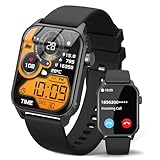
- 【1.83" HD Display & Customizable Watch Faces】Immerse yourself in a vibrant 1.83-inch IPS display, boasting a sharp resolution of 240*284 for crystal-clear visuals. Effortlessly personalize your smart watch with a wide array of customizable watch faces to suit your personal style for every occasion—whether trendy, artistic, or minimalist—ideal for casual, sporty, or professional. Its sleek, modern design complements any outfit, blending technology and fashion seamlessly for everyday wear
- 【120 Sports Modes & Advanced Health Tracking】Our TK29 smart watches for women men come equipped with 120 sports modes, allowing you to effortlessly track a variety of activities such as walking, running, cycling, and swimming. With integrated heart rate and sleep monitors, you can maintain a comprehensive overview of your health, achieve your fitness goals, and maintain a balanced, active lifestyle with ease. Your ideal wellness companion (Note: Step recording starts after exceeding 20 steps)
- 【IP67 Waterproof & Long-Lasting Battery】Designed to keep up with your active lifestyle, this smartwatch features an IP67 waterproof rating, ensuring it can withstand splashes, sweat, and even brief submersion, making it perfect for workouts, outdoor adventures, or rainy days. Its reliable 350mAh battery offering 5-7 days of active use and up to 30 days in standby mode, significantly reducing frequent charging. Ideal for all-day wear, whether you’re at the gym, outdoors, or simply on the go
- 【Stay Connected Anytime, Anywhere】Stay informed and in control with Bluetooth call and music control features. Receive real-time notifications for calls, messages, and social media apps like Facebook, WhatsApp, Twitter, and Instagram directly on your smartwatch. Easily manage calls, control your music playlist, and stay updated without needing to reach for your phone. Perfect for work, workouts, or on-the-go, this watch keeps you connected and never miss important updates wherever you are
- 【Multifunction & Wide Compatibility】Seamlessly handle heart rate monitoring, sleep tracking, and enjoy conveniences like camera/music control, Seamlessly handle heart rate monitoring, sleep tracking, and more-all directly from your wrist. This 1.83 inches HD smartwatch is compatible with iPhone (iOS 9.0+) & Android (5.0+), ensuring smooth daily connectivity and convenience throughout your day. More than just a timepiece, it’s a stylish, all-in-one wearable for smarter, healthier living
Qualcomm has also tightened integration between CPU, GPU, and memory subsystems, reducing latency that previously made Wear OS feel inconsistent. The result is a platform designed to feel instantly responsive even on compact cases where heat dissipation and battery capacity are limited. For users, this translates into fewer dropped frames, faster wake times, and smoother animations across the system.
Efficiency Gains That Directly Affect Battery Life
Battery life has been the Achilles’ heel of many premium Wear OS watches, and Snapdragon Wear Elite tackles this at multiple levels. Built on a more advanced manufacturing process, the platform delivers higher performance per watt, allowing OEMs to either push responsiveness or reinvest those gains into longer endurance. This is especially relevant for slim watches that prioritize comfort and wearability over oversized batteries.
Qualcomm has refined its low-power island concept so background tasks like heart-rate monitoring, sleep tracking, and step counting can run with minimal energy draw. Instead of waking the main processor frequently, more sensor data is handled autonomously. In practical terms, users should see fewer overnight battery drops, more reliable multi-day usage, and less anxiety about enabling continuous health features.
AI Acceleration Comes to the Wrist
One of the most important shifts with Snapdragon Wear Elite is dedicated on-device AI processing. This isn’t about flashy demos; it’s about practical improvements to health tracking, voice interactions, and adaptive system behavior. AI workloads can now be handled locally without constantly pinging the cloud, which improves privacy and reduces latency.
For health and fitness users, this opens the door to more advanced algorithms for heart-rate variability, sleep staging, and anomaly detection without a battery penalty. For everyday usability, voice assistants can respond faster, gesture detection becomes more reliable, and contextual features—like adaptive brightness or activity recognition—work more consistently throughout the day.
Modern Connectivity and Sensor Support
Snapdragon Wear Elite brings updated connectivity that aligns with what buyers expect from a premium wearable in 2026 and beyond. This includes faster Bluetooth with improved stability, more efficient Wi‑Fi, and optional cellular configurations that don’t cripple battery life. For LTE or future-ready 5G-enabled watches, this is critical for standalone functionality.
Sensor support has also expanded, giving manufacturers more flexibility in how they design health and fitness features. Multi-band GNSS, more accurate motion tracking, and higher sensor sampling rates allow for better outdoor activity tracking without excessive power drain. That directly benefits runners, cyclists, and hikers who rely on consistent GPS accuracy over long sessions.
Why Snapdragon Wear Elite Matters for Software Longevity
Performance headroom is one of the most overlooked aspects of smartwatch value, and Snapdragon Wear Elite addresses this head-on. By offering significantly more computational margin than previous platforms, it gives Wear OS room to evolve without bogging down older hardware. This increases the likelihood of longer update support and smoother feature rollouts over time.
For buyers spending flagship-level money, this matters as much as case materials or display brightness. A watch powered by Snapdragon Wear Elite is better positioned to handle future Wear OS versions, richer watch faces, and expanded health features without feeling obsolete. In practical terms, it means fewer compromises as the software stack grows more demanding.
The Foundation for the Next Wave of Premium Smartwatches
Qualcomm designed Snapdragon Wear Elite with high-end manufacturers in mind, particularly brands that have struggled to differentiate performance on Wear OS. Expect it to appear first in premium Android-compatible smartwatches that emphasize responsiveness, multi-day battery life, and advanced health tracking rather than entry-level pricing.
For consumers, Snapdragon Wear Elite serves as a clear line in the sand. Watches built on this platform are not just iterative updates; they represent a new baseline for what a flagship smartwatch should deliver in comfort, daily usability, and long-term value.
Why Snapdragon Wear Elite Matters: The Generational Leap Over Snapdragon W5+ Gen 1
The move from Snapdragon Wear W5+ Gen 1 to Snapdragon Wear Elite is not a routine silicon refresh. It represents Qualcomm rethinking what a flagship smartwatch platform should prioritize in 2026 and beyond, particularly as Wear OS grows heavier, more AI-driven, and more deeply integrated with health and connectivity features.
Where W5+ Gen 1 focused on stabilizing performance and efficiency after years of stagnation, Snapdragon Wear Elite is about unlocking headroom. That distinction matters because modern smartwatches are no longer simple notification mirrors; they are always-on computers strapped to the wrist, expected to be responsive, power-efficient, and durable across years of software updates.
From “Good Enough” Performance to Consistent Fluidity
Snapdragon Wear W5+ Gen 1 brought a noticeable improvement over earlier Wear platforms, but it still showed strain under real-world multitasking. App launches, complex watch faces, and background health processes could introduce micro-stutters, especially after software updates added new features.
Snapdragon Wear Elite targets this bottleneck directly with a significantly more capable CPU and GPU configuration. The emphasis is not peak benchmark numbers, but sustained responsiveness when multiple services are running simultaneously. For users, that translates into smoother scrolling, faster voice assistant responses, and watch faces that remain fluid even with live data, animations, and complications enabled.
This performance uplift also changes how manufacturers approach interface design. Brands can use richer visuals, higher refresh rate displays, and more expressive animations without worrying about degrading the daily experience.
A More Sophisticated Approach to Power Efficiency
W5+ Gen 1 introduced the idea of a co-processor handling low-power tasks, which helped extend battery life during idle states. Snapdragon Wear Elite builds on this concept with deeper task separation and smarter power scheduling across the entire system.
Rather than simply switching cores on and off, the platform is designed to scale performance more dynamically based on what the user is doing. Short bursts of high performance for app interactions are followed by aggressive downshifting when the watch returns to background tracking. This matters for real-world wearability, where users expect smooth interaction without sacrificing overnight battery drain.
In practical terms, this enables slimmer cases or smaller batteries without compromising endurance. For watchmakers, it opens the door to more refined designs, better weight balance on the wrist, and improved comfort during all-day wear.
Health and Fitness Tracking Without the Trade-Offs
One of the quiet limitations of W5+ Gen 1 was how quickly advanced health features could tax the system when combined. Continuous heart-rate tracking, multi-band GNSS, sleep analysis, and workout detection all compete for processing time and power.
Snapdragon Wear Elite is designed to handle these workloads in parallel more efficiently. Higher sensor sampling rates and improved data fusion allow for more accurate metrics without forcing manufacturers to disable features or throttle tracking quality. This directly benefits endurance athletes, outdoor explorers, and users who rely on consistent data over long sessions.
It also improves passive health monitoring. Features like stress tracking, irregular heart rhythm detection, and future predictive health algorithms can run more reliably in the background, rather than being constrained by hardware limits.
AI and On-Device Intelligence Finally Make Sense
With W5+ Gen 1, AI features were largely constrained to cloud-based processing or limited on-device tasks. Snapdragon Wear Elite is built with on-device intelligence as a core design goal, not an optional add-on.
This enables faster voice interactions, smarter contextual suggestions, and improved gesture recognition without constant cloud dependency. On-device AI also enhances privacy, since more data can be processed locally rather than transmitted off the watch.
For users, the benefit is subtle but meaningful. Voice commands feel more immediate, health insights become more personalized, and the watch adapts more naturally to daily routines without draining the battery or requiring a constant network connection.
Connectivity That Matches Standalone Expectations
W5+ Gen 1 made LTE-capable smartwatches viable, but it often required compromises in battery life or thermal performance. Snapdragon Wear Elite is better aligned with the reality that many users want true standalone functionality.
Improved modem efficiency and smarter connectivity management allow watches to stay connected without excessive power drain. This is particularly important for watches used during workouts, travel, or as phone replacements for short periods.
As networks evolve, Snapdragon Wear Elite also positions devices for longer relevance. Buyers investing in premium models can expect better long-term compatibility with future connectivity standards, which is critical for resale value and software support.
A Platform Built for Longer Software Lifespans
Perhaps the most important generational shift is how Snapdragon Wear Elite changes the lifecycle of a smartwatch. W5+ Gen 1 devices often felt strained after one or two major Wear OS updates, even if the hardware itself was still physically sound.
By offering substantially more performance and efficiency headroom, Snapdragon Wear Elite gives manufacturers and Google more freedom to evolve Wear OS without leaving early adopters behind. This has direct implications for update longevity, security patches, and feature parity over time.
For buyers weighing premium pricing against long-term value, this is the clearest argument in favor of Snapdragon Wear Elite. It is not just faster on day one; it is designed to remain usable, smooth, and relevant years into ownership, aligning smartwatch expectations more closely with traditional watch longevity rather than disposable tech cycles.
Performance, Efficiency, and AI: What the New Architecture Delivers in Real-World Use
Snapdragon Wear Elite is not just a faster follow-up to W5+ Gen 1; it represents a structural rethink of how a modern smartwatch should balance responsiveness, endurance, and on-device intelligence. The changes matter most when the watch is worn all day, slept in overnight, and used untethered from a phone.
Rather than chasing peak benchmark numbers, Qualcomm’s new approach focuses on sustained performance under mixed workloads. That distinction is critical for Wear OS devices, which rarely do one thing at a time.
CPU and System Performance That Feels Instantly More Fluid
At the core of Snapdragon Wear Elite is a more modern CPU architecture designed to handle short bursts of activity without spiking power draw. In practice, this translates into UI interactions that feel immediate, even after months of software updates and background services accumulating.
App launches, Google Assistant queries, and quick interactions like replying to notifications or starting a workout are where the gains are most noticeable. The watch no longer hesitates when transitioning between tiles, complications, and apps, even with LTE active in the background.
This matters for premium watches with higher-resolution displays and richer animations. As OEMs push brighter OLED panels, smoother scrolling, and more complex watch faces, Snapdragon Wear Elite provides the headroom to support those features without degrading the experience over time.
Rank #2
![Apple Watch Series 11 [GPS 46mm] Smartwatch with Jet Black Aluminum Case with Black Sport Band - M/L. Sleep Score, Fitness Tracker, Health Monitoring, Always-On Display, Water Resistant](https://m.media-amazon.com/images/I/312K597M2uL._SL160_.jpg)
- HYPERTENSION NOTIFICATIONS — Apple Watch Series 11 can spot signs of chronic high blood pressure and notify you of possible hypertension.*
- KNOW YOUR SLEEP SCORE — Sleep score provides an easy way to help track and understand the quality of your sleep, so you can make it more restorative.
- EVEN MORE HEALTH INSIGHTS — Take an ECG anytime.* Get notifications for a high and low heart rate, an irregular rhythm,* and possible sleep apnea.* View overnight health metrics with the Vitals app* and take readings of your blood oxygen.*
- STUNNING DESIGN — Thin and lightweight, Series 11 is comfortable to wear around the clock — while exercising and even when you’re sleeping, so it can help track your key metrics.
- A POWERFUL FITNESS PARTNER — With advanced metrics for all your workouts, plus features like Pacer, Heart Rate Zones, training load, Workout Buddy powered by Apple Intelligence from your nearby iPhone,* and more. Series 11 also comes with three months of Apple Fitness+ free.*
Efficiency Gains That Extend Beyond Simple Battery Life Claims
Battery life improvements with Snapdragon Wear Elite are less about headline day counts and more about consistency. The platform is engineered to maintain predictable drain across varied usage patterns, whether the watch is tracking GPS runs, handling notifications, or idling overnight.
Smarter task scheduling between high-performance and low-power cores reduces unnecessary wake-ups. This means fewer surprise battery drops during days with heavy notification traffic or intermittent LTE use.
For users, the benefit shows up as confidence rather than anxiety. You stop thinking about whether a late workout or evening event will require a charger, even with always-on display and continuous health tracking enabled.
AI Acceleration Moves On-Device Intelligence From Gimmick to Utility
Snapdragon Wear Elite places far more emphasis on dedicated AI processing than previous Wear platforms. This is not about flashy demos, but about running meaningful models locally without relying on cloud round-trips.
Health and fitness features benefit first. More complex sleep-stage analysis, adaptive heart-rate monitoring, and anomaly detection can happen directly on the watch, preserving privacy while reducing latency and power use.
Voice interactions also improve in subtle but important ways. Wake-word detection, speech preprocessing, and intent recognition feel more natural when they are handled locally, even in low-connectivity environments like gyms or outdoor trails.
Thermal Control That Preserves Comfort and Wearability
One of the underappreciated benefits of the new architecture is thermal stability. Earlier LTE-enabled Wear OS watches could become noticeably warm during navigation, streaming, or long workouts, affecting both comfort and battery efficiency.
Snapdragon Wear Elite’s improved efficiency reduces sustained heat buildup, allowing watches to remain comfortable on the wrist during prolonged use. This is especially important for watches with metal cases, slim profiles, or tight-fitting sport straps.
Better thermal behavior also preserves component longevity. Displays, batteries, and sensors perform more consistently when they are not exposed to repeated heat stress, directly impacting long-term reliability.
Graphics and Display Handling Built for Premium Watch Design
As smartwatch makers increasingly treat displays as a defining feature, the GPU and display pipeline matter more than ever. Snapdragon Wear Elite is better equipped to handle higher refresh rates, more complex watch faces, and dynamic complications without compromising efficiency.
This enables richer visual design without sacrificing endurance. Always-on displays can show more information with smoother transitions, while still maintaining the low-power characteristics users expect.
For buyers considering high-end models with sapphire glass, stainless steel or titanium cases, and luxury-inspired finishing, the platform ensures the software experience matches the physical craftsmanship.
Why These Changes Matter Over Years, Not Just at Launch
Performance and efficiency gains compound over time. As Wear OS evolves, background services expand, and third-party apps grow more demanding, Snapdragon Wear Elite’s architectural headroom helps prevent the slow decline that plagued earlier generations.
This directly supports longer software update windows and more ambitious features down the line. Watches built on this platform are better positioned to handle future health metrics, AI-driven insights, and interface changes without feeling obsolete.
For users investing in a next-generation smartwatch, Snapdragon Wear Elite is less about bragging rights and more about sustained quality. It delivers a daily experience that remains smooth, comfortable, and reliable well beyond the honeymoon period.
Battery Life Breakthroughs: How Wear Elite Changes Always-On Display, GPS, and Multi-Day Wear
All of the architectural headroom discussed so far ultimately serves one goal that matters more than benchmark charts: meaningful battery life gains without compromising the experience. Snapdragon Wear Elite approaches endurance not as a single metric, but as a system-level outcome shaped by display behavior, sensor scheduling, radio efficiency, and how intelligently the watch decides when full power is actually needed.
Rather than chasing headline mAh numbers, the platform focuses on reducing waste during the thousands of micro-interactions that define daily wear. That shift is what makes its battery improvements feel tangible on the wrist, not just theoretical.
Always-On Display That Stays Informative Without Becoming a Battery Tax
Always-on display has historically been one of the most visible drains on Wear OS watches, forcing brands to choose between minimal clock-only modes or aggressive timeout behavior. Wear Elite significantly changes this balance by pairing a more efficient display controller with finer-grained power domains, allowing different parts of the screen pipeline to wake independently.
In practical terms, this means complications can update selectively rather than triggering a full display refresh. Time, date, and key indicators like steps or battery can remain visible with smoother animations, while background layers stay dormant.
This also plays well with modern LTPO and hybrid OLED panels increasingly used in premium watches. Lower refresh rates can be held more consistently, reducing power draw without the flicker or sluggishness seen on earlier Snapdragon Wear platforms.
For users, the benefit is not just longer standby time, but an always-on display that feels worth using. Watch faces can be more expressive, legible in sunlight, and genuinely useful at a glance, even on watches with sapphire crystals and higher brightness targets.
GPS Efficiency Moves From “Workout-Only” to All-Day Confidence
GPS has long been the battery cliff for Wear OS devices. Continuous tracking could turn even large-cased sports watches into single-day devices, especially when paired with LTE or music playback.
Wear Elite addresses this with a more efficient GNSS subsystem and improved coordination between the main CPU and low-power cores. Instead of keeping high-performance cores awake during tracking, location sampling, sensor fusion, and route logging can run predominantly on low-power silicon.
This matters most during long outdoor activities. Hikes, bike rides, and city navigation sessions benefit from steadier tracking with less thermal buildup, preserving both accuracy and comfort on the wrist.
For everyday users, it also changes how GPS fits into daily life. Passive location-based features, contextual reminders, and safety tracking become viable without the constant anxiety of watching battery percentages drop.
Multi-Day Wear Becomes Realistic Without Sacrificing Smart Features
Previous Snapdragon Wear generations often forced a trade-off: enable smart features and charge daily, or limit functionality to stretch into a second day. Wear Elite’s efficiency gains begin to dissolve that compromise.
By aggressively offloading background tasks like health monitoring, sleep tracking, and ambient sensing to ultra-low-power cores, the platform allows watches to remain “on” without remaining “awake.” This is especially impactful overnight, where earlier devices often lost a disproportionate amount of charge during sleep tracking.
In real-world terms, this opens the door to consistent two-day use on mainstream case sizes, and even longer endurance on larger sport-oriented designs. Titanium or stainless steel watches no longer need oversized cases just to house a larger battery, improving comfort and wearability for smaller wrists.
For buyers who care about daily usability, this is the difference between charging becoming a habit and charging becoming an afterthought.
Smarter Power Management Across Sensors, Radios, and Daily Use
Battery life improvements are not limited to marquee features like display and GPS. Wear Elite introduces more granular power control across Bluetooth, Wi-Fi, LTE, and sensor arrays, allowing radios to ramp precisely to the level required for the task.
Quick notification syncs, short voice replies, or tap-to-pay interactions no longer demand full system wake-ups. The watch feels instantly responsive, yet spends most of its time in deeply efficient states.
This also benefits health tracking accuracy over time. Stable power delivery means heart rate sensors, SpO2 monitoring, and future metrics can operate more consistently without aggressive duty cycling that can introduce gaps or noise.
For long-term owners, smarter power behavior also protects battery health. Fewer deep discharge cycles and lower sustained heat translate into slower capacity degradation, preserving multi-day performance years after purchase.
Why Battery Gains Matter More as Watches Get More Ambitious
As Wear OS continues to absorb AI-driven features, richer notifications, and deeper health insights, baseline efficiency becomes the limiting factor. Snapdragon Wear Elite provides the margin that allows manufacturers to add capabilities without regressing on endurance.
This is especially important for premium watches that emphasize materials, finishing, and slim proportions. A well-finished steel bracelet or integrated rubber strap means little if the watch demands nightly charging under normal use.
By treating battery life as a foundational design constraint rather than a marketing checkbox, Wear Elite enables a new class of smartwatches. These are devices that feel genuinely wearable all day, all night, and across multiple days, without forcing users to think like power managers just to enjoy their features.
Rank #3

- Bluetooth Call and Message Alerts: Smart watch is equipped with HD speaker, after connecting to your smartphone via bluetooth, you can answer or make calls, view call history and store contacts through directly use the smartwatch. The smartwatches also provides notifications of social media messages (WhatsApp, Twitter, Facebook, Instagram usw.) So that you will never miss any important information.
- Smart watch for men women is equipped with a 320*380 extra-large hd full touch color screen, delivering exceptional picture quality and highly responsive touch sensitivity, which can bring you a unique visual and better interactive experience, lock screen and wake up easily by raising your wrist. Though “Gloryfit” app, you can download more than 102 free personalised watch faces and set it as your desktop for fitness tracker.
- 24/7 Heart Rate Monitor and Sleep Tracker Monitor: The fitness tracker watch for men has a built-in high-performance sensor that can record our heart rate changes in real time. Monitor your heart rate 26 hours a day and keep an eye on your health. Synchronize to the mobile phone app"Gloryfit", you can understand your sleep status(deep /light /wakeful sleep) by fitness tracker watch develop a better sleep habit and a healthier lifestyle.
- IP68 waterproof and 110+ Sports Modes: The fitness tracker provides up to 112+ sports modes, covering running, cycling, walking, basketball, yoga, football and so on. Activity trackers bracelets meet the waterproof requirements for most sports enthusiasts' daily activities, such as washing hands or exercising in the rain, meeting daily needs (note: Do not recommended for use in hot water or seawater.)
- Multifunction and Compatibility: This step counter watch also has many useful functions, such as weather forecast, music control, sedentary reminder, stopwatch, alarm clock, timer, track female cycle, screen light time, find phone etc. The smart watch with 2 hrs of charging, 5-7 days of normal use and about 30 days of standby time. This smart watches for women/man compatible with ios 9.0 and android 6.2 and above devices.
Connectivity and Sensors: 5G/LTE, GNSS, Health Tracking, and Smarter Co-Processors
The battery headroom unlocked by Snapdragon Wear Elite changes what radios and sensors can realistically stay active throughout the day. Instead of treating connectivity and health tracking as power-hungry features to be rationed, the platform is designed to keep them running more intelligently and more often, without eroding multi-day endurance.
This is where Wear Elite quietly becomes more transformative than a raw CPU upgrade. Connectivity reliability, sensor fidelity, and background intelligence all improve together, which directly affects how useful a smartwatch feels when you are not actively staring at the screen.
LTE Today, 5G-Ready for Tomorrow
Snapdragon Wear Elite continues Qualcomm’s integrated cellular approach, with LTE remaining the baseline for most watches shipping in the near term. Expect broad support for LTE Cat-1 and Cat-4 configurations, including eSIM-first designs that simplify global SKUs and carrier partnerships.
For real-world users, this means faster notification sync, more reliable standalone calling, and better streaming stability without tethering to a phone. Combined with Wear Elite’s refined power gating, cellular no longer feels like a battery penalty that must be manually disabled to preserve endurance.
More importantly, the platform is architected with 5G RedCap-class connectivity in mind, even if early implementations remain LTE-focused. As low-power 5G networks mature, Wear Elite-based watches will be far better positioned to adopt higher bandwidth and lower latency radios without wholesale platform changes.
Wi‑Fi and Bluetooth That Scale to the Task
Wear Elite introduces more nuanced control over short-range radios, allowing Wi‑Fi and Bluetooth to scale dynamically based on workload. Quick interactions like notification syncs or smart lock authentication no longer trigger full radio power states.
This matters in daily wear because it reduces invisible battery drain. A watch that checks in frequently but lightly feels responsive without sacrificing overnight tracking or multi-day use.
For users who rely on Bluetooth audio, external sensors, or car connectivity, the result is fewer dropouts and lower latency. The experience feels closer to a modern smartphone, but tuned for wrist-sized power and thermal constraints.
Multi-Band GNSS for Accurate, Always-On Location
Location tracking is one of the most demanding smartwatch tasks, and Snapdragon Wear Elite is clearly optimized for it. Multi-band GNSS support enables access to additional satellite constellations and frequencies, improving lock speed and accuracy in urban environments.
For runners, cyclists, and hikers, this translates into cleaner route maps and more consistent pace data. Importantly, these gains are delivered without forcing manufacturers to choose between accuracy and battery life.
Because GNSS workloads can be offloaded more efficiently, background location tracking becomes viable for safety features, navigation prompts, and context-aware apps. This expands what watches can do passively, not just during dedicated workouts.
Health Sensors That Run Longer and Measure More Reliably
Health tracking benefits directly from Wear Elite’s sensor architecture and power management. Optical heart rate, SpO2, skin temperature, and emerging metrics can operate with steadier sampling rates rather than aggressive duty cycling.
Consistency matters more than peak measurement frequency. Stable sensor operation reduces gaps in data, improves trend analysis, and supports more reliable sleep tracking across multiple nights without mid-sleep battery anxiety.
For manufacturers focused on premium materials and comfort, this is critical. A slim steel case, ceramic back, or curved sapphire crystal only delivers value if the watch can be worn continuously without frequent charging interruptions.
Dedicated Co-Processors and Always-On Intelligence
One of the least visible but most important upgrades in Snapdragon Wear Elite is its expanded use of low-power co-processors. These handle sensor fusion, basic AI inference, and contextual awareness without waking the main CPU cluster.
In practice, this allows features like activity detection, gesture recognition, and adaptive UI behavior to run constantly in the background. The watch feels smarter not because it does more on demand, but because it understands what you are doing before you ask.
This also improves long-term software viability. As Wear OS evolves toward more on-device intelligence, having dedicated silicon for background tasks ensures future updates do not degrade performance or battery life on existing hardware.
Why This Matters for Real Watches You Can Buy
Connectivity and sensor improvements shape the physical design of next-generation smartwatches. With less need for oversized batteries, brands can prioritize thinner cases, better weight distribution, and more comfortable strap integration.
Expect more balanced designs that wear closer to traditional watches, with improved finishing, better bracelet articulation, and materials that feel appropriate at premium price points. The chipset enables these choices rather than forcing compromises.
For buyers, Snapdragon Wear Elite means choosing a watch that stays connected, tracks health accurately, and remains responsive years down the line. The gains are not flashy, but they fundamentally change how wearable technology fits into everyday life.
Wear OS and Software Longevity: Faster Updates, Longer Support, and Better App Experiences
All of the hardware gains enabled by Snapdragon Wear Elite ultimately serve one goal: making Wear OS devices age more gracefully. Performance headroom, efficiency, and platform stability directly influence how quickly updates arrive and how usable a watch feels two or three years into ownership.
This is where Snapdragon Wear Elite represents a structural shift rather than a routine spec bump.
A Platform Designed for Predictable Wear OS Updates
Historically, Wear OS update delays have been tied less to Google and more to chipset transitions, driver validation, and vendor-specific firmware work. Snapdragon Wear Elite is built on a modern Android baseline with longer-term kernel support, reducing the amount of custom engineering required for each major Wear OS release.
For watchmakers, that means fewer blockers when moving from one Wear OS version to the next. Security patches, system UI improvements, and health framework updates can be delivered faster and with less risk of breaking performance or battery life.
For buyers, this translates into a watch that does not feel “stuck” on the software it launched with. That matters if you plan to wear a stainless steel or titanium smartwatch daily for several years rather than treating it as a disposable gadget.
Performance Headroom That Preserves Responsiveness Over Time
One of the quiet problems with older Snapdragon Wear chips was that they launched close to their performance ceiling. As Wear OS added richer animations, background health services, and more complex watch faces, everyday responsiveness suffered.
Snapdragon Wear Elite changes that equation. With significantly faster CPU cores, a more capable GPU, and improved memory bandwidth, the platform has enough reserve to absorb future OS features without slowing basic interactions.
Scrolling through Tiles, launching apps, dictating messages, or navigating dense watch faces remains fluid even after years of updates. That sustained smoothness is essential on a device you interact with dozens of times per day, often in short, time-sensitive moments.
Better App Compatibility and Fewer Compromises for Developers
From an app ecosystem perspective, Snapdragon Wear Elite aligns Wear OS more closely with modern Android development practices. Support for newer graphics APIs, more consistent performance across CPU clusters, and improved background task handling makes it easier for developers to build once and scale reliably.
This reduces the need for aggressive feature trimming on older hardware. Apps can maintain richer interfaces, smoother animations, and more frequent background updates without draining the battery or triggering thermal throttling.
Over time, that means fewer abandoned apps and fewer “lite” versions designed to accommodate underpowered watches. For users, the Play Store experience feels healthier and less fragmented.
Health, Fitness, and AI Features That Scale With Wear OS
Wear OS is increasingly centered around Google Health Services, on-device processing, and continuous background sensing. Snapdragon Wear Elite’s co-processor architecture ensures these features can expand without compromising daily usability.
As sleep analysis, stress tracking, and adaptive coaching become more sophisticated, much of the processing can remain on-device. This reduces cloud dependency, improves privacy, and ensures features continue to work even as apps and algorithms grow more complex.
Crucially, this also protects battery life. Advanced health features are no longer something you enable at the cost of needing to charge before dinner.
Why Longevity Matters More on Premium Smartwatches
Snapdragon Wear Elite is likely to power watches built with premium materials, refined case finishing, sapphire crystals, and well-engineered bracelets or straps. These are products designed to be worn continuously, not replaced annually.
Software longevity is what allows that physical quality to retain its value. A slim steel case or ceramic-backed watch only feels premium if the UI remains fast, apps remain supported, and new features arrive long after launch.
Rank #4
![Apple Watch Series 11 [GPS 42mm] Smartwatch with Rose Gold Aluminum Case with Light Blush Sport Band - S/M. Sleep Score, Fitness Tracker, Health Monitoring, Always-On Display, Water Resistant](https://m.media-amazon.com/images/I/31J+F-pXaWL._SL160_.jpg)
- HYPERTENSION NOTIFICATIONS — Apple Watch Series 11 can spot signs of chronic high blood pressure and notify you of possible hypertension.*
- KNOW YOUR SLEEP SCORE — Sleep score provides an easy way to help track and understand the quality of your sleep, so you can make it more restorative.
- EVEN MORE HEALTH INSIGHTS — Take an ECG anytime.* Get notifications for a high and low heart rate, an irregular rhythm,* and possible sleep apnea.* View overnight health metrics with the Vitals app* and take readings of your blood oxygen.*
- STUNNING DESIGN — Thin and lightweight, Series 11 is comfortable to wear around the clock — while exercising and even when you’re sleeping, so it can help track your key metrics.
- A POWERFUL FITNESS PARTNER — With advanced metrics for all your workouts, plus features like Pacer, Heart Rate Zones, training load, Workout Buddy powered by Apple Intelligence from your nearby iPhone,* and more. Series 11 also comes with three months of Apple Fitness+ free.*
In that sense, Snapdragon Wear Elite is as much about protecting your investment as it is about raw performance. It enables Wear OS watches that mature over time rather than peaking on day one.
The First Smartwatches Expected to Use Snapdragon Wear Elite
If Snapdragon Wear Elite is meant to underpin long-lived, premium Wear OS hardware, its first appearances are unlikely to be in budget or experimental devices. Qualcomm’s partners typically reserve new platforms for watches that are meant to define a generation, both in terms of industrial design and long-term software commitment.
What follows isn’t a list of confirmed products, but a platform-level forecast based on brand history, release cycles, and how closely each manufacturer’s goals align with what Wear Elite enables.
Next-Generation Samsung Galaxy Watch (Wear OS Flagship Tier)
Samsung remains Qualcomm’s most visible Wear OS partner, even with its partial reliance on Exynos branding. Behind the scenes, Samsung has frequently co-developed or customized Qualcomm platforms, particularly when it needs better GPU performance, modem efficiency, or AI acceleration than its in-house silicon can provide.
A Galaxy Watch generation built around Snapdragon Wear Elite would likely emphasize smoother One UI Watch animations, more persistent background health tracking, and longer always-on display endurance. This matters on Samsung’s slim, curved cases, where battery capacity is constrained by design rather than cost.
From a wearability perspective, the Galaxy Watch’s lightweight aluminum and stainless steel cases benefit directly from efficiency gains. Less heat buildup means better comfort during sleep tracking, while improved power management allows Samsung to keep features like continuous heart rate, ECG readiness, and on-device coaching enabled without compromising all-day battery life.
Google Pixel Watch 3 or Pixel Watch Pro
Google is perhaps the most philosophically aligned brand with Snapdragon Wear Elite’s goals. Pixel Watch has always prioritized fluid UI, deep AI integration, and health features that run continuously rather than on-demand.
A Pixel Watch powered by Wear Elite would finally remove the performance ceiling that constrained earlier generations. Expect faster Assistant responses, more reliable offline features, and health algorithms that process data locally instead of batching it for cloud analysis.
Hardware-wise, this also opens the door for a slightly thicker case with better thermal distribution and a larger battery, without sacrificing the refined domed sapphire aesthetic. For users, that translates to a Pixel Watch that feels less like a concept device and more like a daily, sleep-friendly wearable that can age gracefully over four or five years of updates.
Fossil Group’s Premium Wear OS Revival
Fossil Group has scaled back its smartwatch ambitions in recent years, but Snapdragon Wear Elite creates a plausible path for a return to form at the premium end. Brands like Fossil, Skagen, and Michael Kors have always excelled at case finishing, thin profiles, and comfortable bracelets, but were held back by underpowered silicon.
With Wear Elite, Fossil could once again justify higher-end materials like stainless steel with complex brushing, ceramic casebacks, and slimmer lugs without worrying about thermal throttling or sluggish UI performance. These are watches people buy for how they look on the wrist first, but keep only if the software remains responsive.
For style-focused buyers who still want full Wear OS functionality, this platform could finally make fashion-first smartwatches feel technically competitive rather than compromised.
TicWatch Pro Successors Focused on Battery Endurance
Mobvoi’s TicWatch Pro line is built around a dual-display philosophy, pairing OLED panels with ultra-low-power LCD overlays. Snapdragon Wear Elite’s co-processor architecture fits this approach almost perfectly.
A TicWatch Pro using Wear Elite could push multi-day battery life even further while still delivering smooth performance when switching to full Wear OS mode. Health tracking, GPS, and background sensing would benefit from more intelligent workload distribution, reducing the need to aggressively disable features.
These watches tend to be thicker and more rugged, with reinforced cases and durable straps. In that context, Wear Elite isn’t about elegance, but about making a heavy-duty smartwatch that actually lives up to its endurance claims without feeling slow or dated after a year.
TAG Heuer, Montblanc, and Luxury Wear OS Watches
Luxury smartwatch brands operate on a very different timeline than mass-market electronics. Their customers expect sapphire crystals, finely machined titanium or steel cases, and bracelets that feel closer to mechanical watches than gadgets.
Snapdragon Wear Elite makes Wear OS more viable in this segment because it reduces the mismatch between physical longevity and digital obsolescence. A TAG Heuer Connected or Montblanc Summit built on this platform can realistically offer smooth performance and software updates for much longer, preserving brand credibility.
These watches are often heavier, with solid casebacks and premium straps, which also helps with thermal management. In return, Wear Elite allows luxury brands to integrate richer watch faces, smoother transitions, and more advanced health features without compromising the refined wearing experience their customers expect.
What You Should Expect as a Buyer
The first wave of Snapdragon Wear Elite watches will almost certainly sit at the higher end of the price spectrum. These are devices designed to be worn continuously, paired with premium materials, and supported well beyond the typical upgrade cycle.
For buyers, the key benefit isn’t just speed on day one. It’s confidence that the watch you strap on today will still feel responsive, compatible, and feature-complete years down the line, even as Wear OS evolves.
In that sense, Snapdragon Wear Elite doesn’t just define which watches are coming next. It reshapes which smartwatches are worth investing in at all.
Brand-by-Brand Forecast: Samsung, Google, Fossil Group, Mobvoi, Xiaomi, and Beyond
With Snapdragon Wear Elite setting a new performance and efficiency baseline for Wear OS, the more interesting question is not whether it will appear, but where Qualcomm’s most capable wearable platform actually makes strategic sense. Each brand approaches smartwatches with very different priorities around vertical integration, industrial design, and software control.
What follows is not a list of confirmed products, but a realistic forecast grounded in how these companies have behaved historically, what their current platforms can and cannot do, and where Wear Elite meaningfully changes the equation.
Samsung: Likely to Watch from the Sidelines
Samsung remains the biggest wildcard, but also the least likely adopter in the near term. Since the Galaxy Watch 4, Samsung has committed fully to its Exynos W-series silicon, tightly co-developed with its mobile SoCs and deeply optimized for One UI Watch.
From a purely technical perspective, Snapdragon Wear Elite could outperform Exynos in peak responsiveness or sustained efficiency. Strategically, however, Samsung values vertical control more than marginal gains, especially when it already delivers strong battery life, polished health tracking, and smooth UI transitions.
Unless Samsung introduces a secondary Wear OS line or dramatically rethinks its silicon roadmap, Wear Elite is more likely to pressure Samsung indirectly by raising expectations around longevity and fluidity rather than powering a Galaxy Watch outright.
Google: The Most Logical High-Profile Partner
Google’s Pixel Watch line remains the most natural showcase for Snapdragon Wear Elite. Pixel Watch has historically leaned on Qualcomm platforms, and Google’s priorities align closely with what Wear Elite enables: AI-driven features, long-term OS support, and consistent performance across years of updates.
A Pixel Watch built on Wear Elite would directly benefit from faster on-device processing for health insights, more responsive Assistant interactions, and improved background task handling without compromising battery life. This matters even more given Pixel Watch’s relatively compact case and slim profile, where thermal headroom is limited.
Just as importantly, Wear Elite could allow Google to keep older Pixel Watch models relevant for longer, reinforcing trust in the Pixel ecosystem rather than pushing users toward frequent hardware upgrades.
Fossil Group: A Complicated but Not Impossible Return
Fossil Group’s retreat from the smartwatch market complicates the picture, but it does not eliminate Wear Elite relevance entirely. Fossil’s legacy Wear OS designs were often praised for comfort, traditional proportions, and strap compatibility, but consistently held back by underpowered silicon.
If Fossil or its licensed fashion partners were to re-enter the category with a premium, low-volume Wear OS watch, Snapdragon Wear Elite would be the only platform that makes sense. It would allow a thinner case, smoother animations, and acceptable battery life without revisiting the compromises that hurt earlier generations.
That said, any Fossil-related adoption would likely be selective and cautious, aimed at design-led buyers rather than mass-market scale.
Mobvoi: Where Wear Elite Makes the Biggest Immediate Impact
Mobvoi is arguably the clearest near-term beneficiary of Snapdragon Wear Elite. The TicWatch Pro line has long leaned into dual-display endurance, rugged construction, and large batteries, but performance inconsistencies and slow updates have undermined that promise.
Wear Elite directly addresses Mobvoi’s weak points. Faster cores and better efficiency mean the secondary display can stay relevant without the primary OS feeling dated or sluggish, while improved background processing helps health tracking run continuously without draining the battery.
For users who value long wear times, durable cases, and practical straps over slim profiles, a Wear Elite-powered TicWatch could finally deliver on its spec sheet without the usual trade-offs.
Xiaomi: A Quiet but Strategic Opportunity
Xiaomi has treated Wear OS as a secondary platform, favoring proprietary operating systems for battery life and cost control. When it does use Wear OS, it tends to prioritize value-driven hardware with strong specs and aggressive pricing.
💰 Best Value
![Apple Watch Series 11 [GPS 42mm] Smartwatch with Jet Black Aluminum Case with Black Sport Band - S/M. Sleep Score, Fitness Tracker, Health Monitoring, Always-On Display, Water Resistant](https://m.media-amazon.com/images/I/31ybzrJZckL._SL160_.jpg)
- HYPERTENSION NOTIFICATIONS — Apple Watch Series 11 can spot signs of chronic high blood pressure and notify you of possible hypertension.*
- KNOW YOUR SLEEP SCORE — Sleep score provides an easy way to help track and understand the quality of your sleep, so you can make it more restorative.
- EVEN MORE HEALTH INSIGHTS — Take an ECG anytime.* Get notifications for a high and low heart rate, an irregular rhythm,* and possible sleep apnea.* View overnight health metrics with the Vitals app* and take readings of your blood oxygen.*
- STUNNING DESIGN — Thin and lightweight, Series 11 is comfortable to wear around the clock — while exercising and even when you’re sleeping, so it can help track your key metrics.
- A POWERFUL FITNESS PARTNER — With advanced metrics for all your workouts, plus features like Pacer, Heart Rate Zones, training load, Workout Buddy powered by Apple Intelligence from your nearby iPhone,* and more. Series 11 also comes with three months of Apple Fitness+ free.*
Snapdragon Wear Elite opens the door for Xiaomi to offer a true flagship Wear OS watch that competes on experience rather than just features. Improved efficiency could allow Xiaomi to use higher-quality displays, better haptics, and richer materials without sacrificing endurance.
If Xiaomi decides to reassert itself in the Wear OS space, Wear Elite would enable a watch that feels premium on the wrist while still aligning with the brand’s value-centric philosophy.
Beyond the Big Names: OnePlus, Oppo, and Niche Players
Brands like OnePlus and Oppo sit in an interesting middle ground. They care deeply about smooth UI, fast interactions, and ecosystem cohesion, but have not always prioritized long-term smartwatch support.
For these companies, Snapdragon Wear Elite offers a way to ship fewer models with longer relevance, reducing fragmentation while delivering a visibly better experience. Thinner cases, improved thermal behavior, and more reliable all-day battery life make it easier to position a smartwatch as a daily companion rather than an accessory.
Smaller brands and enthusiast-focused manufacturers may also gravitate toward Wear Elite, particularly if they build larger, sport-oriented watches where the platform’s efficiency and sustained performance advantages are most noticeable in real-world use.
What Snapdragon Wear Elite Means for Buyers: Who Should Wait and Who Should Upgrade
All of this platform momentum ultimately funnels into a practical question: does Snapdragon Wear Elite meaningfully change the buying calculus, or is it another incremental step best ignored until the next design refresh. The answer depends less on brand loyalty and more on how your current watch behaves in daily use.
Upgrade Now If Your Watch Feels Fast on Paper but Slow on the Wrist
If you are using a Snapdragon Wear 4100 or earlier-generation Wear OS watch, Wear Elite represents a genuine generational jump rather than a spec-sheet shuffle. UI stutter, delayed app launches, and inconsistent fitness tracking are all symptoms of limited sustained performance, not software polish.
Wear Elite’s improved CPU scheduling and background efficiency directly target those frustrations. The difference will be most obvious during real-world interactions like scrolling through notifications, switching workout modes mid-session, or using Google Maps without the watch heating up and throttling.
Battery-Conscious Users Will See the Biggest Gains
Buyers who prioritize multi-day endurance or reliable overnight sleep tracking should pay close attention to first-wave Wear Elite devices. The platform’s efficiency gains are not about headline battery size, but about reducing idle drain and stabilizing background health monitoring.
That matters for larger, sport-oriented watches with GPS, LTE, and bright displays, where older chips often forced trade-offs. A Wear Elite-powered watch is more likely to deliver consistent two-day use without aggressive battery-saving modes that compromise the experience.
Recent Snapdragon Wear Gen Users Can Afford to Be Selective
If you already own a watch based on Snapdragon W5 or W5+, the decision is less urgent. Your watch is probably smooth enough today, and Wear Elite will not suddenly transform the Wear OS experience in isolation.
In this case, the upgrade only makes sense if it arrives alongside meaningful hardware improvements like a brighter LTPO display, slimmer case dimensions, better haptics, or upgraded sensors. Wear Elite is an enabler, but the overall product still has to justify the jump.
Performance-First Buyers Should Wait for Second-Generation Designs
Early Wear Elite watches will showcase what the platform can do, but the most refined designs typically arrive one hardware cycle later. Case thickness, thermal tuning, and battery sizing often improve once brands have real-world data to work from.
If you value comfort, balanced proportions, and polished industrial design as much as raw speed, waiting for follow-up models may deliver a more complete watch. This is especially true for brands experimenting with new materials or larger displays.
Health and Fitness Power Users Will Benefit Immediately
Users who rely heavily on continuous heart rate tracking, advanced sleep analysis, or all-day SpO₂ monitoring should not underestimate the impact of a more efficient platform. Wear Elite allows sensors to run more consistently without forcing the system into power-saving compromises.
That translates to cleaner data, fewer gaps, and less anxiety about battery levels during long training days. For athletes or data-focused users, this alone can justify upgrading sooner rather than later.
Casual Smartwatch Users Can Safely Sit Tight
If your smartwatch is primarily a notification screen with occasional workouts and timekeeping duties, Wear Elite is not essential. Existing platforms already handle these tasks well enough, and the experiential leap may feel subtle rather than transformative.
Waiting also allows pricing to stabilize and software support to mature, especially as manufacturers refine how they leverage the new chipset. For light users, patience is unlikely to come with meaningful downsides.
The Bigger Picture: Longevity and Software Support
Perhaps the most overlooked benefit of Snapdragon Wear Elite is not immediate performance, but future-proofing. More headroom means Wear OS updates, new health features, and AI-driven experiences can arrive without pushing the hardware to its limits.
For buyers who keep their watches for three years or more, that matters as much as battery life or display quality. A Wear Elite-powered watch is more likely to age gracefully, maintaining responsiveness and reliability as the platform evolves.
The Bigger Picture: How Wear Elite Shapes the Future of Premium Smartwatches
Stepping back from individual buying decisions, Snapdragon Wear Elite signals a broader reset for what high-end Wear OS watches are expected to deliver. It is not just a faster chip, but a platform designed to let hardware, software, and long-term support finally move in sync.
For the first time in years, Android-based smartwatches have a silicon foundation that feels intentionally built for the next generation rather than stretched to keep up with it.
From Catch-Up to Competitive Parity
Historically, Wear OS watches have lagged behind Apple Watch in perceived smoothness, efficiency, and long-term reliability. Wear Elite narrows that gap by delivering sustained performance without the thermal throttling or battery penalties that plagued earlier Snapdragon Wear generations.
In daily use, this means fluid animations, quicker app launches, and fewer compromises when running background health tracking alongside navigation, music, or LTE connectivity.
Enabling Better Hardware, Not Just Faster Software
A more efficient and thermally stable chipset gives manufacturers freedom to rethink physical design. Expect slimmer cases, better weight distribution, and more comfortable proportions even as displays grow larger and brighter.
This also opens the door to premium materials like titanium, ceramic, and sapphire being used without forcing battery capacity or comfort sacrifices. Wear Elite does not just improve specs; it improves how a watch feels on the wrist over a full day.
Battery Life as a Design Feature, Not a Limitation
Battery life has long dictated what Wear OS watches could not do. With Wear Elite, battery endurance becomes something brands can actively shape rather than constantly defend.
That translates to always-on displays that actually stay on, multi-day mixed use becoming realistic, and health sensors running continuously without aggressive power-saving shortcuts. The result is a watch that feels dependable rather than fragile in daily routines.
Health Tracking Moves Toward Clinical Consistency
More predictable power behavior allows sensors to collect data more frequently and with fewer interruptions. Continuous heart rate, overnight SpO₂, stress trends, and advanced sleep staging all benefit from a platform that does not need to constantly triage resources.
Over time, this consistency matters more than headline features, especially for users who care about long-term trends rather than one-off metrics.
AI and On-Device Intelligence Finally Make Sense
Wear Elite’s dedicated AI capabilities point toward smarter on-device processing rather than cloud-dependent tricks. Voice assistants respond faster, contextual suggestions feel more relevant, and health insights can be generated locally with better privacy and lower latency.
As Wear OS integrates more predictive and adaptive features, having enough headroom to run them smoothly becomes essential rather than optional.
Longer Lifespans and Better Software Support
Perhaps the most meaningful shift is how Wear Elite changes the expected lifespan of a premium smartwatch. With more performance margin, future Wear OS updates are less likely to degrade responsiveness or battery life.
For buyers investing in higher-end models, this improves value over time and makes keeping a watch for three to four years feel realistic instead of optimistic.
What This Means for Buyers Watching the Roadmap
Smartwatches launching on Wear Elite will likely define the premium Android wearable experience for the next several product cycles. Early models will showcase raw capability, while second-generation designs should refine comfort, battery tuning, and industrial polish.
If you care about responsiveness, durability, and software longevity as much as feature lists, Wear Elite marks a meaningful inflection point rather than a routine upgrade.
The Takeaway
Snapdragon Wear Elite does not reinvent the smartwatch, but it finally gives Wear OS the platform maturity it has been missing. Performance becomes consistent, battery life becomes predictable, and design choices become less constrained by silicon limitations.
For premium smartwatch buyers, this is the foundation that makes future promises believable. Wear Elite is not just about what the next watches can do, but how well they will continue doing it years down the line.