Long before step counts became wrist glances and health rings closed themselves automatically, fitness tracking was fragmented, awkward, and deeply utilitarian. The idea that everyday movement could be quantified existed, but it lived on belt clips, in running labs, and inside spreadsheets rather than on something you actually wanted to wear. What mattered then was data capture, not design, and almost nobody was thinking about emotional attachment or daily habit formation.
This pre‑wrist era shaped both the opportunity and the risk Jawbone would later step into. Understanding the products that came before the UP24 explains why its arrival felt so radical, why consumers were ready for it, and why the industry’s early assumptions about tracking, accuracy, and user patience were fundamentally flawed. Before silicone bands and passive metrics normalized self‑quantification, fitness tech looked very different.
Pedometers, belt clips, and the tyranny of accuracy
For decades, consumer fitness tracking was synonymous with pedometers. Devices from Omron, Yamax, and countless white‑label brands focused almost exclusively on step counting, often clipped to a waistband or dropped into a pocket. They relied on simple mechanical or early digital motion sensors, with accuracy highly dependent on placement and walking gait.
These devices were cheap, durable, and boring by design. There was no software ecosystem, no longitudinal insight, and no emotional feedback loop beyond watching numbers increment. They answered a single question well but failed to encourage sustained engagement, which quietly capped their cultural relevance.
🏆 #1 Best Overall
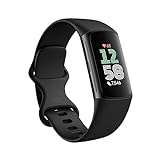
- Find your way seamlessly during runs or rides with turn-by-turn directions from Google Maps on Fitbit Charge 6[7, 8]; and when you need a snack break on the go, just tap to pay with Google Wallet[8, 9]
Sports watches and the athlete-first mindset
At the other end of the spectrum were performance devices built for runners, cyclists, and triathletes. Brands like Garmin, Polar, and Suunto dominated with GPS watches and chest‑strap heart rate monitors that prioritized precision over comfort. These were thick, plasticky tools with transflective displays, long battery life, and menus that assumed a user willing to read a manual.
They tracked distance, pace, and exertion impressively, but they were worn during workouts, not during life. Once training ended, these watches often came off, reinforcing the idea that fitness tracking was an activity‑specific behavior rather than a continuous one.
Early smartphones and the limits of software-only tracking
As smartphones gained accelerometers in the late 2000s, app developers rushed to turn phones into fitness trackers. Apps like RunKeeper and MapMyRun lowered the barrier to entry, but they were still constrained by battery drain, inconsistent sensor access, and the impracticality of carrying a phone at all times.
Passive tracking was unreliable, and active tracking required intention. The phone could measure movement, but it could not disappear into the background, which limited its ability to build habits around sleep, daily activity, or subtle behavioral change.
Sleep tracking as a fringe obsession
Sleep measurement existed, but it lived on the margins. Dedicated sleep trackers and under‑mattress sensors promised insight into rest quality, yet required behavior changes that most users abandoned quickly. Wearing bulky devices to bed or remembering to activate tracking modes added friction at exactly the wrong moment.
The insight was compelling, but the execution made sleep tracking feel clinical rather than intuitive. This disconnect would later become one of the most important gaps Jawbone attempted to solve.
No wrists, no identity, no ecosystem
What unified all of these pre‑Jawbone products was their lack of identity. They were tools, not companions, and none of them lived comfortably at the intersection of fashion, technology, and behavioral psychology. There was little thought given to industrial design, materials, or how a device felt after 16 hours of wear.
Just as importantly, there was no central narrative tying movement, rest, and lifestyle together in a way consumers could understand at a glance. That absence set the stage for a new category entirely, one that would soon move fitness tracking off the belt, out of the gym, and onto the wrist.
Jawbone Enters Wearables: From Bluetooth Headsets to the UP Vision
If the early fitness tracking landscape lacked identity, Jawbone was unusually well positioned to supply one. Before it ever wrapped technology around a wrist, the company had already spent nearly a decade obsessing over how consumer electronics should look, feel, and disappear into daily life.
Jawbone’s path into wearables was not a pivot so much as a continuation of a design philosophy that had been quietly forming in a very different product category.
A design-led audio company in a spec-driven world
Founded in 1999, Jawbone made its name with Bluetooth headsets at a time when most of them looked like plastic afterthoughts. Products like the Jawbone Icon and Era emphasized materials, surface texture, and human ergonomics in a market dominated by antenna bulges and blinking LEDs.
These headsets were not just smaller or lighter; they were intentionally sculpted to feel personal. Rubberized finishes, hidden microphones, and aggressive noise-canceling algorithms reflected an understanding that comfort and usability mattered as much as raw technical performance.
That mindset would later translate directly into wearables, where long-term comfort and emotional acceptance are as important as sensors or battery capacity.
Bluetooth as invisible infrastructure
Jawbone’s early success also came from treating Bluetooth as a background utility rather than a headline feature. The best Jawbone headsets were praised not for pairing menus or codecs, but for how little the user had to think about them once they were on.
This approach stood in contrast to many early fitness devices, which demanded frequent syncing rituals, manual modes, or visible confirmation that they were “working.” Jawbone’s leadership saw that true behavioral change would require hardware that faded into the background.
By the late 2000s, Jawbone had internalized a crucial lesson: the most successful connected devices are the ones users stop noticing.
The shift from communication to self-quantification
As smartphones absorbed the Bluetooth headset market, Jawbone faced a strategic crossroads. Audio alone was no longer enough to sustain growth, but the company had built deep expertise in miniaturization, low-power wireless connectivity, and mobile software integration.
At the same time, self-tracking was emerging from niche communities into the mainstream. The quantified self movement had proven there was appetite for data about sleep, activity, and habits, even if the tools were clumsy.
Jawbone saw an opening not to build a better pedometer, but to redefine what personal data could feel like when paired with thoughtful design and narrative-driven software.
The UP vision: lifestyle first, fitness second
Jawbone’s internal concept for UP was radically different from anything on the market. It would not have a screen, buttons, or visible indicators competing for attention. Instead, it would live on the wrist as a soft, continuous band, tracking movement and sleep without demanding interaction.
The original UP, released in 2011, was wired rather than wireless, syncing via a 3.5 mm jack. That limitation would later become a liability, but it reflected Jawbone’s early emphasis on simplicity and battery life over real-time feedback.
More importantly, UP was framed as a lifestyle companion. Jawbone talked about habits, recovery, and awareness rather than steps or calories, positioning the device as something you lived with, not trained with.
Industrial design as category creation
Physically, the UP band broke from every fitness product that came before it. The smooth elastomer construction, lack of clasps, and subtle asymmetry made it feel more like jewelry than equipment.
It was lightweight, flexible, and comfortable enough to wear to bed, addressing one of the biggest barriers to meaningful sleep tracking. There was no hard module pressing into the wrist, no blinking light in a dark room, and no sense that the device needed managing.
For the first time, fitness tracking could plausibly be all-day and all-night, not because the technology improved overnight, but because the object itself finally respected the human body.
Software as the real differentiator
Where Jawbone truly diverged from its predecessors was in software. The UP app translated raw accelerometer data into clean, friendly visualizations that emphasized trends over totals.
Sleep stages were simplified into light and deep cycles, presented alongside wake times and behavioral suggestions. Activity was contextualized within daily life, not isolated as a workout metric.
This was not medical-grade analysis, but it was emotionally intelligible. Users understood their data without needing to be athletes or engineers, and that accessibility fueled early adoption at a scale previous trackers never reached.
Setting the stage for what UP24 would become
While the first UP was imperfect and ultimately flawed, its vision reshaped expectations for the entire category. It proved that wearables did not need screens to be valuable, that comfort could unlock new forms of data, and that software storytelling mattered as much as hardware specs.
Most importantly, Jawbone demonstrated that fitness tracking could become a passive, continuous layer of daily life rather than an activity users consciously entered and exited.
That idea would reach its most refined form with the UP24, but its philosophical foundation was laid the moment Jawbone decided to leave the ear and move to the wrist.
UP24 Explained: Hardware Design, Sensors, Battery Life, and Everyday Wearability
If the original UP established Jawbone’s philosophy, the UP24 was where that philosophy hardened into a mass-market product. It didn’t radically reinvent the form, but it refined almost every physical and functional decision in service of one goal: making continuous tracking feel invisible.
Jawbone understood that comfort and compliance were inseparable. The UP24 was designed not to be noticed, because being noticed was the fastest way for a wearable to end up in a drawer.
Hardware design: minimalist to a fault
At first glance, the UP24 looked nearly identical to its predecessor: a smooth, screenless band made from medical-grade TPU elastomer, available in muted, fashion-forward colors. The exterior was uninterrupted, with no visible seams, no clasp, and no obvious “tech” cues.
That seamless loop construction was both its signature and its risk. The band relied on flexibility to slip over the hand, which made sizing critical and durability a constant concern, especially for users with wider wrists.
Inside, the electronics were split asymmetrically, with the thicker end housing the battery, accelerometer, and Bluetooth LE radio. This uneven weight distribution was intentional, helping the band orient itself consistently on the wrist without needing visual alignment.
The lack of a display wasn’t cost-cutting; it was ideological. Jawbone believed that removing real-time feedback reduced anxiety and obsession, reinforcing the idea that the UP24 was a passive observer, not a device demanding attention.
Sensors and tracking fundamentals
The UP24 relied primarily on a high-sensitivity 3-axis accelerometer. There was no optical heart rate sensor, no GPS, and no altimeter, even by the standards of its time.
Instead, Jawbone leaned heavily on signal processing and pattern recognition. Steps, distance, calories, and sleep phases were all inferred from movement data filtered through Jawbone’s proprietary algorithms.
Rank #2

- Inspire 3 is the tracker that helps you find your energy, do what you love and feel your best. All you have to do is wear it.Operating temperature: 0° to 40°C
- Move more: Daily Readiness Score(1), Active Zone Minutes, all-day activity tracking and 24/7 heart rate, 20+ exercise modes, automatic exercise tracking and reminders to move
- Stress less: always-on wellness tracking, daily Stress Management Score, mindfulness sessions, relax breathing sessions, irregular heart rhythm notifications(2), SpO2(3), menstrual health tracking, resting heart rate and high/low heart rate notifications
- Sleep better: automatic sleep tracking, personalized Sleep Profile(1), daily detailed Sleep Score, smart wake vibrating alarm, sleep mode
- Comfortably connected day and night: calls, texts & smartphone app notifications(4), color touchscreen with customizable clock faces, super lightweight and water resistant to 50 meters, up to 10 day battery life(5)
Sleep tracking remained the UP24’s standout strength. By being light, flexible, and free of pressure points, it collected more consistent overnight data than bulkier clip-ons or early wrist computers, even if the sleep stages themselves were approximations.
The band also included Jawbone’s “Idle Alert” vibration motor, which gently nudged users to move after long periods of inactivity. It was subtle, almost polite, and emblematic of Jawbone’s preference for behavioral nudges over aggressive coaching.
Bluetooth LE and the shift to true background syncing
The defining technical upgrade of the UP24 was Bluetooth Low Energy. Unlike the original UP, which required physically plugging into a phone’s headphone jack, the UP24 synced wirelessly and automatically.
This change cannot be overstated. Passive tracking only works if data flows without friction, and Bluetooth LE turned the UP24 into something closer to an ambient sensor than a gadget.
Syncing wasn’t instant by modern standards, but it was reliable enough to fade into the background. Users stopped thinking about data transfer altogether, which was precisely the point.
Battery life and charging realities
Jawbone claimed up to seven days of battery life, and in real-world use that estimate was generally accurate. With no screen and a single low-power sensor, energy demands were minimal.
Charging was handled via a proprietary USB dongle that clipped onto the band’s exposed contacts. It was inelegant, easy to lose, and one of the UP24’s most criticized accessories.
Still, the charging frequency struck an important balance. Weekly charging felt manageable, especially compared to early smartwatches that demanded nightly attention, reinforcing the UP24’s “wear it and forget it” promise.
Everyday wearability and long-term comfort
In daily use, the UP24 excelled in situations where traditional fitness devices failed. It was comfortable enough for sleep, discreet enough for formal settings, and lightweight enough to disappear during long workdays.
There were trade-offs. The fixed-size loop made fit a gamble, and users with fluctuating wrist size found it unforgiving. The elastomer also showed wear over time, with reports of cracking near stress points after months of use.
Water resistance was adequate for hand washing and sweat but not officially rated for swimming, limiting its appeal for more serious athletes. Jawbone positioned the UP24 as a lifestyle tracker, not a training instrument, and the hardware reflected that choice.
Compatibility and daily usability
The UP24 launched with iOS support and later expanded to Android, syncing through Jawbone’s UP app. Compatibility was broad for its era, but the experience was tightly coupled to Jawbone’s servers and software ecosystem.
Without the app, the hardware was inert. This dependency would later become a liability, but at its peak it allowed Jawbone to iterate rapidly on features without changing the device itself.
In everyday life, the UP24 felt less like a piece of consumer electronics and more like an extension of the body. That distinction, subtle as it sounds, was the foundation on which much of modern fitness tracking would be built.
The Software That Set the Standard: Jawbone’s App, Data Visualisation, and Coaching Insights
If the UP24’s hardware faded into the background, Jawbone’s software did the opposite. The app was where the product revealed its ambition, transforming a simple motion sensor into a lifestyle mirror that felt unusually personal for its time.
In an era when most fitness trackers treated data as raw output, Jawbone treated it as a conversation. That shift, more than any hardware decision, explains why the UP24 resonated so deeply with early adopters and designers alike.
An app designed like a lifestyle product, not a dashboard
Opening the UP app felt closer to launching a meditation or design-forward productivity tool than a fitness utility. The interface leaned heavily on clean typography, soft color gradients, and generous white space, avoiding the clinical charts that dominated competitors like Fitbit and Garmin.
Data was presented in a vertical, story-like feed rather than rigid tabs. Steps, sleep, meals, and mood flowed together chronologically, reinforcing the idea that health was interconnected rather than siloed.
This design language aged remarkably well. Many of today’s wellness apps still echo Jawbone’s emphasis on calm visuals and narrative flow, a quiet rebuke to the cluttered metric overload that plagued early wearables.
Data visualisation that made sense to normal humans
Jawbone understood that numbers alone rarely change behavior. Instead of pushing step counts as abstract totals, the app framed progress through subtle visual cues, such as progress rings filling gently or sleep bars stretching and compressing over time.
Sleep tracking, in particular, stood out. The UP24 broke sleep into light and deep phases using accelerometer data, visualized as a timeline that users could instantly understand without needing to interpret percentages or graphs.
This wasn’t medically precise by modern standards, but it was intuitive. The visualization made users curious about their habits rather than anxious about performance, a balance many modern platforms still struggle to achieve.
Coaching insights that felt human, not algorithmic
The UP app’s coaching system was deceptively simple, yet unusually effective. Instead of issuing rigid goals, it surfaced contextual insights, such as noting improved sleep after earlier bedtimes or pointing out consistent inactivity during certain hours.
Messages were written in plain, almost conversational language. The app didn’t scold users for missing targets; it nudged them with observations, making the guidance feel collaborative rather than prescriptive.
This approach laid the groundwork for what we now recognize as behavioral coaching in wearables. Apple, Google, and WHOOP would later invest heavily in similar insight-driven systems, but Jawbone was among the first to prove that tone mattered as much as data.
Manual inputs that encouraged reflection, not friction
Jawbone leaned into user participation in a way few competitors dared. Logging meals, mood, caffeine intake, or workouts was encouraged, but the interface made these actions fast and visually rewarding rather than tedious.
The act of tagging a late coffee or stressful day helped users see patterns emerge over time. It turned the app into a kind of lightweight health journal, blurring the line between tracking and self-reflection.
This philosophy assumed users wanted to engage thoughtfully, not just passively consume metrics. While it limited appeal for those seeking automation, it built deep loyalty among users who valued awareness over gamification.
An ecosystem approach before platforms were fashionable
Jawbone was unusually open to integrations for its era. The UP app connected with services like MyFitnessPal, RunKeeper, and Apple Health later on, allowing users to consolidate data across platforms.
This openness extended the lifespan of the UP24’s hardware. Even as sensors remained unchanged, software updates added value through improved insights, refinements to sleep algorithms, and expanded compatibility.
Ironically, this software-first philosophy also exposed Jawbone’s vulnerability. The hardware was only as valuable as the app and servers behind it, tying the user experience tightly to the company’s operational health.
Where brilliance met its limits
As the user base grew, cracks began to show. Syncing could be unreliable, Android support lagged behind iOS, and backend outages occasionally rendered devices temporarily useless.
More critically, Jawbone struggled to scale its software infrastructure at the pace its ambitions demanded. Features rolled out quickly, but long-term stability and support increasingly lagged, eroding trust among power users.
The UP24 proved that software could elevate simple hardware into something emotionally resonant. It also demonstrated the risk of building a wearable whose intelligence lived almost entirely off the wrist, a lesson that would shape how future platforms approached on-device processing and resilience.
Why the UP24 Took Off: Design Credibility, Lifestyle Branding, and Early Adopter Buzz
The UP24’s momentum made more sense when viewed against the fragility described earlier. Because the experience lived so heavily in software, Jawbone had to persuade people to trust the hardware as a constant companion. It succeeded not by chasing specs, but by making the tracker feel culturally inevitable.
Industrial design that borrowed from audio, not sports gear
Jawbone entered wearables with credibility earned elsewhere. Its Jambox speakers and wired headphones had already built a reputation for color, materials, and approachable industrial design, and the UP24 carried that DNA onto the wrist.
The aluminum-capped bracelet, soft-touch rubber exterior, and minimal seams made it feel closer to a fashion accessory than a medical device. At roughly 20 mm wide and light enough to forget after a few minutes, it avoided the bulky, plastic-heavy look of early Fitbits and Garmin bands.
Comfort played a quiet but crucial role in adoption. The fixed-size, clasp-less loop slipped on easily, stayed put during sleep, and never buzzed or lit up unnecessarily, reinforcing Jawbone’s philosophy that tracking should fade into the background of daily life.
Lifestyle branding over performance metrics
Jawbone rarely marketed the UP24 as a tool for athletes. Instead, campaigns focused on mornings, commutes, coffee breaks, and sleep, positioning the device as something you lived with rather than trained with.
Rank #3

- 【BUILT-IN GPS SMART WATCH – GO FURTHER, FREER, SMARTER】No phone? No problem. This fitness watch for women, featuring the latest 2025 technology, includes an advanced professional-grade GPS chip that precisely tracks every route, distance, pace (real-time & average), and calorie burned—completely phone-free. Whether you're chasing new personal records or exploring off the beaten path, your full journey is automatically mapped and synced in the app. Train smarter. Move with purpose. Own your progress. Own your journey.
- 【BLUETOOTH 5.3 CALLS & SMART NOTIFICATIONS】Stay effortlessly connected with this smart watch for men and women, featuring dual Bluetooth modes (BT 3.0 + BLE 5.3) and a premium microphone for crystal-clear calls right from your wrist—perfect for driving, workouts, or busy days. Receive instant alerts for calls, texts, and popular social apps like WhatsApp and Facebook. Just raise your wrist to view notifications and never miss an important moment.
- 【100+ SPORT MODES & IP68 WATERPROOF & DUSTPROOF】This sport watch is a versatile activity and fitness tracker with 100+ modes including running, cycling, yoga, and more. It features quick-access buttons and automatic running/cycling detection to start workouts instantly. Accurately track heart rate, calories, distance, pace, and more. Set daily goals on your fitness tracker watch and stay motivated with achievement badges. With IP68 waterproof and dustproof rating, it resists rain and sweat for any challenge. Not suitable for showering, swimming, or sauna.
- 【24/7 HEALTH ASSISTANT & SMART REMINDERS】This health watch continuously monitors heart rate, blood oxygen, and stress levels for comprehensive wellness tracking. Sleep monitoring includes deep, light, REM sleep, and naps to give you a full picture of your rest. Stay on track with smart reminders for sedentary breaks, hydration, medication, and hand washing. Women can also monitor menstrual health. Includes guided breathing exercises to help you relax. Your ultimate health watch with event reminders for a healthier life.
- 【ULTRA HD DISPLAY, LIGHTWEIGHT & CUSTOMIZABLE DIALS】This stylish wrist watch features a 1.27-inch (32mm) 360×360 ultra HD color display with a 1.69-inch (43mm) dial, offering vivid details and responsive touch. Its minimalist design fits both business and casual looks. Switch freely among built-in designer dials or create your own DIY watch face using photos, colors, and styles to showcase your unique personality. Perfect as a cool digital watch and fashion wrist watch.
This framing mattered. By emphasizing steps, sleep quality, and habits over VO2 max or heart rate zones, Jawbone made fitness tracking feel accessible to people who had never considered themselves “data-driven.”
The app reinforced that message through soft language and visual storytelling. Rather than charts demanding optimization, it offered gentle nudges, daily narratives, and contextual insights that aligned with wellness trends emerging in tech-savvy urban culture.
Early adopter appeal and the iPhone-native advantage
Timing amplified the UP24’s impact. Launched into an iPhone ecosystem hungry for meaningful accessories, it benefited from tight Bluetooth Low Energy integration, fast syncing when it worked, and an app that felt designed for iOS rather than ported to it.
Battery life of up to seven days reduced friction compared to early smartwatches, which often required daily charging. The absence of a screen also meant fewer distractions, a selling point for users skeptical of notifications invading their wrist.
Tech media, designers, and startup founders adopted the UP24 as a kind of cultural signal. Wearing one suggested you cared about self-quantification, but not enough to let it dominate your identity.
A product that aligned with emerging wellness culture
The UP24 arrived as conversations around mindfulness, sleep hygiene, and work-life balance were gaining traction. Jawbone’s emphasis on sleep tracking, idle alerts, and habit tagging fit neatly into this shift.
Unlike competitors focused on competitive leaderboards, Jawbone leaned into introspection. The product encouraged users to notice patterns, not outperform peers, which resonated strongly with early adopters burned out on constant productivity metrics.
This alignment created organic word-of-mouth. The UP24 wasn’t just recommended as a tracker, but as a mindset, one that suggested technology could help you live better without demanding constant attention.
Retail presence and perceived value
Priced competitively with other premium trackers of its time, the UP24 justified its cost through finish and polish rather than sensor count. The materials felt premium in hand, the color options felt intentional, and the packaging reinforced the sense of a considered lifestyle product.
Placement in Apple Stores and design-forward retailers further validated its appeal. Seeing the UP24 alongside phones and headphones, rather than gym equipment, reframed what a fitness tracker could be.
That perceived value masked technical compromises. The lack of a display, limited on-device processing, and reliance on cloud services were easy to forgive when the product felt thoughtfully designed and emotionally resonant.
Momentum built on belief, not just functionality
Ultimately, the UP24 took off because people believed in what Jawbone was trying to do. The company articulated a vision of wearable tech as quiet, reflective, and human-centered, and for a time, it delivered that vision convincingly.
This belief bought Jawbone patience from users willing to tolerate occasional sync issues or missing features. The tracker felt like part of a larger idea about the future of personal technology, not just a step counter.
That same belief would later be tested as cracks widened. But in its ascent, the UP24 proved that early success in wearables depended as much on cultural timing and trust as it did on sensors and silicon.
Cracks Beneath the Surface: Hardware Reliability Issues and Manufacturing Missteps
The trust Jawbone earned through design and philosophy quietly raised the stakes for execution. When users buy into a mindset rather than a feature checklist, every physical failure feels like a betrayal of that promise, not just a defective gadget.
As the UP24 scaled beyond early adopters into mainstream retail, the gap between Jawbone’s design ambitions and its manufacturing reality became increasingly hard to ignore.
A sealed design that left no room for forgiveness
At a hardware level, the UP24 was elegant but unforgiving. Its one-piece, rubberized wristband housed all electronics, battery, and sensors in a sealed enclosure, with no removable module and no serviceable parts.
This approach delivered excellent comfort and water resistance on paper, but it also meant that any internal failure rendered the entire device unusable. A battery that degraded faster than expected or a loose internal connection wasn’t a repair issue, it was a replacement event.
For a device intended to be worn 24/7, that lack of modularity became a liability rather than a design triumph.
Battery degradation and premature failures
Battery reliability was the most common and damaging complaint. Many UP24 units suffered from rapid battery capacity loss within months, leading to shortened lifespans that undermined the tracker’s core promise of passive, long-term habit tracking.
Because charging required a proprietary USB dongle and careful alignment, some failures were initially mistaken for user error. Over time, patterns emerged: devices that would no longer hold a charge, refuse to sync after charging, or die entirely despite minimal wear.
In a market where competitors were moving toward week-long or longer battery endurance with more predictable degradation curves, Jawbone’s inconsistency stood out.
Syncing issues that blurred the line between hardware and software
Jawbone’s software experience was widely praised, but hardware instability frequently masked itself as software unreliability. Bluetooth dropouts, failed sync attempts, and devices that vanished from the app created a perception of fragility, even when the underlying issue was electrical or firmware-related.
The UP24 relied heavily on cloud-based processing and frequent syncing to feel alive. When that connection faltered, the band became an inert piece of silicone on the wrist, offering no feedback or reassurance.
This absence of a display, once a defining philosophical choice, now amplified user anxiety when things went wrong.
Manufacturing scale exposed quality control gaps
Jawbone’s earlier products had shipped in smaller volumes, where individual failures were easier to absorb. The UP24’s success forced rapid scaling, and reports from the period suggest inconsistent quality control across production batches.
Some units lasted years without issue, while others failed within weeks under identical use conditions. This variability eroded confidence, especially as online forums and retailer reviews filled with conflicting experiences.
For a lifestyle product sold on trust and emotional resonance, inconsistency was more damaging than a universally mediocre experience.
Returns, replacements, and the cost of standing by the product
To Jawbone’s credit, the company initially handled failures with generous replacement policies. Users often received new units with minimal friction, reinforcing goodwill in the short term.
But replacement cycles are expensive, and as failure rates mounted, the economics became unsustainable. Each replacement not only cut into margins but also hinted at deeper systemic issues that couldn’t be solved with customer service alone.
Over time, replacement units sometimes exhibited the same issues as the originals, turning patience into frustration.
Design-first thinking without manufacturing maturity
The UP24 exemplified a broader tension in early wearables: prioritizing industrial design and user experience before establishing manufacturing resilience. Jawbone behaved like a design studio scaling into hardware production, rather than a hardware company refining a product over generations.
Competitors like Fitbit, while less adventurous aesthetically, invested heavily in supply chain discipline and iterative hardware revisions. Their devices felt less special, but they failed less often.
Jawbone’s misstep wasn’t ambition, it was assuming that great design could compensate for fragile execution at scale.
When physical failure breaks emotional trust
Because the UP24 framed itself as a companion rather than a tool, its failures felt personal. Losing days or weeks of sleep and activity data wasn’t just inconvenient, it disrupted the reflective narrative users were building about their own lives.
This emotional breach mattered. Once users stopped trusting the band to be there tomorrow, the entire value proposition collapsed, regardless of how thoughtful the app remained.
In wearables, reliability isn’t just a technical metric. It is the foundation upon which habit formation, long-term engagement, and brand loyalty are built.
Strategic Overreach: Chasing Fitbit, Apple, and Medical Data All at Once
Once hardware reliability began to erode trust, Jawbone faced a harder truth: even if the UP24 had been physically flawless, the company was pulling itself in too many strategic directions at once. Instead of narrowing its focus to stabilize the core experience, Jawbone attempted to evolve the UP platform into a lifestyle brand, a direct Fitbit competitor, an Apple-adjacent fashion accessory, and a quasi-medical data company simultaneously.
Each ambition made sense in isolation. Together, they stretched a still-fragile organization beyond its operational and cultural limits.
Rank #4

- 24H Accurate Heart Rate Monitoring: Go beyond basic tracking. Our watch automatically monitors your heart rate, blood oxygen (SpO2), and sleep patterns throughout the day and night. Gain deep insights into your body's trends and make informed decisions for a healthier lifestyle.
- Practical Sports Modes & Smart Activity Tracking: From running and swimming to yoga and hiking, track a wide range of activities with precision. It automatically records your steps, distance, calories burned, and duration, helping you analyze your performance and crush your fitness goals.
- 1-Week Battery Life & All-Day Wear: Say goodbye to daily charging. With an incredible up to 7-10 days of battery life on a single charge, you can wear it day and night for uninterrupted sleep tracking and worry-free travel. Stay connected to your data without the hassle.
- Comfortable to Wear & IP68 Waterproof: The lightweight, skin-friendly band is crafted for all-day comfort, even while you sleep. With IP68 waterproof, it withstands rain, sweat, It is not suitable for swimming or showering.
- Ease of Use and Personalized Insights via Powerful App: The display is bright and easy to read, even outdoors. Unlock the full potential of your watch. Sync with our dedicated app to view detailed health reports, customize watch faces, set sedentary reminders, and manage your preferences with ease.
Competing with Fitbit on metrics, not momentum
By the time the UP24 was gaining traction, Fitbit had already shifted from novelty pedometers to an ecosystem built around accountability, leaderboards, and visible progress. Fitbit devices were less elegant on the wrist, but they were unapologetically functional, with screens, explicit feedback, and clearer day-to-day rewards.
Jawbone responded by expanding UP’s tracking breadth rather than sharpening its core strengths. New metrics, deeper sleep stages, resting heart rate proxies, and increasingly granular trend analysis were layered into the app, often faster than the hardware could reliably support.
The result was a growing gap between promise and consistency. Fitbit focused on being “good enough” for millions of users every day, while Jawbone tried to be profound for each individual, even as sync issues, firmware quirks, and sensor inconsistencies undermined confidence.
The Apple Watch changed the rules overnight
The arrival of the Apple Watch in 2015 fundamentally altered the wearables landscape, even for companies that didn’t compete directly on features. Apple reframed wearables as general-purpose computing devices with health as one pillar, not the sole mission.
Jawbone, lacking a screen and any ambition to build a smartwatch, suddenly found its design philosophy both validated and threatened. The UP24 still looked refined and unobtrusive, with excellent comfort, light weight, and week-long battery life compared to Apple’s daily charging cycle.
But Apple also absorbed oxygen from the narrative. Health tracking became table stakes, and Jawbone’s once-radical minimalism began to feel limiting rather than intentional, especially as users grew accustomed to immediate, on-wrist feedback.
From wellness insights to medical aspirations
Perhaps the most consequential strategic pivot was Jawbone’s push toward medical-grade relevance. The company began positioning UP not just as a fitness tracker, but as a long-term health data platform capable of detecting illness, predicting outcomes, and contributing to clinical research.
Jawbone announced partnerships with research institutions and invested heavily in data science, machine learning, and population-scale analytics. The app increasingly emphasized correlations, long-term baselines, and “insights” derived from aggregated user data.
This vision was intellectually compelling, but it carried immense risk. Medical data demands regulatory rigor, extreme accuracy, and hardware reliability that Jawbone had not yet mastered at the consumer level.
The hardware couldn’t carry the software ambition
For medical insights to matter, data has to be continuous, accurate, and longitudinal. The UP24’s battery life, while solid on paper, was often compromised by sync failures and unexplained drain, leading to gaps that undermined long-term analysis.
Comfort and materials, once strengths, also became constraints. The sealed, screenless design limited sensor expansion, firmware diagnostics, and user control, while making repairs or revisions impractical.
Jawbone was trying to extract clinical-grade meaning from consumer-grade hardware that struggled to maintain basic continuity, let alone meet the standards implied by its messaging.
Three strategies, one finite company
In hindsight, Jawbone was effectively running three companies at once. One competing with Fitbit on mass-market fitness tracking, one defending a design-led lifestyle identity against Apple, and one building an ambitious health data science operation.
Each path demanded different timelines, talent, and capital allocation. Manufacturing discipline, platform stability, and regulatory navigation rarely coexist peacefully inside a single startup, especially one already absorbing the cost of hardware replacements.
Instead of reinforcing each other, these strategies diluted focus, creating internal tension between what the UP needed to be today and what Jawbone wanted it to become tomorrow.
The cost of being early without being patient
Jawbone’s tragedy is not that its vision was wrong. Many of its ideas, from passive sleep tracking to longitudinal health baselines, are now central to modern wearables from Apple, Garmin, and even Fitbit itself.
The problem was sequencing. Jawbone tried to leap directly from elegant consumer product to foundational health platform without first surviving the unglamorous middle phase of iterative hardware refinement and operational maturity.
Being early gave Jawbone attention and cultural relevance, but without patience and focus, that head start became a liability rather than an advantage.
When ambition accelerates collapse
As resources thinned, Jawbone’s ability to correct course diminished. Software updates grew more complex, hardware revisions stalled, and confidence from partners and consumers waned.
What began as strategic overreach eventually turned into existential fragility. The UP24 wasn’t just competing against Fitbit and Apple; it was competing against the limits of Jawbone’s own execution capacity.
In the end, Jawbone didn’t fail because it aimed too high. It failed because it tried to arrive everywhere at once, without securing the ground beneath its feet first.
The Collapse of Jawbone: Funding Troubles, Lawsuits, and the Abrupt End of the UP Platform
By the time the UP24 reached maturity as a product, Jawbone’s internal foundations were already cracking. The very pressures described earlier—overextension, capital burn, and unfinished operational discipline—began to surface publicly, and they did so with startling speed.
What followed was not a slow decline, but a cascade: cash shortages, legal battles, partner fallout, and finally a shutdown that caught users and retailers mid-cycle.
Funding strain beneath the surface
Jawbone had raised nearly $1 billion across its lifetime, an extraordinary sum for a company best known for Bluetooth headsets and fitness bands. Yet much of that capital had been consumed by aggressive hiring, international expansion, and the costly reality of hardware returns and replacements.
Unlike software startups, Jawbone could not pivot cheaply. Every manufacturing defect, every warranty claim, and every delayed revision directly burned cash while generating no new revenue.
As competitors like Fitbit refined their supply chains and Apple absorbed hardware losses as part of a larger ecosystem play, Jawbone stood alone. The UP24 may have felt polished to wear, but financially, the company was increasingly brittle.
The Fitbit lawsuit and a costly distraction
In 2015, Jawbone filed a high-profile lawsuit accusing Fitbit of poaching employees and stealing trade secrets. While Jawbone would later win portions of the case, the legal battle consumed executive attention, capital, and time at the worst possible moment.
The lawsuit also froze Jawbone’s ability to import products temporarily due to counterclaims, further disrupting already fragile distribution. Retailers began to hesitate, and partners questioned Jawbone’s long-term viability.
Even in victory, the case highlighted a deeper issue: Jawbone was fighting competitors in court because it could no longer out-iterate them in the market.
Product stagnation and software erosion
As funding tightened, the UP platform began to show signs of neglect. App updates slowed, bugs lingered longer, and promised features tied to health insights never fully materialized.
The UP24 still offered solid battery life, comfortable wear, and reliable basic tracking, but fitness tech was moving fast. Heart rate sensors, GPS integration, and smartwatch-adjacent features were becoming table stakes, and Jawbone had no clear hardware roadmap to match.
For users, the experience subtly shifted from confidence to concern. A fitness tracker is only as valuable as its ecosystem, and Jawbone’s ecosystem felt increasingly frozen in time.
Retail pullback and silent signals
By late 2016, Jawbone products quietly began disappearing from major retailers. Customer support response times stretched, replacement units became harder to obtain, and official communication grew vague.
Jawbone never announced an end to the UP line outright. Instead, availability faded, updates stopped, and users were left reading between the lines.
For a product built on daily trust—sleep tracking, activity streaks, longitudinal data—the silence was especially damaging. Wearables demand continuity, and Jawbone could no longer provide it.
The abrupt shutdown and data fallout
In 2017, Jawbone formally entered liquidation, selling off patents and intellectual property. The UP platform was shut down, and users lost access to their historical data unless they had exported it in advance.
The ending felt jarring because it was operationally final. Unlike watch brands that can exist as dormant hardware, fitness trackers are tethered to servers, apps, and analytics pipelines.
When Jawbone’s servers went dark, the UP24 instantly transformed from a capable tracker into a lifeless bracelet. Few collapses in consumer tech have illustrated platform dependency so starkly.
What the collapse revealed about early wearables
Jawbone’s downfall exposed a structural truth about the wearable market: elegant hardware is only the visible layer of a much deeper system. Manufacturing resilience, long-term software support, regulatory readiness, and capital discipline matter as much as industrial design.
💰 Best Value

- 【Superb Visual Experience & Effortless Operation】Diving into the latest 1.58'' ultra high resolution display technology, every interaction on the fitness watch is a visual delight with vibrant colors and crisp clarity. Its always on display clock makes the time conveniently visible. Experience convenience like never before with the intuitive full touch controls and the side button, switch between apps, and customize settings with seamless precision.
- 【Comprehensive 24/7 Health Monitoring】The fitness watches for women and men packs 24/7 heart rate, 24/7 blood pressure and blood oxygen monitors. You could check those real-time health metrics anytime, anywhere on your wrist and view the data record in the App. The heart rate monitor watch also tracks different sleep stages for light and deep sleep,and the time when you wake up, helps you to get a better understanding of your sleep quality.
- 【120+ exercise modes & All-Day Activity Tracking】There are more than 120 exercise modes available in the activity trackers and smartwatches, covering almost all daily sports activities you can imagine, gives you new ways to train and advanced metrics for more information about your workout performance. The all-day activity tracking feature monitors your steps, distance, and calories burned all the day, so you can see how much progress you've made towards your fitness goals.
- 【Messages & Incoming Calls Notification】With this smart watch fitness trackers for iPhone and android phones, you can receive notifications for incoming calls and read messages directly from your wrist without taking out your phone. Never miss a beat, stay in touch with loved ones, and stay informed of important updates wherever you are.
- 【Essential Assistant for Daily Life】The fitness watches for women and men provide you with more features including drinking water and sedentary reminder, women's menstrual period reminder, breath training, real-time weather display, remote camera shooting, music control,timer, stopwatch, finding phone, alarm clock, making it a considerate life assistant. With the GPS connectivity, you could get a map of your workout route in the app for outdoor activity by connecting to your phone GPS.
The UP24 helped define what modern fitness tracking should feel like on the wrist—lightweight, unobtrusive, and passively intelligent. But Jawbone underestimated what it would take to sustain that experience year after year.
In collapsing so completely, Jawbone left behind not just a cautionary tale, but a blueprint of risks that today’s wearable giants now actively design around.
How the UP24 Changed Wearables Forever: Features and Ideas Competitors Copied
Jawbone’s collapse made the UP24 feel like a technological dead end, but its influence moved in the opposite direction. Even as the platform vanished, its ideas quietly became industry defaults.
The UP24 mattered not because it lasted, but because it reframed what people expected a fitness tracker to be. Many of the assumptions baked into today’s Fitbit, Garmin, Whoop, and Apple Watch experiences trace directly back to Jawbone’s thinking.
A screenless philosophy that prioritized comfort and compliance
At a time when competitors were racing to add tiny, low-resolution displays, the UP24 doubled down on having no screen at all. The result was a tracker that weighed almost nothing, sat flush on the wrist, and disappeared under a cuff or sleeve.
This screenless approach dramatically improved wear compliance, especially for sleep tracking. Modern devices like Whoop, Oura Ring, and even screen-off smartwatch sleep modes echo the same lesson: the best wearable is the one you forget you’re wearing.
Sleep tracking as a first-class feature, not an afterthought
Before the UP series, sleep tracking was often framed as a bonus feature buried in menus. Jawbone inverted that hierarchy, making sleep duration, quality, and consistency central to the daily experience.
The UP24’s focus on sleep regularity, bedtime reminders, and wake timing helped normalize sleep as a core health metric. Today’s emphasis on sleep scores, readiness metrics, and recovery dashboards owes a clear debt to Jawbone’s early framing.
Passive data collection over manual interaction
The UP24 minimized user input by design. Steps, sleep, and idle time were captured automatically, reducing friction and decision fatigue.
This passive-first model reshaped user expectations across the category. Modern trackers increasingly emphasize background data collection with minimal taps, reserving interaction for insights rather than logging.
Behavioral nudges instead of raw stats
Jawbone’s app rarely celebrated step counts in isolation. Instead, it surfaced gentle prompts like inactivity alerts, bedtime reminders, and contextual coaching messages.
These nudges marked an early shift from quantified self dashboards to behavioral design. Apple’s Activity rings, Fitbit’s reminders to move, and Garmin’s recovery suggestions all follow this same philosophy of guiding behavior rather than flooding users with numbers.
A software experience that felt human, not clinical
The UP app stood out for its warm visual language, conversational copy, and approachable data presentation. Charts were simple, trends were emphasized, and insights were written in plain language.
This design sensibility contrasted sharply with the spreadsheet-like interfaces common at the time. The industry’s gradual move toward friendlier, story-driven health apps reflects Jawbone’s influence more than its hardware specs.
Cross-platform compatibility as a growth lever
The UP24 worked with both iOS and Android when many competitors treated Android as secondary. This decision widened Jawbone’s addressable audience and accelerated early adoption.
Today, broad platform support is considered table stakes, but Jawbone demonstrated its strategic importance early. Even Apple, initially iPhone-only, now positions cross-device health data sharing as a core value proposition.
Long battery life over feature bloat
With a battery life measured in days rather than hours, the UP24 reinforced the idea that wearables should fade into daily life. Charging anxiety was minimized, and usage patterns became habitual rather than intentional.
This tradeoff influenced later products that prioritized endurance over constant interaction. Devices like Garmin fitness bands and recovery-focused wearables still lean heavily on this Jawbone-era insight.
Hardware as a conduit, not the product
Jawbone treated the UP24 as a sensor-rich bracelet whose real value lived in software and analytics. The hardware itself was intentionally minimal, with no buttons, no display, and limited onboard logic.
That mindset now dominates the wearable industry. From cloud-based health models to subscription-driven insights, the UP24 helped establish the idea that wearables are platforms, not just objects on the wrist.
The uncomfortable lesson competitors learned by watching it fail
Just as influential as the UP24’s features was the way its ecosystem collapsed. Rivals absorbed a clear warning about server dependency, data portability, and long-term support obligations.
Modern brands now emphasize export tools, platform longevity, and ecosystem resilience because Jawbone showed what happens without them. The UP24 didn’t just define what wearables should do—it exposed what they must never neglect again.
Lessons for Modern Wearable Brands: What Today’s Smartwatches Still Owe Jawbone
By the time Jawbone exited the wearable market, its hardware was gone but its ideas were already embedded across the industry. Many of the assumptions we now treat as obvious in fitness trackers and smartwatches trace directly back to the UP24 era.
What Jawbone proved is that category-defining influence does not require long-term survival. It requires being early, being right about user behavior, and forcing competitors to respond.
Designing for constant wear, not constant attention
The UP24 was engineered to be worn all day and forgotten, with a slim profile, soft-touch materials, and a bracelet-like form that prioritized comfort over interaction. There was no screen to check, no vibration motor demanding attention, and no visual clutter competing with a traditional watch.
Modern smartwatches still chase this balance, even with displays and notifications added back in. Features like always-on modes, slimmer cases, lighter materials, and better strap ergonomics all reflect Jawbone’s core insight that wearability matters more than raw capability.
Battery life as a behavioral enabler
Jawbone understood that battery life shapes habit formation. With multi-day endurance and simple USB charging, the UP24 reduced friction enough that users stopped thinking about power management entirely.
Today’s smartwatch makers talk about fast charging and low-power modes, but the underlying goal is the same. A wearable only becomes meaningful when charging schedules no longer interrupt sleep tracking, workouts, or daily routines.
Software-led differentiation over hardware arms races
The UP24’s sensors were unremarkable even by the standards of its time, yet its app experience felt advanced. Jawbone invested heavily in data visualization, longitudinal trends, and contextual insights rather than chasing spec-sheet dominance.
This philosophy now defines the market leaders. Apple, Garmin, Fitbit, and Whoop all differentiate primarily through software, health algorithms, and ecosystem integration, not accelerometer counts or processor speeds.
Cross-platform reach before ecosystem lock-in
Jawbone’s decision to support both iOS and Android expanded its reach at a critical moment when the market was still forming. It allowed the UP24 to become a cultural reference point rather than a niche accessory.
While platform lock-in has since become a strategic choice for companies like Apple, most wearable brands still acknowledge the growth advantage Jawbone demonstrated. Broad compatibility remains essential for challenger brands trying to scale.
The hidden cost of cloud dependency
Jawbone’s collapse revealed the fragility of cloud-first hardware without long-term operational backing. When servers went dark, the UP24’s functionality evaporated, leaving users with inert hardware and inaccessible data.
Modern brands have responded by emphasizing data export, offline functionality, and explicit support timelines. The industry’s focus on longevity and trust is a direct reaction to the cautionary tale Jawbone left behind.
Why Jawbone still matters in a smartwatch-dominated world
Even as smartwatches have absorbed fitness bands into larger, more complex devices, the UP24’s DNA remains visible. Passive tracking, wellness-first metrics, and the idea that insight matters more than interaction all stem from Jawbone’s early experiments.
The UP24 didn’t fail because its ideas were wrong. It failed because execution, manufacturing reliability, and financial discipline could not keep pace with its ambition.
A legacy measured in influence, not market share
Jawbone never became the Apple of wearables, but it helped define what wearables should feel like, how they should behave, and what users should expect from them. Its rise showed how quickly a new category could capture imagination, and its fall showed how unforgiving that same category could be.
For modern wearable brands, the lesson is clear. Innovation must extend beyond the wrist into supply chains, software resilience, and long-term trust, because even the most influential ideas need a stable foundation to endure.