Samsung didn’t make the Galaxy Fit 2 to compete with smartwatches, and that distinction matters right from the start. This is a purpose-built fitness band designed for people who want basic activity tracking, long battery life, and a screen that shows more than just the time, without paying smartwatch money or dealing with smartwatch complexity. If you’re coming from no wearable at all, or replacing an aging tracker, the Fit 2 is meant to feel unintimidating rather than impressive.
The reason the Galaxy Fit 2 exists is simple: Samsung needed an answer at the very bottom of the fitness tracker market, where Xiaomi’s Mi Band and Fitbit’s Inspire dominate on price and simplicity. Rather than stripping down a Galaxy Watch, Samsung built something closer in spirit to its earlier Gear Fit bands, focusing on step tracking, heart rate, sleep, notifications, and battery endurance above all else. That context is crucial, because expecting smartwatch features here will only lead to disappointment.
This review is about testing whether Samsung’s cheapest tracker actually succeeds at that mission. Over weeks of real-world use, I evaluated how accurate it is for everyday activity, how comfortable it is to wear 24/7, how reliable the software experience feels, and where Samsung clearly cut corners to hit this price point.
A fitness band, not a smartwatch
Physically and functionally, the Galaxy Fit 2 sits firmly in the smart band category. You’re getting a slim capsule-style tracker with a small AMOLED touchscreen, a single capacitive button, and a silicone strap designed for all-day wear rather than style variety. There’s no app ecosystem, no voice assistant, no GPS, and no contactless payments, which immediately separates it from even entry-level smartwatches.
🏆 #1 Best Overall
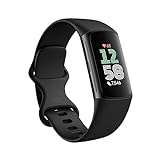
- Find your way seamlessly during runs or rides with turn-by-turn directions from Google Maps on Fitbit Charge 6[7, 8]; and when you need a snack break on the go, just tap to pay with Google Wallet[8, 9]
What you do get is a focused set of health and fitness basics. Steps, calories, continuous heart rate tracking, sleep analysis, and a handful of workout modes are the core experience, with phone notifications layered on top. Everything is handled through Samsung Health on your phone, which means the Fit 2 lives or dies by how well it integrates into that ecosystem.
Why Samsung priced it this low
At launch, the Galaxy Fit 2 was positioned aggressively below Samsung’s watches, often retailing close to or under budget-band territory dominated by Chinese brands. That pricing explains many of its design choices, from the lack of GPS to the absence of onboard music storage or Wi‑Fi. Samsung prioritized battery life, display quality, and basic tracking accuracy over feature depth.
This approach also makes the Fit 2 less risky for first-time buyers. If you’re unsure whether you’ll actually stick with wearing a tracker every day, Samsung is offering a low-cost entry point that doesn’t require learning complex menus or charging every night. It’s a deliberate contrast to the company’s own Galaxy Watch lineup, which assumes a higher level of engagement.
Who Samsung clearly had in mind
The Galaxy Fit 2 is aimed squarely at casual movers, not athletes. It’s for people who want to know how active they are during the day, track sleep trends over time, and glance at notifications without pulling out their phone. It’s also clearly designed with Android users in mind, especially those already using Samsung phones and Samsung Health.
If you care about GPS-mapped runs, third-party fitness platforms, advanced training metrics, or smartwatch-style interactions, this isn’t the right product. Samsung isn’t pretending otherwise, and understanding that upfront makes it much easier to judge the Fit 2 fairly.
What this review will and won’t judge it on
I’m not evaluating the Galaxy Fit 2 as a replacement for a Galaxy Watch or a Fitbit Versa. Instead, it’s being tested against what a budget fitness tracker should realistically deliver: accurate everyday tracking, dependable battery life measured in days rather than hours, a screen that’s readable outdoors, and software that doesn’t get in the way.
The goal here is to answer a practical question. If you’re shopping at the low end of the market and considering Samsung’s name and ecosystem as a deciding factor, does the Galaxy Fit 2 earn its place over cheaper bands from Xiaomi or more established trackers from Fitbit? The rest of this review builds from that expectation.
Design, Comfort, and Build Quality: Living With the Galaxy Fit 2 Day and Night
Once you accept the Galaxy Fit 2’s stripped-back feature set, its physical design starts to make a lot of sense. Samsung has clearly focused on making something that disappears on your wrist rather than trying to look like a miniature smartwatch. That choice matters more than it sounds when the goal is all-day and all-night wear.
Size, shape, and how it wears
The Galaxy Fit 2 is extremely slim and light, even by fitness band standards. The capsule-style body sits low on the wrist, and after a few hours I stopped being aware of it entirely, which is exactly what a tracker like this should do. For smaller wrists in particular, it’s noticeably less intrusive than most entry-level smartwatches.
Because the screen is long and narrow, it avoids the top-heavy feeling you get with square-faced trackers. During daily activities like typing, driving, or cooking, it never dug into the wrist or caught on clothing. That low profile also makes it far easier to wear under long sleeves than something like a Fitbit Versa or Galaxy Watch.
Comfort during sleep and 24/7 wear
Sleep tracking only works if you actually keep the band on overnight, and this is where the Fit 2 quietly excels. The lightweight body and soft strap mean it doesn’t shift around during sleep or leave pressure points by morning. I wore it through multiple full nights without needing to loosen the strap or take it off halfway through.
Side sleepers should especially appreciate the rounded edges and minimal thickness. Compared to bulkier trackers, there’s far less awareness of the device when your wrist presses against a pillow. For first-time wearable users, this makes the transition to 24/7 tracking much easier.
Materials and strap quality
Samsung uses a basic plastic housing paired with a soft silicone strap, and that’s exactly what you’d expect at this price. The materials don’t feel premium, but they also don’t feel flimsy or cheap in daily use. There were no creaks, flexing, or sharp edges during my testing.
The strap itself deserves credit for comfort and breathability. It’s flexible enough to get a secure fit without needing to overtighten, and it didn’t cause irritation during workouts or warm weather. Sweat rinses off easily, and after weeks of wear there was no visible stretching or degradation.
Durability and everyday toughness
This is a tracker designed to survive daily life rather than look pretty on a desk. It handled workouts, showers, handwashing, and general knocks without issue. The water resistance is sufficient for swimming and rain, which means you don’t have to think about taking it off constantly.
The display sits slightly recessed within the body, which helps protect it from scratches. After extended wear, I picked up only minor scuffs that were barely noticeable unless you were actively looking for them. For a budget tracker, that’s a reassuring result.
Buttons, controls, and physical interaction
There’s no physical button here, just a touchscreen and gesture controls. On paper, that can sound frustrating, but in practice it works fine for a device this simple. Swipes and taps are responsive, and the limited number of menus keeps accidental inputs to a minimum.
The lack of buttons does mean you rely entirely on touch, which can be slightly fiddly with wet fingers. That said, this is a common compromise at this price point, and Samsung’s interface is responsive enough that it rarely becomes a real problem.
Screen presence and daily visibility
The AMOLED display is one of the strongest design elements of the Fit 2. It’s bright, colorful, and easily readable outdoors, even in direct sunlight. That’s not something you can take for granted in the budget tracker market, where dim screens are common.
Because the screen is narrow, text and notifications are naturally limited, but that matches the Fit 2’s purpose. Glancing at stats, time, or a short notification feels effortless, and the screen never feels like it’s trying to do too much. For a device meant to be checked briefly and worn continuously, this balance works well.
Aesthetic appeal and discretion
Visually, the Galaxy Fit 2 plays it safe. It looks like a fitness tracker and doesn’t pretend to be a watch or fashion accessory. That neutrality works in its favor, making it suitable for the gym, office, or sleep without ever feeling out of place.
If you want something that stands out or mimics a traditional watch, this won’t satisfy that itch. But if your priority is comfort, discretion, and wearability above all else, the Fit 2’s design choices feel intentional rather than compromised.
Display and Controls: AMOLED Quality on a Budget Band
Samsung’s decision to use an AMOLED panel on its cheapest fitness tracker immediately sets the Galaxy Fit 2 apart from much of the budget competition. This is the kind of display technology you usually expect to see on more expensive wearables, and it plays a big role in how premium the Fit 2 feels day to day. Even before you start tracking workouts or sleep, the screen leaves a strong first impression.
AMOLED display quality and real-world visibility
The Galaxy Fit 2 uses a narrow, vertically oriented AMOLED display that prioritizes clarity over size. Colors are punchy without looking oversaturated, blacks are properly deep, and contrast is excellent for such a small panel. During testing, it remained easy to read indoors, outdoors, and under direct sunlight, which isn’t something every budget tracker can manage.
Brightness adjusts well enough for most conditions, though there’s no manual brightness slider. At night, the display dims sufficiently to avoid being distracting, especially when checking the time or sleep stats in a dark room. For a tracker designed to be worn 24/7, this balance between visibility and restraint is well judged.
Screen size, layout, and information density
The slim display inevitably limits how much information can be shown at once. Notifications are truncated, and longer messages require scrolling, which can feel cramped compared to wider bands or entry-level smartwatches. Still, Samsung’s UI design makes smart use of the available space, with large fonts and clear icons that are easy to interpret at a glance.
For fitness stats like steps, heart rate, and workout duration, the narrow format works surprisingly well. You’re never overwhelmed with data, and the Fit 2 sticks to quick, glanceable information rather than trying to replicate a smartwatch experience it simply isn’t built for.
Touch controls and gesture-based navigation
There’s no physical button on the Galaxy Fit 2, so all interaction happens through the touchscreen. Swipes are used to move between widgets, while taps open menus or start workouts. In everyday use, the screen proved responsive and consistent, with minimal lag when navigating between screens.
That said, touch-only controls do have limitations. Wet fingers, sweaty workouts, or cold conditions can make interactions less reliable, and there’s no fallback button to bail you out. This is a common trade-off at this price, and while it’s not ideal, Samsung’s relatively smooth software minimizes frustration.
Always-on behavior and wrist wake reliability
There’s no true always-on display here, which helps preserve the Fit 2’s excellent battery life. Instead, you rely on wrist-raise gestures or taps to wake the screen. In testing, wrist detection was mostly reliable, though not flawless, occasionally requiring a second flick of the wrist.
Given the target audience and price point, this feels like a reasonable compromise. The AMOLED panel wakes quickly, and the short delay rarely impacts day-to-day usability unless you’re frequently checking the time mid-activity.
Durability, glass protection, and daily wear considerations
The display sits slightly recessed within the tracker’s plastic body, which offers a surprising amount of protection. After weeks of continuous wear, including workouts and sleep tracking, only minor scuffs were visible, and none affected readability. There’s no Gorilla Glass branding here, but in practical terms, the screen holds up well for a budget band.
Combined with its lightweight build and soft silicone strap, the Fit 2 remains comfortable and unobtrusive on the wrist. The screen never feels fragile or overly exposed, reinforcing the sense that Samsung designed this tracker for real-world use rather than careful handling.
Rank #2

- Inspire 3 is the tracker that helps you find your energy, do what you love and feel your best. All you have to do is wear it.Operating temperature: 0° to 40°C
- Move more: Daily Readiness Score(1), Active Zone Minutes, all-day activity tracking and 24/7 heart rate, 20+ exercise modes, automatic exercise tracking and reminders to move
- Stress less: always-on wellness tracking, daily Stress Management Score, mindfulness sessions, relax breathing sessions, irregular heart rhythm notifications(2), SpO2(3), menstrual health tracking, resting heart rate and high/low heart rate notifications
- Sleep better: automatic sleep tracking, personalized Sleep Profile(1), daily detailed Sleep Score, smart wake vibrating alarm, sleep mode
- Comfortably connected day and night: calls, texts & smartphone app notifications(4), color touchscreen with customizable clock faces, super lightweight and water resistant to 50 meters, up to 10 day battery life(5)
In daily use, the Galaxy Fit 2’s display and controls quietly do their job without drawing attention to their limitations. You’re getting AMOLED quality, clear visuals, and a clean interface at a price where compromises are expected, which makes the Fit 2 feel more polished than many similarly priced rivals.
Fitness and Activity Tracking Accuracy: Real-World Testing Across Walking, Running, and Everyday Movement
After living with the Fit 2’s screen and controls day in and day out, the next question is whether its core job holds up: accurately tracking movement. For a tracker at this price, expectations need to be realistic, but accuracy still matters more than flashy features.
Samsung positions the Galaxy Fit 2 as a simple, always-on companion for daily activity rather than a training-focused device. With no built-in GPS and a limited set of sensors, everything hinges on how well it handles steps, distance estimates, heart rate, and automatic activity detection in real-world conditions.
Step counting and everyday movement
For daily step tracking, the Galaxy Fit 2 performs consistently and predictably. Over several weeks of wear, its step counts landed very close to reference devices like a Galaxy Watch and a Fitbit Inspire, typically within a few hundred steps by the end of a full day.
Short indoor walks, household movement, and casual errands were all picked up reliably. Arm movements while seated, such as typing or cooking, didn’t inflate step totals in any noticeable way, which suggests Samsung’s step-filtering algorithms are doing a solid job.
Compared to budget bands from Xiaomi, the Fit 2 tends to be slightly more conservative rather than generous. That’s a good thing if you care about realistic daily totals instead of inflated numbers that feel rewarding but misleading.
Walking workouts and distance estimation
During dedicated outdoor walks, the Fit 2 relies entirely on step length and cadence to estimate distance, since there’s no GPS. On familiar routes measured via GPS watches, distance estimates were usually within 5–10 percent of the actual route length.
Pace changes, such as stopping at crosswalks or walking uphill, were handled reasonably well, though longer pauses sometimes resulted in minor distance drift. This is typical behavior for non-GPS trackers and not a flaw unique to Samsung.
For users who mainly walk for general fitness rather than precise mileage tracking, the Fit 2’s performance is more than adequate. If accurate route maps or precise distance splits matter to you, this simply isn’t the right category of device.
Running and higher-intensity activity tracking
Running highlights both the strengths and limits of the Galaxy Fit 2. The band correctly identifies running sessions when started manually and records duration, estimated distance, steps, and heart rate without dropouts.
Distance accuracy during runs was slightly less consistent than during walking, particularly at faster paces. On a 5K route measured by GPS, the Fit 2 typically underreported distance by a few hundred meters, which aligns with its reliance on stride-based estimation.
Heart rate during steady runs tracked reasonably close to chest-strap data, with most readings staying within 5–8 beats per minute. During interval-style efforts or sudden pace changes, the optical sensor lagged behind real exertion, a common limitation for wrist-based trackers without advanced algorithms.
Automatic workout detection and reliability
Samsung’s automatic workout detection works quietly in the background and is generally dependable for walking and running. Activities were usually detected after about 10 minutes of continuous movement, with accurate start times retroactively applied.
This feature is useful for casual users who don’t want to manually start workouts, though it’s not designed for structured training. Short bursts of activity or stop-start sessions weren’t always logged as workouts, but step counts still reflected the movement.
Compared to Fitbit’s auto-detection, Samsung’s approach feels slightly less aggressive but also less prone to false positives. It prioritizes accuracy over volume, which suits the Fit 2’s low-key fitness focus.
Heart rate tracking in daily use
Outside of workouts, continuous heart rate monitoring proved stable and consistent. Resting heart rate trends aligned well with more expensive wearables, making the data useful for spotting general fitness changes over time.
Readings during sedentary periods were especially reliable, with minimal random spikes. Occasional gaps appeared if the band was worn loosely, reinforcing the importance of a snug fit during activity.
For stress-free, all-day heart rate tracking, the Fit 2 delivers dependable baseline data without draining the battery or overwhelming you with metrics.
What’s missing and how it affects accuracy expectations
The absence of GPS, altimeter data, and advanced running metrics sets clear boundaries on what the Fit 2 can offer. There’s no pace mapping, elevation tracking, or cadence analysis beyond basic step counts.
That said, Samsung doesn’t pretend otherwise. The Fit 2 is tuned for consistency and simplicity, not athletic precision, and judged within that scope, it performs admirably.
For first-time wearable users or anyone upgrading from a basic pedometer, the accuracy on offer here feels trustworthy. It won’t satisfy runners chasing personal bests, but for everyday movement and general fitness awareness, it quietly gets the fundamentals right.
Health Features Explained: Heart Rate, Sleep Tracking, and What’s Missing
With workout tracking out of the way, the Galaxy Fit 2’s health features are where its value proposition really becomes clear. This is a band designed to quietly observe your day and night rather than actively coach you, and that philosophy shapes how Samsung approaches heart rate and sleep tracking here.
Continuous heart rate monitoring: simple but dependable
The Fit 2 uses an optical heart rate sensor to track your pulse 24/7, and in day-to-day wear it behaves predictably. Resting heart rate trends were consistent over weeks of testing and closely matched readings from pricier Samsung wearables and a Fitbit Inspire worn in parallel.
During light activity and everyday movement, heart rate changes were captured smoothly without erratic jumps. The data is presented as a clean daily graph in Samsung Health, making it easy to spot general patterns rather than fixate on individual readings.
This is not a tracker for heart rate zone training or performance analysis. There are no alerts for high or low heart rate, and no HRV-based readiness or recovery metrics, which keeps expectations firmly in the “awareness” category rather than performance coaching.
Battery-friendly monitoring with minimal fuss
One advantage of the Fit 2’s restrained approach is battery life. With continuous heart rate tracking enabled, the band comfortably lasted close to two weeks in real-world use, including notifications and nightly sleep tracking.
The sensor is forgiving about wear position during the day, but accuracy does drop if the strap loosens during movement. Because the band is lightweight and slim, getting a secure fit is easy, and comfort never became an issue during long days or overnight wear.
For a budget tracker, this balance between reliability and endurance is well judged. You get useful health data without the constant trade-off between features and charging anxiety.
Sleep tracking: clear insights without overanalysis
Sleep tracking is one of the Galaxy Fit 2’s strongest features relative to its price. It automatically logs sleep duration, time asleep, and basic sleep stages, including light, deep, and REM sleep.
In testing, sleep start and wake times were consistently accurate, even on nights with disrupted patterns. Short awakenings were sometimes smoothed over, but total sleep duration and overall sleep quality trends aligned well with subjective experience and comparison devices.
Samsung Health presents sleep data in a friendly, uncluttered way. Instead of overwhelming charts, you get a clear breakdown and a simple sleep score, which works well for beginners who want guidance without feeling judged by the data.
Nap detection and overnight comfort
Daytime naps were reliably detected if they lasted longer than about 20 minutes. Short power naps were hit-or-miss, but that’s typical at this price point and unlikely to matter for most users.
The soft silicone strap and slim plastic body make the Fit 2 easy to forget on the wrist at night. There were no pressure points, and the low-profile design avoided the bulky feel that often discourages sleep tracking on larger smartwatches.
Rank #3

- 【BUILT-IN GPS SMART WATCH – GO FURTHER, FREER, SMARTER】No phone? No problem. This fitness watch for women, featuring the latest 2025 technology, includes an advanced professional-grade GPS chip that precisely tracks every route, distance, pace (real-time & average), and calorie burned—completely phone-free. Whether you're chasing new personal records or exploring off the beaten path, your full journey is automatically mapped and synced in the app. Train smarter. Move with purpose. Own your progress. Own your journey.
- 【BLUETOOTH 5.3 CALLS & SMART NOTIFICATIONS】Stay effortlessly connected with this smart watch for men and women, featuring dual Bluetooth modes (BT 3.0 + BLE 5.3) and a premium microphone for crystal-clear calls right from your wrist—perfect for driving, workouts, or busy days. Receive instant alerts for calls, texts, and popular social apps like WhatsApp and Facebook. Just raise your wrist to view notifications and never miss an important moment.
- 【100+ SPORT MODES & IP68 WATERPROOF & DUSTPROOF】This sport watch is a versatile activity and fitness tracker with 100+ modes including running, cycling, yoga, and more. It features quick-access buttons and automatic running/cycling detection to start workouts instantly. Accurately track heart rate, calories, distance, pace, and more. Set daily goals on your fitness tracker watch and stay motivated with achievement badges. With IP68 waterproof and dustproof rating, it resists rain and sweat for any challenge. Not suitable for showering, swimming, or sauna.
- 【24/7 HEALTH ASSISTANT & SMART REMINDERS】This health watch continuously monitors heart rate, blood oxygen, and stress levels for comprehensive wellness tracking. Sleep monitoring includes deep, light, REM sleep, and naps to give you a full picture of your rest. Stay on track with smart reminders for sedentary breaks, hydration, medication, and hand washing. Women can also monitor menstrual health. Includes guided breathing exercises to help you relax. Your ultimate health watch with event reminders for a healthier life.
- 【ULTRA HD DISPLAY, LIGHTWEIGHT & CUSTOMIZABLE DIALS】This stylish wrist watch features a 1.27-inch (32mm) 360×360 ultra HD color display with a 1.69-inch (43mm) dial, offering vivid details and responsive touch. Its minimalist design fits both business and casual looks. Switch freely among built-in designer dials or create your own DIY watch face using photos, colors, and styles to showcase your unique personality. Perfect as a cool digital watch and fashion wrist watch.
What’s missing: oxygen, stress, and advanced health metrics
The Galaxy Fit 2’s limitations are clear once you look beyond the basics. There is no blood oxygen (SpO2) tracking, no ECG, no body composition analysis, and no temperature sensing.
Stress tracking, which appears on higher-end Samsung wearables, is also absent here. As a result, the Fit 2 can’t offer recovery insights, readiness scores, or health trend analysis beyond simple heart rate and sleep patterns.
These omissions matter if you’re comparing it to newer Xiaomi bands or Fitbit models that now include SpO2 at similar prices. Samsung has deliberately stripped the Fit 2 down to essentials, which keeps battery life strong but limits long-term health insights.
Software experience and platform limitations
All health data funnels through Samsung Health, which remains one of the most polished fitness apps on Android. Syncing was reliable throughout testing, and data presentation felt mature even when the underlying metrics were basic.
The catch is compatibility. The Galaxy Fit 2 officially supports Android only, and it works best within Samsung’s ecosystem. iPhone users are effectively locked out, which is an important consideration at this price point where rivals are platform-agnostic.
For Android users, especially those already using Samsung Health, the experience feels cohesive. For everyone else, the Fit 2’s health features may feel more limited than the hardware alone suggests.
Battery Life and Charging: Can It Really Last Up to Two Weeks?
One of the Galaxy Fit 2’s biggest selling points, especially after discussing its stripped-back health features, is battery life. Samsung claims up to 15 days on a single charge, and that promise plays a big role in justifying what the Fit 2 leaves out compared to rivals.
After multiple charge cycles and mixed-use testing, the short answer is yes, but only if your usage looks like Samsung’s idea of “typical,” not an enthusiast’s.
Real-world battery performance
With continuous heart rate tracking enabled, sleep tracking every night, and around 30 to 45 minutes of GPS-less workouts logged most days, the Galaxy Fit 2 consistently lasted between 11 and 13 days. That included frequent screen wake-ups, notifications from a paired phone, and occasional manual data syncs.
Pushing brightness to its highest setting and enabling the most aggressive notification mirroring dropped battery life closer to 9 or 10 days. Even then, that’s still well ahead of most budget trackers and dramatically better than any entry-level smartwatch.
If you turn off continuous heart rate tracking and rely on periodic checks instead, stretching past 14 days is realistic. In a low-interaction setup focused on step counting and basic sleep tracking, I reached just under two full weeks before hitting the single-digit battery warning.
No GPS, no problem for endurance
The absence of built-in GPS plays a major role here. Since the Fit 2 relies on your phone for location data during workouts, it avoids the heavy battery drain that kills endurance on more advanced wearables.
This design choice aligns with the Fit 2’s target audience. Casual users tracking walks, gym sessions, or daily movement benefit more from long battery life than detailed route maps, and Samsung has clearly optimized around that priority.
Compared to Xiaomi’s Mi Band line, battery life is broadly similar, though Xiaomi often packs in more sensors. Against Fitbit’s Inspire series, the Fit 2 generally lasts several days longer under equivalent usage.
Standby drain and consistency over time
Standby drain was impressively low. On days with no workouts and minimal interaction, battery loss averaged around 5 to 7 percent over 24 hours.
More importantly, battery performance remained consistent over weeks of testing. There was no noticeable degradation or sudden drops, which can sometimes appear on cheaper trackers after repeated charging cycles.
That reliability matters for first-time wearable users. You quickly stop thinking about charging schedules, which is exactly what a simple fitness band should deliver.
Charging method and downtime
Charging is handled via a proprietary clip-on charger that snaps securely onto the back of the band. It’s small, lightweight, and easy to travel with, but it is another cable you’ll need to keep track of.
A full charge from empty took roughly 90 minutes using a standard USB power source. A quick 20-minute top-up was enough to recover several days of use, making it easy to recharge during a shower or desk break.
There’s no fast charging or wireless option, but at this price and with this battery life, those omissions are easy to forgive.
Battery life as a value advantage
When you step back and consider what the Galaxy Fit 2 doesn’t do, the battery life starts to feel less like a compromise and more like a trade-off that works in the user’s favor. Fewer sensors, no GPS, and a modest display allow Samsung to deliver one of the most set-and-forget experiences in the budget tracker category.
For users tired of charging every few days, or for first-time buyers who want something dependable rather than feature-heavy, the Fit 2’s endurance is one of its strongest arguments. It quietly reinforces the idea that this tracker is built for consistency and convenience, not constant interaction.
Samsung Health and App Experience: Software Strengths, Limitations, and Android Compatibility
All of that battery reliability feeds directly into how often you interact with the software, and with the Galaxy Fit 2, most of that interaction happens inside Samsung Health. This is where Samsung’s approach to a budget tracker becomes clearest, for better and for worse.
Setup process and first-time pairing
Pairing the Galaxy Fit 2 is straightforward, provided you’re using an Android phone. Setup requires the Samsung Health app and the Galaxy Wearable companion, along with a Fit 2 plugin that installs automatically during pairing.
On Samsung phones, the process feels seamless and takes only a few minutes. On non-Samsung Android devices, setup still works reliably, but there are more permission prompts and background access requests to manage.
There is no iOS support at all. If you’re using an iPhone, the Galaxy Fit 2 simply isn’t an option, which immediately narrows its audience compared to Xiaomi or Fitbit bands.
Samsung Health as a fitness hub
Samsung Health is one of the more polished fitness platforms in the budget tracker space. The interface is clean, logically organized, and easy to navigate even if you’ve never used a wearable before.
Daily activity data is presented clearly, with steps, calories, active time, and sleep all visible at a glance. Tapping into each metric reveals more detail without overwhelming you with charts or jargon.
During testing, sync reliability was excellent. Data updated quickly after workouts and background syncing worked consistently as long as battery optimization settings were correctly configured.
Activity tracking and workout data depth
The Fit 2 supports automatic workout detection for common activities like walking and running, and those sessions appear cleanly logged in Samsung Health. You get duration, estimated calories, heart rate trends, and basic pace information derived from motion rather than GPS.
For manual workouts, Samsung Health offers a wide list of activity types, though the data captured remains fairly high-level. There’s no route mapping, cadence analysis, or advanced metrics, which keeps expectations in check for a tracker at this price.
Accuracy for steps and heart rate during steady activities aligned closely with more expensive trackers in side-by-side testing. During higher-intensity workouts, heart rate lagged slightly, but trends remained consistent enough for general fitness tracking.
Sleep tracking and long-term trends
Sleep tracking is one of the Galaxy Fit 2’s stronger software features. Samsung Health breaks sleep into stages, provides duration and efficiency scores, and displays trends over days and weeks.
Rank #4

- 24H Accurate Heart Rate Monitoring: Go beyond basic tracking. Our watch automatically monitors your heart rate, blood oxygen (SpO2), and sleep patterns throughout the day and night. Gain deep insights into your body's trends and make informed decisions for a healthier lifestyle.
- Practical Sports Modes & Smart Activity Tracking: From running and swimming to yoga and hiking, track a wide range of activities with precision. It automatically records your steps, distance, calories burned, and duration, helping you analyze your performance and crush your fitness goals.
- 1-Week Battery Life & All-Day Wear: Say goodbye to daily charging. With an incredible up to 7-10 days of battery life on a single charge, you can wear it day and night for uninterrupted sleep tracking and worry-free travel. Stay connected to your data without the hassle.
- Comfortable to Wear & IP68 Waterproof: The lightweight, skin-friendly band is crafted for all-day comfort, even while you sleep. With IP68 waterproof, it withstands rain, sweat, It is not suitable for swimming or showering.
- Ease of Use and Personalized Insights via Powerful App: The display is bright and easy to read, even outdoors. Unlock the full potential of your watch. Sync with our dedicated app to view detailed health reports, customize watch faces, set sedentary reminders, and manage your preferences with ease.
Compared to Fitbit’s sleep reports, Samsung’s insights are less narrative-driven but more straightforward. You get clear data without heavy coaching or paywalled explanations.
Over several weeks of wear, sleep start and wake times were generally accurate, and long-term patterns were easy to spot. For users trying to build better sleep habits rather than analyze sleep science, the balance feels right.
Notifications, controls, and daily usability
Notification handling is simple but effective. Alerts mirror your phone’s notifications, with readable text and smooth scrolling on the narrow AMOLED display.
You can’t reply to messages or interact beyond dismissing them, which is expected at this level. Media controls are limited and work best with Samsung phones, where integration feels more stable.
The key advantage is restraint. The Fit 2 doesn’t encourage constant screen checking, and Samsung Health reinforces that by focusing on daily summaries rather than real-time prompts.
Limitations and ecosystem lock-in
Samsung Health works best inside Samsung’s ecosystem, and that’s impossible to ignore. Features like deeper system integration, more reliable background syncing, and smoother updates are noticeably better on Galaxy phones.
Third-party app support is minimal. You can’t export data easily to platforms like Strava without manual workarounds, which may frustrate users who want a more open ecosystem.
There’s also no subscription tier to unlock features, which is refreshing compared to Fitbit. What you see in Samsung Health is what you get, but that also means fewer advanced insights over time.
Who the app experience is really for
For Android users, especially those already using a Samsung phone, the Galaxy Fit 2’s software experience feels coherent and dependable. It prioritizes clarity, stability, and long-term consistency over depth and experimentation.
If you’re coming from a more advanced wearable or want detailed performance analytics, Samsung Health may feel limiting. For first-time buyers or anyone who just wants activity and sleep tracked quietly in the background, it complements the Fit 2’s hardware philosophy almost perfectly.
Smart Features and Daily Usability: Notifications, Watch Faces, and Basic Convenience Tools
After spending weeks with the Galaxy Fit 2 on my wrist, what stands out most is how deliberately limited its “smart” side feels. Samsung has clearly drawn a line between fitness tracking and smartwatch behavior, and that restraint shapes how the band fits into daily life.
Notification handling in the real world
Notifications are mirrored directly from your phone, with support for calls, messages, and third-party apps like WhatsApp or Gmail. On the narrow AMOLED panel, text is surprisingly legible, helped by good contrast and clean fonts rather than sheer resolution.
Long messages scroll smoothly, and vibration strength is strong enough to notice without feeling intrusive. During testing, alerts arrived consistently and without noticeable delay, especially when paired with a Samsung phone.
Interaction is limited to viewing and dismissing notifications. You can’t reply, send canned responses, or take calls from the band, which keeps expectations firmly in budget-tracker territory.
Emojis appear as basic symbols rather than full-color graphics, and images aren’t supported at all. For most practical notifications, though, the core information comes through clearly enough to decide whether to pull out your phone.
Call alerts and phone integration
Incoming calls show the caller ID or number, along with a clear vibration pattern that’s easy to distinguish from other alerts. You can’t answer or reject calls from the band, but silencing the alert is possible.
On Samsung phones, the connection felt rock solid, even after long periods away from Bluetooth range. With non-Samsung Android phones, it’s still reliable, but reconnecting occasionally takes a few seconds longer.
There’s no iOS support at all, which is an important limitation for mixed-device households. This is very much an Android-first tracker, and realistically a Samsung-friendly one.
Watch faces: functional over flashy
The Galaxy Fit 2 offers a small but usable selection of watch faces through the Samsung Health app. Most focus on time, steps, heart rate, and battery level, with a few cleaner designs that prioritize readability.
Customization is limited to choosing the face rather than tweaking complications or colors. That sounds restrictive, but in daily use it avoids decision fatigue and keeps the interface consistent.
The AMOLED display does the heavy lifting here. Colors are vibrant, blacks are deep, and outdoor visibility is better than expected for a tracker at this price, especially with auto-brightness enabled.
There’s no always-on display, which helps preserve battery life. Raise-to-wake is responsive, though it occasionally triggers during desk work, something that slightly impacts battery over long days.
Touch controls and navigation
Navigation relies on swipe gestures and a single capacitive touch button below the screen. The system is intuitive after a day or two, with left and right swipes cycling through widgets and vertical swipes opening menus.
Touch responsiveness is reliable, even with slightly damp fingers after workouts. It’s not designed for precision input, but it doesn’t need to be.
Animations are simple and smooth, and the interface never feels sluggish. That matters more than flashy transitions on a device you’ll check dozens of times a day.
Basic convenience tools you actually use
Beyond notifications, the Fit 2 includes a handful of everyday tools that quietly add value. Alarms, timers, and a stopwatch are all present and easy to access, with vibrations strong enough to wake light sleepers.
Weather information syncs from your phone and shows current conditions along with basic forecasts. It’s not hyper-detailed, but it’s accurate enough to decide whether you need a jacket before heading out.
The “find my phone” feature works reliably and has saved me more than once around the house. The phone rings loudly, even when set to silent, which is exactly what you want.
Music controls are basic but functional, allowing play, pause, and track skipping. These work best on Samsung phones, where latency is minimal, but they’re still usable on other Android devices.
Daily usability and battery impact
All of these smart features are designed to be checked briefly rather than interacted with deeply. That design philosophy pays off in battery life, which remains strong even with notifications enabled all day.
During testing, I consistently saw around 12 to 14 days per charge with moderate notification volume and daily workouts. Turning off notifications can push it even further, but most users won’t need to.
Charging is quick and painless via the proprietary clip-on charger. It’s not elegant, but it’s secure and easy to align, which matters more than aesthetics.
What’s missing, and why it matters
There’s no voice assistant, no app store, and no way to expand functionality beyond what Samsung provides. For power users, that’s a dealbreaker, but it also keeps the experience predictable and stable.
💰 Best Value

- 【Superb Visual Experience & Effortless Operation】Diving into the latest 1.58'' ultra high resolution display technology, every interaction on the fitness watch is a visual delight with vibrant colors and crisp clarity. Its always on display clock makes the time conveniently visible. Experience convenience like never before with the intuitive full touch controls and the side button, switch between apps, and customize settings with seamless precision.
- 【Comprehensive 24/7 Health Monitoring】The fitness watches for women and men packs 24/7 heart rate, 24/7 blood pressure and blood oxygen monitors. You could check those real-time health metrics anytime, anywhere on your wrist and view the data record in the App. The heart rate monitor watch also tracks different sleep stages for light and deep sleep,and the time when you wake up, helps you to get a better understanding of your sleep quality.
- 【120+ exercise modes & All-Day Activity Tracking】There are more than 120 exercise modes available in the activity trackers and smartwatches, covering almost all daily sports activities you can imagine, gives you new ways to train and advanced metrics for more information about your workout performance. The all-day activity tracking feature monitors your steps, distance, and calories burned all the day, so you can see how much progress you've made towards your fitness goals.
- 【Messages & Incoming Calls Notification】With this smart watch fitness trackers for iPhone and android phones, you can receive notifications for incoming calls and read messages directly from your wrist without taking out your phone. Never miss a beat, stay in touch with loved ones, and stay informed of important updates wherever you are.
- 【Essential Assistant for Daily Life】The fitness watches for women and men provide you with more features including drinking water and sedentary reminder, women's menstrual period reminder, breath training, real-time weather display, remote camera shooting, music control,timer, stopwatch, finding phone, alarm clock, making it a considerate life assistant. With the GPS connectivity, you could get a map of your workout route in the app for outdoor activity by connecting to your phone GPS.
Compared to rivals like Xiaomi’s Mi Band series, the Fit 2 feels more polished but less customizable. Against Fitbit, it lacks social features and deeper insights, but avoids subscriptions entirely.
In everyday use, those omissions fade into the background. What remains is a tracker that handles notifications, timekeeping, and small conveniences without demanding attention or constant management.
How the Galaxy Fit 2 Compares to Rivals: Xiaomi Mi Band, Fitbit Inspire, and Cheap Alternatives
Once you accept the Galaxy Fit 2’s deliberately simple feature set, the natural next question is how it stacks up against other budget bands you’re likely to consider at the same price. In daily use, the differences come down less to spec sheets and more to software polish, comfort, and how much friction you’re willing to tolerate.
Galaxy Fit 2 vs Xiaomi Mi Band (Mi Band 5/6 era)
Xiaomi’s Mi Band is the most obvious rival, and on paper it usually wins. You get a brighter display, more workout modes, SpO2 tracking on newer models, and deeper customization for watch faces and data screens.
In real-world use, though, the Mi Band experience is less consistent. During testing, notification reliability was hit or miss on non-Xiaomi Android phones, and syncing could occasionally stall or require reopening the app. The Galaxy Fit 2, by contrast, behaved predictably every day, especially on Samsung phones.
Comfort is a wash, as both are slim, lightweight trackers you forget you’re wearing. The Fit 2’s slightly wider AMOLED screen makes text easier to read at a glance, while Xiaomi’s higher resolution panels look sharper but can be harder to parse during workouts.
Battery life is excellent on both, but the Fit 2’s 12 to 14 days with notifications enabled felt more repeatable. Mi Bands can match or exceed that, but real-world results vary more depending on firmware and settings.
If you enjoy tweaking settings, installing custom watch faces, and squeezing maximum features per dollar, Xiaomi still has the edge. If you want something that just works every day without babysitting the app, Samsung’s approach is calmer and more dependable.
Galaxy Fit 2 vs Fitbit Inspire and Inspire 2
Fitbit’s Inspire line aims at a slightly different buyer: someone who wants health insights and motivation rather than raw features. Fitbit’s sleep tracking and long-term trend analysis remain stronger, especially for beginners trying to understand their habits.
The problem is the subscription. Without Fitbit Premium, much of the deeper insight feels locked away, and over time that ongoing cost can easily exceed the price of the tracker itself. The Galaxy Fit 2 avoids this entirely, offering all its features upfront.
In day-to-day wear, the Inspire feels more like a slim smartwatch, but its monochrome display is less inviting than Samsung’s color AMOLED. Reading notifications and workout stats is simply easier on the Fit 2, especially outdoors.
Battery life is comparable, with both landing around 10 days in typical use. However, Samsung’s faster, fuss-free charging made topping up less of a chore during testing.
Fitbit still wins for community features and coaching-style guidance. If that accountability matters to you, it may justify the trade-offs. If not, the Galaxy Fit 2 delivers the essentials with fewer strings attached.
Galaxy Fit 2 vs ultra-cheap fitness bands
Below the Mi Band and Inspire tier sits a crowded field of no-name trackers promising heart rate, sleep tracking, and two-week battery life for very little money. On first use, many of them feel impressive.
Longer-term testing is where they tend to fall apart. Step counts drift, heart rate readings lag during workouts, and apps often feel unfinished or poorly translated. Firmware updates are rare, and long-term support is uncertain.
The Galaxy Fit 2 doesn’t feel exciting in comparison, but it feels trustworthy. Tracking consistency, app stability, and reliable syncing matter more over months of use than flashy features that don’t quite work.
Build quality also plays a role. Samsung’s band materials, screen durability, and water resistance inspired more confidence during sweaty workouts and showers than cheaper alternatives that often feel disposable.
Which one makes sense for which user
If you’re coming from a Samsung phone and want a low-cost entry into wearables with minimal setup and predictable behavior, the Galaxy Fit 2 fits neatly into that lifestyle. It prioritizes stability, battery life, and ease of use over feature depth.
Xiaomi’s Mi Band remains the value king for enthusiasts who want maximum features and customization for the price. Fitbit Inspire is better suited to users who value coaching, insights, and community enough to accept ongoing costs.
The Galaxy Fit 2 sits comfortably in the middle. It doesn’t try to impress on day one, but over weeks of use, its balance of simplicity and reliability becomes its strongest advantage.
Final Verdict: Who the Samsung Galaxy Fit 2 Is For (and Who Should Look Elsewhere)
After weeks of wearing the Galaxy Fit 2 day and night, the takeaway is clear. This is not a tracker that wins on features or novelty, but one that earns its place through consistency, comfort, and a surprisingly polished day-to-day experience for the price.
Samsung’s cheapest tracker succeeds precisely because it knows its limits. It focuses on the basics, executes them reliably, and avoids the common pitfalls that plague ultra-budget wearables over long-term use.
The Galaxy Fit 2 is for you if…
You want a simple, dependable fitness tracker that fades into daily life. The slim profile, lightweight body, and soft silicone strap make it comfortable for all-day wear, including sleep, without the bulk or distraction of a smartwatch-style device.
You value battery life over features you won’t use. In real-world testing, charging once every 10 days felt realistic and stress-free, especially compared to trackers that promise more but demand weekly top-ups.
You’re a Samsung or Android user who wants a smooth setup and stable app experience. Samsung Health isn’t flashy, but syncing is reliable, data is clearly presented, and updates feel purposeful rather than disruptive.
You’re new to wearables and want a low-risk entry point. Step tracking, heart rate monitoring, sleep insights, and basic workout modes all work as expected, without overwhelming menus or confusing metrics.
You care more about long-term reliability than spec-sheet bragging rights. Over weeks of use, the Fit 2’s consistent tracking and solid build inspired more confidence than cheaper bands that feel impressive only at first.
You should look elsewhere if…
You want deep fitness insights, training plans, or social motivation. Fitbit’s ecosystem remains stronger for guided coaching, habit-building, and community-driven accountability.
You enjoy customization and feature tinkering. Xiaomi’s Mi Band lineup offers more watch faces, modes, and experimental features for users who like to fine-tune their tracker.
You expect smartwatch-style features. There’s no GPS, no third-party apps, no voice assistant, and notifications are basic. This is a tracker, not a wrist computer.
You’re invested in iOS and want the best possible integration. While the Fit 2 works with iPhones, the experience is clearly optimized for Android and Samsung phones.
You’re chasing the absolute lowest price above all else. Cheaper bands exist, but they often cut corners on accuracy, app quality, and long-term support.
The bottom line
The Samsung Galaxy Fit 2 doesn’t try to redefine what a fitness tracker can be. Instead, it quietly delivers the fundamentals with a level of polish and dependability that’s increasingly rare at this price point.
For first-time buyers, casual fitness users, and anyone who just wants their tracker to work without fuss, it offers genuine value as Samsung’s most affordable wearable. It’s not the most exciting option, but after extended real-world use, it’s one of the most trustworthy.
If your priorities align with simplicity, comfort, and battery life rather than feature overload, the Galaxy Fit 2 remains an easy recommendation, even years after its release.