If you are looking at the Galaxy Fit 3 and the Fitbit Charge 6, you are almost certainly not shopping for a full smartwatch. You want something slim, comfortable, and focused on health and fitness basics, without daily charging or a distracting app-heavy experience. These two trackers sit at very different ends of the “fitness band” philosophy, and understanding that difference is key to buying the right one.
This comparison is not just about which has more features on paper. It is about ecosystem lock-in, long-term cost, how much guidance you want from your tracker, and how seriously you plan to take fitness data beyond step counts. By the end of this section, you should already have a strong sense of which tracker fits your lifestyle before we dive deeper into sensors, accuracy, and real-world performance.
Market positioning: budget-first band vs. premium fitness tracker
Samsung positions the Galaxy Fit 3 as an accessible, lightweight extension of Samsung Health rather than a standalone fitness authority. It is designed to sit quietly on your wrist, track your daily movement, sleep, and basic workouts, and deliver that data cleanly into Samsung’s health ecosystem. There is very little pressure to “optimize” your life or chase scores, which will appeal to users who want tracking without constant nudges.
The Fitbit Charge 6, by contrast, is positioned as a compact but serious fitness device. It borrows heavily from Fitbit’s smartwatch-grade tracking philosophy, including built-in GPS, a richer sensor array, and deeper health analytics. Fitbit wants this to be the device that actively coaches you, flags trends, and encourages behavior change over time.
🏆 #1 Best Overall
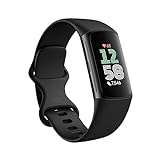
- Find your way seamlessly during runs or rides with turn-by-turn directions from Google Maps on Fitbit Charge 6[7, 8]; and when you need a snack break on the go, just tap to pay with Google Wallet[8, 9]
This difference shows up immediately in how each tracker feels to use. The Galaxy Fit 3 behaves more like a digital fitness logbook, while the Charge 6 behaves like a fitness companion that expects your attention and engagement.
Price and long-term cost considerations
The Samsung Galaxy Fit 3 typically lands in the lower budget tier, often retailing well below the Charge 6 and frequently discounted. It delivers strong value upfront, especially considering its AMOLED display, long battery life, and solid build quality for the price. Crucially, there is no subscription required to access Samsung Health insights.
The Fitbit Charge 6 carries a significantly higher upfront price, reflecting its GPS hardware, brighter display, and more advanced tracking capabilities. On top of that, many of Fitbit’s most useful health insights, including deeper sleep analysis, readiness-style metrics, and long-term trend interpretation, are gated behind Fitbit Premium after the trial period.
Over a year or two of ownership, that subscription cost can easily surpass the initial price difference between the two devices. For value-focused buyers or those who dislike recurring fees, this alone can be a deciding factor.
Who the Samsung Galaxy Fit 3 is really for
The Galaxy Fit 3 is best suited for Samsung phone owners who already rely on Samsung Health for steps, sleep, and basic workout tracking. Integration is seamless, notifications are reliable, and data presentation is clean without feeling overwhelming. You get the sense that this tracker was designed to disappear into daily life rather than dominate it.
It is also an excellent choice for beginners or casual exercisers. If your goals revolve around walking more, improving sleep consistency, and tracking occasional workouts, the Fit 3 covers those needs without unnecessary complexity. Its slim aluminum body and soft strap make it comfortable for 24/7 wear, including overnight sleep tracking.
Finally, it is ideal for budget-conscious buyers who still want a modern display, strong battery life measured in days rather than hours, and dependable core tracking. You are not buying advanced training tools here, but you are getting a balanced, low-friction fitness experience.
Who the Fitbit Charge 6 is really for
The Fitbit Charge 6 is aimed squarely at users who want more guidance and more data from their tracker. Built-in GPS alone changes the experience for runners and walkers who want pace, distance, and route maps without carrying a phone. Combined with Fitbit’s cardio fitness metrics, it becomes far more appealing to structured exercisers.
It also makes sense for people already invested in the Fitbit ecosystem. If you value Fitbit’s sleep staging, health trends, and long-term insights, the Charge 6 continues that experience in a slimmer form than a smartwatch. The app remains one of the most approachable in the industry for visualizing health data, even if some features are paywalled.
This tracker is less about minimalism and more about accountability. If you respond well to prompts, scores, and progress indicators, the Charge 6 offers a more proactive approach to health and fitness than Samsung’s quieter style.
Choosing between ecosystems, not just hardware
At a glance, these trackers compete on size and category, but the real choice is about philosophy. Samsung offers a no-subscription, low-pressure tracker that complements everyday life, especially within its own Android ecosystem. Fitbit offers a more demanding but more informative experience that rewards engagement and consistency.
If you want simple, affordable tracking that stays out of the way, the Galaxy Fit 3 makes a strong case. If you want deeper insight, structured fitness data, and are comfortable paying for premium analysis, the Charge 6 justifies its higher cost.
From here, the comparison gets more concrete. Battery life, display quality, comfort, and sensor accuracy will either reinforce or challenge that initial instinct, and those real-world details often matter more than positioning alone.
Design, Comfort, and Wearability: Slim Band Ergonomics, Display Size, and All-Day Comfort
Once you move past ecosystem philosophy, the physical experience becomes the deciding factor. These are devices you wear nearly 24 hours a day, so small differences in shape, weight distribution, and screen behavior matter more than spec sheets suggest.
Overall form factor and materials
The Samsung Galaxy Fit 3 leans toward a watch-like presentation despite being a band-style tracker. Its aluminum chassis feels solid and slightly more premium than earlier Fit models, with flatter edges that help it sit securely on the wrist.
The Fitbit Charge 6 keeps the familiar pebble-in-a-band design Fitbit has refined over several generations. The stainless steel housing feels dense and durable, but it’s more rounded, which makes it visually slimmer while also creating a subtle bulge on smaller wrists.
In real-world wear, neither feels cheap, but they communicate different priorities. Samsung emphasizes a mini-watch aesthetic, while Fitbit prioritizes a compact, sensor-forward shape.
Dimensions, weight, and wrist presence
On paper, the Galaxy Fit 3 looks larger due to its 1.6-inch rectangular display. In practice, the thin profile and flat back spread that size evenly, so it doesn’t feel top-heavy during typing, sleeping, or desk work.
The Charge 6 is narrower and shorter, but slightly thicker to accommodate its GPS hardware and sensor stack. That extra thickness is noticeable when bending the wrist sharply, especially during push-ups or yoga poses.
Both trackers weigh roughly the same once strapped on, hovering in the mid-30 gram range with bands attached. The difference is less about mass and more about how that mass is distributed across the wrist.
Display size, readability, and interaction
Samsung’s larger AMOLED panel is immediately more legible at a glance. Text, notifications, and workout stats benefit from the extra real estate, reducing the need for scrolling mid-activity.
Fitbit’s smaller AMOLED display is crisp and bright, but information density is tighter. During workouts, metrics are still readable, yet you interact with the screen more frequently to cycle through data fields.
Both displays handle outdoor visibility well, though Samsung’s screen feels more forgiving in mixed lighting thanks to its size. For users with aging eyes or who check stats frequently during movement, the Galaxy Fit 3 has a clear ergonomic edge.
Buttons, touch controls, and day-to-day usability
The Galaxy Fit 3 includes a physical side button, which adds reliability when hands are sweaty or gloved. It’s particularly useful for quickly waking the screen or backing out of menus during workouts.
The Charge 6 relies on a haptic side button paired with touch gestures. It works well once learned, but it’s less intuitive under motion and occasionally requires a deliberate press rather than a quick tap.
Over long-term use, physical controls tend to reduce frustration. This is a small detail, but it contributes to Samsung’s more relaxed, low-friction daily experience.
Straps, adjustability, and long-term comfort
Both trackers use proprietary bands, limiting third-party options but ensuring a clean fit. Samsung’s silicone strap is soft and flexible, with enough adjustment holes to suit smaller wrists comfortably.
Fitbit’s band is equally soft but slightly narrower, which helps the Charge 6 feel discreet during sleep. However, the narrower band concentrates pressure more directly under the sensor area during long wear sessions.
For overnight tracking, both are easy to forget you’re wearing after a few nights. Side sleepers may prefer the Galaxy Fit 3’s flatter back, while lighter sleepers often favor the Charge 6’s slimmer footprint.
All-day and multi-day wear considerations
With 5ATM water resistance on both, showering and swimming don’t require removal. The Galaxy Fit 3’s broader back plate reduces sensor pressure, making it more comfortable for continuous wear across multiple days.
The Charge 6 remains comfortable, but its sensor bump and thicker body are more noticeable by day three or four of uninterrupted use. This becomes relevant for users who rely heavily on sleep and recovery tracking.
If comfort is defined by invisibility, Fitbit still excels in minimalism. If comfort means stability, readability, and fewer interaction annoyances, Samsung’s design makes a stronger case.
Display Technology and Daily Visibility: AMOLED vs. AMOLED, Brightness, and Touch Responsiveness
After comfort and controls, the screen is what you interact with most. Both trackers use AMOLED panels, but their approach to size, brightness tuning, and touch behavior creates very different daily experiences.
Screen size, resolution, and information density
The Galaxy Fit 3 uses a noticeably larger rectangular AMOLED display, giving it more room for full-length text, larger workout metrics, and clearer notifications at a glance. In practice, this reduces the need to scroll mid-activity, especially when checking pace, heart rate zones, or timers during workouts.
The Charge 6’s AMOLED panel is smaller and narrower, prioritizing a compact footprint over raw screen real estate. Fitbit compensates with clean typography and smart layout choices, but multi-metric workout screens feel denser, particularly for users with larger fingers or aging eyesight.
If you value readability over minimalism, Samsung’s larger panel immediately feels more relaxed and forgiving. Fitbit’s screen favors discretion and sharpness over scale.
Brightness and outdoor visibility
Brightness is where the Charge 6 quietly pulls ahead. Its AMOLED panel ramps up aggressively outdoors, remaining legible in direct sunlight during runs or bike rides without needing repeated wrist flicks.
The Galaxy Fit 3 is bright enough for most conditions and performs well in overcast light and shaded environments. Under harsh midday sun, however, it occasionally requires a deliberate angle adjustment, especially with darker watch faces.
Rank #2

- Inspire 3 is the tracker that helps you find your energy, do what you love and feel your best. All you have to do is wear it.Operating temperature: 0° to 40°C
- Move more: Daily Readiness Score(1), Active Zone Minutes, all-day activity tracking and 24/7 heart rate, 20+ exercise modes, automatic exercise tracking and reminders to move
- Stress less: always-on wellness tracking, daily Stress Management Score, mindfulness sessions, relax breathing sessions, irregular heart rhythm notifications(2), SpO2(3), menstrual health tracking, resting heart rate and high/low heart rate notifications
- Sleep better: automatic sleep tracking, personalized Sleep Profile(1), daily detailed Sleep Score, smart wake vibrating alarm, sleep mode
- Comfortably connected day and night: calls, texts & smartphone app notifications(4), color touchscreen with customizable clock faces, super lightweight and water resistant to 50 meters, up to 10 day battery life(5)
For outdoor-focused users who train frequently in bright conditions, Fitbit’s display tuning inspires more confidence. Indoor users or gym-focused wearers are unlikely to feel shortchanged by Samsung.
Always-on display and power trade-offs
Both trackers offer an optional always-on display, but they approach it differently. Fitbit’s implementation is more watch-like, keeping essential time and stat elements visible with minimal dimming transitions.
Samsung’s always-on mode is simpler and more conservative, prioritizing battery preservation over constant clarity. In real-world use, the Fit 3’s larger screen still helps offset this, but Fitbit’s AOD feels more polished if you rely on glance-based checking throughout the day.
Battery impact exists on both, though it’s more noticeable on the Charge 6 due to its higher brightness ceiling. Users chasing maximum battery life will likely disable AOD on either device.
Touch responsiveness and gesture reliability
The Galaxy Fit 3 benefits from its broader touch surface and slightly thicker glass, making swipes feel more deliberate and forgiving. Missed inputs are rare, even with damp fingers after a workout or shower.
The Charge 6 is responsive but demands more precision, especially near the screen edges. Combined with its haptic side button, navigation becomes second nature over time, but it’s less immediately intuitive during fast-paced activities.
Over weeks of use, Samsung’s touch experience feels calmer and more tolerant of imperfect interactions. Fitbit’s feels faster and sharper, but also more exacting, rewarding learned muscle memory rather than casual use.
Health and Wellness Tracking Accuracy: Heart Rate, Sleep Stages, SpO₂, Stress, and Daily Readiness
After display behavior and day-to-day interaction, long-term satisfaction with a fitness tracker lives or dies by how well it measures your body. This is where the philosophical split between Samsung and Fitbit becomes clearer, with one favoring accessible baseline metrics and the other leaning into interpretive health insights.
Both devices are designed for continuous wear, using lightweight polymer bodies and soft silicone bands that minimize sensor lift-off during sleep and workouts. Comfort matters here, because accuracy drops quickly if a tracker shifts on the wrist, especially overnight.
Heart rate accuracy and workout reliability
In steady-state activities like walking, indoor cycling, and weight training, both trackers deliver heart rate readings that align closely with chest strap references. The Fitbit Charge 6 tends to stabilize slightly faster at the start of a workout, particularly during interval-style sessions with rapid intensity changes.
The Galaxy Fit 3 occasionally lags by a few seconds when transitioning from rest to high exertion, but once locked in, its readings remain consistent. For casual cardio and gym sessions, the difference is minor, though more performance-focused users will notice Fitbit’s tighter tracking during tempo shifts.
During all-day monitoring, resting heart rate trends are reliable on both platforms. Fitbit’s long-term graphs are more granular, while Samsung presents cleaner averages that are easier to digest at a glance.
Sleep stages and overnight consistency
Sleep tracking is a standout strength for Fitbit, and the Charge 6 continues that reputation. It delivers consistent detection of sleep onset, wake times, and stage transitions, with REM and deep sleep estimates that closely mirror patterns seen on higher-end wearables.
The Galaxy Fit 3 provides accurate total sleep duration and bedtime consistency but is less detailed in its stage breakdowns. Light and deep sleep data generally track well, though REM estimates can vary more night to night compared to Fitbit.
Comfort plays a role here, and Samsung’s wider, flatter case distributes pressure well for side sleepers. Fitbit’s narrower body is lighter, but some users may notice the raised sensor dome more during longer nights.
SpO₂ monitoring and respiratory insights
Both trackers measure blood oxygen saturation during sleep rather than on-demand. In real-world use, nightly averages tend to fall within expected ranges when compared to fingertip pulse oximeters, assuming a snug but comfortable fit.
Fitbit adds more context by pairing SpO₂ data with estimated breathing rate and long-term trend charts. Samsung shows nightly values clearly but offers less interpretation around deviations or multi-week patterns.
Neither device is intended for medical use, but Fitbit’s presentation makes it easier to spot subtle changes over time. Samsung’s approach favors simplicity, which may suit users who just want reassurance rather than analysis.
Stress tracking and physiological signals
This is one of the clearest functional gaps between the two. The Fitbit Charge 6 includes an EDA sensor, allowing it to measure electrodermal activity and detect short-term stress responses through guided scans.
The Galaxy Fit 3 relies on heart rate variability and resting heart rate trends to estimate stress levels. These readings are directionally useful, especially for identifying high-stress days, but they lack the moment-to-moment sensitivity of Fitbit’s EDA-based approach.
For users interested in mindfulness, breathing sessions, and stress awareness, Fitbit’s system feels more proactive. Samsung’s is quieter and more passive, better suited to users who prefer minimal prompts.
Daily readiness and recovery guidance
Fitbit’s Daily Readiness Score remains a differentiating feature, combining sleep quality, recent activity, and heart rate variability into a single actionable number. It works well as a decision aid, particularly for users balancing workouts with recovery, though full access requires a Fitbit Premium subscription.
The Galaxy Fit 3 does not offer a true readiness or recovery score. Instead, Samsung provides separate signals like sleep score, stress level, and resting heart rate, leaving interpretation up to the user.
This makes Samsung’s approach feel less prescriptive but also less supportive for beginners. Fitbit is more coach-like, while Samsung acts more as a data mirror.
Accuracy versus interpretation: choosing the right philosophy
In raw sensor accuracy, neither tracker is fundamentally unreliable, and both perform well for their price class. Fitbit edges ahead in dynamic heart rate tracking, sleep stage consistency, and stress detection thanks to its richer sensor suite.
Samsung counters with solid baseline accuracy, excellent comfort, and no locked features behind a subscription. Users who want clear metrics without ongoing costs will appreciate Samsung’s restraint, while those seeking deeper health narratives and guidance will find Fitbit more compelling.
Fitness and Activity Tracking: Sports Modes, GPS Performance, Auto-Detection, and Workout Insights
The philosophical differences outlined in health and recovery guidance become even clearer once you start actively training with these two trackers. Both are competent day-to-day activity companions, but they prioritize different types of users once workouts, routes, and performance feedback come into play.
Sports modes and workout coverage
The Galaxy Fit 3 offers over 100 activity modes, though most users will realistically interact with a smaller core set like walking, running, cycling, rowing, elliptical, and general workouts. Samsung’s strength here is breadth rather than depth, making it easy to log almost any activity without worrying about compatibility.
Fitbit Charge 6 supports around 40 exercise modes, which sounds modest by comparison but covers nearly all mainstream training types. Where Fitbit differentiates is in how these modes are tuned, with more consistent heart rate sampling and clearer post-workout summaries across cardio-focused activities.
In practical use, Samsung’s expansive list is helpful for variety, while Fitbit’s tighter curation feels more intentional. Casual users won’t hit the ceiling on either device, but structured exercisers may appreciate Fitbit’s more refined handling of core workouts.
Built-in GPS versus connected GPS
This is the single most important fitness distinction between the two. The Fitbit Charge 6 includes built-in GPS, allowing it to independently track outdoor runs, walks, and rides without carrying a phone.
In testing, GPS lock-on is reasonably quick, typically under 30 seconds in open areas, and route maps are consistent enough for pace and distance analysis. Battery drain increases noticeably with GPS enabled, but Fitbit still manages multiple tracked sessions per charge.
The Galaxy Fit 3 lacks onboard GPS and relies entirely on connected GPS through a paired smartphone. This works reliably when the phone connection is stable, but it adds friction and limits spontaneity, particularly for runners or walkers who prefer leaving their phone behind.
For outdoor-focused users, the Charge 6 is clearly more flexible and confidence-inspiring. The Fit 3 is better suited to indoor workouts, gym sessions, or users who always train with their phone.
Auto-detection and passive activity logging
Both trackers handle automatic activity detection well, but with different levels of assertiveness. The Galaxy Fit 3 quietly detects common activities like walking, running, and elliptical sessions, logging duration and estimated calories without interrupting the user.
Fitbit’s SmartTrack system is more proactive and detailed, often identifying activity type, intensity, and duration with better contextual accuracy. It also retroactively labels workouts in the app with clearer timelines.
Samsung’s approach suits users who want passive tracking without constant notifications. Fitbit’s system is more informative and structured, which benefits users who rely on logged activity to guide weekly goals.
Heart rate tracking during workouts
During steady-state cardio, both devices deliver reliable heart rate data for their class. Fitbit maintains an edge during interval training and rapid intensity changes, where its optical sensor and algorithms respond more quickly.
Rank #3

- 【BUILT-IN GPS SMART WATCH – GO FURTHER, FREER, SMARTER】No phone? No problem. This fitness watch for women, featuring the latest 2025 technology, includes an advanced professional-grade GPS chip that precisely tracks every route, distance, pace (real-time & average), and calorie burned—completely phone-free. Whether you're chasing new personal records or exploring off the beaten path, your full journey is automatically mapped and synced in the app. Train smarter. Move with purpose. Own your progress. Own your journey.
- 【BLUETOOTH 5.3 CALLS & SMART NOTIFICATIONS】Stay effortlessly connected with this smart watch for men and women, featuring dual Bluetooth modes (BT 3.0 + BLE 5.3) and a premium microphone for crystal-clear calls right from your wrist—perfect for driving, workouts, or busy days. Receive instant alerts for calls, texts, and popular social apps like WhatsApp and Facebook. Just raise your wrist to view notifications and never miss an important moment.
- 【100+ SPORT MODES & IP68 WATERPROOF & DUSTPROOF】This sport watch is a versatile activity and fitness tracker with 100+ modes including running, cycling, yoga, and more. It features quick-access buttons and automatic running/cycling detection to start workouts instantly. Accurately track heart rate, calories, distance, pace, and more. Set daily goals on your fitness tracker watch and stay motivated with achievement badges. With IP68 waterproof and dustproof rating, it resists rain and sweat for any challenge. Not suitable for showering, swimming, or sauna.
- 【24/7 HEALTH ASSISTANT & SMART REMINDERS】This health watch continuously monitors heart rate, blood oxygen, and stress levels for comprehensive wellness tracking. Sleep monitoring includes deep, light, REM sleep, and naps to give you a full picture of your rest. Stay on track with smart reminders for sedentary breaks, hydration, medication, and hand washing. Women can also monitor menstrual health. Includes guided breathing exercises to help you relax. Your ultimate health watch with event reminders for a healthier life.
- 【ULTRA HD DISPLAY, LIGHTWEIGHT & CUSTOMIZABLE DIALS】This stylish wrist watch features a 1.27-inch (32mm) 360×360 ultra HD color display with a 1.69-inch (43mm) dial, offering vivid details and responsive touch. Its minimalist design fits both business and casual looks. Switch freely among built-in designer dials or create your own DIY watch face using photos, colors, and styles to showcase your unique personality. Perfect as a cool digital watch and fashion wrist watch.
Samsung’s readings are generally stable but can lag slightly during transitions, such as shifting from warm-up to high-intensity effort. For most casual workouts this won’t matter, but performance-focused users may notice the difference.
Neither tracker replaces a chest strap, but Fitbit’s consistency during dynamic movement makes it more trustworthy for training analysis.
Workout metrics and post-exercise insights
Samsung Health emphasizes clean summaries, showing duration, average heart rate, calorie burn, and time spent in heart rate zones. The presentation is uncluttered and easy to digest, but deeper performance insights are limited.
Fitbit provides more interpretive feedback, including active zone minutes, pace breakdowns for GPS activities, and clearer links between workouts and recovery metrics. These insights are especially valuable when paired with Fitbit’s readiness and sleep data.
Some advanced metrics remain locked behind Fitbit Premium, which is worth factoring into long-term value. Samsung delivers all of its workout data without additional cost, even if it stops short of advanced coaching.
Real-world usability during exercise
On the wrist, both trackers are light and comfortable enough for extended workouts. The Galaxy Fit 3’s slim aluminum body and soft silicone strap make it nearly disappear during long sessions, particularly for smaller wrists.
The Charge 6 is slightly bulkier but benefits from physical side button control, which is more reliable with sweaty hands than touch-only navigation. Screen visibility is excellent on both, though Fitbit’s brighter AMOLED panel has a slight edge outdoors.
Neither device feels fragile during exercise, but Fitbit’s water resistance and more robust workout controls give it a confidence advantage for frequent training.
Which tracker fits your training style
The Galaxy Fit 3 excels as a general activity tracker for users who want wide exercise coverage, strong comfort, and simple logging without subscription costs. It works best for gym workouts, indoor cardio, and phone-tethered outdoor activity.
The Fitbit Charge 6 is the more capable fitness tool for runners, walkers, and cyclists who value built-in GPS, richer workout insights, and tighter integration between training and recovery. It asks more of the user financially, but delivers more guidance in return.
Choosing between them comes down to how central structured workouts are to your routine, and whether independence from your phone matters during training.
Battery Life and Charging in Real-World Use: Claimed vs. Tested Endurance
Battery performance becomes even more important once workouts, sleep tracking, and notifications are part of a daily routine. After comparing how each tracker handles training demands, the next question is how often you actually need to take them off your wrist to recharge.
Samsung and Fitbit both publish optimistic battery estimates, but their designs and feature sets lead to very different real-world results.
Manufacturer claims at a glance
Samsung rates the Galaxy Fit 3 for up to 13 days of battery life on a single charge. That figure assumes lighter usage, with the always-on display disabled, limited notifications, and no GPS activity.
Fitbit lists the Charge 6 at up to 7 days, again under mixed but conservative conditions. The big caveat is built-in GPS, which dramatically increases power draw during outdoor activities.
These headline numbers are useful for context, but day-to-day endurance depends heavily on how you train and how much data you expect the tracker to collect in the background.
Galaxy Fit 3: Consistent longevity with fewer power drains
In real-world testing with 24/7 heart rate monitoring, sleep tracking enabled every night, and moderate notifications, the Galaxy Fit 3 consistently delivered between 9 and 11 days per charge. This included three to four tracked workouts per week without GPS, plus continuous wear.
Turning on the always-on display reduced endurance to around 6 to 7 days, which is still strong for a slim AMOLED fitness band. Samsung’s display remains relatively efficient, but AOD use is the single biggest hit to battery life.
Because the Fit 3 relies on phone-connected GPS rather than onboard satellite tracking, outdoor walks and runs have a minimal impact on battery drain. For users who always carry their phone, this design choice works in Samsung’s favor when it comes to longevity.
Fitbit Charge 6: Shorter overall life, heavier usage tolerance
With continuous heart rate tracking, nightly sleep analysis, notifications enabled, and one to two GPS workouts per week, the Charge 6 typically lasted around 4 to 5 days between charges. This aligns closely with what most active users should expect.
GPS usage is the defining factor. A single hour-long outdoor run with GPS active can consume roughly 10 to 15 percent of the battery, depending on signal quality and screen usage.
Disabling the always-on display and limiting GPS sessions can push the Charge 6 closer to 6 days, but users who rely on frequent outdoor tracking will realistically be charging it twice a week.
Sleep tracking and background health monitoring
Both devices handle overnight tracking efficiently, but the Galaxy Fit 3’s simpler sensor suite draws less power during sleep. Even with blood oxygen monitoring enabled, overnight drain remained modest in testing.
The Charge 6 tracks more metrics simultaneously during sleep, including SpO2 trends and skin temperature variation, which contributes to higher background consumption. The trade-off is richer recovery insights, but it does cost battery life over time.
Neither tracker showed excessive overnight drain, but Fitbit’s broader health analysis comes with a measurable power penalty.
Charging speed and convenience
Samsung uses a magnetic pogo-pin charger that snaps securely into place. A full charge from near empty takes just under an hour, and short top-ups are effective thanks to the Fit 3’s lower capacity demands.
Fitbit’s proprietary magnetic clip charger takes slightly longer, averaging around 70 to 80 minutes for a full charge. The clip is stable once attached, but less elegant to travel with compared to Samsung’s flatter charging puck.
Neither device supports wireless charging, but both are fast enough that charging during a shower or desk break can meaningfully extend usage.
Battery life as a deciding factor
The Galaxy Fit 3 clearly favors users who prioritize long stretches between charges and minimal battery anxiety. Its endurance suits casual exercisers, office wear, and anyone who prefers to forget about charging for over a week at a time.
The Charge 6 asks for more frequent charging but supports more demanding use, especially GPS-based training and deeper health analysis. For users who value those features, the shorter battery life feels like a reasonable trade rather than a flaw.
Ultimately, battery performance reflects each tracker’s priorities, with Samsung optimizing for efficiency and Fitbit leaning into capability, even when it costs endurance.
Smart Features and Everyday Convenience: Notifications, Controls, and Lifestyle Extras
After battery life, smart features are where day-to-day differences between the Galaxy Fit 3 and Charge 6 become more apparent. Neither is trying to replace a smartwatch, but how they handle notifications, controls, and small lifestyle tools can meaningfully shape daily satisfaction.
Notifications and phone interaction
Both trackers mirror smartphone notifications reliably, but they approach interaction very differently. The Galaxy Fit 3 focuses on glanceability, showing incoming alerts clearly with large text and simple icons on its wide AMOLED display.
You can read messages, dismiss notifications, and see app sources, but replies are not supported. In real-world use, this keeps interruptions lightweight and avoids turning the band into a distraction, especially during workouts or office hours.
The Fitbit Charge 6 allows slightly deeper interaction on Android phones, including quick replies for supported messaging apps. The responses are canned rather than customizable, but they are genuinely useful when your phone is out of reach.
Notification handling on the Charge 6 feels more “smartwatch-adjacent,” while the Fit 3 is intentionally restrained. Users who want minimal interruption will likely prefer Samsung’s approach, while those who rely on messaging throughout the day may appreciate Fitbit’s added flexibility.
Controls, navigation, and ease of use
Samsung’s interface is built around horizontal swipes and a single physical button, and it feels immediately intuitive. The Fit 3’s rectangular display provides more horizontal space than most bands, making menus easier to read and less cramped.
In daily use, scrolling through widgets like weather, steps, heart rate, and battery status feels fluid and visually clean. The haptic feedback is subtle but precise, reinforcing actions without becoming annoying.
Rank #4

- 24H Accurate Heart Rate Monitoring: Go beyond basic tracking. Our watch automatically monitors your heart rate, blood oxygen (SpO2), and sleep patterns throughout the day and night. Gain deep insights into your body's trends and make informed decisions for a healthier lifestyle.
- Practical Sports Modes & Smart Activity Tracking: From running and swimming to yoga and hiking, track a wide range of activities with precision. It automatically records your steps, distance, calories burned, and duration, helping you analyze your performance and crush your fitness goals.
- 1-Week Battery Life & All-Day Wear: Say goodbye to daily charging. With an incredible up to 7-10 days of battery life on a single charge, you can wear it day and night for uninterrupted sleep tracking and worry-free travel. Stay connected to your data without the hassle.
- Comfortable to Wear & IP68 Waterproof: The lightweight, skin-friendly band is crafted for all-day comfort, even while you sleep. With IP68 waterproof, it withstands rain, sweat, It is not suitable for swimming or showering.
- Ease of Use and Personalized Insights via Powerful App: The display is bright and easy to read, even outdoors. Unlock the full potential of your watch. Sync with our dedicated app to view detailed health reports, customize watch faces, set sedentary reminders, and manage your preferences with ease.
The Charge 6 uses a vertical swipe-based interface with a side button, and while it’s familiar to long-time Fitbit users, it feels denser. The narrower screen means more scrolling, especially when navigating settings or exercise menus.
Fitbit’s UI is functional and consistent, but it prioritizes data access over visual breathing room. Users with smaller wrists may appreciate the compactness, while those who value clarity at a glance may find Samsung’s layout easier to live with.
Music controls, payments, and everyday extras
The Galaxy Fit 3 includes basic music playback controls for your phone, allowing play, pause, skip, and volume adjustments. It works reliably with Samsung and non-Samsung Android devices, but it doesn’t support offline music storage or payments.
Fitbit goes further here, and the difference is significant. The Charge 6 supports Google Wallet for contactless payments, which worked consistently in testing and adds real convenience for runs or errands without a phone.
It also offers music controls and integrates more deeply with Google services, including YouTube Music controls on supported devices. These extras push the Charge 6 closer to smartwatch territory, even if the screen and hardware remain band-like.
GPS, maps, and outdoor convenience
One of the most meaningful lifestyle differences is GPS. The Galaxy Fit 3 lacks built-in GPS and relies on connected phone GPS for outdoor tracking, which is fine for casual users but limiting for phone-free workouts.
The Charge 6 includes onboard GPS with improved signal reliability compared to earlier Fitbit models. In testing, lock-on times were quick, and distance accuracy was solid for runs and walks, though not class-leading.
Fitbit also adds simple turn-by-turn map cues on the band during supported activities, which enhances confidence during unfamiliar routes. This is a clear advantage for runners and walkers who prefer leaving their phone behind.
Ecosystem integration and subscription considerations
Samsung’s smart features are tightly integrated with the Samsung Health ecosystem, but they remain fully usable without subscriptions. All core features, insights, and historical data are available at no additional cost, which adds to the Fit 3’s value appeal.
The experience is especially seamless for Samsung phone owners, with smoother syncing, deeper system integration, and more consistent notification behavior. Non-Samsung Android users still get a solid experience, just without some ecosystem polish.
Fitbit’s ecosystem is broader and more platform-agnostic, but it increasingly nudges users toward Fitbit Premium. While smart features themselves don’t require a subscription, some contextual insights and advanced analysis live behind the paywall.
For users already invested in Fitbit’s app and community, this may feel acceptable. For value-focused buyers, Samsung’s no-subscription approach keeps everyday convenience simpler and more predictable.
Comfort, durability, and daily wear impact
Smart features only matter if the tracker is comfortable enough to wear all day. The Galaxy Fit 3’s slim aluminum case and soft fluoroelastomer strap make it easy to forget on the wrist, even during sleep or long workdays.
The Charge 6 feels slightly thicker and denser, with a more rugged presence. That added heft contributes to durability and GPS hardware, but it’s more noticeable during all-day wear, especially on smaller wrists.
Both are water-resistant and suitable for showers, swims, and sweaty workouts, but Samsung’s lighter profile favors continuous wear. Fitbit’s design trades subtlety for capability, aligning with users who want their tracker to do more, even if it feels more substantial.
App Ecosystem and Data Experience: Samsung Health vs. Fitbit App, Insights, and Long-Term Value
Where these trackers truly diverge is not on the wrist, but on the phone. After days and weeks of wear, the quality of insights, clarity of trends, and ease of understanding your data matter more than raw sensor specs.
Both Samsung Health and the Fitbit app are mature platforms, but they reflect very different philosophies around guidance, depth, and how much is given freely versus gated.
Samsung Health: Clean presentation and no-paywall fundamentals
Samsung Health prioritizes clarity and approachability, especially for users who want to understand their activity without feeling overwhelmed. Daily steps, calories, heart rate, sleep stages, and stress are presented in a visually calm layout that’s easy to scan in seconds.
Historical data is fully accessible without restrictions. You can scroll back months or years to see trends in sleep duration, resting heart rate, or activity consistency without encountering locked charts or prompts to upgrade.
For Galaxy Fit 3 users, this reinforces the tracker’s role as a reliable daily companion rather than a performance coach. The app encourages consistency through gentle nudges and badges, not through algorithm-heavy scoring systems.
Sleep tracking and recovery insights compared
Samsung Health breaks sleep into stages, sleep score, and basic coaching tips that focus on routine and duration. The data is easy to interpret, but the guidance stays high level, with limited explanation of how specific behaviors affect recovery.
Fitbit’s app goes deeper into sleep analytics, especially when paired with Fitbit Premium. Sleep Score breakdowns, nightly benchmarks, and longer-term sleep profiles offer more context for users trying to optimize rest.
Without Premium, Fitbit still delivers solid sleep tracking, but some of the most actionable insights feel intentionally incomplete. Over time, this can make Samsung’s simpler but fully unlocked approach feel more honest for casual users.
Fitness tracking depth and workout analysis
Samsung Health does a good job with automatic activity detection, manual workout logging, and post-exercise summaries. Metrics like duration, heart rate zones, and calories are presented clearly, but the app avoids advanced performance interpretation.
Fitbit leans into guided fitness and readiness-style insights. Even outside Premium, trends like cardio fitness score and workout intensity minutes provide a stronger sense of progression, especially for users exercising several times per week.
For Charge 6 owners who actively train, the Fitbit app feels more motivating and structured. For Fit 3 users focused on general health and movement, Samsung Health delivers enough detail without complexity.
Long-term trends and data ownership
Samsung Health emphasizes long-term habit tracking rather than predictive analysis. Over months of use, trends in activity and sleep are easy to follow, but the app stops short of forecasting or readiness scoring.
Fitbit excels at longitudinal analysis, showing how today compares to personal baselines built over weeks and months. This is particularly effective for users who enjoy seeing their fitness quantified and contextualized.
However, the most compelling long-term insights in Fitbit’s ecosystem increasingly rely on Premium. Samsung’s decision to keep all historical data open gives the Galaxy Fit 3 stronger long-term value for cost-conscious users.
Ecosystem integration and device compatibility
Samsung Health integrates seamlessly with Samsung phones, pulling in system-level data and syncing quickly in the background. Features like notifications, health reminders, and quick syncing feel more polished within Samsung’s broader ecosystem.
On non-Samsung Android phones, the experience remains stable but slightly less refined. Sync times can be longer, and some convenience features feel more generic.
Fitbit’s app is platform-agnostic by design. Whether you’re on a Pixel, Galaxy, or another Android phone, the experience remains consistent, which benefits users who switch phones or brands frequently.
Motivation, community, and long-term engagement
Samsung Health includes challenges and social features, but they are understated and optional. The app assumes users are self-motivated and avoids pushing competitive elements too aggressively.
Fitbit places more emphasis on engagement through challenges, badges, and social comparison. For some users, this adds motivation; for others, it can feel noisy or pressure-driven over time.
The difference aligns with each tracker’s personality. Galaxy Fit 3 feels like a quiet health monitor you live with, while Charge 6 feels like a coach that expects regular interaction.
Subscription impact on overall value
The absence of a subscription is central to Samsung Health’s appeal. What you buy on day one is what you continue to get years later, with software updates enhancing rather than restricting functionality.
Fitbit Premium is not mandatory, but it meaningfully shapes the experience. Users who want the deepest insights, structured programs, and advanced analytics should factor the recurring cost into the Charge 6’s long-term value.
For buyers weighing upfront price against ownership cost, this difference can outweigh hardware advantages. The app experience ultimately determines whether a tracker feels empowering or increasingly conditional the longer you use it.
💰 Best Value

- 【Superb Visual Experience & Effortless Operation】Diving into the latest 1.58'' ultra high resolution display technology, every interaction on the fitness watch is a visual delight with vibrant colors and crisp clarity. Its always on display clock makes the time conveniently visible. Experience convenience like never before with the intuitive full touch controls and the side button, switch between apps, and customize settings with seamless precision.
- 【Comprehensive 24/7 Health Monitoring】The fitness watches for women and men packs 24/7 heart rate, 24/7 blood pressure and blood oxygen monitors. You could check those real-time health metrics anytime, anywhere on your wrist and view the data record in the App. The heart rate monitor watch also tracks different sleep stages for light and deep sleep,and the time when you wake up, helps you to get a better understanding of your sleep quality.
- 【120+ exercise modes & All-Day Activity Tracking】There are more than 120 exercise modes available in the activity trackers and smartwatches, covering almost all daily sports activities you can imagine, gives you new ways to train and advanced metrics for more information about your workout performance. The all-day activity tracking feature monitors your steps, distance, and calories burned all the day, so you can see how much progress you've made towards your fitness goals.
- 【Messages & Incoming Calls Notification】With this smart watch fitness trackers for iPhone and android phones, you can receive notifications for incoming calls and read messages directly from your wrist without taking out your phone. Never miss a beat, stay in touch with loved ones, and stay informed of important updates wherever you are.
- 【Essential Assistant for Daily Life】The fitness watches for women and men provide you with more features including drinking water and sedentary reminder, women's menstrual period reminder, breath training, real-time weather display, remote camera shooting, music control,timer, stopwatch, finding phone, alarm clock, making it a considerate life assistant. With the GPS connectivity, you could get a map of your workout route in the app for outdoor activity by connecting to your phone GPS.
Subscriptions, Platform Lock-In, and Compatibility: What You Pay, What You Lose, and Phone Pairing Realities
The differences between Galaxy Fit 3 and Charge 6 become sharper once you look past hardware and into ownership realities. Subscriptions, ecosystem dependence, and phone compatibility quietly shape how much value you actually get over time.
Subscription models: upfront freedom vs ongoing cost
Samsung Health remains fully functional without any paid tier, and that matters more than it first appears. Sleep stages, trends, heart rate history, SpO₂ tracking, stress data, and long-term health charts are all available from day one with no feature walls.
Fitbit Premium, by contrast, sits at the center of the Charge 6 experience even if it is technically optional. Core tracking works without paying, but many of the insights that differentiate Fitbit—Daily Readiness Score, advanced sleep analytics, stress breakdowns, and guided programs—either disappear or become shallow without the subscription.
In real-world use, this creates a psychological split. Galaxy Fit 3 feels like a product you own outright, while Charge 6 can feel like a service you rent insights from, especially after the Premium trial ends.
What you lose without paying
With Samsung Health, nothing essential is withheld. You still see raw data, trend graphs, and long-term progress, even if the app avoids heavy interpretation or coaching language.
On the Fitbit side, losing Premium means losing context. You still know how long you slept or how many steps you took, but the narrative explaining whether that was good, improving, or concerning becomes less visible.
For beginners who want clear guidance, Premium can feel genuinely helpful. For experienced users who prefer raw data and self-interpretation, it can feel like paying to unlock features that used to be standard.
Platform lock-in: ecosystem gravity matters
Galaxy Fit 3 is deeply tied to Samsung’s Android-first approach. It works best on Samsung phones, where background syncing, notification handling, and health data sharing integrate smoothly with system-level services.
On non-Samsung Android devices, the Fit 3 remains usable but slightly constrained. You may need additional background permissions, syncing can feel slower, and some polish is lost compared to running it on a Galaxy phone.
Fitbit’s ecosystem is more brand-agnostic but more platform-controlled. The experience is consistent across Android phones, but once you’re invested in Fitbit data, moving away from the platform entirely becomes harder due to how tightly historical insights and scores are bound to the Fitbit app.
Android compatibility and phone pairing realities
Both trackers are Android-focused, but they behave differently during daily use. Galaxy Fit 3 pairs quickly with Samsung phones and tends to stay connected reliably, with fewer notification delays and less aggressive battery management conflicts.
On other Android phones, Galaxy Fit 3 still works well, but you may notice occasional sync delays or the need to manually open Samsung Health to force updates. It’s not broken, just less invisible.
Fitbit Charge 6 pairs consistently across Android brands and handles background syncing more uniformly. However, it can be more sensitive to aggressive battery optimization settings, requiring occasional user intervention to maintain reliable syncing.
Switching phones or ecosystems over time
If you frequently change Android phone brands, Fitbit offers more continuity. Your experience remains nearly identical whether you’re using a Pixel, Galaxy, or another Android device.
Samsung Health rewards long-term commitment to Samsung hardware. If you plan to stay within the Galaxy ecosystem, the Fit 3 ages gracefully and becomes more convenient over time.
For users who anticipate switching brands, platforms, or devices regularly, Fitbit’s neutrality may outweigh its subscription cost. For users settled into Samsung’s ecosystem, the Fit 3’s no-fee model feels more stable and predictable.
Ownership value over multiple years
Over two or three years, subscription costs quietly reshape value. Galaxy Fit 3’s total cost of ownership stays fixed, while Charge 6’s value depends on whether Premium remains worth paying for month after month.
This doesn’t make Fitbit inherently worse, but it does demand a different mindset. Charge 6 works best for users who actively engage with programs, scores, and coaching, while Galaxy Fit 3 favors users who want consistent tracking without ongoing financial commitment.
The decision here is less about price and more about philosophy. Do you want a tracker that simply records your health, or one that continually interprets it—for a fee.
Final Verdict: Which Fitness Tracker Should You Buy Based on Your Phone, Fitness Goals, and Budget?
At this point, the differences between Galaxy Fit 3 and Fitbit Charge 6 are less about raw capability and more about alignment. Both are competent, comfortable fitness trackers with solid health fundamentals, but they serve different types of users over months and years of ownership.
The right choice depends on three things: which phone you use, how deeply you want your data interpreted, and how much ongoing cost you’re willing to accept.
If you use a Samsung phone and want simple, reliable tracking
Galaxy Fit 3 is the easy recommendation for Samsung phone owners. Pairing is seamless, background syncing is stable, and Samsung Health feels like a native extension rather than a companion app you constantly manage.
In daily use, the Fit 3 fades into the background in a good way. Steps, heart rate, sleep, and workouts are tracked consistently without reminders, subscriptions, or prompts pushing you to engage more than you want.
If your goals are general activity, basic fitness awareness, and long battery life in a slim, comfortable band, Galaxy Fit 3 delivers that with minimal friction. It is especially well suited for first-time tracker users or anyone tired of managing settings and notifications just to keep a device running smoothly.
If you care most about advanced health insights and guided fitness
Fitbit Charge 6 remains the stronger choice for users who want their data interpreted, not just recorded. Metrics like readiness-style scoring, detailed sleep breakdowns, stress trends, and heart health insights go deeper than what Samsung currently offers.
For users training more deliberately or trying to change habits through structure, Fitbit Premium can add real value. Programs, reminders, and long-term trend analysis are areas where Charge 6 still feels more mature and purpose-built.
The trade-off is involvement. You need to engage with the app, manage permissions, and decide whether the subscription continues to justify its cost. For motivated users who enjoy that feedback loop, the Charge 6 rewards attention with richer insights.
If you switch Android phones or want ecosystem neutrality
Fitbit’s biggest advantage is consistency across devices. Whether you’re on a Samsung, Pixel, or another Android brand, the experience remains largely unchanged.
Galaxy Fit 3 works outside Samsung phones, but it clearly feels optimized for Samsung hardware. Syncing and background behavior are fine on other Android phones, just not as invisible.
If you expect to change phones often or want a tracker that feels independent of brand loyalty, Charge 6 offers more long-term flexibility.
If battery life, comfort, and low maintenance matter most
Galaxy Fit 3 wins on simplicity and endurance. Its lighter body, softer band, and longer real-world battery life make it easier to wear continuously, including overnight.
Charge 6 is still comfortable, but the brighter display, GPS use, and more frequent syncing mean you’ll charge it more often. That’s not a flaw, but it is a lifestyle consideration.
For users who value a tracker that feels almost forgettable on the wrist, Galaxy Fit 3 better fits that philosophy.
If budget and total ownership cost are key factors
Upfront pricing already favors Galaxy Fit 3, but the real difference appears over time. With no subscription required, what you pay on day one is essentially the full cost of ownership.
Charge 6 can become significantly more expensive if you maintain Fitbit Premium year after year. That investment makes sense if you actively use the advanced features, but less so if you mainly check steps and sleep.
Value-conscious buyers, especially those upgrading from older bands, will likely feel more satisfied with the Fit 3 over the long run.
The bottom line
Choose Samsung Galaxy Fit 3 if you use a Samsung phone, want dependable tracking without ongoing costs, and prioritize comfort, battery life, and low-effort ownership. It is a clean, focused fitness band that does exactly what most people need, without asking for more.
Choose Fitbit Charge 6 if you want deeper health insights, structured fitness guidance, GPS tracking, and a platform that stays consistent no matter which Android phone you use. It rewards engagement and works best for users who see fitness tracking as an active project rather than a passive record.
Neither tracker is universally better. The right one is the tracker that fits your phone, your habits, and your willingness to invest time or money beyond the initial purchase.