Smart rings have quietly shifted from niche sleep trackers to legitimate, all-day health wearables, and the Samsung Galaxy Ring and RingConn Gen 2 sit at the center of that transition. Both promise continuous health monitoring without the bulk, screens, or constant notifications of a smartwatch, but they arrive from very different philosophies. One is backed by the largest Android ecosystem player on the planet, while the other represents a focused, hardware-first approach refined across multiple generations.
If you are weighing these two rings, you are likely deciding not just between products, but between ecosystems, data priorities, and long-term ownership models. The Galaxy Ring is designed to integrate deeply with Samsung Health and the broader Galaxy device lineup, while RingConn Gen 2 positions itself as a platform-agnostic, subscription-free alternative aimed at long-term health trends rather than daily nudges. Understanding where those differences matter in real-world use is critical before spending several hundred dollars on a device you will wear 24/7.
This comparison matters because smart rings are not impulse gadgets. Comfort, battery endurance, data accuracy, and software trust determine whether a ring becomes invisible on your finger or quietly ends up in a drawer after a few weeks. The sections that follow break down how these two rings approach those fundamentals and which type of user each one truly serves.
The smart ring market is no longer experimental
Early smart rings were limited by inconsistent sensors, short battery life, and underdeveloped apps. In 2024 and 2025, that changed, with multi-day battery life, improved optical sensors, skin temperature tracking, and increasingly sophisticated recovery and readiness metrics becoming standard expectations. The Galaxy Ring and RingConn Gen 2 are competing in a market that now demands reliability, not novelty.
🏆 #1 Best Overall

- Two-Way Audio: Communicate easily with visitors or pets through built-in speakers and microphone.
- Motion Detection: Receive instant alerts when movement is detected, enhancing security.
- Night Vision: Captures clear video in low-light environments, ensuring visibility after dark.
- Cloud Storage: Safely stores recordings online, providing easy access and backup options.
- IP65 Weather Resistant: Designed to endure harsh weather conditions, ensuring durability for outdoor use.
This matters because buyers are no longer forgiving of compromises that were acceptable a few years ago. If sleep data is inconsistent, heart rate trends drift, or charging becomes frequent and annoying, the entire value proposition of a screenless wearable collapses. Both of these rings aim to be worn continuously, including during sleep, workouts, and rest days, so execution matters more than feature checklists.
Ecosystem lock-in versus platform independence
Samsung’s entry into smart rings signals a strategic push to extend its health platform beyond watches and phones. The Galaxy Ring is most compelling when paired with a Samsung smartphone, where Samsung Health acts as the central hub for sleep scores, energy metrics, and long-term trend analysis. For users already invested in Galaxy phones and watches, this can be a seamless extension rather than a standalone device.
RingConn Gen 2 takes the opposite approach by avoiding deep dependence on any single smartphone brand. Its app experience is designed to deliver core health insights without requiring additional subscriptions or hardware from the same manufacturer. For users switching between Android and iOS, or those who want health data without ecosystem friction, that distinction can outweigh brand recognition.
Battery life and daily wear change the ownership experience
Smart rings live or die by how often they need to be charged. A ring that lasts a week behaves very differently in daily life than one that needs power every few days, especially when sleep tracking is a primary use case. Battery longevity also affects long-term wear habits, since frequent charging increases the chance of missed nights or forgotten reattachment.
The Galaxy Ring focuses on balancing compact size with multi-day battery performance, while RingConn Gen 2 emphasizes extended endurance as a core selling point. This difference is not just about numbers on a spec sheet, but about whether the ring becomes a passive background device or a recurring maintenance task.
Health metrics are only useful if they are trusted
Both rings track heart rate, sleep stages, activity, and recovery-oriented metrics, but their interpretation of that data differs. Samsung leans into actionable summaries and daily scores designed to integrate with its broader wellness narrative, while RingConn prioritizes longitudinal trends and raw consistency over coaching-style feedback.
For buyers focused on training load, recovery, and baseline health monitoring, subtle differences in sensor placement, sampling frequency, and algorithm transparency can matter more than flashy app visuals. This comparison matters because accuracy and consistency determine whether you adjust your habits based on the data or simply glance at it and move on.
Cost structure shapes long-term value
Upfront price is only part of the equation with smart rings. Subscription fees, replacement policies, and software update cadence all affect total cost of ownership over several years. A ring that avoids recurring fees may appear more expensive initially but can offer better value for users committed to long-term tracking.
Samsung’s model leverages its broader ecosystem scale, while RingConn’s appeal lies in keeping ownership simple and predictable. For buyers who plan to wear a smart ring for years rather than months, understanding these cost dynamics upfront can prevent regret later in the ownership cycle.
This head-to-head comparison exists to separate marketing promises from lived experience. By examining how the Galaxy Ring and RingConn Gen 2 perform across comfort, battery life, data quality, software experience, and value, the goal is to help you choose the ring that actually fits your lifestyle rather than the one that looks best on a spec sheet.
Design, Sizing, and All-Day Comfort: Materials, Thickness, and Real-World Wearability
If a smart ring is meant to fade into the background, its physical design matters just as much as its sensors or software. Comfort, sizing precision, and how the ring behaves during sleep, workouts, and everyday tasks ultimately determine whether it becomes a constant companion or something you remove more often than intended.
Materials and Build Quality
Samsung positions the Galaxy Ring as a premium object first and a wearable second. It uses a titanium shell with a smooth, matte finish that resists fingerprints and minimizes visual wear over time, aligning closely with Samsung’s broader hardware design language.
RingConn Gen 2 also relies on a titanium alloy, but its surface treatment feels more utilitarian. The finish is slightly more satin than matte, with less emphasis on visual refinement and more on durability, which suits its focus on continuous, long-term health tracking rather than fashion-forward appeal.
Both rings avoid sharp edges and aggressive chamfers, but Samsung’s finishing feels more jewelry-like, while RingConn’s prioritizes neutrality. Neither looks overtly like a gadget, which is critical for users who want something that blends into daily wear without signaling “fitness tracker.”
Thickness, Weight, and Finger Feel
Thickness is one of the most overlooked aspects of smart ring comfort, especially for users coming from traditional rings. The Galaxy Ring is marginally thicker than RingConn Gen 2, and that difference is noticeable during gripping motions like weight training, cycling handlebars, or carrying bags.
RingConn Gen 2 is slimmer and distributes its internal components more evenly around the band. This flatter profile makes it less intrusive during sustained hand pressure and more comfortable for users who plan to wear it on index or middle fingers throughout the day.
Weight differences are minimal on paper, but perception matters. The Galaxy Ring has a slightly denser feel that reinforces its premium positioning, while RingConn feels almost imperceptible after a few hours, which aligns with its emphasis on passive, long-duration wear.
Inner Shape, Sensor Placement, and Skin Contact
Samsung uses a subtly concave inner profile that helps stabilize the ring and keep sensors aligned with the underside of the finger. This improves measurement consistency but can create a pressure point for users with wider knuckles or fluctuating finger size throughout the day.
RingConn Gen 2 opts for a smoother inner curve with less pronounced contouring. The result is more forgiving during swelling from heat, exercise, or sleep, though it relies more heavily on precise sizing to maintain optimal sensor contact.
In real-world use, both approaches work, but they suit different tolerances. Users sensitive to pressure or those who wear rings overnight may find RingConn’s inner profile more comfortable over long stretches, while Samsung’s design favors sensor stability during movement.
Sizing Systems and Fit Accuracy
Sizing accuracy is critical because smart rings cannot be resized. Samsung offers a broad size range and provides a detailed sizing kit designed to account for finger swelling across the day, which is especially important given the ring’s slightly thicker build.
RingConn’s sizing approach is similarly comprehensive, with test rings that closely match the final product’s weight and inner geometry. This consistency makes it easier to predict long-term comfort, particularly for users who plan to wear the ring 24/7.
Both brands strongly encourage multi-day sizing trials, and skipping this step is one of the most common sources of buyer regret. Finger dominance, climate, and daily activity levels can all affect fit more than first-time buyers expect.
Sleep, Exercise, and All-Day Wearability
During sleep, the Galaxy Ring is generally unobtrusive, but light sleepers may notice it more than slimmer alternatives, particularly when fingers curl under pillows. Its rounded edges help, but thickness still plays a role in overnight awareness.
RingConn Gen 2 excels in sleep comfort due to its lower profile and lighter perceived presence. It is easier to forget it is there, which supports uninterrupted sleep tracking over weeks rather than sporadic nights.
For workouts, neither ring replaces a smartwatch or chest strap, but RingConn’s thinner profile makes it less distracting during strength training. Samsung’s ring feels more secure during dynamic movements, which can improve confidence for users worried about rotation or slippage.
Durability and Daily Practicality
Both rings are built to handle daily wear, including hand washing, workouts, and incidental knocks. Samsung’s finish tends to hide micro-scratches better over time, while RingConn’s simpler surface may show wear sooner but does not compromise function.
Water resistance is sufficient on both for showering and swimming, reinforcing their role as always-on devices rather than accessories you need to remove frequently. This durability supports consistent data collection, which ties directly back to the trustworthiness of health metrics discussed earlier.
Ultimately, the design choice comes down to priorities. The Galaxy Ring feels like a premium extension of Samsung’s ecosystem with a focus on polish and sensor stability, while RingConn Gen 2 prioritizes minimal intrusion and long-term comfort for users who want their health tracking to disappear into daily life rather than announce itself.
Health and Wellness Tracking Face-Off: Sleep, Heart Metrics, Temperature, and Recovery Insights
Because both rings are designed to be worn continuously, the real differentiator is not how many sensors they pack in, but how consistently and meaningfully those sensors translate into usable health insights. Comfort, durability, and fit discussed earlier directly influence data quality, and this is where Samsung and RingConn take notably different approaches in interpretation, depth, and ecosystem integration.
Sleep Tracking: Depth Versus Clarity
Sleep tracking is the cornerstone use case for smart rings, and both devices prioritize overnight data collection. Each tracks sleep duration, sleep stages, restlessness, overnight heart rate, heart rate variability, and blood oxygen trends, but the way this information is presented and contextualized differs significantly.
Samsung Galaxy Ring leans heavily on its integration with Samsung Health, delivering highly visual sleep stage breakdowns paired with long-term trend analysis. Sleep insights are framed around consistency, timing, and recovery readiness, especially when paired with a Galaxy smartwatch for cross-validation of movement and wake events.
RingConn Gen 2 focuses more on clarity and simplicity in its sleep reporting. Stage breakdowns are easy to interpret, nightly scores are less abstract, and the app avoids overwhelming users with excessive charts. For users who want a quick understanding of how well they slept without digging through layers of menus, RingConn’s approach feels more direct.
In real-world use, Samsung tends to be slightly more sensitive to micro-awakenings, which can result in shorter reported deep sleep for restless sleepers. RingConn often smooths these interruptions, producing sleep reports that feel more optimistic but sometimes less granular.
Heart Rate and HRV: Continuous Monitoring Philosophies
Both rings provide continuous heart rate tracking throughout the day and night, but Samsung applies more aggressive sampling, particularly during sleep and periods of inactivity. This results in richer resting heart rate trends and more frequent HRV measurements, which feed directly into its energy and readiness-style metrics.
RingConn Gen 2 tracks heart rate reliably but samples HRV less frequently, focusing on overnight averages rather than all-day fluctuations. For users primarily interested in recovery and stress baselines rather than moment-to-moment physiological shifts, this is usually sufficient and easier to interpret.
Neither ring is designed to replace medical-grade ECG devices, and neither offers on-demand ECG functionality. However, for spotting long-term trends such as elevated resting heart rate during illness or sustained HRV drops during periods of stress, both perform well when worn consistently.
Rank #2

- 【2K Resolution】Details matter. Equipped with 2K resolution, see beyond traditional 1080p resolution with finer details and incredible clarity. Easily identify faces capturing every detail even when zooming in, showing you everything you need to see at your entrance. Connects via 2.4GHz Wi-Fi Band
- 【160° Diagonal FOV, Head-to-toe view】See the full picture with a 160° ultra-wide head-to-toe field of view. See items that traditional video doorbells may miss ensuring comprehensive coverage of your entryway.
- 【Ring Call – Never Miss a Visitor】Receive a phone call to answer your door without opening up the Tapo app. Quickly answer visitors with once-click convenience. Stay connected, stay informed, and never miss a visitor again. (Calls are generated via app and will not use cellular minutes)
- 【Prioritize What Matters】Eliminate unnecessary notifications by defining activity zones specifically monitoring for motion or people. Receive real-time alerts for true security concerns with 𝗙𝗿𝗲𝗲 𝗣𝗲𝗿𝘀𝗼𝗻 𝗗𝗲𝘁𝗲𝗰𝘁𝗶𝗼𝗻, eliminating false detection from other objects.
- 【Secure Storage No Subscription Required】Save recorded footage on a microSD card (up to 512GB, not included) or subscribe to Tapo Care for cloud storage which saves 30-days of video history. Your privacy is our priority when it comes to storing and transmitting sensitive information such as your camera videos and identity information. To ensure robust data security, Tapo implements AES 128-bit encryption and TLS 1.2 encryption protocols. (𝗥𝗲𝗰𝗼𝗺𝗺𝗲𝗻𝗱𝗲𝗱: 𝗖𝗹𝗮𝘀𝘀 𝟭𝟬, 𝗨𝗛𝟭, 𝗲𝗻𝗱𝘂𝗿𝗮𝗻𝗰𝗲 𝗺𝗶𝗰𝗿𝗼𝗦𝗗 𝗰𝗮𝗿𝗱𝘀 𝗼𝗿 𝗵𝗶𝗴𝗵𝗲𝗿)
Skin Temperature Trends: Subtle Signals, Different Emphasis
Skin temperature tracking is one of the more nuanced metrics offered by smart rings, and both devices treat it as a trend-based indicator rather than a diagnostic tool. Measurements are taken primarily during sleep, when environmental variables are more stable.
Samsung Galaxy Ring integrates temperature deviation data directly into Samsung Health’s broader wellness insights. Changes are contextualized alongside sleep quality, recovery status, and, for compatible users, cycle tracking. This ecosystem-level interpretation helps temperature shifts feel more actionable, even if the raw data itself remains abstract.
RingConn Gen 2 presents temperature trends more plainly, showing deviations from personal baseline without heavy interpretation. This appeals to users who prefer to draw their own conclusions or who want to correlate temperature changes with training load, travel, or illness manually.
Accuracy between the two is broadly comparable, but Samsung’s tighter sensor fusion gives it a slight edge in detecting small nightly deviations, especially when the ring is worn on the recommended finger with a stable fit.
Recovery, Readiness, and Daily Insights
Recovery metrics are where philosophy becomes most apparent. Samsung Galaxy Ring uses a composite approach, combining sleep quality, HRV, resting heart rate, activity load, and temperature trends into readiness-style insights that nudge behavior. These suggestions feel familiar to users coming from Galaxy Watches or other Samsung wearables.
RingConn Gen 2 avoids prescriptive messaging and instead offers recovery scores that act as reference points rather than instructions. There is less emphasis on what you should do today and more focus on how your body is responding over time.
For athletes or structured trainers, Samsung’s guidance can feel more immediately useful, especially when paired with workout data from other Samsung devices. For users who dislike being told to rest or push harder by an algorithm, RingConn’s restraint may be more appealing.
Stress and All-Day Wellness Monitoring
Stress tracking on both rings is derived primarily from heart rate variability trends rather than explicit emotional analysis. Samsung surfaces stress insights more prominently within its app, often tying them to breathing exercises or lifestyle prompts.
RingConn tracks stress quietly in the background, surfacing it mainly as part of overall readiness and recovery trends. This makes stress data less intrusive but also easier to overlook if you are not actively checking the app.
In day-to-day use, Samsung’s approach suits users who want their wearable to function as a wellness coach. RingConn feels more like a passive health log, rewarding curiosity rather than demanding attention.
Data Accuracy, Context, and Long-Term Trust
Over weeks and months, consistency matters more than any single night’s reading. Samsung Galaxy Ring benefits from extensive algorithm tuning carried over from years of smartwatch development, which shows in stable long-term trends and fewer unexplained data gaps.
RingConn Gen 2 delivers dependable tracking with fewer moving parts, which can actually improve trust for users who value transparency over complexity. While it may lack some of Samsung’s ecosystem-level insights, its core metrics remain reliable as long as fit and wear consistency are maintained.
Ultimately, the Galaxy Ring is better suited to users who want deep integration, richer interpretation, and proactive guidance within a larger health platform. RingConn Gen 2 favors users who want accurate, unobtrusive health tracking with minimal friction, no subscription overhead, and a quieter relationship with their data.
Data Accuracy and Sensor Performance: What the Numbers Mean in Daily Use
If long-term trust is built on consistency, day-to-day accuracy is built on how well a ring’s sensors handle imperfect real life. Smart rings sit at a natural disadvantage compared to chest straps or wrist watches during movement, so what matters most is how each platform filters noise and explains its numbers.
Both the Samsung Galaxy Ring and RingConn Gen 2 rely on optical heart rate sensing, skin temperature trends, and motion data, but their interpretation philosophies differ in ways that directly affect daily usability.
Heart Rate Accuracy at Rest and During Sleep
At rest and overnight, both rings perform strongest, which aligns with how most smart rings are designed to be used. The Galaxy Ring shows particularly stable resting heart rate and sleep HR curves, with fewer abrupt spikes or dropouts across multi-week wear.
RingConn Gen 2 matches this consistency during sleep, especially when ring fit is correct and worn on the index or middle finger. In side-by-side overnight comparisons, average heart rate values tend to fall within a narrow margin of error, making either ring dependable for trend tracking rather than medical-grade precision.
Where Samsung pulls ahead slightly is in smoothing out brief signal interruptions caused by micro-movements during sleep. RingConn may show more visible variability night to night, but that transparency can also make changes easier to spot if you are actively monitoring recovery.
Heart Rate During Activity and Daily Movement
Neither ring is designed to replace a dedicated sports watch for high-intensity training. During walking, light cardio, or daily activity, both devices deliver usable heart rate data, but accuracy declines as arm swing, grip changes, or sweat increase.
Samsung’s algorithms do a better job correcting motion artifacts, likely benefiting from years of smartwatch data refinement. This results in fewer sudden drops to implausibly low heart rate values during casual movement.
RingConn Gen 2 can occasionally lag or spike during transitions between rest and movement, particularly if the ring rotates slightly on the finger. For users focused on general activity awareness rather than precise workout zones, this difference is noticeable but rarely problematic.
Sleep Stage Detection and Overnight Reliability
Sleep tracking is where smart rings typically earn their keep, and both rings deliver credible results over time. The Galaxy Ring’s sleep staging aligns closely with Samsung’s watch-based metrics, offering consistent distributions of light, deep, and REM sleep across similar nights.
RingConn Gen 2 produces slightly simpler sleep breakdowns, with fewer dramatic swings between stages from one night to the next. While this can feel less granular, it often reflects a more conservative classification approach that avoids overfitting noisy data.
In practical terms, both rings are far more useful for identifying trends such as short sleep duration, late bedtimes, or frequent awakenings than for obsessing over exact REM percentages. Samsung’s presentation is richer, while RingConn’s data tends to feel steadier and less reactive.
Blood Oxygen and Temperature Trends
Blood oxygen readings on both devices are most reliable during sleep, when movement is minimal and circulation is stable. Samsung presents SpO₂ trends clearly within its health dashboard, flagging nights where values dip below typical baselines.
RingConn Gen 2 tracks overnight oxygen quietly, surfacing deviations primarily within readiness or recovery scoring. This makes it easy to miss unless you actively check, but it also reduces anxiety from occasional low readings that may not be clinically meaningful.
Skin temperature tracking on both rings is trend-based rather than absolute, and accuracy improves with consistent nightly wear. Samsung integrates temperature changes more directly into cycle tracking and illness-related insights, while RingConn leaves interpretation largely to the user.
Sensor Placement, Ring Fit, and Real-World Wearability
Accuracy on a smart ring is inseparable from comfort and fit. The Galaxy Ring’s slimmer profile and refined inner contour help maintain sensor contact without excessive pressure, especially for overnight wear.
RingConn Gen 2 is slightly bulkier, which can improve stability for some finger shapes but may feel more noticeable during sleep for light sleepers. Proper sizing matters more here, as even minor looseness can affect optical readings.
Materials and finish also play a role. Samsung’s smoother interior finish reduces friction during finger swelling overnight, while RingConn’s matte interior prioritizes grip, which can help during daytime wear but occasionally amplifies rotation sensitivity.
Consistency Over Precision: What Users Should Expect
Neither ring delivers lab-grade accuracy, and expecting perfect numbers is the fastest way to lose trust in wearable data. What both devices do well is establish a reliable personal baseline and highlight meaningful deviations from it.
Samsung Galaxy Ring excels at minimizing noise and contextualizing small changes through software interpretation. RingConn Gen 2 focuses on preserving raw trends and letting users draw conclusions without heavy algorithmic intervention.
In daily use, this means Samsung feels more reassuring and polished, while RingConn feels more honest and restrained. The better choice depends less on which ring is “more accurate” and more on how much interpretation you want layered on top of your data.
Ecosystem and App Experience: Samsung Health vs RingConn App and Platform Compatibility
The differences between these two rings become most pronounced once the data leaves your finger and enters the software layer. How insights are framed, where data can travel, and which devices you already own will shape the experience as much as the sensors themselves.
Samsung Health: Deep Integration, Especially Inside the Galaxy Ecosystem
Samsung Galaxy Ring is tightly woven into Samsung Health, which is one of the most mature health platforms outside of Apple’s ecosystem. If you already use a Galaxy Watch, Galaxy phone, or Samsung Health-compatible scale, the ring feels like a native extension rather than a standalone device.
Sleep, activity, heart rate, temperature trends, and readiness-style insights flow into a unified dashboard that prioritizes interpretation over raw metrics. Samsung’s software actively explains what changed, why it might matter, and whether it aligns with your recent activity, sleep debt, or stress load.
The experience is notably richer on Samsung phones. Certain features, including enhanced sleep coaching, energy scoring, and deeper automation with other Galaxy devices, are limited or unavailable on non-Samsung Android hardware.
Rank #3

- AI-Powered Smart Detection: Advanced AI technology accurately identifies people while filtering out vehicles and animals, so you only get the alerts that matter most.
- Secure Cloud Storage: Protect your recordings with AES-128 encrypted cloud storage.
- Pre-Capture Recording: Cloud subscribers benefit from pre-capture functionality, ensuring the camera starts recording right at the moment motion begins — never miss a thing.
- Reliable 2.4GHz Wi-Fi Connection: Optimized for 2.4GHz networks to deliver stable, uninterrupted performance. (Not compatible with 5GHz Wi-Fi.)
- Exceptional Night Vision: Equipped with four powerful infrared LEDs and an advanced image sensor, providing sharp, detailed footage even in total darkness.
Platform Compatibility: Android-First vs Cross-Platform Flexibility
Galaxy Ring is Android-only, and realistically Samsung-Android-first. There is no iOS support, and Samsung Health’s feature depth diminishes outside the Galaxy phone lineup.
RingConn Gen 2 supports both iOS and Android equally, with no meaningful feature disparity between platforms. This makes it a safer choice for users who switch phones, use multiple devices, or want to avoid ecosystem lock-in.
If long-term flexibility matters more than ecosystem depth, RingConn’s platform neutrality is a significant advantage.
RingConn App: Minimalist, Data-Centric, and Subscription-Free
The RingConn app takes a markedly different approach to health data presentation. Instead of layered explanations and behavioral coaching, it emphasizes trend charts, baseline comparisons, and straightforward metrics.
Sleep stages, heart rate variability, resting heart rate, and temperature deviations are clearly visualized but lightly interpreted. This appeals to users who prefer drawing their own conclusions or pairing the data with external coaching, training plans, or medical advice.
Crucially, RingConn does not charge a subscription fee. All features, historical data, and insights are included with the hardware, which significantly improves long-term value compared to platforms that gate advanced analytics behind monthly costs.
Data Export, Integrations, and Long-Term Ownership
Samsung Health integrates broadly with third-party fitness services, nutrition apps, and Samsung’s own hardware ecosystem. However, exporting raw data in a usable format can feel restrictive, particularly for users who want to analyze trends outside Samsung’s environment.
RingConn offers easier access to raw and historical data exports, making it more appealing for power users, researchers, or athletes who rely on external tools. While its integration list is shorter, its openness compensates for the smaller ecosystem.
From a long-term ownership perspective, RingConn feels more like a self-contained health instrument. Samsung Health feels more like a hub that works best when everything else you own is Samsung.
Privacy Philosophy and Algorithm Transparency
Samsung processes much of its insight generation through proprietary algorithms designed to reduce noise and anxiety. While this creates a reassuring user experience, it also obscures exactly how certain scores are calculated.
RingConn is less opaque in practice, even if it does not fully disclose its algorithms. By emphasizing raw trends and minimizing composite scores, it gives users clearer visibility into what is measured versus what is inferred.
Neither platform positions itself as a medical device, but RingConn’s restrained approach may feel more honest to users wary of over-interpreted health metrics.
Which App Experience Fits Which User
Samsung Health is better suited to users who want guidance, context, and a polished experience that blends seamlessly with other wearables. It works especially well for smartwatch users adding a ring for sleep and recovery without additional screens.
RingConn’s app is better for users who value independence, cross-platform support, and long-term cost control. It favors those who treat health data as a reference tool rather than a coach, and who want their ring to remain useful regardless of future phone choices.
Battery Life, Charging, and Long-Term Ownership Practicalities
After app philosophy and data control, battery behavior becomes the most tangible day-to-day differentiator between these two rings. Smart rings live or die by how often you have to think about charging them, and how gracefully they age once the novelty wears off.
Both the Samsung Galaxy Ring and RingConn Gen 2 aim to minimize friction, but they take notably different approaches to endurance, charging logistics, and what ownership looks like two or three years down the line.
Real-World Battery Life Expectations
In practical use, the Samsung Galaxy Ring typically delivers between five and seven days of battery life per charge. Smaller ring sizes trend toward the lower end of that range due to reduced internal battery volume, while larger sizes fare slightly better.
Heavy sleep tracking, continuous heart rate monitoring, and SpO₂ tracking have a measurable impact, but Samsung’s power management is consistent and predictable. You rarely see dramatic overnight drain or unexplained drops, which matters more than headline numbers.
RingConn Gen 2 stretches noticeably further. Real-world testing places it closer to nine to eleven days per charge with full health tracking enabled, depending on firmware version and usage intensity.
That extra buffer changes behavior. Instead of planning weekly charge windows, many users end up charging RingConn roughly every ten days, which feels closer to a passive health instrument than an active gadget.
Charging Methods and Everyday Convenience
Samsung relies on a compact charging case that functions as both storage and a power bank. The case itself holds enough charge for roughly one additional full ring recharge, extending total time away from a wall outlet to around two weeks.
The experience is polished and familiar, especially for users already in Samsung’s earbuds ecosystem. The downside is dependency on a proprietary case; misplacing it significantly reduces charging flexibility.
RingConn Gen 2 also uses a charging case, but with a more utilitarian focus. Its case holds multiple full charges, effectively giving you several weeks of autonomy before the case itself needs power.
The design is less refined visually, but functionally superior for travel or infrequent charging routines. USB-C charging and longer reserve capacity make it easier to live with as a long-term health tracker rather than a lifestyle accessory.
Charging Speed and Battery Stress
Neither ring prioritizes fast charging, and that is intentional. Both take roughly 60 to 90 minutes to reach full charge, depending on starting percentage.
This slower charging profile reduces heat buildup and long-term battery stress, which is critical in sealed devices where battery replacement is not user-serviceable. From an ownership standpoint, conservative charging is a quiet but meaningful advantage.
Samsung’s thermal management is particularly conservative, often tapering charge speed aggressively past 80 percent. RingConn’s behavior is slightly more linear, but still well within safe limits.
Battery Degradation and Multi-Year Use
Over time, lithium-ion degradation is inevitable, especially in ultra-compact wearables. The question is not whether capacity will drop, but how gracefully it does so.
Samsung’s historical track record with wearables suggests moderate degradation over two to three years, typically manifesting as a one-day reduction in usable battery life rather than sudden failure. Firmware updates tend to prioritize stability over squeezing out extra runtime.
RingConn benefits from its larger initial battery margin. Even with degradation, a Gen 2 ring that drops from ten days to eight days remains functionally low-maintenance well into its lifespan.
Neither company currently offers official battery replacement programs. From a sustainability and repairability perspective, this places a natural ceiling on usable lifespan, typically in the three- to four-year range depending on usage patterns.
Software Updates and Power Optimization Over Time
Samsung frequently refines power behavior through Samsung Health updates, sometimes improving standby efficiency or background syncing. These gains are incremental, but they help offset natural battery aging.
The trade-off is that new features occasionally increase baseline power draw, particularly when additional metrics are introduced. Users who enable every available feature should expect slightly shorter runtimes over time.
RingConn’s update cadence is slower but more conservative. Feature additions are less frequent, and power profiles tend to remain stable across firmware versions.
This restraint aligns with RingConn’s philosophy as a long-term health reference tool rather than a constantly evolving platform.
Subscription Costs, Replacement Economics, and Total Cost of Ownership
Neither ring requires a subscription, which materially improves long-term value compared to competitors in the smart ring space. Your battery life is not indirectly taxed by paywalled features or background services.
Samsung’s higher upfront cost is partially offset by ecosystem integration and resale value, but replacement after battery degradation is expensive. The Galaxy Ring is positioned as a premium accessory rather than a consumable health sensor.
Rank #4
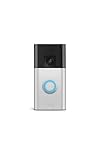
- See more at your home or business — Get 66% more vertical coverage with the latest version of Ring’s best-selling Video Doorbell (2nd Gen), now featuring Head-to-Toe Video.
- Built-In Battery — Battery Doorbell includes a built-in battery, which charges with a convenient USB-C charging port. To recharge, simply detach your doorbell from the wall and connect to the included charging cable.
- Install in a snap — Charge it up, click into place, and stay connected right from your phone.
- Connect to who’s there — See and respond to activity with Live View & Two-Way Talk.
- Stay in the know — Receive real-time alerts on your phone when motion is detected.
RingConn’s lower initial price and longer battery endurance make replacement feel less punitive when the time eventually comes. It behaves more like a durable health instrument with a predictable lifecycle.
For users planning to wear a ring continuously for years, RingConn’s battery longevity and charging independence reduce friction. For users embedded in Samsung’s ecosystem who upgrade devices regularly, the Galaxy Ring’s endurance is sufficient, but less forgiving of neglect or missed charges.
Features Beyond Health: Activity Tracking, Readiness Scores, and Smart Integrations
With battery longevity and ownership economics established, the next differentiator is how each ring behaves when health tracking is no longer the sole focus. This is where philosophy matters: whether the ring is meant to replace some smartwatch behaviors or deliberately stay invisible in daily life.
Activity Tracking: Passive Logging vs Guided Movement
Both rings track steps, active minutes, and calorie burn automatically, but they interpret “activity” very differently. The Galaxy Ring treats movement as an extension of Samsung Health’s broader fitness engine, while RingConn frames activity as context for recovery rather than performance.
Samsung’s step detection is slightly more sensitive during short bouts of movement, such as household tasks or commuting. This results in higher daily step counts compared to RingConn, especially for users with fragmented activity patterns.
RingConn’s step algorithm is more conservative and tends to undercount light movement but align closely during longer walks or continuous sessions. Over weeks, this produces cleaner trend data with less day-to-day noise.
Neither ring offers on-demand workout modes in the way a smartwatch does, but Samsung Health can infer walking and running sessions more aggressively. This allows pace, duration, and intensity estimates to surface automatically, particularly when paired with a Galaxy phone’s motion sensors.
RingConn avoids session-level breakdowns unless activity reaches a clear intensity threshold. The trade-off is fewer insights during casual workouts, but less risk of mislabeling daily life as exercise.
Readiness and Recovery Scores: Algorithm Depth vs Interpretability
Readiness scoring is where both rings attempt to summarize sleep, activity strain, and physiological recovery into a single number. The execution, however, reflects very different design priorities.
Samsung’s Energy Score blends sleep duration, sleep stages, resting heart rate, heart rate variability, and recent activity load. The score is visually polished and tightly integrated into Samsung Health dashboards, especially for Galaxy Watch owners.
The downside is opacity. Samsung provides limited weighting transparency, making it difficult to understand why a score changes dramatically from one day to the next.
RingConn’s readiness score is less visually refined but more interpretable. Individual contributors such as HRV baseline deviation, sleep debt, and activity balance are shown plainly, making it easier to correlate behavior with outcomes.
Over long-term testing, RingConn’s readiness trends feel more stable, with fewer abrupt swings caused by single-night anomalies. Samsung’s score is more reactive, which some users appreciate for day-to-day motivation, but others may find distracting.
Smart Integrations and Ecosystem Leverage
Smart integrations are where the Galaxy Ring clearly signals its intended audience. When paired with a Samsung phone, the ring functions as a sensor node within a much larger ecosystem rather than a standalone device.
Samsung Health syncs seamlessly with Galaxy Watches, phones, and tablets, allowing cross-device trend analysis and combined datasets. For users already wearing a Galaxy Watch, the ring acts as a comfort-focused alternative for sleep and recovery tracking rather than a replacement.
The ring itself does not display notifications or provide haptic alerts, but its data influences features elsewhere in the ecosystem. Sleep scores can adjust smart alarms on Galaxy phones, and readiness data can inform wellness nudges across Samsung Health.
RingConn’s integrations are intentionally minimal. Data export is supported, but real-time cross-device features are limited, and there is no native linkage to smart home or notification systems.
This restraint reduces background syncing and preserves battery life, but it also means RingConn exists largely in isolation. It excels as a self-contained health log rather than a system-wide input.
Daily Usability Without a Screen
Without displays, both rings rely entirely on app design and subtle behavioral cues. Samsung leans heavily on visual polish, animations, and trend cards, making data easy to digest but occasionally overwhelming.
RingConn’s app is utilitarian, prioritizing consistency and historical views over daily prompts. This makes it better suited for users who review data intentionally rather than react to frequent insights.
In real-world wear, neither ring attempts to interrupt the user. There are no vibrations, alerts, or prompts originating from the hardware itself, reinforcing their roles as background companions rather than attention-seeking devices.
Who Benefits Most From Each Feature Set
The Galaxy Ring’s non-health features make the most sense for users already invested in Samsung’s ecosystem who want their health data to influence other devices indirectly. It works best as part of a multi-device strategy rather than a singular solution.
RingConn Gen 2 favors users who want activity and readiness context without lifestyle automation. Its strength lies in long-term consistency, lower cognitive load, and a clear separation between measurement and intervention.
Neither approach is universally better, but the distinction matters. One ring extends outward into a broader platform, while the other remains focused inward on the reliability of its own data.
Subscription Costs, Privacy, and Data Ownership: What You Pay and What You Keep
The differences between these two rings become more philosophical once you move beyond hardware and metrics. How your data is stored, who controls it, and whether ongoing fees are required can matter just as much as battery life or comfort, especially for a device designed to run quietly in the background for years.
Subscription Fees: Both Rings, No Monthly Toll
Neither the Samsung Galaxy Ring nor the RingConn Gen 2 requires a mandatory subscription to access core health features. Sleep tracking, readiness-style scores, activity data, and historical trends are all available without recurring payments on both platforms.
Samsung routes all Galaxy Ring data through Samsung Health, which remains free to use. There is no paid tier today, and features like sleep staging, energy scoring, and long-term trend analysis are included as part of the broader Samsung ecosystem.
RingConn has positioned itself very deliberately as a no-subscription product. All features exposed in the app at launch remain unlocked indefinitely, which will appeal to buyers wary of the direction taken by some competing smart rings.
Long-Term Cost Predictability
While both products avoid subscriptions now, their long-term trajectories differ in tone. Samsung has a strong track record of keeping Samsung Health free, but it also operates within a services-driven ecosystem where premium features could theoretically emerge over time.
RingConn’s entire value proposition leans on the absence of ongoing fees. As a smaller, hardware-focused company, it has tied customer trust closely to the idea that buying the ring is the full transaction, not the start of a billing relationship.
For users planning to wear a ring continuously for several years, the practical outcome is the same today, but the perceived risk profile is different. Samsung offers scale and stability, while RingConn offers predictability through simplicity.
Data Ownership and User Control
Samsung Galaxy Ring data is associated with a Samsung account and stored within Samsung Health’s cloud infrastructure. Users can export certain datasets and delete their history, but the data fundamentally lives inside Samsung’s ecosystem and is optimized to stay there.
This model benefits users who already rely on Samsung services across phones, tablets, and watches. Health data becomes another synchronized layer that enhances device continuity, but it is less portable by design.
RingConn takes a more ownership-forward stance. The company states that users retain ownership of their health data, with options to export records and delete cloud-stored information entirely. The app emphasizes long-term access to raw trends rather than ecosystem-driven insights.
Privacy Philosophy and Data Usage
Samsung’s privacy model reflects its scale. Data is used to improve algorithms, personalize insights, and enable cross-device features, all governed by Samsung’s global privacy policies and regional compliance frameworks.
For many users, this is an acceptable trade-off. The benefit is more refined scoring, better contextual insights, and tighter integration with other Samsung hardware, all backed by a company with extensive security resources.
RingConn’s approach is quieter and more contained. Data processing is largely focused on the ring-to-app relationship, with fewer secondary uses and minimal outward integration. This reduces data surface area but also limits advanced contextual features.
💰 Best Value
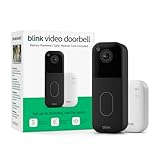
- Video Doorbell is our second-generation smart security doorbell with up to two years of battery life, an expanded field of view, and improved security features for more peace of mind, no matter where you are.
- Last longer with two-year battery life — Experience up to two years of continuous security coverage with three AA Energizer lithium batteries and a Blink Sync Module (both included).
- See more at your door — Greet guests and watch packages get delivered, day and night, with head-to-toe HD view and infrared night vision. Use two-way talk to hear and speak through the Blink app.
- Set up in minutes — Easily install wire-free or connect Video Doorbell to existing doorbell wiring. When wired, Video Doorbell will sound through your home. Without wiring, you can use your Blink Mini 2 camera (sold separately) as an indoor plug-in chime. You'll also get alerts on your Blink app with each doorbell press.
- Always know who's there — As part of a Blink Subscription Plan (sold separately), get alerts whenever a person is detected and enjoy features like Blink Moments, which stitches together clips into a single video to save and share.
What This Means in Daily Use
In practice, Galaxy Ring users are opting into a connected health profile that grows more valuable the deeper they are embedded in Samsung’s ecosystem. Your data works for you, but it also works with your other devices.
RingConn Gen 2 users get a more self-contained experience. The data exists primarily for personal reference, long-term tracking, and manual interpretation, rather than feeding a larger automation or recommendation engine.
Neither approach is inherently superior, but they reflect different priorities. One treats health data as a system-wide input, while the other treats it as a private logbook that you alone control.
Price, Availability, and Overall Value Proposition
The contrast in data philosophy naturally leads into cost and access, because these rings are not just hardware purchases but long-term commitments to a particular way of managing health data. Pricing, platform requirements, and regional availability all shape how much value each ring delivers over time.
Upfront Price and Ongoing Costs
Samsung positions the Galaxy Ring at the premium end of the smart ring market, with a launch price hovering around the upper-$300 range in most regions. There is no mandatory subscription for Samsung Health, which keeps long-term ownership costs predictable once the ring is purchased.
RingConn Gen 2 undercuts Samsung by a meaningful margin, typically landing closer to the low-to-mid $300 range depending on region and promotions. Like Samsung, RingConn does not charge a subscription fee, which is significant given how many health wearables now gate deeper insights behind monthly payments.
Over several years of use, the absence of recurring fees narrows the real-world cost gap between the two. The difference comes down to whether you are paying more upfront for ecosystem depth or saving initially for a simpler, more self-contained experience.
Availability and Platform Compatibility
Galaxy Ring availability is closely tied to Samsung’s rollout strategy and regional regulatory approvals. It is broadly available in major markets, but functionality is effectively locked to Android, and the best experience requires a Samsung phone to unlock all features.
RingConn Gen 2 is more platform-agnostic. It works with both Android and iOS, and feature parity is largely consistent across devices, which makes it easier to switch phones without losing functionality.
This distinction matters over the lifespan of the ring. Galaxy Ring buyers are implicitly committing to staying within Samsung’s mobile ecosystem, while RingConn buyers retain flexibility if their phone preferences change.
What You’re Paying For in Daily Use
With Galaxy Ring, a significant portion of the price reflects software integration rather than raw hardware. Features like enhanced sleep staging, energy scoring, and contextual insights gain value when paired with Samsung watches, phones, and services.
RingConn Gen 2 directs more of its value toward the fundamentals: stable tracking, long battery life, lightweight comfort, and minimal friction in daily wear. The app focuses on trend visibility rather than behavioral nudging or ecosystem-driven recommendations.
Neither approach is inherently more “complete,” but they serve different definitions of usefulness. One emphasizes intelligent interpretation, the other emphasizes consistency and independence.
Long-Term Value by User Type
For existing Samsung users, Galaxy Ring often justifies its higher price over time. When paired with a Galaxy phone or watch, it becomes an extension of an already familiar health platform, reducing friction and improving insight continuity.
RingConn Gen 2 delivers stronger value for users who want a ring-first experience without brand lock-in. Its lower entry price, cross-platform support, and data ownership stance make it appealing for buyers who see the ring as a long-term personal tool rather than part of a broader device stack.
Ultimately, value here is not defined by specs alone. It is defined by how closely the ring aligns with your preferred ecosystem, your tolerance for platform dependence, and how much interpretation you expect your wearable to provide on your behalf.
Which Ring Is Right for You? Buyer Profiles and Final Verdict
At this point, the decision comes down less to what each ring can measure and more to how you want that data to live with you over time. Both rings are competent daily health trackers, but they reward very different buying priorities once the novelty wears off and habits set in.
The easiest way to decide is to look at yourself not as a spec-sheet shopper, but as a long-term wearer with specific expectations around ecosystem fit, charging behavior, and how much interpretation you want from your wearable.
The Samsung Ecosystem Loyalist
If you already use a Galaxy phone and either own or plan to own a Galaxy Watch, the Galaxy Ring fits naturally into your existing setup. Its real strength is not the sensors themselves, but how smoothly the data blends into Samsung Health and related services.
Sleep insights, readiness-style scoring, and contextual nudges feel more cohesive when everything lives inside the same software language. For users who value polished presentation and unified dashboards over raw flexibility, Galaxy Ring tends to feel more “finished” in daily use.
This ring makes the most sense if you see health tracking as part of a broader Samsung lifestyle rather than a standalone experiment.
The Platform-Agnostic Minimalist
If you switch between Android and iOS, or simply want the freedom to do so without replacing hardware, RingConn Gen 2 is the safer long-term choice. Its cross-platform support is not a checkbox feature; it meaningfully reduces friction over years of ownership.
The app experience is simpler and more neutral, focusing on trends and consistency rather than layered interpretations. For users who prefer to draw their own conclusions from stable data, this approach often feels refreshingly unobtrusive.
RingConn Gen 2 suits buyers who want their ring to stay relevant regardless of what phone happens to be in their pocket next year.
The Battery-First, Low-Maintenance Wearer
Charging frequency matters more with rings than with watches, because they are easier to forget and harder to top up mid-day. RingConn Gen 2’s longer battery life gives it a practical edge for users who travel frequently or dislike tight charging schedules.
Galaxy Ring’s battery life is respectable, but its value proposition leans more on software intelligence than endurance. If you already charge multiple Samsung devices regularly, this may not register as a downside.
If your ideal wearable disappears on your finger for a week at a time, RingConn’s endurance-focused design aligns better with that expectation.
The Comfort-Driven, Ring-First Buyer
Both rings are lightweight and well-finished, but RingConn Gen 2 prioritizes minimal presence above all else. Its thinner profile and neutral design make it easier to forget during sleep, workouts, and long workdays.
Galaxy Ring feels more like a precision instrument, with tighter integration and a slightly more deliberate presence. Some users appreciate that sense of structure; others prefer the near-invisibility of a simpler form.
If comfort is your primary filter and you plan to wear the ring continuously, RingConn’s understated ergonomics tend to win out over time.
The Value-Conscious Health Enthusiast
Neither ring requires a subscription, which already places them ahead of much of the smart ring market. The difference lies in how much perceived value you extract from the upfront cost.
Galaxy Ring justifies its price best when paired with other Samsung hardware, where the cumulative experience feels greater than the sum of its parts. Without that ecosystem, its premium is harder to rationalize.
RingConn Gen 2 delivers a more straightforward cost-to-function ratio, making it easier to recommend to buyers who want dependable health tracking without paying for ecosystem polish they may never use.
Final Verdict
There is no universal winner here, only a clearer match between product philosophy and user intent. Samsung Galaxy Ring is the better choice for committed Samsung users who value integrated insights, cohesive software design, and a health experience that feels deeply embedded in their daily digital life.
RingConn Gen 2 is the smarter buy for users who prioritize independence, battery longevity, comfort, and long-term flexibility. It excels as a ring-first wearable that does its job quietly and reliably, without asking you to reorganize your tech stack around it.
If you want your ring to think with you inside a specific ecosystem, choose Galaxy Ring. If you want your ring to work for you regardless of ecosystem, RingConn Gen 2 is the more enduring companion.