For Galaxy Watch 4 and Watch 5 owners, Wear OS 4 is less about a flashy number jump and more about Samsung quietly reshaping how these watches age over time. Many users are rightly skeptical after living through uneven Wear OS updates in the past, especially on hardware that’s now two to three years old. This update matters because it signals how seriously Samsung intends to support the Exynos W920 and W930 platforms beyond their launch window.
What follows isn’t a reinvention of the Galaxy Watch experience, and it’s important to set expectations early. Wear OS 4 is fundamentally an under-the-hood release that affects performance stability, health data handling, and long-term ecosystem compatibility more than daily visual flair. Understanding that distinction is key to judging whether this update meaningfully extends the life and value of your existing watch.
Wear OS 4 Is About Platform Stability, Not Visual Overhaul
The most important shift with Wear OS 4 is that Samsung is moving the Galaxy Watch 4 and 5 onto a newer Android base, aligning the watches more closely with current Android phone development. This reduces friction between phone and watch over time, especially as Samsung and Google continue to evolve health, permissions, and background process management. In practical terms, this means fewer broken features after phone OS updates and better long-term app compatibility.
Owners should not expect dramatic interface changes on day one. One UI Watch remains the dominant layer, and Samsung’s visual language, navigation patterns, and watch face system stay largely intact. The real benefit is that the underlying system becomes more resilient, which historically translates into smoother performance six to twelve months after the update rather than immediate wow moments.
🏆 #1 Best Overall
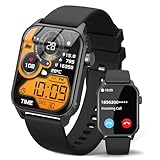
- 【1.83" HD Display & Customizable Watch Faces】Immerse yourself in a vibrant 1.83-inch IPS display, boasting a sharp resolution of 240*284 for crystal-clear visuals. Effortlessly personalize your smart watch with a wide array of customizable watch faces to suit your personal style for every occasion—whether trendy, artistic, or minimalist—ideal for casual, sporty, or professional. Its sleek, modern design complements any outfit, blending technology and fashion seamlessly for everyday wear
- 【120 Sports Modes & Advanced Health Tracking】Our TK29 smart watches for women men come equipped with 120 sports modes, allowing you to effortlessly track a variety of activities such as walking, running, cycling, and swimming. With integrated heart rate and sleep monitors, you can maintain a comprehensive overview of your health, achieve your fitness goals, and maintain a balanced, active lifestyle with ease. Your ideal wellness companion (Note: Step recording starts after exceeding 20 steps)
- 【IP67 Waterproof & Long-Lasting Battery】Designed to keep up with your active lifestyle, this smartwatch features an IP67 waterproof rating, ensuring it can withstand splashes, sweat, and even brief submersion, making it perfect for workouts, outdoor adventures, or rainy days. Its reliable 350mAh battery offering 5-7 days of active use and up to 30 days in standby mode, significantly reducing frequent charging. Ideal for all-day wear, whether you’re at the gym, outdoors, or simply on the go
- 【Stay Connected Anytime, Anywhere】Stay informed and in control with Bluetooth call and music control features. Receive real-time notifications for calls, messages, and social media apps like Facebook, WhatsApp, Twitter, and Instagram directly on your smartwatch. Easily manage calls, control your music playlist, and stay updated without needing to reach for your phone. Perfect for work, workouts, or on-the-go, this watch keeps you connected and never miss important updates wherever you are
- 【Multifunction & Wide Compatibility】Seamlessly handle heart rate monitoring, sleep tracking, and enjoy conveniences like camera/music control, Seamlessly handle heart rate monitoring, sleep tracking, and more-all directly from your wrist. This 1.83 inches HD smartwatch is compatible with iPhone (iOS 9.0+) & Android (5.0+), ensuring smooth daily connectivity and convenience throughout your day. More than just a timepiece, it’s a stylish, all-in-one wearable for smarter, healthier living
Performance Gains Are Subtle but Cumulative
On paper, Wear OS 4 does not magically unlock more power from the Exynos W920 in the Galaxy Watch 4 or the W930 in the Watch 5 series. What it does improve is how efficiently the system schedules tasks, manages memory, and handles background health services. Over long-term ownership, this tends to show up as fewer UI stutters, faster app relaunching, and more consistent responsiveness during workouts.
For daily wear, especially on the smaller 40mm and 44mm models where thermal and battery constraints are tighter, these refinements matter. They help maintain smooth scrolling, reliable notifications, and stable GPS tracking during longer sessions. It’s the kind of improvement you stop noticing because the watch simply feels less temperamental over time.
Health Data Handling Gets a Quiet but Important Upgrade
One of the most meaningful aspects of Wear OS 4 is how health data is stored, synced, and preserved during resets or device changes. Samsung Health benefits from improved data backup and restoration mechanisms, which reduces the risk of losing long-term sleep, activity, or body composition history when switching phones or troubleshooting issues. For users who treat their watch as a multi-year health archive, this is a genuine quality-of-life upgrade.
Accuracy itself is unlikely to change dramatically overnight. Sensors such as heart rate, SpO2, skin temperature, and body composition rely more on hardware and Samsung’s algorithms than on Wear OS versioning. However, improved background reliability means fewer dropped readings and more consistent overnight tracking, particularly for sleep and recovery metrics.
Battery Life Improvements Are About Consistency, Not Miracles
Wear OS 4 should not be viewed as a battery life breakthrough for Galaxy Watch 4 owners struggling with aging cells. Instead, the update focuses on reducing unnecessary background drain and tightening how apps behave when not actively in use. For Watch 5 models with healthier batteries, this can translate into more predictable end-of-day percentages rather than dramatic gains.
In real-world use, that consistency is often more valuable than raw longevity. Fewer surprise drains during workouts, better overnight stability with sleep tracking enabled, and more reliable all-day wear are the kinds of benefits most users will notice. It won’t turn a Watch 4 into a two-day endurance champion, but it can make battery anxiety less common.
Long-Term Value and Update Confidence Matter More Than Features
Perhaps the biggest implication of Wear OS 4 arriving on Galaxy Watch 4 and 5 models is what it says about Samsung’s update philosophy. Supporting a 2021 watch with a major platform update in 2024 reinforces that Samsung is serious about multi-year software longevity, especially compared to many Wear OS competitors. That confidence matters for buyers deciding whether to invest in Samsung’s ecosystem going forward.
For existing owners, this update effectively extends the relevance of their watch. It keeps core apps supported, health tracking reliable, and compatibility intact as Android phones continue to evolve. Wear OS 4 doesn’t reinvent the Galaxy Watch experience, but it strengthens the foundation enough to justify holding onto these watches for another full upgrade cycle.
Confirmed Compatibility: Which Galaxy Watch 4 and Watch 5 Models Are Getting the Update — and Why That Matters
After discussing what Wear OS 4 actually improves in day-to-day use, the next practical question is simple: which Galaxy Watches are officially included. Samsung has been unusually clear here, and that clarity removes much of the upgrade anxiety that typically surrounds Wear OS transitions.
Every Galaxy Watch 4 Variant Is Included
All Galaxy Watch 4 models are confirmed to receive Wear OS 4, regardless of size, connectivity, or finish. That includes the Galaxy Watch 4 (40mm and 44mm) and the Galaxy Watch 4 Classic (42mm and 46mm), across both Bluetooth and LTE versions.
From a hardware standpoint, this makes sense. Every Watch 4 uses the same Exynos W920 platform, with identical CPU, GPU, and 1.5GB RAM, meaning there is no technical reason to fragment support. Even three years on, the chipset remains capable of running modern Wear OS builds without compromising interface fluidity or health tracking reliability.
Galaxy Watch 5 and Watch 5 Pro Get the Same Core Update
Samsung is also rolling Wear OS 4 to the entire Galaxy Watch 5 lineup. This covers the Galaxy Watch 5 (40mm and 44mm) as well as the Galaxy Watch 5 Pro, again across Bluetooth and LTE models.
The Watch 5 family benefits slightly more from the update in real-world use, not because of exclusive features, but due to hardware advantages. Larger batteries, sapphire crystal displays, and improved thermal efficiency mean the software optimizations in Wear OS 4 are easier to feel, particularly during long GPS workouts, sleep tracking with skin temperature enabled, and multi-day wear on the Watch 5 Pro.
LTE Models Are Not Second-Class Citizens
One detail worth calling out is that LTE variants are fully supported, not delayed indefinitely or excluded from core functionality. Historically, cellular Wear OS watches sometimes receive updates later due to carrier certification, but Samsung has confirmed that LTE Galaxy Watch 4 and 5 models are part of the same update wave.
That matters for users who rely on untethered workouts, streaming, or emergency calling. Wear OS 4’s background process management and improved modem efficiency should help LTE models feel more stable during long runs or hikes, even if rollout timing varies slightly by region and carrier.
Why This Level of Backward Support Is Unusual
Supporting a 2021 smartwatch with a major Wear OS platform update in 2024 is still not the norm across the Android wearable landscape. Many Wear OS devices launched around the same time as the Watch 4 have already stalled on older versions or stopped receiving meaningful updates altogether.
Samsung’s decision to include every Watch 4 and Watch 5 model reinforces that its hardware was designed with long-term software scaling in mind. Consistent sensors, sufficient memory, and conservative thermal design all contribute to the ability to push a newer OS without degrading performance or comfort during all-day wear.
What Compatibility Means for Resale, Longevity, and Daily Use
Confirmed compatibility is not just about new features appearing on your wrist. It directly affects resale value, app support, and how long your watch remains a viable daily companion as Android phones move forward.
A Galaxy Watch 4 or 5 running Wear OS 4 is far more likely to retain access to updated Google apps, newer third-party watch faces, and ongoing health feature refinements from Samsung Health. For owners deciding whether to upgrade hardware this year or wait another cycle, that reassurance alone can justify holding onto their current watch a bit longer.
Regional Rollout Still Matters, Even If Compatibility Is Clear
While model compatibility is confirmed globally, rollout timing will still vary by country and carrier. Bluetooth models typically receive updates first, followed by LTE versions after carrier approval, and some regions will see the update weeks earlier than others.
That said, knowing your specific Watch 4 or Watch 5 model is eligible removes the biggest unknown. At this point, the question is no longer if the update will arrive, but when, and how much of the Wear OS 4 polish you’ll feel depending on your watch’s battery health and usage patterns.
Expected Timeline and Rollout Reality: Samsung’s ‘Coming Months’ Promise Explained Region by Region
Samsung’s phrasing around Wear OS 4 arriving “in the coming months” is familiar to anyone who has followed its smartwatch update cadence over the past few years. It signals commitment without locking the company into a single global release date, and for Watch 4 and Watch 5 owners, it’s a cue to look at patterns rather than press releases.
Based on how Samsung has rolled out past major One UI Watch updates, including the jump to Wear OS 3 and later point releases, the rollout will almost certainly be phased, uneven, and influenced as much by region and connectivity model as by the watch itself.
How Samsung Typically Stages Major Wear OS Updates
Samsung rarely flips the switch globally for a new Wear OS version. The process usually starts with a limited beta in select markets, followed by a gradual stable rollout that prioritizes Bluetooth models over LTE variants.
This approach isn’t just caution. LTE watches require additional carrier certification, and Samsung has historically avoided pushing major platform updates to cellular models until network partners sign off on radio behavior, battery impact, and emergency features.
For Watch 4 and Watch 5 owners, that means Bluetooth models should expect earlier access, while LTE versions will trail by anywhere from a few weeks to over a month, depending on region.
South Korea and the US: First in Line, But Not Always Simultaneously
Samsung’s home market, South Korea, almost always sees major smartwatch updates first or among the first. This is where Samsung can move fastest, test real-world stability at scale, and address early bugs before wider deployment.
The United States typically follows closely, but timing can diverge depending on whether you own a Bluetooth or LTE model. Unlocked Bluetooth watches paired with Samsung phones tend to receive updates sooner than carrier-linked LTE models from Verizon, AT&T, or T-Mobile.
If you’re in the US with an LTE Watch 4 or Watch 5, “coming months” realistically translates to the latter half of the rollout window rather than day one availability.
Europe and the UK: Broad Coverage, Slower Initial Momentum
European markets usually receive Samsung smartwatch updates shortly after the US, but the rollout often feels more staggered. Different regulatory requirements, language packs, and regional health feature approvals can all slow the initial wave.
In practice, many UK and EU users see Wear OS updates land a few weeks after US Bluetooth models, with LTE versions again lagging behind. The upside is that early bugs are often ironed out by the time the update reaches these regions, resulting in a smoother first week of daily wear.
Rank #2
![Apple Watch Series 11 [GPS 46mm] Smartwatch with Jet Black Aluminum Case with Black Sport Band - M/L. Sleep Score, Fitness Tracker, Health Monitoring, Always-On Display, Water Resistant](https://m.media-amazon.com/images/I/312K597M2uL._SL160_.jpg)
- HYPERTENSION NOTIFICATIONS — Apple Watch Series 11 can spot signs of chronic high blood pressure and notify you of possible hypertension.*
- KNOW YOUR SLEEP SCORE — Sleep score provides an easy way to help track and understand the quality of your sleep, so you can make it more restorative.
- EVEN MORE HEALTH INSIGHTS — Take an ECG anytime.* Get notifications for a high and low heart rate, an irregular rhythm,* and possible sleep apnea.* View overnight health metrics with the Vitals app* and take readings of your blood oxygen.*
- STUNNING DESIGN — Thin and lightweight, Series 11 is comfortable to wear around the clock — while exercising and even when you’re sleeping, so it can help track your key metrics.
- A POWERFUL FITNESS PARTNER — With advanced metrics for all your workouts, plus features like Pacer, Heart Rate Zones, training load, Workout Buddy powered by Apple Intelligence from your nearby iPhone,* and more. Series 11 also comes with three months of Apple Fitness+ free.*
For owners who rely heavily on sleep tracking, all-day heart rate monitoring, and consistent battery behavior, that stability can be more valuable than being first.
Asia-Pacific and Emerging Markets: The Long Tail of the Rollout
Markets across Southeast Asia, India, the Middle East, and parts of Latin America typically fall into the later stages of Samsung’s update schedule. This doesn’t reflect lower priority hardware, but rather the complexity of regional firmware builds and certification requirements.
It’s not unusual for Wear OS updates to arrive here several weeks after Europe, especially for LTE models. Bluetooth versions paired with Samsung phones still move faster, but patience is often required.
For buyers in these regions considering whether to keep a Watch 4 or Watch 5 another year, the key takeaway is that the update will arrive, just not on the same timeline as Samsung’s headline markets.
Why LTE Models Complicate the Timeline More Than You’d Expect
LTE Galaxy Watches are effectively small phones strapped to your wrist, complete with radios, eSIM profiles, and emergency calling features. Any major OS update can affect standby drain, signal behavior, and heat management, particularly during workouts or navigation.
Samsung’s conservative rollout for LTE models is intentional. A premature update that compromises battery life or cellular reliability would undermine the watch’s value as a standalone device.
If your Watch 4 or 5 is LTE and already showing some battery wear after years of daily charging, expect Samsung to be especially cautious before pushing Wear OS 4 to your device.
Beta Programs and Whether You Should Opt In
Samsung often precedes a stable rollout with a limited beta for One UI Watch updates in select regions. These betas can offer early access to Wear OS 4 features, but they’re not risk-free.
Battery life fluctuations, inconsistent health tracking, and occasional app incompatibilities are common during beta periods. For a watch you rely on for sleep tracking, workouts, or daily notifications, opting out may be the smarter move.
For enthusiasts comfortable with occasional resets and bugs, the beta can provide an early look at how well Wear OS 4 runs on older hardware like the Watch 4’s Exynos W920.
What “Coming Months” Means in Practical Terms
Taken together, Samsung’s rollout language suggests a multi-month window rather than a single release moment. Early markets could see stable updates land within weeks of the first announcement, while later regions and LTE models may wait several months.
The upside of this measured approach is polish. By the time Wear OS 4 reaches the last wave of Watch 4 and Watch 5 devices, performance tuning, battery optimization, and health feature stability are usually at their best.
For most owners, the update experience will be less about refreshing the update screen daily and more about waking up one morning to a quieter, smarter watch that feels subtly more refined than before.
One UI Watch on Wear OS 4: Samsung-Specific Features vs Google’s Core Platform Changes
With Wear OS 4 arriving wrapped inside One UI Watch, it’s important to separate what’s coming from Google’s underlying platform upgrade and what’s uniquely Samsung’s interpretation on top. For Galaxy Watch 4 and Watch 5 owners, the lived experience will be shaped far more by One UI Watch than by Wear OS 4 in isolation.
This distinction matters because Samsung controls the interface logic, health features, and system tuning that most owners interact with daily. Wear OS 4 provides the foundation, but One UI Watch determines how polished, stable, and familiar the update feels on your wrist.
What Wear OS 4 Changes at the Platform Level
At its core, Wear OS 4 is about modernization rather than visual reinvention. Google has focused on improving system efficiency, tightening security, and updating the underlying Android base, which helps with long-term app compatibility and smoother background processes.
For Watch 4 and Watch 5 hardware, this translates into better memory management and more predictable app behavior, especially for navigation, music streaming, and LTE connectivity. These aren’t headline features, but they directly affect heat buildup, standby drain, and responsiveness during longer sessions.
Wear OS 4 also updates health data handling and permissions in the background. This is largely invisible to users, but it allows fitness and health apps to access sensors more consistently without spiking battery usage, something Watch 4 owners in particular have felt over the years.
One UI Watch: Where Samsung Shapes the Experience
Samsung’s One UI Watch layer is where most visible changes arrive. Expect refinements rather than radical redesigns, with Samsung prioritizing continuity so Watch 4 and Watch 5 owners don’t feel like they’re relearning their watch overnight.
Navigation remains driven by Samsung’s tile system, quick panels, and app drawer logic, all optimized for circular displays and rotating bezels where applicable. On the Watch 4 Classic, One UI Watch continues to make better use of the physical bezel than Google’s stock UI ever did, preserving one of Samsung’s key ergonomic advantages.
Visual tweaks are subtle but meaningful. Animations feel tighter, touch targets slightly more forgiving during workouts, and transitions are tuned to mask the limitations of older chipsets without feeling sluggish.
Health and Fitness: Samsung’s Ecosystem Still Leads
While Wear OS 4 improves the plumbing underneath, Samsung Health remains firmly in charge of your fitness experience. Features like body composition, advanced sleep tracking, blood oxygen monitoring, and cycle tracking continue to be Samsung-led rather than Google-driven.
On Watch 5 models with temperature sensors, One UI Watch is expected to refine overnight temperature-based insights rather than introduce new hardware-dependent features. Watch 4 owners won’t suddenly gain new sensors, but data consistency and overnight tracking reliability should improve.
Workout tracking benefits indirectly from Wear OS 4’s efficiency gains. Longer GPS sessions, especially outdoor runs and cycling, are less likely to trigger thermal throttling or sudden battery drops, improving real-world usability rather than headline specs.
Performance, Battery Life, and Older Hardware Reality
For Watch 5 owners, the combination of Wear OS 4 and One UI Watch should feel like a gentle uplift. The newer Exynos W920 and W930 variants handle background tasks more gracefully, making multitasking feel smoother during daily use.
Watch 4 owners should approach expectations more cautiously. Performance gains will likely show up as fewer stutters and more consistent wake behavior rather than outright speed increases, especially on models that already show signs of battery aging.
Battery life improvements, if any, will be incremental. Expect better idle drain and more predictable overnight consumption rather than an extra full day of use, particularly on LTE models where radios remain the biggest variable.
App Compatibility and Long-Term Value
One of the most important implications of Wear OS 4 is future-proofing. As developers gradually move away from older Wear OS APIs, Watch 4 and Watch 5 owners on Wear OS 4 will remain eligible for updates longer than those stuck on earlier versions.
Samsung’s tight integration with Google services continues, but Samsung-specific apps still dominate the experience. Google apps like Maps and Wallet benefit from Wear OS 4 optimizations, while Samsung Pay, Samsung Health, and Samsung’s messaging apps remain deeply embedded.
This hybrid approach reinforces the Galaxy Watch’s identity. You’re not getting a Pixel Watch-style experience, but a Samsung-first smartwatch that happens to sit on Google’s most current wearable platform.
What This Means for Daily Wear
In day-to-day use, the update is less about discovering new features and more about reduced friction. Notifications arrive more reliably, workouts feel less taxing on the system, and the watch is better at staying cool and responsive during long days.
Rank #3

- Bluetooth Call and Message Alerts: Smart watch is equipped with HD speaker, after connecting to your smartphone via bluetooth, you can answer or make calls, view call history and store contacts through directly use the smartwatch. The smartwatches also provides notifications of social media messages (WhatsApp, Twitter, Facebook, Instagram usw.) So that you will never miss any important information.
- Smart watch for men women is equipped with a 320*380 extra-large hd full touch color screen, delivering exceptional picture quality and highly responsive touch sensitivity, which can bring you a unique visual and better interactive experience, lock screen and wake up easily by raising your wrist. Though “Gloryfit” app, you can download more than 102 free personalised watch faces and set it as your desktop for fitness tracker.
- 24/7 Heart Rate Monitor and Sleep Tracker Monitor: The fitness tracker watch for men has a built-in high-performance sensor that can record our heart rate changes in real time. Monitor your heart rate 26 hours a day and keep an eye on your health. Synchronize to the mobile phone app"Gloryfit", you can understand your sleep status(deep /light /wakeful sleep) by fitness tracker watch develop a better sleep habit and a healthier lifestyle.
- IP68 waterproof and 110+ Sports Modes: The fitness tracker provides up to 112+ sports modes, covering running, cycling, walking, basketball, yoga, football and so on. Activity trackers bracelets meet the waterproof requirements for most sports enthusiasts' daily activities, such as washing hands or exercising in the rain, meeting daily needs (note: Do not recommended for use in hot water or seawater.)
- Multifunction and Compatibility: This step counter watch also has many useful functions, such as weather forecast, music control, sedentary reminder, stopwatch, alarm clock, timer, track female cycle, screen light time, find phone etc. The smart watch with 2 hrs of charging, 5-7 days of normal use and about 30 days of standby time. This smart watches for women/man compatible with ios 9.0 and android 6.2 and above devices.
Comfort, materials, and physical wearability remain unchanged, but software stability directly affects how often you notice your watch at all. A smoother UI, steadier battery behavior, and fewer glitches add up to a device that feels newer than its launch date suggests.
For owners weighing whether this update materially extends the life of their Watch 4 or Watch 5, the answer lies here. One UI Watch on Wear OS 4 doesn’t reinvent the hardware, but it meaningfully preserves its value in a fast-moving smartwatch ecosystem.
Performance, Battery Life, and Stability: What Long-Term Owners Should Realistically Expect After Updating
For long-term Galaxy Watch 4 and Watch 5 owners, Wear OS 4 with One UI Watch is less about a dramatic transformation and more about refinement. This update targets the friction points that tend to surface after a year or two of daily wear, particularly on hardware that’s already been through dozens of charging cycles and countless background processes.
Day-to-Day Performance: Smoother, Not Faster
Raw performance gains should be approached with realistic expectations. The Exynos W920 in the Watch 4 and Watch 5 remains unchanged, and Wear OS 4 doesn’t suddenly unlock unused headroom in the chipset.
What most users will notice instead is improved consistency. App launches feel more predictable, animations are less likely to hitch under load, and the UI recovers more quickly after workouts, LTE calls, or navigation sessions.
This is especially noticeable when multitasking. Switching between Samsung Health, notifications, and media controls is less likely to trigger brief freezes, even on watches with more cluttered app installs.
Battery Life: Incremental Gains, Better Predictability
Battery life is where expectations need to be carefully calibrated. Wear OS 4 focuses on background process management and idle efficiency, which helps stabilize drain rather than extend overall endurance.
In practical terms, most owners should expect similar total battery life to what they currently get, but with fewer surprises. Overnight drain tends to be more consistent, and standby loss during low-activity days is often reduced by a few percentage points.
Watches with older batteries benefit most from this kind of optimization. Instead of chasing an extra half-day of runtime, the update makes it easier to trust that your watch will behave the same way today as it did yesterday.
LTE Models and Power-Hungry Scenarios
If you’re using an LTE Galaxy Watch 4 or 5, the update won’t rewrite the laws of physics. Cellular radios, GPS tracking, and bright outdoor displays remain the biggest battery drains.
What Wear OS 4 improves is how quickly the system settles back into an efficient state once those features are no longer in use. Post-workout battery drops and navigation sessions are less likely to cause prolonged background drain afterward.
This matters most for users who rely on LTE intermittently rather than constantly. The watch feels more disciplined about power usage once the heavy lifting is done.
Thermal Management and Long Sessions
One under-discussed benefit of the update is thermal behavior. During extended workouts, navigation, or back-to-back app usage, the watch is less prone to feeling warm and throttling performance.
This doesn’t mean the hardware runs cooler in absolute terms, but the software is better at pacing workloads. The result is steadier performance during long runs or gym sessions, particularly on smaller 40mm and 42mm cases where heat buildup is more noticeable.
For daily wear, this contributes to comfort just as much as software speed. A watch that stays responsive and cool fades into the background, which is exactly what a wearable should do.
Stability, Bugs, and Long-Term Reliability
Stability is where Wear OS 4 delivers its most meaningful improvements. Random UI glitches, delayed wake-ups, and occasional app crashes become rarer, especially after the first few weeks once post-update indexing and syncing settle down.
Samsung’s One UI Watch layer remains heavily customized, but it benefits from a more modern Wear OS foundation. System-level processes are better isolated, reducing the chance that one misbehaving app affects the entire watch.
For long-term owners, this matters more than headline features. Fewer forced restarts and less troubleshooting translate directly into a better ownership experience over time.
What This Means for Aging Hardware
For Galaxy Watch 4 owners in particular, this update plays an important role in extending usable lifespan. While it won’t make the watch feel brand new, it does slow the sense of aging that often comes from software rough edges rather than physical wear.
Buttons, cases, straps, and displays age gracefully on these watches. Software stability is what determines whether they still feel worth wearing every day, and Wear OS 4 helps keep that balance intact.
Galaxy Watch 5 owners benefit as well, but the impact is subtler. On newer batteries and cleaner installs, the gains show up as polish rather than rescue.
Who Will Notice the Biggest Difference
Owners who use their watch heavily for fitness tracking, notifications, and payments are most likely to feel the improvements. These workflows stress the system repeatedly throughout the day, and even small efficiency gains compound over time.
Users with minimal app usage or very light daily interaction may notice fewer changes. In those cases, the value lies more in long-term stability and future app compatibility than in immediate performance gains.
In both scenarios, the update reinforces the idea that the Galaxy Watch 4 and 5 are still current devices. Not because they suddenly outperform newer models, but because they behave more like mature, well-optimized tools rather than aging tech.
Health, Fitness, and Sleep Tracking Changes: New Metrics, Background Improvements, and What’s Still Hardware-Limited
If performance and stability are the quiet wins of Wear OS 4, health and fitness changes are where many owners will spend the most time. This update doesn’t radically reinvent Samsung Health on the Galaxy Watch 4 or 5, but it does refine how data is collected, processed, and presented day to day.
The result is less about flashy new charts and more about consistency. For users who rely on these watches for daily health insights rather than occasional workouts, those background improvements matter more than they might initially appear.
Sleep Tracking: Refinement Over Reinvention
Sleep remains one of Samsung’s strongest areas, and Wear OS 4 builds on an already mature foundation. Galaxy Watch 4 and 5 owners can expect incremental improvements to sleep stage detection, with better differentiation between light and deep sleep during restless nights.
Sleep coaching features feel more stable after the update, particularly for users who wear the watch nightly. Syncing delays between the watch and Samsung Health app are reduced, meaning your sleep score and insights appear more reliably in the morning without manual refreshes or partial data gaps.
Skin temperature tracking, already present on the Galaxy Watch 5 thanks to its sensor hardware, benefits from smoother background calibration. Galaxy Watch 4 owners won’t gain this metric, as it remains sensor-dependent, but they do see more consistent overnight heart rate and blood oxygen readings.
Heart Health and Stress Tracking: Mostly Software Polish
Core heart health features like continuous heart rate monitoring, ECG, and irregular heart rhythm notifications remain fundamentally the same. Wear OS 4 doesn’t unlock new heart sensors, but it improves how existing data is handled in the background.
In practice, this shows up as fewer missed readings during busy days and more stable graphs when reviewing weekly or monthly trends. Stress tracking, which relies heavily on heart rate variability, also feels less jumpy, especially during periods of light activity where earlier software sometimes misclassified movement as stress.
Rank #4
![Apple Watch Series 11 [GPS 42mm] Smartwatch with Rose Gold Aluminum Case with Light Blush Sport Band - S/M. Sleep Score, Fitness Tracker, Health Monitoring, Always-On Display, Water Resistant](https://m.media-amazon.com/images/I/31J+F-pXaWL._SL160_.jpg)
- HYPERTENSION NOTIFICATIONS — Apple Watch Series 11 can spot signs of chronic high blood pressure and notify you of possible hypertension.*
- KNOW YOUR SLEEP SCORE — Sleep score provides an easy way to help track and understand the quality of your sleep, so you can make it more restorative.
- EVEN MORE HEALTH INSIGHTS — Take an ECG anytime.* Get notifications for a high and low heart rate, an irregular rhythm,* and possible sleep apnea.* View overnight health metrics with the Vitals app* and take readings of your blood oxygen.*
- STUNNING DESIGN — Thin and lightweight, Series 11 is comfortable to wear around the clock — while exercising and even when you’re sleeping, so it can help track your key metrics.
- A POWERFUL FITNESS PARTNER — With advanced metrics for all your workouts, plus features like Pacer, Heart Rate Zones, training load, Workout Buddy powered by Apple Intelligence from your nearby iPhone,* and more. Series 11 also comes with three months of Apple Fitness+ free.*
Regional availability still applies here. ECG and irregular rhythm alerts remain limited by country-level regulations, and the update doesn’t change that reality for Watch 4 or 5 owners.
Fitness Tracking and Workout Reliability
Workout tracking sees subtle but welcome gains in reliability. GPS lock-on times are slightly improved, particularly on the Galaxy Watch 5 with its newer antenna design, though this is more about software efficiency than raw hardware gains.
Auto-detection of common activities like walking and cycling feels more dependable, triggering faster and with fewer false starts. For users who rely on the watch for casual fitness rather than structured training, this makes tracking feel less intrusive and more accurate.
Metrics themselves remain familiar. Calories, pace, heart rate zones, and VO2 max estimates don’t change dramatically, but data continuity improves, which is often more valuable than adding another metric of questionable accuracy.
Battery Impact of Always-On Health Tracking
One of the less discussed benefits of Wear OS 4 is how health tracking interacts with battery life. Continuous monitoring tasks are better scheduled in the background, reducing unnecessary wake-ups that previously drained power.
Galaxy Watch 4 owners, in particular, may notice slightly more predictable battery usage on days with heavy tracking. It won’t transform a one-day watch into a two-day device, but it does smooth out the spikes that made battery life feel inconsistent.
Galaxy Watch 5 models, especially the larger case sizes, benefit more quietly. With healthier batteries and refined background processes, overnight sleep tracking feels less like a compromise and more like a default behavior.
What Software Can’t Fix: Sensor and Hardware Limits
It’s important to be clear about what this update cannot do. Wear OS 4 doesn’t upgrade sensor accuracy beyond the physical limits of the hardware, and it doesn’t add new health metrics where sensors don’t exist.
Galaxy Watch 4 owners won’t suddenly get skin temperature tracking or the slightly improved bioactive sensor performance found in later models. Similarly, workout accuracy during high-intensity interval training remains constrained by wrist-based optical sensors, regardless of software improvements.
Comfort and wearability still play a role here. Case size, strap choice, and how snugly the watch sits on your wrist continue to affect data quality. No update can compensate for poor fit or inconsistent wear.
Long-Term Health Tracking Value
Taken as a whole, the health and fitness changes in Wear OS 4 reinforce the long-term value of the Galaxy Watch 4 and 5 rather than redefining it. Data feels more trustworthy over weeks and months, which is ultimately what matters for spotting trends and building habits.
For existing owners, this makes the watch feel like a more dependable health companion rather than a device that needs constant second-guessing. For buyers considering a discounted Galaxy Watch 4 or 5, it signals that Samsung still treats these models as relevant, supported tools rather than legacy hardware coasting on old software.
The gains are evolutionary, not revolutionary, but in health tracking, reliability is often the most meaningful upgrade of all.
Apps, Watch Faces, and Ecosystem Implications: Developer Support, Backward Compatibility, and Play Store Changes
If the health and battery improvements make the Galaxy Watch 4 and 5 feel more dependable day to day, the app and ecosystem changes are what determine whether that reliability translates into long-term relevance. Wear OS 4 doesn’t just tweak system behavior; it subtly reshapes how apps are built, distributed, and maintained on Samsung’s watches.
For owners planning to keep their Watch 4 or 5 for another year or two, this layer matters as much as any headline feature. App availability, update cadence, and watch face compatibility directly affect how modern the watch feels on your wrist.
Developer Support and Why Wear OS 4 Matters
Wear OS 4 aligns more closely with newer Android platform standards, which simplifies development for app makers targeting both phones and watches. For developers, this reduces the friction of maintaining separate code paths for older Wear OS versions, making it more likely that updates continue landing on supported hardware like the Watch 4 and 5.
This is particularly important for smaller developers and utility apps. When platform requirements stagnate, those apps are often the first to be abandoned, leaving older watches technically functional but practically outdated.
For Galaxy Watch owners, Wear OS 4 increases the odds that third-party apps receive bug fixes and compatibility updates rather than being quietly delisted. It doesn’t guarantee innovation, but it improves the baseline expectation of continued support.
Backward Compatibility: What Breaks, What Doesn’t
The good news is that Wear OS 4 is largely backward-compatible with existing Wear OS 3 apps. Most apps installed today on the Galaxy Watch 4 and 5 should continue to function normally after the update, without forced reinstalls or data loss.
That said, some older watch faces and niche apps built with deprecated APIs may show limitations. In practice, this usually means reduced customization options or minor visual glitches rather than complete breakage, but it’s something long-time users with large watch face libraries may notice.
Samsung’s own first-party apps and watch faces are, predictably, the safest bets. They’re updated in lockstep with One UI Watch changes, and they tend to take fuller advantage of system-level optimizations in Wear OS 4.
Watch Faces: More Consistency, Fewer Surprises
Wear OS 4 continues the industry shift toward standardized watch face frameworks, which improves performance and battery behavior across different designs. On the Galaxy Watch 4 and 5, this means smoother animations and fewer background spikes caused by poorly optimized faces.
From a wearability standpoint, this matters more than aesthetics. A well-optimized watch face reduces idle drain, keeps touch responsiveness consistent, and avoids the subtle heat buildup that can affect comfort during all-day wear.
Collectors with dozens of third-party faces may find that some older designs feel visually dated next to newer releases. The upside is that newer faces are more likely to scale cleanly across different case sizes, from the smaller Watch 4 to the larger Watch 5 variants.
Google Play Store Changes on the Watch
Wear OS 4 brings incremental but meaningful refinements to how the Play Store behaves on the watch itself. App discovery is still limited by screen size, but compatibility filtering is more reliable, reducing the chances of installing apps that technically load but don’t work well on Samsung’s hardware.
Updates also feel more predictable. Apps are less likely to stall mid-update or require repeated retries, which has been a quiet but persistent frustration on earlier Wear OS versions.
For users who primarily manage apps from their phone, the experience remains familiar. The difference is that the watch-side experience now feels like a dependable extension of the ecosystem rather than a secondary interface that occasionally misbehaves.
Samsung’s Ecosystem Versus the Wider Wear OS World
Samsung continues to balance its own ecosystem priorities with Google’s broader Wear OS direction. Wear OS 4 doesn’t change the reality that some features, like deeper Samsung Health integrations or proprietary watch faces, work best when paired with a Galaxy phone.
However, the platform-level improvements benefit all Android users, not just those fully locked into Samsung’s ecosystem. Non-Samsung Android phone owners should see fewer app compatibility issues and more consistent behavior across updates.
This balance reinforces the Galaxy Watch 4 and 5 as mainstream Wear OS devices rather than semi-isolated Samsung experiments. That distinction matters for resale value, long-term usability, and confidence that the watch won’t feel stranded as the platform evolves.
What This Means for Long-Term Ownership
From a longevity perspective, Wear OS 4 strengthens the Galaxy Watch 4 and 5’s position more than any single feature could. Continued app support, predictable Play Store behavior, and better watch face performance all contribute to a watch that ages gracefully rather than abruptly.
💰 Best Value
![Apple Watch Series 11 [GPS 42mm] Smartwatch with Jet Black Aluminum Case with Black Sport Band - S/M. Sleep Score, Fitness Tracker, Health Monitoring, Always-On Display, Water Resistant](https://m.media-amazon.com/images/I/31ybzrJZckL._SL160_.jpg)
- HYPERTENSION NOTIFICATIONS — Apple Watch Series 11 can spot signs of chronic high blood pressure and notify you of possible hypertension.*
- KNOW YOUR SLEEP SCORE — Sleep score provides an easy way to help track and understand the quality of your sleep, so you can make it more restorative.
- EVEN MORE HEALTH INSIGHTS — Take an ECG anytime.* Get notifications for a high and low heart rate, an irregular rhythm,* and possible sleep apnea.* View overnight health metrics with the Vitals app* and take readings of your blood oxygen.*
- STUNNING DESIGN — Thin and lightweight, Series 11 is comfortable to wear around the clock — while exercising and even when you’re sleeping, so it can help track your key metrics.
- A POWERFUL FITNESS PARTNER — With advanced metrics for all your workouts, plus features like Pacer, Heart Rate Zones, training load, Workout Buddy powered by Apple Intelligence from your nearby iPhone,* and more. Series 11 also comes with three months of Apple Fitness+ free.*
For existing owners, this update reduces the pressure to upgrade purely for software reasons. For buyers considering these models at reduced prices, it makes the value proposition easier to justify, especially when paired with Samsung’s solid build quality, comfortable cases, and still-competitive displays.
The ecosystem story isn’t about flashy additions. It’s about ensuring that the watch you already wear continues to feel current, supported, and worth strapping on every morning.
Upgrade Value Assessment: Does Wear OS 4 Extend the Useful Lifespan of the Galaxy Watch 4 and 5?
The more relevant question for existing owners isn’t whether Wear OS 4 adds headline features, but whether it meaningfully delays the point at which the Galaxy Watch 4 or 5 starts to feel obsolete. From a long-term ownership perspective, this update is less about novelty and more about stabilizing performance, compatibility, and day-to-day reliability as the wider Wear OS platform matures.
Performance Longevity on Aging Hardware
The Galaxy Watch 4 and 5 share Samsung’s Exynos W920 platform, which is now several years old but still surprisingly capable. Wear OS 4’s under-the-hood optimizations reduce background task congestion and smooth out UI interactions, which matters more on this chipset than raw speed gains.
In daily use, this translates to fewer dropped frames when navigating tiles, faster wake times, and less hesitation when launching heavier apps like Google Maps or Spotify. It doesn’t make the watches feel new, but it does prevent the gradual slowdown that often defines the last phase of a smartwatch’s life.
Battery Life: No Miracle, But Fewer Small Drains
Battery capacity remains unchanged, and Wear OS 4 doesn’t rewrite the physics of a 40mm or 44mm case. What it does improve is efficiency around background syncing, notifications, and watch face behavior, areas that previously caused unpredictable drain.
For Galaxy Watch 4 owners especially, this can mean the difference between finishing a long day comfortably or hunting for a charger by early evening. Galaxy Watch 5 users, already starting from a slightly better battery baseline, should see more consistent endurance rather than dramatic gains.
Health Tracking and Sensor Relevance Over Time
Wear OS 4 doesn’t add new sensors, but it helps preserve the relevance of existing ones. Improvements to data handling and app stability ensure that heart rate, sleep tracking, and body composition features remain dependable rather than feeling like legacy extras.
This is particularly important for long-term wearability. A watch that still produces reliable health data feels useful even when newer models offer incremental sensor upgrades rather than transformational ones.
App Support and Platform Compatibility as a Lifespan Multiplier
One of the biggest threats to older smartwatches isn’t hardware failure, but app abandonment. By aligning the Galaxy Watch 4 and 5 with Wear OS 4, Samsung ensures continued compatibility with new Play Store apps and updates that increasingly assume newer platform APIs.
That alignment protects owners from the slow erosion of functionality where key apps stop updating or behave inconsistently. In practical terms, it keeps the watch viable as a smart companion rather than relegating it to basic notification duty.
Comfort, Build Quality, and Why Software Matters Here
Samsung’s hardware has aged well. The aluminum cases, sapphire glass on the Watch 5, comfortable lug design, and lightweight feel remain competitive for all-day wear, workouts, and sleep tracking.
Wear OS 4 complements this by making the software feel as refined as the physical design. When the interface responds predictably and background processes behave, the watch’s comfort and wearability are no longer undermined by software friction.
Galaxy Watch 4 vs Watch 5: Who Benefits More?
Galaxy Watch 4 owners stand to gain the most in perceived lifespan extension. The update addresses many of the frustrations that accumulated over time, making the watch feel closer to its original promise rather than a compromised older model.
Galaxy Watch 5 owners benefit more subtly, with Wear OS 4 reinforcing an already solid experience and helping ensure the watch remains relevant for several more years. In both cases, the update shifts the upgrade calculus away from urgency and toward optionality.
Upgrade Timing and the Reality of “Coming Months”
Samsung’s staged rollout means some regions and models will receive Wear OS 4 earlier than others. This uncertainty doesn’t diminish the value of the update, but it does reinforce the importance of patience and realistic expectations.
Once installed, however, the benefits are persistent rather than fleeting. This isn’t an update you notice once and forget, but one that quietly improves how the watch behaves over months of daily wear.
Who Should Update Immediately — and Who Might Want to Wait for Early Feedback
With the broader context in mind, the decision to install Wear OS 4 as soon as it appears on your Galaxy Watch 4 or 5 comes down less to excitement and more to how you actually use your watch day to day. This is a meaningful update, but it is also a platform shift, and those always deserve a measured approach.
Update Immediately If Your Watch Is a Daily Productivity and Fitness Tool
If your Galaxy Watch is deeply embedded in your routine—tracking workouts, sleep, notifications, payments, and navigation—Wear OS 4 is worth installing as soon as it becomes available. The update targets exactly the areas that affect reliability: background app behavior, health service stability, and system-level efficiency.
For Watch 4 owners especially, the upgrade helps resolve the slow accumulation of friction that comes with aging software. You are likely to notice smoother interactions, fewer missed notifications, and more consistent health tracking rather than flashy new visuals.
Update Immediately If You Care About Long-Term App Support
Wear OS 4 brings the Galaxy Watch platform back into alignment with where Google and third-party developers are heading. Apps that rely on newer APIs, updated health permissions, and modern background processing are increasingly built with Wear OS 4 as the baseline.
Installing early reduces the risk of running into compatibility warnings, delayed updates, or features that quietly stop working. If you rely on apps like Google Maps, Spotify, Strava, WhatsApp, or niche fitness tools, this matters more than any single headline feature.
Wait If Battery Life Is Currently “Good Enough” and You’re Risk-Averse
Major platform updates can temporarily disrupt battery behavior, even when the long-term goal is efficiency. While Wear OS 4 is designed to manage power more intelligently, early adopters sometimes experience short-term drain as the system re-indexes apps and recalibrates background processes.
If your Watch 4 or 5 currently lasts exactly as long as you need it to—and you charge on a tight schedule—it may be sensible to wait a few weeks. Early feedback from your specific model and region will clarify whether battery life improves immediately or stabilizes after an adjustment period.
Wait If You Depend on Specific Third-Party Watch Faces or Niche Apps
Wear OS 4 accelerates the transition to newer watch face formats and tighter background execution rules. While this is good for performance and security, it can temporarily break older watch faces or lesser-maintained apps.
If you rely on a particular complication-heavy watch face, custom fitness app, or regional service, waiting allows developers time to patch and optimize. This is especially relevant for users who value aesthetics and data density over system freshness.
Galaxy Watch 5 Owners: Less Urgency, More Optionality
If you own a Galaxy Watch 5 and are satisfied with how it performs today, Wear OS 4 is more about future-proofing than fixing pain points. The hardware is already efficient, the sapphire glass and refined case design still feel modern, and One UI Watch is relatively mature.
Waiting for early impressions carries very little downside here. You are not at risk of immediate app abandonment, and the watch remains highly usable on current software.
Galaxy Watch 4 Owners: Stronger Case for Updating Early
For Watch 4 owners, the calculus shifts. Wear OS 4 materially extends the usable life of the hardware and closes the gap between how the watch feels today and how it felt when new.
If your Watch 4 has started to feel slightly sluggish or inconsistent, updating early is likely to restore confidence rather than introduce new frustrations. This is the group most likely to feel the upgrade immediately in everyday interactions.
A Sensible Middle Ground for Most Users
For many owners, the smartest move is neither rushing nor indefinitely delaying. Waiting one or two weeks after rollout begins—especially within your region—allows early issues to surface while still getting the benefits relatively quickly.
Wear OS 4 is not a risky overhaul, but it is foundational. Taking a short pause to observe real-world feedback is often the best balance between caution and progress.
Ultimately, this update reinforces Samsung’s commitment to keeping the Galaxy Watch 4 and 5 relevant, comfortable to wear, and dependable as daily companions. Whether you install immediately or wait briefly, Wear OS 4 strengthens the value of hardware you already own—and shifts the upgrade decision from necessity to choice.