If you are coming from a Galaxy Watch 3, the jump to the Galaxy Watch 4 is not a small annual refresh. Samsung fundamentally rethought what its smartwatch should be, changing the software foundation, reworking health tracking, and shifting priorities toward long-term Android compatibility rather than standalone Samsung features.
This section breaks down the big-picture changes without drowning you in specs. You will see what actually changed in daily use, what stayed familiar, and why some upgrades matter far more than they look on paper, especially if you plan to keep your next watch for several years.
The key context to keep in mind is that the Galaxy Watch 3 represents the end of Samsung’s Tizen era, while the Watch 4 marks the beginning of a new Wear OS future. Everything else flows from that decision.
Software platform: Tizen vs Wear OS, and why this is the biggest shift
The Galaxy Watch 3 runs Samsung’s in-house Tizen operating system, which was fast, efficient, and stable but increasingly isolated. App selection was limited, updates slowed over time, and third-party support never matched what Android users expected from a smartwatch.
🏆 #1 Best Overall
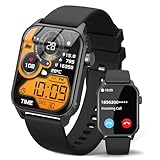
- 【1.83" HD Display & Customizable Watch Faces】Immerse yourself in a vibrant 1.83-inch IPS display, boasting a sharp resolution of 240*284 for crystal-clear visuals. Effortlessly personalize your smart watch with a wide array of customizable watch faces to suit your personal style for every occasion—whether trendy, artistic, or minimalist—ideal for casual, sporty, or professional. Its sleek, modern design complements any outfit, blending technology and fashion seamlessly for everyday wear
- 【120 Sports Modes & Advanced Health Tracking】Our TK29 smart watches for women men come equipped with 120 sports modes, allowing you to effortlessly track a variety of activities such as walking, running, cycling, and swimming. With integrated heart rate and sleep monitors, you can maintain a comprehensive overview of your health, achieve your fitness goals, and maintain a balanced, active lifestyle with ease. Your ideal wellness companion (Note: Step recording starts after exceeding 20 steps)
- 【IP67 Waterproof & Long-Lasting Battery】Designed to keep up with your active lifestyle, this smartwatch features an IP67 waterproof rating, ensuring it can withstand splashes, sweat, and even brief submersion, making it perfect for workouts, outdoor adventures, or rainy days. Its reliable 350mAh battery offering 5-7 days of active use and up to 30 days in standby mode, significantly reducing frequent charging. Ideal for all-day wear, whether you’re at the gym, outdoors, or simply on the go
- 【Stay Connected Anytime, Anywhere】Stay informed and in control with Bluetooth call and music control features. Receive real-time notifications for calls, messages, and social media apps like Facebook, WhatsApp, Twitter, and Instagram directly on your smartwatch. Easily manage calls, control your music playlist, and stay updated without needing to reach for your phone. Perfect for work, workouts, or on-the-go, this watch keeps you connected and never miss important updates wherever you are
- 【Multifunction & Wide Compatibility】Seamlessly handle heart rate monitoring, sleep tracking, and enjoy conveniences like camera/music control, Seamlessly handle heart rate monitoring, sleep tracking, and more-all directly from your wrist. This 1.83 inches HD smartwatch is compatible with iPhone (iOS 9.0+) & Android (5.0+), ensuring smooth daily connectivity and convenience throughout your day. More than just a timepiece, it’s a stylish, all-in-one wearable for smarter, healthier living
Galaxy Watch 4 switches to Wear OS 3, co-developed by Samsung and Google, layered with Samsung’s One UI Watch skin. This brings access to Google Play apps, Google Maps, Google Assistant (added later), and much broader developer support, dramatically improving long-term usefulness.
In real-world terms, the Watch 4 feels more like a true Android companion, while the Watch 3 feels locked into a closed ecosystem that is no longer evolving.
Performance and everyday responsiveness
Galaxy Watch 3 uses Samsung’s Exynos 9110 processor, which was already dated at launch. It handles basic navigation fine but can stutter when loading apps, syncing data, or switching watch faces.
Watch 4 introduces the Exynos W920, built on a more efficient 5nm process with noticeably better performance. Apps open faster, animations are smoother, and background tasks like health syncing feel less intrusive during daily use.
This matters most over time, as newer software updates are far more likely to remain usable on the Watch 4 without slowdown.
Health tracking: incremental hardware, meaningful new metrics
Both watches cover the basics well, including heart rate, sleep tracking, SpO2, stress, and automatic workout detection. For casual fitness users, the Watch 3 still holds up surprisingly well in this area.
The Watch 4 adds body composition analysis using bioelectrical impedance, offering estimates for body fat percentage, skeletal muscle, and water retention. While not medical-grade, it gives trend-based insights that simply do not exist on the Watch 3.
Sleep tracking is also more refined on the Watch 4, with better sleep stage breakdowns and improved overnight oxygen tracking consistency.
Design, materials, and wearability changes
Galaxy Watch 3 leans into a classic watch aesthetic with a stainless steel case, leather strap, and a slightly thicker profile. It feels premium and traditional, especially for users who want their smartwatch to resemble a mechanical timepiece.
Watch 4 shifts toward a lighter, sportier design with an aluminum case as standard and a slimmer body. It sits flatter on the wrist, feels less top-heavy during workouts, and is more comfortable for sleep tracking.
Both retain the beloved rotating bezel in their classic variants, but the Watch 4’s overall design prioritizes all-day wear over formal styling.
Battery life and charging reality
On paper, battery life looks similar, but real-world experience differs. Galaxy Watch 3 can often stretch to two days with conservative use thanks to Tizen’s efficiency.
Watch 4 typically lands closer to a day and a half, especially with always-on display, GPS workouts, and advanced health tracking enabled. The trade-off is more powerful software and deeper app integration rather than endurance.
Charging speeds are similar, so the main consideration is whether you value longevity per charge or richer features.
Compatibility and long-term support outlook
Galaxy Watch 3 works with Android phones but lacks tight Google integration and is already at the end of its major update cycle. Security updates will taper off, and app support will continue to shrink.
Watch 4 is built for modern Android phones, especially Samsung devices, and benefits from Google and Samsung’s shared roadmap. It is positioned to receive OS updates, new health features, and app improvements for several years.
If longevity, resale value, and ecosystem growth matter, this difference alone can justify choosing the Watch 4 today.
Software Revolution: Tizen on Watch 3 vs Wear OS (Powered by Samsung) on Watch 4
After looking at hardware, battery life, and long-term support, the biggest philosophical split between these two watches comes down to software. This is not a minor version bump or a skin change; it is a complete platform shift that fundamentally alters how the watch behaves day to day.
Tizen on Galaxy Watch 3: fast, efficient, but closed
Galaxy Watch 3 runs Samsung’s in-house Tizen operating system, a platform the company refined over several generations. It is quick to respond, visually clean, and tightly optimized for Samsung’s own hardware, which helps explain the Watch 3’s respectable battery life even today.
Navigation on Tizen feels intuitive thanks to the rotating bezel, with smooth scrolling through widgets, notifications, and settings. Core smartwatch functions like notifications, calls, music controls, and Samsung Health tracking work reliably and require little learning curve.
Where Tizen shows its age is in flexibility. The app store is limited, third-party developer interest has largely moved on, and many popular Android apps never made the jump. What you get out of the box is solid, but what you can add is increasingly constrained.
Wear OS (Powered by Samsung): a hybrid platform with bigger ambitions
With the Galaxy Watch 4, Samsung abandoned Tizen in favor of a rebuilt version of Wear OS, co-developed with Google and layered with Samsung’s One UI Watch interface. This is not the old Wear OS many users disliked; it is faster, cleaner, and far more cohesive than earlier Google smartwatch efforts.
The Watch 4 still feels unmistakably Samsung in daily use. Tiles, quick settings, and health features mirror the Galaxy phone experience, while Google services like Maps, Assistant, and the Play Store are deeply integrated beneath the surface.
This hybrid approach brings trade-offs. Wear OS demands more system resources, which partially explains the Watch 4’s shorter battery life, but it also unlocks a far broader ecosystem and future-proof foundation.
App ecosystem: limited stability vs long-term growth
On Watch 3, app availability is effectively frozen. Existing apps generally continue to work, but new releases and updates are rare, and some services have already been discontinued or left unsupported.
Watch 4 gains access to the Google Play Store for Wear OS, dramatically expanding the range of apps. Spotify, Strava, Google Maps, YouTube Music, and third-party fitness tools feel more native and better maintained.
For users who rely on specific apps or want their smartwatch to grow alongside their phone, this difference alone can change how useful the watch feels over time.
Performance and responsiveness in everyday use
Tizen on Watch 3 remains impressively smooth for basic tasks. Swiping through menus, checking notifications, and launching core apps still feels quick, even years after release.
Watch 4, powered by a newer chipset and Wear OS optimizations, handles multitasking better. App loading times are shorter, animations feel more fluid, and background syncing is more reliable, especially when multiple apps are installed.
The gap is most noticeable when using GPS workouts, streaming music, or switching rapidly between apps, where the Watch 4 feels more like a small computer than a digital watch.
Health and fitness software depth
Samsung Health exists on both platforms, but the Watch 4 runs a more advanced version tied closely to its upgraded sensors. Features like body composition analysis, enhanced heart rate tracking, and improved sleep metrics rely as much on software interpretation as hardware capability.
On Watch 3, health tracking is dependable but simpler. It covers the essentials well, yet lacks the deeper insights, trend analysis, and ongoing feature additions seen on Watch 4.
The software on Watch 4 is also designed to evolve. Samsung continues to roll out new health algorithms and refinements, something the Watch 3 is no longer positioned to receive.
Google services and Android integration
Watch 3 relies heavily on Samsung’s own ecosystem. Samsung Pay, Samsung Messages, and Bixby are central, and while they work well with Galaxy phones, they feel isolated if you use non-Samsung Android devices.
Watch 4 bridges that gap. Google Assistant, Google Maps navigation, and tighter Android syncing make it feel more universal, even though some advanced health features remain exclusive to Samsung phones.
For Android users who want a smartwatch that mirrors their phone’s ecosystem rather than replacing it, Wear OS on Watch 4 offers a more cohesive experience.
User experience over the long term
Tizen delivers consistency. What the Watch 3 does today is largely what it will do tomorrow, with minimal changes and few surprises.
Wear OS on Watch 4 is dynamic. Updates, app improvements, and new features continue to reshape the experience, for better or worse depending on your tolerance for change.
This difference defines the upgrade decision. Watch 3 feels like a finished product nearing the end of its lifecycle, while Watch 4 feels like a platform still being actively built and expanded.
Performance and Longevity: Exynos W920 vs Exynos 9110 and What You Feel Day to Day
All of the software differences discussed so far ultimately funnel through the processor. This is where the Galaxy Watch 4 quietly but decisively pulls ahead, and where the aging hardware of the Watch 3 starts to show its limits.
Samsung didn’t just refresh the chipset for marketing reasons. The move from Exynos 9110 to Exynos W920 fundamentally changes how the watch feels every time you interact with it.
Exynos 9110 vs Exynos W920: generational gap, not a small bump
The Galaxy Watch 3 runs on the Exynos 9110, a 10nm dual-core chip that was already conservative when it launched. It was designed for efficiency and stability, not raw speed, and it shows its age under modern workloads.
Rank #2
![Apple Watch Series 11 [GPS 46mm] Smartwatch with Jet Black Aluminum Case with Black Sport Band - M/L. Sleep Score, Fitness Tracker, Health Monitoring, Always-On Display, Water Resistant](https://m.media-amazon.com/images/I/312K597M2uL._SL160_.jpg)
- HYPERTENSION NOTIFICATIONS — Apple Watch Series 11 can spot signs of chronic high blood pressure and notify you of possible hypertension.*
- KNOW YOUR SLEEP SCORE — Sleep score provides an easy way to help track and understand the quality of your sleep, so you can make it more restorative.
- EVEN MORE HEALTH INSIGHTS — Take an ECG anytime.* Get notifications for a high and low heart rate, an irregular rhythm,* and possible sleep apnea.* View overnight health metrics with the Vitals app* and take readings of your blood oxygen.*
- STUNNING DESIGN — Thin and lightweight, Series 11 is comfortable to wear around the clock — while exercising and even when you’re sleeping, so it can help track your key metrics.
- A POWERFUL FITNESS PARTNER — With advanced metrics for all your workouts, plus features like Pacer, Heart Rate Zones, training load, Workout Buddy powered by Apple Intelligence from your nearby iPhone,* and more. Series 11 also comes with three months of Apple Fitness+ free.*
The Watch 4’s Exynos W920 is built on a far more advanced 5nm process. Samsung claims roughly a 20 percent CPU performance boost alongside significantly better graphics and power efficiency, but the real story is consistency rather than peak speed.
This isn’t a spec-sheet upgrade you only notice in benchmarks. It changes how fluid the watch feels across an entire day of use.
Everyday responsiveness: taps, swipes, and app launches
On the Watch 3, basic navigation remains smooth, but there’s a slight hesitation when opening apps, pulling up widgets, or invoking voice commands. It’s subtle, yet once you notice it, it becomes part of the experience.
The Watch 4 feels immediate. App launches are quicker, animations are smoother, and transitions between tiles happen without the micro-pauses common on older hardware.
This is especially noticeable when multitasking. Jumping from a workout to notifications to music controls feels natural on Watch 4, while Watch 3 can feel like it needs a moment to catch up.
Handling modern features without friction
Wear OS places heavier demands on the processor than Tizen ever did. Background services, Google Play apps, richer watch faces, and continuous health tracking all run simultaneously.
The Exynos W920 handles this without slowing down the interface. You can track GPS, stream music, and receive notifications without the watch feeling strained.
On Watch 3, stacking features increases the chance of stutters. GPS workouts combined with music playback and notification-heavy days can make the watch feel less responsive, particularly toward the end of the day.
RAM, storage, and future-proofing
The Watch 4 pairs its newer processor with more RAM and storage, giving Wear OS room to breathe. This matters as apps grow more complex and system updates add new capabilities.
Watch 3’s hardware is more tightly constrained. It runs Tizen efficiently, but there’s limited headroom for expanding features or heavier applications.
This difference directly affects longevity. Watch 4 is built to handle the next several years of software updates, while Watch 3 is already operating near its ceiling.
Thermals, efficiency, and battery behavior
The 5nm architecture of the Exynos W920 brings efficiency gains that go beyond raw performance. Less heat generation means the processor can sustain performance without throttling.
In daily use, this translates into steadier battery behavior on Watch 4. Performance remains consistent from morning to night, even on days packed with workouts, navigation, and notifications.
The Watch 3’s older chip is less efficient under load. While battery life can still be respectable, performance tends to dip as the day progresses, especially after extended GPS use.
Long-term usability and software lifespan
Performance isn’t just about speed today, but about how well the watch ages. The Watch 3 feels increasingly locked in time, with hardware tuned for a software platform that’s no longer evolving.
The Watch 4 feels like it’s still growing into its capabilities. As Wear OS matures and apps improve, the Exynos W920 provides the headroom needed to keep the experience smooth.
For users thinking beyond the next year, this is one of the clearest upgrade arguments. The Watch 4 isn’t just faster now, it’s positioned to stay usable and responsive long after the Watch 3 reaches the end of its comfort zone.
Health and Fitness Tracking: New Sensors, Body Composition, and ECG Differences
The performance headroom discussed earlier directly enables Samsung’s biggest leap in health tracking between these two generations. With Watch 4, Samsung didn’t just refine existing metrics, it expanded what the hardware can measure and how often it can do so reliably.
While both watches cover the basics well, the gap widens quickly once you move beyond step counts and heart rate graphs into deeper health insights and long-term monitoring.
Sensor hardware: from traditional tracking to bioelectrical analysis
Galaxy Watch 3 relies on a familiar sensor stack: optical heart rate, accelerometer, gyroscope, barometer, and an electrical sensor for ECG. This setup delivers solid everyday tracking, especially for steps, sleep stages, and steady-state workouts.
Galaxy Watch 4 introduces Samsung’s BioActive Sensor, which combines optical heart rate, electrical heart signals, and bioelectrical impedance analysis into a single module. This tighter integration allows the watch to collect more complex data without increasing thickness or compromising comfort on the wrist.
In real-world wear, Watch 4 feels no bulkier despite doing more. The sensor array sits flatter against the wrist, improving skin contact during workouts and reducing dropouts compared to Watch 3 during high-motion activities.
Body composition: a genuinely new capability
The headline health upgrade on Watch 4 is body composition analysis. By sending a low-level electrical signal through the body, the watch estimates body fat percentage, skeletal muscle mass, body water, and BMI.
Watch 3 has no equivalent feature. It can infer general fitness trends through activity and heart rate data, but it cannot directly measure body composition in any form.
In practice, Watch 4’s readings are best used for tracking trends rather than absolute precision. Measurements are quick, typically under 15 seconds, and consistent enough to spot changes over time, which makes it useful for users focused on weight training, fat loss, or overall conditioning rather than medical-grade accuracy.
Heart rate tracking and workout reliability
Both watches perform continuous heart rate monitoring, but Watch 4 benefits from faster sampling and improved motion handling. During interval training or strength sessions, Watch 4 locks onto heart rate changes more quickly and recovers faster after spikes.
Watch 3 can lag slightly during rapid intensity shifts, especially when the strap isn’t cinched tightly. This isn’t a dealbreaker for casual workouts, but it becomes noticeable for users doing HIIT or circuit training.
For long, steady activities like walking or cycling, the difference narrows. Both watches deliver dependable data, though Watch 4’s consistency over longer sessions reflects the efficiency gains discussed earlier.
ECG and blood pressure: similar features, different futures
On paper, both Galaxy Watch 3 and Watch 4 support ECG and blood pressure monitoring, subject to regional approvals and calibration requirements. Functionally, the experience today is similar: on-demand ECG readings and cuff-based blood pressure calibration every few weeks.
The key difference lies in platform support. Watch 3’s ECG features are tied to Tizen and are unlikely to see meaningful expansion or refinement going forward.
Watch 4’s ECG runs within Samsung Health on Wear OS, positioning it for ongoing improvements, better data syncing, and deeper integration with Android health platforms. For users planning to rely on ECG monitoring over several years, this long-term support matters more than the current feature parity.
Sleep tracking and recovery insights
Sleep tracking is competent on both watches, covering sleep stages, duration, and blood oxygen during sleep. Watch 4 adds more detailed sleep coaching and trend analysis, enabled by its improved sensor fusion and processing power.
The Watch 4 is also more comfortable for overnight wear. Its lighter case and flatter sensor housing reduce pressure points, which improves data quality simply because users are more likely to keep it on all night.
Watch 3 remains usable for sleep tracking, but its thicker profile and older algorithms make the experience feel more basic by comparison.
Fitness modes, GPS, and daily usability
Workout selection is broad on both watches, with automatic detection for common activities like walking and running. GPS accuracy is comparable in open areas, but Watch 4 maintains stronger signal stability during longer sessions, especially when multitasking with music or navigation.
Battery efficiency plays a quiet role here. Watch 4 handles GPS workouts with less performance degradation, while Watch 3 can show signs of strain toward the end of longer tracked activities.
For everyday fitness users, both watches get the job done. For anyone training regularly or tracking multiple workouts per week, Watch 4’s smoother performance and richer data make it feel like a more capable fitness companion rather than just a step tracker.
App Ecosystem and Smart Features: Google Apps, Third-Party Support, and Limitations
Once you move beyond fitness and health tracking, the software platform becomes the biggest divider between Galaxy Watch 3 and Watch 4. This is where Samsung’s shift from Tizen to Wear OS fundamentally changes what the watch can do day to day, and how useful it will remain over time.
Tizen on Watch 3 vs Wear OS on Watch 4
Galaxy Watch 3 runs Samsung’s Tizen OS, a platform that was fast and efficient but increasingly isolated. Core features like notifications, Samsung Health, and media controls still work smoothly, but the overall experience feels frozen in time.
Watch 4 introduced Wear OS co-developed with Google, layered with Samsung’s One UI Watch. The interface remains familiar to Samsung users, but underneath it opens the door to Google services and a much broader development ecosystem.
In practical terms, Watch 3 feels like a capable companion device, while Watch 4 behaves more like a small extension of your Android phone. The difference shows up quickly once you start installing apps or relying on smart features beyond the basics.
Google apps and native smart features
One of the most meaningful upgrades with Watch 4 is access to Google apps. Google Maps offers turn-by-turn navigation on the wrist, Google Assistant handles voice commands more naturally than Bixby, and Google Play Store makes app discovery far easier than Samsung’s old Galaxy Store.
Rank #3

- Bluetooth Call and Message Alerts: Smart watch is equipped with HD speaker, after connecting to your smartphone via bluetooth, you can answer or make calls, view call history and store contacts through directly use the smartwatch. The smartwatches also provides notifications of social media messages (WhatsApp, Twitter, Facebook, Instagram usw.) So that you will never miss any important information.
- Smart watch for men women is equipped with a 320*380 extra-large hd full touch color screen, delivering exceptional picture quality and highly responsive touch sensitivity, which can bring you a unique visual and better interactive experience, lock screen and wake up easily by raising your wrist. Though “Gloryfit” app, you can download more than 102 free personalised watch faces and set it as your desktop for fitness tracker.
- 24/7 Heart Rate Monitor and Sleep Tracker Monitor: The fitness tracker watch for men has a built-in high-performance sensor that can record our heart rate changes in real time. Monitor your heart rate 26 hours a day and keep an eye on your health. Synchronize to the mobile phone app"Gloryfit", you can understand your sleep status(deep /light /wakeful sleep) by fitness tracker watch develop a better sleep habit and a healthier lifestyle.
- IP68 waterproof and 110+ Sports Modes: The fitness tracker provides up to 112+ sports modes, covering running, cycling, walking, basketball, yoga, football and so on. Activity trackers bracelets meet the waterproof requirements for most sports enthusiasts' daily activities, such as washing hands or exercising in the rain, meeting daily needs (note: Do not recommended for use in hot water or seawater.)
- Multifunction and Compatibility: This step counter watch also has many useful functions, such as weather forecast, music control, sedentary reminder, stopwatch, alarm clock, timer, track female cycle, screen light time, find phone etc. The smart watch with 2 hrs of charging, 5-7 days of normal use and about 30 days of standby time. This smart watches for women/man compatible with ios 9.0 and android 6.2 and above devices.
Watch 3 relies almost entirely on Samsung’s services. Bixby handles voice tasks, Samsung Pay manages payments, and navigation support is limited and less flexible than Google Maps. These features still function, but they feel constrained compared to what Wear OS enables.
Daily usability reflects this gap. Watch 4 is better at handling reminders, smart home controls, quick replies, and contextual actions that tie into your Android phone, while Watch 3 stays focused on notifications rather than interaction.
Third-party apps and long-term viability
Third-party app support is where Tizen’s age shows most clearly. Many popular apps never arrived on Watch 3, and several that did have stopped receiving updates as developers shifted focus to Wear OS.
Watch 4 benefits from the broader Wear OS ecosystem, including apps like Spotify, Strava, Calm, Todoist, Komoot, and Google Keep. More importantly, these apps continue to receive updates and new features, which keeps the watch feeling current even years after launch.
From a longevity standpoint, this matters more than sheer app count. Watch 4 is positioned to gain capabilities over time, while Watch 3 is effectively in maintenance mode, with security patches but little functional growth.
Payments, messaging, and everyday convenience
Both watches support contactless payments, but the experience differs. Watch 3 is locked to Samsung Pay, which works well but has more regional and bank limitations. Watch 4 supports Google Wallet alongside Samsung Pay, giving users more flexibility depending on their country and financial setup.
Messaging and call handling also feel more modern on Watch 4. Reply options are richer, voice dictation is more accurate, and third-party messaging apps integrate more cleanly with Wear OS.
These are small interactions, but they add up. Over weeks of daily wear, Watch 4 reduces the number of times you need to pull out your phone, while Watch 3 still acts more like a notification mirror.
Performance, stability, and software trade-offs
Tizen remains impressively smooth on Watch 3, partly because it does less. App switching is quick, animations are stable, and battery drain is predictable, even if the feature set is limited.
Wear OS on Watch 4 is heavier but more capable. Samsung’s Exynos W920 and increased RAM help keep performance responsive, but more background services and richer apps do impact battery life compared to Tizen’s minimalist approach.
The trade-off is intentional. Watch 3 offers consistency and efficiency, while Watch 4 prioritizes flexibility, deeper integration, and future-proofing. Which approach feels better depends on whether you value simplicity or expansion.
Compatibility limits and platform lock-in
Both watches work best with Samsung phones, but Watch 4 tightens this relationship further. Features like ECG, blood pressure, and some advanced health insights still require a compatible Samsung smartphone and Samsung Health.
Watch 3 shares similar restrictions, but its limitations feel more permanent because the platform itself is no longer evolving. Even when paired with non-Samsung Android phones, Watch 4 retains access to Google apps and services that simply do not exist on Tizen.
For Android users thinking long term, this difference is crucial. Watch 4 aligns with where Android wearables are heading, while Watch 3 represents the end of Samsung’s previous software era.
Design, Build, and Wearability: Sizes, Bezels, Displays, and Strap Compatibility
After the software shift, the physical experience is where many Watch 3 owners immediately notice how Samsung’s priorities have changed. The Watch 4 doesn’t try to out-luxury its predecessor; instead, it refines proportions, reduces bulk, and leans into everyday comfort over traditional watch cues.
Case sizes, thickness, and wrist presence
Galaxy Watch 3 comes in 41mm and 45mm cases, both of which wear like classic timepieces. The thicker case profile and pronounced lugs give it a more substantial presence, especially on the larger 45mm model.
Galaxy Watch 4 shifts to 40mm and 44mm sizes, and both are noticeably slimmer and lighter on the wrist. Even the larger 44mm version feels less top-heavy than Watch 3, which makes a difference during sleep tracking and all-day wear.
For smaller wrists, Watch 4’s 40mm model is easier to live with than Watch 3’s 41mm, simply because the reduced thickness and weight improve comfort over long sessions.
Materials and finishing: premium versus practical
Watch 3 was positioned as a premium smartwatch first, using stainless steel across most models and even offering a titanium variant in select regions. The polished surfaces, sharper edges, and traditional case finishing clearly targeted users who wanted a smartwatch that doubled as a dress watch.
Watch 4, in its standard form, switches to an aluminum case that prioritizes weight reduction over luxury feel. It is still well-finished and durable, but it feels more like a modern fitness-forward smartwatch than a traditional timepiece.
This change is deliberate. Watch 4 is easier to forget you are wearing, while Watch 3 constantly reminds you it is there, for better or worse depending on your preferences.
Bezels and navigation feel
The rotating bezel is one of Watch 3’s defining features, and it remains unmatched for tactile navigation. Scrolling through menus, workouts, and notifications feels precise, intuitive, and satisfying without touching the screen.
Galaxy Watch 4 removes the physical bezel on the standard model and replaces it with a capacitive touch bezel. It works well in clean conditions, but it lacks the feedback and reliability of Watch 3’s mechanical ring, especially with sweaty hands or gloves.
For long-time Samsung users, this is one of the most emotionally divisive changes. Watch 4 feels more minimal and modern, but Watch 3 still offers the better control experience.
Displays and everyday visibility
Both watches use circular Super AMOLED displays with excellent contrast, deep blacks, and strong outdoor visibility. Text and UI elements appear slightly crisper on Watch 4 due to refinements in scaling and software optimization rather than a dramatic resolution jump.
Watch 4’s slimmer bezels make the screen feel more expansive despite similar panel sizes. This helps with maps, workout stats, and message previews, where extra visual breathing room matters.
Durability remains comparable. Both use reinforced Gorilla Glass designed for wearables, handle daily knocks well, and maintain strong scratch resistance under normal use.
Weight, comfort, and long-term wear
This is where Watch 4 quietly pulls ahead. The lighter aluminum case and reduced thickness translate into better balance on the wrist, especially during sleep and exercise.
Watch 3’s weight contributes to its premium feel, but it can shift during workouts or feel intrusive overnight. Users focused on health tracking, recovery metrics, and 24-hour wear will notice the difference within days.
Neither watch feels poorly designed, but Watch 4 is simply more forgiving for continuous wear.
Strap compatibility and customization
Strap flexibility is another practical upgrade. Galaxy Watch 3 uses different lug widths depending on size, with the 41mm using 20mm straps and the 45mm requiring 22mm bands. This complicates swapping straps between sizes and limits reuse if you change models.
Galaxy Watch 4 standardizes on 20mm straps across both 40mm and 44mm sizes. This makes it far easier to find third-party bands and reuse existing straps when upgrading or switching sizes.
Samsung’s newer strap system also sits closer to the case, improving fit on smaller wrists and reducing awkward gaps. Over time, this contributes to better comfort and a cleaner overall look.
Battery Life and Charging: Real-World Endurance Compared
Comfort and wearability only matter if the watch can stay on your wrist long enough to be useful. This is where expectations often collide with reality, especially when comparing Samsung’s last Tizen flagship with its first Wear OS generation.
On paper, the Galaxy Watch 4 does not look like a battery upgrade. In daily use, however, the story is more nuanced and closely tied to software behavior and how you actually use the watch.
Battery capacity vs daily endurance
The Galaxy Watch 3 shipped with larger nominal battery capacities, topping out at around 340mAh on the 45mm model. Combined with Samsung’s highly optimized Tizen OS, it was common to see close to two full days of use with notifications, light workouts, and occasional GPS.
Galaxy Watch 4 uses slightly smaller batteries, roughly 247mAh on the 40mm and 361mAh on the 44mm. Despite the newer Exynos W920 being more efficient, Wear OS introduces more background activity, tighter Google service integration, and heavier health data processing.
In real-world use, Watch 4 typically lands closer to 24 to 36 hours. This includes always-on display off, continuous heart rate monitoring, sleep tracking, and one GPS workout per day.
Impact of Wear OS on power consumption
The software shift from Tizen to Wear OS is the biggest reason battery life feels different between these two watches. Wear OS brings a richer app ecosystem and deeper Google services, but it also runs more processes in the background.
Features like Google Assistant, Google Maps, Play Store syncing, and third-party fitness apps add measurable drain. Even when not actively used, these services wake the system more frequently than Tizen ever did.
By contrast, Watch 3’s Tizen environment is leaner and more predictable. It does fewer things, but it does them with impressive efficiency, which is why many Watch 3 owners still praise its endurance years later.
Health tracking and overnight drain
Health tracking is another quiet battery divider. Watch 4 tracks more metrics more often, including body composition scans, enhanced sleep stages, blood oxygen levels during sleep, and continuous heart rate monitoring with tighter sampling intervals.
Rank #4
![Apple Watch Series 11 [GPS 42mm] Smartwatch with Rose Gold Aluminum Case with Light Blush Sport Band - S/M. Sleep Score, Fitness Tracker, Health Monitoring, Always-On Display, Water Resistant](https://m.media-amazon.com/images/I/31J+F-pXaWL._SL160_.jpg)
- HYPERTENSION NOTIFICATIONS — Apple Watch Series 11 can spot signs of chronic high blood pressure and notify you of possible hypertension.*
- KNOW YOUR SLEEP SCORE — Sleep score provides an easy way to help track and understand the quality of your sleep, so you can make it more restorative.
- EVEN MORE HEALTH INSIGHTS — Take an ECG anytime.* Get notifications for a high and low heart rate, an irregular rhythm,* and possible sleep apnea.* View overnight health metrics with the Vitals app* and take readings of your blood oxygen.*
- STUNNING DESIGN — Thin and lightweight, Series 11 is comfortable to wear around the clock — while exercising and even when you’re sleeping, so it can help track your key metrics.
- A POWERFUL FITNESS PARTNER — With advanced metrics for all your workouts, plus features like Pacer, Heart Rate Zones, training load, Workout Buddy powered by Apple Intelligence from your nearby iPhone,* and more. Series 11 also comes with three months of Apple Fitness+ free.*
All of this happens while you sleep, which makes overnight drain more noticeable. A typical Watch 4 will lose around 15 to 20 percent overnight with full sleep tracking enabled.
Watch 3, while still capable of sleep tracking and SpO2 monitoring, is less aggressive in data collection. Overnight drain is usually closer to 8 to 12 percent, making multi-day wear more realistic if you skip daily workouts.
GPS workouts and active use
During GPS workouts, both watches perform similarly in terms of hourly drain. Expect roughly 10 to 15 percent battery loss per hour with GPS, heart rate, and screen wake gestures active.
The difference shows up after the workout ends. Watch 4 tends to use more power syncing workout data, refreshing health dashboards, and updating connected apps in the background.
Watch 3 finishes its post-workout tasks faster and returns to a low-power state more quickly. This makes it feel more consistent for users who train daily but charge less frequently.
Charging speed and convenience
Both watches use Samsung’s wireless magnetic charging puck, but neither supports fast charging by modern standards. A full charge from near empty takes roughly two hours on both models.
Watch 4 does have slightly improved charging efficiency, especially in the last 20 percent where Watch 3 tends to slow dramatically. Topping up for 20 to 30 minutes before bed can reliably add enough power for overnight tracking on Watch 4.
Neither watch supports reverse wireless charging particularly well in real-world scenarios. While compatible phones can technically top them up, the process is slow and impractical outside of emergencies.
Battery longevity and long-term ownership
For long-term ownership, Watch 4 holds an advantage despite its shorter daily endurance. It receives ongoing Wear OS updates, health feature expansions, and app optimizations that improve power management over time.
Watch 3 is effectively frozen in its current state. While its battery life remains stable today, aging hardware and lack of major software updates mean any future degradation is harder to offset.
If you plan to keep your watch for several more years, Watch 4’s battery behavior is more predictable in the long run, even if you charge it more often.
Which watch lasts longer in real life?
If your priority is fewer charging sessions and you value multi-day endurance above all else, Galaxy Watch 3 still wins. Its combination of Tizen efficiency and simpler health tracking makes it easier to forget about the charger.
If you are comfortable charging daily and want richer health insights, better app support, and future-proof software, Galaxy Watch 4 is the more balanced choice. The trade-off is not poor battery life, but a shift in how often you think about charging.
Neither watch is objectively bad here, but they are optimized for very different usage patterns. Understanding that difference matters more than the raw battery numbers on the spec sheet.
Compatibility and Ecosystem Lock-In: Samsung Phones, Android Support, and Missing Features
Battery life and charging habits shape how often you interact with a smartwatch, but compatibility determines how much of the experience you can actually access. This is where the Galaxy Watch 4 and Watch 3 begin to feel fundamentally different, even before you look at features or design.
Samsung’s shift from Tizen on Watch 3 to Wear OS on Watch 4 changed not just the interface, but the rules around which phones work best, which features unlock fully, and where compromises appear.
Android compatibility: broad support versus modern requirements
Galaxy Watch 3 is surprisingly flexible by today’s standards. It works with most Android phones running Android 5.0 or later, including non-Samsung devices from Google, OnePlus, Xiaomi, and others.
Setup requires the Galaxy Wearable app and several Samsung background services, but once connected, core functions like notifications, fitness tracking, calls, and quick replies work reliably across brands. That openness was one of Tizen’s quiet strengths.
Galaxy Watch 4 raises the bar. It requires Android 6.0 or later and a 1.5GB RAM minimum, which excludes some older budget phones that Watch 3 still supports.
More importantly, while Watch 4 technically works with non-Samsung Android phones, the experience is clearly optimized for Samsung devices. The farther you move from a Galaxy phone, the more compromises appear.
Samsung phone exclusives: where Watch 4 draws harder lines
This is the most critical difference for upgraders. On Galaxy Watch 4, several headline health features are locked to Samsung phones only.
ECG and blood pressure monitoring require a compatible Samsung Galaxy smartphone because they rely on the Samsung Health Monitor app, which is not officially available on other Android devices. On non-Samsung phones, these sensors are physically present but functionally disabled.
Body composition analysis, including body fat percentage and skeletal muscle estimates, works across Android phones, but data syncing and long-term trend visualization are smoother on Samsung hardware. Features like automatic backup to Samsung Cloud and deeper integration with Samsung Health feel incomplete elsewhere.
Galaxy Watch 3 also has ECG and blood pressure limitations, but the difference is expectation. Watch 3 launched when these features felt experimental, whereas Watch 4 positions them as core selling points that many users simply cannot access without a Samsung phone.
Wear OS versus Tizen: ecosystem depth versus consistency
Software is where compatibility becomes philosophical. Watch 3 runs Samsung’s Tizen OS, a closed system with a small but tightly controlled app selection.
What you get is consistency. Core apps are optimized, animations are smooth even on older hardware, and battery behavior is predictable. You rarely encounter half-finished apps or buggy updates because the ecosystem is small.
Watch 4 runs Wear OS powered by Samsung, combining Google’s platform with Samsung’s One UI Watch skin. This opens the door to Google Maps, Google Assistant, YouTube Music, third-party fitness apps, and a broader developer ecosystem.
The trade-off is complexity. Some apps feel better suited to square displays or phones, and battery drain varies depending on which apps you install. The platform is richer, but also less controlled.
Google services and cross-platform convenience
If you live in Google’s ecosystem, Watch 4 is clearly the more natural fit. Native Google Maps navigation with haptic turn-by-turn directions is genuinely useful on the wrist, especially for walking and cycling.
Google Pay support is also stronger on Watch 4, with wider bank compatibility in many regions compared to Samsung Pay on Watch 3. Voice interactions via Google Assistant feel more flexible than Samsung’s Bixby, particularly for reminders and quick searches.
Watch 3 relies heavily on Samsung’s own services. Samsung Pay works well but is region- and bank-dependent, and app updates arrive slowly or not at all. Over time, this creates a sense of isolation rather than integration.
iPhone support and what’s completely off the table
Neither watch is a good choice for iPhone users today, but Watch 3 at least keeps the door partially open. It can connect to iPhones running iOS 9 or later with limited functionality, including notifications and basic fitness tracking.
Galaxy Watch 4 removes iPhone support entirely. There is no official way to pair it with an iPhone, and Samsung has shown no indication this will change.
If you plan to switch platforms in the future or share devices across households, Watch 3 offers more flexibility. Watch 4 assumes you are firmly committed to Android, and ideally to Samsung.
Long-term support, updates, and ecosystem risk
From a longevity standpoint, Watch 4 is the safer bet. Wear OS updates, security patches, and health feature expansions are still actively rolling out, and Google’s renewed focus on wearables gives the platform momentum.
Watch 3 is effectively at the end of its software life. Apps still work today, but compatibility gaps will widen as services drop Tizen support and phone OS versions move on.
The risk with Watch 4 is not abandonment, but lock-in. To get the full experience, especially for health features, you are committing not just to Samsung hardware, but to Samsung’s version of Wear OS.
Which watch fits your ecosystem reality?
If you use a Samsung Galaxy phone and plan to stay there, Galaxy Watch 4 integrates more deeply, does more over time, and aligns better with modern Android services. Its restrictions are easier to accept when they work in your favor.
If you use a non-Samsung Android phone, value flexibility, or want fewer artificial limits, Galaxy Watch 3 still feels more neutral and less prescriptive, even if it is aging.
This section ultimately comes down to honesty about your phone choice and future plans. The hardware differences matter, but ecosystem alignment determines whether a watch feels empowering or quietly frustrating after the novelty wears off.
Long-Term Support and Future-Proofing: Updates, Security, and Platform Lifespan
All the ecosystem trade-offs discussed earlier ultimately funnel into one question: how long will each watch feel current, secure, and supported in daily use. This is where the Galaxy Watch 4 and Watch 3 diverge more sharply than their outward designs suggest, and where upgrade decisions tend to become clearer.
Operating system longevity: Wear OS momentum vs Tizen sunset
Galaxy Watch 4 runs Wear OS powered by Samsung, a joint platform that replaced Samsung’s in-house Tizen system entirely. This shift matters because Wear OS is now Google’s primary smartwatch platform, receiving ongoing core updates, feature additions, and compatibility improvements tied to the wider Android ecosystem.
💰 Best Value
![Apple Watch Series 11 [GPS 42mm] Smartwatch with Jet Black Aluminum Case with Black Sport Band - S/M. Sleep Score, Fitness Tracker, Health Monitoring, Always-On Display, Water Resistant](https://m.media-amazon.com/images/I/31ybzrJZckL._SL160_.jpg)
- HYPERTENSION NOTIFICATIONS — Apple Watch Series 11 can spot signs of chronic high blood pressure and notify you of possible hypertension.*
- KNOW YOUR SLEEP SCORE — Sleep score provides an easy way to help track and understand the quality of your sleep, so you can make it more restorative.
- EVEN MORE HEALTH INSIGHTS — Take an ECG anytime.* Get notifications for a high and low heart rate, an irregular rhythm,* and possible sleep apnea.* View overnight health metrics with the Vitals app* and take readings of your blood oxygen.*
- STUNNING DESIGN — Thin and lightweight, Series 11 is comfortable to wear around the clock — while exercising and even when you’re sleeping, so it can help track your key metrics.
- A POWERFUL FITNESS PARTNER — With advanced metrics for all your workouts, plus features like Pacer, Heart Rate Zones, training load, Workout Buddy powered by Apple Intelligence from your nearby iPhone,* and more. Series 11 also comes with three months of Apple Fitness+ free.*
Watch 3, by contrast, is built on Tizen, which Samsung has effectively retired for consumer wearables. While the watch still functions today, it no longer benefits from platform-level innovation, and future OS upgrades are off the table.
In practical terms, Watch 4 can still gain meaningful new capabilities over time, while Watch 3 is frozen in its current software state.
Update cadence and feature expansion
Since launch, Galaxy Watch 4 has received multiple major software updates that go beyond bug fixes. These include expanded sleep coaching, body composition refinements, improved heart health insights, UI tweaks, and deeper Google service integration.
Watch 3’s update history has slowed to a crawl, focusing primarily on stability rather than growth. There are no new health metrics on the horizon, no interface overhauls, and no meaningful expansion of what the watch can do.
If you care about your smartwatch improving with age rather than slowly falling behind, Watch 4 clearly offers a longer runway.
Security patches and data protection
Wearables increasingly handle sensitive health data, making security support more than an abstract concern. Galaxy Watch 4 continues to receive security patches aligned with Samsung and Google’s broader Android update policies.
Watch 3’s security posture is far more uncertain. While Samsung has not publicly abandoned security updates, the cadence is inconsistent, and long-term assurances are minimal as Tizen winds down.
For users who track heart data, sleep, and activity daily, the peace of mind that comes with ongoing security maintenance is a real advantage for Watch 4.
App ecosystem survival and developer support
App availability is one of the quiet but decisive factors in long-term usability. Wear OS gives Galaxy Watch 4 access to Google Play, third-party developers, and services that are actively maintained for modern Android watches.
Tizen’s app ecosystem is shrinking, not growing. Developers have little incentive to update or maintain Tizen apps, and some services have already stopped supporting the platform entirely.
Over time, this means Watch 3 owners may find apps breaking, disappearing, or simply never receiving updates that newer watches take for granted.
Hardware aging and performance headroom
Software longevity is also tied to hardware capability. Galaxy Watch 4’s newer processor, faster memory, and improved sensors give it more performance headroom for future updates.
Watch 3 remains smooth for basic tasks today, but its older chipset and sensor package limit what Samsung can realistically push to the device, even if it wanted to.
This affects everyday experiences like UI fluidity, health analysis speed, and how gracefully the watch handles newer features introduced elsewhere in the ecosystem.
Resale value and ownership horizon
Long-term support also influences resale value. Galaxy Watch 4, with active updates and Wear OS relevance, holds its value better and remains easier to recommend or resell.
Watch 3 is increasingly viewed as a legacy device. Its excellent build quality, rotating bezel, and comfort still appeal, but buyers are more cautious about investing in a platform with a limited future.
If you plan to keep your watch for several years, or pass it on later, Watch 4 simply aligns better with how the smartwatch market is evolving.
Future-proofing in real-world terms
Choosing Galaxy Watch 4 means buying into an ecosystem that is still actively being shaped, for better and worse. You gain longevity, updates, and relevance, but accept Samsung’s tighter control over features and phone compatibility.
Sticking with Watch 3 is less about future-proofing and more about contentment with what already exists. It remains usable, comfortable, and well-finished, but it will not grow with you as software expectations change.
This distinction doesn’t make Watch 3 obsolete overnight, but it does define how far each watch can realistically go from here.
Upgrade Verdict: Who Should Move from Galaxy Watch 3 to Watch 4 (and Who Shouldn’t)
All of the differences outlined so far come to a head here. The decision to move from Galaxy Watch 3 to Watch 4 is less about cosmetic change and more about how you want your smartwatch to age over the next few years.
This is a fork in the road between a refined, familiar experience and a platform that is still actively evolving.
You should upgrade if software longevity matters to you
If you expect your smartwatch to gain new features over time, Galaxy Watch 4 is the clear choice. Wear OS ensures ongoing app updates, deeper Google service integration, and continued attention from developers that Tizen no longer receives.
This shows up in everyday ways, from better third-party apps to faster adaptation to new Android phone features.
You should upgrade if health tracking is a priority
Watch 4’s body composition analysis, improved heart-rate tracking, and tighter integration with Samsung Health make it meaningfully more capable as a wellness device. While Watch 3 still covers the basics well, it lacks the sensor sophistication and processing headroom that newer health insights rely on.
For users tracking fitness trends, recovery, or long-term health patterns, the newer platform simply goes further.
You should upgrade if performance and responsiveness matter day to day
Galaxy Watch 4 feels quicker and more consistent in real-world use. App launches, UI navigation, and background health processing benefit from the newer chipset and memory.
Watch 3 remains usable, but side-by-side, it feels like a device designed for an earlier phase of smartwatch expectations.
You should upgrade if you plan to keep your watch for several more years
From resale value to software relevance, Watch 4 aligns better with a longer ownership horizon. It fits into Samsung’s current roadmap rather than sitting outside it.
If you dislike replacing devices frequently, upgrading now avoids being locked into an increasingly isolated platform.
You may want to keep Watch 3 if you value the rotating bezel above all else
The physical rotating bezel on Watch 3 remains one of Samsung’s most satisfying hardware features. It offers tactile control that some users strongly prefer over touch-based navigation.
If this interaction is central to how you use your watch, Watch 4 may feel like a step backward despite its technical advantages.
You may want to keep Watch 3 if your usage is simple and stable
For notifications, basic fitness tracking, sleep monitoring, and occasional workouts, Watch 3 still performs reliably. If your app needs are minimal and you are comfortable with its current feature set, there is no urgency to upgrade.
In this scenario, Watch 3 functions more like a finished product than an evolving one.
You may want to keep Watch 3 if battery predictability matters more than features
Watch 3’s battery behavior is well understood and consistent. Wear OS on Watch 4 brings more power and flexibility, but also more background activity that can feel less predictable depending on usage.
If charging habits are already dialed in and working for you, the upgrade may not feel transformative.
If you are buying today rather than upgrading
If you do not already own a Galaxy Watch, Galaxy Watch 4 is the smarter value choice despite its age. Its software platform, app compatibility, and support outlook make it far easier to recommend than Watch 3 on the used or discounted market.
Buying Watch 3 today only makes sense at a steep discount and with clear expectations about its limitations.
Final upgrade takeaway
Upgrading from Galaxy Watch 3 to Watch 4 is ultimately about choosing relevance over refinement. Watch 4 trades some of the tactile charm and familiarity of Watch 3 for a platform that will continue to grow, adapt, and stay supported.
If you want your smartwatch to evolve alongside your phone and apps, the move makes sense. If you are satisfied with what you already have and value stability over progress, Watch 3 remains a comfortable place to stay, just with a clearly defined ceiling.