Samsung’s next-generation smartwatch plans have surfaced not through a polished teaser or controlled press briefing, but via the kind of quiet regulatory breadcrumb trail that usually precedes an official launch by months, not weeks. References to both the Galaxy Watch 9 and a follow-up Galaxy Watch Ultra 2 have appeared in a public device database, giving us the first credible confirmation that Samsung’s 2025 wearable lineup is already deep into the certification pipeline.
For seasoned Galaxy Watch followers, this kind of leak is familiar territory, but the pairing is what makes it noteworthy. The appearance of a standard Galaxy Watch 9 alongside a second-generation Ultra strongly suggests Samsung is no longer treating its rugged, high-end watch as a one-off experiment, but as a pillar of its smartwatch strategy alongside the mainstream line.
What follows is not a spec sheet reveal or a design expose, but something arguably more important at this stage: proof of existence, hints at product positioning, and early signals about timing. Understanding where these devices appeared, and how much weight to give the data, helps separate genuine insight from the usual leak-season noise.
Where the Galaxy Watch 9 and Ultra 2 surfaced
The leak originates from a regulatory device database used for radio and connectivity certification, the same class of listing that has previously outed Galaxy Watches months ahead of launch. These databases typically record model numbers, regional variants, and wireless standards support, rather than consumer-facing features.
🏆 #1 Best Overall
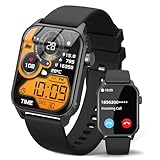
- 【1.83" HD Display & Customizable Watch Faces】Immerse yourself in a vibrant 1.83-inch IPS display, boasting a sharp resolution of 240*284 for crystal-clear visuals. Effortlessly personalize your smart watch with a wide array of customizable watch faces to suit your personal style for every occasion—whether trendy, artistic, or minimalist—ideal for casual, sporty, or professional. Its sleek, modern design complements any outfit, blending technology and fashion seamlessly for everyday wear
- 【120 Sports Modes & Advanced Health Tracking】Our TK29 smart watches for women men come equipped with 120 sports modes, allowing you to effortlessly track a variety of activities such as walking, running, cycling, and swimming. With integrated heart rate and sleep monitors, you can maintain a comprehensive overview of your health, achieve your fitness goals, and maintain a balanced, active lifestyle with ease. Your ideal wellness companion (Note: Step recording starts after exceeding 20 steps)
- 【IP67 Waterproof & Long-Lasting Battery】Designed to keep up with your active lifestyle, this smartwatch features an IP67 waterproof rating, ensuring it can withstand splashes, sweat, and even brief submersion, making it perfect for workouts, outdoor adventures, or rainy days. Its reliable 350mAh battery offering 5-7 days of active use and up to 30 days in standby mode, significantly reducing frequent charging. Ideal for all-day wear, whether you’re at the gym, outdoors, or simply on the go
- 【Stay Connected Anytime, Anywhere】Stay informed and in control with Bluetooth call and music control features. Receive real-time notifications for calls, messages, and social media apps like Facebook, WhatsApp, Twitter, and Instagram directly on your smartwatch. Easily manage calls, control your music playlist, and stay updated without needing to reach for your phone. Perfect for work, workouts, or on-the-go, this watch keeps you connected and never miss important updates wherever you are
- 【Multifunction & Wide Compatibility】Seamlessly handle heart rate monitoring, sleep tracking, and enjoy conveniences like camera/music control, Seamlessly handle heart rate monitoring, sleep tracking, and more-all directly from your wrist. This 1.83 inches HD smartwatch is compatible with iPhone (iOS 9.0+) & Android (5.0+), ensuring smooth daily connectivity and convenience throughout your day. More than just a timepiece, it’s a stylish, all-in-one wearable for smarter, healthier living
Both watches were listed as Samsung wearable devices with distinct model identifiers, indicating separate product families rather than size or LTE variants of a single watch. This distinction is critical, as Samsung historically uses incremental model numbers for size and connectivity options within one generation, while reserving larger jumps for entirely new or parallel lines.
As with most certification listings, there are no images, materials, or hardware specifications attached. That absence is expected and actually reinforces the credibility of the leak, as these filings are designed for compliance, not marketing.
Why regulatory database leaks are taken seriously
Unlike supply-chain rumors or prototype sightings, regulatory listings are legal requirements. Devices must exist in near-final hardware form to be tested for Bluetooth, LTE, or Wi-Fi compliance, meaning these watches are well past the concept stage.
Samsung’s past behavior adds weight here. The Galaxy Watch 6, Watch 5 Pro, and the original Galaxy Watch Ultra all followed a similar pattern: first appearing in certification databases, then gradually showing up in firmware servers and retail backend systems before official unveiling.
That said, these databases do not guarantee launch timing or final naming. Samsung has adjusted product branding late in the cycle before, and internal model numbers do not always translate cleanly to retail names, which is why cautious interpretation matters.
What this leak signals about Samsung’s smartwatch strategy
The simultaneous presence of Galaxy Watch 9 and Ultra 2 points to a two-tier approach continuing into the next generation. The standard Galaxy Watch line is likely to remain the everyday, lifestyle-focused option emphasizing comfort, software features, and broad appeal, while the Ultra line targets durability, extended battery life, and outdoor or endurance use.
This mirrors Samsung’s smartphone playbook, where Ultra models are no longer experiments but expected annual flagships. If that logic carries over, Ultra 2 is not just a refresh, but a refinement of Samsung’s attempt to challenge rugged competitors like the Apple Watch Ultra and Garmin’s high-end multisport models.
Crucially, the leak suggests Samsung is confident enough in the Ultra formula to commit to a second generation, which implies acceptable sales performance and internal buy-in, even if the first Ultra divided opinion on size, weight, and price.
How much we can infer—and what we can’t
At this stage, we can responsibly infer existence, category, and development maturity. We cannot confirm design changes, battery capacity, new sensors, or whether Samsung will alter materials, dimensions, or strap compatibility.
There is also no confirmation yet of software features, although it is reasonable to expect both watches to debut with a new version of One UI Watch layered on Wear OS, following Samsung’s annual update cadence. Battery life claims, health tracking improvements, and performance gains will remain speculative until firmware or marketing leaks surface.
For now, this leak matters not because it tells us everything, but because it confirms Samsung’s direction. The Galaxy Watch 9 and Ultra 2 are coming, they are distinct products, and Samsung’s smartwatch roadmap appears more structured and intentional than ever.
Understanding the Database: What This Kind of Listing Can (and Can’t) Tell Us
To make sense of why this leak carries weight, it helps to understand what a database listing actually represents inside a company like Samsung. These entries are rarely marketing-driven and usually exist to satisfy regulatory, logistical, or software validation requirements before a product can ship at scale.
In other words, they tend to appear when a device has moved beyond concept and into late-stage development, but well before Samsung is ready to talk about it publicly.
Why these databases exist in the first place
Large manufacturers must register upcoming hardware across multiple internal and external systems, from regional compliance databases to connectivity certification bodies and update servers. Smartwatches, in particular, touch several layers at once: Bluetooth, Wi‑Fi, LTE variants, regional SKUs, and firmware distribution.
A Galaxy Watch model showing up here strongly suggests that the hardware platform, chipset choice, and baseline configuration have already been locked. It would be highly unusual for Samsung to register placeholder models without firm plans to ship them.
What model numbers can reliably indicate
Model identifiers are most useful for confirming product families and generational continuity. When we see clear separation between Galaxy Watch 9 identifiers and Ultra 2 identifiers, that tells us Samsung is treating them as distinct lines, not a single watch with cosmetic variants.
These codes can also hint at how many sizes or connectivity options are planned, such as Bluetooth-only versus LTE models. Historically, when Samsung prepares both options, they appear as closely related but distinct entries rather than a single catch-all listing.
What the database does not reveal
Crucially, these listings do not tell us anything definitive about design, materials, or physical dimensions. A Galaxy Watch Ultra 2 entry does not confirm whether Samsung will slim down the case, change titanium grades, or rethink the aggressive lug structure that affected comfort for some users last year.
Battery capacity, sensor upgrades, and charging speed are also absent. Even if internal firmware exists, those values are not exposed in the type of database this leak comes from.
Software clues are limited, but not meaningless
While we cannot see features, the presence of both watches implies active software development tracks. Samsung typically aligns new hardware launches with a major One UI Watch update layered on Wear OS, tuned for the new processor and sensor stack.
That matters for daily usability more than raw specs, especially around health tracking consistency, battery optimization, and performance smoothness. Still, no database entry can confirm whether new health metrics, training tools, or AI-driven coaching features are coming.
Why this timing matters
Samsung’s historical release pattern shows these kinds of listings appearing several months ahead of launch, often clustering in the first half of the year for summer unveilings. That aligns neatly with an expected Galaxy Watch 9 family debut alongside Samsung’s next foldables.
The fact that both the standard and Ultra models appear together reinforces the idea of a coordinated launch rather than a staggered experiment. This is Samsung signaling readiness, not testing the waters.
How reliable this information actually is
Database leaks are among the more dependable forms of pre-release intelligence because they originate from compliance and infrastructure needs, not rumor pipelines. Samsung cannot easily fake or retroactively clean these entries without disrupting internal processes.
That said, reliability here applies to existence and categorization, not to user-facing experience. The watch you wear on your wrist is defined by ergonomics, screen quality, strap compatibility, and battery behavior over days, none of which a database can predict.
Putting the leak in proper perspective
This listing confirms that Galaxy Watch 9 and Galaxy Watch Ultra 2 are real products moving through the pipeline, not hypothetical successors. It also shows Samsung doubling down on a two-tier smartwatch lineup that separates lifestyle wearability from rugged, endurance-focused use.
What it does not do is answer the questions buyers care most about, such as whether the Ultra 2 will be more comfortable for smaller wrists, or whether the Watch 9 will meaningfully improve battery life for everyday use. Those answers will come later, through firmware leaks, certification filings with more technical depth, and eventually Samsung’s own stage demos.
Rank #2
![Apple Watch Series 11 [GPS 46mm] Smartwatch with Jet Black Aluminum Case with Black Sport Band - M/L. Sleep Score, Fitness Tracker, Health Monitoring, Always-On Display, Water Resistant](https://m.media-amazon.com/images/I/312K597M2uL._SL160_.jpg)
- HYPERTENSION NOTIFICATIONS — Apple Watch Series 11 can spot signs of chronic high blood pressure and notify you of possible hypertension.*
- KNOW YOUR SLEEP SCORE — Sleep score provides an easy way to help track and understand the quality of your sleep, so you can make it more restorative.
- EVEN MORE HEALTH INSIGHTS — Take an ECG anytime.* Get notifications for a high and low heart rate, an irregular rhythm,* and possible sleep apnea.* View overnight health metrics with the Vitals app* and take readings of your blood oxygen.*
- STUNNING DESIGN — Thin and lightweight, Series 11 is comfortable to wear around the clock — while exercising and even when you’re sleeping, so it can help track your key metrics.
- A POWERFUL FITNESS PARTNER — With advanced metrics for all your workouts, plus features like Pacer, Heart Rate Zones, training load, Workout Buddy powered by Apple Intelligence from your nearby iPhone,* and more. Series 11 also comes with three months of Apple Fitness+ free.*
Galaxy Watch 9: Model Numbers, Variants, and Early Signals of Samsung’s Mainstream Strategy
With the Ultra model establishing Samsung’s high-end ambitions, the Galaxy Watch 9 listings are where the leak becomes more revealing about the company’s core priorities. These entries don’t hint at radical reinvention, but they do outline how Samsung plans to refine and stabilize its mainstream smartwatch offering for the next cycle.
What the model numbers tell us
The database references multiple Galaxy Watch 9 identifiers rather than a single catch-all SKU. That strongly suggests Samsung is continuing its familiar split between case sizes and connectivity options, typically pairing Bluetooth-only models with LTE variants across at least two diameters.
This mirrors the structure used by the Galaxy Watch 6, where model numbers quietly mapped to 40 mm and 44 mm cases, each offered with or without cellular radios. From a production standpoint, this approach reduces risk and keeps accessory compatibility, certification, and regional pricing predictable.
Variants over experimentation
Notably absent from the Watch 9 listings are signs of niche or experimental offshoots. There is no immediate indication of a Classic revival with a rotating bezel, nor any evidence of a radically new form factor aimed at hybrid or fashion-watch buyers.
That absence is meaningful. It suggests Samsung sees the standard Galaxy Watch line as a stability anchor: a clean, modern smartwatch designed to sit comfortably on most wrists, work seamlessly with Android phones, and prioritize everyday wearability over novelty.
Size, comfort, and real-world wearability signals
While the database does not list dimensions or weights, Samsung’s recent design language points toward incremental refinement rather than dramatic change. Expect familiar aluminum cases, slim profiles that slide under cuffs easily, and continued emphasis on comfort for all-day and overnight wear.
Maintaining multiple case sizes also signals that Samsung is still sensitive to wrist diversity, including smaller wrists that often struggle with thicker, heavier smartwatches. That’s a practical decision rooted in mainstream appeal, not enthusiast bravado.
Mainstream strategy over spec-sheet escalation
The Galaxy Watch 9 appears positioned to benefit from internal improvements rather than headline-grabbing hardware shifts. Historically, this is where Samsung focuses on battery efficiency tuning, thermal behavior, and smoother One UI Watch performance rather than chasing dramatic sensor additions.
For everyday users, those gains often matter more than new metrics. A watch that lasts longer between charges, feels responsive during workouts, and doesn’t stutter when handling notifications directly improves daily usability in ways leaks rarely capture.
Software continuity and ecosystem alignment
The presence of multiple Watch 9 variants also reinforces Samsung’s commitment to software consistency across its lineup. The standard Watch is where One UI Watch, Wear OS updates, and Samsung Health features reach the widest audience, making it the most critical platform for ecosystem cohesion.
Compatibility with existing Galaxy phones, earbuds, and health services is likely to remain central. This is not the line where Samsung takes wild software risks; it’s where stability, polish, and predictable updates matter most.
What this says about Samsung’s priorities
Taken together, the Galaxy Watch 9 listings suggest a deliberate, conservative strategy. Samsung appears content to let the Ultra model carry the performance and endurance narrative while the Watch 9 quietly evolves into a more refined daily companion.
For buyers, that signals confidence rather than stagnation. Samsung seems to believe its mainstream smartwatch formula is working, and the leak indicates a company focused on sharpening that formula instead of rewriting it.
Galaxy Watch Ultra 2: What the Leak Suggests About Samsung’s Rugged Flagship Direction
If the Galaxy Watch 9 reflects refinement through restraint, the leaked appearance of a Galaxy Watch Ultra 2 points in the opposite direction. This is where Samsung seems comfortable pushing harder on identity, durability, and endurance without worrying about alienating mainstream buyers.
The database listing itself is sparse, but its very existence matters. Samsung does not fragment its lineup lightly, and an Ultra successor surfacing this early suggests the rugged tier is no longer an experiment but a pillar.
A second-generation Ultra signals commitment, not curiosity
The most important takeaway from the leak is not a specific specification but confirmation of continuity. A Galaxy Watch Ultra 2 implies that Samsung considers the first Ultra successful enough to justify iteration rather than consolidation back into the standard line.
Historically, Samsung only doubles down on product categories that show ecosystem value, not just sales volume. This positions the Ultra as a long-term counterpart to the standard Watch, similar to how the Galaxy S Ultra evolved into a distinct philosophy rather than a one-off spec monster.
Rugged design likely stays, but refinement is the real story
Based on Samsung’s hardware patterns, the Ultra 2 is unlikely to radically reinvent its external design. Expect a continuation of the angular, reinforced case architecture, likely still titanium, with aggressive lugs and exposed hardware cues that prioritize durability over elegance.
Where refinement is more plausible is in wearability. First-generation rugged watches often err on the side of bulk, and Samsung has historically trimmed weight, improved case ergonomics, and softened strap integration in follow-ups to improve all-day comfort without sacrificing toughness.
Durability as a lifestyle signal, not just a spec
The Ultra branding is less about military certifications and more about narrative positioning. Samsung appears to be framing the Ultra as a watch for demanding lifestyles rather than niche extreme sports users.
That suggests continued emphasis on water resistance suitable for open-water swimming, reinforced buttons for glove use, and a display tuned for outdoor visibility. These are features that matter just as much during urban commutes and travel as they do on trails.
Battery life remains the Ultra’s defining differentiator
While the database leak does not reveal capacity figures, battery endurance is almost certainly central to the Ultra 2’s reason for existing. Samsung has consistently used its larger cases to unlock multi-day usage scenarios that the standard Watch cannot reliably match.
Rather than chasing record-breaking numbers, the likely focus is consistency. Fewer battery anxiety moments during GPS workouts, overnight health tracking without charge planning, and reliable endurance with always-on display enabled would meaningfully separate the Ultra from the Watch 9 in real-world use.
Software parity, hardware hierarchy
Crucially, the Ultra 2 is not expected to diverge dramatically in software. One UI Watch, Wear OS updates, and Samsung Health features will almost certainly remain aligned with the Watch 9 to avoid fragmenting the user base.
The differentiation instead comes from how those features perform under sustained load. Longer GPS sessions, extended hiking tracking, and background health monitoring benefit disproportionately from thermal headroom and battery capacity, areas where the Ultra can justify its size and price.
Positioning against Apple and the broader rugged watch market
The timing of this leak also matters in a competitive sense. Apple has established a clear Ultra cadence, and Samsung signaling a second-generation Ultra suggests it intends to compete not just on features, but on perceived seriousness.
This is less about copying and more about legitimacy. A second Ultra tells buyers that Samsung’s rugged watch is not a side project, and that accessories, software optimization, and long-term support will follow.
Rank #3

- Bluetooth Call and Message Alerts: Smart watch is equipped with HD speaker, after connecting to your smartphone via bluetooth, you can answer or make calls, view call history and store contacts through directly use the smartwatch. The smartwatches also provides notifications of social media messages (WhatsApp, Twitter, Facebook, Instagram usw.) So that you will never miss any important information.
- Smart watch for men women is equipped with a 320*380 extra-large hd full touch color screen, delivering exceptional picture quality and highly responsive touch sensitivity, which can bring you a unique visual and better interactive experience, lock screen and wake up easily by raising your wrist. Though “Gloryfit” app, you can download more than 102 free personalised watch faces and set it as your desktop for fitness tracker.
- 24/7 Heart Rate Monitor and Sleep Tracker Monitor: The fitness tracker watch for men has a built-in high-performance sensor that can record our heart rate changes in real time. Monitor your heart rate 26 hours a day and keep an eye on your health. Synchronize to the mobile phone app"Gloryfit", you can understand your sleep status(deep /light /wakeful sleep) by fitness tracker watch develop a better sleep habit and a healthier lifestyle.
- IP68 waterproof and 110+ Sports Modes: The fitness tracker provides up to 112+ sports modes, covering running, cycling, walking, basketball, yoga, football and so on. Activity trackers bracelets meet the waterproof requirements for most sports enthusiasts' daily activities, such as washing hands or exercising in the rain, meeting daily needs (note: Do not recommended for use in hot water or seawater.)
- Multifunction and Compatibility: This step counter watch also has many useful functions, such as weather forecast, music control, sedentary reminder, stopwatch, alarm clock, timer, track female cycle, screen light time, find phone etc. The smart watch with 2 hrs of charging, 5-7 days of normal use and about 30 days of standby time. This smart watches for women/man compatible with ios 9.0 and android 6.2 and above devices.
What the leak doesn’t say, and why that restraint matters
Notably absent from the leak are dramatic sensor additions or radical new health metrics. That silence aligns with Samsung’s recent approach of improving reliability, accuracy, and software interpretation rather than stacking headline sensors with limited real-world benefit.
For prospective buyers, that suggests a mature product philosophy. The Galaxy Watch Ultra 2 appears poised to be less about shocking specs and more about dependable performance in scenarios where standard smartwatches begin to feel compromised.
In that context, the Ultra 2 complements the Watch 9 rather than competing with it. The leak paints a picture of a two-track strategy where refinement and ruggedness evolve in parallel, each serving a clearly defined audience without overlap or confusion.
What’s Missing Is Just as Important: Notable Absences in the Leak Data
If the database entries outline Samsung’s direction, their omissions quietly define its boundaries. For seasoned leak-watchers, what fails to appear often says more about product intent than what does.
No next-generation health sensors
There is no indication of new biometric hardware such as non-invasive blood glucose monitoring, hydration tracking, or blood pressure calibration changes. These are features that surface repeatedly in patents and investor briefings, yet remain absent here.
That absence strongly suggests Samsung is not ready to commercialize another breakthrough sensor this cycle. Instead, it reinforces the idea that the Watch 9 and Ultra 2 will focus on improving accuracy, consistency, and long-term data reliability using existing sensor arrays.
No display technology leap
The leak does not reference microLED, tandem OLED, or unusually high peak brightness figures. Panel sizes and resolutions also appear evolutionary rather than disruptive.
For daily wear, this matters more than spec-sheet excitement. Samsung seems to be prioritizing proven AMOLED efficiency and durability, especially for the Ultra 2, where battery endurance and outdoor legibility matter more than chasing display-first headlines.
No explicit battery capacity figures
While model identifiers and regional SKUs are visible, there are no confirmed mAh numbers tied to either watch. That is notable given how central battery life has become to buying decisions, particularly for GPS-heavy users.
Historically, Samsung database leaks omit final battery capacities until regulatory filings or marketing materials surface. For now, buyers should assume incremental gains for Watch 9 and a more meaningful, workload-dependent advantage for Ultra 2 rather than a dramatic multi-day leap.
No charging or accessory changes
There is no mention of faster charging standards, reverse wireless charging improvements, or new band attachment systems. Strap compatibility appears unchanged, implying continuity with existing Galaxy Watch bands and Ultra lug designs.
That consistency is deliberate. Samsung has invested heavily in ecosystem lock-in through bands, chargers, and third-party accessories, and there is little incentive to disrupt that for marginal gains.
No radical design shift
Despite speculation around slimmer cases or angular redesigns, the leak data does not hint at structural changes. Case materials, button layouts, and overall form factors appear aligned with current-generation designs.
For wearability, this is reassuring rather than disappointing. The Galaxy Watch 6 generation refined comfort, weight distribution, and wrist presence, and Samsung seems content to build on a form factor that already works across long days and sleep tracking.
No clear software exclusives
Perhaps most telling is the lack of any Ultra-only software features. There are no references to exclusive training modes, navigation tools, or UI elements locked to the Ultra 2.
This reinforces Samsung’s strategy of hardware-based differentiation rather than software fragmentation. Buyers choosing between Watch 9 and Ultra 2 are effectively choosing endurance, durability, and sustained performance, not access to gated features.
What this restraint ultimately signals
Taken together, these absences point to a company deliberately avoiding overreach. Samsung appears to be prioritizing predictability, platform stability, and real-world usability over experimental features that could compromise reliability.
For informed buyers, that clarity has value. The leak suggests the Galaxy Watch 9 and Ultra 2 are not about redefining what a smartwatch can do, but about refining how well it does it, day after day, on the wrist.
How Reliable Is This Leak? Comparing It to Samsung’s Past Pre-Launch Patterns
Seen in context, the restraint outlined above actually strengthens the credibility of this database appearance rather than weakening it. Samsung’s most reliable pre-launch signals are rarely flashy, and they almost never surface with feature-level detail at this stage.
Why database leaks matter more than renders or spec sheets
Regulatory and certification databases have historically been Samsung’s earliest and most dependable tells. Bluetooth SIG listings, regional certification bodies, and internal product registries consistently appear weeks or months before launch, long before marketing materials are finalized.
Unlike leaks that promise camera revolutions or battery miracles, these databases tend to reflect shipping intent. They capture products that already exist as defined hardware, with model numbers, radios, and basic configurations locked in.
How this mirrors the Galaxy Watch 6 and Ultra rollout
The Galaxy Watch 6 cycle followed a similar cadence. Initial leaks focused on model identifiers, size variants, and connectivity options, with almost no insight into performance changes or software features until much later.
The original Galaxy Watch Ultra was even more conservative in its early paper trail. Its rugged positioning, titanium construction, and endurance focus only became clear closer to launch, despite the hardware itself being visible in databases well in advance.
The absence of dramatic specs is historically consistent
One of the strongest indicators of authenticity here is what the leak does not claim. There are no inflated battery figures, no sensor breakthroughs, and no sweeping design changes attached to the listings.
Samsung’s genuine early leaks tend to look boring on paper. When something appears too complete or too disruptive this far out, it is usually inaccurate or speculative rather than sourced from regulatory reality.
Model numbering and generational logic check out
The Watch 9 and Ultra 2 naming progression aligns cleanly with Samsung’s internal product sequencing. There are no awkward jumps, skipped generations, or marketing-driven renames that would raise red flags.
Samsung has been remarkably disciplined with its wearable branding since the move to Wear OS. That consistency makes it easier to spot anomalies, and nothing about these identifiers feels out of character.
Rank #4
![Apple Watch Series 11 [GPS 42mm] Smartwatch with Rose Gold Aluminum Case with Light Blush Sport Band - S/M. Sleep Score, Fitness Tracker, Health Monitoring, Always-On Display, Water Resistant](https://m.media-amazon.com/images/I/31J+F-pXaWL._SL160_.jpg)
- HYPERTENSION NOTIFICATIONS — Apple Watch Series 11 can spot signs of chronic high blood pressure and notify you of possible hypertension.*
- KNOW YOUR SLEEP SCORE — Sleep score provides an easy way to help track and understand the quality of your sleep, so you can make it more restorative.
- EVEN MORE HEALTH INSIGHTS — Take an ECG anytime.* Get notifications for a high and low heart rate, an irregular rhythm,* and possible sleep apnea.* View overnight health metrics with the Vitals app* and take readings of your blood oxygen.*
- STUNNING DESIGN — Thin and lightweight, Series 11 is comfortable to wear around the clock — while exercising and even when you’re sleeping, so it can help track your key metrics.
- A POWERFUL FITNESS PARTNER — With advanced metrics for all your workouts, plus features like Pacer, Heart Rate Zones, training load, Workout Buddy powered by Apple Intelligence from your nearby iPhone,* and more. Series 11 also comes with three months of Apple Fitness+ free.*
Timing aligns with Samsung’s mid-year wearable cycle
Database sightings at this point in the calendar fit Samsung’s established pre-Unpacked rhythm. Wearables typically surface in certification systems several months before their summer reveal, often alongside early foldable filings.
This timing suggests development has moved from experimentation to production readiness. Hardware decisions around battery capacity, materials, and connectivity are already settled, which matches the conservative, refinement-focused picture painted by the leak.
What this kind of leak can and cannot tell us
It is important to be precise about the limits here. Databases are excellent at confirming existence, variants, and broad strategic direction, but they are poor tools for judging user experience, real-world battery life, or software polish.
That said, when combined with Samsung’s historical behavior, the leak reliably signals intent. It suggests a generational update rooted in durability, continuity, and ecosystem stability rather than a risky reinvention.
Why Samsung’s predictability works in the leak’s favor
Samsung’s wearable strategy over the past three generations has been notably risk-averse. Improvements come incrementally, comfort and compatibility are preserved, and radical changes are introduced sparingly and deliberately.
Because of that, a leak that points to familiarity, measured evolution, and restrained ambition is exactly what seasoned watchers should expect. In this case, the lack of surprises is not a warning sign; it is the pattern holding.
Release Timing and Launch Context: How This Fits Samsung’s Annual Watch Cycle
Seen in context, the database appearance of the Galaxy Watch 9 and Galaxy Watch Ultra 2 feels less like an early surprise and more like a checkpoint in Samsung’s well-rehearsed release machinery. After years of iterative refinement rather than disruptive pivots, Samsung’s wearable calendar has become one of the more predictable in consumer tech, and that predictability is useful when interpreting leaks like this.
The key here is not just when these models surfaced, but how cleanly they slot into the company’s established cadence for hardware validation, certification, and eventual public launch.
Mid-year Unpacked remains the gravitational center
Samsung has anchored its smartwatch launches to its summer Unpacked events since the Galaxy Watch 4 reset the platform around Wear OS. Typically held in July or early August, this window aligns watches with the latest foldables, giving Samsung a unified ecosystem story built around continuity and cross-device polish.
A database sighting in the first half of the year strongly implies a product targeting that mid-year reveal. At this stage, Samsung is usually past exploratory prototyping and into final hardware definition, meaning case dimensions, materials, button layouts, and battery capacities are already locked.
That matters because it suggests the Watch 9 and Ultra 2 are not conceptually fluid products anymore. Whatever strategic role Samsung has defined for its mainstream and rugged-tier watches is now being executed, not debated.
How far ahead of launch Samsung’s watches usually leak
Looking back at the Galaxy Watch 5, Watch 6, and the original Watch Ultra, regulatory and database references typically appeared three to five months ahead of launch. Those early traces often confirmed model counts, regional variants, and connectivity options long before marketing names or feature sets were public.
This leak lands squarely in that historical window. It is early enough that Samsung has not begun controlled pre-briefings, but late enough that production planning, supplier commitments, and software integration timelines are already in motion.
In practical terms, this is the phase where comfort tuning, strap compatibility, and durability testing take precedence over headline features. The fundamentals of daily wearability, battery endurance targets, and sensor layouts are being validated against real-world use, not lab assumptions.
What the timing suggests about generational ambition
When Samsung wants to dramatically reposition a smartwatch line, leaks tend to appear earlier and in messier forms. Multiple internal codenames, unusual model splits, or overlapping references often signal internal debate or late-stage changes.
None of that is present here. The clean Watch 9 and Ultra 2 identifiers imply evolutionary updates, likely focused on efficiency gains, refinements in materials or finishing, and software-led improvements tied to the next Wear OS iteration.
That fits Samsung’s recent approach of prioritizing stability, comfort, and compatibility over flashy reinvention. For users already invested in Galaxy phones, Galaxy Buds, and Samsung Health, this kind of measured evolution is usually the point.
Ultra 2 timing reinforces the dual-track strategy
The inclusion of an Ultra 2 alongside the standard Watch 9 is particularly telling from a timing perspective. Samsung appears committed to maintaining two parallel watch identities: a mainstream daily smartwatch and a more rugged, durability-focused option aimed at outdoor use and long battery expectations.
Launching them together keeps the Ultra from feeling like an experimental off-cycle product. Instead, it becomes a permanent tier in Samsung’s lineup, refreshed on the same annual rhythm as the core watch, with materials, casing, and endurance positioned as value differentiators rather than niche compromises.
This also suggests software parity at launch. Samsung has shown little appetite for fragmenting the user experience, so health tracking, fitness metrics, and platform features are likely to debut simultaneously across both models, even if real-world battery life and physical resilience diverge.
Why this timing strengthens the leak’s credibility
Leaks gain credibility when they align with multiple independent patterns, not just one data point. Here, the database appearance matches Samsung’s seasonal behavior, its naming discipline, and its recent product strategy with almost uncanny precision.
There is no sign of a rushed correction or reactive response to competitors. Instead, the timing implies a controlled, deliberate progression toward a summer launch where the Galaxy Watch 9 and Ultra 2 serve as incremental, confidence-building updates rather than headline-grabbing gambles.
For seasoned Galaxy Watch users, that context is arguably as important as any rumored spec. It frames expectations around polish, battery consistency, comfort on the wrist, and long-term software support, which is exactly where Samsung has been focusing its wearable value proposition in recent years.
What This Means for Buyers: Should Current Galaxy Watch Owners Wait?
Taken together, the database leak and Samsung’s predictable release cadence shift the buyer conversation from “if” to “when.” For current Galaxy Watch owners, the question is no longer about surprise hardware leaps, but about whether the next refresh meaningfully improves daily wear, longevity, and software headroom.
This is where expectations need calibration. Nothing in the leak suggests a radical redesign or disruptive feature reset, which makes the decision to wait far more dependent on what you already have on your wrist.
If you own a Galaxy Watch 6 or Watch 6 Classic
For Watch 6 owners, waiting is less about urgency and more about optional refinement. The Watch 6 already benefits from Samsung’s latest display tech, mature health sensors, solid build quality, and stable Wear OS performance, all of which are unlikely to be upended in a single generation.
Based on Samsung’s recent patterns, Watch 9 gains are more likely to show up in efficiency improvements, minor sensor tuning, and possibly incremental battery gains rather than headline features. If your current watch lasts a full day comfortably, tracks health reliably, and feels good on the wrist, there is no functional pressure to upgrade.
💰 Best Value
![Apple Watch Series 11 [GPS 42mm] Smartwatch with Jet Black Aluminum Case with Black Sport Band - S/M. Sleep Score, Fitness Tracker, Health Monitoring, Always-On Display, Water Resistant](https://m.media-amazon.com/images/I/31ybzrJZckL._SL160_.jpg)
- HYPERTENSION NOTIFICATIONS — Apple Watch Series 11 can spot signs of chronic high blood pressure and notify you of possible hypertension.*
- KNOW YOUR SLEEP SCORE — Sleep score provides an easy way to help track and understand the quality of your sleep, so you can make it more restorative.
- EVEN MORE HEALTH INSIGHTS — Take an ECG anytime.* Get notifications for a high and low heart rate, an irregular rhythm,* and possible sleep apnea.* View overnight health metrics with the Vitals app* and take readings of your blood oxygen.*
- STUNNING DESIGN — Thin and lightweight, Series 11 is comfortable to wear around the clock — while exercising and even when you’re sleeping, so it can help track your key metrics.
- A POWERFUL FITNESS PARTNER — With advanced metrics for all your workouts, plus features like Pacer, Heart Rate Zones, training load, Workout Buddy powered by Apple Intelligence from your nearby iPhone,* and more. Series 11 also comes with three months of Apple Fitness+ free.*
That said, buyers sensitive to long-term software support may still see value in waiting. A Watch 9 purchase effectively resets the update clock, which matters if you plan to keep the device for three to four years and want the longest runway for new health algorithms and Wear OS refinements.
If you’re on a Galaxy Watch 4 or 5 generation
This is where waiting starts to make more sense. The Watch 4 marked Samsung’s Wear OS reboot, and while it remains capable, battery efficiency, thermal management, and day-to-day smoothness have steadily improved since.
A Watch 9 or Ultra 2 is likely to feel meaningfully more refined in daily use rather than dramatically more powerful. Expect better standby efficiency, more consistent GPS performance, and fewer compromises around always-on display use, particularly for fitness-heavy users.
If your current watch struggles to make it through long workout days or feels increasingly constrained by battery anxiety, waiting for the next generation aligns well with the incremental but cumulative gains Samsung has been delivering.
For Galaxy Watch Ultra owners and outdoor-focused users
If you already own the first Galaxy Watch Ultra, the Ultra 2 leak is intriguing but not automatically compelling. Samsung positioned the original Ultra around durability, extended battery life, and outdoor usability, and those pillars are unlikely to shift dramatically year over year.
Where Ultra 2 could justify waiting is in polish rather than reinvention. Subtle weight distribution changes, improved casing ergonomics, better thermal efficiency, or refinements to button feel and strap integration can materially improve comfort during long hikes or multi-day wear.
For buyers considering their first Ultra, however, the leak is a strong signal to pause. With a successor likely arriving on Samsung’s usual summer schedule, paying full price for the outgoing model becomes harder to justify unless discounts are substantial.
New buyers and first-time Galaxy Watch shoppers
If you’re entering the Galaxy Watch ecosystem for the first time, timing matters more. The proximity of a likely Watch 9 launch means today’s Watch 6 models will either see price reductions or feel immediately superseded.
Waiting offers two advantages. You either get the newest hardware with the longest software lifespan, or you capitalize on post-launch discounts on the previous generation, which often represent some of Samsung’s best wearable value.
For buyers already invested in Galaxy phones, Samsung Health, and Galaxy Buds, that choice becomes less about features and more about value optimization and how long you intend to keep the watch.
The practical takeaway: evolution favors patience, not urgency
The leak reinforces a familiar Samsung story: steady evolution, not disruption. That’s reassuring for owners who prioritize comfort, durability, and predictable software behavior over experimental features.
If your current Galaxy Watch still fits your lifestyle and wrist comfortably, waiting is a rational, low-risk decision rather than a must. But if you’re already eyeing an upgrade or buying new, the emergence of the Watch 9 and Ultra 2 in databases strongly suggests that patience will be rewarded, either with newer hardware or better pricing across the lineup.
The Bigger Picture: Samsung’s Wearable Roadmap and the Role of Watch 9 vs Ultra 2
Seen in context, the database appearances of Galaxy Watch 9 and Watch Ultra 2 don’t just point to two new products. They underline how deliberately Samsung has structured its wearable lineup into parallel tracks, each serving a distinct type of wrist, user, and usage pattern.
Rather than collapsing everything into a single “best” watch, Samsung is signaling continuity: a mainstream Galaxy Watch that prioritizes comfort, accessibility, and all-day wear, and an Ultra line that exists for durability-first buyers who treat a smartwatch as expedition gear as much as a health tracker.
Two watches, two philosophies
The Galaxy Watch 9 is positioned as the volume driver. Historically, this line focuses on slimmer cases, lighter overall weight, and balanced ergonomics that work for sleep tracking, office wear, and casual fitness without demanding compromises.
Expect familiar dimensions in the 40–44mm range, aluminum or stainless steel case options, and a strap system optimized for comfort rather than extreme retention. The emphasis is less on raw battery capacity and more on efficiency, thermal management, and how smoothly Wear OS and Samsung Health perform across a full day.
Ultra 2, by contrast, exists to push the physical limits. Larger diameter, thicker casing, reinforced materials, and a more pronounced design language are part of the brief, even if they come at the cost of subtlety or sleep comfort for smaller wrists.
What the leak suggests about Samsung’s priorities
The fact that both Watch 9 and Ultra 2 surface in databases at roughly the same time is telling. Samsung appears committed to updating both tracks on a synchronized cadence, reinforcing the idea that Ultra is not a side experiment but a permanent pillar of the lineup.
This also suggests shared internal architecture where it makes sense. Core chipsets, sensors, and software features are likely aligned, while battery size, casing, and durability standards diverge to suit each model’s role.
From a software perspective, this matters. Buyers choosing between Watch 9 and Ultra 2 aren’t trading away future features so much as trading physical characteristics, comfort profiles, and endurance expectations.
How this fits Samsung’s long-term wearable strategy
Samsung’s broader wearable roadmap increasingly mirrors its smartphone strategy: refinement over reinvention, with clearer segmentation and longer support windows. Incremental improvements in sensor accuracy, power efficiency, and health algorithms now matter more than headline-grabbing hardware leaps.
For Watch 9, that likely means quieter upgrades that improve daily usability: smoother UI animations, more reliable sleep and heart rate tracking, and marginal battery gains that reduce charging anxiety without changing habits.
Ultra 2’s role is different. It acts as a halo product, demonstrating Samsung’s capability in rugged design, outdoor usability, and sustained performance under stress, even if its sales volume remains lower than the standard Watch line.
What buyers should take away from this leak
Taken together, the leak doesn’t suggest a dramatic shake-up, but it does clarify Samsung’s intent. Watch 9 is shaping up as the safe, versatile upgrade path for most Galaxy users, while Ultra 2 refines a niche that values toughness, battery headroom, and physical controls over discretion.
For existing owners, this reinforces the idea that skipping a generation is rarely punitive. The experience improves, but it doesn’t become unrecognizable. For new buyers, however, the alignment of both models’ development timelines makes waiting a strategically sound move.
In that sense, the real value of this database leak isn’t the model numbers themselves. It’s the confirmation that Samsung’s wearable roadmap is stable, predictable, and increasingly mature, giving buyers clearer choices and fewer surprises as the next Galaxy Watch launch window approaches.