If you’ve been tracking Samsung’s smartwatch roadmap closely, the idea of a Galaxy Watch Ultra 2 arriving in 2026 probably sounds both distant and oddly specific. That tension is exactly why this rumor matters: it isn’t about leaked renders or spec sheets, but about timing, strategy, and what Samsung may be signaling about the future of its most rugged wearable line.

Right now, the claim doing the rounds suggests that Samsung is planning the Galaxy Watch Ultra 2 not for 2025, but for a 2026 debut alongside the Galaxy Watch 9 series. For buyers weighing whether to invest in the current Ultra or hold out, understanding what’s actually being said, and just as importantly what isn’t, is critical.
This section breaks down the substance of the rumor, where it’s coming from, and how it fits into Samsung’s broader release cadence, before we even begin to speculate on hardware upgrades or design shifts.
What the rumor explicitly claims
At its core, the tip is narrowly focused on launch timing and lineup alignment. The Galaxy Watch Ultra 2 is said to be scheduled for a 2026 release window, launching alongside the standard Galaxy Watch 9 and Watch 9 Classic models rather than as an annual refresh.
🏆 #1 Best Overall
![Samsung Galaxy Watch Ultra (2025) 47mm LTE Smartwatch, Titanium Casing, Advanced Sleep Coaching, Running Coach, Energy Score, Heart Rate Tracking, GPS, Titanium Silver [US Version, 2 Yr Warranty]](https://m.media-amazon.com/images/I/51tqxcqQXyL._SL160_.jpg)
- WHY GALAXY WATCH ULTRA: Longest-lasting battery yet.¹* Advanced health and sleep tracking features.* Personalized Running Coach.* Durable titanium casing.* 10ATM Water Resistance.⁹* Dual-frequency GPS.* Personal AI assistant for hands free help.⁶*
- A BATTERY BUILT FOR ENDURANCE: Have the confidence to adventure off-grid with a battery that can keep up with you. Galaxy Watch Ultra features our longest-lasting battery yet,¹ so you can go to the extreme for days on end without needing to recharge.
- YOUR ADVENTURE STARTS THE NIGHT BEFORE: Fuel tomorrow’s performance with a great night’s sleep, thanks to Advanced Sleep Coaching² - now improved with even more ways to help you sleep smarter.
- BUILT FOR THE LONG RUN: Whether you’re on a trail or a track, unleash the winning runner within using Running Coach³ on Galaxy Watch Ultra. It analyzes factors⁴ such as your age, weight, oxygen levels and heart rate to guide you through your run.
- UPDATES THAT GIVE YOU THE EDGE: Navigate the wild more easily with Now Bar⁵ and an improved user experience. Now Bar conveniently puts the info you use the most - like weather, timers, directions and more - right on your main Watch screen.
Notably, there is no claim of a Galaxy Watch Ultra 2 arriving in 2025, nor any suggestion of an interim “Ultra refresh” tied to the Watch 8 family. The implication is that Samsung sees the Ultra as a longer-cycle product, closer in spirit to a pro-grade wearable than a yearly iteration.
Equally important is what the rumor does not assert. There are no concrete details on design changes, sensors, chipset, battery capacity, or materials, which suggests this is not coming from a supply-chain leak or certification database, but rather from roadmap-level insight.
Where this information is likely coming from
The specificity of the year, combined with the lack of hardware detail, points toward internal planning chatter rather than late-stage development leaks. Historically, this type of rumor tends to surface from sources familiar with Samsung’s product cadence discussions rather than engineering prototypes.
Samsung has form here. The original Galaxy Watch Ultra represented a strategic leap into the “adventure” and “outdoor” category, with a titanium case, higher water resistance, and a bulkier, tool-watch profile aimed squarely at Garmin and Apple Watch Ultra buyers. Products positioned this way often operate on slower refresh cycles because their buyers prioritize durability, battery life, and long-term reliability over annual spec bumps.
That context makes a 2026 Ultra 2 timeline plausible, even if it runs counter to the expectations set by Samsung’s more aggressive phone and mainstream watch update rhythm.
How this fits Samsung’s historical watch cadence
Samsung’s standard Galaxy Watch line has settled into a predictable annual rhythm, typically launching mid-year alongside Galaxy foldables. The Watch 4 through Watch 7 generations reinforced this cadence, with incremental improvements in performance, health tracking, and software polish.
The Ultra, however, sits outside that pattern. It debuted as a statement product, with a larger case, heavier materials, and a design that favors endurance and legibility over slim comfort. Treating it like a yearly refresh risks undermining its positioning, especially given the cost of titanium construction, reinforced lugs, and higher-capacity batteries.
If Samsung aligns the Ultra 2 with the Watch 9 series in 2026, it suggests a deliberate bifurcation: annual updates for mainstream buyers, and slower, more meaningful revisions for the Ultra audience.
What “alongside the Watch 9 series” actually implies
Launching alongside the Watch 9 family doesn’t necessarily mean feature parity or shared internals. More likely, it means a shared software platform and health feature set, possibly anchored by a new version of Wear OS and Samsung’s One UI Watch layer.
In practical terms, this could mean the Ultra 2 benefits from the same generational sensor improvements, AI-driven health insights, or efficiency gains, but packaged in a body optimized for longer battery life, tougher materials, and better outdoor usability. Think multi-day endurance, brighter displays for harsh sunlight, and enhanced GPS reliability rather than radical UI changes.
For buyers, this alignment would ensure that choosing the Ultra doesn’t mean falling behind on software or health features, even if the hardware refresh cycle is slower.
Why this rumor matters to buyers right now
Even without specs, the timing alone has real implications. If the Galaxy Watch Ultra 2 truly isn’t expected until 2026, then waiting a full product cycle could mean sitting on the sidelines for well over a year with no Ultra upgrade in sight.
For users considering the current Galaxy Watch Ultra, especially those upgrading from older Galaxy Watch models or outdoor-focused rivals, this rumor quietly reframes the decision. It suggests the existing Ultra is not about to be rendered obsolete by a near-term successor, which strengthens its value proposition as a long-term daily and adventure companion rather than a stopgap device.
Assessing the Credibility of the 2026 Tip: Sources, Track Records, and Samsung Leak Patterns
With the buyer implications now clear, the obvious next question is whether this 2026 timeline deserves serious weight or cautious dismissal. Samsung rumors have a reputation for being both abundant and uneven in quality, which makes source analysis more important than the claim itself.
Where the 2026 claim is coming from
The current 2026 tip has emerged from a familiar mix of industry leakers, supply-chain chatter, and roadmap extrapolation rather than a single definitive internal document. That immediately places it in the “directionally credible, tactically vague” category rather than a nailed-on launch schedule.
What gives it traction is that it aligns across multiple indirect signals: component sourcing timelines, the absence of Ultra-related firmware references in nearer-term builds, and a noticeable cooling-off of Ultra-specific leaks compared to the Watch 8 and Watch FE cadence. In Samsung-watch terms, silence can be as telling as noise.
This is not a case of a random social post predicting a date years out. It’s more a convergence of negative evidence, suggesting what isn’t coming in 2025 rather than what definitively is coming in 2026.
Leak-source track records: hits, misses, and patterns
Samsung leakers tend to fall into two camps. There are software-focused trackers who reliably uncover Wear OS versions, sensor flags, and model codenames months in advance, and there are hardware leakers whose accuracy drops sharply the further out they predict.
Historically, long-range Samsung hardware timing leaks are most reliable when they describe product spacing rather than specifications. Claims like “Samsung will skip a year” or “this model won’t be annual” have aged far better than early promises of battery size, new sensors, or radical design changes.
The 2026 Ultra 2 tip fits that stronger pattern. It doesn’t promise numbers, features, or design revolutions. It simply argues for a slower cadence, which is exactly the kind of claim Samsung’s leak ecosystem tends to get right.
Samsung’s wearable release cadence supports a longer Ultra cycle
Looking at Samsung’s own behavior strengthens the case. The Galaxy Watch line has always operated on multiple timelines, even if launches are shared.
The standard Galaxy Watch models update annually with predictable SoC, sensor, and efficiency improvements. Meanwhile, Samsung has historically let its more specialized or expensive form factors breathe longer, whether that’s the original Galaxy Watch Pro, early LTE variants, or now the Ultra.
The Ultra’s titanium case, thicker sapphire coverage, reinforced lug structure, and physically larger battery are not components Samsung swaps lightly year over year. These are cost-heavy decisions that favor amortization over multiple years, not rapid iteration.
What’s missing from the leak cycle, and why that matters
Another reason the 2026 rumor feels plausible is what we are not seeing yet. At this stage before a major Samsung wearable launch, there is usually a detectable trail: early regulatory filings, vague component supplier chatter, or accidental firmware references hinting at new case sizes or battery profiles.
None of that has meaningfully surfaced for an Ultra successor. Instead, the Watch 9-related noise appears focused on mainstream sizes, health sensor revisions, and Wear OS efficiency tweaks that would logically trickle up to the Ultra later.
For an Ultra 2 to launch sooner, Samsung’s leak ecosystem would typically already be warming up. The current quiet suggests either a very distant product or a deliberate pause.
Why skepticism still matters
None of this makes a 2026 launch guaranteed. Samsung has adjusted wearable timelines before in response to competitive pressure, especially from Apple’s Ultra line and Garmin’s endurance-focused models.
If Apple pushes meaningful battery or outdoor navigation gains sooner than expected, Samsung could accelerate its Ultra refresh to avoid perception drift. Software-driven features like AI health insights or new satellite-assisted safety tools could also justify pulling hardware forward.
That said, accelerating an Ultra refresh would likely require clear competitive urgency. Right now, the existing Galaxy Watch Ultra still holds up well in durability, GPS reliability, comfort-for-size balance, and multi-day usability, reducing pressure for a rushed sequel.
Credibility verdict: plausible, not locked
Taken together, the 2026 tip lands in a credible middle ground. It is consistent with Samsung’s cost structure, historical cadence, and current leak signals, even if it lacks the hard proof that comes closer to launch windows.
For buyers, that nuance matters. This is not a rumor screaming “wait at all costs,” but it is strong enough to suggest that a near-term Ultra replacement is unlikely. In Samsung’s ecosystem, that alone is meaningful intelligence.
Samsung’s Smartwatch Release Cadence Explained: Why Skipping 2025 for Ultra Makes Sense
Viewed in isolation, a gap year for Samsung’s most expensive smartwatch can feel like hesitation. Look at Samsung’s broader wearable cadence, however, and a 2026 Galaxy Watch Ultra 2 begins to look less like a delay and more like a deliberate structural choice.
Samsung does not treat all tiers of its smartwatch lineup equally. The company refreshes its mainstream Galaxy Watch models on a predictable annual rhythm, while higher-cost, lower-volume variants tend to operate on longer cycles tied to platform shifts rather than cosmetic iteration.
Mainline Galaxy Watches Run on a Software-First Annual Cycle
The regular Galaxy Watch series exists to showcase Samsung’s yearly software and health tracking improvements. Each generation typically introduces incremental sensor refinements, better power efficiency from newer Exynos Wear chips, and tighter Wear OS integration rather than radical hardware change.
Rank #2
From a wearability perspective, these models prioritize comfort, thinner cases, and broad wrist compatibility. Case diameters fluctuate by millimeters, materials remain aluminum or stainless steel, and strap ecosystems are kept stable to encourage upgrades without friction.
That annual rhythm aligns perfectly with Google’s Wear OS roadmap. Samsung can iterate on sleep tracking, heart rate accuracy, AI-driven insights, and battery optimization without rethinking the physical platform each year.
The Ultra Is a Hardware Platform, Not a Seasonal Refresh
The Galaxy Watch Ultra is fundamentally different. Its appeal is anchored in case construction, materials, and endurance rather than just features.
A thicker titanium shell, reinforced lugs, flat sapphire crystal, deeper water resistance, and a higher-capacity battery define the Ultra experience. These are not elements Samsung can meaningfully revise every 12 months without driving costs up or undermining perceived durability gains.
In traditional watchmaking terms, the Ultra behaves more like a new case architecture than a dial refresh. You amortize the tooling, machining, and finishing investments over multiple years, not one product cycle.
Samsung’s Cost and Margin Reality Favors Longer Ultra Lifespans
Unlike mainstream Galaxy Watches, the Ultra operates in a narrower sales band. It sells fewer units, faces stiffer competition from Apple Watch Ultra and Garmin, and carries higher manufacturing costs due to materials and construction.
Skipping 2025 allows Samsung to extract more margin from the existing Ultra platform while continuing to improve it through firmware. Battery optimization, GPS tuning, workout algorithms, and health insights can all be enhanced without touching the case or internal layout.
From a value perspective, this also prevents early adopters from feeling burned by rapid obsolescence. Samsung learned this lesson in earlier wearable experiments where fast refreshes diluted premium positioning.
Platform Alignment Matters More Than Calendar Years
Samsung historically times major hardware redesigns with platform shifts. A new sensor generation, a meaningful battery chemistry improvement, or a notable Wear OS architectural change usually precedes a hardware rethink.
At the moment, none of those triggers appear imminent for 2025. The current BioActive sensor stack is still evolving via software, battery density gains are incremental, and Wear OS improvements are focusing on efficiency rather than new hardware demands.
Waiting until 2026 gives Samsung a cleaner window to justify a second-generation Ultra with tangible, hardware-led improvements rather than a spec bump that would feel underwhelming at Ultra pricing.
Why Launching Ultra 2 Alongside Watch 9 Actually Fits
Pairing an Ultra 2 with the Watch 9 series in 2026 would mirror Samsung’s phone strategy. Foldables and Ultras often debut when the platform beneath them feels mature enough to support premium differentiation.
By that point, Watch 9 models would establish the baseline experience: refined health tracking, improved daily battery life, and a more stable Wear OS layer. Ultra 2 could then extend that foundation into longer endurance, improved outdoor navigation, and durability gains without duplicating effort.
This also simplifies consumer messaging. Mainstream buyers see a clear yearly upgrade path, while Ultra buyers are signposted toward a more substantial generational leap.
What This Cadence Means for Buyers Right Now
For potential Ultra buyers, the absence of a 2025 refresh should be reassuring rather than concerning. The current Galaxy Watch Ultra remains competitive in real-world wearability, with solid comfort for its size, dependable GPS, and battery life that still outlasts most Wear OS rivals.
Those considering a standard Galaxy Watch, on the other hand, can expect meaningful improvements sooner. Annual updates in sensors and efficiency matter more at that tier, especially for users focused on sleep tracking, daily fitness, and slim case profiles.
The key takeaway is segmentation clarity. Samsung appears intent on keeping the Ultra as a slower-moving, hardware-defined flagship rather than pulling it into the churn of yearly smartwatch updates.
In that context, skipping 2025 is not a gap in the roadmap. It is the roadmap working exactly as designed.
How the Galaxy Watch Ultra 2 Could Sit Alongside the Watch 9 Series
If the 2026 timeline holds, the most important thing to understand is that the Galaxy Watch Ultra 2 would not replace or overshadow the Watch 9 series. It would sit above it, both literally in size and figuratively in purpose, acting as a halo product rather than the default upgrade.
Samsung has already hinted at this hierarchy with the first Ultra, and a Watch 9 pairing would formalize that separation in a way the lineup has historically struggled to maintain.
A Three-Tier Lineup, Not a Crowded One
By 2026, Samsung’s smartwatch range would likely resolve into three clear tiers. The Watch 9 and Watch 9 Classic would serve everyday users, prioritizing comfort, slimmer cases, and all-day-plus battery life in a design that works equally well at the gym or the office.
Above that, the Ultra 2 would be positioned as a specialist tool. Think longer endurance, higher durability standards, and a case that unapologetically favors function over subtlety, much like how the Galaxy S Ultra exists alongside standard Galaxy S models without confusing buyers.
This structure reduces overlap. The Watch 9 series does not need to chase extreme battery life or expedition-grade toughness, freeing Samsung to optimize it for mass appeal and wearability.
Hardware Differentiation That Actually Matters
For the Ultra 2 to justify its place next to the Watch 9 series, the differentiation would need to be physical and experiential, not just spec-sheet driven. Expect a larger case, likely still titanium, with more aggressive water and dust resistance and reinforced lugs designed for heavier straps and repeated impact.
Battery capacity is the obvious lever. While the Watch 9 series would likely aim for dependable day-and-a-half performance with fast charging, Ultra 2 could push into multi-day territory under mixed-use conditions, especially for GPS-heavy activities like hiking or cycling.
Navigation and outdoor features are another likely dividing line. Dual-frequency GPS refinements, more reliable breadcrumb routing, and improved offline mapping would fit the Ultra’s brief without bloating the standard models.
Same Software Core, Different Priorities
Importantly, Ultra 2 would almost certainly run the same version of Wear OS and One UI Watch as the Watch 9 series. Samsung has little incentive to fragment its software ecosystem, particularly for health tracking and app compatibility.
The difference would be how that software is tuned. Ultra 2 could prioritize endurance modes, simplified outdoor data screens, and more aggressive power management options, while Watch 9 focuses on responsiveness, animations, and daily usability.
For buyers, this means feature parity on essentials like ECG, sleep tracking, and fitness metrics, but different defaults depending on which watch you strap on each morning.
Comfort, Size, and the Reality of Daily Wear
One reason this split makes sense is comfort. The Ultra’s larger dimensions and thicker profile are a non-starter for many wrists, regardless of how capable it is. A Watch 9 in the 40–44mm range, with lighter materials and slimmer cases, remains the better choice for 24/7 wear, especially for sleep tracking.
Ultra 2, by contrast, can afford to be unapologetically big. A wider strap, chunkier case, and heavier feel are acceptable trade-offs when the target user values durability and battery life over discretion.
Samsung acknowledging this reality rather than forcing a one-size-fits-all flagship is a sign of lineup maturity.
Pricing and Value Perception
Launching Ultra 2 alongside the Watch 9 series also helps anchor pricing. The Watch 9 models can climb incrementally without dragging Ultra pricing upward, while the Ultra 2 can command a premium based on tangible hardware advantages rather than branding alone.
This matters for value-focused buyers. A Watch 9 owner should not feel like they are paying for features they will never use, and an Ultra buyer should feel the extra cost every time they head outdoors or leave the charger behind.
Rank #3
![Samsung Galaxy Watch Ultra (2025) 47mm LTE Smartwatch, Titanium Casing, Advanced Sleep Coaching, Running Coach, Energy Score, Heart Rate Tracking, GPS, Titanium Blue [US Version, 2 Yr Warranty]](https://m.media-amazon.com/images/I/41zL7T5J4xL._SL160_.jpg)
- WHY GALAXY WATCH ULTRA: Longest-lasting battery yet.¹* Advanced health and sleep tracking features.* Personalized Running Coach.* Durable titanium casing.* 10ATM Water Resistance.⁹* Dual-frequency GPS.* Personal AI assistant for hands free help.⁶*
- A BATTERY BUILT FOR ENDURANCE: Have the confidence to adventure off-grid with a battery that can keep up with you. Galaxy Watch Ultra features our longest-lasting battery yet,¹ so you can go to the extreme for days on end without needing to recharge.
- YOUR ADVENTURE STARTS THE NIGHT BEFORE: Fuel tomorrow’s performance with a great night’s sleep, thanks to Advanced Sleep Coaching² - now improved with even more ways to help you sleep smarter.
- BUILT FOR THE LONG RUN: Whether you’re on a trail or a track, unleash the winning runner within using Running Coach³ on Galaxy Watch Ultra. It analyzes factors⁴ such as your age, weight, oxygen levels and heart rate to guide you through your run.
- UPDATES THAT GIVE YOU THE EDGE: Navigate the wild more easily with Now Bar⁵ and an improved user experience. Now Bar conveniently puts the info you use the most - like weather, timers, directions and more - right on your main Watch screen.
From a consumer perspective, this clarity reduces upgrade anxiety and makes waiting, upgrading, or buying now a more rational decision rather than a gamble.
Why This Timing Feels Plausible
Rumor-wise, the idea of Ultra 2 arriving with the Watch 9 series fits Samsung’s recent cadence better than an off-cycle launch. Samsung tends to debut major hardware shifts when the platform beneath them has stabilized, not when it is still in flux.
By 2026, sensor packages, battery efficiency, and Wear OS performance should be predictable enough to support a true second-generation Ultra. That makes this tip more credible than a rushed annual refresh, even if details remain fluid.
What matters most is not the exact feature list, but the intent. If Samsung treats the Ultra 2 as a long-term flagship that evolves more like a tool watch than a fashion accessory, launching it alongside a refined Watch 9 series makes strategic sense rather than feeling redundant.
Expected Upgrades: Battery Life, Performance, Durability, and Health Tech
If Samsung is serious about positioning the Ultra line as a long-cycle, tool-first flagship, the expected upgrades for Galaxy Watch Ultra 2 are less about flashy new tricks and more about fixing the friction points power users still feel today. Launched alongside a more refined Watch 9 series, Ultra 2 would be under pressure to justify its size and price through tangible, daily advantages rather than spec-sheet one-upmanship.
Battery Life: Efficiency Over Raw Capacity
Battery life remains the single most important differentiator for an Ultra-class smartwatch, and it is where expectations are highest for a second-generation model. Rather than dramatically increasing battery size, the more realistic improvement lies in efficiency gains from a newer Exynos wearable chipset, improved display power management, and Wear OS refinements expected by 2026.
On the current Ultra, two days of mixed use is achievable, but only just, and heavy GPS tracking still demands careful charging habits. Ultra 2 should realistically push toward three days of real-world use with always-on display enabled, and longer multi-day endurance for GPS-heavy outdoor activities, which would finally make it competitive with Garmin’s mid-tier adventure watches without sacrificing smartwatch features.
Charging behavior matters here as well. Faster top-ups or smarter charge-limiting features to preserve long-term battery health would fit the Ultra’s “keep it for years” positioning better than simply chasing headline milliamp-hour numbers.
Performance: Wear OS Finally Breathing Room
By 2026, Wear OS should be in a far more mature state than it was during the original Ultra’s launch window. A newer processor with better thermal efficiency and more headroom would allow Ultra 2 to feel meaningfully smoother during navigation, offline map use, and fitness tracking with multiple sensors active simultaneously.
This is less about raw speed for app launching and more about sustained performance. Ultra users are more likely to stack GPS, heart rate, elevation, and third-party fitness apps in a single session, which is where current-generation hardware can still feel strained.
Extra RAM or storage would also be a quiet but impactful upgrade. Offline maps, longer activity histories, and local music storage are features Ultra buyers actually use, and performance stability during long sessions would reinforce the idea that this is a device built for demanding scenarios rather than casual wrist checks.
Durability and Case Refinement: Incremental, Not Radical
Samsung likely will not reinvent the Ultra’s physical design, but refinement is expected. The titanium case, sapphire crystal, and pronounced bezel already position it closer to a modern tool watch than a lifestyle wearable, but small changes in thickness, lug integration, or weight distribution could noticeably improve long-term comfort.
Expect durability gains to come through improved sealing, higher confidence water resistance for repeated exposure, and better button reliability for use with gloves or wet hands. The Ultra’s hardware buttons and rotating elements are central to its usability outdoors, and tightening tolerances here would matter more than cosmetic changes.
Strap compatibility and materials will also play a role. A wider ecosystem of rugged straps that balance breathability, security, and comfort during long wear would reinforce the Ultra’s identity, especially if Samsung avoids locking users into proprietary solutions.
Health and Sensor Tech: Accuracy Over Novelty
Health tracking is where Samsung must tread carefully. The temptation to introduce entirely new sensors is strong, but Ultra 2 would benefit more from improving accuracy, consistency, and trustworthiness of existing metrics.
Heart rate tracking during high-intensity workouts, GPS accuracy in challenging terrain, and sleep tracking reliability on a heavier watch are all areas where refinement matters. A lighter or better-balanced case could indirectly improve sleep data quality, even if Ultra is not the ideal sleep tracker compared to Watch 9 models.
More advanced health features, such as expanded temperature tracking, improved body composition analysis, or deeper recovery metrics, would fit the Ultra audience if presented as tools rather than gimmicks. The key is that Ultra users expect actionable insights, not just more charts.
Software Experience: Ultra Features That Stay Ultra
Finally, software differentiation will matter as much as hardware. Samsung has an opportunity to reserve certain endurance-focused features, outdoor navigation tools, or advanced workout modes for the Ultra line, rather than letting it blur into a larger Watch 9 with tougher materials.
This does not mean crippling the Watch 9 series, but it does mean giving Ultra 2 owners a reason to feel the premium every day. Longer activity summaries, better offline functionality, and UI optimizations for larger displays would reinforce the Ultra’s role as a serious instrument, not just a bigger screen.
If these upgrades land together, Ultra 2 would feel less like an annual refresh and more like a confident second step. That distinction matters for buyers deciding whether to wait for 2026, stick with a current Ultra, or choose a Watch 9 that better suits everyday wear.
Design and Wearability Expectations: Case Size, Materials, Display, and Everyday Comfort
If software and sensors define how the Ultra 2 performs, design will define whether people actually want to live with it every day. That tension between rugged credibility and long-term comfort is where Samsung’s second-generation Ultra has the most to prove, especially if it arrives alongside a more refined and wearable Watch 9 lineup in 2026.
Case Size: Big, but Possibly Smarter
The original Galaxy Watch Ultra made no apologies for its footprint, and that philosophy is unlikely to change dramatically. A large case remains central to its identity, enabling a bigger battery, stronger cooling for sustained GPS use, and improved durability for outdoor activities.
That said, Samsung could subtly rethink proportions rather than sheer dimensions. A thinner mid-case, tighter lug-to-lug length, or better weight distribution would all improve wearability without compromising the Ultra’s tool-watch presence. This is especially important if Samsung wants the Ultra 2 to feel viable beyond workouts and weekend adventures.
Materials and Finishing: Refinement Over Reinvention
Titanium is expected to remain the headline material, both for its strength-to-weight ratio and its premium signaling. The question is less about whether Samsung keeps titanium, and more about how it finishes and integrates it with the rest of the case.
Improved surface treatments, cleaner transitions between brushed and matte areas, and better resistance to visible wear would all signal maturity. Samsung has room to learn from both traditional tool watches and competitors like Garmin and Apple, where durability is paired with restraint rather than visual aggression.
Display: Large, Bright, and Better Integrated
A large AMOLED display is non-negotiable for the Ultra line, particularly for maps, navigation, and extended workout data. Expect the Ultra 2 to push brightness further for outdoor readability, with improved power efficiency to offset the cost of a bigger panel.
What matters more is integration. Thinner bezels, a flatter transition to the case, or improved sapphire coating could make the display feel less exposed and more intentional. A screen that looks designed into the watch rather than mounted on top would elevate perceived quality immediately.
Buttons, Bezels, and Physical Interaction
Physical controls remain critical for an Ultra-class smartwatch, especially when touch input fails due to rain, sweat, or gloves. Samsung is likely to retain prominent buttons, but their placement and resistance could see refinement for better tactile feedback.
There is also ongoing speculation around how Samsung balances digital and physical navigation. A clearer distinction between gesture-driven UI on Watch 9 models and button-forward control on Ultra 2 would reinforce product separation while improving usability in harsh conditions.
Straps, Fit, and All-Day Comfort
Strap compatibility and comfort may be the most underrated design factor for the Ultra 2. A heavy case demands straps that distribute weight evenly, breathe well, and remain secure during long activities without digging into the wrist.
Samsung has an opportunity here to expand first-party strap options while maintaining standard lug compatibility. If Ultra 2 owners can easily swap between trail-ready bands and everyday straps without proprietary lock-in, it strengthens the watch’s appeal as a single-device solution rather than a situational tool.
Everyday Wear vs Ultra Identity
Ultimately, the Ultra 2 does not need to become slim or discreet, but it does need to become more livable. Better balance, improved materials, and thoughtful ergonomics would make the difference between a watch that feels impressive on day one and one that still feels right months later.
Launching alongside the Watch 9 series in 2026 would only heighten this contrast. If Watch 9 becomes the default choice for comfort and style, Ultra 2 must justify its size through design intelligence, not just toughness. That balance will heavily influence whether buyers see it as an aspirational upgrade or a niche alternative.
Software, Wear OS, and Ecosystem Implications for 2026 Galaxy Watches
If hardware determines how the Galaxy Watch Ultra 2 feels on the wrist, software will determine whether it earns its place in daily life. A 2026 launch alongside the Watch 9 series suggests Samsung is planning a more unified software moment, rather than treating the Ultra as a one-off experiment.
Rank #4
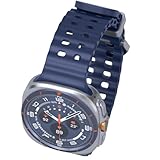
- 47mm - 1.5" Super AMOLED, 480x480px, 590mAh Battery, MIL-STD 810H certified, IP68/10ATM 100m water resistant, ECG certified
- 64GB, 2GB RAM, Exynos W1000 (3nm), Penta-core, Mali-G68 GPU, Android Wear OS 5, One UI Watch 8 with AI Assistant
- Unlock your full potential with Galaxy AI: Track and improve your fitness performance, monitor heart health with precision, get personalized wellness tips, optimize your sleep for better health, stay connected with smart replies, and enjoy music or podcasts on the go—all from your Galaxy Watch.
- Compatible with Android devices Only. Supports Google Pay. 3G: 850/900/1700/2100/1900/2100MHz, 4G LTE: 1/2/3/4/5/7/8/12/13/18/19/20/25/26/28/40/66/71 - eSIM.
- International Model - No Warranty. 100% Unlocked but Most US carriers may not allow International models. Will still work as Bluetooth Watch. Works outside US with all carriers. (Country selection may not be available during setup. Select Any, as Country will updated later after Connecting to WIFI in Settings.)
This timing matters because Wear OS itself is entering a more mature phase. By 2026, Samsung will likely be working with a later-generation Wear OS base that prioritizes efficiency, background task control, and long-term stability over flashy UI reinventions.
Wear OS Maturity and Samsung’s One UI Watch Direction
Samsung’s biggest software challenge over the past few years has been balancing Google’s Wear OS roadmap with its own One UI Watch skin. The result has often been feature-rich but occasionally bloated, with battery life suffering as complexity increased.
For the Ultra 2, Samsung has an incentive to strip back friction. An Ultra-class watch needs predictable performance during long activities, reliable GPS sessions, and minimal background drain, even if that means fewer animations or lighter visual effects compared to Watch 9 models.
This is where clearer segmentation could emerge. Watch 9 may showcase Samsung’s latest UI polish and lifestyle features, while Ultra 2 could run a more purpose-tuned variant of the same software, optimized for endurance, outdoor readability, and input reliability rather than aesthetic flair.
Health, Fitness, and Long-Term Data Strategy
By 2026, Samsung Health will likely be less about adding new sensors and more about extracting meaningful trends from years of collected data. Ultra 2 owners are the exact audience Samsung wants committing to long-term tracking, from sleep and recovery to VO2 max and training load.
Expect deeper emphasis on durability-backed metrics rather than novelty features. Multi-day activity tracking, improved recovery modeling, and better integration between workouts, sleep, and stress data would align with the Ultra identity far better than gimmicky additions.
Crucially, Samsung must ensure feature parity does not undermine differentiation. If Watch 9 and Ultra 2 surface identical health insights, Ultra buyers will expect added depth, longer historical analysis, or more granular controls that justify the hardware premium.
Battery Life, Power Management, and Software Discipline
Battery life is where software decisions will be most exposed. Even with a larger battery, the Ultra 2 cannot rely on capacity alone if Samsung continues to layer on background services indiscriminately.
A 2026 Ultra should introduce more transparent power profiles. Think clearly defined modes for expedition use, daily wear, and sleep tracking, each with predictable trade-offs rather than opaque “power saving” switches that degrade the experience unpredictably.
If Samsung executes this well, Ultra 2 could feel fundamentally more trustworthy than current Galaxy Watches. Not just longer-lasting, but more consistent, which matters far more to users who depend on the watch away from chargers.
Galaxy Ecosystem Lock-In vs Cross-Platform Reality
Launching alongside the Watch 9 series also reinforces Samsung’s ongoing ecosystem strategy. By 2026, Galaxy Watches will be even more tightly integrated with Galaxy phones, earbuds, tablets, and potentially XR devices.
Features like deeper device handoff, smarter notification prioritization, and expanded control of connected accessories could arrive as headline Watch 9 features, with Ultra 2 benefiting but not leading that narrative.
However, Samsung must be careful not to over-index on lock-in at the expense of usability. Ultra buyers often care less about ecosystem tricks and more about reliability across environments. If Ultra 2 becomes too dependent on a Galaxy phone for core functionality, it risks alienating users who expect autonomy from a rugged flagship watch.
Update Longevity and Buyer Confidence
A 2026 launch raises the question of software longevity more than ever. Buyers considering whether to wait or upgrade will be watching Samsung’s update commitments closely, especially as Apple continues to normalize long-term watch support.
If Samsung positions the Ultra 2 as a multi-year investment, it must back that up with explicit update guarantees. Faster Wear OS adoption, consistent feature rollouts, and timely security updates would significantly improve buyer confidence at the high end.
For Watch 9 buyers, this shared launch window could also reduce fear of immediate obsolescence. When both lines debut together, software parity at launch feels intentional rather than accidental, making the choice about hardware needs rather than timing anxiety.
What This Means for Buyers Deciding in 2025 and 2026
For current Galaxy Watch Ultra owners, software direction may matter more than hardware rumors. If Samsung signals a meaningful shift toward efficiency, endurance, and long-term support, waiting for Ultra 2 becomes easier to justify.
For Watch 6 or Watch 7 users, the decision hinges on priorities. Those drawn to comfort, style, and everyday usability may find Watch 9’s software polish sufficient, while Ultra 2 will appeal to buyers who want a watch that feels purpose-built and disciplined in how it uses power and features.
Ultimately, the rumored 2026 alignment suggests Samsung is finally treating software as the glue that binds its watch lineup together. Whether that cohesion benefits Ultra buyers or dilutes differentiation will depend on how boldly Samsung is willing to tailor Wear OS to different philosophies of use.
Pricing and Market Positioning: Ultra vs Apple Watch Ultra and Garmin
If software cohesion is the glue holding Samsung’s 2026 watch lineup together, pricing will determine whether the Galaxy Watch Ultra 2 feels like a credible alternative to Apple and Garmin—or a niche splurge inside Samsung’s own ecosystem. An aligned launch with the Watch 9 series sharpens that question, because buyers will be able to compare value propositions side by side rather than across generations.
The original Galaxy Watch Ultra already nudged Samsung into unfamiliar territory, both psychologically and financially. Ultra 2 will need to justify not just a premium price, but a premium purpose.
Expected Pricing Strategy and Where Ultra 2 Likely Lands
Based on Samsung’s current trajectory, a 2026 Galaxy Watch Ultra 2 price in the $699–$799 range feels probable rather than speculative. That would mirror the first Ultra’s positioning while leaving room above the Watch 9 Classic for clear tier separation.
Samsung historically avoids chasing Apple dollar-for-dollar unless it can undercut slightly on perceived value. Expect Ultra 2 to lean on materials like titanium, sapphire crystal, reinforced lugs, and a larger case footprint to rationalize the price, rather than purely software-led differentiation.
The risk is compression from below. If Watch 9 gains better battery life, brighter displays, and improved health sensors at a lower price, Ultra 2 must feel meaningfully different on the wrist—not just bigger and tougher, but more focused in how it performs under sustained use.
Apple Watch Ultra: The Benchmark Samsung Still Has to Answer
Apple Watch Ultra sets the reference point for what “mainstream rugged” means in smartwatches. Its pricing has remained relatively stable, but Apple justifies it through consistent multi-year software support, excellent app reliability, and battery life that, while not class-leading, is predictable and well-managed.
Samsung’s challenge is less about matching Apple’s ecosystem depth and more about countering its sense of polish. Ultra 2 cannot afford to feel experimental in areas like workout tracking stability, GPS accuracy in mixed environments, or day-to-day responsiveness when notifications and health features stack up.
From a value perspective, Samsung has one potential advantage: Android compatibility. If Ultra 2 maintains tighter integration across Galaxy phones while remaining usable without constant phone dependency, it becomes the obvious Ultra-class choice for non-iPhone users—something Apple will never address.
Garmin’s Shadow: Battery Life, Trust, and Purpose-Built Design
Garmin is the quieter but arguably more dangerous comparison. At similar or higher price points, Garmin watches justify their cost through endurance, training depth, and an almost utilitarian honesty about what they are designed to do.
For Ultra 2 to compete credibly, Samsung does not need to replicate Garmin’s weeks-long battery life, but it must avoid looking inefficient by comparison. Multi-day real-world endurance with always-on display, reliable GPS sessions, and consistent sleep tracking is no longer a luxury—it is table stakes at this price.
Garmin also benefits from buyer trust built over years of incremental refinement. Samsung’s pricing will only feel justified if Ultra 2 demonstrates discipline: fewer overlapping features, clearer performance goals, and a sense that every hardware choice serves a specific outdoor or endurance use case.
Value Perception: Who Ultra 2 Is Actually For
At a premium price, Ultra 2 cannot be everything to everyone. Its value proposition should resonate with users who want durability, legibility, physical controls, and confidence that the watch will hold up during long days away from a charger—not just occasional weekend adventures.
Comfort and wearability matter here as well. If Samsung keeps case dimensions large but refines weight balance, strap ergonomics, and underside curvature, Ultra 2 can feel less like a statement piece and more like a tool that disappears once it’s on.
Crucially, pricing must align with longevity. Buyers paying Ultra-level money in 2026 will expect multiple years of meaningful updates, not just security patches. Without that assurance, even a technically strong Ultra 2 risks feeling overpriced compared to both Apple’s consistency and Garmin’s purpose-built reliability.
How the Watch 9 Series Shapes Ultra 2’s Market Role
Launching alongside the Watch 9 series puts pressure on Samsung to clearly define why Ultra exists. If Watch 9 delivers strong battery life, improved sensors, and smoother Wear OS performance at a lower cost, Ultra 2 must justify its premium through specialization, not marginal gains.
💰 Best Value
![Samsung Galaxy Watch Ultra (2025) 47mm LTE Smartwatch, Titanium Casing, Advanced Sleep Coaching, Running Coach, Energy Score, Heart Rate Tracking, GPS, Titanium Gray [US Version, 2 Yr Warranty]](https://m.media-amazon.com/images/I/51TP3sJXj6L._SL160_.jpg)
- WHY GALAXY WATCH ULTRA: Longest-lasting battery yet.¹* Advanced health and sleep tracking features.* Personalized Running Coach.* Durable titanium casing.* 10ATM Water Resistance.⁹* Dual-frequency GPS.* Personal AI assistant for hands free help.⁶*
- A BATTERY BUILT FOR ENDURANCE: Have the confidence to adventure off-grid with a battery that can keep up with you. Galaxy Watch Ultra features our longest-lasting battery yet,¹ so you can go to the extreme for days on end without needing to recharge.
- YOUR ADVENTURE STARTS THE NIGHT BEFORE: Fuel tomorrow’s performance with a great night’s sleep, thanks to Advanced Sleep Coaching² - now improved with even more ways to help you sleep smarter.
- BUILT FOR THE LONG RUN: Whether you’re on a trail or a track, unleash the winning runner within using Running Coach³ on Galaxy Watch Ultra. It analyzes factors⁴ such as your age, weight, oxygen levels and heart rate to guide you through your run.
- UPDATES THAT GIVE YOU THE EDGE: Navigate the wild more easily with Now Bar⁵ and an improved user experience. Now Bar conveniently puts the info you use the most - like weather, timers, directions and more - right on your main Watch screen.
This shared timing could ultimately benefit buyers. Clear pricing tiers, intentional feature separation, and honest positioning make it easier to choose based on use case rather than fear of missing out.
In that sense, Ultra 2’s market success may depend less on how aggressively it is priced, and more on whether Samsung resists the temptation to blur the lines. A clearly expensive watch with a clearly defined purpose will always feel like better value than a slightly better version of something cheaper.
What This Means for Buyers Today: Upgrade Now, Buy Discounted Models, or Wait?
With Ultra 2 now tipped for a 2026 debut rather than an imminent refresh, Samsung buyers are in a rarer position of clarity. The decision is less about guessing what’s around the corner and more about matching your needs to a clearly spaced-out product cycle.
The key question isn’t whether Ultra 2 will be better—it almost certainly will be—but whether its rumored timing and likely focus actually align with how you use a smartwatch today.
If You’re on an Older Galaxy Watch (Watch 4 or Earlier)
If you’re still wearing a Watch 4 or older, upgrading in 2025 makes sense rather than waiting. Battery degradation, slower Wear OS performance, and sensor gaps are already tangible day-to-day drawbacks, especially for sleep tracking, GPS stability, and fitness consistency.
A discounted Watch 6 Classic or Watch 7-class model (depending on your region’s availability) will feel like a generational leap in responsiveness, display brightness, and health metrics. You’ll also benefit from Samsung’s current software support window without paying Ultra pricing for features you may not fully use.
If You’re Considering the Current Galaxy Watch Ultra
This is where the calculus gets more nuanced. The original Ultra remains Samsung’s most durable and longest-lasting smartwatch in real-world use, with its titanium case, sapphire glass, physical action button, and comparatively strong endurance under mixed GPS workloads.
If you want an Ultra specifically for hiking, travel, or long days away from chargers, buying the current model at a discount is arguably the sweet spot. Ultra 2 is far enough away that you’re not buying into immediate obsolescence, and Samsung’s update commitments should comfortably carry the first Ultra through most of the Ultra 2 era.
If You’re Happy With Your Watch 6 or Watch 7
For recent upgraders, waiting is the most rational choice. The Watch 6 and Watch 7 generation already deliver Samsung’s best balance of comfort, size options, and daily wearability, especially if you value a lighter case and slimmer profile over brute durability.
Ultra 2 is unlikely to target this audience directly. Its design, materials, and pricing will almost certainly skew larger, heavier, and more specialized, meaning it won’t replace the mainstream Galaxy Watch experience—it will sit alongside it.
If Battery Life Is Your Top Priority
If multi-day battery life is your non-negotiable, Ultra 2 is worth keeping on your radar, but not necessarily worth waiting for blindly. Samsung still trails Garmin and Apple Watch Ultra in consistent endurance, particularly during extended GPS activity.
Unless leaks begin pointing to a meaningful battery or efficiency breakthrough, today’s Ultra already represents Samsung’s ceiling for endurance. Waiting two years only makes sense if your current watch is holding up and battery longevity is becoming increasingly central to your usage.
If You Care About Software Longevity and Platform Stability
One underappreciated angle is software maturity. By 2026, Wear OS on Samsung hardware should be significantly more stable, better optimized for larger batteries, and less prone to background drain than it is today.
If you’re sensitive to long-term update support, Ultra 2 may benefit from launching into a more settled Wear OS era rather than pioneering it. That said, Samsung’s recent track record suggests current-generation buyers won’t be left behind, especially at the premium end.
The Strategic Takeaway for Most Buyers
The rumored 2026 timing subtly shifts power back to consumers. You can buy now without fear, shop discounts intelligently, or wait with purpose rather than anxiety.
Ultra 2 doesn’t invalidate today’s watches—it narrows its own role. And that clarity, more than any spec bump, is what makes the next two years a surprisingly good time to buy a Samsung smartwatch.
Big Picture Takeaway: Is Samsung Building a True Ultra Cycle?
Taken together, the 2026 rumor doesn’t read like a delay—it reads like intent. Samsung appears to be separating its Ultra identity from the annual Galaxy Watch rhythm, giving it space to mature as a long-cycle, halo-class product rather than a yearly spec refresh.
That distinction matters, because Ultra-class wearables live and die by credibility. Endurance, thermal stability, GPS consistency, case durability, and real-world comfort under load are not features you meaningfully reinvent every 12 months without trade-offs.
A Two-Year Ultra Cadence Makes Strategic Sense
If Samsung launches Galaxy Watch Ultra 2 alongside the Watch 9 series in 2026, it would effectively formalize a two-year Ultra cadence. That mirrors how rugged watches evolve in practice, not marketing decks.
Apple’s Watch Ultra updates have already slowed into a refinement cycle, while Garmin’s flagship outdoor watches often go multiple years between true generational shifts. Samsung aligning Ultra to that reality suggests confidence, not hesitation.
It also reduces pressure to chase gimmicks. A longer development window increases the odds of tangible gains in battery density, thermal efficiency under sustained GPS use, and antenna tuning—areas where Ultra-class buyers feel shortcomings immediately.
Ultra as a Platform, Not a Variant
One key signal in this rumor is timing. Launching Ultra 2 alongside Watch 9, rather than replacing or overshadowing it, reinforces that Ultra is becoming its own platform tier.
Expect materials like titanium to remain central, likely paired with a large sapphire display and a thicker, more rigid mid-case that prioritizes impact resistance over wrist elegance. Comfort will still matter, but in the context of long wear—hiking, travel, sleep tracking—rather than disappearing under a cuff.
This is where Samsung can differentiate from the standard Galaxy Watch line. Ultra doesn’t need to be thinner or prettier; it needs to be trustworthy after day three away from a charger.
What This Means for the Watch 9 Series
A delayed Ultra refresh also removes internal competition. Watch 9 can evolve in areas that matter to most users: better health sensors, slimmer cases, improved haptics, and incremental battery efficiency without ballooning size.
For daily wearers, that’s a win. The mainstream Galaxy Watch line remains focused on comfort, compatibility with Android phones, and all-day usability, rather than being forced upward into Ultra territory.
In that sense, Ultra 2 launching in 2026 may actually make the Watch 9 series better by letting it stay focused.
Should Buyers Read This as Confidence or Caution?
Probably both—and that’s not a bad thing. From a credibility standpoint, Samsung skipping a rushed Ultra follow-up suggests it knows the category demands patience.
At the same time, it signals that Ultra 2 needs to clear a higher bar than its predecessor. If battery life, GPS reliability, or performance under sustained workloads aren’t meaningfully improved, the longer wait will feel unjustified.
That’s the risk Samsung is taking, but also the opportunity.
The Bottom Line for Buyers Right Now
The rumored 2026 launch reframes Ultra as a considered investment rather than an annual upgrade target. If you want Samsung’s toughest, longest-lasting watch today, the current Ultra remains the reference point—and it won’t be obsolete overnight.
If you’re a mainstream buyer, the Watch 7 and upcoming Watch 8 or 9 generations will continue to deliver better value, comfort, and everyday usability. Ultra 2 isn’t for everyone, and Samsung finally seems comfortable admitting that.
The bigger story isn’t when Ultra 2 arrives—it’s that Samsung may finally be building a true Ultra cycle. And if that cycle delivers real gains in endurance, durability, and platform stability, waiting until 2026 could actually be worth it.