Choosing between the Galaxy Watch Ultra and the Galaxy Watch 7 is less about which one is “better” on paper and more about which one aligns with how you actually live, train, and use a smartwatch day to day. Samsung has deliberately split these two watches into distinct roles, even though they share a common software foundation and many health features. Understanding that split early makes the rest of the comparison far clearer.

At a glance, both run the same Wear OS experience with Samsung’s One UI Watch layer, both integrate tightly with Galaxy phones, and both promise cutting-edge health tracking. In practice, they are aimed at very different wrists, priorities, and tolerance levels for size, weight, and cost. This section breaks down who each watch is really for before we dive into specs and features later on.
Galaxy Watch Ultra: Samsung’s answer to rugged, performance-first wearables
The Galaxy Watch Ultra is positioned as Samsung’s most extreme smartwatch to date, aimed squarely at users who prioritize durability, endurance, and outdoor reliability over subtlety. It targets hikers, endurance athletes, divers, trail runners, and adventure travelers who want a watch that feels closer to a dedicated sports instrument than a lifestyle accessory. Think of it as Samsung’s response to the Apple Watch Ultra and high-end Garmin models, not a replacement for the standard Galaxy Watch line.
This positioning shows up immediately in real-world wear. The larger case, thicker profile, titanium construction, and reinforced design make it noticeably more substantial on the wrist. It is built to handle impact, water pressure, temperature swings, and extended GPS sessions without feeling fragile, even if that means it looks oversized on smaller wrists or under dress cuffs.
🏆 #1 Best Overall
![Samsung Galaxy Watch Ultra (2025) 47mm LTE Smartwatch, Titanium Casing, Advanced Sleep Coaching, Running Coach, Energy Score, Heart Rate Tracking, GPS, Titanium Silver [US Version, 2 Yr Warranty]](https://m.media-amazon.com/images/I/51tqxcqQXyL._SL160_.jpg)
- WHY GALAXY WATCH ULTRA: Longest-lasting battery yet.¹* Advanced health and sleep tracking features.* Personalized Running Coach.* Durable titanium casing.* 10ATM Water Resistance.⁹* Dual-frequency GPS.* Personal AI assistant for hands free help.⁶*
- A BATTERY BUILT FOR ENDURANCE: Have the confidence to adventure off-grid with a battery that can keep up with you. Galaxy Watch Ultra features our longest-lasting battery yet,¹ so you can go to the extreme for days on end without needing to recharge.
- YOUR ADVENTURE STARTS THE NIGHT BEFORE: Fuel tomorrow’s performance with a great night’s sleep, thanks to Advanced Sleep Coaching² - now improved with even more ways to help you sleep smarter.
- BUILT FOR THE LONG RUN: Whether you’re on a trail or a track, unleash the winning runner within using Running Coach³ on Galaxy Watch Ultra. It analyzes factors⁴ such as your age, weight, oxygen levels and heart rate to guide you through your run.
- UPDATES THAT GIVE YOU THE EDGE: Navigate the wild more easily with Now Bar⁵ and an improved user experience. Now Bar conveniently puts the info you use the most - like weather, timers, directions and more - right on your main Watch screen.
The Ultra also assumes its owner is willing to trade some everyday elegance and price sensitivity for performance headroom. Longer battery life, more aggressive GPS usage, and enhanced durability standards matter more here than minimal weight or discreet styling. If your watch regularly leaves the pavement, the Galaxy Watch Ultra is designed to keep up without compromise.
Galaxy Watch 7: the balanced, everyday Galaxy smartwatch
The Galaxy Watch 7 sits firmly in the role of the all-rounder, built for users who want a smartwatch that transitions effortlessly from work to workouts to sleep tracking. Its intended audience includes casual fitness enthusiasts, health-focused users, and anyone upgrading from an older Galaxy Watch who values comfort, wearability, and price balance. This is the model most people will live with 24/7.
In daily use, the Watch 7’s slimmer case options and lighter weight make a meaningful difference. It is more comfortable for all-day wear, less intrusive during sleep tracking, and easier to pair with different straps for style flexibility. Samsung clearly expects this watch to be worn continuously rather than selectively for specific activities.
Importantly, the Watch 7 does not feel like a “cut-down” product. It delivers the same core health metrics, smart features, and software polish as the Ultra, but without the rugged overengineering. For gym workouts, runs, cycling, and general wellness tracking, it covers nearly all mainstream needs while staying approachable in both size and cost.
Who should choose which watch, in practical terms
If you routinely push battery life with long GPS workouts, rely on your watch in harsh environments, or want a smartwatch that can replace some functions of a dedicated outdoor watch, the Galaxy Watch Ultra is clearly the intended choice. It is designed for users who see their watch as part of their gear, not just an extension of their phone.
If your priority is comfort, versatility, and value, the Galaxy Watch 7 is the more sensible option. It is better suited for smaller wrists, continuous health tracking, and users who want a powerful smartwatch without committing to the size and price of an Ultra-class device. For most buyers, this is the model that fits everyday life with fewer compromises.
Samsung’s lineup strategy here is intentional, not redundant. The Galaxy Watch Ultra exists to serve a niche that demands extremes, while the Galaxy Watch 7 remains the default recommendation for the majority of Galaxy phone users. With that positioning clear, the next sections can focus on how those intentions translate into real differences in design, performance, battery life, and long-term ownership.
Design, Case Construction, and Wearability in Daily Use
With Samsung’s product positioning now clear, the physical design of each watch is where those intentions become immediately tangible. The Galaxy Watch Ultra and Galaxy Watch 7 may share a software platform and sensor stack, but they feel fundamentally different on the wrist, both in materials and in how they integrate into everyday life.
This is not just a question of aesthetics. Case construction, proportions, and weight distribution directly affect comfort during sleep tracking, long workouts, and all-day wear, especially for users who rarely take their watch off.
Case materials, finishing, and durability
The Galaxy Watch Ultra is built like a modern instrument watch. It uses a titanium case with a thick, angular profile and pronounced protective shoulders around the buttons, giving it a more industrial, purpose-driven appearance than any previous Galaxy Watch.
That construction brings real benefits. Titanium resists corrosion, handles impacts better than aluminum, and maintains its finish well over time, which matters if you are hiking, trail running, or exposing the watch to sweat, salt water, and dust regularly.
The Galaxy Watch 7, by contrast, sticks to Samsung’s familiar aluminum case design. It feels refined and clean rather than rugged, with softer curves and a thinner mid-case that visually recedes on the wrist.
Aluminum is perfectly adequate for daily use, gym sessions, and casual outdoor activity, but it is less forgiving if you routinely knock your watch against hard surfaces. For most buyers, this tradeoff is acceptable, especially given the lighter weight and slimmer feel.
Size, thickness, and wrist presence
The Ultra is unapologetically large. Its wide case, thick profile, and flat sapphire crystal give it strong wrist presence, closer to a dedicated outdoor watch than a lifestyle smartwatch.
On medium to smaller wrists, the Ultra can feel dominant, even overwhelming, particularly when worn with short sleeves. It is not a watch that disappears into the background, and that is entirely by design.
The Galaxy Watch 7 is available in more wrist-friendly sizes and maintains a noticeably slimmer profile. It sits closer to the skin, slides under jacket cuffs more easily, and looks more at home in professional or social settings.
This difference becomes more noticeable the longer you wear the watch. Over a full day, the Watch 7’s reduced bulk translates into less wrist fatigue and fewer pressure points.
Weight distribution and all-day comfort
Weight alone does not tell the whole story, but it plays a major role in wearability. The Galaxy Watch Ultra is heavier, and while the titanium case helps keep mass reasonable for its size, it still has a top-heavy feel during long sessions.
During workouts, the Ultra feels secure and stable, especially with its included sport-focused straps. During sleep, however, its size and weight are harder to ignore, particularly for side sleepers.
The Watch 7 excels in continuous wear scenarios. Its lighter construction and balanced weight distribution make it easier to forget you are wearing it, which directly benefits sleep tracking and 24/7 health monitoring.
If you plan to wear your watch overnight every day, this is one of the most meaningful differences between the two models.
Buttons, controls, and tactile interaction
Samsung leans into physical controls on the Ultra. The buttons are larger, more spaced out, and easier to operate with wet hands, gloves, or during high-intensity activities.
This makes a real difference in outdoor scenarios where touch input is unreliable. The Ultra feels designed to be interacted with under less-than-ideal conditions.
The Galaxy Watch 7’s buttons are smaller and more discreet, matching its minimalist design language. For everyday smartwatch use, they are perfectly functional, but they lack the deliberate, tool-like feel of the Ultra’s controls.
Both watches retain Samsung’s familiar navigation logic, but the Ultra clearly prioritizes reliability over subtlety.
Straps, lug design, and customization
The Galaxy Watch Ultra uses a proprietary lug system that prioritizes strength and integration. The included straps feel robust and secure, but they limit third-party strap compatibility without adapters.
This reinforces the Ultra’s identity as a piece of gear rather than an accessory. You are encouraged to stick with Samsung’s purpose-built options.
The Watch 7 maintains a more conventional strap system, making it easier to swap bands for different occasions. This flexibility matters for users who want their watch to transition from workouts to workdays to evenings out.
From a lifestyle perspective, the Watch 7 is simply easier to personalize.
How design choices affect daily living
In daily use, the Galaxy Watch Ultra feels best when it is part of a specific routine. Long workouts, outdoor adventures, and demanding conditions play to its strengths, and its rugged construction inspires confidence when pushing limits.
The Galaxy Watch 7, on the other hand, excels at being always present. It is the watch you forget you are wearing, yet still rely on for health tracking, notifications, and workouts without friction.
Neither approach is inherently better. The Ultra rewards users who need durability and physical controls, while the Watch 7 rewards those who value comfort, versatility, and long-term wearability.
Understanding this distinction is key before moving on to performance, battery life, and how these design decisions influence real-world ownership over time.
Durability and Environmental Resistance: Ultra’s Rugged Edge vs. Watch 7’s Everyday Build
That design philosophy carries directly into how these two watches handle the world around them. The Galaxy Watch Ultra is built to tolerate abuse and unpredictability, while the Galaxy Watch 7 is engineered to survive normal life without demanding compromises in comfort or style.
Case materials and structural strength
The Galaxy Watch Ultra uses a titanium case paired with a sapphire crystal, a combination chosen for strength-to-weight efficiency and scratch resistance. Titanium’s ability to absorb impacts without deforming gives the Ultra a tangible edge when worn during trail runs, climbing, or manual work.
Rank #2
The Galaxy Watch 7 relies on Samsung’s Armor Aluminum with sapphire glass, which is more than adequate for daily wear. It resists desk knocks, gym equipment contact, and the occasional drop, but it is not designed to shrug off repeated hard impacts the way the Ultra can.
In practice, the Ultra feels like a tool that can be trusted blindly, while the Watch 7 feels like a refined device that you still treat with reasonable care.
Water resistance and exposure tolerance
Samsung rates the Galaxy Watch Ultra for 10ATM water resistance alongside IP68 sealing. This makes it suitable for surface swimming, intense water sports, heavy rain, and extended exposure without concern, even when buttons are pressed underwater.
The Galaxy Watch 7 carries a 5ATM rating with IP68 protection, which is sufficient for swimming, showers, and sweaty workouts. It handles pools and open water confidently, but it is not meant for prolonged or high-pressure aquatic use.
For most users, both are water-safe in daily life, but the Ultra provides more margin for error when conditions become unpredictable.
Environmental resilience and certification
The Galaxy Watch Ultra meets MIL-STD-810H standards for shock, vibration, temperature extremes, and altitude. This matters if you regularly exercise or travel in environments where heat, cold, dust, or rapid elevation changes are part of the experience.
The Watch 7 is not MIL-certified, but it is still sealed and engineered to withstand rain, dust, and temperature swings encountered during normal outdoor use. It performs reliably during runs, hikes, and travel, just without the extra buffer built into the Ultra.
This difference rarely shows up in office or urban life, but it becomes obvious during multi-day outdoor activities or harsh weather exposure.
Scratch resistance and long-term wear
Both watches use sapphire crystal, which significantly improves scratch resistance compared to earlier Galaxy Watch generations. Over months of wear, this helps preserve clarity and resale value, especially for users who wear their watch 24/7.
The Ultra’s thicker bezel and raised case edges add another layer of protection by keeping the display slightly recessed. This is a subtle but important detail when brushing against rocks, metal railings, or gym equipment.
The Watch 7’s slimmer profile looks cleaner on the wrist, but it leaves the display more exposed to direct contact.
Comfort trade-offs of ruggedness
The Galaxy Watch Ultra’s durability comes with added size, thickness, and weight. While well-balanced, it is more noticeable on the wrist during sleep and long sedentary periods.
The Watch 7 benefits from its lighter construction, making it easier to forget you are wearing it. This matters for all-day health tracking, sleep monitoring, and users sensitive to wrist fatigue.
Durability here is not just about surviving damage, but about how much hardware you are willing to live with every hour of the day.
Who benefits from each approach
If your lifestyle includes outdoor sports, demanding work environments, or frequent exposure to water and rough conditions, the Galaxy Watch Ultra’s environmental resistance is not theoretical, it is genuinely useful. It allows you to focus on the activity rather than protecting the device.
If your days revolve around commuting, workouts, travel, and social settings, the Galaxy Watch 7 delivers all the durability most people need without feeling overbuilt. It is tougher than it looks, but intentionally stops short of becoming a piece of expedition gear.
This distinction sets the stage for how each watch approaches battery life, performance tuning, and long-term ownership expectations in the sections that follow.
Display Technology and Controls: Brightness, Protection, and On-Wrist Usability
Where durability shapes how long a watch survives, the display and controls determine how usable it feels minute to minute. This is where the Galaxy Watch Ultra and Galaxy Watch 7 begin to diverge not just on specs, but on how they expect to be interacted with in real life.
Display size, panel quality, and brightness behavior
Both watches use Samsung’s latest Super AMOLED panels, delivering deep contrast, rich color saturation, and excellent viewing angles. At a glance, they look similarly sharp indoors, with crisp text and smooth animations that reflect Wear OS at its best.
The Galaxy Watch Ultra’s display is slightly larger and framed by a thicker bezel, which subtly changes how information is presented. Data-heavy screens like workout metrics and navigation maps feel less cramped, especially when moving quickly or glancing mid-activity.
Brightness is where the Ultra clearly asserts itself. Its higher peak brightness gives it an advantage under direct sunlight, particularly during outdoor workouts, hiking, or open-water use where glare becomes a real problem rather than a minor inconvenience.
The Watch 7 is still bright enough for most everyday scenarios, including running and cycling in daylight. However, under harsh midday sun, it may require a deliberate wrist angle to maintain legibility, something Ultra users are less likely to notice.
Always-on display and power-awareness
Always-on display behavior is nearly identical across both models, with customizable watch faces that intelligently dim when not actively viewed. Samsung’s ambient modes remain among the better implementations on Wear OS, preserving readability without excessive drain.
The difference is not in how AOD looks, but in how comfortable users feel leaving it enabled. The Ultra’s larger battery and outdoors-first tuning make always-on display feel like a default rather than a compromise.
On the Watch 7, users who prioritize multi-day battery life may be more inclined to disable AOD or limit brightness during long stretches away from a charger. This is not a flaw, but a reflection of its more compact power envelope.
Touch responsiveness and wet-condition usability
Touch responsiveness is excellent on both watches when conditions are ideal. Swipes register cleanly, scrolling is fluid, and the UI feels tightly optimized for the hardware.
In wet or sweaty conditions, the differences become clearer. The Ultra’s design places more emphasis on physical controls, reducing reliance on touch when water droplets interfere with screen input.
The Watch 7 can still be used in rain or during workouts, but users will occasionally need to wipe the screen or repeat gestures. For gym sessions and casual runs this is manageable; for swimming, kayaking, or heavy rain, it becomes a friction point.
Controls: rotating bezel versus button-first interaction
The Galaxy Watch 7 continues Samsung’s familiar approach with a touch-based rotating bezel and side buttons. It is intuitive, elegant, and well-suited to daily smartwatch navigation like notifications, apps, and media controls.
The Galaxy Watch Ultra shifts the balance toward button-driven interaction. Its larger, more tactile buttons are easier to locate without looking, which matters during workouts, gloves-on use, or situations where precision touch input is impractical.
This control philosophy mirrors traditional tool watches more than lifestyle smartwatches. You interact with the Ultra decisively, while the Watch 7 encourages lighter, more casual engagement.
Haptics, feedback, and glanceability
Haptic feedback is strong and refined on both models, with clear vibration cues for notifications, laps, and system actions. The Ultra’s larger case gives its haptics a slightly more pronounced feel, which can be reassuring during intense activity.
Glanceability also favors the Ultra in motion. The combination of higher brightness, larger display, and physical controls makes it easier to check stats without breaking stride or focus.
The Watch 7 excels when stationary or moving casually. Its slimmer case, cleaner bezel, and lighter feel make interactions feel effortless during meetings, commuting, or social use.
Protection details that affect daily confidence
Both displays are protected by sapphire crystal, but the Ultra’s raised bezel and recessed screen add meaningful peace of mind. You can be less careful when brushing past surfaces, knowing the glass is less exposed.
Rank #3
![Samsung Galaxy Watch Ultra (2025) 47mm LTE Smartwatch, Titanium Casing, Advanced Sleep Coaching, Running Coach, Energy Score, Heart Rate Tracking, GPS, Titanium Blue [US Version, 2 Yr Warranty]](https://m.media-amazon.com/images/I/41zL7T5J4xL._SL160_.jpg)
- WHY GALAXY WATCH ULTRA: Longest-lasting battery yet.¹* Advanced health and sleep tracking features.* Personalized Running Coach.* Durable titanium casing.* 10ATM Water Resistance.⁹* Dual-frequency GPS.* Personal AI assistant for hands free help.⁶*
- A BATTERY BUILT FOR ENDURANCE: Have the confidence to adventure off-grid with a battery that can keep up with you. Galaxy Watch Ultra features our longest-lasting battery yet,¹ so you can go to the extreme for days on end without needing to recharge.
- YOUR ADVENTURE STARTS THE NIGHT BEFORE: Fuel tomorrow’s performance with a great night’s sleep, thanks to Advanced Sleep Coaching² - now improved with even more ways to help you sleep smarter.
- BUILT FOR THE LONG RUN: Whether you’re on a trail or a track, unleash the winning runner within using Running Coach³ on Galaxy Watch Ultra. It analyzes factors⁴ such as your age, weight, oxygen levels and heart rate to guide you through your run.
- UPDATES THAT GIVE YOU THE EDGE: Navigate the wild more easily with Now Bar⁵ and an improved user experience. Now Bar conveniently puts the info you use the most - like weather, timers, directions and more - right on your main Watch screen.
On the Watch 7, the display sits closer to the edge, reinforcing its sleeker aesthetic but also encouraging a bit more awareness during rough use. For many users, this trade-off is worth it for the slimmer profile.
Ultimately, the Ultra treats its display as a functional instrument meant to be read and controlled in difficult conditions. The Watch 7 treats its display as a visual interface designed to blend seamlessly into everyday life.
Health Tracking Hardware and Sensors: What’s Shared, What’s Enhanced
After looking at how each watch is controlled and protected, the next layer of differentiation sits underneath the glass. Samsung positions both the Galaxy Watch Ultra and Galaxy Watch 7 as serious health trackers, but the way their hardware supports that goal reflects two very different use cases.
At a baseline, they share far more than they differ. The Ultra’s advantages are about resilience, environmental awareness, and consistency under stress rather than unlocking an entirely new category of health metrics.
The shared BioActive sensor platform
Both watches use Samsung’s latest BioActive Sensor array, combining optical heart rate monitoring, electrical heart signal sensors for ECG, and bioelectrical impedance analysis for body composition. In daily use, this means identical access to continuous heart rate tracking, ECG recordings, body fat estimates, skeletal muscle mass, hydration trends, and basal metabolic rate.
In controlled conditions, accuracy is very similar between the two. Resting heart rate, overnight trends, and ECG reliability feel indistinguishable, and both watches benefit from Samsung’s improved signal processing compared to earlier generations.
For users focused on wellness, sleep insights, or general fitness, there is no hardware disadvantage to choosing the Watch 7 here.
Sleep, SpO₂, and skin temperature tracking
Sleep tracking hardware is effectively mirrored. Both models monitor blood oxygen saturation during sleep, skin temperature variation, sleep stages, respiratory rate, and movement-based disturbances.
Skin temperature sensing remains passive and contextual on both watches, primarily used for trend analysis rather than real-time alerts. The Ultra does not unlock new temperature metrics, but its larger battery allows more consistent overnight tracking without users worrying about charge levels before bed.
If sleep health is your priority, the experience is defined more by software and battery confidence than sensor capability.
Motion, altitude, and environmental sensors
Internally, both watches carry accelerometers, gyroscopes, barometers, and geomagnetic sensors. These support step counting, workout recognition, elevation gain, stair tracking, and compass-based navigation features.
Where the Ultra begins to feel different is consistency under load. During hikes, trail runs, or long outdoor sessions, its heavier case and tighter wrist stability help reduce micro-movement that can interfere with motion-based measurements.
The Watch 7 performs extremely well for gym sessions, urban walking, and casual outdoor activity, but it is optimized for comfort rather than constant impact or vibration.
Water and depth-related hardware advantages on the Ultra
One clear hardware addition on the Galaxy Watch Ultra is its water temperature and depth sensing capability. This allows more contextual swim tracking, particularly in open water environments where ambient conditions matter.
While neither watch is positioned as a full dive computer, the Ultra’s additional sensors and higher water resistance give swimmers and adventure users more confidence in data reliability. Pool swimmers will see similar metrics on both, but open water users benefit from the Ultra’s broader environmental awareness.
This is less about unlocking new dashboards and more about trust when conditions are unpredictable.
Sensor performance during high-intensity activity
Samsung tunes both watches to handle high heart rates and rapid changes in intensity, but the Ultra’s physical design plays a supporting role. Its wider sensor contact area and heavier mass help maintain skin contact during interval training, trail running, or strength sessions with wrist flexion.
In practice, this translates to fewer dropouts during aggressive movement rather than meaningfully different peak heart rate readings. The Watch 7 remains accurate, but it is more sensitive to strap fit and wrist motion during explosive exercises.
Users who train hard but briefly may never notice the difference. Endurance athletes are more likely to.
Health hardware in daily life versus extreme use
The key takeaway is that Samsung did not split its health ecosystem between these two watches. The Galaxy Watch 7 delivers the full suite of modern health tracking hardware in a slimmer, lighter package that suits everyday wear.
The Galaxy Watch Ultra takes the same foundation and reinforces it for reliability in harsher conditions. Its enhancements are about durability, environmental sensing, and data stability when the watch is pushed for hours at a time.
Choosing between them is less about what your body data looks like and more about where, how long, and how aggressively you plan to collect it.
Fitness and Outdoor Features: GPS Accuracy, Sports Modes, and Adventure Tools
Where the health hardware largely converges, fitness and outdoor tracking is where Samsung draws a clearer line between the Galaxy Watch Ultra and Galaxy Watch 7. Both run the same Samsung Health platform and share core workout logic, but the way they capture movement, location, and environmental context differs in ways that matter once you leave paved roads or structured gyms.
The distinction is not about access to features, but about consistency when conditions are less controlled. Casual workouts look similar on both watches, while long, location-dependent activities reveal which model is built for exploration rather than efficiency.
GPS accuracy and signal reliability
The Galaxy Watch Ultra uses a dual-frequency GPS system, combining L1 and L5 bands for more resilient positioning in dense environments. This matters most in cities with tall buildings, forested trails, canyons, and mountainous terrain where signal reflection can distort pace and distance data.
In real-world runs and hikes, the Ultra produces cleaner tracks with fewer corner cuts and less post-workout smoothing. Pace graphs tend to stabilize faster after stops, and distance totals align more closely with known routes.
The Galaxy Watch 7 relies on a single-frequency GPS setup, which is perfectly adequate for suburban running, road cycling, and park loops. In open skies, its accuracy is comparable, but it is more prone to brief drift when the signal is challenged.
For users who review maps closely or rely on pace alerts during long efforts, the Ultra’s advantage is subtle but cumulative. Over a marathon or multi-hour hike, those small corrections add up to more trustworthy data.
Sports modes and workout depth
Samsung offers a broad catalog of sports modes on both watches, ranging from running and cycling to rowing, hiking, swimming, and a long list of indoor activities. Structured workouts, automatic exercise detection, and post-session analysis are identical across the two models.
Where the Ultra separates itself is not in the number of modes, but in how comfortably it supports extended sessions. Its larger case allows for better heat dissipation and a physically larger battery, reducing the risk of throttling or early shutdown during long GPS activities.
The Watch 7 is better suited to shorter, frequent workouts where convenience and comfort matter more than endurance. For daily gym sessions, lunchtime runs, or indoor training, it delivers the same metrics with less weight on the wrist.
Outdoor and adventure-focused tools
The Galaxy Watch Ultra adds practical tools aimed at users who spend hours outdoors rather than minutes. An integrated siren function can emit a loud audible alert for safety situations, and the programmable action button makes it easier to start workouts, mark laps, or trigger emergency features with gloves or cold hands.
Altitude tracking, barometric data, and environmental context are presented more prominently in the Ultra’s interface during outdoor activities. While the Watch 7 records much of the same data, accessing it mid-workout is less intuitive and often requires more screen interaction.
For hikers, trail runners, and backcountry users, this difference affects usability more than raw data availability. The Ultra is designed to be glanced at and trusted without stopping.
Battery life during GPS-heavy activities
Battery behavior under continuous GPS use is one of the most meaningful real-world differences. The Galaxy Watch Ultra’s larger battery and more aggressive power management allow it to track long workouts without forcing compromises.
Rank #4
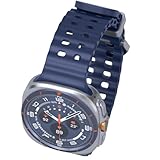
- 47mm - 1.5" Super AMOLED, 480x480px, 590mAh Battery, MIL-STD 810H certified, IP68/10ATM 100m water resistant, ECG certified
- 64GB, 2GB RAM, Exynos W1000 (3nm), Penta-core, Mali-G68 GPU, Android Wear OS 5, One UI Watch 8 with AI Assistant
- Unlock your full potential with Galaxy AI: Track and improve your fitness performance, monitor heart health with precision, get personalized wellness tips, optimize your sleep for better health, stay connected with smart replies, and enjoy music or podcasts on the go—all from your Galaxy Watch.
- Compatible with Android devices Only. Supports Google Pay. 3G: 850/900/1700/2100/1900/2100MHz, 4G LTE: 1/2/3/4/5/7/8/12/13/18/19/20/25/26/28/40/66/71 - eSIM.
- International Model - No Warranty. 100% Unlocked but Most US carriers may not allow International models. Will still work as Bluetooth Watch. Works outside US with all carriers. (Country selection may not be available during setup. Select Any, as Country will updated later after Connecting to WIFI in Settings.)
Multi-hour hikes, full-day sightseeing with route tracking, or endurance events are well within its comfort zone. You are less likely to finish an activity worrying about the remaining battery percentage.
The Galaxy Watch 7 can handle GPS workouts reliably, but repeated long sessions in a single day will drain it faster. It works best for users who charge nightly and treat GPS tracking as a planned activity rather than an all-day background feature.
Comfort and wearability during prolonged activity
Design plays an understated role in fitness tracking quality. The Ultra’s heavier titanium case and broader strap interface help keep the watch stable during movement, which supports consistent sensor readings over time.
The Watch 7’s lighter aluminum body is more comfortable for all-day wear and sleep tracking, especially on smaller wrists. During long runs or hikes, however, its lighter mass can allow micro-shifts that slightly affect optical sensor contact.
This is not a flaw, but a tradeoff. Comfort versus stability becomes noticeable only when sessions stretch beyond an hour.
Which watch fits your training style
If your fitness routine revolves around structured workouts, gym sessions, and regular runs, the Galaxy Watch 7 delivers everything Samsung Health offers in a more wearable, approachable form. Its fitness tracking is accurate, comprehensive, and easier to live with day to day.
The Galaxy Watch Ultra is for users who treat fitness as exploration. Long-distance runners, hikers, trail athletes, and anyone who values navigational trust over minimalism will benefit from its GPS reliability, physical controls, and endurance-focused design.
Both watches measure your effort. Only one is built to follow you when the route stops being predictable.
Performance, Software, and Wear OS Experience
Where fitness hardware sets the ceiling for what a watch can do, performance and software determine how enjoyable it is to live with every day. In practice, this is where the Galaxy Watch Ultra and Galaxy Watch 7 feel more similar than different at first glance, yet diverge subtly once you start pushing them.
Both watches run Samsung’s latest One UI Watch layered on top of Wear OS, but the way they deliver that experience reflects their different priorities.
Processor, memory, and everyday responsiveness
Samsung equips both the Galaxy Watch Ultra and Galaxy Watch 7 with the same current-generation Exynos W-series chipset, paired with ample RAM for modern Wear OS demands. App launches, scrolling through tiles, and voice assistant interactions feel equally fluid on both watches in isolation.
In day-to-day use, there is no meaningful performance gap when checking notifications, replying to messages, or navigating Samsung Health. Animations are smooth, and neither watch struggles with multitasking or background sync.
The difference appears under sustained load. During long GPS activities with offline maps active, the Ultra maintains consistent responsiveness, while the Watch 7 can occasionally show brief pauses when switching screens mid-workout.
One UI Watch and Wear OS integration
Samsung’s One UI Watch remains one of the most polished Wear OS skins available. Tiles are logically organized, health metrics are easy to surface at a glance, and the overall design favors legibility over visual clutter.
Both watches benefit equally from tight integration with Samsung Health, Google Maps, Google Wallet, and Play Store apps. Features like offline music playback, LTE support on cellular models, and voice dictation behave identically across the two.
The key difference is not software availability, but how confidently you can rely on it during demanding scenarios. The Ultra’s design assumes you may be interacting with the interface while moving, sweating, or wearing gloves.
Physical controls and real-world usability
The Galaxy Watch Ultra’s additional physical action button changes how Wear OS feels in practice. Assigning it to workout start, waypoint marking, or safety features reduces reliance on touch input during activity.
This is especially noticeable during hiking, trail running, or cold-weather use. You spend less time fiddling with menus and more time focusing on the activity itself.
The Galaxy Watch 7 relies primarily on its touchscreen and standard buttons, which is perfectly adequate for everyday use. During workouts, however, wet screens and quick interactions can feel less forgiving compared to the Ultra’s hardware-first approach.
Software stability during long sessions
Extended workouts are where performance consistency matters more than peak speed. The Galaxy Watch Ultra maintains stable GPS tracking, heart rate sampling, and navigation overlays without forcing the system to scale back features.
On the Watch 7, the software remains reliable, but power-saving behaviors are more noticeable during long sessions. Background processes may become more conservative, particularly if you stack GPS tracking with music streaming or continuous navigation.
For most users, this will never surface as a problem. For endurance-focused users, it subtly reinforces the Ultra’s positioning as a tool rather than just a smartwatch.
Updates, ecosystem, and long-term experience
Samsung commits both models to the same update cycle, including Wear OS version upgrades and security patches. Feature parity will remain close over time, and neither watch is likely to be left behind prematurely.
Compatibility is identical as well. Both watches pair best with Samsung phones, where features like advanced health insights, camera controls, and seamless syncing are fully enabled, but they remain usable with other Android devices.
The difference is not about longevity in years, but longevity in use cases. The Watch 7’s software experience is optimized for comfort and convenience, while the Ultra’s software feels tuned for reliability when conditions are less predictable.
Battery Life and Charging: Real-World Endurance Compared
Battery performance is where the philosophical gap between these two watches becomes most tangible. After software behavior and input reliability, endurance determines whether a watch supports long, demanding days or quietly asks for compromises.
Battery capacity and baseline expectations
The Galaxy Watch Ultra carries a significantly larger battery than the Galaxy Watch 7, and that difference shows up immediately in daily use. In typical mixed usage with notifications, health tracking, and occasional workouts, the Ultra comfortably pushes into multi-day territory without anxiety.
The Galaxy Watch 7, particularly the smaller case size, is built around a one-day rhythm. With always-on display enabled and regular activity tracking, most users should plan on nightly charging, even if they are not pushing the watch hard.
Everyday use: notifications, health tracking, and display behavior
In day-to-day smartwatch use, the Ultra’s larger battery gives it breathing room. You can leave always-on display enabled, track sleep every night, and still finish the second day with usable headroom.
The Watch 7 is efficient, but less forgiving. Turning on always-on display, frequent wrist raises, and continuous health monitoring narrows its margin quickly, especially if you add LTE or background app syncing.
Workouts, GPS, and long-session endurance
During GPS-based activities, the Ultra clearly separates itself. Long hikes, trail runs, or bike rides with continuous GPS, heart rate sampling, and navigation overlays are handled without aggressive power throttling.
On the Watch 7, extended GPS sessions are manageable but more conditional. Stack GPS tracking with music playback or navigation, and battery drop becomes steep enough that multi-hour activities require planning rather than spontaneity.
Multi-day trips and outdoor scenarios
For multi-day travel or outdoor use, the Ultra behaves more like a purpose-built tool. You can track workouts, sleep, and navigation across consecutive days without immediately reaching for a charger.
The Watch 7 is better suited to urban routines or predictable schedules. It excels when charging is easy to integrate into daily life, but it is less comfortable as a standalone device away from power for extended periods.
Charging speed and practicality
Both watches rely on Samsung’s wireless charging system and share similar charging speeds in practice. A short top-up during a shower or meal can recover enough battery for several hours of use, but neither is designed for ultra-rapid charging.
💰 Best Value
![Samsung Galaxy Watch Ultra (2025) 47mm LTE Smartwatch, Titanium Casing, Advanced Sleep Coaching, Running Coach, Energy Score, Heart Rate Tracking, GPS, Titanium Gray [US Version, 2 Yr Warranty]](https://m.media-amazon.com/images/I/51TP3sJXj6L._SL160_.jpg)
- WHY GALAXY WATCH ULTRA: Longest-lasting battery yet.¹* Advanced health and sleep tracking features.* Personalized Running Coach.* Durable titanium casing.* 10ATM Water Resistance.⁹* Dual-frequency GPS.* Personal AI assistant for hands free help.⁶*
- A BATTERY BUILT FOR ENDURANCE: Have the confidence to adventure off-grid with a battery that can keep up with you. Galaxy Watch Ultra features our longest-lasting battery yet,¹ so you can go to the extreme for days on end without needing to recharge.
- YOUR ADVENTURE STARTS THE NIGHT BEFORE: Fuel tomorrow’s performance with a great night’s sleep, thanks to Advanced Sleep Coaching² - now improved with even more ways to help you sleep smarter.
- BUILT FOR THE LONG RUN: Whether you’re on a trail or a track, unleash the winning runner within using Running Coach³ on Galaxy Watch Ultra. It analyzes factors⁴ such as your age, weight, oxygen levels and heart rate to guide you through your run.
- UPDATES THAT GIVE YOU THE EDGE: Navigate the wild more easily with Now Bar⁵ and an improved user experience. Now Bar conveniently puts the info you use the most - like weather, timers, directions and more - right on your main Watch screen.
The difference is psychological as much as technical. With the Ultra, charging feels optional and strategic; with the Watch 7, it feels routine and necessary.
Battery longevity and long-term ownership
Larger batteries tend to age more gracefully, and the Ultra benefits here as well. After months or years of use, the buffer provided by its capacity helps mask natural battery degradation.
The Watch 7 will remain perfectly usable long-term, but its tighter battery margins mean degradation will be noticed sooner. For buyers thinking several years ahead, this becomes part of the value calculation rather than a deal-breaker.
Connectivity, Compatibility, and Smart Features
After battery and endurance, connectivity is where the philosophical split between the Galaxy Watch Ultra and Watch 7 becomes clearer. Both run Samsung’s latest Wear OS build with One UI Watch layered on top, but they are tuned for different expectations around independence, reliability, and how often the watch is expected to operate on its own.
Phone compatibility and ecosystem lock-in
Both watches are technically Wear OS devices, but in practice they are built first and foremost for Samsung phones. Pairing with a Galaxy smartphone unlocks the full feature set, including advanced health metrics, camera controls, modes and routines, and deeper system integrations.
Using either watch with a non-Samsung Android phone is possible, but there are trade-offs. Certain health features and automation tools are limited or unavailable, and the experience feels more generic than seamless. iPhone compatibility is off the table entirely, which makes this a committed Android-only purchase.
Bluetooth, LTE, and standalone use
Both the Galaxy Watch Ultra and Watch 7 are available in Bluetooth-only and LTE variants, but the Ultra is far more convincing as a standalone device. With LTE enabled, it handles calls, messages, navigation, and music streaming without feeling like it is constantly fighting battery drain or background task limits.
On the Watch 7, LTE is best treated as a convenience feature rather than a core mode of use. It works well for short periods away from your phone, but extended LTE usage accelerates battery loss quickly enough that most users will rely on Bluetooth pairing for daily life.
Wi-Fi, NFC, and everyday transactions
Wi-Fi performance is similar on both models, with fast syncing and stable background updates when connected to known networks. In practice, Wi-Fi matters most during app downloads, software updates, or when the watch is used independently at home, and neither model shows a clear advantage here.
Samsung Wallet and NFC payments are equally reliable on both watches. Transit taps, quick purchases, and authentication prompts work consistently, and the watches are comfortable enough on the wrist that using them for frequent payments never feels awkward or cumbersome.
Smart features and Wear OS experience
Day-to-day smart features are nearly identical, including notifications, voice dictation, quick replies, and Google Assistant support. The interface is smooth on both, with fluid animations and responsive touch input, even when multitasking between apps.
Where the Ultra subtly pulls ahead is sustained performance under load. Running navigation, a workout, and background syncing simultaneously feels more stable, with fewer slowdowns or delayed interactions. The Watch 7 remains fast, but it is more sensitive to stacked tasks.
Navigation, maps, and location-based tools
Turn-by-turn navigation, offline maps, and location tracking work well on both watches, especially when paired with Google Maps and Samsung’s own outdoor tools. The difference is not accuracy but confidence over time.
On the Ultra, navigation feels designed for longer, more complex routes where the watch may be your primary reference point. On the Watch 7, navigation is excellent for commuting, walking directions, or short runs, but less reassuring when relied upon for hours at a time.
Smart home, media, and connected accessories
Both watches integrate cleanly with Samsung SmartThings and popular third-party smart home platforms. Controlling lights, thermostats, and scenes from the wrist is quick and reliable, and media controls work smoothly across phones, earbuds, and speakers.
The Ultra’s larger case and physical controls make frequent interactions slightly easier, especially with wet fingers or gloves. The Watch 7 is slimmer and more discreet, but touch-based controls demand a bit more precision in less ideal conditions.
Software support and long-term updates
Samsung commits to the same software update cycle for both models, including Wear OS upgrades and security patches. Feature parity will largely be maintained over time, which means buyers are not choosing between future capabilities so much as how comfortably the hardware supports them.
The difference is longevity of experience rather than longevity of updates. As software grows more demanding, the Ultra’s thermal headroom and battery capacity give it more breathing room, while the Watch 7 remains optimized for users who value compactness and everyday convenience over sustained independence.
Price, Value Proposition, and Which Galaxy Watch You Should Buy
All of the differences discussed so far ultimately converge on one question: how much independence, durability, and endurance do you actually need from your watch. Samsung positions the Galaxy Watch Ultra and Galaxy Watch 7 at very different ends of the Galaxy ecosystem, and the pricing reflects that intent clearly.
Pricing overview and real-world cost
At launch, the Galaxy Watch Ultra sits firmly in premium territory, with pricing that lands closer to high-end sports watches than mainstream smartwatches. LTE connectivity is effectively baked into the Ultra’s positioning, and the materials, sensors, and battery capacity are part of what you are paying for.
The Galaxy Watch 7, by contrast, is priced much more aggressively. Depending on size and whether you choose Bluetooth or LTE, it typically costs roughly half as much as the Ultra, sometimes even less during frequent Samsung promotions and trade-in events.
That price gap is not cosmetic. It represents a meaningful difference in hardware ambition, long-duration usability, and how self-sufficient the watch can be when your phone is not nearby.
What you are really paying for with the Galaxy Watch Ultra
The Ultra’s value proposition is built around resilience and autonomy. Its larger battery, titanium case, sapphire crystal, and reinforced buttons are not about luxury finishing so much as confidence under stress.
In daily use, that translates to fewer compromises. You worry less about charging schedules, less about accidental knocks, and less about whether GPS tracking or navigation will drain the battery before you are done.
If you regularly hike, trail run, cycle long distances, travel frequently, or work in environments where your watch takes abuse, the Ultra earns its price by quietly staying out of the way. It feels more like a tool than an accessory, and for the right user, that distinction matters.
Why the Galaxy Watch 7 remains the smarter buy for most people
The Galaxy Watch 7 delivers nearly the full Samsung Wear OS experience at a far lower entry cost. Health tracking, sleep analysis, notifications, payments, and fitness features are all there, and accuracy is not meaningfully worse in everyday scenarios.
Its lighter weight and slimmer case also make it more comfortable for continuous wear. For users who sleep with their watch, wear it at a desk all day, or prefer something discreet under a cuff, the Watch 7 often feels better balanced.
Battery life is shorter, but predictable. If you are already charging your phone daily and topping up your watch during a morning routine or evening wind-down, the Watch 7 fits seamlessly into that rhythm without demanding lifestyle changes.
Which Galaxy Watch should you buy?
Choose the Galaxy Watch Ultra if you want maximum endurance, stronger physical controls, and the confidence to rely on your watch for long sessions without your phone. It is the right choice for outdoor-focused users, endurance athletes, frequent travelers, and anyone who treats their smartwatch as a primary navigation and tracking device.
Choose the Galaxy Watch 7 if you want the best balance of features, comfort, and price within Samsung’s ecosystem. It is ideal for daily fitness tracking, smart notifications, commuting, and general lifestyle use, especially if you value a lighter watch and lower upfront cost.
For most buyers, the Watch 7 offers better value per dollar. For a specific group of users, the Ultra offers better value per hour spent away from a charger.
Final perspective on value
Samsung is not asking buyers to choose between old and new technology here. Both watches will receive the same software updates and core features over time.
The real decision is philosophical rather than technical. The Galaxy Watch Ultra is about capability under pressure, while the Galaxy Watch 7 is about efficiency and everyday wearability.
If your watch needs to disappear on your wrist and quietly support your routine, the Watch 7 is the smarter buy. If your watch needs to keep going when conditions get demanding, the Ultra justifies its premium by doing exactly that, without excuses.