The Samsung Gear S3 Frontier arrived at a moment when smartwatches were still trying to justify their existence beyond notifications and novelty. Released in late 2016, it was Samsung’s attempt to build a smartwatch that felt less like a fragile phone accessory and more like a piece of rugged wrist gear you could actually live with outdoors. For buyers today, understanding that original intent is key to judging whether the S3 Frontier still makes sense as a second-hand purchase or purpose-built companion.
This was not designed to chase fashion-first minimalism or extreme athletic performance. Instead, the Gear S3 Frontier aimed to sit between lifestyle smartwatch and light-duty outdoor watch, borrowing visual cues from traditional tool watches while offering a mature, self-contained smartwatch experience. Knowing who it was for then helps clarify who it still works for now, and just as importantly, who it does not.
Samsung’s push beyond phone notifications
By 2016, Samsung had already learned that simply mirroring phone alerts was not enough to win long-term smartwatch users. The Gear S3 Frontier was positioned as a device you could rely on without constantly pulling out your phone, helped by optional LTE connectivity, onboard GPS, and Samsung Pay support. This was about independence and confidence on the wrist rather than minimal dependency.
The rotating bezel was central to that philosophy. It allowed navigation through apps, notifications, and widgets with gloves or wet fingers, reinforcing the idea that this was built for real-world conditions, not just desks and cafés. Even today, that physical interface remains one of Samsung’s most user-friendly smartwatch solutions.
🏆 #1 Best Overall
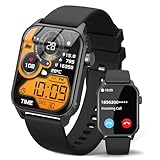
- 【1.83" HD Display & Customizable Watch Faces】Immerse yourself in a vibrant 1.83-inch IPS display, boasting a sharp resolution of 240*284 for crystal-clear visuals. Effortlessly personalize your smart watch with a wide array of customizable watch faces to suit your personal style for every occasion—whether trendy, artistic, or minimalist—ideal for casual, sporty, or professional. Its sleek, modern design complements any outfit, blending technology and fashion seamlessly for everyday wear
- 【120 Sports Modes & Advanced Health Tracking】Our TK29 smart watches for women men come equipped with 120 sports modes, allowing you to effortlessly track a variety of activities such as walking, running, cycling, and swimming. With integrated heart rate and sleep monitors, you can maintain a comprehensive overview of your health, achieve your fitness goals, and maintain a balanced, active lifestyle with ease. Your ideal wellness companion (Note: Step recording starts after exceeding 20 steps)
- 【IP67 Waterproof & Long-Lasting Battery】Designed to keep up with your active lifestyle, this smartwatch features an IP67 waterproof rating, ensuring it can withstand splashes, sweat, and even brief submersion, making it perfect for workouts, outdoor adventures, or rainy days. Its reliable 350mAh battery offering 5-7 days of active use and up to 30 days in standby mode, significantly reducing frequent charging. Ideal for all-day wear, whether you’re at the gym, outdoors, or simply on the go
- 【Stay Connected Anytime, Anywhere】Stay informed and in control with Bluetooth call and music control features. Receive real-time notifications for calls, messages, and social media apps like Facebook, WhatsApp, Twitter, and Instagram directly on your smartwatch. Easily manage calls, control your music playlist, and stay updated without needing to reach for your phone. Perfect for work, workouts, or on-the-go, this watch keeps you connected and never miss important updates wherever you are
- 【Multifunction & Wide Compatibility】Seamlessly handle heart rate monitoring, sleep tracking, and enjoy conveniences like camera/music control, Seamlessly handle heart rate monitoring, sleep tracking, and more-all directly from your wrist. This 1.83 inches HD smartwatch is compatible with iPhone (iOS 9.0+) & Android (5.0+), ensuring smooth daily connectivity and convenience throughout your day. More than just a timepiece, it’s a stylish, all-in-one wearable for smarter, healthier living
The “rugged” answer to Apple Watch and early Garmin wearables
At launch, the competitive landscape was clearly defined. Apple Watch Series 2 had introduced water resistance and GPS, while Garmin dominated serious endurance sports but lacked smartwatch polish. The Gear S3 Frontier was Samsung’s response for users who wanted something tougher than an Apple Watch but less specialized than a Garmin Fenix.
Its stainless steel case measured roughly 46mm wide and over 12mm thick, with a substantial weight that made it feel closer to a traditional sports watch than a tech gadget. The IP68 rating and MIL-STD-810G certification signaled durability, even if it was never intended for true expedition use or extreme environments.
Design language rooted in classic tool watches
The Frontier variant was deliberately more aggressive than the standard Gear S3 Classic. Matte finishes, raised bezel edges, and a textured rubber strap leaned heavily into the aesthetic of pilot and field watches. This was a smartwatch meant to look appropriate with a jacket, boots, and outdoor gear, not just gym wear.
Comfort was a trade-off. On smaller wrists, the size and weight were noticeable, especially during sleep tracking, but for users accustomed to larger mechanical watches, it felt familiar and reassuring. Strap compatibility with standard 22mm bands also helped it blend into traditional watch collections.
Tizen OS and Samsung’s ecosystem-first thinking
Software played a major role in the Gear S3 Frontier’s identity. Running Samsung’s Tizen OS, it prioritized smooth performance, long battery life for its era, and deep integration with Samsung phones. Battery life of two to three days was realistic at the time, especially compared to early Apple Watches that struggled to last a full day.
The trade-off was ecosystem lock-in. App support was limited compared to watchOS, and iOS compatibility existed but felt secondary, making the S3 Frontier clearly aimed at Android users, particularly those already invested in Samsung hardware. This positioning still affects its usefulness today, especially as app support has aged.
The intended buyer then, and the realistic buyer now
Originally, the Gear S3 Frontier was built for Android users who wanted a tough-looking smartwatch that could handle daily wear, casual outdoor activity, and light fitness tracking without feeling disposable. It was not meant for ultramarathoners, professional climbers, or buyers chasing cutting-edge health metrics.
Today, its audience has shifted. It makes the most sense for enthusiasts seeking a durable-feeling smartwatch with strong build quality, solid core features, and classic styling at a low second-hand price, provided they understand the software limitations and aging platform that come with it.
Rugged by Design: Case Construction, Materials, Water Resistance, and Durability Credentials
That outdoors-first positioning was not just cosmetic. The Gear S3 Frontier was engineered to feel closer to a traditional tool watch than a fragile piece of consumer electronics, and much of its long-term appeal today comes down to how convincingly Samsung executed that brief.
Stainless steel case and purposeful proportions
The Frontier uses a 46mm stainless steel case with a bead-blasted matte finish that resists fingerprints and hides small scuffs better than polished surfaces. At roughly 12.9mm thick and tipping the scales at around 63 grams without a strap, it has the mass of a modern steel sports watch rather than a lightweight fitness tracker.
On the wrist, those dimensions give it presence and stability, especially during active use. It does feel large on wrists under about 170mm, but the broad lugs and balanced caseback help distribute weight evenly, avoiding the top-heavy feel common to oversized smartwatches of the era.
Rotating bezel as both interface and armor
The signature rotating bezel plays a dual role. Functionally, it is one of the most intuitive smartwatch control systems ever shipped, allowing menu navigation without smearing the screen or relying on tiny touch targets in cold or wet conditions.
Physically, that raised steel bezel also acts as sacrificial protection for the display. It sits proud of the glass, absorbing knocks against door frames, rocks, or gym equipment, a small but meaningful design choice that contributes to the watch’s real-world survivability.
Glass, sealing, and impact resistance
Samsung fitted the Gear S3 Frontier with Corning Gorilla Glass SR+, a material developed specifically for wearables with an emphasis on scratch resistance rather than shatterproofing. While it is not sapphire, it has proven resilient over years of daily use, especially when paired with the protective bezel design.
The caseback is sealed metal rather than plastic, contributing to both durability and a more premium feel. Button tolerances are tight, with a firm, mechanical click that has aged better than the spongy controls found on many contemporaries.
Water resistance and environmental protection
The Gear S3 Frontier carries an IP68 rating alongside a 5 ATM water resistance claim. In practical terms, that means it can handle rain, splashes, showering, and swimming without issue, provided the seals are still intact.
It is not designed for high-pressure water sports or diving, and Samsung was always careful to frame it as swim-safe rather than dive-capable. For most owners, this level of protection has been more than sufficient, and many second-hand units still retain their water resistance years later.
MIL-STD-810G certification: what it really means
Samsung prominently marketed the S3 Frontier’s MIL-STD-810G compliance, covering resistance to shock, vibration, temperature extremes, and humidity. While this certification does not guarantee invulnerability, it does indicate testing beyond typical consumer electronics standards.
In everyday use, this translates to confidence rather than indestructibility. The watch can tolerate being worn on hikes, in dusty environments, during travel, or through seasonal weather changes without demanding babying, which remains one of its strongest attributes even now.
Strap durability and wear comfort in harsh conditions
Out of the box, the Frontier shipped with a thick, textured rubber strap designed to handle sweat, moisture, and abrasion. It is stiff initially but softens over time, and its secure tang buckle suits active wear better than early-generation magnetic or clip systems.
Crucially, Samsung used standard 22mm lugs, making strap replacement easy and inexpensive. This allows owners to tailor the watch for harsher environments with nylon or silicone, or to dress it down slightly with leather, extending its usable lifespan far beyond its original release window.
How it compares to modern rugged smartwatches
Compared to today’s purpose-built outdoor watches from Garmin or Suunto, the Gear S3 Frontier is clearly less specialized. It lacks advanced GPS metrics, solar charging, or multi-week battery endurance, and its aging sensors reflect its generation.
What it still offers is a convincingly tough physical platform. As a second-hand buy or secondary watch, it holds up better than many newer budget smartwatches that feel disposable by comparison, making its rugged design one of the clearest reasons it continues to earn attention years after its debut.
Display, Controls, and Wearability in the Real World (Rotating Bezel, Size, Comfort)
That physical toughness only really matters if the watch remains usable when conditions are less than ideal. This is where the Gear S3 Frontier’s display, controls, and overall ergonomics quietly reinforce its rugged positioning, even by modern standards.
Super AMOLED display: still excellent outdoors
The Gear S3 Frontier uses a 1.3-inch circular Super AMOLED panel with a 360 x 360 resolution, and it has aged far better than many early smartwatch screens. Text and watch faces remain sharp, colors are saturated without looking cartoonish, and contrast is excellent in low-light conditions.
In direct sunlight, the display performs better than you might expect for its age. Brightness ramps up aggressively outdoors, and the deep blacks of AMOLED help keep complications readable against lighter backgrounds, even when sweat or dust are involved.
The glass is Gorilla Glass SR+, designed specifically for wearables, and slightly recessed beneath the rotating bezel. This subtle design choice adds real-world protection, as the bezel tends to take impacts before the display does during knocks against rocks, door frames, or gym equipment.
The rotating bezel: a control system that still feels superior
Samsung’s rotating bezel remains one of the most practical smartwatch interfaces ever put into mass production. On the Gear S3 Frontier, it is firm, tactile, and precise, with enough resistance to prevent accidental input while still being usable with wet fingers or light gloves.
In daily use, the bezel reduces reliance on touch input, which matters in cold weather, rain, or dusty environments. Scrolling through notifications, tiles, and menus feels intentional rather than fiddly, and it avoids the smudging and missed taps common on touch-only designs.
Paired with the two physical buttons on the right side, the S3 Frontier offers redundancy in control. This makes it far more usable during activity than many modern minimalist smartwatches, particularly for users who value mechanical feedback over gesture-based navigation.
Case size and proportions: unapologetically large
At 46mm in diameter and roughly 12.9mm thick, the Gear S3 Frontier is not subtle. The stainless steel case, broad lugs, and prominent bezel give it the visual presence of a traditional tool watch rather than a sleek piece of consumer electronics.
Weight comes in at around 63 grams without the strap, which is noticeable but well-distributed. On medium to large wrists, the watch sits securely and feels balanced, while smaller wrists may find it top-heavy, especially during long days of wear.
The lug-to-lug span is substantial, and the fixed end links of some straps can exaggerate its footprint. This is a watch that looks and feels best when worn with confidence, and it clearly prioritizes durability and legibility over compactness.
Comfort over long wear: better than it looks
Despite its size, the Gear S3 Frontier is more comfortable than its dimensions suggest. The caseback curves gently into the wrist, and the weight is spread evenly rather than concentrated at the bezel, reducing pressure points during extended wear.
Breathability depends heavily on strap choice. The original rubber strap handles sweat and moisture well but can feel warm in hot conditions, while swapping to nylon or perforated silicone noticeably improves all-day comfort without compromising security.
For sleep tracking, the bulk is harder to ignore, and lighter modern watches are unquestionably better suited. As a daytime, active, or outdoor-focused smartwatch, however, the S3 Frontier remains surprisingly wearable, especially for users accustomed to traditional sports watches or large mechanical divers.
Performance and Software: Tizen OS, App Ecosystem, and Long-Term Limitations
All that physical usability would mean little if the software struggled to keep up, and this is where the Gear S3 Frontier shows both its strengths and its age. Samsung’s choice of Tizen OS gave the watch a very different personality from Wear OS rivals, prioritising efficiency, smooth navigation, and battery-conscious design over app breadth.
In daily use, the experience still feels more coherent than many expect from a 2016-era smartwatch. But it also carries clear long-term limitations that matter if you’re considering the S3 Frontier today.
Rank #2
![Apple Watch Series 11 [GPS 46mm] Smartwatch with Jet Black Aluminum Case with Black Sport Band - M/L. Sleep Score, Fitness Tracker, Health Monitoring, Always-On Display, Water Resistant](https://m.media-amazon.com/images/I/312K597M2uL._SL160_.jpg)
- HYPERTENSION NOTIFICATIONS — Apple Watch Series 11 can spot signs of chronic high blood pressure and notify you of possible hypertension.*
- KNOW YOUR SLEEP SCORE — Sleep score provides an easy way to help track and understand the quality of your sleep, so you can make it more restorative.
- EVEN MORE HEALTH INSIGHTS — Take an ECG anytime.* Get notifications for a high and low heart rate, an irregular rhythm,* and possible sleep apnea.* View overnight health metrics with the Vitals app* and take readings of your blood oxygen.*
- STUNNING DESIGN — Thin and lightweight, Series 11 is comfortable to wear around the clock — while exercising and even when you’re sleeping, so it can help track your key metrics.
- A POWERFUL FITNESS PARTNER — With advanced metrics for all your workouts, plus features like Pacer, Heart Rate Zones, training load, Workout Buddy powered by Apple Intelligence from your nearby iPhone,* and more. Series 11 also comes with three months of Apple Fitness+ free.*
Tizen OS performance: smooth, efficient, and tightly integrated
The Gear S3 Frontier runs on a dual-core Exynos 7270 processor with 768MB of RAM, a modest specification by modern standards but one that remains well-matched to Tizen’s lightweight design. Menus scroll fluidly, animations are consistent, and the rotating bezel remains one of the most responsive navigation systems ever put on a smartwatch.
Because Tizen was built in-house, Samsung optimised core interactions aggressively. Swiping between widgets, opening notifications, and launching native apps like weather, music controls, or fitness tracking still feels immediate, with very few dropped frames or stalls.
That efficiency also shows in thermal behaviour. Even during GPS tracking or extended outdoor activity, the S3 Frontier avoids the sluggishness and heat buildup that plagued many early Wear OS watches.
Interface design: bezel-first thinking still holds up
Tizen’s circular interface was designed around the physical bezel rather than touch-first gestures. This results in large, legible UI elements that work well with gloves, wet fingers, or limited precision during movement.
Widgets are arranged in a horizontal carousel, allowing quick access to information without diving through menus. For outdoor or casual fitness use, this structure remains faster than many modern tile-based systems.
The downside is depth. Tizen prioritises glanceable data and quick actions, but more complex workflows can feel buried, especially compared to modern Wear OS or Apple Watch interfaces.
App ecosystem: functional, focused, and undeniably limited
The biggest long-term compromise with the Gear S3 Frontier is its app ecosystem. Samsung’s Galaxy Store never attracted developer support at the scale of Google Play or Apple’s App Store, and that gap has only widened over time.
Core apps are solid. Spotify offline playback, basic navigation tools, weather, calendar syncing, and Samsung’s own health and utility apps cover everyday needs for many users.
Where it falls short is third-party expansion. Niche fitness apps, modern navigation tools, smart home controls, and newer service integrations are either unavailable or no longer updated, limiting the watch’s flexibility as an all-purpose smart device.
Samsung Health and fitness software: capable but dated
Samsung Health remains one of the stronger aspects of the S3 Frontier’s software experience. Step tracking, heart rate monitoring, GPS-based activities, and basic workout modes still function reliably and sync cleanly with the Android app.
For casual runners, hikers, and gym users, the data is accurate enough to be useful. GPS locks are stable, heart rate tracking is consistent at steady intensities, and activity summaries are easy to interpret.
However, advanced metrics are absent. There is no modern training load analysis, recovery guidance, or deep performance insight, and Samsung Health on older Tizen watches lacks many features now standard on newer Galaxy Watches.
Compatibility and phone pairing: Android-first, increasingly narrow
The Gear S3 Frontier works best when paired with an Android phone, particularly Samsung devices. Notifications, calls, quick replies, and media controls integrate smoothly, and Samsung’s companion apps remain relatively stable.
iPhone support exists but is compromised. Features are limited, syncing can be inconsistent, and long-term support is uncertain, making the S3 Frontier a poor choice for iOS users today.
Another reality is version drift. As Android evolves, older companion apps receive fewer updates, and occasional compatibility quirks can appear, especially with newer phones and security restrictions.
Software updates and support: effectively frozen in time
Samsung has long since ended major software updates for the Gear S3 Frontier. There are no new features coming, no UI refreshes, and no expansion of system capabilities.
This does not mean the watch stops working. Core functions remain intact, and many users continue to use the S3 Frontier reliably years after release.
It does mean, however, that buying one today is a static experience. What the watch does now is what it will do forever, with no expectation of future improvements or ecosystem growth.
Real-world performance today: what still works, and what doesn’t
As a rugged, notification-forward smartwatch with solid fitness basics, the Gear S3 Frontier still performs competently. Battery efficiency remains respectable, interface responsiveness is better than many newer budget watches, and the physical controls elevate real-world usability.
Where it struggles is longevity of relevance. App gaps, aging sensors, and lack of modern health features make it less suitable as a primary smartwatch for tech-forward users.
Seen as a secondary device, outdoor companion, or affordable entry into durable smartwatches, the performance and software remain usable. Just not expandable.
Fitness, Health, and Outdoor Tracking Capabilities: What It Can and Can’t Measure
With software effectively frozen, the Gear S3 Frontier’s fitness and health features reflect Samsung’s thinking from the mid-2010s. The fundamentals still work, but expectations need to be recalibrated to an era before advanced recovery metrics, medical-grade sensors, and deep training analytics became standard.
Core activity tracking: steps, workouts, and movement basics
At its foundation, the Gear S3 Frontier handles everyday activity tracking reliably. Steps, distance, calories, active minutes, and basic movement reminders are tracked continuously, syncing into Samsung Health with minimal fuss.
Workout modes cover common activities like walking, running, cycling, treadmill sessions, and elliptical training. The watch can auto-detect certain activities, though manual selection remains more dependable for accurate logs and GPS engagement.
For casual fitness users, the data is consistent and readable. For structured training plans or performance analysis, the metrics stop well short of what modern platforms provide.
Heart rate monitoring: serviceable, not surgical
The optical heart rate sensor performs best during steady-state activities like walking or easy runs. Readings generally align with expectations when arm movement is smooth and the watch is worn snugly on its 22mm strap.
During interval training, strength workouts, or activities involving rapid wrist movement, accuracy drops off noticeably. Spikes and delayed readings are common, reflecting the limitations of early-generation optical sensors.
There is no ECG, no irregular rhythm detection, and no blood oxygen monitoring. Heart rate data is strictly for fitness context, not health screening.
Sleep tracking: basic insights, limited depth
Sleep tracking is present and largely automatic, recording total sleep time and broad sleep stages. It is good enough to establish routine awareness, especially when worn overnight thanks to the watch’s balanced weight and curved caseback.
What it does not offer is long-term sleep coaching, recovery scoring, or correlations with training load. There is no sleep apnea detection, no SpO2 sampling, and no advanced trend analysis beyond simple charts.
For users accustomed to modern Galaxy Watches or dedicated fitness wearables, sleep data will feel shallow but functional.
GPS and outdoor tracking: reliable routes, no maps
The Gear S3 Frontier includes built-in GPS, which was a major selling point at launch and remains one of its strongest features today. Outdoor runs and walks produce clean route tracks with acceptable distance accuracy, especially in open areas.
Lock-on times are slower than modern multi-band systems, and urban environments can introduce drift. Battery life with continuous GPS typically lands in the high single-digit hours, making it suitable for day hikes or long runs, but not multi-day adventures.
There are no onboard maps, breadcrumb navigation, or turn-by-turn routing. The watch records where you went, but it will not help you find your way back.
Altitude, weather, and adventure-adjacent sensors
A built-in barometer and altimeter allow the S3 Frontier to track elevation gain and loss during hikes and climbs. Changes are recorded reasonably well, though calibration can drift without periodic GPS correction.
Weather data, including pressure trends, adds context for outdoor use but remains informational rather than predictive. There are no storm alerts, ascent planning tools, or climb-specific modes.
This is an outdoors-capable smartwatch, not a replacement for a dedicated hiking or mountaineering watch.
Water resistance and swim tracking
With IP68 water resistance and military-grade durability certification, the Gear S3 Frontier is comfortable around water. Pool swimming is supported, with lap counts and duration tracked when the appropriate mode is used.
Rank #3

- Bluetooth Call and Message Alerts: Smart watch is equipped with HD speaker, after connecting to your smartphone via bluetooth, you can answer or make calls, view call history and store contacts through directly use the smartwatch. The smartwatches also provides notifications of social media messages (WhatsApp, Twitter, Facebook, Instagram usw.) So that you will never miss any important information.
- Smart watch for men women is equipped with a 320*380 extra-large hd full touch color screen, delivering exceptional picture quality and highly responsive touch sensitivity, which can bring you a unique visual and better interactive experience, lock screen and wake up easily by raising your wrist. Though “Gloryfit” app, you can download more than 102 free personalised watch faces and set it as your desktop for fitness tracker.
- 24/7 Heart Rate Monitor and Sleep Tracker Monitor: The fitness tracker watch for men has a built-in high-performance sensor that can record our heart rate changes in real time. Monitor your heart rate 26 hours a day and keep an eye on your health. Synchronize to the mobile phone app"Gloryfit", you can understand your sleep status(deep /light /wakeful sleep) by fitness tracker watch develop a better sleep habit and a healthier lifestyle.
- IP68 waterproof and 110+ Sports Modes: The fitness tracker provides up to 112+ sports modes, covering running, cycling, walking, basketball, yoga, football and so on. Activity trackers bracelets meet the waterproof requirements for most sports enthusiasts' daily activities, such as washing hands or exercising in the rain, meeting daily needs (note: Do not recommended for use in hot water or seawater.)
- Multifunction and Compatibility: This step counter watch also has many useful functions, such as weather forecast, music control, sedentary reminder, stopwatch, alarm clock, timer, track female cycle, screen light time, find phone etc. The smart watch with 2 hrs of charging, 5-7 days of normal use and about 30 days of standby time. This smart watches for women/man compatible with ios 9.0 and android 6.2 and above devices.
Open-water swimming is not officially supported, and GPS accuracy in water is inconsistent. There is no stroke analysis, SWOLF scoring, or advanced swim metrics.
For casual swims and general water exposure, durability is a strength. For serious swim training, the feature set is thin.
What’s missing by modern standards
The absence of VO2 max estimates, training load metrics, recovery recommendations, and readiness scores is immediately apparent. There is no body composition analysis, no skin temperature tracking, and no stress insights based on heart rate variability.
Safety features like fall detection, emergency SOS, and live tracking are also absent. These omissions reflect the era, not oversight, but they significantly limit the watch’s appeal for health-focused buyers today.
The Gear S3 Frontier tracks what you do, not how well your body is adapting.
Samsung Health integration: stable but dated
All fitness and health data funnels into Samsung Health, where historical records remain accessible and easy to review. The app is stable, and syncing remains dependable on compatible Android phones.
However, newer Samsung Health features are often unavailable or partially supported with the S3 Frontier. Data depth is capped by the watch’s sensors, not the platform’s ambition.
For users already invested in Samsung’s ecosystem, the experience is coherent. It simply lacks modern depth.
Who the fitness features still make sense for
As a rugged daily tracker for walking, casual running, gym sessions, and weekend hikes, the Gear S3 Frontier still holds its own. The physical buttons, rotating bezel, and solid GPS reliability make it pleasant to use outdoors even now.
For athletes seeking insight, progression, or health monitoring beyond basics, it falls short. The watch measures activity competently, but it does not interpret or guide it.
That distinction defines its place today: capable, durable, and honest about its limits.
Battery Life, Charging, and Everyday Endurance in 2026 Context
After assessing what the Gear S3 Frontier can and cannot measure, battery life becomes the next reality check. Endurance has always been part of this watch’s rugged pitch, but how that translates nearly a decade later requires a more nuanced look.
Original battery promises vs real-world aging
The Gear S3 Frontier launched with a 380mAh battery, which was considered generous for a 46mm smartwatch in its era. Samsung originally quoted up to four days of use, assuming light notifications, occasional GPS, and conservative screen-on time.
In 2026, that headline figure no longer applies for most surviving units. Battery chemistry degradation means many second-hand or long-owned models realistically deliver one and a half to two days, sometimes less if GPS or continuous heart rate tracking is used.
Units with well-preserved batteries can still approach two to three days with careful settings. That variability is the defining factor today, and buyers should assume battery condition matters more than specifications.
What everyday usage looks like now
In daily wear, the Gear S3 Frontier remains surprisingly resilient if used as a notification-forward smartwatch with fitness tracking in moderation. Step counting, periodic heart rate checks, and Bluetooth connectivity to an Android phone place minimal strain on the system.
GPS-based activities are the biggest drain. A one-hour outdoor run or hike can consume roughly 20 to 30 percent of remaining battery on an aged unit, making multi-day adventure use without charging unrealistic by modern standards.
The always-on display, once a selling point, is now more of a luxury toggle. Keeping it disabled significantly improves endurance and aligns better with how most owners will use the watch today.
Charging method: functional, but increasingly inconvenient
Charging is handled via Samsung’s proprietary wireless charging cradle rather than standard Qi. It remains reliable and relatively fast, taking around two to two and a half hours for a full charge depending on battery health.
The downside in 2026 is availability and portability. Replacement cradles are still sold online, but they are an extra item to manage, and charging on the go is less flexible than with modern USB-C or Qi-compatible wearables.
For a watch marketed as rugged and adventure-ready, the dependency on a specific charger feels dated. It is manageable for home and desk use, but less ideal for travel or outdoor trips.
Thermal behavior and standby stability
One area where the Gear S3 Frontier still performs well is thermal management. Even during GPS activity or long notification sessions, the watch rarely overheats or exhibits aggressive battery throttling.
Standby drain is predictable rather than erratic. When left unused but powered on, the watch typically loses a small, consistent percentage per hour rather than dropping suddenly, which helps with planning usage across a day or weekend.
This stability reinforces the watch’s tool-like character. It may not be efficient by modern silicon standards, but it behaves reliably under load.
Battery life compared to modern rugged alternatives
When placed next to contemporary rugged or outdoor-focused smartwatches, the Gear S3 Frontier clearly lags. Devices from Garmin, Amazfit, and even Samsung’s own Galaxy Watch Ultra-class models now offer multi-day GPS endurance, solar assist, or advanced low-power modes.
That said, those gains come with trade-offs in size, cost, and ecosystem lock-in. The S3 Frontier’s endurance still outperforms many early Wear OS watches and remains competitive for casual use if expectations are realistic.
As a secondary watch, weekend beater, or notification-centric daily wear option, its battery life is no longer impressive, but it is workable.
Who battery life will be acceptable for in 2026
For users who want a rugged-looking smartwatch primarily for timekeeping, notifications, light fitness tracking, and occasional outdoor activity, the Gear S3 Frontier’s endurance is sufficient. Daily or every-other-day charging becomes part of the routine rather than a burden.
For multi-day hikers, endurance athletes, or anyone expecting modern smartwatch efficiency, it will disappoint. The battery life reflects its era, and no software update can change that.
Viewed in context, the Gear S3 Frontier does not fail on battery life. It simply asks the user to meet it where it is, with realistic expectations and a charger never too far away.
Connectivity and Compatibility: Android Support, iOS Caveats, LTE Variant Considerations
Battery life sets the rhythm of daily use, but connectivity defines how often the Gear S3 Frontier actually earns its place on your wrist. As a product of Samsung’s pre-Wear OS era, the S3 Frontier sits at an interesting crossroads between robust hardware and an ecosystem that now feels firmly tied to specific platforms.
Understanding what it connects to, how well it still communicates, and where the walls are is essential before considering it as a primary or secondary smartwatch in 2026.
Android compatibility and real-world pairing experience
The Gear S3 Frontier was designed first and foremost for Android phones, and that remains where it performs best. It pairs via the Samsung Galaxy Wearable app, supported on most Android devices running Android 8.0 and above, though older versions may still function with limited reliability.
Once paired, core functions remain intact: notifications mirror reliably, call handling works over Bluetooth, and Samsung’s app ecosystem still supports essentials like weather, calendar, alarms, and basic fitness tracking. The rotating bezel remains a standout input method, making interaction feel mechanical and deliberate rather than touch-heavy, even when responding to messages or navigating menus.
That said, compatibility is no longer universal within the Android landscape. Certain newer Android phones, particularly those with heavily customized skins or aggressive background process management, may require manual permission tweaks to keep notifications flowing consistently. It is not broken, but it does demand more setup attention than modern Galaxy Watch models.
Samsung phone advantages and ecosystem lock-in
Pairing the Gear S3 Frontier with a Samsung Galaxy phone unlocks the most complete experience. Features like deeper notification actions, better call integration, and smoother syncing with Samsung Health still work more reliably on Samsung hardware than on third-party Android devices.
Samsung Pay is also more usable when paired with a Galaxy phone, though bank support varies by region and has narrowed over time. The MST payment tech that once made the S3 Frontier unique has limited relevance today, but NFC payments can still function where supported.
This ecosystem bias reinforces the watch’s original positioning. It was never intended to be platform-agnostic, and in 2026 it works best when treated as a legacy Samsung accessory rather than a universal smartwatch.
Rank #4
![Apple Watch Series 11 [GPS 42mm] Smartwatch with Rose Gold Aluminum Case with Light Blush Sport Band - S/M. Sleep Score, Fitness Tracker, Health Monitoring, Always-On Display, Water Resistant](https://m.media-amazon.com/images/I/31J+F-pXaWL._SL160_.jpg)
- HYPERTENSION NOTIFICATIONS — Apple Watch Series 11 can spot signs of chronic high blood pressure and notify you of possible hypertension.*
- KNOW YOUR SLEEP SCORE — Sleep score provides an easy way to help track and understand the quality of your sleep, so you can make it more restorative.
- EVEN MORE HEALTH INSIGHTS — Take an ECG anytime.* Get notifications for a high and low heart rate, an irregular rhythm,* and possible sleep apnea.* View overnight health metrics with the Vitals app* and take readings of your blood oxygen.*
- STUNNING DESIGN — Thin and lightweight, Series 11 is comfortable to wear around the clock — while exercising and even when you’re sleeping, so it can help track your key metrics.
- A POWERFUL FITNESS PARTNER — With advanced metrics for all your workouts, plus features like Pacer, Heart Rate Zones, training load, Workout Buddy powered by Apple Intelligence from your nearby iPhone,* and more. Series 11 also comes with three months of Apple Fitness+ free.*
iOS compatibility: functional, but heavily constrained
The Gear S3 Frontier does technically support iOS, but expectations need to be tempered. Pairing requires the Samsung Gear S app, and while basic connectivity is possible, the experience feels stripped back even by older smartwatch standards.
Notifications arrive inconsistently, replies are not supported, and app syncing is limited. Fitness data can be viewed, but integration with Apple Health is partial and often unreliable, reducing the watch’s usefulness as a health or activity companion.
For iPhone users, the Gear S3 Frontier makes sense only as a timepiece with smart notifications rather than a fully interactive smartwatch. It functions, but it never feels native, and it is outclassed by even entry-level Apple Watch models in terms of software cohesion.
Bluetooth reliability and day-to-day range
On the connectivity front, Bluetooth performance remains solid. The watch maintains a stable connection within typical indoor ranges, and dropouts are rare unless the paired phone is aggressively managing background processes.
Audio performance for Bluetooth calls is serviceable rather than impressive. The speaker is loud enough for quick calls in quiet environments, but it lacks the clarity and noise handling of newer watches, especially outdoors or in wind.
As a notification relay and call companion, the S3 Frontier still feels dependable. It does not surprise the user with random disconnects, which aligns with its broader tool-watch personality.
LTE variant considerations: freedom with fine print
The LTE version of the Gear S3 Frontier was one of its defining features at launch, allowing calls, messages, and limited data usage without a paired phone. In theory, this still works, but carrier support is the critical variable.
Many carriers have quietly dropped official support for older wearable LTE plans, or require legacy provisioning that is no longer advertised. Even when activated, LTE usage significantly impacts battery life, often reducing the watch to a single long day of mixed use.
For users who can still activate LTE, the feature adds genuine independence for short runs or errands. For most buyers in 2026, however, the LTE model should be viewed as a bonus rather than a core reason to choose the watch.
Wi-Fi, GPS, and location stability
Beyond Bluetooth and LTE, the Gear S3 Frontier includes Wi‑Fi and standalone GPS, both of which remain functional but dated. Wi‑Fi syncing is slow compared to modern standards and is best used as a fallback rather than a primary connection.
GPS lock times are longer than current outdoor watches, and accuracy can vary in dense urban environments or under heavy tree cover. For casual activity tracking or route logging, it is acceptable, but it does not replace dedicated outdoor or fitness-focused devices.
These limitations reflect the era in which the watch was built. Connectivity works, but it expects patience and realistic expectations rather than instant responsiveness.
Who connectivity will work for today
For Android users, especially those already using Samsung phones, the Gear S3 Frontier remains a viable connected smartwatch with a stable, predictable experience. It excels as a notification hub, call companion, and light activity tracker rather than a deeply integrated digital assistant.
For iPhone users or anyone expecting seamless cross-platform flexibility, its limitations become immediately apparent. The watch connects, but it never fully integrates.
As with battery life, connectivity is not the Gear S3 Frontier’s downfall. It is simply another area where understanding its original intent and modern constraints determines whether it feels frustrating or refreshingly straightforward.
Strengths and Weaknesses Compared to Modern Rugged Smartwatches
Viewed through a 2026 lens, the Gear S3 Frontier sits in an unusual middle ground. It was designed to look and feel rugged, but it predates the modern definition of an outdoor smartwatch shaped by multi-band GPS, week-long battery life, and sensor-heavy health tracking.
Comparing it to current rugged flagships like the Garmin Fenix series, Apple Watch Ultra, or Samsung’s own Galaxy Watch Ultra helps clarify where it still holds up and where time has been less forgiving.
Build quality and physical durability
The Gear S3 Frontier remains impressively solid by modern standards. Its stainless steel case, raised bezel, and Gorilla Glass SR give it genuine impact resistance, and the watch still feels more like a traditional tool watch than a delicate touchscreen device.
However, modern rugged smartwatches go further with titanium cases, sapphire crystals, and higher water resistance ratings designed for diving and extended exposure. The S3 Frontier can handle rain, sweat, and rough daily use, but it is not built for sustained abuse in the way today’s outdoor-focused watches are.
Design language versus modern rugged aesthetics
One area where the Gear S3 Frontier still shines is visual restraint. Its 46 mm case, physical rotating bezel, and conventional lugs make it wearable in situations where modern ultra-rugged watches can feel oversized or overly tactical.
By contrast, many current rugged models prioritize function-first bulk, which improves readability and battery capacity but sacrifices versatility. The S3 Frontier feels more like a rugged everyday watch than a dedicated expedition instrument.
Display technology and outdoor readability
Samsung’s AMOLED display remains vibrant and sharp, with deep blacks and excellent contrast. Indoors and in normal daylight, it still looks better than many transflective displays used by outdoor watches.
In direct sunlight, however, modern rugged smartwatches with high-brightness panels or always-on transflective screens pull ahead. The S3 Frontier requires wrist movement or manual interaction to wake the screen, which can be frustrating during active use.
Battery life expectations
Battery life is where the age gap becomes most obvious. The Gear S3 Frontier typically delivers one to two days of mixed use, dropping closer to a single day with LTE, GPS, or frequent notifications.
Modern rugged watches regularly offer five to fourteen days, with some stretching even further in expedition modes. If battery longevity is central to your usage, the S3 Frontier simply cannot compete.
Health, fitness, and sensor depth
The Gear S3 Frontier covers the basics with step tracking, heart rate monitoring, and simple activity profiles. For casual fitness tracking, it remains usable and reasonably consistent.
Modern rugged smartwatches go much deeper with advanced metrics like blood oxygen, ECG, skin temperature trends, recovery scores, training load, and multi-band GPS accuracy. The S3 Frontier lacks both the hardware sensors and software sophistication to support these features.
GPS and outdoor navigation capabilities
Standalone GPS on the Gear S3 Frontier works, but it reflects early smartwatch-era limitations. Lock times are slow, track accuracy can drift, and onboard navigation is minimal.
Current rugged watches treat GPS as a core function, offering fast acquisition, precise tracking, offline maps, and breadcrumb navigation. The S3 Frontier is suitable for logging activity, not for navigating unfamiliar terrain.
Software maturity and ecosystem longevity
Tizen OS remains stable and efficient, but it is effectively frozen in time. App availability is limited, updates are rare, and integration with modern services continues to shrink.
By contrast, modern rugged watches benefit from actively developed platforms with frequent updates, expanding health features, and deeper phone integration. The Gear S3 Frontier works best when treated as a closed system rather than an evolving one.
Comfort and long-term wearability
Despite its size, the Gear S3 Frontier wears comfortably thanks to its curved caseback and standard 22 mm strap compatibility. Weight is noticeable but well balanced, especially on silicone or fabric straps.
Many modern rugged watches are thicker and heavier, trading comfort for battery and durability. For all-day wear, especially in non-outdoor settings, the S3 Frontier can actually feel more manageable.
Value and second-hand appeal in 2026
Where the Gear S3 Frontier regains ground is value. On the secondary market, it often costs a fraction of modern rugged smartwatches while still delivering solid build quality, notifications, and basic tracking.
It is not a replacement for a current outdoor watch, but it can make sense as a durable daily smartwatch, a secondary device, or an entry point for users who want rugged styling without flagship pricing.
Who the Gear S3 Frontier Still Makes Sense For (and Who Should Avoid It)
With its value proposition reframed by age and the second-hand market, the Gear S3 Frontier is no longer about competing head-on with modern rugged watches. Instead, it succeeds when expectations are aligned with what it still does well: durability, usability, and a distinctive tool-watch-inspired design that holds up surprisingly well in daily life.
Android users who want a durable everyday smartwatch
For Android users who primarily want notifications, basic fitness tracking, and a watch that can take physical abuse, the Gear S3 Frontier still fits neatly into daily routines. Compatibility remains solid with Android phones, and core functions like call handling, message replies, alarms, and music control are reliable.
The stainless steel case, raised bezel, and MIL-STD-inspired construction give it a robustness that many slim modern watches lack. It feels more like a traditional sports watch on the wrist than a fragile piece of glass-first consumer tech.
💰 Best Value
![Apple Watch Series 11 [GPS 42mm] Smartwatch with Jet Black Aluminum Case with Black Sport Band - S/M. Sleep Score, Fitness Tracker, Health Monitoring, Always-On Display, Water Resistant](https://m.media-amazon.com/images/I/31ybzrJZckL._SL160_.jpg)
- HYPERTENSION NOTIFICATIONS — Apple Watch Series 11 can spot signs of chronic high blood pressure and notify you of possible hypertension.*
- KNOW YOUR SLEEP SCORE — Sleep score provides an easy way to help track and understand the quality of your sleep, so you can make it more restorative.
- EVEN MORE HEALTH INSIGHTS — Take an ECG anytime.* Get notifications for a high and low heart rate, an irregular rhythm,* and possible sleep apnea.* View overnight health metrics with the Vitals app* and take readings of your blood oxygen.*
- STUNNING DESIGN — Thin and lightweight, Series 11 is comfortable to wear around the clock — while exercising and even when you’re sleeping, so it can help track your key metrics.
- A POWERFUL FITNESS PARTNER — With advanced metrics for all your workouts, plus features like Pacer, Heart Rate Zones, training load, Workout Buddy powered by Apple Intelligence from your nearby iPhone,* and more. Series 11 also comes with three months of Apple Fitness+ free.*
Buyers drawn to classic watch ergonomics and design
The rotating bezel remains one of Samsung’s most successful interface ideas, and it still feels intuitive today. It allows one-handed navigation, works well with gloves, and gives the watch a mechanical rhythm that touch-only smartwatches often miss.
At 46 mm, the Frontier is undeniably large, but its proportions and lug design help it sit securely rather than top-heavy. Paired with standard 22 mm straps, it transitions easily from silicone to leather or fabric, reinforcing its hybrid watch identity.
Casual adventurers and outdoor-style enthusiasts
If your outdoor activities are limited to hikes, casual cycling, or gym workouts rather than technical navigation, the S3 Frontier can still log activities competently. GPS tracking is serviceable for post-activity review, and durability inspires confidence for rougher environments.
This is a watch for people who like the aesthetic of rugged gear without requiring expedition-grade functionality. It looks at home on a trail, at a campsite, or in daily urban wear without demanding lifestyle changes to justify its presence.
Value-focused buyers and secondary-watch use cases
On the second-hand market, the Gear S3 Frontier often undercuts modern rugged watches by a wide margin. For that price, you still get a sapphire-like Gorilla Glass SR+, water resistance, onboard GPS, NFC payments in some regions, and multi-day battery life depending on usage.
It also works well as a secondary watch: something to wear for messy work, travel, or environments where you would rather not risk a newer flagship smartwatch. In that role, its age becomes less of a drawback and more of a justification.
Who should avoid the Gear S3 Frontier
Anyone seeking advanced health tracking should look elsewhere. There is no blood oxygen monitoring, no ECG, no advanced sleep staging, and no meaningful recovery metrics, which places it far behind modern expectations.
It also makes little sense for users who want long-term software evolution or a thriving app ecosystem. Tizen on the S3 Frontier is stable but stagnant, and support is unlikely to meaningfully expand from where it stands today.
Not suitable for serious outdoor navigation or iPhone users
For hikers, runners, or explorers who rely on accurate GPS, offline maps, or route guidance, the S3 Frontier will feel limiting and occasionally frustrating. It records activity; it does not guide or protect you in unfamiliar terrain.
iPhone users should also steer clear. Compatibility is limited and inconsistent, and the overall experience feels compromised compared to Android pairing or modern cross-platform watches.
A watch that rewards realistic expectations
The Gear S3 Frontier still earns its place when approached as a rugged-styled smartwatch with reliable fundamentals rather than a modern outdoor computer. Its strengths are tangible and physical, rooted in design, materials, and day-to-day usability rather than cutting-edge features.
For the right buyer, it remains a satisfying, characterful device. For everyone else, especially those chasing metrics, maps, or longevity, its age is impossible to ignore.
Second-Hand Buying Advice: Pricing, What to Check, and Longevity Expectations
Approached with realistic expectations, the Gear S3 Frontier can still be a smart second-hand buy. Its appeal today is less about features and more about hardware quality, rugged styling, and everyday reliability at a fraction of its original price.
This is where understanding current pricing, common wear points, and long-term limitations makes the difference between a satisfying bargain and a short-lived novelty.
Typical second-hand pricing and value positioning
On the used market, the Gear S3 Frontier usually sits comfortably below modern rugged smartwatches. Clean examples typically sell in the low two-digit range, with boxed or lightly worn units commanding a small premium.
At this level, you are paying primarily for materials and build rather than software innovation. Stainless steel construction, a solid rotating bezel, water resistance, GPS, and NFC still represent good value compared to many budget new watches that feel disposable by comparison.
Be cautious of prices creeping too close to entry-level modern Wear OS or Amazfit outdoor watches. Once the S3 Frontier moves beyond bargain territory, its aging software and sensors become harder to justify.
Battery health is the single most important check
Battery degradation is the most common long-term issue with the Gear S3 Frontier. When new, it could realistically deliver two to three days with moderate notifications and occasional GPS, but many used units now struggle to hit a full day.
Ask sellers directly about real-world battery life rather than percentage estimates. A watch that cannot comfortably last from morning to bedtime without anxiety is far less enjoyable, especially given the already modest charging speed.
Battery replacement is possible but rarely economical unless you are comfortable with third-party repairs. Factor this risk into the price you are willing to pay.
Inspect the bezel, buttons, and case carefully
The rotating bezel is a defining feature and should feel crisp, evenly notched, and responsive. Gritty rotation, inconsistent clicks, or dead spots often indicate dirt ingress or wear that is difficult to fix permanently.
Check the physical buttons for reliable actuation and rebound. Mushy or intermittent buttons can make navigation frustrating, particularly since Tizen relies heavily on physical controls rather than touch alone.
Cosmetic wear is common on the stainless steel case, especially along the bezel edge and lugs. Light scratches are purely aesthetic, but deeper dents may indicate heavy impacts that could affect water resistance.
Screen condition and durability considerations
The Gear S3 Frontier uses Gorilla Glass SR+, which resists scratches better than standard glass but is not immune. Look closely for chips at the edges, as these can compromise durability and resale value.
Burn-in is rare but possible on older AMOLED panels. Check for ghosting in UI elements such as watch faces or notification icons, especially at low brightness.
Brightness should still be strong enough for outdoor visibility. A noticeably dim display often signals panel aging rather than a simple settings issue.
Straps, comfort, and long-term wearability
Most used units ship with worn silicone straps, which are inexpensive and easy to replace. The standard 22mm lug width makes strap sourcing simple, from rugged rubber to leather or nylon.
At 46mm with a thick case profile, the S3 Frontier still wears large and heavy by modern standards. Comfort improves significantly with a softer strap, but smaller wrists may find it top-heavy for all-day wear.
If possible, confirm that the lugs are undamaged and that the spring bars seat securely. Loose fitment affects comfort and increases the risk of drops.
Software status, compatibility, and future-proofing
The Gear S3 Frontier runs Tizen, and its software experience is effectively frozen. It remains stable, responsive, and predictable, but app availability and updates are minimal.
Android compatibility is still functional for notifications, calls, and basic syncing, but expect occasional quirks depending on your phone model and Android version. iPhone pairing should be avoided altogether.
Buy this watch assuming no future feature additions and potentially reduced long-term app support. If you are comfortable treating it as a fixed-function device, it remains usable; if you expect evolution, it will disappoint.
Longevity expectations and realistic ownership outlook
Physically, the Gear S3 Frontier can easily outlast many modern budget smartwatches. Its steel case, robust bezel, and conservative design age better than plastic-heavy alternatives.
Electronically, battery life is the limiting factor. Expect usable ownership measured in years only if you accept declining endurance or plan for eventual battery service.
As a secondary watch, travel companion, or rugged daily wearer that you are not afraid to scuff, it still makes sense. As a primary health or fitness tracker, its lifespan feels much shorter.
Bottom line for second-hand buyers
The Samsung Gear S3 Frontier rewards buyers who value tangible build quality over cutting-edge features. At the right price and in good condition, it remains a distinctive, reliable smartwatch with genuine character.
Treat it like a well-made mechanical tool rather than a living platform. Do that, and the S3 Frontier can still earn its place on your wrist long after newer models have come and gone.