Samsung Health’s latest update sounds bigger than it first appears, and that’s exactly why it needs unpacking. “Virtual doctor visits” and “guided workouts” are phrases we’ve heard before from Apple, Fitbit, and third-party apps, but Samsung is taking a more integrated approach that leans heavily on the Galaxy Watch as an active participant rather than a passive tracker.
If you already use Samsung Health for sleep, heart rate, and workouts, this update changes what the platform is trying to be. It’s no longer just a post-workout data dashboard; it’s positioning itself as a hub for ongoing health decisions, from speaking to a clinician to following structured training plans that adapt to how your body responds.
Below is a clear, practical breakdown of what these two features actually do, how they work inside the Galaxy ecosystem, and where they meaningfully improve daily use versus where expectations should stay grounded.
Virtual doctor visits: telehealth built around your Galaxy data
Samsung Health’s virtual doctor visits are designed to connect users with licensed medical professionals directly through the Samsung Health app, using your existing health data as context rather than starting from scratch. The emphasis is on general medical consultations, preventive care discussions, and follow-ups, not emergency care or complex diagnostics.
🏆 #1 Best Overall
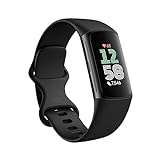
- Find your way seamlessly during runs or rides with turn-by-turn directions from Google Maps on Fitbit Charge 6[7, 8]; and when you need a snack break on the go, just tap to pay with Google Wallet[8, 9]
What makes this different from a standard telehealth app is data continuity. During a visit, clinicians can reference metrics like resting heart rate trends, sleep consistency, activity levels, and, on supported Galaxy Watch models, ECG and blood pressure history where regionally approved. This allows conversations to move faster and focus on patterns rather than isolated symptoms.
Access depends on your region and Samsung’s telehealth partners, and availability is currently strongest in markets where Samsung already supports advanced health features. In most cases, appointments are booked through the phone app, conducted via video on your phone, and informed by watch data synced in the background rather than displayed live on the watch itself.
From a usability standpoint, this is not about replacing your primary care doctor. It’s most useful for users who already track their health closely and want medical feedback that acknowledges their real-world data instead of ignoring it. If you’ve ever felt that your smartwatch data lives in a silo, this is Samsung’s attempt to bridge that gap.
What virtual visits do well—and where they fall short
The biggest advantage here is context. A clinician seeing weeks of sleep irregularity or elevated resting heart rate can give more informed lifestyle guidance than a one-off video call with no data history. For fitness-focused users, this can also help validate whether fatigue, plateaus, or recovery issues are training-related or health-related.
However, there are clear limitations. These visits rely on self-reported symptoms and consumer-grade sensors, which means they support guidance, not diagnosis. Insurance coverage, pricing, and appointment availability vary widely, and Samsung Health itself does not replace the telehealth provider’s own terms or medical responsibilities.
Battery life and hardware comfort matter here more than you might expect. Continuous wear for sleep and health tracking is what makes the data useful, and Galaxy Watches with better battery endurance and comfortable straps are simply better suited to this feature than older or smaller models that users may not wear overnight.
Guided workouts: coaching that reacts to your body, not just a timer
Guided workouts in Samsung Health go beyond basic follow-along videos. These are structured training sessions that use real-time heart rate, past performance, and recovery data to adjust intensity cues, rest intervals, and pacing recommendations during the workout.
On a Galaxy Watch, guidance is delivered through vibration cues, audio prompts, and on-screen metrics, minimizing the need to constantly check your phone. The watch tracks exertion and recovery trends, while the phone app handles deeper analysis and post-workout recommendations.
This system is especially effective for cardio-focused training like running, cycling, rowing, and high-intensity interval sessions. Strength training guidance exists, but it’s more about structure and pacing than form correction, which still requires either prior knowledge or external coaching.
Who guided workouts are actually for
These workouts are best suited to intermediate users who want more structure than free workouts but less rigidity than a paid personal training app. If you already understand zones, recovery, and consistency, the adaptive prompts feel helpful rather than intrusive.
Compared to Fitbit Premium or Apple Fitness+, Samsung’s approach is less about polished studio content and more about responsiveness. It feels closer to having a smart training partner than watching a coach on a screen, especially when paired with accurate heart rate tracking and reliable GPS.
That said, expectations should stay realistic. This is not AI personal training in the human sense, and it won’t replace a coach who can see your form or understand your long-term goals in depth. Its value comes from consistency, convenience, and the fact that it’s already built into a platform many Galaxy Watch owners use daily.
Requirements, compatibility, and ecosystem lock-in
Both features work best when you’re fully inside the Samsung ecosystem. A compatible Galaxy Watch, a Samsung phone, and the latest Samsung Health app are effectively mandatory. Older watches with slower processors or limited sensors will still function, but the experience is noticeably reduced.
Comfort and durability also play a role. If your watch doesn’t fit well or you avoid wearing it to sleep, the insights powering both virtual visits and guided workouts lose accuracy. This is one area where hardware design, strap choice, and battery management directly affect software value.
For users already invested in Samsung Health, these updates add genuine depth. For those using third-party fitness platforms or mixed-device ecosystems, the benefits may feel constrained. The real question isn’t whether the features are impressive on paper, but whether they encourage you to wear your watch more consistently and use your health data more intentionally.
How Virtual Doctor Visits Work Inside the Samsung Galaxy Ecosystem
After guided workouts and daily health insights set the baseline, Samsung’s virtual doctor visits aim to close the loop between tracking and actual medical guidance. Instead of exporting PDFs or guessing what matters, the Galaxy ecosystem now positions Samsung Health as a bridge between your wearable data and a licensed clinician.
This isn’t a generic telehealth app bolted on top of a smartwatch. It’s designed to work natively with the data your Galaxy Watch already collects, shaping how consultations are scheduled, informed, and followed up.
Booking and access through Samsung Health
Virtual doctor visits live directly inside the Samsung Health app on your Galaxy phone. From the Health dashboard, eligible users can schedule a consultation without installing a separate telemedicine platform or creating another health profile.
Appointments are typically offered through Samsung’s partnered healthcare providers, which may vary by country and region. Availability depends heavily on local regulations, insurance integration, and whether Samsung has established provider networks where you live.
The Galaxy Watch itself isn’t used to book visits, but it acts as the primary data source feeding into the session. The phone remains the control center, while the watch works quietly in the background doing what it already does best.
What health data is shared with the doctor
One of the defining differences here is context. With user permission, clinicians can view recent Samsung Health metrics such as resting heart rate trends, sleep duration and consistency, activity levels, stress indicators, and body composition estimates on supported watches.
This data isn’t streamed live during the appointment. Instead, it’s presented as summarized trends, giving the doctor a clearer picture of patterns rather than raw sensor noise.
For users who wear their Galaxy Watch consistently, especially overnight, this can lead to more relevant conversations. Sleep disruption, elevated resting heart rate, or sudden drops in activity don’t need to be explained from memory because they’re already visible.
The role of the Galaxy Watch hardware
Hardware quality directly affects the usefulness of these visits. Newer Galaxy Watch models with improved heart rate sensors, better skin contact, and more reliable sleep tracking provide cleaner data for clinicians to interpret.
Fit and comfort matter more than most people realize. A poorly fitting strap or a watch that’s removed at night creates gaps that weaken the medical value of the consultation, even if the call itself is well conducted.
Battery life also plays a subtle role. If you’re charging during sleep or long recovery periods, the data story becomes incomplete. In this setup, hardware wearability and charging habits directly influence software credibility.
What these visits are actually meant to cover
Samsung is careful not to position virtual visits as emergency care or chronic disease management. These sessions are best suited for general health questions, lifestyle guidance, sleep concerns, stress-related symptoms, and early conversations about trends you’re noticing in your data.
For example, a user seeing persistent poor sleep scores alongside elevated stress readings can discuss potential causes and next steps with medical input grounded in real data. It’s closer to an informed check-in than a diagnostic deep dive.
If you’re expecting prescriptions, imaging referrals, or specialist-level intervention, expectations should stay realistic. This is guidance-first telehealth, not a full replacement for in-person care.
Privacy, consent, and data control
Samsung keeps data sharing opt-in at every step. Users choose what metrics are shared, and access is limited to the duration and scope of the visit unless explicitly extended.
Health data remains stored within Samsung Health, governed by Samsung’s privacy framework and local health data regulations. The doctor sees a curated snapshot, not your entire health history unless you allow it.
For privacy-conscious users, this layered permission model is reassuring. It reinforces that the watch is a personal health tool first, not a passive data broadcaster.
How this compares to standalone telehealth apps
Compared to services like Teladoc or Amwell, Samsung’s approach feels quieter but more integrated. There’s less emphasis on urgent care speed and more on continuity between daily tracking and professional input.
Rank #2

- Inspire 3 is the tracker that helps you find your energy, do what you love and feel your best. All you have to do is wear it.Operating temperature: 0° to 40°C
- Move more: Daily Readiness Score(1), Active Zone Minutes, all-day activity tracking and 24/7 heart rate, 20+ exercise modes, automatic exercise tracking and reminders to move
- Stress less: always-on wellness tracking, daily Stress Management Score, mindfulness sessions, relax breathing sessions, irregular heart rhythm notifications(2), SpO2(3), menstrual health tracking, resting heart rate and high/low heart rate notifications
- Sleep better: automatic sleep tracking, personalized Sleep Profile(1), daily detailed Sleep Score, smart wake vibrating alarm, sleep mode
- Comfortably connected day and night: calls, texts & smartphone app notifications(4), color touchscreen with customizable clock faces, super lightweight and water resistant to 50 meters, up to 10 day battery life(5)
The trade-off is flexibility. Standalone apps often offer broader provider choice and faster availability, while Samsung’s experience is narrower but more context-rich for Galaxy users.
If you already rely on Samsung Health as your primary health dashboard, this integration feels natural. If your health data lives across multiple platforms or devices, the benefit becomes harder to justify.
Limitations and ecosystem dependency
These virtual visits are deeply tied to Samsung hardware and software. A Galaxy Watch paired with a Samsung phone is effectively non-negotiable, and cross-platform support is minimal.
Regional rollout is another constraint. Some users will see the feature prominently advertised, while others may not have access at all due to healthcare regulations or provider availability.
Finally, data accuracy still depends on sensors that are good, but not clinical-grade. Doctors understand this, but it’s an important reminder that the watch informs the conversation rather than defines the diagnosis.
Supported Devices, Regions, and Subscriptions: What You Need Before You Can Use These Features
All of this added functionality comes with practical prerequisites. Before you plan a virtual consultation or start relying on guided workouts, it’s worth checking whether your hardware, location, and account setup actually support the experience Samsung is promising.
Compatible Galaxy Watches and phones
Samsung’s virtual doctor visits and advanced guided workouts are designed around relatively recent Galaxy Watch hardware. At launch, support centers on Galaxy Watch 4 and newer models, including Watch 5, Watch 6, and Watch 6 Classic, all running Wear OS powered by Samsung.
Older Tizen-based watches, such as the Galaxy Watch Active 2 or original Galaxy Watch, are excluded. The limitation isn’t arbitrary; these features depend on sensor access, background processing, and health APIs that only exist in Samsung’s newer Wear OS stack.
On the phone side, a Samsung Galaxy smartphone is effectively required. While Samsung Health runs on many Android phones, the telehealth integration and deeper workout guidance currently rely on Samsung-specific system permissions and services that aren’t available on non-Galaxy devices.
Software versions and setup requirements
Both the watch and phone need to be running up-to-date software. That means the latest version of Samsung Health, current One UI Watch firmware, and a supported version of Android on the paired phone.
During setup, users are prompted to enable additional permissions beyond standard fitness tracking. These include temporary access to selected health metrics, video and audio permissions for virtual visits, and secure account verification through a Samsung account.
If your watch is already close to storage limits or running aggressively optimized battery settings, it’s worth checking background app restrictions. Virtual visits and guided workouts rely on sustained connectivity and uninterrupted sensor access, which can be disrupted by overly aggressive power management.
Regional availability and rollout reality
This is where expectations need to be managed. Virtual doctor visits are not globally available, and availability varies sharply by country due to healthcare regulations, provider partnerships, and data residency laws.
At the time of rollout, the feature is focused primarily on select markets such as the United States and parts of South Korea, with limited expansion planned in phases. Even within supported countries, access can differ depending on local healthcare networks and insurer participation.
Guided workouts have a much wider regional footprint. Most users with supported devices can access them, though the depth of content, language options, and coach availability can still vary by region.
Subscription models and potential costs
Samsung Health itself remains free, but the new features introduce layered pricing. Guided workouts are largely included at no extra cost, especially the sensor-driven routines and adaptive coaching tied to your watch data.
Virtual doctor visits are a different story. While Samsung handles the platform and data integration, the actual medical consultation is typically billed through a partner service. Costs may be covered by insurance, partially reimbursed, or billed out-of-pocket depending on your provider and region.
There is no universal Samsung Health subscription that unlocks unlimited doctor visits. Users should expect per-visit pricing or insurance-based billing rather than a flat monthly fee, which keeps casual use accessible but makes frequent consultations more expensive.
Connectivity, battery life, and daily usability considerations
Virtual visits require a stable internet connection on the paired phone, with the watch acting as a sensor hub rather than a standalone video device. Wi‑Fi is strongly recommended over mobile data to avoid interruptions during consultations.
Battery impact on the watch is moderate but noticeable. Continuous heart rate tracking, stress metrics, and live data sharing during guided workouts or consultations will drain smaller models faster, particularly the 40 mm versions with smaller batteries.
In day-to-day use, comfort and wearability still matter. Samsung’s aluminum and stainless steel cases remain light enough for extended wear, but snug strap fit becomes more important when data accuracy directly influences workout guidance or medical discussions.
Who should double-check eligibility before relying on these features
If you use a non-Samsung Android phone, live outside Samsung’s priority healthcare markets, or rely on an older Galaxy Watch, these features may be unavailable or heavily limited. In those cases, Samsung Health will still function as a fitness tracker, just without the headline additions.
For users fully embedded in the Galaxy ecosystem, with current hardware and supported regional access, the barrier to entry is relatively low. The key is understanding that this is not a universal upgrade, but a targeted expansion aimed squarely at Samsung’s most invested users.
Guided Workouts Explained: From AI Coaching to Real-Time Watch Feedback
After addressing medical consultations and eligibility limits, Samsung Health’s guided workouts feel like the more immediately accessible upgrade. Unlike virtual doctor visits, these sessions are designed to run daily, directly from your wrist, without appointments or insurance hurdles.
They sit at the intersection of fitness tracking and coaching, using the Galaxy Watch as an active participant rather than a passive data logger.
What Samsung means by “guided” workouts
Guided workouts in Samsung Health go beyond pre-recorded exercise videos. They combine structured routines with live sensor input, adapting pacing, intensity cues, and recovery prompts based on what your watch is measuring in real time.
This includes heart rate zones, movement cadence, estimated exertion, and post-set recovery trends, all processed on-device with support from Samsung’s cloud-based models.
AI coaching: adaptive, not instructional
Samsung’s AI coaching is not a virtual trainer demonstrating perfect form on screen. Instead, it works more like a dynamic feedback layer that adjusts recommendations as you move through a session.
If your heart rate climbs too quickly during a cardio block or lingers during rest periods, the watch responds with prompts to slow down, extend recovery, or maintain pace. The goal is personalization through physiological response rather than visual instruction.
Real-time feedback on the wrist
During a guided workout, the Galaxy Watch becomes the primary interface. Haptic taps, short on-screen messages, and optional audio cues through connected earbuds provide direction without requiring constant visual attention.
This wrist-first approach is particularly effective for running, cycling, and circuit-style strength sessions where stopping to look at a phone would break rhythm. It also keeps the experience usable on smaller cases, including 40 mm models with limited screen real estate.
Supported workout types and depth of tracking
At launch, guided workouts focus on high-usage categories like running, walking, cycling, HIIT, and general strength training. These modes take advantage of Samsung’s BioActive Sensor, combining optical heart rate, accelerometer, and gyroscope data to infer intensity and fatigue.
More technical metrics, such as running cadence consistency or heart rate recovery between intervals, are surfaced during and after the workout rather than buried in post-session charts.
Rank #3

- 【BUILT-IN GPS SMART WATCH – GO FURTHER, FREER, SMARTER】No phone? No problem. This fitness watch for women, featuring the latest 2025 technology, includes an advanced professional-grade GPS chip that precisely tracks every route, distance, pace (real-time & average), and calorie burned—completely phone-free. Whether you're chasing new personal records or exploring off the beaten path, your full journey is automatically mapped and synced in the app. Train smarter. Move with purpose. Own your progress. Own your journey.
- 【BLUETOOTH 5.3 CALLS & SMART NOTIFICATIONS】Stay effortlessly connected with this smart watch for men and women, featuring dual Bluetooth modes (BT 3.0 + BLE 5.3) and a premium microphone for crystal-clear calls right from your wrist—perfect for driving, workouts, or busy days. Receive instant alerts for calls, texts, and popular social apps like WhatsApp and Facebook. Just raise your wrist to view notifications and never miss an important moment.
- 【100+ SPORT MODES & IP68 WATERPROOF & DUSTPROOF】This sport watch is a versatile activity and fitness tracker with 100+ modes including running, cycling, yoga, and more. It features quick-access buttons and automatic running/cycling detection to start workouts instantly. Accurately track heart rate, calories, distance, pace, and more. Set daily goals on your fitness tracker watch and stay motivated with achievement badges. With IP68 waterproof and dustproof rating, it resists rain and sweat for any challenge. Not suitable for showering, swimming, or sauna.
- 【24/7 HEALTH ASSISTANT & SMART REMINDERS】This health watch continuously monitors heart rate, blood oxygen, and stress levels for comprehensive wellness tracking. Sleep monitoring includes deep, light, REM sleep, and naps to give you a full picture of your rest. Stay on track with smart reminders for sedentary breaks, hydration, medication, and hand washing. Women can also monitor menstrual health. Includes guided breathing exercises to help you relax. Your ultimate health watch with event reminders for a healthier life.
- 【ULTRA HD DISPLAY, LIGHTWEIGHT & CUSTOMIZABLE DIALS】This stylish wrist watch features a 1.27-inch (32mm) 360×360 ultra HD color display with a 1.69-inch (43mm) dial, offering vivid details and responsive touch. Its minimalist design fits both business and casual looks. Switch freely among built-in designer dials or create your own DIY watch face using photos, colors, and styles to showcase your unique personality. Perfect as a cool digital watch and fashion wrist watch.
How this compares to third-party fitness platforms
Compared to apps like Nike Training Club or Peloton, Samsung’s guided workouts are less cinematic but more tightly integrated. There are no instructors on screen, but the watch reacts instantly to your performance instead of following a fixed timeline.
Against platforms like Fitbit Premium or Garmin Coach, Samsung’s strength lies in accessibility. There is no separate subscription layer required for basic guided sessions, though the coaching depth is still lighter than Garmin’s multi-week adaptive training plans.
Hardware requirements and performance considerations
To get meaningful guidance, newer Galaxy Watch models matter. Watches with the latest BioActive Sensor deliver faster heart rate sampling and more stable readings, which directly affects how quickly feedback adjusts mid-workout.
Battery drain increases during guided sessions due to continuous monitoring and feedback loops. On smaller aluminum cases with compact batteries, a long guided run or HIIT session can noticeably shorten same-day endurance.
Comfort, fit, and accuracy in real-world use
Because guidance depends on sensor accuracy, strap fit becomes more critical than during casual tracking. A loose silicone band during interval training can lead to delayed or incorrect heart rate cues, undermining the coaching logic.
Samsung’s lightweight case designs help with long sessions, but sweat management and strap material choice play a real role in consistency. Sport-focused bands with better ventilation improve both comfort and data reliability.
Who guided workouts actually benefit most
These workouts are best suited to users who want structure without committing to a full coaching ecosystem. If you already understand exercise basics but want pacing help, intensity awareness, and post-session insights, Samsung Health’s approach fits naturally into daily use.
For advanced athletes seeking detailed form analysis or long-term performance modeling, the experience may feel supportive rather than transformative. The value lies in frictionless guidance that lives on your wrist, not in replacing a dedicated coach or training platform.
Real-World Use Cases: Who Benefits Most From Virtual Care and Guided Training
Taken together, Samsung Health’s virtual doctor visits and guided workouts are less about replacing specialists or elite coaching, and more about filling practical gaps in everyday health management. Where these features land best is in moments where convenience, continuity, and light guidance matter more than deep clinical intervention or long-term performance planning.
Busy professionals managing health between appointments
For users juggling work, family, and limited free time, virtual doctor visits remove friction from basic medical check-ins. Being able to initiate a consultation from the Samsung Health app, with recent heart rate trends, sleep data, or activity levels already logged, makes short appointments more efficient and focused.
Galaxy Watch comfort plays a role here. Lighter aluminum cases with slim profiles are easy to wear all day, ensuring passive data like resting heart rate and sleep consistency are captured without lifestyle disruption. The watch becomes a background health recorder rather than an active medical device you have to think about.
This setup works best for non-urgent care such as discussing sleep issues, recovery fatigue, stress patterns, or general wellness questions. It is not a replacement for physical exams, but it shortens the feedback loop between noticing a trend and discussing it with a professional.
Newer fitness users who want structure without intimidation
Guided workouts are especially effective for people transitioning from casual tracking to intentional training. Instead of deciphering heart rate zones or pacing charts, the watch provides real-time cues that translate data into simple actions like slow down, push slightly harder, or recover.
Smaller Galaxy Watch sizes benefit beginners here, as lighter cases reduce wrist fatigue during longer walks, runs, or beginner strength sessions. Paired with a properly fitted silicone or fabric sport strap, the watch remains stable enough for reliable readings without feeling intrusive.
For this group, the value is psychological as much as technical. The guidance reduces uncertainty, helping users stay consistent without feeling judged or overwhelmed by metrics they do not yet fully understand.
Users managing chronic conditions or recovery routines
Virtual care becomes more meaningful for users monitoring ongoing health concerns such as elevated resting heart rate, irregular sleep, or post-illness recovery. When combined with guided low-intensity workouts, Samsung Health supports gradual re-entry into activity rather than aggressive goal chasing.
The Galaxy Watch’s continuous monitoring and automatic activity detection allow trends to be shared during consultations without manual logging. While the BioActive Sensor is not a medical-grade diagnostic tool, it provides context that helps virtual doctors tailor advice more realistically.
This use case depends heavily on wear consistency. Comfortable case backs, breathable straps, and good battery endurance ensure the watch stays on overnight and through rest days, where recovery data is often more telling than workout stats.
Home-based exercisers replacing gym accountability
For users who train at home, guided workouts offer a sense of pacing and accountability that static video workouts lack. Real-time feedback adapts to your effort rather than forcing you through a fixed routine, making sessions feel more responsive and personal.
Here, the watch’s haptic feedback and clear on-screen prompts matter more than raw performance metrics. Even mid-range Galaxy Watch models deliver smooth guidance, though smaller batteries may require mindful charging if you stack multiple sessions in a day.
This setup does not replicate a personal trainer’s form corrections, but it does keep intensity honest. For many users, that is enough to maintain momentum without paying for a separate fitness platform subscription.
Health-conscious users consolidating apps and services
Samsung Health appeals strongly to users who want fewer platforms, fewer logins, and fewer disconnected data silos. Virtual care and guided training living inside the same ecosystem as sleep, stress, and activity tracking reduces cognitive load and improves follow-through.
Compatibility is a quiet advantage here. Galaxy Watches integrate cleanly with Samsung phones, and the software experience feels cohesive rather than bolted on. Battery life remains the main trade-off, especially during extended guided sessions, but for most daily routines it remains manageable.
For these users, the value is not about having the most advanced features on paper. It is about having enough guidance and access in one place to support healthier decisions day after day, without turning health management into another full-time project.
Health Data Integration: How Galaxy Watch Metrics Power Smarter Coaching and Consultations
What makes Samsung Health’s virtual care and guided workouts feel more grounded than typical add-ons is how deeply they pull from Galaxy Watch sensor data. Instead of treating workouts and consultations as isolated experiences, Samsung frames them as extensions of the same continuous health record users already generate passively.
This continuity matters because both coaching algorithms and clinicians work best when they see patterns, not snapshots. The watch becomes less of a step counter and more of a long-term context engine for decision-making.
From raw metrics to actionable context
Galaxy Watch devices feed heart rate trends, heart rate variability, sleep stages, blood oxygen estimates, skin temperature deviations, and activity load directly into Samsung Health. Over time, these metrics establish personal baselines that guided workouts and virtual consultations can reference rather than relying on population averages.
For coaching, this means suggested intensity is informed by recent recovery and not just your age or fitness goal. A poor night of sleep or elevated resting heart rate can quietly downshift a session before you overreach.
Why consistency of wear changes the quality of advice
Samsung’s approach assumes the watch is worn beyond workouts, particularly overnight. Comfortable case backs, moderate case thickness, and soft fluoroelastomer or fabric straps are not lifestyle luxuries here; they directly affect data completeness.
If sleep and recovery data drop out because the watch comes off at night, both workout guidance and virtual care recommendations lose nuance. This is where larger Galaxy Watch models with better battery endurance tend to deliver more reliable insights, especially for users stacking workouts and sleep tracking without daily charging anxiety.
Virtual doctor visits informed by longitudinal trends
During virtual consultations, Samsung Health can surface weeks or months of trends rather than isolated readings. A clinician can see whether elevated heart rates are episodic, exercise-related, or persistent across rest days, which changes the tone of guidance significantly.
This does not replace diagnostic-grade tools, and Samsung is careful about regulatory boundaries. ECG and blood pressure features remain region-locked and advisory in nature, but even non-diagnostic trends help conversations move beyond vague symptom descriptions.
Body composition and movement quality in coaching
Galaxy Watch models with bioelectrical impedance sensors add another layer to guided workouts. Changes in body fat percentage or skeletal muscle mass can influence how programs adjust volume and rest, especially for users focused on recomposition rather than weight loss alone.
Rank #4

- 24H Accurate Heart Rate Monitoring: Go beyond basic tracking. Our watch automatically monitors your heart rate, blood oxygen (SpO2), and sleep patterns throughout the day and night. Gain deep insights into your body's trends and make informed decisions for a healthier lifestyle.
- Practical Sports Modes & Smart Activity Tracking: From running and swimming to yoga and hiking, track a wide range of activities with precision. It automatically records your steps, distance, calories burned, and duration, helping you analyze your performance and crush your fitness goals.
- 1-Week Battery Life & All-Day Wear: Say goodbye to daily charging. With an incredible up to 7-10 days of battery life on a single charge, you can wear it day and night for uninterrupted sleep tracking and worry-free travel. Stay connected to your data without the hassle.
- Comfortable to Wear & IP68 Waterproof: The lightweight, skin-friendly band is crafted for all-day comfort, even while you sleep. With IP68 waterproof, it withstands rain, sweat, It is not suitable for swimming or showering.
- Ease of Use and Personalized Insights via Powerful App: The display is bright and easy to read, even outdoors. Unlock the full potential of your watch. Sync with our dedicated app to view detailed health reports, customize watch faces, set sedentary reminders, and manage your preferences with ease.
Movement data also feeds into coaching feedback. Cadence, pace stability, and heart rate response during intervals allow Samsung Health to prompt users when effort drifts too low or spikes too high, even if form correction remains outside its scope.
GPS, outdoor training, and environmental context
For runners and cyclists, GPS-derived pace, elevation, and route consistency shape both coaching suggestions and post-session analysis. Samsung Health uses this data to distinguish between cardiovascular strain caused by terrain versus conditioning, reducing false fatigue flags.
Durability plays a role here. Aluminum and stainless-steel cases handle sweat and weather well, but users pushing longer outdoor sessions should factor in battery drain from continuous GPS, especially on LTE models.
Where integration still has limits
Despite the depth of internal data, Samsung Health remains most effective inside its own ecosystem. Cross-platform sharing with third-party telehealth providers or coaching platforms is improving but still less flexible than fully open fitness ecosystems.
There is also a ceiling to algorithmic interpretation. Virtual doctors and guided workouts can adapt based on trends, but they cannot yet account for injuries, biomechanics, or external stressors unless users surface them manually during sessions or consultations.
How Samsung’s Approach Compares to Apple Fitness+, Fitbit Premium, and Standalone Telehealth Apps
Samsung’s expansion into virtual doctor visits and adaptive workouts inevitably invites comparison, but it does not map cleanly onto any single competitor. Instead, Samsung Health sits at the intersection of fitness coaching and clinical-lite health services, with strengths and compromises that become clearer when viewed alongside Apple, Fitbit, and dedicated telehealth platforms.
Samsung Health vs Apple Fitness+
Apple Fitness+ is fundamentally a content-driven service. Its workouts are polished, instructor-led videos designed to motivate, with Apple Watch metrics like heart rate and rings overlaid for engagement rather than decision-making.
Samsung’s guided workouts are less cinematic but more reactive. Instead of fixed routines, they adjust pacing, rest, and intensity using live heart rate, recovery trends, and body composition data, making them feel closer to a training plan than a class library.
The hardware philosophy also diverges. Apple Fitness+ assumes an Apple Watch with strong battery efficiency and tight sensor calibration, but it stops short of clinical context. Samsung leverages similar sensor quality on Galaxy Watch models, yet layers in health trends that can flow into virtual doctor consultations, even if those insights remain advisory.
Samsung Health vs Fitbit Premium
Fitbit Premium has long leaned into habit formation and long-term health trends. Its readiness scores, sleep coaching, and stress management tools excel at surfacing patterns across weeks and months, especially on devices known for multi-day battery life and lightweight comfort.
Samsung Health feels more session-aware. Guided workouts react during activity rather than summarizing afterward, and virtual doctor visits draw directly from recent cardiovascular, sleep, and activity data instead of abstract readiness metrics.
That said, Fitbit’s ecosystem is more platform-agnostic. Fitbit data travels easily across Android and iOS, while Samsung Health works best when paired with Galaxy Watches and Samsung phones, limiting flexibility for users who mix devices.
Samsung Health vs Standalone Telehealth Apps
Dedicated telehealth apps prioritize access to licensed clinicians, prescription workflows, and insurance integration. They are designed for episodic care, not continuous physiological monitoring, and typically rely on user-reported symptoms rather than wearable-driven trends.
Samsung’s virtual doctor visits are narrower in scope but richer in context. Clinicians or AI-assisted consultations can reference heart rate variability, sleep regularity, activity load, and even ECG history where supported, allowing more informed conversations without replacing primary care.
The trade-off is depth and coverage. Standalone telehealth services handle complex cases and follow-ups more reliably, while Samsung’s approach is best suited for early guidance, lifestyle adjustments, and determining when escalation is necessary.
Where Samsung’s Hybrid Model Stands Out
Samsung’s biggest advantage is continuity. The same Galaxy Watch tracking a morning run, sleep quality, and stress response feeds both workout guidance and health consultations without data silos or manual uploads.
Comfort and wearability matter here. Galaxy Watch models balance durable aluminum or stainless-steel cases with soft-touch straps suitable for overnight wear, making 24/7 data collection more realistic than heavier or shorter-lived alternatives.
This integration also supports value-conscious users. Instead of paying separately for a fitness subscription and telehealth access, Samsung bundles features into a single health environment, though availability and pricing still vary by region.
Where Competitors Still Have the Edge
Apple Fitness+ remains unmatched for users who thrive on instructor energy, music licensing, and a studio-class feel. Fitbit Premium continues to lead in long-term behavioral insights, especially for users prioritizing sleep and recovery over structured training.
Standalone telehealth apps retain authority for diagnosis, prescriptions, and regulated care pathways. Samsung’s virtual doctors enhance awareness and guidance but do not replace medical systems built for treatment.
Ultimately, Samsung Health’s approach favors users who want their watch to do more than log data. It aims to turn daily metrics into decisions, even if that ambition still lives within carefully defined boundaries.
Privacy, Medical Limitations, and Regulatory Considerations You Should Understand
As Samsung Health moves closer to medical-adjacent territory, it’s important to step back and understand the guardrails around these new features. Virtual doctor visits and guided workouts feel seamless on the wrist, but they operate within clearly defined privacy, clinical, and regulatory limits that shape what they can and cannot do.
How Your Health Data Is Stored, Shared, and Controlled
Samsung Health collects a broad mix of biometric data, including heart rate trends, sleep stages, activity load, and in some regions ECG or blood pressure readings from compatible Galaxy Watch models. This data lives within your Samsung account and is encrypted both in transit and at rest, aligning with the company’s broader Knox security framework.
What changes with virtual doctor visits is data sharing. When you initiate a consultation, only the metrics relevant to that interaction are shared with the telehealth provider, and typically only for the duration of the session unless you explicitly grant ongoing access. This is closer to a consent-based snapshot than an open medical record, which limits exposure but also restricts continuity between appointments.
For everyday users, the key control point is permissions. You can revoke provider access, manage which metrics are visible, and disable medical features entirely without losing core fitness tracking, an important distinction for users who want guided workouts without medical oversight.
Consumer Health Tool vs. Medical Device Reality
Despite the presence of licensed clinicians in some regions, Samsung Health remains a consumer wellness platform first. Guided workouts are designed for general fitness, mobility, and cardiovascular improvement, not rehabilitation, post-surgical recovery, or condition-specific therapy.
Even watch-based ECG and blood pressure features, where available, are cleared as screening or monitoring tools rather than diagnostic instruments. Readings can support conversations with a doctor, but they are not definitive, and false positives or missed events remain possible, especially during motion, poor sensor contact, or low battery conditions.
This distinction matters in daily use. A Galaxy Watch worn loosely during sleep or workouts may deliver excellent trend data, but it does not replace clinical-grade equipment or in-person evaluation, regardless of how polished the interface feels.
What Virtual Doctor Visits Can and Cannot Do
Samsung’s virtual doctor visits are best understood as triage and guidance, not treatment. Clinicians can discuss symptoms, review trends from your watch, suggest lifestyle adjustments, and advise whether in-person care is warranted.
They typically cannot prescribe medications, order lab tests, or manage chronic conditions long term within Samsung Health alone. Follow-ups, referrals, and complex care still live outside the platform, which prevents overreach but also limits resolution for anything beyond early-stage concerns.
For users, this means the feature excels at answering “Should I be worried?” rather than “Fix this for me.” That’s a meaningful role, but one that requires realistic expectations.
Regulatory Differences by Region and Device
Availability and functionality vary significantly by country. Regulatory approval for telehealth integration, ECG, blood pressure monitoring, and even certain guided workout features depends on local health authorities, which is why two identical Galaxy Watch models can behave very differently depending on where they are activated.
In regions with stricter medical regulations, Samsung Health may label insights as informational only, disable clinician access, or limit historical data visibility. These constraints are not technical shortcomings but compliance requirements that protect both users and providers.
💰 Best Value

- 【Superb Visual Experience & Effortless Operation】Diving into the latest 1.58'' ultra high resolution display technology, every interaction on the fitness watch is a visual delight with vibrant colors and crisp clarity. Its always on display clock makes the time conveniently visible. Experience convenience like never before with the intuitive full touch controls and the side button, switch between apps, and customize settings with seamless precision.
- 【Comprehensive 24/7 Health Monitoring】The fitness watches for women and men packs 24/7 heart rate, 24/7 blood pressure and blood oxygen monitors. You could check those real-time health metrics anytime, anywhere on your wrist and view the data record in the App. The heart rate monitor watch also tracks different sleep stages for light and deep sleep,and the time when you wake up, helps you to get a better understanding of your sleep quality.
- 【120+ exercise modes & All-Day Activity Tracking】There are more than 120 exercise modes available in the activity trackers and smartwatches, covering almost all daily sports activities you can imagine, gives you new ways to train and advanced metrics for more information about your workout performance. The all-day activity tracking feature monitors your steps, distance, and calories burned all the day, so you can see how much progress you've made towards your fitness goals.
- 【Messages & Incoming Calls Notification】With this smart watch fitness trackers for iPhone and android phones, you can receive notifications for incoming calls and read messages directly from your wrist without taking out your phone. Never miss a beat, stay in touch with loved ones, and stay informed of important updates wherever you are.
- 【Essential Assistant for Daily Life】The fitness watches for women and men provide you with more features including drinking water and sedentary reminder, women's menstrual period reminder, breath training, real-time weather display, remote camera shooting, music control,timer, stopwatch, finding phone, alarm clock, making it a considerate life assistant. With the GPS connectivity, you could get a map of your workout route in the app for outdoor activity by connecting to your phone GPS.
Before relying on any medical-adjacent feature, it’s worth checking Samsung’s regional support pages rather than assuming parity across markets.
Practical Implications for Daily Wear and Long-Term Use
From a wearability standpoint, continuous health tracking demands comfort and consistency. Galaxy Watch models generally balance moderate case thickness, lightweight materials, and flexible straps that make overnight wear feasible, which directly impacts the quality of sleep and recovery data used in consultations.
Battery life also plays a role in data integrity. Missing nights or workouts due to charging gaps can weaken trend analysis, making both guided workouts and virtual consultations less precise. Users who optimize charging habits and fit will see better outcomes than those who wear the watch intermittently.
Ultimately, Samsung Health’s privacy and regulatory boundaries are not drawbacks so much as defining lines. They ensure the platform enhances awareness and decision-making without crossing into medical claims it cannot legally or ethically support.
Battery Life, Performance Impact, and Day-to-Day Usability on Galaxy Watch Models
All of these new capabilities ultimately live or die by how well they fit into everyday wear. Virtual doctor visits and guided workouts add meaningful software depth, but they also increase sensor usage, background processing, and screen-on time, which makes battery behavior and performance consistency especially important.
Samsung has clearly designed these features to be additive rather than always-on, but how they feel in practice varies noticeably by Galaxy Watch generation, size, and how aggressively you use health tracking.
Battery Drain: What Changes When You Use Virtual Visits and Guided Workouts
On their own, virtual doctor visits are not a constant battery drain. The consultation itself behaves much like a video or audio call, with battery impact concentrated during the session rather than passively in the background.
A 15–20 minute virtual visit with video enabled can consume roughly the same battery as a short LTE call or navigation session, especially on LTE-enabled Galaxy Watch models. On Wi‑Fi-only watches paired closely to a phone, the drain is more modest because most heavy lifting happens on the smartphone.
Guided workouts are more demanding over time. They combine continuous heart rate tracking, motion sensors, haptic feedback, display activation, and sometimes audio cues, which collectively push power consumption closer to GPS-based outdoor workouts even when performed indoors.
Model-by-Model Reality: Galaxy Watch 4, 5, and 6 Series
On the Galaxy Watch 4 and Watch 4 Classic, which use older Exynos processors and smaller batteries, guided workouts noticeably shorten daily endurance. Users who already struggle to get a full day with sleep tracking enabled may find themselves charging before dinner if they stack workouts, notifications, and background health monitoring.
The Galaxy Watch 5 and 5 Pro handle the new features more gracefully. The larger battery in the Pro, paired with incremental efficiency gains, allows for guided workouts and overnight tracking without significantly altering established charging routines, especially for users who charge during showers or desk time.
Galaxy Watch 6 and 6 Classic models benefit most from Samsung’s tuning. Faster processors reduce lag during workout transitions and UI prompts, while improved display efficiency means interactive coaching feels smoother without punishing battery life as severely as earlier models.
Performance and Responsiveness During Health-Heavy Sessions
From a performance standpoint, guided workouts feel tightly integrated rather than bolted on. Animations remain fluid, sensor readouts update without stutter, and haptic cues arrive on time, which matters when pacing intervals or adjusting form mid-session.
Virtual consultations rely more on connectivity stability than raw performance. When paired with a modern Galaxy phone, switching between health metrics, camera views, and consultation prompts feels seamless, though standalone LTE watches can occasionally show delays if signal quality fluctuates.
Importantly, Samsung avoids overloading the watch interface during these sessions. Metrics are prioritized and simplified, reducing cognitive load and keeping interactions quick, which helps conserve both battery and attention.
Charging Habits and Real-World Wear Patterns
These features reward users who already practice short, frequent charging rather than long, infrequent sessions. A 15-minute top-up can comfortably offset a guided workout or consultation, whereas users who wait until the battery is critically low may feel friction.
Overnight wear remains practical on most models, thanks to moderate case thickness, curved lugs, and soft silicone or fabric straps that minimize pressure points. Comfort matters here because consistent sleep tracking directly improves the quality of insights used during virtual visits.
For users who prefer metal bracelets or heavier Classic models, battery planning becomes more important. The added weight and slightly thicker cases can discourage overnight wear, indirectly reducing the usefulness of health trend analysis over time.
Day-to-Day Usability: Helpful Assistant or Background Burden?
In daily use, Samsung Health’s expanded capabilities do not constantly demand attention. Notifications for workouts and consultations are opt-in and can be tuned to avoid interrupting workdays or rest periods.
The watch remains first and foremost a smartwatch, not a medical monitor. When you are not actively engaging with guided workouts or consultations, background health tracking behaves much as it did before, preserving familiar battery life expectations.
For users who lean into these features several times per week, the trade-off is clear: slightly more charging discipline in exchange for structured guidance and easier access to health conversations. For most Galaxy Watch owners, that balance will feel reasonable rather than intrusive.
Verdict: Do Virtual Doctor Visits and Guided Workouts Meaningfully Improve Samsung Health?
Stepping back from the feature details and daily mechanics, Samsung Health’s expansion into virtual doctor visits and guided workouts represents a meaningful shift in ambition. This is no longer just a passive data hub that logs steps, sleep, and heart rate; it is evolving into a platform that actively interprets those metrics and helps users act on them.
The real question is not whether these additions are impressive on paper, but whether they deliver practical value on the wrist without compromising what Galaxy Watch owners already like about the experience.
Virtual Doctor Visits: Practical, Not Revolutionary
Virtual doctor visits meaningfully improve Samsung Health for a specific type of user: someone who wants faster context and reassurance, not a full replacement for in-person care. The ability to reference recent sleep trends, heart rate variability, activity levels, and body composition during a consultation adds credibility and relevance that generic telehealth platforms often lack.
That said, the feature is not transformative if your expectations are too high. These visits work best for lifestyle guidance, follow-ups, and early conversations about trends, not diagnosis or complex treatment plans. Connectivity, regional availability, and insurance integration will still determine how often users can realistically rely on it.
Where Samsung gets it right is restraint. The watch remains a companion, surfacing summaries and prompts, while the phone handles the heavy interaction. This preserves battery life, avoids interface overload, and keeps the Galaxy Watch feeling like a smartwatch rather than a medical device strapped to your wrist.
Guided Workouts: A Clear Upgrade for Consistency
Guided workouts deliver more immediate and universal value. They bridge the gap between raw tracking and actual coaching, especially for users who struggle with motivation or structure. Real-time cues, adaptive pacing, and post-workout feedback feel well-matched to the Galaxy Watch’s sensors, display size, and haptic feedback.
These sessions shine in short-to-medium workouts where form reminders and pacing matter more than sheer volume. They are less about elite athletic performance and more about helping users show up consistently, which aligns well with Samsung Health’s broader wellness focus.
Battery impact exists, but it is predictable and manageable. For users already accustomed to brief daily charging, guided workouts integrate smoothly into real-world wear patterns without forcing lifestyle changes.
Ecosystem Fit: Stronger Inside the Samsung Bubble
The value of these features increases dramatically if you are fully invested in Samsung’s ecosystem. Galaxy Watch hardware, Samsung Health software, and compatible Android phones create a cohesive loop where data flows smoothly and insights feel personalized.
Outside that ecosystem, the experience is less compelling. Users who already rely on third-party coaching apps or established telehealth providers may see overlap rather than clear replacement. Samsung Health’s strength is integration, not specialization at the extremes.
Comfort, wearability, and build still matter here. Lighter models with soft straps encourage overnight wear and longer data histories, which directly improves the usefulness of both guided workouts and consultations. Heavier Classic models remain viable, but demand more intentional charging and wear habits to unlock full value.
Final Take: A Meaningful, Measured Step Forward
Samsung Health’s virtual doctor visits and guided workouts do meaningfully improve the platform, but in a grounded, realistic way. They enhance what the Galaxy Watch already does well rather than attempting to redefine healthcare or fitness coaching overnight.
For health-conscious users who want structure, context, and easier access to guidance without abandoning the smartwatch experience they know, these features feel like a natural evolution. They reward consistency, thoughtful charging habits, and regular wear, all while respecting the limits of a wrist-worn device.
If you already trust Samsung Health as your daily wellness companion, this update makes it smarter and more useful. If you are expecting a full medical or professional training replacement, it will fall short. Viewed through the right lens, though, this is one of Samsung Health’s most practical and well-integrated upgrades to date.