Samsung Health isn’t just a step counter with a prettier interface. It’s Samsung’s central health and fitness platform, designed to turn raw sensor data from your Galaxy Watch and phone into patterns you can actually act on in daily life. If you’ve ever opened a fitness app, felt overwhelmed by charts, and closed it again without changing anything, this is the problem Samsung Health is trying to solve.
At its best, Samsung Health sits quietly in the background, collecting movement, heart rate, sleep, and recovery data, then surfacing insights when they matter. You don’t need to train like an athlete to benefit from it, but you do need to understand what it’s measuring, why it’s measuring it, and which features are worth your attention for your goals. That’s exactly what this guide will unpack, starting with what Samsung Health really is under the hood.
What Samsung Health actually does
Samsung Health is a cross-device health platform that runs on Android phones and syncs deeply with Samsung Galaxy Watches. The phone app acts as the brain, storing long-term data, trends, and goals, while the watch handles real-time tracking using sensors like optical heart rate, accelerometers, gyroscopes, GPS, and on supported models, bioelectrical impedance for body composition.
It tracks the fundamentals automatically: steps, active time, calories burned, resting heart rate, sleep duration, and sleep stages. On Galaxy Watches, this expands into continuous heart rate monitoring, blood oxygen during sleep, stress estimation, skin temperature trends, and workout-specific metrics like pace, cadence, and heart rate zones.
🏆 #1 Best Overall
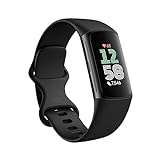
- Find your way seamlessly during runs or rides with turn-by-turn directions from Google Maps on Fitbit Charge 6[7, 8]; and when you need a snack break on the go, just tap to pay with Google Wallet[8, 9]
Importantly, Samsung Health is not just a passive logbook. It nudges behavior through daily activity goals, weekly summaries, recovery indicators, and gentle coaching prompts, aiming to close the gap between data and action rather than flooding you with numbers.
How it works with Galaxy Watches in real life
When paired with a Galaxy Watch, Samsung Health becomes far more than a phone-only app. The watch handles automatic workout detection, continuous health tracking, and on-wrist feedback, while the phone provides the context and analysis that’s impractical to view on a small screen.
Battery life and comfort matter here because Samsung Health is designed to be worn all day, not just during workouts. Galaxy Watches prioritize lightweight cases, curved backs, and breathable straps so 24/7 wear, including sleep tracking, is realistic rather than aspirational.
In daily use, this means you don’t need to manually start tracking for basic health data. Walks, runs, sleep, and heart rate trends are logged automatically, with manual control reserved for structured workouts or deeper metrics like interval training and body composition scans.
Who Samsung Health is really for
Samsung Health is ideal for beginners who want structure without intimidation. If your goal is to move more, sleep better, lose weight gradually, or build a sustainable routine, the app’s goal-based approach and clear visuals work in your favor.
It also serves intermediate users who want more than just steps but don’t want to live inside spreadsheets. Features like heart rate zone training, VO2 max estimates, sleep consistency tracking, and weekly performance summaries give enough depth to improve fitness without requiring advanced sports science knowledge.
For Galaxy Watch owners especially, Samsung Health is the most seamless option available. Integration with watch hardware, system-level permissions, and battery optimization is tighter here than with third-party apps, which often feel bolted on rather than native.
Who it’s not designed for
Samsung Health is not a replacement for medical-grade diagnostics. While it offers trends and estimates, it’s designed for wellness and fitness guidance, not clinical decision-making or managing chronic conditions without professional oversight.
It’s also not built for elite athletes who demand granular training load metrics, advanced power-based cycling analysis, or fully customizable periodization tools. Dedicated platforms like Garmin Connect or TrainingPeaks still lead in that space.
If you prefer a minimal, data-free experience with no goals or feedback, Samsung Health may feel too involved. The app assumes you want to engage with your data at least occasionally, even if passively.
Where Samsung Health fits in the wider fitness app ecosystem
Compared to Google Fit, Samsung Health offers far deeper native tracking and insight, especially when paired with a Galaxy Watch. Against Fitbit, it trades social challenges and subscriptions for a more hardware-integrated, no-paywall experience.
Its real strength is cohesion. Hardware sensors, software algorithms, battery management, and user interface are all designed by the same company, which shows in day-to-day reliability and ease of use.
Understanding this positioning helps set realistic expectations. Samsung Health isn’t trying to be everything for everyone, but for Galaxy Watch users who want practical, consistent health guidance without subscriptions or complexity, it occupies a very comfortable middle ground that’s easy to live with.
Getting Set Up Properly: Phones, Galaxy Watches, Permissions, and Data Sync
Once you understand where Samsung Health fits in the wider fitness ecosystem, the next step is making sure your setup doesn’t quietly undermine the experience. Most complaints about inaccurate data, missing workouts, or inconsistent sleep tracking trace back to setup shortcuts rather than sensor limitations.
Samsung Health works best when the phone, watch, and system permissions are treated as a single connected platform, not separate apps and devices. Taking a few extra minutes here pays off with better accuracy, more reliable trends, and fewer sync frustrations later.
Compatible phones and why Samsung devices still work best
Samsung Health runs on most modern Android phones, but Galaxy phones still deliver the most stable experience. System-level optimizations, background process handling, and Bluetooth reliability are all better tuned on Samsung’s own hardware.
Non-Samsung Android phones can work well, but aggressive battery management from brands like Xiaomi, OnePlus, or Oppo can interrupt background syncing. If you’re using one of these devices, you’ll need to manually whitelist Samsung Health and Samsung Wearable from battery optimization to prevent data gaps.
iPhone support exists in a limited form, but advanced features like body composition, ECG, and deep sleep insights are unavailable. If you’re buying a Galaxy Watch primarily for health tracking, pairing it with an Android phone is not optional—it’s foundational.
Galaxy Watch models and sensor differences that matter
Samsung Health adapts to the hardware it’s paired with, but not all Galaxy Watches are equal. Recent models like the Galaxy Watch 5, Watch 5 Pro, Watch 6, and Watch 6 Classic offer the most complete sensor suite, including optical heart rate, SpO2, skin temperature, and bioelectrical impedance for body composition.
Older models still track steps, heart rate, and basic sleep, but miss out on features like temperature-based cycle tracking or improved sleep staging. The physical design also plays a role: slimmer cases and lighter aluminum models tend to be more comfortable overnight, which directly affects sleep data quality.
Fit matters more than specs. A watch worn too loosely, especially during sleep or workouts, will produce inconsistent heart rate and body composition readings regardless of how advanced the sensors are.
Installing the right apps and keeping them talking
At minimum, you need three components working together: Samsung Health, Samsung Wearable, and the Galaxy Watch plugin specific to your model. These handle data collection, device management, and background syncing between watch and phone.
During setup, allow automatic updates for all three. Mismatched versions are a common cause of sync delays, missing metrics, or workouts failing to upload after exercise.
Once installed, open Samsung Health first on the phone before diving into watch features. This establishes your profile, health goals, and baseline metrics, which the watch then uses to tailor coaching, heart rate zones, and recovery insights.
Permissions that actually affect data accuracy
Samsung Health asks for a long list of permissions, and most of them matter. Location access enables accurate outdoor workout mapping and pace calculation, even if GPS is technically handled by the watch.
Background activity and unrestricted battery usage are critical. If the app is put to sleep by the system, sleep tracking, continuous heart rate monitoring, and overnight syncing can silently fail.
Motion sensors, storage, and device access permissions support step detection, workout logging, and historical data retention. Denying these doesn’t improve privacy in a meaningful way, but it does degrade the experience.
Setting up your health profile the right way
Your height, weight, age, and biological sex directly influence calorie estimates, VO2 max trends, and body composition readings. Guessing or skipping these details leads to skewed insights that don’t improve over time.
Be honest rather than aspirational. Samsung Health uses trends more than single data points, so accuracy here helps the app recognize real progress instead of noise.
Activity level selection matters too. Choosing an overly aggressive baseline can suppress coaching feedback, while setting it too low can make goals feel artificially easy.
Data sync behavior and what’s considered “normal”
Samsung Health does not constantly stream data in real time. Most metrics sync when the watch reconnects to the phone, typically after workouts, in the morning after sleep, or when the app is opened.
Small delays are normal, especially for sleep stages and recovery insights, which rely on post-processing. Panic-refreshing the app rarely speeds things up and often triggers unnecessary troubleshooting.
If workouts or sleep data routinely fail to appear, the issue is almost always Bluetooth stability, background restrictions, or outdated plugins—not the watch itself.
Using Samsung Health across multiple devices
Samsung Health supports multiple Galaxy Watches, but only one can be actively connected at a time. Data merges at the account level, so switching watches won’t erase history as long as you’re logged into the same Samsung account.
Mixing phone-only tracking with watch tracking is supported, but it can muddy trends if done inconsistently. For best results, choose the watch as your primary tracking device and let the phone act as a companion, not a backup.
Tablets and secondary phones can view data, but they’re not ideal for active syncing. Keep the primary phone consistent to avoid duplicate entries or delayed uploads.
Cloud sync, privacy, and long-term data safety
Samsung Health stores data locally on the device and backs it up to your Samsung account when cloud sync is enabled. This protects your history during phone upgrades or watch replacements.
Health data is encrypted, and sharing is opt-in. You control whether metrics are visible to other apps, family members, or connected services.
If you plan to keep years of fitness and sleep history, enabling cloud backup is essential. Without it, a lost or reset phone can mean starting from scratch.
Quick setup mistakes to avoid early on
Wearing the watch loosely at night is the fastest way to sabotage sleep tracking. Snug, comfortable contact is more important than perfect strap tightness during the day.
Ignoring battery health also causes issues. If the watch consistently dies overnight, sleep data gaps will distort recovery trends and coaching feedback.
Finally, don’t skip the first week. Samsung Health uses initial data to establish baselines, so inconsistent wear during setup leads to less useful insights for weeks afterward.
Galaxy Watch Hardware Meets Samsung Health: Sensors, Accuracy, and Real‑World Performance
Once your data is syncing cleanly and baselines are established, Samsung Health’s usefulness depends heavily on the hardware collecting that data. This is where Galaxy Watch models differentiate themselves from phone-only tracking and where sensor quality directly shapes insight quality.
Samsung’s recent Galaxy Watch generations are tightly co-designed with Samsung Health, meaning the app isn’t just reading raw numbers. It’s interpreting signals that were calibrated, filtered, and validated specifically for wrist-based wear.
The BioActive sensor array: what’s actually on your wrist
Modern Galaxy Watch models use Samsung’s BioActive sensor cluster, which combines optical heart rate, electrical heart signal (ECG), and bioelectrical impedance analysis (BIA) into a single module. This integration improves consistency because multiple measurements reference the same contact area and skin conditions.
Optical heart rate is the foundation. Green LEDs track blood volume changes for continuous heart rate, resting heart rate, stress estimation, and calorie burn, while infrared LEDs assist with sleep tracking and SpO₂ during the night.
The ECG electrodes, built into the case and buttons, are used for spot-check rhythm analysis rather than continuous monitoring. These readings feed Samsung Health’s heart rhythm features but are best viewed as screening tools, not diagnostic replacements.
Rank #2

- Inspire 3 is the tracker that helps you find your energy, do what you love and feel your best. All you have to do is wear it.Operating temperature: 0° to 40°C
- Move more: Daily Readiness Score(1), Active Zone Minutes, all-day activity tracking and 24/7 heart rate, 20+ exercise modes, automatic exercise tracking and reminders to move
- Stress less: always-on wellness tracking, daily Stress Management Score, mindfulness sessions, relax breathing sessions, irregular heart rhythm notifications(2), SpO2(3), menstrual health tracking, resting heart rate and high/low heart rate notifications
- Sleep better: automatic sleep tracking, personalized Sleep Profile(1), daily detailed Sleep Score, smart wake vibrating alarm, sleep mode
- Comfortably connected day and night: calls, texts & smartphone app notifications(4), color touchscreen with customizable clock faces, super lightweight and water resistant to 50 meters, up to 10 day battery life(5)
Heart rate accuracy during workouts and daily wear
In real-world testing, Galaxy Watch heart rate accuracy is strongest during steady-state cardio like walking, running, cycling, and elliptical workouts. Once locked, readings typically stay within a few beats per minute of chest strap references for moderate intensities.
High-intensity interval training exposes the limits of wrist optics. Rapid arm movement and explosive effort can introduce brief lag or smoothing, especially if the watch is worn loosely or rides up the wrist.
For everyday use, resting heart rate trends and daily averages are very reliable. Samsung Health prioritizes long-term patterns over momentary spikes, which makes the data more useful for recovery, stress awareness, and fitness progression.
Sleep tracking hardware: comfort matters as much as sensors
Sleep tracking accuracy is influenced as much by watch comfort as by sensor quality. Galaxy Watches balance sensor contact with relatively slim case profiles, curved backs, and lightweight aluminum or titanium builds depending on the model.
During overnight wear, the infrared sensors monitor blood oxygen while motion and heart rate variability help classify sleep stages. Consistent contact is critical, which is why strap choice matters more here than for workouts.
Samsung Health’s sleep insights improve noticeably after several weeks of consistent wear. The hardware collects enough signal detail to support sleep coaching, but only if the watch stays comfortably in place all night.
Body composition scans: how BIA works in practice
Samsung’s BIA feature measures body composition by sending a very small electrical signal through the body via the wrist and fingers. The hardware is surprisingly sensitive to hydration, skin moisture, and posture.
When performed under consistent conditions, trends in body fat percentage and skeletal muscle mass can be meaningful. Absolute numbers should be treated cautiously, but directional changes align well with training and nutrition adjustments.
Samsung Health handles this data responsibly by emphasizing trends rather than targets. The hardware provides the measurement, but the app’s guidance discourages overinterpretation from single scans.
GPS, motion sensors, and outdoor performance
Galaxy Watch GPS performance is generally strong for road running and walking, with quick signal lock and stable tracking once connected. Dual-frequency support on newer models improves accuracy in urban environments and tree cover.
Stride length, cadence, elevation, and pace rely on accelerometers and gyroscopes working alongside GPS. When calibrated through consistent outdoor runs, Samsung Health’s distance and pace estimates become more dependable indoors as well.
Battery life plays a role here. Longer GPS sessions are more reliable on models with larger cases and batteries, particularly for hikes, long runs, or cycling sessions.
Durability, materials, and daily wearability
Galaxy Watches are designed to be worn continuously, not just during workouts. Sapphire glass on newer models resists scratches, while aluminum or titanium cases keep weight manageable for all-day comfort.
Water resistance supports swimming and showering, and Samsung Health automatically recognizes swim workouts using motion and pressure sensors. Saltwater and pool use are generally safe, but rinsing after swims helps preserve seals and straps.
From a wearability standpoint, thinner cases and softer straps reduce sensor dropout during sleep and desk work. This directly improves data continuity, which is more important than peak sensor specs on paper.
How Samsung Health interprets hardware data over time
Samsung Health doesn’t chase real-time precision at the expense of usability. Instead, it smooths and contextualizes hardware data to surface trends that matter for fitness and health decisions.
Heart rate variability, recovery indicators, sleep scores, and training load insights all rely on repeated measurements rather than isolated readings. The hardware provides the raw signal, but consistency is what unlocks value.
For users wearing the watch daily, the combination of sensors and software creates a feedback loop that becomes more accurate the longer it’s used. This is where Galaxy Watch hardware and Samsung Health feel like a single system rather than separate tools.
Daily Activity Tracking Explained: Steps, Calories, Active Time, and What Metrics Matter
With the hardware and long-term data handling in place, Samsung Health’s daily activity tracking becomes the connective tissue between workouts, recovery, and everyday movement. This is the layer you interact with most often, and it quietly shapes how the app nudges behavior throughout the day.
Rather than focusing on a single score, Samsung Health breaks daily activity into distinct but related metrics. Understanding what each one actually measures makes it far easier to use the app intentionally instead of chasing numbers that don’t support your goals.
Steps: more than a raw count
Step tracking is the most visible metric in Samsung Health, but it’s also the most misunderstood. Galaxy Watches use a combination of accelerometers, gyroscopes, and motion pattern recognition to distinguish walking from general arm movement, which is why wearing the watch snugly matters.
Samsung Health counts steps across both the watch and phone, merging them to avoid obvious duplication. In real-world use, this dual-source approach is helpful on days when you leave the watch charging but keep your phone in your pocket.
The default 10,000-step goal is adjustable, and it should be. For beginners or people returning from inactivity, a lower target that gradually increases tends to produce more consistent adherence than an arbitrary universal number.
Active calories vs total calories burned
Samsung Health separates calories into two categories: active calories and total calories burned. Active calories reflect energy used during movement and exercise, while total calories include your basal metabolic rate, which is estimated from age, height, weight, and sex.
This distinction is important because many users mistakenly eat back total calories instead of active calories. Doing so often leads to stalled progress, especially for weight management goals.
Active calorie estimates rely on heart rate data during movement when available, and fallback motion-based estimates when heart rate is unavailable. Tighter fit and consistent wear significantly improve calorie accuracy during daily activities, not just workouts.
Active time and why it matters more than you think
Active time tracks minutes spent moving at a moderate or higher intensity, not just any movement. This includes brisk walking, household chores that elevate heart rate, and of course structured exercise.
Unlike steps, active time aligns more closely with public health recommendations for cardiovascular fitness. For users with desk jobs, this metric often highlights long sedentary stretches that steps alone fail to reveal.
Samsung Health visualizes active time across the day, making it easier to spot patterns. Short, frequent movement breaks can meaningfully increase active minutes without requiring formal workouts.
How automatic activity detection fits into the picture
Galaxy Watches automatically detect common activities like walking, running, cycling, and swimming. These auto-detected sessions feed into daily activity totals without requiring manual input.
Automatic detection is intentionally conservative, typically starting after several minutes of sustained movement. This reduces false positives but means very short walks may only register as steps rather than activities.
For daily tracking, this behavior is a feature, not a flaw. It keeps the activity log clean while still capturing meaningful movement that contributes to calorie burn and active time.
Daily goals, rings, and behavior change
Samsung Health uses visual progress indicators for steps, active time, and calories to encourage daily completion. These are not gamified in the same way as some competitors, but they are designed to be glanceable and low-friction.
The key advantage is flexibility. Each goal can be customized independently, allowing someone focused on rehabilitation, fat loss, or general health to emphasize different behaviors.
Notifications tied to these goals are most effective when tuned thoughtfully. Too many prompts lead to alert fatigue, while a small number of well-timed reminders can meaningfully improve daily movement.
Which metrics matter most for different users
For beginners, steps and active time provide the clearest, least intimidating feedback. These metrics reward consistency and help establish a baseline without requiring fitness knowledge.
Intermediate users benefit more from active calories and trends over time. Watching weekly or monthly averages smooths out daily variability and better reflects real progress.
Advanced users often treat daily activity as background data supporting training, recovery, and sleep analysis. In this context, consistency and completeness of data matter more than hitting any single daily target.
Accuracy realities and how to improve them
No wearable tracks daily activity perfectly, and Samsung Health is no exception. Arm movements, loose straps, and irregular wear introduce noise, especially for steps and calorie estimates.
Accuracy improves with continuous wear, proper strap fit, and keeping personal profile data up to date. Small details like dominant wrist selection and strap material can have outsized effects over time.
The most important principle is internal consistency. Even if absolute numbers aren’t exact, reliable trends allow Samsung Health to support better decisions around movement, recovery, and training load.
Workout Tracking & Training Tools: Modes, GPS Sports, Heart Rate Zones, and Coaching
Once daily activity establishes a baseline, structured workouts are where Samsung Health starts to feel like a training tool rather than a lifestyle tracker. On a Galaxy Watch, workouts sit one swipe away, designed to be started quickly without digging through menus or pre-planning sessions on your phone.
The transition from background tracking to intentional training is seamless. Steps, heart rate, and calories don’t reset their logic; they simply become more detailed, time-bound, and actionable within each workout session.
Workout modes and exercise coverage
Samsung Health offers a wide range of workout modes, covering everything from walking and running to cycling, rowing, swimming, HIIT, and strength training. There are also sport-specific options like hiking, trail running, treadmill runs, and indoor cycling, which subtly change how distance, pace, and calorie estimates are calculated.
For most users, the distinction between similar modes matters less than consistency. Choosing “walking” versus “hiking” won’t radically change your results, but repeatedly using the same mode allows trends like pace efficiency and heart rate response to become meaningful over time.
Auto-detection plays a supporting role rather than replacing manual tracking. The watch can recognize activities like walking, running, and elliptical workouts, then backfill duration and basic metrics, which is useful for casual sessions but less detailed than a manually started workout.
Strength training and gym workouts
Strength training is handled differently from cardio-based sports, and Samsung Health is upfront about that. You can log generic strength workouts, circuits, or bodyweight sessions, but the system focuses on duration, heart rate, and estimated calories rather than rep-by-rep tracking.
Rank #3

- 【BUILT-IN GPS SMART WATCH – GO FURTHER, FREER, SMARTER】No phone? No problem. This fitness watch for women, featuring the latest 2025 technology, includes an advanced professional-grade GPS chip that precisely tracks every route, distance, pace (real-time & average), and calorie burned—completely phone-free. Whether you're chasing new personal records or exploring off the beaten path, your full journey is automatically mapped and synced in the app. Train smarter. Move with purpose. Own your progress. Own your journey.
- 【BLUETOOTH 5.3 CALLS & SMART NOTIFICATIONS】Stay effortlessly connected with this smart watch for men and women, featuring dual Bluetooth modes (BT 3.0 + BLE 5.3) and a premium microphone for crystal-clear calls right from your wrist—perfect for driving, workouts, or busy days. Receive instant alerts for calls, texts, and popular social apps like WhatsApp and Facebook. Just raise your wrist to view notifications and never miss an important moment.
- 【100+ SPORT MODES & IP68 WATERPROOF & DUSTPROOF】This sport watch is a versatile activity and fitness tracker with 100+ modes including running, cycling, yoga, and more. It features quick-access buttons and automatic running/cycling detection to start workouts instantly. Accurately track heart rate, calories, distance, pace, and more. Set daily goals on your fitness tracker watch and stay motivated with achievement badges. With IP68 waterproof and dustproof rating, it resists rain and sweat for any challenge. Not suitable for showering, swimming, or sauna.
- 【24/7 HEALTH ASSISTANT & SMART REMINDERS】This health watch continuously monitors heart rate, blood oxygen, and stress levels for comprehensive wellness tracking. Sleep monitoring includes deep, light, REM sleep, and naps to give you a full picture of your rest. Stay on track with smart reminders for sedentary breaks, hydration, medication, and hand washing. Women can also monitor menstrual health. Includes guided breathing exercises to help you relax. Your ultimate health watch with event reminders for a healthier life.
- 【ULTRA HD DISPLAY, LIGHTWEIGHT & CUSTOMIZABLE DIALS】This stylish wrist watch features a 1.27-inch (32mm) 360×360 ultra HD color display with a 1.69-inch (43mm) dial, offering vivid details and responsive touch. Its minimalist design fits both business and casual looks. Switch freely among built-in designer dials or create your own DIY watch face using photos, colors, and styles to showcase your unique personality. Perfect as a cool digital watch and fashion wrist watch.
On newer Galaxy Watch models, the watch can guide timed sets and rest intervals, which works well for simple routines. However, serious lifters should treat Samsung Health as a workload and recovery tracker, not a full gym logbook.
From a wearability perspective, Galaxy Watches are relatively compact and smooth-edged, which helps during kettlebells, dumbbells, and floor work. Silicone and fluoroelastomer straps handle sweat well, but snug fit becomes critical here to prevent heart rate dropouts during wrist flexion.
GPS sports: running, walking, cycling, and hiking
Outdoor workouts are where Samsung Health and Galaxy Watches show their full capability. Built-in GPS tracks distance, pace, elevation, and route maps directly on the watch, with no phone required on LTE or standalone GPS models.
In real-world testing, GPS accuracy is strong for urban and suburban runs, with route lines that closely match sidewalks and paths. Dense tree cover and narrow city streets can still introduce small deviations, but consistency across sessions is generally reliable.
Battery life during GPS workouts is practical rather than class-leading. Expect several hours of continuous GPS tracking depending on model and display settings, which comfortably covers most runs, rides, and hikes without turning the watch into a single-purpose sports tool.
Heart rate tracking and zone-based training
Heart rate is the backbone of Samsung Health’s workout analytics. During exercise, the watch samples frequently enough to show effort changes in near real time, with post-workout graphs that reveal how hard your body actually worked, not just how long you moved.
Heart rate zones are automatically calculated based on age-based estimates, then displayed during and after workouts. Time spent in each zone helps distinguish easy aerobic sessions from threshold or high-intensity efforts.
For beginners, simply learning what “easy” versus “hard” feels like in heart rate terms is valuable. Intermediate users can use zone distribution to avoid training every session too hard, a common plateau-causing mistake.
Chest straps are supported for users who want higher accuracy during intervals or cycling. When paired, Samsung Health prioritizes the external sensor, improving data quality without complicating the workflow.
Real-time feedback and on-watch guidance
During workouts, the Galaxy Watch provides live feedback through vibration, audio prompts, and on-screen metrics. You can see pace, distance, heart rate, and time at a glance, with layouts customizable on many models.
Audio cues are especially useful for runs and walks, calling out distance splits or heart rate zone changes through Bluetooth headphones. This allows you to stay focused on effort rather than constantly checking your wrist.
The watch’s physical design matters here. Rotating bezels or touch-sensitive bezels on certain models make it easier to scroll metrics mid-run, even with sweaty hands or gloves.
Coaching programs and guided workouts
Samsung Health includes guided running programs and fitness plans designed to build consistency rather than push elite performance. These plans adapt duration and intensity over multiple weeks, using heart rate and pace feedback to keep sessions achievable.
The coaching voice is calm and instructional, not aggressive. This makes it well-suited for beginners or users returning from time off, where adherence matters more than intensity.
Video-based workouts in the Samsung Health app extend this coaching indoors, covering strength, mobility, yoga, and cardio sessions. When paired with a Galaxy Watch, heart rate and calories sync automatically, keeping training data centralized even when your phone drives the workout.
Post-workout analysis and training insight
After a workout, Samsung Health presents a clean summary: duration, distance, calories, average and max heart rate, and zone distribution. For GPS activities, pace charts and elevation profiles add useful context without overwhelming the user.
Trends matter more than any single workout. Over time, you can see whether your pace improves at the same heart rate, or whether similar workouts feel easier, which is a practical proxy for fitness gains.
These insights become more powerful when combined with sleep, resting heart rate, and daily activity data. Samsung Health doesn’t frame this as formal training load, but the pieces are there for users who want to balance effort with recovery.
Who Samsung Health workout tracking is best for
Samsung Health excels for users who want structure without complexity. It supports consistent training, clear feedback, and long-term trends without requiring spreadsheets or manual data cleanup.
Beginners benefit from low-friction start buttons, clear heart rate guidance, and coaching plans that reduce decision fatigue. Intermediate users gain enough depth to manage intensity, track progress, and avoid common training errors.
Advanced athletes may eventually want more granular tools, but even then, Samsung Health works well as a reliable, comfortable, and integrated training companion within the Galaxy ecosystem.
Heart Health, Stress, and Body Signals: HR Trends, HRV, Stress Scores, and ECG/BP (Where Available)
As workouts accumulate, heart-related signals become the connective tissue between training, recovery, and daily wellbeing. Samsung Health uses continuous heart rate monitoring, nighttime variability metrics, and opt-in health tools to show how your body responds beyond individual sessions.
Rather than isolating these features as medical dashboards, Samsung integrates them into everyday use. The result is a system that rewards consistent wear, good sleep habits, and long-term trend awareness.
Continuous heart rate tracking and long-term trends
Galaxy Watches track heart rate throughout the day using optical sensors on the caseback, sampling more frequently during activity and at regular intervals during rest. You can choose continuous monitoring or periodic checks to balance detail with battery life.
In Samsung Health, heart rate trends are presented across daily, weekly, and monthly views. Resting heart rate is the most actionable metric here, as gradual decreases often reflect improved cardiovascular fitness or better recovery, while unexplained increases can signal fatigue, illness, or stress.
Accuracy is strongest when the watch fits snugly, with the sensor flat against the wrist and minimal movement. Lightweight aluminum cases and soft fluoroelastomer or fabric straps on Galaxy Watch models help maintain contact during sleep and all-day wear.
Resting heart rate in context
Samsung Health automatically estimates resting heart rate during periods of inactivity and sleep. You do not need to trigger a manual reading, which reduces friction and improves consistency over time.
What matters is not hitting a specific number, but watching the trend alongside training volume and sleep quality. A rising resting heart rate paired with poor sleep and heavier workouts is often a signal to back off intensity rather than push through.
This is where Samsung Health’s simplicity works in its favor. The app does not overwhelm you with alerts, but the data is always there if you take a moment to check it.
Heart rate variability and recovery insight
Heart rate variability, or HRV, is measured primarily during sleep on supported Galaxy Watch models. Samsung Health reports this as a nightly value and a longer-term trend, rather than real-time variability during the day.
Higher HRV generally reflects better recovery and nervous system balance, while lower values can appear during stress, illness, or heavy training blocks. Samsung avoids rigid scoring systems here, encouraging users to interpret HRV alongside sleep stages, resting heart rate, and how they feel.
For intermediate users, HRV becomes most useful when viewed weekly rather than nightly. Occasional dips are normal, but sustained changes often align with lifestyle patterns such as inconsistent sleep, alcohol intake, or prolonged stress.
Stress tracking and guided breathing
Samsung Health includes a stress score derived from heart rate variability patterns measured during periods of rest. You can view automatic readings throughout the day or initiate a manual check when you feel tense or mentally fatigued.
The stress interface is intentionally simple, using a scale rather than clinical labels. This makes it approachable, but it also means the score is best used as a prompt for awareness, not as a diagnostic tool.
When elevated stress is detected, the app suggests guided breathing sessions directly on the watch. These short exercises are practical in real-world scenarios, especially since the watch’s vibration cues and bright AMOLED display keep you engaged without needing your phone.
Sleep, stress, and heart data working together
The real strength of Samsung Health appears when heart data is viewed alongside sleep tracking. Poor sleep often correlates with higher resting heart rate, lower HRV, and elevated stress scores the following day.
Because Galaxy Watches are relatively slim and lightweight, many users find them comfortable enough for nightly wear. Sapphire glass on newer models improves durability, while efficient chipsets help minimize overnight battery drain even with continuous monitoring enabled.
This encourages the kind of consistent data collection that makes trends meaningful. Missing nights matter far more than missing individual workouts when it comes to heart health insights.
ECG and blood pressure monitoring: availability and limitations
On supported Galaxy Watch models, Samsung offers ECG and blood pressure monitoring through the Samsung Health Monitor app. Availability depends on region, regulatory approval, and pairing with a compatible Samsung phone.
ECG allows you to record a single-lead electrocardiogram by placing a finger on the watch’s side button. Results are classified into broad categories and can be exported as PDFs, which is useful for discussions with healthcare professionals.
Blood pressure monitoring requires an initial calibration with a traditional cuff and periodic recalibration thereafter. It is designed for trend tracking, not one-off readings, and works best when measurements are taken under similar conditions each time.
How to use heart features without overthinking them
For most users, the goal is not constant checking but pattern recognition. Wearing the watch consistently, especially during sleep, gives Samsung Health enough data to surface meaningful trends without manual input.
Beginners should focus on resting heart rate and sleep consistency before diving into HRV or stress metrics. Intermediate users can start correlating these signals with training intensity, workload, and recovery days.
Samsung Health does not push aggressive alerts or scores, which helps prevent anxiety-driven behavior. The app quietly rewards patience, making heart health tracking feel like a background ally rather than a source of pressure.
Sleep Tracking & Recovery Insights: Sleep Stages, Scores, Coaching, and How Actionable It Really Is
If heart metrics benefit from consistent overnight wear, sleep tracking is where that consistency pays off most clearly. Samsung Health treats sleep not as a single number, but as a multi-layered recovery signal that influences energy levels, training readiness, and long-term health trends.
Because Galaxy Watches are light, relatively thin, and use smooth casebacks with skin-friendly materials, they tend to be easier to sleep in than bulkier sports watches. Combined with sapphire glass durability and efficient overnight battery management, this makes all-night tracking realistic rather than aspirational.
How Samsung Health tracks sleep on Galaxy Watch
Sleep tracking is automatic once enabled, requiring no manual start or stop. The watch uses a combination of accelerometer data, heart rate, heart rate variability, blood oxygen, and breathing patterns to estimate when you fall asleep, wake up, and move between stages.
Rank #4

- 24H Accurate Heart Rate Monitoring: Go beyond basic tracking. Our watch automatically monitors your heart rate, blood oxygen (SpO2), and sleep patterns throughout the day and night. Gain deep insights into your body's trends and make informed decisions for a healthier lifestyle.
- Practical Sports Modes & Smart Activity Tracking: From running and swimming to yoga and hiking, track a wide range of activities with precision. It automatically records your steps, distance, calories burned, and duration, helping you analyze your performance and crush your fitness goals.
- 1-Week Battery Life & All-Day Wear: Say goodbye to daily charging. With an incredible up to 7-10 days of battery life on a single charge, you can wear it day and night for uninterrupted sleep tracking and worry-free travel. Stay connected to your data without the hassle.
- Comfortable to Wear & IP68 Waterproof: The lightweight, skin-friendly band is crafted for all-day comfort, even while you sleep. With IP68 waterproof, it withstands rain, sweat, It is not suitable for swimming or showering.
- Ease of Use and Personalized Insights via Powerful App: The display is bright and easy to read, even outdoors. Unlock the full potential of your watch. Sync with our dedicated app to view detailed health reports, customize watch faces, set sedentary reminders, and manage your preferences with ease.
On supported models, blood oxygen and snoring detection add another layer of context. Snoring recordings rely on the paired phone’s microphone, while SpO₂ trends come directly from the watch, with minimal impact on overnight battery life if you start the night above 30–35%.
Data syncs to the phone shortly after waking, and Samsung Health presents it in a way that prioritizes trends over single-night perfection. One restless night is framed as normal; patterns across weeks are where insights begin to matter.
Understanding sleep stages: light, deep, REM, and awake
Samsung Health breaks sleep into light, deep, REM, and awake periods, displayed as a timeline and summarized with duration totals. While consumer wearables cannot match clinical sleep lab accuracy, Samsung’s stage detection is broadly in line with other leading platforms for relative changes night to night.
Deep sleep is emphasized for physical recovery, while REM sleep is linked to cognitive and emotional restoration. Rather than prescribing fixed “ideal” durations, Samsung Health compares your distribution to your personal baseline and age-adjusted norms.
The most useful interpretation is directional. If deep sleep consistently drops during heavy training weeks or stressful periods, that signal is more meaningful than whether you logged 1 hour or 1 hour and 10 minutes on a given night.
The sleep score: what goes into it and what it’s good for
Each night receives a sleep score that blends duration, stage balance, continuity, blood oxygen stability, and recovery-related heart metrics. The score is intentionally conservative, making high scores feel earned rather than routine.
This is not a readiness score in the athletic sense, but it works well as a behavioral anchor. Over time, users tend to internalize what habits reliably push their score higher or lower without obsessing over the number itself.
For beginners, the score provides an easy entry point into sleep awareness. For intermediate users, it becomes a quick filter to decide whether to train hard, train easy, or prioritize recovery that day.
Sleep coaching: guidance without being overbearing
Samsung Health’s sleep coaching is designed to nudge behavior rather than dictate it. After several nights of data, the app assigns a sleep “animal” profile based on patterns like consistency, timing, and restlessness.
Coaching suggestions focus on practical changes such as adjusting bedtime consistency, managing late caffeine, or improving wind-down routines. These recommendations are grounded in your actual data, not generic sleep advice.
Importantly, the coaching system updates slowly. This avoids the whiplash effect of daily personality changes and reinforces that sleep improvement is a long-term process.
Recovery insights: connecting sleep to daily readiness
Sleep data feeds into broader recovery signals within Samsung Health, including resting heart rate trends, HRV-based stress metrics, and activity recommendations. While not branded as a formal “training readiness” score, the pieces are there for users who know how to read them.
A lower sleep score combined with elevated resting heart rate is a strong cue to dial back intensity. Conversely, stable sleep and heart trends often align with days where workouts feel easier and more productive.
This subtle integration suits Samsung’s philosophy. Rather than telling you what to do, the app presents enough context to make informed decisions without creating dependence on a single metric.
How accurate and reliable is Samsung Health sleep tracking?
In real-world use, Samsung’s sleep tracking is competitive with Fitbit and Google’s ecosystem, and generally more detailed than basic Garmin implementations focused on athletes. Stage transitions and total sleep time are usually consistent night to night, provided the watch fit is snug and worn slightly above the wrist bone.
Accuracy improves with consistency. Irregular wear, loose straps, or charging overnight on some days and not others reduce the quality of insights more than any sensor limitation.
For most users, Samsung Health sleep data is best viewed as a personal compass rather than a medical instrument. It excels at highlighting changes, not diagnosing disorders.
Making sleep data actionable without overthinking it
The most effective way to use Samsung Health sleep tracking is to focus on three things: sleep duration consistency, trends in sleep score, and how you feel during workouts and daily tasks. These elements together are far more powerful than chasing perfect stage percentages.
Beginner users should start by setting a realistic sleep goal and wearing the watch every night for two weeks. That alone often reveals bedtime drift and recovery debt that weren’t obvious before.
Intermediate users can layer sleep insights with training load, step volume, and stress data to plan lighter days proactively. When used this way, Samsung Health turns sleep tracking into a quiet performance enhancer rather than another metric to manage.
Body Composition (BIA) on Galaxy Watch: How It Works, Accuracy, and How to Use the Data Safely
After sleep and heart rate trends, body composition is where Samsung Health starts to feel more ambitious. Galaxy Watch models with the BioActive Sensor add on-wrist body composition analysis using bioelectrical impedance, turning the watch into a lightweight snapshot tool for fat mass, muscle mass, and body water.
This feature sits at the intersection of fitness motivation and potential misunderstanding. Used correctly, it can reinforce healthy habits and long-term progress, but it demands more context and restraint than most other metrics in Samsung Health.
What BIA body composition on Galaxy Watch actually measures
Samsung’s body composition feature uses bioelectrical impedance analysis, or BIA. The watch sends a very small electrical signal through your body via electrodes on the back of the case and the two side buttons, measuring how easily that signal travels through different tissues.
Because water conducts electricity well and fat does not, the system estimates body fat percentage, skeletal muscle mass, fat mass, body water, and BMI. These are calculated values, not direct measurements, and they rely on population models refined by Samsung’s internal validation studies.
On supported Galaxy Watch models, the sensor hardware is integrated into the stainless steel or aluminum caseback, with performance largely unaffected by case size. Comfort and fit matter far more than materials or finishing here, as stable skin contact directly influences readings.
How to take a body composition measurement correctly
To measure body composition, you must remove the watch from workout mode, sit or stand still, and place two fingers lightly on the side buttons while wearing the watch snugly above the wrist bone. The measurement takes about 15 seconds and requires minimal movement.
Consistency is critical. Measurements should be taken at roughly the same time of day, ideally in the morning after using the bathroom and before eating, drinking, or training.
Hydration, recent exercise, alcohol intake, and even skin temperature can significantly skew results. This is why Samsung Health discourages frequent measurements and frames the feature as a trend tool rather than a daily scorecard.
How accurate is Galaxy Watch body composition in real-world use?
Compared to clinical-grade DEXA scans, Galaxy Watch BIA is not diagnostically accurate. In controlled testing, body fat percentage can vary by several percentage points, particularly for very lean, very muscular, or obese individuals.
Where it performs well is consistency. When taken under similar conditions, week-to-week trends in fat mass and muscle mass are generally stable and directionally reliable.
In practical terms, this means the watch is better at answering “am I moving in the right direction?” than “what is my exact body fat percentage?” For most users, that distinction matters more than absolute precision.
Who benefits most from Samsung Health body composition tracking
Beginner users benefit from awareness. Seeing changes in muscle mass alongside weight often reframes early fitness progress that might otherwise feel discouraging.
Intermediate users training for strength, fat loss, or recomposition gain a secondary lens beyond the scale. When paired with step volume, resistance training logs, and protein intake awareness, the data can reinforce sustainable habits.
Advanced athletes and physique-focused users should treat the feature cautiously. For detailed body composition management, external tools like DEXA or professional assessments remain more appropriate.
How Samsung Health presents and contextualizes the data
Samsung Health displays body composition trends with clean visuals and clear labels, avoiding overly granular breakdowns. This design choice aligns with the app’s broader philosophy of reducing metric obsession.
The app highlights changes over time rather than daily fluctuations, and it integrates body composition alongside weight and activity history. This helps users see how training volume, inactivity, or lifestyle changes influence results.
Importantly, Samsung avoids pushing aggressive goals or idealized body targets. The focus remains on balance, consistency, and gradual improvement.
Battery life, usability, and daily wear considerations
Body composition scans have a negligible impact on battery life, especially compared to GPS workouts or continuous heart rate tracking. On modern Galaxy Watch models, you can measure weekly without meaningful drain.
Comfort matters more than hardware specs. A strap that keeps the watch stable without cutting off circulation improves sensor contact and measurement reliability.
Materials like silicone or fluoroelastomer straps work best for consistent readings, while loose fabric bands or oversized metal bracelets can introduce variability during scans.
Using body composition data safely and responsibly
Samsung includes clear disclaimers that body composition data is not intended for medical use, and users should take that seriously. This feature should never be used to diagnose health conditions or justify extreme dietary restriction.
The healthiest approach is to measure infrequently, focus on long-term trends, and cross-check with how you feel during workouts and daily life. Sudden changes should prompt reflection on hydration, stress, or training load rather than panic.
If body composition tracking becomes a source of anxiety or compulsive behavior, it is better to turn the feature off. Samsung Health remains fully functional without it, and fitness progress does not depend on a single metric.
Battery Life, Wearability, and 24/7 Tracking Reality with Samsung Health
All of Samsung Health’s advanced insights depend on one simple reality: the watch has to stay on your wrist. After body composition, sleep, heart rate trends, and recovery metrics only work when battery life, comfort, and daily habits align.
This is where Samsung’s ecosystem shows both its strengths and its compromises. Galaxy Watches can absolutely support 24/7 tracking, but only if you understand how features, settings, and wearability interact in real life.
What “24/7 tracking” actually means on a Galaxy Watch
Samsung Health tracks heart rate, movement, stress, and sleep passively throughout the day and night. The watch samples data continuously in the background, then processes trends rather than flooding you with minute-by-minute numbers.
In practice, this means the watch is always working, even when you are not actively logging a workout. Continuous heart rate tracking, sleep stages, blood oxygen during sleep, and skin temperature trends all contribute to meaningful insights, but they also create steady battery drain.
💰 Best Value

- 【Superb Visual Experience & Effortless Operation】Diving into the latest 1.58'' ultra high resolution display technology, every interaction on the fitness watch is a visual delight with vibrant colors and crisp clarity. Its always on display clock makes the time conveniently visible. Experience convenience like never before with the intuitive full touch controls and the side button, switch between apps, and customize settings with seamless precision.
- 【Comprehensive 24/7 Health Monitoring】The fitness watches for women and men packs 24/7 heart rate, 24/7 blood pressure and blood oxygen monitors. You could check those real-time health metrics anytime, anywhere on your wrist and view the data record in the App. The heart rate monitor watch also tracks different sleep stages for light and deep sleep,and the time when you wake up, helps you to get a better understanding of your sleep quality.
- 【120+ exercise modes & All-Day Activity Tracking】There are more than 120 exercise modes available in the activity trackers and smartwatches, covering almost all daily sports activities you can imagine, gives you new ways to train and advanced metrics for more information about your workout performance. The all-day activity tracking feature monitors your steps, distance, and calories burned all the day, so you can see how much progress you've made towards your fitness goals.
- 【Messages & Incoming Calls Notification】With this smart watch fitness trackers for iPhone and android phones, you can receive notifications for incoming calls and read messages directly from your wrist without taking out your phone. Never miss a beat, stay in touch with loved ones, and stay informed of important updates wherever you are.
- 【Essential Assistant for Daily Life】The fitness watches for women and men provide you with more features including drinking water and sedentary reminder, women's menstrual period reminder, breath training, real-time weather display, remote camera shooting, music control,timer, stopwatch, finding phone, alarm clock, making it a considerate life assistant. With the GPS connectivity, you could get a map of your workout route in the app for outdoor activity by connecting to your phone GPS.
Unlike fitness bands that sacrifice screen quality or app depth, Galaxy Watches balance smartwatch features with health tracking. That balance is the reason battery life is good rather than exceptional.
Real-world battery life across Galaxy Watch models
On current Galaxy Watch models, most users can expect between one and two full days of battery life with Samsung Health fully enabled. This includes continuous heart rate tracking, sleep tracking, notifications, and a mix of daily movement.
Adding GPS workouts changes the equation quickly. A single hour-long GPS run or ride can consume 10 to 20 percent of the battery depending on signal quality, screen usage, and music playback.
Sleep tracking itself is relatively efficient, but features like overnight blood oxygen monitoring and snore detection add incremental drain. The watch can handle them, but they reduce margin for users who forget to charge daily.
Charging habits and the reality of nightly wear
The biggest challenge with 24/7 tracking is not battery size, but charging timing. To capture sleep data consistently, the watch must be charged earlier in the evening or during low-activity periods.
Many users develop a routine of topping up while showering, during desk work, or before bed. Wireless charging is convenient, but it is not fast enough to fully recover from heavy GPS use in short sessions.
If you regularly train outdoors and track sleep, daily charging becomes non-negotiable. Samsung Health works best when charging is treated as part of your routine rather than an afterthought.
Comfort, size, and why wearability matters more than specs
A watch you dislike wearing at night will not deliver meaningful sleep data, regardless of sensor quality. Galaxy Watches are relatively compact for full-featured smartwatches, but case size and thickness still matter for smaller wrists.
The rounded case design and smooth finishing help prevent pressure points during sleep. Models with flatter case backs and well-contoured lugs tend to disappear on the wrist faster than sharper-edged designs.
Weight distribution also plays a role. Aluminum cases feel lighter and more comfortable for overnight wear, while stainless steel variants offer a more premium feel but can be noticeable during sleep.
Straps, materials, and sensor reliability
Strap choice has a direct impact on both comfort and data quality. Samsung’s silicone and fluoroelastomer straps strike the best balance for 24/7 wear, maintaining consistent sensor contact without excessive tightness.
Fabric and nylon bands improve comfort for sleep but can loosen during the night, which may reduce heart rate or blood oxygen accuracy. Metal bracelets look excellent during the day but are rarely ideal for overnight tracking.
A good rule is to wear the watch snug but not restrictive. If the watch shifts when you move your wrist, sensor reliability suffers, especially during sleep and higher-intensity activity.
Skin comfort, durability, and long-term wear
Wearing a watch continuously introduces skin considerations that are easy to overlook. Sweat, friction, and trapped moisture can cause irritation if the strap and case are not cleaned regularly.
Samsung’s water resistance and durable finishes support daily workouts, showers, and handwashing. However, drying the watch and strap after workouts helps prevent discomfort and skin issues.
Rotating straps or loosening the band slightly during sleep can make long-term wear more sustainable. Samsung Health only benefits when the watch stays on your wrist comfortably day after day.
Optimizing battery without sacrificing meaningful data
Samsung Health offers flexibility in how aggressively it tracks certain metrics. Users who prioritize battery life can reduce screen wake frequency, disable always-on display, or limit GPS usage without losing core health insights.
Continuous heart rate tracking is worth keeping enabled for trend analysis, while less critical features like frequent stress alerts can be adjusted. Sleep tracking remains effective even with a simplified configuration.
The goal is not to track everything at maximum intensity, but to collect enough consistent data to see patterns. Samsung Health rewards sustainability more than perfection.
How Samsung Health compares in daily usability
Compared to fitness-first platforms, Samsung Health feels more forgiving. It does not penalize missed nights, partial days, or imperfect wear habits with aggressive warnings or broken streaks.
This approach aligns with the realities of smartwatch ownership. Galaxy Watches are lifestyle devices first, and Samsung Health is designed to adapt to that reality rather than fight it.
For users willing to charge daily and prioritize comfort, Samsung Health can deliver reliable 24/7 insights without turning the watch into a burden. The experience is not about chasing battery records, but about building habits that fit into real life.
Samsung Health in the Wider Fitness Ecosystem: App Integrations, Data Export, and How It Compares to Fitbit, Google Fit, and Garmin
Once you are wearing your Galaxy Watch comfortably and collecting consistent data, the next question becomes how well Samsung Health plays with the rest of your fitness world. Very few users rely on a single app forever, and long-term value increasingly depends on how easily your data can move, connect, and evolve with your goals.
Samsung Health has matured from a closed, phone-centric tracker into a central hub that can coexist with other platforms. It still has limits, but for most Galaxy Watch owners, those limits are now clearer and easier to work around.
Third-party app integrations: what connects directly and what does not
Samsung Health supports a growing list of direct integrations, primarily focused on nutrition, wellness, and coaching rather than advanced training analytics. Popular apps like MyFitnessPal, Lifesum, Calm, and Strava can sync selected data such as steps, calories, and completed workouts.
The most reliable integrations are one-directional and summary-based. Samsung Health typically shares completed workout sessions, basic heart rate averages, and calorie estimates rather than raw second-by-second data.
For many users, this is sufficient. If your goal is to log a run to Strava, sync calories to a nutrition app, or track mindfulness sessions alongside physical activity, Samsung Health covers the essentials without friction.
Strava, training apps, and real-world limitations
Strava remains the most common external platform for Galaxy Watch users who train outdoors. Samsung Health exports GPS routes, pace, distance, elevation, and heart rate averages reliably, and the sync is generally automatic once connected.
However, advanced metrics such as heart rate variability trends, detailed lap breakdowns, or proprietary running dynamics do not transfer. Samsung Health treats these as internal insights rather than portable training data.
This positions Samsung Health as a capable activity logger rather than a performance analytics engine. Recreational runners and cyclists will feel well supported, while competitive athletes may want a secondary platform for deeper analysis.
Data export and long-term ownership of your health history
Samsung Health allows full data export through its built-in data management tools. Users can download their health history as CSV files, covering steps, workouts, heart rate, sleep, body composition, and more.
This matters more than it sounds. Data portability ensures that years of activity are not lost if you change phones, watches, or even ecosystems.
The exported data is not polished for consumer-friendly viewing, but it is complete. For researchers, coaches, or users who want to maintain personal records outside any single company’s platform, Samsung Health scores well on transparency.
Samsung Health versus Fitbit: lifestyle balance versus guided structure
Fitbit remains one of the strongest competitors in daily wellness tracking, particularly for sleep, readiness, and behavior nudging. Its strength lies in clear scores, trends, and a highly structured interface that pushes daily engagement.
Samsung Health takes a softer approach. It offers deep sleep metrics, heart rate trends, and body composition insights, but it rarely turns them into rigid scores or daily pass-fail judgments.
Fitbit’s ecosystem is more prescriptive and subscription-driven, while Samsung Health remains fully functional without a paid tier. Users who want coaching, reminders, and strong habit reinforcement may prefer Fitbit, while those who value autonomy and flexibility often feel more comfortable with Samsung’s approach.
Samsung Health versus Google Fit: depth versus simplicity
Google Fit focuses on simplicity and cross-device compatibility rather than deep health analysis. It excels at basic activity tracking across phones, watches, and third-party devices, but its native insights remain limited.
Samsung Health is significantly more detailed. Sleep staging, body composition via bioelectrical impedance, continuous heart rate trends, and stress monitoring give Galaxy Watch users far more actionable information.
The trade-off is ecosystem lock-in. Samsung Health works best with Galaxy Watches and Samsung phones, while Google Fit remains more neutral across Android hardware. Users invested in Samsung’s hardware gain depth, while those switching devices frequently may prefer Google Fit’s flexibility.
Samsung Health versus Garmin: wellness intelligence versus performance science
Garmin’s platform is built around training load, recovery, and performance optimization. Metrics like VO2 max trends, training status, and recovery time are central, and the hardware prioritizes battery life and outdoor reliability.
Samsung Health is wellness-first. It emphasizes sleep quality, daily activity balance, stress management, and body composition alongside workouts.
For endurance athletes training multiple times per week, Garmin offers superior sport-specific insights. For users balancing workouts with work, sleep, and everyday health, Samsung Health provides a broader and more approachable picture of wellbeing.
Using Samsung Health as your hub, even if it is not your only app
One of Samsung Health’s strengths is its ability to act as a stable home base. Even users who sync to Strava, log food elsewhere, or analyze training in third-party platforms often keep Samsung Health as their long-term archive.
Its timelines, trend charts, and weekly summaries make sense months or years later. The data feels personal rather than competitive, which encourages long-term consistency rather than short-term optimization.
This makes Samsung Health particularly well suited to users who see fitness as a lifelong habit, not a seasonal project.
Final perspective on Samsung Health’s place in the ecosystem
Samsung Health does not try to be everything, and that is part of its appeal. It integrates where it matters, exports your data responsibly, and delivers meaningful insights without overwhelming the user.
Compared to Fitbit, it is less directive. Compared to Google Fit, it is far deeper. Compared to Garmin, it is less technical but more holistic.
For Galaxy Watch owners, Samsung Health is not just a companion app, but a central layer that connects hardware comfort, daily usability, and long-term health awareness. Used consistently, it becomes less about tracking metrics and more about understanding how your body responds to real life, which is ultimately the most valuable insight any fitness platform can offer.