Samsung has quietly revised the Galaxy Watch Ultra without a keynote, press release, or even a clear version label, and unless you’re closely tracking spec sheets, you’d miss it entirely. This isn’t a new generation, but it is a meaningful hardware refresh that changes how the Ultra fits into Samsung’s lineup and how it stacks up against rivals like the Apple Watch Ultra 2 and Garmin’s premium outdoor watches.

What’s changed sounds modest on paper: a new color option and double the internal storage. In practice, both updates directly address two of the most common criticisms of the original Galaxy Watch Ultra, especially from power users who treat their smartwatch as a standalone device rather than a phone accessory.
Here’s exactly what Samsung altered, how to spot the revised model, and why this silent update matters more than it first appears.
A new color that subtly repositions the Ultra
The most visible change is the addition of a new colorway, expanding beyond the original launch finishes that leaned heavily into rugged, tool-watch aesthetics. Samsung’s latest option tones down the aggressively outdoorsy look and feels more adaptable for everyday wear, especially with non-sport bands.
🏆 #1 Best Overall
![Samsung Galaxy Watch Ultra (2025) 47mm LTE Smartwatch, Titanium Casing, Advanced Sleep Coaching, Running Coach, Energy Score, Heart Rate Tracking, GPS, Titanium Silver [US Version, 2 Yr Warranty]](https://m.media-amazon.com/images/I/51tqxcqQXyL._SL160_.jpg)
- WHY GALAXY WATCH ULTRA: Longest-lasting battery yet.¹* Advanced health and sleep tracking features.* Personalized Running Coach.* Durable titanium casing.* 10ATM Water Resistance.⁹* Dual-frequency GPS.* Personal AI assistant for hands free help.⁶*
- A BATTERY BUILT FOR ENDURANCE: Have the confidence to adventure off-grid with a battery that can keep up with you. Galaxy Watch Ultra features our longest-lasting battery yet,¹ so you can go to the extreme for days on end without needing to recharge.
- YOUR ADVENTURE STARTS THE NIGHT BEFORE: Fuel tomorrow’s performance with a great night’s sleep, thanks to Advanced Sleep Coaching² - now improved with even more ways to help you sleep smarter.
- BUILT FOR THE LONG RUN: Whether you’re on a trail or a track, unleash the winning runner within using Running Coach³ on Galaxy Watch Ultra. It analyzes factors⁴ such as your age, weight, oxygen levels and heart rate to guide you through your run.
- UPDATES THAT GIVE YOU THE EDGE: Navigate the wild more easily with Now Bar⁵ and an improved user experience. Now Bar conveniently puts the info you use the most - like weather, timers, directions and more - right on your main Watch screen.
On the wrist, the Galaxy Watch Ultra is still a large, angular watch with a titanium case, prominent lugs, and a flat sapphire crystal designed for durability. Dimensions and weight appear unchanged, so comfort is identical to the original, but the new color does affect how bulky the watch feels visually, particularly when paired with casual or office attire.
This isn’t just a cosmetic tweak. It’s a signal that Samsung wants the Ultra to appeal beyond hikers and endurance athletes, nudging it closer to the Apple Watch Ultra’s dual identity as both a rugged tool and a daily smartwatch.
Storage quietly doubles, and that changes daily usability
The more important upgrade is internal storage, which has been doubled compared to the original Galaxy Watch Ultra. Samsung hasn’t made a big deal of this, but for a Wear OS watch, storage is one of the most limiting factors in long-term ownership.
More storage directly improves offline music and podcast syncing, which matters if you run, cycle, or train without your phone. Spotify, YouTube Music, and Samsung Music all benefit, letting you store larger playlists or higher-quality downloads without constantly managing space.
It also impacts apps and system longevity. Wear OS updates, Google Maps offline regions, health data caches, and third-party apps all slowly eat into storage over time. The original Ultra could feel tight after a year of heavy use; doubling capacity makes the watch far more future-proof.
No changes to performance, battery, or sensors
Importantly, this is not a processor refresh. The chipset, RAM, and overall performance profile appear unchanged, meaning day-to-day speed, UI fluidity, and app launch times remain the same as the original Galaxy Watch Ultra.
Battery life is also unchanged, still delivering roughly two days with mixed use, or less if you lean heavily on GPS workouts, LTE, and always-on display. Charging speeds and charging hardware remain identical.
Health and fitness sensors are untouched as well. You still get Samsung’s full suite, including heart rate, SpO2, ECG, body composition, skin temperature tracking, and dual-frequency GPS. Accuracy and tracking behavior should be identical between old and revised models.
Why Samsung made the update quietly
This kind of silent revision is classic mid-cycle optimization. By increasing storage without changing core components, Samsung likely reduced internal constraints around software updates and app support while keeping manufacturing costs stable.
Announcing it loudly would invite awkward questions about why the original model shipped with less storage in the first place. Instead, Samsung lets the revision slip into retail channels, improving the product for new buyers without formally devaluing existing owners.
It also helps Samsung stay competitive as Wear OS apps grow heavier and as Apple and Garmin continue pushing higher storage capacities in their premium watches.
Does the revised Galaxy Watch Ultra offer better value?
For new buyers, absolutely. The added storage alone makes the updated Galaxy Watch Ultra a smarter long-term purchase, especially if you plan to load music, rely on offline navigation, or keep the watch for several years of updates.
For existing owners, there’s no reason to upgrade. You’re getting the same performance, battery life, and health tracking, just with more breathing room for apps and media.
Against competitors, the update helps Samsung close a lingering gap. The Galaxy Watch Ultra still isn’t a multi-week battery endurance watch like some Garmins, but with doubled storage and Wear OS flexibility, it’s now better positioned as a true premium smartwatch rather than a rugged niche device with compromises.
The New Color Option: Where It Sits in Samsung’s Design and Durability Playbook
The storage bump does the heavy lifting on paper, but the new color option is the more visible signal that Samsung is still actively refining the Galaxy Watch Ultra rather than freezing it at launch spec. This isn’t a cosmetic flourish for the sake of it; it fits neatly into how Samsung positions the Ultra as both a rugged tool watch and a premium daily wearable.
Rather than introducing something flashy, Samsung has gone in the opposite direction with a darker, more subdued colorway that leans into the Ultra’s industrial design language. It feels intentional, almost corrective, aimed at buyers who liked the hardware but found the original finishes a bit too conspicuous for everyday wear.
A more tool-watch expression of the Ultra design
The Galaxy Watch Ultra’s case is still titanium, still large, and still unapologetically chunky on the wrist. What the new color does is visually compress that mass, making the 47mm footprint feel more purposeful and less jewelry-adjacent, especially when paired with the standard rubber or fabric sport bands.
This is a familiar move if you follow traditional watch design. Tool watches often gain darker, matte, or muted finishes over time as brands respond to feedback from people who actually wear them hard, not just admire them in renders.
On the wrist, the darker tone also makes the raised bezel, protective shoulders, and exposed fasteners feel more cohesive. The Ultra already leaned into a “designed object” aesthetic; this color simply commits harder to it.
Durability optics matter, even when the hardware is unchanged
Nothing structural has changed here. You still get the same titanium chassis, sapphire crystal, MIL-STD-810H durability claims, and 10ATM water resistance. But perception plays a real role in how buyers evaluate rugged wearables.
Lighter finishes tend to show scuffs, dust, and edge wear more quickly, especially on angular cases like this one. A darker, more matte-adjacent finish does a better job of hiding everyday abuse, which aligns with how Samsung markets the Ultra for hiking, diving, and outdoor training.
For buyers who actually plan to use the watch as intended, this color makes the Ultra feel less precious. That matters for a device meant to be worn during workouts, travel, and long days outdoors rather than babied between desk and charger.
Better alignment with straps, clothing, and daily wear
One quiet benefit of the new color is how much easier it is to integrate into daily life. It pairs more naturally with third-party straps, darker sport bands, and neutral clothing, which matters if you plan to wear the Ultra as your only watch.
Comfort remains unchanged, but perceived bulk is reduced when the case doesn’t visually contrast as much with the band or your sleeve. That makes the Ultra easier to live with during long workdays, sleep tracking, and travel, where a visually loud watch can feel intrusive even if it’s physically comfortable.
This also helps the Ultra sit closer to competitors like Garmin’s Epix and Apple’s Ultra line, both of which have leaned heavily into understated, tool-first finishes for their top-tier models.
A subtle signal that Samsung is listening
Taken on its own, a new color isn’t headline material. In the context of doubled storage and an otherwise unchanged hardware platform, it reads as Samsung responding to real-world feedback without forcing a full refresh.
The Ultra doesn’t suddenly become a different watch, but it becomes easier to recommend to buyers who want rugged capability without visual drama. Combined with the storage upgrade, the revised model feels more considered, more mature, and better aligned with how people actually use premium smartwatches over several years.
This is Samsung refining the Ultra’s identity rather than reinventing it, and the new color plays a quiet but meaningful role in that evolution.
Rank #2
Storage Doubled: From 32GB to 64GB and Why That Actually Matters on Wear OS
That same theme of quiet refinement continues once you look past the case and into the spec sheet. Alongside the new color, Samsung has silently doubled the Galaxy Watch Ultra’s internal storage from 32GB to 64GB, a change that sounds minor until you’ve actually lived with a Wear OS watch long term.
On paper, storage isn’t a headline feature. In real-world Wear OS usage, it’s one of the most common friction points power users run into.
Wear OS storage fills up faster than most people expect
Wear OS has grown heavier with every generation. System updates are larger, Google Play services sit permanently in the background, and Samsung’s own One UI Watch layer adds another meaningful chunk of reserved space.
On a 32GB watch, usable storage often drops closer to the low 20s once the OS, recovery partitions, and preinstalled apps are accounted for. Add offline Spotify playlists, a few Google Maps regions, and fitness apps with cached workout data, and space disappears quickly.
This is especially true on the Ultra, which is explicitly marketed for outdoor use where offline functionality matters. Trail maps, downloaded routes, and music for phone-free workouts all compete for the same limited pool.
Offline maps, music, and podcasts finally feel less constrained
Doubling storage to 64GB changes how comfortable the Ultra feels when used as a standalone device. You can store significantly more offline music, longer podcasts, and multiple map regions without constantly managing space or deleting older content.
For hikers, runners, and travelers, this matters more than it sounds. Being able to keep regional maps, GPX routes, and audio loaded at all times aligns with the Ultra’s positioning as a go-anywhere watch rather than a phone accessory.
It also makes LTE models more compelling. Streaming is still battery-intensive, so having everything stored locally is often the better experience, especially on long outings where charging isn’t an option.
More headroom for apps, updates, and long-term ownership
Another underappreciated benefit is longevity. Wear OS updates have a habit of growing over time, and watches with tighter storage ceilings tend to age worse, not better.
With 64GB, the Ultra has more breathing room for future OS versions, larger health features, and third-party apps that assume modern storage capacities. That reduces the risk of update failures or forced app removals two or three years down the line.
For a premium-priced smartwatch meant to compete with Apple Watch Ultra and Garmin’s high-end models, that matters. Buyers at this level expect the watch to feel capable for several years, not just at launch.
How this stacks up against Apple and Garmin
Apple has quietly offered 64GB on the Apple Watch Ultra since day one, and it’s part of why offline music, podcasts, and maps feel frictionless in that ecosystem. Samsung matching that baseline brings the Galaxy Watch Ultra back into parity where it arguably should have been from the start.
Garmin takes a different approach, with fewer apps but heavier reliance on offline maps and music storage. There, higher storage has always been seen as essential rather than optional, especially on adventure-focused models.
By doubling capacity now, Samsung is effectively acknowledging that the Ultra belongs in this category, not alongside mainstream Galaxy Watch models where 32GB is easier to justify.
A value upgrade that doesn’t change the spec sheet, but changes the experience
The key thing is that this isn’t a flashy upgrade. It doesn’t make the Ultra faster, thinner, or longer-lasting on a single charge, and Samsung hasn’t gone out of its way to promote it.
But in day-to-day use, especially for buyers who lean into offline features and app-heavy setups, 64GB removes a layer of friction that the original model never quite escaped. Combined with the more subdued new color, it reinforces the sense that this revision is about living with the watch over time, not selling it on day one.
For anyone choosing between the original Ultra and this quietly updated version, the storage increase alone makes the newer model easier to recommend, particularly if you plan to keep it for multiple years and actually use it the way Samsung says you should.
Real‑World Impact: Apps, Offline Music, Maps, and Long‑Term Usability
All of that context matters because storage is one of those specs that only becomes visible once you actually live with the watch. On paper, the Galaxy Watch Ultra didn’t look constrained at 32GB, but in practice it often felt like a premium device with mid-tier breathing room.
Doubling that capacity changes how the Ultra behaves day to day, especially for users who rely on offline features or treat the watch as more than a notification mirror.
Apps: Fewer compromises, less micromanagement
Wear OS apps have steadily grown in size, particularly those that cache data locally for speed or offline use. Spotify, YouTube Music, Google Maps, Strava, and Samsung Health can quietly occupy several gigabytes once you factor in updates, offline data, and system overhead.
On the original Galaxy Watch Ultra, installing a healthy mix of third‑party apps often meant keeping an eye on storage warnings earlier than expected. With 64GB, that pressure largely disappears, allowing the Ultra to behave more like a self-contained computer on your wrist rather than a tightly rationed accessory.
This also matters for future-proofing. As Wear OS updates stack up and apps continue to assume larger local storage, the revised Ultra is far less likely to hit frustrating limits two or three years into ownership.
Offline music and podcasts finally feel “Ultra”
Offline audio is one of the clearest beneficiaries of the storage bump. High-quality music downloads, playlists for workouts, and long podcast queues add up quickly, especially if you prefer uncompressed or higher-bitrate files.
With 64GB, the Galaxy Watch Ultra starts to mirror the Apple Watch Ultra experience more closely, where loading your entire weekly listening rotation doesn’t feel like an indulgence. For runners, gym users, and anyone who leaves their phone behind, this turns the watch into a genuinely reliable audio companion rather than a carefully curated one.
It also pairs better with the Ultra’s physical design. A large titanium case, strong speakers, and long battery life make more sense when the watch can actually hold the content you want to use.
Maps and navigation: A better fit for the Ultra’s positioning
Offline maps are another area where storage quietly dictates usability. Google Maps, Komoot, and other navigation apps increasingly rely on large local map files to deliver fast, reliable guidance without a phone connection.
On a watch marketed for exploration and outdoor use, that matters. With more space, users can store multiple regions, detailed trail data, or city maps without constantly deleting and re-downloading files.
This brings the Galaxy Watch Ultra closer to Garmin’s philosophy, where robust offline mapping is considered non-negotiable, even if Samsung’s app ecosystem is broader and more flexible overall.
Rank #3
![Samsung Galaxy Watch Ultra (2025) 47mm LTE Smartwatch, Titanium Casing, Advanced Sleep Coaching, Running Coach, Energy Score, Heart Rate Tracking, GPS, Titanium Blue [US Version, 2 Yr Warranty]](https://m.media-amazon.com/images/I/41zL7T5J4xL._SL160_.jpg)
- WHY GALAXY WATCH ULTRA: Longest-lasting battery yet.¹* Advanced health and sleep tracking features.* Personalized Running Coach.* Durable titanium casing.* 10ATM Water Resistance.⁹* Dual-frequency GPS.* Personal AI assistant for hands free help.⁶*
- A BATTERY BUILT FOR ENDURANCE: Have the confidence to adventure off-grid with a battery that can keep up with you. Galaxy Watch Ultra features our longest-lasting battery yet,¹ so you can go to the extreme for days on end without needing to recharge.
- YOUR ADVENTURE STARTS THE NIGHT BEFORE: Fuel tomorrow’s performance with a great night’s sleep, thanks to Advanced Sleep Coaching² - now improved with even more ways to help you sleep smarter.
- BUILT FOR THE LONG RUN: Whether you’re on a trail or a track, unleash the winning runner within using Running Coach³ on Galaxy Watch Ultra. It analyzes factors⁴ such as your age, weight, oxygen levels and heart rate to guide you through your run.
- UPDATES THAT GIVE YOU THE EDGE: Navigate the wild more easily with Now Bar⁵ and an improved user experience. Now Bar conveniently puts the info you use the most - like weather, timers, directions and more - right on your main Watch screen.
System updates, cached data, and long-term comfort
Beyond obvious features, extra storage improves the less glamorous parts of ownership. System updates install more smoothly, cached data doesn’t need aggressive cleanup, and the watch remains responsive even as software complexity increases.
That contributes directly to long-term comfort and trust. A large, heavy-duty smartwatch worn daily needs to feel dependable, not fussy, and running out of storage is one of the quickest ways to undermine that perception.
Paired with the Ultra’s durable materials, solid finishing, and comfortable strap system, the increased storage helps the hardware age more gracefully alongside the software.
Does this meaningfully improve value?
On its own, doubling storage doesn’t transform the Galaxy Watch Ultra into a new device. Battery life, performance, dimensions, and sensors remain unchanged, and the new color option is more about aesthetics than function.
But value at this level is about friction, not novelty. By removing a limitation that never quite fit a premium, adventure‑leaning smartwatch, Samsung has made the Ultra easier to live with, easier to recommend, and harder to outgrow.
For buyers choosing today, especially those comparing against Apple Watch Ultra or Garmin’s higher-end models, this revision doesn’t just look better on a spec list. It aligns the Galaxy Watch Ultra more closely with how people actually use watches in this category over several years, not just during the honeymoon period.
Why Samsung Made These Upgrades Quietly (and Why That’s Becoming a Pattern)
Taken together, the extra storage and new color don’t radically change the Galaxy Watch Ultra’s identity. That’s precisely why Samsung didn’t put them on a keynote slide or wrap them in a new product name.
Instead, this update fits a broader shift in how Samsung is refining its wearables: incremental, practical improvements introduced mid-cycle, without resetting the lineup or confusing buyers who already understand where each model sits.
A mid-cycle correction, not a relaunch
The Galaxy Watch Ultra was already positioned as Samsung’s most durable, most capable wearable, competing directly with Apple Watch Ultra and Garmin’s adventure-focused lines. What the market feedback exposed wasn’t a missing feature, but a mismatch between ambition and capacity.
Offline maps, on-watch music, and increasingly complex health and fitness apps all stress internal storage over time. Doubling that storage quietly corrects a real-world bottleneck without forcing Samsung to admit the original spec was conservative for a watch meant to last several years.
Avoiding buyer paralysis in a crowded lineup
Samsung’s smartwatch portfolio is already dense, with standard Galaxy Watch models, Classic variants, and the Ultra all sharing similar software experiences. A loudly announced “Galaxy Watch Ultra 2” with minimal changes would risk fragmenting that lineup and devaluing existing models overnight.
By keeping the update subtle, Samsung preserves price stability and resale confidence while still improving the product for new buyers. Existing owners don’t feel burned, and prospective buyers get a quietly better watch with no downside.
Learning from phones, applying it to wearables
This approach mirrors what Samsung has been doing for years with Galaxy smartphones, where storage bumps, new finishes, and component revisions often appear mid-generation. Those changes are rarely framed as upgrades, but they materially improve ownership over time.
Wearables are now following the same playbook. As smartwatches become longer-term devices rather than annual fashion tech, silent revisions make more sense than flashy refreshes with negligible gains.
Software longevity is driving hardware decisions
Wear OS watches age differently than they did even three years ago. Heavier system updates, richer watch faces, offline-first fitness features, and more persistent background services all place growing demands on internal storage.
Samsung likely recognized that keeping the Ultra viable through multiple One UI Watch updates required more headroom. Quietly doubling storage ensures the watch remains smooth, responsive, and frustration-free deep into its support lifecycle, which matters more than headline specs for daily wear.
The new color as a low-risk refresh signal
Adding a new color serves a different purpose. It gives retailers and Samsung itself a visible cue that this is a current, updated model, without implying a new generation or forcing early adopters to feel outdated.
For buyers, it’s an easy way to spot the revised Ultra at a glance, especially in stores or online listings where storage differences might be buried in spec tables.
A pattern that favors informed buyers
For enthusiasts and spec-focused shoppers, this quiet upgrade strategy rewards attention to detail. The revised Galaxy Watch Ultra is simply a better long-term device than the original, even though it wears the same name and shape.
Samsung isn’t chasing headlines here. It’s smoothing out friction, extending usable lifespan, and aligning the Ultra more closely with how people actually live with high-end smartwatches day after day, which is increasingly how serious wearable buyers evaluate value.
Hardware Context: What Didn’t Change — Case, Display, Battery, Sensors, and Performance
The easiest way to understand Samsung’s quiet Ultra revision is to look at everything that stayed exactly the same. Beyond the new finish and the doubled internal storage, this is still the same Galaxy Watch Ultra Samsung launched as its most rugged, outdoor‑leaning Wear OS watch to date.
That consistency matters, because it confirms this is a refinement pass, not a stealth second generation. If you’ve handled or worn the original Ultra, the physical and performance experience remains familiar in every meaningful way.
Case, materials, and real‑world wearability
The Galaxy Watch Ultra keeps its distinctive cushion‑style titanium case, which blends a circular display into a squarer protective housing. It’s still large, still unapologetically tool‑like, and still clearly positioned against watches like the Apple Watch Ultra rather than Samsung’s slimmer Galaxy Watch models.
Dimensions and weight are unchanged, which means the same trade‑offs apply. It wears securely and feels exceptionally solid, but it’s not a watch that disappears on smaller wrists, especially during sleep or all‑day wear.
The case finishing, button layout, and tactile feel of the controls remain identical. The third action button, flanked by two standard side buttons, still offers reliable physical input for workouts and navigation, particularly in wet or gloved conditions.
Display technology and visibility
Samsung hasn’t touched the display hardware, and that’s largely a good thing. The same AMOLED panel returns with excellent brightness, deep contrast, and strong outdoor legibility.
Resolution, size, and refresh behavior remain consistent, which means smooth scrolling through tiles and watch faces with no visual compromises. Always‑on display behavior is unchanged as well, balancing readability with power efficiency in the same way as before.
In daily use, the Ultra’s screen still feels like one of its strongest assets. There’s no functional reason Samsung needed to revise it yet, and this update acknowledges that.
Rank #4
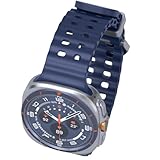
- 47mm - 1.5" Super AMOLED, 480x480px, 590mAh Battery, MIL-STD 810H certified, IP68/10ATM 100m water resistant, ECG certified
- 64GB, 2GB RAM, Exynos W1000 (3nm), Penta-core, Mali-G68 GPU, Android Wear OS 5, One UI Watch 8 with AI Assistant
- Unlock your full potential with Galaxy AI: Track and improve your fitness performance, monitor heart health with precision, get personalized wellness tips, optimize your sleep for better health, stay connected with smart replies, and enjoy music or podcasts on the go—all from your Galaxy Watch.
- Compatible with Android devices Only. Supports Google Pay. 3G: 850/900/1700/2100/1900/2100MHz, 4G LTE: 1/2/3/4/5/7/8/12/13/18/19/20/25/26/28/40/66/71 - eSIM.
- International Model - No Warranty. 100% Unlocked but Most US carriers may not allow International models. Will still work as Bluetooth Watch. Works outside US with all carriers. (Country selection may not be available during setup. Select Any, as Country will updated later after Connecting to WIFI in Settings.)
Battery capacity and endurance expectations
Battery hardware remains the same, including capacity and charging behavior. You’re still looking at multi‑day battery life that comfortably outpaces standard Galaxy Watch models, especially when you’re not pushing continuous GPS or LTE.
Real‑world endurance hasn’t shifted with this revision. Expect similar results depending on usage patterns: extended GPS workouts will drain it faster, while notification‑centric days with limited tracking still stretch well beyond a single day.
Charging speed and accessories are also unchanged, which reinforces that Samsung wasn’t trying to reset expectations here. This is the same battery experience buyers have already evaluated in reviews and long‑term use.
Health, fitness, and environmental sensors
The sensor suite is identical across both versions. Heart rate, SpO₂, skin temperature, ECG, body composition, and GPS capabilities are unchanged, as are the Ultra’s durability ratings for water resistance and environmental exposure.
Accuracy and reliability remain solid, particularly for outdoor activities and long workouts where the Ultra differentiates itself from lighter Galaxy Watch models. There are no new sensing tricks hidden in this revision, and no regressions either.
For fitness‑focused users, that means the tracking experience you’ve already seen documented still applies. The storage bump improves how much data and content you can keep locally, but it doesn’t alter what the sensors themselves can measure.
Processor and day‑to‑day performance
Samsung also left the chipset untouched, pairing the same processor with the now‑expanded internal storage. Raw performance metrics, app launch times, and UI fluidity remain familiar.
The difference is more subtle and cumulative. With more storage headroom, the processor spends less time juggling cached assets, large watch faces, offline maps, and music libraries, which helps preserve responsiveness over time rather than boosting peak speed.
This is especially relevant as One UI Watch continues to layer on features. Performance doesn’t improve overnight, but it degrades more slowly, which is exactly the kind of improvement Samsung seems to be targeting.
Why holding the line makes sense
By leaving the core hardware untouched, Samsung avoids fragmenting the Galaxy Watch Ultra lineup or confusing buyers about generational leaps. Accessories, straps, and usage expectations all carry over cleanly.
It also reinforces that the Ultra’s original hardware foundation was already overbuilt for its role. The quiet update doesn’t rewrite the spec sheet; it reinforces the idea that longevity, stability, and consistency now matter more than novelty in high‑end Wear OS watches.
In that context, what didn’t change is just as telling as what did. Samsung is signaling confidence in the Ultra’s physical platform, while making targeted adjustments that improve long‑term ownership without forcing anyone to relearn or re‑evaluate the device from scratch.
Value Reassessment: Is the Updated Galaxy Watch Ultra a Better Buy in 2026?
Taken together, the unchanged hardware foundation and targeted refinements push the conversation away from novelty and toward ownership value. This update doesn’t ask whether the Galaxy Watch Ultra is different, but whether it now makes more sense to buy than it did at launch.
In 2026, that distinction matters more than ever, especially as flagship smartwatch prices have normalized at historically high levels.
Storage as a long-term value multiplier
Doubling the internal storage doesn’t change how the Ultra feels on day one, but it meaningfully alters how it ages. Wear OS watches tend to accumulate bloat over time, from cached maps and workouts to larger watch faces, offline Spotify libraries, and increasingly complex health features layered in through updates.
On the original Ultra, power users could realistically hit storage limits within a year. With the expanded capacity, the updated model pushes that ceiling far enough out that most owners will never think about it again.
That alone improves resale value, update longevity, and day-to-day peace of mind, all without changing how the watch looks or fits on the wrist.
The new color and perceived freshness
The added color option may seem cosmetic, but it subtly resets the Ultra’s shelf life. The Galaxy Watch Ultra is a large, industrial watch, with a titanium case, flat sapphire glass, and a design that leans more instrument than accessory.
A fresh finish gives returning buyers a way to opt in without feeling like they’re purchasing last year’s hardware. For first-time Ultra buyers, it removes some of the visual fatigue that can settle in after a long product cycle.
In the context of value, perceived newness matters almost as much as actual specs, particularly at this price tier.
Pricing pressure and internal competition
Samsung’s quiet approach suggests confidence that the Ultra doesn’t need aggressive repositioning. If pricing holds close to the original MSRP, the expanded storage effectively becomes a free upgrade rather than a justification for a price increase.
That strengthens the Ultra’s position against Samsung’s own Galaxy Watch lineup. The standard Galaxy Watch models may be slimmer and cheaper, but they increasingly feel like short-term devices next to an Ultra that’s clearly designed for multi-year use.
For buyers choosing between Samsung models in 2026, the value gap narrows less on features and more on durability, battery consistency, and long-term stability.
How it stacks up against rivals in 2026
Against Apple Watch Ultra, Samsung still competes more on flexibility than ecosystem polish. The Galaxy Watch Ultra’s improved storage helps offset Wear OS’s heavier footprint, narrowing one of the platform’s long-standing disadvantages.
Compared to Garmin’s outdoor-focused watches, Samsung remains weaker on battery endurance and training depth, but stronger on smart features, LTE integration, and everyday usability. The extra storage doesn’t close that gap, but it does reduce friction for users who straddle fitness and daily smartwatch roles.
In value terms, the Ultra sits in a clearer middle ground than before, especially for Android users who want one watch to do everything reasonably well.
Who should buy the updated Ultra, and who shouldn’t
For new buyers in 2026, the updated Galaxy Watch Ultra is objectively the version to get. You’re buying the same proven platform, with fewer long-term compromises and no added learning curve.
For existing Ultra owners, the calculus is different. The added storage alone isn’t a compelling upgrade unless you’ve already run into limitations or plan to keep the watch for several more years.
💰 Best Value
![Samsung Galaxy Watch Ultra (2025) 47mm LTE Smartwatch, Titanium Casing, Advanced Sleep Coaching, Running Coach, Energy Score, Heart Rate Tracking, GPS, Titanium Gray [US Version, 2 Yr Warranty]](https://m.media-amazon.com/images/I/51TP3sJXj6L._SL160_.jpg)
- WHY GALAXY WATCH ULTRA: Longest-lasting battery yet.¹* Advanced health and sleep tracking features.* Personalized Running Coach.* Durable titanium casing.* 10ATM Water Resistance.⁹* Dual-frequency GPS.* Personal AI assistant for hands free help.⁶*
- A BATTERY BUILT FOR ENDURANCE: Have the confidence to adventure off-grid with a battery that can keep up with you. Galaxy Watch Ultra features our longest-lasting battery yet,¹ so you can go to the extreme for days on end without needing to recharge.
- YOUR ADVENTURE STARTS THE NIGHT BEFORE: Fuel tomorrow’s performance with a great night’s sleep, thanks to Advanced Sleep Coaching² - now improved with even more ways to help you sleep smarter.
- BUILT FOR THE LONG RUN: Whether you’re on a trail or a track, unleash the winning runner within using Running Coach³ on Galaxy Watch Ultra. It analyzes factors⁴ such as your age, weight, oxygen levels and heart rate to guide you through your run.
- UPDATES THAT GIVE YOU THE EDGE: Navigate the wild more easily with Now Bar⁵ and an improved user experience. Now Bar conveniently puts the info you use the most - like weather, timers, directions and more - right on your main Watch screen.
Samsung’s strategy here isn’t to trigger upgrades. It’s to make the Ultra easier to recommend, easier to live with, and harder to outgrow, which is exactly how value is built quietly over time.
How It Stacks Up Now: Galaxy Watch Ultra vs Apple Watch Ultra and Garmin Epix/Fenix
With Samsung quietly smoothing over one of the Galaxy Watch Ultra’s more practical limitations, it now sits in a more balanced position between Apple’s ecosystem-first Ultra and Garmin’s endurance-led outdoor watches.
The changes don’t rewrite the category, but they do alter where the trade-offs land, especially for buyers trying to choose one watch to live on their wrist every day rather than a specialist tool.
Galaxy Watch Ultra vs Apple Watch Ultra: storage parity, different philosophies
On paper, the doubled storage finally puts the Galaxy Watch Ultra on equal footing with Apple Watch Ultra, which has long offered 64GB as standard. That matters more than it sounds, because Wear OS and watchOS both assume local storage for offline music, maps, podcasts, and increasingly chunky third‑party apps.
In daily use, this removes a quiet friction point for Samsung users. You can load Spotify playlists, keep offline Google Maps areas, store workouts, and still have headroom for updates without constantly managing space, something Apple Watch users haven’t had to think about for years.
Where the two still diverge sharply is ecosystem gravity. Apple Watch Ultra remains tightly bound to iPhone, with deeper third‑party polish, more consistent app quality, and better long-term OS optimization. The Galaxy Watch Ultra counters with Android flexibility, broader phone compatibility, and deeper hooks into Google services, which now feel less compromised thanks to the extra storage.
Physically, they remain different watches to live with. Apple’s Ultra is larger, squarer, and lighter on the wrist than it looks, while Samsung’s Ultra leans more traditional in shape with a circular display and a denser, more watch-like feel. Materials and durability are comparable, with titanium cases, sapphire protection, and water resistance aimed at real outdoor use rather than marketing extremes.
Battery life remains a wash at best. Both deliver roughly one to two days with heavy use, stretching further with power-saving modes, but neither approaches Garmin territory. Samsung’s update doesn’t change that, but it does make the battery you have feel more usable by reducing background storage churn and update pressure over time.
Galaxy Watch Ultra vs Garmin Epix and Fenix: smarter, but still not deeper
Against Garmin’s Epix and Fenix lines, the Galaxy Watch Ultra continues to play a different game. Even with expanded storage, Samsung isn’t trying to out-Garmin Garmin on training metrics, recovery insights, or multi-week battery endurance.
Garmin’s advantage remains clear for serious endurance athletes. Multi-band GPS accuracy, detailed training load analytics, native offline maps with vast regional coverage, and battery life measured in days or weeks still define the Epix and Fenix experience. Storage on Garmin watches is typically lower, but it’s tightly optimized for maps and workouts rather than apps.
Where Samsung closes ground is everywhere Garmin feels utilitarian. LTE support, richer notifications, voice assistants, payments, media streaming, and third-party apps are simply more capable on the Galaxy Watch Ultra. The extra storage makes those features easier to live with long term, especially if you rely on offline media or frequently install apps.
Comfort and wearability also tilt differently. Garmin’s watches are lighter for their size and designed for continuous wear during training blocks, while Samsung’s Ultra feels more like a premium daily watch that can handle workouts rather than a training computer that tolerates daily life.
Value positioning in 2026: the middle ground sharpens
What the storage upgrade really does is sharpen the Galaxy Watch Ultra’s role as a middle-ground device. It no longer feels like the smartwatch that asks you to compromise on longevity in exchange for flexibility.
Apple Watch Ultra remains the most refined smartwatch experience if you live entirely inside Apple’s ecosystem. Garmin still dominates if battery life and training depth define your buying decision. The Galaxy Watch Ultra now sits more comfortably between them, offering enough storage, durability, and smart functionality to justify long-term ownership without the nagging sense that you’ll outgrow it too quickly.
For Android users in particular, the gap has narrowed in ways that don’t show up on spec sheets alone. This update doesn’t make the Ultra the best at any one thing, but it makes it easier to recommend as the watch that does everything well enough, for longer, with fewer compromises creeping in over time.
Who Should Buy This Revised Model — and Who Can Safely Skip the Upgrade
With the Galaxy Watch Ultra’s position now clarified as a true middle-ground flagship, the buying decision comes down less to headline specs and more to how you actually live with a smartwatch day to day. Samsung hasn’t reinvented the Ultra here, but it has quietly removed one of the few friction points that showed up after months of ownership.
You should buy the revised Galaxy Watch Ultra if…
You’re an Android user who plans to keep the watch for several years, not just one upgrade cycle. Doubling the internal storage meaningfully improves long-term usability, especially as Wear OS apps grow heavier, health features expand, and Samsung continues to layer in AI-driven services that aren’t shrinking in footprint.
If you rely on offline media, this revision finally makes the Ultra feel unconstrained. Storing large Spotify or YouTube Music playlists, podcasts, audiobooks, and regional map data simultaneously no longer requires constant micromanagement, which was one of the original model’s most annoying daily compromises.
The upgrade also makes sense if you actually use the Ultra as a smartwatch first and a fitness device second. LTE connectivity, Google Wallet, voice assistants, richer notifications, and third-party apps all benefit indirectly from more storage, because you’re less likely to hit invisible ceilings six months down the line.
First-time buyers coming from a standard Galaxy Watch, Pixel Watch, or an older Wear OS device will see the biggest value jump. You get Samsung’s most durable case design, sapphire glass, stronger water resistance, excellent GPS performance, and now storage headroom that aligns with its premium price.
There’s also a softer, aesthetic reason to buy this revision. The new color option doesn’t change functionality, but it gives the Ultra a slightly less industrial, more lifestyle-oriented presence on the wrist, which matters if you wear it as a daily watch rather than purely as training gear.
You can safely skip it if you already own the original Ultra
If you bought the first Galaxy Watch Ultra and it still fits comfortably into your routine, there’s no urgency to upgrade. Performance, sensors, display quality, battery life, and overall wearability are unchanged, and none of the core health or fitness features are exclusive to the revised model.
Owners who mainly track workouts, sleep, and notifications — without storing much offline media or juggling lots of apps — are unlikely to feel any real difference. The original storage limitation only becomes visible when you push the watch hard as a media and app platform.
Battery life, in particular, hasn’t moved. If you were hoping this quiet refresh would address multi-day endurance in a Garmin-like way, it doesn’t. Charging cadence, power profiles, and real-world longevity remain the same.
Who should look elsewhere entirely
Dedicated endurance athletes who prioritize battery life over smart features should still be looking at Garmin. Even with more storage, the Galaxy Watch Ultra isn’t designed to survive week-long training blocks without a charger, and Samsung’s fitness depth still favors versatility over extreme specialization.
Apple users are also better served by staying within their ecosystem. The Galaxy Watch Ultra’s improvements don’t change the fundamental reality that the Apple Watch Ultra remains more tightly integrated, smoother in daily interactions, and better supported on iOS.
The bottom line for buyers in 2026
This revised Galaxy Watch Ultra isn’t about dramatic change; it’s about future-proofing. The doubled storage removes a quiet but real limitation that only became obvious after living with the watch long term, and it does so without inflating the price or altering what already worked.
For new buyers, it’s now the version to get without hesitation. For existing owners, it’s an easy skip unless storage has already become a frustration. And for Android users who want one watch that balances durability, polish, and everyday smart features without leaning too hard in any one direction, this update makes Samsung’s case cleaner and more confident than before.