The latest reports pointing to a Galaxy Watch Ultra 2 landing this year, rather than a Galaxy Watch 8 Classic, feel jarring only if you assume Samsung’s smartwatch lineup still follows its old rhythms. For long-time Galaxy Watch owners who’ve come to expect a rotating-bezel Classic every other generation, this shift raises immediate questions about where Samsung is steering its premium wearables and who they’re really for now.

What this report actually signals is less about a missing product and more about a strategic reordering. Understanding why Ultra 2 is emerging in place of a Watch 8 Classic requires zooming out to Samsung’s recent design decisions, sales realities, and the competitive pressure coming from Apple, Garmin, and even traditional watch aesthetics bleeding into rugged smartwatches.
Samsung’s lineup has quietly pivoted away from nostalgia
The Galaxy Watch Classic line has always traded on familiarity: stainless steel cases, a physical rotating bezel, and proportions that sat closer to traditional watches than fitness wearables. That formula worked well when Samsung needed to differentiate itself from early Apple Watch designs and reassure watch enthusiasts uneasy about touch-only interfaces.
Over the last two generations, however, Samsung has steadily deprioritized that nostalgia play. The Watch 6 Classic felt more like a strategic encore than a reset, while the introduction of the Galaxy Watch Ultra signaled a new flagship philosophy built around durability, endurance, and outdoor credibility rather than dress-watch cues.
🏆 #1 Best Overall
![Samsung Galaxy Watch Ultra (2025) 47mm LTE Smartwatch, Titanium Casing, Advanced Sleep Coaching, Running Coach, Energy Score, Heart Rate Tracking, GPS, Titanium Silver [US Version, 2 Yr Warranty]](https://m.media-amazon.com/images/I/51tqxcqQXyL._SL160_.jpg)
- WHY GALAXY WATCH ULTRA: Longest-lasting battery yet.¹* Advanced health and sleep tracking features.* Personalized Running Coach.* Durable titanium casing.* 10ATM Water Resistance.⁹* Dual-frequency GPS.* Personal AI assistant for hands free help.⁶*
- A BATTERY BUILT FOR ENDURANCE: Have the confidence to adventure off-grid with a battery that can keep up with you. Galaxy Watch Ultra features our longest-lasting battery yet,¹ so you can go to the extreme for days on end without needing to recharge.
- YOUR ADVENTURE STARTS THE NIGHT BEFORE: Fuel tomorrow’s performance with a great night’s sleep, thanks to Advanced Sleep Coaching² - now improved with even more ways to help you sleep smarter.
- BUILT FOR THE LONG RUN: Whether you’re on a trail or a track, unleash the winning runner within using Running Coach³ on Galaxy Watch Ultra. It analyzes factors⁴ such as your age, weight, oxygen levels and heart rate to guide you through your run.
- UPDATES THAT GIVE YOU THE EDGE: Navigate the wild more easily with Now Bar⁵ and an improved user experience. Now Bar conveniently puts the info you use the most - like weather, timers, directions and more - right on your main Watch screen.
The Ultra isn’t a niche experiment anymore
When the original Galaxy Watch Ultra launched, it was widely interpreted as Samsung testing the waters against the Apple Watch Ultra. Titanium construction, oversized dimensions, higher water resistance, and multi-day battery life placed it in a different category from the standard Watch 6 and Watch 6 Classic.
What appears to have happened since is that Samsung saw enough traction to justify iteration rather than retreat. An Ultra 2 suggests internal confidence that there’s a growing audience willing to accept thicker cases, sport-first ergonomics, and a tool-watch aesthetic in exchange for better durability, stronger GPS performance, and more reliable health tracking during long sessions.
Why a Watch 8 Classic likely doesn’t fit this cycle
From a product-planning perspective, running a Watch 8, Watch 8 Classic, and Watch Ultra 2 simultaneously would create overlap at the top end of Samsung’s lineup. The Classic and Ultra both compete for buyers who want premium materials and a step up from aluminum, but they represent very different philosophies of use.
Samsung appears to be betting that the Ultra’s clear functional differentiation justifies its place more than a Classic that risks feeling like a design variant rather than a technological leap. In a year where sensor accuracy, battery life, and software refinement matter more than case finishing, the Classic becomes harder to justify as a flagship-tier product.
The rotating bezel dilemma hasn’t gone away
The absence of a Watch 8 Classic doesn’t mean Samsung has abandoned the rotating bezel entirely, but it does suggest it’s no longer central to the brand’s forward momentum. The bezel remains beloved for one-handed usability and tactile control, yet it adds thickness, moving parts, and manufacturing complexity that work against slimmer designs and rugged sealing.
With Wear OS now more optimized for touch, buttons, and crown-style inputs, Samsung may see less practical upside in pushing the bezel forward every generation. That doesn’t rule out its return, but it reframes it as a differentiator for specific models rather than a pillar of the lineup.
Ultra 2 aligns with Samsung’s broader wearable ambitions
Samsung has been increasingly vocal about health insights, continuous tracking, and AI-driven coaching, all of which benefit from larger batteries and more robust sensors. A second-generation Ultra provides the physical headroom to improve heart-rate reliability, GPS accuracy, and extended sleep tracking without compromising durability or comfort for long wear.
This also aligns better with Samsung’s Android ecosystem strategy, where differentiation from Apple isn’t just about style but about offering serious outdoor, fitness, and wellness capabilities that feel credible next to Garmin and Polar. An Ultra 2 strengthens that narrative in a way a Watch 8 Classic simply wouldn’t.
What this means for buyers watching the Watch 8 cycle
For existing Galaxy Watch Classic owners, this report reframes expectations rather than shutting doors. Those hoping for a thinner stainless-steel watch with a familiar bezel may need to wait another generation or consider the Watch 6 Classic as the last of its kind for now.
For everyone else, the emergence of an Ultra 2 suggests Samsung’s top-tier focus will be on performance, longevity, and all-day reliability rather than heritage styling. Whether that’s a reason to wait or to look elsewhere depends less on brand loyalty and more on how you actually use your watch day to day.
Samsung’s Current Watch Lineup Explained: Where Ultra, Pro, and Classic Now Fit
To understand why a Galaxy Watch Ultra 2 reportedly makes more sense than a Watch 8 Classic, you have to look at how Samsung’s smartwatch lineup has quietly but decisively reorganized itself over the last few years. What once felt like a rotating cast of overlapping models has settled into clearer functional tiers, even if the naming hasn’t always kept pace.
Samsung now appears to be segmenting its watches less by nostalgia or design language and more by use case, durability, and battery headroom. The Ultra, Pro, and Classic labels may still exist in consumer memory, but they no longer carry equal strategic weight inside the product roadmap.
Galaxy Watch (standard): the mainstream Wear OS anchor
At the base of the lineup sits the standard Galaxy Watch, currently represented by the Watch 6 and its successors-in-waiting. This is Samsung’s volume product, designed to be thin, comfortable, and broadly appealing rather than specialized.
These models typically prioritize daily wearability over extremes, with aluminum cases, moderate battery sizes, and dimensions that work on a wide range of wrists. They’re optimized for sleep tracking, notifications, casual fitness, and tight Android integration rather than multi-day adventures or endurance sports.
From a software perspective, this is where Samsung pushes the most refined version of One UI Watch on top of Wear OS. Health features, AI-driven insights, and ecosystem hooks debut here first because this is where the audience is largest.
Galaxy Watch Pro: a concept that quietly evolved into Ultra
The Galaxy Watch 5 Pro was Samsung’s first real attempt to challenge Garmin and outdoor-focused competitors on their own terms. It traded elegance for endurance, with a thicker titanium case, sapphire glass, and a noticeably larger battery that prioritized multi-day wear.
In hindsight, the Pro label was transitional rather than foundational. It proved there was demand for a rugged, long-lasting Galaxy Watch, but it also exposed limitations in how far Samsung could push that concept without fully committing to a new design language.
The Galaxy Watch Ultra effectively absorbs the Pro’s mission while expanding it. Where the Pro still felt like a reinforced version of a standard watch, the Ultra is positioned as a purpose-built tool, with more aggressive case geometry, enhanced water resistance, and clearer visual separation from the rest of the lineup.
Galaxy Watch Ultra: Samsung’s performance and durability flagship
The Ultra now sits at the top of Samsung’s smartwatch hierarchy, both in price and intent. This is the watch built to justify thicker cases, heavier materials, and larger batteries in exchange for reliability under stress.
Design-wise, the Ultra leans into titanium construction, pronounced guards around buttons, and a form factor that prioritizes shock resistance and grip over slim elegance. It’s not trying to disappear on the wrist; it’s trying to survive long hikes, open-water swims, and continuous GPS use without battery anxiety.
This is also where Samsung can experiment with more advanced sensors, dual-frequency GPS, improved thermal management, and longer continuous health tracking. An Ultra 2 fits cleanly into this role, giving Samsung room to iterate on performance rather than re-litigating design fundamentals.
Galaxy Watch Classic: from centerpiece to niche offering
The Classic line once defined Samsung’s smartwatch identity, largely because of the rotating bezel. Stainless steel cases, traditional proportions, and tactile control made these watches feel closer to mechanical timepieces than consumer electronics.
Over time, however, the Classic became harder to justify within a lineup that increasingly values battery life, durability, and sensor stability. The rotating bezel adds mechanical complexity, increases thickness, and competes for internal volume that could otherwise be used for batteries or antennas.
Rather than killing the Classic outright, Samsung appears to be letting it rest. The Watch 6 Classic still exists as a polished, traditional option, but its absence in the Watch 8 generation would signal a shift from core pillar to occasional revival, similar to how Samsung treats design-forward phones rather than its performance flagships.
How these tiers now work together
Seen as a whole, Samsung’s lineup now forms a more deliberate ladder. The standard Galaxy Watch targets everyday users who want comfort and smart features, the Ultra serves athletes and outdoor users who need endurance and resilience, and the Classic caters to buyers who value traditional aesthetics over cutting-edge performance.
What’s telling is where Samsung seems willing to invest most aggressively. Battery gains, sensor upgrades, and durability improvements all scale better in the Ultra tier, which explains why an Ultra 2 would be prioritized over a Watch 8 Classic refresh.
For buyers, this clarity matters. If you want the rotating bezel and a dressier feel, the Classic remains compelling but increasingly static. If you want Samsung’s best hardware, longest battery life, and most ambitious health tracking, the Ultra is now clearly where the company is placing its bets.
What the Absence of a Watch 8 Classic Really Signals About Samsung’s Strategy
Taken in isolation, skipping a Watch 8 Classic might look like a simple gap year. In context, it reads more like a deliberate reordering of priorities, one that tells us where Samsung now believes its smartwatch differentiation actually matters.
This isn’t about abandoning traditional design outright. It’s about concentrating engineering effort where Samsung sees the highest return in performance, usability, and competitive positioning.
The rotating bezel problem Samsung rarely talks about
The rotating bezel remains beloved, but it is also an increasingly awkward fit for modern smartwatch engineering. It adds thickness, introduces additional failure points, and limits how tightly Samsung can package batteries, haptics, antennas, and health sensors.
As health tracking becomes more dependent on consistent skin contact, sensor alignment, and internal space for optics and thermals, mechanical components become a liability. You can feel this trade-off in daily wear: Classics tend to sit taller on the wrist, shift more during workouts, and deliver less consistent heart rate and sleep data compared to simpler case designs.
By contrast, the Ultra’s fixed bezel and titanium case allow Samsung to prioritize rigidity, sensor stability, and sealing. That matters more for reliable metrics than tactile charm, especially as Samsung pushes deeper into multi-day battery life and advanced health features.
Why the Ultra is now Samsung’s true flagship
Samsung’s actions suggest that “flagship” no longer means most iconic design. It means the model that best demonstrates platform leadership, and right now that is the Ultra.
Rank #2
The Ultra tier is where Samsung can justify larger batteries, thicker cases, reinforced lugs, and premium materials like titanium without apologizing for comfort trade-offs. It’s also the tier where longer battery life actually changes behavior, enabling continuous GPS tracking, sleep tracking without daily charging anxiety, and more aggressive use of health sensors.
A Watch 8 Classic refresh would mostly be aesthetic, constrained by its own design language. An Ultra 2, on the other hand, gives Samsung room to show real progress: efficiency gains, sensor refinements, brighter displays, and durability upgrades that translate directly into better real-world use.
A clearer separation between lifestyle and performance watches
What’s emerging is a sharper philosophical divide in Samsung’s lineup. The Classic represents lifestyle appeal, traditional proportions, and desk-to-dinner versatility. The Ultra represents performance, endurance, and technical credibility.
Trying to advance both equally every year creates dilution. By letting the Classic sit out a generation, Samsung avoids forcing incremental updates that don’t meaningfully improve the experience, while still keeping the model relevant for buyers who prioritize aesthetics over specs.
This also mirrors broader trends in the watch world, where tool watches and dress watches increasingly occupy separate lanes rather than converging. Samsung appears to be leaning into that logic instead of chasing a one-watch-for-everyone fantasy.
What this means for buyers weighing an upgrade
For current Classic owners, the message is subtle but important. If you already own a Watch 6 Classic, you’re not being left behind so much as being told that your watch is still “complete” in Samsung’s eyes. There is no urgent hardware leap coming that would dramatically change how it feels or functions.
For buyers focused on fitness, outdoor use, or battery life, the absence of a Watch 8 Classic should be read as a green light to look at the Ultra line without hesitation. That’s where Samsung’s most aggressive iteration is happening, and where future software features are likely to feel most at home.
And for those waiting specifically for a new Classic, patience may be rewarded later rather than sooner. Samsung’s strategy suggests the Classic will return when a meaningful design or experience shift justifies it, not simply to fill a slot in the annual release cycle.
Galaxy Watch Ultra 2: Expected Design Direction, Case Size, and Wearability Changes
With Samsung’s attention shifting decisively toward the Ultra line, the Watch Ultra 2 is shaping up to be less about reinvention and more about refinement. The goal appears to be sharpening the Ultra’s identity as a purpose-built performance watch, while addressing the real-world comfort complaints that surfaced after the first-generation model landed on wrists.
Rather than chasing a dramatic aesthetic pivot, Samsung seems intent on evolving the existing design language in ways that matter once the watch is worn all day, every day.
An Ultra design that stays bold, but gets smarter
The original Galaxy Watch Ultra established a clear visual identity: a large, cushion-style case with a circular display, pronounced lugs, and an industrial, almost instrument-like presence. That overall silhouette is unlikely to change, because it instantly differentiates the Ultra from both the standard Galaxy Watch and the Classic.
What is more likely is subtle refinement to case geometry and finishing. Expect tighter tolerances around the bezel, cleaner transitions between brushed and matte surfaces, and potentially a slightly lower visual profile when viewed from the side, even if the raw dimensions don’t change much.
Samsung learned quickly that Ultra buyers value legibility and durability over elegance, but that doesn’t mean they want a watch that feels crude. Ultra 2 should look more deliberate and less bulky, without losing its rugged character.
Case size: still large, but possibly more wearable
The Ultra’s size was one of its most polarizing traits. At roughly 47mm with substantial thickness, it delivered presence and battery capacity, but it also limited its appeal to larger wrists or users already accustomed to sports watches.
Current reporting suggests Samsung is not abandoning that size class. A meaningful reduction in diameter seems unlikely, but there is room for optimization through slimmer case walls, reworked lug curvature, and a more efficient internal layout that trims thickness by a millimeter or two.
Even marginal reductions can have an outsized impact on comfort. If Ultra 2 manages to sit closer to the wrist and reduce top-heaviness, it would dramatically improve day-long wearability without compromising battery life or thermal performance.
Materials and durability: incremental, not experimental
Samsung positioned the Ultra as its most durable smartwatch to date, and that philosophy will almost certainly continue. Titanium or titanium-alloy construction should return, paired with sapphire crystal and reinforced sealing for water and dust resistance.
Rather than introducing exotic materials, the emphasis is likely on durability consistency. Better scratch resistance on high-contact edges, improved coating longevity, and more resilient button mechanisms are all areas Samsung can quietly improve without marketing fireworks.
This aligns with the Ultra’s role as a tool watch analogue in Samsung’s lineup. Reliability and predictability matter more here than novelty.
Buttons, bezel behavior, and real-world usability
One area where refinement is expected is physical interaction. The Ultra’s buttons and digital bezel worked well in theory, but in practice some users reported stiffness, accidental presses, or awkward use with gloves or wet fingers.
Ultra 2 could bring improved button travel, clearer tactile differentiation, and refined haptic feedback to make the watch easier to operate during workouts or outdoor use. These are the kinds of changes that don’t show up on spec sheets but significantly improve the lived experience.
Samsung has historically been good at iterating hardware controls once user feedback accumulates, and the Ultra line gives it a clear audience to prioritize.
Straps, lugs, and comfort over long sessions
Strap integration is another likely focus. The first Ultra shipped with robust but relatively stiff bands that reinforced the watch’s rugged feel, sometimes at the expense of comfort during sleep tracking or extended wear.
Expect Samsung to expand strap options tuned specifically for the Ultra, including lighter sport bands and improved fabric or hybrid options that reduce wrist fatigue. Subtle lug adjustments could also help the strap articulate more naturally around smaller wrists.
For a watch positioned around endurance, multi-day battery life, and advanced health tracking, comfort during sleep and recovery periods is not optional. Ultra 2 needs to feel less like a piece of equipment and more like a companion you forget you’re wearing.
Positioning the Ultra 2 against the absent Classic
The absence of a Watch 8 Classic puts additional pressure on the Ultra 2 to justify its place at the top of the lineup. Design decisions will reflect that reality, balancing toughness with just enough refinement that the watch doesn’t feel out of place outside training or outdoor scenarios.
Samsung doesn’t need the Ultra to replace the Classic aesthetically. It needs the Ultra to feel unquestionably purpose-built, with design choices that clearly serve battery life, durability, and usability rather than tradition or nostalgia.
If Samsung gets these refinements right, the Ultra 2 won’t just be a spec upgrade. It will feel like a more mature expression of what Samsung believes a flagship performance smartwatch should be.
Hardware and Performance Expectations: Chipset, Battery Life, and Real-World Endurance
If the Ultra 2 is meant to carry the weight of Samsung’s flagship ambitions in a cycle without a Watch 8 Classic, hardware fundamentals become non-negotiable. This is where Samsung has the most to prove, not through flashy specs, but through consistency, efficiency, and reliability over long stretches of real use.
The first Galaxy Watch Ultra established a baseline for rugged performance, but it also exposed areas where Samsung still trails Apple and Garmin when it comes to sustained endurance under mixed workloads. Ultra 2 is expected to address that gap head-on.
Next-generation Exynos W chip: efficiency over raw speed
At the heart of the Ultra 2 will almost certainly be a new Exynos W-series chipset, likely an evolution of the Exynos W1000 platform introduced with the Watch 7 generation. Rather than chasing raw CPU or GPU gains, Samsung’s focus is expected to center on power efficiency, background task management, and improved sensor fusion.
Samsung’s wearable silicon strategy has increasingly mirrored its mobile approach: fewer headline-grabbing benchmarks, more emphasis on neural processing, low-power cores, and tighter integration with One UI Watch. For Ultra 2, that should translate into smoother UI performance during navigation, workouts, and map rendering without the stutters or delayed wake-ups that occasionally plagued earlier models.
This matters because the Ultra’s target user is not someone checking notifications occasionally. It’s someone logging multi-hour GPS workouts, running offline maps, tracking continuous heart rate, SpO2, skin temperature, and sleep, often simultaneously. The chipset needs to sustain that load without aggressive thermal throttling or battery drain.
Rank #3
![Samsung Galaxy Watch Ultra (2025) 47mm LTE Smartwatch, Titanium Casing, Advanced Sleep Coaching, Running Coach, Energy Score, Heart Rate Tracking, GPS, Titanium Blue [US Version, 2 Yr Warranty]](https://m.media-amazon.com/images/I/41zL7T5J4xL._SL160_.jpg)
- WHY GALAXY WATCH ULTRA: Longest-lasting battery yet.¹* Advanced health and sleep tracking features.* Personalized Running Coach.* Durable titanium casing.* 10ATM Water Resistance.⁹* Dual-frequency GPS.* Personal AI assistant for hands free help.⁶*
- A BATTERY BUILT FOR ENDURANCE: Have the confidence to adventure off-grid with a battery that can keep up with you. Galaxy Watch Ultra features our longest-lasting battery yet,¹ so you can go to the extreme for days on end without needing to recharge.
- YOUR ADVENTURE STARTS THE NIGHT BEFORE: Fuel tomorrow’s performance with a great night’s sleep, thanks to Advanced Sleep Coaching² - now improved with even more ways to help you sleep smarter.
- BUILT FOR THE LONG RUN: Whether you’re on a trail or a track, unleash the winning runner within using Running Coach³ on Galaxy Watch Ultra. It analyzes factors⁴ such as your age, weight, oxygen levels and heart rate to guide you through your run.
- UPDATES THAT GIVE YOU THE EDGE: Navigate the wild more easily with Now Bar⁵ and an improved user experience. Now Bar conveniently puts the info you use the most - like weather, timers, directions and more - right on your main Watch screen.
Battery capacity: incremental gains, smarter usage
Battery capacity is unlikely to see a dramatic physical jump, largely due to size, weight, and comfort constraints that Samsung has already pushed close to acceptable limits with the first Ultra. Expect a modest increase at most, likely measured in tens of milliamp-hours rather than a radical redesign.
Where Samsung can realistically deliver improvement is in how that capacity is used. More granular power gating, smarter always-on display behavior, and improved background GPS polling could collectively add meaningful hours, even days, to typical usage patterns.
Samsung has also been refining adaptive battery learning across its ecosystem. Ultra 2 should benefit from more aggressive prediction of when users are likely to work out, sleep, or remain sedentary, allowing the watch to dynamically adjust sensor sampling rates without obvious trade-offs in data quality.
Multi-day endurance: what “Ultra” should actually mean
In real-world terms, Ultra 2 needs to comfortably deliver two full days with heavy use and push closer to three days under lighter conditions. That includes always-on display enabled, sleep tracking every night, daily workouts with GPS, and continuous health monitoring.
The original Ultra could approach those numbers, but only with careful settings management and occasional compromises. Ultra 2 should aim to remove that mental overhead, allowing users to trust the watch without constantly checking battery percentages or toggling power-saving modes.
Extended endurance also reinforces the Ultra’s positioning as a tool watch rather than a lifestyle accessory. For hikers, travelers, and endurance athletes, battery anxiety undermines the entire promise of rugged reliability.
Charging speeds and recovery time
Fast charging is an underappreciated part of endurance, and this is another area where Ultra 2 could quietly improve. Samsung has already shortened charge times across recent Galaxy Watches, but the Ultra’s larger battery means recovery time still matters.
Even modest gains, such as reaching 50 percent in under 30 minutes, dramatically change how the watch fits into daily routines. A quick top-up during a shower or breakfast becomes viable, reducing the need for overnight charging and improving sleep tracking consistency.
Wireless charging compatibility with existing Galaxy Watch chargers is expected to remain intact, preserving ecosystem continuity rather than forcing accessory upgrades.
Performance consistency during workouts and navigation
Beyond battery metrics, performance endurance is just as critical. Ultra 2 is expected to deliver more stable GPS tracking, particularly in dense urban environments or mountainous terrain where signal bounce and drift can degrade accuracy.
Improved multi-band GPS efficiency, combined with better motion and elevation processing, should result in cleaner route maps and more reliable pace data without increasing power draw. This is an area where Samsung has steadily improved, but still has room to close the gap with dedicated sports watches.
During long sessions, the watch also needs to remain responsive. Laggy touch input, delayed button presses, or dim displays under sunlight quickly erode confidence, regardless of spec-sheet claims.
What this means for buyers weighing an upgrade
For existing Galaxy Watch Ultra owners, the value proposition of Ultra 2 will hinge less on headline specs and more on how noticeably better it feels over several days of use. If battery life feels less fragile, performance more predictable, and charging less disruptive, the upgrade becomes easier to justify.
For Watch 6 or Watch 5 Pro users, Ultra 2 could represent Samsung’s clearest step yet toward a true endurance-focused smartwatch without abandoning Wear OS flexibility. And for those holding out for a Watch 8 Classic, Ultra 2’s hardware choices signal where Samsung believes its top-tier priorities now lie: longevity, efficiency, and trust over tradition.
Ultimately, Ultra 2’s success will be defined by how invisible its hardware becomes in daily life. The less users think about performance limits or battery percentages, the more convincingly Samsung can claim the Ultra name as more than just marketing.
Health, Fitness, and Outdoor Features: What Ultra 2 Likely Improves (and What It Won’t)
If Ultra 2 is meant to make performance fade into the background, health and activity tracking is where that philosophy has to hold up day after day. Samsung’s Ultra branding is less about radical new metrics and more about reliability under stress, and that frames expectations for what meaningfully changes here.
Sensor accuracy over new health metrics
Ultra 2 is far more likely to refine Samsung’s existing BioActive sensor stack than introduce headline-grabbing new measurements. Heart rate consistency during interval training, fewer dropouts during cold-weather workouts, and cleaner HRV baselines are the practical gains Samsung has been chasing across recent generations.
Expect incremental improvements in optical sensor placement, LED tuning, and signal processing rather than new health categories. Blood glucose monitoring, non-cuff blood pressure expansion, or clinical-grade ECG breakthroughs remain unlikely at this stage, both for regulatory and technical reasons.
Sleep tracking: quieter gains, better confidence
Samsung has already shifted its sleep strategy toward long-term consistency rather than novelty, and Ultra 2 should continue that trend. Improved overnight heart rate stability, fewer gaps in blood oxygen readings, and more dependable skin temperature baselines are realistic upgrades.
What probably won’t change is Samsung’s overall sleep coaching philosophy. Insights may get slightly sharper, but users hoping for Garmin-style training readiness tied tightly to sleep or Whoop-level recovery analytics should temper expectations.
Outdoor tracking and GPS refinement, not reinvention
For hikers, trail runners, and cyclists, Ultra 2’s most important gains should come from more stable multi-band GPS behavior and elevation tracking. Samsung has made steady progress here, and Ultra 2 is expected to further reduce route drift in forests, urban canyons, and mountainous terrain without sacrificing battery life.
This is also where software matters as much as hardware. Cleaner map traces, better auto-pause behavior, and more reliable pace smoothing would quietly elevate real-world trust, even if the underlying GPS chip looks familiar on paper.
Durability and environmental resilience
Ultra 2 should continue to emphasize rugged use cases with reinforced casing materials, higher-impact resistance, and improved sealing against dust and water ingress. These aren’t dramatic spec changes, but they directly affect confidence during multi-day trips or harsh-weather workouts.
That said, this still isn’t a true expedition watch. Extreme cold performance, replaceable batteries, and offline-first navigation depth will remain areas where dedicated outdoor watches maintain an edge.
Training tools: steady evolution, not a paradigm shift
Samsung’s training features are expected to evolve modestly, with better workout detection reliability and slightly more nuanced performance insights. Ultra 2 may improve how it handles structured workouts and recovery prompts, but it won’t suddenly become a coaching-first platform.
Advanced endurance athletes looking for deep load analysis, race predictors, or adaptive training plans will still find Samsung’s approach comparatively lightweight. Ultra 2 prioritizes flexibility and everyday usability over athlete specialization.
What Ultra 2 likely won’t change
Despite its name, Ultra 2 isn’t positioned to rewrite Samsung’s health ecosystem. Core limitations around third-party fitness platform depth, Wear OS background efficiency, and Samsung Health’s analytics ceiling are structural, not generational.
For buyers, that distinction matters. Ultra 2 is shaping up to be a refinement-focused upgrade that improves trust, consistency, and outdoor reliability, not a disruptive leap in health science or sports performance.
Software and Ecosystem Considerations: Wear OS, Galaxy AI, and Samsung-Only Features
The refinement-focused hardware trajectory described above only pays off if Samsung tightens the software experience around it. For Ultra 2, the software story is less about reinvention and more about consolidating Samsung’s control over Wear OS, Galaxy AI, and a growing list of features that quietly work best inside its own ecosystem.
Wear OS as a controlled platform, not an open one
Ultra 2 is expected to ship with the next iteration of One UI Watch layered on top of Wear OS, continuing Samsung’s approach of treating Google’s platform as a base rather than a finished product. App compatibility will remain broadly Wear OS–standard, but core system behaviors—power management, sensor sampling, background task limits—are tuned aggressively by Samsung.
This matters for battery life more than headline features. Samsung’s watches tend to outlast Pixel Watch equivalents not because of larger batteries alone, but because One UI Watch clamps down on background processes and third-party complications more forcefully.
For Ultra 2 buyers, that means smoother day-to-day performance and fewer unexplained battery drains, but also less flexibility for power users who want constant background syncing. It’s a tradeoff Samsung has clearly chosen, and Ultra 2 will likely double down on it rather than loosen the reins.
Galaxy AI on the wrist: practical, not transformative
Galaxy AI branding is expected to reach deeper into Samsung’s wearable lineup, but expectations need to be realistic. Ultra 2 won’t be doing large on-device inference; most “AI” features will be assistive layers tied to a connected Galaxy phone.
Rank #4
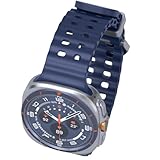
- 47mm - 1.5" Super AMOLED, 480x480px, 590mAh Battery, MIL-STD 810H certified, IP68/10ATM 100m water resistant, ECG certified
- 64GB, 2GB RAM, Exynos W1000 (3nm), Penta-core, Mali-G68 GPU, Android Wear OS 5, One UI Watch 8 with AI Assistant
- Unlock your full potential with Galaxy AI: Track and improve your fitness performance, monitor heart health with precision, get personalized wellness tips, optimize your sleep for better health, stay connected with smart replies, and enjoy music or podcasts on the go—all from your Galaxy Watch.
- Compatible with Android devices Only. Supports Google Pay. 3G: 850/900/1700/2100/1900/2100MHz, 4G LTE: 1/2/3/4/5/7/8/12/13/18/19/20/25/26/28/40/66/71 - eSIM.
- International Model - No Warranty. 100% Unlocked but Most US carriers may not allow International models. Will still work as Bluetooth Watch. Works outside US with all carriers. (Country selection may not be available during setup. Select Any, as Country will updated later after Connecting to WIFI in Settings.)
This includes smarter notification summaries, contextual workout insights, and more natural voice interactions routed through Samsung’s assistant stack. Think convenience and polish rather than autonomous intelligence running on the watch itself.
Where Ultra 2 may benefit most is in subtle quality-of-life improvements: cleaner workout summaries, better sleep trend explanations, and more proactive prompts that feel timely rather than intrusive. None of this requires a dramatic hardware leap, but it does reinforce Samsung’s preference for incremental intelligence over flashy demos.
Samsung Health: deeper integration, familiar ceilings
Samsung Health will remain the center of gravity for Ultra 2, and its strengths and limitations are well established. The platform excels at breadth—covering sleep, activity, stress, body composition, and casual training—while stopping short of deep athletic modeling.
Ultra 2 is likely to gain slightly more nuanced correlations between metrics, particularly around recovery and fatigue, but not the kind of performance load analysis endurance athletes expect. The emphasis remains on everyday usability across mixed activities rather than sport-specific depth.
For users coming from older Galaxy Watches, this will feel like refinement rather than reinvention. Data presentation should improve, but the underlying analytical philosophy stays the same.
Samsung-only features and ecosystem lock-in
Ultra 2 will continue to offer its best experience when paired with a Samsung phone. ECG, blood pressure monitoring, and certain sleep features remain gated behind Samsung Health Monitor and regional approvals, limiting their usefulness for non-Galaxy users.
Even outside regulated features, small ecosystem advantages add up. Faster pairing, deeper customization, better SmartThings integration, and tighter control over notifications all favor Galaxy phone owners.
This is one reason the absence of a Watch 8 Classic matters. By pushing Ultra 2 as the premium halo model, Samsung is reinforcing a vertically integrated strategy where hardware, software, and services are designed to reward loyalty rather than attract switchers.
App ecosystem realities for Ultra buyers
Wear OS app availability has stabilized, but it hasn’t meaningfully expanded in ways that benefit rugged or endurance-focused users. Mapping, music, payments, and messaging are well covered, yet specialized outdoor and training apps remain limited or power-hungry.
Samsung mitigates this with first-party solutions—offline maps, route tracking, and safety features—but these remain lighter than what dedicated outdoor watch platforms offer. Ultra 2 improves reliability, not ecosystem breadth.
For buyers expecting Ultra branding to unlock a radically different app landscape, that expectation should be tempered. The value proposition is coherence and stability, not experimental flexibility.
What this means for upgrade decisions
From a software perspective, Ultra 2 is shaping up as a consolidation product. It tightens Samsung’s control over Wear OS, leans further into Galaxy AI as an assistive layer, and reinforces ecosystem advantages that favor existing Galaxy users.
If you’re already embedded in Samsung’s ecosystem, Ultra 2’s software polish will feel like a natural evolution that complements the hardware refinements discussed earlier. If you’re platform-agnostic or seeking maximum openness, the same software choices may feel restrictive rather than reassuring.
This context helps explain why a Watch 8 Classic may be absent this cycle. Samsung appears more focused on strengthening a premium, tightly integrated Ultra line than maintaining parallel flagship identities that dilute its software strategy.
Positioning and Pricing: Who the Galaxy Watch Ultra 2 Is Actually For
Taken together, Samsung’s software consolidation and the apparent sidelining of a Watch 8 Classic point to a clearer, more assertive market position for the Galaxy Watch Ultra 2. This isn’t a replacement for the Classic line in spirit or design; it’s a deliberate narrowing of who Samsung’s top-tier watch is meant to serve.
The Ultra 2 is being positioned less as a luxury smartwatch and more as a performance flagship with premium materials. That distinction matters when assessing both pricing expectations and whether this is the right upgrade path for you.
A premium halo, not a mass‑market flagship
If the original Galaxy Watch Ultra set the template, Ultra 2 will likely sit firmly above the standard Watch 8 in both price and intent. Expect pricing to remain in the upper tier of Android wearables, closer to Apple Watch Ultra than to Samsung’s own Classic models of past cycles.
This pricing isn’t about aspirational design flourishes or traditional watch cues. It’s justified through durability, larger case dimensions, a brighter display, titanium construction, stronger water resistance, and battery endurance that targets multi-day use rather than daily charging anxiety.
Samsung appears comfortable accepting lower unit volume in exchange for a clearer halo product. Ultra 2 exists to define the top of the Galaxy Watch range, not to replace the mainstream seller role once filled by the Classic.
Who Ultra 2 makes sense for
The ideal Ultra 2 buyer is an existing Galaxy phone owner who wants the most capable Samsung watch available and is willing to trade elegance for resilience. This includes users who spend meaningful time outdoors, train frequently, or simply prefer a large, legible display with physical controls that work reliably with gloves or wet hands.
Comfort and wearability will still be a trade-off. The case is expected to remain large and thick, and while titanium reduces weight relative to steel, this is not a discreet everyday watch for smaller wrists or formal settings.
For these users, Ultra 2 isn’t about looking like a mechanical diver or dress watch substitute. It’s about dependability, visibility, and battery confidence across long days and varied conditions.
Who it’s not for—and why Classic fans should be cautious
If your ideal Galaxy Watch has always been the Classic—with its rotating bezel, slimmer profile, and more traditional proportions—Ultra 2 is unlikely to fill that emotional or ergonomic gap. The Ultra design language is intentionally industrial, with flat surfaces, pronounced lugs, and a focus on protection over refinement.
That makes Ultra 2 a poor consolation prize for those hoping the Classic would return in spirit, even if not in name. Samsung seems willing to leave that segment underserved this cycle rather than compromise the Ultra’s identity.
Buyers who prioritize comfort under a cuff, bracelet options, or a watch that transitions easily from gym to formal wear may find the standard Watch 8 line more appropriate, or may need to look outside Samsung’s ecosystem altogether.
Value versus rivals in the broader market
At its expected price point, Ultra 2 competes less with midrange Wear OS watches and more directly with Apple Watch Ultra and, indirectly, with dedicated sports watches from Garmin, Polar, and Suunto. Samsung’s advantage lies in smartwatch intelligence, display quality, and tight Galaxy integration rather than pure endurance or training depth.
Battery life will likely improve incrementally, not radically. Even with efficiency gains, Ultra 2 is still a smartwatch first, not a week-long expedition tool, and Samsung’s software stack reflects that priority.
The value proposition, then, is not maximum specs per dollar, but a balanced experience for Galaxy users who want rugged hardware without abandoning smartwatch convenience.
Pricing expectations and upgrade calculus
While final pricing remains unconfirmed, there’s little indication Samsung intends to soften Ultra positioning with aggressive discounts at launch. Early adopters should expect premium pricing, with real value emerging later in the product cycle as trade-ins and carrier incentives come into play.
For Watch 5 Pro or original Ultra owners, the upgrade decision will hinge on hardware refinements rather than transformative new features. Improvements in display brightness, sensor accuracy, and battery efficiency may be compelling, but they are evolutionary, not revolutionary.
For everyone else, Ultra 2 is best viewed as a deliberate choice rather than an automatic upgrade. It rewards users who understand its priorities and accept its compromises, and it makes far less sense as a default “best Galaxy Watch” for all buyers.
Upgrade Advice: Should Watch 4/5/6/Classic Owners Wait, Upgrade, or Skip?
With Samsung seemingly doubling down on the Ultra concept rather than reviving a Watch 8 Classic, the upgrade math changes depending on where you’re coming from. This is less about chasing the newest model and more about understanding which Galaxy Watch tier Samsung is actually prioritizing in 2026.
If you own a Galaxy Watch 4 or Watch 4 Classic
For Watch 4-era owners, almost any current Galaxy Watch represents a meaningful step forward, but Ultra 2 is not automatically the smartest one. You would gain a brighter, larger display, far better battery endurance, newer health sensors, and a noticeably smoother Wear OS experience.
💰 Best Value
![Samsung Galaxy Watch Ultra (2025) 47mm LTE Smartwatch, Titanium Casing, Advanced Sleep Coaching, Running Coach, Energy Score, Heart Rate Tracking, GPS, Titanium Gray [US Version, 2 Yr Warranty]](https://m.media-amazon.com/images/I/51TP3sJXj6L._SL160_.jpg)
- WHY GALAXY WATCH ULTRA: Longest-lasting battery yet.¹* Advanced health and sleep tracking features.* Personalized Running Coach.* Durable titanium casing.* 10ATM Water Resistance.⁹* Dual-frequency GPS.* Personal AI assistant for hands free help.⁶*
- A BATTERY BUILT FOR ENDURANCE: Have the confidence to adventure off-grid with a battery that can keep up with you. Galaxy Watch Ultra features our longest-lasting battery yet,¹ so you can go to the extreme for days on end without needing to recharge.
- YOUR ADVENTURE STARTS THE NIGHT BEFORE: Fuel tomorrow’s performance with a great night’s sleep, thanks to Advanced Sleep Coaching² - now improved with even more ways to help you sleep smarter.
- BUILT FOR THE LONG RUN: Whether you’re on a trail or a track, unleash the winning runner within using Running Coach³ on Galaxy Watch Ultra. It analyzes factors⁴ such as your age, weight, oxygen levels and heart rate to guide you through your run.
- UPDATES THAT GIVE YOU THE EDGE: Navigate the wild more easily with Now Bar⁵ and an improved user experience. Now Bar conveniently puts the info you use the most - like weather, timers, directions and more - right on your main Watch screen.
That said, Ultra 2’s size and weight are a real consideration if you chose the Watch 4 or 4 Classic for everyday comfort. If you wear your watch to the office, sleep with it regularly, or prefer lighter steel cases and standard lug straps, the standard Watch 8 line will likely feel like the more natural upgrade.
Ultra 2 makes sense here only if you specifically want durability, sapphire protection, and a watch you can beat up without thinking twice. If not, you may end up paying for ruggedness you never fully use.
If you own a Galaxy Watch 5 or Watch 5 Pro
Watch 5 owners sit in the middle of Samsung’s transition period, and your decision depends heavily on whether battery life or wearability matters more. The jump from Watch 5 to Ultra 2 will bring stronger materials, a sharper outdoor display, and modest gains in health tracking accuracy.
For Watch 5 Pro owners, the calculus is tougher. Ultra 2 will likely outperform it in brightness, processing, and long-term software headroom, but the core experience remains very similar. GPS reliability, fitness tracking, and day-to-day smartwatch behavior are refinements rather than reinventions.
If your Watch 5 Pro still comfortably lasts two days and meets your needs, Ultra 2 is a want, not a need. Waiting another cycle, or watching for discounts, may be the more rational move.
If you own a Galaxy Watch 6 or Watch 6 Classic
For Watch 6 owners, Ultra 2 is not a logical upgrade unless your priorities have changed. You are not gaining a fundamentally better smartwatch experience in terms of apps, notifications, or health insights, only a tougher chassis and potentially longer battery life.
Watch 6 Classic owners face a more emotional decision. If the rotating bezel is central to how you use your watch, Ultra 2 does not replace that experience at all. Samsung’s reported absence of a Watch 8 Classic suggests this design language may be on pause, at least temporarily.
If the bezel is non-negotiable, your best option may be to hold onto your Watch 6 Classic longer than planned, or look beyond Samsung entirely rather than settling for a form factor that doesn’t suit your habits.
Who should wait specifically for Ultra 2
Ultra 2 makes the most sense for Galaxy users who treat their watch as a piece of equipment rather than an accessory. If you hike, travel frequently, train outdoors, or simply want a watch that shrugs off water, impacts, and long days, this is clearly Samsung’s flagship.
It is also the clearest long-term bet in Samsung’s lineup. Ultra models are likely to receive extended software attention and serve as reference hardware for new health and fitness features.
If you skipped the original Ultra because it felt like a first-generation experiment, Ultra 2 is shaping up to be the safer, more refined version.
Who should skip this cycle entirely
If your current Galaxy Watch already delivers reliable battery life, accurate tracking, and a comfortable fit, there is little urgency to upgrade. Samsung’s reported strategy suggests stability, not disruption, for this generation.
Buyers who value slim cases, dressier aesthetics, or traditional watch proportions may find this cycle underwhelming. Without a Watch 8 Classic, Samsung’s lineup skews heavily toward sport and utility, leaving a gap that may not close until a later refresh.
In that scenario, skipping a generation is not falling behind. It may simply be waiting for Samsung’s priorities to swing back in your direction.
The Bigger Picture: How Ultra 2 Could Redefine Samsung’s Smartwatch Roadmap for 2025 and Beyond
Stepping back from individual upgrade decisions, the reported Galaxy Watch Ultra 2 signals something more structural about where Samsung believes its smartwatch business is headed. This is not just about replacing one model with another, but about redefining what the top of the Galaxy Watch range represents.
Rather than iterating across multiple “hero” designs in parallel, Samsung appears to be converging its flagship identity around the Ultra concept. That has implications not just for 2025, but for how future Galaxy Watches are positioned, priced, and even designed.
From rotating bezels to rugged flagships
For nearly a decade, the Classic line and its rotating bezel were Samsung’s emotional differentiator. It bridged traditional watch ergonomics with smartwatch functionality in a way few competitors attempted, and it cultivated a loyal user base that valued tactile control, symmetry, and dress-watch versatility.
The apparent pause of the Watch 8 Classic suggests Samsung no longer sees that approach as its flagship future. Instead, the Ultra is becoming the product Samsung uses to define technological leadership, durability, and long-term platform investment.
This mirrors broader industry trends. Apple has made Ultra its performance halo, Garmin has built entire ecosystems around rugged multisport watches, and even Google’s Pixel Watch has leaned more toward fitness-first positioning. Samsung’s move looks less like abandonment and more like strategic alignment.
What Ultra becoming the flagship really means
If Ultra 2 is indeed the sole top-tier Galaxy Watch for this cycle, it likely becomes Samsung’s reference platform. That means first access to new sensors, more aggressive battery optimization, and deeper integration with Samsung Health and Galaxy AI features as they mature.
Expect Samsung to prioritize real-world endurance rather than aesthetic thinness. Case dimensions may remain large, but refinements in weight distribution, strap materials, and lug ergonomics will matter more than shaving millimeters off thickness.
Software support also tends to follow the flagship. Ultra 2 is the most likely candidate for extended OS updates, experimental health features, and tighter ecosystem hooks with Galaxy phones, earbuds, and even Samsung’s fitness services.
A clearer separation between lifestyle and utility models
This shift also allows Samsung to simplify its lineup. The standard Galaxy Watch models can remain slimmer, lighter, and more affordable, focusing on daily comfort, sleep tracking, and notifications rather than expedition-grade durability.
Ultra, meanwhile, occupies a no-compromise space. Sapphire glass, titanium or reinforced steel, higher water resistance, louder speakers, stronger vibration motors, and multi-day battery life become table stakes rather than marketing extras.
The absence of a Classic model leaves a stylistic gap, but it also removes internal competition. Samsung no longer has to split engineering attention between a traditionalist design and a rugged one at the same price tier.
Design language signals for future Galaxy Watches
Ultra 2’s continued existence would likely lock in Samsung’s squircle-adjacent case design as its performance identity. While polarizing, it allows for larger batteries, better antenna placement, and improved thermal management compared to perfectly round cases.
If Samsung refines finishing, bezel chamfering, and strap integration, Ultra could mature into something closer to a tool watch with polish rather than a brute-force gadget. Think less “first-gen experiment,” more purposeful industrial design.
That design language could eventually trickle down. Elements like reinforced lugs, chunkier buttons, and higher-contrast displays may appear on non-Ultra models over time, even if the full rugged spec does not.
What this roadmap says about Samsung’s priorities
Taken together, Ultra 2 over Watch 8 Classic suggests Samsung is betting on usage-driven value rather than nostalgia-driven design. Battery life, durability, outdoor reliability, and health tracking depth are easier to message globally than a rotating bezel, especially to new buyers.
It also reflects confidence that software and ecosystem lock-in matter more than form factor loyalty. Samsung seems willing to risk alienating some Classic fans in exchange for a clearer, more competitive flagship story.
That does not mean the Classic idea is dead forever. It may simply be sidelined until Samsung can reintroduce it with a clearer purpose, perhaps as a true hybrid luxury smartwatch rather than a parallel flagship.
What buyers should realistically expect going forward
For 2025, expect consolidation rather than experimentation. Ultra 2 should be more refined, more reliable, and more complete, not radically different. Incremental gains in battery life, GPS accuracy, health metrics, and comfort will matter more than flashy new hardware tricks.
Beyond that, Samsung’s roadmap looks increasingly bifurcated: approachable everyday Galaxy Watches on one side, and a single, unmistakable Ultra flagship on the other. If you align with one of those identities, the choice becomes clearer.
The trade-off is emotional. Samsung is asking some long-time users to let go of a beloved control method in exchange for a watch that behaves more like serious equipment. Whether that feels like progress or loss depends entirely on how you use your watch.
Viewed in that light, Ultra 2 is not just another model launch. It is Samsung quietly telling us what kind of smartwatch company it intends to be for the next phase of the wearables market—and inviting buyers to decide if they want to come along for that direction, or wait for the pendulum to swing back.