If you’re looking at the Solos AirGo 3, chances are you’re not hunting for another pair of earbuds or a smartwatch with too many half-used features. You’re probably wondering whether audio glasses are actually useful, or just another awkward middle step between headphones and full AR glasses. That’s exactly the right question to ask, because the AirGo 3 lives or dies on whether this form factor makes sense in real life.
This is not a sci‑fi gadget and it’s not trying to replace your phone, your watch, or your AirPods. The Solos AirGo 3 is best understood as eyewear first, open‑ear headphones second, and “smart” only in a very restrained, practical way. Once you strip away the marketing language, what’s left is a surprisingly focused product aimed at people who want audio access without sealing off the world around them.
Before diving into sound quality, comfort, battery life, or the app experience, it’s worth getting very clear on what these glasses are, what they are not, and why that distinction matters more than any spec sheet.
Audio glasses, not AR glasses and not earbuds
The Solos AirGo 3 are audio smart glasses, which means there is no display, no camera, and no visual interface of any kind. Nothing projects into your field of view, nothing records video, and nothing changes how you see the world. From the outside, they look like fairly normal glasses with slightly thicker temples.
🏆 #1 Best Overall
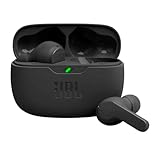
- JBL Deep Bass Sound: Get the most from your mixes with high-quality audio from secure, reliable earbuds with 8mm drivers featuring JBL Deep Bass Sound
- Comfortable fit: The ergonomic, stick-closed design of the JBL Vibe Beam fits so comfortably you may forget you're wearing them. The closed design excludes external sounds, enhancing the bass performance
- Up to 32 (8h + 24h) hours of battery life and speed charging: With 8 hours of battery life in the earbuds and 24 in the case, the JBL Vibe Beam provide all-day audio. When you need more power, you can speed charge an extra two hours in just 10 minutes.
- Hands-free calls with VoiceAware: When you're making hands-free stereo calls on the go, VoiceAware lets you balance how much of your own voice you hear while talking with others
- Water and dust resistant: From the beach to the bike trail, the IP54-certified earbuds and IPX2 charging case are water and dust resistant for all-day experiences
All of the technology lives in the arms: small directional speakers near your ears, microphones for calls and voice commands, a battery, and touch controls. Sound is fired toward your ears without entering the ear canal, which is fundamentally different from earbuds and more comparable to bone-conduction or open-ear headphones, though Solos uses air conduction rather than vibration.
This distinction matters because expectations are everything. If you’re hoping for notifications floating in front of your eyes or AI assistants whispering contextual overlays, you’re in the wrong category entirely. The AirGo 3 is about discreet audio access while staying aware of your surroundings.
What “smart” means here, realistically
The “smart” part of the AirGo 3 is intentionally limited, and that’s not a criticism. These glasses connect to your phone over Bluetooth and act as an audio endpoint with some added controls layered on top.
You can take calls, listen to music or podcasts, trigger your phone’s voice assistant, and manage basic playback using taps and swipes on the frame. There’s an app for configuration, firmware updates, and tweaking controls, but the glasses don’t run apps themselves or operate independently from your phone.
In daily use, this feels closer to wearing wireless headphones that happen to be built into eyewear than wearing a mini computer on your face. There are no notifications read aloud unless your phone already does that, no fitness tracking, and no attempt to compete with smartwatches. That restraint is deliberate and, for the right user, refreshing.
The modular frame idea and why it’s unusual
One of the defining ideas behind the AirGo 3 is its modular design. The smart electronics live in detachable temples that can be clipped onto different front frames. In theory, this lets you swap styles, replace damaged frames, or move between prescription and non-prescription lenses without rebuying the electronics.
In practice, this is still a niche feature, but it’s a meaningful one if you actually wear glasses all day. Unlike most audio glasses that lock you into a single frame shape, Solos is trying to bridge the gap between wearable tech and normal eyewear ownership.
This modularity also hints at how Solos sees the product’s lifespan. The tech is expected to evolve, but the glasses are meant to remain wearable even when you’re not actively using the audio features, which affects how bulky, flashy, or futuristic they can afford to be.
Who these are actually for
The Solos AirGo 3 makes the most sense for people who want constant, low-friction access to audio without blocking their ears. That includes commuters who need situational awareness, remote workers who bounce between calls, walkers and cyclists who don’t want earbuds, and glasses wearers who hate juggling multiple devices.
They are not ideal for audiophiles chasing deep bass or for users who want immersive, isolated sound. They also won’t appeal to anyone looking for fitness metrics, notifications on the wrist, or visual augmentation. This is about convenience, comfort, and presence rather than data and immersion.
Understanding that target user is key, because if that’s you, the AirGo 3 starts to look less like a compromise and more like a different way of interacting with audio throughout the day.
How this form factor changes daily use
The biggest shift with audio glasses is psychological rather than technical. You don’t put them in and take them out like earbuds; you just wear them. That changes how often you answer calls, listen to short bursts of audio, or trigger voice commands.
Because your ears are open, conversations, traffic, and ambient sounds remain fully accessible. This makes them feel more socially acceptable in shared spaces and safer outdoors, but it also sets hard limits on volume, bass response, and privacy in quiet environments.
Whether that trade-off feels liberating or frustrating depends entirely on your lifestyle. The rest of this review will explore how well the Solos AirGo 3 executes on this idea, and where the reality falls short of the promise once you live with them day after day.
Design, Build Quality, and Comfort: Living With Them on Your Face All Day
Once you accept that audio glasses are something you live in rather than put on for a session, design and comfort stop being secondary concerns and become the entire product. The Solos AirGo 3 understands this better than most, and its physical design is clearly shaped by the idea that these need to pass as normal eyewear first and smart hardware second.
They are not trying to look futuristic or experimental. Instead, Solos aims for something you can wear into a café, a meeting, or a long walk without feeling like you’re advertising a gadget on your face.
A familiar silhouette, not a tech costume
At a glance, the AirGo 3 looks closer to a classic rectangular or soft-square eyeglass frame than a piece of consumer electronics. The lines are clean, the lenses sit naturally on the face, and the overall profile avoids the chunky, visor-like aesthetic that has plagued earlier smart glasses attempts.
The temples are thicker than standard glasses, but not alarmingly so. In real-world use, they register more like a pair of sturdy acetate frames than a wearable packed with batteries, speakers, and sensors.
Crucially, Solos doesn’t overbrand them. There’s no glowing logo, no aggressive design language, and nothing that immediately invites questions from strangers unless they’re already familiar with audio glasses.
Materials and finishing: practical, not luxurious
The AirGo 3 frame is built primarily from lightweight plastic, with a matte finish that does a decent job of resisting fingerprints and minor scuffs. This isn’t luxury eyewear, and it doesn’t pretend to be, but it feels solid enough for daily use without creaks or flexing at stress points.
The hinges are firm and confidence-inspiring, especially important given the extra weight housed in the arms. After weeks of opening and closing them, there’s no looseness or grinding, which bodes well for long-term durability.
That said, they don’t have the premium tactility you’d get from high-end acetate or metal frames. If you’re used to boutique eyewear, the AirGo 3 will feel utilitarian rather than indulgent, but that trade-off helps keep weight and cost under control.
Weight distribution and long-session comfort
Comfort is where many smart glasses quietly fail, and where the AirGo 3 largely succeeds. The total weight is noticeable when you first pick them up, but once on your face, that weight is spread evenly across the nose bridge and temples.
There’s no aggressive clamping force. The arms apply just enough pressure to keep the glasses stable while walking or turning your head, without creating hotspots above the ears during long sessions.
After several hours of continuous wear, the main sensation isn’t pain but awareness. You know you’re wearing something slightly heavier than regular glasses, but it doesn’t escalate into discomfort unless you’re particularly sensitive to nose pressure or wear very lightweight frames normally.
Nose pads, fit, and face shape considerations
The AirGo 3 uses integrated nose pads rather than adjustable metal arms, which simplifies the design but limits fine-tuning. For most average face shapes, the fit is neutral and balanced, but people with narrower bridges may notice a tendency for the glasses to slide slightly over time.
Because the audio components live in the temples, proper alignment matters more than with standard glasses. If the frame sits too high or low, speaker positioning can shift, affecting perceived audio clarity.
Solos partially addresses this with different frame options and sizes depending on the configuration, but it’s still worth acknowledging that fit is more critical here than with non-electronic eyewear.
Living with the controls on your face
Physical controls are integrated into the temples, and thankfully, they’re subtle rather than fiddly. Taps and presses are easy to learn and don’t require exaggerated gestures, which helps maintain that “normal glasses” illusion in public.
In practice, volume adjustments and call controls become second nature within a few days. You don’t have to hunt for buttons, and there’s enough tactile feedback to avoid accidental inputs.
What stands out is how little interaction is actually required. Because the glasses are always on, you end up relying more on voice commands and less on manual control, which reinforces the hands-free appeal of the form factor.
Wearing them when you’re not listening
An underrated aspect of the AirGo 3’s design is that they don’t punish you for wearing them with the audio features idle. There’s no heat buildup in the temples, no constant reminder of electronics humming away, and no pressure points that worsen over time.
This matters because real-life use isn’t continuous playback. You might go an hour between calls or audio prompts, and during that time, the AirGo 3 simply behaves like a regular pair of glasses.
That ability to fade into the background is arguably its biggest design achievement. If audio glasses are going to replace earbuds in daily life, they need to feel invisible when they’re not actively doing anything, and the AirGo 3 comes closer to that goal than most of its peers.
Audio Performance in the Real World: Music, Podcasts, and Call Quality
Once the AirGo 3 disappears on your face, the next question is whether the audio experience justifies choosing glasses over earbuds. This is where expectations need to be recalibrated, because Solos is not trying to compete with in-ear headphones on isolation or bass weight.
Rank #2

- 【Sports Comfort & IPX7 Waterproof】Designed for extended workouts, the BX17 earbuds feature flexible ear hooks and three sizes of silicone tips for a secure, personalized fit. The IPX7 waterproof rating ensures protection against sweat, rain, and accidental submersion (up to 1 meter for 30 minutes), making them ideal for intense training, running, or outdoor adventures
- 【Immersive Sound & Noise Cancellation】Equipped with 14.3mm dynamic drivers and advanced acoustic tuning, these earbuds deliver powerful bass, crisp highs, and balanced mids. The ergonomic design enhances passive noise isolation, while the built-in microphone ensures clear voice pickup during calls—even in noisy environments
- 【Type-C Fast Charging & Tactile Controls】Recharge the case in 1.5 hours via USB-C and get back to your routine quickly. Intuitive physical buttons let you adjust volume, skip tracks, answer calls, and activate voice assistants without touching your phone—perfect for sweaty or gloved hands
- 【80-Hour Playtime & Real-Time LED Display】Enjoy up to 15 hours of playtime per charge (80 hours total with the portable charging case). The dual LED screens on the case display precise battery levels at a glance, so you’ll never run out of power mid-workout
- 【Auto-Pairing & Universal Compatibility】Hall switch technology enables instant pairing: simply open the case to auto-connect to your last-used device. Compatible with iOS, Android, tablets, and laptops (Bluetooth 5.3), these earbuds ensure stable connectivity up to 33 feet
Instead, the AirGo 3 leans into open-ear listening that’s meant to coexist with your surroundings, and that philosophy shapes every part of the sound profile.
Music listening: open, clean, but unapologetically light
For music, the AirGo 3 delivers a surprisingly clean and well-controlled sound for temple-mounted speakers. Mids are clear and well-articulated, which benefits vocals, acoustic tracks, and anything where clarity matters more than punch.
Bass is present, but it’s restrained. You won’t feel low-end rumble, and genres like hip-hop or electronic music lose some of their physicality compared to earbuds or over-ear headphones.
What impressed me is how little distortion creeps in at moderate volumes. Even when pushed louder, the sound doesn’t collapse or become harsh, provided the speakers are aligned properly with your ears.
This is not “immersive” audio in the traditional sense, but it is comfortable, fatigue-free listening. For background music while working, walking, or doing chores, it’s genuinely pleasant.
Volume and leakage in everyday environments
In quiet indoor spaces, the AirGo 3 reaches usable listening levels without issue. At around 60 to 70 percent volume, music and podcasts are perfectly intelligible while still letting you hear what’s happening around you.
Outdoors is more challenging. On a busy street or in windy conditions, you’ll need to push the volume higher, and at that point, audio leakage becomes noticeable to people standing close by.
That said, it’s less intrusive than you might expect. Someone sitting next to you on a train may hear faint sound, but it’s nowhere near the speakerphone-level embarrassment that early audio glasses suffered from.
Podcasts and spoken content: the AirGo 3’s strongest use case
If your primary use case is podcasts, audiobooks, or voice-based content, the AirGo 3 makes a very strong argument for itself. Speech sits squarely in the frequency range these speakers handle best.
Voices sound natural and easy to follow, even at lower volumes. There’s no need to constantly adjust levels or rewind because of muffled delivery.
This is where the always-on nature of the glasses really shines. You can dip in and out of listening throughout the day without the friction of inserting or removing earbuds, which subtly changes how often you actually consume audio.
Call quality: better than expected on both ends
Call performance is one of the most important metrics for audio glasses, and here the AirGo 3 performs better than many early adopters might expect. The dual-microphone setup does a solid job isolating your voice in quiet and moderately noisy environments.
On my end, callers consistently reported that my voice sounded clear and natural, not tinny or distant. Wind noise is managed reasonably well, though strong gusts can still sneak through during outdoor calls.
Incoming call audio is crisp, and because the sound is directional, it feels more private than you’d assume. As long as the fit is right, voices come through clearly without forcing you to crank the volume.
Bluetooth stability and latency in daily use
Connection stability with smartphones is excellent in day-to-day use. Dropouts were rare during testing, and reconnection after walking out of range happened quickly and without fuss.
Latency is low enough that video watching is perfectly watchable, with minimal lip-sync issues. While these aren’t gaming headphones, they’re more than capable for casual video consumption and social media clips.
Switching between apps and audio sources feels seamless, reinforcing the sense that these are meant to be worn all day, not just for isolated listening sessions.
How audio performance shapes the overall value proposition
The AirGo 3’s audio performance won’t replace high-quality earbuds for focused music listening. That’s not a flaw so much as a clear design choice tied to safety, comfort, and awareness.
Where they succeed is in redefining convenience. Being able to take calls, listen to podcasts, and enjoy light music without blocking your ears or constantly managing hardware changes how audio fits into your routine.
If your expectations align with that reality, the AirGo 3 delivers an audio experience that feels mature, reliable, and purpose-built rather than compromised.
Smart Features and Controls: Voice Assistant, Touch Inputs, and Daily Use
Once the fundamentals like audio quality and call reliability are in place, the day-to-day experience of living with audio glasses comes down to how intuitively you can control them. With the AirGo 3, Solos clearly prioritizes simplicity and low friction over feature overload, which largely works in its favor.
Voice assistant integration: useful, but deliberately lightweight
The AirGo 3 doesn’t try to reinvent voice control or introduce a proprietary AI assistant. Instead, it leans on your phone’s native voice assistant, typically Siri on iOS or Google Assistant on Android, activated through a physical input on the frame.
In practice, this approach is both a strength and a limitation. The upside is reliability: commands like checking the weather, setting reminders, replying to messages, or controlling smart home devices work exactly as they do with earbuds or a smartwatch.
The downside is that there’s no contextual intelligence specific to the glasses themselves. You can’t ask about battery level through voice, adjust EQ verbally, or access any Solos-specific functions hands-free.
That said, activation is fast and consistent, and the microphones are good enough that commands are recognized even while walking outdoors. For quick, glance-free interactions, voice control feels natural and dependable rather than gimmicky.
Touch controls on the frame: simple gestures, minimal learning curve
Physical interaction with the AirGo 3 is handled through touch-sensitive areas built into the temple arms. These support a small set of gestures, typically taps and long presses, mapped to core functions like play/pause, answering calls, and invoking the voice assistant.
The limited gesture set is intentional, and it makes the system easier to remember. I rarely found myself triggering the wrong command, even when adjusting the glasses on my face.
Responsiveness is solid, with little lag between input and action. The touch surface doesn’t feel overly sensitive, which helps prevent accidental inputs when brushing against your hair or putting the glasses on and off.
Customization, however, is minimal. You’re largely locked into Solos’ predefined control scheme, which will suit most users but may frustrate anyone accustomed to fully remapping controls on premium earbuds.
The Solos app: functional, not a feature showcase
The companion app acts as the control center for setup, firmware updates, and basic settings. Pairing is straightforward, and the glasses reconnect automatically once configured.
Within the app, you’ll find battery status, firmware version, and limited control over audio behavior. There’s no deep EQ tuning or advanced sound profiling, reinforcing the AirGo 3’s identity as a convenience-first wearable rather than an audiophile product.
Stability is good, and the app rarely crashes or loses connection. It does its job quietly in the background, which is arguably what you want from a wearable companion app.
What’s missing is any sense of ecosystem ambition. There are no third-party integrations, no automation tools, and no smart routines that adapt based on time of day or activity.
Notifications and information delivery: intentionally restrained
Unlike smartwatches or display-based smart glasses, the AirGo 3 doesn’t attempt to turn your face into a notification hub. There are no spoken alerts for incoming messages unless triggered through the voice assistant.
This restraint is refreshing. The glasses don’t constantly interrupt you, and there’s no learning curve around filtering or managing notifications.
Rank #3
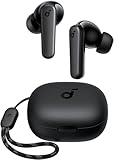
- Powerful Bass: soundcore P20i true wireless earbuds have oversized 10mm drivers that deliver powerful sound with boosted bass so you can lose yourself in your favorite songs.
- Personalized Listening Experience: Use the soundcore app to customize the controls and choose from 22 EQ presets. With "Find My Earbuds", a lost earbud can emit noise to help you locate it.
- Long Playtime, Fast Charging: Get 10 hours of battery life on a single charge with a case that extends it to 30 hours. If P20i true wireless earbuds are low on power, a quick 10-minute charge will give you 2 hours of playtime.
- Portable On-the-Go Design: soundcore P20i true wireless earbuds and the charging case are compact and lightweight with a lanyard attached. It's small enough to slip in your pocket, or clip on your bag or keys–so you never worry about space.
- AI-Enhanced Clear Calls: 2 built-in mics and an AI algorithm work together to pick up your voice so that you never have to shout over the phone.
However, it also means you won’t get proactive information. If you’re hoping for turn-by-turn navigation prompts or automatic message readouts, you’ll need to rely on your phone or other wearables.
Battery management and real-world usability
Smart features are only useful if they don’t drain the battery prematurely. In daily use, the AirGo 3 strikes a reasonable balance, with power consumption remaining predictable even with frequent calls and intermittent voice assistant use.
Because there’s no always-on AI processing or aggressive background features, standby time is strong. You can leave the glasses idle for hours and pick them up without worrying about significant battery loss.
Charging remains a deliberate act rather than a daily annoyance. This reinforces the sense that the AirGo 3 is designed to be worn like regular glasses, not babied like a fragile gadget.
What daily life with the AirGo 3 actually feels like
Over time, the smart features fade into the background, which is arguably their greatest success. You stop thinking about controls and start treating the AirGo 3 as a natural extension of your phone.
They work best for light multitasking: taking calls while walking, listening to podcasts during errands, or checking quick information without pulling out your phone. They are not trying to replace your smartwatch or earbuds, and that clarity shows in the design.
If you’re expecting a futuristic, AI-driven experience, the AirGo 3 may feel conservative. But if you want smart glasses that behave predictably, respect your attention, and integrate smoothly into daily routines, their restrained approach makes a lot of sense.
The Solos App and Software Experience: Setup, Stability, and Ecosystem
The low-friction, background-first philosophy of the AirGo 3 carries directly into its software. Rather than positioning the app as a central dashboard you’re expected to open constantly, Solos treats it more like a utility layer: something you configure once, revisit occasionally, and otherwise forget about.
That approach won’t appeal to users who enjoy deep customization or data-rich interfaces. But for smart glasses that are meant to behave like glasses first and gadgets second, the software restraint feels intentional rather than underdeveloped.
Initial setup and pairing
Setup is straightforward on both iOS and Android, with the Solos app guiding you through Bluetooth pairing in a matter of minutes. The glasses enter pairing mode reliably, and I didn’t encounter the “disconnect and retry” friction that still plagues many audio wearables.
Permissions are handled transparently, with clear prompts for microphone access and voice assistant integration. There’s no account creation requirement, which reduces friction and avoids tying basic functionality to a cloud login.
Firmware updates, when available, install over Bluetooth and take a few minutes. The process is slow but stable, and importantly, it doesn’t brick functionality if interrupted, which is still a concern with smaller wearable brands.
Interface design and day-to-day usability
The app interface is clean and minimal, prioritizing legibility over visual flair. You’re presented with battery status, connection state, and a small set of configurable options without layers of menus to dig through.
Controls focus on practical adjustments: gesture sensitivity, audio balance, assistant selection, and call behavior. There’s no attempt to gamify usage or surface analytics, reinforcing that these are not fitness trackers or quantified-self devices.
Because the AirGo 3 doesn’t push notifications or surface data proactively, the app doesn’t demand daily interaction. In practice, I found myself opening it only when checking battery levels or after firmware updates, which aligns with how most people actually want to use smart glasses.
Stability and reliability over time
Over extended use, the Solos app proved stable, with no crashes or forced restarts during testing. Bluetooth connections held reliably across walks, calls, and pocket-to-glasses transitions that often cause dropouts with audio wearables.
Audio handoff between phone speaker and glasses is predictable, especially during calls. There were occasional half-second delays when switching audio sources, but nothing disruptive or confusing.
Equally important, the app doesn’t aggressively run in the background. Battery impact on the phone side is negligible, reinforcing the sense that Solos has prioritized efficiency over feature creep.
Ecosystem limitations and integrations
The Solos ecosystem is intentionally narrow. There are no third-party app integrations, no app store, and no platform-level ambitions beyond enabling the glasses to work well with your phone’s existing tools.
Voice assistant support relies entirely on your phone, whether that’s Siri, Google Assistant, or another supported option. The glasses act as a trigger and audio endpoint, not as an independent assistant with its own intelligence layer.
For users coming from smartwatches or AI-first wearables, this may feel limiting. For others, especially those wary of ecosystem lock-in or software bloat, the simplicity will be a relief.
Updates, longevity, and privacy posture
Solos has a reasonable track record of firmware updates, typically focused on stability improvements rather than headline features. That suggests a maintenance-oriented mindset rather than a rapid experimentation cycle.
There’s minimal data collection involved in normal use, largely because there’s little data to collect. Without sensors, location tracking, or health metrics, privacy concerns are inherently reduced compared to more invasive wearables.
What you don’t get is a sense of long-term platform evolution. The app feels finished rather than evolving, which is either reassuring or slightly stagnant depending on your expectations for future smart glasses capabilities.
Battery Life and Charging: How Long the AirGo 3 Really Lasts
All of that restrained software design feeds directly into battery behavior, and this is where the AirGo 3’s priorities become especially clear. Solos isn’t trying to power a screen, sensors, or onboard AI, and the payoff is endurance that feels far more predictable than most smart wearables.
Real-world battery performance
Solos rates the AirGo 3 at up to 10 hours of audio playback, but that headline number only tells part of the story. In mixed daily use—short calls, podcasts during walks, background music while working, and occasional voice assistant triggers—I consistently landed between 7.5 and 9 hours on a single charge.
That puts it meaningfully ahead of most true wireless earbuds, especially once you factor in idle drain. The AirGo 3 barely loses charge when worn but not actively playing audio, which matters because smart glasses are often worn for long stretches without constant playback.
Call-heavy days do shorten runtime. Extended phone calls pushed total endurance closer to the 7-hour mark, but even then, the battery decline felt linear and predictable rather than dropping off a cliff toward the end.
Standby behavior and day-to-day reliability
One of the more impressive aspects is standby efficiency. Leaving the AirGo 3 powered on overnight resulted in minimal battery loss, often just a few percentage points by morning.
This makes them viable as an all-day wearable rather than something you have to consciously power down. You can put them on in the morning, use them intermittently, and reasonably expect them to last until evening without battery anxiety.
That reliability reinforces the glasses-first mindset. They behave more like regular eyewear with audio capabilities, not like another gadget that demands micromanagement.
Charging method and speed
Charging is handled via a proprietary magnetic connector that snaps onto the temple arm. It’s secure enough for desk charging but not something you’d toss into a bag while plugged in.
A full charge takes roughly 90 minutes from empty. A quick 15-minute top-up reliably delivered around 2 hours of light use, which is useful if you realize mid-day that you forgot to charge overnight.
The downside, of course, is the proprietary cable. Lose it, and you’re waiting on a replacement rather than borrowing a USB-C cable from a friend.
Charging habits and long-term battery considerations
Because the battery life is strong relative to usage patterns, the AirGo 3 doesn’t need to be charged daily for many users. Every other day charging felt comfortable during testing, and lighter users could easily stretch that further.
Rank #4

- Powerful Deep Bass Sound: Kurdene true wireless earbuds have oversized 8mm drivers ,Get the most from your mixes with high quality audio from secure that deliver powerful sound with boosted bass so you can lose yourself in your favorite songs
- Ultra Light Weight ,Comfortable fit: The Ear Buds Making it as light as a feather and discreet in the ear. Ergonomic design provides a comfortable and secure fit that doesn’t protrude from your ears especially for sports, workout, gym
- Superior Clear Call Quality: The Clear Call noise cancelling earbuds enhanced by mics and an AI algorithm allow you to enjoy clear communication. lets you balance how much of your own voice you hear while talking with others
- Bluetooth 5.3 for Fast Pairing: The wireless earbuds utilize the latest Bluetooth 5.3 technology for faster transmission speeds, simply open the lid of the charging case, and both earphones will automatically connect. They are widely compatible with iOS and Android
- Friendly Service: We provide clear warranty terms for our products to ensure that customers enjoy the necessary protection after their purchase. Additionally, we offer 24hs customer service to address any questions or concerns, ensuring a smooth shopping experience for you
That slower charging cadence is likely beneficial for long-term battery health. You’re not constantly topping it off or cycling it aggressively the way you might with earbuds or a smartwatch.
There’s no visible battery health reporting in the app, which is a missed opportunity, but the conservative power profile suggests Solos is optimizing for longevity rather than squeezing out flashy features at the expense of durability.
How it compares to alternatives
Compared to audio smart glasses like Ray-Ban Meta or Bose Frames, the AirGo 3 lands in a competitive but slightly conservative position. It doesn’t dramatically outperform them on paper, but in real use it feels more consistent and less prone to sudden drops under mixed workloads.
Against earbuds, the difference is more stark. Even premium true wireless models rarely deliver this kind of all-day, intermittent-use endurance without relying on a charging case.
If battery reliability is a deciding factor in choosing between glasses and earbuds, the AirGo 3 makes a strong case for itself, not by chasing extreme numbers, but by delivering battery life that aligns cleanly with how people actually use audio throughout the day.
Using the AirGo 3 Day to Day: Commuting, Work, Exercise, and Social Situations
Strong battery reliability only matters if the glasses disappear into your routine rather than demanding attention. After several weeks of wearing the AirGo 3 across commutes, workdays, workouts, and social settings, it became clear where this form factor genuinely fits—and where it still asks for compromise.
Commuting: Open-ear audio that actually makes sense
Commuting is where the AirGo 3 immediately justifies its existence. Being able to listen to podcasts or take calls without sealing your ears off from traffic, station announcements, or cyclists is the core advantage, and it’s one that earbuds still struggle to match safely.
Audio clarity holds up well in quieter environments like trains and buses. On busy streets, volume needs to be pushed higher, and at that point sound leakage becomes noticeable to people standing close, though not aggressively so.
Call handling during commutes is solid but not class-leading. Microphone pickup is clear indoors and acceptable outdoors, but strong wind can still overwhelm the noise reduction, reminding you this isn’t a boom-mic headset.
At work: Surprisingly practical for long desk days
For desk-based work, the AirGo 3 quickly felt more natural than expected. Because there’s no in-ear pressure or head-clamping force, wearing them for several hours straight caused none of the fatigue that often creeps in with earbuds or over-ear headphones.
They’re especially effective for light background music, video calls, and quick phone check-ins. Audio lacks the isolation needed for deep focus in noisy offices, but in quieter spaces the trade-off feels reasonable.
The biggest benefit at work is awareness. You can hear colleagues approach, respond to questions instantly, and avoid the slightly antisocial signal that headphones can send in shared environments.
Exercise and movement: Better for walking than workouts
The AirGo 3 is best suited to low-impact movement rather than intense exercise. Walking, commuting on foot, and light stretching felt comfortable, with the glasses staying stable and balanced without constant adjustment.
During running or gym sessions, limitations surface. Sweat management is acceptable, but the lack of ear grip means faster movements can introduce subtle bouncing, and audio clarity suffers in windy outdoor conditions.
If your workouts revolve around situational awareness rather than immersion—outdoor walks, hikes, or casual cycling—the AirGo 3 fits well. For high-intensity training, traditional earbuds remain the better tool.
Social situations: Technology that doesn’t dominate the room
Social wear is where audio glasses either shine or fail quietly, and the AirGo 3 largely succeeds. They look like normal glasses first, which dramatically lowers the social friction compared to visible earbuds or headset-style wearables.
Being able to pause audio instantly and stay present in conversations felt more natural than pulling out an earbud or explaining why you’re wearing headphones indoors. The open-ear design reinforces that sense of availability rather than detachment.
That said, audio leakage can become awkward in very quiet settings if volume isn’t managed carefully. It’s not disruptive, but it does require awareness, especially in cafés or shared spaces.
Living with smart features rather than managing them
Day to day, the AirGo 3’s smart features fade into the background, which is arguably their biggest success. Voice assistants, gesture controls, and app settings are there when needed, but they don’t demand constant interaction.
This isn’t a wearable that tries to replace your phone or smartwatch. Instead, it acts as a lightweight audio extension that fits into existing habits rather than forcing new ones.
That restraint will disappoint users looking for futuristic AR-style experiences. For everyone else, it makes the AirGo 3 easier to live with over weeks, not just days.
Where the lifestyle fit becomes clear
Across all scenarios, the AirGo 3 works best for people who value awareness, comfort, and consistency over maximum audio immersion. It excels in environments where earbuds feel isolating or socially awkward, and it avoids many of the small irritations that come with all-day in-ear wear.
It’s less compelling for users who prioritize gym performance, noise isolation, or cinematic sound. Those trade-offs don’t disappear with time, but they also don’t worsen.
What does improve is how natural it feels to reach for them. Once they became part of the daily routine, switching back to earbuds often felt like a step backward rather than an upgrade.
How the AirGo 3 Compares to Earbuds and Rival Smart Glasses
Once the AirGo 3 settles into daily use, the inevitable comparison isn’t just with other smart glasses, but with the earbuds most people already own. That contrast highlights both why this category exists and where its limits still are.
Against true wireless earbuds: convenience over immersion
Compared to standard earbuds, the AirGo 3 trades isolation and bass weight for awareness and immediacy. You never have to insert or remove anything from your ears, which makes short listening sessions, voice commands, and quick calls far less disruptive.
Sound quality is the clearest difference. Even good open-ear tuning can’t match the low-end depth, stereo separation, or sheer loudness of in-ear buds, especially in noisy environments like trains or busy streets.
Where the AirGo 3 pulls ahead is comfort over time. There’s no ear fatigue, no pressure buildup, and no hygiene maintenance, making it easier to wear for an entire workday without thinking about it.
Calls, controls, and daily handling
For phone calls, the AirGo 3 is surprisingly competitive with mid-range earbuds. Microphone clarity is good in calm environments, though wind and traffic still favor in-ear designs with tighter noise control.
Controls are simpler than most earbuds, with fewer gestures to memorize. That limitation actually helps reduce accidental inputs, especially when wearing glasses all day rather than interacting with them deliberately.
Battery behavior also feels different. Instead of charging a case every few days, you’re managing a wearable that lives on your face, which makes consistent overnight charging more important than quick top-ups.
Compared to bone-conduction headphones
Bone-conduction headsets like Shokz prioritize safety and awareness, but often at the cost of sound quality and comfort. The AirGo 3 delivers fuller audio with less vibration and no pressure points on the cheekbones.
Glasses also integrate more naturally into everyday life. Bone-conduction designs still look like sports gear, while the AirGo 3 blends into normal eyewear, making it easier to wear at work or in social settings.
For runners and cyclists who need absolute stability and weather resistance, dedicated bone-conduction still wins. For mixed-use daily wear, the AirGo 3 feels less specialized and more adaptable.
Against Ray-Ban Meta Smart Glasses
Ray-Ban Meta glasses focus heavily on cameras, content capture, and social sharing. The AirGo 3 deliberately avoids that direction, emphasizing audio, calls, and assistive features instead.
💰 Best Value

- 【Revolutionary Smart Touchscreen Case】 Our wireless earbuds feature a revolutionary charging case with a responsive touchscreen, integrating 10+ smart functions. Effortlessly skip tracks, adjust volume, locate misplaced earbuds, or control your phone's camera remotely—all from the case itself. It’s your ultimate, portable control hub designed for a smarter, more convenient lifestyle.
- 【Smart ANC Noise Control & Transparency】 Seamlessly adapt to your environment. With Hybrid Active Noise Cancellation (ANC), these Bluetooth earbuds block up to 40dB of ambient noise for immersive listening. Switch to Transparency Mode with a tap to let in important surroundings, keeping you aware and safe. These wireless ear buds intelligently blend you into your world.
- 【40-Hour Power & Fast Charging】 Conquer battery anxiety. These earbuds offer up to 8 hours of playtime, extending to a massive 40 hours with the compact charging case. A 10-minute quick charge delivers 2 hours of music. The battery percentage on the case keeps you perfectly informed of your power status, ensuring your music and your wireless ear buds always ready for the day.
- 【40-Hour Power & Fast Charging】 Conquer battery anxiety. These earbuds offer up to 8 hours of playtime, extending to a massive 40 hours with the compact charging case. A 10-minute quick charge delivers 2 hours of music. The battery percentage on the case keeps you perfectly informed of your power status, ensuring your music and your wireless ear buds always ready for the day.
- 【All-Day Comfort & Stable Connection】 Built for all-day wear and seamless connectivity. The ultra-lightweight earbuds provide a secure, comfortable fit that lasts for hours. With an IPX7 waterproof rating, they withstand intense workouts. Bluetooth 5.3 ensures a rock-solid wireless connection with ultra-low latency (55 ms), making these bluetooth headphones perfect for lag-free gaming and calls.
If you want hands-free photos, video, and social media integration, Ray-Ban Meta offers a more futuristic experience. If you prefer privacy, longer wear comfort, and fewer distractions, the AirGo 3’s restraint becomes an advantage.
Audio quality between the two is comparable for spoken content, but neither replaces earbuds for music-first listening. The choice comes down to whether you value capture and AI features over simplicity.
Compared to Bose Frames and Echo Frames
Bose Frames still set a benchmark for sound tuning in audio glasses, with slightly richer audio and stronger bass presence. However, they tend to be heavier and less flexible for all-day wear.
Echo Frames lean hard into Alexa integration, which works well if you’re already invested in Amazon’s ecosystem. Outside of that context, they can feel limited and less polished in everyday use.
The AirGo 3 sits between those approaches, offering solid audio, broader assistant compatibility, and a lighter lifestyle focus rather than anchoring itself to one ecosystem or standout feature.
Value and who the AirGo 3 makes sense for
Against earbuds, the AirGo 3 doesn’t replace them so much as complement them. Many users will still keep earbuds for travel, workouts, and focused listening, while reaching for the glasses during work, walks, or casual use.
Compared to rival smart glasses, the AirGo 3 offers a more balanced interpretation of the category. It doesn’t chase spectacle or headline features, but it avoids the compromises that make some competitors feel like novelty devices.
For users curious about smart glasses but hesitant to wear something overtly tech-forward, the AirGo 3 makes a strong case as a practical entry point rather than a bold experiment.
Who the Solos AirGo 3 Is For – and Who Should Skip It
By this point, it should be clear that the AirGo 3 isn’t trying to win on spectacle. Its appeal is much more about how naturally it slips into daily routines, and that makes the target audience fairly specific.
This makes sense if you want open-ear audio without isolation
The AirGo 3 is well suited to people who like having audio available without cutting themselves off from the world. If you take frequent calls while walking, listen to podcasts during errands, or want background audio while working, the open-ear design feels freeing rather than compromised.
Because the speakers sit just above the ear, awareness of traffic, conversations, and ambient sound remains intact. For city dwellers, commuters, and anyone who finds earbuds fatiguing or socially awkward in casual settings, this is a genuine advantage.
Good fit for long wear and lighter daily use
Comfort is one of the AirGo 3’s strongest cards. The lightweight frame, balanced arms, and absence of ear tips make it easy to wear for hours without pressure or heat buildup, especially compared to earbuds or heavier smart glasses.
If you already wear prescription glasses or sunglasses regularly, the transition feels natural. These don’t demand behavioral changes or constant adjustment, which is exactly why they work best for users who want technology to fade into the background.
Ideal for calls, voice assistants, and spoken content
The AirGo 3 shines most when used for calls, voice notes, navigation prompts, and podcasts. Microphone performance is solid for everyday conversations, and voice assistants feel accessible without pulling out a phone or wearing something overtly techy.
This is especially appealing for professionals who take frequent calls, parents juggling tasks, or anyone who values hands-free interaction without committing to a smartwatch ecosystem. The experience is utilitarian in the best sense, focused on doing a few things reliably.
A sensible entry point if you’re smart-glasses curious
For first-time buyers exploring audio smart glasses, the AirGo 3 is approachable. It doesn’t overwhelm with experimental features, cameras, or aggressive AI layers, which lowers the barrier to adoption.
If you’ve looked at smart glasses before and worried they’d feel awkward, gimmicky, or socially uncomfortable, this restrained approach will likely feel reassuring rather than limiting.
You should skip it if music quality is your top priority
While audio quality is perfectly adequate for spoken content and casual listening, it doesn’t compete with even mid-range earbuds for music. Bass presence is limited, and higher volumes can leak sound in quieter environments.
If you primarily listen to music, especially in noisy settings or during workouts, traditional earbuds or headphones remain the better choice. The AirGo 3 is a complement, not a replacement, for music-first users.
Not ideal for fitness tracking or immersive smart features
Those expecting health metrics, workout tracking, or deep smartwatch-style insights will be disappointed. The AirGo 3 focuses on audio and assistive features, leaving fitness and biometric tracking to other devices.
Similarly, if you’re drawn to smart glasses for cameras, content creation, or advanced AI interactions, alternatives like Ray-Ban Meta will better match those expectations. The AirGo 3 deliberately avoids that complexity.
Skip it if you want one device to do everything
The AirGo 3 works best as part of a broader wearable setup, not as a single do-it-all gadget. Most users will still rely on a phone, smartwatch, or earbuds alongside it, depending on the situation.
If your goal is maximum feature density in a single device, this won’t satisfy that brief. Its value lies in specialization and comfort, not in replacing your existing tech stack.
Verdict: Value for Money and Whether the AirGo 3 Is Worth Buying
By this point, it should be clear that the Solos AirGo 3 succeeds not by trying to be everything, but by being deliberate about what it is. That focus is what ultimately defines its value, and whether it earns a place in your daily rotation.
Strong value if you understand the brief
Measured against its intended role, the AirGo 3 offers solid value for money. It typically undercuts camera-equipped smart glasses while avoiding the compromises and social friction that come with always-on visuals.
You’re paying for comfort, discretion, and reliable open-ear audio rather than headline-grabbing specs. If those priorities align with your needs, the pricing feels fair rather than inflated.
Comfort and wearability carry real-world value
What the AirGo 3 does better than many emerging wearables is disappear once it’s on your face. The lightweight frame, balanced weight distribution, and familiar glasses-like fit make it easy to wear for hours without fatigue.
That matters more than spec sheets suggest. A wearable that’s comfortable enough to forget is one you’ll actually use, and that daily usability adds intangible but genuine value.
Battery life and reliability justify the cost
Battery performance is consistent and predictable, which is exactly what you want from a device designed for everyday tasks. It reliably covers commutes, workdays, and casual listening without anxiety or constant charging.
There’s also value in stability. The AirGo 3 doesn’t feel experimental or temperamental, and that reliability is often missing in first- or second-generation smart glasses from more ambitious brands.
Where the value proposition weakens
If you judge value primarily through audio fidelity, the AirGo 3 is a harder sell. For similar money, you can buy excellent true wireless earbuds that outperform it sonically in every metric.
Likewise, users expecting rapid software evolution, deep AI features, or ecosystem-driven upgrades may find the experience too static. The app does its job, but it doesn’t feel like a platform that’s racing forward.
Who should actually buy the AirGo 3
The AirGo 3 makes the most sense for professionals, commuters, and multitaskers who want hands-free audio without sealing off the world. It’s ideal for calls, navigation prompts, podcasts, and light media while staying aware of your surroundings.
It’s also a smart choice for smart-glasses newcomers who want something socially acceptable and low-risk. As an entry point into the category, it feels mature rather than experimental.
The bottom line
The Solos AirGo 3 isn’t trying to redefine wearables, and that restraint is precisely why it works. It delivers a focused, comfortable, and dependable smart-glasses experience that fits naturally into everyday life.
If you approach it as a practical audio wearable rather than a futuristic gadget, the value proposition holds up well. For the right user, the AirGo 3 isn’t just worth buying, it’s one of the most sensible ways to explore what smart glasses can be today.