Audio glasses have quietly shifted from novelty to niche tool, and if you’re here, you’re probably trying to work out whether they finally make sense for everyday life. The Solos AirGo V sits squarely in that moment, promising open‑ear audio, smart features, and all‑day wear without asking you to commit to earbuds or bulky headphones. This review starts by grounding expectations, because understanding what these are is the only way to judge whether they’re right for you.
The AirGo V isn’t trying to replace your AirPods or noise‑cancelling over‑ears. It’s designed for people who want constant access to audio and voice assistants while staying aware of their surroundings, whether that’s walking a city, cycling, working in an office, or wearing prescription lenses all day. In 2026, audio glasses occupy a specific middle ground, and Solos is betting that more users are finally ready to meet them there.
What follows breaks down where the AirGo V fits, how it differs from both earbuds and earlier smart glasses, and why its strengths only shine in certain daily routines. If you’ve been curious but skeptical, this section is about setting a realistic baseline before diving into performance, comfort, and value.
What the Solos AirGo V actually is
At its core, the Solos AirGo V is a pair of modular smart audio glasses with open‑ear speakers built into the temples, paired with microphones for calls and voice control. Sound is delivered via directional speakers that fire toward your ears, leaving the ear canal completely unobstructed and allowing ambient noise to pass through naturally. There’s no display, camera, or AR layer here, which keeps the focus firmly on audio, comfort, and wearability.
🏆 #1 Best Overall
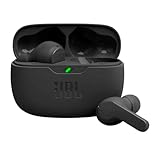
- JBL Deep Bass Sound: Get the most from your mixes with high-quality audio from secure, reliable earbuds with 8mm drivers featuring JBL Deep Bass Sound
- Comfortable fit: The ergonomic, stick-closed design of the JBL Vibe Beam fits so comfortably you may forget you're wearing them. The closed design excludes external sounds, enhancing the bass performance
- Up to 32 (8h + 24h) hours of battery life and speed charging: With 8 hours of battery life in the earbuds and 24 in the case, the JBL Vibe Beam provide all-day audio. When you need more power, you can speed charge an extra two hours in just 10 minutes.
- Hands-free calls with VoiceAware: When you're making hands-free stereo calls on the go, VoiceAware lets you balance how much of your own voice you hear while talking with others
- Water and dust resistant: From the beach to the bike trail, the IP54-certified earbuds and IPX2 charging case are water and dust resistant for all-day experiences
A defining feature is Solos’ interchangeable frame system, which allows the same electronics module to snap into different frame styles or prescription‑ready lenses. That matters if you already wear glasses full‑time, because it means the AirGo V can realistically replace your daily frames instead of becoming a second, awkward accessory. Build quality leans practical rather than flashy, with lightweight materials designed to be worn for hours without pressure points or heat buildup around the ears.
From a software standpoint, the AirGo V connects via Bluetooth to iOS and Android, handling music playback, calls, navigation prompts, and voice assistants. There’s no app ecosystem to learn or screen to manage, which is intentional, as these are meant to disappear into your routine rather than demand attention.
Where audio glasses fit in 2026, realistically
In 2026, audio glasses make the most sense for users who value situational awareness over immersion. Compared to earbuds, they lose on bass depth, volume isolation, and private listening, especially in noisy environments like public transit. What they gain is comfort, safety, and convenience, particularly for walking, cycling, office work, or wearing all day without ear fatigue.
They also solve problems earbuds never quite fixed. There’s nothing to insert, nothing to lose, and no pressure in the ear canal, which matters for people who wear audio devices for six to ten hours a day. Battery life tends to be shorter per charge than headphones, but long enough to cover a workday when usage is intermittent, and charging habits feel closer to topping up a smartwatch than managing multiple earbud cases.
The Solos AirGo V fits best for users who already live in glasses and want audio layered into their day, not those chasing cinematic sound or isolation. If your primary use case is workouts, flights, or deep focus listening, earbuds still win. If your priority is seamless, always‑available audio without disconnecting from the world, this is exactly where audio glasses finally make sense.
Design, Build Quality, and Everyday Wearability (As Glasses First)
What ultimately determines whether audio glasses work is not the tech, but whether they succeed as glasses you actually want to wear all day. The Solos AirGo V understands this priority better than most, leaning hard into familiar eyewear design rather than signaling itself as a gadget. That design restraint is what allows everything discussed earlier about situational awareness and all‑day comfort to hold up in real use.
A modular design that respects real eyewear needs
The AirGo V’s defining physical feature is its modular architecture, with a detachable electronics “temple” unit that snaps cleanly into different frame fronts. This isn’t a novelty trick; it’s a practical solution for users who need prescription lenses or simply want different styles for work and casual wear. In daily use, the connection feels secure and confidence‑inspiring, not like something that might loosen over time.
Frame options lean conservative, closer to modern optical frames than tech wearables. Think neutral silhouettes that wouldn’t look out of place in an office, coffee shop, or video call. That matters because audio glasses fail quickly if they feel like something you only tolerate for the tech.
Materials, finish, and durability expectations
Solos uses lightweight composite materials rather than metal, prioritizing weight reduction over premium heft. In the hand, they don’t feel luxurious in the way acetate designer frames do, but they also don’t feel cheap or hollow. The finish is matte and practical, resisting fingerprints and minor scuffs better than glossy alternatives.
Hinges are tight with no audible creaking, and the temples maintain consistent tension when opening and closing. After repeated on‑off cycles throughout the day, the structure holds its shape without loosening, which is essential for glasses carrying embedded electronics. These feel built for everyday wear rather than careful handling.
Weight distribution and long‑term comfort
Comfort is where the AirGo V quietly excels. The added weight of the speakers and battery is spread evenly along the temples, avoiding the front‑heavy sensation common with early smart glasses. On the face, pressure points are minimal, even after several hours of continuous wear.
Nose pads are unobtrusive and don’t dig in during desk work or walking. Importantly, heat buildup around the ears is well controlled, even during longer listening sessions or warm weather. This makes the AirGo V viable as an all‑day replacement for standard glasses, not just something you put on for audio tasks.
Everyday fit with movement and activity
In real‑world movement, walking, commuting, light cycling, or standing at a desk, the glasses remain stable without needing constant adjustment. They are not designed for high‑impact workouts, but for the use cases audio glasses are best suited to, they stay put. Compared to earbuds that need reseating or over‑ear headphones that trap heat, the AirGo V fades into the background.
Temple grip strikes a good balance between security and comfort. There’s enough tension to prevent slipping when looking down at a phone or laptop, but not so much that it causes temple fatigue by mid‑afternoon.
Controls and interaction from a wearability standpoint
Physical controls are integrated into the temples and are easy to find by touch without looking. Button placement avoids accidental presses when adjusting the glasses, which is a common frustration with touch‑sensitive designs. The tactile feedback reinforces that these are meant to be operated instinctively, not fiddled with.
From a wearability perspective, the lack of a display is a strength. There’s nothing pulling attention away from the primary function of being glasses, and no temptation to check or manage a screen. This reinforces the AirGo V’s role as passive, always‑available audio rather than an attention‑seeking smart device.
Living with them as your primary pair of glasses
Used as a daily driver, the AirGo V integrates cleanly into routines that already involve glasses. They’re easy to put on first thing in the morning and forget about until audio is needed. Charging feels similar to topping up a smartwatch, something you do at the end of the day rather than managing constantly.
For people who already wear glasses full‑time, this is where the value proposition becomes clear. Instead of switching between eyewear and earbuds, the AirGo V collapses those roles into a single object. As glasses first and audio second, they succeed at the more difficult half of that equation.
How the Open‑Ear Audio System Works in Real Life
What ultimately defines the Solos AirGo V is how its open‑ear audio behaves once you stop thinking about specs and start using it hour after hour. Because the speakers sit just forward of the ears rather than sealing inside them, the experience is fundamentally different from earbuds or headphones. It’s less about isolation and more about coexistence with your surroundings.
Speaker placement and sound delivery
The AirGo V uses directional speakers embedded in the temples, angled toward the ear canal. In practice, this creates a focused sound bubble that feels closer than most bone‑conduction designs but still clearly open. Audio doesn’t feel like it’s coming from inside your head; it feels like a small personal speaker following you around.
For podcasts, audiobooks, and calls, this works exceptionally well. Voices are clear and forward, with enough midrange presence that speech remains intelligible even while walking along traffic or in a busy office.
Volume, clarity, and realistic expectations
Maximum volume is sufficient for everyday environments but not designed to overpower them. On a quiet street or indoors, you can listen comfortably at 50–60 percent volume. In louder settings like subway platforms or windy bike paths, you’ll hear the audio, but details get masked more quickly than they would with sealed earbuds.
Music playback is serviceable rather than immersive. Bass exists but is more suggested than felt, and complex tracks lose some depth. This is not a flaw so much as a trade‑off inherent to open‑ear audio, and Solos tunes the AirGo V toward clarity over punch.
Rank #2

- 【Sports Comfort & IPX7 Waterproof】Designed for extended workouts, the BX17 earbuds feature flexible ear hooks and three sizes of silicone tips for a secure, personalized fit. The IPX7 waterproof rating ensures protection against sweat, rain, and accidental submersion (up to 1 meter for 30 minutes), making them ideal for intense training, running, or outdoor adventures
- 【Immersive Sound & Noise Cancellation】Equipped with 14.3mm dynamic drivers and advanced acoustic tuning, these earbuds deliver powerful bass, crisp highs, and balanced mids. The ergonomic design enhances passive noise isolation, while the built-in microphone ensures clear voice pickup during calls—even in noisy environments
- 【Type-C Fast Charging & Tactile Controls】Recharge the case in 1.5 hours via USB-C and get back to your routine quickly. Intuitive physical buttons let you adjust volume, skip tracks, answer calls, and activate voice assistants without touching your phone—perfect for sweaty or gloved hands
- 【80-Hour Playtime & Real-Time LED Display】Enjoy up to 15 hours of playtime per charge (80 hours total with the portable charging case). The dual LED screens on the case display precise battery levels at a glance, so you’ll never run out of power mid-workout
- 【Auto-Pairing & Universal Compatibility】Hall switch technology enables instant pairing: simply open the case to auto-connect to your last-used device. Compatible with iOS, Android, tablets, and laptops (Bluetooth 5.3), these earbuds ensure stable connectivity up to 33 feet
Sound leakage and social awareness
One concern with open‑ear glasses is whether people nearby can hear what you’re listening to. At low to moderate volumes, leakage is minimal and generally unnoticed unless someone is standing very close. At higher volumes in quiet rooms, sound becomes faintly audible to others, similar to an open laptop speaker at low output.
The upside is situational awareness. You hear conversations, traffic, announcements, and environmental cues naturally. That makes the AirGo V far better suited to commuting, walking, or working in shared spaces than traditional headphones.
Calls and microphone performance in daily use
Call quality is one of the AirGo V’s stronger real‑world applications. The microphones pick up your voice clearly during walking calls, and wind handling is better than expected for glasses‑based hardware. People on the other end consistently hear you without needing to repeat yourself.
Because your ears remain open, calls feel more natural and less isolating. You can modulate your own voice normally and remain aware of what’s happening around you, which is especially useful in offices or while moving between locations.
Living with open‑ear audio all day
What stands out over time is how fatigue‑free the system feels. There’s no pressure in the ear canal, no heat buildup, and no sense of being sonically sealed off. You can dip in and out of audio throughout the day without the mental overhead that often comes with wearing earbuds for hours.
This is where the AirGo V quietly outperforms traditional audio gear. It doesn’t try to replace high‑end headphones for focused listening. Instead, it becomes an always‑available layer of sound that fits naturally into real life, reinforcing the idea that these are glasses first and audio second, by design rather than compromise.
Sound Quality: Music, Podcasts, Calls, and Environmental Awareness
Coming off the comfort and design discussion, sound quality is where the Solos AirGo V either makes sense for your lifestyle or doesn’t. These are open‑ear audio glasses, and that single design choice defines every strength and limitation you’ll hear day to day.
Music playback: clarity over immersion
For music, the AirGo V delivers a clean, articulate presentation that prioritizes intelligibility rather than scale. Vocals sit forward, midrange instruments are well defined, and treble is tuned to avoid harshness even at higher volumes. This makes acoustic tracks, pop, indie, and lighter electronic genres surprisingly enjoyable.
Bass, as expected, is restrained. You hear bass notes rather than feel them, and sub‑bass presence is limited compared to earbuds or over‑ear headphones. This is not a tuning flaw so much as a physical reality of open‑ear drivers positioned near, not inside, your ears.
At moderate volumes, music feels natural and unobtrusive, blending into your environment rather than overpowering it. Push the volume higher and clarity holds up reasonably well, though the sound never becomes enveloping. If you’re coming from noise‑canceling earbuds, the adjustment is noticeable, but intentional.
Podcasts, audiobooks, and spoken content
Spoken audio is where the AirGo V feels most at home. Podcasts, audiobooks, voice notes, and news briefings sound crisp and easy to follow, even in moderately noisy environments. Speech remains intelligible without needing to raise volume aggressively.
This tuning makes all‑day listening practical. You can move between tasks, conversations, and content without constantly pausing or removing hardware. For users who consume hours of spoken content daily, the AirGo V is more comfortable and less mentally fatiguing than in‑ear alternatives.
Sound leakage and social awareness
One concern with open‑ear glasses is whether people nearby can hear what you’re listening to. At low to moderate volumes, leakage is minimal and generally unnoticed unless someone is standing very close. At higher volumes in quiet rooms, sound becomes faintly audible to others, similar to an open laptop speaker at low output.
The upside is situational awareness. You hear conversations, traffic, announcements, and environmental cues naturally. That makes the AirGo V far better suited to commuting, walking, or working in shared spaces than traditional headphones.
Calls and microphone performance in daily use
Call quality is one of the AirGo V’s stronger real‑world applications. The microphones pick up your voice clearly during walking calls, and wind handling is better than expected for glasses‑based hardware. People on the other end consistently hear you without needing to repeat yourself.
Because your ears remain open, calls feel more natural and less isolating. You can modulate your own voice normally and remain aware of what’s happening around you, which is especially useful in offices or while moving between locations.
Living with open‑ear audio all day
What stands out over time is how fatigue‑free the system feels. There’s no pressure in the ear canal, no heat buildup, and no sense of being sonically sealed off. You can dip in and out of audio throughout the day without the mental overhead that often comes with wearing earbuds for hours.
This is where the AirGo V quietly outperforms traditional audio gear. It doesn’t try to replace high‑end headphones for focused listening. Instead, it becomes an always‑available layer of sound that fits naturally into real life, reinforcing the idea that these are glasses first and audio second, by design rather than compromise.
Smart Features, Controls, and App Experience
After getting used to the open‑ear listening style, the next thing you notice is how little friction there is in actually controlling the AirGo V day to day. Solos has clearly designed these glasses to behave more like a background utility than a gadget you constantly manage, and that philosophy carries through the controls and software.
Physical controls and daily interaction
Control is handled through capacitive touch zones built into the temples, keeping the frames visually clean and intuitive to use. A single tap typically handles play and pause, double taps skip tracks, and long presses adjust volume or trigger voice assistants depending on how you configure them.
In practice, the gestures are reliable once you learn the tap cadence, though they’re not quite as forgiving as the squeeze or button controls found on some premium earbuds. Accidental inputs are rare during normal wear, but brushing the temples while adjusting the glasses can occasionally register a command.
What works particularly well is how subtle the interaction feels in public. You’re not raising a hand to your ear or fumbling with a stem; a quick tap near the hinge is discreet and socially natural, reinforcing the AirGo V’s appeal for commuting and office use.
Voice assistant support and hands‑free use
The AirGo V supports native voice assistants through your connected phone, including Siri on iOS and Google Assistant on Android. Activation can be handled via touch or wake‑word, depending on your phone’s settings, making it easy to send messages, check directions, or control playback without reaching for your device.
Rank #3
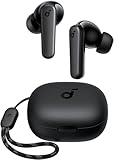
- Powerful Bass: soundcore P20i true wireless earbuds have oversized 10mm drivers that deliver powerful sound with boosted bass so you can lose yourself in your favorite songs.
- Personalized Listening Experience: Use the soundcore app to customize the controls and choose from 22 EQ presets. With "Find My Earbuds", a lost earbud can emit noise to help you locate it.
- Long Playtime, Fast Charging: Get 10 hours of battery life on a single charge with a case that extends it to 30 hours. If P20i true wireless earbuds are low on power, a quick 10-minute charge will give you 2 hours of playtime.
- Portable On-the-Go Design: soundcore P20i true wireless earbuds and the charging case are compact and lightweight with a lanyard attached. It's small enough to slip in your pocket, or clip on your bag or keys–so you never worry about space.
- AI-Enhanced Clear Calls: 2 built-in mics and an AI algorithm work together to pick up your voice so that you never have to shout over the phone.
Because the microphones are already tuned well for calls, voice assistant recognition is generally accurate even outdoors. This ties back into the glasses‑first philosophy: you stay visually present and aware while still accessing quick information or actions.
For users coming from smartwatches, this will feel familiar but less visually demanding. There’s no screen to glance at, which makes the experience more ambient and less distracting during movement.
The Solos app: setup, customization, and stability
The companion Solos app is where you handle initial pairing, firmware updates, and control customization. Setup is straightforward, with the glasses pairing like standard Bluetooth audio and the app guiding you through gesture assignments and permissions.
Customization options are practical rather than exhaustive. You can remap touch gestures, adjust microphone behavior, enable or disable voice assistant access, and check battery status for each temple. There’s no heavy EQ system here, which aligns with the AirGo V’s focus on spoken audio and everyday listening rather than audiophile tuning.
Stability has been solid in daily use. Connection drops are rare, and the glasses reliably reconnect when put on, behaving more like a smartwatch than a typical Bluetooth headset.
Battery management and charging experience
Battery life is managed quietly in the background, which is exactly how it should be for something you wear like eyewear. The AirGo V delivers enough runtime for a full workday of intermittent use, with heavy call or audiobook sessions pushing you closer to the evening recharge window.
Charging is handled via a magnetic connector, eliminating the wear concerns of exposed ports on the frame. It’s not as universally convenient as USB‑C earbuds cases, but it’s secure and aligns with the glasses’ slim profile.
The app provides clear battery readouts, which helps build confidence in daily planning. You quickly learn when you can leave the charger at home and when a top‑up makes sense before heading out.
What’s missing and why it matters
There are limitations worth noting, especially for users expecting smartwatch‑level intelligence. There’s no onboard storage, no fitness tracking, and no contextual notifications beyond what your phone and voice assistant provide.
That said, these omissions feel intentional rather than cost‑cutting. Adding screens, sensors, or aggressive notifications would undermine the core appeal of the AirGo V as a low‑friction, always‑on audio layer rather than a digital hub.
If you want deep interaction, analytics, or constant feedback, earbuds paired with a smartwatch will still win. If you want audio access that stays out of your way, the AirGo V’s restrained approach to smart features becomes one of its quiet strengths.
Battery Life, Charging, and Long‑Day Usability
Living with the AirGo V day after day highlights a key truth about audio glasses: battery life matters less in raw hours and more in how predictably the glasses last from morning to evening. Solos has clearly tuned the power profile around intermittent use rather than marathon listening sessions. That approach shapes how the AirGo V fits into a real routine.
Real‑World Battery Performance
In mixed daily use—short calls, voice assistant prompts, podcasts during walks, and background music while working—the AirGo V consistently makes it through a standard workday. You can expect to put them on in the morning and not think about battery anxiety until dinner time. Continuous audio streaming or long conference calls will drain them faster, but that’s true of every open‑ear audio design.
What stands out is standby efficiency. When worn without active audio, the glasses sip power rather than bleed it away. That makes them feel more like a smartwatch that’s always ready, rather than headphones you have to consciously manage.
Charging System and Practicality
Charging is handled via a proprietary magnetic cable that snaps onto the frame cleanly and securely. It’s not as universally convenient as tossing earbuds into a USB‑C case, but it avoids exposed ports and keeps the frame visually clean. In daily use, the magnetic connection is reliable enough that you can connect it one‑handed on a desk.
A full recharge fits comfortably into an evening routine. Plugging in while you shower or eat dinner usually gets you most of the way back to full, which reinforces the idea that these are designed for daily wear rather than multi‑day endurance.
Battery Awareness and App Feedback
Battery status is clearly presented in the companion app, with separate readouts for each temple. That level of transparency matters more than raw capacity, because it lets you plan with confidence. You quickly learn what a “safe” battery level looks like before heading out for the day.
There’s no on‑frame indicator beyond basic prompts, but that feels appropriate for eyewear. Pulling out your phone to check remaining power is no more disruptive than checking a smartwatch battery in the morning.
Long‑Day Comfort and Power Trade‑Offs
The AirGo V’s battery performance is tightly linked to its comfort and weight. By avoiding oversized batteries, Solos keeps the frame light enough for all‑day wear without pressure points on the ears or nose. That balance is critical, because glasses that last longer but feel heavy by mid‑afternoon would miss the point.
For users accustomed to earbuds that need a case top‑up by lunchtime, the AirGo V can actually feel more dependable. For users expecting multi‑day longevity like a fitness tracker, the need for nightly charging may feel limiting. The design clearly prioritizes wearable comfort and discretion over raw endurance.
Who the Battery Life Works For
If your day involves frequent but brief audio interactions—calls, notifications, navigation cues, and occasional listening—the AirGo V’s battery life feels well judged. It supports a full day without forcing you to ration usage or micromanage power. Heavy listeners who stream audio continuously for hours will still hit the ceiling faster than with traditional headphones.
Ultimately, the AirGo V treats battery life as an invisible support system rather than a headline feature. When paired with its lightweight frame and always‑ready behavior, that approach makes it surprisingly easy to live with from morning to night.
Comfort Over Time: Commuting, Work, Fitness, and Travel Use Cases
All‑day battery viability only matters if the glasses remain comfortable hour after hour, and this is where the AirGo V’s design philosophy becomes clearer in real life. Instead of chasing ultra‑thin aesthetics, Solos focuses on weight balance, contact points, and pressure distribution. Over extended use, that pragmatic approach pays off more than it initially appears.
Rank #4

- Powerful Deep Bass Sound: Kurdene true wireless earbuds have oversized 8mm drivers ,Get the most from your mixes with high quality audio from secure that deliver powerful sound with boosted bass so you can lose yourself in your favorite songs
- Ultra Light Weight ,Comfortable fit: The Ear Buds Making it as light as a feather and discreet in the ear. Ergonomic design provides a comfortable and secure fit that doesn’t protrude from your ears especially for sports, workout, gym
- Superior Clear Call Quality: The Clear Call noise cancelling earbuds enhanced by mics and an AI algorithm allow you to enjoy clear communication. lets you balance how much of your own voice you hear while talking with others
- Bluetooth 5.3 for Fast Pairing: The wireless earbuds utilize the latest Bluetooth 5.3 technology for faster transmission speeds, simply open the lid of the charging case, and both earphones will automatically connect. They are widely compatible with iOS and Android
- Friendly Service: We provide clear warranty terms for our products to ensure that customers enjoy the necessary protection after their purchase. Additionally, we offer 24hs customer service to address any questions or concerns, ensuring a smooth shopping experience for you
Commuting: Lightweight and Predictable on the Move
During daily commutes, the AirGo V feels closer to wearing standard eyeglasses than a piece of consumer tech. The weight is evenly distributed across the temples, avoiding the rear‑heavy pull that plagues some audio glasses once the batteries warm up. Even after an hour on trains or buses, there’s no creeping pressure behind the ears.
Open‑ear audio also works particularly well in commuting contexts. Navigation prompts, short calls, and notifications are audible without isolating you from traffic or platform announcements. From a comfort perspective, not having anything inserted into the ear canal reduces fatigue, especially for users who dislike earbuds during longer rides.
Work and Desk Time: Glasses First, Gadget Second
At a desk, the AirGo V blends into the workday more naturally than headphones. The frame sits comfortably for long stretches, even when paired with over‑ear headsets for calls or worn alongside a smartwatch and other wearables. Nose pressure remains minimal, which is notable given how quickly poorly balanced frames can become distracting during screen time.
Heat buildup is also well controlled. The temples may warm slightly during extended audio sessions, but never to the point where you feel compelled to remove them. That makes the AirGo V viable for full workdays, not just quick listening breaks.
Fitness and Light Activity: Stable but Not Sport‑First
For walking, casual cycling, or light gym sessions, the AirGo V stays reliably in place. The grip along the temples provides enough friction to prevent slipping without clamping tightly, and the open‑ear design keeps situational awareness intact. Comfort during movement is helped by the relatively low overall mass, which prevents bouncing.
That said, these are not performance sports glasses. High‑impact activities like sprinting or HIIT can introduce slight frame movement, and sweat management is more about tolerance than optimization. For fitness enthusiasts, the comfort is acceptable rather than specialized.
Travel and Long Wear: Where the Design Makes Sense
Extended travel highlights the AirGo V’s strongest comfort advantage: consistency. Wearing them through airport terminals, boarding, and long waits never feels like a chore, which is not something most earbuds can claim after several hours. The absence of ear fatigue becomes increasingly valuable as the day stretches on.
They also pair well with prescription lenses or blue‑light filters, reducing the need to switch between multiple pairs of glasses. From a lifestyle standpoint, that continuity matters more than peak audio immersion. The AirGo V is comfortable enough that you forget you’re wearing smart audio glasses, and that’s ultimately the point of the form factor.
Solos AirGo V vs Earbuds and Rival Audio Glasses
After living with the AirGo V across workdays, travel, and light activity, the comparison that matters most is not raw sound quality, but how naturally it integrates into daily life. Audio glasses occupy an in‑between space, and understanding their trade‑offs versus earbuds and competing frames is essential to knowing whether the AirGo V makes sense for you.
AirGo V vs Traditional Earbuds
Compared to true wireless earbuds, the AirGo V immediately gives up isolation in exchange for comfort and awareness. You will not get deep bass, noise cancellation, or the immersive soundstage that even mid‑range earbuds deliver. That is an unavoidable limitation of open‑ear speakers positioned near, rather than inside, your ears.
What the AirGo V gains is endurance. Earbuds tend to introduce pressure, heat, or fatigue after a few hours, while the AirGo V remains wearable all day with minimal physical awareness. For long calls, background listening, or spoken content like podcasts, that comfort advantage outweighs the loss in audio intensity.
Battery behavior also differs in practice. Earbuds demand frequent case interactions and disciplined charging habits, whereas the AirGo V behaves more like a wearable you top up once per day. In real use, it feels closer to a smartwatch than a pair of headphones, which suits users already accustomed to charging multiple wearables overnight.
Call Quality and Multitasking vs Earbuds
Microphone performance is where the AirGo V quietly competes well. While premium earbuds often edge it out in noisy environments, the AirGo V’s mic tuning is optimized for speech clarity rather than isolation. For home offices, walking calls, or commuting without blocking ambient sound, calls feel natural and unobtrusive.
Multitasking is another differentiator. With nothing in your ears, switching between conversations, devices, or spontaneous interactions is frictionless. That may sound minor, but over a full workday it changes how often you actually leave the audio running instead of pausing and reseating earbuds.
AirGo V vs Bose Frames
Bose Frames remain the benchmark for audio power in this category. Their speakers deliver fuller bass, higher maximum volume, and a more cinematic presentation, particularly for music. If audio quality is your primary reason for buying audio glasses, Bose still holds an edge.
The AirGo V counters with flexibility and modularity. Its interchangeable frame system allows lens swaps and style changes that Bose does not emphasize to the same degree. Comfort over long sessions also feels more balanced on the AirGo V, especially for users sensitive to temple pressure.
AirGo V vs Ray-Ban Meta Smart Glasses
Ray-Ban Meta glasses lean heavily into lifestyle and social features, with cameras, AI integrations, and tighter ecosystem hooks. They are less about audio purity and more about capturing and sharing moments. If smart features beyond sound are your priority, Meta’s approach is fundamentally different.
The AirGo V stays focused on audio-first utility. There is no camera anxiety, fewer distractions, and a clearer emphasis on being a wearable audio tool rather than a social device. For users who want smart audio without the cultural and privacy baggage, that distinction matters.
AirGo V vs Amazon Echo Frames
Echo Frames excel as a voice assistant delivery system. Alexa integration is seamless, and quick queries or notifications feel effortless if you live inside Amazon’s ecosystem. Audio performance, however, is tuned for speech rather than music.
The AirGo V offers a more neutral, platform-agnostic experience. It does not assume a dominant assistant or ecosystem, which makes it easier to pair with mixed-device setups involving iOS, Android, and multiple productivity tools. That neutrality gives it broader appeal for tech‑savvy users who resist lock‑in.
Where the AirGo V Fits Best
Taken as a whole, the AirGo V does not replace earbuds; it replaces the need to constantly choose when to wear them. It excels when audio is frequent, incidental, and spread across the entire day rather than concentrated into workouts or focused listening sessions.
Against rival audio glasses, it positions itself as a balanced, comfort‑first option with fewer gimmicks and fewer compromises in long‑term wearability. It is not the loudest, smartest, or most immersive, but it is one of the easiest to live with, which ultimately defines its value in this still‑emerging category.
Limitations, Trade‑Offs, and Who Should Not Buy Them
The AirGo V’s appeal comes from restraint, but that same restraint defines its limits. If you approach them expecting a full replacement for earbuds, headphones, or feature‑heavy smart glasses, those expectations need recalibration early.
💰 Best Value

- 【Revolutionary Smart Touchscreen Case】 Our wireless earbuds feature a revolutionary charging case with a responsive touchscreen, integrating 10+ smart functions. Effortlessly skip tracks, adjust volume, locate misplaced earbuds, or control your phone's camera remotely—all from the case itself. It’s your ultimate, portable control hub designed for a smarter, more convenient lifestyle.
- 【Smart ANC Noise Control & Transparency】 Seamlessly adapt to your environment. With Hybrid Active Noise Cancellation (ANC), these Bluetooth earbuds block up to 40dB of ambient noise for immersive listening. Switch to Transparency Mode with a tap to let in important surroundings, keeping you aware and safe. These wireless ear buds intelligently blend you into your world.
- 【40-Hour Power & Fast Charging】 Conquer battery anxiety. These earbuds offer up to 8 hours of playtime, extending to a massive 40 hours with the compact charging case. A 10-minute quick charge delivers 2 hours of music. The battery percentage on the case keeps you perfectly informed of your power status, ensuring your music and your wireless ear buds always ready for the day.
- 【40-Hour Power & Fast Charging】 Conquer battery anxiety. These earbuds offer up to 8 hours of playtime, extending to a massive 40 hours with the compact charging case. A 10-minute quick charge delivers 2 hours of music. The battery percentage on the case keeps you perfectly informed of your power status, ensuring your music and your wireless ear buds always ready for the day.
- 【All-Day Comfort & Stable Connection】 Built for all-day wear and seamless connectivity. The ultra-lightweight earbuds provide a secure, comfortable fit that lasts for hours. With an IPX7 waterproof rating, they withstand intense workouts. Bluetooth 5.3 ensures a rock-solid wireless connection with ultra-low latency (55 ms), making these bluetooth headphones perfect for lag-free gaming and calls.
Audio Physics Still Apply
Open‑ear speaker design means the AirGo V cannot deliver deep bass or full isolation. Music sounds clean and well‑balanced for background listening, but it lacks the low‑end impact and spatial immersion of even mid‑range true wireless earbuds.
In louder environments like busy streets, gyms, or public transit, volume headroom becomes a real constraint. You can hear your content, but you will not overpower your surroundings, and that is an intentional trade‑off rather than a flaw.
Sound Leakage and Privacy Constraints
At moderate to high volumes, people nearby can hear faint audio bleed, especially in quiet spaces. This makes them less suitable for libraries, shared offices, or late‑night listening next to someone else.
Call audio remains intelligible, but microphone pickup favors clarity over noise suppression. Wind and ambient chatter can intrude during outdoor calls in a way that sealed earbuds typically manage better.
Battery Life Favors Short Bursts, Not Marathons
Battery life is well suited to intermittent use spread across the day, not continuous playback. Long flights, full workdays of nonstop calls, or extended audiobook sessions will require mindful charging breaks.
Charging is fast and predictable, but there is no illusion of all‑day endurance under heavy use. Power users who expect earbud‑class longevity may find this limiting.
Fit Is Comfortable, But Not Universally Perfect
While lighter than many smart glasses, the AirGo V still adds weight compared to standard eyewear. Users with very narrow faces or sensitivity behind the ears may notice fatigue after several hours.
They are stable for walking, commuting, and desk work, but they are not designed for high‑impact movement. Runners and gym users will still want dedicated sports audio gear with better retention and sweat resistance.
Limited Smart Features by Design
There is no camera, no always‑on AI assistant, and no deep gesture ecosystem. For users who want voice‑driven workflows, visual capture, or contextual intelligence layered into their glasses, the AirGo V will feel intentionally sparse.
Controls are functional but basic, relying on taps and device‑level integrations rather than rich on‑frame interactions. This simplicity improves reliability but limits customization.
Eyewear Practicalities Still Matter
If you already rely on prescription glasses, managing lenses adds complexity and cost. Swapping between regular frames and audio glasses may not fit seamlessly into every routine.
Durability is solid for daily wear, but these are still electronics mounted on eyewear. They demand more care than standard frames and are not ideal for rough handling or unpredictable environments.
Who Should Look Elsewhere
The AirGo V is not for audiophiles who prioritize sonic immersion above all else. It is also a poor fit for users who want a single device to cover workouts, travel, focused listening, and long calls without compromise.
If your priority is maximum smart functionality, social capture, or ecosystem‑driven automation, alternatives like camera‑equipped or assistant‑centric smart glasses will align better. The AirGo V rewards users who value comfort, subtlety, and audio access over spectacle, but that clarity of purpose will not suit everyone.
Final Verdict: Who the Solos AirGo V Is For and Whether It’s Worth the Money
Taken as a whole, the Solos AirGo V makes sense only when judged on its own terms. It is not trying to replace your headphones, your smartwatch, or your phone, and it is not competing in the same lane as camera‑first smart glasses. Its value lives in how seamlessly it blends open‑ear audio into daily life without demanding attention.
The Right User: Ambient Audio Over Immersion
The AirGo V is best suited for users who want constant, low‑friction access to audio while staying aware of their surroundings. Office workers, commuters, remote professionals, and anyone who spends long hours on calls or podcasts will benefit most from its open‑ear design.
If you regularly juggle phone calls, notifications, and background audio while walking, working, or multitasking, the AirGo V feels more natural than earbuds. You put them on once and forget about them, which is exactly the point.
Who Will Appreciate the Design Philosophy
These glasses are ideal for people who value subtlety over spectacle. There is no camera bump, no flashing indicators, and no social friction when wearing them in public or professional settings.
Users who already wear glasses and are comfortable investing in prescription lenses will integrate the AirGo V more smoothly into their routine. For them, it becomes an everyday object rather than a gadget that needs to be consciously managed.
Where the Value Proposition Breaks Down
If your primary goal is immersive sound, the AirGo V is not cost‑effective compared to quality earbuds or over‑ear headphones. Bass depth, noise isolation, and spatial separation simply cannot compete with sealed audio hardware.
Likewise, fitness‑focused users or frequent travelers will find the battery life and stability limiting. This is not a one‑device solution for workouts, flights, and long listening sessions, and trying to force it into that role leads to disappointment.
Is It Worth the Money?
The AirGo V is worth the money only if you fully buy into its use case. You are paying for convenience, comfort, and situational awareness rather than raw audio performance or advanced smart features.
Compared to other audio glasses, Solos positions the AirGo V as a more restrained, lifestyle‑friendly option. It avoids experimental features in favor of reliability, and that restraint will feel either refreshing or underwhelming depending on your expectations.
The Bottom Line
The Solos AirGo V succeeds as a wearable that disappears into your routine rather than dominating it. It is a thoughtful, well‑executed piece of smart eyewear for users who want audio access without isolation, distraction, or visual compromise.
If that description matches how you actually live and work, the AirGo V is a satisfying and practical investment. If you expect it to replace your headphones or act as a next‑generation smart device, your money is better spent elsewhere.