Strava’s Runna acquisition finally has a visible product outcome, and it’s not subtle. The company has introduced a combined subscription that links Strava’s social-performance platform with Runna’s structured, adaptive training plans, marking the first time Strava has directly bundled coaching-level guidance into its paid offering.
For runners and smartwatch users who’ve long bounced between Strava for logging and Runna for planning, this announcement is about friction removal. It clarifies where Strava is heading: not just as a fitness social network, but as a full-stack training platform that can sit closer to Garmin Coach, TrainingPeaks, and even Apple’s emerging guided fitness ambitions.
What follows is a clear breakdown of what the combined subscription actually includes, why Strava is doing this now, and how it changes the calculus for athletes deciding where to spend their subscription money.
The combined subscription: what users actually get
The new combined subscription packages Strava’s paid features with full access to Runna’s personalized training plans under a single billing relationship. Instead of managing two separate subscriptions, users unlock Strava’s analysis tools alongside Runna’s adaptive running programs, which adjust based on performance, missed sessions, and race timelines.
🏆 #1 Best Overall
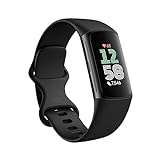
- Find your way seamlessly during runs or rides with turn-by-turn directions from Google Maps on Fitbit Charge 6[7, 8]; and when you need a snack break on the go, just tap to pay with Google Wallet[8, 9]
Runna’s plans remain focused on goal-based progression, from 5K improvements through marathon builds, with structured workouts that sync to compatible devices. For smartwatch users on Garmin, Apple Watch, and Wear OS, this means workouts continue to push natively to the watch, preserving guided intervals, pace targets, and haptic cues during sessions.
Importantly, this is not a surface-level integration where PDFs or static plans live inside Strava. Runna’s engine still handles coaching logic, while Strava becomes the central hub for logging, analysis, and social feedback, reducing duplication without stripping functionality.
What hasn’t changed yet, and why that matters
Strava has not folded Runna directly into the core Strava app experience, at least at this stage. Users still access Runna as its own app, which means existing Runna users don’t lose features, and Strava avoids destabilizing a coaching system that depends on precision and reliability.
This separation also signals caution. Structured training lives or dies by trust, and Strava appears to understand that prematurely rebuilding Runna inside its own interface could risk breaking workout delivery, smartwatch sync reliability, or training history continuity.
For athletes, this means day-to-day usage remains familiar. Your Garmin or Apple Watch experience doesn’t change overnight, battery impact stays the same, and Runna’s session execution remains optimized for real-world running rather than social engagement.
Why this is strategically huge for Strava
Strava has historically struggled to justify its subscription price purely on analysis and social features, especially for users whose watches already provide advanced metrics. By bundling Runna, Strava adds something hardware platforms rarely do well: adaptive, race-specific coaching that evolves week to week.
This move also shifts Strava’s competitive set. It’s no longer only compared to free alternatives or watch-native apps, but directly to TrainingPeaks, Final Surge, and paid coaching marketplaces. The difference is scale: Strava already owns the largest endurance athlete graph in the world.
From a business standpoint, the bundle increases perceived value while reducing churn. Athletes training toward a race are far less likely to cancel a subscription mid-plan, especially when workouts, history, and community validation all live under the Strava umbrella.
How this changes the value proposition for runners and smartwatch users
For runners who previously paid for both services, the combined subscription is primarily about cost efficiency and convenience. You’re paying once for planning, execution, analysis, and social accountability, instead of stitching together a stack of apps that only partially talk to each other.
For smartwatch users, the real win is continuity. Structured workouts flow from Runna to the watch, performance data flows back into Strava, and long-term trends live in one place, regardless of whether you’re on Garmin, Apple Watch, or Wear OS hardware.
Cyclists should note that this first bundle is running-centric. While Strava remains deeply valuable for cycling analysis, Runna’s coaching focus means this announcement is squarely aimed at runners, not a universal training solution yet.
Should existing Strava or Runna users switch?
If you already use Runna and log everything in Strava, the combined subscription is hard to ignore, assuming the bundled pricing undercuts paying separately. You keep your existing training workflow while reducing overhead and future-proofing against deeper integration.
For Strava-only subscribers who’ve relied on generic plans or self-built workouts, this is a meaningful upgrade. You’re moving from retrospective analysis to proactive guidance, without abandoning the platform you already use daily.
For athletes who prefer hands-on human coaching or highly specialized training blocks, this won’t replace that experience. But for the majority of smartwatch-equipped runners training toward defined goals, this is Strava’s strongest subscription argument to date.
What’s Included in the Combined Strava + Runna Subscription (And What’s Still Separate)
The combined subscription is best understood as two mature products sharing a single paywall, not a full product merger. Strava remains the data hub and social layer, while Runna supplies the structured intelligence that tells you what to do next.
That distinction matters, because it clarifies both the immediate benefits and the limits of the first iteration of this bundle.
What you get from Strava in the combined plan
All of Strava’s existing subscription features carry over unchanged. That includes advanced performance analysis, relative effort, fitness and freshness trends, segment leaderboards, route planning, heatmaps, and full activity history across running, cycling, and other supported sports.
For smartwatch users, this means your existing device workflows stay intact. Garmin, Apple Watch, and Wear OS users continue recording natively on their watches, with activities syncing into Strava as they always have, preserving battery efficiency, sensor accuracy, and offline reliability.
The social layer also remains central. Kudos, comments, clubs, challenges, and shared activities are still Strava’s domain, and this is where Runna’s value gets amplified by public accountability and long-term performance context.
What Runna adds when it’s bundled with Strava
Runna’s contribution is structured, goal-driven coaching rather than post-hoc analysis. The combined subscription unlocks Runna’s adaptive training plans, including race-specific programs, distance-based goals, and pace- or effort-targeted workouts.
These workouts are designed to sync directly to supported watches, allowing sessions to be executed with on-watch guidance. On Garmin devices, this typically means native structured workout support with alerts and step-by-step intervals; on Apple Watch and Wear OS, execution depends on Runna’s app layer but still delivers guided sessions without constant phone interaction.
Crucially, completed workouts flow back into Strava automatically. That closes the loop between prescription and performance, allowing trends, fitness metrics, and race prep to be viewed in one historical timeline rather than split across apps.
How integration actually works on your wrist
The bundle does not turn Strava into a workout builder on your watch. Instead, Runna remains the system generating the plan, while Strava remains the system recording, analyzing, and contextualizing the effort.
For Garmin users, this feels the most seamless, since structured workouts appear directly on the device with minimal friction. Apple Watch users still rely more heavily on companion apps, but benefit from Apple’s improved workout APIs, heart rate accuracy, and everyday wear comfort for those who don’t want a dedicated sports watch.
Battery life, GPS accuracy, and sensor support remain watch-dependent. The subscription improves guidance and insight, not the underlying hardware experience.
What is not included in the combined subscription
Cycling-specific coaching is not part of the Runna side of the bundle. While Strava continues to offer deep cycling analysis, power trends, and segment competition, Runna’s plans are running-focused, leaving cyclists without structured bike training unless they use another platform.
Strength training, mobility, and cross-training are also limited compared to broader coaching ecosystems. Runna includes some supplemental work, but it does not replace a full strength platform or a human coach managing load across multiple disciplines.
Human coaching, direct feedback, and bespoke plan adjustments beyond algorithmic adaptation remain outside the scope of this subscription.
What still lives as separate apps and experiences
Despite the shared subscription, Strava and Runna remain distinct apps with separate interfaces and philosophies. You will still open Runna to adjust plans or review upcoming workouts, and Strava to analyze history, compare efforts, or engage socially.
There is no single unified dashboard yet. Data flows between platforms, but settings, preferences, and detailed insights are not fully consolidated, which is important for users expecting a one-app solution.
This separation also means updates, bugs, and feature rollouts will continue on independent timelines.
Why this division is intentional
Strategically, Strava avoids overloading its core app with coaching logic that could alienate casual users. At the same time, Runna gains access to Strava’s massive activity graph without being forced to become a social network.
For runners, the result is a cleaner experience than most all-in-one platforms. Planning happens in a coaching-first environment, execution happens on the watch you already own, and reflection happens where your entire athletic history already lives.
That balance explains why the bundle feels additive rather than disruptive, even if deeper integration is clearly the long-term goal.
Why This Matters Strategically: Strava’s Shift from Social Fitness Platform to Training Ecosystem
The deliberate separation between Strava and Runna sets the stage for a much bigger strategic shift. Rather than forcing coaching tools into an app historically built around activity sharing, Strava is repositioning itself as the connective tissue of a broader training ecosystem.
This combined subscription is not about collapsing two products into one. It is about redefining what Strava represents in the daily training stack of runners and smartwatch users.
From activity feed to training spine
For over a decade, Strava’s core value was social validation layered on top of GPS data. Segments, kudos, and leaderboards made training visible and motivating, but they stopped short of telling users what to do next.
Rank #2

- Inspire 3 is the tracker that helps you find your energy, do what you love and feel your best. All you have to do is wear it.Operating temperature: 0° to 40°C
- Move more: Daily Readiness Score(1), Active Zone Minutes, all-day activity tracking and 24/7 heart rate, 20+ exercise modes, automatic exercise tracking and reminders to move
- Stress less: always-on wellness tracking, daily Stress Management Score, mindfulness sessions, relax breathing sessions, irregular heart rhythm notifications(2), SpO2(3), menstrual health tracking, resting heart rate and high/low heart rate notifications
- Sleep better: automatic sleep tracking, personalized Sleep Profile(1), daily detailed Sleep Score, smart wake vibrating alarm, sleep mode
- Comfortably connected day and night: calls, texts & smartphone app notifications(4), color touchscreen with customizable clock faces, super lightweight and water resistant to 50 meters, up to 10 day battery life(5)
By bundling Runna, Strava is no longer just where workouts end up. It becomes the place where structured intent, execution on a watch, and long-term performance context all connect, even if the coaching logic lives elsewhere.
That subtle shift moves Strava closer to being a training spine rather than a social overlay, especially for runners who train with purpose rather than curiosity.
A defensive move against vertically integrated rivals
Garmin, Apple, and increasingly Polar and COROS have been tightening their grip on end-to-end training experiences. Devices now offer daily suggested workouts, adaptive plans, recovery metrics, and watch-native execution with no third-party app required.
Strava cannot compete at the hardware level, and it does not control battery life, sensors, or on-watch interfaces. What it can control is cross-platform relevance, acting as the one place where a Garmin Forerunner, Apple Watch Ultra, or Wear OS watch user can coexist with the same training history.
The Runna bundle helps Strava counter the narrative that serious training requires staying inside a single brand’s ecosystem.
Reframing subscription value beyond analytics
Strava’s paid tier has long struggled with perceived value. Power analysis, deeper trends, and segment insights matter most to advanced users, while many casual athletes felt the free tier was “good enough.”
Adding Runna reframes the subscription around progression, not just reflection. Instead of paying to look back at what you did, users are paying for guidance on what to do next, with plans that adapt based on completed workouts and missed sessions.
For runners, especially those training for races, that shift materially changes the upgrade calculus.
Why runners are the strategic entry point
Running is the cleanest sport to anchor this transition. It requires minimal equipment, works across every smartwatch platform, and translates well to algorithmic coaching without power meters or complex bike setups.
Runna’s plans push structured sessions directly to Garmin, Apple Watch, and other supported devices, fitting neatly into existing watch workflows. Battery life, comfort, and daily wearability remain dictated by the watch, but training intent now comes from the Strava ecosystem rather than the hardware brand.
Once runners accept Strava as a training decision-maker, expansion into other disciplines becomes far easier.
Maintaining the social layer without alienation
Equally important is what Strava is not doing. It is not forcing training plans into the main feed, nor requiring casual users to care about periodization, thresholds, or race blocks.
This protects the lightweight, scrollable experience that made Strava ubiquitous in the first place. Friends can still log casual runs, hikes, or rides without being confronted by performance pressure they never asked for.
Strategically, this keeps Strava’s broad user base intact while monetizing the subset that wants structure.
Positioning Strava as the neutral hub
By owning neither the watch nor the coaching logic outright, Strava positions itself as a neutral hub rather than a walled garden. That neutrality is valuable in a fragmented smartwatch market where users upgrade hardware more often than software loyalties.
A runner switching from Apple Watch to Garmin, or from Wear OS to COROS, does not lose training history or social context. The Runna bundle strengthens that lock-in without forcing hardware dependence.
Over time, this makes Strava harder to replace, not because of exclusive features, but because it becomes the common language across devices, apps, and seasons of training.
The long game behind the bundle
This first combined subscription is less about immediate feature depth and more about behavioral change. Strava is teaching users to expect planning, execution, and analysis to live within its orbit, even if delivered through partner apps.
That opens the door to future acquisitions, deeper integrations, or additional sport-specific coaching layers without ever turning Strava into a cluttered super-app. For smartwatch users, it signals a future where your watch brand matters less than the ecosystem orchestrating your training.
The Runna bundle is the first visible step in that transition, not the end state.
Runna’s Role in the Bundle: Structured Training Plans, Coaching Logic, and Watch Integration
If Strava is positioning itself as the neutral orchestration layer, Runna is clearly being tasked with delivering the hard coaching substance beneath it. This is not a cosmetic add-on or a light “plans library,” but a full training engine designed to sit downstream of Strava’s data gravity.
Where Strava historically excelled at logging and comparison, Runna fills the deliberate gap: telling athletes what to do tomorrow, why they are doing it, and how today’s session fits into a larger progression.
Structured plans built for progression, not just completion
Runna’s core value in the bundle is its structured, adaptive training plans for running, with growing support for hybrid and strength-linked programs. These plans are periodized around race distance, target time, training history, and available days, rather than being static PDFs or calendar templates.
Workouts are prescribed with clear intent: easy aerobic runs, threshold intervals, VO2 max sessions, long-run progressions, and recovery days that actually scale with fatigue. For smartwatch users accustomed to “run for 45 minutes” guidance, this is a step-change in specificity.
Crucially, the plans are designed to evolve. Missed sessions, unexpectedly hard efforts, or changes in availability can trigger plan adjustments, keeping the athlete moving forward rather than locked into an unrealistic schedule.
Coaching logic that complements Strava’s analysis layer
What makes Runna strategically valuable to Strava is that its coaching logic operates upstream of activity analysis. Instead of reacting to what you already did, Runna defines what you should do next, then lets Strava contextualize the result socially and historically.
Intensity targets are typically expressed through pace, effort, or heart rate zones, depending on the plan and available data. For users with watches capable of reliable heart rate tracking, this creates a tighter feedback loop between physiological intent and execution.
This division of labor matters. Strava does not need to reinvent training theory, and Runna does not need to build a global social graph. The bundle works because each app stays focused on its strength while sharing just enough data to feel cohesive.
Deep smartwatch integration where execution actually happens
For runners and cyclists using Garmin, Apple Watch, or Wear OS devices, Runna’s watch integration is where the subscription’s value becomes tangible. Planned workouts sync directly to the watch, appearing alongside native training sessions rather than as third-party hacks.
On Garmin devices, structured workouts arrive with step-by-step intervals, pace or heart rate targets, and real-time alerts, leveraging Garmin’s strong battery life and always-on training screens. This is particularly effective for long intervals or marathon-paced efforts where visual and haptic cues reduce mental load.
Apple Watch users benefit from Runna’s tighter alignment with watchOS constraints, including readable interval prompts, clean typography on smaller displays, and reliable syncing without crushing battery life during longer runs. While Apple Watch still trails dedicated sports watches for ultra-distance endurance, the Runna experience feels purpose-built rather than compromised.
Wear OS support broadens the appeal further, especially for runners using Samsung or Pixel watches who previously lacked high-quality structured coaching options. The plans respect device limitations while still delivering guided sessions that feel native.
Strength training and injury resilience as part of the plan
Another quiet differentiator in Runna’s role is its inclusion of strength and conditioning within running plans. These sessions are not generic gym checklists, but targeted routines aimed at injury prevention, efficiency, and durability over a training block.
For smartwatch users, this often means off-watch execution, but the strategic impact is significant. Strava becomes the record of everything you do, while Runna becomes the reason you are doing it, including the work that never shows up as a GPS track.
This reinforces the bundle’s positioning toward serious amateurs and competitive enthusiasts rather than purely social users. It also aligns with the long-term retention strategy, as athletes invested in injury-free consistency are far less likely to churn.
What users actually gain by having Runna inside Strava’s orbit
The combined subscription does not magically turn Strava into a coach, but it does collapse friction. Discovery, onboarding, and data sharing are simpler, and the psychological gap between “I track runs” and “I follow a plan” is materially reduced.
For existing Strava subscribers who already flirted with external coaching apps, Runna’s inclusion lowers the barrier to committing. For new users, it reframes Strava from a passive logbook into the front door of a guided training ecosystem.
Rank #3

- 【BUILT-IN GPS SMART WATCH – GO FURTHER, FREER, SMARTER】No phone? No problem. This fitness watch for women, featuring the latest 2025 technology, includes an advanced professional-grade GPS chip that precisely tracks every route, distance, pace (real-time & average), and calorie burned—completely phone-free. Whether you're chasing new personal records or exploring off the beaten path, your full journey is automatically mapped and synced in the app. Train smarter. Move with purpose. Own your progress. Own your journey.
- 【BLUETOOTH 5.3 CALLS & SMART NOTIFICATIONS】Stay effortlessly connected with this smart watch for men and women, featuring dual Bluetooth modes (BT 3.0 + BLE 5.3) and a premium microphone for crystal-clear calls right from your wrist—perfect for driving, workouts, or busy days. Receive instant alerts for calls, texts, and popular social apps like WhatsApp and Facebook. Just raise your wrist to view notifications and never miss an important moment.
- 【100+ SPORT MODES & IP68 WATERPROOF & DUSTPROOF】This sport watch is a versatile activity and fitness tracker with 100+ modes including running, cycling, yoga, and more. It features quick-access buttons and automatic running/cycling detection to start workouts instantly. Accurately track heart rate, calories, distance, pace, and more. Set daily goals on your fitness tracker watch and stay motivated with achievement badges. With IP68 waterproof and dustproof rating, it resists rain and sweat for any challenge. Not suitable for showering, swimming, or sauna.
- 【24/7 HEALTH ASSISTANT & SMART REMINDERS】This health watch continuously monitors heart rate, blood oxygen, and stress levels for comprehensive wellness tracking. Sleep monitoring includes deep, light, REM sleep, and naps to give you a full picture of your rest. Stay on track with smart reminders for sedentary breaks, hydration, medication, and hand washing. Women can also monitor menstrual health. Includes guided breathing exercises to help you relax. Your ultimate health watch with event reminders for a healthier life.
- 【ULTRA HD DISPLAY, LIGHTWEIGHT & CUSTOMIZABLE DIALS】This stylish wrist watch features a 1.27-inch (32mm) 360×360 ultra HD color display with a 1.69-inch (43mm) dial, offering vivid details and responsive touch. Its minimalist design fits both business and casual looks. Switch freely among built-in designer dials or create your own DIY watch face using photos, colors, and styles to showcase your unique personality. Perfect as a cool digital watch and fashion wrist watch.
Most importantly for smartwatch owners, it respects how training really happens: planning on the phone, execution on the wrist, reflection afterward. Runna handles the first two with intent, Strava handles the third with scale, and the bundle finally makes that division feel deliberate rather than accidental.
Real-World Impact for Runners and Cyclists Using Garmin, Apple Watch, and Wear OS
Seen through the lens of day-to-day training, the Strava–Runna bundle matters less as a corporate milestone and more as a workflow change. It reshapes how plans reach the wrist, how sessions are executed in the real world, and how much friction sits between intent and action for different device ecosystems.
Garmin users: structured training without leaving your comfort zone
For Garmin runners and cyclists, this bundle lands in familiar territory. Garmin’s native support for structured workouts means Runna sessions sync cleanly to the watch, showing intervals, targets, and recovery prompts directly on devices like the Forerunner, Fenix, and Edge series.
Battery life remains a non-issue here, even for marathon or ultra-distance training blocks. You can run GPS-heavy sessions, follow complex workouts, and still log everything back to Strava without worrying about charging cadence or mid-session compromises.
The real shift is psychological rather than technical. Garmin users who previously relied on static plans from Garmin Coach or manually built workouts now get adaptive programming tied into the social and analytical gravity of Strava, without adding another standalone subscription to justify.
Apple Watch users: coaching depth finally catches up
Apple Watch runners have long enjoyed excellent sensors, strong heart rate accuracy, and polished hardware, but structured training has often felt fragmented. Runna’s integration fills that gap by delivering guided sessions that work within watchOS constraints while still syncing cleanly back to Strava.
Ultra and Series models handle these sessions comfortably, with screen readability and haptic cues doing most of the work during intervals. Battery life still requires awareness, especially for longer runs with cellular enabled, but it remains manageable for typical half-marathon and marathon training use.
What changes with the bundle is perceived value. Apple Watch users paying for Strava no longer have to layer a second premium coaching app on top to get serious about progression, making the ecosystem feel purpose-built rather than pieced together.
Wear OS runners and cyclists: a meaningful step forward
For Wear OS users on Samsung Galaxy Watch or Pixel Watch hardware, this move is arguably the most impactful. Historically, these devices lagged behind Garmin and Apple in high-quality, plan-driven training experiences, despite strong displays and improving sensors.
Runna’s plans respect Wear OS limitations while still offering guided workouts that feel intentional rather than watered down. Sessions rely on clear pacing cues and time-based structure instead of overloading the watch with data fields it struggles to present cleanly.
Battery life remains the main constraint, particularly on smaller Pixel Watch models, but for runners training up to marathon distance, the experience is finally competitive. The Strava bundle effectively legitimizes Wear OS as a viable training platform rather than just a lifestyle tracker.
Cyclists: stronger for training blocks than race day
Cyclists benefit differently depending on hardware. Garmin Edge users see the most seamless experience, with Runna workouts translating into structured intervals that work well for base building and aerobic development, then syncing into Strava for long-term analysis.
Apple Watch and Wear OS cyclists gain less, simply because serious cycling still gravitates toward dedicated head units for power, navigation, and battery endurance. That said, for indoor training or casual outdoor sessions, the bundle still adds value by anchoring cycling within a broader endurance plan.
Strategically, this reinforces that the bundle is optimized for training consistency rather than race-day instrumentation. It rewards athletes focused on improving over weeks and months, not just recording standout efforts.
Comfort, durability, and real-world wearability still matter
Across platforms, the physical experience of wearing the device remains central. Lightweight cases, breathable straps, and secure fits matter more during interval-heavy sessions than raw feature lists, especially when workouts demand frequent pace checks.
Garmin’s polymer cases and silicone bands remain endurance-friendly, while Apple Watch users often benefit from switching to sport loop or woven straps for longer runs. Wear OS users should be mindful of bulk and heat buildup, particularly during summer training blocks.
The bundle does not change hardware realities, but it does make investing in a more training-focused watch easier to justify when software value increases at the same time.
Who should upgrade, switch, or stay put
Existing Strava subscribers who already follow structured plans gain the most immediate value. The combined subscription simplifies budgeting and reduces app sprawl without forcing a change in device or habits.
Newer runners and cyclists, especially those using Apple Watch or Wear OS, are the clearest winners. For them, the bundle reframes Strava as an active training partner rather than a passive activity feed, making the subscription feel purposeful from day one.
Athletes deeply embedded in alternative coaching ecosystems may feel less urgency. But even for them, the reduced friction between planning, execution, and reflection makes this bundle hard to ignore once consistency and long-term progression become the priority.
Subscription Value Analysis: Combined Pricing vs Standalone Strava and Runna Plans
The combined Strava–Runna subscription reframes the conversation from feature overlap to economic efficiency. Instead of asking whether you need social tracking or structured coaching, the bundle assumes serious users increasingly want both, and prices accordingly.
What matters most here is not just headline cost, but how much training utility each dollar unlocks across planning, execution, and analysis on your watch and phone.
Standalone pricing: where the friction used to be
Individually, Strava and Runna have occupied different psychological price brackets. Strava’s subscription has typically landed in the lower annual range, justifiable for segment analysis, leaderboards, and long-term performance tracking, but often criticized for feeling passive unless you already train with intent.
Runna, by contrast, has priced itself as a coaching product. Monthly fees closer to premium fitness apps made sense for athletes actively following plans, but felt expensive when stacked on top of Strava, Garmin Connect, or TrainingPeaks.
For smartwatch users, that meant paying twice to solve one problem: understanding what to do today, and whether it worked.
Combined subscription pricing: less about discount, more about consolidation
The combined plan undercuts the total cost of subscribing to both services separately, but the real value is structural rather than purely financial. Instead of two renewal cycles, two onboarding flows, and two interpretations of your fitness, you get one training narrative.
For most users, the combined price lands closer to a modest uplift over Strava alone, rather than a steep discount on Runna. That positioning signals Strava’s intent to elevate its subscription from optional add-on to central training hub.
Region, platform, and billing cadence still matter, but for annual subscribers the bundle typically saves enough to justify the switch if you were already considering coaching.
What you actually gain for the extra spend
The incremental cost over Strava alone buys you structured progression, adaptive plans, and daily workout intent. On a Garmin, Apple Watch, or Wear OS device, that translates into workouts that sync cleanly, respect device-specific metrics, and reduce decision fatigue before sessions.
Instead of opening Strava after the run to see what happened, you start the day knowing exactly what the watch will ask of you. For athletes juggling work, recovery, and limited training windows, that clarity has real value.
Battery life, GPS accuracy, and optical heart rate performance remain hardware-dependent, but the software layer now does more to justify investing in a training-capable watch rather than a lifestyle-first wearable.
Value comparison by athlete type
For casual Strava users who primarily log activities and scroll feeds, the combined subscription may feel like overkill. If you rarely follow plans or ignore suggested workouts, standalone Strava still makes more sense.
For consistency-driven runners and cyclists, especially those training for specific distances, the value equation flips quickly. The bundle effectively replaces the need for a separate coaching app while preserving Strava’s social and analytical strengths.
Apple Watch and Wear OS users arguably gain the most. Without native platforms as deep as Garmin Connect for training plans, the combined subscription fills a gap that previously required juggling multiple apps with uneven watch integration.
How this compares to alternative ecosystems
Against Garmin Coach or Polar Flow, the combined Strava–Runna offering is more device-agnostic and socially connected, but less tied to proprietary physiological metrics. You are paying for flexibility and ecosystem reach rather than deep hardware-specific insights.
Compared to TrainingPeaks plus Strava, the bundle is cheaper and simpler, though less customizable for high-level athletes working with human coaches. For most non-elite users, that tradeoff favors the Strava bundle.
In value terms, the combined subscription positions Strava not as a social network with optional analytics, but as a credible training platform that just happens to be social.
Rank #4

- 24H Accurate Heart Rate Monitoring: Go beyond basic tracking. Our watch automatically monitors your heart rate, blood oxygen (SpO2), and sleep patterns throughout the day and night. Gain deep insights into your body's trends and make informed decisions for a healthier lifestyle.
- Practical Sports Modes & Smart Activity Tracking: From running and swimming to yoga and hiking, track a wide range of activities with precision. It automatically records your steps, distance, calories burned, and duration, helping you analyze your performance and crush your fitness goals.
- 1-Week Battery Life & All-Day Wear: Say goodbye to daily charging. With an incredible up to 7-10 days of battery life on a single charge, you can wear it day and night for uninterrupted sleep tracking and worry-free travel. Stay connected to your data without the hassle.
- Comfortable to Wear & IP68 Waterproof: The lightweight, skin-friendly band is crafted for all-day comfort, even while you sleep. With IP68 waterproof, it withstands rain, sweat, It is not suitable for swimming or showering.
- Ease of Use and Personalized Insights via Powerful App: The display is bright and easy to read, even outdoors. Unlock the full potential of your watch. Sync with our dedicated app to view detailed health reports, customize watch faces, set sedentary reminders, and manage your preferences with ease.
The hidden value: reduced app sprawl and mental load
One overlooked benefit is cognitive simplicity. Fewer apps mean fewer permissions, fewer sync failures, and fewer mismatched metrics across platforms.
When your watch prompts the workout, your phone explains the rationale, and your post-session analysis lives in the same ecosystem, the training loop tightens. Over months, that consistency often matters more than saving a small monthly fee.
This is where the combined subscription quietly earns its keep, especially for athletes training alongside busy, non-negotiable schedules.
Who Should Upgrade, Switch, or Ignore It: User Profiles and Training Needs Breakdown
Seen through the lens of reduced app sprawl and tighter training loops, the combined Strava–Runna subscription is less about features and more about fit. Whether it earns its place on your home screen depends almost entirely on how structured your training is, which watch you wear daily, and how much guidance you actually want between races.
Below, the decision breaks down cleanly by user type rather than by brand loyalty.
Runners Training for a Specific Event (5K to Marathon)
This is the clearest upgrade case. If you are training toward a race with a date on the calendar, the combined subscription replaces the typical patchwork of Strava for logging and a separate coaching app for structure.
Runna’s plans translate well to real-world watch use on Apple Watch, Wear OS, and Garmin, with pace-based sessions, rest days, and progression logic that adapts as fitness changes. The value shows up in daily execution: workouts appear on the watch, guidance is simple, and post-run analysis flows straight into Strava without manual exports.
For runners who previously bounced between free plans, PDFs, or YouTube advice, this bundle offers something more sustainable than chasing marginal gains. It is not elite coaching, but it is consistent, accountable, and easier to stick with.
Apple Watch and Wear OS Users Without a Native Training Platform
Apple Watch and Wear OS athletes arguably benefit more than any other group. Unlike Garmin or Polar users, there is no deeply integrated, first-party training plan ecosystem baked into the hardware software stack.
The combined subscription effectively becomes that missing layer. Structured workouts sync cleanly, haptics and audio cues work reliably, and battery life remains predictable even during longer sessions on modern Apple Watch Ultra or dual-band Wear OS devices.
If you rely on your smartwatch as your primary training tool and previously felt underserved by fragmented apps, this is a meaningful step up in daily usability rather than just another subscription.
Garmin and Polar Users Focused on Consistency, Not Deep Metrics
For Garmin and Polar users already comfortable with Garmin Coach or Polar Flow, the decision is more nuanced. Those platforms integrate tightly with proprietary metrics like Training Load, Recovery Time, and aerobic capacity, which Strava and Runna do not fully replicate.
However, if you value social motivation, cleaner progress tracking, and device-agnostic planning more than hardware-specific physiology scores, the combined subscription still makes sense. The experience is less about squeezing every data point from your watch and more about showing up for the next workout with clarity.
It suits athletes who use Garmin hardware for durability, battery life, and comfort, but prefer a broader ecosystem for motivation and planning.
Casual Athletes and Social-First Strava Users
If your primary interaction with Strava is scrolling the feed, giving kudos, and occasionally checking weekly totals, the combined subscription is likely unnecessary. Runna’s value depends on following the plan, not just admiring it.
Casual users who run or ride based on mood, weather, or time availability will not unlock enough benefit to justify the added cost. For this group, Strava’s standalone subscription already covers route discovery, segment tracking, and historical insights without adding cognitive pressure.
Ignoring the bundle is a rational choice, not a missed opportunity.
Cyclists Training With Power, Teams, or Coaches
For serious cyclists, especially those using power meters, structured intervals, and external coaching, this bundle is less compelling. Runna’s strength is running-first planning, and while Strava remains excellent for ride logging and social comparison, it does not replace platforms like TrainingPeaks or Today’s Plan.
If you are already embedded in a coach-led system or rely on advanced cycling analytics, switching would mean sacrificing customization and depth for convenience. The combined subscription works better as a complement than a replacement in this scenario.
Cyclists focused on general fitness or cross-training may still find value, but competitive riders should approach with clear expectations.
Time-Constrained Athletes Balancing Training With Work and Family
One of the most underappreciated audiences for this bundle is the time-poor athlete. When training time is limited, decision fatigue becomes the real enemy, not fitness.
Having workouts scheduled, delivered to the watch, and automatically contextualized afterward reduces friction. You spend less time planning and more time executing, which matters when training windows are short and inconsistent.
For this group, the subscription pays for itself in adherence rather than performance gains.
Data Maximalists and Experimental Trainers
If you enjoy tweaking plans weekly, layering multiple data sources, or experimenting with unconventional training blocks, the combined subscription may feel restrictive. Runna prioritizes clarity and progression over endless configurability.
Athletes who thrive on manual control and deep experimentation will likely outgrow the system. In those cases, standalone Strava paired with a more flexible coaching platform remains the better fit.
This bundle rewards consistency more than curiosity.
New Runners Building a Long-Term Habit
For beginners, the combined subscription can act as both guardrails and motivation. The plans are approachable, progression is sensible, and integration with a smartwatch reinforces habit through reminders and visible streaks.
Importantly, it reduces early overwhelm. New runners do not need to understand training theory, pace zones, or recovery math; they just need to follow the next session.
For anyone trying to turn “I should run more” into a durable routine, this is one of the strongest use cases.
In practice, the combined Strava–Runna subscription is not a universal upgrade. It is a targeted consolidation play that works best when structure, simplicity, and cross-device compatibility matter more than ultimate customization or hardware-specific analytics.
How This Changes the Competitive Landscape vs TrainingPeaks, Nike Run Club, and Garmin Coach
Viewed in isolation, the Strava–Runna bundle is simply a pricing and packaging change. Viewed in context, it is Strava’s first serious attempt to compete not just as a social fitness layer, but as a primary training destination across watches, platforms, and experience levels.
This matters because Strava is no longer benchmarking itself against activity tracking apps. It is now pressing directly into territory long dominated by training-first ecosystems.
TrainingPeaks: Still Deeper, but No Longer the Obvious Default
TrainingPeaks remains the gold standard for athletes who want granular control over load management, periodization, and coach-athlete collaboration. Its strength is depth: metrics like TSS, CTL, and ATL remain unmatched for self-coached or externally coached endurance athletes.
Where the Strava–Runna bundle disrupts TrainingPeaks is not on sophistication, but on approachability. TrainingPeaks assumes a level of literacy in training theory that many smartwatch users simply do not have or want to develop.
For athletes training alone, Runna’s plans feel dramatically more “plug-and-play.” Workouts arrive on the watch, adapt to schedule changes, and feed directly into Strava’s familiar post-activity experience without requiring manual plan building or metric interpretation.
From a hardware standpoint, TrainingPeaks still benefits from tight integrations with Garmin, COROS, and Wahoo head units, particularly for cyclists. But for runners training primarily on Apple Watch or Wear OS, the Strava–Runna experience feels less fragmented and more native.
In practical terms, TrainingPeaks remains the better choice for advanced athletes managing multi-season goals or external coaching relationships. The Strava–Runna bundle targets everyone else who wants structure without homework.
💰 Best Value

- 【Superb Visual Experience & Effortless Operation】Diving into the latest 1.58'' ultra high resolution display technology, every interaction on the fitness watch is a visual delight with vibrant colors and crisp clarity. Its always on display clock makes the time conveniently visible. Experience convenience like never before with the intuitive full touch controls and the side button, switch between apps, and customize settings with seamless precision.
- 【Comprehensive 24/7 Health Monitoring】The fitness watches for women and men packs 24/7 heart rate, 24/7 blood pressure and blood oxygen monitors. You could check those real-time health metrics anytime, anywhere on your wrist and view the data record in the App. The heart rate monitor watch also tracks different sleep stages for light and deep sleep,and the time when you wake up, helps you to get a better understanding of your sleep quality.
- 【120+ exercise modes & All-Day Activity Tracking】There are more than 120 exercise modes available in the activity trackers and smartwatches, covering almost all daily sports activities you can imagine, gives you new ways to train and advanced metrics for more information about your workout performance. The all-day activity tracking feature monitors your steps, distance, and calories burned all the day, so you can see how much progress you've made towards your fitness goals.
- 【Messages & Incoming Calls Notification】With this smart watch fitness trackers for iPhone and android phones, you can receive notifications for incoming calls and read messages directly from your wrist without taking out your phone. Never miss a beat, stay in touch with loved ones, and stay informed of important updates wherever you are.
- 【Essential Assistant for Daily Life】The fitness watches for women and men provide you with more features including drinking water and sedentary reminder, women's menstrual period reminder, breath training, real-time weather display, remote camera shooting, music control,timer, stopwatch, finding phone, alarm clock, making it a considerate life assistant. With the GPS connectivity, you could get a map of your workout route in the app for outdoor activity by connecting to your phone GPS.
Nike Run Club: Motivation vs Progression
Nike Run Club has long excelled at emotional engagement. Its guided runs, coaching voices, and polished Apple Watch experience make it one of the most welcoming platforms for new runners.
What it has never fully delivered is long-term progression. NRC is excellent at getting people out the door, but less effective at systematically moving runners toward specific performance outcomes like race PRs or sustained volume increases.
The Strava–Runna bundle flips that equation. It is less charismatic, but far more goal-oriented. Plans are built around progression, not vibes, and they scale better as weekly mileage increases.
Device compatibility also matters here. NRC remains heavily Apple-centric, with limited appeal for Garmin or Wear OS users. Strava’s neutrality across Apple Watch, Garmin, COROS, Polar, and Wear OS gives the combined subscription a much wider hardware footprint.
For runners choosing between the two, the decision comes down to intent. If motivation and enjoyment are the priority, NRC still shines. If improvement, consistency, and measurable progress matter more, Strava–Runna becomes the more compelling long-term platform.
Garmin Coach: Hardware Lock-In vs Platform Flexibility
Garmin Coach is arguably the closest philosophical competitor to Runna. Both offer adaptive plans, watch-delivered workouts, and minimal user configuration.
The difference is ecosystem lock-in. Garmin Coach works well, but only if you live entirely within Garmin’s hardware and software stack. That is a feature for loyal Garmin users, and a hard stop for everyone else.
Strava’s strategy is deliberately hardware-agnostic. Whether you run with an Apple Watch, a mid-range Garmin, or a Wear OS device, the training plan experience remains largely consistent.
This flexibility becomes increasingly valuable as athletes mix devices over time, upgrade watches, or cross-train with different sensors. It also aligns better with cyclists and runners who already rely on Strava as their central activity archive.
Garmin still holds an advantage in physiological analytics, battery-efficient outdoor tracking, and deep device-level insights. But for athletes who prioritize plan delivery and cross-platform continuity over proprietary metrics, the Strava–Runna bundle narrows the gap significantly.
Why This Move Forces the Market to Respond
The combined subscription pressures competitors in a way Strava never could as a social-only platform. It blends planning, execution, and analysis into a single recurring value proposition.
TrainingPeaks must now justify complexity. Nike Run Club must justify stagnation. Garmin must justify lock-in.
For smartwatch users especially, this shift reframes expectations. A training plan is no longer a separate product layered on top of an activity tracker; it is becoming a baseline feature of a premium fitness ecosystem.
Strava’s move does not eliminate the need for specialized platforms. But it redraws the middle of the market, where most runners and cyclists actually live, and that is where competitive pressure is felt most sharply.
What Comes Next: Likely Product Integration, Risks, and Long-Term Implications for Strava Users
If the combined subscription is the strategic statement, the real story will be told in how deeply Strava and Runna begin to merge at the product level. This is where the move either becomes transformative or quietly plateaus as a bundle of convenience.
Strava now has an opportunity to evolve from being the place your workouts end up into the place where they begin, adapt, and meaningfully influence what you do next. The next 12 to 24 months will determine whether this is a lightweight partnership or the foundation of a new, more opinionated Strava experience.
Where Integration Is Most Likely to Happen First
The lowest-friction integration point is training plan visibility inside Strava itself. Expect Runna plans, upcoming workouts, and progression milestones to surface directly in the Strava app, not as links out but as native elements alongside segments, routes, and activity history.
For smartwatch users, this likely means tighter synchronization between planned workouts and device delivery. Apple Watch, Garmin, and Wear OS users should see fewer handoffs between apps, with scheduled sessions pushing more reliably to the watch you actually train with, while still preserving Strava’s hardware-agnostic stance.
Longer term, adaptive logic is the real prize. Runna’s plan adjustments could begin responding not just to completed workouts, but to broader Strava signals like missed sessions, unusually hard efforts, accumulated fatigue, or sudden changes in weekly volume across running and cycling.
Smarter Training, Without Turning Strava Into a Lab Dashboard
One of Strava’s historical strengths is approachability. The risk in deeper integration is overcorrecting into TrainingPeaks territory, where power users thrive but everyday athletes disengage.
The more likely path is selective intelligence rather than full transparency. Instead of exposing complex metrics, Strava can surface simple, actionable guidance: when to back off, when to push, and when a plan should change based on real-world behavior, not idealized compliance.
For smartwatch wearers, this matters in daily usability. Training guidance that fits cleanly on a small screen, respects battery life, and works during real runs in bad weather is more valuable than any post-run chart. If Strava gets this balance right, it strengthens the entire ecosystem without alienating its core audience.
The Risks: Pricing, Fragmentation, and Trust
No integration story is without friction, and the combined subscription introduces several risks Strava must actively manage.
Pricing perception is the most obvious. While the bundle offers clear value compared to separate subscriptions, any future increases will be judged against free alternatives like Garmin Coach or one-off plan purchases. If users feel locked into paying for features they only partially use, churn will rise.
There is also a risk of experience fragmentation during the transition. If Runna features feel bolted on rather than fully integrated, users may continue treating it as a separate app, undermining the promise of a unified platform. Consistency across iOS, Android, and watch platforms will be critical here.
Finally, trust matters. Strava users are protective of their data and wary of algorithmic coaching that feels opaque. Adaptive plans must feel earned and explainable, not arbitrary, especially for athletes training toward races where confidence matters as much as fitness.
What This Means for Different Types of Strava Users
For newer runners and cyclists, the long-term implication is positive. Strava is positioning itself as a place where you can discover structure without committing to a single hardware brand or navigating multiple disconnected apps.
For experienced athletes, the value will depend on how customizable the integration becomes. If Strava allows meaningful plan adjustments, respects cross-training, and avoids flattening everything into generic advice, it can remain relevant even as training sophistication increases.
For smartwatch-focused users, this move reinforces Strava as a stable anchor as devices change. Whether you upgrade from an older Garmin to an Apple Watch, or add a Wear OS watch for daily wear, the training plan and history continuity becomes a tangible advantage.
The Bigger Picture: Strava’s Shift From Utility to Platform
Stepping back, the combined subscription signals a philosophical shift. Strava is no longer content being the neutral archive and social layer sitting downstream of other platforms.
By owning planning, execution, and analysis, Strava moves closer to being a true training platform, one that still values openness but is willing to guide behavior. That is a delicate balance, and not every user will welcome it.
If executed well, this integration raises expectations across the industry. Training plans stop being premium add-ons and start becoming a core part of what a serious fitness app is expected to deliver.
Bottom Line: Why This Matters Long After the Bundle Launch
In the short term, the Strava–Runna combined subscription is about value. In the long term, it is about direction.
For users, the implication is choice with continuity. You can train more intelligently without surrendering hardware freedom, social context, or long-term data ownership. For Strava, it is a bet that structure, not just motivation, is what keeps athletes engaged year after year.
If Strava follows through on integration, respects simplicity, and avoids creeping lock-in, this move could redefine what the middle of the endurance training market looks like. And for most runners and cyclists, that middle is exactly where they live.