If you’ve been watching Apple Watch Ultra pricing for months and waiting for a real crack in the armor, this is the moment that finally matters. At $549, the Apple Watch Ultra 2 has dropped to its lowest verified retail price since launch, undercutting its $799 MSRP by a full $250 without forcing you into refurbished or gray-market territory. For a watch Apple positions as its no-compromise flagship, this isn’t a routine sale—it’s a structural price break.
This deal fundamentally changes the Ultra 2’s value equation, especially for buyers who previously saw it as aspirational rather than justifiable. The Ultra line has always been about durability, battery life, and extreme-use features layered on top of the standard Apple Watch experience, but price was the barrier. At $549, the Ultra 2 suddenly sits far closer to a stainless steel Series 9 than it does to niche expedition gear.
What follows is a clear breakdown of why this price matters historically, who should move fast, who should hold back, how it stacks up against Apple’s own lineup and rugged rivals, and whether this is likely a fleeting promo or a genuine buy-now window.
Why $549 Is a Meaningful All-Time Low, Not Just Another Sale
Apple launched the Watch Ultra 2 at $799 and has held that line far more aggressively than with standard Apple Watch models. For most of its lifespan, discounts hovered in the $50–$100 range, often tied to limited colorways or carrier bundles rather than clean, unlocked retail pricing.
🏆 #1 Best Overall
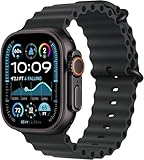
- This pre-owned product is not Apple certified, but has been professionally inspected, tested and cleaned by Amazon-qualified suppliers.
- There will be no visible cosmetic imperfections when held at an arm’s length. There will be no visible cosmetic imperfections when held at an arm’s length.
- This product will have a battery which exceeds 80% capacity relative to new.
- Accessories will not be original, but will be compatible and fully functional. Product may come in generic Box.
- This product is eligible for a replacement or refund within 90 days of receipt if you are not satisfied.
Dropping to $549 represents a roughly 31 percent cut off MSRP, which is unusually steep for Apple hardware that’s still current-generation. This isn’t end-of-life clearance or a pre-refresh fire sale—the Ultra 2 remains Apple’s top-tier watch with the brightest display, the longest battery life, and the most rugged construction in the lineup.
Just as important, this price undercuts Apple’s own refurbished Ultra 2 listings in many regions, which typically land closer to the low $600s when available at all. That’s a strong signal this deal isn’t cosmetic padding but a genuine pricing anomaly.
What You’re Actually Getting for $549
At this price, you’re buying a 49mm titanium case with sapphire crystal, a flat display rated at up to 3,000 nits, and a case design built for repeated impacts, temperature swings, and water exposure. The finishing is tool-like rather than jewelry-focused, but it’s precise, consistent, and clearly engineered for longevity rather than fashion cycles.
Battery life remains the Ultra’s quiet advantage. In real-world use, most users comfortably see two full days with workouts, sleep tracking, and GPS activity, something no aluminum Apple Watch can match without compromises. Low Power Mode can stretch that even further for multi-day hikes or travel.
The Ultra 2 also includes dual-frequency GPS, depth and water temperature sensors, an 86 dB siren, and the programmable Action Button, features that go beyond fitness marketing and actually matter for outdoor athletes and divers. At $549, you’re paying less than many midrange sports watches that offer fewer smartwatch capabilities and a worse app ecosystem.
Who Should Buy at This Price Without Hesitation
If you’re currently using an Apple Watch Series 6 or older and want a meaningful upgrade in battery life, screen readability, and durability, this is an easy recommendation. The jump feels substantial day to day, especially if you train outdoors or travel frequently.
This is also a standout deal for hikers, runners, divers, and endurance athletes who were cross-shopping Garmin Fenix, Epix, or Suunto models but hesitated because of Apple’s premium pricing. At $549, the Ultra 2 becomes competitive not just on features but on outright value, especially if you already live in the iPhone ecosystem.
Even mainstream users who simply want the longest-lasting, most readable Apple Watch should take notice. You don’t need to summit mountains to appreciate a brighter screen, louder speaker, larger case controls, and fewer battery anxiety moments.
Who Should Skip It, Even at $549
If you prefer a smaller, lighter watch for all-day comfort or dressier wear, the Ultra 2’s 49mm case and squared-off profile may still feel excessive. This deal doesn’t change the physical reality of the Ultra’s size, and for some wrists, that’s a dealbreaker regardless of price.
Budget-focused buyers who don’t need advanced GPS, extra battery life, or rugged durability may still be better served by a discounted Apple Watch SE or Series 8/9. Spending less and getting 80 percent of the experience remains a valid choice.
Android users should also look elsewhere. The Ultra 2’s value collapses without an iPhone, and there’s no workaround that makes it worthwhile outside Apple’s ecosystem.
How It Stacks Up Against Other Apple Watches at This Price
At $549, the Ultra 2 overlaps heavily with stainless steel Apple Watch Series 9 pricing, and that comparison now favors the Ultra in almost every functional category. You get dramatically better battery life, a tougher case material, a larger display, and features the Series line simply doesn’t offer.
Compared to aluminum models, the Ultra 2 costs more but feels like a different class of product. The materials, screen brightness, speaker volume, and endurance create a noticeably premium daily experience, not just a spec-sheet advantage.
If you’ve ever justified stainless steel for durability or aesthetics, the Ultra 2 now offers a more compelling long-term value proposition at roughly the same money.
Ultra 2 vs Rugged Smartwatch Alternatives
Against Garmin’s high-end outdoor watches, the Ultra 2 trades some multi-week battery endurance for vastly better smartwatch functionality, tighter iOS integration, and a richer app ecosystem. At $549, that tradeoff becomes much easier to justify, especially for users who don’t want a secondary device just for notifications and apps.
Build quality is no longer a differentiator in Garmin’s favor at this price. Titanium, sapphire, and water resistance are table stakes here, and Apple’s display technology and UI polish remain industry-leading.
For buyers who want one watch to handle workouts, navigation, daily communication, and sleep tracking without compromise, the Ultra 2’s value spike at this price is hard to ignore.
Is This a Buy-Now Moment or a Wait-and-See Deal?
Historically, Apple Watch Ultra discounts at this depth have been brief and inventory-dependent. Once stock normalizes or promotional funding dries up, prices tend to snap back closer to $650–$699 rather than drifting downward.
There’s no indication yet that this price represents a permanent reset, especially with no immediate Ultra 3 replacement officially announced. If you’ve been waiting specifically for the Ultra 2 to cross below $600, this is the threshold moment that makes waiting longer a gamble rather than a strategy.
For buyers ready to commit, $549 isn’t just a good deal—it’s the kind of pricing that redefines whether the Apple Watch Ultra 2 makes sense at all.
Apple Watch Ultra 2 at a Glance: What You’re Getting for $549
At $549, the Apple Watch Ultra 2 lands in a very different psychological space than its $799 MSRP. This is no longer a niche splurge for extreme athletes or gadget maximalists—it’s priced like a premium stainless steel Apple Watch while delivering hardware and durability that Apple doesn’t offer anywhere else in the lineup.
What makes this moment matter is that you’re not buying into a compromised or aging product. The Ultra 2 is Apple’s current-generation flagship watch, with its full feature set intact, simply pulled down to a price point that historically hasn’t existed for the Ultra line.
Design, Materials, and Real-World Wearability
The Ultra 2 uses a 49mm aerospace-grade titanium case with a flat sapphire crystal, and it immediately feels more tool-like than any standard Apple Watch. The case has squared-off edges, raised bezel protection, and a prominent Digital Crown that’s easy to operate with gloves or wet hands.
Despite the size on paper, the titanium keeps weight reasonable, and the curved lugs help it sit flatter than most rugged competitors. On average wrists it wears large but balanced, especially compared to chunky Garmin or Suunto models that often sit taller and feel more top-heavy.
Apple’s included bands matter here. Whether it’s the Trail Loop, Alpine Loop, or Ocean Band, these are purpose-built straps that are comfortable for all-day wear, not just workouts, and they significantly influence how manageable the Ultra 2 feels as a daily watch.
Display and Interface: Still the Industry Benchmark
The 49mm OLED display remains one of the Ultra’s defining advantages, especially at this price. With up to 3,000 nits of brightness, it’s not just readable outdoors—it’s genuinely effortless to glance at in direct sun, snow, or water.
The larger display allows for more data-dense watch faces, clearer workout metrics, and easier interaction without feeling cramped. Combined with Apple’s consistently smooth UI and haptics, this is still the most refined smartwatch interface you can buy if you use an iPhone.
At $549, there’s simply nothing else that pairs this level of display quality with sapphire durability and a mature app ecosystem.
Performance, Software, and Apple Ecosystem Advantages
Powered by Apple’s S9 SiP, the Ultra 2 feels instantaneous in daily use. App launches are quick, Siri requests process faster thanks to on-device handling, and general navigation feels fluid even with heavier watch faces and background activity.
For iPhone users, the ecosystem benefits remain unmatched. Notifications are actionable, third-party apps are plentiful and polished, and features like Apple Pay, Find My, Music control, and Home integration are all frictionless.
This is where rugged smartwatch alternatives struggle. Even excellent outdoor watches can feel isolated or limited when it comes to everyday “smart” functionality, something the Ultra 2 handles without trade-offs.
Health, Fitness, and Outdoor Tracking Capabilities
The Ultra 2 includes Apple’s full suite of health tracking: heart rate, blood oxygen, ECG, sleep tracking, temperature sensing, and crash detection. For most users, it’s more health data than they’ll actively monitor, but it runs passively and reliably in the background.
For fitness and outdoor use, the dual-frequency GPS is the standout. It’s extremely accurate for running, cycling, hiking, and navigation, especially in dense urban areas or wooded trails where single-band GPS can struggle.
Add in dive-ready water resistance, an 86-decibel siren, precision backtracking, and the customizable Action Button, and the Ultra 2 comfortably covers everything from casual workouts to serious outdoor adventures.
Battery Life: The Trade-Off That Still Makes Sense
Apple rates the Ultra 2 for up to 36 hours of normal use and up to 72 hours in Low Power Mode. In real-world mixed usage, most users can expect two full days comfortably, sometimes stretching into a third with lighter activity.
That’s not Garmin-level endurance, but it’s meaningfully better than standard Apple Watch models. For users who charge every night or every other night, the Ultra 2’s battery life stops being a concern and starts feeling like a convenience upgrade.
Rank #2

- This pre-owned product is not Apple certified, but has been professionally inspected, tested and cleaned by Amazon-qualified suppliers.
- There will be no visible cosmetic imperfections when held at an arm’s length. There will be no visible cosmetic imperfections when held at an arm’s length.
- This product will have a battery which exceeds 80% capacity relative to new.
- Accessories will not be original, but will be compatible and fully functional. Product may come in generic Box.
- This product is eligible for a replacement or refund within 90 days of receipt if you are not satisfied.
At $549, the balance between battery life and full smartwatch functionality feels much more acceptable than it did at launch pricing.
How $549 Changes the Value Equation
At MSRP, the Ultra 2 was a luxury-tier Apple Watch aimed at a narrower audience. At $549, it directly overlaps with stainless steel Series models and undercuts many high-end outdoor watches that still lack true smartwatch depth.
You’re paying less than launch price for titanium, sapphire, the brightest display Apple makes, better speakers, longer battery life, and features unavailable on any other Apple Watch. Historically, Ultra pricing hasn’t dipped this low for long, which is why this number carries real weight for deal-watchers.
For iPhone users who want one watch to cover daily life, fitness, and occasional adventure without compromise, $549 reframes the Ultra 2 from “nice to have” into a genuinely compelling buy.
Price History & Market Context: How This Compares to MSRP and Past Discounts
Coming off the value discussion above, the $549 price point isn’t just “a good deal” in isolation. It’s meaningful because of how rarely Apple’s Ultra line has softened, and how firmly Apple positioned this watch as a premium, no-compromise product from day one.
MSRP Reality Check: Where the Ultra 2 Started
The Apple Watch Ultra 2 launched at $799, with no cheaper size, material, or GPS-only variant to soften the entry price. Titanium case, sapphire crystal, cellular connectivity, and Apple’s brightest display were all baked into the base configuration.
That pricing put it well above aluminum and stainless steel Series models, and squarely in the territory of Garmin’s high-end Fenix and Epix lines. Apple was clear that the Ultra wasn’t meant to be a mass-market watch, but a flagship built for durability, legibility, and extended wear.
Early Discounts Were Shallow and Infrequent
For most of its lifecycle, Ultra 2 discounts hovered in the $699 to $749 range. Even during major sales events, meaningful price cuts were limited, often tied to specific band colors or short-lived retailer promotions.
Dropping below $650 has historically been rare, and when it happened, stock didn’t tend to last long. Apple’s tight control over pricing and the Ultra’s steady demand have kept deeper discounts from sticking.
Why $549 Is a True All-Time Low Moment
At $549, you’re looking at a $250 cut from MSRP, which is an unusually aggressive discount for a current-generation Apple Watch Ultra. This isn’t clearance pricing on an outdated model or a last-gen chipset; it’s the same Ultra 2 with the S9 SiP, on-device Siri, double-tap gesture support, and the full watchOS experience.
It’s also worth noting that this price undercuts where the original Ultra typically settled late in its lifecycle. Historically, Ultra models have held value better than standard Series watches, both at retail and on the secondary market.
How This Compares to Standard Apple Watch Pricing
At $549, the Ultra 2 overlaps directly with stainless steel Series 9 configurations, once you factor in cellular and premium bands. For roughly the same money, the Ultra delivers a 49mm titanium case, sapphire glass, brighter display, louder speakers, better GPS, longer battery life, and substantially higher durability.
For buyers considering aluminum Series models, the gap is still there, but it’s no longer dramatic. The jump in materials, screen size, comfort for long wear, and outdoor reliability becomes much easier to justify at this level.
Context vs. Rugged Smartwatch Alternatives
In the broader wearable market, $549 places the Ultra 2 against serious outdoor watches from Garmin, Suunto, and Coros. Those rivals often offer longer battery life and deeper training metrics, but they still fall short on smartwatch depth, app ecosystem, and iPhone integration.
The Ultra 2’s titanium case, sapphire crystal, and water resistance make it legitimately rugged, not just lifestyle-tough. At this price, it becomes one of the few watches that can credibly serve as both a daily smartwatch and an adventure-ready tool without feeling like a compromise in either role.
Is This a Buy-Now Price or a Wait-It-Out Deal?
Based on Apple’s historical pricing behavior, $549 is unlikely to become the new normal. Ultra discounts tend to spike briefly and then retract, especially once inventory tightens or promotional windows close.
If you’ve been watching the Ultra 2 and waiting for the price to make sense, this is one of those rare moments where the numbers align with the hardware. For buyers who want the most capable Apple Watch without paying flagship pricing, this sits firmly in buy-now territory rather than “wait and see.”
Who Should Buy the Apple Watch Ultra 2 at This Price (and Who Shouldn’t)
With the pricing context now clear, the real question becomes less about whether the Ultra 2 is good and more about whether it makes sense for you at $549. At this level, the Ultra 2 shifts from an aspirational splurge into a genuinely compelling value buy, but it’s still not a universal recommendation.
Buy It If You Want the Most Capable Apple Watch Without Paying Full Ultra Money
If you’ve always been Ultra-curious but couldn’t justify the original $799 MSRP, this is the cleanest entry point Apple has ever offered. A $250 drop fundamentally changes the value equation, especially when the hardware hasn’t meaningfully aged.
You’re getting Apple’s best display at 3,000 nits, a 49mm aerospace-grade titanium case, flat sapphire crystal, dual-frequency GPS, cellular standard, and a battery that comfortably clears two days for most users. At $549, that stack no longer feels indulgent; it feels rational.
Buy It If You Were Cross-Shopping Stainless Steel Series 9 Models
This is arguably the strongest use case for jumping on the deal. Once you configure a stainless steel Series 9 with cellular and a premium band, pricing lands uncomfortably close to Ultra territory.
For similar money, the Ultra 2 gives you a larger, flatter, more legible display, dramatically better durability, louder speakers, better microphones, and significantly longer battery life. Unless wrist size is a deal-breaker, the Ultra 2 is the better long-term watch at this price.
Buy It If You’re Active Outdoors but Still Want a Real Smartwatch
For hikers, divers, trail runners, skiers, and general outdoors-first users who also live on their iPhone, this is where the Ultra 2 shines. The titanium case, 100m water resistance, depth sensor, siren, and Action button aren’t gimmicks; they meaningfully improve usability outside the gym.
At $549, the Ultra 2 undercuts many high-end Garmin and Suunto models while delivering a far richer smartwatch experience. You give up some multi-week battery life, but you gain better apps, tighter iOS integration, and a watch that still feels natural at dinner or in the office.
Buy It If Battery Life Has Been Your Biggest Apple Watch Frustration
While it won’t compete with solar-assisted adventure watches, the Ultra 2’s battery is a material upgrade over standard Series models. Most users can expect 48 hours without anxiety, and longer with low power modes enabled.
At this discounted price, you’re no longer paying a premium just to escape nightly charging. For many buyers, that alone justifies choosing Ultra over aluminum or stainless options.
Skip It If You Prefer Smaller, Lighter Watches
The Ultra 2 wears big, both visually and physically. The 49mm case and squared-off profile make it unmistakable on the wrist, and while the titanium keeps weight reasonable, it’s still more watch than some users want.
If comfort, discretion, or smaller wrists are your top priorities, a 41mm or 45mm Series 9 will feel better day to day, even if the spec sheet looks less exciting.
Skip It If You Don’t Use Fitness, Outdoor, or Power Features
If your Apple Watch use rarely extends beyond notifications, casual workouts, and Apple Pay, the Ultra 2’s strengths may go underutilized. The Action button, advanced GPS, and ruggedization only matter if you actually engage with them.
At $549, the Ultra 2 is a great deal, but it’s still more watch than a purely lifestyle user needs. An aluminum Series model remains the smarter, cheaper choice in that scenario.
Skip It If You’re Holding Out for a Radically New Ultra Generation
While the Ultra 2 is still very current, buyers expecting dramatic design changes, new sensors, or a major battery breakthrough in the next cycle may prefer to wait. Apple tends to iterate conservatively on Ultra hardware.
That said, there’s no guarantee the next Ultra launches anywhere near this price, and history suggests early discounts won’t be as aggressive. If value matters more than being first, this deal favors buying now rather than waiting.
Real‑World Wearability: Size, Comfort, Durability, and Daily Use
After weighing who should buy and who should skip, the deciding factor for many shoppers at this $549 price comes down to one simple question: can you actually live with the Apple Watch Ultra 2 on your wrist every day. This is where the Ultra line stops being about specs and starts being about physical presence.
Unlike smaller Apple Watch models that disappear after a few hours, the Ultra 2 constantly reminds you it’s there. Whether that’s a positive or a dealbreaker depends entirely on your wrist size, lifestyle, and tolerance for a purpose-built tool watch aesthetic.
Case Size, Thickness, and Wrist Presence
The Ultra 2 uses a 49mm titanium case that’s both wide and tall, with a thickness that’s noticeably greater than any aluminum or stainless Series model. On paper, the dimensions sound intimidating, but the squared design and flat sapphire crystal make the watch feel more planted than top-heavy.
On medium to large wrists, the Ultra 2 looks intentional rather than oversized. On smaller wrists, it will dominate visually, extending close to the edges and occasionally catching on sleeves or jacket cuffs.
Rank #3
![Apple Watch Ultra 2 [GPS + Cellular, 49mm] - Titanium Case with Blue Ocean Band, One Size (Renewed)](https://m.media-amazon.com/images/I/41DeJIOU6DL._SL160_.jpg)
- WHY APPLE WATCH ULTRA 2 — Rugged, capable, and built to meet the demands of endurance athletes, outdoor adventurers, and water sport enthusiasts — with a specialized band for each. The S9 SiP enables a superbright display and a magical new way to quickly and easily interact with your Apple Watch without touching the display. Up to 36 hours of battery life and 72 hours in Low Power Mode.
- CARBON NEUTRAL — Apple Watch Ultra 2 paired with the latest Alpine Loop or Trail Loop is carbon neutral. Learn more about Apple’s commitment to the environment at apple.com/2030.
- EXTREMELY RUGGED, INCREDIBLY CAPABLE — 49mm corrosion-resistant titanium case. Large Digital Crown and Customizable Action button for instant control over a variety of functions. 100m water resistance.
- BIGGEST, BRIGHTEST DISPLAY YET — Apple’s brightest Always-On Retina display is easy to see, even in direct sunlight. More room for adding complications to customize your watch face and enough space to view six metrics at once.
- THE FREEDOM OF CELLULAR — Cellular is built in. You can call and text without your iPhone, even overseas with international roaming. Stream your favorite music and podcasts. Get directions with Maps.
This is not a watch that tries to look discreet. If you’ve ever wanted your Apple Watch to feel closer to a modern dive or expedition watch, the Ultra 2 delivers that in a way no previous Apple Watch has.
Weight Distribution and All-Day Comfort
Despite its size, the Ultra 2 remains surprisingly wearable thanks to the titanium construction. It’s heavier than a 45mm aluminum Series 9, but the weight is evenly distributed, avoiding the lopsided feel that plagues some chunky smartwatches.
Comfort, however, is heavily strap-dependent. The Alpine Loop excels for all-day wear, spreading weight evenly and avoiding pressure points, while the Trail Loop is the softest and best option for sleep tracking. The Ocean Band is secure and durable but feels stiffer for long desk-bound days.
For buyers planning to wear the Ultra 2 from workouts to work meetings to bed, budgeting for an additional strap is smart. The good news is that standard Apple Watch band compatibility makes swapping easy.
Materials, Finishing, and Daily Abuse
The Ultra 2’s titanium case has a matte, bead-blasted finish that’s far more forgiving than polished stainless steel. Minor scuffs blend in rather than standing out, which matters for a watch designed to be worn hard.
The flat sapphire crystal is a major upgrade over standard Apple Watch glass. It resists scratches far better in real-world use, especially if you’re around gym equipment, rocks, or metal tools.
At this discounted price, the durability advantage becomes especially compelling. You’re paying less than the original MSRP of stainless steel Apple Watch models while getting a case and crystal that hold up dramatically better over time.
Water Resistance, Outdoor Use, and Peace of Mind
Rated for 100 meters of water resistance and built with diving and water sports in mind, the Ultra 2 removes a lot of everyday anxiety. Swimming, surfing, rainstorms, and accidental impacts are non-events.
For outdoor users, the raised case edges and prominent Digital Crown offer real protection without hurting usability. Gloves, cold weather, and wet conditions are where the Ultra 2 feels purpose-built rather than just rugged-looking.
Compared to rival rugged smartwatches from Garmin or Suunto, Apple’s approach prioritizes refinement over extreme bulk. You get toughness without sacrificing touchscreen responsiveness or software polish.
Daily Software Experience on a Larger Canvas
The larger display isn’t just about aesthetics. In daily use, it makes complications easier to read, workout metrics clearer at a glance, and maps more usable without constant zooming.
watchOS feels especially well-suited to the Ultra’s screen, and Apple’s UI scaling avoids the awkward spacing issues seen on some oversized Android-based watches. Notifications feel less cramped, and interactive elements are easier to hit during workouts.
Battery life remains a practical advantage in daily use. Two-day wear reduces charging friction, which matters more than spec-sheet numbers when the watch is part of your routine.
Office, Casual, and Social Wearability
This is where the Ultra 2 remains polarizing. With the right band, especially a neutral fabric or leather option, it can pass in business-casual settings. It will never fully disappear under a dress cuff.
For casual and active lifestyles, it fits naturally. Jeans, athletic wear, outdoor gear, and even smart casual outfits pair well with the Ultra’s industrial design language.
At $549, the Ultra 2 becomes easier to justify as a single do-it-all watch rather than a niche second device. You’re accepting a bold look in exchange for durability, battery life, and versatility that standard Apple Watch models simply don’t match.
Battery Life, Health Tracking, and Outdoor Performance in Practice
Once you step beyond desk-bound use and into longer days, workouts, or time outdoors, the Ultra 2’s strengths become more obvious. This is the part of the experience that most clearly separates it from standard Apple Watch models, and where the $549 price starts to look unusually compelling.
Battery Life That Changes How You Use It
In real-world use, the Apple Watch Ultra 2 consistently delivers close to two full days on a charge with normal notifications, sleep tracking, and at least one workout per day. That means charging every other night rather than planning your day around a power puck, which is still a reality on the Series 9 and SE.
Extended outdoor sessions highlight the difference even more. GPS-heavy activities like long hikes, trail runs, or bike rides drain the battery far more slowly than on non-Ultra models, and the watch remains dependable for dawn-to-dusk outings without aggressive power-saving tweaks.
Low Power Mode pushes endurance further for multi-day trips, preserving GPS tracking and core metrics while trimming background tasks. While it won’t match the week-long stamina of some Garmin or Suunto watches, it’s the first Apple Watch that doesn’t feel compromised once you leave urban routines behind.
Health Tracking That’s Quietly Best-in-Class
Apple’s health tracking remains one of the Ultra 2’s strongest advantages over rugged competitors. Heart rate accuracy during steady-state workouts is excellent, sleep tracking is reliable and easy to interpret, and features like blood oxygen, ECG, and wrist temperature trends continue to add long-term value rather than novelty.
The Ultra 2’s larger case and flat sapphire crystal improve sensor stability on the wrist, especially during movement-heavy workouts. Combined with the comfortable fabric and elastomer band options, it’s easier to wear overnight than you might expect from a 49mm titanium watch.
For everyday wellness, Apple’s ecosystem still leads. Health data integrates seamlessly with iPhone apps, third-party services, and medical sharing tools, which is something outdoor-first rivals often struggle to match.
Outdoor Performance Where It Actually Counts
Navigation and GPS performance are where the Ultra 2 justifies its name. Dual-frequency GPS delivers consistently accurate route tracking in forests, dense urban areas, and mountainous terrain, closing a long-standing gap between Apple and dedicated outdoor brands.
Offline maps, waypoint navigation, and the Action Button transform the watch from a fitness tracker into a legitimate outdoor tool. Starting a hike, marking a location, or triggering a workout with gloves on feels natural, not fiddly.
For water users, dive tracking, depth sensing, and 100 meters of water resistance provide genuine confidence rather than marketing bravado. This is not a substitute for a dedicated dive computer, but for recreational divers and serious water sports enthusiasts, it covers far more ground than any standard Apple Watch.
How It Stacks Up Against Cheaper Apple Watches
Compared to the Apple Watch Series 9, the Ultra 2’s battery life alone can be a deal-breaker. Two-day endurance, better GPS, and a brighter, more impact-resistant display fundamentally change how often you worry about charging or durability.
Health features remain largely the same across Apple’s lineup, so if you live primarily indoors and exercise in short sessions, the Series 9 still makes sense. But for users who regularly train outdoors, travel, or rely on navigation, the Ultra 2 feels like a meaningful upgrade rather than a luxury upsell.
At $549, the price gap between the Ultra 2 and a well-specced Series 9 narrows dramatically. Historically, the Ultra line has held closer to its $799 MSRP, making this discount one of the most aggressive we’ve seen and far from a routine seasonal drop.
Versus Garmin and Other Rugged Smartwatches
Against Garmin, Suunto, or COROS watches, the Ultra 2 trades raw battery longevity for polish and integration. Those brands still win for multi-day expeditions without charging, but they lag in app ecosystem depth, smartwatch features, and daily usability.
For iPhone users, the Apple Watch Ultra 2 remains uniquely balanced. You get credible outdoor performance without giving up cellular connectivity, seamless notifications, Apple Pay, or software longevity.
At this discounted price, the Ultra 2 undercuts many high-end Garmin models while offering a far richer everyday experience. That makes it especially appealing for users who want one watch that handles workouts, travel, and daily life equally well.
Who This Deal Makes Sense For
If you’re an iPhone user who hikes, runs, swims, or travels regularly and wants a watch that won’t feel fragile or short-lived, $549 is a genuine buy-now moment. It’s also a strong choice for those tired of nightly charging and willing to accept a larger, more assertive design.
Those who should skip it are equally clear. If you prefer a discreet watch, rarely leave urban environments, or want week-long battery life without compromise, a smaller Apple Watch or a dedicated outdoor brand will suit you better.
The key point is value. At its usual price, the Ultra 2 is a premium indulgence. At $549, it becomes one of the most capable all-around smartwatches you can buy, with very few real-world trade-offs for the right user.
Ultra 2 vs Apple Watch Series 9 / SE: Is Ultra Still Worth the Premium?
With the price gap now compressed, the Ultra 2 isn’t just competing with rugged rivals anymore. It’s suddenly rubbing shoulders with Apple’s own mainstream lineup, forcing a more practical question: what does that extra money actually buy you versus a Series 9 or SE right now?
Rank #4
![Apple Watch Ultra 2 [GPS + Cellular, 49mm] - Titanium Case with Blue Ocean Band, One Size (Renewed Premium)](https://m.media-amazon.com/images/I/4178kaUWY7L._SL160_.jpg)
- This pre-owned product is not Apple certified, but has been professionally inspected, tested and cleaned by Amazon-qualified suppliers.
- There will be no visible cosmetic imperfections when held at an arm’s length. There will be no visible cosmetic imperfections when held at an arm’s length.
- This product will have a battery which exceeds 80% capacity relative to new.
- Accessories will not be original, but will be compatible and fully functional. Product may come in generic Box.
- This product is eligible for a replacement or refund within 90 days of receipt if you are not satisfied.
Design, Materials, and Real-World Durability
The Ultra 2 is built around a 49mm titanium case with a flat sapphire crystal, raised bezel protection, and 100-meter water resistance. It’s a watch designed to take knocks, scrape against rock, and survive saltwater without feeling precious.
By comparison, the Series 9 uses aluminum or stainless steel with Ion‑X glass or sapphire depending on configuration, while the SE sticks to aluminum and Ion‑X only. For desk work and gym sessions that’s fine, but if your watch regularly meets door frames, trail debris, or wetsuits, the Ultra’s construction pays off quickly.
Display Brightness and Outdoor Visibility
On paper, the Ultra 2 and Series 9 both hit 3,000 nits at peak brightness, but the experience isn’t identical. The Ultra’s larger, flatter display and thicker crystal reduce glare and improve legibility at odd angles, especially in direct sunlight.
The SE trails both with a dimmer screen and no always-on display. For casual users that’s acceptable, but once you rely on glanceable data during runs, dives, or navigation, the Ultra’s screen is meaningfully easier to live with.
Battery Life and Charging Reality
Apple rates the Ultra 2 for up to 36 hours of standard use and up to 72 hours in Low Power Mode. In practice, that means two full days with workouts, sleep tracking, and cellular enabled, or longer if you’re disciplined.
Series 9 and SE still orbit the daily charging routine, especially once GPS workouts or cellular come into play. If charging every night is already part of your rhythm, this won’t matter, but for travel, long weekends, or back-to-back training days, the Ultra’s buffer changes how you use the watch.
Health, Fitness, and Sensors That Actually Differ
All three models cover Apple’s core health stack: heart rate, sleep tracking, crash detection, and emergency SOS. The Ultra 2 and Series 9 add blood oxygen and ECG support, while the SE does not.
Where the Ultra pulls ahead is in GPS performance and environmental sensing. Dual-frequency GPS, the depth gauge, water temperature sensor, and louder emergency siren are niche on paper, but invaluable if you run in dense cities, hike unfamiliar terrain, or spend time in open water.
Comfort, Size, and Daily Wearability
The Ultra 2 is unapologetically large, and that’s the trade-off you can’t ignore. On smaller wrists or under dress cuffs, it will always feel more tool-like than discreet.
That said, Apple’s fabric and elastomer bands balance the weight well, and the titanium case keeps things lighter than it looks. Series 9 and SE remain better choices for those who prioritize subtlety, sleep comfort, or a watch that disappears until you need it.
Software Experience and Longevity
All current Apple Watches share the same watchOS features and deep iPhone integration. Notifications, Apple Pay, third-party apps, and ecosystem polish are identical across the lineup.
Where the Ultra 2 earns its keep is longevity of usefulness. The tougher build, larger battery, and broader sensor suite mean it’s less likely to feel limiting three or four years down the line, especially for users whose activities evolve.
Value at $549 vs Today’s Series 9 and SE Pricing
At full MSRP, the Ultra 2 asks you to justify a big jump for durability and endurance. At $549, that jump narrows to the point where a stainless steel Series 9 with cellular starts overlapping in price.
If you’re already speccing a Series 9 with cellular and a premium band, the Ultra 2 suddenly looks like a smarter allocation of money. The SE still wins on simplicity and cost, but the gap now reflects real hardware compromises rather than just fewer features.
Ultra 2 vs Rugged Smartwatch Rivals (Garmin, Suunto, Coros)
Once the Ultra 2 drops to $549, it stops being just “the expensive Apple Watch” and starts colliding head-on with serious outdoor watches from Garmin, Suunto, and Coros. This is the price band where buyers usually have to choose between Apple’s ecosystem polish and true expedition-grade endurance.
At this level, the decision is less about specs on a chart and more about how you actually live with the watch day to day.
Price Context: Why $549 Changes the Conversation
The Apple Watch Ultra 2 launched at $799, and for most of its life has hovered well above $700. Hitting $549 represents a rare compression into mid-to-upper Garmin pricing rather than flagship Fenix or Epix territory.
That matters because many Garmin, Suunto, and Coros models between $500 and $600 typically trade smartwatch flexibility for battery life and training depth. At this discount, Apple is asking you to consider whether you still need weeks-long endurance when the Ultra 2 delivers premium materials, cellular smarts, and deep health tracking at a similar cost.
For iPhone users especially, this is the first time the Ultra feels competitively priced rather than aspirational.
Build Quality, Materials, and Physical Presence
The Ultra 2’s 49mm titanium case, flat sapphire crystal, and 100-meter water resistance put it squarely in the same rugged conversation as Garmin’s Fenix or Suunto’s Vertical. It feels overbuilt in a reassuring way, with crisp machining and a finish closer to premium mechanical tool watches than plastic-heavy sports wearables.
Garmin and Coros models often prioritize lighter composite cases to improve comfort over ultra-long events. That can be an advantage on multi-day runs, but they lack the tactile refinement and everyday wear appeal of Apple’s titanium shell.
On the wrist, the Ultra 2 is heavy compared to Coros and some Suunto models, but the balance is excellent with Apple’s Alpine, Ocean, and Trail bands. It feels like a daily watch that happens to survive abuse, rather than a specialist device you tolerate outside training.
Battery Life: The One Area Apple Still Concedes
This is where Garmin, Suunto, and Coros still dominate without debate. Many rivals offer 7 to 14 days of regular use, and 30 to 60 hours of continuous GPS tracking, with some solar-assisted models going even further.
The Ultra 2 realistically delivers about two days of normal use, or around 36 hours with moderate GPS activity. Low Power Mode can stretch that meaningfully, but it never escapes the fundamental Apple Watch charging rhythm.
If you’re doing multi-day hikes without charging access, ultra-distance races, or extended expeditions, Garmin and Coros remain safer tools. If your longest activities fit into a day or weekend, the Ultra’s battery is no longer the deal-breaker it once was.
GPS Accuracy and Outdoor Tracking
Apple’s dual-frequency GPS in the Ultra 2 is genuinely excellent. In dense cities, tree cover, and mountainous terrain, it now competes closely with Garmin’s best implementations and often outperforms older single-band rivals.
Garmin still wins on sheer depth of metrics, breadcrumb navigation, offline mapping flexibility, and long-duration track reliability. Coros excels in endurance sports simplicity and battery efficiency, while Suunto’s mapping and route tools are excellent for hiking-focused users.
What Apple does better is immediacy. The Ultra 2 locks quickly, tracks accurately, and syncs seamlessly with your iPhone without post-activity babysitting. For most recreational runners, hikers, and open-water swimmers, it’s more than accurate enough.
Health Tracking vs Training Platforms
Apple continues to dominate health monitoring. ECG, blood oxygen, sleep tracking, crash detection, and safety alerts are baked into daily use rather than framed as athlete-only tools.
Garmin and Coros shine when it comes to structured training, recovery scores, body battery concepts, and long-term performance analytics. If you live inside training plans and care about marginal gains, they offer more actionable coaching data.
The Ultra 2, however, excels at being worn all the time. Health data is continuously captured, easy to understand, and tightly integrated with the iPhone, which leads to better long-term compliance for non-professional athletes.
Software, Ecosystem, and Everyday Utility
This is where Apple separates itself most clearly. Notifications are richer, app support is dramatically broader, Apple Pay is universally reliable, and cellular independence works exactly as advertised.
Garmin and Suunto watches feel purpose-built for sport first, lifestyle second. Their software is functional and improving, but it doesn’t replace your phone in the same way.
If your watch needs to handle workouts, travel, messaging, payments, smart home controls, and safety features, the Ultra 2 operates in a different category entirely.
Who Should Choose Ultra 2 Over Garmin, Suunto, or Coros
At $549, the Ultra 2 makes the most sense for iPhone users who want one watch to cover fitness, outdoor adventures, and everyday life. If you train hard but still want a watch that looks good at dinner, handles calls, and integrates perfectly with your phone, the value proposition is unusually strong right now.
It’s also a compelling upgrade for Apple Watch owners who’ve outgrown Series models but don’t want to abandon the ecosystem. The durability, screen brightness, and sensor suite make it feel future-proof in a way standard models don’t.
💰 Best Value
![Apple Watch Ultra 2 [GPS + Cellular 49mm] Natural Titanium Case with Blue Trail Loop - M/L (Renewed)](https://m.media-amazon.com/images/I/41zQnOKtatL._SL160_.jpg)
- 49mm titanium case Always On Retina LTPO OLED display up to 3000 nits.
- Double tap gesture ECG app: High and low heart rate notifications, Irregular rhythm notifications and Low cardio fitness notifications
- Sleep tracking: Sleep apnea notifications Vitals app featuring heart rate, respiratory rate, wrist temperature, and sleep duration
- Temperature sensing: Cycle Tracking with retrospective ovulation estimates Emergency SOS: International emergency calling, Fall Detection and Crash Detection, Siren 100m Water resistant: Swimproof, Depth gauge to 40m, Water temperature sensor, High-speed water sports & Recreational scuba to 40m
- Precision dual-frequency GPS, Cellular S9 SiP: Double tap gesture, Fast on-device Siri with health data access & Precision Finding for iPhone Up to 36 hours, Up to 72 hours in Low Power Mode & Fast charging (0-80% in about 1 hour)
Who Should Still Skip It
If your priority is battery life above all else, or you routinely go days without access to power, Garmin, Suunto, or Coros remain better tools. The same applies if you live and breathe advanced training analytics and don’t care about smartwatch features.
Android users should also look elsewhere, as the Ultra 2’s strengths collapse without an iPhone.
Deal Timing: Is This a Buy-Now Moment?
Historically, Ultra pricing doesn’t dip this low often, and when it does, it tends to be short-lived. With the Ultra line updated less frequently than Series models, this discount represents one of the strongest value windows the Ultra 2 is likely to see before the next generation arrives.
Against rugged rivals at similar prices, this is the rare moment where Apple isn’t asking you to pay extra for convenience. It’s meeting them head-on, with fewer compromises than ever.
Deal Longevity & Timing: Is This a Flash Sale or a True Buy‑Now Moment?
The $549 price point fundamentally changes how the Apple Watch Ultra 2 fits into the broader smartwatch market, and timing is the key variable buyers need to understand. Apple rarely discounts its flagship watches directly, so deals of this depth usually come from retailer inventory shifts rather than planned, long-running promotions.
In practical terms, that means this isn’t a guaranteed multi‑month price floor. It’s a convergence of supply, seasonality, and competitive pressure, and those conditions don’t tend to last.
Why $549 Matters More Than It Looks
The Apple Watch Ultra 2 launched at $799, and until now, meaningful discounts typically stopped in the low‑$600 range. Dropping to $549 isn’t just another incremental sale; it’s a psychological break that pulls the Ultra 2 into territory normally occupied by high‑end Garmin Fenix, Epix, and Suunto Vertical models.
At this price, you’re effectively paying mid‑tier rugged‑watch money for Apple’s top‑tier hardware. That includes the 49mm titanium case with crisp machining and chamfered edges, the flat sapphire crystal, and a display that still leads the category in real‑world brightness and clarity.
It also reframes the cost of ownership. The Ultra 2’s comfort, case finishing, and strap ecosystem make it viable as a daily watch in a way many pure sports watches aren’t, which increases its value beyond workouts alone.
Is This Likely a Short‑Term Dip or a New Normal?
Based on Apple’s historical pricing behavior, this looks far more like a temporary trough than a permanent reset. The Ultra line updates more slowly than standard Series models, and Apple has shown little interest in aggressively discounting it long‑term.
Retailers tend to run these deeper cuts in short bursts, especially when clearing stock ahead of new seasonal buying cycles. Once inventory stabilizes, prices usually snap back toward the $650–$699 range, where the Ultra 2 has hovered most consistently.
If you’re waiting for something meaningfully lower than $549, history suggests that patience is unlikely to pay off unless you’re willing to gamble on refurbished or open‑box units.
How This Timing Compares to Buying a Standard Apple Watch
At current pricing, the gap between the Ultra 2 and a well‑specced Series model has narrowed dramatically. Once you factor in larger case sizes, cellular upgrades, and premium bands, the Series 9 or Series 10 often ends up within striking distance of this discounted Ultra.
The difference is that the Ultra 2 brings materially better durability, a noticeably larger and brighter display, longer real‑world battery life, and a case designed to take abuse without looking battered after a year. For buyers already spending north of $450, this deal collapses the usual reasons to stay with a standard Series model.
This is one of the rare moments where “buy the nicer one and keep it longer” actually makes financial sense.
What This Means Versus Garmin, Suunto, and Coros Right Now
At $549, the Ultra 2 lands directly in the sweet spot for premium outdoor watches, but with a very different value proposition. Garmin, Suunto, and Coros still win on multi‑day battery life and deep training metrics, especially for endurance athletes who live in data dashboards.
What changes at this price is the compromise equation. You’re no longer paying a significant premium for Apple’s ecosystem benefits like seamless iPhone integration, Apple Pay, cellular independence, and a software experience that feels polished across everyday life, not just workouts.
If you were previously torn between a Fenix‑class watch and an Ultra but couldn’t justify the price gap, this discount removes most of that friction.
Who Should Act Now, and Who Can Wait
If you’re an iPhone user who wants a single watch to handle fitness, outdoor activities, travel, communication, and safety features without switching devices, this is a clear buy‑now moment. The Ultra 2 at $549 offers long‑term value that’s unlikely to be matched again before the next generation arrives.
It’s also the right time for Series owners who’ve been eyeing the Ultra but couldn’t justify the launch pricing. The jump in screen size, durability, and day‑to‑day usability feels substantial, not incremental.
On the other hand, if you’re purely chasing battery longevity or advanced endurance analytics, waiting or sticking with dedicated sports brands still makes sense. And if you already own an Ultra or Ultra 2, this price alone isn’t compelling enough to warrant an upgrade.
The key takeaway is timing: this isn’t a clearance fire sale, but it is a narrow value window. For the right buyer, the combination of price, capability, and ecosystem fit makes this one of the strongest Apple Watch buying opportunities in years.
Bottom Line Verdict: The Best Type of Buyer for the $549 Apple Watch Ultra 2
After weighing ecosystem benefits, hardware longevity, and real-world usability, the $549 Apple Watch Ultra 2 lands as a rare, genuinely rational splurge. This isn’t just “on sale for an Apple product” pricing; it’s a meaningful break from its $799 MSRP and the lowest price we’ve seen for Apple’s most capable watch. That gap changes who the Ultra 2 is for, and who it finally makes sense to buy.
The Ideal Buyer: iPhone Users Who Want One Watch to Do Everything
If you’re deep in the iPhone ecosystem and want a single watch that can handle daily life, fitness, outdoor adventures, travel, and safety features, this is the buyer the Ultra 2 was made for at $549. You get Apple’s smooth software experience, reliable notifications, Apple Pay, optional cellular freedom, and tight app integration without giving up rugged hardware.
The 49mm titanium case, sapphire crystal, and 100-meter water resistance aren’t lifestyle marketing fluff. They translate to a watch you can wear hiking, swimming, traveling internationally, or knocking around daily without babying it.
Why This Price Finally Makes the Ultra 2 a Value Play
At full price, the Ultra 2 was a premium convenience upgrade. At $549, it becomes a long-term value proposition that undercuts many high-end Garmin and Suunto models while offering a far more versatile day-to-day experience.
You’re paying only a modest premium over a new Series 9, but getting a brighter display, significantly better battery life, tougher materials, a larger screen for maps and workouts, and a more comfortable fit for extended wear thanks to the flatter caseback and wider strap options. This is one of the few cases where spending more now can realistically delay your next upgrade cycle.
Who Should Strongly Consider Buying Right Now
This deal is especially compelling for Series 6, 7, or 8 owners who’ve been waiting for a meaningful leap rather than incremental changes. The Ultra 2 feels different on the wrist and in daily use, not just newer.
It’s also an excellent move for outdoor-focused users who want navigation, depth tracking, and safety features without committing to a training-first interface. If your life includes workouts, but isn’t defined solely by structured endurance training, the Ultra 2 fits more naturally than a dedicated sports watch.
Who Should Skip This Deal
If battery life measured in days, not hours, is your top priority, Garmin, Coros, or Suunto still make more sense. Ultra 2 battery life is solid for an Apple Watch, but it won’t replace a multi-day expedition watch without charging.
Likewise, if you already own an Ultra or Ultra 2, this price alone isn’t enough to justify switching. And Android users should look elsewhere entirely, as the Ultra’s value is inseparable from the iPhone experience.
How This Compares to Other Apple Watch Options
Against the standard Apple Watch Series models, the Ultra 2 at $549 is the enthusiast’s choice. You’re getting better durability, more usable screen real estate, longer battery life, and a design that holds up better over years of wear.
If your use is mostly notifications, casual fitness, and sleep tracking, a discounted Series model still makes sense. But if you’ve ever felt constrained by battery anxiety or worried about damaging your watch during travel or outdoor use, the Ultra 2 is the more future-proof buy.
Is This a Buy-Now Moment or a Wait-It-Out Deal?
This looks far more like a narrow buy-now window than a slow downward trend. Apple rarely allows its flagship wearables to dip this low outside of inventory-clearing moments, and there’s no guarantee this pricing will stick once stock tightens.
If you’ve been watching the Ultra 2 from a distance, $549 is the price where hesitation stops being logical. It’s not a clearance fire sale, but it is a rare alignment of capability, durability, and ecosystem value that doesn’t come around often.
In short, the Apple Watch Ultra 2 at $549 is best for iPhone users who want one premium watch they can wear everywhere, rely on daily, and keep for years. At this price, it’s not just Apple’s best watch, it’s one of the strongest smartwatch deals available right now.