For decades, period tracking meant counting days on a calendar and hoping your body followed the same script every month. Many people quickly learned the limits of that approach, especially with irregular cycles, stress, illness, postpartum changes, perimenopause, or hormonal contraception in the mix. In 2026, wearables have shifted period tracking from guesswork to physiology, using your body’s signals rather than averages.
Today’s best period tracking wearables don’t just log when bleeding starts. They continuously collect biometric data like skin temperature trends, heart rate variability, resting heart rate, sleep stages, and respiratory rate, then use that data to model hormonal changes across your cycle. The result is not just better period predictions, but earlier insight into ovulation, fertile windows, PMS patterns, recovery needs, and when your body is more or less resilient.
This guide breaks down which wearables actually deliver on that promise, how their sensors work in real life, and where the limitations still exist. Whether you want basic cycle awareness, fertility planning, deeper hormone-aware health insights, or a full-feature smartwatch that happens to do cycle tracking well, understanding why this shift matters is the foundation for choosing the right device.
Why calendar-based predictions fall short
Traditional period apps rely on historical averages, assuming your next cycle will resemble your last few. That works reasonably well for textbook 28-day cycles, but breaks down quickly with variability, missed ovulation, stress-induced delays, or life-stage changes. Even a few days of deviation can make predictions feel inaccurate or misleading.
🏆 #1 Best Overall

- Easy-to-use running smartwatch with built-in GPS for pace/distance and wrist-based heart rate; brilliant AMOLED touchscreen display with traditional button controls; lightweight design in 43 mm size
- Up to 11 days of battery life in smartwatch mode and up to 19 hours in GPS mode
- Reach your goals with personalized daily suggested workouts that adapt based on performance and recovery; use Garmin Coach and race adaptive training plans to get workout suggestions for specific events
- 25+ built-in activity profiles include running, cycling, HIIT, strength and more
- As soon as you wake up, get your morning report with an overview of your sleep, recovery and training outlook alongside weather and HRV status (data presented is intended to be a close estimation of metrics tracked)
Calendar-only tracking also can’t detect what’s happening before symptoms appear. Ovulation may shift without warning, luteal phases can shorten, and hormonal fluctuations often start days before you feel different. Without biometric input, apps are reacting to the past rather than sensing the present.
How wearables read hormonal patterns indirectly
Wearables can’t measure estrogen or progesterone directly, but they can track the physiological changes those hormones cause. A sustained rise in skin or basal temperature typically follows ovulation, while HRV and resting heart rate often shift across follicular and luteal phases. Sleep architecture and breathing rate also change in hormone-dependent ways.
By collecting these signals overnight, when the body is least influenced by movement or external factors, wearables can identify patterns that a single morning measurement would miss. This is why devices designed for 24/7 wear, with good battery life and comfortable materials, tend to perform better for cycle prediction. Consistency matters more than raw sensor count.
From period prediction to fertility and cycle insights
Modern cycle-aware wearables are increasingly focused on what happens between periods. Ovulation estimation enables fertile window predictions, which can be useful for both trying to conceive and avoiding pregnancy, though accuracy varies by device and algorithm. Some platforms clearly label predictions versus confirmed events, while others blur that distinction, which is something buyers should pay close attention to.
Beyond fertility, these insights can inform training intensity, recovery expectations, mood changes, migraine risk, and sleep quality. In practice, many users find the value is less about exact dates and more about understanding patterns over time. Wearables that visualize trends clearly and explain confidence levels tend to be more empowering than those that simply surface predictions.
The role of sleep, comfort, and real-world wearability
Most biometric cycle tracking depends on nighttime data, making sleep comfort a critical factor. Devices that are bulky, heavy, or require frequent charging often lead to inconsistent wear, which degrades prediction quality. Slim profiles, soft straps, breathable materials, and multi-day battery life directly affect accuracy by improving adherence.
Rings, minimalist bands, and lightweight watches each have trade-offs. Rings excel at overnight comfort and temperature stability but lack screens and broader smartwatch features. Watches offer richer context and daytime health tracking but must balance size, weight, and wrist comfort, especially for smaller wrists.
Privacy, control, and trust in reproductive data
Period and fertility data is among the most sensitive health information a wearable can collect. In 2026, meaningful differences exist in how platforms store, encrypt, share, and allow deletion of cycle data. Some ecosystems process data locally on the device, while others rely heavily on cloud-based analysis.
Transparency matters as much as technology. Clear explanations of what data is collected, who can access it, and how predictions are generated help users make informed choices. For many buyers, strong privacy controls and the ability to opt out of data sharing are just as important as prediction accuracy.
Why this matters now more than ever
As wearables become central to daily health monitoring, cycle awareness is no longer a niche feature. It intersects with fitness readiness, stress management, sleep optimization, and long-term health tracking. The best period tracking wearables in 2026 treat the menstrual cycle as a core vital sign, not an afterthought.
Understanding how these devices evolved from simple calendars to biometric prediction models sets the stage for evaluating which ones truly work. The next sections dive into specific wearables, comparing how their sensors, software, accuracy, and design choices translate into real-world cycle tracking you can actually rely on.
How Wearables Track Your Cycle: Temperature, HRV, Sleep, and Algorithmic Modeling Explained
To understand why some wearables predict your period with uncanny precision while others struggle, it helps to unpack what they are actually measuring. Modern cycle tracking is no longer about logging dates on a calendar; it is about detecting subtle physiological shifts that repeat across the menstrual cycle.
These signals are influenced by hormones, behavior, stress, illness, and sleep quality, which is why consistency in wear and context matters as much as sensor quality. The most reliable platforms combine multiple data streams rather than relying on a single metric.
Skin temperature: the backbone of ovulation and cycle phase detection
Skin temperature, especially overnight baseline temperature, is the most established biometric used in wearable cycle tracking. After ovulation, progesterone causes a sustained rise in resting temperature, creating a detectable shift that algorithms use to confirm ovulation retroactively.
Unlike traditional basal body temperature taken orally each morning, wearables measure temperature continuously at the skin. This allows them to smooth out noise from late nights, alcohol, or restless sleep, as long as the device is worn consistently.
Where and how temperature is measured matters. Rings and wrist devices worn snugly overnight tend to capture more stable data than loose bands, while materials and sensor insulation affect how well external room temperature is filtered out.
Heart rate and HRV: reading the nervous system’s response to hormones
Heart rate and heart rate variability add another layer of context to cycle prediction. Across the menstrual cycle, hormonal changes influence resting heart rate and autonomic nervous system balance, often lowering HRV during the luteal phase.
Wearables track these trends passively during sleep, when movement and stress are minimized. This makes overnight wear especially important, and explains why devices optimized for sleep comfort often outperform bulkier watches in cycle insights.
HRV is highly individual and sensitive to illness, stress, and training load. Algorithms that understand personal baselines over weeks or months are far more useful than platforms that compare you to population averages.
Sleep stages and duration: separating hormonal signals from lifestyle noise
Sleep data does not directly indicate ovulation, but it plays a critical supporting role. Poor sleep can distort temperature and HRV readings, so wearables use sleep stages, duration, and interruptions to weigh how trustworthy a given night’s data is.
Some platforms will downrank or exclude nights with very short sleep, irregular schedules, or high movement. This behind-the-scenes filtering is one reason two devices can collect similar raw data yet produce different predictions.
Comfort and wearability directly affect sleep data quality. Lightweight designs, soft straps, low-profile cases, and multi-day battery life reduce skipped nights, which improves long-term model accuracy.
Algorithmic modeling: where raw data becomes predictions
Sensors alone do not predict your period; algorithms do. Modern wearables use longitudinal modeling that looks for repeating patterns across multiple cycles, gradually personalizing predictions as more data is collected.
Early predictions are often broader windows, tightening over time as ovulation confirmation improves. Devices that clearly communicate confidence ranges tend to feel more trustworthy than those presenting overly precise dates too soon.
Some platforms process cycle modeling on-device, while others rely on cloud-based analysis. This affects update speed, battery usage, and how much raw data leaves the device, which can be a deciding factor for privacy-conscious users.
Calendar-based tracking versus biometric confirmation
Calendar-only tracking assumes cycles are regular and repeatable, which is not true for many people. Stress, travel, postpartum changes, perimenopause, and medical conditions can all shift cycle length without warning.
Biometric wearables do not eliminate variability, but they detect physiological changes as they happen. This makes them more resilient when cycles are irregular, though no wearable can predict ovulation perfectly in advance.
It is important to understand that most wearables confirm ovulation after it occurs. Fertile window predictions are probabilistic, not guarantees, and should be interpreted accordingly.
Why form factor and daily usability influence accuracy
Cycle tracking accuracy is inseparable from how the device fits into daily life. A ring that is worn every night will often outperform a feature-rich smartwatch that is left on the charger.
Wrist size, skin sensitivity, preferred sleep position, and tolerance for bulk all influence adherence. Materials like titanium, ceramic, and soft-touch polymers reduce irritation during overnight wear.
Battery life is equally critical. Devices that last five to seven days allow uninterrupted data collection, while daily charging increases gaps that weaken algorithmic confidence.
What wearables cannot measure yet
Despite rapid progress, wearables do not directly measure hormone levels. They infer hormonal shifts through secondary signals, which means conditions like anovulatory cycles or hormonal contraception can reduce accuracy.
Most platforms are improving transparency around these limitations, flagging cycles where predictions are less certain. Understanding these boundaries helps set realistic expectations and choose a device aligned with your goals.
As sensors and models continue to evolve, the gap between physiological insight and real-world usability remains the defining factor separating good cycle trackers from truly reliable ones.
Accuracy, Limitations, and What No Wearable Can Tell You (Yet)
The promise of period-tracking wearables sits at the intersection of biology, statistics, and real-world behavior. Understanding where today’s devices are highly reliable, where they struggle, and what remains out of reach is essential for making a confident buying decision rather than chasing perfect predictions that do not yet exist.
What “accuracy” really means in cycle tracking
When brands talk about accuracy, they are rarely referring to a single metric. In practice, accuracy can mean period start prediction, ovulation confirmation, fertile window estimation, or long-term cycle pattern recognition, each with very different confidence levels.
Period start predictions are generally the most reliable output, especially after two to three months of consistent wear. Ovulation-related insights are more complex, because most wearables identify ovulation retrospectively based on temperature shifts rather than predicting it in advance.
This distinction matters most for people using wearables for fertility awareness. A device can be very accurate at confirming that ovulation likely happened yesterday, while still being less reliable at telling you it will happen tomorrow.
Temperature sensing: powerful, but not absolute
Skin temperature trends are currently the strongest biometric signal for cycle tracking outside of lab testing. Rings and watches equipped with overnight temperature sensors can detect the post-ovulatory rise that occurs due to progesterone.
However, this rise happens after ovulation, not before. Temperature-based systems therefore excel at confirming cycle phases and refining future predictions, but they cannot definitively identify the fertile window in real time without uncertainty.
External factors also matter. Illness, alcohol, disrupted sleep, or inconsistent overnight wear can introduce noise, especially for wrist-based devices that are more sensitive to ambient temperature and movement.
HRV, resting heart rate, and secondary signals
Heart rate variability and resting heart rate often change across the menstrual cycle, particularly in the luteal phase. Many platforms use these trends to reinforce temperature data and flag cycle irregularities.
These signals are supportive rather than decisive. HRV is influenced by stress, training load, illness, and sleep quality, which means it can strengthen or weaken cycle insights depending on overall lifestyle stability.
For users who already track fitness or recovery, this layered approach adds valuable context. For others, it can feel opaque, especially when the app surfaces confidence ranges instead of clear answers.
Why irregular cycles remain the hardest problem
Wearables perform best when they can learn from patterns over time. Irregular cycles, postpartum recovery, perimenopause, PCOS, thyroid conditions, or recent contraceptive changes reduce pattern stability and therefore predictive confidence.
Rank #2
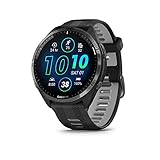
- Brilliant AMOLED touchscreen display with traditional button controls and lightweight titanium bezel
- Battery life: up to 23 days of battery life in smartwatch mode, up to 31 hours in GPS mode
- Confidently run any route using full-color, built-in maps and multi-band GPS
- Training readiness score is based on sleep quality, recovery, training load and HRV status to determine if you’re primed to go hard and reap the rewards (data presented is intended to be a close estimation of metrics tracked)
- Plan race strategy with personalized daily suggested workouts based on the race and course that you input into the Garmin Connect app and then view the race widget on your watch; daily suggested workouts adapt after every run to match performance and recovery
Biometric tracking still outperforms calendar-only methods in these cases, but expectations must be realistic. Algorithms may take longer to adapt, flag more uncertain cycles, or temporarily pause predictions when data confidence drops.
This is not a failure of the device so much as a reflection of human physiology. Variability is normal, and no consumer wearable can override that complexity.
The impact of wear consistency and hardware design
Accuracy depends as much on industrial design as on sensors. Rings with low profiles, smooth titanium or resin shells, and minimal seams tend to be worn more consistently overnight, which improves data continuity.
Smartwatches offer richer ecosystems but face practical trade-offs. Larger cases, thicker sensors, metal casebacks, or daily charging requirements can lead to missed nights, especially during sleep or on low-battery days.
Battery life, charging speed, strap comfort, and even clasp design quietly influence how much usable data the algorithm receives. A simpler device worn every night often produces better cycle insights than a more advanced one worn inconsistently.
What wearables cannot tell you about hormones
Despite marketing language, no consumer wearable directly measures estrogen, progesterone, LH, or other reproductive hormones. All insights are inferred from downstream physiological effects.
This means wearables cannot reliably detect anovulatory cycles, luteal phase defects, or subtle hormonal imbalances on their own. They also cannot determine fertility in the clinical sense or replace ovulation test strips or medical evaluation.
Hormonal contraception further complicates interpretation. Many devices will still track bleeding patterns and general health metrics, but ovulation-based predictions become unreliable or irrelevant while hormones are externally regulated.
Fertility awareness versus fertility guarantees
Some wearables are certified for fertility awareness methods when used correctly, but this does not mean they guarantee pregnancy prevention or conception. Certification typically assumes strict adherence, consistent wear, and correct interpretation of app guidance.
Real life is messier. Travel, illness, missed nights, or ambiguous data can widen fertile windows and reduce certainty, which is why many platforms intentionally err on the side of caution.
Users seeking pregnancy support often find wearables most valuable for understanding cycle trends over time rather than pinpointing a single decisive day.
Privacy, transparency, and algorithmic limits
Accuracy is not just physiological; it is also informational. Platforms that clearly communicate uncertainty, confidence ranges, and data gaps tend to foster better outcomes than those presenting predictions as definitive.
Algorithm updates can improve insights over time, but they can also shift baselines, especially after major software changes. Devices that allow users to see raw trends alongside predictions help maintain trust when numbers fluctuate.
For sensitive health data like menstrual cycles, privacy policies, on-device processing, and data-sharing controls are not secondary concerns. Trust in the platform directly affects whether users log symptoms honestly and wear the device consistently.
What no wearable can tell you yet
No wearable can currently predict ovulation with certainty days in advance, diagnose hormonal disorders, or replace clinical fertility testing. They cannot explain why a cycle changed, only that it did.
They also cannot account for emotional, social, or psychological factors that influence menstrual health, even though these factors often matter deeply to lived experience.
The most reliable wearables today succeed not by promising perfection, but by offering grounded, evolving insight that respects biological variability while fitting comfortably into everyday life.
Privacy, Data Ownership, and Reproductive Health Safeguards You Should Understand
As wearables become more intimate in what they measure, privacy stops being an abstract checkbox and becomes part of the product’s real-world value. Cycle data, temperature trends, and fertility predictions can reveal far more about your life than step counts or workouts, especially when viewed over months or years.
Understanding how your data is stored, processed, shared, and deleted is just as important as understanding sensor accuracy. The most trustworthy platforms treat reproductive health data as uniquely sensitive, not just another biometric stream.
On-device processing versus cloud-based analysis
One of the biggest privacy distinctions between platforms is where your cycle data is processed. Some ecosystems prioritize on-device analysis, meaning raw temperature, heart rate variability, and sleep data are interpreted locally on the watch or phone before being synced in a limited form.
Apple’s cycle tracking and temperature-based ovulation estimates are a leading example of this approach. When paired with an iPhone, much of the reproductive health data is encrypted and processed using device-level security, reducing exposure even if cloud services are compromised.
Other platforms, including many ring-based and subscription-driven wearables, rely more heavily on cloud-based algorithms. This allows faster iteration and cross-user pattern refinement, but it also means your cycle data lives on company servers, governed by their policies rather than your hardware.
Who actually owns your menstrual and fertility data
Data ownership language can be slippery, so it’s worth reading beyond marketing summaries. Most wearable companies state that you retain ownership of your data, but they often reserve broad rights to store, analyze, and use anonymized or aggregated versions to improve services.
What matters in practice is whether you can export your data in a usable format, delete it permanently, and opt out of secondary uses. Platforms that allow full data deletion, including backups, give users more real control than those that simply deactivate accounts.
Subscription-based platforms deserve extra scrutiny here. If access to historical cycle data disappears when you stop paying, that data may still exist on company servers even if you can no longer view it.
Reproductive health data and legal exposure
In the current legal landscape, especially in the United States, reproductive health data carries potential legal risk that did not exist a decade ago. Period predictions, missed cycles, or pregnancy-related annotations could theoretically be requested in legal proceedings depending on jurisdiction.
Some companies have responded by tightening policies around law enforcement requests and publishing transparency reports. Others have redesigned systems so they cannot easily access identifiable reproductive health data at all, which is a stronger safeguard than policy promises alone.
If this is a concern for you, look for platforms that support local-only storage, strong end-to-end encryption, and explicit commitments to challenge or limit data disclosure requests.
Sharing controls, partners, and third-party integrations
Many users willingly share cycle data with partners, coaches, or healthcare providers, but that sharing should always be intentional. The best platforms make it clear exactly what is shared, for how long, and whether the recipient can see raw data or only summaries.
Be cautious with third-party app integrations. Syncing your wearable to broader fitness, nutrition, or calendar apps can quietly expand the number of companies with access to your reproductive health information.
If a platform allows advertising partners or research collaborators to access anonymized reproductive data, understand that anonymization is not always irreversible when datasets are combined.
Security standards and breach history
Encryption at rest and in transit should be non-negotiable for any wearable handling menstrual or fertility data. Multi-factor authentication, biometric app locks, and secure account recovery processes add meaningful protection if a phone or account is compromised.
It’s also reasonable to consider a company’s track record. Platforms that openly disclose past breaches, outline what changed afterward, and invest visibly in security infrastructure tend to be more trustworthy than those that remain silent.
How privacy choices affect daily usability
Privacy safeguards can influence everyday experience in subtle ways. On-device processing may limit cross-platform access or slow algorithm updates, while cloud-based systems may offer richer insights at the cost of broader data exposure.
Comfort, battery life, and wear consistency still matter here. A lightweight ring worn every night but tied to a cloud subscription may gather more complete cycle data than a wrist-based smartwatch that stays on the charger, even if the latter offers stronger local security.
The right balance depends on your priorities: maximum insight, maximum control, or something carefully in between. Understanding these trade-offs allows you to choose a wearable that supports not just your cycle, but your sense of safety and autonomy around your own body.
Best Dedicated Period & Fertility Wearables: Rings, Bands, and Sensor-First Devices Compared
After weighing privacy trade-offs and everyday usability, this is where dedicated cycle-focused hardware earns its place. These devices are built around reproductive physiology first, rather than treating menstrual health as a secondary smartwatch feature.
Rings, bands, and sensor-first wearables tend to prioritize overnight wear, passive data capture, and algorithms tuned specifically for cycle patterns. For many users, that focus translates into more consistent data and clearer fertility insights, even if it means giving up notifications or app ecosystems.
Why dedicated devices behave differently than smartwatches
Unlike general-purpose smartwatches, dedicated fertility wearables typically emphasize nighttime measurements when the body is least influenced by stress, movement, or environmental noise. Skin temperature trends, resting heart rate, heart rate variability, and sleep stages form the backbone of their predictions.
Most avoid screens altogether, which improves battery life and encourages continuous wear. That design choice also reduces the temptation to take devices off during sleep, when cycle-relevant data is most valuable.
The trade-off is versatility. These products are not meant to replace a smartwatch; they are meant to quietly observe your physiology and translate it into reproductive insights.
Oura Ring: the most mature ring-based cycle platform
Oura remains the reference point for ring-based cycle tracking, largely because of its longitudinal dataset and refined algorithms. The current Oura Ring uses nightly skin temperature deviation, resting heart rate, HRV, and sleep timing to identify ovulation windows and predict periods.
Physically, the ring is lightweight and well-finished, available in multiple sizes and materials, with a low-profile interior that minimizes pressure during sleep. Comfort is excellent for most users, though those sensitive to finger swelling may notice tighter fit fluctuations across the cycle.
Battery life typically ranges from four to seven days depending on size and usage, with charging taking under two hours. The required subscription funds ongoing algorithm updates, which is where much of Oura’s accuracy gains have come from over time.
Privacy-wise, Oura relies on cloud processing, but offers granular data controls and clear disclosures around research use. It suits users who want polished insights, trend-based fertility awareness, and are comfortable with a subscription model.
Rank #3

- Our brightest AMOLED touchscreen display with button controls and an aluminum bezel in 42 mm size to fit smaller wrists
- Up to 10 days of battery life in smartwatch mode and up to 18 hours in GPS mode for a more complete picture of your training and recovery
- Train for an event, achieve a milestone, or improve your fitness with Garmin Coach training plans; these running and triathlon plans are personalized to you and adapt based on your performance and recovery
- Training readiness score is based on sleep quality, recovery, training load and HRV status to determine if you’re primed to go hard and get the most out of your workout (data presented is intended to be a close estimation of metrics tracked)
- Built-in microphone and speaker let you make and take phone calls from your wrist when your watch is paired to your smartphone — and you can even use your smartphone’s voice assistant to respond to text messages and more
Evie Ring: cycle-first design with evolving software
Evie positions itself explicitly as a women’s health ring, with cycle tracking at the center rather than adapted later. Like Oura, it uses overnight skin temperature, sleep, and cardiovascular metrics, but places heavier emphasis on symptom logging and hormonal context.
The ring is slightly wider than Oura, with a matte finish and flatter interior profile that some users find more stable during sleep. Battery life is shorter, generally around four days, reflecting its newer hardware and still-maturing power optimization.
Software remains a work in progress, with fewer years of population-level data behind its predictions. That said, Evie’s transparency around algorithm development and its focus on cycle literacy make it appealing to users who want to understand their data, not just receive predictions.
Ava Bracelet: wrist-based fertility tracking done intentionally
Ava is one of the few wrist-worn devices built exclusively for fertility and ovulation tracking. Worn overnight on the wrist, it captures skin temperature, resting pulse rate, HRV, breathing rate, and perfusion to identify fertile windows.
The bracelet format avoids finger sizing issues and feels closer to a soft fabric watch strap than a fitness band. It is lightweight and unobtrusive during sleep, though daytime wear is not part of the intended use.
Battery life supports several nights between charges, and the system does not attempt to be a general fitness tracker. Ava works best for users actively trying to conceive who want a non-invasive alternative to basal body temperature thermometers.
Tempdrop: pragmatic and budget-conscious cycle tracking
Tempdrop takes a narrower but effective approach by focusing on continuous temperature measurement overnight. Worn on the upper arm with a soft elastic band, it minimizes disruption from movement and inconsistent sleep schedules.
There is no screen, and the hardware is utilitarian rather than refined, but comfort is surprisingly good once adjusted properly. Battery life spans months, using a replaceable coin cell rather than frequent recharging.
Tempdrop suits users who want accurate temperature trends without subscriptions or complex dashboards. It requires more manual interpretation unless paired with compatible fertility awareness apps, making it ideal for those comfortable learning their own patterns.
Natural Cycles with compatible sensors: software-led fertility awareness
Natural Cycles operates primarily as a regulated fertility algorithm rather than a wearable itself. When paired with compatible sensors like Oura or approved thermometers, it interprets temperature data to identify fertile and non-fertile days.
This approach appeals to users who value clinical validation and clear daily guidance. However, accuracy depends heavily on consistent data input and adherence to usage guidelines.
Privacy considerations are especially important here, as data flows between hardware and software platforms. Users should review both companies’ policies to understand how reproductive data is stored and processed.
Who these devices are best suited for
Ring-based systems work well for users who want passive, nightly data collection with minimal lifestyle disruption. They are particularly effective for irregular sleepers or those who prefer not to interact with their device daily.
Wrist and arm-based fertility wearables suit users focused specifically on conception or cycle awareness, rather than holistic health tracking. Their narrower scope often translates into clearer, more actionable insights within that domain.
Sensor-first approaches reward engagement and learning. If you want to understand your cycle deeply and are willing to participate actively in interpretation, these tools can feel empowering rather than prescriptive.
Each of these devices reflects a different philosophy about how reproductive health data should be collected and used. The best choice is less about absolute accuracy and more about which system you will actually wear, trust, and understand over time.
Best Smartwatches for Period Tracking: Apple, Samsung, Fitbit, Garmin, and Hybrid Options
For many people, a smartwatch feels like the most natural place to track menstrual health. Unlike ring or arm-based sensors that focus narrowly on fertility signals, smartwatches integrate cycle tracking into a broader picture of sleep, activity, stress, and daily routines.
This versatility comes with trade-offs. Most smartwatches prioritize general wellness over clinical fertility awareness, so understanding what data they actually collect, and how it is interpreted, is essential before relying on predictions.
Apple Watch: the most mature cycle-aware smartwatch ecosystem
Apple Watch offers the deepest and most integrated period tracking experience of any mainstream smartwatch. On Series 8, Series 9, and Apple Watch Ultra models, Apple uses wrist temperature changes measured during sleep to retrospectively estimate ovulation.
These estimates appear only after enough consistent overnight wear, and Apple is explicit that predictions are not real-time fertility signals. Instead, the system identifies ovulation after it has likely occurred, which improves cycle history accuracy rather than immediate conception planning.
Apple’s Health app combines cycle logging, temperature trends, heart rate variability, sleep stages, and activity data into a single timeline. For users already in the iPhone ecosystem, this integration feels seamless and reassuring rather than overwhelming.
From a hardware perspective, Apple Watch excels in comfort and wearability. Case sizes range from compact to large, materials span aluminum to titanium, and the soft sport bands work well for overnight wear, which is essential for temperature tracking.
Battery life remains the main limitation. Most users will need to charge daily, and missing nights reduces temperature trend reliability.
Privacy is a strong point. Cycle and temperature data are encrypted, processed on-device when possible, and protected by Apple’s broader health data safeguards.
Samsung Galaxy Watch: Android-friendly temperature-based insights
Samsung’s Galaxy Watch lineup, particularly Watch5 and Watch6 models, also measures skin temperature during sleep. These nightly changes feed into Samsung Health’s cycle tracking features, which are available to Android users without third-party apps.
Unlike Apple, Samsung leans more heavily on partner algorithms in some regions, which can affect availability and regulatory status depending on location. Predictions focus on period timing and fertile windows rather than confirmed ovulation events.
The Galaxy Watch hardware is slim and comfortable, with lightweight aluminum cases and flexible silicone straps that suit overnight wear. AMOLED displays are bright but unobtrusive in sleep mode, helping reduce disruption.
Battery life typically spans one to two days depending on display settings, which is adequate but still requires attention for consistent data capture. Missed nights again reduce confidence in temperature trends.
Samsung Health stores data within its ecosystem, and users should review regional privacy policies carefully. Data handling varies by country, particularly for reproductive health features tied to licensed algorithms.
Fitbit: accessible cycle tracking with long battery life
Fitbit approaches period tracking from a population-health and habit-building perspective rather than fertility awareness. Devices like Sense 2 and Versa 4 measure nightly skin temperature variation, resting heart rate, and sleep duration to inform cycle predictions.
Fitbit does not claim ovulation confirmation. Instead, it uses logged periods and physiological trends to estimate cycle phases and symptom patterns over time.
This approach suits users who want reminders, pattern recognition, and gentle guidance rather than precision fertility planning. The Fitbit app presents insights in plain language and avoids medical framing.
Hardware comfort is a major strength. The slim cases, soft straps, and low-profile designs make overnight wear easy, and battery life often reaches five to six days.
Fitbit’s transition under Google ownership has raised privacy questions for some users. While health data remains separated from advertising systems, users should understand account linking and data-sharing policies before committing.
Garmin: cycle tracking for athletes, not fertility prediction
Garmin includes period tracking across most of its smartwatch lineup, but its philosophy is different. Garmin focuses on training load, recovery, and performance metrics, using cycle phase primarily as contextual information.
Most Garmin watches do not use skin temperature for cycle prediction. Instead, they rely on logged periods, heart rate variability trends, stress metrics, and subjective symptoms.
This makes Garmin well-suited for athletes who want to understand how hormonal phases may affect endurance, strength, or recovery. It is not designed for ovulation detection or fertility planning.
Garmin hardware excels in durability and battery life. Many models last a week or more, with rugged cases and breathable silicone or nylon straps that remain comfortable overnight.
The interface is data-dense, which some users love and others find intimidating. Cycle insights are present but not foregrounded, reflecting Garmin’s performance-first identity.
Hybrid smartwatches: Withings and the balance between elegance and insight
Hybrid smartwatches appeal to users who want health tracking without the look or distraction of a full smartwatch. Withings ScanWatch and ScanWatch 2 combine analog hands with discreet digital displays and medical-grade sensors.
Recent models add continuous skin temperature change tracking, which Withings uses to support cycle phase estimation and wellness insights. These features remain conservative in claims, emphasizing trends rather than predictions.
The stainless steel cases, sapphire glass, and classic proportions make these watches comfortable and aesthetically versatile. They wear more like traditional timepieces than tech devices, which matters for long-term adherence.
Battery life is exceptional, often measured in weeks rather than days. This consistency improves longitudinal data quality, especially for users who forget frequent charging.
Withings stores health data on European servers with a strong medical compliance focus. Privacy-conscious users often find this reassuring, particularly for reproductive health information.
Choosing the right smartwatch for your cycle needs
Smartwatches work best for users who want cycle awareness integrated into daily life rather than a dedicated fertility tool. They shine at pattern recognition, symptom logging, and contextual insights tied to sleep, stress, and activity.
Rank #4

- Easy-to-use running watch monitors heart rate (this is not a medical device) at the wrist and uses GPS to track how far, how fast and where you’ve run.Special Feature:Bluetooth.
- Battery life: up to 2 weeks in smartwatch mode; up to 20 hours in GPS mode
- Plan your race day strategy with the PacePro feature (not compatible with on-device courses), which offers GPS-based pace guidance for a selected course or distance
- Run your best with helpful training tools, including race time predictions and finish time estimates
- Track all the ways you move with built-in activity profiles for running, cycling, track run, virtual run, pool swim, Pilates, HIIT, breathwork and more
Temperature-based features require consistent overnight wear and realistic expectations. These devices can improve understanding of your cycle over time, but they are not substitutes for clinical fertility awareness methods.
The best choice depends less on brand prestige and more on ecosystem fit. The smartwatch you already wear comfortably, charge reliably, and trust with your data is the one most likely to deliver meaningful cycle insights.
Sensor Deep Dive: Skin Temperature vs Basal Body Temperature vs Overnight Trends
Understanding how wearables track temperature is essential to setting realistic expectations about period prediction and fertility insights. While many platforms use the word “temperature,” they are often referring to very different physiological signals captured in very different ways.
This distinction explains why two devices can both claim cycle tracking yet deliver noticeably different experiences over time.
Skin temperature: what smartwatches actually measure
Most modern smartwatches and rings track skin temperature, not core body temperature. Sensors sit against the wrist or finger and record how warm the skin surface is relative to that user’s personal baseline, typically during sleep when external influences are minimized.
Because skin temperature fluctuates with room temperature, bedding, alcohol intake, illness, and even stress, wearables focus on deviations from your own norm rather than absolute values. A shift of a few tenths of a degree, sustained across nights, is what algorithms look for.
Apple Watch, Fitbit, Oura, Samsung, and Withings all use this relative-change approach. The strength of this method is convenience: passive, automatic, and continuous, with no user action beyond wearing the device consistently overnight.
The limitation is that skin temperature is a proxy. It reflects hormonal changes indirectly, which means it works best when trends are analyzed over weeks or months rather than night to night.
Basal body temperature: the gold standard with caveats
Basal body temperature, or BBT, refers to the body’s lowest resting temperature, measured immediately upon waking before any movement. Historically, this has been a cornerstone of fertility awareness methods because progesterone causes a measurable rise after ovulation.
Dedicated fertility wearables like wrist sensors worn overnight or oral thermometers taken manually aim to approximate true basal temperature more closely than general-purpose smartwatches. Some armband-style devices and rings emphasize this distinction heavily in their marketing.
The trade-off is friction. Accurate BBT requires consistency in sleep timing, waking habits, and measurement conditions, which many users find difficult to maintain long term.
While BBT can confirm ovulation after it has occurred, it is less effective at predicting ovulation in advance. For users focused on retrospective understanding rather than proactive planning, this difference matters.
Overnight trends: why wearables prioritize patterns over precision
Rather than chasing a single “correct” temperature value, most smartwatch platforms analyze overnight trends across multiple nights. This includes temperature change, heart rate, heart rate variability, respiratory rate, and sleep stage distribution.
By layering these signals, algorithms can flag likely cycle phases, estimate fertile windows, and provide context like increased strain tolerance or recovery needs. This is why temperature insights are often paired with readiness scores or wellness summaries.
Devices with strong battery life, such as rings or hybrid watches, often perform well here because uninterrupted overnight data improves trend reliability. Missed nights or inconsistent charging can weaken predictions more than minor sensor inaccuracies.
This trend-based approach is also why many platforms avoid strong fertility claims. They are designed for awareness and pattern recognition, not clinical-grade cycle confirmation.
Accuracy limitations and real-world variability
No wrist- or finger-worn wearable can fully isolate hormonal effects from environmental noise. A warm bedroom, travel across time zones, late meals, or a disrupted sleep schedule can all influence readings.
This is especially relevant during luteal and menstrual phases, when inflammation, fluid retention, and illness are more common. Wearables may correctly detect a temperature rise but misattribute its cause without additional context.
Users with irregular cycles, hormonal contraception, postpartum changes, or perimenopause may see less predictable patterns. In these cases, longer data histories improve usefulness, but expectations should remain flexible.
What this means for choosing the right device
If you want effortless cycle awareness embedded into a broader health ecosystem, skin temperature trend tracking on a smartwatch is usually sufficient. Comfort, overnight wearability, and reliable battery habits matter more than sensor branding.
If your priority is fertility-focused insights and you are willing to wear a device very consistently, platforms emphasizing basal temperature methodology may offer clearer post-ovulation confirmation. They demand more discipline but can feel more purpose-built.
For many users, the most accurate system is the one they will actually wear every night. Temperature-based insights only become meaningful when data is continuous, contextual, and trusted within your daily routine.
Real-World Wearability: Comfort, Battery Life, Design, and All-Day / All-Night Use
Once you understand how cycle insights are generated, the deciding factor becomes far more practical: whether a device fits comfortably into your life day after day, night after night. Even the most advanced algorithms lose value if a wearable is uncomfortable, needs constant charging, or feels intrusive during sleep.
Cycle tracking is uniquely sensitive to consistency. That makes real-world wearability just as important as sensor quality when comparing smartwatches, rings, and hybrid health wearables.
Comfort during sleep: where cycle tracking actually happens
Most temperature-based cycle insights are collected overnight, which makes sleep comfort non-negotiable. Bulky watch cases, rigid lugs, or thick sensor housings can disrupt sleep, especially for side sleepers or those sensitive to wrist pressure.
Smart rings generally excel here. Their low profile, balanced weight distribution, and lack of a protruding screen make them easy to forget once you fall asleep, even during longer luteal-phase nights when restlessness is common.
Wrist-based devices vary widely. Smaller smartwatch sizes with curved casebacks and soft, breathable bands tend to be far more tolerable than large sport watches designed for endurance training.
Daytime wear and body changes across the cycle
Comfort needs can shift across the menstrual cycle itself. Swelling, bloating, and fluid retention during the luteal and menstrual phases can make snug bands or rigid rings feel tighter than usual.
Adjustable straps matter more than most spec sheets acknowledge. Silicone and fluoroelastomer bands with multiple micro-adjustments accommodate daily changes better than leather or metal bracelets, which can feel unforgiving during hormonal fluctuations.
Rings require particular attention to sizing. Some users choose a slightly looser fit or alternate fingers to accommodate cycle-related swelling without compromising sensor contact.
Battery life and charging friction
Battery longevity directly affects data continuity, which in turn affects prediction reliability. Devices that last multiple days reduce the likelihood of missing critical overnight temperature data.
Smart rings and minimalist health trackers often offer four to seven days of battery life, making them especially well-suited to cycle tracking. Their charging routines tend to feel less disruptive and easier to schedule around daily life.
Full-featured smartwatches usually require daily or near-daily charging. While manageable, this increases the risk of skipped nights, particularly during travel, illness, or busy periods when routines break down.
All-day wear versus dedicated sleep tracking
Some users prefer a single device worn 24/7, while others are comfortable wearing something primarily for sleep. Cycle tracking works with either approach, but the experience feels very different.
All-day wearables provide broader context by combining temperature trends with activity, stress, HRV, and resting heart rate. This can help explain why a cycle looks different during high-stress weeks or recovery-heavy periods.
Sleep-focused devices feel more discreet and purpose-built. They appeal to users who dislike screens on their body or already wear a mechanical watch during the day but still want hormone-aware insights at night.
Design, materials, and skin tolerance
Materials matter when a device is worn continuously. Hypoallergenic metals, smooth ceramic finishes, and well-sealed sensor windows reduce the risk of irritation, especially during warmer phases of the cycle when skin sensitivity can increase.
Breathability is often overlooked. Bands that trap moisture can lead to discomfort or rashes during night sweats, which are more common around ovulation, premenstrual phases, and perimenopause.
Minimalist designs also tend to age better psychologically. Devices that feel neutral rather than overtly “medical” or aggressively sporty are more likely to remain in long-term rotation.
Durability, water resistance, and daily life realities
Real-world wear includes showers, handwashing, workouts, travel, and the occasional forgotten charge. Devices with solid water resistance and durable finishes reduce the mental overhead of constant removal.
This matters for cycle tracking because frequent off-wrist time creates gaps in data. A wearable that survives daily life without special treatment encourages consistency without conscious effort.
For swimmers or those who shower at night, water resistance also ensures temperature trends aren’t disrupted by last-minute device removal before bed.
Psychological comfort and trust
There is also a softer dimension to wearability: how a device makes you feel. Wearables tied to fertility or cycle awareness can carry emotional weight, particularly during trying-to-conceive phases or hormonal transitions.
Devices that present insights gently, without alarmist language or rigid predictions, tend to feel more supportive over time. This emotional comfort can be just as important as physical comfort when deciding whether you’ll keep wearing something consistently.
Ultimately, the most wearable device is the one that integrates quietly into your routine, adapts to your body’s changes, and earns enough trust that you stop thinking about it altogether.
💰 Best Value

- Brilliant AMOLED touchscreen display with traditional button controls; lightweight design in 46 mm size
- Up to 13 days of battery life in smartwatch mode and up to 20 hours in GPS mode
- As soon as you wake up, get your morning report with an overview of your sleep, recovery and training outlook alongside HRV status, training readiness and weather (data presented is intended to be a close estimation of metrics tracked)
- Plan race strategy with personalized daily suggested workouts based on the race and course that you input into the Garmin Connect app and then view the race widget on your watch; daily suggested workouts adapt after every run to match performance and recovery
- Training readiness score is based on sleep quality, recovery, training load and HRV status to determine if you’re primed to go hard and get the most out of your workout (data presented is intended to be a close estimation of metrics tracked)
Which Period Tracking Wearable Is Right for You? Use-Case-Based Recommendations
Once comfort, durability, and emotional trust are accounted for, the decision becomes more personal than technical. Different bodies, goals, and life stages place very different demands on cycle tracking hardware, even when the underlying biology is shared.
Rather than ranking devices by raw capability, it’s more useful to map them to real-world use cases. The “best” wearable is the one that fits how you live, how much data you want to engage with, and how much cognitive space you want cycle tracking to occupy.
If you want simple, low-effort period predictions with smartwatch flexibility
If your priority is knowing roughly when your period is coming, with minimal manual input, mainstream smartwatches like Apple Watch Series models or recent Samsung Galaxy Watches are often the easiest entry point. They rely on a combination of logged periods, sleep patterns, resting heart rate trends, and in Apple’s case, overnight wrist temperature deviations.
These devices work best for people with relatively regular cycles who are not using predictions for contraception or fertility planning. Predictions improve gradually over several cycles, but they remain probabilistic rather than diagnostic.
The advantage is versatility. You get notifications, fitness tracking, safety features, and third-party app support alongside cycle tracking, all in a familiar watch form factor with comfortable cases, swappable straps, and polished software ecosystems.
If fertility awareness or ovulation timing is your primary goal
For users actively trying to conceive or avoid pregnancy using fertility awareness methods, dedicated cycle-focused wearables like Oura Ring or wrist-based temperature-first trackers tend to be more appropriate. These devices emphasize nightly temperature trends, HRV, and sleep consistency rather than daytime activity spikes.
Oura’s ring form factor excels for overnight data capture, with minimal movement artifacts and high compliance during sleep. Its titanium construction, smooth interior, and lightweight profile make it easier to forget you’re wearing it, which matters for long-term trend accuracy.
It’s important to understand limitations here. Even the best wearables do not measure ovulation directly; they infer fertile windows retrospectively based on physiological shifts. These tools support awareness, not guarantees, and should be used with appropriate education and expectations.
If you want deep hormonal insight and pattern recognition over time
Some users are less concerned with exact dates and more interested in understanding how their cycle influences mood, energy, sleep quality, and recovery. For this group, wearables that emphasize longitudinal trends rather than daily predictions are a better fit.
Devices that surface phase-based insights, such as changes during the luteal or follicular phase, help contextualize why workouts feel harder, sleep feels lighter, or stress tolerance drops. The value here is not prediction accuracy alone, but pattern recognition across months.
These systems reward patience. They become meaningfully useful after consistent wear over several cycles, especially when paired with reflective logging rather than constant checking.
If perimenopause or cycle irregularity is part of your reality
For people experiencing irregular cycles, skipped periods, or temperature variability, traditional prediction models often struggle. In these cases, wearables that focus on symptom correlation rather than calendar-based forecasting tend to feel less frustrating.
Sleep disruption, elevated resting heart rate, and increased night sweats are often more actionable signals than predicted period dates. Devices with strong sleep staging, overnight temperature trend tracking, and stress metrics can provide validation even when cycle predictions are uncertain.
Physical comfort becomes especially important here. Lightweight cases, breathable bands, and devices that tolerate night wear without pressure points are more likely to stay on during already disrupted sleep.
If privacy, data ownership, and discretion matter most
Cycle data can feel deeply personal, and not everyone is comfortable storing reproductive information in large cloud ecosystems. Some wearables offer more transparent data controls, local processing options, or less overt cycle labeling in their interfaces.
Discretion also extends to design. Rings and minimalist watches draw less attention than overtly health-focused devices, which can matter in professional or social settings. Materials like brushed titanium or ceramic finishes help these devices blend into everyday wear rather than signaling medical intent.
Before choosing, it’s worth reviewing how cycle data is stored, whether it can be deleted easily, and how it integrates with broader health platforms.
If you want one device to do everything reasonably well
For many users, cycle tracking is one priority among many. If you want workouts, GPS, notifications, payments, and cycle awareness in a single device, modern smartwatches remain the most balanced option.
They may not deliver the deepest fertility insights, but they offer acceptable cycle predictions, strong daily usability, and polished hardware. Case sizes, display brightness, water resistance, and strap compatibility all contribute to whether the watch feels like a tool or an accessory you enjoy wearing.
This approach works best when expectations are calibrated. Think of cycle tracking as one layer of health context, not the sole reason for the device.
If long-term consistency is your biggest challenge
Perhaps the most overlooked use case is the person who simply struggles to wear devices consistently. In this scenario, the “best” wearable is the one you forget to take off, charge, or think about.
Long battery life, gentle charging routines, and physical comfort outweigh advanced metrics. A device worn imperfectly but consistently will outperform a technically superior one that spends days on a bedside table.
Consistency is what turns biometric noise into meaningful insight. Choosing a wearable that fits seamlessly into your routine is not a compromise; it’s the foundation of reliable cycle tracking.
The Future of Cycle-Aware Wearables: Hormone Insights, AI Prediction, and Medical Validation
As cycle tracking matures from calendar estimates into biometric modeling, the next wave of wearables is less about logging periods and more about understanding hormonal patterns as a dynamic health signal. The shift underway builds directly on the foundations discussed earlier: consistency, comfort, and trust in how data is handled.
What’s emerging is a category of devices that don’t just react to cycles, but adapt alongside them, learning how your body behaves across months and years rather than forcing it into population averages.
From Proxy Signals to Hormone-Aware Modeling
Today’s wearables don’t measure estrogen or progesterone directly, but that’s beginning to matter less than how well they interpret indirect signals. Skin temperature deviation, resting heart rate, heart rate variability, respiratory rate, and sleep architecture all respond to hormonal changes in predictable but highly individual ways.
The future lies in multi-sensor fusion. Instead of relying on a single nightly temperature reading or a simple luteal-phase assumption, newer algorithms combine overnight thermoregulation trends, autonomic nervous system shifts, and recovery metrics to infer where you are in your cycle with increasing confidence.
This is especially important for people with irregular cycles, postpartum changes, perimenopause, or conditions like PCOS. In these cases, traditional calendar-based prediction breaks down, while biometric patterns often remain detectable even when cycle length varies.
AI Prediction That Learns You, Not “Users Like You”
Machine learning is already part of most cycle-aware platforms, but its role is expanding. The next generation of prediction engines is less focused on predicting a date and more focused on modeling probability ranges and uncertainty.
Instead of telling you your period will start on Tuesday, systems are beginning to express confidence windows, explain which signals influenced a prediction, and adjust recommendations dynamically. This matters because biological systems are not deterministic, and pretending otherwise erodes trust.
Crucially, better AI depends on long-term personal baselines. Devices with high wear consistency, stable sensors, and minimal firmware churn tend to outperform technically impressive hardware that’s worn sporadically. In practice, a comfortable ring or lightweight watch with a modest sensor suite can enable better prediction than a bulky device abandoned after a few weeks.
Contextual Insights Beyond Fertility
Cycle awareness is expanding beyond ovulation and period prediction into broader health interpretation. Training readiness, injury risk, migraine likelihood, sleep quality, mood variation, and medication response are all influenced by hormonal state.
We’re starting to see wearables adjust recovery scores, workout suggestions, and stress feedback based on cycle phase rather than treating hormonal variation as noise. This reframes menstruation not as a disruption, but as a meaningful physiological context.
For users who don’t care about fertility at all, this is often the most valuable evolution. Cycle-aware insights can explain why identical workouts feel harder on certain weeks or why sleep suddenly becomes lighter, without pathologizing normal variation.
Medical Validation and Regulatory Momentum
One of the most significant shifts ahead is medical validation. A growing number of cycle-aware algorithms are pursuing regulatory clearance, clinical trials, and partnerships with healthcare systems.
This doesn’t mean consumer wearables are becoming diagnostic tools overnight. It does mean that prediction accuracy, error rates, and limitations are increasingly quantified rather than implied. For users, that translates to clearer expectations and fewer exaggerated claims.
Devices that publish validation data, explain how predictions are generated, and acknowledge edge cases tend to inspire more confidence than those that promise certainty. Transparency is becoming a competitive advantage, not a liability.
Privacy, Control, and On-Device Intelligence
As insights become more sensitive, data handling matters even more. We’re likely to see greater emphasis on on-device processing, encrypted local storage, and granular control over what cycle data is shared, synced, or deleted.
This intersects directly with design choices. A ring or understated watch that doesn’t visually announce health tracking can feel safer to wear consistently, while software that allows discreet notifications or neutral language supports autonomy.
The most future-proof platforms are those that treat cycle data as deeply personal, not just another engagement metric.
What This Means for Buying Today
No current wearable offers direct hormone measurement, perfect prediction, and medical-grade certainty all at once. The trajectory, however, is clear.
Choosing a device now should be about aligning with this direction rather than chasing promises. Look for platforms that prioritize sensor stability, long battery life, comfortable materials, and software updates that improve interpretation rather than just add features.
The best cycle-aware wearable is not the one that claims to know your body instantly. It’s the one that earns understanding over time, fits into your life without friction, and evolves as the science improves.
That’s the real future of period tracking: not prediction alone, but partnership between your body, your device, and your data, on your terms.