The Samsung Gear S3 sits in an unusual but still relevant place in 2026. It is old enough to be written off by official support timelines, yet capable enough that many owners keep wearing it daily because it still does the fundamentals exceptionally well. If you have one in a drawer, bought one second-hand, or are considering a used Gear S3 for its design and price, the real question is not whether it is “supported,” but whether it is still useful.
This guide exists to answer that honestly. The Gear S3 runs Tizen OS at a time when Samsung has fully shifted to Wear OS on newer models, and that reality shapes everything from app availability to setup quirks. Understanding where Tizen still shines, where it shows its age, and how to work within those boundaries is the key to extracting real value in 2026.
Tizen OS in 2026: Frozen, Not Broken
Tizen on the Gear S3 is effectively in maintenance mode. There are no meaningful OS updates, new APIs, or platform-level feature additions, and Samsung has clearly moved its developer focus elsewhere. That said, the OS itself remains stable, fast, and predictable, which is more than can be said for many aging Wear OS devices.
App compatibility depends less on Tizen itself and more on whether individual developers have kept their apps functional. Many core apps still run perfectly because they rely on local processing, basic sensors, or Bluetooth passthrough rather than cloud services. If an app worked well in 2022 and did not rely heavily on online accounts, it often still works today.
🏆 #1 Best Overall
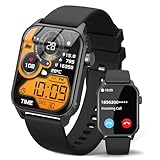
- 【1.83" HD Display & Customizable Watch Faces】Immerse yourself in a vibrant 1.83-inch IPS display, boasting a sharp resolution of 240*284 for crystal-clear visuals. Effortlessly personalize your smart watch with a wide array of customizable watch faces to suit your personal style for every occasion—whether trendy, artistic, or minimalist—ideal for casual, sporty, or professional. Its sleek, modern design complements any outfit, blending technology and fashion seamlessly for everyday wear
- 【120 Sports Modes & Advanced Health Tracking】Our TK29 smart watches for women men come equipped with 120 sports modes, allowing you to effortlessly track a variety of activities such as walking, running, cycling, and swimming. With integrated heart rate and sleep monitors, you can maintain a comprehensive overview of your health, achieve your fitness goals, and maintain a balanced, active lifestyle with ease. Your ideal wellness companion (Note: Step recording starts after exceeding 20 steps)
- 【IP67 Waterproof & Long-Lasting Battery】Designed to keep up with your active lifestyle, this smartwatch features an IP67 waterproof rating, ensuring it can withstand splashes, sweat, and even brief submersion, making it perfect for workouts, outdoor adventures, or rainy days. Its reliable 350mAh battery offering 5-7 days of active use and up to 30 days in standby mode, significantly reducing frequent charging. Ideal for all-day wear, whether you’re at the gym, outdoors, or simply on the go
- 【Stay Connected Anytime, Anywhere】Stay informed and in control with Bluetooth call and music control features. Receive real-time notifications for calls, messages, and social media apps like Facebook, WhatsApp, Twitter, and Instagram directly on your smartwatch. Easily manage calls, control your music playlist, and stay updated without needing to reach for your phone. Perfect for work, workouts, or on-the-go, this watch keeps you connected and never miss important updates wherever you are
- 【Multifunction & Wide Compatibility】Seamlessly handle heart rate monitoring, sleep tracking, and enjoy conveniences like camera/music control, Seamlessly handle heart rate monitoring, sleep tracking, and more-all directly from your wrist. This 1.83 inches HD smartwatch is compatible with iPhone (iOS 9.0+) & Android (5.0+), ensuring smooth daily connectivity and convenience throughout your day. More than just a timepiece, it’s a stylish, all-in-one wearable for smarter, healthier living
Hardware That Still Holds Up
The Gear S3’s physical design is one of the main reasons it continues to matter. The 46mm stainless steel case, rotating bezel, and 1.3-inch circular Super AMOLED display still feel premium, especially compared to budget smartwatches released years later. The screen remains sharp, bright outdoors, and easy to navigate thanks to the bezel, which avoids the laggy swipe-heavy experience common on older touch-only watches.
Comfort remains excellent despite the size, helped by well-balanced weight and standard 22mm strap compatibility. You can easily modernize the look with leather, rubber, or fabric straps, and the watch still wears convincingly as a traditional timepiece rather than a disposable gadget.
Battery Life: A Quiet Advantage
Battery performance is one of the Gear S3’s most underrated strengths in 2026. Even with some natural degradation, most units still deliver one and a half to two days of real-world use with notifications, heart rate tracking, and occasional GPS sessions. That is often better than newer feature-heavy smartwatches struggling to make it through a single long day.
Tizen’s efficiency plays a big role here. Background processes are limited, animations are lightweight, and there is no constant cloud syncing draining power. For users who value predictability over cutting-edge features, this remains a genuine advantage.
Phone Compatibility and Setup Reality
The Gear S3 still pairs best with Android phones, particularly Samsung devices, though it works with most modern Android versions through the Galaxy Wearable app. Initial setup can take longer than expected, as you may need additional plugin downloads and permission approvals that newer watches handle more smoothly. Once paired, day-to-day connectivity is usually stable.
iPhone compatibility technically exists but is no longer recommended. Sync issues, delayed notifications, and missing features make it a frustrating experience in 2026. For practical use, the Gear S3 should be treated as an Android-only watch.
What the Gear S3 Still Does Exceptionally Well
Notifications remain reliable, readable, and actionable, which is still the core job of a smartwatch. Calls, messages, calendar alerts, and app notifications come through clearly, and the rotating bezel makes triage quick and intuitive. Samsung Pay via MST is gone in most regions, but NFC payments may still work depending on bank support.
Basic health tracking such as step counting, heart rate monitoring, and sleep tracking remains usable for trends rather than medical accuracy. GPS performance is slower to lock than modern watches but still functional for casual walking or running when paired with the right apps.
Where Age Shows Most Clearly
The biggest limitation is the shrinking Tizen app ecosystem. Many high-profile apps have disappeared, and some listings remain in the store despite broken logins or unsupported services. Voice assistants, third-party music streaming, and advanced fitness platforms are especially hit-or-miss.
Cloud-dependent apps are the riskiest installs. If an app requires account authentication, frequent server communication, or modern security frameworks, it may fail silently or stop working altogether. Knowing which apps are still worth installing is now more important than ever.
Why the Gear S3 Is Still Worth Optimizing
In 2026, the Gear S3 is no longer a general-purpose smartwatch for everyone. It is a focused tool for users who value design, battery life, and reliable basics over constant updates and trendy features. When paired with the right apps and realistic expectations, it still delivers a cohesive daily experience that many newer budget watches fail to match.
The rest of this guide focuses on exactly that optimization. You will see which Tizen apps still earn their place on the Gear S3, which require companion phone apps to function properly, and which ones are best left alone so you can avoid frustration and get the most out of a watch that refuses to become obsolete quietly.
Before You Install Anything: Gear S3 App Store Access, Phone Compatibility, and Setup Tips That Still Work
Before you start hunting for the best surviving Tizen apps, it is worth getting the foundation right. The Gear S3 can still feel smooth and dependable in daily wear, but only if its aging software stack is set up with realistic expectations and a few proven workarounds.
This section focuses on what still works in 2026, what quietly breaks the experience, and how to avoid the most common setup traps that frustrate returning or second-hand owners.
How You Still Access Apps on a Gear S3
All Gear S3 apps are still delivered through the Galaxy Store, not Google Play. Access happens through the Galaxy Wearable app on your phone, which acts as the storefront, installer, and permission manager for the watch.
On the watch itself, you can browse limited categories, but installing directly from the phone is faster and far more reliable. Many app listings still appear searchable even if they no longer function, so discovery is only half the battle.
If you reset the watch or pair it to a new phone, the Galaxy Store will usually restore previously installed apps tied to your Samsung account. This is useful for reclaiming older paid apps that are no longer publicly searchable but still downloadable.
Phone Compatibility: What Actually Pairs Cleanly in 2026
The Gear S3 remains Android-only for practical use. While it technically pairs with non-Samsung Android phones, the smoothest experience still comes from Samsung devices running Android 10 through Android 14.
Newer Android versions can work, but background permission controls and battery optimization often interfere with notification delivery and app syncing. Expect to manually whitelist Galaxy Wearable, Samsung Accessory Service, and Galaxy Store from battery restrictions.
Samsung phones also retain deeper system hooks for call handling, messaging replies, and health syncing. On non-Samsung phones, you may lose quick replies, contact syncing, or stable call audio routing.
iPhone Support: Technically Possible, Practically Limiting
The Gear S3 can still pair with an iPhone using Samsung’s legacy Gear app, but this path is increasingly fragile. App availability is extremely limited, notifications are basic, and many companion-dependent apps simply do not function.
If you plan to use the Gear S3 primarily for notifications, timekeeping, and basic fitness, iPhone pairing can work. If apps are central to your plan, Android is strongly recommended.
Samsung Account and Region Settings Matter More Than You Think
Your Samsung account region directly affects which apps appear in the Galaxy Store. Some older Gear S3 apps are still available only in specific regions, even if the watch hardware is identical worldwide.
If you are reviving a used Gear S3, check which region the previous owner used. In some cases, logging into the same region restores access to apps that are otherwise hidden.
Changing regions after setup can cause app update failures or licensing issues. If you already have a working app library, it is usually better to leave region settings alone.
Firmware Updates: Update Once, Then Stop Chasing Them
If your Gear S3 is several versions behind, install the last available firmware update before installing apps. This ensures compatibility with the current Galaxy Wearable framework and avoids random crashes.
Once updated, there is little benefit to repeatedly checking for updates. Tizen for the Gear S3 is effectively frozen, and no new features are coming.
Over-updating companion apps on the phone can sometimes cause more problems than it solves. If everything works, resist the urge to tinker.
Wi-Fi, Bluetooth, and Why Pairing Stability Comes First
Most Gear S3 apps assume a stable Bluetooth connection to the phone, even if the watch has Wi-Fi. Wi-Fi helps with updates and syncing, but Bluetooth is still the backbone of notifications and companion data.
If you experience delayed notifications or failed app installs, reset Bluetooth permissions first. Re-pairing the watch often fixes issues that look like app failures but are actually connection handoffs gone wrong.
Keep the watch within a reasonable range during app installs. The rotating bezel and stainless steel case feel tank-like on the wrist, but the radio hardware inside is very much of its era.
Storage, Battery Health, and App Limits You Should Respect
The Gear S3 has limited internal storage, and it fills up quickly once you add watch faces, music, and offline maps. Avoid installing multiple apps that serve the same function, especially fitness trackers.
Battery health varies widely on second-hand units. The Gear S3’s thicker case and solid weight help mask aging internals, but background-heavy apps will drain an older battery fast.
If battery life suddenly drops after installing a new app, remove it immediately. Unlike modern Wear OS watches, Tizen offers fewer tools for diagnosing rogue background activity.
What Setup Shortcuts No Longer Work
Sideloading apps is effectively dead for most users. Developer mode still exists, but unsigned apps, broken dependencies, and outdated APIs make sideloading more trouble than it is worth.
Voice assistants, cloud music streaming, and modern messaging platforms often fail during login or silently stop syncing. If an app requires constant server authentication, assume it may break at any time.
This is why curated, known-working apps matter more on the Gear S3 than experimentation. Once your foundation is solid, the right apps can still make this watch feel purposeful rather than obsolete.
Best Fitness & Health Apps for Gear S3: What Tracks Well, What Syncs Reliably, and What to Avoid
With pairing stability and battery limits in mind, fitness apps are where the Gear S3 still earns its place on a wrist in 2026. The hardware sensors are old but competent, and Tizen’s low-overhead approach often works in its favor compared to abandoned third-party platforms.
The key is choosing apps that respect the watch’s age, rely on local tracking first, and sync opportunistically rather than constantly phoning home.
Samsung Health: Still the Backbone, Still the Safest Choice
Samsung Health remains the most reliable fitness and health app on the Gear S3, largely because it was built alongside the hardware. Step counting, continuous heart rate sampling, and basic activity recognition still work consistently without manual intervention.
GPS-based workouts like walking, running, and cycling remain usable, though acquisition is slower than on modern watches. Expect a 30–60 second lock outdoors, and occasional route smoothing errors if you start moving too early.
Sync reliability is excellent as long as the phone app is kept updated. Data transfers over Bluetooth are stable, and Wi-Fi syncing still works when Bluetooth is temporarily unavailable.
Heart Rate, Stress, and Sleep Tracking: Know the Limits
The optical heart rate sensor on the Gear S3 is accurate enough for steady-state cardio but struggles with interval training and sudden intensity changes. It performs best when worn snugly, helped by the watch’s substantial stainless steel case keeping the sensor planted.
Stress tracking still functions, but it is more of a trend indicator than a diagnostic tool. Use it for relative comparisons rather than daily decision-making.
Sleep tracking remains surprisingly usable, though battery health matters here. Older units may lose 15–20 percent overnight, making sleep tracking impractical unless the battery has aged well.
Manual Workouts vs Automatic Detection
Automatic activity detection works reliably for walking and longer movement sessions, but it is conservative by design. Short workouts or stop-and-start movement often go unrecognized.
Manual workout selection is strongly recommended. Starting sessions from the watch reduces missing data and improves GPS track quality.
Avoid stacking multiple tracking apps simultaneously. Running Samsung Health alongside a third-party tracker will accelerate battery drain and introduce sync conflicts.
Third-Party Fitness Apps That Still Make Sense
Under Armour MapMyRun and MapMyRide still function in a limited but usable state on the Gear S3. They track workouts locally and sync once the phone reconnects, though cloud features are increasingly stripped back.
These apps are best used if you already have historical data invested in their ecosystems. Expect fewer updates and occasional sync delays, but core tracking still works.
Endomondo, Nike Run Club, and similar legacy platforms are no longer worth installing. Login failures and broken API calls are common, and some apps will silently stop syncing after initial setup.
Rank #2
![Apple Watch Series 11 [GPS 46mm] Smartwatch with Jet Black Aluminum Case with Black Sport Band - M/L. Sleep Score, Fitness Tracker, Health Monitoring, Always-On Display, Water Resistant](https://m.media-amazon.com/images/I/312K597M2uL._SL160_.jpg)
- HYPERTENSION NOTIFICATIONS — Apple Watch Series 11 can spot signs of chronic high blood pressure and notify you of possible hypertension.*
- KNOW YOUR SLEEP SCORE — Sleep score provides an easy way to help track and understand the quality of your sleep, so you can make it more restorative.
- EVEN MORE HEALTH INSIGHTS — Take an ECG anytime.* Get notifications for a high and low heart rate, an irregular rhythm,* and possible sleep apnea.* View overnight health metrics with the Vitals app* and take readings of your blood oxygen.*
- STUNNING DESIGN — Thin and lightweight, Series 11 is comfortable to wear around the clock — while exercising and even when you’re sleeping, so it can help track your key metrics.
- A POWERFUL FITNESS PARTNER — With advanced metrics for all your workouts, plus features like Pacer, Heart Rate Zones, training load, Workout Buddy powered by Apple Intelligence from your nearby iPhone,* and more. Series 11 also comes with three months of Apple Fitness+ free.*
Strava Integration: Use Indirectly or Not at All
Native Strava apps for Tizen are effectively defunct. Even if installation succeeds, authentication often fails or data never reaches your account.
The most reliable workaround is syncing Samsung Health to Strava via the phone app, assuming regional support still exists. This indirect approach is slower but far more stable.
If Strava is central to your training, accept that the Gear S3 is now a secondary recorder rather than a primary training watch.
Swimming, Strength Training, and What the Gear S3 Wasn’t Built For
Despite its IP68 rating, the Gear S3 was never positioned as a swim-first watch. Water exposure is fine, but dedicated swim metrics and stroke detection are inconsistent.
Strength training tracking is basic at best. Repetition counting is unreliable, and heart rate lag makes it unsuitable for serious gym analytics.
For these activities, log sessions manually or rely on phone-based tracking instead. The Gear S3 excels more at endurance logging than complex movement analysis.
Battery Impact and Sensor Discipline
Continuous heart rate monitoring and GPS workouts are the two biggest battery drains. On a healthy battery, expect roughly 3–4 hours of GPS activity before needing a charge.
If your unit struggles to last a full day, disable continuous HR and rely on manual workout sessions only. This single change can dramatically improve daily usability.
Avoid apps that promise background coaching or live metrics streaming. These features were ambitious for their time and are punishing on aging hardware.
Health Apps You Should Skip Entirely
Any app requiring account re-authentication on the watch itself is a red flag. Modern security requirements often exceed what Tizen apps can handle reliably.
Meditation, guided breathing, and wellness apps with cloud libraries frequently fail to load content. Samsung Health’s built-in breathing tool is far more dependable.
If an app hasn’t been updated in years and relies on an external service, assume it will break without warning. On the Gear S3, boring and stable beats clever and fragile every time.
Best Navigation & Travel Apps: Offline Maps, Turn-by-Turn Guidance, and Real-World GPS Performance
After fitness tracking, navigation is where Gear S3 owners most often test the limits of aging Tizen hardware. This is also where expectations need the most recalibration.
The Gear S3 can still guide you through unfamiliar streets, but it works best as a glanceable companion rather than a primary navigator. Phone-assisted routing, cached maps, and conservative settings are the difference between a smooth trip and a dead battery halfway through.
HERE WeGo: Still the Most Complete Mapping Option
HERE WeGo remains the single most useful navigation app ever released for the Gear S3, largely because it was built during Samsung’s closest partnership with HERE. If you install only one travel app, this should be it.
Offline maps are the headline feature. You can download regional maps on your phone and sync them to the watch, allowing basic navigation without a data connection, which is invaluable when roaming or hiking.
Turn-by-turn walking directions work reliably, with clear vibration alerts before intersections. Driving navigation is usable but cramped, and best treated as a backup display rather than your primary route planner.
GPS lock times are acceptable by 2026 standards, usually under a minute outdoors with a clear sky. Accuracy is good enough for city walking and cycling, though urban canyons will occasionally cause minor drift.
Battery impact is moderate. Expect roughly 2.5 to 3 hours of active navigation before hitting critical levels on a healthy battery, slightly less than workout GPS due to continuous screen wake-ups.
Samsung Maps: Lightweight and Predictable, but Limited
Samsung Maps on the Gear S3 is essentially a simplified HERE front-end rather than a fully independent mapping solution. Its strength is reliability, not features.
Routes must be initiated from the phone, after which the watch acts as a turn notification display. This reduces on-watch processing and significantly improves stability.
Offline use is minimal. While cached routes will often continue working without data, you cannot browse maps freely or reroute without the phone reconnecting.
For commuters and daily walkers who already know their area, this predictability is an advantage. The app launches quickly, rarely crashes, and sips battery compared to full map rendering.
Navigator Standalone Apps: Niche but Useful for Specific Trips
Several standalone navigation apps exist on the Galaxy Store that promise phone-free routing. In practice, these are best suited for short, pre-planned journeys.
Most rely on preloaded GPX-style routes rather than dynamic mapping. If you are following a hiking trail, park route, or fixed walking loop, they can be surprisingly effective.
The downside is setup friction. Routes must be prepared in advance, synced correctly, and tested before relying on them in the real world.
Battery drain is heavy during continuous use, but acceptable for short excursions. These apps are not suited for spontaneous exploration.
Real-World GPS Performance: What to Expect in 2026
The Gear S3’s GPS hardware is aging, but still serviceable when expectations are realistic. Cold starts are slower than modern watches, and accuracy improves noticeably after the first 5–10 minutes.
Walking and cycling tracking is where the S3 performs best. Running accuracy is acceptable, though sudden pace changes can cause brief lag in distance updates.
Dense urban environments remain the biggest challenge. Expect occasional signal bounce near tall buildings, which affects both navigation and distance tracking.
If GPS reliability matters, always wait for a confirmed lock before starting navigation or a workout. Rushing this step is the most common cause of poor route data.
Travel Convenience Apps: What Still Works and What Doesn’t
Public transport and ride-hailing apps were never a strong category on Tizen, and most are no longer worth installing. Many fail during login or require phone interaction anyway.
Simple utilities like world clocks, flight status viewers, and compass apps still provide value. These tools are lightweight, offline-friendly, and unaffected by modern account security changes.
Currency converters and translation apps generally struggle due to outdated APIs. Use your phone for anything requiring live data or cloud processing.
Setup Tips for Reliable Navigation on the Gear S3
Disable continuous heart rate monitoring before long navigation sessions. This alone can extend usable navigation time by 30–40 minutes.
Lower screen brightness and reduce wake gestures. Navigation vibrations are far more important than constant map visibility on a small, low-resolution display.
Always test your chosen app on a short local route before relying on it while traveling. Legacy apps behave differently depending on firmware version and regional settings.
Used within its limits, the Gear S3 remains a capable navigation companion. It will not replace your phone, but it can still guide you confidently through unfamiliar territory when configured with care.
Best Productivity & Daily Utility Apps: Notifications, Reminders, Timers, and Watch-First Tools
After navigation and fitness, productivity is where the Gear S3 quietly earns its keep. Even in 2026, the watch still excels at quick interactions that save you pulling out your phone, provided you lean into tools designed for short, glanceable use rather than cloud-heavy workflows.
This category also benefits from Tizen’s lightweight UI. Animations are simple, touch targets are large, and the rotating bezel remains one of the most efficient ways to move through lists, alerts, and timers on a small circular display.
Notification Management: Still the Gear S3’s Strongest Daily Skill
The native Samsung notification system remains the most reliable productivity feature on the Gear S3. App alerts mirror from your paired Android phone with minimal delay, and basic actions like dismissing, scrolling, and quick replies still work smoothly.
Quick replies are limited to preset responses and voice dictation, but they remain practical for messaging apps like SMS, WhatsApp, and Telegram. Voice input accuracy is acceptable in quiet environments, though noticeably slower than modern Wear OS or Galaxy Watch models.
For best results, aggressively curate which apps are allowed to notify the watch. Disabling non-essential alerts improves battery life and reduces the occasional stutter when multiple notifications arrive at once.
Samsung Reminder and Calendar: Simple, Local, and Reliable
Samsung Reminder continues to function well on the Gear S3 because it relies primarily on local syncing through the Samsung Wearable app. Creating reminders directly on the watch is quick, especially when using voice input for short notes or time-based alerts.
Calendar integration is read-only but dependable. Daily agendas, upcoming meetings, and event reminders display clearly, with bezel scrolling making it easy to scan a full day without obscuring the screen with your finger.
Avoid third-party task managers that require constant cloud authentication. Many no longer sync properly or fail silently, whereas Samsung’s own tools remain stable across firmware versions.
Timers, Alarms, and Stopwatch: Watch-First Tools That Still Matter
The built-in Timer, Alarm, and Stopwatch apps are among the most dependable utilities on the Gear S3. They launch quickly, run reliably in the background, and use vibration alerts that are strong enough to notice without being disruptive.
Multiple timers are supported, making the watch useful for cooking, workouts, or time-blocking tasks. The rotating bezel makes adjusting durations surprisingly efficient, even compared to newer touchscreen-only watches.
Because these apps are fully local, they remain unaffected by connectivity issues. This is one area where the Gear S3’s age works in its favor, as there is no reliance on remote servers or account validation.
Voice Memo and Quick Capture Tools
Samsung Voice Memo is still worth installing if it is not already enabled. It allows short audio notes recorded directly from the watch, synced later to your phone when connected.
Audio quality is adequate for reminders and ideas but not for detailed meetings. Think of it as a digital notepad for fleeting thoughts rather than a replacement for a phone-based recorder.
Rank #3

- Bluetooth Call and Message Alerts: Smart watch is equipped with HD speaker, after connecting to your smartphone via bluetooth, you can answer or make calls, view call history and store contacts through directly use the smartwatch. The smartwatches also provides notifications of social media messages (WhatsApp, Twitter, Facebook, Instagram usw.) So that you will never miss any important information.
- Smart watch for men women is equipped with a 320*380 extra-large hd full touch color screen, delivering exceptional picture quality and highly responsive touch sensitivity, which can bring you a unique visual and better interactive experience, lock screen and wake up easily by raising your wrist. Though “Gloryfit” app, you can download more than 102 free personalised watch faces and set it as your desktop for fitness tracker.
- 24/7 Heart Rate Monitor and Sleep Tracker Monitor: The fitness tracker watch for men has a built-in high-performance sensor that can record our heart rate changes in real time. Monitor your heart rate 26 hours a day and keep an eye on your health. Synchronize to the mobile phone app"Gloryfit", you can understand your sleep status(deep /light /wakeful sleep) by fitness tracker watch develop a better sleep habit and a healthier lifestyle.
- IP68 waterproof and 110+ Sports Modes: The fitness tracker provides up to 112+ sports modes, covering running, cycling, walking, basketball, yoga, football and so on. Activity trackers bracelets meet the waterproof requirements for most sports enthusiasts' daily activities, such as washing hands or exercising in the rain, meeting daily needs (note: Do not recommended for use in hot water or seawater.)
- Multifunction and Compatibility: This step counter watch also has many useful functions, such as weather forecast, music control, sedentary reminder, stopwatch, alarm clock, timer, track female cycle, screen light time, find phone etc. The smart watch with 2 hrs of charging, 5-7 days of normal use and about 30 days of standby time. This smart watches for women/man compatible with ios 9.0 and android 6.2 and above devices.
Storage is limited, so periodically clear old recordings to avoid slowdowns. Keeping fewer than a dozen short memos ensures smooth performance.
Calculator, Find My Phone, and Small Utilities That Add Up
The Calculator app is basic but genuinely useful on the Gear S3’s screen size. Bezel input makes number selection precise, and the app loads instantly.
Find My Phone remains one of the most frequently used utilities, especially at home or in the office. The watch can trigger audible alerts on your paired phone even when it is set to silent, provided Bluetooth is connected.
Other micro-utilities like flashlight screen apps or simple note viewers can be helpful, but avoid anything with heavy animations or live data fetching. Lightweight, offline-capable tools consistently perform best on this hardware.
SmartThings and Connected Controls: Limited but Functional
SmartThings support on the Gear S3 is pared back but still usable for basic actions. Toggling lights, checking device status, or running simple routines works as long as your phone handles the heavy lifting in the background.
Expect occasional delays, especially on first launch. Once connected, controls respond predictably, making the watch useful for quick household actions without unlocking your phone.
If you rely heavily on smart home automation, treat this as a convenience layer rather than a primary control interface.
Setup Tips for Productivity-Focused Use
Reduce notification vibration intensity slightly to prevent constant micro-wake cycles, which drain battery over a long day. Pair this with disabling notification previews for low-priority apps.
Keep background widgets to a minimum. Each active widget increases memory usage, and the Gear S3 runs most smoothly when limited to essentials like weather, calendar, and activity status.
Finally, restart the watch every few days. This clears minor memory leaks common to long-running Tizen sessions and keeps productivity apps responsive during daily use.
Best Music & Audio Apps: Offline Playback, Bluetooth Stability, and Phone-Free Use Cases
Once productivity and utilities are dialed in, audio is where the Gear S3 still feels surprisingly capable. Its built‑in speaker is serviceable for alerts and quick previews, but the real value comes from pairing reliable Bluetooth headphones and leaving your phone behind.
This is also one of the few areas where the Gear S3’s age works in its favor. Tizen’s local media handling is stable, predictable, and far less dependent on cloud services than modern Wear OS watches.
Samsung Music: The Most Reliable Offline Player
Samsung Music remains the gold standard for local playback on the Gear S3. It supports MP3, AAC, and WMA files transferred directly to the watch, and it runs smoothly even with larger libraries as long as storage is kept under control.
Navigation is well suited to the rotating bezel. You can scroll through albums, playlists, or tracks without missed inputs, and playback controls remain responsive even during workouts or long walks.
For phone‑free use, this is the app to trust. Once music is loaded, you can disconnect entirely from your phone and stream directly to Bluetooth headphones with minimal dropouts.
Bluetooth Stability and Headphone Pairing Tips
Bluetooth performance on the Gear S3 is better than many remember, provided expectations are realistic. Modern true wireless earbuds generally work, but simpler Bluetooth 4.x or early 5.0 models tend to maintain a more stable connection.
Pair headphones directly through the watch’s Bluetooth menu, not via the phone. This reduces handoff issues and prevents random reconnection attempts that can interrupt playback.
For best results, disable Wi‑Fi on the watch during music sessions. This reduces radio interference and noticeably improves audio stability, especially outdoors.
Spotify: Limited, but Still Useful with a Phone Nearby
Spotify exists on Tizen, but it is important to understand its constraints in 2026. Offline playback directly on the Gear S3 is unreliable at best and often nonfunctional due to backend changes.
Where Spotify still shines is as a remote controller. With your phone nearby, you can browse playlists, skip tracks, and adjust volume without pulling your phone out of a pocket or bag.
If streaming is your priority, treat Spotify as a companion app rather than a standalone solution. For true phone‑free listening, Samsung Music is the better choice.
Podcasts and Spoken Audio: What Still Works
Dedicated podcast apps for Tizen have largely fallen away, but spoken‑word audio is still possible. Transferring MP3 podcast files manually and playing them through Samsung Music works reliably.
Audiobooks in MP3 format behave the same way. Bookmarking progress is basic, but pause‑resume stability is solid, and playback resumes correctly after screen sleep.
This setup favors intentional listening rather than discovery. Load content in advance, keep file sizes reasonable, and avoid extremely long single‑file recordings to prevent indexing delays.
Using the Gear S3 as a Workout‑Only Music Device
For runs, gym sessions, or walks, the Gear S3 excels as a minimalist music companion. The watch is comfortable on the wrist, the stainless steel case feels secure, and physical bezel input works even with sweaty hands.
Battery life holds up well during offline playback. Expect roughly 3 to 4 hours of continuous Bluetooth audio while tracking activity, which is realistic for most workouts.
Keep playlists short and curated. Smaller libraries reduce scan time and ensure instant playback when you hit start moving.
Storage Management and File Transfer Setup
The Gear S3’s internal storage is limited, and system files take a noticeable chunk. Aim to keep music storage under half of available space to avoid slowdowns.
Use the Galaxy Wearable app or Samsung’s desktop tools to transfer files, and always eject properly. Corrupted transfers are a common cause of playback crashes on older Tizen builds.
Organize music into simple folder structures before syncing. Flat, clean libraries load faster and are easier to navigate using the bezel.
What to Skip: Streaming Experiments and Abandoned Audio Apps
Third‑party streaming apps that promise offline playback are rarely worth installing. Many rely on outdated APIs or break silently after login.
Internet radio apps technically still function, but buffering, battery drain, and connection instability make them frustrating in daily use.
For audio on the Gear S3, restraint pays off. A small number of well‑tested apps and locally stored content delivers a smoother, more reliable experience than chasing modern streaming features the platform was never designed to support.
Best Customization Apps: Watch Faces, Bezels, Complications, and Making the Gear S3 Feel Modern
After locking down stable media playback and avoiding fragile streaming experiments, customization is where the Gear S3 starts to feel personal again. Tizen’s app ecosystem may be frozen in time, but its watch face engine, bezel-first UI, and widget system still reward careful tuning.
The goal here is not to chase modern Wear OS aesthetics. It’s to lean into what the Gear S3 does well: circular design, strong AMOLED contrast, physical bezel interaction, and faces that balance information density with battery sanity.
Samsung’s Built‑In Watch Face Store: Still the Safest Foundation
The Galaxy Store remains the most reliable source of Gear S3 watch faces in 2026. Samsung‑published faces and long‑standing third‑party designers still install cleanly, respect Always‑On Display behavior, and don’t break after firmware sleep cycles.
Look for faces that explicitly support the Gear S3 Classic or Frontier. Many newer listings target Galaxy Watch Active or Watch 3 hardware and scale poorly on the S3’s 1.3‑inch 360×360 panel.
Classic analog faces with subtle second hands tend to perform best. They preserve the watch’s stainless steel case aesthetic, align with the mechanical‑inspired rotating bezel, and consume less power than animation‑heavy digital layouts.
MR Time: The Best Balance of Customization and Stability
MR Time remains one of the most reliable advanced watch face platforms for Tizen. It offers modular layouts, color control, multiple complication slots, and consistent battery behavior on the Gear S3.
Complication options include steps, heart rate, weather, battery, calendar, and world time. Updates are predictable, and the faces don’t aggressively wake sensors, which matters on older Exynos hardware.
Setup is straightforward through the companion phone app. Spend time disabling unused complications, as every live data source increases background polling and drains standby time.
Pujie Black (Tizen Version): For Power Users Who Value Precision
Pujie Black’s Tizen edition is less talked about now, but it still works well if you already own it. It allows deep control over typography, hand style, tick marks, and complication placement.
This is the closest the Gear S3 gets to enthusiast‑grade watch face design. You can recreate vintage tool watches, minimalist Bauhaus dials, or data‑forward fitness layouts without visual clutter.
Battery impact depends entirely on your design choices. Avoid smooth second hands, frequent weather refreshes, and animated layers if you want multi‑day endurance.
Facer and WatchMaker: Use With Caution
Facer technically still runs on the Gear S3, but it’s no longer an easy recommendation. Many faces are designed for higher‑resolution displays and rely on constant animation, which leads to stutter and poor battery life.
WatchMaker faces vary wildly in quality. Simple designs can work, but complex scripts often cause delayed wake‑ups or missed taps.
If you use either platform, treat them as experimentation tools, not daily drivers. Test a face for at least 24 hours before committing.
Making the Rotating Bezel Feel More Useful
The Gear S3’s physical bezel remains one of its best design features, and customization should respect it rather than fight it. Choose faces and widgets that expose meaningful actions through rotation rather than requiring swipes.
Bezel‑optimized faces let you cycle through data rings, switch time zones, or adjust display density without covering the screen with your finger. This matters in real‑world use, especially during workouts or cold weather.
Avoid faces that map bezel input to cosmetic animations only. They look impressive for five minutes and then become frustrating.
Widgets as Complications: The Tizen Workaround That Still Works
Tizen doesn’t support complications in the modern Wear OS sense, but widgets fill a similar role. Weather, calendar, health stats, reminders, and music controls can be stacked and navigated quickly with the bezel.
Rank #4
![Apple Watch Series 11 [GPS 42mm] Smartwatch with Rose Gold Aluminum Case with Light Blush Sport Band - S/M. Sleep Score, Fitness Tracker, Health Monitoring, Always-On Display, Water Resistant](https://m.media-amazon.com/images/I/31J+F-pXaWL._SL160_.jpg)
- HYPERTENSION NOTIFICATIONS — Apple Watch Series 11 can spot signs of chronic high blood pressure and notify you of possible hypertension.*
- KNOW YOUR SLEEP SCORE — Sleep score provides an easy way to help track and understand the quality of your sleep, so you can make it more restorative.
- EVEN MORE HEALTH INSIGHTS — Take an ECG anytime.* Get notifications for a high and low heart rate, an irregular rhythm,* and possible sleep apnea.* View overnight health metrics with the Vitals app* and take readings of your blood oxygen.*
- STUNNING DESIGN — Thin and lightweight, Series 11 is comfortable to wear around the clock — while exercising and even when you’re sleeping, so it can help track your key metrics.
- A POWERFUL FITNESS PARTNER — With advanced metrics for all your workouts, plus features like Pacer, Heart Rate Zones, training load, Workout Buddy powered by Apple Intelligence from your nearby iPhone,* and more. Series 11 also comes with three months of Apple Fitness+ free.*
Curate this widget stack aggressively. Three to five widgets is the sweet spot before navigation becomes sluggish.
Reorder widgets so your most‑used panel sits one bezel click away from the watch face. This small change dramatically improves daily usability.
Always‑On Display and Battery‑First Customization
Not all watch faces handle Always‑On Display correctly on the Gear S3. Some revert to blank screens or burn unnecessary pixels.
Prefer faces with simplified AOD modes that reduce brightness, remove color, and disable second hands. The AMOLED panel still looks sharp, and standby drain stays reasonable.
With a well‑chosen face and restrained widget usage, two days of mixed use remains realistic even on older batteries.
Physical Customization Still Matters
Software alone doesn’t modernize the Gear S3. Swapping the stock strap for a quality leather band or lightweight silicone dramatically changes comfort and perceived value.
The 22mm lug width opens the door to endless options, from vintage‑inspired leather to breathable sport straps. This matters during long wear, especially given the watch’s stainless steel weight.
A clean analog face paired with a well‑chosen strap often makes the Gear S3 feel more timeless than trying to force a modern digital aesthetic.
What to Skip: Live Wallpapers and Over‑Animated Faces
Faces that rely on video backgrounds or constant motion are rarely worth it. They tax the GPU, interfere with touch responsiveness, and shorten battery life noticeably.
Likewise, novelty faces that repurpose the bezel for gimmicks rather than navigation tend to age poorly.
Customization on the Gear S3 works best when it’s deliberate. Choose faces and layouts that respect the hardware, lean into the watch’s strengths, and accept its limits rather than trying to disguise them.
Hidden Utility Gems: Battery Savers, Flashlights, Calculators, and Emergency Tools Worth Installing
Once your watch face, widgets, and straps are dialed in, the Gear S3 benefits most from small utility apps that stay out of the way until you actually need them. These aren’t flashy, and many haven’t seen updates in years, but they solve real problems in ways the stock software still doesn’t.
This is also where the Gear S3’s physical design helps. The rotating bezel, physical buttons, and bright AMOLED panel make certain utility tasks faster and more reliable than on newer, touch‑only watches.
Battery Management and Power‑Saving Utilities
Samsung’s built‑in power saving modes are functional, but they’re blunt instruments. Once enabled, you lose background syncing, rich notifications, and most widgets, which isn’t always what you want when you’re trying to stretch the day rather than survive it.
Watch Battery (by Samsung) remains one of the most useful installs for aging Gear S3 units. It provides a clearer breakdown of app‑level drain than the default battery screen and helps identify misbehaving watch faces or third‑party apps. It runs entirely on‑device and doesn’t require a phone connection to remain useful.
For users who rotate multiple watch faces, Battery Monitor offers a lightweight alternative. It logs discharge rates over time and makes it obvious when a particular face or widget stack is costing you hours rather than minutes. On older batteries, this insight alone can turn an unreliable one‑day watch back into a predictable two‑day device.
Practical tip: after installing any new utility, give the watch one full charge cycle and a full discharge day before judging impact. The Gear S3’s battery reporting smooths data slowly, especially on units with several years of wear.
Flashlight Apps That Actually Work in the Real World
The Gear S3 doesn’t have a dedicated LED, so flashlight apps rely entirely on the AMOLED panel. That sounds limiting, but the display is bright enough to be genuinely useful indoors and at night.
Flashlight for Gear is the simplest and still one of the best. It offers pure white, red, and strobe modes with instant access via bezel rotation. The red mode is particularly useful for preserving night vision, something hikers and campers still appreciate even in 2026.
Avoid flashlight apps that layer animations or gradients. They look impressive for five seconds and then drain the battery unnecessarily while reducing usable brightness. A static white screen at maximum brightness remains the most effective solution on this hardware.
Because brightness control is manual, remember to lower the screen brightness afterward. Leaving the panel maxed out is one of the fastest ways to lose several hours of standby time without realizing why.
Calculators and Quick‑Math Tools
A calculator sounds trivial until you need one and your phone isn’t immediately available. The Gear S3’s bezel and physical buttons make numeric input surprisingly efficient compared to swipe‑based Wear OS calculators.
Calculator Pro remains the most reliable option. It supports basic arithmetic, percentage calculations, and has large tap targets that work well even with the watch’s smaller effective screen area. Performance is instant, and it doesn’t rely on network access.
For everyday use, this shines during shopping, bill splitting, or quick unit conversions when traveling. It’s also one of the few apps where the Gear S3’s stainless steel weight and solid button feedback make interaction feel deliberate rather than fiddly.
Skip scientific calculators or spreadsheet‑style tools. They overwhelm the display, slow input, and add little value given the watch’s intended use.
Emergency and Safety Tools Worth Keeping Installed
The Gear S3’s built‑in SOS feature is easy to forget, but it’s still one of the most important safety tools on the device. When properly configured through the Samsung Gear app on your phone, triple‑pressing the home button can send your location and a distress message to emergency contacts.
Beyond that, a few third‑party tools remain useful. Siren and Emergency Whistle apps use the speaker to emit high‑frequency alerts that are loud enough to draw attention in urban environments or crowded spaces. Battery impact is minimal unless actively triggered.
Compass apps also deserve a quiet mention. Simple Compass uses the built‑in sensors without requiring GPS or data, making it reliable even when the watch is disconnected. Accuracy isn’t hiking‑grade, but it’s sufficient for orientation and quick reference.
If you’re using a Gear S3 with LTE, test emergency features while connected and disconnected from your phone. Behavior can differ depending on carrier provisioning and regional firmware, and it’s better to learn that at home than in a real emergency.
What’s No Longer Worth Installing
Many utility apps that depend on cloud syncing or live data have quietly degraded. Weather‑driven battery tools, online conversion apps, and remote device trackers often fail silently or drain power while retrying connections.
Likewise, all‑in‑one “toolbox” apps tend to be bloated and poorly optimized for the Gear S3’s aging processor. Individual, single‑purpose utilities are faster, more stable, and easier to remove when no longer needed.
On a legacy platform, restraint matters. The best utility apps on the Gear S3 are the ones you forget about until the moment they save you time, battery, or stress.
Apps That No Longer Make Sense in 2026: Deprecated Services, Broken Sync, and Battery Drains
If restraint matters with utility apps, it matters even more with services that quietly stopped being maintained. On the Gear S3, abandoned apps don’t just fail gracefully; they often burn battery in the background, hang on loading screens, or break core phone-watch sync.
This is where many second‑hand owners get tripped up. An app may still appear in the Galaxy Store archive or migrate over during a restore, but that doesn’t mean it’s usable—or safe for daily wear—in 2026.
Streaming and Media Apps That Lost Their Backends
Spotify is the most common trap. The old Tizen Spotify app technically installs, but offline sync has been disabled for years, streaming reliability is inconsistent, and authentication frequently fails after phone OS updates. On the Gear S3’s limited RAM and aging Exynos processor, failed sync attempts can also cause noticeable standby drain.
Other standalone music players that relied on cloud libraries or third‑party APIs suffer the same fate. SoundCloud clients, podcast streamers, and internet radio apps often load indefinitely or refresh in the background, costing battery without delivering usable playback.
If you want music control in 2026, simple Bluetooth media controllers tied to your phone still work. Anything promising independent streaming on the watch itself should be avoided.
Social, Messaging, and “Companion” Apps Without Servers
Facebook Messenger, WhatsApp viewers, Twitter clients, and similar notification‑mirroring apps are effectively dead on Tizen. Most relied on unofficial APIs or cloud relays that were shut down years ago, leaving behind shells that open, fail to log in, and then keep retrying.
The Gear S3 already mirrors notifications natively through the Samsung Gear app, and that system-level integration is far more reliable. Installing third‑party messaging apps now only duplicates functionality while increasing sync errors and power usage.
If an app asks you to sign in to a social network directly on the watch, that’s usually a red flag in 2026.
Fitness Platforms With Broken Sync Pipelines
Strava, Runkeeper, Endomondo, and similar third‑party fitness platforms once added value by syncing workouts directly from the watch. Today, most of those integrations are deprecated, region‑locked, or broken entirely.
Workouts may record locally but fail to upload, or worse, partially sync and corrupt activity data. On the Gear S3, failed uploads can also prevent the watch from returning to deep sleep, noticeably reducing battery life over a full day.
Samsung Health remains the only fitness platform that still works end‑to‑end on this hardware. Anything that tries to bypass it is no longer worth the trade‑off.
Navigation and Location Apps That Depend on Live Data
HERE Maps and early third‑party navigation tools were once highlights of the Gear S3 era. In 2026, most no longer receive map updates, traffic data, or reliable GPS routing.
The watch’s GPS hardware is still functional, but apps that depend on server-side routing or cloud map tiles frequently time out. This results in long GPS locks, higher thermal load on the back of the stainless steel case, and faster battery depletion during walks or drives.
Static compass tools still make sense. Turn‑by‑turn navigation apps generally do not.
Weather, Finance, and “Live Tile” Widgets That Poll Constantly
Weather apps that scrape online sources instead of using Samsung’s system weather service are among the worst offenders. Many poll servers repeatedly when data fails to load, causing background wake-ups that are invisible unless you check battery graphs.
The same applies to stock tickers, crypto price trackers, and currency converters. With outdated APIs and stricter phone-side background limits, these apps often show stale data while quietly draining power.
In practice, phone notifications handle these use cases better, with zero impact on the watch when you don’t need them.
System Tweaks, Task Killers, and Battery “Boosters”
Any app claiming to extend battery life on the Gear S3 should be treated with skepticism. Task killers and memory optimizers interfere with Tizen’s already conservative resource management and can cause stutters, delayed notifications, or random app crashes.
Ironically, these tools often increase power consumption by forcing apps to reload repeatedly. On hardware with 768MB of RAM and limited storage bandwidth, stability matters more than aggressive optimization.
💰 Best Value
![Apple Watch Series 11 [GPS 42mm] Smartwatch with Jet Black Aluminum Case with Black Sport Band - S/M. Sleep Score, Fitness Tracker, Health Monitoring, Always-On Display, Water Resistant](https://m.media-amazon.com/images/I/31ybzrJZckL._SL160_.jpg)
- HYPERTENSION NOTIFICATIONS — Apple Watch Series 11 can spot signs of chronic high blood pressure and notify you of possible hypertension.*
- KNOW YOUR SLEEP SCORE — Sleep score provides an easy way to help track and understand the quality of your sleep, so you can make it more restorative.
- EVEN MORE HEALTH INSIGHTS — Take an ECG anytime.* Get notifications for a high and low heart rate, an irregular rhythm,* and possible sleep apnea.* View overnight health metrics with the Vitals app* and take readings of your blood oxygen.*
- STUNNING DESIGN — Thin and lightweight, Series 11 is comfortable to wear around the clock — while exercising and even when you’re sleeping, so it can help track your key metrics.
- A POWERFUL FITNESS PARTNER — With advanced metrics for all your workouts, plus features like Pacer, Heart Rate Zones, training load, Workout Buddy powered by Apple Intelligence from your nearby iPhone,* and more. Series 11 also comes with three months of Apple Fitness+ free.*
The most effective battery strategy on the Gear S3 remains simple: fewer apps, fewer sync services, and predictable usage.
Outdated Watch Faces With Online Dependencies
Some older premium watch faces relied on live weather, online complications, or remote configuration servers. When those services disappear, you’re left with broken layouts, missing data fields, or constant refresh attempts.
Beyond aesthetics, poorly optimized faces can impact real-world wearability. They prevent the AMOLED display from staying in low-power states, reducing the Gear S3’s still-respectable one‑to‑two‑day battery life and increasing wrist heat during extended wear.
Offline, sensor‑driven faces with static complications age far better and align with the watch’s original design strengths.
Why Removing These Apps Improves Daily Wear
The Gear S3 remains comfortable thanks to its curved lugs, solid stainless steel case, and balanced weight on a standard 22mm strap. What undermines that experience in 2026 isn’t the hardware—it’s background software noise.
Removing deprecated apps restores predictable battery behavior, faster wake times, and more reliable notifications. The watch feels closer to how it did when new: deliberate, stable, and focused on core tasks rather than fighting dead services.
On a legacy smartwatch, knowing what not to install is just as important as curating what still works.
Optimizing App Performance on an Aging Smartwatch: Battery Life, Storage Management, and Stability Tips
Once you’ve removed deprecated apps and unstable watch faces, the Gear S3 starts behaving less like an obsolete device and more like a focused, single‑purpose instrument again. This is where small, intentional system choices have an outsized impact, because Tizen on the Gear S3 was designed for restraint, not abundance.
The goal isn’t to squeeze modern smartwatch performance out of 2016 hardware. It’s to preserve the smoothness, battery predictability, and wrist comfort that made the Gear S3 appealing in the first place.
Understand the Gear S3’s Real Hardware Limits
At its core, the Gear S3 runs an Exynos 7270 dual‑core processor with 768MB of RAM and 4GB of internal storage, a portion of which is permanently reserved for the system. In practice, usable storage hovers closer to 1.5–2GB, and memory headroom disappears quickly when multiple services are active.
This means multitasking is not a strength, and it never was. Apps that assume persistent background execution or constant network access will degrade performance far faster than lightweight, event‑driven utilities.
Treat the Gear S3 like a mechanical watch with complications rather than a smartphone on your wrist. Each added function has a cost, and restraint preserves the experience.
Battery Life: Prioritize Predictability Over Maximum Endurance
A healthy Gear S3 battery in 2026 typically delivers one full day comfortably, sometimes stretching into a second day with conservative use. Chasing three‑day endurance through aggressive tweaks usually introduces instability before it delivers meaningful gains.
Start with display behavior. Reduce screen timeout to 10 seconds, disable wake‑on‑wrist‑raise if you rely heavily on notifications, and avoid watch faces with frequent animations or second‑by‑second refresh cycles.
Always‑on display remains usable thanks to the AMOLED panel, but only with faces specifically designed for low‑power AOD modes. Faces that simply dim the full design still drain the battery faster than expected and negate one of Samsung’s better display technologies.
Manage Background Connectivity Thoughtfully
Bluetooth stability matters more than raw connection speed on the Gear S3. Frequent disconnects force repeated reconnection attempts, which quietly drain the battery and introduce notification delays.
If you don’t use Wi‑Fi or NFC payments, turn them off entirely rather than leaving them idle. Tizen is conservative, but dormant radios still wake periodically, especially when paired apps attempt background sync.
Location access is another silent drain. Navigation and fitness apps that retain GPS permissions should be reviewed regularly, as a single misbehaving app can prevent the watch from entering deep sleep states.
Storage Management: Less Is Not Just More, It’s Faster
Internal storage performance degrades as it fills, particularly on older flash memory. Keeping at least 500MB free improves app launch times, reduces installation errors, and lowers the chance of database corruption in fitness and music apps.
Uninstall watch faces you no longer use rather than simply switching away from them. Many faces store cached assets, weather data, or configuration files that persist even when inactive.
Music storage deserves special attention. If you still use offline playlists, keep them small and periodically refresh the files through the companion phone to avoid indexing slowdowns and playback glitches.
App Permissions and Notification Hygiene
Every app allowed to mirror notifications competes for attention and processing time. On the Gear S3’s small, circular display, fewer notifications translate directly into better usability and less wrist fatigue.
Disable notification access for apps that don’t require immediate action, especially social feeds and background utilities. The vibration motor is powerful, but repeated alerts amplify battery drain and make the watch feel busier than it needs to be.
For productivity apps that still function well, such as reminders or calendars, keep notifications enabled but avoid rich previews. Simpler alerts render faster and are easier to dismiss using the rotating bezel.
Stability Comes From Letting Tizen Do Its Job
Tizen on the Gear S3 was engineered around a predictable lifecycle: apps wake, perform a task, and sleep. Interfering with that flow through third‑party optimizers or manual force‑closing usually causes more harm than good.
If an app misbehaves, uninstalling and reinstalling it is more effective than repeated restarts. Persistent glitches often stem from corrupted local data rather than active processes.
A full reboot once every one to two weeks remains a sensible maintenance habit. It clears stalled services, refreshes sensor calibration, and restores the smooth bezel navigation that defines the Gear S3’s physical interaction.
Daily Wearability Is the Ultimate Performance Metric
The Gear S3’s stainless steel case, solid button feel, and balanced weight still make it comfortable for all‑day wear on a leather strap or silicone band. Performance optimization isn’t about chasing benchmarks; it’s about preserving that comfort without constant charging anxiety.
When battery drain is predictable and apps behave consistently, the watch disappears on the wrist in the best possible way. You stop managing it and start relying on it.
That is the difference between a legacy smartwatch that feels obsolete and one that still earns its place in your daily rotation.
Who the Gear S3 Is Still Right For—and How These Apps Unlock Its Best Use Cases Today
Taken together, the optimization choices above lead to a simple conclusion: the Gear S3 still works best when it is treated as a focused, dependable wrist tool rather than a miniature smartphone. The apps that continue to shine on Tizen are the ones that respect the hardware’s rhythm, the rotating bezel’s ergonomics, and the reality of 2026 platform support.
That clarity also makes it easier to answer the bigger question many owners and second‑hand buyers are asking right now—who is the Gear S3 still right for, and what does it genuinely do well today?
Android Users Who Want a Reliable Daily Watch First, Smart Features Second
The Gear S3 remains a strong choice for Android users who prioritize comfort, legibility, and battery predictability over app abundance. Its 46mm stainless steel case, physical bezel, and tactile buttons make it feel closer to a traditional sports watch than most modern touch‑only wearables.
Apps like Samsung’s native Watch faces, Weather, Calendar, and Reminder still integrate cleanly with Android phones via the Galaxy Wearable app. Setup is straightforward, notifications are stable, and the watch never feels overloaded if you keep the app roster tight.
For this audience, customization apps and classic watch faces unlock the Gear S3’s biggest strength: it wears like a real watch all day, not a disposable screen that needs babysitting.
Fitness Tracking for Casual to Moderate Activity, Not Data Obsession
The Gear S3 is no longer the right platform for athletes chasing advanced metrics, third‑party training plans, or cloud‑synced performance dashboards. However, for walking, treadmill runs, cycling, and general activity tracking, it still holds up surprisingly well.
Samsung Health continues to function reliably for step counting, heart rate trends, sleep duration, and basic workout logging when paired with a compatible Android phone. Battery life during tracked activities remains reasonable, and the physical buttons make starting and stopping workouts less fiddly than on touch‑only watches.
Utility fitness apps that focus on timers, interval prompts, or standalone tracking still work better than complex training suites. If your goal is awareness rather than optimization, the Gear S3 delivers without turning fitness into a chore.
Navigation and On‑Wrist Awareness, Not Full Mapping
Navigation is one of the areas where expectations need to be set correctly. The Gear S3 cannot replace modern smartwatch mapping, but it can still act as a glanceable navigation companion.
Apps that mirror turn‑by‑turn directions from your phone, particularly for walking or driving, remain useful when configured properly. The small circular display favors arrows, distance prompts, and vibration cues rather than detailed maps.
For city commuting, travel reminders, and quick orientation checks, these navigation utilities reduce phone pulls without straining the watch’s processor or battery.
Music Control and Offline Playback for Simpler Listening
Music remains one of the Gear S3’s most satisfying everyday use cases when approached realistically. Bluetooth stability is still solid, and playback controls are responsive thanks to the bezel’s precision.
Spotify’s offline functionality, where still supported on compatible accounts and firmware, allows for phone‑free listening with Bluetooth headphones. Local music storage also works reliably for users willing to manage files manually through the companion app.
The key is restraint. Music control and playback are best treated as convenience features rather than a full media hub, and when used that way, they still feel seamless.
Productivity Through Glances, Not Interaction
The Gear S3 excels at lightweight productivity: reminders, calendar alerts, alarms, and timers. Apps that demand typing, deep menus, or constant syncing are where the experience quickly falls apart.
Reminder and task apps that rely on short alerts and simple acknowledgment remain effective, especially when paired with thoughtful notification filtering. Calendar apps work best when limited to upcoming events rather than full schedule management.
In this role, the watch becomes a gentle nudge rather than a distraction machine, reinforcing habits instead of competing for attention.
Who Should Skip the Gear S3 in 2026
The Gear S3 is not a good fit for users who expect regular app updates, broad third‑party support, or deep integration with modern services. iPhone users, in particular, will find compatibility increasingly limited and setup more fragile.
It also isn’t ideal for users who want advanced health features like ECG, blood oxygen tracking, or continuous stress analysis. Those are firmly in the domain of newer Wear OS and Galaxy Watch models.
Understanding these limits is not a downside—it’s what allows the Gear S3 to be enjoyed on its own terms.
The Value Proposition Still Makes Sense—If You Lean Into Its Strengths
As a used purchase or a long‑term companion, the Gear S3 still offers tangible value. Its materials, finishing, and physical interface age far better than its software ecosystem, and the right apps allow that hardware to keep earning wrist time.
By focusing on stability, glanceable information, and comfort, the Gear S3 avoids feeling obsolete. Instead, it becomes a reminder of a smartwatch era that valued balance over excess.
When paired with the apps that still respect Tizen’s design philosophy, the Gear S3 doesn’t just survive in 2026—it remains quietly useful, dependable, and satisfying to wear every day.