Walk into any commercial gym and you’ll see the same thing everywhere: bulky smartwatches squeezed under wrist wraps, rotated to the inside of the wrist, or taken off entirely mid-session. That’s not user error—it’s a signal that most wearables were never designed around the realities of barbell work, machines, cables, and loaded grips.
Weightlifting places very different demands on a wearable than running or cycling. The movements are intermittent, force-heavy, and often static; the physiological stress is driven more by neuromuscular fatigue than sustained heart rate; and comfort, safety, and freedom of movement matter as much as raw sensor accuracy. This section explains why those differences matter, where mainstream smartwatches fall short, and what to look for if your training revolves around iron rather than miles.
Strength Training Is Intermittent, Not Continuous
Most fitness wearables are optimized for steady-state cardio, where heart rate rises predictably and stays elevated. Weightlifting doesn’t work like that: heart rate spikes during a set, drops rapidly during rest, and varies widely depending on load, tempo, and proximity to failure.
Wrist-based algorithms often misinterpret this stop-start pattern, either smoothing out meaningful spikes or inflating calorie burn based on brief heart rate surges. The result is workout data that looks precise but doesn’t actually reflect training stress or recovery cost.
🏆 #1 Best Overall
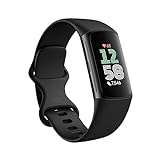
- Find your way seamlessly during runs or rides with turn-by-turn directions from Google Maps on Fitbit Charge 6[7, 8]; and when you need a snack break on the go, just tap to pay with Google Wallet[8, 9]
Mechanical Interference Is a Real Problem, Not a Minor Annoyance
A metal watch case pressing into the back of your hand during front squats, cleans, push-ups, or dumbbell work isn’t just uncomfortable—it can change how you grip and brace. Larger smartwatch cases and rigid lugs amplify this issue, especially when combined with tight straps and wrist flexion under load.
Many lifters adapt by loosening the strap, flipping the watch inward, or removing it entirely. At that point, even the best sensors are useless, because the device simply isn’t being worn consistently enough to capture meaningful data.
Optical Heart Rate Struggles Under Load and Tension
Strength training creates conditions that are uniquely hostile to wrist-based optical heart rate sensors. Isometric contractions, gripping, and forearm tension restrict blood flow and introduce motion artifacts, especially during compound lifts.
Even high-end smartwatches with advanced sensors can produce dropouts or delayed readings during heavy sets. This matters less for tracking “time in zone” and more for understanding accumulated strain and recovery needs across a full training week.
Exercise Recognition Is Often Superficial
Many smartwatches advertise strength training modes, but in practice these often amount to little more than a timer with rep counting that relies on wrist motion. Exercises with similar movement patterns—rows, pull-downs, curls—are frequently misclassified, while tempo, range of motion, and proximity to failure go completely unmeasured.
For lifters who follow structured programs, the value isn’t in auto-detected exercise names. It’s in understanding how hard the session actually was on the body, and whether today’s training supports or undermines tomorrow’s performance.
Recovery Matters More Than Raw Workout Stats
In strength training, progress is driven as much by recovery as by the workout itself. Sleep quality, autonomic nervous system stress, and cumulative fatigue determine whether you adapt, stall, or regress.
Most smartwatches treat recovery as a secondary feature, buried behind notifications, apps, and lifestyle functions. They provide data, but rarely translate it into clear guidance about when to push, when to pull back, and how yesterday’s training is affecting today’s readiness.
Why This Changes How We Evaluate Wearables
When weightlifting is the priority, the best wearable isn’t the one with the biggest screen or the most apps. It’s the one that stays out of the way during training, captures physiological strain accurately despite intermittent effort, and delivers recovery insights that actually influence programming decisions.
That reframing immediately narrows the field—and it explains why a device that doesn’t look like a traditional smartwatch can outperform those that do when the barbell is the main event.
How We Tested These Wearables in the Gym: Real Lifts, Real Sets, Real Recovery
Once we reframed what actually matters for strength-focused training, our testing had to mirror how serious lifters train in the real world. That meant stepping away from lab-style protocols and into crowded gyms, heavy barbells, chalked hands, rest-pause sets, and inconsistent heart-rate patterns.
Every device in this guide was worn through full training weeks, not isolated workouts, because recovery insights only become meaningful when strain accumulates over time.
Real Strength Sessions, Not Demo Workouts
We tested wearables during structured resistance training blocks, including upper/lower splits, push–pull–legs routines, and full-body programs. Sessions included compound lifts like squats, deadlifts, bench press, overhead press, and Olympic lift variations, alongside accessory work with dumbbells, cables, and machines.
Rest periods ranged from short hypertrophy-style intervals to long, near-maximal strength rests, exposing how each device handled rapid shifts between effort and stillness.
Heavy Loads and Intermittent Effort
Strength training creates a uniquely hostile environment for optical heart-rate sensors. Tight gripping, wrist flexion, Valsalva breathing, and isometric bracing all disrupt clean signal capture.
We paid close attention to heart-rate lag, dropouts during heavy sets, and how quickly each wearable recovered signal accuracy during rest periods. Devices were also compared against chest-strap data where possible to understand directional accuracy rather than perfect numerical agreement.
Set-by-Set Wearability Under the Bar
Comfort and interference mattered as much as data. We evaluated how each wearable felt during front rack positions, low-bar squats, wrist wraps, lifting straps, and mixed-grip deadlifts.
Case thickness, lug shape, button placement, strap material, and overall wrist footprint were assessed not at a desk, but under load. If a watch forced grip adjustments, dug into the wrist, or became something you thought about mid-set, it was marked down regardless of feature set.
Durability and Sweat Reality
Gym environments are unforgiving. Devices were exposed to repeated sweat saturation, chalk dust, bar knurling contact, and accidental impacts with racks and dumbbells.
We assessed casing materials, screen resilience, water and sweat resistance, and how well straps handled repeated drying cycles without odor retention or skin irritation. Wearables that required babying or frequent removal simply didn’t align with serious training.
Battery Life Across Training Weeks
Strength athletes don’t want another device that dies mid-week. We tracked battery performance over multiple training days, including sleep tracking, recovery metrics, and daily wear.
Devices that required daily charging or frequent top-ups were evaluated in terms of friction rather than raw battery specs. Consistency matters more than headline numbers when training load and recovery trends are the goal.
Recovery Metrics That Actually Influence Training
Because recovery is the lens through which we evaluate strength wearables, we scrutinized how each platform handled sleep quality, resting heart rate trends, heart-rate variability, and cumulative strain.
We weren’t interested in colorful dashboards alone. The key question was whether the data changed real decisions: reducing volume, delaying a heavy session, pushing when readiness was high, or recognizing non-training stress before it affected performance.
Software Experience and Post-Workout Insight
Gym training doesn’t end when the last set is logged. We evaluated how clearly each platform presented post-session insights, weekly trends, and longer-term fatigue signals.
Ease of interpretation mattered more than granularity. If a wearable delivered actionable clarity without requiring manual data wrangling or constant corrections, it scored highly.
24/7 Wear, Not Just Gym Time
Finally, we assessed each device as something you’d actually live with. That included sleep comfort, all-day wearability, skin tolerance, and how seamlessly the wearable fit into non-training hours.
For strength athletes, the best device is often the one you forget you’re wearing, yet quietly captures the physiological context that determines whether tomorrow’s session will be productive or compromised.
What Actually Matters for Strength Training Wearables: Accuracy, Recovery, Comfort, and Interference
When you strip away marketing features and endurance-sport bias, strength training places very specific demands on a wearable. Lifting is intermittent, high-intensity, mechanically complex, and heavily influenced by recovery quality rather than just session volume.
This is where many popular smartwatches fall short. To judge wearables fairly for gym and resistance training, we focused on four pillars that actually affect training outcomes: physiological accuracy during lifting, recovery insight that informs load management, comfort under real barbell conditions, and how much the device interferes with movement.
Accuracy During Lifting: Why Heart Rate Isn’t the Whole Story
Traditional heart-rate tracking struggles in the weight room. Short sets, isometric holds, Valsalva breathing, and wrist flexion all introduce noise that optical sensors weren’t originally designed to handle.
We paid close attention to how devices handled rapid spikes, incomplete recovery between sets, and cumulative strain across an entire session. Absolute heart-rate precision on a single rep mattered less than consistency and trend reliability across workouts.
Wearables that over-smoothed data or missed strain accumulation consistently undervalued heavy compound sessions. Devices that captured cardiovascular response plus secondary markers like HRV suppression and resting heart-rate elevation told a more truthful story about training stress.
Recovery Metrics That Reflect Strength Adaptation, Not Just Fatigue
For strength athletes, recovery is about readiness to produce force again, not simply how tired you feel. Sleep duration alone is a weak predictor if it isn’t paired with autonomic nervous system signals.
We prioritized platforms that treated recovery as a multi-day trend rather than a daily score. HRV baselines, resting heart rate drift, and sleep consistency mattered far more than whether a device said you were “ready” after one good night.
The best systems helped identify when volume was accumulating silently, when non-training stress was compromising adaptation, and when backing off would preserve performance later in the week. This is one of the areas where Whoop’s recovery-first philosophy consistently aligned with how experienced lifters actually manage training blocks.
Rank #2

- Inspire 3 is the tracker that helps you find your energy, do what you love and feel your best. All you have to do is wear it.Operating temperature: 0° to 40°C
- Move more: Daily Readiness Score(1), Active Zone Minutes, all-day activity tracking and 24/7 heart rate, 20+ exercise modes, automatic exercise tracking and reminders to move
- Stress less: always-on wellness tracking, daily Stress Management Score, mindfulness sessions, relax breathing sessions, irregular heart rhythm notifications(2), SpO2(3), menstrual health tracking, resting heart rate and high/low heart rate notifications
- Sleep better: automatic sleep tracking, personalized Sleep Profile(1), daily detailed Sleep Score, smart wake vibrating alarm, sleep mode
- Comfortably connected day and night: calls, texts & smartphone app notifications(4), color touchscreen with customizable clock faces, super lightweight and water resistant to 50 meters, up to 10 day battery life(5)
Comfort Under Load: Bar Position, Wrist Extension, and Skin Tolerance
Comfort isn’t a lifestyle preference in the gym; it’s a performance variable. Thick cases, protruding buttons, and rigid straps interfere with front rack positions, low-bar squats, cleans, presses, and even simple dumbbell work.
We evaluated wearables during heavy barbell sessions, high-rep accessory work, and long supersets where sweat, friction, and wrist flexion compound discomfort. Devices that required frequent repositioning or removal lost points regardless of their feature set.
Low-profile designs, soft textile or flexible polymer straps, and the ability to shift wear location mattered far more than screen size or materials. Whoop’s strap-based design, especially when worn higher on the arm or under wrist wraps, consistently avoided the pressure points that plague traditional smartwatch cases.
Interference: When a Wearable Gets in the Way of Training
Interference isn’t just physical. Notifications, screens lighting up mid-set, and the temptation to interact between sets all subtly disrupt training focus.
We favored wearables that stayed passive during sessions, capturing data without demanding attention. Lifting performance rarely improves because you glanced at a watch between reps.
From a mechanical standpoint, minimal bulk and zero hard edges made a noticeable difference during high-volume weeks. From a cognitive standpoint, devices that pushed insight to post-workout review rather than real-time alerts fit strength training better.
Battery Life and Consistency Across Training Weeks
Strength training is cyclical. Readiness trends only matter if the device is worn continuously across hard weeks, deloads, and rest days.
Wearables that required daily charging or frequent interruptions introduced gaps that degraded recovery analysis. We valued consistency over peak battery claims, especially when sleep tracking and 24/7 wear were central to the platform.
Whoop’s multi-day battery life and on-body charging removed friction entirely. That matters more than it sounds when recovery data is only useful if it’s complete.
Why These Criteria Separate Smartwatches From Strength Tools
Most smartwatches are designed to do many things reasonably well. Strength-focused wearables do fewer things, but they do them with intention.
By prioritizing physiological trend accuracy, recovery context, comfort under load, and minimal interference, the differences between devices became clear. The best wearables for lifting weren’t the most feature-rich or visually impressive; they were the ones that respected how strength training actually works.
This lens explains why a screenless, subscription-based device like Whoop can outperform traditional smartwatches for serious gym-goers. It’s not about what the wearable shows you during a workout, but what it helps you understand about your body when planning the next one.
Editorial Top Pick: Why Whoop Is the Best Wearable for Weightlifting and Gym Training
Viewed through the lens established above, Whoop doesn’t win because it tracks more exercises or looks better on the wrist. It wins because it aligns almost perfectly with how serious gym training actually unfolds across weeks, not individual sessions.
When evaluated as a strength tool rather than a smartwatch, Whoop consistently delivered the most useful information with the least disruption. That balance is what separates it from wrist-based competitors that still treat lifting as a secondary use case.
Designed to Disappear During Lifts
Whoop’s lack of a screen is not a compromise for lifters; it is an advantage. During heavy compound work, there is nothing to glance at, nothing lighting up, and nothing prompting interaction between sets.
The hardware itself is slim, flexible, and free of hard edges. Worn on the wrist, bicep, or inside a lifting sleeve, it avoided contact issues during front squats, cleans, presses, and machine work where traditional watches repeatedly got in the way.
This physical unobtrusiveness directly supports better training quality. When load, bar path, and bracing matter, removing distractions and pressure points is more than a comfort upgrade—it’s a performance one.
Strain Measurement That Reflects Lifting Reality
Whoop’s strain model is often misunderstood by lifters expecting rep counts or exercise detection. Instead of trying to identify movements, it measures cardiovascular and autonomic stress accumulated across the session.
In practice, this approach proved more honest for strength training. High-volume hypertrophy days, density-focused accessory work, and short-rest supersets consistently registered as higher strain than low-rep, long-rest max effort sessions, which mirrors physiological load rather than ego-driven intensity.
This matters because recovery is driven by total stress, not just how heavy the bar felt. Whoop captures that distinction better than wearables that overvalue peak heart rate or attempt unreliable rep classification.
Recovery Metrics That Actually Influence Training Decisions
Whoop’s core value for lifters shows up the morning after training, not during the workout itself. The recovery score, driven by heart rate variability, resting heart rate, sleep quality, and respiratory rate, provided consistent context for day-to-day programming decisions.
Across multi-week training blocks, trends in recovery aligned closely with subjective readiness, joint fatigue, and performance stability. When recovery dipped for several days in a row, bar speed, coordination, and tolerance for volume tended to follow.
Rather than telling you what to do in the moment, Whoop helps you decide when to push volume, when to hold load steady, and when to back off. That longer view fits periodized strength training far better than real-time coaching prompts.
Sleep and 24/7 Wear: The Foundation of Useful Data
Strength gains are built outside the gym, and Whoop treats sleep as non-negotiable infrastructure rather than a secondary feature. Its sleep tracking was consistent across bedtimes, wake times, and training phases, with minimal need for manual correction.
Because the device is comfortable enough for uninterrupted 24/7 wear, data gaps were rare even during heavy training weeks. This continuity is critical, as recovery metrics lose meaning quickly when wear time becomes inconsistent.
The on-body charging system further reinforces this advantage. Being able to charge without removing the device eliminated the most common failure point of other wearables: missed nights of sleep data.
Strength Trainer: Useful, but Not the Main Event
Whoop’s Strength Trainer mode has improved, offering set logging, velocity-based estimates, and muscular load tracking when used diligently. For lifters willing to log exercises and loads, it can add structure and historical reference.
That said, it’s not why Whoop earns the top spot. The true value lies in how the platform contextualizes strength work within overall physiological stress, rather than trying to replace a training log or coaching plan.
Used as a secondary layer of insight rather than a primary workout recorder, Strength Trainer complements serious training instead of dictating it.
Software That Prioritizes Reflection Over Interaction
Whoop’s app experience is built around post-session and morning review, not constant engagement. Journaling features allow correlations between behaviors like alcohol intake, late training, or reduced mobility work and subsequent recovery trends.
Over time, these correlations became actionable. Lifters could see, with data support, which habits consistently degraded recovery and which supported higher training frequency without burnout.
This reflective approach suits experienced gym-goers especially well. Instead of gamifying workouts, Whoop encourages smarter planning and better self-regulation.
Durability, Comfort, and Long-Term Wearability
The materials and construction are tuned for sweat, chalk, and repeated friction. The fabric band handled daily gym use without becoming abrasive, and alternative band options allowed placement away from the wrist when needed.
At roughly the footprint of a slim fitness band, Whoop avoided the top-heavy feel common to smartwatch designs. Over months of use, this translated into higher compliance, which ultimately matters more than any single metric.
A wearable that stays on your body is more valuable than a more advanced one left in a gym bag.
The Subscription Question, Framed Honestly
Whoop’s subscription model is often cited as a drawback, and it deserves scrutiny. However, unlike smartwatches that charge upfront and then stagnate, Whoop’s value is tied to ongoing software refinement and physiological modeling.
Rank #3

- 【BUILT-IN GPS SMART WATCH – GO FURTHER, FREER, SMARTER】No phone? No problem. This fitness watch for women, featuring the latest 2025 technology, includes an advanced professional-grade GPS chip that precisely tracks every route, distance, pace (real-time & average), and calorie burned—completely phone-free. Whether you're chasing new personal records or exploring off the beaten path, your full journey is automatically mapped and synced in the app. Train smarter. Move with purpose. Own your progress. Own your journey.
- 【BLUETOOTH 5.3 CALLS & SMART NOTIFICATIONS】Stay effortlessly connected with this smart watch for men and women, featuring dual Bluetooth modes (BT 3.0 + BLE 5.3) and a premium microphone for crystal-clear calls right from your wrist—perfect for driving, workouts, or busy days. Receive instant alerts for calls, texts, and popular social apps like WhatsApp and Facebook. Just raise your wrist to view notifications and never miss an important moment.
- 【100+ SPORT MODES & IP68 WATERPROOF & DUSTPROOF】This sport watch is a versatile activity and fitness tracker with 100+ modes including running, cycling, yoga, and more. It features quick-access buttons and automatic running/cycling detection to start workouts instantly. Accurately track heart rate, calories, distance, pace, and more. Set daily goals on your fitness tracker watch and stay motivated with achievement badges. With IP68 waterproof and dustproof rating, it resists rain and sweat for any challenge. Not suitable for showering, swimming, or sauna.
- 【24/7 HEALTH ASSISTANT & SMART REMINDERS】This health watch continuously monitors heart rate, blood oxygen, and stress levels for comprehensive wellness tracking. Sleep monitoring includes deep, light, REM sleep, and naps to give you a full picture of your rest. Stay on track with smart reminders for sedentary breaks, hydration, medication, and hand washing. Women can also monitor menstrual health. Includes guided breathing exercises to help you relax. Your ultimate health watch with event reminders for a healthier life.
- 【ULTRA HD DISPLAY, LIGHTWEIGHT & CUSTOMIZABLE DIALS】This stylish wrist watch features a 1.27-inch (32mm) 360×360 ultra HD color display with a 1.69-inch (43mm) dial, offering vivid details and responsive touch. Its minimalist design fits both business and casual looks. Switch freely among built-in designer dials or create your own DIY watch face using photos, colors, and styles to showcase your unique personality. Perfect as a cool digital watch and fashion wrist watch.
For lifters who train consistently and care about recovery trends, the cost maps more closely to a coaching or monitoring service than a gadget. If you only want a device to time rest periods or count reps, it will feel excessive.
If you want a long-term lens on how training, sleep, and lifestyle interact under load, the subscription becomes easier to justify.
Why Whoop Rises Above Traditional Smartwatches for Lifting
Smartwatches excel at versatility, communication, and surface-level activity tracking. In the gym, those strengths often become liabilities.
Whoop’s singular focus on physiology, recovery, and consistency makes it better suited to strength athletes who already understand how to train. It doesn’t try to coach your sets, interrupt your focus, or replace your program.
It respects the training process by staying out of the way—and then delivering clarity when it actually matters.
Deep Dive: Whoop in the Weight Room — Strain, Recovery, HRV, Sleep, and the Strength Trainer’s Reality
What ultimately separates Whoop from smartwatch-style competitors is how its data behaves under barbell conditions. Strength training is intermittent, mechanically demanding, and metabolically inconsistent, and most wearables still struggle to interpret that reality. Whoop doesn’t try to force lifting into a cardio-shaped box, and that restraint is exactly why it works better here.
Strain That Reflects Load, Not Just Heart Rate
Whoop’s Strain score is often misunderstood by lifters expecting a direct reflection of volume or tonnage. Instead, it models cardiovascular and neurological load across the entire day, with training strain layered into that broader context.
In the weight room, this means heavy compound sessions don’t always spike Strain the way long conditioning sessions do. That’s not a failure of the system; it’s an accurate reflection of how strength work stresses the body differently than sustained aerobic output.
Over time, patterns emerge that matter. High-volume hypertrophy blocks, short-rest density work, and metabolically demanding supersets consistently register higher strain than low-rep maximal days, aligning closely with how beat-up you actually feel afterward.
Strength Trainer: Useful, but Not the Core Value
Whoop’s Strength Trainer feature allows you to log exercises, sets, reps, and load, then estimates muscular strain alongside cardiovascular impact. It’s more sophisticated than simple rep counting, but it’s still secondary to Whoop’s main strengths.
For serious lifters with established programs, Strength Trainer works best as a reference layer rather than a primary log. It helps contextualize why certain sessions feel disproportionately fatiguing, but it doesn’t replace dedicated training software or a notebook.
The key advantage is integration. Logged strength sessions feed into recovery modeling, giving your HRV and readiness scores actual training context instead of treating every workout as identical stress.
Recovery and HRV: Where Whoop Earns Its Reputation
Whoop’s recovery score is driven primarily by heart rate variability, resting heart rate, respiratory rate, and sleep performance. For strength athletes, HRV trends are far more valuable than single-day scores.
Heavy training blocks, caloric deficits, poor sleep, and accumulated fatigue all show up clearly over multi-day averages. When recovery dips persistently, it usually aligns with stalled performance, slower warm-ups, and joint stiffness long before injury risk becomes obvious.
Crucially, Whoop does not prescribe what you should do. It presents recovery as a readiness signal, leaving training decisions in your hands, which experienced lifters tend to appreciate far more than automated “rest day” prompts.
Sleep Tracking That Actually Matters for Lifting Progress
Sleep is the least glamorous performance variable and the most impactful, especially for natural lifters. Whoop’s sleep tracking focuses on duration, consistency, and sleep debt rather than obsessing over nightly sleep stage percentages.
In practice, this helps lifters see how late nights, early sessions, and inconsistent schedules quietly erode recovery even when training volume stays constant. Chronic sleep restriction shows up clearly in suppressed HRV and slower recovery rebound after hard sessions.
Because Whoop is designed to be worn 24/7, including overnight without discomfort, sleep data remains consistent. That continuity is essential for interpreting trends rather than reacting emotionally to isolated bad nights.
Accuracy Under Load: Placement Matters
Optical heart rate tracking during lifting is notoriously difficult due to wrist flexion, gripping, and isometric contractions. Whoop mitigates this better than most by allowing alternative wear locations, including bicep and compression garments.
Worn off-wrist, heart rate data during heavy sets becomes noticeably more stable. This improves strain estimation and reduces the random spikes or dropouts common with watch-based sensors pressed against a bent wrist.
The hardware itself is minimal: lightweight, rounded, and unobtrusive. There’s no bezel digging into the back of your hand during front rack positions, no screen to crack under a barbell, and no temptation to check notifications mid-set.
Battery Life and Daily Usability in a Training-Centric Life
Whoop’s multi-day battery life, combined with on-body charging, eliminates the dead-device problem entirely. You don’t have to choose between tracking sleep and tracking tomorrow’s session, which is still a real compromise with many smartwatches.
The app experience is dense but purposeful. Metrics are explained in plain language, trends are prioritized over single values, and the interface rewards long-term use rather than novelty.
Compatibility is broad, syncing cleanly with both iOS and Android, but Whoop intentionally limits third-party distractions. It’s a training tool first, not a lifestyle smartwatch pretending to be serious about performance.
The Reality for Strength Trainers
Whoop doesn’t count reps with machine vision, shout cues, or try to optimize your program. It assumes you already know how to train and focuses instead on whether your body is actually adapting to that training.
For lifters who care about recovery quality, fatigue management, and long-term progression more than flashy features, that philosophy aligns cleanly with the realities of serious gym work. It’s not perfect, but it’s honest about what it can and can’t measure.
In the weight room, that honesty is what makes Whoop feel less like a gadget and more like a quiet training partner that pays attention when you’re too busy lifting to do so yourself.
The Best Alternatives to Whoop for Gym-Focused Athletes (Garmin, Apple Watch, Polar, Oura Compared)
If Whoop’s screen-free, recovery-first philosophy doesn’t quite fit how you train or live, there are credible alternatives. Each takes a different approach to strength tracking, sensor placement, and day-to-day usability, and those differences matter far more in the weight room than spec sheets suggest.
What follows isn’t a ranking by popularity or feature count. It’s a practical look at how today’s leading wearables behave under barbells, dumbbells, machines, and the cumulative fatigue of real gym training.
Garmin: The Most “Serious” Watch for Strength Training—With Caveats
Garmin is often the first stop for lifters who want depth, structure, and long-term training data without giving up a traditional watch form. Models like the Fenix, Epix, and Forerunner series offer dedicated strength profiles, set and rest detection, and post-workout summaries that feel built by people who understand training volume.
In practice, Garmin’s rep counting works reasonably well for simple, bilateral movements like squats, presses, and deadlifts. Once you move into unilateral work, cables, or complex supersets, accuracy drops, and most experienced lifters end up editing sessions afterward.
Heart rate accuracy during heavy lifting is acceptable but inconsistent. Wrist-based optical sensors still struggle when the wrist is flexed under load or compressed by wraps, and Garmin doesn’t offer a true off-wrist solution comparable to Whoop’s bicep or garment options.
Recovery metrics like Body Battery, Training Readiness, and HRV status are useful, but they’re tuned more toward endurance and mixed-sport athletes. They can over-penalize strength sessions, especially high-volume hypertrophy work that doesn’t elevate heart rate but does generate significant muscular fatigue.
Physically, these are large watches. Titanium or steel bezels, thick cases, and prominent lugs make them durable, but they can interfere with front rack positions and wrist extension. For lifters who want a rugged, all-in-one sports watch and are willing to accept wrist compromises, Garmin is the most capable traditional option.
Apple Watch: Excellent Sensors, Weak Strength Context
From a pure hardware and sensor standpoint, the Apple Watch is outstanding. Heart rate tracking is among the best you’ll find on a wrist, and newer models add temperature trends, solid sleep tracking, and reliable daily activity metrics.
The problem for serious lifters isn’t accuracy, but interpretation. Apple treats strength training as just another calorie-burning activity, offering little insight into fatigue accumulation, readiness, or adaptation. There’s no native concept of recovery beyond vague rings and trends.
Rank #4

- 24H Accurate Heart Rate Monitoring: Go beyond basic tracking. Our watch automatically monitors your heart rate, blood oxygen (SpO2), and sleep patterns throughout the day and night. Gain deep insights into your body's trends and make informed decisions for a healthier lifestyle.
- Practical Sports Modes & Smart Activity Tracking: From running and swimming to yoga and hiking, track a wide range of activities with precision. It automatically records your steps, distance, calories burned, and duration, helping you analyze your performance and crush your fitness goals.
- 1-Week Battery Life & All-Day Wear: Say goodbye to daily charging. With an incredible up to 7-10 days of battery life on a single charge, you can wear it day and night for uninterrupted sleep tracking and worry-free travel. Stay connected to your data without the hassle.
- Comfortable to Wear & IP68 Waterproof: The lightweight, skin-friendly band is crafted for all-day comfort, even while you sleep. With IP68 waterproof, it withstands rain, sweat, It is not suitable for swimming or showering.
- Ease of Use and Personalized Insights via Powerful App: The display is bright and easy to read, even outdoors. Unlock the full potential of your watch. Sync with our dedicated app to view detailed health reports, customize watch faces, set sedentary reminders, and manage your preferences with ease.
Third-party apps can improve the experience, adding structured strength logging and rep tracking. Even then, the data remains fragmented, with no single, coherent training narrative emerging over weeks and months.
Battery life remains a real limitation. Daily charging means missed sleep or missed workouts, and for lifters training early or late, that friction adds up. Physically, the rectangular case and glass-heavy design are also among the least forgiving under a barbell.
The Apple Watch works best for lifters who value smartwatch features first and training analysis second. It’s a lifestyle device that can track gym sessions, not a training tool built around them.
Polar: Strong Physiology, Less Strength-Specific Depth
Polar sits closer to Whoop philosophically than most watch brands. Its focus on heart rate variability, autonomic nervous system stress, and sleep quality aligns well with recovery-focused training.
Features like Nightly Recharge and Training Load Pro provide meaningful insights into how hard your body is working and how well it’s bouncing back. For strength athletes running structured programs with clear heavy and light days, these metrics can be genuinely helpful.
Where Polar falls short is in-session strength tracking. Rep counting is basic, exercise recognition is limited, and post-workout analysis doesn’t meaningfully differentiate between types of lifting stress.
Hardware comfort varies by model, but most Polar watches are lighter and less bulky than Garmin’s top-end options. Still, they remain wrist-worn devices with the same mechanical limitations under load.
Polar suits lifters who care more about recovery trends than logging every set. It’s a solid middle ground, but it lacks the strength-specific nuance that would make it a standout in the gym.
Oura Ring: Outstanding Recovery, Minimal Training Context
Oura approaches the problem from the opposite direction. As a ring, it avoids wrist interference entirely, offering excellent comfort during daily life and sleep.
Sleep tracking, resting heart rate, and HRV measurements are among the best available in any consumer wearable. For understanding baseline recovery and long-term readiness, Oura excels.
During actual workouts, however, its value drops sharply. Heart rate tracking during lifting is inconsistent, strength sessions are logged in broad strokes, and there’s no meaningful insight into training load beyond general activity classification.
The ring form factor also raises durability concerns in the gym. Gripping knurled bars, dumbbells, or cable handles while wearing a ring is something many lifters understandably avoid.
Oura works best as a passive recovery monitor paired with another training tool. On its own, it doesn’t provide enough gym-specific insight for strength-focused athletes.
Why These Still Fall Short of Whoop in the Weight Room
Each of these alternatives excels in specific areas. Garmin offers structure, Apple delivers polish, Polar provides physiological depth, and Oura nails recovery.
What none of them solve as cleanly as Whoop is the combination of off-wrist accuracy, continuous recovery tracking, and minimal training interference. Wrist-worn devices are always a compromise during lifting, either physically, mechanically, or in data quality.
For athletes whose training revolves around progressive overload, fatigue management, and long-term consistency rather than on-screen features, that distinction matters. The best wearable isn’t the one that does the most, but the one that gets out of the way while still telling the truth about how your body is responding to the work.
Why Traditional Smartwatch Features Can Work Against Serious Lifters
After comparing the leading options, a pattern becomes hard to ignore. Many of the features that make smartwatches attractive for running, daily wear, or general fitness are the same ones that create friction in a strength-focused training environment.
For lifters, the problem isn’t that smartwatches are bad. It’s that they’re optimized for interaction and visibility, while effective gym tracking often benefits from the opposite approach.
Bulky Hardware and Wrist Clearance Issues
Most smartwatches are built around a visible display, reinforced glass, and a case large enough to house buttons, speakers, and haptics. That added thickness becomes noticeable the moment you front rack a barbell, hit deep wrist extension during pressing, or brace under a squat.
Even lighter models can dig into the back of the hand or forearm when wrists are flexed under load. Over time, lifters either loosen the strap, shift the watch higher up the arm, or remove it entirely, all of which compromise sensor accuracy.
This isn’t a comfort nitpick. Wrist position and stability are fundamental to bar control, and anything that interferes mechanically becomes a training liability rather than a tool.
Buttons, Crowns, and Touchscreens Don’t Belong Mid-Set
Smartwatch interfaces assume frequent user input. In the gym, that means sweaty fingers, chalk residue, gloves, or wrist wraps trying to interact with small buttons or touchscreens between sets.
Accidental presses are common during lifts, especially on watches with protruding crowns or side buttons. Paused workouts, skipped sets, and ended sessions aren’t rare, particularly during compound movements where wrist contact is unavoidable.
More importantly, interacting with a screen between heavy sets shifts focus away from internal cues like breathing, bar speed, and perceived exertion. For serious lifters, that mental disruption matters as much as the physical one.
Strength Training Exposes the Limits of Wrist-Based Heart Rate
Optical heart rate sensors work best with steady blood flow and minimal movement. Strength training offers neither.
Heavy gripping, isometric contractions, and rapid changes in tension reduce signal quality, leading to flatlined or erratic heart rate data. Many smartwatches still rely heavily on this compromised signal to estimate calories, intensity, and training load.
The result is data that looks precise but lacks physiological credibility. When recovery scores and readiness metrics are built on unstable inputs, they can misrepresent how demanding a session actually was.
Feature Overload Comes at the Cost of Battery Life
Bright displays, always-on screens, LTE connectivity, music storage, and constant notifications all draw power. Even the best smartwatches typically require daily or near-daily charging with gym use.
That charging cadence creates blind spots in recovery tracking, particularly overnight. Missed sleep data, gaps in resting heart rate, and inconsistent HRV readings reduce the usefulness of long-term trend analysis.
For lifters training four to six days per week, consistency matters more than flashy features. A device that’s off your wrist half the time can’t deliver reliable insight.
Durability and Long-Term Wearability in a Harsh Environment
Gyms are hostile environments for electronics. Knurled steel, metal racks, dropped dumbbells, and abrasive surfaces test cases, glass, and finishes far more aggressively than daily wear.
Smartwatches with polished bezels or exposed screens accumulate damage quickly, even with protective cases. Sweat, chalk, and repeated strap adjustments also accelerate wear on integrated bands and proprietary connectors.
Over time, lifters often start treating the watch as something to protect rather than something to trust during training. That shift undermines the whole point of wearing it in the first place.
Data Density Without Strength-Specific Context
Traditional smartwatches excel at showing information. They are less effective at interpreting strength training in a way that aligns with how lifters program and recover.
Logging sets and reps manually is time-consuming, and automated detection still struggles to distinguish meaningful load from warm-ups, rest-pause work, or accessory volume. Without clear differentiation, training load metrics become noisy rather than actionable.
For strength athletes, fewer metrics with higher relevance beat dashboards full of numbers that don’t reflect fatigue, adaptation, or readiness to push heavy weight again.
💰 Best Value

- 【Superb Visual Experience & Effortless Operation】Diving into the latest 1.58'' ultra high resolution display technology, every interaction on the fitness watch is a visual delight with vibrant colors and crisp clarity. Its always on display clock makes the time conveniently visible. Experience convenience like never before with the intuitive full touch controls and the side button, switch between apps, and customize settings with seamless precision.
- 【Comprehensive 24/7 Health Monitoring】The fitness watches for women and men packs 24/7 heart rate, 24/7 blood pressure and blood oxygen monitors. You could check those real-time health metrics anytime, anywhere on your wrist and view the data record in the App. The heart rate monitor watch also tracks different sleep stages for light and deep sleep,and the time when you wake up, helps you to get a better understanding of your sleep quality.
- 【120+ exercise modes & All-Day Activity Tracking】There are more than 120 exercise modes available in the activity trackers and smartwatches, covering almost all daily sports activities you can imagine, gives you new ways to train and advanced metrics for more information about your workout performance. The all-day activity tracking feature monitors your steps, distance, and calories burned all the day, so you can see how much progress you've made towards your fitness goals.
- 【Messages & Incoming Calls Notification】With this smart watch fitness trackers for iPhone and android phones, you can receive notifications for incoming calls and read messages directly from your wrist without taking out your phone. Never miss a beat, stay in touch with loved ones, and stay informed of important updates wherever you are.
- 【Essential Assistant for Daily Life】The fitness watches for women and men provide you with more features including drinking water and sedentary reminder, women's menstrual period reminder, breath training, real-time weather display, remote camera shooting, music control,timer, stopwatch, finding phone, alarm clock, making it a considerate life assistant. With the GPS connectivity, you could get a map of your workout route in the app for outdoor activity by connecting to your phone GPS.
The Distraction Problem No One Talks About
Notifications, alerts, and on-wrist prompts are selling points for smartwatches. In the gym, they often become cognitive clutter.
Training quality depends on intent, arousal control, and consistency between sets. A device that constantly asks for attention, even passively, competes with that focus.
For lifters who view training as a skill rather than just exercise, anything that pulls attention away from execution is working against performance rather than supporting it.
Choosing the Right Wearable for Your Training Style: Beginners, Powerlifters, Cross-Training Athletes
Once durability, distraction, and data relevance are on the table, the conversation naturally shifts from “what’s the best wearable” to “what actually fits how you train.” Strength training isn’t monolithic, and the demands of a novice lifter look very different from those of a competitive powerlifter or a mixed-modality athlete.
The right wearable should adapt to your training philosophy, not force you into someone else’s definition of fitness.
Beginners: Building Consistency Without Cognitive Overload
For newer lifters, the biggest challenge isn’t optimizing volume or managing CNS fatigue. It’s showing up consistently, recovering well, and avoiding the trap of doing too much too soon.
A wearable that emphasizes recovery, sleep quality, and overall strain helps beginners understand how their lifestyle supports or undermines training. Whoop excels here because it shifts attention away from obsessing over sets, reps, and calories burned, and toward habits that actually drive progress.
Comfort matters more than most beginners realize. Bulky smartwatches often come off mid-session due to wrist discomfort during pressing or front-rack positions, creating gaps in data and habit formation. Whoop’s screenless design, lightweight body, and alternative wear locations like the bicep sleeve make it far easier to keep on all day, which is where its insights become meaningful.
Battery life also plays a quiet but important role. Devices that need daily charging tend to fall out of use, while Whoop’s multi-day battery and charge-while-wearing system reduce friction during the early stages of building a routine.
Powerlifters: Managing Fatigue, Not Chasing Metrics
Powerlifting is less about movement variety and more about managing intensity, volume, and recovery across long training blocks. For these athletes, most smartwatch features are not just unnecessary, but actively counterproductive.
Heart rate spikes during heavy singles or triples don’t tell you much in isolation. What matters is how cumulative stress affects readiness to perform again, particularly when training near maximal loads. Whoop’s strain and recovery model aligns more closely with how powerlifters actually autoregulate training.
Wrist interference is a non-negotiable issue here. Low-bar squats, bench press setups, wrist wraps, and specialty bars all make traditional watches uncomfortable or unusable. Whoop’s ability to be worn off-wrist preserves uninterrupted data collection without compromising bar position or joint mechanics.
Durability also favors minimalist hardware. With no exposed glass, no rotating bezel, and no buttons to catch on sleeves or racks, Whoop tolerates the abrasive reality of powerlifting gyms better than most smartwatches designed for daily wear rather than repeated contact with steel.
Cross-Training Athletes: Balancing Versatility With Focus
Athletes who blend barbell work with conditioning, circuits, or sport-specific training often want a wearable that can keep up with varied demands. This is where traditional smartwatches initially look appealing.
GPS, workout modes, and on-screen metrics can be useful during conditioning sessions or outdoor work. However, the trade-off comes when those same devices become intrusive or fragile during heavy lifting or high-rep barbell cycling.
Whoop takes a different approach by staying agnostic to the session type and instead focusing on total physiological load. Whether the stress comes from Olympic lifting, sled pushes, or metabolic conditioning, it’s captured in a unified strain score that doesn’t require mode switching or mid-workout interaction.
For cross-training athletes who still want some smartwatch functionality, pairing Whoop with a simple gym timer or phone-based logging app often proves more effective than relying on a single do-everything device. It preserves training focus while still delivering recovery insights that inform weekly programming decisions.
In all three cases, the pattern is the same. The more seriously you treat strength training as a long-term practice, the more valuable a low-friction, recovery-first wearable becomes compared to feature-heavy watches that demand attention when you can least afford it.
Final Verdict: The Right Tool for the Job — And Why Whoop Remains the Gold Standard for Gym Training
When you strip away feature lists and marketing language, the decision comes down to alignment. The best wearable for gym training is the one that interferes the least with how you lift while giving you the clearest signal about how your body is responding over time.
Across powerlifting, bodybuilding, and mixed gym training, Whoop consistently aligns with those priorities better than any wrist-based smartwatch. Not because it does more, but because it does less where it matters.
Designed Around Physiology, Not Screens
Whoop’s core advantage is its refusal to compete in the smartwatch arms race. There is no display to check between sets, no buttons to press mid-session, and no temptation to manage modes while under a bar.
Instead, it operates as a passive data engine, collecting heart rate, HRV, respiratory rate, skin temperature trends, and sleep metrics continuously. That data is then contextualized into strain, recovery, and sleep scores that map cleanly onto how strength athletes actually program training.
In practice, this means you lift first and analyze later. That separation preserves focus, technique, and intent in a way screen-based wearables rarely manage in the gym.
Unmatched Comfort and Placement Flexibility Under Load
Weight training exposes the biggest weakness of traditional watches: wrist real estate. Thick cases, protruding buttons, sapphire or Gorilla Glass, and rigid straps all become liabilities during bench press setups, front rack positions, and heavy pulling.
Whoop avoids this entirely through its compact sensor module and off-wrist wear options. The bicep sleeve, compression garments, and waistband integration allow uninterrupted tracking without altering grip, bar path, or joint position.
From a materials and durability standpoint, the lack of exposed glass and moving parts also matters. Repeated contact with knurling, racks, and bars is inevitable in real gyms, and Whoop tolerates that abuse better than devices designed primarily for daily wear or endurance sports.
Recovery Metrics That Actually Inform Strength Programming
For lifters, recovery is not an abstract wellness concept. It directly influences volume tolerance, intensity selection, and injury risk.
Whoop’s recovery score, driven primarily by HRV relative to your baseline, resting heart rate, and sleep quality, provides a practical readiness signal. It does not tell you what workout to do, but it helps you decide how hard to push the one you already planned.
Over weeks and months, trends become more valuable than daily scores. Patterns around accumulated strain, sleep debt, and HRV suppression often line up with stalled progress or nagging joint issues before performance visibly drops.
Battery Life and Software Experience That Fade Into the Background
Charging logistics matter more than most people admit. Whoop’s multi-day battery life and slide-on charging pack mean you rarely miss data, even during high-volume training weeks or travel.
The software experience reinforces that reliability. Data is organized around long-term trends rather than session-by-session validation, which suits progressive overload models far better than calorie burn summaries or rep counting estimates.
Compatibility is broad across iOS and Android, and while Whoop does not replace a smartwatch for notifications or navigation, that omission is deliberate rather than a shortcoming.
Where Other Wearables Still Make Sense
This verdict is not universal. If your training heavily emphasizes outdoor conditioning, pace-based intervals, or you rely on GPS and live metrics, devices from Garmin, Apple, or Polar may suit your needs better.
Likewise, athletes who want a single device to handle workday notifications, music control, and training may accept wrist interference as a trade-off. Those watches offer impressive hardware, refined displays, and broad ecosystem integration.
But none of them are optimized specifically for barbell-dominant training in the way Whoop is.
The Bottom Line for Serious Gym Training
The more central strength training is to your routine, the more the priorities shift away from features and toward consistency, comfort, and recovery insight. Whoop excels precisely because it is built around those constraints rather than trying to work around them.
It is not a watch, and it does not pretend to be one. As a training instrument, however, it delivers clearer signals, fewer compromises, and better long-term value for lifters who care about progress more than presentation.
For gym-focused athletes who want data that supports how they actually train, not how a device expects them to, Whoop remains the gold standard.