By the mid‑2000s, the idea that your body could generate useful data no longer felt futuristic. People were already logging calories on clunky websites, counting steps with cheap plastic pedometers, and obsessively refreshing heart‑rate graphs on gym machines that never remembered yesterday’s workout. The desire to quantify health was there; the tools were scattered, forgetful, and deeply inconvenient.
This was also a moment when technology itself was shrinking fast enough to imagine something better. Laptops were thinning, phones were becoming pocket computers, and sensors that once belonged in laboratories were quietly slipping into consumer electronics. The missing piece wasn’t motivation or technology alone, but a device that could live on the body comfortably, work all day without thought, and translate raw motion into meaning.
Understanding why Fitbit felt inevitable requires looking at the strange gap that existed before it arrived. The world wanted a fitness tracker, but every existing category stopped just short of becoming one.
The pre‑Fitbit health tech problem: everything was either dumb or intrusive
Before Fitbit, “fitness tracking” mostly meant pedometers you clipped to your waistband and forgot to reset. They counted steps poorly, drifted wildly with body position, and offered no context beyond a tiny LCD number. There was no history, no trends, no software layer that could turn effort into insight.
🏆 #1 Best Overall
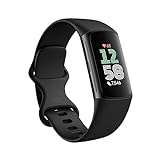
- Find your way seamlessly during runs or rides with turn-by-turn directions from Google Maps on Fitbit Charge 6[7, 8]; and when you need a snack break on the go, just tap to pay with Google Wallet[8, 9]
At the other extreme were chest‑strap heart‑rate monitors from brands like Polar. These were accurate and trusted by athletes, but uncomfortable, single‑purpose, and designed for training sessions rather than daily life. You wore them to work out, then took them off, breaking any sense of continuous tracking.
Crucially, none of these devices felt personal or ambient. They demanded intention, friction, and discipline, which meant they failed the very people who could benefit most from passive awareness.
Smartphones were powerful, but stuck in your pocket
The iPhone launched in 2007, and within a few years smartphones were packed with accelerometers, GPS chips, and increasingly sophisticated processors. On paper, they could already do much of what early fitness trackers would later promise. In practice, they were the wrong form factor.
Phones moved too inconsistently to reliably measure steps, were too large and fragile to wear on the body, and burned through battery when sensors ran continuously. Carrying a phone all day was common; strapping it to yourself at night or during every activity was not.
Just as importantly, smartphones lacked the intimacy of something worn. They were tools you used, not companions that quietly observed you, which limited how behavioral change could take root.
Watches weren’t ready to be smart yet
Traditional watches had spent decades perfecting comfort, durability, and wearability, but almost none of them had crossed into meaningful digital health. Digital sports watches from Casio or Timex could time laps and store splits, but they were essentially rugged calculators for the wrist. Data stayed trapped on the watch.
Early “smart” watches existed in theory, but battery life, processor efficiency, and software ecosystems made them impractical. Anything with a screen powerful enough to feel modern needed charging daily, long before consumers were comfortable with that idea.
The watch world knew how to make something you could wear 24/7. Silicon Valley knew how to make sensors and software. No one had yet combined the two without unacceptable trade‑offs.
The cultural shift: self‑optimization goes mainstream
At the same time, a broader cultural change was underway. The quantified self movement was turning personal data into a form of self‑expression and self‑improvement. Sleep quality, step counts, resting heart rate, and calorie balance were becoming dinner‑table topics rather than niche obsessions.
Healthcare systems were also beginning to emphasize prevention over treatment, creating a subtle but growing demand for long‑term lifestyle data. Employers, insurers, and individuals all had incentives to understand daily activity, not just annual checkups.
The market conditions were aligning, but no product had yet translated that shift into something normal people would actually wear every day.
The missing product category
What didn’t exist yet was a device that was small, inexpensive, comfortable, and purpose‑built for passive tracking. It needed week‑long battery life, simple materials that wouldn’t intimidate non‑athletes, and software that made data feel friendly rather than clinical.
It also needed to be platform‑agnostic, syncing quietly to a computer or phone without forcing users into a new ecosystem. This was a radical idea at the time, when hardware often dictated everything about how and where you could use it.
That gap is what Fitbit would step into. Not as a smartwatch, not as a sports instrument, but as a new category entirely: a wearable that disappeared on your body while making your behavior visible.
The Wooden Box Prototype: James Park, Eric Friedman, and the Birth of Fitbit (2007–2009)
If the missing product category was a wearable that quietly logged life in the background, its first incarnation didn’t look like something you’d ever clip to your body. It looked like a block of wood.
Fitbit’s origin story begins not with a polished wristband or a glowing screen, but with a crude prototype built to answer a single question: could activity data be captured passively, synced wirelessly, and turned into something people actually wanted to look at?
James Park and Eric Friedman: software minds, hardware ambition
James Park and Eric Friedman met as Stanford students, bonded less by hardware expertise than by an interest in software, design, and consumer behavior. Before Fitbit, both had already experienced the realities of startups, including the emotional whiplash of building companies that never quite broke through.
Park, in particular, was obsessed with interfaces and user motivation. He believed that data only mattered if it was presented in a way that felt human, even playful. Friedman brought a complementary focus on systems and product execution, grounding big ideas in what could actually ship.
Neither came from the traditional watch world, and that mattered. They weren’t trying to reinvent horology or sports instrumentation. They were trying to make data disappear into daily life.
The wooden box: proving the idea before the product
The earliest Fitbit prototype was famously housed in a small wooden box, not as an aesthetic choice, but as a practical one. Off-the-shelf components were bulky, fragile, and impossible to miniaturize quickly, so the enclosure simply needed to exist, not impress.
Inside were basic motion sensors, a battery, and wireless syncing hardware, cobbled together to track steps and movement throughout the day. There was no screen, no strap, and no real concept of wearability yet. The point was to validate the loop: capture data automatically, sync it without friction, and visualize it in software.
That loop worked. Data flowed from body to box to computer, and the software made it instantly legible. That was the breakthrough, not the hardware.
Why software came first in a hardware startup
From the beginning, Park and Friedman treated the device as a sensor, not the product. The real experience lived on the screen, where step counts turned into charts, streaks, and progress bars that rewarded consistency rather than intensity.
This was a critical departure from existing fitness tech. Pedometers showed numbers and stopped there. Sports watches focused on performance metrics for training sessions. Fitbit’s software framed activity as a lifestyle, something that accumulated quietly over days and weeks.
Battery life and comfort flowed naturally from that philosophy. If the device was meant to disappear, it couldn’t demand daily charging or active interaction. Even at the prototype stage, multi-day battery life wasn’t a nice-to-have; it was non-negotiable.
Seeding a new category in a skeptical market
In 2007 and 2008, the idea of wearing a sensor all day for no explicit purpose sounded niche at best. Smartphones were still gaining traction, and Bluetooth syncing was unreliable enough to scare off mainstream users.
Yet that skepticism worked in Fitbit’s favor. Because no one else was seriously chasing passive, always-on tracking, Park and Friedman could define the category on their own terms. They weren’t competing with Garmin or Polar; they were inventing something adjacent to both.
Early demos focused less on athletic performance and more on behavior change. How many steps do you really take? How sedentary is a “normal” workday? These were questions anyone could relate to, athlete or not.
From box to body: the path toward wearability
As confidence in the concept grew, the limitations of the wooden box became obvious. Size, comfort, and durability suddenly mattered, because the device was no longer just a proof of concept. It needed to survive pockets, waistbands, and daily abuse.
This period forced Fitbit to confront the realities of wearable design: materials that wouldn’t irritate skin, enclosures light enough to forget, and clips or mounts that felt secure without looking medical. Decisions that traditional watchmakers had refined over decades had to be learned quickly.
Crucially, Fitbit still avoided the wrist at first. By choosing a clip-on form factor, they sidestepped expectations around timekeeping, screens, and aesthetics, buying themselves freedom to focus on function and battery life.
The quiet significance of the prototype years
By 2009, Fitbit wasn’t yet a household name, but the core DNA of the brand was already set. Passive tracking, long battery life, platform-agnostic syncing, and friendly data visualization weren’t marketing bullet points; they were design constraints baked in from the wooden box onward.
Those early choices would echo through every Fitbit product that followed, from clip-ons to bands to smartwatches. They also defined what Google would eventually buy: not just hardware, but a philosophy of how technology should fit into the rhythms of ordinary life.
The wooden box wasn’t wearable, elegant, or scalable. But it proved that the missing product category could exist, and that was enough to set everything else in motion.
The Fitbit Classic Era: Steps, Sleep, and the Accidental Reinvention of Health Tracking
What followed the prototype years was not a grand vision of digital medicine, but something quieter and more influential. Fitbit’s first commercial products didn’t try to optimize athletes or diagnose illness. They simply counted steps, tracked sleep, and reflected everyday behavior back to the wearer in a way that felt oddly persuasive.
This was the Fitbit Classic era, roughly spanning 2009 through the early 2010s, when the company unintentionally redefined what “health technology” could mean for normal people.
The original Fitbit: a clip-on with a surprisingly big idea
The first Fitbit tracker, released in 2009, was a small, matte-finished clip-on device designed to disappear into daily life. It clipped to a waistband or pocket, used a basic monochrome display, and relied on an accelerometer tuned more for consistency than athletic precision.
Battery life stretched into days rather than hours, sometimes approaching a full week, because there was no color screen, no GPS, and no constant wireless chatter. Syncing happened via a USB dongle, later Bluetooth, reinforcing the idea that this was something you checked periodically, not obsessively.
Comfort and wearability were functional rather than luxurious. The plastic housing was light, durable enough for daily bumps, and intentionally neutral, closer to a pedometer than a piece of jewelry. That restraint turned out to be a feature, not a flaw.
Steps as a universal language
Step counting was not new, but Fitbit reframed it. Instead of treating steps as a medical metric or a sports statistic, Fitbit turned them into a daily narrative: progress bars, streaks, and subtle encouragement to move just a little more.
The now-iconic 10,000-step goal wasn’t invented by Fitbit, but it became culturally embedded through Fitbit’s software. The dashboard made movement legible and emotionally resonant, translating abstract activity into something you could feel successful or guilty about by bedtime.
This approach lowered the barrier to entry dramatically. You didn’t need running shoes, training plans, or heart rate zones. You just needed to exist and move through your day.
Sleep tracking without the lab coat
Sleep tracking may have been Fitbit’s most quietly radical feature. The idea that a small consumer gadget could estimate sleep duration and quality without wires or electrodes felt novel, even slightly suspect.
Fitbit’s sleep tracking wasn’t clinically perfect, but it didn’t need to be. By visualizing sleep as a simple graph of restlessness and duration, it gave users a baseline they’d never had before.
For many people, it was the first time they questioned how late-night habits, caffeine, or stress affected their rest. Fitbit wasn’t diagnosing sleep disorders, but it was prompting self-reflection, which turned out to be more powerful.
Rank #2

- Inspire 3 is the tracker that helps you find your energy, do what you love and feel your best. All you have to do is wear it.Operating temperature: 0° to 40°C
- Move more: Daily Readiness Score(1), Active Zone Minutes, all-day activity tracking and 24/7 heart rate, 20+ exercise modes, automatic exercise tracking and reminders to move
- Stress less: always-on wellness tracking, daily Stress Management Score, mindfulness sessions, relax breathing sessions, irregular heart rhythm notifications(2), SpO2(3), menstrual health tracking, resting heart rate and high/low heart rate notifications
- Sleep better: automatic sleep tracking, personalized Sleep Profile(1), daily detailed Sleep Score, smart wake vibrating alarm, sleep mode
- Comfortably connected day and night: calls, texts & smartphone app notifications(4), color touchscreen with customizable clock faces, super lightweight and water resistant to 50 meters, up to 10 day battery life(5)
Software that mattered more than hardware
Even in this early phase, Fitbit’s real product was its software experience. The web dashboard, and later mobile apps, emphasized clarity over complexity, using friendly charts and minimal jargon.
Compatibility across platforms mattered. Fitbit worked with both Windows and Mac at a time when many accessories were painfully siloed, reinforcing the idea that this was a service you lived with, not a gadget you managed.
The data felt personal but not invasive. You owned it, you could ignore it, and you could come back to it later. That sense of control helped normalize constant tracking long before the term “quantified self” entered the mainstream.
An accidental health company
Fitbit did not market itself as a healthcare brand, yet healthcare implications followed naturally. Users began noticing correlations between activity, sleep, weight, and mood, even though Fitbit rarely made those connections explicitly.
Weight tracking, food logging, and social challenges emerged not as core medical tools but as extensions of behavior change. The platform nudged rather than instructed, a crucial distinction that kept it approachable.
In hindsight, this was Fitbit’s accidental reinvention of health tracking. It shifted the focus from episodic measurements taken by professionals to continuous, passive data gathered by individuals living their lives.
Why the wrist still waited
Despite growing popularity, Fitbit resisted moving to the wrist during much of this era. Wrist-worn devices carried expectations around timekeeping, aesthetics, and durability that would have complicated the experience.
By staying clip-on, Fitbit avoided comparisons to watches and sidestepped questions of style and finishing that traditional watchmakers had spent generations perfecting. No brushed steel, sapphire crystals, or bracelet integration were required, only reliability and comfort.
That delay bought Fitbit time to refine its sensors, software, and understanding of user behavior before entering the more emotionally charged territory of the wrist.
The foundation for everything that followed
By the time competitors began paying attention, Fitbit had already done something remarkable. It had normalized the idea that everyday life was worth tracking, not for optimization or diagnosis, but for awareness.
This Classic era established the patterns that would define Fitbit’s rise: long battery life over flashy features, behavior change over performance metrics, and software empathy over hardware bravado.
Google would later acquire Fitbit for its data, its platform, and its place in the ecosystem. But the roots of that value were planted here, in a small clip-on tracker that taught millions of people to care about steps and sleep without ever calling it healthcare.
From Clip-On to Wrist: How Fitbit Defined the Fitness Tracker Form Factor
The move to the wrist wasn’t a sudden pivot so much as an inevitability Fitbit had carefully delayed. After years of teaching users to value passive tracking, the question became less about whether data belonged on the body and more about where it could live without friction.
The wrist offered something the clip never could: permanence. A device worn all day, including during sleep, collapsed the gaps in Fitbit’s data and pulled activity, rest, and recovery into a single continuous stream.
The Flex gamble
Fitbit’s first serious wrist play, the Fitbit Flex in 2013, was deliberately understated. It told no time, showed no numbers, and hid its electronics inside a soft, medical-grade elastomer band that felt closer to a Livestrong bracelet than a watch.
Five tiny LED dots communicated everything from steps to sleep progress, a design choice that reduced distraction and battery drain while sidestepping expectations around displays. At roughly 9mm thick and feather-light, the Flex prioritized comfort and all-day wearability over information density.
This was a critical bet. Fitbit wasn’t trying to replace a watch; it was trying to make the wrist acceptable for tracking without triggering the emotional and aesthetic standards watches carry.
Teaching wrists new habits
Wearing something 24/7 requires trust. Fitbit focused on skin comfort, flexible materials, and week-long battery life to ensure the tracker disappeared once strapped on.
Sleep tracking, in particular, benefited. Unlike clip-ons that ended up on nightstands, wrist-worn Fitbits captured real bedtimes, micro-awakenings, and sleep duration with far less user effort, reinforcing the idea that better data came from better wear habits.
The wrist also normalized subtle nudges. Silent alarms delivered via vibration felt personal and non-intrusive, a sharp contrast to phone notifications that pulled users out of the moment.
From accessory to object
With the Charge and Charge HR lines, Fitbit began acknowledging that wrist-worn trackers had to look like intentional objects. Displays arrived, first as narrow monochrome OLED strips, then as brighter, higher-resolution panels that balanced readability with battery efficiency.
Materials evolved too. Injection-molded plastics gave way to textured finishes, metal accents, and eventually brushed aluminum housings that felt less disposable. Even at sub-12mm thickness, these devices started to resemble purpose-built instruments rather than novelty wearables.
Heart rate monitoring marked another shift. Optical sensors on the underside introduced new challenges around fit, strap tension, and skin contact, forcing Fitbit to refine ergonomics in ways clip-ons never demanded.
The watch question Fitbit couldn’t avoid
As soon as screens showed time by default, Fitbit crossed an invisible line. Users began judging trackers not just as health tools but as watches, comparing legibility, comfort under cuffs, and how they paired with different outfits.
Fitbit responded cautiously. The Blaze, with its angular frame and interchangeable bands, flirted with smartwatch aesthetics without committing to a fully integrated design. Underneath, it still behaved like a fitness tracker: multi-day battery life, limited apps, and an emphasis on activity over interaction.
This restraint mattered. While early smartwatches chased features and suffered for it, Fitbit doubled down on usability, ensuring its devices remained reliable companions rather than fragile computers on the wrist.
Defining the category others rushed into
By the time Apple and Samsung entered the market, Fitbit had already set expectations around comfort, battery longevity, and frictionless syncing. Consumers didn’t ask how powerful a tracker was; they asked how long it lasted, how it felt at night, and whether it made them want to move more.
Fitbit’s form factor decisions shaped an entire industry. Thin cases, curved backs for skin contact, silicone straps designed for sweat and sleep, and a bias toward days-long endurance became baseline requirements, not differentiators.
In doing so, Fitbit proved that wearables didn’t need to look like watches to earn wrist real estate. They needed to respect the body first, and the interface second.
Peak Fitbit: IPO, Cultural Impact, and Becoming the Default Name in Wearables
By the mid-2010s, Fitbit’s design restraint and usability-first philosophy had done something rare in consumer tech: it had normalized a new daily behavior. Wearing a sensor to bed, charging it every few days, and checking an app for reassurance or motivation no longer felt experimental.
That quiet acceptance set the stage for Fitbit’s most visible moment, when a company that once shipped hardware from a wooden box stepped onto Wall Street.
The 2015 IPO and the moment Fitbit went mainstream
Fitbit went public in June 2015 under the ticker FIT, pricing at $20 and quickly jumping above $30 on its first day. At its peak, the company flirted with a market capitalization north of $10 billion, an extraordinary figure for a hardware-first wearables brand.
The timing mattered. Apple Watch had just launched, Android Wear was finding its footing, and investors were eager for a clear category leader that wasn’t framed as a smartphone accessory.
Fitbit’s pitch was simpler and, at the time, more convincing. Multi-day battery life, compatibility with both iOS and Android, a mature mobile app, and devices that worked equally well during workouts, sleep, and office hours.
From product to verb: when “Fitbit” meant fitness tracking
Culturally, Fitbit crossed a threshold few hardware brands ever reach. It became shorthand for an entire behavior, used generically to describe step tracking regardless of brand.
Office conversations revolved around step counts and sleep scores. Corporate wellness programs bulk-ordered devices, turning daily movement into friendly competition and sometimes not-so-friendly HR metrics.
The simplicity of the hardware enabled that spread. Bands like the Flex and Alta disappeared under cuffs, weighed almost nothing, and lasted close to a week on a charge, making them easier to live with than early smartwatches that demanded nightly charging.
The golden lineup: Charge, Surge, and Alta
Fitbit’s product range at its peak was carefully tiered rather than bloated. The Charge line balanced slim dimensions with heart rate monitoring and OLED displays that stayed readable outdoors without draining the battery.
The Surge pushed into GPS territory, effectively acting as a fitness watch with a rectangular case, thick bezel, and unapologetically utilitarian look. It was bulky, but for runners and cyclists, it delivered location tracking with days-long endurance that competitors struggled to match.
Meanwhile, the Alta leaned into minimalism. Polished finishes, metal accents, and interchangeable straps let it pass as jewelry-adjacent, reinforcing Fitbit’s understanding that comfort and aesthetics mattered as much as data.
The software flywheel that hardware enabled
What truly locked users in wasn’t just the device, but the ecosystem. Fitbit’s app translated raw sensor data into understandable trends, streaks, and nudges without overwhelming users with charts or jargon.
Sleep tracking became a signature feature, aided by lightweight hardware that didn’t feel intrusive overnight. Battery life measured in days rather than hours made passive tracking possible, which in turn made the data feel honest and complete.
The result was habit formation. Fitbit wasn’t something you used; it was something you wore, checked, and trusted.
Winning by not trying to be a smartwatch
At a time when competitors chased app stores and wrist-based computing, Fitbit doubled down on being a health device first. Notifications were filtered, interactions were brief, and the screen existed to support movement rather than replace a phone.
This clarity insulated Fitbit from early smartwatch fatigue. While others battled lag, poor battery life, and awkward interfaces, Fitbit focused on reliability, comfort, and metrics that improved gradually rather than dramatically.
Rank #3

- 【BUILT-IN GPS SMART WATCH – GO FURTHER, FREER, SMARTER】No phone? No problem. This fitness watch for women, featuring the latest 2025 technology, includes an advanced professional-grade GPS chip that precisely tracks every route, distance, pace (real-time & average), and calorie burned—completely phone-free. Whether you're chasing new personal records or exploring off the beaten path, your full journey is automatically mapped and synced in the app. Train smarter. Move with purpose. Own your progress. Own your journey.
- 【BLUETOOTH 5.3 CALLS & SMART NOTIFICATIONS】Stay effortlessly connected with this smart watch for men and women, featuring dual Bluetooth modes (BT 3.0 + BLE 5.3) and a premium microphone for crystal-clear calls right from your wrist—perfect for driving, workouts, or busy days. Receive instant alerts for calls, texts, and popular social apps like WhatsApp and Facebook. Just raise your wrist to view notifications and never miss an important moment.
- 【100+ SPORT MODES & IP68 WATERPROOF & DUSTPROOF】This sport watch is a versatile activity and fitness tracker with 100+ modes including running, cycling, yoga, and more. It features quick-access buttons and automatic running/cycling detection to start workouts instantly. Accurately track heart rate, calories, distance, pace, and more. Set daily goals on your fitness tracker watch and stay motivated with achievement badges. With IP68 waterproof and dustproof rating, it resists rain and sweat for any challenge. Not suitable for showering, swimming, or sauna.
- 【24/7 HEALTH ASSISTANT & SMART REMINDERS】This health watch continuously monitors heart rate, blood oxygen, and stress levels for comprehensive wellness tracking. Sleep monitoring includes deep, light, REM sleep, and naps to give you a full picture of your rest. Stay on track with smart reminders for sedentary breaks, hydration, medication, and hand washing. Women can also monitor menstrual health. Includes guided breathing exercises to help you relax. Your ultimate health watch with event reminders for a healthier life.
- 【ULTRA HD DISPLAY, LIGHTWEIGHT & CUSTOMIZABLE DIALS】This stylish wrist watch features a 1.27-inch (32mm) 360×360 ultra HD color display with a 1.69-inch (43mm) dial, offering vivid details and responsive touch. Its minimalist design fits both business and casual looks. Switch freely among built-in designer dials or create your own DIY watch face using photos, colors, and styles to showcase your unique personality. Perfect as a cool digital watch and fashion wrist watch.
Ironically, this restraint helped Fitbit dominate public perception of wearables even as the category expanded beyond its original definition.
The limits of being everyone’s first wearable
Peak Fitbit also carried the seeds of future pressure. Once fitness tracking became a baseline expectation rather than a novelty, differentiation grew harder.
Smartwatches improved battery life and health features, while consumers began asking for richer displays, LTE, music, and deeper integrations. Fitbit’s identity as the simple, friendly tracker was powerful, but increasingly narrow.
Still, at its height, Fitbit had accomplished something enduring. It made wearing technology feel natural, non-intrusive, and human-scaled, a legacy that would shape what came next even as the market shifted beneath it.
Cracks in the Wristband: Apple Watch, Smartwatches, and the Limits of Fitness-First Hardware
Fitbit’s success had been built on knowing exactly what it was not. But as the broader wearables market matured, that clarity began to look less like focus and more like a constraint.
The same restraint that once insulated Fitbit from half-baked smartwatches now left it exposed to a new generation of devices that blended fitness tracking with far broader ambitions.
The Apple Watch changes the definition of “good enough”
When the first Apple Watch launched in 2015, it was not an obvious Fitbit killer. Battery life was measured in hours, not days, fitness tracking was rudimentary, and the device was thicker, heavier, and far more expensive than a Charge or Flex.
Yet Apple wasn’t competing on step counts. It was redefining what a wrist computer could be, and crucially, what consumers would tolerate in exchange for capability.
Within a few generations, Apple closed the gaps that had once protected Fitbit. Heart-rate tracking improved. Activity rings gamified movement in a way that felt immediate rather than passive. Sleep tracking arrived late but was deeply integrated into iOS, while watchOS updates steadily improved efficiency and endurance.
The Apple Watch still needed daily charging, but by then the trade-off had shifted. Many users accepted shorter battery life in exchange for LTE, music streaming, richer notifications, and deep app integration that made the watch feel indispensable rather than supplemental.
From accessory to anchor device
Fitbit’s trackers were designed to disappear. Slim housings, lightweight plastics or aluminum, soft elastomer bands, and minimal displays prioritized comfort over presence.
That philosophy worked when the device’s job was to collect data quietly in the background. It struggled when expectations moved toward interaction, customization, and software-led experiences.
Smartwatches became anchor devices in their own right. They handled calls, payments, navigation, and messaging. Screens grew sharper and brighter, cases gained polish and material variety, and straps evolved from purely functional silicone to leather, steel, and fabric options that fit different social contexts.
Fitbit’s hardware, by contrast, remained resolutely fitness-shaped. Even as displays improved and cases adopted metal finishes, the underlying ergonomics and interaction model stayed rooted in quick glances and limited inputs.
For users who wanted their wearable to replace tasks rather than simply record them, Fitbit began to feel like a second-class citizen on the wrist.
The uncomfortable middle ground of “almost smart”
Fitbit did respond. Devices like the Blaze, Ionic, and later the Versa line introduced larger color displays, app support, music storage, and more watch-like designs.
But these products exposed a deeper problem. Fitbit was no longer competing with basic trackers, yet it couldn’t match the depth or polish of true smartwatches.
Third-party apps were limited and slow to mature. Voice assistants arrived unevenly. Contactless payments worked, but not everywhere. Music syncing often felt clumsy compared to Apple or Spotify’s native integrations.
Battery life remained better than most smartwatches, but worse than Fitbit’s simpler bands. Comfort improved, but size and weight increased. Fitbit found itself stuck between two worlds, no longer owning the simplicity narrative while lacking the ecosystem gravity to win the smartwatch race outright.
Health-first hardware meets platform-first competition
The most profound shift wasn’t hardware at all. It was platform power.
Apple, Samsung, and later Google approached wearables as extensions of broader operating systems. Health data flowed into phones, cloud services, and developer platforms that could iterate faster than any single-purpose device maker.
Fitbit’s app remained one of the most intuitive health dashboards available, but it increasingly felt isolated. Integration with third-party services existed, yet it lacked the seamlessness that comes from owning the underlying OS.
As smartwatches absorbed more health features, fitness tracking stopped being a differentiator and became table stakes. ECG, SpO2, fall detection, and later temperature sensing arrived on devices that also happened to be communication hubs.
Fitbit still excelled at long-term trend analysis and passive tracking, but the market was rewarding immediacy, alerts, and system-level integration over quiet consistency.
When dominance becomes dependency
Ironically, Fitbit’s scale became a vulnerability. Millions of users depended on the platform, but sustaining that user base required constant hardware refreshes in a market growing more expensive and competitive each year.
Margins tightened as components improved and expectations rose. Software investment had to increase just to keep pace. Meanwhile, smartwatch leaders could amortize costs across phones, services, and subscriptions.
Fitbit’s fitness-first identity had once made it universal. Now it limited how far the company could stretch without breaking trust or losing relevance.
The cracks in the wristband weren’t about failure of vision. They were about a market that had moved from tracking movement to orchestrating digital life, leaving Fitbit to confront a question it had successfully avoided for years: what happens when being the best at one thing is no longer enough?
The Platform Problem: Software, Data, Health Science, and What Fitbit Actually Did Better Than Rivals
By the late 2010s, Fitbit’s challenge wasn’t that it lacked software. It was that software alone was no longer enough without platform gravity pulling everything else into orbit.
This is where the story gets more nuanced, because Fitbit did several things better than almost anyone. The problem was that the market stopped rewarding those strengths in isolation.
Fitbit understood that health data only matters over time
From the beginning, Fitbit treated data as something accumulated, not sampled. Steps, heart rate, sleep, and activity minutes were designed to make sense weeks, months, and years later, not just in a daily ring or streak.
This long-view philosophy shaped everything from battery life to hardware design. Slim trackers with small displays weren’t a cost compromise; they were a deliberate choice to keep devices comfortable, lightweight, and worn continuously.
A Fitbit that lasted five to seven days captured cleaner trends than a smartwatch that spent a third of its life on a charger. That continuity gave Fitbit datasets rivals simply couldn’t match in the early years.
The app was the product, not the wrist
Fitbit’s mobile app quietly became one of the most effective health dashboards ever shipped to consumers. It balanced clarity and depth, letting beginners see simple goals while power users drilled into resting heart rate, VO2 max estimates, and sleep stages.
Crucially, it worked almost identically on iOS and Android. Fitbit wasn’t dependent on phone brand loyalty, which made it a universal on-ramp to health tracking in a way Apple Watch never attempted to be.
This cross-platform neutrality helped Fitbit scale globally. It also meant the company never controlled the operating system beneath it, a trade-off that would later define its ceiling.
Sleep tracking was Fitbit’s unfair advantage
Long before sleep became a smartwatch headline feature, Fitbit was already years deep into sleep science. Automatic sleep detection, multi-stage classification, and longitudinal sleep scoring arrived earlier and felt more mature than rivals’ early attempts.
Fitbit leaned on motion data, heart rate variability, and later SpO2 trends rather than lab-style absolutes. The results weren’t clinical diagnoses, but they were consistent, understandable, and actionable for everyday users.
When Apple and Samsung added sleep tracking, they copied the feature. What they couldn’t copy overnight was Fitbit’s historical depth or the trust users had built with its insights.
Algorithms over announcements
Fitbit rarely won keynote moments, but it quietly improved its models year after year. Resting heart rate trends, cardio fitness scores, menstrual health tracking, and readiness-style metrics evolved incrementally, often without fanfare.
This approach reflected a health-first mindset rather than a gadget cycle. Fitbit assumed users would notice improvements through better guidance, not louder marketing.
The downside was visibility. In a market increasingly driven by feature checklists and launch-day headlines, Fitbit’s progress was easy to overlook.
Clinical ambition without clinical arrogance
Unlike many consumer tech companies, Fitbit consistently partnered with medical researchers, insurers, and public health institutions. Its devices were used in large-scale studies precisely because they were affordable, consistent, and widely adopted.
Fitbit walked a careful line between wellness and medicine. It avoided overclaiming, framing its metrics as indicators rather than diagnoses, even as it pursued FDA clearances for features like ECG.
That restraint built credibility in health science circles. It also slowed how aggressively Fitbit could push features compared to competitors willing to blur the line.
Rank #4

- 24H Accurate Heart Rate Monitoring: Go beyond basic tracking. Our watch automatically monitors your heart rate, blood oxygen (SpO2), and sleep patterns throughout the day and night. Gain deep insights into your body's trends and make informed decisions for a healthier lifestyle.
- Practical Sports Modes & Smart Activity Tracking: From running and swimming to yoga and hiking, track a wide range of activities with precision. It automatically records your steps, distance, calories burned, and duration, helping you analyze your performance and crush your fitness goals.
- 1-Week Battery Life & All-Day Wear: Say goodbye to daily charging. With an incredible up to 7-10 days of battery life on a single charge, you can wear it day and night for uninterrupted sleep tracking and worry-free travel. Stay connected to your data without the hassle.
- Comfortable to Wear & IP68 Waterproof: The lightweight, skin-friendly band is crafted for all-day comfort, even while you sleep. With IP68 waterproof, it withstands rain, sweat, It is not suitable for swimming or showering.
- Ease of Use and Personalized Insights via Powerful App: The display is bright and easy to read, even outdoors. Unlock the full potential of your watch. Sync with our dedicated app to view detailed health reports, customize watch faces, set sedentary reminders, and manage your preferences with ease.
The early subscription bet that changed expectations
Fitbit Premium arrived before subscriptions became normalized in wearables. It promised deeper insights, guided programs, and personalized reports layered on top of already capable hardware.
For some users, it felt like a tax on data they were already generating. For others, it clarified Fitbit’s true business model: recurring health intelligence, not one-off device sales.
This move foreshadowed where the entire industry would land. Apple Fitness+ and Samsung Health subscriptions validated Fitbit’s instinct, even if they benefited from tighter ecosystem integration.
Privacy as a value, not a footnote
Fitbit consistently positioned itself as a steward of user health data rather than an exploiter of it. Health information wasn’t sold for ads, and controls were clearer than many rivals at the time.
This stance mattered deeply to its user base, particularly as health metrics became more sensitive. It also made Fitbit attractive to regulators, researchers, and eventually, a company that needed to rebuild trust in health data handling.
Ironically, that same restraint limited how aggressively Fitbit could monetize data independently.
Where Fitbit lost was where platforms win
What Fitbit never solved was the absence of system-level leverage. It couldn’t trigger OS-wide behaviors, replace a phone, or become the default interface for communication, payments, or third-party apps.
Apple Watch didn’t beat Fitbit by being a better fitness tracker at first. It won by being good enough at fitness while being essential at everything else.
Fitbit’s platform was deep but narrow. Its rivals’ platforms were shallow at first, then relentlessly expansive.
What Google actually bought
When Google acquired Fitbit, it wasn’t buying dominance in hardware sales. It was buying trust, longitudinal health data expertise, regulatory groundwork, and a team that understood consumer health better than almost anyone.
Fitbit’s real value lived in its algorithms, its global datasets, and its cautious credibility. Those assets made sense inside a company that already owned the operating system, cloud infrastructure, and AI tooling Fitbit lacked.
The platform problem wasn’t that Fitbit failed to build one. It was that it built the right platform for yesterday’s definition of wearables, just as the industry redefined what a wrist device was supposed to be.
Survival Mode: Premium Subscriptions, Medical Ambitions, and Strategic Drift
By the late 2010s, Fitbit wasn’t trying to win the wearables race anymore. It was trying to stay relevant long enough for its deeper bets—software, services, and healthcare—to pay off.
Hardware margins were thinning, upgrade cycles were slowing, and the once-explosive fitness tracker category had matured into a replacement market. Fitbit’s response was rational, even inevitable: extract more value from the users it already had.
The pivot to Premium
Fitbit Premium launched as a subscription layer on top of familiar hardware, promising deeper insights rather than more sensors. The devices themselves still emphasized comfort, long battery life, and low-friction wearability—five to seven days on a Charge or Versa, lightweight polymer cases, soft elastomer straps, and displays that didn’t demand daily charging.
What Premium really sold was interpretation. Sleep stages were contextualized with benchmarks, readiness scores attempted to translate recovery into guidance, and guided programs reframed raw data into something closer to coaching.
This was a meaningful shift in philosophy. Fitbit was no longer just counting steps or logging heart rate; it was trying to tell users what those numbers meant and what to do next.
The challenge was that Fitbit was asking people to pay for insights generated by hardware that, to casual users, felt functionally “good enough” without them. Apple and Samsung bundled similar features into broader ecosystems, while Fitbit had to justify a recurring fee on its own merits.
When fitness quietly became healthcare
Alongside subscriptions, Fitbit leaned hard into medical credibility. It pursued FDA clearances, validated algorithms through peer-reviewed studies, and expanded passive health monitoring far beyond workouts.
Atrial fibrillation detection, SpO₂ tracking, skin temperature trends, and breathing rate during sleep weren’t fitness features in the traditional sense. They were early warning signals, designed for long-term pattern recognition rather than daily gratification.
This emphasis shaped Fitbit’s hardware decisions. Displays remained modest in size and brightness, materials favored comfort over luxury, and water resistance and durability mattered more than polish. These were devices meant to be worn constantly, not admired occasionally.
Fitbit even launched dedicated health products like Fitbit Care and research partnerships with insurers and health systems. The company wasn’t chasing the smartwatch-as-phone paradigm—it was positioning itself as a quiet, always-on health companion.
The smartwatch compromise
Fitbit couldn’t ignore smartwatches entirely. The Versa and later Sense lines attempted to straddle two worlds: fitness-first wearables with smartwatch features bolted on.
On paper, they looked competitive. AMOLED displays, multi-day battery life that embarrassed Apple Watch, built-in GPS, heart rate tracking, and broad phone compatibility across iOS and Android.
In daily use, the compromises were obvious. App ecosystems were thin, voice assistants felt half-integrated, and third-party support never reached critical mass. Fitbit OS was efficient and stable, but it lacked ambition.
The watches were comfortable, durable, and practical. They just weren’t central to a user’s digital life.
Data-rich, leverage-poor
This was Fitbit’s core strategic tension. It possessed some of the most valuable longitudinal health datasets in consumer technology, but it lacked the leverage to fully capitalize on them.
Without control over the smartphone OS, Fitbit couldn’t deeply integrate messaging, payments, or automation. Without a broader services bundle, Premium always felt optional rather than indispensable.
Even its medical ambitions ran into scale problems. Healthcare moves slowly, regulatory pathways are expensive, and meaningful revenue often lags years behind technical success.
Fitbit was playing a long game in an industry that increasingly rewarded platforms with short-term lock-in.
Drifting between identities
By the time Google entered the picture, Fitbit was caught between three identities. It was no longer the disruptive fitness tracker startup. It wasn’t a full-fledged smartwatch platform. And it wasn’t yet a healthcare company with sustainable enterprise revenue.
Each path made sense in isolation. Together, they pulled the company in different directions.
Premium required consumer storytelling and habit formation. Medical validation demanded caution and patience. Hardware sales still paid the bills but no longer defined the future.
This wasn’t mismanagement so much as misalignment. Fitbit was early to many of the right ideas but late to the platform reality that now defined wearables.
Why survival wasn’t enough
Fitbit didn’t fail because its products got worse. In many ways, they got better—more accurate sensors, longer battery life, more thoughtful health metrics, and a software experience that respected user privacy and attention.
What changed was the ground beneath it. Wearables stopped being accessories and started becoming interfaces.
In that shift, survival mode bought Fitbit time, but not momentum. And in an industry where momentum compounds faster than trust or data ever could, time alone was no longer enough.
Why Google Paid $2.1 Billion: Data, Talent, Patents, and the Wear OS Endgame
Seen from the outside, Google’s $2.1 billion acquisition of Fitbit in early 2021 looked like an overpay for a company whose hardware sales were flattening and whose smartwatch ambitions had stalled.
Seen from inside Google, it was a corrective move—one that addressed years of strategic weakness in wearables with a single, if complicated, purchase.
Fitbit wasn’t bought to win yesterday’s fitness tracker market. It was bought to fix Google’s tomorrow.
The data moat Google couldn’t build itself
Fitbit’s most valuable asset was never plastic bands or aluminum cases. It was a decade-plus archive of longitudinal health data collected from tens of millions of users who wore their devices all day, every day.
This wasn’t just step counts. Fitbit tracked resting heart rate trends, sleep stages, heart rate variability, SpO₂, exercise intensity, and recovery metrics over years, not weeks. That continuity is almost impossible to recreate from scratch.
Google had AI, cloud infrastructure, and medical research ambitions, but it lacked a trusted consumer health data pipeline. Android phones collect moments. Fitbit collected lives.
For a company pushing into preventative health, population-level insights, and eventually regulated medical tools, that dataset was strategic oxygen.
Trust, privacy, and the anti-Facebook problem
Just as important as the data itself was how Fitbit had collected it.
💰 Best Value

- 【Superb Visual Experience & Effortless Operation】Diving into the latest 1.58'' ultra high resolution display technology, every interaction on the fitness watch is a visual delight with vibrant colors and crisp clarity. Its always on display clock makes the time conveniently visible. Experience convenience like never before with the intuitive full touch controls and the side button, switch between apps, and customize settings with seamless precision.
- 【Comprehensive 24/7 Health Monitoring】The fitness watches for women and men packs 24/7 heart rate, 24/7 blood pressure and blood oxygen monitors. You could check those real-time health metrics anytime, anywhere on your wrist and view the data record in the App. The heart rate monitor watch also tracks different sleep stages for light and deep sleep,and the time when you wake up, helps you to get a better understanding of your sleep quality.
- 【120+ exercise modes & All-Day Activity Tracking】There are more than 120 exercise modes available in the activity trackers and smartwatches, covering almost all daily sports activities you can imagine, gives you new ways to train and advanced metrics for more information about your workout performance. The all-day activity tracking feature monitors your steps, distance, and calories burned all the day, so you can see how much progress you've made towards your fitness goals.
- 【Messages & Incoming Calls Notification】With this smart watch fitness trackers for iPhone and android phones, you can receive notifications for incoming calls and read messages directly from your wrist without taking out your phone. Never miss a beat, stay in touch with loved ones, and stay informed of important updates wherever you are.
- 【Essential Assistant for Daily Life】The fitness watches for women and men provide you with more features including drinking water and sedentary reminder, women's menstrual period reminder, breath training, real-time weather display, remote camera shooting, music control,timer, stopwatch, finding phone, alarm clock, making it a considerate life assistant. With the GPS connectivity, you could get a map of your workout route in the app for outdoor activity by connecting to your phone GPS.
Fitbit users were accustomed to health-first framing, restrained notifications, and a business model that didn’t revolve around targeted advertising. The brand had earned a level of trust that Google, fairly or not, struggled to claim in health contexts.
This is why Google made unusually public commitments during the acquisition process, promising to silo Fitbit health data from advertising systems and to maintain user control. Regulators demanded it, but Google also needed it.
Without trust, Fitbit’s data would decay in value almost overnight.
Talent that understood bodies, not just software
Wearables live at the intersection of hardware engineering, physiology, and software interpretation. Google had world-class software teams, but it had never truly cracked the human body problem.
Fitbit had.
Its teams understood sensor placement, skin tone variability, motion artifacts, battery trade-offs, and the uncomfortable reality of devices worn 24/7. They knew why a millimeter of thickness mattered for sleep comfort and why a week-long battery life changed user behavior.
This was experiential knowledge, not something you learn from spec sheets or patents. Google wasn’t just acquiring engineers; it was buying intuition.
Patents, platforms, and defensive positioning
Fitbit brought with it a substantial portfolio of wearable patents covering everything from activity tracking algorithms to device synchronization and power management. In a crowded market defined by Apple, Samsung, and increasingly aggressive Chinese OEMs, this mattered.
The acquisition also neutralized a competitor that could have become a patent liability down the line. For Google, this was partly offense, partly defense.
It ensured that Android’s wearable future wouldn’t be boxed in by someone else’s IP.
The Wear OS problem Fitbit could solve
Before Fitbit, Wear OS had an identity crisis. It was flexible but inefficient, powerful but power-hungry, and deeply dependent on phone-centric interactions.
Fitbit’s software philosophy was the opposite. Lightweight UI, glanceable data, background efficiency, and a battery-first mindset that prioritized days over features.
Merging these worlds was the real endgame. Fitbit OS brought health credibility and endurance. Wear OS brought app ecosystems, developer tools, and platform scale.
The Pixel Watch would later embody this compromise: Fitbit health at the core, Google services on top, and hardware designed to finally feel intentional rather than referential.
Hardware as an interface, not a product
Google didn’t buy Fitbit because it wanted to sell more fitness bands.
It bought Fitbit because wearables had become interfaces—gateways to health insights, voice assistants, payments, identity, and ambient computing. Phones were no longer the only screen that mattered.
Fitbit had spent years refining comfort, materials, and wearability. Soft-touch elastomers that didn’t irritate skin during sleep. Lightweight cases that disappeared on the wrist. Displays that favored readability over spectacle.
Those decisions weren’t flashy, but they were foundational. Google needed that sensibility if it wanted its software to live on bodies, not just desks.
Why $2.1 billion made sense anyway
Measured against Fitbit’s revenue, the price looked high. Measured against Google’s opportunity cost in wearables, it didn’t.
Building this from scratch would have taken years, billions more in R&D, and no guarantee of user trust or adoption. Buying Fitbit compressed time.
In an industry where platforms win by compounding early advantages, Google wasn’t paying for what Fitbit was. It was paying for what it couldn’t afford to keep missing.
What Fitbit’s Rise and Fall Tells Us About the Evolution of Wearables—and Where Health Tech Goes Next
By the time Google absorbed Fitbit into its hardware roadmap, the deal had already become a kind of shorthand for the entire wearables era. A category that began with pedometers and clip-on counters had matured into platform wars, regulatory scrutiny, and trillion-dollar companies competing over wrists.
Fitbit’s arc wasn’t an anomaly. It was the template.
First-mover advantage only lasts until the platform arrives
Fitbit succeeded because it arrived before the market knew what it wanted. Counting steps, visualizing sleep, and closing daily rings felt transformative when smartphones were still mostly passive companions.
But wearables didn’t stay tools for long. Once the Apple Watch reframed the wrist as an extension of the phone—and Google followed with Wear OS—fitness stopped being a category and became a feature inside larger ecosystems.
Fitbit’s mistake wasn’t missing innovation. It was being early to a market that eventually rewarded platforms more than products.
Battery life and comfort were not enough anymore
For years, Fitbit won on fundamentals. Its devices were light, comfortable to sleep in, water-resistant without fuss, and routinely lasted five to seven days on a charge when competitors struggled to hit two.
That mattered when wearables were worn passively. It mattered less once users expected LTE, voice assistants, payments, third-party apps, and richer displays.
The very constraints that made Fitbit devices so wearable also limited how fast they could evolve into full-fledged wrist computers.
Health data became more valuable than hardware margins
Fitbit’s real asset was never aluminum cases or OLED panels. It was longitudinal health data collected from tens of millions of users over more than a decade.
Daily step counts turned into resting heart rate trends. Sleep scores became population-level insights. Eventually, Fitbit was publishing peer-reviewed research and partnering with insurers and healthcare providers.
Google understood this shift clearly. Hardware could be iterated. Trust, scale, and years of biometric history could not.
Regulation changed the rules mid-game
As wearables crossed from wellness into medical adjacency, the stakes changed. Heart rhythm notifications, SpO2 tracking, and temperature sensing brought regulators, privacy advocates, and governments into the conversation.
Fitbit found itself caught between consumer expectations and institutional responsibility. Every new sensor raised questions about accuracy, liability, and data use.
For a company built on fast iteration and consumer-friendly simplicity, this slowed momentum. For a company like Google, regulatory gravity was already a familiar force.
The smartwatch won, but fitness bands didn’t disappear
The irony of Fitbit’s decline is that its original insight still holds. Most people don’t want a computer on their wrist all the time.
Slim trackers, hybrid watches, and health-first wearables continue to sell because they respect comfort, battery life, and unobtrusiveness. Even today, many Pixel Watch and Apple Watch users disable features to reclaim endurance and simplicity.
Fitbit was right about the human side of wearables. The market just decided it wanted optional complexity layered on top.
Google’s real bet is ambient health, not devices
Seen through this lens, the acquisition makes even more sense. Google didn’t buy Fitbit to win a quarterly hardware race.
It bought a foundation for ambient health: passive tracking, invisible sensors, AI-driven insights, and devices that fade into daily life rather than demand attention. The Pixel Watch is a stepping stone, not the destination.
The long-term goal is health intelligence that works across watches, phones, earbuds, rings, and devices we haven’t named yet.
What comes next looks more like Fitbit than a smartphone
The future of wearables isn’t bigger screens or faster chips. It’s smaller, quieter, and more contextual.
Expect longer battery life to matter again. Expect comfort and materials to regain importance as devices are worn 24/7. Expect health metrics to shift from dashboards to interventions that happen automatically, or not at all.
In that sense, the industry is circling back to Fitbit’s original philosophy, just with far more powerful tools.
Fitbit didn’t fail—it finished its job
Fitbit proved that people would wear sensors on their bodies every day if the value was clear and the experience humane. It normalized health tracking before anyone else knew what to do with it.
By the time Google stepped in, Fitbit had already changed behavior, expectations, and the trajectory of an entire industry. Its decline wasn’t a collapse. It was a handoff.
And if the next decade of health tech feels quieter, smarter, and more invisible, that wooden box from 2007 will deserve more credit than most people realize.