Black Friday Garmin sales are noisy by design. Deep discounts sit next to cosmetic price cuts, older models resurface with tempting percentages off, and genuinely great watches can still be poor buys if they don’t match how you train or live day to day.
Our goal here wasn’t to find the cheapest Garmin watches, or even the biggest percentage discounts. It was to isolate the three deals in the official Garmin Store sale that meaningfully change the value equation for real users, whether you’re running five days a week, riding with power, or wearing your watch 24/7 for health, sleep, and training readiness.
That’s why only three made the cut. Each one offers a rare combination of strong hardware, mature software, long-term usefulness, and a Black Friday price that finally makes sense for what you’re getting, not just what the box claims.
We prioritized real-world value, not headline discounts
A 40% discount is meaningless if the watch is already outdated, missing core training tools, or likely to be replaced soon. We focused on models where the Black Friday price drops them into a new competitive tier, either undercutting newer Garmins or making them viable alternatives to rivals like Apple Watch Ultra, Polar Vantage, or Coros Vertix.
🏆 #1 Best Overall

- Premium GPS running/triathlon smartwatch with music
- Battery life: Up to 2 weeks in smartwatch mode, 10 hours in GPS mode with music or up to 60 hours in ultratrac mode.
- Performance monitoring features include Vo2 Max and training status with adjustments for heat, altitude Acclimation status, training load focus, recovery time, and aerobic and anaerobic training effects
- Garmin Pay contactless payment solution (available for supported cards from participating banks) lets you make convenient payments with your watch so you can leave your cash and cards at home
- Full color, onboard maps guide you on your run so you never get lost during your workout
That means factoring in sensor generation, GPS performance, training metrics depth, battery life in actual use, and how well the watch holds up after months of sweat, knocks, and daily wear. A smaller discount on a genuinely excellent watch beat a bigger cut on something compromised.
Software maturity and long-term support mattered more than specs
Garmin watches live or die by software. We gave preference to models running Garmin’s current training ecosystem, including Training Readiness, HRV Status, adaptive training plans, and modern navigation tools, rather than older platforms stuck with legacy metrics.
Equally important was update runway. If a watch is still receiving feature updates and refinements, it represents better long-term value than something discounted simply because it’s at the end of its lifecycle. Black Friday should save you money now without costing you relevance later.
Each pick had to clearly suit a specific type of user
We deliberately avoided “one-size-fits-all” recommendations. Every watch selected excels for a distinct kind of buyer, whether that’s a runner who wants daily suggested workouts, a cyclist or triathlete who lives in structured training zones, or an outdoor user who values mapping, durability, and battery endurance above all else.
If a watch tried to do everything but excelled at nothing, it didn’t make the list. Clear strengths, clear audience, and honest trade-offs were non-negotiable.
Comfort, materials, and daily wear counted as much as features
A Garmin that looks great on a spec sheet but feels bulky, plasticky, or awkward to wear all day isn’t a good deal, no matter the discount. We considered case size options, weight, strap comfort, button layout, and how wearable each model is outside training sessions.
That includes screen technology and visibility, whether AMOLED or MIP, how readable it is in sunlight, and how battery life holds up with always-on displays or heavy GPS use. A watch you actually want to wear 24/7 delivers far more value than one you tolerate only for workouts.
We were strict about compromises and excluded borderline picks
Several popular Garmin models came close but fell short. Some were discounted but still overpriced for their aging hardware. Others had great fitness features but meaningful gaps in health tracking, navigation, or battery life that undermine them as long-term purchases.
By limiting this list to just three, we’re signaling confidence. These are the deals where the Black Friday price aligns with the watch’s real-world capability, making it easy to buy now without second-guessing or waiting for the next generation.
Quick Snapshot: The Three Garmin Watches That Offer Genuine Black Friday Value
With the guardrails above firmly in place, these three models stood out because their Black Friday pricing finally aligns with their real-world capability. They aren’t just “cheaper than usual” — they make sense to buy right now, for specific users, without feeling like a compromise you’ll regret six months down the line.
Each pick below earns its place for a different reason: one nails the sweet spot for runners and everyday athletes, one delivers true flagship outdoor performance at a rare discount, and one offers unmatched toughness and battery life per dollar.
Garmin Forerunner 265 — Best Overall Value for Runners and Everyday Athletes
The Forerunner 265 is the clearest example of a Black Friday deal that upgrades your experience, not just your savings. With its bright AMOLED display, lightweight 42mm and 46mm case options, and excellent balance between training depth and daily wear comfort, this is the Garmin most people should be considering if running or general fitness is their priority.
You’re getting full Training Readiness, daily suggested workouts, race widgets, multiband GPS, and excellent optical heart rate accuracy in a body that’s easy to wear 24/7. Battery life remains strong despite the AMOLED screen, comfortably lasting around a week in smartwatch mode and long enough for marathon training blocks without constant charging.
The compromise is mapping. You don’t get full onboard maps like you do on higher-end Forerunners or Fenix models, and there’s no flashlight or metal bezel. But at Black Friday pricing, the Forerunner 265 undercuts newer models while delivering nearly all the performance most runners actually use, making it a standout value rather than a “settling” choice.
Garmin Fenix 7 Sapphire Solar — Best High-End Deal for Outdoor and Multisport Users
The Fenix 7 Sapphire Solar is the rare flagship Garmin that becomes genuinely tempting once discounted. This is still a top-tier outdoor watch with premium materials, a sapphire lens, titanium bezel, full global mapping, and a level of durability that’s hard to overstate for hiking, climbing, cycling, and expedition use.
At 47mm, it wears large but balanced, with excellent weight distribution and a strap system that holds steady during long efforts. The MIP display prioritizes sunlight visibility over flashiness, and combined with solar assist, battery life stretches into weeks rather than days, even with frequent GPS use.
The trade-offs are size, price, and display style. It’s not ideal for smaller wrists, and you’re choosing endurance and legibility over AMOLED pop. But when the Black Friday discount narrows the gap between this and mid-tier Garmins, the Fenix 7 Sapphire Solar becomes a long-term buy that won’t feel outdated any time soon.
Garmin Instinct 2 — Best Battery Life and Durability per Dollar
If value to you means resilience, simplicity, and extreme battery life, the Instinct 2 is the sleeper hit of Garmin’s Black Friday sale. It strips away maps and touchscreens in favor of a reinforced polymer case, excellent button control, and battery endurance that borders on absurd for the price.
Despite its rugged positioning, it still delivers modern Garmin essentials like advanced sleep tracking, Body Battery, HRV status, and full multisport support. The monochrome MIP display is highly readable outdoors, and the smaller, lighter case makes it more comfortable than its tactical look suggests.
You’re giving up color mapping, music storage, and AMOLED visuals, and the design is unapologetically utilitarian. But when discounted, the Instinct 2 offers a level of reliability and longevity that few watches in its price bracket can touch, especially for outdoor workers, trail runners, and anyone who hates charging their watch every few days.
Best Overall Deal: Garmin Forerunner Series Pick – Why This Is the Sweet Spot for Runners and Multi‑Sport Users
After the Fenix and Instinct extremes, the Forerunner line is where Garmin’s Black Friday sale delivers the most universally sensible buy. This is the range that balances performance metrics, comfort, and battery life without dragging in the cost, bulk, or mapping overhead that many runners simply don’t need.
Within the sale, the standout value is the Garmin Forerunner 255. It’s the model where the discount meaningfully reshapes the value equation rather than just shaving a little off an already premium price.
Why the Forerunner 255 Hits the Value Sweet Spot
The Forerunner 255 sits in the middle of Garmin’s performance hierarchy, but it borrows heavily from higher-end models. You get dual-band GPS for excellent accuracy in cities and tree cover, full training status and readiness metrics, HRV status, race widgets, and advanced recovery insights that used to be reserved for much pricier watches.
Crucially, this is all delivered in a lightweight 41mm or 46mm fiber‑reinforced polymer case that disappears on the wrist during long runs. At around 39g for the smaller version, it’s one of the most comfortable performance watches Garmin makes, especially for daily wear and sleep tracking.
Display, Controls, and Daily Usability
Unlike the newer AMOLED Forerunners, the 255 sticks with a transflective MIP display. That choice pays dividends for battery life and outdoor readability, especially during midday runs or long bike sessions where glare kills OLED screens.
Rank #2
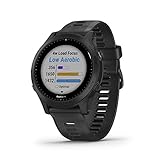
- Premium GPS Running/Triathlon Smartwatch: Advanced GPS running and triathlon smartwatch with integrated music capabilities for enhanced training experience
- Advanced Performance Monitoring: Features include Vo2 Max and training status with adjustments for heat, altitude Acclimation status, training load focus, recovery time, and aerobic and anaerobic training effects
- Contactless Payment Solution: Garmin Pay contactless payment solution (available for supported cards from participating banks) lets you make convenient payments with your watch so you can leave your cash and cards at home
- Full Color Onboard Maps: Full color, onboard maps guide you on your run so you never get lost during your workout
- Safety and Tracking Features: Incident detection (during select activities) which sends your real time location to emergency contacts through your paired compatible smartphone
Button-only control might sound dated, but in practice it’s faster and more reliable for training. Sweaty fingers, rain, gloves, and cold weather don’t interfere, and lap presses are always deliberate rather than accidental.
Battery Life That Supports Real Training Blocks
Battery endurance is one of the Forerunner 255’s biggest real-world advantages. You’re looking at roughly 14 days in smartwatch mode and up to 30 hours of GPS, with multi-band still delivering strong longevity compared to AMOLED alternatives.
For marathon training, triathlon blocks, or multi-day travel, that means fewer compromises. You can log every session, wear it overnight for recovery data, and still go a week or more without thinking about a charger.
Multi‑Sport Depth Without the Fenix Price Penalty
The 255 supports running, cycling, pool and open-water swimming, triathlon mode, strength training, and structured workouts across all disciplines. It also includes breadcrumb navigation and course following, which covers the needs of most road runners and endurance athletes even without full onboard maps.
What you don’t get is offline cartography, a metal bezel, or solar charging. For many buyers, those omissions are theoretical rather than practical, especially when weighed against the Black Friday price drop.
What You’re Trading Off at This Price
The biggest compromise is the lack of AMOLED visuals and music storage on the base Forerunner 255. If you want onboard Spotify without your phone, you’ll need the 255 Music variant, which is sometimes discounted slightly less aggressively.
Build materials are also functional rather than luxurious. There’s no sapphire lens or metal casework here, but the reinforced polymer housing is durable enough for daily training and far lighter than Garmin’s adventure watches.
Who Should Buy This Deal
This is the best deal in the Garmin store for runners who train consistently and care about metrics more than aesthetics. It’s ideal for athletes upgrading from older Forerunners, Vivoactive models, or entry-level Garmins who want meaningful performance data without jumping into Fenix territory.
If your priorities are accurate GPS, actionable training insights, comfort over long sessions, and a discount that actually changes what you get for your money, the Forerunner 255 is the most rational Black Friday buy in Garmin’s lineup.
Best Outdoor & Adventure Deal: Garmin Fenix / Epix Line Pick – Premium Hardware at a Rare Discount
If the Forerunner 255 is about maximum training return per dollar, the Fenix and Epix lines are where Garmin stops making compromises altogether. Black Friday is one of the very few moments each year when these watches drop far enough in price to make sense for buyers who have always wanted one but couldn’t justify full MSRP.
This is also where the jump in real-world capability is immediately obvious. You’re not just paying for nicer materials; you’re buying deeper navigation tools, tougher hardware, and a platform designed for days off-grid rather than hours on the road.
The Smart Pick: Fenix 7 Sapphire Solar or Epix (Gen 2)
In this sale, the sweet spot tends to be either the Fenix 7 Sapphire Solar or the Epix (Gen 2), depending on whether you prioritize battery life or display quality. Both share the same underlying software platform, training metrics, sensors, and mapping features, so the decision comes down to how and where you use the watch.
The Fenix 7 Sapphire Solar leans fully into expedition duty. The titanium bezel, sapphire crystal, and solar charging ring are built for abuse, and in real-world use it’s one of the few smartwatches you can wear continuously for weeks without anxiety. The Epix (Gen 2) trades solar charging for a high-resolution AMOLED display that makes maps, workouts, and daily smartwatch use far more legible and visually pleasing.
What You Gain Over Mid-Range Garmins
The biggest upgrade is full-color, offline topographic maps with turn-by-turn navigation. This isn’t just a nice-to-have; for trail running, hiking, ski touring, and bikepacking, it fundamentally changes how independent you can be from your phone.
You also gain multi-band GPS with better consistency in forests, mountains, and urban canyons, plus advanced outdoor profiles like climb tracking, stamina, real-time ascent metrics, and weather overlays. Add to that a metal case, sapphire glass, water resistance suitable for serious swimming and diving, and buttons that remain usable with gloves or wet hands.
Battery life is another step change. Even the Epix, with its AMOLED screen, comfortably delivers around a week of heavy use with always-on display disabled, while the Fenix 7 can stretch well beyond that, especially with solar assistance. Compared to AMOLED-focused fitness watches, that endurance still matters when you’re tracking long days back-to-back.
Comfort, Size, and Daily Wear Reality
These are not small watches, and that’s worth acknowledging honestly. Case sizes typically start around 47mm, with substantial thickness and weight compared to a Forerunner or Vivoactive.
That said, Garmin’s silicone straps are excellent, and weight distribution is well balanced for long wear. Once on the wrist, the watch feels purposeful rather than clumsy, especially if you’re used to wearing it 24/7 for sleep, recovery, and training readiness.
For office wear or smaller wrists, the Epix often feels slightly more approachable thanks to its sleeker visual presence and brighter screen. The Fenix reads more like a traditional tool watch, which many outdoor users prefer.
Why This Discount Actually Matters
The reason this qualifies as one of the best deals in the entire Garmin Black Friday sale isn’t just the percentage off. It’s that the discount finally collapses the price gap between “nice to have” and “worth owning.”
At full price, Fenix and Epix models are aspirational purchases. At Black Friday pricing, they become long-term investments that can realistically replace multiple devices: training watch, navigation tool, travel watch, and daily wearable. Garmin also supports these models for years with software updates, which protects your spend far better than cheaper watches with shorter lifecycles.
Who Should Buy This Deal
This is the right buy if you regularly train outdoors, travel off-grid, or want one watch that can handle structured training during the week and serious adventure on weekends. Trail runners, hikers, cyclists, skiers, and endurance athletes who want maps on the wrist will immediately feel the difference.
If your usage is mostly road running, gym workouts, and casual tracking, the Forerunner 255 remains the smarter value. But if you’ve ever hesitated because the Fenix or Epix felt unjustifiably expensive, Black Friday is the moment when that argument finally flips in their favor.
Best Budget‑Friendly Deal: Garmin Venu / Vivoactive Pick – Maximum Everyday Smartwatch Value for the Price
If the Fenix and Epix discounts finally make Garmin’s flagship tier attainable, the Venu and Vivoactive deals do something even more important for most buyers: they make a genuinely good everyday smartwatch feel like an obvious purchase rather than a compromise.
This is the point in the sale where value overtakes aspiration. You’re no longer paying for expedition-grade durability or on-wrist maps, but you keep the Garmin fundamentals that matter day in, day out.
Rank #3

- LTE connectivity (must have an active subscription plan and connectivity to a Category M1 LTE network) enables phone-free safety and tracking features, including LiveTrack and Assistance Plus, a feature that connects you to the Garmin IERCC, a professional 24/7 emergency monitoring and response center (Assistance Plus is not available in all markets where Category M1 LTE network connectivity is available), plus you can receive messages from fans during your race
- o Battery life: up to 2 weeks of battery life in smartwatch mode, 12 hours in GPS mode with music and 7 hours in GPS mode with music and LTE LiveTrack
- Bring music for every mile by downloading from music services (may require premium subscription with a third-party music provider) such as Amazon Music, Deezer, Spotify and more to easily store and play up to 1,000 songs from your wrist when paired with compatible headphones
- Train smarter with performance measurements adjusted for heat and altitude, track recovery time, predict your race finish time, monitor heart rate (this is not a medical device) underwater and much more
- Leave your cash and cards at home; Garmin Pay contactless payments (with a supported country, payment network and issuing bank information) let you pay for purchases on the go
Why This Is the Smartest “Normal Life” Garmin Buy
The Venu and Vivoactive lines sit right at the intersection of fitness watch and lifestyle smartwatch. You get strong health tracking, reliable GPS, polished software, and a design that doesn’t look out of place in the office or at dinner.
During Black Friday, these models usually drop into a price bracket where Apple Watch SE and entry-level Wear OS watches live. The difference is longevity: Garmin’s hardware ages slower, battery life stays consistent, and software support tends to stretch years longer.
Venu vs Vivoactive: Which One to Choose
If you want the best screen Garmin offers at this price, the Venu is the clear pick. Its AMOLED display is bright, high-contrast, and far more legible indoors than Garmin’s traditional transflective panels, especially for notifications, widgets, and glanceable health data.
The Vivoactive trades screen flash for endurance. Its transflective display looks muted indoors but thrives outdoors, and battery life stretches comfortably past the Venu if you use GPS regularly. For runners and walkers who train outside more than they scroll indoors, that trade often makes sense.
Design, Comfort, and Real‑World Wearability
Both watches sit around the 40–45mm mark depending on generation, with slim profiles and lightweight polymer cases. On smaller wrists, this is where Garmin finally feels invisible rather than instrumental.
The silicone straps are soft, breathable, and better finished than most budget competitors. You can wear either watch 24/7 for sleep tracking without the pressure points or bulk you get from Fenix-class hardware.
Fitness and Health Tracking: The Garmin Core, Intact
Despite the lower price, you still get Garmin’s full suite of daily health features: heart rate tracking, Body Battery, sleep stages, stress tracking, respiration, and Pulse Ox on supported models.
For fitness, GPS accuracy is excellent, structured workouts sync cleanly from Garmin Connect, and activity profiles cover running, cycling, gym sessions, yoga, and more. What you don’t get is advanced training readiness, endurance scores, or full performance analytics, which most casual and intermediate users never truly need.
Smartwatch Features Without the Battery Anxiety
This is where the Venu and Vivoactive quietly beat most rivals. Notifications are reliable, music controls are simple, and Garmin Pay works consistently for everyday purchases.
Battery life remains the killer advantage. Even with an AMOLED display, the Venu typically lasts several days per charge, while Vivoactive models can stretch further. That means no nightly charging ritual and far less wear on the battery over time.
What You’re Giving Up (and Why It’s Usually Fine)
You won’t get offline maps, breadcrumb navigation, or the rugged materials of Garmin’s outdoor watches. There’s no sapphire glass, no metal bezel, and no illusion that this is an expedition tool.
But for buyers who train a few times a week, care about health trends, and want a watch that fits seamlessly into everyday life, those omissions rarely register after the first week of ownership.
Who This Deal Is Perfect For
This is the right buy if you want one watch that covers fitness, health, and daily smartwatch duties without dominating your wrist or your budget. It’s ideal for runners who don’t need advanced metrics, gym users who want reliable tracking, and smartwatch buyers who value battery life over app overload.
If you’ve been tempted by Garmin but put off by price or bulk, Black Friday Venu and Vivoactive deals are the easiest, safest entry point into the ecosystem—and for many users, they’re all the Garmin you’ll ever actually need.
Deal Deep‑Dive: What You’re Really Saving vs Typical Garmin Pricing (Not Just MSRP)
At this point, the key question isn’t whether these Garmin deals look good on paper, but whether they’re meaningfully better than the prices you’ll see the rest of the year. Garmin discounts are famously conservative outside of Black Friday, and most models hover near a predictable “street price” long after launch.
What makes the current Garmin Store Black Friday sale stand out is that it undercuts those normal floors, not just the inflated launch MSRPs. Here’s how the three standout deals stack up in real‑world value terms.
Venu Series: A Rare Drop Below Its Usual Comfort Zone
The Venu line almost never collapses in price the way mainstream smartwatches do. Outside of Black Friday, even older Venu models tend to stabilize at modest discounts and hold there for months.
In this sale, Venu pricing dips clearly below its typical year‑round average, not just by $20–$30, but enough to materially change its value proposition versus Apple Watch SE and Galaxy Watch alternatives. That’s important, because at normal pricing the Venu competes on battery life and health tracking but asks you to pay a premium for it.
At Black Friday pricing, you’re effectively getting Garmin’s AMOLED smartwatch experience at what used to be Vivoactive money. For buyers who want daily wear comfort, reliable fitness tracking, strong battery life, and zero subscription fees, this is one of the few moments where the Venu feels aggressively priced rather than merely fair.
The compromise hasn’t changed. You’re still skipping advanced training metrics, offline maps, and premium materials. What has changed is that the price finally reflects that positioning instead of flirting with higher‑end Garmin territory.
Forerunner 255: Mid‑Range Performance Metrics at Entry‑Level Pricing
The Forerunner 255 is the deal that experienced Garmin users tend to notice first, because it rarely goes on meaningful sale. Most of the year, it sits stubbornly close to its launch price, even as newer models arrive above it.
This Black Friday discount pushes the Forerunner 255 into a price bracket normally occupied by basic running watches. That’s a big deal when you consider what you’re actually getting: multi‑band GPS accuracy, Training Status, race widgets, HRV tracking, and excellent battery life in a lightweight, plastic case that disappears on the wrist.
Compared to its typical pricing, the savings here aren’t just numerical. They change the buyer decision entirely. Instead of choosing between “cheap but limited” and “expensive but capable,” the Forerunner 255 suddenly becomes the obvious choice for runners who train with structure but don’t need maps or AMOLED flair.
The trade‑offs remain practical rather than painful. The display is transflective rather than AMOLED, the case feels utilitarian rather than premium, and smartwatch features are basic. But at this sale price, you’re paying for performance, not polish—and that’s exactly where the Forerunner line shines.
Fenix Series: Flagship Hardware at a Price Garmin Almost Never Offers
Fenix watches are notoriously price‑resilient. Outside of major sales events, even older generations command high prices, largely because their combination of durability, mapping, battery life, and training depth has no direct equivalent.
Rank #4
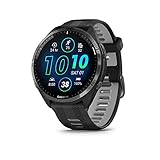
- Brilliant AMOLED touchscreen display with traditional button controls and lightweight titanium bezel
- Battery life: up to 23 days of battery life in smartwatch mode, up to 31 hours in GPS mode
- Confidently run any route using full-color, built-in maps and multi-band GPS
- Training readiness score is based on sleep quality, recovery, training load and HRV status to determine if you’re primed to go hard and reap the rewards (data presented is intended to be a close estimation of metrics tracked)
- Plan race strategy with personalized daily suggested workouts based on the race and course that you input into the Garmin Connect app and then view the race widget on your watch; daily suggested workouts adapt after every run to match performance and recovery
The Black Friday Garmin Store deal finally breaks that pattern. Instead of the usual modest trim, Fenix pricing drops far enough to undercut its own historical averages by a wide margin. This isn’t a “clearance because it’s old” situation; it’s a genuine opportunity to buy into Garmin’s top tier without paying top‑tier money.
At this level, you’re getting a metal‑bezel, sapphire‑optional, adventure‑ready watch with full maps, multi‑band GPS, long battery life, advanced training metrics, and a software platform that will continue receiving updates for years. The value isn’t just in features, but in longevity. A Fenix bought at this price can realistically be worn daily for half a decade.
The compromise is size, weight, and complexity. Fenix watches are thicker, heavier, and demand more learning than Venu or Forerunner models. But if you’ll actually use navigation, structured training, or outdoor profiles, the discount more than compensates for those realities.
Why These Discounts Matter More Than the Percentage Off
Garmin’s pricing strategy rarely rewards impulse buying. Most deals shave just enough to look appealing without truly changing the buying equation. This Black Friday sale is different because it breaks established pricing patterns across three distinct user types.
The Venu becomes a genuinely compelling everyday smartwatch value. The Forerunner 255 slips into a price tier it has never comfortably occupied before. The Fenix finally offers flagship durability and depth without the usual financial sting.
If you’ve been watching Garmin prices throughout the year, these are not routine discounts. They’re the kind that justify buying now rather than waiting, because history suggests you won’t see these levels again until the next Black Friday cycle.
Who Each Deal Is For (And Who Should Skip It)
Garmin Venu Series Deal: The Everyday Smartwatch Buyer Who Still Trains
This deal is best for someone who wants one watch to wear all day without it feeling like a piece of sports equipment on the wrist. The Venu’s AMOLED display, slim case, lightweight polymer body, and soft silicone strap make it far more comfortable for office wear, sleep tracking, and casual use than most Garmin sports watches. Battery life is still solid by smartwatch standards, and Garmin’s health tracking, stress metrics, and basic training tools work quietly in the background without demanding constant attention.
It’s also a strong fit for gym users, casual runners, and cyclists who want reliable GPS, heart rate tracking, and structured workouts without diving into advanced training analytics. The software experience is clean, responsive, and easier to learn than Fenix or Forerunner models, especially if you’re coming from Apple Watch or Fitbit.
You should skip this deal if your training revolves around long outdoor sessions, navigation, or endurance events. There’s no onboard mapping, battery life under heavy GPS use is limited compared to Forerunner or Fenix, and advanced metrics like training readiness and deeper performance analytics are either simplified or missing. If you already know you want serious performance insight, this will feel like a ceiling rather than a starting point.
Garmin Forerunner 255 Deal: The Performance-Focused Runner or Triathlete
This is the sweet-spot deal for runners, triathletes, and cyclists who care more about performance data than smartwatch polish. The Forerunner 255 delivers multi-band GPS accuracy, excellent battery life for its size, advanced training metrics, race predictions, and recovery insights in a lightweight, no-nonsense case that disappears on the wrist during workouts. It’s plastic, yes, but that’s why it’s so comfortable over long runs and why it handles sweat and daily abuse without complaint.
If you train with structure, follow plans, or care about pacing, HRV trends, and load management, this discount pushes the 255 into a price tier where nothing else competes as cleanly. The buttons are reliable in rain and cold, the screen is always-on and legible outdoors, and Garmin’s training ecosystem shines brightest here.
You should skip this if you want your watch to double as a lifestyle accessory or mini phone replacement. There’s no touchscreen, no AMOLED display, limited smartwatch flair, and no maps for navigation-heavy adventures. If aesthetics, materials, and casual usability matter as much as training depth, the savings won’t offset the spartan feel.
Garmin Fenix Deal: The All‑Terrain Power User Who Wants One Watch for Everything
This deal is aimed squarely at users who will actually use what a flagship Garmin offers. The Fenix’s metal bezel, sapphire option, rugged case, and thick lugs make it feel like a serious tool, and the feature set matches that impression with full onboard maps, advanced navigation, multi-band GPS, and battery life that stretches into weeks depending on usage. It’s built for hikers, ultra runners, climbers, expedition travelers, and endurance athletes who need reliability over aesthetics.
At this Black Friday price, the Fenix finally makes sense for people who previously admired it but couldn’t justify the premium. You’re buying long-term durability, deep software support, and a watch that can replace multiple niche devices, from bike computers to handheld GPS units, for many users.
You should skip this deal if you know you won’t use maps, navigation, or advanced outdoor profiles. The Fenix is thicker, heavier, and more complex than both Venu and Forerunner, and it can feel like overkill for gym sessions or short daily runs. If comfort, simplicity, and a slimmer wrist presence matter more than maximum capability, the discount doesn’t change the fundamentals.
Key Compromises to Know Before You Buy: Features You Gain vs What You Give Up
Black Friday pricing can flatten Garmin’s lineup in ways that make very different watches look interchangeable on paper. They’re not. The value here comes from knowing which trade-offs actually matter to your training, your wrist, and how you use a watch day to day.
Forerunner 255: Training Depth Over Daily Convenience
What you gain at this price is Garmin’s core endurance engine in one of its most efficient forms. You get excellent GPS accuracy, full Training Status and Load, HRV tracking, race predictions, and rock-solid physical buttons that work in sweat, rain, and winter gloves. Battery life remains a standout, easily covering a week of training or a long race weekend without anxiety.
What you give up is everything adjacent to “smartwatch.” There’s no touchscreen, no AMOLED panel, no music on the base version, and no onboard maps. The polymer case is light and comfortable but plainly utilitarian, and it won’t satisfy buyers who want their watch to look at home with office wear or casual outfits.
Venu Series: Lifestyle Polish in Exchange for Training Tools
The appeal of the Venu deals is immediate and obvious once it’s on your wrist. You gain a bright AMOLED touchscreen, slimmer dimensions, lighter weight, and a design that blends far better into daily life than most Garmins. For gym users, casual runners, and wellness-focused buyers, it’s more enjoyable to live with hour to hour.
The compromise is depth. Training metrics are pared back, structured running tools are limited, and serious endurance athletes will miss features like Training Load, advanced recovery insights, and race-focused guidance. Battery life also takes a hit compared to MIP-based Garmins, especially if you lean on always-on display modes.
Fenix: Ultimate Capability at the Cost of Size and Simplicity
The Fenix deal is compelling because it removes much of the financial sting without removing capability. You gain full-color maps, turn-by-turn navigation, advanced outdoor profiles, multi-band GPS, long battery life, and a case built from steel or titanium with sapphire options that genuinely resist abuse. For athletes who hike, trail run, cycle, and travel, it can replace multiple devices.
The trade-off is wearability. Even at a discount, the Fenix is thicker, heavier, and more complex than the Forerunner or Venu. Smaller wrists may find it cumbersome for sleep tracking or all-day comfort, and casual users may never touch the navigation features that justify its size and weight.
Display Technology: AMOLED Beauty vs MIP Practicality
AMOLED Garmins look fantastic indoors and make smartwatch interactions more engaging. They’re easier to read at a glance in dim environments and feel more modern, especially for notifications and widgets.
MIP displays, used on Forerunner and Fenix, win outdoors and over long stretches. They’re always-on, sunlight-readable, and dramatically better for battery life during GPS-heavy training. The compromise is visual flair, not functionality.
Materials and Finish: Tool Watch vs Everyday Accessory
Metal bezels, sapphire glass, and rugged cases add durability and perceived value, especially at Black Friday pricing. The Fenix benefits the most here, feeling like equipment rather than electronics.
💰 Best Value
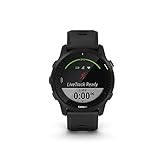
- LTE connectivity (must have an active subscription plan and connectivity to a Category M1 LTE network) enables phone-free safety and tracking features, including LiveTrack and Assistance Plus, a feature that connects you to the Garmin IERCC, a professional 24/7 emergency monitoring and response center (Assistance Plus is not available in all markets where Category M1 LTE network connectivity is available), plus you can receive messages from fans during your race
- o Battery life: up to 2 weeks of battery life in smartwatch mode, 12 hours in GPS mode with music and 7 hours in GPS mode with music and LTE LiveTrack
- Bring music for every mile by downloading from music services (may require premium subscription with a third-party music provider) such as Amazon Music, Deezer, Spotify and more to easily store and play up to 1,000 songs from your wrist when paired with compatible headphones
- Train smarter with performance measurements adjusted for heat and altitude, track recovery time, predict your race finish time, monitor heart rate (this is not a medical device) underwater and much more
- Leave your cash and cards at home; Garmin Pay contactless payments (with a supported country, payment network and issuing bank information) let you pay for purchases on the go
Lighter polymer cases, as found on Forerunner models, trade prestige for comfort. They disappear on the wrist during long runs and sleep tracking, but they won’t scratch the same itch for buyers who care about materials and finishing.
Software Longevity vs Immediate Needs
Higher-end Garmins tend to receive new features longer, particularly navigation and training refinements. Buying into Fenix or Forerunner lines often means better long-term support and fewer reasons to upgrade prematurely.
More lifestyle-focused models prioritize stability and simplicity over rapid feature expansion. That’s not a flaw if your needs are well-defined, but it matters if you expect your watch to grow with your training ambitions.
Understanding these compromises is what turns a good Black Friday discount into a great purchase. Each of these deals is strong, but only when the features you gain align with how you actually train, recover, and wear your watch every day.
Black Friday Buying Advice: Timing, Stock Risks, and When These Garmin Deals Are Actually Worth Pulling the Trigger
Once you’ve matched features to your actual training and lifestyle needs, the final decision comes down to timing and risk. Garmin Black Friday deals are rarely chaotic, but they do reward buyers who understand how Garmin manages discounts, inventory, and product cycles.
This is where good value turns into great value, or slips away entirely.
When Garmin Black Friday Prices Usually Peak
Garmin’s official Black Friday sale typically launches slightly earlier than mass-market retailers and then holds pricing steady through Cyber Monday. Unlike brands that drip-feed deeper discounts late in the weekend, Garmin tends to set its “floor price” upfront and stick to it.
If a model is already showing a meaningful discount in the first wave of the sale, waiting rarely saves more money. At best, you might see a bundle sweetener like an extra strap or accessory, but the core price usually doesn’t drop further.
For the three standout deals highlighted in this guide, the value comes from how close they are to Garmin’s historical low pricing rather than short-lived flash cuts. If you see those prices live, that’s effectively the green light.
Stock Risk Is Real on the Best-Value Models
Garmin manages supply conservatively, especially on models that sit in the sweet spot between performance and price. Mid-range Forerunners and older-generation Fenix variants are the most likely to sell through quickly once discounts hit.
Sizes and colors matter more than many buyers expect. Smaller case sizes and neutral colorways often disappear first, particularly for buyers with slimmer wrists who can’t comfortably size up.
If a specific size or finish fits your wrist and your usage perfectly, hesitation can cost you far more than waiting ever saves. Garmin restocks during Black Friday are uncommon, and once a configuration is gone, it’s usually gone for the season.
Understanding Garmin’s Product Cycles Before You Buy
Garmin rarely launches brand-new models during the Black Friday window. That means most discounts are applied to current-generation devices or very recent predecessors that still receive full software support.
This matters because Garmin’s long-term value is tied to firmware updates, training algorithms, and feature backports. A discounted watch that still has years of updates ahead of it is fundamentally different from a clearance product being quietly sunset.
If the deal applies to a model still actively featured on Garmin’s site and marketing materials, you’re not buying obsolete tech. You’re buying time: more training cycles, more firmware refinements, and fewer reasons to upgrade prematurely.
When These Deals Are Absolutely Worth Buying Immediately
Pull the trigger immediately if the discounted watch cleanly fits your training profile without requiring compromises. That means runners buying Forerunners for running, not because they’re cheaper than a Fenix, or lifestyle users choosing Venu models for AMOLED clarity and comfort rather than chasing specs they won’t use.
It’s also worth buying immediately if the discount meaningfully closes the gap between tiers. Black Friday is one of the few times when stepping up to better materials, longer battery life, or advanced navigation costs marginally more instead of significantly more.
Finally, if you plan to keep the watch for three to five years, a strong Black Friday deal has compounding value. Better battery health over time, longer software support, and stronger resale value all matter more than saving an extra small percentage by waiting.
When It’s Smarter to Walk Away
If you’re buying based on percentage off rather than how you’ll actually use the watch, pause. A heavily discounted Fenix is still the wrong choice for someone who trains indoors, wears long sleeves daily, or prioritizes sleep comfort over expedition durability.
It’s also worth skipping if you’re on the fence between AMOLED and MIP displays and haven’t decided which experience you prefer. Display preference affects daily satisfaction more than spec sheets suggest, and no discount fixes buyer’s remorse.
And if the deal pushes you into a size, weight, or design that doesn’t suit your wrist or lifestyle, the savings aren’t real. Comfort is not a feature you can upgrade later.
Final Take: Turning Discounts Into Long-Term Satisfaction
The best Garmin Black Friday deals aren’t about chasing the biggest markdown. They’re about aligning hardware, software, and comfort with how you actually train and live, then buying at a moment when Garmin’s pricing temporarily favors the buyer.
If one of the three deals in this guide matches your needs cleanly, at a price close to historical lows, and in the size and finish you want, it’s worth buying with confidence. That’s how Black Friday becomes a smart upgrade instead of an impulsive one.
At their best, these Garmin deals don’t just save you money this week. They buy you years of reliable tracking, durable wear, and a watch that quietly supports your goals every single day.