If you’re here, you’re probably trying to work out whether a 17% discount on Whoop is genuinely meaningful, or just clever marketing wrapped around a subscription you’ll be locked into anyway. That’s a fair concern, because Whoop doesn’t play by the same rules as Garmin, Apple, or Fitbit, and the value equation looks very different once you break it down properly.
This deal isn’t about knocking money off a piece of hardware sitting in a box. Whoop has no upfront device cost in the traditional sense. What you’re actually buying is discounted access to the platform itself, and that distinction matters more than most people realise.
What follows is a clear-eyed breakdown of what 17% off really means in pounds and pence, what you get for that money day to day, and why the savings are more impactful than they first appear if you’re the right kind of user.
What the 17% discount is actually applied to
The Black Friday discount applies to Whoop membership pricing, not a standalone strap. When you sign up, Whoop includes the latest hardware as part of the subscription, with no separate device charge as long as you commit to a term.
🏆 #1 Best Overall
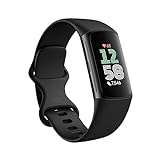
- Find your way seamlessly during runs or rides with turn-by-turn directions from Google Maps on Fitbit Charge 6[7, 8]; and when you need a snack break on the go, just tap to pay with Google Wallet[8, 9]
In practical terms, that means the 17% reduction comes off the cost of a 12-month or longer membership. Whoop typically prices its annual plan in the mid-£200 range, with longer commitments reducing the effective monthly cost further. A 17% cut usually translates to savings of roughly £40–£50 over a year, sometimes more depending on regional pricing and whether multi-year plans are discounted at the same time.
That may not sound dramatic compared to a half-price smartwatch deal, but unlike most wearables, this is money you would otherwise have to pay to keep using Whoop at all. There’s no “basic mode” once the subscription ends.
The hidden value: hardware, upgrades, and replacements
One of the less talked-about benefits of the Whoop model is that the hardware is effectively bundled into the membership lifecycle. When you join during a discounted period, you receive the current-generation Whoop strap, and historically, Whoop has offered hardware upgrades at no additional cost for active long-term members when new generations launch.
That changes the value calculation compared to buying a £400–£500 smartwatch that may feel outdated in three years. You’re not owning a device outright, but you’re also not stuck with ageing sensors or declining battery health in the same way. Battery life remains strong at around 4–5 days in real-world use, and the on-wrist charging system means you rarely have to take it off, which reinforces Whoop’s 24/7 data-first philosophy.
If your strap fails, stretches, or takes a beating during training, replacements are relatively inexpensive, and the core electronics remain covered under membership support rather than a short standard warranty.
What you’re paying for beyond raw tracking
This is where the 17% discount becomes more meaningful for the right audience. Whoop’s value isn’t in step counts, smartwatch features, or flashy displays. It’s in how the platform interprets strain, recovery, sleep, and long-term physiological trends.
You get continuous heart rate tracking, heart rate variability, respiratory rate, blood oxygen saturation, skin temperature deviation, and sleep staging, all processed into daily recovery and strain scores that are designed to influence behaviour, not just report data. The coaching layer, habit tracking, and trend analysis are baked into the subscription and constantly evolving.
At full price, some users struggle with the idea of paying ongoing fees for that experience. At 17% off, the cost-to-insight ratio becomes much easier to justify if you’re training regularly, managing recovery intentionally, or experimenting with sleep, alcohol, travel, or workload variables.
How the deal compares to buying a smartwatch outright
It’s tempting to compare the discounted Whoop price to a Black Friday Apple Watch or Garmin deal, but they serve different priorities. A discounted Apple Watch gives you notifications, apps, GPS workouts, and health features with no mandatory subscription, but its recovery insights remain surface-level unless you add third-party services.
Garmin offers exceptional training metrics and no subscription, but its recovery guidance is still largely framed around endurance athletes and structured workouts. Oura sits closer to Whoop philosophically, but its ring form factor, shorter battery life, and focus on sleep over strain change the daily experience.
With the 17% discount applied, Whoop’s annual cost often lands in the same territory as buying a mid-range smartwatch once you factor in depreciation, upgrades, and accessory replacements. The difference is that Whoop is betting you value interpretation and behavioural feedback over features.
Who actually benefits most from buying at this price
This deal makes the most sense for people who plan to use Whoop daily and treat it as a decision-making tool rather than a passive tracker. Athletes managing training load, gym-goers lifting multiple times per week, shift workers optimising sleep, and biohackers experimenting with routines will extract far more value than casual step counters.
If you already know you’re subscription-averse, want a screen on your wrist, or mainly care about GPS workouts and notifications, even a discounted Whoop will feel expensive over time. The 17% off doesn’t change that fundamental truth.
What it does change is the risk profile for first-time users. You’re getting meaningful savings on a full year of access to one of the most data-rich recovery platforms available, with hardware included and no compromises on features. For many, that’s the difference between endlessly debating Whoop and finally finding out whether it actually improves how you train and recover.
Real Cost Breakdown: Hardware, Subscription Fees, and Long-Term Value After the Discount
Once you accept that Whoop is a subscription-first platform rather than a device purchase, the math becomes much clearer. The 17% Black Friday discount doesn’t just shave a little off the headline price; it meaningfully changes the first-year value equation, especially for new users deciding whether to commit.
What you actually pay upfront with the Black Friday discount
Whoop’s hardware is included with the membership, which means there’s no separate tracker cost to amortise. The sensor, band, and charging system arrive as part of your subscription, with no “base model vs premium model” upsell to worry about.
At full price, Whoop’s annual membership typically sits around the mid-$200 range depending on region. A 17% Black Friday discount drops that by roughly $40–$45 for the year, bringing the effective monthly cost closer to what many people already pay for streaming or coaching apps.
For first-time buyers, this is the cheapest way to access the full Whoop experience without committing to multi-year plans. You’re not locked into reduced features or older hardware, and software updates remain identical to full-price members.
Subscription fees over time: year one vs long-term ownership
Year one is where the discount matters most. You get the biggest percentage savings up front, and that’s also when most users are deciding whether Whoop genuinely changes their training, sleep, and recovery behaviour.
If you continue beyond the first year, you’ll revert to standard renewal pricing unless another promotion is available. Over two years, the average monthly cost smooths out, but it still remains higher than owning a one-off fitness tracker with no subscription.
That said, unlike a smartwatch that slowly loses battery health, resale value, and software support, Whoop’s value doesn’t degrade in the same way. You’re paying for an evolving platform, not a fixed set of features frozen at launch.
Hardware value and replacement costs you don’t see on the invoice
The Whoop sensor itself is compact, screenless, and built for 24/7 wear. It’s light, flexible on the wrist or bicep, water-resistant for swimming, and comfortable enough for sleep, which is critical for recovery accuracy.
Battery life typically lands around four to five days, and the slide-on battery pack allows you to charge without removing the band. There’s no hidden cost here unless you want extra bands or premium materials, which are optional rather than required for functionality.
Compare that to smartwatches, where battery degradation, cracked screens, or outdated processors often push users into upgrading every two to three years. With Whoop, the hardware refresh cycle is abstracted away from the user, reducing surprise replacement costs.
Cost per day when you actually use the data
When you break the discounted annual cost down to a daily figure, it becomes easier to judge value honestly. You’re paying a small amount per day for continuous strain tracking, recovery scoring, sleep analysis, HRV trends, respiratory rate, skin temperature deviations, and behavioural insights tied to your habits.
If you check the app daily, adjust training based on recovery, and actively log behaviours, that cost per day starts to look reasonable. If you only glance at it occasionally or ignore the recommendations, even the discounted price will feel expensive.
This is where Whoop fundamentally differs from feature-heavy wearables. The value isn’t in what it can do, but in how consistently you engage with what it tells you.
Comparing long-term value to buying a discounted smartwatch
A Black Friday Apple Watch or Garmin might cost a similar amount upfront with no subscription, but that’s only part of the story. Most users upgrade those devices every few years, buy replacement bands, and accept diminishing battery performance over time.
Whoop’s ongoing cost is higher, but it replaces the upgrade cycle with continuity. Your data history, baselines, and long-term trends become more valuable the longer you stay, which is something most smartwatch platforms struggle to deliver meaningfully.
The 17% discount doesn’t make Whoop cheap in absolute terms. What it does is reduce the financial friction of trying a premium recovery platform properly, long enough to decide whether its insights genuinely earn a permanent place in your training and health routine.
Why Whoop Is Different: Recovery, Strain, Sleep, and the Science Behind the Platform
What ultimately determines whether the discounted price makes sense is not the hardware on your wrist, but the system running behind it. Whoop is built around a closed-loop model where recovery informs training, training influences sleep needs, and sleep quality feeds back into recovery, day after day.
Instead of competing on screens, apps, or smartwatch features, Whoop competes on physiological context. It is designed to answer one question consistently: how ready is your body today, and what should you do about it?
Recovery: HRV-first, baseline-driven, and individualized
Whoop’s Recovery score is anchored primarily in heart rate variability, resting heart rate, sleep performance, and recent strain. Unlike wearables that show raw metrics and leave interpretation to the user, Whoop converts those signals into a daily readiness score relative to your own baseline.
Rank #2

- Inspire 3 is the tracker that helps you find your energy, do what you love and feel your best. All you have to do is wear it.Operating temperature: 0° to 40°C
- Move more: Daily Readiness Score(1), Active Zone Minutes, all-day activity tracking and 24/7 heart rate, 20+ exercise modes, automatic exercise tracking and reminders to move
- Stress less: always-on wellness tracking, daily Stress Management Score, mindfulness sessions, relax breathing sessions, irregular heart rhythm notifications(2), SpO2(3), menstrual health tracking, resting heart rate and high/low heart rate notifications
- Sleep better: automatic sleep tracking, personalized Sleep Profile(1), daily detailed Sleep Score, smart wake vibrating alarm, sleep mode
- Comfortably connected day and night: calls, texts & smartphone app notifications(4), color touchscreen with customizable clock faces, super lightweight and water resistant to 50 meters, up to 10 day battery life(5)
This baseline approach is critical. Two people can have identical HRV values, yet very different recovery states depending on training history, stress load, and long-term trends, and Whoop accounts for that variance better than most mainstream trackers.
The recovery score is not static or generic. It evolves as your body adapts, which is why the platform becomes more valuable over months rather than weeks.
Strain: cardiovascular load without steps or gimmicks
Whoop’s Strain metric measures cardiovascular load across the entire day, not just during recorded workouts. It uses heart rate data to quantify how hard your body worked, regardless of whether you went for a run, lifted weights, played a pickup game, or simply had a physically demanding day.
This is a key philosophical difference. Whoop does not reward movement for movement’s sake, and it does not chase step counts or activity rings. Strain exists to be balanced against recovery, not gamified in isolation.
For athletes and serious trainees, this creates a clearer training signal. For beginners, it quietly teaches restraint, helping avoid the common mistake of stacking hard days on poor recovery.
Sleep: coaching the behavior, not just tracking the night
Whoop’s sleep tracking goes beyond duration and stages. The platform emphasizes sleep need, consistency, and debt, showing how much sleep your body actually requires based on recent strain and recovery trends.
Sleep coaching is one of Whoop’s most underappreciated strengths. Instead of generic tips, it nudges bedtime, wake time, and pre-sleep behavior based on what moves your recovery score over time.
The lack of a screen becomes an advantage here. With no notifications or glowing display, Whoop is genuinely comfortable to wear overnight, and the battery life supports uninterrupted sleep tracking without nightly charging anxiety.
Behavioral insights: connecting habits to outcomes
Where Whoop separates itself from competitors like Garmin and Apple is in how it ties behaviors to physiological outcomes. Through its journal feature, users can log habits such as alcohol intake, late meals, magnesium use, cold exposure, or meditation.
Over time, Whoop surfaces correlations between those behaviors and changes in recovery, HRV, and sleep quality. This turns subjective wellness choices into data-backed decisions, even if the insights are probabilistic rather than causal.
For biohackers and data-driven users, this is the stickiest part of the platform. It encourages experimentation while keeping expectations grounded in trends, not promises.
Hardware design: invisible, durable, and purpose-built
The Whoop strap itself is intentionally minimal. There is no display, no crown, and no distractions, which keeps weight low and comfort high during training, sleep, and all-day wear.
Materials focus on durability and skin comfort rather than luxury finishing. The fabric bands are breathable and adjustable, while the sensor module sits flat against the wrist, reducing pressure points during sleep or long sessions.
Battery life typically stretches four to five days, and the on-wrist charging pack allows you to recharge without removing the strap. That detail matters more than it sounds when continuous data is the entire point.
Accuracy, limitations, and where skepticism is healthy
Whoop’s metrics are directionally reliable, but they are not medical-grade. HRV, skin temperature deviations, and respiratory rate are best used for trend analysis, not single-day decisions or diagnoses.
Strength training strain can also be underestimated compared to endurance work, since heart rate alone does not fully capture muscular fatigue. Whoop has improved here, but it still favors cardiovascular load by design.
This is not a platform for users who want raw data control or customizable dashboards. It is opinionated, prescriptive, and sometimes conservative, which will either feel clarifying or restrictive depending on personality.
Why this matters when deciding if the discount is worth it
The 17% Black Friday discount lowers the barrier to committing long enough for Whoop’s science to actually work. Recovery baselines, habit correlations, and training insights do not become meaningful in a few weeks.
If you want a smartwatch replacement, Whoop will frustrate you. If you want a long-term physiological coach that gets smarter the longer you use it, the discounted entry point meaningfully improves the value equation.
This difference in philosophy is why some users never cancel, and others never renew. The deal does not change what Whoop is, but it does make finding out far less expensive.
Battery Life, Wearability, and Build: Living With Whoop Day-to-Day
What ultimately determines whether Whoop earns its subscription cost is not the algorithms, but whether you can realistically wear it 24/7 for months without friction. Battery life, comfort, and physical design are where that long-term relationship either holds or quietly falls apart.
Battery life that supports continuous tracking, not scheduled breaks
In real-world use, Whoop consistently delivers around four to five days of battery life, assuming full-time wear with sleep, workouts, and background recovery tracking enabled. That puts it comfortably ahead of most screen-based smartwatches and roughly in line with competitors like Oura, without requiring lifestyle compromises.
The on-body charging pack is the quiet hero here. Sliding the battery onto the strap while you continue wearing Whoop means no missed sleep data, no post-workout gaps, and no need to plan charging windows around training schedules.
Over months of use, that detail compounds into better data continuity. For a platform that relies heavily on rolling baselines and long-term trends, fewer interruptions directly translate into more reliable insights.
Comfort during sleep, training, and all-day wear
Whoop’s hardware is notably slim and light, especially compared to GPS watches or stainless-steel smartwatches. The absence of a display eliminates bulk, sharp edges, and pressure points, which becomes especially noticeable during sleep and high-volume training weeks.
Fabric bands are breathable, flexible, and easy to fine-tune, making it easier to maintain consistent sensor contact without cutting off circulation. During overnight wear, that balance matters more than premium materials or visual appeal.
For users sensitive to wrist discomfort, Whoop’s low-profile sensor sits flatter than most optical heart rate modules. Even during side-sleeping or long desk hours, it rarely demands adjustment once properly fitted.
Durability, water resistance, and daily abuse
Whoop is built to be ignored, and that is a compliment. The sensor housing is rugged enough to handle sweat, rain, showers, and pool sessions without special treatment, and water resistance is sufficient for swimming and routine water exposure.
There is no glass display to scratch, no buttons to clog with salt, and no bezels to chip. Over time, cosmetic wear shows up more on the fabric band than the sensor itself, and bands are inexpensive to replace if they stretch or discolor.
This design approach prioritizes longevity and consistency over visual presence. Whoop is not meant to look new forever, but it is meant to keep collecting data regardless of conditions.
Wearability trade-offs compared to watches and rings
The minimalist design that makes Whoop comfortable also defines its limits. There is no screen for quick glances, no haptics for notifications, and no standalone functionality without the app.
For athletes who already wear a Garmin, Apple Watch, or Polar during workouts, Whoop layers easily alongside them without redundancy. For users hoping to replace their smartwatch entirely, the experience will feel incomplete rather than simplified.
Compared to a ring-based tracker like Oura, Whoop is more noticeable on the body but often more stable during high-intensity movement. Grip-heavy lifting, barbell work, and interval training tend to favor the wrist-based sensor for consistency.
Rank #3

- 【BUILT-IN GPS SMART WATCH – GO FURTHER, FREER, SMARTER】No phone? No problem. This fitness watch for women, featuring the latest 2025 technology, includes an advanced professional-grade GPS chip that precisely tracks every route, distance, pace (real-time & average), and calorie burned—completely phone-free. Whether you're chasing new personal records or exploring off the beaten path, your full journey is automatically mapped and synced in the app. Train smarter. Move with purpose. Own your progress. Own your journey.
- 【BLUETOOTH 5.3 CALLS & SMART NOTIFICATIONS】Stay effortlessly connected with this smart watch for men and women, featuring dual Bluetooth modes (BT 3.0 + BLE 5.3) and a premium microphone for crystal-clear calls right from your wrist—perfect for driving, workouts, or busy days. Receive instant alerts for calls, texts, and popular social apps like WhatsApp and Facebook. Just raise your wrist to view notifications and never miss an important moment.
- 【100+ SPORT MODES & IP68 WATERPROOF & DUSTPROOF】This sport watch is a versatile activity and fitness tracker with 100+ modes including running, cycling, yoga, and more. It features quick-access buttons and automatic running/cycling detection to start workouts instantly. Accurately track heart rate, calories, distance, pace, and more. Set daily goals on your fitness tracker watch and stay motivated with achievement badges. With IP68 waterproof and dustproof rating, it resists rain and sweat for any challenge. Not suitable for showering, swimming, or sauna.
- 【24/7 HEALTH ASSISTANT & SMART REMINDERS】This health watch continuously monitors heart rate, blood oxygen, and stress levels for comprehensive wellness tracking. Sleep monitoring includes deep, light, REM sleep, and naps to give you a full picture of your rest. Stay on track with smart reminders for sedentary breaks, hydration, medication, and hand washing. Women can also monitor menstrual health. Includes guided breathing exercises to help you relax. Your ultimate health watch with event reminders for a healthier life.
- 【ULTRA HD DISPLAY, LIGHTWEIGHT & CUSTOMIZABLE DIALS】This stylish wrist watch features a 1.27-inch (32mm) 360×360 ultra HD color display with a 1.69-inch (43mm) dial, offering vivid details and responsive touch. Its minimalist design fits both business and casual looks. Switch freely among built-in designer dials or create your own DIY watch face using photos, colors, and styles to showcase your unique personality. Perfect as a cool digital watch and fashion wrist watch.
Why daily usability matters when evaluating the Black Friday discount
The 17% Black Friday discount does not change Whoop’s hardware, but it does reduce the risk of discovering whether this wear style works for you. Comfort issues or charging fatigue are the fastest reasons people cancel subscriptions, not dissatisfaction with the data itself.
Because Whoop’s value compounds over time, the easier it is to wear continuously, the more likely the subscription pays off. Battery convenience and low-friction wear are not spec-sheet highlights, but they are the foundation of the platform’s effectiveness.
If you are the type of user who removes devices frequently or forgets to recharge them, Whoop’s design quietly solves those problems. That alone makes the discounted entry price more compelling for anyone serious about long-term recovery tracking rather than occasional metrics.
Who Benefits Most From This Deal: Athletes, Biohackers, and Data-Driven Trainers
The real value of the Black Friday discount depends less on the percentage itself and more on whether you are the kind of user who actually extracts signal from continuous data. Whoop rewards consistency, patience, and a willingness to let trends guide decisions rather than chasing daily scores.
This is not a general-purpose wearable discounted for mass appeal. It is a niche platform becoming temporarily more accessible for the right kinds of users.
Endurance and competitive athletes managing training load
Athletes who train multiple times per week, especially runners, cyclists, swimmers, and field sport competitors, gain the most immediate value from Whoop’s strain and recovery framework. The platform excels at quantifying cumulative cardiovascular load across sessions rather than just logging individual workouts.
Because Whoop runs continuously and does not require manual workout starts, it captures warm-ups, cool-downs, and incidental strain that most watches underweight. Over weeks and months, this creates a clearer picture of how training volume, intensity, and recovery interact.
For athletes already using a Garmin or similar device for GPS and performance metrics, Whoop works best as a second layer focused on readiness rather than pace or power. The discounted subscription lowers the friction of running both systems in parallel without feeling like you are paying twice for the same data.
Strength trainers and CrossFit-style athletes focused on recovery
Whoop is not a rep counter, and it will not replace a lifting log. Where it shines is in showing how heavy sessions, high-volume blocks, and poor sleep compound fatigue across the week.
Heart rate variability trends and resting heart rate shifts often reveal accumulated stress before it shows up as missed lifts or stalled progress. For lifters who train hard but recover inconsistently, this feedback loop can be more valuable than tracking one-rep maxes.
The wrist-based sensor also holds up better than rings during barbell work, kettlebells, and mixed-modality training. Comfort and stability matter here, and Whoop’s fabric band and low-profile module reduce the chance of data dropouts during aggressive movement.
Biohackers and health optimizers chasing long-term patterns
For users interested in sleep quality, circadian rhythm alignment, and lifestyle experimentation, Whoop’s value compounds over time. Alcohol intake, late meals, travel, supplements, and temperature changes all leave fingerprints in the data that only become obvious after weeks of consistent wear.
The journal-driven approach rewards curiosity and discipline rather than passive consumption. Users willing to log behaviors and correlate them against recovery trends will find insights that simpler trackers never surface.
The Black Friday discount matters most here because biohackers tend to stick with platforms long enough for those insights to mature. Lowering the upfront cost makes committing to several months of experimentation feel more rational.
Coaches, trainers, and data-driven fitness professionals
Personal trainers and coaches working with multiple clients often use Whoop as an objective lens to validate subjective feedback. Recovery scores and strain trends help frame conversations around overreaching, deloads, and lifestyle stress without relying purely on feel.
For professionals who wear the device themselves, Whoop becomes a reference point rather than just a personal tracker. Understanding how the system responds to different training styles improves its usefulness when interpreting client data.
The discounted subscription makes sense for professionals testing Whoop as part of their coaching toolkit before recommending it more broadly. It reduces the cost of that evaluation phase without compromising access to the full platform.
Users who should think twice before jumping on the deal
If your primary goal is notifications, timekeeping, or casual activity tracking, the discount does not change Whoop’s core limitations. There is still no screen, no GPS, and no standalone utility without the app.
Likewise, users who train sporadically or dislike wearing a device 24/7 may struggle to justify even a reduced subscription cost. Whoop’s insights depend on continuity, and gaps in wear quickly erode its value.
For those users, a discounted smartwatch or a simpler tracker may deliver more immediate satisfaction. The Whoop deal is compelling precisely because it serves a narrower, more committed audience rather than trying to convert everyone.
Who Should Skip This Deal: Casual Users, Smartwatch Fans, and Subscription Skeptics
Even with the Black Friday discount softening the blow, Whoop remains a very specific kind of fitness wearable. The same focus that makes it powerful for committed users also makes it a poor fit for others, regardless of price.
Casual exercisers and intermittent wearable users
If your training is irregular or limited to a few workouts per week, Whoop’s value proposition weakens quickly. Its recovery, strain, and sleep metrics rely on continuous wear, often 23 hours a day, to establish baselines and surface meaningful trends.
Wearing a fabric band with a plastic sensor pod around the clock is comfortable for most dedicated users, but it still requires commitment. For someone who forgets to wear a tracker, takes long breaks, or only wants step counts and basic heart rate, even a discounted subscription can feel like overkill.
In this case, a one-time-purchase tracker or entry-level smartwatch delivers clearer value with less behavioral friction. Whoop does not reward occasional use, and the deal does not change that fundamental reality.
Smartwatch-first buyers who want screens, GPS, and daily utility
Whoop is not a smartwatch in any practical sense, and no discount can bridge that gap. There is no display, no notifications, no music controls, no contactless payments, and no onboard GPS for runs or rides.
Athletes accustomed to Garmin, Apple Watch, or similar devices may miss real-time pace, distance, and route tracking, especially for outdoor training. Whoop assumes you either do not need those metrics or are already capturing them elsewhere.
While the minimalist design improves battery life, often four to five days depending on usage, it removes the glanceable feedback many users expect. If you want your wearable to replace a watch rather than disappear under a sleeve, this deal will not suddenly make Whoop feel complete.
Subscription skeptics and value-focused buyers
Even at 17% off, Whoop remains a subscription-first product with no standalone functionality. When the subscription ends, the device effectively becomes inert, which can be a psychological hurdle for buyers used to owning hardware outright.
Over multiple years, the total cost can exceed that of premium smartwatches that include hardware, software, and updates without recurring fees. For users who dislike ongoing payments or frequently switch platforms, this structure may feel restrictive rather than supportive.
The discount improves short-term value, especially for testing the platform, but it does not eliminate long-term cost considerations. If ownership and cost certainty matter more than deep recovery analytics, alternatives like Garmin or Apple Watch may align better with your priorities.
Whoop vs Oura vs Garmin vs Apple Watch: Where the Black Friday Deal Shifts the Value Equation
At full price, Whoop competes in a narrow lane: screenless, subscription-only, recovery-first. The 17% Black Friday discount does not suddenly broaden that lane, but it meaningfully changes how expensive that commitment feels relative to its closest rivals.
This is where context matters. Against Oura, Garmin, and Apple Watch, Whoop’s value has always been less about raw feature count and more about depth, consistency, and behavioral coaching over time.
Whoop vs Oura Ring: Recovery depth vs lifestyle balance
Oura is the most natural comparison because it shares Whoop’s subscription model and recovery-centric philosophy. Both track sleep stages, resting heart rate, HRV trends, and readiness-style scores that guide training and lifestyle decisions.
Rank #4

- 24H Accurate Heart Rate Monitoring: Go beyond basic tracking. Our watch automatically monitors your heart rate, blood oxygen (SpO2), and sleep patterns throughout the day and night. Gain deep insights into your body's trends and make informed decisions for a healthier lifestyle.
- Practical Sports Modes & Smart Activity Tracking: From running and swimming to yoga and hiking, track a wide range of activities with precision. It automatically records your steps, distance, calories burned, and duration, helping you analyze your performance and crush your fitness goals.
- 1-Week Battery Life & All-Day Wear: Say goodbye to daily charging. With an incredible up to 7-10 days of battery life on a single charge, you can wear it day and night for uninterrupted sleep tracking and worry-free travel. Stay connected to your data without the hassle.
- Comfortable to Wear & IP68 Waterproof: The lightweight, skin-friendly band is crafted for all-day comfort, even while you sleep. With IP68 waterproof, it withstands rain, sweat, It is not suitable for swimming or showering.
- Ease of Use and Personalized Insights via Powerful App: The display is bright and easy to read, even outdoors. Unlock the full potential of your watch. Sync with our dedicated app to view detailed health reports, customize watch faces, set sedentary reminders, and manage your preferences with ease.
Where Whoop pulls ahead is granularity and training context. Whoop’s strain score, day-long cardiovascular load tracking, and workout-specific heart rate analysis feel purpose-built for athletes who train most days, not just people optimizing sleep and general wellness.
The Black Friday discount narrows the cost gap meaningfully. Oura’s upfront hardware cost is higher, especially for newer generations, while Whoop’s discounted subscription lowers the barrier to entry and shifts more value into software depth rather than hardware ownership.
For buyers torn between the two, the deal tilts Whoop toward people who train hard and often, while Oura still suits users who prioritize comfort, jewelry-like wearability, and lighter-touch guidance.
Whoop vs Garmin: Software intelligence vs hardware autonomy
Garmin wins outright on hardware versatility. You get a screen, buttons, GPS, onboard workouts, music, multi-band GNSS on higher-end models, and no mandatory subscription.
However, Garmin’s recovery and readiness features vary significantly by model and feel fragmented across product tiers. Body Battery, Training Readiness, and HRV Status are useful, but they often lack the narrative clarity and behavioral nudging that define Whoop’s daily experience.
The Black Friday deal does not make Whoop cheaper than a midrange Garmin over the long term. What it does is reduce the cost of trying a software-first approach that many Garmin users attempt to replicate manually through charts, dashboards, and third-party tools.
If you already rely on Garmin for structured training and race prep, the deal does not change the calculus much. If you are overwhelmed by data and want clearer signals about when to push or back off, discounted Whoop becomes a more compelling complement or alternative.
Whoop vs Apple Watch: Focused physiology vs general-purpose utility
Apple Watch dominates daily usability. Notifications, apps, cellular options, contactless payments, and deep ecosystem integration make it the most versatile wrist device on the market.
From a health perspective, Apple Watch has improved dramatically, with solid sleep tracking, heart rate accuracy, and even HRV data. But its insights remain largely observational rather than prescriptive, especially for athletes managing cumulative fatigue.
Whoop’s discount sharpens its appeal for users who already own an Apple Watch but feel underserved by its fitness coaching. Many dual-wearers use Apple Watch for daily life and Whoop for recovery intelligence, and the reduced subscription cost makes that redundancy easier to justify.
If you want one device to do everything, the deal does not suddenly dethrone Apple Watch. If you want one device to tell you how your body is actually coping with stress and training, Whoop’s value proposition looks stronger at a lower entry price.
How the 17% discount changes the decision, not the product
The most important thing the Black Friday deal does is compress the risk of commitment. Whoop remains a long-game platform that rewards daily wear, consistent training, and attention to recovery signals.
By lowering the initial cost, the discount makes it easier to test whether Whoop’s insights genuinely change your behavior. That is critical, because Whoop only delivers value if you act on its recommendations around sleep, strain, and rest.
Compared to Oura, Garmin, and Apple Watch, the deal does not make Whoop universally better. It makes it more honest to try. For athletes and biohackers curious about recovery-first training, this is the moment when the price finally aligns with the promise.
Is 17% Off Enough? Comparing This Black Friday Deal to Past Whoop Discounts and Bundles
After framing the discount as a way to reduce commitment risk, the natural question is whether 17% off is actually competitive for Whoop. Historically, Whoop does not behave like a typical hardware-first wearable brand, and that context matters more than the raw percentage.
What Whoop discounts usually look like
Whoop rarely slashes prices aggressively because the hardware is bundled into the subscription rather than sold outright. Most promotions over the past few years have revolved around free months, modest percentage reductions on annual plans, or accessory add-ons like extra bands.
In practical terms, Black Friday discounts have typically landed in the 10–20% range on longer memberships. Deep cuts beyond that are uncommon, and flash sales with dramatic headline numbers usually hide the savings inside extended commitments rather than true price drops.
How this 17% deal compares to previous Black Friday offers
A 17% reduction sits near the top end of what Whoop has historically offered during major sales periods. In prior years, the brand has alternated between slightly lower percentage discounts and promotions that included bonus months instead of cash savings.
The difference with a straight percentage discount is clarity. You know exactly what you are saving upfront, rather than mentally amortizing a “free” month across a long subscription where the value feels abstract.
Bundles vs pure discounts: which actually saves more?
Whoop occasionally sweetens deals with band bundles or limited-edition straps, but these add perceived value rather than reducing total cost of ownership. Extra bands improve comfort and style, especially given Whoop’s fabric-based Fast Link system, but they do not make the subscription cheaper over time.
If your primary hesitation has always been the ongoing membership cost, a clean percentage discount is more meaningful than accessories. This is especially true if you plan to wear Whoop 24/7 and already know which strap material and size works for your wrist.
How this stacks up against non-Black Friday pricing
Outside of major sale windows, Whoop pricing is remarkably stable. Occasional referral offers or seasonal promotions may shave a small amount off the first term, but they rarely approach the savings seen here without locking you into a longer commitment.
That consistency is why this Black Friday deal stands out. It meaningfully undercuts the usual entry price without changing the product, the software experience, or the data you receive, which is exactly what value-focused buyers want.
Who benefits most from this level of discount
For first-time users who have been waiting on the sidelines, 17% off meaningfully lowers the cost of testing whether Whoop’s recovery and strain coaching fits their lifestyle. It reduces the psychological barrier of paying premium pricing for something you have not lived with yet.
Existing users looking to renew also benefit, but the deal is most impactful for newcomers deciding between Whoop, Oura, or a high-end Garmin. At a discounted rate, Whoop’s continuous heart rate, HRV-driven recovery score, and strain model become easier to justify against competitors that charge more upfront for hardware.
When 17% off still might not be enough
If you fundamentally dislike subscriptions or prefer a device with a screen, GPS, and training plans baked into the watch itself, no discount changes that equation. Garmin’s watches and Apple Watch still deliver broader functionality without ongoing fees.
Similarly, if you only want sleep tracking and basic readiness insights, Oura’s occasional ring discounts may feel more attractive. Whoop’s value scales with how much you train, how often you check recovery, and whether you adjust behavior based on the data.
The bottom line on historical value
Measured against Whoop’s own pricing history, 17% off is not a token gesture. It is close to the ceiling of what the brand typically offers and arrives without strings that dilute the savings.
For buyers who already believe in recovery-led training and just needed the price to make sense, this Black Friday deal lands exactly where it needs to.
How to Maximize the Deal: Choosing the Right Membership Length, Bands, and Onboarding Strategy
Once the discount clears the psychological hurdle, the next step is making sure you structure your purchase so the savings actually compound over time. With Whoop, value is not just about the percentage off today, but how long you lock in that lower effective monthly cost and how comfortably you live with the device day to day.
Choosing the right membership length for real savings
The Black Friday discount is most impactful when paired with a longer membership term, because Whoop’s pricing scales meaningfully with commitment length. A 12-month plan is the safest entry point for first-time users, especially if you want enough time to see trends in HRV, sleep debt, and training adaptation across seasons.
If you already train consistently or know you respond well to recovery-based coaching, extending to a 24-month plan usually delivers the best cost-per-month without feeling overly restrictive. You are effectively locking in the discount while avoiding annual price creep, which matters with subscription platforms.
Shorter terms make sense only if you are truly unsure about wearing a screenless tracker 24/7. In that case, treat the first year as a paid evaluation period rather than chasing the absolute lowest monthly rate.
💰 Best Value

- 【Superb Visual Experience & Effortless Operation】Diving into the latest 1.58'' ultra high resolution display technology, every interaction on the fitness watch is a visual delight with vibrant colors and crisp clarity. Its always on display clock makes the time conveniently visible. Experience convenience like never before with the intuitive full touch controls and the side button, switch between apps, and customize settings with seamless precision.
- 【Comprehensive 24/7 Health Monitoring】The fitness watches for women and men packs 24/7 heart rate, 24/7 blood pressure and blood oxygen monitors. You could check those real-time health metrics anytime, anywhere on your wrist and view the data record in the App. The heart rate monitor watch also tracks different sleep stages for light and deep sleep,and the time when you wake up, helps you to get a better understanding of your sleep quality.
- 【120+ exercise modes & All-Day Activity Tracking】There are more than 120 exercise modes available in the activity trackers and smartwatches, covering almost all daily sports activities you can imagine, gives you new ways to train and advanced metrics for more information about your workout performance. The all-day activity tracking feature monitors your steps, distance, and calories burned all the day, so you can see how much progress you've made towards your fitness goals.
- 【Messages & Incoming Calls Notification】With this smart watch fitness trackers for iPhone and android phones, you can receive notifications for incoming calls and read messages directly from your wrist without taking out your phone. Never miss a beat, stay in touch with loved ones, and stay informed of important updates wherever you are.
- 【Essential Assistant for Daily Life】The fitness watches for women and men provide you with more features including drinking water and sedentary reminder, women's menstrual period reminder, breath training, real-time weather display, remote camera shooting, music control,timer, stopwatch, finding phone, alarm clock, making it a considerate life assistant. With the GPS connectivity, you could get a map of your workout route in the app for outdoor activity by connecting to your phone GPS.
Why band choice matters more than it seems
Whoop’s hardware is minimalist, but comfort is everything because it is designed for continuous wear, including sleep. The standard knit band is breathable, lightweight, and flexible enough for most wrist sizes, making it the safest option for first-time buyers.
If you train heavily with kettlebells, barbells, or gymnastics-style movements, the SuperKnit or HydroKnit upgrades can be worth considering. They handle sweat better and dry faster, reducing skin irritation during long sessions or double workouts.
Alternative wear options like the bicep band or apparel integrations are best added later. Start with a wrist setup, learn how the sensor behaves during your workouts, then expand once you know what gaps you are trying to solve.
Dialing in fit and placement from day one
Whoop’s optical sensor performance depends heavily on fit and placement, especially for HRV and sleep staging accuracy. The band should sit snugly about a finger’s width above the wrist bone, tight enough to avoid movement but not restrictive.
During sleep, looseness introduces noise that can skew recovery scores, which undermines the entire value proposition. Taking five minutes to adjust fit properly in the first week pays dividends in cleaner data and more reliable coaching insights.
If you have tattoos or darker ink near the wrist, experimenting with alternate placement early can prevent frustration later. Whoop’s strength is consistency, and that starts with clean signal acquisition.
Onboarding strategy: how to avoid misreading your early data
The first 14 to 30 days should be treated as calibration, not judgment. Whoop is learning your baseline physiology, and early recovery scores often feel harsh until the system understands your normal training load and sleep behavior.
Resist the urge to radically change your routine in week one. Train, sleep, and live as you normally would so the platform can establish meaningful baselines for strain, recovery, and sleep need.
Once the initial baseline is set, then start experimenting. Adjust training intensity, alcohol intake, bedtime consistency, or rest days one variable at a time so you can actually see cause and effect in your metrics.
Using the app to reinforce the value of the discount
To justify even a discounted subscription, you need to engage with the software regularly. Daily check-ins, journaling habits, and weekly performance assessments are where Whoop separates itself from screen-based watches.
The insights become more actionable when you review weekly and monthly trends rather than obsessing over single-day scores. This long-view approach aligns perfectly with the longer membership terms that maximize the Black Friday deal.
If you are only opening the app sporadically, you are leaving value on the table. Whoop rewards consistency, both in wear time and in attention.
Who this optimization approach works best for
This strategy favors users who train multiple times per week, care about recovery quality, and are willing to adjust behavior based on physiological feedback. For those users, the discount compounds through better training decisions, fewer overreaching phases, and more sustainable progress.
If you want a fitness tracker that feels passive or entertainment-driven, no amount of optimization will change the experience. Whoop’s strength lies in long-term insight, and maximizing this deal means committing not just financially, but behaviorally.
Final Verdict: Is the 17% Off Whoop Black Friday Deal Worth Your Money Right Now?
After walking through onboarding, optimization, and real-world usage, the value of this Black Friday deal comes down to one question: are you willing to commit to Whoop as a long-term performance tool rather than a casual fitness accessory?
At 17% off, Whoop becomes meaningfully easier to justify, not because the hardware suddenly looks like a bargain, but because the ongoing membership cost becomes less punishing over time. This discount narrows the gap between curiosity and commitment, especially for users who already train with intent.
Why this discount actually matters with a subscription-based tracker
Unlike traditional smartwatches, Whoop’s cost is front-loaded into the membership, not the device. The Black Friday discount effectively reduces your per-month cost across a long-term commitment, which is where Whoop delivers its real value.
When you spread that savings over 12 or 24 months, the math starts to favor Whoop more strongly than paying full price during the year. If you were already considering joining, this is one of the few moments when delaying no longer makes financial sense.
More importantly, the deal aligns with how the platform is meant to be used. Whoop’s insights compound over months, not weeks, so a discounted long-term membership fits the product’s philosophy far better than short trial thinking.
Who should absolutely take advantage of this deal
This deal is best for athletes and fitness-focused users who train at least three to four times per week and care deeply about recovery quality. If you lift, run, cycle, or train competitively, Whoop’s strain and recovery model offers clarity that step counts and calorie rings simply don’t.
It is also an excellent fit for biohackers and data-driven users who enjoy experimenting with sleep timing, alcohol intake, travel schedules, and training intensity. The journaling system and longitudinal reporting make Whoop feel closer to a performance lab than a watch.
Comfort is another understated advantage. The lightweight, screen-free strap disappears on the wrist or bicep, making 24/7 wear realistic in a way many larger smartwatches never achieve.
Who should skip it, even at 17% off
If you want a smartwatch that replaces your phone, this is not the product for you. Whoop offers no notifications, no GPS, no music controls, and no display, and no discount changes that reality.
It is also a poor fit for users who dislike subscriptions or who only check their health data sporadically. Without regular app engagement, the platform’s insights flatten quickly, and the value proposition collapses.
Beginners who are just starting to exercise may find Whoop overly intense. For foundational fitness habits, simpler trackers or smartwatches provide more immediate encouragement with less cognitive load.
How it stacks up against Oura, Garmin, and Apple Watch at this price
At a discounted rate, Whoop competes most directly with Oura, but the focus is different. Oura leans toward wellness and sleep, while Whoop prioritizes training stress, recovery readiness, and performance trends. Athletes will generally extract more actionable insight from Whoop.
Against Garmin and Apple Watch, Whoop still loses on versatility and hardware features. However, it wins on recovery depth, passive wearability, and the absence of screen-driven distractions.
The key difference is intent. Garmin and Apple Watch are excellent tools for doing workouts, while Whoop excels at telling you how well your body is handling them.
The bottom line
Yes, the 17% off Whoop Black Friday deal is worth your money right now, but only if you plan to use Whoop the way it was designed. This is a long-term investment in recovery awareness, not a flashy gadget purchase.
If you are ready to wear it daily, review trends weekly, and adjust your behavior based on data, the discount meaningfully improves the cost-to-value equation. For committed athletes and health-focused users, this is one of the smartest times of the year to buy into the Whoop ecosystem.
If that level of engagement sounds appealing rather than burdensome, this deal isn’t just good, it’s strategically well-timed.