The NHS is no longer talking about wearables as a future experiment or a niche pilot for tech enthusiasts. In its latest transformation plan, smartwatches and consumer-grade health wearables are positioned as everyday tools for monitoring, prevention, and long-term condition management across a stretched health system.
For anyone already wearing an Apple Watch, Fitbit, Garmin, Samsung Galaxy Watch, or similar device, the language is strikingly practical. The plan focuses less on shiny hardware and more on what continuous, passive data collection can do at population scale, especially when clinics are overwhelmed and face‑to‑face appointments are limited.
This section breaks down what the plan actually commits to, which health signals matter most, and how the NHS expects consumer wearables to plug into its digital infrastructure, not as medical devices replacing clinicians, but as early-warning systems and engagement tools for patients.
Wearables as a core part of remote care, not a side project
The transformation plan explicitly frames wearables as part of a broader shift toward remote monitoring and virtual wards. This is about keeping patients stable at home for longer, particularly those with cardiovascular disease, respiratory conditions, diabetes, and post-hospital recovery needs.
🏆 #1 Best Overall
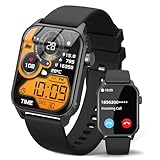
- 【1.83" HD Display & Customizable Watch Faces】Immerse yourself in a vibrant 1.83-inch IPS display, boasting a sharp resolution of 240*284 for crystal-clear visuals. Effortlessly personalize your smart watch with a wide array of customizable watch faces to suit your personal style for every occasion—whether trendy, artistic, or minimalist—ideal for casual, sporty, or professional. Its sleek, modern design complements any outfit, blending technology and fashion seamlessly for everyday wear
- 【120 Sports Modes & Advanced Health Tracking】Our TK29 smart watches for women men come equipped with 120 sports modes, allowing you to effortlessly track a variety of activities such as walking, running, cycling, and swimming. With integrated heart rate and sleep monitors, you can maintain a comprehensive overview of your health, achieve your fitness goals, and maintain a balanced, active lifestyle with ease. Your ideal wellness companion (Note: Step recording starts after exceeding 20 steps)
- 【IP67 Waterproof & Long-Lasting Battery】Designed to keep up with your active lifestyle, this smartwatch features an IP67 waterproof rating, ensuring it can withstand splashes, sweat, and even brief submersion, making it perfect for workouts, outdoor adventures, or rainy days. Its reliable 350mAh battery offering 5-7 days of active use and up to 30 days in standby mode, significantly reducing frequent charging. Ideal for all-day wear, whether you’re at the gym, outdoors, or simply on the go
- 【Stay Connected Anytime, Anywhere】Stay informed and in control with Bluetooth call and music control features. Receive real-time notifications for calls, messages, and social media apps like Facebook, WhatsApp, Twitter, and Instagram directly on your smartwatch. Easily manage calls, control your music playlist, and stay updated without needing to reach for your phone. Perfect for work, workouts, or on-the-go, this watch keeps you connected and never miss important updates wherever you are
- 【Multifunction & Wide Compatibility】Seamlessly handle heart rate monitoring, sleep tracking, and enjoy conveniences like camera/music control, Seamlessly handle heart rate monitoring, sleep tracking, and more-all directly from your wrist. This 1.83 inches HD smartwatch is compatible with iPhone (iOS 9.0+) & Android (5.0+), ensuring smooth daily connectivity and convenience throughout your day. More than just a timepiece, it’s a stylish, all-in-one wearable for smarter, healthier living
Rather than issuing bespoke medical hardware to every patient, the NHS signals a preference for using devices people already own, provided the data meets minimum accuracy and reliability thresholds. That opens the door to mainstream smartwatches with optical heart rate sensors, SpO2 tracking, skin temperature trends, and activity monitoring.
The emphasis is on longitudinal data rather than single readings. A smartwatch worn 23 hours a day, with solid comfort, decent battery life, and reliable skin contact, becomes more valuable to the NHS than a one-off clinical measurement taken once every few months.
Which health metrics the NHS actually cares about
Heart rate remains the most immediately useful metric, particularly resting heart rate trends and irregular rhythm alerts. The plan highlights atrial fibrillation detection and early deterioration monitoring as key use cases, areas where Apple Watch ECG features and Fitbit’s irregular rhythm notifications already overlap with NHS priorities.
Blood oxygen saturation is treated more cautiously. SpO2 data from wearables is seen as trend-based rather than diagnostic, useful for flagging changes in respiratory patients but not as a replacement for clinical-grade pulse oximeters.
Activity levels, sleep duration, and recovery indicators are also central. Step counts and movement data are not about fitness bragging rights, but about spotting decline, frailty risk, or post-discharge setbacks before they escalate into emergency admissions.
How consumer wearables are expected to integrate with NHS systems
The plan does not promise direct syncing from your smartwatch into your GP record tomorrow. Instead, it prioritises platform-level integration through NHS-approved apps, digital pathways, and remote monitoring services that can ingest wearable data in a controlled way.
This means the software experience matters as much as the hardware. Devices with mature ecosystems, stable APIs, and consistent data formatting are far better positioned than cheaper wearables with opaque algorithms or limited export options.
Battery life and reliability are quietly critical here. A watch that needs daily charging or frequently drops skin contact is less suitable for clinical workflows than one that can run for five to seven days and maintain consistent data capture without user intervention.
Why the NHS is pushing wearables now
The transformation plan is blunt about workforce shortages and rising demand. Wearables are positioned as a force multiplier, allowing clinicians to monitor hundreds of patients asynchronously rather than relying on scheduled appointments alone.
Prevention is another driver. By identifying deterioration earlier, whether that’s rising resting heart rate, falling activity levels, or disrupted sleep patterns, the NHS aims to intervene sooner and at lower cost.
There is also a behavioural angle. The plan recognises that people who can see their own data, presented clearly and contextually, are more likely to engage with treatment plans, medication adherence, and lifestyle changes.
What this means for everyday smartwatch owners
For consumers, this marks a shift in how smartwatches may be perceived by clinicians. Devices that were once dismissed as lifestyle gadgets are increasingly treated as credible sources of supporting health information, especially when trends align with symptoms.
It does not mean your GP will diagnose conditions based on your watch alone. The plan is clear that wearable data supplements clinical judgement rather than replacing it, and false positives remain a known limitation.
However, patients who can share consistent, well-documented data may find it easier to access remote services, virtual wards, and ongoing monitoring programmes, particularly for chronic conditions.
Data privacy, consent, and trust boundaries
The transformation plan places heavy emphasis on consent-driven data sharing. Wearable data is only intended to flow into NHS systems when patients explicitly opt in through approved digital services.
There is no suggestion of the NHS directly accessing raw data from Apple, Google, Samsung, or Fitbit platforms. Instead, the model relies on intermediaries that meet NHS data governance, security, and transparency standards.
For consumers, this means the brand of smartwatch matters less than how its data can be securely shared, controlled, and revoked, without locking users into permanent or opaque data agreements.
Limitations the NHS openly acknowledges
The plan is unusually frank about accuracy gaps, particularly for wrist-based sensors across different skin tones, body types, and medical conditions. Wearables are framed as risk indicators, not diagnostic tools.
Digital exclusion is another concern. Not everyone owns a smartwatch, and the NHS acknowledges the risk of widening health inequalities if wearable-led services are not carefully designed.
As a result, wearables are positioned as an enhancement to care pathways, not a mandatory requirement, with traditional routes remaining available for those without access to compatible technology.
Why the NHS Is Betting on Consumer Wearables Now (And Why This Time Is Different)
Taken together, the plan’s cautious framing around consent, accuracy, and inequality raises a natural question: if the NHS has experimented with digital monitoring before, why place such strategic weight on consumer wearables now?
The answer lies less in a sudden faith in smartwatches, and more in a convergence of technology maturity, system pressure, and patient behaviour that did not exist even five years ago.
A health system under pressure, not a tech experiment
Unlike earlier pilots that treated wearables as optional add-ons, the transformation plan positions them as infrastructure support for an overstretched system. Virtual wards, hospital-at-home services, and long-term condition management all depend on reliable ways to observe patients between appointments.
In that context, wrist-based devices offer something the NHS struggles to scale on its own: continuous, low-friction data capture without deploying clinical staff or bespoke hardware. A £250 smartwatch worn daily is cheaper and easier than repeated in-person checks or specialist monitoring equipment.
Crucially, the plan does not frame wearables as innovative gadgets, but as pragmatic tools to help move care out of hospitals and into homes where possible.
The technology has quietly crossed a credibility threshold
The NHS’s tone reflects a recognition that modern consumer wearables are no longer crude step counters. Today’s mainstream devices routinely track resting heart rate trends, heart rate variability, blood oxygen saturation, sleep stages, respiratory rate, and activity intensity with increasing consistency.
Battery life improvements, particularly on Fitbit, Garmin, and Samsung devices, mean multi-day wear without charging gaps that once undermined data continuity. Comfort and materials have improved too, with lighter cases, softer straps, and better skin tolerance making 24-hour wear more realistic for older users and patients with chronic conditions.
While these sensors still fall short of medical-grade diagnostics, the NHS appears satisfied that trend-level insights are now stable enough to flag deterioration, recovery, or non-adherence earlier than traditional check-ins.
Patients are already self-monitoring, with or without the NHS
One unspoken driver behind the plan is behavioural reality. Millions of UK residents already track sleep, activity, and heart metrics daily, often bringing screenshots or summaries to GP appointments.
The NHS is effectively choosing to meet patients where they are, rather than ignoring data that is already shaping how people understand their own health. By defining approved pathways and standards for sharing, the system can channel this behaviour into something clinically useful rather than anecdotal.
This also helps explain why the plan focuses on integration rather than device endorsement. The NHS is not telling people what to buy, but acknowledging that Apple Watches, Fitbits, Samsung Galaxy Watches, and similar devices are already embedded in everyday life.
Interoperability has finally caught up with ambition
Previous NHS digital initiatives often stumbled on fragmented IT systems and poor data flow. The current plan leans heavily on newer interoperability frameworks, shared care records, and API-driven data exchange that make selective wearable integration feasible.
Rather than pulling raw sensor streams into NHS databases, the model emphasises summaries, thresholds, and alerts processed through approved platforms. This reduces data overload for clinicians while still preserving meaningful trends.
For consumers, this means your smartwatch’s software experience and export options matter more than ever. Devices that play nicely with third-party health platforms and allow granular consent controls are better positioned for future NHS-facing use.
Chronic conditions have shifted the cost-benefit equation
The NHS is explicit that wearables are most valuable for ongoing conditions rather than acute diagnosis. Cardiovascular disease, respiratory illness, diabetes, and recovery after surgery all benefit from longitudinal monitoring rather than snapshot measurements.
In these cases, even imperfect data can be useful if it is consistent. A patient’s baseline matters more than textbook accuracy, and consumer wearables excel at showing deviations from personal norms over weeks or months.
This reframes smartwatches from being general wellness accessories to potential companions in long-term care, especially when combined with remote consultations and digital triage tools.
Why this moment feels different from past digital pushes
What distinguishes this plan from earlier enthusiasm cycles is restraint. The NHS openly states what wearables cannot do, limits their role to supportive monitoring, and avoids tying access to care to device ownership.
At the same time, the plan acknowledges that ignoring consumer technology is no longer realistic. The scale of adoption, the maturity of sensors, and the urgency of healthcare transformation have aligned.
For everyday users, this does not mean your watch becomes a medical device overnight. It does suggest that the data you already generate may increasingly influence how, when, and where you receive care, provided you choose to share it on your terms.
The Health Metrics That Matter Most: From Heart Rate and AFib to Sleep, Activity and Oxygen Levels
Against this backdrop of selective integration and long-term monitoring, the NHS plan is clear about which data streams are worth paying attention to. Not all smartwatch metrics are equal, and the transformation strategy prioritises signals that are continuous, trend-based, and clinically interpretable when viewed over time.
Rank #2
![Apple Watch Series 11 [GPS 46mm] Smartwatch with Jet Black Aluminum Case with Black Sport Band - M/L. Sleep Score, Fitness Tracker, Health Monitoring, Always-On Display, Water Resistant](https://m.media-amazon.com/images/I/312K597M2uL._SL160_.jpg)
- HYPERTENSION NOTIFICATIONS — Apple Watch Series 11 can spot signs of chronic high blood pressure and notify you of possible hypertension.*
- KNOW YOUR SLEEP SCORE — Sleep score provides an easy way to help track and understand the quality of your sleep, so you can make it more restorative.
- EVEN MORE HEALTH INSIGHTS — Take an ECG anytime.* Get notifications for a high and low heart rate, an irregular rhythm,* and possible sleep apnea.* View overnight health metrics with the Vitals app* and take readings of your blood oxygen.*
- STUNNING DESIGN — Thin and lightweight, Series 11 is comfortable to wear around the clock — while exercising and even when you’re sleeping, so it can help track your key metrics.
- A POWERFUL FITNESS PARTNER — With advanced metrics for all your workouts, plus features like Pacer, Heart Rate Zones, training load, Workout Buddy powered by Apple Intelligence from your nearby iPhone,* and more. Series 11 also comes with three months of Apple Fitness+ free.*
For consumers, this helps cut through the noise of ever-expanding dashboards. The metrics the NHS is focusing on are largely the same ones that modern smartwatches already track well, provided the sensors are worn consistently and the software presents the data in a usable way.
Heart rate and rhythm: the foundation metric
Heart rate remains the single most important metric in the NHS wearable strategy. Resting heart rate, heart rate variability trends, and abnormal elevations or drops are all useful indicators when tracked longitudinally, particularly for cardiovascular disease, recovery monitoring, and medication response.
A key distinction here is trend reliability rather than moment-to-moment precision. Optical heart rate sensors from Apple, Samsung, Garmin, Fitbit and others are now mature enough that week-to-week changes carry meaningful signal, even if absolute accuracy varies by wrist size, skin tone, or strap fit.
Atrial fibrillation detection sits slightly apart. Watches that offer passive AFib monitoring or on-demand ECGs are not positioned as diagnostic tools, but as early warning systems that can prompt clinical follow-up. The NHS plan repeatedly frames AFib alerts as a triage aid, helping identify patients who may benefit from formal testing rather than replacing it.
This places real-world wearability front and centre. Comfortable cases, breathable straps, good battery life, and unobtrusive dimensions matter because missed nights or days reduce the value of rhythm monitoring. A watch that lasts 36 to 72 hours and charges quickly is more useful here than one with marginally better sensor specs but poor compliance.
Activity and movement: simple data with system-wide impact
Step count, active minutes, and general movement patterns may sound basic, but they are explicitly recognised as high-value signals. The NHS links activity data to cardiovascular risk, post-operative recovery, respiratory health, and long-term condition management.
What matters is not hitting a universal target, but spotting decline. A gradual drop in daily steps or active time can flag worsening symptoms, reduced mobility, or the early stages of illness, often before a patient seeks help.
From a consumer perspective, this reinforces the value of watches that prioritise all-day comfort and accurate background tracking rather than aggressive workout modes alone. Lightweight cases, balanced lug-to-lug dimensions, and straps that can be worn overnight without irritation all contribute to better data continuity.
It also explains why the NHS is wary of gamified metrics being used in isolation. Rings, badges, and streaks are motivational tools, but the health system is interested in the underlying patterns, not whether you closed a goal on a given day.
Sleep duration and quality: imperfect but increasingly useful
Sleep tracking occupies a nuanced position in the plan. The NHS acknowledges that consumer sleep staging is not medically precise, but still sees value in duration, consistency, and disturbance trends.
Short sleep, fragmented nights, and changing sleep timing correlate strongly with mental health, metabolic conditions, and cardiovascular risk. Over weeks or months, even coarse data can support clinical conversations, particularly when patients struggle to articulate fatigue or insomnia symptoms.
This places emphasis on overnight wearability and battery endurance. Watches with bulky cases, rigid bracelets, or daily charging requirements are less likely to capture usable sleep data. Softer straps, slim profiles, and multi-day battery life meaningfully improve compliance, regardless of brand.
Software transparency also matters. Platforms that clearly explain what is being measured, allow users to correct obvious errors, and make historical trends easy to export align better with the NHS’s emphasis on summaries rather than raw data dumps.
Blood oxygen and respiratory indicators: context over certainty
Blood oxygen saturation is treated cautiously. The NHS plan does not position SpO2 from smartwatches as a standalone diagnostic metric, but it recognises its value when combined with symptoms, sleep data, and known respiratory conditions.
For people with asthma, COPD, or post-COVID complications, overnight oxygen trends and sudden deviations from baseline can support remote monitoring and escalation decisions. Daytime spot checks are less emphasised than nocturnal patterns, where changes are more informative.
Consumers should understand the limitations. Wrist-based SpO2 is sensitive to movement, fit, and skin contact, and readings can vary between devices. The NHS approach relies on direction of travel rather than absolute percentages, reinforcing the idea that consistency with one device matters more than chasing the “best” sensor on paper.
What is notably absent: stress scores, readiness and proprietary composites
Equally telling is what the NHS does not prioritise. Stress scores, readiness metrics, and brand-specific health indices are largely absent from the plan, not because they are useless, but because they lack standardisation and clinical interpretability.
These composite scores can be helpful for personal insight, but they are difficult to translate into shared decision-making within a public healthcare system. The NHS focus remains on metrics that can be explained, contextualised, and compared against a patient’s own history.
For smartwatch owners, this draws a clearer line between consumer wellness features and health-adjacent data with system-level relevance. The watch you enjoy using day to day can still be the right one for NHS-facing integration, but the data that ultimately matters is simpler, quieter, and more consistent than marketing often suggests.
The overarching message is restraint paired with realism. The NHS is not asking for more data, but for the right data, captured comfortably, over time, and shared deliberately when it serves patient care.
Which Smartwatches and Wearables Are Best Positioned for NHS Integration
Against that backdrop of restraint and clinical pragmatism, a clearer picture emerges of which consumer wearables naturally align with the NHS vision. It is less about who has the most sensors, and more about who can deliver consistent, interpretable data over months and years, with minimal friction for patients.
Interoperability, long-term comfort, battery life, and data governance matter as much as headline features. Devices that already behave like quiet, reliable companions rather than constant performance coaches are the ones best suited to NHS-facing use.
Apple Watch: Strong data foundations, but ecosystem-dependent
Apple Watch is arguably the most clinically mature consumer smartwatch on the market, particularly when it comes to heart rate trends, ECG recordings, and atrial fibrillation detection. NHS clinicians are already familiar with Apple Watch ECG PDFs, which patients can export and share during consultations, and Apple has invested heavily in regulatory clearances and clinical validation.
From a wearability perspective, recent aluminium Apple Watch models remain relatively light and comfortable for 24-hour use, though daily charging is still the biggest limitation. Battery life of roughly 18 to 36 hours means some users will struggle to capture uninterrupted overnight data, which is precisely where the NHS sees the most value.
The larger structural issue is ecosystem dependency. Apple Watch requires an iPhone, which limits accessibility across socioeconomic groups. For NHS integration at scale, Apple Watch works best as a bring-your-own-device option rather than a universal solution.
Fitbit: Population-scale health tracking with NHS precedent
Fitbit’s strengths map closely to NHS priorities: long-term trends, passive monitoring, and strong sleep and activity baselines. Devices like the Charge series and Inspire trackers are lightweight, comfortable, and capable of running for five to seven days on a single charge, making them well suited to continuous wear.
Historically, Fitbit has already partnered with NHS pilot programmes, particularly around activity tracking and weight management, which gives it institutional familiarity. Resting heart rate trends, sleep duration, sleep regularity, and activity consistency are all areas where Fitbit data is easy to interpret at scale.
The challenge lies in Fitbit’s evolving identity under Google ownership. While data infrastructure is robust, consumer trust around health data handling remains a live issue. That said, from a pure usability and population-health standpoint, Fitbit remains one of the most NHS-aligned platforms available today.
Garmin: Excellent sensors, but a performance-first philosophy
Garmin devices are renowned for sensor quality, battery life, and durability. Watches like the Venu Sq or Vivoactive series can comfortably last a week or more, track heart rate continuously, and capture reliable sleep and SpO2 trends when worn overnight.
However, Garmin’s software layer is heavily oriented toward athletes. Training load, VO2 max estimates, and recovery metrics dominate the interface, while simpler health summaries are often buried. This does not disqualify Garmin from NHS relevance, but it raises the barrier for less tech-confident users.
For patients who already own Garmin devices and wear them consistently, the underlying data quality is strong. As a default NHS-facing wearable, though, Garmin’s performance-centric framing may limit its reach.
Samsung Galaxy Watch: Improving rapidly, with Android reach
Samsung’s Galaxy Watch line has made notable strides in health tracking, particularly in heart rate accuracy, sleep staging, and blood pressure monitoring in supported regions. For Android users, it fills a similar role to Apple Watch, with tighter phone integration than most rivals.
Battery life typically sits between one and three days depending on model and usage, which again poses challenges for uninterrupted overnight monitoring. Comfort has improved with slimmer cases and softer straps, but larger case sizes may not suit all wrists, especially among older patients.
Samsung’s key advantage is Android reach. If NHS integration leans toward patient-owned devices rather than issued hardware, Galaxy Watch stands out as one of the more viable Android-compatible options.
Withings: Medical-adjacent devices that speak the NHS language
Withings occupies a unique space between consumer wellness and medical devices. Its ScanWatch line, with a hybrid analogue-digital design, offers multi-day battery life measured in weeks, not days, while quietly tracking heart rate, sleep, SpO2, and ECG on supported models.
From a comfort and compliance perspective, these watches behave more like traditional timepieces. Stainless steel cases, sapphire glass, and slim profiles make them easy to wear continuously without the psychological burden of a “gadget”.
Withings’ emphasis on longitudinal health reports and clinician-friendly summaries aligns closely with NHS thinking. While they lack the rich app ecosystems of Apple or Samsung, they are arguably better tuned to the NHS preference for calm, explainable data.
Rings and minimalist wearables: Useful, but supplementary
Wearable rings and screenless trackers offer excellent comfort and multi-day battery life, making them attractive for sleep and resting heart rate trends. Their discreet form factor improves adherence, particularly among users who dislike wrist devices.
The limitation is context. Without screens, user engagement relies entirely on companion apps, and many platforms lean heavily on proprietary readiness or stress scores that the NHS explicitly does not prioritise. Data access and export options also vary widely.
In an NHS setting, these devices are better viewed as supplementary tools rather than primary interfaces. They can support trend monitoring, but they are unlikely to become frontline integration points on their own.
The quiet winners: devices people actually wear
Perhaps the most important insight from the NHS plan is that the best-positioned wearable is often the one already on someone’s wrist. Comfort, charging habits, strap materials, skin tolerance, and personal routine all influence whether data is captured consistently enough to be clinically useful.
Rank #3

- Bluetooth Call and Message Alerts: Smart watch is equipped with HD speaker, after connecting to your smartphone via bluetooth, you can answer or make calls, view call history and store contacts through directly use the smartwatch. The smartwatches also provides notifications of social media messages (WhatsApp, Twitter, Facebook, Instagram usw.) So that you will never miss any important information.
- Smart watch for men women is equipped with a 320*380 extra-large hd full touch color screen, delivering exceptional picture quality and highly responsive touch sensitivity, which can bring you a unique visual and better interactive experience, lock screen and wake up easily by raising your wrist. Though “Gloryfit” app, you can download more than 102 free personalised watch faces and set it as your desktop for fitness tracker.
- 24/7 Heart Rate Monitor and Sleep Tracker Monitor: The fitness tracker watch for men has a built-in high-performance sensor that can record our heart rate changes in real time. Monitor your heart rate 26 hours a day and keep an eye on your health. Synchronize to the mobile phone app"Gloryfit", you can understand your sleep status(deep /light /wakeful sleep) by fitness tracker watch develop a better sleep habit and a healthier lifestyle.
- IP68 waterproof and 110+ Sports Modes: The fitness tracker provides up to 112+ sports modes, covering running, cycling, walking, basketball, yoga, football and so on. Activity trackers bracelets meet the waterproof requirements for most sports enthusiasts' daily activities, such as washing hands or exercising in the rain, meeting daily needs (note: Do not recommended for use in hot water or seawater.)
- Multifunction and Compatibility: This step counter watch also has many useful functions, such as weather forecast, music control, sedentary reminder, stopwatch, alarm clock, timer, track female cycle, screen light time, find phone etc. The smart watch with 2 hrs of charging, 5-7 days of normal use and about 30 days of standby time. This smart watches for women/man compatible with ios 9.0 and android 6.2 and above devices.
Lightweight watches with breathable straps, unobtrusive designs, and reliable background tracking outperform technically superior devices that sit on a bedside table. From the NHS perspective, adherence is a feature.
This reframes the consumer decision. Rather than chasing the most advanced sensor suite, NHS-aligned value comes from choosing a wearable that fits comfortably into daily life, produces stable trends, and allows data to be shared simply when it matters.
How Wearable Data Could Flow Into NHS Services: Apps, GP Surgeries and Remote Monitoring
The NHS transformation plan is careful not to promise a single, universal pipeline where every smartwatch streams data straight into your medical record. Instead, it describes a layered approach, where wearable data flows through familiar consumer apps, structured NHS platforms, and targeted clinical services when it is actually useful.
In practice, this means wearables become inputs, not replacements, for clinical judgement. The emphasis is on trend-aware, consent-driven sharing rather than raw data firehoses landing on already stretched GP systems.
The NHS App as the front door, not the database
For most consumers, the NHS App is expected to become the primary gateway for wearable-enabled services. Rather than ingesting continuous heart rate or sleep data directly, the app acts as a hub for approved services, remote monitoring programmes, and condition-specific tools.
Think of it as orchestration rather than storage. A smartwatch may feed data into Apple Health, Samsung Health, Fitbit, or a manufacturer’s own app, and from there selected insights can be surfaced to NHS-linked services when a patient is enrolled in a relevant pathway.
This distinction matters. The NHS is signalling that it wants curated summaries, alerts, and clinically meaningful trends, not minute-by-minute sensor logs.
From consumer apps to clinical systems: where integration actually happens
The plan places heavy emphasis on standards-based interoperability, particularly through NHS-approved APIs and formats aligned with FHIR (Fast Healthcare Interoperability Resources). This is the plumbing that allows data to move safely between apps, GP systems, and hospital platforms.
In real terms, this could look like a patient authorising a blood pressure or heart rhythm summary from a smartwatch app to be shared with their GP ahead of a review. The GP doesn’t see your entire fitness history, just a structured report designed to fit existing workflows.
This also explains why the NHS is cautious about proprietary “scores”. Metrics like resting heart rate trends, irregular rhythm flags, average blood pressure, activity consistency, and sleep duration are easier to contextualise than opaque readiness or stress indices.
GP surgeries: selective visibility, not continuous surveillance
A recurring concern among clinicians is workload, and the NHS plan reflects that reality. GP surgeries are not expected to monitor live dashboards of patient wearable data.
Instead, wearable-derived information is likely to appear in three scenarios: patient-initiated sharing during appointments, clinician-requested monitoring for a defined period, or automated alerts triggered by pre-agreed thresholds. Outside of these contexts, data stays with the patient.
For consumers, this reinforces an important point. Wearing a smartwatch does not mean your GP is watching your health metrics day-to-day. Control over when data is shared remains central to the model.
Remote monitoring programmes: where wearables matter most
The most concrete role for wearables sits within structured remote monitoring services. These are programmes where patients with specific conditions are enrolled for ongoing observation, often to reduce hospital visits or detect deterioration earlier.
Examples include hypertension management using connected blood pressure cuffs, atrial fibrillation monitoring using ECG-capable watches, or post-discharge recovery tracking where activity and heart rate trends flag complications. In these cases, wearables are paired with clinical oversight and clear escalation pathways.
Battery life, comfort, and reliability become critical here. A watch that lasts two days but is consistently worn and charged on schedule is more valuable than a feature-rich device that users abandon after a week.
Consent, privacy, and the limits of data sharing
The NHS is explicit that wearable integration must be opt-in and reversible. Patients decide if, when, and how their data is shared, and consent is tied to specific services rather than blanket access.
Data is also purpose-limited. Information shared for a cardiac monitoring programme is not automatically repurposed for unrelated care or research without additional consent. This is designed to preserve trust as consumer devices move closer to clinical environments.
For smartwatch owners, this means engaging with NHS-linked wearable services should feel closer to joining a programme than surrendering a data stream.
What this means for everyday wearable users
For most people, the immediate change will be subtle. Your smartwatch won’t suddenly sync itself to your GP record, and your daily step count won’t become a medical metric overnight.
What will change is optionality. As NHS services increasingly recognise consumer-grade wearables as valid data sources, owning a compatible, comfortable, well-supported device becomes a practical advantage rather than a novelty.
Over time, this could shift purchasing decisions. Software support, long-term updates, battery longevity, sensor stability, and transparent data export may matter more than headline features, because they determine whether a device can realistically participate in NHS-enabled care when it counts.
What This Means for Patients: Chronic Conditions, Prevention, and Earlier Intervention
Seen in the context of consent, optionality, and clinical oversight, the NHS’s emphasis on wearables becomes less about gadgets and more about changing how care is delivered over time. For patients, the biggest shift is not constant monitoring, but more continuous awareness that sits between appointments.
Rather than replacing clinicians, smartwatches and connected devices are being positioned as early-warning systems. They help surface trends that might otherwise go unnoticed until symptoms escalate.
Chronic condition management becomes more continuous, not more intrusive
For people living with long-term conditions, wearables offer a way to smooth the peaks and troughs of NHS contact. Conditions like atrial fibrillation, hypertension, diabetes, COPD, and heart failure are explicitly referenced in NHS digital plans as areas where remote monitoring can reduce hospital admissions.
In practical terms, this might mean an ECG-capable smartwatch flagging irregular rhythm episodes, or a wearable detecting sustained changes in resting heart rate, activity tolerance, or sleep that correlate with deterioration. These signals do not trigger automatic diagnoses, but they can prompt earlier check-ins or medication reviews.
Comfort and wearability matter here. A lightweight watch with a curved case, breathable strap, and stable sensors is far more likely to be worn consistently than a bulky device, even if the latter boasts more features. Consistency is what turns raw data into something clinically useful.
Earlier intervention shifts care upstream
One of the NHS’s core goals is reducing late-stage intervention, where treatment is more complex and outcomes are poorer. Wearables support this by identifying gradual changes rather than acute events.
Rising resting heart rate, declining daily activity, increased nocturnal awakenings, or reduced heart rate variability can all act as soft indicators of stress, infection, or cardiovascular strain. When combined with symptom reporting and clinician review, these trends enable action weeks earlier than traditional appointment-based care.
For patients, this can mean fewer emergency visits and more planned, less disruptive care. It also reframes the smartwatch from a fitness motivator into a preventive health tool that works quietly in the background.
Prevention becomes personalised rather than generic
Population-level advice like “move more” or “sleep better” is notoriously hard to sustain. Wearables allow prevention to become personalised, using a patient’s own baseline rather than a national average.
The NHS plan leans into this by supporting tools that track changes relative to an individual’s normal patterns. A drop in step count, increased sedentary time, or worsening sleep quality may matter more than absolute numbers, especially for older patients or those with mobility limitations.
Battery life and reliability are critical. Devices that need daily charging or lose accuracy when worn loosely often fail in real-world use. Watches that last four to seven days, maintain sensor contact during everyday movement, and sync reliably with companion apps are better suited to preventive roles.
Empowerment without shifting responsibility onto patients
A recurring concern with health tech is whether it quietly transfers responsibility from the system to the individual. The NHS is explicitly trying to avoid that trap.
Wearable data is framed as supportive, not obligatory. Patients are not expected to interpret ECG traces or diagnose themselves. Instead, data is used to enrich conversations with clinicians and guide decisions already grounded in medical judgement.
For patients managing anxiety or health-related stress, this distinction matters. Alerts, thresholds, and review processes are intended to be clinically calibrated, not driven by consumer app gamification.
What patients should realistically expect in the near term
In the short term, access will likely come through specific NHS programmes rather than universal rollout. Cardiology, respiratory care, post-operative recovery, and frailty services are among the most likely entry points.
Patients may be offered guidance on compatible devices rather than being issued a watch outright. This places emphasis on owning a smartwatch with proven sensor accuracy, stable software updates, and clear data export options, whether that’s an Apple Watch, certain Samsung Galaxy models, or approved Fitbit devices.
The upside is choice. Patients can use devices they already find comfortable and familiar, rather than adapting to unfamiliar medical hardware. The limitation is that not every feature, metric, or brand will be clinically recognised, at least initially.
A quieter but more meaningful role for wearables in NHS care
Taken together, the NHS approach suggests a future where smartwatches are neither medical devices nor lifestyle accessories alone. They sit in the middle, quietly informing care without dominating it.
For patients, this means fewer surprises, earlier conversations, and care that responds to change rather than crisis. The transformation is incremental, but for those with chronic conditions or elevated risk, it could meaningfully reshape how often, and how urgently, they need the NHS.
Rank #4
![Apple Watch Series 11 [GPS 42mm] Smartwatch with Rose Gold Aluminum Case with Light Blush Sport Band - S/M. Sleep Score, Fitness Tracker, Health Monitoring, Always-On Display, Water Resistant](https://m.media-amazon.com/images/I/31J+F-pXaWL._SL160_.jpg)
- HYPERTENSION NOTIFICATIONS — Apple Watch Series 11 can spot signs of chronic high blood pressure and notify you of possible hypertension.*
- KNOW YOUR SLEEP SCORE — Sleep score provides an easy way to help track and understand the quality of your sleep, so you can make it more restorative.
- EVEN MORE HEALTH INSIGHTS — Take an ECG anytime.* Get notifications for a high and low heart rate, an irregular rhythm,* and possible sleep apnea.* View overnight health metrics with the Vitals app* and take readings of your blood oxygen.*
- STUNNING DESIGN — Thin and lightweight, Series 11 is comfortable to wear around the clock — while exercising and even when you’re sleeping, so it can help track your key metrics.
- A POWERFUL FITNESS PARTNER — With advanced metrics for all your workouts, plus features like Pacer, Heart Rate Zones, training load, Workout Buddy powered by Apple Intelligence from your nearby iPhone,* and more. Series 11 also comes with three months of Apple Fitness+ free.*
Battery Life, Accuracy and Real-World Usability: Where Consumer Wearables Still Fall Short
The NHS’s careful positioning of wearables as supportive tools rather than diagnostic authorities reflects a hard reality: today’s consumer smartwatches are still constrained by everyday practical limits. These limits matter far more in a healthcare context than they do in fitness or lifestyle tracking, because gaps in data are not just inconvenient, they can undermine clinical confidence.
As wearables move closer to routine NHS use, three pressure points stand out: battery life, sensor accuracy across diverse bodies and conditions, and how well these devices actually fit into real lives over weeks and months.
Battery life remains the quiet Achilles’ heel
Most mainstream smartwatches prioritised for NHS compatibility sit at the one-to-two-day battery life mark. Apple Watch and Samsung Galaxy Watch models, even with efficient chipsets and LTPO OLED displays, still require frequent charging if features like heart rate sampling, sleep tracking, and background motion monitoring are enabled.
In a consumer context, nightly charging is an accepted compromise for a slim case, polished finishing, and responsive touchscreens. In a healthcare context, it introduces risk. Missed overnight charging means missing sleep data, nocturnal heart rate trends, or oxygen saturation patterns that may be clinically relevant.
Longer-lasting wearables such as Fitbit Sense or certain Garmin models reduce this friction, but often trade off smartwatch responsiveness, third‑party app ecosystems, or seamless NHS-friendly data export. The NHS’s reluctance to mandate a single device type reflects this tension, but it does not make the battery problem disappear.
Accuracy varies more than marketing suggests
Optical heart rate sensors, skin temperature estimates, SpO₂ readings, and ECG capabilities have all improved markedly over the past five years. Yet accuracy still varies depending on wrist size, skin tone, motion, ambient temperature, and how tightly or consistently a device is worn.
For example, heart rate tracking during steady rest is generally reliable across leading brands, but accuracy drops during irregular movement or in patients with arrhythmias. Single‑lead ECGs, while valuable for flagging possible atrial fibrillation, remain limited snapshots rather than continuous diagnostic tools.
From an NHS perspective, this is why wearable data is treated as contextual rather than definitive. A clinician may use trends over weeks to inform a conversation, but a single anomalous reading is unlikely to trigger action without corroboration. For consumers accustomed to precise-looking charts and percentages, this softer interpretation can feel underwhelming, but it is clinically safer.
Comfort, fit, and materials affect data quality
Real-world usability is not just about software. Case thickness, lug design, strap material, and overall weight influence whether a watch is worn consistently enough to generate meaningful data.
Aluminium cases with fluoroelastomer straps, common on Apple Watch and Fitbit devices, tend to be lighter and more forgiving for overnight wear. Stainless steel cases, metal bracelets, or heavier rotating bezels can improve durability and perceived value but may reduce sleep compliance for some users.
For patients with arthritis, frailty, or sensory sensitivities, even strap stiffness or clasp mechanisms matter. A watch left on a bedside table collects no data, no matter how advanced its sensors are, and the NHS is acutely aware that adherence cannot be assumed.
Software friction and data gaps still exist
Even when hardware performs well, software ecosystems introduce their own limitations. Updates can alter algorithms without clear explanation, metrics may be renamed or removed, and data access rules can change depending on commercial priorities rather than clinical needs.
Exporting raw or longitudinal data in formats suitable for NHS systems is not always straightforward. Some platforms prioritise summaries over granularity, while others restrict historical access unless subscriptions are maintained. For patients moving between NHS programmes or devices, continuity can suffer.
This is one reason the NHS transformation plan emphasises standards, interoperability, and clinician-facing dashboards rather than direct reliance on consumer apps. The watch on the wrist is only one link in a longer chain, and that chain is still being stabilised.
Why these shortcomings shape NHS expectations
Taken together, battery constraints, variable accuracy, and usability challenges explain why the NHS is advancing cautiously. Wearables are being integrated where they add incremental value, not where perfection is required.
For consumers, this means expectations need recalibration. A smartwatch used within NHS care is not there to deliver constant reassurance or instant answers. Its role is quieter: filling in gaps between appointments, highlighting patterns that might otherwise be missed, and supporting conversations grounded in clinical judgement.
Understanding where wearables still fall short helps explain why the NHS is not chasing headline features, but reliability, consistency, and patient trust instead.
Data Privacy, Consent and Trust: Who Owns Your Health Data and How the NHS Plans to Use It
If accuracy and usability set the technical ceiling for NHS use of wearables, data governance sets the emotional one. Trust determines whether people are willing to wear a device consistently, allow data sharing, and believe that information captured on their wrist will be used in their interest rather than against it.
The NHS transformation plan places unusual emphasis on consent, proportionality, and public confidence, reflecting lessons learned from earlier digital health initiatives. Smartwatches may be consumer products, but once their data enters NHS workflows, they are treated as part of a regulated health data environment.
Who owns wearable health data in an NHS context
In simple terms, data generated by a smartwatch belongs to the individual, not the NHS and not the device manufacturer. The transformation plan is explicit that participation in wearable-enabled services is opt-in, and that patients retain control over whether their data is shared, how much is shared, and for how long.
When a patient consents to data sharing, the NHS becomes a data controller for the specific information imported into its systems. This is a critical distinction: the NHS does not gain blanket access to a user’s entire Apple Health, Google Health Connect, or Fitbit history, only to the metrics required for a defined clinical purpose.
This matters for consumers who already use wearables for lifestyle tracking. Step counts, heart rate trends, sleep duration, or activity minutes may be relevant to one NHS programme, while more sensitive data such as menstrual tracking, location, or detailed sleep staging may remain entirely outside NHS access unless explicitly agreed.
Consent is granular, revocable, and programme-specific
Unlike traditional medical records, wearable data is not assumed to be continuously shared. The NHS plan frames consent as something that can be switched on and off, with patients able to withdraw data access without losing their wider entitlement to care.
In practice, this means wearable data is expected to be linked to specific services such as remote cardiac rehabilitation, hypertension monitoring, or post-operative recovery. When that service ends, the data flow is intended to stop, rather than quietly persist in the background.
For smartwatch owners, this addresses a common fear: that buying into one NHS-supported wearable scheme opens the door to indefinite monitoring. The plan repeatedly stresses time-limited use and purpose limitation, both core principles of UK data protection law.
How the NHS plans to use wearable data, and how it will not be used
The transformation plan is cautious about what wearable data should influence clinically. Smartwatch metrics are framed as contextual signals, not diagnostic evidence, and are used to support conversations rather than trigger automated decisions.
Clinicians may look at trends such as resting heart rate over weeks, activity consistency during recovery, or changes in sleep duration alongside symptoms and medical history. They are not expected to act on single outlier readings, algorithmic stress scores, or proprietary readiness metrics that cannot be independently validated.
Equally important is what the NHS states it will not do. Wearable data will not be used for surveillance, enforcement, or rationing care. There is no mechanism for penalising patients for low step counts, irregular wear, or data gaps caused by battery life, comfort issues, or personal choice.
Separation from commercial ecosystems and advertising
A key concern for consumers is whether sharing smartwatch data with the NHS indirectly benefits device makers or third parties. The plan draws a clear boundary: NHS-held data is not shared back with manufacturers for marketing, product development, or advertising purposes.
While Apple, Google, Samsung, and others provide the platforms through which data is collected, the NHS intention is to ingest data via standardised interfaces rather than proprietary partnerships. This reduces dependence on any single brand and limits the risk of commercial influence over clinical decisions.
For users, this also means that agreeing to NHS data sharing does not change how their data is treated within the manufacturer’s own ecosystem. Privacy settings in the watch app still apply, and NHS consent does not override existing consumer agreements.
Security, storage, and the risk of re-identification
Once wearable data enters NHS systems, it is protected under the same security standards as other medical records. This includes encryption, access controls, audit trails, and restrictions on who can view or modify data.
The plan acknowledges concerns about re-identification, particularly when long-term wearable datasets are combined with other health records. To address this, aggregated data used for planning or research is anonymised, with strict controls on secondary use.
For the everyday smartwatch owner, this means individual-level data is intended to be visible only to relevant care teams, not analysts, insurers, or employers. While no system is entirely risk-free, the governance framework is designed to minimise exposure and misuse.
Building trust through transparency and patient choice
Perhaps the most telling aspect of the transformation plan is its recognition that public trust is fragile. The NHS commits to clearer explanations of what data is collected, why it matters, and how it influences care, rather than assuming patients will accept monitoring as a default.
This transparency is especially important for wearables, where the line between health tool and lifestyle gadget is already blurred. A smartwatch that feels comfortable, lasts several days on a charge, and fits easily into daily life is more likely to be worn, but trust determines whether its data is ever shared.
For consumers, the message is nuanced but reassuring. The NHS sees wearables as voluntary contributors to care, not silent observers. Control stays with the patient, and the success of the entire strategy depends less on sensor sophistication than on whether people believe the system deserves their data in the first place.
The Impact on Everyday Consumers: Should You Buy a Smartwatch With the NHS in Mind?
With trust, consent, and data governance now clearly framed, the question shifts from policy to practicality. If the NHS is serious about wearables becoming part of routine care, does that change what everyday consumers should look for when buying a smartwatch today?
For most people, the answer is not about rushing out to buy a specific “NHS-approved” device. It is about understanding which features are likely to matter more over the next few years, and which headline specs remain largely lifestyle extras rather than clinically useful tools.
What the NHS actually wants from your smartwatch
The transformation plan is clear that the NHS is not chasing novelty sensors or experimental health scores. Its focus is on metrics that are already reasonably validated, easy to collect passively, and useful at scale.
Heart rate trends, activity levels, sleep duration, and in some cases heart rhythm alerts sit at the top of that list. These are the kinds of signals that can support early intervention, remote monitoring, and long-term condition management without requiring patients to actively log data.
💰 Best Value
![Apple Watch Series 11 [GPS 42mm] Smartwatch with Jet Black Aluminum Case with Black Sport Band - S/M. Sleep Score, Fitness Tracker, Health Monitoring, Always-On Display, Water Resistant](https://m.media-amazon.com/images/I/31ybzrJZckL._SL160_.jpg)
- HYPERTENSION NOTIFICATIONS — Apple Watch Series 11 can spot signs of chronic high blood pressure and notify you of possible hypertension.*
- KNOW YOUR SLEEP SCORE — Sleep score provides an easy way to help track and understand the quality of your sleep, so you can make it more restorative.
- EVEN MORE HEALTH INSIGHTS — Take an ECG anytime.* Get notifications for a high and low heart rate, an irregular rhythm,* and possible sleep apnea.* View overnight health metrics with the Vitals app* and take readings of your blood oxygen.*
- STUNNING DESIGN — Thin and lightweight, Series 11 is comfortable to wear around the clock — while exercising and even when you’re sleeping, so it can help track your key metrics.
- A POWERFUL FITNESS PARTNER — With advanced metrics for all your workouts, plus features like Pacer, Heart Rate Zones, training load, Workout Buddy powered by Apple Intelligence from your nearby iPhone,* and more. Series 11 also comes with three months of Apple Fitness+ free.*
Blood oxygen readings and temperature trends are mentioned more cautiously, as supportive context rather than diagnostic tools. Blood pressure and glucose remain firmly in the realm of regulated medical devices, not general-purpose smartwatches, despite marketing claims elsewhere.
Compatibility matters more than brand loyalty
One of the strongest consumer implications is that ecosystem compatibility may soon outweigh brand preference. The NHS is not building bespoke smartwatch software; it is leaning on existing platforms that can export structured data securely into NHS-approved apps and services.
In practical terms, that means watches that integrate cleanly with Apple Health, Google Health Connect, or similar data hubs are better positioned than devices locked into proprietary silos. Apple Watch and Wear OS devices currently have the clearest pathway, but this could change as standards mature.
For consumers, this is less about choosing Apple versus Samsung, and more about checking whether your watch can share data beyond its own app, with granular consent controls. A beautifully finished case, premium strap, or slim profile still matters for daily wear, but software openness increasingly underpins long-term value.
Battery life, comfort, and boring reliability win out
If a smartwatch is going to support healthcare, it has to be worn consistently. That shifts the buying decision toward unglamorous but essential traits: battery life that comfortably lasts multiple days, a case size that does not interfere with sleep, and materials that do not irritate skin during 24/7 wear.
From a wearability perspective, lighter aluminium or composite cases, curved casebacks, and breathable straps often outperform heavier stainless steel designs, even if the latter feel more luxurious in hand. Water resistance suitable for daily life, rather than extreme sports, is usually sufficient.
The NHS plan implicitly rewards boring reliability over cutting-edge experimentation. A watch that captures clean heart rate data every day is more useful than one that offers dozens of health metrics but struggles with accuracy or uptime.
Will owning a smartwatch change how you interact with the NHS?
In the short term, most consumers should expect subtle changes rather than radical ones. You are unlikely to be told to buy a smartwatch by your GP, and appointments will not suddenly revolve around wrist data.
Where change is more likely is in specific pathways, such as remote monitoring for heart conditions, post-operative recovery, or managing long-term illnesses like atrial fibrillation. In these cases, having a compatible smartwatch could reduce clinic visits or provide reassurance between check-ins.
For healthier individuals, the benefit is more indirect. Wearable data may help flag patterns earlier, but it does not replace traditional diagnosis, and the NHS is careful to avoid encouraging self-diagnosis based on consumer devices alone.
Privacy concerns remain, but choice stays with the user
From a consumer perspective, one of the most reassuring aspects of the plan is that buying a smartwatch does not automatically pull you into NHS data sharing. Ownership of the device and its data remains separate from participation in NHS programmes.
You choose whether to connect a watch to an NHS service, which metrics to share, and for how long. Removing consent stops the flow of data, and your watch continues to function as it always has within its manufacturer’s ecosystem.
This means consumers can buy a smartwatch for fitness, convenience, or curiosity today without locking themselves into future healthcare use. The NHS model is opt-in by design, not a backdoor into passive surveillance.
Should the NHS influence your buying decision today?
For most buyers, the NHS transformation plan should be a secondary consideration, not the deciding factor. Daily usability, comfort, battery life, and platform compatibility still matter more than theoretical future integration.
That said, if you are choosing between two similarly priced devices, the one with stronger health tracking accuracy, longer support timelines, and open data sharing may age better as NHS integration expands. Think in terms of readiness rather than endorsement.
The NHS is not asking consumers to change how they shop for smartwatches overnight. It is signalling that everyday wearables, when designed well and used voluntarily, are moving from personal gadgets toward trusted tools within the UK’s healthcare ecosystem.
The Bigger Picture: How This Plan Could Redefine the Role of Smartwatches in UK Healthcare
Taken together, the NHS transformation plan marks a subtle but important shift in how consumer technology is viewed inside public healthcare. Smartwatches are no longer framed as novelty fitness gadgets or fringe wellness tools, but as potential extensions of routine care when used appropriately and voluntarily.
This does not mean the NHS is endorsing specific brands or telling people to buy a watch. Instead, it is building systems that can accept data from devices people already own, recognising that millions of wrists across the UK are quietly collecting health signals every day.
From episodic care to continuous signals
Traditionally, NHS care has been episodic. A patient sees a GP, attends a clinic, or undergoes a test, creating a snapshot of health at a single moment in time.
Wearables change that dynamic by offering continuous, low-friction monitoring in the background of everyday life. Resting heart rate trends, irregular rhythm alerts, sleep duration, activity levels, and in some cases blood oxygen saturation can provide context between appointments rather than replacing them.
The NHS plan leans into this idea cautiously. Data from smartwatches is positioned as an additional signal that may prompt earlier review, remote follow-up, or reassurance, rather than a diagnostic endpoint.
Why the NHS is prioritising wearables now
Several pressures are converging. An ageing population, rising rates of chronic conditions, and long waiting lists have forced the NHS to explore ways of delivering care beyond hospital walls.
At the same time, smartwatch hardware has matured. Optical heart rate sensors are more accurate than they were a decade ago, battery life has improved to support 24-hour wear, and software platforms are better at presenting trends rather than raw numbers.
For the NHS, this creates an opportunity to support remote monitoring at scale without issuing bespoke medical devices to every patient. If a person already wears a watch comfortably all day, the barrier to engagement is far lower.
What metrics actually matter in an NHS context
Despite marketing claims, only a narrow set of wearable metrics are currently meaningful for NHS integration. Heart rate trends, rhythm irregularity notifications, physical activity levels, and adherence to movement or rehab goals are the clearest examples.
Sleep data may play a supporting role, particularly for mental health or fatigue management, but it is treated as contextual rather than clinical. Advanced features like ECG recordings are relevant in specific pathways, such as atrial fibrillation monitoring, but only when validated and reviewed within structured services.
The plan avoids positioning consumer wearables as replacements for blood tests, imaging, or clinician assessment. Their value lies in pattern recognition over time, not single readings.
What this means for everyday smartwatch use
For consumers, the most noticeable change may be psychological rather than functional. Wearing a smartwatch increasingly feels like participating in a broader health ecosystem, even if you never connect it to the NHS.
Features such as all-day comfort, breathable straps, lightweight cases, and battery life that supports continuous wear become more important when a device is worn overnight and through normal routines. A watch that needs daily charging or feels bulky during sleep is less useful for long-term health tracking.
Software experience also matters. Clear trend visualisation, easy data export, and the ability to share specific metrics without oversharing everything align more closely with how NHS services are being designed.
A redefinition of trust, not a loss of control
One of the most significant shifts is cultural. The NHS is signalling that data generated by consumer devices can be trusted when used in the right context, without claiming ownership of that data.
This reframes the smartwatch as a personal tool first, and a healthcare adjunct second. Control remains with the user, and participation remains optional, which is critical for public confidence.
Rather than normalising surveillance, the plan attempts to normalise collaboration. Your watch works for you, and if you choose, it can also work with the NHS for specific purposes.
Limitations that still matter
It is equally important to be clear about what this plan does not do. It does not guarantee faster appointments, instant diagnoses, or universal NHS app integration for every watch model.
Data quality varies between devices, and not all consumers wear their watches consistently or correctly. Skin tone, wrist fit, sensor placement, and software algorithms all affect accuracy, which is why clinical oversight remains essential.
The NHS approach reflects this reality. Wearables are treated as supportive tools, not authoritative sources, and their role will expand slowly rather than explosively.
Where this leaves smartwatches in the UK healthcare landscape
Viewed as a whole, the transformation plan places smartwatches in a new middle ground. They are no longer just lifestyle accessories, but they are not medical devices by default either.
Instead, they sit at the intersection of personal technology and public health, offering a way to extend care beyond clinics without forcing consumers into new behaviours. That redefinition may be gradual, but it is meaningful.
For UK smartwatch owners, the message is simple. The device on your wrist is becoming more relevant to healthcare conversations, not because it replaces doctors, but because it helps bridge the gaps between them.