If you’ve ever opened your watch app and seen a single VO₂ max number seemingly define your fitness, you’re not alone in wondering what it really means. Is it raw endurance, heart strength, lung capacity, or some mix of everything you do in training. Understanding what that number truly represents is the difference between using it as a powerful guide or letting it mislead your training decisions.
VO₂ max is one of the most researched metrics in exercise physiology, but it’s also one of the most misunderstood in the wearable world. Before looking at how watches estimate it or how to improve it, you need clarity on the physiology behind the number and its very real limitations.
What VO₂ Max Measures at a Biological Level
VO₂ max represents the maximum amount of oxygen your body can take in, transport, and use during intense exercise. It’s measured in milliliters of oxygen per kilogram of body weight per minute, which is why lighter athletes often score higher even with similar cardiovascular capacity.
Physiologically, it reflects the combined performance of your lungs, heart, blood, and working muscles. Oxygen must move efficiently from the air you breathe to your bloodstream, be pumped by the heart, carried by red blood cells, and finally extracted by muscle mitochondria to produce energy.
🏆 #1 Best Overall
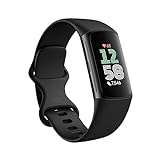
- Find your way seamlessly during runs or rides with turn-by-turn directions from Google Maps on Fitbit Charge 6[7, 8]; and when you need a snack break on the go, just tap to pay with Google Wallet[8, 9]
This makes VO₂ max a whole-system metric rather than a single-organ score. A limitation anywhere along that chain, such as stroke volume, blood oxygen-carrying capacity, or mitochondrial density, can cap the final number.
Why VO₂ Max Is Not Just “Cardio Fitness”
VO₂ max is often treated as a universal fitness score, but it doesn’t measure skill, efficiency, or durability. Two runners can share the same VO₂ max while having vastly different race times because one moves more efficiently at submaximal intensities.
It also doesn’t reflect how long you can sustain a high percentage of that oxygen uptake. Threshold metrics like lactate threshold or critical power often matter more for real-world performance than VO₂ max alone.
This is why elite endurance athletes don’t obsess over the absolute value. They use it as one data point alongside pace, power, heart rate trends, and recovery indicators.
Genetics vs Trainability: What You Can and Can’t Change
VO₂ max has a strong genetic component, with studies suggesting 30 to 50 percent of it is inherited. This explains why some people see rapid improvements early while others progress slowly despite consistent training.
That doesn’t mean it’s fixed. Most people can improve VO₂ max by 10 to 25 percent with structured training, especially if they’re new to endurance sports or returning after a long break.
Wearables are particularly useful here because they track long-term trends rather than single test results. A gradual upward slope over months is far more meaningful than chasing a specific number.
What VO₂ Max Does Not Measure at All
VO₂ max does not measure strength, muscle mass, or anaerobic power. A strong gym-focused athlete may score poorly despite excellent overall fitness because the metric is specific to aerobic energy production.
It also doesn’t account for heat adaptation, altitude tolerance, or fueling strategy. Your watch may show a lower VO₂ max during summer training or travel at elevation even though your underlying fitness hasn’t declined.
Mental resilience, pacing judgment, and technical skill are completely invisible to this number. Yet those factors often decide performance outcomes more than oxygen uptake capacity.
How Lab-Measured VO₂ Max Differs From Watch Estimates
In a lab, VO₂ max is measured using a metabolic cart while you exercise to exhaustion, capturing actual oxygen intake and carbon dioxide output. This is the gold standard, but it’s expensive, uncomfortable, and impractical for regular use.
Smartwatches estimate VO₂ max indirectly using heart rate response, pace or power, and historical training data. Brands like Garmin, Apple, Polar, and Samsung rely on large population models rather than direct gas exchange.
This means your watch is estimating potential oxygen uptake based on how efficiently your cardiovascular system responds to workload. It’s best viewed as a performance proxy rather than a literal physiological measurement.
Why Wearable VO₂ Max Is Still Incredibly Useful
Even with its limitations, wearable-estimated VO₂ max is remarkably consistent when conditions are controlled. The same watch, worn correctly, using GPS-based outdoor sessions at steady effort, can track meaningful changes over time.
Battery life, sensor quality, strap fit, and optical heart rate accuracy all influence reliability. A lightweight watch with a stable fit during runs will typically produce better estimates than a bulky device that shifts on the wrist.
When interpreted as a trend rather than a scorecard, VO₂ max becomes one of the most actionable metrics your smartwatch provides. It sets the foundation for understanding training load, recovery needs, and where your endurance ceiling currently sits.
VO₂ Max Ranges Explained: What’s Good, Average, or Elite for Your Age and Sex
Once you understand that your smartwatch is estimating VO₂ max as a performance proxy, the next logical question is where your number actually sits. Is it average, above average, or genuinely exceptional for someone like you?
This is where age and biological sex matter. VO₂ max naturally declines with age and differs between men and women due to variations in heart size, hemoglobin levels, and muscle mass, even when training status is similar.
How to Read VO₂ Max Ranges Without Misleading Yourself
VO₂ max is expressed as milliliters of oxygen per kilogram of body weight per minute (ml/kg/min). Higher numbers indicate a greater capacity to deliver and use oxygen during sustained exercise.
Wearables like Garmin, Apple Watch, Polar, Samsung, and Fitbit compare your estimated value against large normative datasets. That’s why your watch labels you as “Below Average,” “Good,” or “Excellent” rather than simply showing a raw number.
What matters most is not chasing an elite label, but understanding what range you fall into for your age and sex, then using trends over time to guide training decisions.
Typical VO₂ Max Ranges for Men by Age
Below are widely accepted reference ranges used in sports science and closely aligned with how major wearables categorize fitness levels.
| Age | Low | Average | Good | Elite |
|---|---|---|---|---|
| 20–29 | < 35 | 38–43 | 44–50 | > 55 |
| 30–39 | < 33 | 36–41 | 42–48 | > 53 |
| 40–49 | < 30 | 34–38 | 39–45 | > 50 |
| 50–59 | < 26 | 30–35 | 36–42 | > 46 |
| 60+ | < 22 | 26–31 | 32–38 | > 42 |
If you’re a recreational runner in your 40s with a VO₂ max of 44, that’s not just “good,” it places you well above the population average. Many users underestimate how strong their aerobic fitness actually is once age is factored in.
Typical VO₂ Max Ranges for Women by Age
Women’s VO₂ max values are lower on average, but the interpretation follows the same logic. Relative fitness, not comparison to male numbers, is what matters.
| Age | Low | Average | Good | Elite |
|---|---|---|---|---|
| 20–29 | < 28 | 32–37 | 38–44 | > 49 |
| 30–39 | < 26 | 30–35 | 36–42 | > 47 |
| 40–49 | < 24 | 28–32 | 33–39 | > 44 |
| 50–59 | < 22 | 25–30 | 31–36 | > 41 |
| 60+ | < 20 | 23–27 | 28–34 | > 38 |
For women especially, wearables can be an eye-opener. A value that looks modest in isolation may actually represent a very high level of cardiovascular fitness relative to peers.
Why Your Watch Might Rank You Differently Than These Tables
Different brands use slightly different labeling systems. Garmin’s “Superior” may roughly align with “Elite” here, while Apple uses percentile-based categories that shift as population data updates.
Device fit, heart rate sensor stability, and activity type also influence classification. A slim, lightweight running watch with a snug silicone strap often produces more stable VO₂ max estimates than a heavier lifestyle smartwatch worn loosely during workouts.
Battery life matters too. Devices that can maintain multi-band GPS accuracy and continuous heart rate tracking over long sessions tend to generate cleaner data, especially for endurance athletes.
What These Ranges Mean for Training Decisions
If your VO₂ max sits in the low or average range, the fastest gains usually come from improving basic aerobic consistency rather than extreme workouts. Regular Zone 2 volume, steady pacing, and improved recovery habits often move the needle quickly.
If you’re already in the good or elite range, improvements slow dramatically. At that point, watches become valuable not for chasing big jumps, but for detecting plateaus, overreaching, or subtle declines linked to fatigue or stress.
This is also where wearable integration shines. Pairing VO₂ max trends with resting heart rate, heart rate variability, sleep quality, and training load gives context that a single number never can.
Elite Numbers Don’t Always Equal Elite Performance
It’s tempting to fixate on reaching a certain VO₂ max threshold. In reality, many athletes with moderate VO₂ max values outperform others with higher numbers due to superior efficiency, pacing, and durability.
Your watch can’t measure running economy, cycling technique, or mental toughness. It can, however, show whether your aerobic ceiling is rising, stagnating, or falling under your current training approach.
Understanding where you fall within these ranges turns VO₂ max from a vanity metric into a practical benchmark. From here, the real value lies in learning how to influence that number intelligently, without burning out or chasing unrealistic expectations.
How Smartwatches Estimate VO₂ Max: Algorithms, Sensors, and Activity Requirements
Once you understand what VO₂ max represents and how to interpret the number, the next logical question is how a watch on your wrist can estimate something traditionally measured in a lab. The answer sits at the intersection of exercise physiology, sensor quality, and large-scale data modeling refined over millions of recorded workouts.
Modern smartwatches are not directly measuring oxygen consumption. Instead, they infer it by analyzing how your heart responds to known workloads, then mapping that response against population and individual baselines.
The Physiological Model Behind Wearable VO₂ Max
At its core, wearable VO₂ max estimation relies on the relationship between heart rate and external work. As exercise intensity increases, oxygen demand rises, and heart rate follows a predictable curve relative to pace or power in steady conditions.
Smartwatch algorithms assume that for a given speed or power output, a fitter athlete will show a lower heart rate response. By observing how efficiently your cardiovascular system delivers oxygen during submaximal efforts, the watch estimates your theoretical maximum capacity.
This is why VO₂ max can be estimated without pushing you to exhaustion. The algorithm extrapolates what would happen at maximal effort based on how your body behaves well below it.
Key Sensors That Make the Estimate Possible
The optical heart rate sensor is the single most critical input. Accuracy here depends heavily on watch fit, sensor quality, skin contact, and motion stability, which is why lightweight training-focused watches often outperform bulkier lifestyle models during workouts.
GPS plays an equally important role for outdoor activities. Precise distance, pace, and elevation data allow the algorithm to quantify workload accurately, especially when multi-band GNSS is used to reduce signal drift in urban or wooded environments.
Some ecosystems add barometric altitude, temperature, and motion data to refine calculations. While none of these individually determine VO₂ max, together they help contextualize effort and reduce noise in the model.
Why Certain Activities “Count” and Others Don’t
Most watches only calculate VO₂ max from steady-state aerobic activities like outdoor running or cycling. These sessions provide a clear relationship between heart rate and workload that algorithms can trust.
Strength training, interval-heavy workouts, team sports, and indoor gym sessions tend to produce erratic heart rate patterns or unclear external loads. Without consistent pacing or power data, the estimate becomes unreliable, so many devices exclude these activities entirely.
Some brands, like Garmin and Polar, allow cycling-based VO₂ max when paired with a power meter. This improves accuracy significantly because power is a direct measure of mechanical output, independent of terrain or wind.
Activity Duration, Intensity, and Data Quality Thresholds
VO₂ max updates usually require a minimum duration at a sustained moderate-to-hard intensity. Short runs, highly stop-start sessions, or workouts dominated by walking breaks often fail to meet the internal quality checks.
Rank #2

- Inspire 3 is the tracker that helps you find your energy, do what you love and feel your best. All you have to do is wear it.Operating temperature: 0° to 40°C
- Move more: Daily Readiness Score(1), Active Zone Minutes, all-day activity tracking and 24/7 heart rate, 20+ exercise modes, automatic exercise tracking and reminders to move
- Stress less: always-on wellness tracking, daily Stress Management Score, mindfulness sessions, relax breathing sessions, irregular heart rhythm notifications(2), SpO2(3), menstrual health tracking, resting heart rate and high/low heart rate notifications
- Sleep better: automatic sleep tracking, personalized Sleep Profile(1), daily detailed Sleep Score, smart wake vibrating alarm, sleep mode
- Comfortably connected day and night: calls, texts & smartphone app notifications(4), color touchscreen with customizable clock faces, super lightweight and water resistant to 50 meters, up to 10 day battery life(5)
Most algorithms look for extended periods above a certain percentage of maximum heart rate, typically in the aerobic to threshold range. This ensures the data reflects true cardiovascular demand rather than warm-up or recovery noise.
This is also where battery life and thermal management matter. Watches that maintain GPS accuracy and sensor performance over long sessions generate cleaner datasets, especially for endurance athletes training beyond an hour.
Brand-Specific Algorithm Approaches
Garmin uses Firstbeat Analytics, which relies on heart rate variability, pace, and long-term trend modeling. It updates VO₂ max frequently and ties it closely to training status, load, and recovery metrics across the ecosystem.
Apple Watch estimates VO₂ max, labeled as Cardio Fitness, primarily during outdoor walks, runs, and hikes. Its approach is conservative, prioritizing data confidence over frequent updates, which can make changes appear slower but often more stable.
Polar leans heavily into heart rate precision and athlete profiling, while Samsung and Fitbit focus on accessibility and general wellness trends. Each approach reflects a balance between performance depth, battery constraints, and target user base.
Why Your VO₂ Max Changes Without You Getting Fitter
VO₂ max estimates can shift due to improved data quality rather than real physiological change. Better strap fit, firmware updates, or switching from indoor to outdoor training can all influence the calculation.
Environmental factors also play a role. Heat, altitude, dehydration, and accumulated fatigue elevate heart rate at a given pace, temporarily lowering estimated VO₂ max even when fitness is unchanged.
This is why single readings are far less useful than trends. Wearables are best viewed as longitudinal tools, tracking directional changes over weeks and months rather than definitive one-off measurements.
The Role of Comfort, Fit, and Watch Design
Hardware design quietly shapes data accuracy. A slim case, curved lugs, and a soft, flexible strap help keep the sensor stable during high-impact movement like running.
Heavier watches with metal cases or loose bracelets often introduce micro-movements that degrade optical heart rate quality. This doesn’t make them bad watches, but it does limit their reliability for performance metrics like VO₂ max.
For athletes who care about this data, comfort during sweat-heavy, repetitive motion matters more than premium finishing or display materials. Real-world wearability is not just about aesthetics, it directly affects physiological insight.
What Wearables Still Can’t See
No smartwatch can directly measure oxygen uptake, muscle fiber efficiency, or biomechanical economy. Two athletes with identical VO₂ max values may perform very differently due to technique, fatigue resistance, or experience.
Wearable estimates also assume a “normal” heart rate response, which may not apply to users on certain medications or with atypical cardiovascular profiles. In those cases, the number may be consistently skewed while still trending reliably.
Understanding these limitations keeps VO₂ max in its proper role. It is a powerful indicator when interpreted alongside training load, recovery metrics, and performance outcomes, not a standalone verdict on your fitness.
Accuracy Reality Check: Lab Testing vs Wearable Estimates (Garmin, Apple, Polar, Fitbit, Samsung)
Once you understand what wearables can and cannot see, the next logical question is how close their VO₂ max estimates get to the real thing. This is where lab testing and smartwatch algorithms diverge in meaningful, but not necessarily deal-breaking, ways.
VO₂ max measured in a laboratory is still the gold standard. Wearable VO₂ max is a modeled estimate built from heart rate, pace or power, and contextual assumptions about efficiency.
What a True VO₂ Max Lab Test Measures
In a lab, VO₂ max is measured directly using a metabolic cart while you run or cycle to exhaustion. You breathe through a mask that analyzes oxygen intake and carbon dioxide output on a breath-by-breath basis.
This setup captures actual oxygen utilization at the muscle level, independent of heart rate behavior or pacing strategy. It also identifies whether you truly reached VO₂ max or simply stopped due to muscular fatigue or discomfort.
Lab tests are precise but impractical for frequent use. They are expensive, time-consuming, and provide only a snapshot rather than a training trend.
How Wearables Estimate VO₂ Max in the Real World
Smartwatches estimate VO₂ max indirectly by modeling the relationship between speed or power and heart rate response. The core assumption is that fitter athletes can sustain higher workloads at lower relative heart rates.
GPS accuracy, optical heart rate quality, terrain, and environmental conditions all feed into the calculation. Errors in any of these inputs propagate into the final VO₂ max number.
This is why outdoor runs with clean GPS and steady pacing tend to produce more stable values than indoor treadmill sessions or stop-start workouts.
How Accurate Are Wearables Compared to Lab Testing?
Across independent validation studies, most modern wearables fall within roughly 3 to 7 percent of lab-measured VO₂ max for steady-state endurance athletes. For recreational runners, that gap can widen slightly due to pacing inconsistency and variable form.
The key insight is that wearables are better at tracking change than absolute truth. Even if your watch overestimates or underestimates your true VO₂ max, the direction and rate of change are usually reliable.
Problems arise when users treat a single reading as a diagnosis rather than a trend indicator shaped by context.
Garmin: Training Load Depth and Endurance Bias
Garmin’s VO₂ max estimates are tightly integrated with its Firstbeat-powered training ecosystem. The algorithm performs best for runners and cyclists who train outdoors at consistent intensities.
Garmin watches favor longer, steady efforts and respond well to clean heart rate data from chest straps. This is why many experienced endurance athletes see Garmin values that closely track lab results over time.
Heavier cases like the Fenix or Epix can slightly reduce optical heart rate quality during fast intervals, but the software compensates well when paired with external sensors.
Apple Watch: Strong Baseline Accuracy, Limited Context
Apple Watch VO₂ max estimates are conservative and intentionally restricted to specific workout types, primarily outdoor walking, running, and hiking. This reduces noise but also limits update frequency.
When conditions are met, Apple’s estimates compare well with lab values for general fitness classification. However, they are less responsive to structured training blocks or performance peaks.
Comfort, slim case design, and excellent optical sensors help Apple Watch collect clean heart rate data, but the lack of advanced training context means the number evolves slowly.
Polar: Physiological Heritage and Controlled Conditions
Polar has a long history in exercise physiology, and its VO₂ max modeling reflects that bias toward controlled intensity. Polar watches perform best when athletes follow prescribed training zones and steady pacing.
Polar’s estimates align closely with lab results during structured endurance work but can lag during highly variable or mixed-mode training. Users who jump between gym sessions, intervals, and casual runs may see delayed adaptation.
Lightweight cases and soft straps improve sensor stability, particularly on models designed for performance rather than lifestyle wear.
Fitbit: Accessibility Over Precision
Fitbit presents VO₂ max as a simplified fitness score rather than a raw physiological metric. This makes it approachable for beginners but less actionable for performance-driven users.
The estimate relies heavily on resting heart rate trends and generalized activity data. As a result, changes tend to be slow and less sensitive to specific training interventions.
Fitbit’s comfort and long battery life support all-day wear, which improves baseline data quality, but the metric is best used as a broad health signal rather than a performance gauge.
Samsung: Improving Algorithms, Still Catching Up
Samsung’s VO₂ max estimates have improved significantly in recent generations, especially with better optical sensors and tighter integration with outdoor GPS activities. Accuracy is strongest during steady outdoor runs.
The software still struggles with consistency during intervals or when heart rate data is noisy. Users may see more fluctuation unrelated to actual fitness changes.
Comfortable designs and bright displays enhance usability, but athletes focused on VO₂ max-driven training may find fewer supporting tools compared to Garmin or Polar.
Why Wrist-Based VO₂ Max Will Never Be Perfect
No wearable can account for individual differences in running economy, muscle fiber composition, or heat tolerance. Two athletes with identical heart rates and paces may have different oxygen costs.
Optical heart rate sensors also struggle during rapid intensity changes, cold conditions, or high-impact movement. Even the best algorithms cannot fully correct poor input data.
This is not a failure of the technology. It is the trade-off that allows continuous, non-invasive monitoring in real-world conditions.
How to Use Wearable VO₂ Max Without Misleading Yourself
Treat your wearable’s VO₂ max as a personal index, not a universal ranking. Compare your value to your own past data, not to lab-tested charts or other athletes.
Anchor interpretation to context. Look at training load, recovery status, sleep, and recent conditions before reacting to a rise or drop.
When used this way, wearable VO₂ max becomes a practical decision-making tool rather than a source of confusion or false confidence.
Rank #3

- 【BUILT-IN GPS SMART WATCH – GO FURTHER, FREER, SMARTER】No phone? No problem. This fitness watch for women, featuring the latest 2025 technology, includes an advanced professional-grade GPS chip that precisely tracks every route, distance, pace (real-time & average), and calorie burned—completely phone-free. Whether you're chasing new personal records or exploring off the beaten path, your full journey is automatically mapped and synced in the app. Train smarter. Move with purpose. Own your progress. Own your journey.
- 【BLUETOOTH 5.3 CALLS & SMART NOTIFICATIONS】Stay effortlessly connected with this smart watch for men and women, featuring dual Bluetooth modes (BT 3.0 + BLE 5.3) and a premium microphone for crystal-clear calls right from your wrist—perfect for driving, workouts, or busy days. Receive instant alerts for calls, texts, and popular social apps like WhatsApp and Facebook. Just raise your wrist to view notifications and never miss an important moment.
- 【100+ SPORT MODES & IP68 WATERPROOF & DUSTPROOF】This sport watch is a versatile activity and fitness tracker with 100+ modes including running, cycling, yoga, and more. It features quick-access buttons and automatic running/cycling detection to start workouts instantly. Accurately track heart rate, calories, distance, pace, and more. Set daily goals on your fitness tracker watch and stay motivated with achievement badges. With IP68 waterproof and dustproof rating, it resists rain and sweat for any challenge. Not suitable for showering, swimming, or sauna.
- 【24/7 HEALTH ASSISTANT & SMART REMINDERS】This health watch continuously monitors heart rate, blood oxygen, and stress levels for comprehensive wellness tracking. Sleep monitoring includes deep, light, REM sleep, and naps to give you a full picture of your rest. Stay on track with smart reminders for sedentary breaks, hydration, medication, and hand washing. Women can also monitor menstrual health. Includes guided breathing exercises to help you relax. Your ultimate health watch with event reminders for a healthier life.
- 【ULTRA HD DISPLAY, LIGHTWEIGHT & CUSTOMIZABLE DIALS】This stylish wrist watch features a 1.27-inch (32mm) 360×360 ultra HD color display with a 1.69-inch (43mm) dial, offering vivid details and responsive touch. Its minimalist design fits both business and casual looks. Switch freely among built-in designer dials or create your own DIY watch face using photos, colors, and styles to showcase your unique personality. Perfect as a cool digital watch and fashion wrist watch.
Why Your VO₂ Max Changes Day to Day: The Role of Heat, Altitude, Fatigue, and Recovery
Once you understand that wrist-based VO₂ max is a model built from heart rate, pace, power, and historical trends, daily fluctuations start to make sense. Your watch is not measuring oxygen directly; it is interpreting how hard your cardiovascular system works to produce a given output under specific conditions.
That means environmental stress and recovery status can shift your estimated VO₂ max even when your underlying fitness has not changed. In many cases, these short-term drops or spikes are useful signals rather than errors.
Heat and Humidity: Cardiovascular Drift in Action
Training in hot or humid conditions almost always lowers your wearable-estimated VO₂ max. As core temperature rises, your heart rate increases to support cooling through increased blood flow to the skin, even if pace or power stays the same.
From the watch’s perspective, higher heart rate at a given workload looks like reduced efficiency. Garmin, Polar, and Apple explicitly factor this relationship into their algorithms, which is why summer runs often show declining VO₂ max despite consistent training.
Some platforms attempt heat acclimation adjustments over time, but these corrections lag behind real physiology. The practical takeaway is simple: expect lower values in heat, and avoid using hot-weather VO₂ max as a fitness verdict.
Altitude: Less Oxygen, Higher Cost
At altitude, reduced oxygen availability forces your body to work harder to deliver the same energy output. Heart rate rises, pace slows, and perceived effort increases, all of which push wearable algorithms toward a lower VO₂ max estimate.
Garmin devices with barometric altimeters and acclimation tracking do a better job here, gradually adjusting expectations as your body adapts. Apple Watch and Samsung tend to show sharper short-term drops because they rely more heavily on immediate performance data.
If you live or train at elevation, focus on long-term trends rather than day-to-day numbers. Once acclimated, your VO₂ max estimate often rebounds even if absolute pace remains slower than at sea level.
Accumulated Fatigue: When Fitness Is Hidden
Hard training blocks, poor sleep, or life stress can suppress VO₂ max estimates without reducing actual aerobic capacity. Fatigue elevates heart rate response and reduces mechanical efficiency, especially during steady efforts that wearables rely on most.
This is where platforms with integrated recovery metrics provide better context. Garmin’s Training Readiness, Polar’s Nightly Recharge, and Apple’s sleep and HRV trends help explain why VO₂ max might dip during heavy weeks.
A short-term decline during high load is often a sign the system is working as intended. Ignoring that signal and chasing the number upward usually leads to overtraining rather than improvement.
Recovery Status: The Fastest Way VO₂ Max “Improves”
Many users notice their VO₂ max jumps after rest days or recovery weeks. This is not sudden fitness gain; it is the removal of fatigue masking your true capacity.
Lower resting heart rate, improved heart rate variability, and restored neuromuscular efficiency all make the cardiovascular system appear more economical. The algorithm responds accordingly.
This is why all-day wear matters. Comfortable designs, lightweight cases, and breathable straps improve sleep and recovery data quality, which directly influences how VO₂ max trends are interpreted.
Illness, Dehydration, and Sensor Noise
Minor illness, dehydration, or poor sensor contact can temporarily distort VO₂ max estimates. Elevated heart rate or erratic optical readings make efficiency appear worse than it is.
Cold weather, loose straps, tattoos, or high-impact movement increase the likelihood of noisy data. Watches with better optical modules and snug, stable fits tend to show fewer false drops.
When a sudden change lacks a clear training or environmental explanation, look at heart rate consistency and recent health before assuming fitness loss.
How to Read Daily Changes Without Overreacting
Day-to-day VO₂ max movement is best viewed as a reflection of system stress, not a fitness scorecard. A single workout rarely changes aerobic capacity, but it can easily change how that capacity presents itself.
Use trends across weeks, not individual sessions. Pair VO₂ max with training load, recovery metrics, and subjective feel to decide when to push, hold, or back off.
When interpreted this way, fluctuations stop being frustrating and start becoming one of the most useful feedback tools your wearable provides.
Using Wearable Data to Improve VO₂ Max: Training Zones, Intensity Distribution, and Progression
Once you understand why VO₂ max fluctuates with fatigue and recovery, the next step is learning how to use wearable data to drive real adaptation. This is where training zones, intensity balance, and structured progression matter more than chasing the VO₂ max number itself.
Modern watches are not just passive reporters. When used correctly, they become decision-making tools that help you apply the right stress at the right time.
Why Training Zones Matter More Than Pace or Ego
VO₂ max improves when the cardiovascular system is repeatedly challenged near its upper sustainable limits. Training zones translate that abstract concept into day-to-day guidance your body can actually respond to.
Most wearables define zones using heart rate, pace, power, or a combination. Heart rate zones are the most universally available and, when calibrated properly, are sufficient for VO₂ max development.
If your watch still uses age-based max heart rate, update it. Devices from Garmin, Apple, Polar, and Samsung allow manual max heart rate entry or auto-detection, which dramatically improves zone accuracy.
Understanding the Zones That Drive VO₂ Max Adaptation
Low-intensity aerobic work, typically Zone 2, builds the foundation. It increases mitochondrial density, stroke volume, and fat oxidation, which makes higher-intensity work more effective later.
VO₂ max-specific adaptations occur primarily in Zone 4 and Zone 5. This is where oxygen demand approaches delivery limits, forcing the heart, lungs, and muscles to adapt.
Most users undertrain Zone 2 and overdo Zone 3. Wearables expose this pattern clearly when you review weekly time-in-zone charts.
The 80/20 Principle and Why Wearables Make It Practical
Elite endurance athletes often follow a roughly 80 percent low intensity, 20 percent moderate-to-high intensity distribution. This is not a rule, but a pattern that balances stimulus and recovery.
Wearables make this visible. Weekly summaries in Garmin Connect, Apple Fitness, Polar Flow, and Fitbit show how much time you actually spend at each intensity.
If your VO₂ max has plateaued or declined despite frequent workouts, check your intensity split. Too much moderate effort creates fatigue without enough stimulus for adaptation.
VO₂ Max Intervals: What Your Watch Is Actually Looking For
Short intervals at high intensity are one of the most effective ways to raise VO₂ max. These efforts usually last between 2 and 5 minutes at an intensity where breathing is deep and speech is limited to single words.
From an algorithm perspective, these sessions create clean data. Sustained high heart rate relative to speed or power signals improved oxygen utilization over time.
Watches with reliable optical heart rate or chest strap support handle these sessions better. A secure fit, lightweight case, and stable strap reduce motion artifacts during hard efforts.
Structuring a Week Using Wearable Feedback
A simple VO₂ max-focused week might include one interval session, one longer aerobic session, and several easy workouts. Your watch’s training load or effort score should show clear contrast between hard and easy days.
If every session shows moderate strain, you are likely accumulating fatigue without targeted benefit. Recovery metrics like HRV and sleep quality help confirm this.
Battery life matters here. Devices that last multiple days encourage consistent wear, which improves recovery tracking and training guidance accuracy.
Progression: How to Apply Overload Without Breaking the System
VO₂ max improves when training stress increases gradually. Wearables track this through trends in training load, acute-to-chronic ratios, or effort balance.
Increase only one variable at a time. Add intervals, extend interval duration, or slightly raise intensity, but not all at once.
When VO₂ max stalls or dips during a progression phase, do not immediately adjust upward. Often the improvement appears after a recovery week when fatigue dissipates.
Using Alerts and Adaptive Coaching Features Wisely
Many watches offer real-time alerts for heart rate zones, pace targets, or power. These are most useful during VO₂ max intervals, where intensity control is critical.
Adaptive coaching platforms adjust future workouts based on performance and recovery. They are helpful frameworks, but they still depend on accurate data input.
Comfort and daily wearability influence this more than most users realize. A watch that fits well during sleep and rest days feeds better data into adaptive systems.
Cross-Training and VO₂ Max: Interpreting Mixed Signals
Running-based VO₂ max estimates do not always translate cleanly to cycling, rowing, or gym-based conditioning. Some wearables separate sport-specific VO₂ max values, while others do not.
If you cross-train heavily, expect slower changes or more noise in the estimate. This does not mean your aerobic fitness is not improving.
Look at supporting metrics like resting heart rate trends, interval heart rate recovery, and perceived effort to confirm progress.
Rank #4

- 24H Accurate Heart Rate Monitoring: Go beyond basic tracking. Our watch automatically monitors your heart rate, blood oxygen (SpO2), and sleep patterns throughout the day and night. Gain deep insights into your body's trends and make informed decisions for a healthier lifestyle.
- Practical Sports Modes & Smart Activity Tracking: From running and swimming to yoga and hiking, track a wide range of activities with precision. It automatically records your steps, distance, calories burned, and duration, helping you analyze your performance and crush your fitness goals.
- 1-Week Battery Life & All-Day Wear: Say goodbye to daily charging. With an incredible up to 7-10 days of battery life on a single charge, you can wear it day and night for uninterrupted sleep tracking and worry-free travel. Stay connected to your data without the hassle.
- Comfortable to Wear & IP68 Waterproof: The lightweight, skin-friendly band is crafted for all-day comfort, even while you sleep. With IP68 waterproof, it withstands rain, sweat, It is not suitable for swimming or showering.
- Ease of Use and Personalized Insights via Powerful App: The display is bright and easy to read, even outdoors. Unlock the full potential of your watch. Sync with our dedicated app to view detailed health reports, customize watch faces, set sedentary reminders, and manage your preferences with ease.
When Not to Push: Using Wearables to Protect Gains
Low HRV, poor sleep scores, and elevated resting heart rate are early warning signs. Pushing VO₂ max sessions under these conditions often delays progress rather than accelerating it.
This is where wearable integration shines. The combination of overnight data, daily readiness, and training history gives context that a single workout never could.
Backing off strategically preserves long-term gains and allows VO₂ max to rise when the body is ready to express it.
Turning Data Into Adaptation, Not Anxiety
VO₂ max improves through months of consistent, well-distributed stress, not through constant optimization of a single number. Wearables provide the feedback loop, but the adaptation happens in your physiology.
Use zones to guide effort, distribution to manage fatigue, and progression to apply stimulus. Let the number follow the process, not the other way around.
When used this way, your smartwatch stops being a scoreboard and becomes a training partner that rewards patience, consistency, and smart decision-making.
VO₂ Max–Focused Workouts Explained: Intervals, Tempo, Long Aerobic Work, and Cross-Training
Improving VO₂ max is not about chasing one magical workout type. It is about layering different physiological stresses that together raise the ceiling of how much oxygen your body can deliver, use, and sustain.
Wearables help by translating abstract intensity concepts into actionable zones, pacing targets, and recovery signals. Understanding what each workout type actually trains makes those numbers meaningful rather than distracting.
Intervals: The Direct VO₂ Max Stimulus
High-intensity intervals are the most efficient way to push VO₂ max upward because they force oxygen uptake near its maximum. These sessions typically sit in zone 4 to low zone 5, where breathing is hard and sustainable only for short bouts.
Classic examples include 3–5 minute repeats at 90–95 percent of max heart rate with equal or slightly shorter recovery. Shorter intervals like 30–60 seconds can also work, but only if recovery is controlled and total time at high intensity is sufficient.
Smartwatches excel here by enforcing discipline. Structured workouts on Garmin, Apple, Polar, and COROS cue intervals, monitor heart rate drift, and flag when intensity drops below target.
Do not judge interval success by pace alone. Watch heart rate response, time spent near peak oxygen uptake, and post-interval recovery, which many platforms track automatically.
Tempo and Threshold Work: Raising the Sustainable Ceiling
Tempo workouts do not usually spike VO₂ max directly, but they expand how much of it you can use for longer. This matters because higher sustainable intensity supports better interval quality and more consistent VO₂ max expression.
These sessions typically sit just below lactate threshold, often called zone 3 or low zone 4 depending on the platform. Breathing is controlled but heavy, and conversation is limited to short phrases.
Wearables estimate this intensity using pace, heart rate, or power depending on the sport. Apple Watch and Garmin often anchor tempo guidance to threshold heart rate or pace derived from recent performance data.
If your VO₂ max number plateaus despite regular intervals, underdeveloped tempo fitness is often the missing link. A stronger aerobic base at higher intensities lets future interval sessions drive adaptation instead of fatigue.
Long Aerobic Work: Building the Engine Behind the Number
Long, easy aerobic sessions rarely feel productive for VO₂ max, but they quietly enable it. These workouts increase stroke volume, capillary density, and mitochondrial efficiency, which all support higher oxygen delivery.
They typically sit in zone 2, where heart rate is steady and breathing is relaxed. For most users, this intensity feels almost too easy, which is precisely why it works.
Wearables are especially useful here for preventing accidental intensity creep. Wrist-based heart rate and real-time zone alerts keep long sessions truly aerobic instead of drifting into moderate fatigue.
Over time, a lower heart rate at the same pace and faster recovery after hard sessions signal that these easy miles are doing their job. VO₂ max estimates often rise weeks later, not immediately.
Cross-Training: Supporting VO₂ Max Without Overloading One System
Cycling, rowing, swimming, and gym-based conditioning can all improve central aerobic capacity. The challenge is that not all wearables translate these gains equally into a single VO₂ max number.
Some platforms maintain sport-specific VO₂ max estimates, while others bias heavily toward running data. This means your cardiovascular fitness can improve even if the headline metric lags behind.
Cross-training shines when it preserves intensity without impact fatigue. Hard bike intervals or rowing sessions can push oxygen uptake high while sparing joints, which supports consistency across the training week.
Use wearables to track effort, not validation. Heart rate response, power trends, and recovery metrics often reflect progress earlier than VO₂ max estimates when training across multiple disciplines.
How to Combine These Workouts Without Undermining Progress
The most effective VO₂ max progression blends all four workout types across the week. One to two interval sessions, one tempo workout, and sufficient long aerobic work create complementary stress rather than competition.
Wearables help manage this balance through training load, intensity distribution, and recovery tracking. Battery life and comfort matter here, especially for sleep tracking and long sessions where data continuity influences adaptive feedback.
If fatigue markers rise or interval quality drops, reduce intensity frequency rather than volume. VO₂ max responds best when the nervous system is fresh enough to hit true high effort, not when every session feels moderately hard.
When these pieces align, your watch stops dictating workouts and starts confirming that your training structure is working.
Recovery Metrics That Directly Impact VO₂ Max Gains: HRV, Sleep, Rest Days, and Fueling
When training structure is sound, recovery becomes the rate-limiting step for VO₂ max improvement. This is where wearables shift from workout loggers to decision-making tools, translating internal stress into metrics you can actually act on.
VO₂ max rises not during hard sessions, but in the hours and days after them. Heart rate variability, sleep quality, rest patterns, and fueling status determine whether that adaptation happens fully, partially, or not at all.
Heart Rate Variability: The Earliest Signal of Adaptation or Overreach
HRV reflects how your autonomic nervous system is responding to accumulated stress. Higher or stable HRV trends generally indicate readiness to absorb training, while sustained drops suggest that recovery capacity is being exceeded.
Most modern wearables measure HRV overnight using optical sensors, prioritizing consistency over clinical precision. Garmin, Polar, and Fitbit emphasize multi-night baselines, while Apple surfaces raw variability values that require more interpretation.
For VO₂ max gains, HRV is most useful as a trend rather than a daily verdict. A single low night after intervals is expected, but multiple suppressed nights often precede plateaued VO₂ max estimates or declining workout quality.
Use HRV to modulate intensity frequency, not to cancel training altogether. When values remain below baseline, keep aerobic volume but postpone high-intensity sessions until the nervous system rebounds.
Sleep Metrics: Where VO₂ Max Adaptation Is Cemented
Sleep is where mitochondrial density, blood plasma volume, and hormonal balance recalibrate. Without sufficient sleep duration and quality, the physiological machinery behind VO₂ max simply cannot rebuild efficiently.
Wearables estimate sleep stages using movement, heart rate, and HRV patterns. While exact stage accuracy varies, total sleep time, sleep consistency, and overnight heart rate trends are highly actionable.
For endurance-focused users, sub-seven-hour nights often correlate with stalled VO₂ max estimates even when training load remains high. Watches with reliable battery life and comfortable case designs matter here, since nightly wear consistency affects data quality.
Prioritize sleep regularity over perfection. Earlier bedtimes, reduced late-evening intensity sessions, and limiting alcohol intake often improve both sleep metrics and subsequent VO₂ max responsiveness within weeks.
Rest Days and Training Load: Recovery Is a Planned Input, Not a Failure
Rest days allow stroke volume and oxygen delivery pathways to rebound. Without them, VO₂ max stagnates because the body remains in a chronic repair state rather than an adaptive one.
Wearables quantify this through training load, recovery time estimates, and readiness scores. These are not prescriptions, but they highlight when cumulative stress is drifting away from productive ranges.
Active recovery often outperforms complete inactivity for experienced athletes. Easy cycling, walking, or mobility work can maintain circulation without taxing oxygen uptake systems.
If your watch repeatedly flags high load with declining performance metrics, the solution is often fewer hard days, not more motivation. VO₂ max improves when high-intensity sessions are protected, not crowded.
Fueling and Energy Availability: The Hidden Governor of VO₂ Max
VO₂ max is tightly linked to energy availability. Low carbohydrate intake, insufficient calories, or poor hydration reduce training quality long before they affect body weight or visible fatigue.
Wearables cannot directly measure fueling status, but indirect signals appear quickly. Elevated resting heart rate, suppressed HRV, and higher perceived effort at familiar paces often trace back to under-fueling.
High-intensity intervals that drive VO₂ max gains are carbohydrate-dependent. Attempting them in a depleted state lowers oxygen uptake stimulus and increases recovery cost without added benefit.
Use workout heart rate drift and power consistency as feedback. When effort rises disproportionately, adjust fueling before assuming fitness regression.
💰 Best Value

- 【Superb Visual Experience & Effortless Operation】Diving into the latest 1.58'' ultra high resolution display technology, every interaction on the fitness watch is a visual delight with vibrant colors and crisp clarity. Its always on display clock makes the time conveniently visible. Experience convenience like never before with the intuitive full touch controls and the side button, switch between apps, and customize settings with seamless precision.
- 【Comprehensive 24/7 Health Monitoring】The fitness watches for women and men packs 24/7 heart rate, 24/7 blood pressure and blood oxygen monitors. You could check those real-time health metrics anytime, anywhere on your wrist and view the data record in the App. The heart rate monitor watch also tracks different sleep stages for light and deep sleep,and the time when you wake up, helps you to get a better understanding of your sleep quality.
- 【120+ exercise modes & All-Day Activity Tracking】There are more than 120 exercise modes available in the activity trackers and smartwatches, covering almost all daily sports activities you can imagine, gives you new ways to train and advanced metrics for more information about your workout performance. The all-day activity tracking feature monitors your steps, distance, and calories burned all the day, so you can see how much progress you've made towards your fitness goals.
- 【Messages & Incoming Calls Notification】With this smart watch fitness trackers for iPhone and android phones, you can receive notifications for incoming calls and read messages directly from your wrist without taking out your phone. Never miss a beat, stay in touch with loved ones, and stay informed of important updates wherever you are.
- 【Essential Assistant for Daily Life】The fitness watches for women and men provide you with more features including drinking water and sedentary reminder, women's menstrual period reminder, breath training, real-time weather display, remote camera shooting, music control,timer, stopwatch, finding phone, alarm clock, making it a considerate life assistant. With the GPS connectivity, you could get a map of your workout route in the app for outdoor activity by connecting to your phone GPS.
How to Use Recovery Metrics Without Letting Them Control You
The goal is not perfect numbers, but alignment. When HRV trends are stable, sleep is sufficient, and training load oscillates rather than climbs endlessly, VO₂ max estimates tend to rise organically.
Treat recovery metrics as context, not commandments. They explain why a session felt great or flat, and they guide smarter sequencing of stress rather than replacing coaching judgment.
Over time, the most valuable outcome is confidence. You stop chasing VO₂ max numbers and start recognizing when your body is primed to improve, which is exactly when the metric eventually follows.
Common VO₂ Max Mistakes Wearable Users Make (And How to Fix Them)
Even with solid training and sensible recovery habits, VO₂ max can stagnate or behave erratically on a watch. In most cases, the issue is not your physiology, but how the data is being generated, interpreted, or acted upon.
These are the most common traps wearable users fall into, and the practical adjustments that get the metric working for you rather than against you.
Obsessing Over Single-Session Changes
One hard run causes VO₂ max to drop, another makes it jump, and suddenly the number feels personal. This reaction ignores how wearables calculate the metric, which relies on trend stability rather than isolated workouts.
Most platforms need multiple steady efforts at known intensities to refine their estimate. Treat daily changes as noise and evaluate direction over two to four weeks of comparable training.
Using the Wrong Activity Type for Estimation
VO₂ max algorithms are activity-specific. Running-based estimates rely heavily on pace and heart rate, while cycling-based estimates need power data to be meaningful.
If you run indoors without GPS, lift weights, or log HIIT sessions expecting VO₂ max updates, you are feeding the algorithm incomplete inputs. Use outdoor runs with stable pacing, or power-based rides on compatible devices, to keep estimates valid.
Poor Heart Rate Signal Quality
Optical heart rate accuracy is foundational to VO₂ max estimation, yet many users compromise it unintentionally. Loose straps, cold skin, excessive arm movement, or wearing the watch too low all degrade signal quality.
Wear the watch snugly, about a finger’s width above the wrist bone. For interval-heavy training or cold conditions, a chest strap paired to your watch often produces more stable and believable VO₂ max trends.
Training Too Easy or Too Hard All the Time
VO₂ max improves when time is spent near the upper limits of aerobic capacity, but not exclusively there. Constant moderate training lacks stimulus, while nonstop high intensity suppresses adaptation.
Wearables often label this as “unproductive” or “strained,” but the fix is simple. Anchor most training in easy zones, then protect one to two genuinely hard sessions per week that push heart rate or power close to maximum sustainable levels.
Ignoring Environmental Context
Heat, altitude, and terrain all influence heart rate response, but not all watches fully normalize for these factors. A summer heatwave or hilly route can make fitness appear to decline overnight.
Pay attention to conditions when reviewing VO₂ max changes. Compare like with like, and expect temporary drops during heat adaptation or altitude exposure even when training quality is high.
Expecting VO₂ Max to Reflect Strength or Body Composition Work
VO₂ max is a cardiovascular metric, not a global fitness score. Improvements in muscle mass, strength, or movement economy may enhance performance without moving the VO₂ max needle.
This is especially common for gym-focused users wearing Apple Watch, Samsung Galaxy Watch, or Fitbit models that track a wide range of activities. Judge VO₂ max alongside performance metrics relevant to your goals, not instead of them.
Switching Devices or Wrist Placement Without Recalibration
Different brands use different estimation models. Garmin, Apple, Polar, and Fitbit can all produce credible VO₂ max values, but they are not interchangeable.
Switching watches, changing wrists, or upgrading sensors often resets the baseline. Allow several weeks of consistent training before comparing new readings to historical data.
Chasing the Number Instead of the Signal
When VO₂ max becomes the goal, training decisions often become reactive. Extra intervals get added, recovery gets shortened, and fatigue quietly accumulates.
Use VO₂ max as a validation metric, not a steering wheel. When sleep, fueling, training load, and recovery trends are aligned, the number tends to rise without being forced, which is exactly how durable aerobic fitness is built.
How to Track Meaningful Progress Over Time: Trends, Plateaus, and When VO₂ Max Isn’t the Best Metric
Once you stop chasing single readings, VO₂ max becomes far more useful. The real value comes from understanding how it behaves over weeks and months, and how it fits alongside other signals your watch is quietly collecting every day.
This is where experienced users separate noise from progress and avoid the frustration that causes many people to abandon the metric entirely.
Think in Trends, Not Daily or Weekly Swings
Wearable-estimated VO₂ max is inherently smoothed, but it is still sensitive to fatigue, heat, sleep debt, and fueling. A one-point drop after a tough week says very little about your actual aerobic capacity.
Most platforms, including Garmin Connect, Apple Health, Polar Flow, and Fitbit, show long-term trend views for a reason. Look for sustained direction over four to eight weeks, not isolated peaks or dips.
If your training volume, recovery, and consistency are improving and VO₂ max is flat but stable, that is often a success signal, not a failure.
Use Performance Anchors to Validate the Number
VO₂ max estimates gain meaning when paired with real-world performance. Faster paces at the same heart rate, longer rides at the same power, or improved interval repeatability all confirm aerobic gains even if the estimate lags.
Runners should track pace at aerobic heart rate and race results over standardized distances. Cyclists should compare power output at threshold or during long steady efforts.
When performance improves before VO₂ max does, trust the body first. The algorithm usually catches up later.
Understanding Plateaus: When Flat Is Normal
VO₂ max plateaus are common, especially after the first six to twelve months of structured training. Early gains come quickly as the cardiovascular system adapts, but advanced improvements require more specific stimulus and longer recovery.
For experienced athletes, a stable VO₂ max paired with improving efficiency often indicates better economy rather than stagnation. You are doing more with the oxygen you already have.
Watches are generally better at detecting big aerobic shifts than subtle elite-level changes. A plateau does not automatically mean your training has stopped working.
When VO₂ Max Is the Wrong Primary Metric
There are phases where VO₂ max should move to the background. Strength blocks, hypertrophy phases, technique work, or rehabilitation periods may reduce cardiovascular stress while improving long-term performance.
This is especially relevant for users training across multiple disciplines. Apple Watch, Samsung Galaxy Watch, and Fitbit users often balance gym work, classes, and cardio, which can improve health markers without raising VO₂ max.
In these phases, metrics like resting heart rate, heart rate variability trends, recovery status, and workout consistency tell a more honest story.
Watch-Specific Signals That Matter More Than VO₂ Max
Garmin users should pay close attention to Training Status, Load Focus, and Recovery Time. A productive or maintaining status with stable VO₂ max often indicates well-managed adaptation.
Apple Watch users can use cardio fitness alongside trends in walking heart rate, running pace consistency, and effort ratings logged after workouts. Improvements often show up here first.
Polar’s Running Index and Fitbit’s Cardio Fitness Score behave similarly. They are best interpreted alongside sleep quality, readiness metrics, and perceived exertion.
How Long It Really Takes to See Meaningful Change
For beginners, noticeable VO₂ max improvements can appear within six to eight weeks of consistent aerobic training. For trained athletes, meaningful changes may take three to six months or longer.
Battery life, comfort, and sensor quality matter here because long-term consistency depends on daily wear. A lightweight watch with a breathable strap and reliable heart rate tracking often produces better data simply because it gets worn more.
Progress tracking only works when the device fits your life, not when it feels like a chore to maintain.
Build a Personal Progress Dashboard
Instead of fixating on one number, build a small set of metrics you review monthly. VO₂ max trend, resting heart rate, sleep consistency, key workout performance, and subjective energy levels create a far clearer picture.
Most modern platforms allow data export or integrated summaries. Use them to spot relationships, not to hunt for perfection.
This approach turns your smartwatch from a scorekeeper into a coach.
Knowing When to Zoom Out
VO₂ max is a powerful lens, but it is still just one lens. Long-term fitness is reflected in how you move, recover, and perform across seasons, not just in a percentile ranking.
If your training feels sustainable, your performance is improving, and your body is staying healthy, the number is doing its job whether it rises quickly or slowly.
Track progress patiently, interpret data in context, and let VO₂ max support your training decisions rather than dictate them. That mindset is what turns wearable data into lasting fitness gains.