If you own a Fitbit, you’ve probably seen repeated prompts nudging you toward Fitbit Premium, often framed as the key to unlocking your health data. That framing can be confusing, especially because Fitbit already tracks a lot for free, and the line between included features and paid extras is not always obvious at first glance.
This section exists to strip away that confusion. We’ll explain what Fitbit Premium actually is, what it adds on top of the standard Fitbit experience, and just as importantly, what it does not change about how your device works day to day.
By the end of this section, you should have a clear mental model of Premium as a service, not a device upgrade, and be able to judge whether it fits your goals, habits, and the way you already use your Fitbit.
Fitbit Premium is a software subscription, not a hardware requirement
Fitbit Premium is an optional paid subscription that lives entirely inside the Fitbit app. It does not unlock new sensors, improve GPS accuracy, extend battery life, or change the physical capabilities of your tracker or smartwatch in any way.
🏆 #1 Best Overall
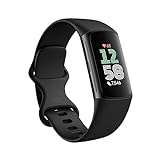
- Find your way seamlessly during runs or rides with turn-by-turn directions from Google Maps on Fitbit Charge 6[7, 8]; and when you need a snack break on the go, just tap to pay with Google Wallet[8, 9]
Every Fitbit device, from basic trackers like Inspire to smartwatches like Versa and Sense, works fully without Premium. You can record workouts, track steps, heart rate, sleep duration, and sync data to your phone without paying anything extra.
Think of Premium as an interpretation layer rather than a data collection layer. Your device gathers the data either way; Premium focuses on analyzing, contextualizing, and coaching around that data.
What Premium adds: deeper insights, guidance, and structure
The core value of Fitbit Premium is enhanced analysis of the data your device already records. This includes more detailed sleep analytics, longer-term health trends, and readiness-style scores that attempt to summarize how prepared your body is for activity on a given day.
Premium also adds guided programs, workouts, and mindfulness sessions that go beyond basic activity tracking. These are designed to provide structure for users who want direction, whether that’s improving sleep consistency, managing stress, or following short-term fitness plans.
In practical use, Premium shifts Fitbit from a passive tracker into a more active coaching platform. For users who want prompts, explanations, and plans rather than raw charts, this is where most of the perceived value comes from.
What remains free, even without Premium
It’s important to understand that Fitbit’s free tier is not bare-bones. Core metrics like steps, distance, calories burned, active minutes, continuous heart rate, basic sleep stages, SpO2 trends on supported devices, and workout tracking are all available without a subscription.
You can still view daily and weekly summaries, log workouts, track weight, monitor resting heart rate, and receive notifications. For many casual users, this free experience already covers the essentials of daily activity and health awareness.
If your main goal is to stay active, count steps, track workouts, and keep an eye on general health trends, you may never feel limited by the free version.
What Premium is not: medical-grade or diagnostic
Fitbit Premium does not turn your device into a medical tool. The insights and scores it provides are wellness-oriented and trend-based, not diagnostic, and they are not intended to replace professional medical advice.
Features like sleep scores, readiness indicators, and stress management tools are designed to guide behavior, not identify conditions. While they can be helpful for noticing patterns, they should be treated as signals rather than definitive answers.
This distinction matters, especially for users considering Premium primarily for health monitoring rather than fitness or lifestyle coaching.
Pricing context and trial expectations
Fitbit Premium is typically offered as a monthly or annual subscription, with new devices often including a free trial period. That trial is intentionally generous, giving access to all Premium features so users can explore whether the added insights actually change their habits.
Once the trial ends, the experience reverts to the standard free tier if you don’t subscribe. No historical data is deleted, but certain advanced views and guided content become inaccessible.
Understanding this upfront helps set realistic expectations and avoids the feeling that essential features are being taken away.
Who Fitbit Premium is really designed for
Fitbit Premium is best suited to users who want explanation, motivation, and structure layered on top of their tracking. This includes people new to fitness, users trying to improve sleep or stress management, and those who respond well to daily scores and guided plans.
It is less compelling for data-savvy users who already understand their metrics or prefer third-party training platforms. If you mainly glance at your stats and adjust intuitively, Premium may feel redundant rather than empowering.
The key is recognizing that Premium’s value is behavioral, not technical. It’s about guidance and interpretation, not better hardware performance or more accurate sensors.
Fitbit Premium Pricing: Monthly vs Annual Costs, Free Trials, and Bundles
Once you understand that Fitbit Premium is about guidance rather than raw data, the next practical question is cost. Fitbit keeps pricing relatively simple, but the way trials and bundles work can significantly change the real-world value.
Monthly vs annual subscription pricing
Fitbit Premium is typically priced at $9.99 per month or $79.99 per year in the US. The annual plan effectively lowers the cost to about $6.67 per month, making it meaningfully cheaper if you expect to use Premium year-round.
The monthly option is better suited to short-term goals like sleep improvement, stress reduction, or post-injury recovery. It also makes sense if you’re unsure whether you’ll engage with guided content once the novelty wears off.
The annual plan only makes financial sense if you already know Premium fits your habits. Fitbit does not offer prorated refunds if you stop using the service partway through the year.
How Fitbit Premium free trials work
Most new Fitbit devices include a free Premium trial, commonly six months, though some promotions offer three months instead. During this period, you get full access to all Premium features, including Daily Readiness, advanced sleep insights, mindfulness sessions, and workout programs.
The trial is tied to your Fitbit account, not the device itself. If you’ve used a Premium trial before, a new device may not always trigger another full trial, which can surprise returning users.
When the trial ends, your account automatically reverts to the free tier unless you actively subscribe. Your historical health and fitness data remains intact, but advanced breakdowns, trend explanations, and guided content are locked behind the paywall.
Device bundles and promotional offers
Fitbit frequently bundles Premium trials with higher-end devices like the Sense series, Charge line, and Google Pixel Watch. These bundles don’t change the hardware experience, but they strongly shape how the software feels during the first few months of ownership.
Retail promotions occasionally extend trial lengths during holiday sales or product launches. These offers are time-limited and vary by retailer, so the exact value can depend on where and when you buy your device.
There is no discounted bundle that permanently includes Premium with a Fitbit device. Once the trial ends, Premium always becomes a separate recurring subscription.
Regional pricing and taxes
Pricing varies by country, with localized monthly and annual rates that roughly align with the US cost once converted. Taxes may be added depending on your region and app store billing rules, which can slightly increase the final price.
Subscriptions are managed through the Apple App Store or Google Play Store, depending on your phone. This means cancellation, renewal dates, and receipts are handled through those platforms rather than directly through Fitbit.
What you’re actually paying for over time
At $80 per year, Fitbit Premium costs less than many gym memberships but more than most single-purpose fitness apps. The value comes from having sleep, activity, stress, and recovery insights integrated into one platform that already knows your habits and baseline.
If you only check step counts, heart rate, or basic sleep scores, the free experience remains fully functional and reliable. Premium only justifies its price if you regularly use the explanations, trends, and guided content to change behavior rather than simply observe metrics.
Understanding the pricing structure upfront helps prevent frustration later. Fitbit Premium is optional by design, and its cost reflects coaching and interpretation rather than access to your own data.
Free Fitbit vs Fitbit Premium: Feature-by-Feature Breakdown
Once you understand the pricing, the real decision comes down to functionality. Fitbit Premium does not unlock additional sensors or change how your device physically tracks data; it layers analysis, context, and coaching on top of the same raw metrics available for free.
The easiest way to judge value is to look at how each major feature behaves without a subscription, and what actually changes once Premium is active.
Activity tracking and daily stats
All Fitbit devices provide full access to core activity tracking without paying anything extra. This includes steps, distance, calories burned, floors climbed (on supported models), active zone minutes, and logged workouts.
You can view daily, weekly, and monthly totals, see basic charts, and manually log activities in the app. For most casual users, this covers everything needed to stay aware of movement levels and maintain consistency.
Fitbit Premium does not add new activity metrics. Instead, it introduces trend views and comparisons that highlight patterns over longer periods, such as how your activity fluctuates across weeks or how today compares to your personal baseline.
If you already understand your activity habits and simply want numbers, the free experience is sufficient. Premium is designed for users who want interpretation rather than more data points.
Workout modes, GPS, and exercise support
Guided workouts are where the split becomes more noticeable. Free Fitbit users can track workouts, use built-in GPS on supported devices, and see summaries like duration, heart rate zones, and calories burned.
Premium adds a library of video and audio workouts led by trainers, covering strength, HIIT, yoga, mobility, and cardio. These sessions integrate with your Fitbit data, adjusting intensity suggestions based on heart rate and recent activity.
The workouts play through the phone app rather than directly on the watch, which affects usability depending on how you train. If you prefer structured classes and want guidance without subscribing to a separate fitness app, Premium replaces that cost. If you already follow YouTube workouts or gym programs, this feature may go unused.
Heart rate data and health metrics
Real-time heart rate, resting heart rate, and basic heart rate graphs are fully available for free. You can see daily trends and spot obvious changes over time without a subscription.
Rank #2

- Inspire 3 is the tracker that helps you find your energy, do what you love and feel your best. All you have to do is wear it.Operating temperature: 0° to 40°C
- Move more: Daily Readiness Score(1), Active Zone Minutes, all-day activity tracking and 24/7 heart rate, 20+ exercise modes, automatic exercise tracking and reminders to move
- Stress less: always-on wellness tracking, daily Stress Management Score, mindfulness sessions, relax breathing sessions, irregular heart rhythm notifications(2), SpO2(3), menstrual health tracking, resting heart rate and high/low heart rate notifications
- Sleep better: automatic sleep tracking, personalized Sleep Profile(1), daily detailed Sleep Score, smart wake vibrating alarm, sleep mode
- Comfortably connected day and night: calls, texts & smartphone app notifications(4), color touchscreen with customizable clock faces, super lightweight and water resistant to 50 meters, up to 10 day battery life(5)
Premium adds deeper analysis, such as heart rate variability trends, personalized ranges, and explanations of what fluctuations may indicate about recovery or stress. The data itself is already collected by the device; Premium focuses on translating it into plain-language insights.
This distinction matters. If you enjoy reviewing charts and drawing your own conclusions, free access works well. If you prefer the app to explain why something changed and whether it matters, Premium provides that layer.
Sleep tracking and sleep insights
Sleep tracking is one of Fitbit’s strongest features, even without Premium. Free users receive sleep duration, sleep stages, a nightly sleep score, and basic trend graphs over time.
Premium expands this with detailed sleep analytics, monthly sleep profiles, and explanations that connect sleep quality to factors like activity, stress, and consistency. It also includes sleep-focused programs and soundscapes designed to improve sleep habits.
For many users, this is where Premium feels most tangible. Beginners often benefit from having sleep data explained clearly, while experienced users may find that the free sleep score already tells them what they need to know.
Stress management and mindfulness
Free Fitbit accounts offer basic stress tracking, including a daily stress management score and access to limited breathing exercises. These features rely on heart rate variability and activity data already collected by the device.
Premium significantly expands mindfulness content, adding guided meditation sessions, longer breathing programs, and stress trend insights over time. It also provides context around what drives changes in stress scores.
This feature set appeals most to users interested in mental wellness alongside physical fitness. If stress tracking is secondary to your goals, the free tools are adequate and non-intrusive.
Readiness Score and recovery tracking
The Daily Readiness Score is one of Fitbit Premium’s most prominent exclusive features. It combines sleep, activity, and heart rate variability into a single score that suggests whether you should push hard, maintain, or prioritize recovery.
Free users do not receive an equivalent summary metric, though they still see all the underlying data used to calculate it. The score itself is an interpretation layer rather than a new measurement.
This feature is especially useful for users training regularly or trying to avoid burnout. For occasional exercisers, it may feel redundant once you understand your own energy patterns.
Health trends and long-term insights
Without Premium, Fitbit stores and displays historical health data with reasonable depth. You can scroll back months or years and export data if needed.
Premium enhances this with health trend reports that highlight changes over time and flag potential concerns. These reports are not diagnostic but aim to make long-term patterns easier to spot without manual review.
Users who enjoy checking data infrequently may never notice the difference. Those who like monthly or quarterly health check-ins will find Premium more aligned with that habit.
User experience, software, and daily usability
The day-to-day app experience is largely the same whether you subscribe or not. Navigation, syncing speed, device compatibility, and battery impact are identical because Premium does not change how often data is collected.
What does change is how much the app talks back to you. Premium surfaces more prompts, explanations, and recommendations, which some users find motivating and others find noisy.
This makes Premium a personal preference as much as a feature upgrade. Users who want a quiet dashboard may prefer the free experience, while those who like guidance and nudges often appreciate the added commentary.
What you keep if you cancel Premium
Canceling Premium does not remove your historical data or disable tracking features. You retain access to all previously recorded metrics, basic charts, and core health stats.
What disappears are the interpretive layers: readiness scores, advanced insights, detailed reports, and guided content. Your device continues to function exactly the same on your wrist.
This separation reinforces Fitbit’s approach. Premium is not about locking essential features behind a paywall, but about charging for coaching, context, and behavioral support layered on top of otherwise complete hardware functionality.
Health Insights Explained: Daily Readiness Score, Sleep Score Details, and Stress Management
If Premium is about anything, it is interpretation rather than measurement. Fitbit devices already collect the raw data, but Premium is where that data gets translated into guidance that tries to answer a simple daily question: how hard should I push myself today, and what should I pay attention to?
This is where Fitbit’s health insights differ from basic stats. Instead of isolated numbers, Premium bundles multiple signals into scores and narratives designed to influence day-to-day behavior.
Daily Readiness Score: recovery translated into action
The Daily Readiness Score is Fitbit Premium’s most prominent paywalled feature and the one most users notice immediately. It combines recent activity load, sleep duration and quality, and heart rate variability into a single score that typically ranges from 1 to 100.
A high score suggests your body is recovered and ready for more intense activity. A low score indicates accumulated fatigue and nudges you toward lighter movement or rest, even if you feel mentally motivated to train.
What Premium adds here is not new sensors, but context. The app explains which inputs drove the score up or down and suggests workout intensity ranges, rather than leaving you to interpret fatigue on your own.
For beginners or inconsistent exercisers, this can be reassuring. It reduces the anxiety of guessing whether soreness or poor sleep should change today’s plan.
More experienced users may find the score conservative, especially athletes used to training through mild fatigue. In those cases, the value is less about obedience and more about awareness, particularly during busy weeks or periods of poor sleep.
It is also worth noting that Readiness relies heavily on sleep tracking quality. Devices with weaker sleep detection or users who remove their tracker at night will get less reliable guidance, reducing the practical value of the feature.
Sleep Score Details: from nightly score to pattern recognition
All Fitbit users receive a nightly Sleep Score, broken down into time asleep, sleep stages, and restfulness. Premium does not change how sleep is tracked, but it expands how that information is presented and explained.
With Premium, sleep becomes less about last night and more about trends. You gain access to deeper breakdowns of sleep stage consistency, sleeping heart rate trends, and how sleep quality correlates with daytime activity and stress.
The app also surfaces benchmarks and comparisons against your own historical averages. This makes it easier to see whether a bad night is a one-off or part of a longer pattern that might require changes to routine or schedule.
For users who struggle with sleep or are actively trying to improve it, this added clarity can be genuinely useful. It helps connect behaviors like late workouts, alcohol, or irregular bedtimes with measurable changes in sleep quality.
For users who already sleep well and rarely review charts, the extra detail may feel excessive. The core sleep score remains the same, and many people will get all the reassurance they need from that single number.
Comfort and wearability matter here more than most people expect. Fitbit’s lighter bands and slim trackers make overnight wear easy, but users who dislike sleeping with a device may find that Premium’s sleep insights never fully pay off.
Stress management: awareness over diagnosis
Fitbit’s approach to stress is deliberately conservative. It does not attempt to diagnose anxiety or mental health conditions, and Premium does not change that positioning.
What Premium adds is a more structured view of stress signals derived from heart rate variability, activity levels, and, on some devices, electrodermal activity sensors. These are combined into daily stress scores and longer-term stress trends.
Premium also unlocks guided breathing sessions, mindfulness exercises, and body scans aimed at reducing acute stress. These are short, app-led interventions designed for everyday use rather than clinical therapy.
For users new to stress tracking, this can be eye-opening. Seeing how workdays, poor sleep, or heavy training correlate with elevated stress scores helps frame stress as something measurable and manageable.
Skeptical users may find this less compelling. Stress is inherently subjective, and Fitbit’s metrics are proxies rather than direct measurements.
The value here depends heavily on mindset. Users who already practice mindfulness or recovery-focused training often appreciate having stress visualized alongside fitness data. Those who prefer minimal prompts may see it as unnecessary commentary layered onto information they already intuitively understand.
Who these insights actually help most
Taken together, these health insights are not designed for elite performance optimization. They are aimed at habit formation, consistency, and self-awareness.
Premium makes the most sense for users who want guidance rather than raw data, especially those juggling work, family, and irregular training schedules. It reduces cognitive load by telling you what matters today instead of asking you to analyze charts.
Rank #3

- 【BUILT-IN GPS SMART WATCH – GO FURTHER, FREER, SMARTER】No phone? No problem. This fitness watch for women, featuring the latest 2025 technology, includes an advanced professional-grade GPS chip that precisely tracks every route, distance, pace (real-time & average), and calorie burned—completely phone-free. Whether you're chasing new personal records or exploring off the beaten path, your full journey is automatically mapped and synced in the app. Train smarter. Move with purpose. Own your progress. Own your journey.
- 【BLUETOOTH 5.3 CALLS & SMART NOTIFICATIONS】Stay effortlessly connected with this smart watch for men and women, featuring dual Bluetooth modes (BT 3.0 + BLE 5.3) and a premium microphone for crystal-clear calls right from your wrist—perfect for driving, workouts, or busy days. Receive instant alerts for calls, texts, and popular social apps like WhatsApp and Facebook. Just raise your wrist to view notifications and never miss an important moment.
- 【100+ SPORT MODES & IP68 WATERPROOF & DUSTPROOF】This sport watch is a versatile activity and fitness tracker with 100+ modes including running, cycling, yoga, and more. It features quick-access buttons and automatic running/cycling detection to start workouts instantly. Accurately track heart rate, calories, distance, pace, and more. Set daily goals on your fitness tracker watch and stay motivated with achievement badges. With IP68 waterproof and dustproof rating, it resists rain and sweat for any challenge. Not suitable for showering, swimming, or sauna.
- 【24/7 HEALTH ASSISTANT & SMART REMINDERS】This health watch continuously monitors heart rate, blood oxygen, and stress levels for comprehensive wellness tracking. Sleep monitoring includes deep, light, REM sleep, and naps to give you a full picture of your rest. Stay on track with smart reminders for sedentary breaks, hydration, medication, and hand washing. Women can also monitor menstrual health. Includes guided breathing exercises to help you relax. Your ultimate health watch with event reminders for a healthier life.
- 【ULTRA HD DISPLAY, LIGHTWEIGHT & CUSTOMIZABLE DIALS】This stylish wrist watch features a 1.27-inch (32mm) 360×360 ultra HD color display with a 1.69-inch (43mm) dial, offering vivid details and responsive touch. Its minimalist design fits both business and casual looks. Switch freely among built-in designer dials or create your own DIY watch face using photos, colors, and styles to showcase your unique personality. Perfect as a cool digital watch and fashion wrist watch.
For data-savvy users who enjoy manual interpretation, spreadsheets, or external coaching platforms, Premium may feel redundant. The underlying data is already there without the subscription.
This distinction is key to deciding whether Fitbit Premium is worth paying for. You are not buying better sensors or more accurate tracking, but a layer of interpretation that either simplifies your health decisions or gets in the way, depending on how you prefer to engage with your data.
Workouts, Training Programs, and Mindfulness Content: What You Actually Get
After positioning Premium as an interpretation layer rather than a data upgrade, the workouts and content library is where that philosophy becomes most tangible. This is the part of Fitbit Premium that most closely resembles a traditional fitness subscription, but it behaves very differently from platforms like Apple Fitness+ or Peloton.
Instead of trying to replace a gym, coach, or training plan, Fitbit Premium focuses on short, accessible sessions designed to fit around everyday life. The emphasis is on consistency, approachability, and integration with your existing Fitbit data rather than performance-driven programming.
Guided workouts: short, structured, and device-aware
Fitbit Premium unlocks a rotating library of guided workouts across categories like strength, HIIT, cardio, core, yoga, barre, mobility, and stretching. Most sessions range from 10 to 30 minutes, with a strong bias toward shorter formats that lower the barrier to starting.
These workouts are delivered through the Fitbit app, with on-screen video and audio coaching rather than being watch-native experiences. Your Fitbit device tracks heart rate, zones, and calories during the session, but you are not following the workout directly on the watch display in the way Garmin or Apple Watch users might expect.
The workouts adapt loosely to your fitness level, but they are not dynamically personalized in real time. You choose based on duration, difficulty, and equipment, not because the app has decided today is the optimal day for leg strength or VO2 max work.
How these workouts compare to the free Fitbit experience
Without Premium, Fitbit still allows you to track workouts manually or automatically, view heart rate zones, and see post-workout summaries. What you do not get are guided sessions with coaching cues, structured intervals, or progression-focused routines.
Premium essentially adds context and instruction on top of the same tracking engine. For beginners or returning exercisers, this can be a meaningful upgrade, as it removes the need to design workouts from scratch or search externally for routines.
For experienced users who already have a training plan or follow external programs, the added value is limited. The metrics captured during workouts are largely the same whether Premium is active or not.
Training programs: habit-building rather than athletic progression
Fitbit Premium includes multi-week training programs aimed at specific goals like getting started with fitness, improving cardio endurance, building basic strength, or establishing a consistent routine. These are typically two to six weeks long and emphasize adherence over intensity.
Programs combine scheduled workouts, rest days, and light educational prompts rather than strict performance targets. You are encouraged to complete sessions, not hit pace thresholds, power numbers, or precise volume targets.
This makes them well suited to users who feel overwhelmed by open-ended fitness tracking. However, athletes looking for progressive overload, periodization, or race-specific preparation will find these programs too general.
Mindfulness and recovery content: breadth over depth
Mindfulness content is a significant pillar of Fitbit Premium and ties directly into the stress metrics discussed earlier. The library includes guided meditation, breathing exercises, body scans, wind-down sessions, and short audio check-ins.
Most sessions last between 2 and 15 minutes and are designed to be used daily rather than as occasional deep practice. The tone is practical and non-spiritual, focusing on relaxation, emotional awareness, and sleep preparation.
This content integrates cleanly with Fitbit’s sleep and stress dashboards, reinforcing patterns between mental state, recovery, and physical activity. It is not a replacement for therapy or dedicated meditation platforms, but it is far more approachable for users who would not otherwise seek out mindfulness tools.
Sleep-focused audio and wind-down routines
Premium also includes sleep-specific audio content such as guided wind-downs, calming soundscapes, and sleep hygiene prompts. These are designed to pair with Fitbit’s sleep tracking rather than function independently.
The sessions do not actively influence sleep tracking accuracy or battery usage on the device itself. They run through the phone app, meaning your tracker continues passively recording sleep stages, heart rate, and movement as usual.
For users who struggle with bedtime consistency, this content can help anchor a routine. For those who already fall asleep easily or use external audio apps, it may feel redundant.
Device compatibility and real-world usability
All Fitbit Premium content is accessible through the Fitbit smartphone app and works with any current Fitbit device, from basic trackers like Inspire models to smartwatches like Versa and Sense. There is no Premium-only hardware functionality, and battery life on the device remains unchanged.
Comfort, materials, and wearability still depend entirely on the tracker you own. Premium does not make a lightweight tracker feel more premium on the wrist, nor does it enhance durability or display quality.
The experience is fundamentally software-driven. If you are comfortable interacting with your phone before or after workouts and using your watch primarily as a sensor, the system works smoothly.
Who actually benefits from this content
The workouts and mindfulness library make the most sense for users who want gentle structure without committing to an external fitness ecosystem. Beginners, time-poor professionals, and users rebuilding habits after a break tend to get the most value.
Users who already follow YouTube workouts, gym programs, or dedicated training apps may find Fitbit Premium’s content overlaps heavily with what they already use. In those cases, Premium adds convenience rather than capability.
As with the health insights, this content reflects Fitbit’s broader philosophy. It prioritizes reducing friction and decision fatigue, even if that means stopping well short of advanced training or deep specialization.
Device Matters: Which Fitbit Trackers and Smartwatches Benefit Most from Premium
Understanding whether Fitbit Premium is worth paying for becomes much clearer once you factor in the device on your wrist. While Premium technically works with every current Fitbit, the depth and usefulness of the insights scale directly with the sensors, comfort, and daily usability of the tracker or smartwatch you own.
Entry-level trackers: Inspire and older Charge models
Basic trackers like the Inspire series and older Charge models already deliver Fitbit’s strongest free features: steps, heart rate, basic sleep stages, and activity minutes. On these devices, Premium mainly adds interpretive layers such as Sleep Score breakdowns, trend reports, and guided programs viewed in the app.
Because these trackers are small, lightweight, and designed for all-day wear, they pair well with Premium’s long-term health insights rather than workout content. If your primary goal is understanding sleep consistency, resting heart rate trends, or gentle habit-building, Premium can feel proportionally more valuable here than on higher-end hardware.
That said, the limited display size and simpler workout tracking mean you will always be interacting with Premium through your phone. If you prefer on-device guidance or real-time metrics during exercise, the value ceiling is lower.
Mid-range trackers: Charge 5 and Charge 6
The Charge line sits at the sweet spot for Fitbit Premium. Devices like the Charge 5 and Charge 6 offer advanced sensors including EDA stress scans, skin temperature variation, SpO2, GPS, and continuous heart rate, all of which feed directly into Premium’s deeper insights.
Premium makes more sense here because the hardware generates more nuanced data to interpret. Daily Readiness, stress trends, sleep profiles, and health metrics dashboards feel meaningfully richer when backed by higher-quality inputs.
From a comfort and wearability perspective, the slim case and soft bands encourage overnight use, which is essential for Premium’s sleep and recovery features. Battery life remains strong even with advanced tracking enabled, so Premium does not introduce new charging friction.
Smartwatches: Versa and Sense models
Fitbit’s smartwatch range, especially Sense and Sense 2, is where Premium feels most aligned with the device’s original intent. These watches include the full sensor suite, larger displays for post-workout review, and better interaction with guided content through the app.
Premium’s stress management tools, including EDA trends and mindfulness content, are most coherent on Sense models because the watch actively participates in stress scans. The data feels less abstract when you regularly interact with it on the wrist rather than only reviewing it on your phone.
However, if you primarily bought a Versa or Sense for smartwatch features like notifications, payments, or apps, Premium may feel secondary. It enhances health interpretation, not the smartwatch experience itself.
Active users and GPS-dependent training
For users who rely on GPS workouts for running, walking, or cycling, Premium adds context rather than performance upgrades. You do not unlock new training plans, advanced pacing tools, or structured intervals comparable to Garmin or Apple Fitness+.
What Premium does offer is recovery framing. Trends in sleep quality, readiness, and heart rate variability can help explain why a workout felt harder or easier than expected, especially for recreational athletes.
If your training decisions already come from a coach, structured plan, or third-party platform, Premium may feel informational rather than actionable.
Comfort, materials, and daily wear still matter more than Premium
Premium does not change how a device feels on the wrist. Band material, case thickness, weight, and skin comfort remain critical because Premium’s best features depend on consistent wear, especially overnight.
A Charge or Inspire that disappears on your wrist often delivers more Premium value than a larger smartwatch you take off at night. Missed sleep data or inconsistent heart rate tracking undermines the very insights you are paying for.
Choosing the right Fitbit hardware for your lifestyle is therefore more important than choosing Premium itself.
When device choice makes Premium unnecessary
If you own a Fitbit primarily as a step counter or casual activity tracker, Premium may add more information than you want to manage. The free app already covers daily movement, basic sleep scores, and long-term trends well enough for many users.
Rank #4

- 24H Accurate Heart Rate Monitoring: Go beyond basic tracking. Our watch automatically monitors your heart rate, blood oxygen (SpO2), and sleep patterns throughout the day and night. Gain deep insights into your body's trends and make informed decisions for a healthier lifestyle.
- Practical Sports Modes & Smart Activity Tracking: From running and swimming to yoga and hiking, track a wide range of activities with precision. It automatically records your steps, distance, calories burned, and duration, helping you analyze your performance and crush your fitness goals.
- 1-Week Battery Life & All-Day Wear: Say goodbye to daily charging. With an incredible up to 7-10 days of battery life on a single charge, you can wear it day and night for uninterrupted sleep tracking and worry-free travel. Stay connected to your data without the hassle.
- Comfortable to Wear & IP68 Waterproof: The lightweight, skin-friendly band is crafted for all-day comfort, even while you sleep. With IP68 waterproof, it withstands rain, sweat, It is not suitable for swimming or showering.
- Ease of Use and Personalized Insights via Powerful App: The display is bright and easy to read, even outdoors. Unlock the full potential of your watch. Sync with our dedicated app to view detailed health reports, customize watch faces, set sedentary reminders, and manage your preferences with ease.
Similarly, users who rotate between multiple wearables or already subscribe to another fitness platform may find Premium redundant regardless of device quality. In those cases, the hardware is capable, but the subscription overlaps rather than enhances.
Premium works best when your Fitbit is your primary health device and worn consistently. Without that foundation, even the best Fitbit tracker cannot justify the extra monthly cost through software alone.
Real-World Value: How Fitbit Premium Changes Day-to-Day Use
By this point, it should be clear that Fitbit Premium does not transform what your tracker can physically do. Its impact is quieter and more cumulative, showing up in how often you open the app, what you notice about your health, and whether the data nudges your daily decisions in small but consistent ways.
The real question is not whether Premium adds features, but whether those features meaningfully change how you use your Fitbit from morning to night.
Morning check-ins feel more purposeful
Without Premium, many users glance at their sleep score, maybe their resting heart rate, and move on. With Premium, mornings tend to start with a longer review, especially around sleep stages, sleep consistency, and recovery indicators.
Sleep Profile and extended sleep trends encourage comparison across weeks, not just last night. This can shift behavior subtly, like adjusting bedtime, cutting caffeine earlier, or recognizing that late workouts consistently disrupt sleep quality.
For users who wear their Fitbit overnight every day, Premium makes mornings more reflective. For inconsistent wearers, those insights quickly lose coherence and relevance.
Readiness and stress scores influence pacing, not plans
Daily Readiness and stress management scores are among Premium’s most visible features, but they are also frequently misunderstood. They do not tell you what workout to do or how hard to train in a structured way.
Instead, they frame expectations. A low readiness score may prompt a lighter walk instead of a run, or a rest day instead of pushing through fatigue.
This is most useful for recreational exercisers who self-direct their activity. If you already follow a fixed training schedule, these scores may feel like background commentary rather than guidance.
The app becomes more educational, not more demanding
Premium adds a library of guided workouts, mindfulness sessions, and educational content. In daily use, this tends to lower friction rather than raise intensity.
Short mobility sessions, breathing exercises, and beginner-friendly workouts are easy to slot into a lunch break or evening wind-down. The tone is approachable, and the sessions do not assume athletic experience.
For beginners or users returning to fitness, this can be motivating. For advanced users, the content often feels too generic to replace dedicated training apps.
Health trends feel clearer over time
One of Premium’s strongest day-to-day effects is how it surfaces long-term patterns. Deeper trend views for heart rate, sleep, and stress make it easier to connect lifestyle habits with physiological responses.
Over weeks and months, users often notice correlations like work stress affecting sleep consistency or reduced activity lowering overall readiness. These are not medical insights, but they are behaviorally useful.
This benefit scales with time. The longer you wear the device consistently, the more Premium feels like a personal health log rather than a dashboard of isolated numbers.
Battery life and comfort indirectly affect Premium’s value
Premium assumes near-continuous wear, especially overnight. Devices like the Inspire or Charge, with lighter cases, slimmer profiles, and multi-day battery life, make that realistic.
Larger smartwatch-style Fitbits that need frequent charging or feel bulky at night tend to undermine Premium’s strengths. Missed sleep data weakens readiness scores and trend accuracy.
In daily life, Premium rewards devices that disappear on the wrist. Comfort, strap material, and charging habits end up mattering as much as software access.
Who notices the difference day after day
Premium has the most visible daily impact for users who check their health data regularly and enjoy understanding context, not just outcomes. These users tend to open the app multiple times a day and adjust habits incrementally.
For more passive users, the experience changes very little. Steps are still counted, workouts are still tracked, and the free app already covers the basics without friction.
In practice, Premium changes day-to-day use only if you want your Fitbit to act as a health companion rather than a silent tracker.
Fitbit Premium vs Alternatives: Apple Fitness+, Garmin Connect, and Free Fitness Apps
Once you understand how Fitbit Premium changes the day-to-day experience, the natural next question is how it compares to other fitness ecosystems. The value of Premium only really makes sense when viewed against what competing platforms include by default and what they expect you to pay for.
This comparison is less about which service is “best” and more about which philosophy fits your device, your habits, and how actively you want to engage with your health data.
Fitbit Premium vs Apple Fitness+
Apple Fitness+ takes a very different approach to paid fitness. Rather than expanding health insights, it focuses almost entirely on guided workouts and on-screen coaching.
Fitness+ offers a large library of studio-style classes, including strength, HIIT, yoga, Pilates, cycling, rowing, and mindfulness sessions. These workouts integrate tightly with Apple Watch, displaying heart rate, calories, and activity rings directly on the screen during sessions.
What Fitness+ does not do is deepen health analytics. Apple’s core health metrics, such as sleep tracking, heart rate trends, HRV, and cardio fitness estimates, are already included for free in the Apple Health app.
For users who enjoy scheduled workouts and instructor-led sessions, Fitness+ often feels more immediately valuable than Fitbit Premium. For users who care more about long-term health trends, readiness-style insights, and passive monitoring, Fitbit Premium covers ground that Apple simply does not monetize.
There is also a hardware and comfort angle. Apple Watch models are heavier, thicker, and typically require daily charging. This can limit overnight wear for some users, which in turn reduces the usefulness of Apple’s sleep and recovery data compared to lighter, multi-day Fitbit trackers.
In short, Fitness+ is a workout subscription layered onto an already strong free health platform. Fitbit Premium is a data interpretation layer added to simpler hardware and a more basic free app.
Fitbit Premium vs Garmin Connect
Garmin Connect is often cited as Fitbit Premium’s most uncomfortable comparison, largely because it is free.
Garmin includes advanced training metrics, recovery estimates, VO2 max tracking, sleep scoring, stress tracking, and long-term performance trends without a subscription. These features are deeply tied to Garmin’s hardware, which uses multi-band GPS, advanced heart rate sensors, and longer battery life to support endurance-focused users.
Where Garmin differs is accessibility. Garmin’s data presentation is dense, performance-oriented, and often overwhelming for beginners. Terms like training load, anaerobic capacity, and body battery make sense to athletes but can feel abstract to casual users.
Fitbit Premium trades technical depth for approachability. Its readiness score, stress management tools, and health reports are easier to interpret, even if they are less precise from a sports science standpoint.
Comfort and wearability also matter. Many Garmin watches are large, thick, and built from rugged materials like fiber-reinforced polymer or titanium. They are durable and excellent for outdoor training, but not always ideal for sleep tracking or all-day comfort, where slimmer Fitbit devices tend to disappear on the wrist.
For users who want performance coaching and already train with intention, Garmin Connect usually makes more financial sense. For users who want gentle guidance and behavioral nudges rather than training plans, Fitbit Premium remains more approachable.
Fitbit Premium vs free fitness and health apps
A common question is whether Fitbit Premium offers anything that cannot be replicated with free apps. In isolation, many individual features can be matched.
Free apps can track workouts, log food, guide meditation sessions, and even analyze sleep using your phone or wearable data. Apps like Google Fit, Apple Health, Strava, MyFitnessPal, and Sleep Cycle cover specific needs well.
What Premium offers is consolidation. Health metrics, trends, coaching prompts, and historical context live in one interface, tied directly to a device designed for continuous wear.
The trade-off is flexibility. Free apps often do one thing extremely well, while Premium does many things reasonably well. Power users who enjoy mixing platforms can build a strong free stack, but it requires more setup, more notifications, and more manual interpretation.
For users who want a single app to check in with their health once or twice a day, Premium’s simplicity can justify the cost. For users who enjoy tuning and customization, it often feels limiting.
Which type of user each platform suits best
Fitbit Premium makes the most sense for users who wear their device nearly all the time, value sleep and recovery insights, and prefer explanations over raw numbers. It works best on lighter trackers with long battery life, where overnight data is consistent.
💰 Best Value

- 【Superb Visual Experience & Effortless Operation】Diving into the latest 1.58'' ultra high resolution display technology, every interaction on the fitness watch is a visual delight with vibrant colors and crisp clarity. Its always on display clock makes the time conveniently visible. Experience convenience like never before with the intuitive full touch controls and the side button, switch between apps, and customize settings with seamless precision.
- 【Comprehensive 24/7 Health Monitoring】The fitness watches for women and men packs 24/7 heart rate, 24/7 blood pressure and blood oxygen monitors. You could check those real-time health metrics anytime, anywhere on your wrist and view the data record in the App. The heart rate monitor watch also tracks different sleep stages for light and deep sleep,and the time when you wake up, helps you to get a better understanding of your sleep quality.
- 【120+ exercise modes & All-Day Activity Tracking】There are more than 120 exercise modes available in the activity trackers and smartwatches, covering almost all daily sports activities you can imagine, gives you new ways to train and advanced metrics for more information about your workout performance. The all-day activity tracking feature monitors your steps, distance, and calories burned all the day, so you can see how much progress you've made towards your fitness goals.
- 【Messages & Incoming Calls Notification】With this smart watch fitness trackers for iPhone and android phones, you can receive notifications for incoming calls and read messages directly from your wrist without taking out your phone. Never miss a beat, stay in touch with loved ones, and stay informed of important updates wherever you are.
- 【Essential Assistant for Daily Life】The fitness watches for women and men provide you with more features including drinking water and sedentary reminder, women's menstrual period reminder, breath training, real-time weather display, remote camera shooting, music control,timer, stopwatch, finding phone, alarm clock, making it a considerate life assistant. With the GPS connectivity, you could get a map of your workout route in the app for outdoor activity by connecting to your phone GPS.
Apple Fitness+ suits users who enjoy structured workouts and already live inside Apple’s ecosystem. It adds motivation and variety but does little to expand health understanding beyond what Apple already provides for free.
Garmin Connect is best for athletes and serious fitness users who want detailed performance metrics without paying a subscription. It demands more learning, but it rewards commitment with depth.
Free apps appeal to cost-conscious users who know exactly what they want to track and are comfortable stitching together multiple tools. They offer flexibility, but rarely the cohesion or context that Premium tries to provide.
Choosing between these options is less about price and more about how you interact with your data. Fitbit Premium is worth considering only if you want your wearable to explain your health, not just record it.
Who Fitbit Premium Is Worth It For (and Who Should Skip It)
The real question with Fitbit Premium is not whether it adds features, but whether those features match how you actually use your tracker day to day. Premium changes the experience from passive tracking to guided interpretation, and that distinction matters more than any individual metric.
Below are the user profiles where Premium tends to justify its monthly cost, followed by clear cases where the free Fitbit experience is usually enough.
Worth it if you want your data explained, not just displayed
Premium is best suited to users who look at their stats and ask “what does this mean for me today?” rather than “what was the number?” Readiness scores, sleep insights, and Health Metrics trends are designed to translate raw sensor data into simple guidance.
This works especially well for people new to wearables or returning after a long break. Instead of learning HRV baselines, sleep staging theory, or training load concepts, Premium does that interpretation for you in plain language.
If you tend to check the app once or twice a day and want reassurance that you’re on track, Premium aligns well with that habit.
Worth it for sleep-focused users who wear their Fitbit overnight
Sleep is where Fitbit Premium feels the most differentiated from free alternatives. Long battery life on devices like Charge, Inspire, and Sense means consistent overnight wear, which improves trend accuracy over weeks and months.
Premium adds Sleep Score breakdowns, sleep profiles, and contextual coaching that connect rest quality to daily energy and recovery. For users dealing with irregular schedules, stress, or fatigue, this ongoing context can be more valuable than workout stats.
If your Fitbit lives on your wrist 24/7 and sleep is your primary concern, Premium delivers tangible value.
Worth it for people using Fitbit as a general wellness coach
Premium makes sense for users whose goals are broad rather than performance-driven. Weight management, daily activity, stress awareness, and habit building are all supported through guided programs and educational content.
The workouts are not elite-level, but they are accessible and well integrated into the app. For beginners or returning exercisers who want light structure without managing multiple apps, this can reduce friction significantly.
This is also where Premium feels most cohesive on both Android and iOS, with minimal setup and no third-party syncing required.
Worth it if you value simplicity over customization
Fitbit Premium is designed for people who do not want to tune dashboards, choose metrics, or interpret trends manually. The app emphasizes summaries, prompts, and weekly narratives rather than dense charts.
Users who find Garmin Connect overwhelming or who bounce off Apple Health’s data-first approach often feel more comfortable here. The experience favors clarity and reassurance over control.
If your ideal wearable experience is low-maintenance and calm, Premium fits that mindset.
Skip it if you mainly want steps, heart rate, and basic workouts
The free Fitbit experience already covers core tracking very well. Steps, active minutes, GPS workouts, heart rate zones, and basic sleep scores are all available without paying.
If you glance at your stats, feel satisfied, and move on, Premium rarely adds enough incremental value. Casual users who treat their Fitbit as a simple activity tracker will likely not miss the subscription features.
In this case, Premium often feels like extra information you did not ask for.
Skip it if you are performance- or training-focused
Athletes and data-driven fitness users typically outgrow Fitbit Premium quickly. There is limited support for advanced training load, structured plans, race preparation, or deep physiological modeling.
Garmin’s free platform or specialized training apps provide more control and granularity without recurring fees. If you already understand metrics like HRV, VO2 max trends, or recovery windows, Premium may feel shallow rather than helpful.
For these users, Fitbit hardware and software are often the limiting factor, not the lack of a subscription.
Skip it if you enjoy mixing apps and building your own system
Some users prefer assembling a personalized health stack using free or single-purpose apps. Sleep tracking, nutrition logging, workout analysis, and mindfulness can all be handled separately with greater flexibility.
Premium’s value comes from consolidation, not specialization. If you enjoy choosing best-in-class tools and do not mind switching between apps, the subscription becomes redundant.
This is especially true for users already invested in platforms like Apple Health, Google Fit, or Strava.
Skip it if you dislike subscriptions on principle
Even if the features are useful, Premium requires ongoing payment to maintain access to historical insights and advanced summaries. For users who prefer one-time hardware purchases with no recurring costs, this can feel restrictive.
Fitbit remains functional without Premium, and no core tracking features are locked away. If peace of mind matters more than deeper insights, staying free is a reasonable choice.
In short, Fitbit Premium rewards consistency, simplicity, and a desire for guidance. If those are not how you use your wearable, the free experience is often the better fit.
The Bottom Line: Is Fitbit Premium Worth the Money in 2026?
So where does all of this land if you are deciding whether to keep, start, or cancel Fitbit Premium this year?
Viewed clearly, Fitbit Premium is not essential software. It is an optional guidance layer that sits on top of Fitbit’s already capable free tracking experience, designed to interpret your data rather than expand what your device can physically measure.
What Fitbit Premium does well in 2026
Fitbit Premium is at its best when you want your data explained, contextualized, and turned into simple daily direction. Features like the Daily Readiness Score, long-term sleep trend analysis, stress insights, and guided programs help users understand patterns without needing to interpret charts or raw metrics.
For newer users, this coaching-style approach reduces friction. You wear the device, open the app, and get a clear answer to “How am I doing?” without feeling overwhelmed.
What it does not change
Premium does not improve sensor accuracy, add new hardware capabilities, or unlock core health tracking. Steps, heart rate, sleep stages, SpO2 trends, workouts, and health logs all remain available without paying.
If you already feel confident reading your own trends or using third-party apps for training, Premium rarely adds new depth. It reframes existing data rather than introducing advanced performance analysis.
Cost versus value in real-world use
In 2026, Fitbit Premium costs roughly $9.99 per month or $79.99 per year, often discounted or bundled free for several months with new devices. Over time, that subscription can exceed the price of the tracker itself, especially with entry-level models.
Whether it is worth it depends less on features and more on usage consistency. If you actively check insights, follow programs, and rely on readiness guidance, the cost can feel justified. If you open the app occasionally, it rarely does.
Who should seriously consider subscribing
Fitbit Premium makes the most sense for beginners, casual exercisers, and health-focused users who value simplicity over control. It is especially helpful if you care about sleep improvement, stress awareness, general fitness motivation, and habit building rather than performance optimization.
It also works well for users who want one app to handle everything without managing multiple platforms. In that scenario, Premium replaces complexity with structure.
Who should confidently skip it
If you are training toward specific goals, analyzing recovery in detail, or already fluent in health metrics, Premium is unlikely to feel transformative. The free Fitbit experience covers the essentials, and advanced users often outgrow the subscription quickly.
Likewise, if you prefer owning your hardware outright with no recurring costs, or if you enjoy combining apps like Strava, Apple Health, or Google Fit, Premium offers little practical advantage.
The final takeaway
Fitbit Premium is not a requirement, and it is not a universal upgrade. It is a paid convenience layer designed to simplify health data, not deepen it.
If you want guidance, reassurance, and an all-in-one wellness experience, it can be worth the money. If you want control, flexibility, or pure performance insight, the free Fitbit experience is usually enough.