Wearable tech is technology you wear on your body, designed to work quietly in the background while you go about your day. Instead of sitting on a desk or in your pocket like a phone or laptop, it stays with you, tracking, assisting, and responding in real time. If you’ve ever seen a smartwatch counting steps, a ring tracking sleep, or earbuds adjusting noise as you walk outside, you’ve already encountered wearable tech.
Most people come to wearable technology with simple questions: What does it actually do? Do I need one? And how is it different from a normal watch or fitness band? The short answer is that wearable tech blends hardware, sensors, and software to give you useful information about your body, your activity, and your digital life, often without you needing to actively think about it.
In this section, you’ll learn what wearable tech really means in plain English, how these devices work, the main types you’ll see on the market, and what they’re genuinely good (and not so good) at. By the end, you should have a clear mental picture of whether wearable tech fits your lifestyle and which category is worth exploring next.
So what actually counts as wearable tech?
Wearable tech is any electronic device designed to be worn comfortably for long periods while collecting data, delivering information, or interacting with your phone or other devices. Comfort, size, and durability matter just as much as performance, because these products are meant to live on your wrist, finger, ear, or face all day.
🏆 #1 Best Overall
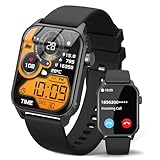
- 【1.83" HD Display & Customizable Watch Faces】Immerse yourself in a vibrant 1.83-inch IPS display, boasting a sharp resolution of 240*284 for crystal-clear visuals. Effortlessly personalize your smart watch with a wide array of customizable watch faces to suit your personal style for every occasion—whether trendy, artistic, or minimalist—ideal for casual, sporty, or professional. Its sleek, modern design complements any outfit, blending technology and fashion seamlessly for everyday wear
- 【120 Sports Modes & Advanced Health Tracking】Our TK29 smart watches for women men come equipped with 120 sports modes, allowing you to effortlessly track a variety of activities such as walking, running, cycling, and swimming. With integrated heart rate and sleep monitors, you can maintain a comprehensive overview of your health, achieve your fitness goals, and maintain a balanced, active lifestyle with ease. Your ideal wellness companion (Note: Step recording starts after exceeding 20 steps)
- 【IP67 Waterproof & Long-Lasting Battery】Designed to keep up with your active lifestyle, this smartwatch features an IP67 waterproof rating, ensuring it can withstand splashes, sweat, and even brief submersion, making it perfect for workouts, outdoor adventures, or rainy days. Its reliable 350mAh battery offering 5-7 days of active use and up to 30 days in standby mode, significantly reducing frequent charging. Ideal for all-day wear, whether you’re at the gym, outdoors, or simply on the go
- 【Stay Connected Anytime, Anywhere】Stay informed and in control with Bluetooth call and music control features. Receive real-time notifications for calls, messages, and social media apps like Facebook, WhatsApp, Twitter, and Instagram directly on your smartwatch. Easily manage calls, control your music playlist, and stay updated without needing to reach for your phone. Perfect for work, workouts, or on-the-go, this watch keeps you connected and never miss important updates wherever you are
- 【Multifunction & Wide Compatibility】Seamlessly handle heart rate monitoring, sleep tracking, and enjoy conveniences like camera/music control, Seamlessly handle heart rate monitoring, sleep tracking, and more-all directly from your wrist. This 1.83 inches HD smartwatch is compatible with iPhone (iOS 9.0+) & Android (5.0+), ensuring smooth daily connectivity and convenience throughout your day. More than just a timepiece, it’s a stylish, all-in-one wearable for smarter, healthier living
Most modern wearables connect to a smartphone, either an iPhone or Android phone, and use apps to display data, change settings, and update software. The wearable itself handles sensing and quick interactions, while the phone does the heavy lifting like storing history, showing charts, or syncing with health platforms.
Unlike traditional gadgets, wearable tech is built around continuous use. Battery life, skin contact, materials, water resistance, and how natural it feels during sleep or exercise are central to the experience, not afterthoughts.
How wearable tech works in everyday terms
At the heart of wearable tech are sensors. These tiny components measure things like movement, heart rate, skin temperature, blood oxygen levels, and sometimes even electrical signals from your heart. The device turns raw sensor data into readable insights using software and algorithms.
Most wearables also include a small processor, wireless radios like Bluetooth, and a battery designed to last anywhere from a day to several weeks depending on the device. A smartwatch with a bright screen and lots of apps may need daily charging, while a simple fitness tracker or smart ring can last much longer.
The real magic happens in the software. Your wearable doesn’t just count steps; it looks at patterns over time, compares them to your baseline, and presents trends you can actually understand. This is why the app experience, compatibility with your phone, and long-term software support matter as much as the hardware itself.
The main types of wearable tech you’ll encounter
Smartwatches are the most versatile and recognizable wearables. They combine timekeeping with notifications, apps, fitness tracking, and health features, often acting as an extension of your phone. Apple Watch, Samsung Galaxy Watch, and Google Pixel Watch are popular examples, offering rich screens, strong app ecosystems, and deep phone integration.
Fitness trackers focus more narrowly on activity and health tracking. They’re usually lighter, smaller, and designed for longer battery life, sometimes lasting a week or more. Brands like Fitbit, Garmin, and Xiaomi emphasize steps, workouts, sleep, and recovery rather than apps and constant notifications.
Smart rings are a newer category that prioritize comfort and subtlety. Worn on your finger, they track things like sleep, heart rate, and readiness without a screen. They’re ideal for people who want health insights without wearing a watch, though they offer less immediate interaction.
Health-focused wearables include devices designed for specific medical or wellness purposes, such as ECG monitoring, temperature tracking, posture correction, or stress management. Some are regulated medical devices, while others are consumer wellness tools, so accuracy and intended use can vary widely.
AR glasses and smart glasses sit at the edge of wearable tech, blending digital information with your view of the real world. While still evolving, they aim to provide navigation, notifications, or camera features without needing to look down at a screen.
Hearables, like wireless earbuds with sensors, go beyond audio. They can track workouts, monitor heart rate, adjust sound based on your environment, and integrate with voice assistants, all while functioning as everyday headphones.
What wearable tech is genuinely good at
Wearable tech excels at awareness. It helps you notice patterns you’d otherwise miss, like how much you move, how well you sleep, or how your heart responds to exercise and stress. Over time, this can encourage healthier habits without requiring major lifestyle changes.
These devices also shine in convenience. Glancing at your wrist for a message, controlling music during a run, or getting a gentle vibration reminder to move can be more practical than pulling out a phone repeatedly.
For many people, wearables add value through consistency rather than perfection. The data may not be medically exact, but it’s consistent enough to show trends, which is often more useful for everyday decision-making.
Where wearable tech has limits
Wearables are not doctors, and they don’t replace professional medical advice. Health metrics like sleep stages, calories burned, or stress scores are estimates based on models, not precise measurements.
Battery life is another trade-off. More features, brighter screens, and advanced sensors usually mean more frequent charging. Comfort can also vary depending on wrist size, materials, strap design, and whether you’re wearing the device overnight.
Privacy and data handling are worth considering too. Wearables collect personal health data, so understanding how brands store, share, and protect that information is part of choosing the right device.
How wearable tech differs from a traditional watch
A traditional watch tells time, and in the case of mechanical or quartz watches, does so with craftsmanship, movement design, and long-term durability as the focus. Wearable tech prioritizes function and adaptability over permanence.
Smartwatches and trackers rely on software updates, batteries that degrade over time, and evolving ecosystems. They’re closer to smartphones than heirloom timepieces, offering far more capability but a shorter lifespan.
For many people, wearable tech doesn’t replace traditional watches; it serves a different role. Some wear a smartwatch during workouts and a mechanical watch the rest of the day, choosing the tool that fits the moment.
Understanding this difference helps set expectations. Wearable tech is about enhancing daily life right now, not about lasting forever, and that mindset makes choosing and using it far more satisfying.
How Wearable Technology Actually Works (Sensors, Software, and Your Phone)
Once you understand that wearable tech is more like a tiny computer than a traditional watch, the next question is obvious: how does all of this actually work on your wrist, finger, or body?
At a basic level, wearables rely on three things working together constantly: sensors that collect raw data, software that turns that data into something meaningful, and your phone (or cloud services) that handle the heavy lifting behind the scenes.
The sensors: how wearables measure your body and movement
Sensors are the foundation of every wearable, and most modern devices use several at once. Each sensor captures a different type of signal, which is later combined to create health, fitness, and activity insights.
The most common sensor is the optical heart rate sensor. It shines tiny LEDs into your skin and measures how light reflects back as blood flows through your wrist or finger. From this, the device estimates heart rate, heart rate variability, and related metrics like stress or recovery.
Motion sensors, usually accelerometers and gyroscopes, track movement and orientation. These are what allow a wearable to count steps, detect workouts, recognize sleep patterns, and tell whether you’re walking, running, cycling, or sitting still.
Many smartwatches and fitness trackers also include GPS. This uses satellite signals to track outdoor distance, pace, and route, which is especially useful for runners, walkers, and cyclists who want accurate location-based data without carrying a phone.
More advanced wearables add additional sensors. These can include blood oxygen (SpO2), skin temperature, electrical heart sensors for ECG readings, barometers for elevation changes, and even bioelectrical impedance sensors that estimate body composition.
Each individual sensor isn’t perfect on its own. Accuracy improves when devices combine multiple signals, compare them over time, and look for consistent patterns rather than one-off readings.
Why wearables give estimates, not medical measurements
Wearables don’t directly “see” your heart, lungs, or muscles. They infer what’s happening inside your body based on surface-level signals and algorithms.
For example, calorie burn is calculated using motion data, heart rate, body size, and general population models. Sleep stages are estimated by combining movement, heart rate, and breathing patterns rather than brain activity.
This is why wearables are best at showing trends instead of exact numbers. If your resting heart rate has been slowly rising over weeks, or your sleep duration has been consistently dropping, that information is useful even if each individual night isn’t perfectly measured.
Understanding this helps set realistic expectations. Wearables are designed to guide habits, not diagnose conditions.
The software: turning raw data into insights
Raw sensor data by itself is meaningless. The real intelligence of wearable tech lives in the software and algorithms that interpret what the sensors collect.
On the device itself, basic processing happens in real time. This allows your watch or ring to show your current heart rate, count steps instantly, or buzz your wrist when you’ve been sitting too long.
More complex analysis usually happens after the data syncs to your phone. Apps like Apple Health, Google Fit, Samsung Health, Garmin Connect, and Fitbit take that data and apply deeper models to generate sleep scores, readiness scores, stress levels, and training feedback.
Software updates play a huge role here. Over time, brands refine their algorithms, add new features, and improve accuracy without changing the hardware. This is why two devices with similar sensors can deliver very different experiences.
The downside is that software quality varies widely. A wearable with excellent hardware can feel underwhelming if its app is confusing, slow, or lacks meaningful explanations.
The role of your phone: the wearable’s silent partner
Most wearables are designed to work alongside a smartphone rather than replace it. Your phone acts as a hub, a data processor, and a long-term storage device.
When your wearable syncs with your phone, it transfers health and activity data via Bluetooth. From there, the phone can upload that information to secure cloud servers, where it’s stored, analyzed, and made available across devices.
Your phone also handles notifications, calls, messages, music control, and app management. Without a phone, many wearables lose significant functionality, especially fitness history, detailed charts, and third-party apps.
Some advanced smartwatches include cellular connectivity, allowing calls, messages, and streaming without a nearby phone. This adds convenience but usually increases cost and reduces battery life.
Compatibility matters here. Apple Watch only works with iPhones, while most Wear OS watches work best with Android phones. Garmin, Fitbit, and others offer broader compatibility but still integrate more deeply with certain platforms.
Battery life and why it varies so much
Battery life is one of the most noticeable differences between wearable types, and it’s directly tied to how the technology works.
Bright displays, always-on screens, GPS tracking, and frequent heart rate monitoring all consume power. A full-featured smartwatch may need charging every day or two, especially with heavy use.
Simpler fitness trackers and smart rings use smaller screens or no screens at all. By limiting visual output and background activity, they can last several days or even weeks on a single charge.
There’s no universally better option here. Longer battery life often means fewer interactive features, while shorter battery life usually comes with a richer software experience.
Comfort, materials, and real-world wearability
All the technology in the world doesn’t matter if a wearable isn’t comfortable enough to wear consistently. Comfort directly affects data quality, especially for sleep and all-day tracking.
Most wearables use lightweight materials like aluminum, reinforced plastic, or titanium to reduce wrist fatigue. Sensors need consistent skin contact, so strap fit, flexibility, and breathability are critical.
Dimensions matter more than many beginners expect. Case thickness, weight distribution, and lug design affect how a device feels during workouts, sleep, and long days at a desk.
Interchangeable straps help adapt a wearable to different situations. Silicone straps are common for fitness, while fabric, leather, or metal options improve comfort and appearance for daily wear.
How everything works together in daily use
In practice, wearable tech works quietly in the background. You put it on, go about your day, and the device continuously collects data without demanding attention.
Over time, patterns emerge. Your app starts to recognize routines, highlight changes, and offer prompts that encourage movement, rest, or consistency rather than perfection.
This is where wearable technology delivers its real value. Not through flashy features, but through steady, passive insight that helps you understand your habits and make small, informed adjustments day by day.
The Main Types of Wearable Tech Explained: Smartwatches, Fitness Trackers, Rings, Hearables, and More
Once you understand how wearable tech fits into daily life, the next question becomes simple and practical: what kind of wearable actually makes sense for you.
Wearables aren’t one single product category. They range from screen-heavy wrist computers to nearly invisible health sensors, each designed with different priorities around interaction, comfort, battery life, and data depth.
The key is matching the type of wearable to how you want to use it, not just what looks impressive on a spec sheet.
Smartwatches: the most versatile all-rounders
Smartwatches are the most recognizable form of wearable tech and the closest thing to a mini computer on your wrist. They combine health tracking, notifications, apps, and often cellular connectivity into a single device.
Most smartwatches feature full-color touchscreens, physical buttons or crowns, and powerful processors. This allows for features like interactive workout tracking, maps with GPS navigation, music playback, contactless payments, and voice assistants.
Platform matters here. Apple Watch works exclusively with iPhones and integrates deeply with iOS, while Wear OS watches from Samsung, Google, and others pair with Android phones and lean on Google services.
Battery life is the main trade-off. With always-on displays, frequent notifications, and continuous sensors, many smartwatches last one to two days, though larger or more efficiency-focused models can stretch further.
From a watch perspective, smartwatches prioritize comfort and usability over traditional watchmaking. Cases are usually aluminum or stainless steel, sometimes titanium, with lightweight construction and interchangeable straps designed for all-day wear rather than formal finishing.
Rank #2
![Apple Watch Series 11 [GPS 46mm] Smartwatch with Jet Black Aluminum Case with Black Sport Band - M/L. Sleep Score, Fitness Tracker, Health Monitoring, Always-On Display, Water Resistant](https://m.media-amazon.com/images/I/312K597M2uL._SL160_.jpg)
- HYPERTENSION NOTIFICATIONS — Apple Watch Series 11 can spot signs of chronic high blood pressure and notify you of possible hypertension.*
- KNOW YOUR SLEEP SCORE — Sleep score provides an easy way to help track and understand the quality of your sleep, so you can make it more restorative.
- EVEN MORE HEALTH INSIGHTS — Take an ECG anytime.* Get notifications for a high and low heart rate, an irregular rhythm,* and possible sleep apnea.* View overnight health metrics with the Vitals app* and take readings of your blood oxygen.*
- STUNNING DESIGN — Thin and lightweight, Series 11 is comfortable to wear around the clock — while exercising and even when you’re sleeping, so it can help track your key metrics.
- A POWERFUL FITNESS PARTNER — With advanced metrics for all your workouts, plus features like Pacer, Heart Rate Zones, training load, Workout Buddy powered by Apple Intelligence from your nearby iPhone,* and more. Series 11 also comes with three months of Apple Fitness+ free.*
Smartwatches are best for people who want their wearable to actively interact with them throughout the day, not just quietly collect data.
Fitness trackers: focused, simpler, and longer-lasting
Fitness trackers strip the concept back to essentials. Their main job is to monitor activity, exercise, sleep, and basic health metrics without demanding constant attention.
Most fitness trackers use smaller displays or narrow bands rather than full watch-style cases. Some rely on simple monochrome screens, while others use LEDs or minimal touch input to save power.
Because they do less, they last longer. Battery life of five to ten days is common, and some models stretch even further depending on GPS usage and screen settings.
Fitness trackers are generally lighter and slimmer than smartwatches. This improves comfort during sleep and workouts, especially for people who find larger cases bulky or distracting.
You still get core features like step counting, heart rate tracking, workout modes, and smartphone notifications, just without the app-heavy experience of a smartwatch.
These are ideal for beginners who want clear health and activity insights without managing a device that feels like another phone on their wrist.
Smart rings: health tracking without the screen
Smart rings take minimalism even further. They remove the screen entirely and focus almost exclusively on passive health monitoring.
Worn on the finger, smart rings track metrics like heart rate, heart rate variability, sleep stages, body temperature trends, and daily activity. Data is viewed entirely through a companion app on your phone.
The lack of a display dramatically improves battery life. Many smart rings last four to seven days on a charge, despite their tiny size.
Comfort is a major advantage. With no screen or notifications, a ring is easy to forget you’re wearing, which makes it especially popular for sleep tracking and long-term health trends.
There are limitations. You won’t see notifications, start workouts from the ring, or interact with apps directly. Smart rings are about insight, not interaction.
They suit people who want deep health data without the visual or physical presence of a wrist device.
Hearables: smart tech in your ears
Hearables include wireless earbuds and headphones that do more than just play audio. Many now include sensors, voice assistants, and health-related features.
At a basic level, hearables handle calls, music, podcasts, and notifications. More advanced models add features like heart rate tracking, motion detection, posture cues, or real-time translation.
Because they sit in or around the ear, they can measure signals that wrist-based devices sometimes struggle with, especially during intense movement.
Battery life varies widely. Individual earbuds often last a few hours per charge, with carrying cases providing multiple recharges throughout the day.
Hearables are best viewed as complementary wearables rather than replacements. They add convenience and situational awareness but usually don’t track health continuously unless worn for long periods.
Specialized health wearables and medical-focused devices
Some wearables are designed for specific health needs rather than general wellness. These include continuous glucose monitors, ECG-focused devices, posture trackers, and respiratory monitors.
Many of these are prescribed or recommended by healthcare professionals, though consumer-accessible versions are becoming more common.
These devices often prioritize accuracy and reliability over aesthetics or convenience. Comfort and adhesive quality matter more than style, especially for multi-day wear.
While not for everyone, they show how wearable tech is expanding beyond fitness into preventative and condition-specific health monitoring.
AR glasses and emerging wearable categories
Augmented reality glasses and head-mounted wearables are still early in their consumer journey, but they represent another branch of wearable tech.
These devices aim to overlay digital information onto the real world, offering navigation, notifications, or contextual data within your field of view.
Comfort, battery life, and social acceptability remain challenges. Most current models are best suited for developers, enterprise use, or early adopters.
As technology improves, this category may eventually complement or even replace some functions currently handled by phones and watches.
How wearable tech differs from traditional watches
Traditional watches tell time and, in mechanical cases, do so using purely physical movements powered by springs and gears. Their value lies in craftsmanship, finishing, heritage, and longevity.
Wearable tech is fundamentally different. It relies on sensors, software, and batteries, with value tied to data, features, and ecosystem integration rather than mechanical complexity.
That doesn’t mean one replaces the other. Many people wear both, choosing a smartwatch or tracker for daily health insights and a traditional watch for occasions where style and simplicity matter more.
Understanding this distinction helps set expectations. Wearables are tools designed to evolve, update, and eventually be replaced, not heirlooms meant to last generations.
Each category exists for a reason. The right wearable isn’t the most advanced one available, but the one that fits naturally into your routine and quietly supports how you live day to day.
Smartwatch vs Traditional Watch: What’s the Real Difference?
With that broader context in mind, the smartwatch versus traditional watch question becomes easier to unpack. While both sit on your wrist and tell the time, they exist for very different reasons and serve very different roles in daily life.
Understanding the real differences goes beyond screens versus hands. It comes down to purpose, experience, longevity, and how much technology you actually want involved in something you wear every day.
Purpose: Tool vs Timepiece
A traditional watch is, at its core, a self-contained timekeeping instrument. Whether it’s mechanical, automatic, or quartz, its job is to tell the time reliably, with no need for software updates, apps, or a phone connection.
A smartwatch is designed as an extension of your digital life. Time is just one function among many, alongside notifications, fitness tracking, health monitoring, navigation, payments, and communication.
This difference in purpose shapes everything else, from how the watch is built to how often you’ll replace it.
How They Work: Movements vs Microchips
Traditional watches use movements to measure time. Mechanical and automatic watches rely on springs, gears, and escapements, while quartz watches use a battery-powered crystal oscillator for accuracy.
Smartwatches rely on processors, sensors, and operating systems. Inside are chips similar to those in smartphones, working alongside heart rate sensors, accelerometers, GPS antennas, and sometimes temperature or ECG sensors.
Instead of being powered by stored mechanical energy or long-life batteries, smartwatches depend on rechargeable batteries and constant software operation.
Battery Life and Maintenance
Battery life highlights one of the most practical differences. A quartz watch may run for years on a single battery, while a mechanical watch can run indefinitely with regular servicing and winding.
Most smartwatches last between one and three days on a charge, though some fitness-focused models stretch to a week or more. Charging becomes part of your routine, much like charging a phone.
Maintenance also differs. Traditional watches may need servicing every few years, but smartwatches require regular software updates and eventually reach a point where hardware limitations end their useful life.
Design, Materials, and Wearability
Traditional watches prioritize case finishing, dial design, proportions, and materials like stainless steel, titanium, ceramic, sapphire crystal, and precious metals. Bracelet quality, strap comfort, and overall balance on the wrist are central to their appeal.
Smartwatches focus more on ergonomics, weight, and sensor contact with your skin. Materials often include aluminum, lightweight stainless steel, reinforced polymers, and flexible silicone or fabric straps designed for all-day wear.
While smartwatch design has improved dramatically, aesthetics often take a back seat to comfort, durability, and signal accuracy, especially for health and fitness tracking.
Software, Features, and Daily Experience
A traditional watch delivers a consistent experience every day. The time looks the same, the hands move the same way, and nothing changes unless you decide to change straps or wind the movement.
A smartwatch experience evolves constantly. New features can arrive through software updates, apps can be added or removed, and the interface may change over time.
Notifications, voice assistants, music control, maps, workouts, and contactless payments can all live on your wrist, but only if you’re comfortable with that level of interaction.
Health and Fitness Capabilities
This is where the gap widens the most. Traditional watches offer no insight into your body beyond basic timekeeping or, in some cases, a stopwatch or chronograph.
Smartwatches can track steps, workouts, heart rate, sleep, blood oxygen levels, stress, and in some models, ECG or skin temperature trends. The data syncs to your phone, helping you spot patterns over time.
For many people, this health feedback is the main reason to choose a smartwatch, even if they still prefer traditional watches for style or special occasions.
Compatibility and Ecosystems
Traditional watches are universal. They don’t care what phone you use, what operating system you prefer, or whether you even own a smartphone at all.
Smartwatches are deeply tied to ecosystems. Apple Watch works best with an iPhone, Wear OS watches integrate closely with Android phones, and brands like Garmin or Fitbit build their own software platforms.
Your phone choice often determines which smartwatch will give you the smoothest experience, making compatibility a key buying factor.
Longevity, Value, and Emotional Appeal
Traditional watches are built to last. A well-made mechanical watch can be worn for decades, repaired indefinitely, and even passed down through generations.
Smartwatches are more like consumer electronics. After several years, battery degradation, outdated processors, or discontinued software support usually signal the end of their lifespan.
That doesn’t make one better than the other. It simply means traditional watches tend to hold emotional and long-term value, while smartwatches deliver immediate, practical value in everyday life.
Which One Makes Sense for You?
If you want simplicity, independence from technology, and an object that ages gracefully, a traditional watch may fit better into your lifestyle. It asks little from you and gives a lot in return through craftsmanship and reliability.
If you want insights into your health, seamless phone integration, and tools that adapt as your life changes, a smartwatch offers capabilities no traditional watch can match.
Many people don’t choose one over the other. They switch between them depending on the day, the activity, or the occasion, using each for what it does best.
What Can Wearable Tech Do for You? Everyday Benefits and Real‑World Use Cases
Once you understand how smartwatches and other wearables differ from traditional watches, the next question is practical: what do they actually do for you day to day?
At their best, wearable devices fade into the background. They quietly collect data, surface useful information at the right moment, and reduce how often you need to reach for your phone.
Rank #3

- Bluetooth Call and Message Alerts: Smart watch is equipped with HD speaker, after connecting to your smartphone via bluetooth, you can answer or make calls, view call history and store contacts through directly use the smartwatch. The smartwatches also provides notifications of social media messages (WhatsApp, Twitter, Facebook, Instagram usw.) So that you will never miss any important information.
- Smart watch for men women is equipped with a 320*380 extra-large hd full touch color screen, delivering exceptional picture quality and highly responsive touch sensitivity, which can bring you a unique visual and better interactive experience, lock screen and wake up easily by raising your wrist. Though “Gloryfit” app, you can download more than 102 free personalised watch faces and set it as your desktop for fitness tracker.
- 24/7 Heart Rate Monitor and Sleep Tracker Monitor: The fitness tracker watch for men has a built-in high-performance sensor that can record our heart rate changes in real time. Monitor your heart rate 26 hours a day and keep an eye on your health. Synchronize to the mobile phone app"Gloryfit", you can understand your sleep status(deep /light /wakeful sleep) by fitness tracker watch develop a better sleep habit and a healthier lifestyle.
- IP68 waterproof and 110+ Sports Modes: The fitness tracker provides up to 112+ sports modes, covering running, cycling, walking, basketball, yoga, football and so on. Activity trackers bracelets meet the waterproof requirements for most sports enthusiasts' daily activities, such as washing hands or exercising in the rain, meeting daily needs (note: Do not recommended for use in hot water or seawater.)
- Multifunction and Compatibility: This step counter watch also has many useful functions, such as weather forecast, music control, sedentary reminder, stopwatch, alarm clock, timer, track female cycle, screen light time, find phone etc. The smart watch with 2 hrs of charging, 5-7 days of normal use and about 30 days of standby time. This smart watches for women/man compatible with ios 9.0 and android 6.2 and above devices.
Health Monitoring That Works in the Background
One of the biggest reasons people adopt wearable tech is health tracking that happens automatically. Most modern smartwatches and fitness trackers monitor heart rate around the clock using optical sensors on the back of the device.
Over time, this creates a baseline for your normal heart behavior. Sudden changes, elevated resting heart rate, or irregular rhythm notifications can prompt you to pay attention or seek medical advice.
Many devices now track sleep, breaking it down into stages like light, deep, and REM sleep. While not medical-grade diagnostics, these trends can reveal whether your habits are improving or quietly working against you.
Fitness Tracking for Real People, Not Just Athletes
Wearable tech is not only for marathon runners or gym regulars. Step counting, activity rings, and gentle reminders to move are designed for everyday lifestyles.
Smartwatches and fitness bands can recognize walking, cycling, swimming, strength training, and dozens of other activities. They estimate calories burned, track distance, and record workout duration without requiring manual input every time.
For beginners, this turns vague goals like “be more active” into something measurable. Seeing progress over weeks and months often becomes more motivating than raw numbers ever were.
Smarter Phone Notifications Without the Distraction
Wearables act as a filter between you and your phone. Instead of pulling your phone out constantly, important notifications appear on your wrist with a subtle vibration.
You can quickly see who is calling, read a message preview, or check a calendar reminder. On many smartwatches, you can reply with preset responses, voice dictation, or quick taps.
This is especially useful during meetings, workouts, commuting, or parenting moments when grabbing your phone would be disruptive or impractical.
Time Management and Everyday Convenience
At its core, a smartwatch is still a watch, and that matters more than people expect. Timers, alarms, world clocks, and calendar alerts are faster to access on your wrist than on a phone.
Wearables excel at small, frequent tasks. Setting a timer while cooking, checking the weather before leaving the house, or getting a silent alarm that doesn’t wake your partner all become frictionless habits.
Some devices also support contactless payments, transit passes, and digital keys, reducing what you need to carry when you leave home.
Navigation and Location Awareness
Many smartwatches include GPS, either built-in or connected through your phone. This allows them to track outdoor activities accurately and provide route data afterward.
In everyday use, navigation prompts on your wrist are surprisingly helpful. Gentle vibrations and turn-by-turn directions let you walk or cycle without staring at your phone screen.
For runners, hikers, and travelers, location tracking adds safety features like route backtracking, incident detection, and emergency location sharing.
Health Insights Beyond the Basics
Advanced wearables now track more than steps and heart rate. Depending on the device, you may see blood oxygen estimates, ECG recordings, skin temperature trends, or stress indicators based on heart rate variability.
These features are not replacements for medical equipment, but they can highlight patterns you would otherwise miss. For example, noticing changes in sleep quality during illness or stress can help you adjust rest and recovery.
Smart rings and compact trackers often focus heavily on these insights, trading screens and apps for long battery life and discreet comfort.
Comfort, Materials, and All‑Day Wearability
Wearable tech only works if you actually wear it. Comfort plays a huge role, from case size and thickness to strap materials and weight.
Most smartwatches use aluminum, stainless steel, or titanium cases paired with silicone, fabric, or leather straps. Fitness trackers and rings prioritize lightweight designs that disappear on the body.
Battery life also affects comfort. Devices that last multiple days reduce charging anxiety, while slimmer watches with daily charging can still work well if they fit your routine.
Durability for Real‑World Use
Wearables are built to handle sweat, rain, and daily knocks. Water resistance ratings allow swimming and showering, while reinforced glass helps protect touchscreens.
Fitness-focused brands often emphasize ruggedness, using fiber-reinforced polymers or sapphire glass for outdoor activities. Lifestyle-focused watches may prioritize slim profiles and refined finishing instead.
Choosing the right balance between durability and design depends on how you plan to use the device, not just how it looks in photos.
Staying Connected Without Being Overwhelmed
One overlooked benefit of wearable tech is how it can reduce screen time. By surfacing essential information quickly, it prevents endless phone checking.
You decide which notifications reach your wrist and which stay silent. Over time, this customization helps technology feel more supportive and less demanding.
For many users, this controlled connection becomes the most valuable feature of all.
Use Cases Beyond the Wrist
Wearable tech is no longer limited to smartwatches. Fitness bands offer simpler tracking with longer battery life, while smart rings provide health insights in a minimal, jewelry-like form.
Hearables, such as smart earbuds, track workouts, heart rate, and voice commands while doubling as everyday headphones. AR glasses and posture wearables explore productivity and ergonomics rather than fitness.
Each category focuses on a different problem, allowing people to choose wearable tech that fits their lifestyle rather than forcing a one-size-fits-all solution.
How Wearable Tech Fits Into Daily Life
For some people, wearable tech becomes a quiet health companion. For others, it’s a productivity tool, a fitness coach, or a convenient extension of their phone.
Unlike traditional watches, the value of a wearable grows with use. The longer you wear it, the more personalized and useful its insights become.
That ongoing relationship is what defines wearable tech, not just the hardware on your wrist.
Health and Fitness Tracking Explained: What These Devices Can (and Can’t) Measure
Once wearable tech becomes part of daily life, health and fitness tracking is usually where its value becomes most obvious. These features turn passive wear into actionable insights, helping users understand how their body moves, rests, and responds over time.
At the same time, it’s important to know where the data is strong, where it’s estimated, and where wearables still have real limitations. Understanding that balance prevents unrealistic expectations and helps you choose the right device for your needs.
Activity Tracking: Steps, Movement, and Calories
Nearly all wearables track basic movement using motion sensors called accelerometers. These detect arm movement and patterns to estimate steps, distance, and active time throughout the day.
Calorie burn is also estimated, but it’s not measured directly. Wearables combine your movement data with age, height, weight, and heart rate to calculate calories burned, which makes it useful for trends but not precise enough for medical or nutritional planning.
For most users, activity tracking works best as a motivation tool. It encourages consistency, not perfection, and helps highlight how active or sedentary your routine really is.
Heart Rate Monitoring: The Core Health Metric
Optical heart rate sensors sit against your skin and use light to detect blood flow. This allows wearables to track resting heart rate, workout intensity, and heart rate trends throughout the day.
During steady activities like walking, running, or cycling, heart rate accuracy is generally very good. During high-intensity intervals, weight training, or activities with lots of wrist movement, readings can lag or fluctuate.
While these sensors are excellent for fitness guidance and trend tracking, they are not diagnostic tools. Any concerning heart data should always be discussed with a medical professional.
Sleep Tracking: What’s Actually Being Measured
Sleep tracking combines motion, heart rate, and sometimes blood oxygen data to estimate sleep duration and sleep stages. Most wearables categorize sleep into light, deep, and REM phases based on movement and physiological patterns.
These estimates are useful for spotting habits, such as inconsistent bedtimes or frequent nighttime waking. They are less reliable for precisely identifying clinical sleep disorders.
Comfort plays a big role here. Slim, lightweight watches, fitness bands, and smart rings tend to work better overnight than larger, heavier smartwatches with bulky cases or stiff straps.
Blood Oxygen, Stress, and Recovery Metrics
Many modern wearables measure blood oxygen saturation using optical sensors. This is especially useful during sleep or high-altitude activities, but readings can vary based on fit, skin tone, and movement.
Stress and recovery scores are typically based on heart rate variability, which measures small changes between heartbeats. These insights can help users understand fatigue, readiness for workouts, and overall recovery trends.
It’s important to remember these are interpretive scores, not direct measurements. They work best when viewed over weeks, not as moment-to-moment judgments.
Fitness-Specific Tracking: Workouts, GPS, and Training Data
Smartwatches and advanced fitness trackers can track structured workouts, from strength training and HIIT to swimming and yoga. Some models automatically detect exercise, while others rely on manual selection.
Built-in GPS allows accurate pace, distance, and route tracking for outdoor activities. Devices with larger batteries and efficient software tend to offer better GPS performance without draining power too quickly.
Serious training metrics like VO₂ max estimates, training load, and recovery time are increasingly common. These features are most valuable for runners, cyclists, and endurance athletes rather than casual exercisers.
Health Features vs Medical Devices: Where the Line Is
Some wearables include advanced health features such as ECG readings, irregular heart rhythm alerts, or fall detection. These can provide early warnings and peace of mind, especially for older users.
However, wearable tech is not a replacement for medical equipment. Even FDA-cleared features are designed for screening and awareness, not diagnosis or treatment.
The safest approach is to view wearables as health companions. They help you notice patterns and changes, but decisions about health should always involve professionals.
How Fit, Comfort, and Wear Time Affect Accuracy
Health tracking only works when the device is worn consistently. A watch that’s uncomfortable, too heavy, or poorly sized will deliver less useful data simply because it won’t stay on your wrist.
Materials matter here. Lightweight aluminum, fiber-reinforced polymer cases, breathable sport bands, and curved case backs improve long-term comfort and sensor contact.
Battery life also affects tracking quality. Devices that last several days or more are easier to wear overnight and during long activities, resulting in more complete health data.
What Wearables Still Can’t Do Reliably
Wearables cannot accurately measure blood pressure, blood glucose, hydration levels, or body composition without external devices. Claims suggesting otherwise should be viewed cautiously.
They also struggle with context. A raised heart rate could mean stress, excitement, illness, or exercise, and the device cannot fully understand why without user input.
This is why wearable data works best when combined with self-awareness. The technology provides signals, but interpretation still matters.
Making Health Data Useful in Everyday Life
The real power of health and fitness tracking isn’t individual data points. It’s long-term trends that reveal how sleep, stress, activity, and recovery interact.
Modern wearable software translates complex data into simple insights, reminders, and gentle nudges. When done well, this feels supportive rather than overwhelming.
For beginners, the goal isn’t to chase perfect metrics. It’s to build awareness, consistency, and healthier habits that fit naturally into daily life.
Rank #4
![Apple Watch Series 11 [GPS 42mm] Smartwatch with Rose Gold Aluminum Case with Light Blush Sport Band - S/M. Sleep Score, Fitness Tracker, Health Monitoring, Always-On Display, Water Resistant](https://m.media-amazon.com/images/I/31J+F-pXaWL._SL160_.jpg)
- HYPERTENSION NOTIFICATIONS — Apple Watch Series 11 can spot signs of chronic high blood pressure and notify you of possible hypertension.*
- KNOW YOUR SLEEP SCORE — Sleep score provides an easy way to help track and understand the quality of your sleep, so you can make it more restorative.
- EVEN MORE HEALTH INSIGHTS — Take an ECG anytime.* Get notifications for a high and low heart rate, an irregular rhythm,* and possible sleep apnea.* View overnight health metrics with the Vitals app* and take readings of your blood oxygen.*
- STUNNING DESIGN — Thin and lightweight, Series 11 is comfortable to wear around the clock — while exercising and even when you’re sleeping, so it can help track your key metrics.
- A POWERFUL FITNESS PARTNER — With advanced metrics for all your workouts, plus features like Pacer, Heart Rate Zones, training load, Workout Buddy powered by Apple Intelligence from your nearby iPhone,* and more. Series 11 also comes with three months of Apple Fitness+ free.*
Battery Life, Comfort, and Durability: The Practical Realities of Wearing Tech All Day
All the insights and trends discussed so far only matter if the device actually stays on your body. This is where wearable tech stops being abstract and becomes personal, because living with a device day and night exposes its strengths and its compromises very quickly.
Battery life, physical comfort, and real-world durability are the factors that most often determine whether a wearable becomes part of your routine or ends up forgotten in a drawer.
Battery Life: Why It Varies So Much
Battery life is one of the biggest differences between wearable categories. Full-featured smartwatches with bright color screens, constant notifications, GPS, and cellular options often last one to two days, while simpler fitness trackers and smart rings can last anywhere from five days to several weeks.
The reason is power demand. Displays, processors, GPS radios, and third-party apps all consume energy, so devices that behave more like tiny computers need to be charged more often.
This trade-off isn’t inherently bad. A smartwatch that needs daily charging may still be the right choice if you value apps, calls, navigation, and rich health dashboards on your wrist.
Charging Habits and Real-Life Use
How often you charge matters less than how charging fits into your life. Many users treat wearables like phones, topping them up daily while showering or getting ready in the morning.
Others prefer devices that can be worn continuously for sleep tracking, long trips, or multi-day workouts without planning around a charger. Endurance-focused watches and minimalist trackers are designed with this kind of uninterrupted wear in mind.
Fast charging has also changed expectations. Some modern smartwatches can deliver a full day of use from a short charge, making battery anxiety less disruptive than it once was.
Comfort: Size, Weight, and Wrist Feel
Comfort is not just about softness. Case diameter, thickness, lug shape, and overall weight all influence how a wearable feels after eight, twelve, or twenty-four hours on the wrist.
Smaller wrists may struggle with large, thick cases that overhang or shift during movement. Heavier stainless steel or titanium builds can feel premium, but lightweight aluminum and polymer cases often disappear on the wrist during sleep and exercise.
The underside matters too. Curved case backs, smooth sensor housings, and gentle edges reduce pressure points and improve skin contact, which directly affects tracking accuracy.
Straps, Bracelets, and Skin Contact
The strap or band plays a bigger role than many beginners expect. Breathable sport bands, fabric loops, and perforated designs reduce sweat buildup and irritation during workouts or warm weather.
Metal bracelets and leather straps can look more like traditional watches, but they may feel less forgiving during long wear or intense activity. Many users rotate bands depending on the situation, treating the wearable more like a modular accessory.
Fit is critical. A device worn too loosely loses sensor contact, while one worn too tight can cause discomfort or skin issues over time.
Durability: Built for Life, Not Just the Gym
Wearables are designed to be worn everywhere, not just during workouts. That means surviving bumps against door frames, exposure to sweat, rain, and sunscreen, and the occasional accidental drop.
Most modern devices use strengthened glass, hardened polymers, or metal cases to balance durability and weight. Finishes matter here too, as polished surfaces show scratches more easily than brushed or matte ones.
Durability is not just physical. Software stability and long-term support also affect how well a device holds up over years of use.
Water Resistance and Everyday Risks
Water resistance ratings can be confusing for newcomers. Many wearables are safe for rain, handwashing, and workouts, while others are rated for swimming or shallow water activities.
Very few consumer wearables are designed for high-pressure water exposure like diving. Understanding what your device is actually rated for helps avoid costly mistakes.
Sweat is another overlooked factor. Salt and moisture can degrade seals and straps over time, which is why rinsing and cleaning after heavy workouts is part of real-world ownership.
How Wearables Differ from Traditional Watches in Daily Wear
Traditional watches are passive objects. Once sized and strapped on, they ask nothing of you for months or even years.
Wearable tech is interactive. It needs charging, updates, occasional reboots, and conscious decisions about when and how to wear it.
For some people, that involvement feels empowering. For others, it’s friction. Understanding this difference is key to choosing a device that fits your lifestyle rather than fighting it.
Balancing Features with Wearability
More features usually mean more compromises. Bigger screens reduce squinting but increase bulk, while advanced sensors improve insights but consume battery.
The best wearable isn’t the one with the longest spec sheet. It’s the one whose battery life, comfort, and durability fade into the background of daily life.
When a device feels natural to wear all day and all night, that’s when wearable technology delivers on its promise without demanding constant attention.
Ecosystems Matter: Apple, Android, Garmin, Fitbit, and Why Compatibility Is Crucial
Once you move past comfort, durability, and daily wearability, one factor quietly shapes almost every part of the wearable experience: the ecosystem it belongs to. Unlike traditional watches, most wearable tech does not stand alone. It lives in constant conversation with your phone, your apps, and the services you already use.
This is where many first-time buyers go wrong. A great-looking smartwatch can feel frustrating or limited if it doesn’t play nicely with the rest of your digital life.
What “Ecosystem” Means in Wearable Tech
In wearable terms, an ecosystem is the combination of your phone’s operating system, companion apps, cloud services, and third-party integrations. It determines how smoothly your watch syncs data, which features work fully, and how future updates are delivered.
Your ecosystem affects everyday basics like notifications, call handling, and music control. It also governs deeper functions such as health data storage, fitness analysis, software longevity, and even which straps, accessories, and apps are available.
Choosing a wearable is often less about the device itself and more about choosing which ecosystem you are committing to.
Apple Watch and the Apple Ecosystem
Apple Watch is tightly bound to the iPhone. It does not work with Android at all, and that limitation is intentional rather than accidental.
Within Apple’s ecosystem, the experience is polished and deeply integrated. Notifications mirror your iPhone instantly, replies feel natural, and features like iMessage, Apple Pay, Apple Music, and Siri work seamlessly from the wrist.
Health and fitness data flows into Apple Health, where it can be shared securely with apps, doctors, or family members. Long-term software support is a major strength here, with watches often receiving updates for many years.
The trade-offs are battery life and flexibility. Daily charging is the norm, and customization outside Apple’s design philosophy is limited. For iPhone users who want the smoothest smartwatch experience, however, Apple Watch remains the benchmark.
Wear OS, Samsung, and the Android Ecosystem
On the Android side, things are more flexible but also more fragmented. Wear OS powers watches from brands like Samsung, Google, and others, with Samsung layering its own software on top for Galaxy Watch models.
These watches work best with Android phones and offer deep integration with Google services such as Google Maps, Google Assistant, and Google Wallet. Samsung phones unlock additional features like advanced health metrics and tighter device control.
Compatibility varies by brand and phone model, which can affect features like ECG, blood pressure tracking, or even notification behavior. Battery life is typically one to three days, depending on screen size, brightness, and sensor usage.
Android-based watches appeal to users who want smartwatch features similar to Apple Watch but with more choice in design, materials, and price points.
Garmin and the Performance-Focused Ecosystem
Garmin operates largely outside the Apple and Google smartwatch race. Its ecosystem is built around fitness, training, and outdoor performance rather than phone-centric convenience.
Garmin watches work with both iPhone and Android, offering consistent features regardless of your phone choice. Battery life is a standout, often measured in days or even weeks, thanks to efficient displays and focused software.
The Garmin Connect app emphasizes long-term trends, training load, recovery, and performance metrics. These watches feel more like instruments than mini smartphones, prioritizing durability, physical buttons, and readability in harsh conditions.
The compromise is smart features. Notifications are basic, replies are limited on iPhone, and app ecosystems are smaller. For athletes and outdoor users, Garmin’s ecosystem is often worth those sacrifices.
Fitbit and Health-First Simplicity
Fitbit sits between smartwatches and fitness trackers, with an ecosystem designed for approachability and habit-building. Most Fitbit devices work with both iPhone and Android, making them easy entry points for newcomers.
The Fitbit app focuses on clear visuals, daily goals, sleep tracking, and heart health. Insights are presented in plain language rather than training jargon, which appeals to users more interested in wellness than performance.
Battery life is generally strong, especially on tracker-style devices, often lasting several days. Some advanced insights are locked behind a subscription, which is an important consideration for long-term value.
Fitbit’s ecosystem is best suited for people who want health awareness without the complexity of a full smartwatch.
Why Compatibility Affects Real-World Ownership
Compatibility shapes how enjoyable a wearable feels months or years after purchase. A device that lacks full integration may technically work, but friction builds through missing features, delayed updates, or unreliable syncing.
Phone upgrades matter too. Switching from Android to iPhone, or vice versa, can render certain wearables partially or completely unusable. Unlike traditional watches, wearable tech does not travel easily between ecosystems.
Even accessories and services are affected. Music streaming, contactless payments, voice assistants, and fitness platforms all depend on ecosystem support.
Software Updates, Longevity, and Lock-In
Ecosystems determine how long your wearable stays useful. Regular software updates can improve accuracy, add features, and fix bugs long after purchase.
Some brands support devices for many years, while others move on quickly. Once updates stop, compatibility issues tend to follow as phones and apps evolve.
This creates a form of lock-in. The longer you stay in an ecosystem, the more your data, habits, and accessories become tied to it.
Choosing the Right Ecosystem for Your Lifestyle
There is no universally best ecosystem, only the one that aligns with how you live and what you value. Smartphone convenience, athletic performance, battery life, health insights, and design priorities all pull in different directions.
The most important question is not which wearable has the most features. It’s which ecosystem will feel invisible in daily use, quietly supporting your routines instead of demanding constant attention.
Getting this choice right often matters more than screen size, case material, or sensor count. In wearable tech, compatibility is not a footnote. It is the foundation.
Limitations, Privacy, and Common Misconceptions About Wearable Tech
Once you understand ecosystems and compatibility, it becomes easier to see wearable tech clearly rather than idealistically. These devices can be genuinely useful, but they are not magic, and they are not replacements for medical care, smartphones, or traditional watches in every situation.
Knowing where wearable tech falls short helps set realistic expectations and leads to better buying decisions, fewer disappointments, and longer-term satisfaction.
Battery Life Is the Biggest Trade-Off
Battery life remains one of the most noticeable limitations of wearable tech. Powerful smartwatches with bright screens, fast processors, GPS, and constant health tracking often need charging every one to two days.
Fitness trackers, smart rings, and hybrid-style wearables last longer because they do less. Some can stretch to a week or more, but they sacrifice app support, display quality, or interactive features to get there.
This is a fundamental trade-off, not a flaw. The more your wearable behaves like a miniature computer on your wrist, the more frequently it will need power.
Health Data Is Insightful, Not Diagnostic
Wearables are excellent at spotting patterns over time. Resting heart rate trends, sleep consistency, activity levels, and workout recovery can all become clearer with daily use.
💰 Best Value
![Apple Watch Series 11 [GPS 42mm] Smartwatch with Jet Black Aluminum Case with Black Sport Band - S/M. Sleep Score, Fitness Tracker, Health Monitoring, Always-On Display, Water Resistant](https://m.media-amazon.com/images/I/31ybzrJZckL._SL160_.jpg)
- HYPERTENSION NOTIFICATIONS — Apple Watch Series 11 can spot signs of chronic high blood pressure and notify you of possible hypertension.*
- KNOW YOUR SLEEP SCORE — Sleep score provides an easy way to help track and understand the quality of your sleep, so you can make it more restorative.
- EVEN MORE HEALTH INSIGHTS — Take an ECG anytime.* Get notifications for a high and low heart rate, an irregular rhythm,* and possible sleep apnea.* View overnight health metrics with the Vitals app* and take readings of your blood oxygen.*
- STUNNING DESIGN — Thin and lightweight, Series 11 is comfortable to wear around the clock — while exercising and even when you’re sleeping, so it can help track your key metrics.
- A POWERFUL FITNESS PARTNER — With advanced metrics for all your workouts, plus features like Pacer, Heart Rate Zones, training load, Workout Buddy powered by Apple Intelligence from your nearby iPhone,* and more. Series 11 also comes with three months of Apple Fitness+ free.*
What they cannot do is diagnose conditions or replace professional medical equipment. Even features like ECG readings or blood oxygen measurements are meant for awareness, not certainty.
Sensors are affected by fit, skin tone, motion, temperature, and how consistently the device is worn. A loose strap, a bony wrist, or cold weather can skew results more than many users realize.
Comfort and Fit Matter More Than Specs
On paper, a wearable might look perfect. In real life, comfort determines whether it actually gets worn.
Case thickness, weight, materials, strap flexibility, and how the device sits on smaller or larger wrists all affect daily wearability. A beautifully finished stainless steel smartwatch can feel bulky during sleep, while a lightweight tracker may disappear entirely.
If a wearable is uncomfortable at night or irritating during workouts, sleep tracking and recovery insights lose much of their value. Fit is not a minor detail in wearable tech. It is central to accuracy and usefulness.
Privacy: What Data Is Collected and Who Controls It
Wearable tech collects deeply personal data. Heart rate, sleep habits, movement patterns, location, and sometimes even stress indicators are logged continuously.
Most major brands store this data in cloud services tied to user accounts. This allows syncing across devices and long-term trend analysis, but it also means trusting the company’s data policies.
Reputable platforms provide controls for data sharing, export, and deletion, but defaults vary. Some services share anonymized data for research, while others integrate health data with broader account ecosystems.
Understanding privacy settings is part of ownership. Wearable tech is not just a gadget purchase. It is an ongoing relationship with a software platform.
Wearables Do Not Replace Smartphones
Marketing often implies that a smartwatch can free you from your phone. In reality, most wearables are companions, not replacements.
Notifications, messaging, app syncing, and updates still depend heavily on a nearby smartphone. Even cellular-enabled models feel limited without a phone handling the heavier tasks behind the scenes.
Think of wearables as extensions rather than independent devices. They reduce friction, but they rarely eliminate the need for a phone entirely.
Accuracy Varies by Activity and Context
Wearables are generally most accurate during steady, rhythmic activities like walking, running, or cycling. Accuracy can drop during strength training, high-intensity intervals, or sports with rapid wrist movement.
GPS performance varies by environment. Urban areas, tree cover, and weather all affect tracking precision, regardless of brand or price.
This does not make the data useless. It simply means trends are more valuable than single data points. Wearables excel at showing progress over weeks and months, not delivering lab-grade precision every second.
More Sensors Do Not Always Mean Better Results
It is easy to assume that a wearable with more sensors automatically delivers better insights. In practice, software interpretation matters more than raw hardware count.
A well-tuned platform that explains trends clearly can be more helpful than a device that floods users with raw metrics and charts. Many beginners abandon wearables not because they lack features, but because the data feels overwhelming.
Good wearable tech turns numbers into guidance. When it fails to do that, even the most advanced hardware loses its value.
Wearable Tech Is Not the Same as a Traditional Watch
Wearable tech and traditional watches serve different purposes. A mechanical or quartz watch focuses on craftsmanship, finishing, materials, and long-term durability with minimal maintenance beyond servicing or battery changes.
Wearables prioritize functionality, software, and sensors, but they age faster. Battery degradation, software support timelines, and changing phone compatibility mean most wearables have a shorter usable lifespan.
This does not make one better than the other. It simply means wearable tech should be viewed as evolving consumer electronics, not heirloom objects.
Common Misconception: Wearables Automatically Make You Healthier
Wearables provide information, not motivation by default. They can highlight habits, encourage movement, and reveal patterns, but they cannot enforce change.
For some users, reminders and goals create lasting improvements. For others, notifications become background noise after the novelty wears off.
The value of wearable tech depends on engagement. It works best when paired with curiosity and willingness to adjust routines, not passive ownership.
Understanding Limitations Leads to Better Choices
The biggest mistake new buyers make is expecting wearable tech to do everything perfectly. When expectations match reality, these devices feel supportive rather than disappointing.
Knowing the limits around battery life, accuracy, comfort, privacy, and longevity helps narrow choices to devices that fit real lifestyles.
Wearable tech is most powerful when it fades into the background, offering insight without friction. Understanding its boundaries is what allows that balance to happen.
Is Wearable Tech Right for You? How to Choose the Best Type for Your Lifestyle
Once you understand what wearable tech can and cannot do, the next question becomes more personal. Not every wearable is right for every person, and buying the wrong type is the fastest way to end up with an unused gadget in a drawer.
The goal is not to buy the most advanced device available. The goal is to choose something that fits naturally into your daily routine, comfort preferences, and expectations around technology.
Start With Why You’re Interested in Wearable Tech
Before comparing brands or features, it helps to be honest about what you want the device to add to your life. Most people fall into one or two broad motivations, even if they do not realize it at first.
If your main interest is convenience, a smartwatch makes sense. Seeing notifications, taking calls, paying for coffee, or checking directions without pulling out your phone is where smartwatches shine.
If your focus is health or fitness awareness, a simpler tracker or ring may be a better fit. These devices prioritize step counts, heart rate trends, sleep quality, and recovery without demanding constant interaction.
If you are curious but cautious, starting small matters. Many beginners enjoy wearables more when the device feels like a quiet assistant rather than a demanding coach.
Smartwatches: Best for All-in-One Daily Use
Smartwatches are the most versatile category of wearable tech. They combine timekeeping, phone extensions, health tracking, and apps into a single device worn on the wrist.
They work best for people who are already comfortable with smartphones and want that experience extended. Apple Watch pairs tightly with iPhones, while Wear OS watches from Samsung and Google integrate best with Android phones.
Trade-offs matter here. Smartwatches tend to be larger and heavier than traditional watches, with cases often between 40mm and 46mm and thickness driven by screens and batteries. Battery life usually ranges from one to three days, depending on usage.
For daily wear, comfort comes down to strap material, weight balance, and case shape. Silicone straps are practical for exercise, while fabric or leather options feel better for all-day wear, though they require more care.
Fitness Trackers: Focused, Lightweight, and Less Distracting
Fitness trackers strip wearable tech down to the essentials. They focus on steps, workouts, heart rate, sleep, and basic notifications, often with much longer battery life.
These devices are typically smaller and lighter than smartwatches, making them easier to forget you are wearing. Many last five to ten days on a charge, which reduces friction for beginners.
They are ideal for people who want insight without constant interaction. You check the data when you choose, rather than responding to notifications all day.
The trade-off is limited flexibility. Smaller screens, fewer apps, and simpler interfaces mean you give up smartwatch convenience in exchange for clarity and endurance.
Smart Rings: Health Tracking Without a Screen
Smart rings are the most discreet form of wearable tech. They focus almost entirely on health metrics like heart rate, sleep stages, temperature trends, and recovery scores.
Because there is no screen, all interaction happens through a smartphone app. This appeals to users who dislike wrist-based devices or want something that disappears into daily life.
Comfort and sizing are critical. Rings must fit precisely to work well, and materials like titanium or resin affect weight and durability. Battery life is usually several days, but charging cycles are more frequent than basic trackers.
Smart rings are not ideal for active workout feedback or notifications. They work best as passive data collectors rather than real-time coaching tools.
Health-Focused Wearables and Medical-Adjacent Devices
Some wearables prioritize specific health insights over general fitness. Examples include ECG-capable watches, blood oxygen monitoring, skin temperature tracking, or posture sensors.
These devices can be valuable for users managing health conditions or tracking long-term trends. However, they are not medical devices unless explicitly certified, and results should be viewed as informative rather than diagnostic.
The software experience matters more than the hardware here. Clear explanations, trend summaries, and actionable insights are what separate useful health wearables from confusing ones.
If health tracking is your main goal, choose platforms known for strong data interpretation rather than raw charts alone.
AR Glasses and Hearables: Emerging, But Not for Everyone Yet
Augmented reality glasses and smart audio devices expand wearable tech beyond the wrist. They offer navigation prompts, voice assistants, or contextual information without screens you constantly check.
These categories are still evolving. Comfort, battery life, and social acceptability vary widely, and use cases are more niche compared to watches and trackers.
For most beginners, these are best viewed as optional additions rather than starting points. Wrist-based wearables remain the most mature and practical entry into wearable tech.
Key Questions to Ask Before Buying
Compatibility should be your first filter. Some wearables only work well with specific phone ecosystems, and choosing outside that ecosystem often leads to frustration.
Battery life sets expectations. If daily charging sounds annoying, avoid full-featured smartwatches and look at trackers or rings instead.
Comfort is not optional. Case size, thickness, strap material, and weight determine whether a device feels natural or intrusive after a full day of wear.
Finally, consider how much attention you want to give the device. Wearables that demand constant interaction fail for people who want subtle guidance rather than ongoing engagement.
Wearable Tech Works Best When It Fits You, Not the Other Way Around
The best wearable tech is the one you keep wearing. Features only matter if they align with your habits, preferences, and tolerance for technology.
Some people thrive with detailed dashboards and daily goals. Others prefer quiet tracking that fades into the background and surfaces insights only when needed.
There is no universal best wearable, only the best match for your lifestyle right now.
Final Thoughts: A Tool, Not a Transformation
Wearable tech is most effective when viewed as a supportive tool rather than a life-changing solution. It can highlight patterns, encourage movement, and increase awareness, but it does not replace intention or consistency.
Choosing the right type sets realistic expectations from the start. When the device fits your routine, comfort needs, and mindset, it becomes something you rely on rather than something you tolerate.
That balance is where wearable tech delivers its real value, quietly improving daily decisions without demanding center stage.