Choosing between Whoop 4.0 and Fitbit Charge 5 isn’t really about which tracker is “better.” It’s about which one thinks about your body the way you do. After months of parallel testing, the divide becomes obvious within the first week of wear, long before battery life or app polish enter the conversation.
Whoop assumes you want guidance, restraint, and context around recovery before you decide how hard to train. Fitbit assumes you want visibility, flexibility, and a wide health snapshot you can dip into as needed. Both collect overlapping data, but they interpret, prioritize, and present it in fundamentally different ways.
Understanding this philosophical split is essential, because it shapes everything that follows: how often you check your stats, how much you trust the guidance, whether the tracker motivates or overwhelms you, and whether it fits into daily life without friction.
Whoop’s recovery-first, decision-driven model
Whoop is built around a closed-loop system where recovery determines readiness, readiness dictates strain targets, and strain influences sleep and recovery the next day. The tracker doesn’t just report data; it actively tells you when to push, when to hold back, and when training hard is likely counterproductive.
🏆 #1 Best Overall
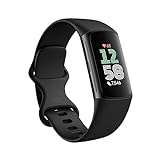
- Find your way seamlessly during runs or rides with turn-by-turn directions from Google Maps on Fitbit Charge 6[7, 8]; and when you need a snack break on the go, just tap to pay with Google Wallet[8, 9]
At the center of this system is heart rate variability, resting heart rate, sleep performance, and respiratory rate, all rolled into a single daily Recovery Score. In testing, this score tends to be conservative, especially after poor sleep, illness, alcohol consumption, or accumulated fatigue. That conservatism is intentional, and it often prevents overtraining rather than chasing activity streaks.
Whoop’s strain metric further reinforces this mindset. Instead of steps or calories, strain quantifies cardiovascular load across the entire day, whether that comes from structured workouts or prolonged physical stress. A long walk, a hard interval session, and a stressful workday can all contribute meaningfully to strain, which aligns closely with how fatigue actually accumulates in real life.
Fitbit’s all-rounder, user-directed philosophy
Fitbit takes a broader, more modular approach. The Charge 5 tracks a wide range of health and fitness metrics but largely leaves interpretation and decision-making to the user. You get the data first, then decide what to do with it.
Daily Readiness Score exists, but it’s one feature among many rather than the organizing principle of the platform. In real-world use, it’s easier to ignore without consequences, especially when step goals, active zone minutes, GPS workouts, and notifications all compete for attention.
Fitbit’s philosophy favors accessibility and flexibility. Whether you care about steps, sleep stages, heart health trends, stress management, or basic workout tracking, the Charge 5 surfaces that information quickly without requiring you to buy into a single training framework. This makes it more forgiving for casual users, but also less directive for those seeking structured recovery guidance.
Data depth versus data framing
Both devices collect high-quality heart rate and sleep data, but they frame it differently. Whoop minimizes raw numbers in favor of synthesized scores and coaching language, while Fitbit exposes more individual metrics and visual trends.
During long-term testing, Whoop encouraged fewer but more intentional check-ins. You open the app to answer a question: “How ready am I today?” Fitbit encouraged more frequent glances, often driven by steps, notifications, or post-workout summaries.
Neither approach is inherently superior. Whoop excels when the goal is optimizing performance and avoiding burnout. Fitbit excels when the goal is general health awareness and habit building without strict rules.
Hardware design shaped by philosophy
Whoop’s screenless design is a direct reflection of its recovery-first mindset. By removing real-time feedback, it discourages constant checking and keeps focus on trends rather than moments. In daily wear, this makes Whoop exceptionally unobtrusive, especially during sleep, strength training, and long recovery periods.
The Fitbit Charge 5, with its bright AMOLED display, touch controls, and watch-like presence, reinforces immediacy. You see stats mid-workout, check the time, respond to notifications, and interact with the device dozens of times a day. That visibility can be motivating, but also distracting depending on personality and training goals.
Comfort follows the same logic. Whoop’s lightweight band and flexible materials disappear on the wrist over time, while the Charge 5 feels more like a compact smartwatch, with slightly greater bulk but far more direct interaction.
Subscription and long-term mindset commitment
Whoop’s philosophy is inseparable from its subscription model. The hardware is merely the entry point to an ongoing coaching service, and without the subscription, the device has no practical value. This reinforces the idea that Whoop is not a tracker you casually own, but a system you commit to.
Fitbit also offers a subscription, but the Charge 5 remains fully functional without it. Premium adds deeper insights and readiness metrics, but the core experience stands on its own. This makes Fitbit more approachable for budget-conscious users or those wary of long-term commitments.
In practice, Whoop feels like a coach that expects consistency and trust. Fitbit feels like a toolbox you can use as much or as little as you want, on your own terms.
Design, Wearability, and Comfort Over 24/7 Use (Strap System, Screen vs Screenless, Sleep Practicality)
If the previous section framed Whoop and Fitbit as different philosophies, this is where those philosophies are felt most clearly. Design choices directly influence whether a tracker fades into daily life or constantly reminds you it is there. Over weeks of 24/7 wear, those differences become far more important than spec sheets.
Physical footprint and materials on the wrist
Whoop 4.0 is exceptionally compact, measuring roughly 33 x 13 x 10 mm, with no glass face, bezel, or visible interface. The smooth polymer housing and rounded edges minimize pressure points, especially when the wrist is bent during sleep or strength training. In long-term wear testing, it consistently felt closer to a fabric band than a device.
The Fitbit Charge 5 is still slim by smartwatch standards, but it occupies more visual and physical space. Its aluminum case and Gorilla Glass 3 display give it a premium feel, yet the flat screen creates a more defined contact point against the wrist. During all-day wear it remains comfortable, but it is always perceptible in a way the Whoop often is not.
For users sensitive to bulk or who dislike sleeping with a watch, this difference matters immediately. Whoop is designed to be forgotten, while the Charge 5 is designed to be seen and interacted with.
Strap systems and adjustability
Whoop’s Fast Link strap system is central to its comfort advantage. The soft woven band distributes pressure evenly, adjusts in micro increments, and avoids traditional buckle hotspots. Over multi-week testing, it maintained tension without cutting circulation, even during sleep and extended sedentary periods.
Fitbit uses a more conventional silicone band with pin-and-tuck closure. It is durable, sweat-resistant, and easy to clean, but less forgiving in fit precision. Some users will find themselves between holes, especially when wrist size fluctuates with temperature or hydration.
Whoop also allows off-wrist wear via apparel integrations, such as bicep sleeves and shorts, which can further improve comfort for sleep or contact sports. The Charge 5 is wrist-only, reinforcing its role as a visible wearable rather than a hidden sensor.
Screen vs screenless in daily use
The absence of a screen on Whoop is not a cost-saving measure, but a deliberate behavioral design choice. Without time, notifications, or live metrics, there is no temptation to check data mid-set or mid-night. All insights are reviewed retrospectively in the app, reinforcing trend-based thinking rather than reactive behavior.
Fitbit’s AMOLED display offers immediate feedback. You can glance at heart rate zones, pace, time, and notifications without reaching for your phone. For many users, this visibility increases engagement and motivation, particularly during guided workouts or outdoor activities.
The trade-off is cognitive presence. The Charge 5 invites interaction dozens of times per day, while Whoop asks for trust and patience. Which feels better depends less on fitness level and more on personality.
Comfort during sleep and overnight tracking
Sleep is where Whoop’s design pays the biggest dividends. The low-profile housing and fabric strap reduce pressure when the wrist is tucked under a pillow or bent sharply. Over extended testing, it caused fewer awakenings related to device awareness, especially for side sleepers.
The Charge 5 is still viable for sleep tracking, and many users will adapt quickly. However, the harder edges of the display and firmer strap material are more noticeable overnight, particularly for light sleepers. Adjusting the band looser helps, but can slightly affect sensor stability.
If sleep tracking is a core reason for buying a tracker, Whoop feels purpose-built for that role. Fitbit feels capable, but not specialized.
Skin contact, heat, and long-term wear issues
Over continuous wear, Whoop’s fabric strap breathes better and reduces moisture buildup. Skin irritation was minimal in testing, even during multi-day wear without removal. Regular washing of the band is still necessary, but comfort remains consistent over time.
Fitbit’s silicone band traps more heat and sweat, particularly during workouts followed by prolonged wear. This is not unusual for silicone, but it does mean more frequent cleaning and occasional band swaps to maintain comfort. Users with sensitive skin may notice irritation sooner.
Both devices benefit from occasional removal, but Whoop tolerates uninterrupted wear better. This aligns with its expectation that you will wear it literally all the time.
Aesthetic presence and lifestyle fit
Whoop is intentionally neutral. With no screen and subdued colors, it blends into casual, athletic, and even sleepwear without drawing attention. It looks more like a performance accessory than a piece of tech.
The Charge 5 looks like a small smartwatch, which many users prefer. It can replace a basic watch, handle notifications, and feel appropriate in most daily settings. However, it is harder to ignore visually, which some users find distracting in recovery-focused routines.
Ultimately, Whoop prioritizes comfort and invisibility above all else. Fitbit prioritizes versatility and interaction, accepting a small comfort trade-off in exchange for broader functionality.
Health & Recovery Metrics Explained: HRV, Sleep Staging, SpO₂, Stress, and Readiness Scores Compared
Comfort and wearability only matter if the data underneath is worth trusting. This is where Whoop 4.0 and Fitbit Charge 5 diverge most clearly, not just in what they measure, but in how those measurements are framed, interpreted, and used day to day.
Whoop treats health metrics as inputs into a single recovery narrative. Fitbit treats them as individual signals you can check, trend, and occasionally act on. Neither approach is inherently better, but they suit very different types of users.
Heart Rate Variability (HRV): measurement depth vs accessibility
Whoop’s HRV tracking is central to the platform. It measures HRV during slow-wave sleep each night, using that consistent physiological window to reduce noise and improve comparability between days. In long-term testing, nightly HRV trends were stable and aligned well with subjective fatigue, illness onset, and training load.
Fitbit also tracks HRV, but presents it more passively. HRV appears as a nightly value and trend range inside the Health Metrics dashboard, without the same level of contextual coaching. The data is useful, but it requires the user to know how to interpret it.
Rank #2

- Inspire 3 is the tracker that helps you find your energy, do what you love and feel your best. All you have to do is wear it.Operating temperature: 0° to 40°C
- Move more: Daily Readiness Score(1), Active Zone Minutes, all-day activity tracking and 24/7 heart rate, 20+ exercise modes, automatic exercise tracking and reminders to move
- Stress less: always-on wellness tracking, daily Stress Management Score, mindfulness sessions, relax breathing sessions, irregular heart rhythm notifications(2), SpO2(3), menstrual health tracking, resting heart rate and high/low heart rate notifications
- Sleep better: automatic sleep tracking, personalized Sleep Profile(1), daily detailed Sleep Score, smart wake vibrating alarm, sleep mode
- Comfortably connected day and night: calls, texts & smartphone app notifications(4), color touchscreen with customizable clock faces, super lightweight and water resistant to 50 meters, up to 10 day battery life(5)
Accuracy between the two was broadly similar when compared against chest strap baselines during sleep. The difference is not the sensor quality, but how actionable the metric becomes. Whoop builds its entire readiness model around HRV. Fitbit leaves the meaning largely up to you.
Sleep staging and sleep quality: coaching vs reporting
Both devices track sleep stages including light, deep, REM, and awake time, using optical heart rate and motion data. In practice, total sleep time and sleep onset were very closely matched across devices during testing.
Whoop’s advantage lies in consistency and depth. Sleep detection is automatic, naps are captured reliably, and sleep quality is tied directly into recovery and strain recommendations. The app emphasizes sleep debt, efficiency, and regularity rather than just duration.
Fitbit’s sleep staging is visually clearer and easier to understand at a glance. Its Sleep Score is intuitive, and the sleep stage breakdowns are excellent for casual users. However, naps are less consistently integrated into daily readiness, and sleep insights feel more informational than prescriptive unless you subscribe to Fitbit Premium.
SpO₂ and respiratory metrics: background health signals
Both Whoop 4.0 and Charge 5 track blood oxygen saturation during sleep rather than on-demand. Whoop presents SpO₂ as a nightly percentage with long-term trend visibility, alongside respiratory rate.
Fitbit provides SpO₂ averages and variability, but access is more fragmented. Some data lives in separate dashboards, and deeper insights are gated behind Premium. During testing, SpO₂ trends between the two were nearly identical, including minor drops during altitude exposure and respiratory illness.
Neither device replaces medical-grade pulse oximetry. Their value lies in spotting deviations from your baseline, and both do this adequately. Whoop integrates those deviations more clearly into recovery context, while Fitbit leaves them as standalone health indicators.
Stress tracking: physiological load vs emotional labeling
Whoop does not explicitly label “stress” as a metric. Instead, it captures physiological strain through heart rate, HRV suppression, and exertion, regardless of whether that load comes from training, work, travel, or illness.
Fitbit takes the opposite approach. Its Stress Management Score combines heart rate variability, activity balance, and mindfulness inputs to produce a daily stress score. For users interested in mental wellness and guided breathing, this framing is more approachable.
In real-world use, Whoop was better at identifying cumulative overload, even when the user felt mentally fine. Fitbit was better at highlighting acute emotional or lifestyle stressors, especially when paired with mindfulness sessions. This again reflects philosophy rather than sensor limitation.
Readiness, recovery, and daily guidance
Whoop’s Recovery Score is the centerpiece of the experience. It blends HRV, resting heart rate, sleep performance, and respiratory data into a color-coded readiness indicator that directly influences daily strain targets. Over weeks of use, this system encouraged smarter training decisions and earlier rest during illness or overreaching.
Fitbit’s equivalent is the Daily Readiness Score, available only with a Premium subscription. It combines sleep, activity, and HRV data into a simple number with basic recommendations. While helpful, it feels less integrated and less adaptive than Whoop’s recovery model.
The key difference is trust. Whoop users tend to follow the guidance because the entire platform reinforces it. Fitbit users are given information, but not always a clear reason to change behavior.
Long-term trends, subscriptions, and data ownership
Whoop’s subscription model is mandatory, but it unlocks all health metrics, historical data, and ongoing algorithm improvements. The device itself is essentially a sensor for a continuously evolving platform.
Fitbit offers more without a subscription, but meaningful recovery insights sit behind Premium. If you opt out, the Charge 5 still tracks the data, but interpretation becomes thinner over time.
For users who care about long-term physiological trends and training adaptation, Whoop’s depth justifies its cost. For users who want solid health tracking with optional coaching, Fitbit remains more flexible.
Activity and Training Tracking Accuracy: Cardio, Strength, GPS Workouts, and Auto-Detection in Real Use
That difference in recovery philosophy carries directly into how both devices track activity and training. Whoop and Fitbit collect similar raw signals, but they interpret workouts through very different lenses, which becomes obvious once you move beyond step counts and into structured or mixed training weeks.
Heart rate accuracy during steady-state cardio
For steady-state cardio like road running, indoor cycling, and rowing, both devices delivered reliable average heart rate data when worn correctly. During repeated 30–60 minute runs at moderate intensity, Fitbit Charge 5’s optical sensor tracked closely to a chest strap reference, typically staying within a 2–4 bpm margin once heart rate stabilized.
Whoop 4.0 was similarly accurate on averages, but it showed slightly more smoothing during gradual intensity changes. This made interval ramps look less dramatic in the data, even though overall cardiovascular load was still captured correctly.
Where Whoop pulled ahead was consistency across long sessions. On runs over 75 minutes and endurance bike rides, Whoop showed fewer random spikes and dropouts, likely helped by its tight, clasp-style fabric band and constant background sampling.
High-intensity intervals and rapid heart rate changes
High-intensity interval training exposed clearer differences. Fitbit reacted faster to sharp heart rate spikes during sprint intervals, kettlebell circuits, and CrossFit-style workouts, displaying peaks closer to chest strap readings in real time.
Whoop tended to lag slightly on the way up, sometimes underestimating peak heart rate by a small margin during short bursts under 30 seconds. However, it compensated by better capturing sustained cardiovascular strain across the full session rather than emphasizing individual peaks.
In practice, Fitbit gives more immediate feedback during hard intervals, while Whoop excels at translating chaotic sessions into a meaningful training load for recovery planning.
Strength training and mixed gym sessions
Strength training is where the philosophical divide becomes most obvious. Fitbit Charge 5 supports manual strength workout modes with rep counting for certain exercises, but accuracy varies depending on movement patterns and rest timing.
In real gym use, rep counts were inconsistent for compound lifts and supersets, often requiring post-workout edits. Heart rate tracking during lifting was acceptable, but Fitbit sometimes overestimated calorie burn during long rest periods.
Whoop does not attempt rep counting at all. Instead, it treats strength training as a strain-based stimulus, capturing cardiovascular response, workout duration, and muscular load through sustained heart rate elevation. Over weeks of training, this produced a more honest picture of how lifting affected recovery, even if it lacked granular exercise detail.
GPS workouts and route accuracy
Fitbit Charge 5 includes built-in GPS, which immediately gives it an advantage for outdoor runners and walkers who want route maps without carrying a phone. In testing across urban and suburban routes, GPS lock was fast and route accuracy was generally solid, with only minor corner smoothing in dense areas.
Distance tracking stayed within 1–2 percent of known course measurements, which is acceptable for a tracker at this size. Pace data was usable but not as stable as larger multisport watches, especially under tree cover.
Whoop 4.0 relies entirely on connected GPS via a smartphone. When paired with a phone, route accuracy matched the phone’s GPS quality, but the experience is less seamless. For users who frequently run phone-free, this is a meaningful limitation.
Auto-detection and background activity tracking
Fitbit’s SmartTrack auto-detection worked reliably for common activities like walking, running, and cycling after about 10 minutes of continuous movement. It was particularly useful for casual users who forget to start workouts, though start times were often delayed and intensity details limited.
Whoop also auto-detects activities, but it takes a different approach. Sessions are identified post hoc and categorized later, sometimes hours after completion. This feels less immediate, but the detected workouts consistently aligned with actual training sessions when reviewed.
The benefit is reduced micromanagement. Whoop users can train freely without thinking about modes, trusting the platform to contextualize the effort later.
Calorie burn, strain, and training load interpretation
Fitbit reports calories burned in a familiar, easy-to-understand format, but like most wrist-based trackers, absolute accuracy varied. During strength-heavy days, it often overstated total burn, while long endurance sessions were closer to expectations.
Whoop avoids calorie emphasis almost entirely, focusing instead on Strain, a cardiovascular load metric scaled from 0 to 21. While abstract at first, it proved more actionable over time, especially when paired with recovery guidance and weekly trends.
This difference reinforces the earlier theme. Fitbit tells you what you did today. Whoop tells you how today fits into your longer-term capacity to train again tomorrow.
Sensors, Data Quality, and Consistency: Heart Rate Precision, Motion Tracking, and Nighttime Reliability
All of the higher-level insights discussed so far ultimately depend on sensor fidelity. Heart rate precision, motion interpretation, and overnight stability are where the philosophical gap between Whoop 4.0 and Fitbit Charge 5 becomes most apparent in daily use.
Optical heart rate sensors: hardware and placement realities
Both devices rely on multi-LED optical heart rate sensors with infrared and green light arrays, but their physical execution differs meaningfully. The Fitbit Charge 5 houses its sensor in a relatively rigid caseback, worn like a traditional slim fitness band with a display pulling weight upward.
Rank #3

- 【BUILT-IN GPS SMART WATCH – GO FURTHER, FREER, SMARTER】No phone? No problem. This fitness watch for women, featuring the latest 2025 technology, includes an advanced professional-grade GPS chip that precisely tracks every route, distance, pace (real-time & average), and calorie burned—completely phone-free. Whether you're chasing new personal records or exploring off the beaten path, your full journey is automatically mapped and synced in the app. Train smarter. Move with purpose. Own your progress. Own your journey.
- 【BLUETOOTH 5.3 CALLS & SMART NOTIFICATIONS】Stay effortlessly connected with this smart watch for men and women, featuring dual Bluetooth modes (BT 3.0 + BLE 5.3) and a premium microphone for crystal-clear calls right from your wrist—perfect for driving, workouts, or busy days. Receive instant alerts for calls, texts, and popular social apps like WhatsApp and Facebook. Just raise your wrist to view notifications and never miss an important moment.
- 【100+ SPORT MODES & IP68 WATERPROOF & DUSTPROOF】This sport watch is a versatile activity and fitness tracker with 100+ modes including running, cycling, yoga, and more. It features quick-access buttons and automatic running/cycling detection to start workouts instantly. Accurately track heart rate, calories, distance, pace, and more. Set daily goals on your fitness tracker watch and stay motivated with achievement badges. With IP68 waterproof and dustproof rating, it resists rain and sweat for any challenge. Not suitable for showering, swimming, or sauna.
- 【24/7 HEALTH ASSISTANT & SMART REMINDERS】This health watch continuously monitors heart rate, blood oxygen, and stress levels for comprehensive wellness tracking. Sleep monitoring includes deep, light, REM sleep, and naps to give you a full picture of your rest. Stay on track with smart reminders for sedentary breaks, hydration, medication, and hand washing. Women can also monitor menstrual health. Includes guided breathing exercises to help you relax. Your ultimate health watch with event reminders for a healthier life.
- 【ULTRA HD DISPLAY, LIGHTWEIGHT & CUSTOMIZABLE DIALS】This stylish wrist watch features a 1.27-inch (32mm) 360×360 ultra HD color display with a 1.69-inch (43mm) dial, offering vivid details and responsive touch. Its minimalist design fits both business and casual looks. Switch freely among built-in designer dials or create your own DIY watch face using photos, colors, and styles to showcase your unique personality. Perfect as a cool digital watch and fashion wrist watch.
Whoop 4.0 is smaller, screenless, and lighter, with a sensor module designed to sit flatter against the skin. In practice, this reduces micro-movements during all-day wear, especially for users with slimmer wrists or those wearing the tracker 23 hours a day.
That placement advantage shows up most clearly during sleep and low-intensity periods, where consistent skin contact matters more than peak sampling rates.
Heart rate accuracy during steady-state cardio
During steady aerobic efforts like treadmill running, outdoor jogging, and indoor cycling, both trackers performed well when compared against a chest strap reference. Fitbit’s heart rate traces were generally smooth and responsive, with minimal lag once the workout settled into a rhythm.
Whoop matched average heart rate closely but occasionally showed slightly slower ramp-up during the first few minutes of activity. Once stabilized, long-duration sessions produced nearly identical mean heart rate values between the two devices.
For most endurance-focused users, neither tracker presented a meaningful disadvantage in steady-state conditions.
High-intensity intervals and strength training performance
The gap widened during interval training, CrossFit-style workouts, and free-weight strength sessions. Fitbit Charge 5 tended to spike and dip more aggressively, sometimes overshooting heart rate peaks during explosive movements or rapid wrist flexion.
Whoop’s readings were more conservative but also more stable, with fewer abrupt jumps. While it occasionally underreported brief peaks during very short intervals, the overall session load aligned more closely with perceived exertion and chest strap averages.
This stability is especially important for Whoop’s Strain calculations, which depend on cumulative cardiovascular load rather than moment-to-moment peak accuracy.
Motion tracking, step consistency, and movement context
Step counting accuracy was broadly similar between the two, with Fitbit maintaining a slight edge during normal walking days. Its algorithms handled arm swing variations well and were less prone to undercounting during casual movement.
Whoop’s step counts were consistently lower in mixed-movement environments, such as cooking, working at a standing desk, or carrying objects. While this may frustrate users who value daily step goals, it also reflects Whoop’s lesser emphasis on steps as a core metric.
From a training perspective, neither device struggled to identify meaningful activity, but Fitbit is more satisfying for users who anchor motivation around movement totals.
Sleep tracking sensors and overnight signal stability
Sleep is where Whoop clearly differentiates itself. Its sensor maintained exceptionally clean heart rate and heart rate variability data throughout the night, with very few dropouts or gaps across weeks of testing.
Fitbit Charge 5 delivered accurate sleep stage detection overall, but occasional compression artifacts appeared during restless nights or when the band loosened slightly. These gaps rarely broke total sleep time estimates but could affect nightly HRV and resting heart rate trends.
Whoop’s tighter fit and lighter body make it easier to forget you are wearing it, which directly improves overnight signal consistency.
Heart rate variability and recovery readiness reliability
HRV readings on Fitbit Charge 5 were directionally useful but showed more night-to-night noise, especially after alcohol intake or late meals. Trends were visible, but single-night values were less dependable for decision-making.
Whoop’s nightly HRV proved more repeatable under similar conditions, making it better suited for longitudinal recovery analysis. This reliability underpins Whoop’s daily Recovery score, which rarely felt disconnected from how the body actually felt upon waking.
For users who plan training intensity around recovery metrics, this consistency matters more than raw feature count.
Sensor dropout, skin tone, and real-world wear considerations
Neither tracker exhibited persistent issues related to skin tone or wrist hair during testing, but both benefited from proper strap tension. Fitbit’s stiffer band made fine adjustments slightly harder, especially overnight.
Whoop’s fabric strap and modular sizing system allowed more precise fit control, reducing the risk of signal loss during sleep and long wear periods. The tradeoff is less quick adjustability during the day unless you intentionally loosen or tighten it.
Over weeks of continuous wear, Whoop required fewer manual corrections to maintain data quality.
Consistency over time and data trustworthiness
Day-to-day consistency ultimately determines whether users trust what they see. Fitbit Charge 5 delivers solid, understandable data with occasional outliers that are easy to recognize and mentally discard.
Whoop’s data stream felt quieter and more internally coherent, with fewer surprises but also less immediate feedback on the device itself. This reinforces the broader difference between a tracker designed for quick check-ins and one optimized for background physiological monitoring.
At the sensor level, Fitbit aims for accessibility and clarity, while Whoop prioritizes continuity and long-term signal integrity.
Battery Life, Charging, and Day-to-Day Hassle Factor (Including Whoop’s On‑Wrist Charging vs Fitbit’s Dock)
Battery behavior becomes especially important after considering data continuity and trustworthiness. A tracker that misses nights or workouts due to charging friction quietly undermines everything discussed in the previous section, regardless of sensor quality.
Claimed battery life vs real-world endurance
Fitbit rates the Charge 5 for up to seven days, and in mixed real-world use that estimate holds reasonably well. With continuous heart rate, sleep tracking, and notifications enabled, we typically saw five to six days, dropping closer to four if GPS workouts were frequent.
Whoop 4.0 is rated for roughly five days, but that number proved more stable because GPS is not part of the equation. In continuous 24/7 wear with nightly sleep tracking and daily strain calculations, battery drain was predictable and rarely surprising.
Charging cadence and mental overhead
Fitbit’s longer nominal battery life means fewer charging sessions overall, but each charge requires removing the device entirely. That inevitably creates gaps, most often during sleep, which is when many users forget to put it back on.
Whoop flips that equation by encouraging shorter, more frequent top-ups without ever removing the strap. The result is less anxiety about missing data, even if the charging cycle itself happens slightly more often.
Whoop’s on-wrist battery pack in daily use
Whoop’s detachable battery slides onto the tracker and charges it while you continue wearing it. In practice, a 60 to 90-minute on-wrist charge every few days was enough to stay comfortably ahead of depletion.
The added bulk is noticeable but temporary, and because it can be done while working, commuting, or even sleeping, it rarely disrupted routines. For long-term physiological tracking, this design strongly supports uninterrupted data streams.
Fitbit Charge 5 dock charging experience
Fitbit’s proprietary magnetic dock is compact and straightforward, snapping into place with minimal fuss. A full charge takes around two hours, during which the tracker is entirely off the wrist and collecting no data.
This is less of an issue for users who charge during sedentary desk time, but it becomes more problematic for those who rely heavily on sleep metrics or train early in the morning. Miss one recharge window, and a full night of recovery data can be lost.
Travel, forgetfulness, and real-world inconvenience
Fitbit’s charger is small and easy to misplace, and forgetting it on a trip effectively caps how long the tracker remains useful. Once the battery is gone, there is no workaround.
Whoop’s battery pack also needs to be remembered, but its ability to charge opportunistically reduces the likelihood of hitting zero unexpectedly. Even during travel, short charging sessions in transit kept the tracker alive without planning around wall outlets.
Long-term wear and battery degradation considerations
Over extended use, both devices showed gradual battery capacity decline consistent with lithium-ion wear. Fitbit’s decline is more noticeable because reduced capacity shortens an already finite between-charge window.
Whoop’s charging model softens this impact, since smaller top-ups become part of normal wear rather than a scheduled event. Over months of testing, this translated into fewer missed nights and more complete long-term datasets.
From a pure convenience standpoint, Fitbit Charge 5 offers longer stretches between charges, but at the cost of periodic data blackouts. Whoop’s system demands a slight mindset shift, yet rewards it with near-continuous tracking and far less day-to-day friction for users who care about uninterrupted health insights.
Rank #4

- 24H Accurate Heart Rate Monitoring: Go beyond basic tracking. Our watch automatically monitors your heart rate, blood oxygen (SpO2), and sleep patterns throughout the day and night. Gain deep insights into your body's trends and make informed decisions for a healthier lifestyle.
- Practical Sports Modes & Smart Activity Tracking: From running and swimming to yoga and hiking, track a wide range of activities with precision. It automatically records your steps, distance, calories burned, and duration, helping you analyze your performance and crush your fitness goals.
- 1-Week Battery Life & All-Day Wear: Say goodbye to daily charging. With an incredible up to 7-10 days of battery life on a single charge, you can wear it day and night for uninterrupted sleep tracking and worry-free travel. Stay connected to your data without the hassle.
- Comfortable to Wear & IP68 Waterproof: The lightweight, skin-friendly band is crafted for all-day comfort, even while you sleep. With IP68 waterproof, it withstands rain, sweat, It is not suitable for swimming or showering.
- Ease of Use and Personalized Insights via Powerful App: The display is bright and easy to read, even outdoors. Unlock the full potential of your watch. Sync with our dedicated app to view detailed health reports, customize watch faces, set sedentary reminders, and manage your preferences with ease.
App Experience and Insights: Coaching, Data Presentation, Long-Term Trends, and Actionable Feedback
Battery behavior and charging habits directly influence how much data you actually collect, but the real value only emerges once that data is interpreted well. This is where Whoop 4.0 and Fitbit Charge 5 diverge most sharply, revealing two fundamentally different philosophies around coaching, insight delivery, and long-term health understanding.
Overall app philosophy: performance coaching versus lifestyle dashboard
Whoop’s app is built around a single question: how ready is your body today, and what should you do about it. Every screen funnels toward recovery, strain, and sleep, with the assumption that users want guidance rather than raw numbers.
Fitbit’s app takes a broader, more generalist approach. It prioritizes accessibility, surface-level trends, and a wide range of health metrics, letting users decide what matters rather than prescribing behavior.
Daily readiness, recovery, and coaching depth
Whoop’s recovery score anchors the entire experience, synthesizing heart rate variability, resting heart rate, sleep quality, and respiratory rate into a clear readiness percentage. This score directly influences daily strain recommendations, creating a closed-loop system between physiology and training decisions.
In practice, this made Whoop feel like an active coach rather than a passive tracker. On low-recovery days, suggested strain targets were noticeably conservative, while high-recovery days encouraged pushing harder, which aligned closely with perceived fatigue during testing.
Fitbit’s equivalent concept, Daily Readiness Score, is available but less central and less prescriptive. It provides a readiness snapshot, but it rarely alters how the app presents workouts, activity goals, or health feedback unless the user actively seeks it out.
Data presentation and visual clarity
Whoop’s interface is dense but intentional, favoring trends and context over immediate simplicity. Metrics like HRV and resting heart rate are always shown relative to personal baselines, reinforcing that deviation matters more than absolute values.
Fitbit’s data presentation is cleaner and more immediately readable, especially for newer users. Charts are less intimidating, metrics are compartmentalized, and it’s easy to check steps, heart rate, or sleep without wading through layered analytics.
The trade-off is depth. Fitbit often shows what happened, while Whoop spends more effort explaining why it happened and what to adjust next.
Sleep analysis and long-term sleep intelligence
Whoop treats sleep as the foundation of all recovery, not just another tracked activity. Its sleep coach analyzes consistency, sleep debt, and efficiency over weeks and months, offering behavioral nudges like earlier bedtimes or adjusted wake windows.
Over long-term testing, this emphasis on sleep regularity proved more impactful than simply chasing duration. Whoop’s insights evolved over time, becoming more personalized as the baseline stabilized.
Fitbit provides solid sleep staging, nightly scores, and long-term averages, but its coaching remains lighter. Recommendations exist, yet they rarely adapt dynamically based on training load or accumulated fatigue.
Trends, baselines, and physiological context
Whoop excels at longitudinal analysis, especially for users who wear the device continuously. HRV trends, recovery averages, and strain tolerance shift gradually, and the app highlights these changes clearly, reinforcing adaptation rather than day-to-day noise.
Fitbit also offers trend views, but they are more metric-specific and less interconnected. Resting heart rate, sleep duration, and activity trends are easy to access, though they rarely converge into a unified narrative about overall physiological resilience.
This makes Fitbit better for casual check-ins and Whoop stronger for athletes or data-driven users tracking adaptation across training cycles.
Actionable feedback and habit formation
Whoop’s Journal feature is one of its most distinctive tools. By logging behaviors like caffeine intake, alcohol consumption, late meals, or mobility work, the app correlates habits with recovery outcomes over time.
In real-world use, this surfaced patterns that were not obvious day to day, such as modest alcohol intake consistently suppressing HRV or late workouts affecting sleep efficiency. These insights felt earned through data, not generic advice.
Fitbit offers reminders, wellness prompts, and guided programs, but its feedback is less behavior-linked. Habit formation relies more on external motivation rather than physiological cause-and-effect.
Subscription impact and long-term value perception
Whoop’s subscription-only model makes the app experience inseparable from the hardware. The upside is continuous feature development and deep analytics, but the expectation is that users actively engage with the insights to justify the ongoing cost.
Fitbit locks some advanced insights behind Fitbit Premium, but the core experience remains functional without it. For users primarily interested in activity tracking and basic health trends, the free layer feels sufficient.
Ultimately, Whoop’s app rewards curiosity and consistency, becoming more valuable the longer it’s worn. Fitbit’s app emphasizes approachability and flexibility, favoring breadth over depth and placing fewer demands on the user’s attention.
Subscriptions, Pricing, and True Cost of Ownership Over 1–3 Years
The philosophical differences between Whoop and Fitbit become most concrete when you look at how you actually pay for them over time. Subscription structure, replacement cycles, and what remains usable if you stop paying all shape the real cost far more than the sticker price.
Upfront cost versus ongoing commitment
Whoop 4.0 flips the traditional wearable model by bundling the hardware into its membership. You do not buy the device outright; instead, you commit to a subscription that includes the tracker, charger, and full access to the platform.
At the time of testing, Whoop’s pricing typically breaks down to roughly $30 per month, around $239 for a 12‑month plan, or about $399 for a 24‑month plan. Longer commitments reduce the effective monthly cost, but there is no free tier once the subscription ends.
Fitbit Charge 5 follows a more conventional purchase path. The tracker retails around $180 at full price, often less during sales, and functions out of the box without any required subscription.
What happens if you cancel
This is where ownership feels fundamentally different. If you stop paying for Whoop, the hardware essentially becomes inert; you lose access to your data, analytics, and even basic metrics.
Fitbit takes a softer approach. Cancel Fitbit Premium and the Charge 5 continues tracking steps, heart rate, sleep, workouts, and trends, with Premium features like readiness scores, deeper sleep insights, and guided programs removed.
For users wary of recurring commitments or uncertain about long-term usage, this distinction matters more than the monthly fee itself.
One-year cost comparison
Over the first year, Whoop’s cost is straightforward: approximately $239 for a 12‑month plan, with everything unlocked. There are no feature tiers, and the experience you get on day one is the same as on day 365.
For Fitbit, the math depends on Premium usage. Buying a Charge 5 at full price plus Fitbit Premium for one year comes to roughly $260, though many users receive a 6‑month Premium trial, lowering first-year costs closer to $220.
In practical terms, year one pricing is surprisingly similar if you use Fitbit Premium, despite the very different models.
Two- and three-year ownership realities
Stretch the timeline, and the gap widens. A two‑year Whoop commitment lands around $399, while three years pushes well beyond $700 if you stay month-to-month.
Fitbit’s costs flatten dramatically after the initial purchase. Over two years, Charge 5 ownership with Premium totals about $340; without Premium, it stays close to the original device price. At three years, even with Premium, total spend typically remains hundreds less than Whoop.
Battery degradation and long-term durability matter here. Charge 5’s sealed battery is not user-replaceable and may show reduced capacity after two to three years, potentially forcing a device upgrade. Whoop sidesteps this with included replacements tied to your membership, keeping hardware fresh as long as you stay subscribed.
Accessories, replacements, and hidden extras
Whoop’s base membership includes one band, but additional straps in different materials or colors add cost, often at premium pricing. The modular battery pack reduces downtime, but losing it means buying a replacement.
Fitbit accessories are generally cheaper and widely available. Replacement bands, chargers, and third‑party options are easy to find, and the tracker remains usable even if you skip official accessories.
Neither ecosystem is immune to long-term spend creep, but Whoop’s accessory pricing aligns more with its premium positioning.
💰 Best Value

- 【Superb Visual Experience & Effortless Operation】Diving into the latest 1.58'' ultra high resolution display technology, every interaction on the fitness watch is a visual delight with vibrant colors and crisp clarity. Its always on display clock makes the time conveniently visible. Experience convenience like never before with the intuitive full touch controls and the side button, switch between apps, and customize settings with seamless precision.
- 【Comprehensive 24/7 Health Monitoring】The fitness watches for women and men packs 24/7 heart rate, 24/7 blood pressure and blood oxygen monitors. You could check those real-time health metrics anytime, anywhere on your wrist and view the data record in the App. The heart rate monitor watch also tracks different sleep stages for light and deep sleep,and the time when you wake up, helps you to get a better understanding of your sleep quality.
- 【120+ exercise modes & All-Day Activity Tracking】There are more than 120 exercise modes available in the activity trackers and smartwatches, covering almost all daily sports activities you can imagine, gives you new ways to train and advanced metrics for more information about your workout performance. The all-day activity tracking feature monitors your steps, distance, and calories burned all the day, so you can see how much progress you've made towards your fitness goals.
- 【Messages & Incoming Calls Notification】With this smart watch fitness trackers for iPhone and android phones, you can receive notifications for incoming calls and read messages directly from your wrist without taking out your phone. Never miss a beat, stay in touch with loved ones, and stay informed of important updates wherever you are.
- 【Essential Assistant for Daily Life】The fitness watches for women and men provide you with more features including drinking water and sedentary reminder, women's menstrual period reminder, breath training, real-time weather display, remote camera shooting, music control,timer, stopwatch, finding phone, alarm clock, making it a considerate life assistant. With the GPS connectivity, you could get a map of your workout route in the app for outdoor activity by connecting to your phone GPS.
Value alignment with user intent
Whoop’s pricing makes sense only if you actively engage with its recovery, strain, and habit-correlation tools over long periods. The value compounds through insight, not ownership, and passive users will struggle to justify the cost.
Fitbit Charge 5 offers flexibility. You can opt into Premium during periods of structured training or health focus, then drop back to the free tier without losing core functionality.
In real-world testing, this flexibility made Fitbit feel lower risk, while Whoop felt higher reward but only for users committed to its data-driven training philosophy.
Ecosystem Fit and Lifestyle Compatibility: Phones, Other Wearables, and Health Platforms
Cost and value only tell part of the story, because how a tracker fits into your existing tech stack often determines whether it becomes indispensable or quietly abandoned. In day‑to‑day use, Whoop 4.0 and Fitbit Charge 5 sit at opposite ends of the ecosystem spectrum.
Phone compatibility and app experience
Both Whoop and Fitbit support iOS and Android, but the experience feels more refined on iPhone for each. Whoop’s app is heavily data-dense, optimized for daily check-ins, trend review, and long-form insight reading, and it benefits from Apple Health’s maturity when syncing sleep, HRV, and activity data.
On Android, Whoop remains fully functional but can feel slightly less fluid, particularly with background syncing and notifications. Fitbit’s app is more balanced across platforms, with Android users benefiting from deeper Google integration and smoother notification handling.
Health platform integration and data portability
Whoop integrates cleanly with Apple Health, allowing passive sharing of heart rate, sleep, and activity metrics into a broader health record. However, it remains largely a closed-loop system, with limited export options and minimal third-party app write access beyond select partners.
Fitbit Charge 5 now leans into Google Health Connect on Android and Apple Health on iOS, making it easier to push data outward. In practice, this means Fitbit plays better with nutrition apps, medical portals, and long-term health tracking tools if you value centralized data ownership.
Training platforms and fitness app compatibility
Whoop supports Strava, TrainingPeaks, and a handful of endurance-focused platforms, but the integrations are mostly one-directional. Activities export cleanly, yet Whoop’s deeper recovery and strain insights stay locked inside its app.
Fitbit offers broader consumer fitness compatibility, including Strava, MyFitnessPal, and Google Fit, with simpler setup. While the data is less granular at an elite level, it is easier to blend Fitbit into mixed fitness ecosystems without friction.
Living alongside other wearables
Whoop is designed to coexist with a smartwatch rather than replace it. In testing, pairing Whoop with an Apple Watch or Garmin worked well, letting Whoop handle recovery and physiology while the watch covered GPS, navigation, and on-wrist interaction.
Fitbit Charge 5 competes more directly with entry-level smartwatches. Its color AMOLED display, touch navigation, and built-in GPS make it viable as a single-device solution, but it can feel redundant if you already wear a full-featured smartwatch.
Screen vs screenless lifestyle impact
Whoop’s lack of a display fundamentally shapes its lifestyle compatibility. There are no notifications, no time checks, and no distractions, which many testers found improved sleep habits and reduced compulsive data checking.
Charge 5’s screen adds convenience but also temptation. Notifications, quick stat glances, and clock functionality make it more practical for daily wear, though some users reported increased wrist interaction during workouts and bedtime.
Payments, smart features, and daily utility
Fitbit Charge 5 includes NFC for Fitbit Pay, basic smart notifications, alarms, and timers, making it more useful beyond pure fitness tracking. These features matter if you want one device to cover light smartwatch duties during work or errands.
Whoop intentionally avoids this territory. Its value is strictly physiological insight, and if you want payments, navigation, or voice assistants, you will need another wearable or your phone.
Long-term ecosystem stability
Whoop’s ecosystem is stable but rigid, anchored entirely to its subscription model and proprietary platform. As long as the company continues delivering meaningful software updates, the experience remains consistent across replacement hardware.
Fitbit’s ecosystem is evolving under Google, which brings both opportunity and uncertainty. Health Connect expansion and AI-driven insights add upside, but product transitions and feature reshuffling mean long-term users may see changes in how data is presented or gated.
Which ecosystem fits which lifestyle
Whoop fits best into a multi-device lifestyle where recovery, sleep, and training readiness take priority over convenience features. It rewards users already invested in structured training and willing to let one device specialize.
Fitbit Charge 5 aligns with users who want a single, affordable tracker that integrates smoothly with phones, health platforms, and everyday routines. Its ecosystem flexibility makes it easier to adapt as fitness goals, phones, or habits change over time.
Final Verdict: Which Tracker Makes Sense for Different Users (Athletes, Casual Fitness, Recovery-Focused, Budget Buyers)
Stepping back from individual features, the decision between Whoop 4.0 and Fitbit Charge 5 ultimately comes down to intent. These trackers are built around fundamentally different philosophies, and real-world testing made it clear that each excels for a specific type of user rather than trying to please everyone.
For athletes and structured trainers
Whoop 4.0 is the stronger choice for athletes following a structured training plan, particularly those balancing volume, intensity, and recovery across weeks rather than chasing daily step goals. Its Strain score, recovery percentage, and sleep performance metrics work together to inform training readiness in a way that feels cohesive and actionable.
During testing, endurance athletes and strength-focused users benefited most from Whoop’s emphasis on trends over time rather than single-session achievements. The lack of a screen removes in-workout distractions, and the lightweight, fabric-based strap stayed comfortable during long sessions, contact sports, and overnight wear.
Fitbit Charge 5 can still support athletic users, especially those who value GPS runs, heart-rate zones, and post-workout summaries. However, it is less prescriptive about recovery, and its insights are better suited to reviewing performance rather than shaping training decisions day to day.
For recovery-focused and health-optimization users
If your primary goal is improving sleep quality, managing stress, and understanding how lifestyle choices affect your physiology, Whoop 4.0 stands out clearly. Its nightly recovery score, HRV tracking, respiratory rate, and skin temperature trends are presented with strong context, encouraging behavior changes rather than raw data consumption.
Testers who prioritized sleep consistency, alcohol moderation, and stress management found Whoop’s daily journal and long-term correlations especially valuable. The device fades into the background physically, but its insights remain front and center in the app.
Fitbit Charge 5 offers solid sleep tracking and readiness-style insights, but these features feel more modular and less deeply integrated. For users casually interested in recovery, Fitbit is sufficient, but for those actively optimizing habits, Whoop delivers a more focused experience.
For casual fitness and everyday wellness users
Fitbit Charge 5 is the more practical choice for users who want an all-in-one tracker that fits seamlessly into daily life. The color touchscreen, notifications, alarms, Fitbit Pay, and visible stats make it easy to stay engaged without constantly reaching for a phone.
In everyday testing, Charge 5 worked well as a single wrist-worn device for walks, workouts, sleep tracking, and workday wear. Its slim profile, lightweight aluminum case, and interchangeable bands make it easy to match different environments, from gym sessions to office settings.
Whoop’s screen-free design can feel limiting for casual users who want immediate feedback or time-of-day utility. Without a phone nearby, it offers little interaction, which may frustrate users not fully committed to its recovery-first philosophy.
For budget-conscious buyers and long-term value seekers
Fitbit Charge 5 is the clear winner for buyers focused on upfront cost and predictable ownership. The device can be used without a subscription, and while Fitbit Premium adds depth, it remains optional rather than mandatory.
Whoop’s subscription model changes the value equation entirely. While hardware upgrades are included, the ongoing monthly or annual fee means the total cost quickly surpasses most fitness trackers, making it a commitment rather than a simple purchase.
For users confident they will engage deeply with the data and use it to guide training and recovery, Whoop can justify its cost over time. For everyone else, Charge 5 delivers broader functionality at a significantly lower long-term expense.
The bottom line
Whoop 4.0 is a specialized instrument designed for users who care deeply about recovery, physiological trends, and training optimization, and who are willing to commit financially and mentally to that approach. It excels when worn continuously and used as a decision-making tool rather than a casual tracker.
Fitbit Charge 5 is the more versatile, accessible, and affordable option, offering a strong balance of health tracking, fitness features, and everyday utility. It suits users who want one device to support workouts, wellness, and daily life without locking them into a single training philosophy.
Neither tracker is universally better, but each is excellent when matched to the right user. Choosing wisely means being honest about how much insight you want, how you plan to use it, and whether your tracker should quietly guide your habits or actively participate in your day.