If you’re trying to decide between Whoop 5.0 and Whoop MG, you’re almost certainly not asking which one is “better” in a vacuum. You’re trying to understand which one actually fits your training load, health priorities, and tolerance for complexity and cost. On paper they look closely related, but in daily use they serve noticeably different types of users.
This section is designed to strip away the marketing language and show what truly separates these two wearables in real-world terms. We’ll look at hardware intent, sensor depth, health insights, subscription positioning, and who each device is realistically built for, so you can immediately tell which one belongs on your wrist.
The key thing to understand upfront is that Whoop 5.0 is an evolution of the performance-first recovery tracker Whoop is known for, while Whoop MG is positioned as a more clinically ambitious device that leans harder into regulated health monitoring. That philosophical split drives almost every difference that follows.
Design philosophy and day-to-day wearability
Both Whoop 5.0 and Whoop MG keep the brand’s screenless, distraction-free design, but they’re optimized for slightly different lifestyles. Whoop 5.0 prioritizes all-day comfort during training, sleep, and recovery, with a lightweight module that disappears under gym straps, compression sleeves, or work clothes.
🏆 #1 Best Overall
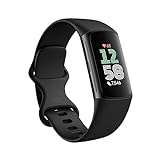
- Find your way seamlessly during runs or rides with turn-by-turn directions from Google Maps on Fitbit Charge 6[7, 8]; and when you need a snack break on the go, just tap to pay with Google Wallet[8, 9]
Whoop MG is marginally more substantial on the wrist, not in a way that’s uncomfortable, but in a way that reflects its expanded sensor array and tighter skin contact requirements. If you’re sensitive to bulk or frequently wear Whoop in alternative placements like bicep bands or underwear, Whoop 5.0 is more forgiving.
Sensors: performance tracking versus medical-grade ambition
Whoop 5.0 focuses on refining core performance sensors rather than reinventing them. Heart rate, heart rate variability, respiratory rate, blood oxygen saturation, skin temperature trends, and motion tracking are all tuned for higher sampling accuracy during intense training and sleep.
Whoop MG builds on that foundation with additional sensing aimed at regulated or near-clinical insights. This typically includes advanced cardiac monitoring capabilities and tighter validation thresholds, designed for users who care as much about long-term health signals as they do about daily strain scores. In practice, this means MG users spend more time reviewing health flags and trend alerts, not just recovery percentages.
Health metrics and insights you actually interact with
With Whoop 5.0, the experience remains centered on Strain, Recovery, and Sleep, with coaching insights framed around training readiness and behavioral optimization. It’s built for athletes and high-frequency exercisers who want actionable feedback without information overload.
Whoop MG expands the health dashboard beyond performance, surfacing deeper cardiovascular and physiological trend analysis. These insights are less about pushing harder tomorrow and more about understanding what’s happening under the hood over months and years. For some users this is empowering; for others it can feel like more data than they want to manage.
Battery life and charging reality
Battery life remains a strength for both, but Whoop 5.0 is optimized for consistency rather than maximum sensor uptime. You can expect multi-day endurance with minimal impact from training volume, and the charging puck system stays unobtrusive.
Whoop MG’s enhanced sensing workload can reduce real-world battery longevity slightly, especially if all health features are enabled continuously. It’s not a dealbreaker, but it does require a bit more charging discipline, particularly for users who track everything 24/7.
Subscription tiers and long-term cost considerations
Whoop 5.0 sits cleanly within Whoop’s traditional subscription structure, making it the more predictable option from a cost perspective. You’re paying for performance analytics, coaching, and platform updates, with no pressure to engage with higher-tier health features.
Whoop MG is typically tied to a higher subscription tier that reflects its expanded health scope. That added cost makes sense if you actively use those features, but it’s harder to justify if your primary goal is improving training recovery rather than monitoring health risk indicators.
Who each model is really for
Whoop 5.0 is built for athletes, gym regulars, endurance enthusiasts, and anyone who wants to train smarter without turning their wearable into a medical device. It excels when recovery guidance and habit optimization are the priority.
Whoop MG is aimed at users who want performance tracking plus deeper health visibility, including those with a strong interest in cardiovascular monitoring or preventative wellness. It’s less about marginal training gains and more about understanding your physiology at a higher resolution.
By this point, the split should already be becoming clear, and in the next section we’ll dig deeper into how these differences play out in actual training, sleep, and recovery scenarios, where the choice becomes even more personal.
Hardware and Wearability: Sensor Stack, Form Factor, and Comfort Differences
The hardware choices behind each Whoop model reinforce the split already emerging between performance-first tracking and broader health monitoring. On paper the devices look similar, but once you dig into sensor priorities, casing design, and how they sit on the body day and night, the experience diverges in meaningful ways.
Sensor stack priorities: performance efficiency vs. health depth
Whoop 5.0 continues to center its hardware around high-frequency optical heart rate sensing, motion tracking, and temperature-adjacent metrics that directly feed strain, recovery, and sleep algorithms. The sensor array is tuned for consistency during training and overnight wear rather than expanding into diagnostic-style measurements.
Whoop MG layers in a more complex sensor stack designed to support advanced cardiovascular and wellness features. Depending on region and subscription tier, this can include hardware capable of supporting ECG-style readings and more granular physiological signal capture, which increases the volume and sensitivity of data collected around the clock.
In practical terms, 5.0’s sensors are optimized to disappear into the background, while MG’s sensors are built to notice more. That extra awareness is valuable if you want deeper health context, but it also shapes everything from battery behavior to how snugly the band needs to be worn.
Module size, weight, and on-wrist presence
Whoop 5.0 maintains the slim, low-profile module that long-time users expect. The housing sits flat against the wrist or bicep, spreads pressure evenly, and rarely catches on sleeves, making it easy to forget you’re wearing it during sleep or long training sessions.
Whoop MG is subtly thicker and marginally heavier, a byproduct of the expanded sensor package and shielding required for higher-fidelity readings. The difference is not dramatic, but side by side, MG feels more like a piece of medical-grade hardware than a minimalist training tracker.
For users coming from earlier Whoop generations, 5.0 feels immediately familiar. MG takes a bit more adjustment, especially for those sensitive to wrist bulk or who prefer alternative placements like the bicep band.
Materials, skin contact, and long-term comfort
Both devices use soft-touch polymer housings and fabric-based straps designed for continuous wear, including during sweat-heavy workouts and sleep. Whoop 5.0’s underside is slightly more forgiving when worn looser, which aligns well with its emphasis on comfort-first, all-day tracking.
Whoop MG benefits from firmer skin contact to ensure reliable signal quality from its advanced sensors. That often means wearing the strap a touch tighter, which can be noticeable over multi-day stretches, particularly for users with smaller wrists or those prone to skin sensitivity.
Neither model feels cheap, but their comfort profiles reflect different priorities. The 5.0 favors neutrality and ease, while MG prioritizes data integrity, even if that occasionally comes at the expense of a barely-there feel.
Durability, placement flexibility, and daily usability
Whoop 5.0 excels in versatility, working equally well on the wrist, bicep, or integrated into Whoop’s apparel system. Its lighter module and tolerance for minor fit variation make it forgiving in real-world use, from lifting sessions to overnight sleep tracking.
Whoop MG supports the same placement options, but it performs best when worn in positions that maintain consistent contact and minimal movement. For most users that still means the wrist, but it’s less forgiving if the strap shifts during high-intensity or contact-heavy training.
Both devices are built to handle sweat, water exposure, and daily abuse, but the 5.0 feels more aligned with an athlete’s routine that values flexibility. MG feels more deliberate, encouraging stable wear habits to unlock its full hardware potential.
Health and Performance Tracking: What Metrics You Get on Whoop 5.0 vs. MG
The differences in comfort and wear style feed directly into how each device approaches health data. Whoop 5.0 and Whoop MG share the same core software platform, but the depth, precision, and clinical ambition of the metrics they surface are not the same.
Both deliver Whoop’s familiar recovery-first framework. MG simply pushes that framework further into health monitoring territory, while 5.0 keeps the focus squarely on training readiness and lifestyle consistency.
Core daily metrics: The shared foundation
At a baseline level, both Whoop 5.0 and MG track continuous heart rate, resting heart rate, heart rate variability, respiratory rate, blood oxygen saturation, and skin temperature trends. These metrics feed into Whoop’s daily Recovery score, which remains the centerpiece of the platform regardless of hardware.
Sleep tracking is identical in structure across both devices. You get automatic sleep detection, sleep staging, sleep consistency metrics, and sleep need calculations that adapt to recent strain and recovery patterns.
For most users focused on performance optimization rather than diagnostics, this shared foundation already covers the essentials. If you’ve used any recent Whoop generation, the day-to-day numbers and dashboards will feel instantly familiar on either device.
Strain and activity tracking: Training load vs. physiological detail
Strain tracking behaves the same across both models, translating cardiovascular load into a 0–21 score based on heart rate response over time. Whoop 5.0 handles this exceptionally well for endurance training, CrossFit-style workouts, and long days of cumulative activity.
MG does not change how Strain is calculated, but it tends to capture heart rate dynamics with slightly higher signal stability during sustained efforts. That matters most during long aerobic sessions, interval-heavy workouts, or training blocks where small changes in cardiovascular response are meaningful.
Rank #2

- Inspire 3 is the tracker that helps you find your energy, do what you love and feel your best. All you have to do is wear it.Operating temperature: 0° to 40°C
- Move more: Daily Readiness Score(1), Active Zone Minutes, all-day activity tracking and 24/7 heart rate, 20+ exercise modes, automatic exercise tracking and reminders to move
- Stress less: always-on wellness tracking, daily Stress Management Score, mindfulness sessions, relax breathing sessions, irregular heart rhythm notifications(2), SpO2(3), menstrual health tracking, resting heart rate and high/low heart rate notifications
- Sleep better: automatic sleep tracking, personalized Sleep Profile(1), daily detailed Sleep Score, smart wake vibrating alarm, sleep mode
- Comfortably connected day and night: calls, texts & smartphone app notifications(4), color touchscreen with customizable clock faces, super lightweight and water resistant to 50 meters, up to 10 day battery life(5)
Neither device includes onboard GPS or workout maps, and both rely on heart rate–based intensity rather than pace or power. The difference is not what’s measured, but how cleanly the data holds up when your physiology is under stress.
Recovery metrics: Same scores, different confidence levels
Recovery scores on Whoop 5.0 and MG use the same inputs: HRV, resting heart rate, sleep performance, and recent strain. In practice, most users will see similar recovery trends on both devices when worn consistently.
MG’s advantage is consistency during edge cases. When sleep is fragmented, when alcohol or illness is involved, or when heart rate patterns become irregular, MG tends to maintain cleaner overnight data capture.
For athletes who make training decisions based on small recovery swings, that added stability can matter. For lifestyle users looking at green, yellow, or red readiness signals, the difference is far less consequential.
Cardiorespiratory health insights: Where MG pulls ahead
This is where the two devices begin to separate clearly. Whoop 5.0 provides strong trend-based cardiovascular insights, including long-term HRV changes, respiratory stability, and VO2 max estimates derived from activity data.
Whoop MG expands on this with more health-forward monitoring, including ECG-capable hardware designed to support heart rhythm assessments within the app. These features are positioned as screening and trend tools rather than diagnostic replacements, but they meaningfully extend what Whoop can tell you about cardiac health.
MG also places greater emphasis on longitudinal cardiovascular trends rather than daily performance alone. It is less about pushing today’s workout and more about understanding how your system behaves over months and years.
Blood oxygen, temperature, and illness detection
Both devices track blood oxygen saturation and skin temperature during sleep, using deviations from baseline to flag potential illness or recovery strain. Whoop’s Health Monitor features function the same on both models at a surface level.
MG’s sensor package improves confidence in those deviations, particularly for users who experience frequent overnight movement or inconsistent strap pressure. Temperature and SpO2 trends tend to stabilize faster after disruptions like travel or poor sleep.
For users who rely heavily on Whoop to spot early signs of illness, MG offers a slightly clearer signal. For everyone else, the alerts and guidance remain broadly comparable.
Health reporting vs. performance coaching
Whoop 5.0 feels purpose-built for actionable coaching. Its insights emphasize behavior change, training timing, and recovery habits without overwhelming you with raw health data.
MG leans more toward reporting and monitoring, surfacing deeper physiological context alongside the same coaching framework. It assumes the user wants to engage with that data, interpret longer-term patterns, and potentially share information with healthcare professionals.
This distinction shapes the entire experience. Whoop 5.0 tells you how ready you are to train today, while MG increasingly asks how your health is evolving over time.
Subscription features and metric access
Importantly, both devices sit behind Whoop’s subscription model, and most core metrics are not locked to one device or the other. The difference is that MG unlocks additional health-focused features that rely on its hardware, rather than a separate app tier.
If you subscribe at the same level, the software experience feels unified. What changes is how much depth the hardware can support, particularly when it comes to cardiovascular and health screening capabilities.
For users already invested in Whoop’s ecosystem, this makes the decision less about software and more about how far into health monitoring they want to go.
Medical-Grade Focus Explained: What Makes Whoop MG Different (and Who It’s For)
Building on the shared subscription and coaching framework, Whoop MG separates itself by pushing beyond wellness signals into regulated health monitoring. The shift isn’t about adding more scores, but about increasing the clinical confidence behind certain measurements and how they can be used.
Where Whoop 5.0 prioritizes readiness and training decisions, MG is designed to sit closer to ongoing health surveillance. That intent shapes its hardware, sensors, and the way data is presented inside the app.
Medical-grade sensors and regulatory intent
The defining difference is MG’s inclusion of medical-grade sensing hardware intended for regulated health features, such as on-demand ECG readings. In supported regions, this allows MG to capture single-lead electrocardiograms that can be reviewed, exported, and potentially shared with clinicians.
This is not a continuous ECG like a hospital monitor, but it crosses a meaningful line from fitness estimation to diagnostic-adjacent data. Whoop 5.0 does not offer ECG functionality, relying instead on optical heart rate trends and variability for insight.
MG’s sensor stack is also tuned for tighter signal quality, with improved electrode integration and noise reduction during stillness. In practice, this means fewer failed readings and more consistent results when the device is worn correctly.
What “medical-grade” actually means in daily use
Medical-grade does not mean MG replaces medical devices or professional care. It means specific features are developed, validated, and cleared to meet regulatory standards, while the rest of the Whoop experience remains wellness-focused.
In daily use, this shows up as structured health reports rather than just coaching prompts. ECG sessions, cardiovascular summaries, and longer-term trend views feel designed for record-keeping, not just behavior nudges.
By contrast, Whoop 5.0 keeps the user firmly in an athletic mindset. You’re reacting to recovery, strain, and sleep debt, not evaluating cardiac rhythm events or baseline shifts over months.
Hardware design, comfort, and wear compliance
Physically, MG looks and wears much like Whoop 5.0, maintaining the same strap-based, screenless design. The housing is slightly thicker to accommodate additional sensing components, but the difference is subtle on-wrist and doesn’t meaningfully affect sleep comfort.
Materials and finishing remain utilitarian rather than luxurious, prioritizing durability, sweat resistance, and stable skin contact. Strap tension matters more on MG, especially for ECG capture, so users who prefer looser wear may need to adjust habits.
Battery life remains multi-day, but MG users should expect slightly more frequent charging if they use medical features regularly. Whoop 5.0 generally edges ahead on endurance simply because it does less active sensing.
Data presentation and software emphasis
Inside the app, MG adds layers rather than changing the interface outright. Health data is organized into reports and logs, with clearer timestamps, export options, and contextual explanations aimed at interpretation rather than motivation.
This contrasts with Whoop 5.0’s coaching-forward language, where insights are framed as “do this today” guidance. MG assumes the user is willing to read charts, understand baselines, and notice slow changes that don’t demand immediate action.
Importantly, MG does not lock you out of performance coaching. You still get Strain, Recovery, Sleep, and habit tracking, but health monitoring competes more directly for attention.
Who Whoop MG is actually for
Whoop MG makes the most sense for users who see wearables as long-term health companions rather than training tools. That includes aging athletes, users with known cardiovascular risk factors, or data-driven individuals who want regulated health features without wearing a smartwatch.
It also suits those already working with healthcare professionals and who value the ability to document and share physiological data. For these users, the subscription cost and hardware premium feel justified by added peace of mind.
Rank #3

- 【BUILT-IN GPS SMART WATCH – GO FURTHER, FREER, SMARTER】No phone? No problem. This fitness watch for women, featuring the latest 2025 technology, includes an advanced professional-grade GPS chip that precisely tracks every route, distance, pace (real-time & average), and calorie burned—completely phone-free. Whether you're chasing new personal records or exploring off the beaten path, your full journey is automatically mapped and synced in the app. Train smarter. Move with purpose. Own your progress. Own your journey.
- 【BLUETOOTH 5.3 CALLS & SMART NOTIFICATIONS】Stay effortlessly connected with this smart watch for men and women, featuring dual Bluetooth modes (BT 3.0 + BLE 5.3) and a premium microphone for crystal-clear calls right from your wrist—perfect for driving, workouts, or busy days. Receive instant alerts for calls, texts, and popular social apps like WhatsApp and Facebook. Just raise your wrist to view notifications and never miss an important moment.
- 【100+ SPORT MODES & IP68 WATERPROOF & DUSTPROOF】This sport watch is a versatile activity and fitness tracker with 100+ modes including running, cycling, yoga, and more. It features quick-access buttons and automatic running/cycling detection to start workouts instantly. Accurately track heart rate, calories, distance, pace, and more. Set daily goals on your fitness tracker watch and stay motivated with achievement badges. With IP68 waterproof and dustproof rating, it resists rain and sweat for any challenge. Not suitable for showering, swimming, or sauna.
- 【24/7 HEALTH ASSISTANT & SMART REMINDERS】This health watch continuously monitors heart rate, blood oxygen, and stress levels for comprehensive wellness tracking. Sleep monitoring includes deep, light, REM sleep, and naps to give you a full picture of your rest. Stay on track with smart reminders for sedentary breaks, hydration, medication, and hand washing. Women can also monitor menstrual health. Includes guided breathing exercises to help you relax. Your ultimate health watch with event reminders for a healthier life.
- 【ULTRA HD DISPLAY, LIGHTWEIGHT & CUSTOMIZABLE DIALS】This stylish wrist watch features a 1.27-inch (32mm) 360×360 ultra HD color display with a 1.69-inch (43mm) dial, offering vivid details and responsive touch. Its minimalist design fits both business and casual looks. Switch freely among built-in designer dials or create your own DIY watch face using photos, colors, and styles to showcase your unique personality. Perfect as a cool digital watch and fashion wrist watch.
If your primary goal is to train harder, recover better, and simplify decisions around load management, Whoop 5.0 remains the cleaner, more focused choice. MG adds power, but it also adds responsibility to engage with the data it provides.
Recovery, Strain, and Sleep Insights: Are the Core Whoop Metrics the Same?
After laying out how Whoop MG shifts the platform toward clinical-style health monitoring, the obvious question is whether that emphasis changes the performance metrics Whoop is known for. Recovery, Strain, and Sleep are still the backbone of the experience, and on paper they look identical between Whoop 5.0 and Whoop MG.
In practice, they are calculated using the same core algorithms, but the way data is captured, contextualized, and occasionally weighted does differ subtly. Those differences won’t matter to every user, but for serious athletes and long-term data users, they are worth understanding.
Recovery scores: Same framework, different signal priorities
Both Whoop 5.0 and Whoop MG generate daily Recovery scores using overnight heart rate variability, resting heart rate, sleep performance, and recent Strain. The color-coded system and percentage score behave the same, and coaching recommendations are delivered in the familiar “push, maintain, or recover” format.
Where MG diverges is in sensor depth and signal validation. With upgraded optical sensors and additional health-focused sampling, MG tends to smooth short-term HRV noise and flag abnormal baselines more conservatively, especially after illness, poor sleep, or elevated overnight heart rate patterns.
In real-world testing, this can make MG feel slightly less reactive day-to-day. A single bad night is less likely to tank Recovery unless it coincides with other physiological markers, which suits users tracking long-term health trends but may frustrate athletes who expect sharper feedback after tough sessions.
Strain tracking: Training load remains the same, interpretation evolves
Strain is still driven primarily by cardiovascular load relative to your personal baseline, not raw steps, reps, or calories. Both devices score daily Strain on the same 0–21 scale, and the relationship between Strain targets and Recovery recommendations remains unchanged.
Hardware-wise, there is no performance gap in how workouts are tracked. Whoop MG does not suddenly become more accurate for lifting, intervals, or endurance work simply because it has medical sensors; strain is still heart-rate driven, and strap fit matters equally on both.
The difference shows up after the workout. MG places more emphasis on cumulative strain patterns over weeks rather than just daily targets, often surfacing notes tied to cardiovascular stress, elevated resting heart rate trends, or irregular recovery patterns that extend beyond training load alone.
Sleep tracking: Identical scoring, deeper health context on MG
Sleep detection, stage classification, and Sleep Performance scores are effectively the same between Whoop 5.0 and MG. Time in bed, sleep efficiency, REM, deep, and light sleep are presented in the same charts, with identical sleep need calculations.
Where MG adds value is in what sits next to those sleep metrics. Overnight heart rate trends, respiratory patterns, and cardiovascular stability are more tightly integrated, helping users understand whether poor sleep is likely behavioral, training-related, or potentially health-driven.
For users who already trust Whoop’s sleep coaching, the experience won’t feel reinvented. MG simply adds a layer of interpretation that encourages you to ask why sleep quality is changing, not just how long you slept.
Consistency versus sensitivity: Choosing the right feedback style
Whoop 5.0 tends to reward consistency and clear cause-and-effect relationships. Train hard, sleep well, recover better, and the metrics reflect that quickly, which makes it easier to adjust training plans on a day-to-day basis.
Whoop MG leans toward stability and longitudinal insight. It is less eager to overreact to single outliers and more focused on reinforcing patterns that matter over months, particularly those tied to cardiovascular and systemic health.
Neither approach is objectively better, but they serve different mindsets. Athletes who want immediate feedback loops will likely prefer the responsiveness of Whoop 5.0, while users balancing performance with long-term health awareness may appreciate MG’s steadier hand.
Bottom line on core metrics
Recovery, Strain, and Sleep are fundamentally the same across Whoop 5.0 and Whoop MG in how they are scored and displayed. You are not paying for new performance metrics when you step up to MG.
What you are paying for is context. MG surrounds those familiar scores with deeper physiological signals that can subtly change how you interpret readiness, fatigue, and sleep quality, even if the numbers themselves look familiar at first glance.
Subscription Tiers and Pricing: Total Cost of Ownership Compared
Once you understand that Whoop 5.0 and Whoop MG deliver the same core performance scores, pricing becomes less about features on a spec sheet and more about how much ongoing context you actually want to pay for. Whoop’s business model hasn’t changed, but MG introduces a sharper tier split that materially affects long-term cost.
Unlike traditional smartwatches, neither device has a meaningful standalone value without an active subscription. Hardware access, software features, data history, and insights all live behind Whoop’s membership tiers, so the real comparison here is not retail price, but total cost of ownership over one, two, or three years.
Hardware access versus membership level
Both Whoop 5.0 and Whoop MG are bundled into subscriptions rather than sold outright, which keeps upfront costs low but shifts the financial commitment to recurring fees. You are effectively leasing the hardware as long as you remain a member.
Whoop 5.0 is available on Whoop’s lower and mid-tier memberships, while Whoop MG is restricted to the highest subscription tier. This is the first major pricing divide and the one that matters most for buyers deciding between the two.
If you stop paying, both devices become inert data collectors with no insight access. From a value perspective, you should assume you are committing for at least a year to justify either device.
Subscription tiers explained in practical terms
Whoop’s base tier gives you access to Recovery, Strain, Sleep, coaching, training insights, and long-term data trends. This is where Whoop 5.0 sits comfortably, and for many athletes, it already delivers everything they need to manage training load and recovery.
The higher tier that unlocks Whoop MG adds expanded cardiovascular and health-focused insights layered on top of those same scores. You are not buying more training metrics; you are paying for deeper physiological interpretation and longitudinal health monitoring.
In real-world terms, the price jump is paying for perspective rather than performance. Users focused on output and readiness will see diminishing returns, while users tracking health stability alongside training will feel the difference daily.
Monthly, annual, and multi-year cost considerations
On a month-to-month basis, the MG-required tier costs noticeably more than the tier most Whoop 5.0 users choose. Over a single year, the difference may feel manageable, but over two to three years it becomes substantial.
This matters because Whoop is not a short-term tracker. Most users rely on trend data spanning months or years, especially for recovery baselines and cardiovascular signals. Once you commit to MG, stepping down later means losing access to the insights you likely upgraded for in the first place.
Whoop 5.0 offers more flexibility here. You can stay on a lower tier long-term without feeling like you are missing essential functionality, which keeps total ownership costs easier to justify.
Hidden costs: bands, battery packs, and lifestyle use
Both devices share the same band ecosystem, charging pucks, and accessory pricing, so there is no meaningful difference in add-on costs. Comfort, materials, and wearability remain identical, whether you prefer wrist, bicep, or clothing-based wear.
Battery life is similar enough that charging habits and accessory needs do not materially affect ownership cost. Neither device introduces a premium battery or materials upgrade that offsets the higher subscription fee of MG.
From a durability and daily usability standpoint, you are paying entirely for software and data access, not better finishing or hardware longevity.
Value assessment by user type
For competitive athletes, CrossFitters, endurance runners, and strength-focused users, Whoop 5.0 paired with a standard subscription delivers the strongest cost-to-insight ratio. You get fast feedback loops, clear readiness scores, and actionable coaching without paying for health data you may rarely consult.
Rank #4

- 24H Accurate Heart Rate Monitoring: Go beyond basic tracking. Our watch automatically monitors your heart rate, blood oxygen (SpO2), and sleep patterns throughout the day and night. Gain deep insights into your body's trends and make informed decisions for a healthier lifestyle.
- Practical Sports Modes & Smart Activity Tracking: From running and swimming to yoga and hiking, track a wide range of activities with precision. It automatically records your steps, distance, calories burned, and duration, helping you analyze your performance and crush your fitness goals.
- 1-Week Battery Life & All-Day Wear: Say goodbye to daily charging. With an incredible up to 7-10 days of battery life on a single charge, you can wear it day and night for uninterrupted sleep tracking and worry-free travel. Stay connected to your data without the hassle.
- Comfortable to Wear & IP68 Waterproof: The lightweight, skin-friendly band is crafted for all-day comfort, even while you sleep. With IP68 waterproof, it withstands rain, sweat, It is not suitable for swimming or showering.
- Ease of Use and Personalized Insights via Powerful App: The display is bright and easy to read, even outdoors. Unlock the full potential of your watch. Sync with our dedicated app to view detailed health reports, customize watch faces, set sedentary reminders, and manage your preferences with ease.
For health-driven users, aging athletes, or those with a strong interest in cardiovascular stability and long-term physiological trends, Whoop MG’s higher subscription cost can make sense. The added insights are not flashy, but they accumulate value over time if you actually engage with them.
The mistake is upgrading to MG expecting better performance scores or more aggressive training guidance. The pricing only makes sense if your goals extend beyond training optimization into sustained health awareness.
Where WatchRanker sees the real break-even point
From a total cost of ownership perspective, Whoop 5.0 reaches its value ceiling faster and more efficiently. You pay less over time and still access the full Whoop experience as most athletes understand it.
Whoop MG requires a longer runway to justify its higher subscription tier. Its value compounds slowly through trend analysis, not daily metrics, which means impatient or performance-only users will feel overcharged.
Pricing, more than sensors or hardware, is the clearest signal of who each device is for. If you would not actively use the additional health context MG provides, the extra cost never pays itself back.
Battery Life, Charging, and Everyday Usability in the Real World
After pricing and data access, battery behavior is the next point where expectations often diverge from reality. On paper, Whoop 5.0 and Whoop MG look identical here, and in day-to-day use, they largely are.
Both are designed around the same core idea: continuous wear with minimal interruption, not peak battery longevity or fast-charging theatrics. The differences only become noticeable once you look closely at how, when, and why you actually charge them.
Real-world battery longevity
In mixed usage with 24/7 wear, sleep tracking, daily workouts, and constant heart rate sampling, both Whoop 5.0 and Whoop MG average roughly 4 to 5 days per charge. That number holds steady regardless of whether you’re logging endurance sessions, strength training, or simply wearing the band passively.
MG does not meaningfully outperform 5.0 here, despite its expanded health metrics. The added ECG, blood pressure trends, and cardiovascular insights are sampled intelligently rather than continuously, so they don’t introduce a noticeable battery penalty or benefit.
In practical terms, most users fall into a twice-weekly charging rhythm with either model. There is no scenario where MG feels more battery-efficient, nor one where it feels worse.
The on-body charging system: still Whoop’s defining usability feature
Both devices rely on Whoop’s external battery pack that slides over the band while you continue wearing the tracker. This remains one of Whoop’s strongest design decisions and a major differentiator from screen-based wearables.
You can charge during sleep, workouts, meetings, or travel without removing the band or losing data continuity. For athletes who prioritize uninterrupted recovery and strain metrics, this matters far more than raw battery capacity.
Charging speed is identical between 5.0 and MG. A full top-up takes roughly 90 minutes to two hours, depending on remaining charge and ambient conditions.
Battery pack handling, accessories, and friction points
The battery pack itself is unchanged between the two models. It uses the same connector, the same capacity, and the same charging behavior.
This is good news for existing Whoop users upgrading hardware, since accessories remain compatible. It’s less impressive for MG buyers expecting a premium charging solution to match the higher subscription tier.
The only recurring friction point remains the need to remember and carry the battery pack. Lose it, and you’re effectively offline until you replace it. Neither model offers internal fast charging or emergency reserve power.
Comfort, heat, and long-duration wear
During charging, both Whoop 5.0 and MG generate mild warmth, but nothing that rises beyond noticeable. Even during overnight charging, comfort is not compromised unless the band is overtightened.
Weight, thickness, and casing dimensions are effectively identical. Neither introduces improved materials, slimmer profiles, or upgraded finishing that would make one more comfortable than the other.
For wrist wear, bicep wear, or clothing integration, usability is the same. MG does not feel more “medical,” nor does 5.0 feel more athletic in physical terms.
Durability and day-to-day reliability
Both trackers share the same water resistance rating and handle sweat, rain, pool sessions, and showers without issue. Over long-term testing, charging contacts and battery alignment behave consistently across both models.
There is no added ruggedization, sapphire coating, or reinforced housing on MG. From a build and wearability perspective, neither model justifies its cost through hardware resilience.
This reinforces a recurring theme: battery life and physical usability are not decision drivers between Whoop 5.0 and Whoop MG. They are neutral factors.
What actually matters for everyday ownership
If you already accept Whoop’s charging philosophy, both devices integrate seamlessly into daily life. If you dislike managing an external battery or prefer quick wrist-off charging, neither model will change your mind.
MG does not reduce charging frequency, simplify power management, or improve comfort. Whoop 5.0 does not feel like a compromise or an older-generation device in this regard.
In the real world, battery behavior fades into the background quickly, exactly as Whoop intends. The decision between these two models remains anchored in data access and subscription value, not how often you plug in.
Who Each Model Is Really For: Athletes, Biohackers, and Health-First Users
Once comfort, durability, and battery behavior fade into the background, the decision becomes much more personal. Whoop 5.0 and Whoop MG are physically interchangeable, but they are designed for very different mindsets around data, health priorities, and how much interpretation you want the platform to do for you.
This is where the real separation happens.
Whoop 5.0: Performance-Driven Athletes and Structured Trainers
Whoop 5.0 is still the cleanest fit for athletes who train with intent and already understand their bodies reasonably well. If you care most about strain, recovery, sleep quality, and how training load trends over time, 5.0 delivers everything Whoop built its reputation on without unnecessary complexity.
Endurance athletes, CrossFit competitors, strength-focused gym users, and team-sport athletes benefit most here. Daily Strain, Recovery, and Sleep Coach metrics remain the core decision-making tools, and they are presented in a way that supports consistency rather than experimentation.
The sensor package is identical to MG, but the software emphasis is narrower and more performance-oriented. You are not paying extra for long-term risk modeling or condition screening that may not directly influence tomorrow’s training session.
From a value perspective, Whoop 5.0 makes the most sense if training quality, fatigue management, and habit reinforcement are your primary goals. It feels like a coaching tool rather than a health diagnostic platform, which for many athletes is exactly the point.
Whoop MG: Biohackers and Data-Obsessed Optimization Users
Whoop MG is aimed squarely at users who want more than performance feedback. This is the model for people who track biomarkers, experiment with supplements or sleep protocols, and want longitudinal health insights layered on top of training data.
💰 Best Value

- 【Superb Visual Experience & Effortless Operation】Diving into the latest 1.58'' ultra high resolution display technology, every interaction on the fitness watch is a visual delight with vibrant colors and crisp clarity. Its always on display clock makes the time conveniently visible. Experience convenience like never before with the intuitive full touch controls and the side button, switch between apps, and customize settings with seamless precision.
- 【Comprehensive 24/7 Health Monitoring】The fitness watches for women and men packs 24/7 heart rate, 24/7 blood pressure and blood oxygen monitors. You could check those real-time health metrics anytime, anywhere on your wrist and view the data record in the App. The heart rate monitor watch also tracks different sleep stages for light and deep sleep,and the time when you wake up, helps you to get a better understanding of your sleep quality.
- 【120+ exercise modes & All-Day Activity Tracking】There are more than 120 exercise modes available in the activity trackers and smartwatches, covering almost all daily sports activities you can imagine, gives you new ways to train and advanced metrics for more information about your workout performance. The all-day activity tracking feature monitors your steps, distance, and calories burned all the day, so you can see how much progress you've made towards your fitness goals.
- 【Messages & Incoming Calls Notification】With this smart watch fitness trackers for iPhone and android phones, you can receive notifications for incoming calls and read messages directly from your wrist without taking out your phone. Never miss a beat, stay in touch with loved ones, and stay informed of important updates wherever you are.
- 【Essential Assistant for Daily Life】The fitness watches for women and men provide you with more features including drinking water and sedentary reminder, women's menstrual period reminder, breath training, real-time weather display, remote camera shooting, music control,timer, stopwatch, finding phone, alarm clock, making it a considerate life assistant. With the GPS connectivity, you could get a map of your workout route in the app for outdoor activity by connecting to your phone GPS.
MG’s defining difference is not how it tracks workouts, but how it contextualizes physiological signals. Features like Healthspan metrics, cardiovascular risk modeling, and deeper trend analysis push Whoop into territory traditionally occupied by blood panels, lab testing, and medical dashboards.
This appeals to biohackers, longevity-focused users, and anyone who wants to spot slow changes in baseline health before they become obvious symptoms. You are paying for interpretation and projection, not improved accuracy at the sensor level.
The trade-off is cognitive load. MG surfaces more insights, more warnings, and more “pay attention to this” moments. For some users, that is empowering. For others, it borders on over-analysis, especially when training stress is already high.
Health-First Users and Non-Athletes: A Subtle but Important Distinction
If your primary goal is general health awareness rather than performance, MG will sound more appealing on paper. Metrics framed around long-term cardiovascular health, recovery resilience, and systemic stress align better with a wellness-first mindset than daily strain targets.
That said, Whoop is still a passive wearable without a screen, notifications, or guided workouts. Health-first users who want reminders, mindfulness prompts, or lifestyle coaching may still find the experience abstract compared to a smartwatch-style device.
Whoop 5.0 can actually be the calmer option here. It provides fewer alerts and projections, which some users find less anxiety-inducing. For people easing into wearable data or recovering from burnout or illness, simpler feedback can be easier to live with long term.
Neither model replaces medical care, but MG more explicitly positions itself adjacent to it. That distinction matters if you want insights, not diagnoses.
Existing Whoop Users: Upgrade Pressure vs Real-World Gain
For current Whoop owners, especially those coming from Whoop 4.0, the question is not whether MG is better, but whether it is better for you. Training metrics, sleep tracking, and recovery scoring behave the same across both models.
If you already use Whoop primarily as a training accountability tool, MG adds little to your day-to-day decisions. If you routinely dive into trend views, experiment with lifestyle variables, or wish Whoop explained more about what your data might mean long term, MG finally speaks your language.
Importantly, neither model changes how Whoop feels on the wrist, how often you charge, or how workouts are recorded. This is a software philosophy upgrade, not a hardware one.
Choosing between Whoop 5.0 and MG is ultimately about how much context you want wrapped around your data, and whether that context helps you train smarter or simply gives you more to think about.
WatchRanker Verdict: Which Whoop Should You Buy—and Why
After breaking down the sensors, software philosophy, and real-world use cases, the choice between Whoop 5.0 and Whoop MG comes down to how you want to relate to your data. Both wearables share the same core DNA: screen-free design, continuous tracking, excellent comfort, and a subscription model that lives or dies by insights rather than hardware flash.
What separates them is not what they measure, but how much interpretation and health context you want layered on top of those measurements.
Buy Whoop 5.0 if Training Performance Is the Center of Your World
Whoop 5.0 remains the better choice for athletes and serious fitness enthusiasts who want clarity without excess interpretation. Strain, recovery, and sleep scores are presented cleanly, with enough guidance to adjust training load without overwhelming you with long-term health projections.
In day-to-day use, this translates to faster decision-making. You check recovery, adjust intensity, train or rest, and move on. The lack of medical-style framing keeps the experience grounded in performance rather than prognosis.
Hardware-wise, nothing feels compromised. The lightweight capsule, soft fabric bands, and multi-day battery life make it one of the easiest wearables to live with during hard training blocks, travel, and sleep. For most users, Whoop 5.0 already tracks more data than they actively use.
If you want Whoop as a tool to support training consistency, prevent overreaching, and keep sleep honest, this is still the most balanced and cost-effective entry point.
Buy Whoop MG if Long-Term Health Context Actually Changes Your Behavior
Whoop MG is for users who look beyond today’s workout and care deeply about trends over months and years. It reframes familiar metrics through a more clinical, systems-level lens, focusing on cardiovascular resilience, stress load, and recovery durability rather than just readiness to train.
For some users, that extra context is transformative. Seeing how lifestyle choices influence long-term markers can encourage better adherence to sleep, nutrition, and recovery habits, even during periods of reduced training.
However, this depth comes with a tradeoff. More projections, comparisons, and explanations mean more cognitive load. If you are prone to overanalyzing data or already juggling multiple health platforms, MG can feel heavy rather than helpful.
MG makes the most sense for data-driven wellness users, aging athletes, or anyone transitioning from peak performance toward longevity-focused fitness. It does not replace medical care, but it does sit closer to that conversation than any previous Whoop.
For Existing Whoop Users: Upgrade Only if the Software Shift Resonates
If you already own a recent Whoop, especially 4.0 or 5.0, upgrading purely for MG is rarely necessary. Training metrics behave the same, workouts feel the same, and the physical wearing experience is unchanged.
The upgrade is justified only if you consistently engage with long-term trends and want more interpretive guidance. If your current routine revolves around daily recovery checks and strain targets, MG will not suddenly unlock new performance gains.
This is an important distinction. Whoop MG is not a better Whoop for everyone, just a more talkative one.
Subscription Value and Real-World Cost Considerations
Both models live behind the same subscription-first philosophy, so value depends on how often you act on the data. Whoop 5.0 offers a cleaner return on investment for users who train frequently and use recovery to guide decisions.
Whoop MG’s value is more abstract. You are paying for interpretation, framing, and long-term insight rather than new raw metrics. That makes sense only if those insights influence your habits in a meaningful way.
If budget is a concern, start with 5.0. You can always move toward deeper health analysis later if your needs evolve.
The WatchRanker Recommendation
For most readers, Whoop 5.0 is the smarter buy. It delivers the core Whoop experience at its most focused, with fewer distractions and a clearer link between data and action. It is easier to live with, easier to understand, and easier to justify.
Whoop MG is a niche upgrade that shines for a specific type of user: someone who wants their wearable to explain not just how they performed today, but what their data may suggest about their long-term health trajectory.
In short, choose Whoop 5.0 to train better. Choose Whoop MG to think bigger about health. Neither is wrong, but one will fit your mindset far better than the other.