For years, step count was the one metric Whoop users learned not to look for. While nearly every mainstream fitness tracker led with daily steps as a primary goal, Whoop went out of its way to explain why it believed steps were not just unhelpful, but actively misleading for serious training and recovery decisions.
That resistance wasn’t an oversight or technical limitation. It was a deliberate expression of Whoop’s brand philosophy, data hierarchy, and target user: athletes who cared more about internal physiological load than external movement volume. To understand why the addition of a step count goal feels jarring to long-time users, you have to understand just how central this rejection was to Whoop’s identity.
Whoop’s Core Belief: Strain Matters, Steps Don’t
From its earliest platform iterations, Whoop framed fitness through the lens of cardiovascular and nervous system stress rather than raw activity totals. Its core metric, Strain, was designed to quantify how hard your body worked based on heart rate response over time, not how far you moved.
In that framework, 10,000 steps could represent wildly different physiological realities. A slow day of walking at a trade show might rack up steps with minimal cardiovascular load, while a hard interval session or heavy strength workout could generate massive strain with almost no steps at all.
🏆 #1 Best Overall
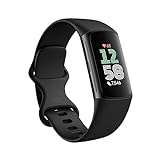
- Find your way seamlessly during runs or rides with turn-by-turn directions from Google Maps on Fitbit Charge 6[7, 8]; and when you need a snack break on the go, just tap to pay with Google Wallet[8, 9]
Whoop consistently argued that steps flattened these distinctions into a single, low-resolution number. The platform’s promise was higher signal data that reflected how your body actually responded to training, not how busy your day happened to be.
The Problem With Universality and Arbitrary Targets
Step counts also conflicted with Whoop’s rejection of one-size-fits-all goals. The 10,000-step benchmark, popularized decades ago through marketing rather than physiology, never aligned with Whoop’s emphasis on individual baselines and adaptive targets.
Whoop’s daily recommendations were built around personalized recovery scores, sleep performance, and historical strain tolerance. Encouraging everyone to chase the same step number would undermine that model, especially for users with different body sizes, injury histories, training phases, or job demands.
In public statements, onboarding materials, and support documentation, Whoop repeatedly positioned steps as a wellness generalization better suited to mass-market trackers than performance-focused athletes.
Why Steps Didn’t Fit Whoop’s Hardware or Use Case
There was also a practical, hardware-driven rationale. Whoop is designed to be worn 24/7, often on the wrist, bicep, or inside clothing via the Whoop Body ecosystem. Many of those placements are excellent for heart rate consistency and comfort, but less ideal for traditional pedometer accuracy.
Rather than surface a metric that could vary meaningfully based on wear location, arm swing, or daily context, Whoop chose to avoid steps entirely. That decision reinforced its message that precision mattered more than familiarity, even if it meant omitting a feature users expected.
Battery life and form factor played a role too. Whoop prioritized multi-day battery endurance, minimal displays, and passive data capture over the real-time, glanceable metrics that step tracking often encourages.
A Deliberate Point of Differentiation
Perhaps most importantly, rejecting step counts was a way for Whoop to differentiate itself from Apple Watch, Fitbit, Garmin, and other activity-first wearables. Where those platforms often open with rings, badges, and daily movement streaks, Whoop opened with sleep debt, recovery readiness, and strain ceilings.
This wasn’t subtle. Whoop’s marketing explicitly contrasted its approach against what it framed as superficial activity metrics. Steps became a shorthand example of what Whoop was not trying to optimize for.
For users who bought into that philosophy, the absence of step goals wasn’t a missing feature. It was proof that Whoop was serious about being different.
Why This History Matters Now
That’s what makes the introduction of a step count goal feel philosophically loaded rather than incremental. When a platform spends years explaining why a metric doesn’t belong, adding it later isn’t just a feature update. It invites scrutiny about whether the underlying beliefs have changed, or whether the definition of the metric has been reframed to fit the system.
Understanding this context is essential before judging the new step goal on its merits. Without it, the update looks like simple parity with competitors. With it, the move raises deeper questions about Whoop’s evolving audience, priorities, and willingness to soften previously rigid stances in service of broader usability.
What Actually Changed: Introducing the Step Count Goal (And What It Is Not)
Seen in that historical light, Whoop’s step count addition is less a quiet toggle and more a carefully worded concession. The company didn’t suddenly decide steps were the best way to measure daily activity. Instead, it reframed how steps could exist inside the Whoop system without displacing strain, recovery, or sleep as the primary decision-makers.
The result is a feature that looks familiar on the surface, but behaves very differently from how steps function on most competing platforms.
It’s a Goal, Not a Core Metric
The most important distinction is that steps have been introduced as a goal, not as a foundational activity currency. They sit alongside other daily targets rather than replacing or competing with strain-based guidance.
You are not greeted by steps when you open the app, and they are not positioned as a universal proxy for health. Whoop still leads with recovery scores, recommended strain ranges, and sleep performance.
This matters philosophically. Steps are being treated as one possible behavioral lever, not as the scoreboard.
No Rings, No Streaks, No Gamified Pressure
Equally notable is what’s missing. There are no animated rings to close, no confetti moments, and no aggressive nudges to “just hit 10,000.”
The goal functions more like a configurable benchmark than a motivational game mechanic. You can set it, ignore it, adjust it, or remove it without the app framing any of those choices as failure.
That restraint feels intentional. Whoop appears to be accommodating users who want walking volume acknowledged without importing the psychological pressure that step-centric platforms often create.
Steps Do Not Drive Strain or Recovery
From a system mechanics perspective, step count does not directly influence strain calculations or recovery scores. Strain is still driven by cardiovascular load, intensity, and duration, not by accumulated footfalls.
A long, slow walk may add steps without meaningfully increasing strain, and that’s exactly how Whoop wants it. The platform is resisting the temptation to equate movement volume with physiological stress.
This preserves the internal logic of Whoop’s training model, even as it adds a more conventional activity metric.
Accuracy Is Still a Compromise, Just an Accepted One
Whoop’s original objection to steps was never ideological alone; it was technical. Wrist-worn step detection remains vulnerable to arm swing patterns, cycling, pushing strollers, or wearing the band off-wrist in clothing.
That hasn’t magically changed. Whoop is still estimating steps via the same sensors and placement constraints as before.
The difference now is that Whoop seems willing to accept imperfect accuracy because users understand what steps represent: a rough indicator of daily movement, not a lab-grade measurement.
Optional by Design, Not a Forced Shift
Crucially, this update does not force existing users to change how they engage with the platform. If you never cared about steps, you can continue to ignore them entirely without losing functionality.
There’s no penalty for missing the goal, and no hidden dependency where other insights degrade without it. That optionality suggests this is an additive feature aimed at broadening appeal, not redefining Whoop’s core user experience.
For long-time users, that distinction may determine whether this feels like a betrayal or a pragmatic evolution.
Rank #2

- Inspire 3 is the tracker that helps you find your energy, do what you love and feel your best. All you have to do is wear it.Operating temperature: 0° to 40°C
- Move more: Daily Readiness Score(1), Active Zone Minutes, all-day activity tracking and 24/7 heart rate, 20+ exercise modes, automatic exercise tracking and reminders to move
- Stress less: always-on wellness tracking, daily Stress Management Score, mindfulness sessions, relax breathing sessions, irregular heart rhythm notifications(2), SpO2(3), menstrual health tracking, resting heart rate and high/low heart rate notifications
- Sleep better: automatic sleep tracking, personalized Sleep Profile(1), daily detailed Sleep Score, smart wake vibrating alarm, sleep mode
- Comfortably connected day and night: calls, texts & smartphone app notifications(4), color touchscreen with customizable clock faces, super lightweight and water resistant to 50 meters, up to 10 day battery life(5)
Why This Is a Reframing, Not a Full Reversal
So did Whoop contradict itself? In a literal sense, yes: a company that once said steps didn’t belong now supports a step goal.
But in practical terms, Whoop didn’t adopt steps as a primary metric of success. It adopted them as a user-facing behavior tool that lives downstream of recovery and strain, not upstream.
That may sound like semantics, but in wearable platform design, hierarchy is everything. Steps are present, but they are not in charge.
How the New Step Count Goal Works Inside the Whoop App
Seen through that lens, the mechanics of Whoop’s step goal make more sense. Rather than elevating steps to a first-class metric alongside strain, recovery, or sleep, Whoop has tucked the feature into its existing behavioral scaffolding.
This is not a dashboard takeover or a philosophical pivot disguised as a UI tweak. It’s a narrowly scoped goal system designed to nudge movement without rewriting the platform’s internal hierarchy.
Where Steps Actually Appear in the App
Step count lives inside the Goals and Trends areas, not on the home overview that anchors daily strain and recovery. You won’t see steps competing for attention with your recovery score when you first open the app.
For most users, steps surface as a secondary card you can choose to engage with, similar to hydration or consistency goals. That placement alone signals intent: steps are something you check in on, not something you chase above all else.
How the Step Goal Is Set and Adjusted
Whoop assigns an initial daily step goal based on your recent activity baseline rather than a universal target like 10,000 steps. This is consistent with how the platform approaches sleep need and strain targets, using your own history instead of population averages.
The goal adapts over time. If you routinely exceed it without accumulating meaningful strain, Whoop gradually increases the target, treating steps as low-cost movement capacity rather than a performance outcome.
Importantly, there is no manual fine-tuning slider for precision-obsessed users. Whoop wants the goal to feel ambient, not something you micromanage.
How Steps Interact With Strain and Recovery
Steps do not feed directly into your strain score. A long walk may raise cardiovascular strain slightly, but the step count itself is informational, not causal.
This distinction matters. You can hit your step goal on a high-recovery day without “wasting” strain budget, and you can also miss the goal on a hard training day without being flagged as underperforming.
In practice, this reinforces Whoop’s core model: strain is earned through physiological load, while steps represent general movement volume that sits alongside, not inside, the training calculus.
No Gamification Pressure, No Punishment Loop
There are no streaks, badges, or social challenges tied to step goals. Missing your daily target does not trigger warnings, red flags, or algorithmic guilt.
Whoop also avoids retroactively framing missed steps as a problem to be solved with more strain tomorrow. The app doesn’t suggest extra workouts to compensate, nor does it nudge you to “close rings” before midnight.
That restraint is deliberate. The step goal exists as a soft prompt to move more on low-load days, not as a compliance test of daily discipline.
How Step Data Is Collected and Its Practical Limits
From a hardware standpoint, nothing has changed. Steps are still estimated via the same wrist-worn motion sensors, with all the familiar edge cases that implies.
Carrying groceries, pushing a stroller, cycling, strength training, or wearing the band loosely will skew counts. Whoop does not attempt to overcorrect or overpromise accuracy beyond what wrist placement allows.
The difference is that Whoop now treats this imprecision as acceptable because the goal is directional, not diagnostic. You are not optimizing cadence or gait; you are gauging whether your day involved enough baseline movement.
What This Means for Daily Use
For existing users, the step goal functions best as a low-friction check against sedentary drift. On rest days or work-heavy days, it becomes a reminder to take a walk rather than defaulting to zero movement outside of formal training.
For athletes, it can help distinguish between true rest and passive inactivity. Hitting steps without adding strain often correlates with better sleep and next-day recovery, even if the app never explicitly says so.
And for buyers considering Whoop against more traditional fitness trackers, this feature closes a long-standing psychological gap without turning Whoop into a steps-first product.
A Feature That Lives Downstream, Not at the Controls
Ultimately, the way the step goal is implemented matters more than its mere existence. Steps live downstream of recovery and strain, reacting to your physiology rather than directing it.
Whoop didn’t add steps to tell you how hard to train. It added them to give context to how you move when you are not training.
That distinction explains both why this update exists and why, for many users, it will quietly fade into the background once the novelty wears off.
Is This a True Reversal or a Philosophical Reframe? Parsing Whoop’s Language
The tension around this update exists less in the feature itself and more in the words Whoop has historically used to justify its absence. For years, the company framed steps not as incomplete, but as actively misleading when elevated to goal status.
Now that a step goal exists, the question is whether Whoop has changed its mind—or simply changed its framing.
What Whoop Actually Said It Would Never Do
Whoop’s past objections were rarely about counting steps at all. The platform has always recorded steps in the background; it simply refused to make them a behavioral target.
The explicit rejection was of step goals as a primary driver of daily decision-making. Whoop argued that steps rewarded low-quality movement, ignored intensity, and pulled attention away from recovery, strain, and sleep—the metrics it believed actually governed adaptation.
Rank #3

- 【BUILT-IN GPS SMART WATCH – GO FURTHER, FREER, SMARTER】No phone? No problem. This fitness watch for women, featuring the latest 2025 technology, includes an advanced professional-grade GPS chip that precisely tracks every route, distance, pace (real-time & average), and calorie burned—completely phone-free. Whether you're chasing new personal records or exploring off the beaten path, your full journey is automatically mapped and synced in the app. Train smarter. Move with purpose. Own your progress. Own your journey.
- 【BLUETOOTH 5.3 CALLS & SMART NOTIFICATIONS】Stay effortlessly connected with this smart watch for men and women, featuring dual Bluetooth modes (BT 3.0 + BLE 5.3) and a premium microphone for crystal-clear calls right from your wrist—perfect for driving, workouts, or busy days. Receive instant alerts for calls, texts, and popular social apps like WhatsApp and Facebook. Just raise your wrist to view notifications and never miss an important moment.
- 【100+ SPORT MODES & IP68 WATERPROOF & DUSTPROOF】This sport watch is a versatile activity and fitness tracker with 100+ modes including running, cycling, yoga, and more. It features quick-access buttons and automatic running/cycling detection to start workouts instantly. Accurately track heart rate, calories, distance, pace, and more. Set daily goals on your fitness tracker watch and stay motivated with achievement badges. With IP68 waterproof and dustproof rating, it resists rain and sweat for any challenge. Not suitable for showering, swimming, or sauna.
- 【24/7 HEALTH ASSISTANT & SMART REMINDERS】This health watch continuously monitors heart rate, blood oxygen, and stress levels for comprehensive wellness tracking. Sleep monitoring includes deep, light, REM sleep, and naps to give you a full picture of your rest. Stay on track with smart reminders for sedentary breaks, hydration, medication, and hand washing. Women can also monitor menstrual health. Includes guided breathing exercises to help you relax. Your ultimate health watch with event reminders for a healthier life.
- 【ULTRA HD DISPLAY, LIGHTWEIGHT & CUSTOMIZABLE DIALS】This stylish wrist watch features a 1.27-inch (32mm) 360×360 ultra HD color display with a 1.69-inch (43mm) dial, offering vivid details and responsive touch. Its minimalist design fits both business and casual looks. Switch freely among built-in designer dials or create your own DIY watch face using photos, colors, and styles to showcase your unique personality. Perfect as a cool digital watch and fashion wrist watch.
Seen through that lens, adding a step goal looks like a contradiction only if the goal now competes with those core signals.
The Semantic Shift: From Target to Context
The language Whoop uses around the new feature is carefully constrained. Steps are framed as baseline movement, not exercise, and the goal is positioned as supportive rather than prescriptive.
Crucially, the step goal does not escalate, punish, or unlock anything meaningful. It does not drive strain, alter recovery scores, or feed directly into coaching recommendations.
This is not a “hit 10,000 or fail the day” mechanic. It is a contextual nudge layered beneath the physiological hierarchy that still governs the platform.
Why This Isn’t How Garmin or Apple Talk About Steps
On most mainstream wearables, steps are a first-order metric. Rings close, streaks continue, and visual language reinforces steps as a proxy for success.
Whoop avoids that visual and psychological framing. The step goal sits quietly alongside strain and recovery, not above them, and it never becomes the dominant success signal when you open the app.
That difference matters, because platform philosophy is expressed less through feature lists and more through what the software emotionally rewards.
A Concession to User Psychology, Not Market Pressure
It would be easy to interpret this update as Whoop caving to comparison charts and buying guides. Steps are one of the most asked-about omissions when buyers cross-shop Whoop against Apple Watch, Fitbit, or Garmin.
But the implementation suggests something narrower: an acknowledgment that users think in steps even when they train by heart rate and recovery. Ignoring that mental model entirely creates friction, especially on rest days.
Rather than forcing users to abandon step thinking, Whoop has opted to absorb it—on its own terms.
Does This Dilute the Brand’s Core Philosophy?
The risk for Whoop is not that steps exist, but that they could slowly become motivationally dominant if overemphasized later. Right now, the software architecture prevents that drift.
Strain still governs training load. Recovery still determines readiness. Sleep still anchors everything. Steps do not override, reinterpret, or contradict those signals.
As long as steps remain informational rather than directive, the philosophical spine of the platform holds.
A Reframe That Only Looks Like a Reversal from the Outside
From a distance, the headline writes itself: Whoop adds the one thing it said it never would. From inside the product, the change is subtler.
Whoop didn’t abandon its critique of step goals as fitness proxies. It simply accepted that movement volume has behavioral value when it is stripped of performance meaning.
Whether that distinction matters to you depends on why you chose Whoop in the first place—and whether you believe philosophy is defined by absolutes, or by how carefully exceptions are handled.
Steps vs Strain vs Recovery: Where the New Metric Fits in Whoop’s Model
Seen in context, the step goal doesn’t compete with Whoop’s existing framework so much as it fills a quiet behavioral gap. Strain, recovery, and sleep still define the platform’s hierarchy of importance, but steps now occupy a low-stakes layer beneath them. The distinction matters, because Whoop is deliberately separating movement volume from physiological cost.
Strain Remains the Currency of Effort
Strain is still calculated entirely from cardiovascular load, driven by heart rate relative to your personalized max. Whether you hit 15,000 steps walking or 5,000 steps during a hard interval session, the strain score reflects internal load, not distance covered.
That separation is intentional. Steps do not inflate strain, and strain does not adjust to reward step accumulation, which prevents the classic problem of mistaking movement quantity for training intensity.
Recovery Still Sets the Guardrails
Recovery continues to act as the decision-making filter for how much effort you should take on in a given day. A green recovery paired with low steps may nudge you toward training, while a red recovery with high steps doesn’t suddenly become virtuous.
This is where Whoop avoids copying mainstream smartwatch logic. The step goal does not override recovery guidance, nor does it excuse overreaching when physiological readiness is low.
Steps as a Behavioral, Not Performance, Metric
Whoop’s step goal is framed as a consistency and movement-awareness tool, not a performance target. It’s designed to surface non-exercise activity thermogenesis rather than redefine fitness success.
That makes it most relevant on rest days, travel days, or during deload phases, when users still want feedback without chasing strain. In practice, it functions more like a floor for general movement than a ladder to climb.
Why This Doesn’t Break the Model
The key is placement and emphasis within the app experience. Steps live alongside daily insights, not at the top of the home screen, and they don’t generate the same emotional reward loops as high strain or strong recovery scores.
Philosophically, Whoop is still arguing that fitness adaptation comes from stress and recovery, not from counting motion. The step goal simply acknowledges that humans like visible progress markers, as long as those markers don’t redefine what progress means.
What This Means for Real-World Use
For existing Whoop users, the addition is unlikely to change training behavior unless you were already mentally tracking steps elsewhere. It may reduce friction for hybrid users who wear an Apple Watch or Garmin during the day and Whoop for recovery, consolidating basic movement data into one platform.
For prospective buyers, this update narrows a long-standing psychological gap without altering Whoop’s core value proposition. You’re still buying into a recovery-led system with long battery life, a lightweight strap-first form factor, and a software experience built around physiology rather than checklists.
Why Whoop Added Steps Now: Market Pressure, User Demand, and Platform Maturity
Taken in isolation, the addition of a step goal looks like a philosophical about-face. In context, it reads more like a delayed concession shaped by market realities, long-running user behavior, and a platform that has finally matured enough to absorb a traditionally low-resolution metric without losing its identity.
Whoop didn’t change its mind overnight. The environment around it changed, and so did the expectations placed on a subscription-only, wrist-agnostic health platform competing in a smartwatch-dominated world.
Rank #4

- 24H Accurate Heart Rate Monitoring: Go beyond basic tracking. Our watch automatically monitors your heart rate, blood oxygen (SpO2), and sleep patterns throughout the day and night. Gain deep insights into your body's trends and make informed decisions for a healthier lifestyle.
- Practical Sports Modes & Smart Activity Tracking: From running and swimming to yoga and hiking, track a wide range of activities with precision. It automatically records your steps, distance, calories burned, and duration, helping you analyze your performance and crush your fitness goals.
- 1-Week Battery Life & All-Day Wear: Say goodbye to daily charging. With an incredible up to 7-10 days of battery life on a single charge, you can wear it day and night for uninterrupted sleep tracking and worry-free travel. Stay connected to your data without the hassle.
- Comfortable to Wear & IP68 Waterproof: The lightweight, skin-friendly band is crafted for all-day comfort, even while you sleep. With IP68 waterproof, it withstands rain, sweat, It is not suitable for swimming or showering.
- Ease of Use and Personalized Insights via Powerful App: The display is bright and easy to read, even outdoors. Unlock the full potential of your watch. Sync with our dedicated app to view detailed health reports, customize watch faces, set sedentary reminders, and manage your preferences with ease.
Market Pressure: Competing in a Step-Centric Wearable Landscape
Whether Whoop liked it or not, steps became the lingua franca of everyday activity tracking. Apple, Garmin, Fitbit, Samsung, and even Oura users are conditioned to expect a daily movement number that translates easily across platforms, social conversations, and personal routines.
For buyers comparing wearables, the absence of steps increasingly looked less like principled minimalism and more like a missing checkbox. Even users who intellectually agreed with Whoop’s recovery-first philosophy still felt friction explaining why their $30-per-month platform couldn’t show the same baseline metric their phone provides for free.
As Whoop pushed harder into the mainstream with broader health features, strength training, and lifestyle insights, the lack of steps became a competitive liability. Not because steps are superior science, but because they’re a shared reference point that lowers adoption resistance.
User Demand: What People Were Already Doing Outside the App
Long before Whoop added steps, many users were already tracking them elsewhere. Apple Health, Google Fit, Garmin watches, and even manual estimates filled the gap, creating a fragmented experience that undercut Whoop’s promise of being the central hub for daily physiological context.
This was especially true for hybrid users: athletes who trained with Garmin or Apple Watch but wore Whoop 24/7 for recovery and sleep. For them, steps weren’t about chasing 10,000; they were about sanity-checking low-activity days, travel fatigue, or injury-related movement restrictions.
By adding a step goal, Whoop isn’t inventing new behavior. It’s consolidating behavior that already existed outside its ecosystem and bringing it under the same interpretive framework as strain, sleep, and recovery.
Platform Maturity: Why Steps Would Have Been a Mistake Earlier
If Whoop had launched with steps five or six years ago, it likely would have diluted the brand. Early Whoop needed a hard philosophical line to differentiate itself from smartwatch logic that equated more movement with better health.
Today, the platform is more robust and more confident. Recovery scoring is better understood by the user base, strain is contextualized by readiness, and the app experience is layered enough that a step goal no longer hijacks attention.
In other words, Whoop can now trust its users to interpret steps correctly because it has trained them not to worship a single metric. That’s platform maturity: adding features without letting them redefine the narrative.
A Strategic Reframing, Not a Silent Reversal
Whoop’s previous stance wasn’t that steps are useless; it was that steps are insufficient. That position hasn’t changed. What has changed is the willingness to meet users where they are, as long as the metric is framed behaviorally rather than performatively.
The step goal doesn’t promise fitness gains, training readiness, or recovery optimization. It promises awareness. It’s a nudge toward movement on low-strain days, not a badge of honor on high-strain ones.
This is less a betrayal of philosophy and more an acknowledgment that purity has limits in consumer technology. A platform can be scientifically grounded and still pragmatic about how humans engage with data.
Why This Matters for Buyers and Long-Term Users
For potential buyers on the fence, the addition removes a psychological barrier without fundamentally changing what Whoop is. You’re still getting a lightweight, screenless device with multi-day battery life, high comfort for sleep, and a software experience centered on physiology over activity rings.
For long-term users, it signals that Whoop is willing to evolve without flattening its core ideas. The company isn’t trying to win the step war; it’s trying to make sure that refusing to fight it no longer costs them relevance.
The real test won’t be whether users like seeing a number, but whether Whoop continues to resist letting that number become the goal. So far, the implementation suggests it understands that risk—and waited until it was ready to manage it.
Practical Implications for Existing Users: Should You Care or Ignore It?
The short answer is that it depends on how you already use Whoop—and, just as importantly, how you don’t. The step goal is neither a threat to the platform nor a revelation, but it does subtly change the daily texture of the experience for certain users.
Understanding where it adds value versus where it’s just background noise is key to deciding whether this is something you should actively engage with or mentally filter out.
If You’re a Strain-Led Trainer, Steps Are Largely Redundant
If your training revolves around structured workouts, sport-specific sessions, and deliberately accumulated strain, the step goal won’t meaningfully change your behavior. Whoop’s strain algorithm already captures workload through heart rate dynamics far more precisely than step count ever could.
On days with hard intervals, long rides, or heavy lifting, the step goal will often be met incidentally or feel irrelevant. In that context, steps are informational at best and ignorable at worst, and Whoop doesn’t penalize you for treating them that way.
For these users, the healthiest approach is to treat steps as passive context rather than an objective. Let strain, recovery, and sleep continue to dictate decisions.
If You Have Low-Strain or Desk-Heavy Days, This Is Where It Actually Helps
Where the step goal quietly earns its place is on low-strain days that aren’t meant to be rest days. Many Whoop users fall into a gray zone where recovery is high, strain is low, and the day disappears behind a desk or a car seat.
In those situations, a step goal functions as a low-friction movement prompt rather than a training target. A short walk that nudges steps upward can improve circulation, mood, and subjective readiness without materially affecting recovery metrics.
This is the behavioral layer Whoop previously lacked, and it complements recovery-led planning rather than competing with it. The key is that the app doesn’t elevate steps above strain or readiness in post-day interpretation.
If You’re Prone to Metric Anxiety, Proceed Cautiously
Not every user benefits from another number on the dashboard. If you left step-centric platforms specifically to escape daily goal pressure, this feature may feel like an unwelcome echo of habits you worked to unlearn.
The difference is that Whoop doesn’t frame missed steps as failure, nor does it visually dominate the interface the way rings or streaks do elsewhere. Still, if seeing an unmet goal triggers unnecessary guilt or compensatory behavior, ignoring it is not only acceptable but sensible.
Whoop’s strength remains its ability to contextualize data rather than gamify it. Users who value that ethos should feel no obligation to mentally promote steps to first-class status.
What It Means for Daily Wear and Device Value
From a hardware and comfort perspective, nothing changes. The same lightweight, screenless band, multi-day battery life, and sleep-friendly design still define the experience, and step tracking doesn’t materially impact battery drain or wearability.
What does change is perceived completeness. For users wearing Whoop as their only device—especially those who previously relied on a phone or secondary tracker for steps—this reduces friction and data fragmentation.
That doesn’t suddenly make Whoop a general-purpose smartwatch, nor does it dilute its identity as a physiology-first platform. It simply closes a long-standing experiential gap without forcing users to care more than they want to.
💰 Best Value

- 【Superb Visual Experience & Effortless Operation】Diving into the latest 1.58'' ultra high resolution display technology, every interaction on the fitness watch is a visual delight with vibrant colors and crisp clarity. Its always on display clock makes the time conveniently visible. Experience convenience like never before with the intuitive full touch controls and the side button, switch between apps, and customize settings with seamless precision.
- 【Comprehensive 24/7 Health Monitoring】The fitness watches for women and men packs 24/7 heart rate, 24/7 blood pressure and blood oxygen monitors. You could check those real-time health metrics anytime, anywhere on your wrist and view the data record in the App. The heart rate monitor watch also tracks different sleep stages for light and deep sleep,and the time when you wake up, helps you to get a better understanding of your sleep quality.
- 【120+ exercise modes & All-Day Activity Tracking】There are more than 120 exercise modes available in the activity trackers and smartwatches, covering almost all daily sports activities you can imagine, gives you new ways to train and advanced metrics for more information about your workout performance. The all-day activity tracking feature monitors your steps, distance, and calories burned all the day, so you can see how much progress you've made towards your fitness goals.
- 【Messages & Incoming Calls Notification】With this smart watch fitness trackers for iPhone and android phones, you can receive notifications for incoming calls and read messages directly from your wrist without taking out your phone. Never miss a beat, stay in touch with loved ones, and stay informed of important updates wherever you are.
- 【Essential Assistant for Daily Life】The fitness watches for women and men provide you with more features including drinking water and sedentary reminder, women's menstrual period reminder, breath training, real-time weather display, remote camera shooting, music control,timer, stopwatch, finding phone, alarm clock, making it a considerate life assistant. With the GPS connectivity, you could get a map of your workout route in the app for outdoor activity by connecting to your phone GPS.
So Should You Care?
Care if you need a nudge to stay lightly active on non-training days, or if you value having one less reason to check another app. Ignore it if your training decisions are already well-governed by recovery, strain, and sleep—and especially if steps feel like mental clutter.
The important part is that Whoop allows both responses without punishment or philosophical inconsistency. That flexibility, more than the step count itself, is the real update existing users should pay attention to.
How Whoop’s Step Goal Compares to Apple, Garmin, Oura, and Fitbit Approaches
Seen in context, Whoop’s step goal feels less like a late arrival to the party and more like a deliberate reinterpretation of what steps are allowed to mean. The contrast becomes clearer when you line it up against how the major platforms have historically used step targets to shape daily behavior.
Apple Watch: Steps as a Hidden Metric, Movement as the Hook
Apple has always tracked steps quietly, but it never made them the motivational centerpiece. Instead, the Activity rings emphasize calories, exercise minutes, and standing hours, with steps relegated to secondary views inside Health or Fitness summaries.
The effect is psychological as much as functional. Apple nudges users toward constant engagement through visual completion and streak preservation, even if the actual movement comes from incidental walking rather than intentional training.
Compared to Apple, Whoop’s step goal is less visually dominant and far less gamified. There are no rings to close, no celebratory animations, and no streak anxiety baked into the interface.
Garmin: Steps as Baseline Activity, Not Training Load
Garmin treats step count as a foundational activity metric, especially on lifestyle-focused watches like the Venu or Vivoactive lines. Daily step goals often auto-adjust based on recent performance, reinforcing consistency without necessarily tying steps to readiness or recovery.
On training-oriented Garmin devices, steps coexist alongside body battery, training load, HRV status, and performance condition. They matter, but they are clearly subordinate to structured workouts and physiological stress metrics.
Whoop’s implementation mirrors Garmin’s hierarchy more than Apple’s aesthetics, but with a key difference. Garmin still presents steps as a default daily expectation, while Whoop frames them as optional context that never feeds directly into strain or recovery scoring.
Oura Ring: Steps as Movement Quality, Not Achievement
Oura’s step philosophy is arguably the closest philosophical cousin to Whoop’s new position. Oura emphasizes total activity, movement balance, and readiness rather than celebrating raw step totals, and its step goals tend to be adaptive and recovery-aware.
Crucially, Oura often translates steps into distance and activity burn without rewarding excess. Walking more than your readiness supports does not earn extra credit and can quietly detract from your scores.
Whoop stops short of letting steps influence recovery in either direction, but the intent feels aligned. Steps are informational, not aspirational, and they exist to round out the picture rather than define success.
Fitbit: Steps as the Core Behavioral Engine
Fitbit built its brand on step goals, and despite expanding into readiness scores, sleep staging, and stress tracking, steps remain the emotional anchor of the platform. Badges, streaks, leaderboards, and decade-old milestones still shape daily engagement.
Even when Fitbit adjusts step targets dynamically, the messaging is explicit: more steps are better, and missed goals are framed as something to correct tomorrow. For many users, that clarity is motivating, but it can also become rigid.
Whoop’s step goal is intentionally incompatible with this model. There are no social comparisons, no lifetime totals, and no sense that walking more is inherently virtuous regardless of recovery state.
The Key Difference: What the Platform Wants You to Feel
Apple and Fitbit want you to feel accomplished when you hit a number. Garmin wants you to feel consistent and progressing. Oura wants you to feel balanced.
Whoop wants you to feel informed. The step goal exists, but it does not ask for emotional buy-in, nor does it reposition walking as training unless the user chooses to treat it that way.
That distinction explains why this update feels like a reframing rather than a philosophical reversal. Whoop added steps without turning them into a scoreboard, preserving its identity as a system that prioritizes physiological context over behavioral pressure.
What This Means for Whoop’s Future Direction—and for Potential Buyers
Seen in context, the step goal does not dilute Whoop’s philosophy so much as reveal where it is willing to bend. The platform still refuses to let any single metric dominate recovery or training guidance, but it is now clearly more comfortable meeting users where their expectations already are. That shift matters, because it hints at how Whoop plans to grow without becoming just another smartwatch alternative.
For Existing Whoop Users: Expect More Context, Not More Pressure
If you are already invested in Whoop’s strain, recovery, and sleep model, the step goal is unlikely to change how you train day to day. It adds situational awareness rather than a new target to chase, especially for low-intensity movement that previously felt invisible. The absence of streaks, badges, or social ranking is not an oversight; it is a deliberate guardrail.
Practically, this means your daily behavior should not feel more constrained. A high-step day that aligns with strong recovery still reads as supportive, while excessive walking on a low-readiness day remains neutral or quietly cautionary. Whoop is signaling that it will continue expanding surface-level metrics, but only if they can live inside its physiological framework.
For Whoop’s Product Roadmap: A Broader Funnel Without a Philosophical Collapse
This update suggests Whoop is optimizing for approachability without surrendering control of interpretation. Steps are one of the most universally understood activity metrics, and excluding them entirely had become a barrier for new users comparing platforms. Adding a step goal lowers that barrier while preserving Whoop’s authority over what the data actually means.
Long term, this points toward a platform that may include more familiar metrics, but keeps them subordinate to recovery, cardiovascular load, and sleep consistency. Expect refinement, not gamification, and expect Whoop to remain conservative about anything that could hijack behavior through dopamine-driven feedback loops.
For Potential Buyers: Clarity on What Whoop Is—and Is Not
If you are choosing between Whoop and a smartwatch from Apple, Garmin, or Fitbit, this update should reduce confusion, not increase it. Whoop still lacks a screen, still prioritizes multi-day battery life, still excels in 24/7 wear comfort thanks to its lightweight strap-based design, and still centers the experience on the app rather than the wrist. The step goal does not turn it into a daily achievement tracker, nor does it replace the need for a watch if you want on-wrist metrics, GPS maps, or real-time pace feedback.
Where Whoop continues to stand apart is in how it frames success. You are paying for interpretation, not just collection, and for a system that actively resists oversimplifying health into one number you must hit before midnight.
The Risk: Blurring the Message Without Breaking It
The real danger is not that Whoop added step goals, but that each concession makes its philosophy harder to articulate in one sentence. As the platform grows more familiar on the surface, it will need to work harder to explain why it still behaves differently underneath. If Whoop fails to communicate that distinction clearly, future updates could feel less intentional, even if they are not.
For now, the execution is careful. Steps exist, but they do not shout, and they do not override recovery or strain. That restraint is what keeps this from feeling like a betrayal of earlier promises.
The Bottom Line
Whoop did not abandon its stance on steps; it recontextualized them. The platform still refuses to reward mindless accumulation and still frames movement through the lens of readiness and recovery. For users and buyers alike, this update should be read as a sign of maturation, not capitulation.
Whoop is evolving into a system that acknowledges how people think about activity, while quietly insisting that physiology has the final say. If that balance matters to you, the step goal changes very little—and may actually make the platform easier to live with.