Sleep tracking has always been one of Whoop’s biggest selling points, but also one of the areas users scrutinise most closely. If you’ve ever compared your Whoop sleep stages against how you actually felt the next day, or against another wearable, you’ll understand why stage accuracy matters far beyond curiosity. This update is Whoop’s most direct attempt yet to close the gap between raw sensor data and biologically meaningful sleep insights.
At a high level, Whoop isn’t adding new sleep stages or flashy metrics. Instead, it’s refining how existing data is interpreted, with the goal of making light, deep, REM, and wake classifications more consistent night to night and more aligned with validated sleep science. The practical promise is simple: fewer confusing swings in sleep architecture, better recovery context, and coaching insights that feel more trustworthy.
A recalibrated sleep stage model, not new hardware
The most important thing to understand is that this update is software-first. Whoop has not changed the sensors in the Strap or required a new device, which means the improvements come entirely from updated algorithms running on the same optical heart rate, HRV, respiratory rate, and motion data you already generate each night.
Whoop has effectively retrained its sleep-stage classification model using a larger and more diverse dataset, including nights benchmarked against polysomnography, the clinical gold standard for sleep staging. This matters because machine-learning sleep models tend to drift over time as user behaviour, firmware, and population data expand. Recalibration brings the system back in line with physiological reality rather than historical assumptions.
🏆 #1 Best Overall
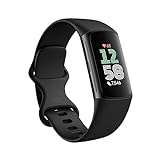
- Find your way seamlessly during runs or rides with turn-by-turn directions from Google Maps on Fitbit Charge 6[7, 8]; and when you need a snack break on the go, just tap to pay with Google Wallet[8, 9]
More stable REM and deep sleep detection
One of the most noticeable changes for users will likely be reduced volatility in REM and deep sleep percentages. Previously, some members reported dramatic night-to-night swings that didn’t match training load, stress, or perceived recovery. Whoop’s update specifically targets over-fragmentation, where short awakenings or movement spikes could disproportionately shift time out of deeper stages.
The new model places greater emphasis on multi-signal agreement. Heart rate variability patterns, breathing regularity, and sustained stillness now need to align more convincingly before a stage transition is logged. In practice, this should mean fewer false awakenings and more realistic blocks of REM and slow-wave sleep, particularly in the second half of the night.
Improved handling of restless sleepers and athletes
Athletes and restless sleepers have historically been a weak point for wrist-based sleep tracking. High training loads elevate nighttime heart rate, suppress HRV, and increase micro-movements, all of which can confuse stage detection. Whoop’s update adjusts its expectations for what “normal” looks like in these contexts rather than treating them as anomalies.
This is especially relevant for members who train late, stack hard sessions, or sleep in less-than-ideal environments. The updated algorithm is less likely to penalise these users with exaggerated light sleep or wake time when physiological stress is clearly training-related rather than sleep-disruptive.
Clearer links between sleep stages and recovery scoring
While Whoop’s Recovery score has never been a direct sum of sleep stages, inaccurate staging can still distort the coaching narrative. By tightening stage accuracy, Whoop is aiming to make correlations between REM, deep sleep, HRV, and next-day readiness feel more logical and actionable.
For users, this means recovery feedback that better matches intuition. A night with strong REM consolidation should more reliably support cognitive readiness signals, while genuine deep sleep deficits are less likely to be masked or overstated. Over time, this helps members make smarter decisions about training intensity, rest days, and bedtime consistency.
What changes in the app experience
Visually, the sleep screen remains familiar. You’ll still see the same hypnogram layout, stage totals, and sleep performance score. The difference is in how confidently you can interpret those numbers, especially when reviewing trends over weeks rather than reacting to single nights.
Importantly, Whoop has applied the updated model to historical data where possible. That means some users may notice subtle shifts in past sleep stage averages. This isn’t data being rewritten arbitrarily; it’s the same nights reinterpreted with a more accurate lens, which is critical for long-term coaching and habit analysis.
How this positions Whoop against competitors
Against platforms like Oura, Apple Watch, and Garmin, Whoop’s strength has always been contextual coaching rather than raw sleep visuals. This update narrows one of the remaining gaps by improving stage reliability without sacrificing battery life, comfort, or 24/7 wearability, areas where Whoop still holds an edge due to its lightweight strap design and multi-day battery.
For users comparing ecosystems, the takeaway is that Whoop is doubling down on data quality over novelty. If sleep stage accuracy feeds directly into how you train, recover, and plan your week, this update meaningfully increases Whoop’s value as a decision-making tool rather than just a sleep report generator.
Why Sleep Stage Accuracy Matters More Than Total Sleep for Recovery and Performance
It’s tempting to anchor recovery decisions to a single headline number like “eight hours slept,” but that simplification breaks down quickly once training load, stress, and adaptation enter the picture. The context of Whoop’s update matters because its entire coaching system depends less on how long you slept and more on what actually happened during that time.
Total sleep duration is a blunt instrument
Total sleep time tells you how long you were unconscious, not how effectively your nervous system and physiology recovered. Two nights with identical duration can produce radically different recovery outcomes depending on how much REM and slow-wave sleep occurred, and when those stages were distributed across the night.
For athletes and highly active users, this distinction becomes even more important after late training sessions, travel, or alcohol intake. You can hit your sleep need on paper and still wake up under-recovered if deep sleep or REM consolidation was compromised.
Sleep stages map directly to recovery pathways
Deep sleep is tightly linked to physical restoration, parasympathetic dominance, and growth hormone release. This is the stage most associated with muscular repair and the normalization of resting heart rate after hard training days.
REM sleep, by contrast, plays a larger role in cognitive recovery, emotional regulation, and autonomic balance. When REM is fragmented or underrepresented, users often see normal sleep duration paired with suppressed HRV and a readiness score that feels inexplicably low unless stage data is reliable.
Why staging accuracy underpins Whoop’s coaching logic
Whoop’s recovery score, strain recommendations, and sleep need calculations all draw from signals that are influenced by sleep architecture. If REM or deep sleep is misclassified, downstream metrics like HRV trends and next-day readiness can become harder to trust, even if the total sleep number looks reassuring.
This is where stage accuracy matters more than visual polish. A cleaner hypnogram is less important than whether changes in REM or slow-wave sleep actually align with changes in training tolerance, mood, and perceived fatigue.
The hidden cost of inaccurate sleep staging
When a wearable overestimates deep sleep, it can mask accumulated fatigue and encourage users to push intensity when recovery capacity is actually compromised. Underestimating REM can have the opposite effect, creating unnecessary caution on days when mental readiness is perfectly adequate.
Over weeks and months, these small inaccuracies compound. Trends flatten, correlations weaken, and users may start to disengage from the data because it no longer reflects lived experience, which is the fastest way for a recovery platform to lose credibility.
Why wearables struggle here, and why improvements matter
Sleep staging in wearables is inferred, not measured directly. Optical heart rate, motion, skin temperature, and respiratory signals are fed into probabilistic models that estimate stages rather than detect them outright, all while balancing battery life, comfort, and 24/7 wearability.
Because Whoop prioritizes lightweight materials, a soft strap, and multi-day battery life, algorithmic accuracy has always carried more weight than adding new sensors. Improvements at the model level are therefore one of the most meaningful ways Whoop can enhance real-world usefulness without compromising comfort or daily usability.
What this changes for how users should read their sleep data
With more reliable staging, users can place greater confidence in how specific sleep deficits influence recovery, rather than defaulting to duration alone. A short night with preserved deep sleep may justify a moderate training day, while a long night lacking REM may explain poor focus or suppressed HRV.
Practically, this encourages better decision-making around bedtime consistency, late workouts, and recovery strategies. Instead of chasing longer sleep at all costs, users can start prioritizing conditions that support the stages their body actually needs, which is where accurate staging turns sleep data into a performance tool rather than a nightly report card.
How Whoop Detects Sleep Stages: Sensors, Signals, and Algorithmic Trade‑Offs Explained
Understanding why Whoop’s sleep staging update matters requires a clear look at how the platform infers sleep in the first place. Unlike clinical sleep studies that rely on EEG to directly observe brain activity, Whoop works entirely through peripheral physiological signals captured at the wrist, then interpreted through statistical models.
That constraint defines both Whoop’s strengths and its long-standing challenges. The hardware is intentionally minimal, but the software has to do far more interpretive work than a lab-grade system ever would.
The sensor stack Whoop relies on
At the hardware level, Whoop’s sleep detection is driven primarily by its optical heart rate sensor, supported by accelerometer-based motion tracking, respiratory rate estimation, and skin temperature deviation. There is no microphone, no EEG, and no blood oxygen sensor involved in sleep staging itself, even though SpO₂ is collected on newer Whoop hardware.
The optical heart rate sensor provides continuous data on heart rate, heart rate variability, and beat-to-beat timing patterns. These cardiovascular signals are the backbone of Whoop’s sleep model, especially for differentiating between deeper non-REM sleep and lighter stages.
Motion data plays a secondary but still critical role. The accelerometer helps establish sleep onset and wake events, flag restlessness, and distinguish quiet wakefulness from true sleep, a problem area for many wrist-based trackers.
Respiratory rate is inferred from subtle variations in heart rate timing linked to breathing cycles. Skin temperature deviation adds context, particularly for circadian phase, illness detection, and distinguishing atypical nights from baseline patterns.
How Whoop infers sleep stages without brain data
Because Whoop cannot directly observe brain waves, sleep stages are estimated probabilistically. The algorithm looks for patterns in cardiovascular stability, autonomic nervous system balance, and movement to assign each epoch of sleep into categories like light sleep, deep sleep, and REM.
Deep sleep tends to align with lower heart rate, higher parasympathetic dominance, minimal movement, and stable respiration. REM sleep often shows higher heart rate variability, irregular breathing patterns, and near-total muscle stillness despite heightened neurological activity.
The challenge is that these signals overlap. Quiet wakefulness can look like light sleep. REM can resemble stress responses. Deep sleep signatures vary significantly between individuals, especially across age, fitness level, and training load.
This is where model calibration becomes more important than raw sensor quality.
Rank #2

- Inspire 3 is the tracker that helps you find your energy, do what you love and feel your best. All you have to do is wear it.Operating temperature: 0° to 40°C
- Move more: Daily Readiness Score(1), Active Zone Minutes, all-day activity tracking and 24/7 heart rate, 20+ exercise modes, automatic exercise tracking and reminders to move
- Stress less: always-on wellness tracking, daily Stress Management Score, mindfulness sessions, relax breathing sessions, irregular heart rhythm notifications(2), SpO2(3), menstrual health tracking, resting heart rate and high/low heart rate notifications
- Sleep better: automatic sleep tracking, personalized Sleep Profile(1), daily detailed Sleep Score, smart wake vibrating alarm, sleep mode
- Comfortably connected day and night: calls, texts & smartphone app notifications(4), color touchscreen with customizable clock faces, super lightweight and water resistant to 50 meters, up to 10 day battery life(5)
Why Whoop’s algorithm carries more weight than its hardware
Whoop’s design philosophy has always favored comfort, low mass, and multi-day battery life over sensor redundancy. The soft fabric strap, low-profile housing, and lack of a display make it easier to wear 24/7, including during sleep, but also limit the types of signals that can be captured.
Adding EEG electrodes, for example, would destroy wearability. Adding more LEDs or sensors would compromise battery life and thermal comfort. As a result, Whoop’s competitive advantage has never been hardware maximalism.
Instead, accuracy gains come from refining how existing signals are interpreted, individualized, and contextualized over time. This is why software updates like the current sleep staging improvement are materially important rather than incremental.
What the sleep tracking update is actually changing
While Whoop has not disclosed the full architecture of the updated model, the improvement is best understood as a recalibration of how physiological features are weighted and sequenced across the night. Rather than relying on static thresholds, the model increasingly adapts to user-specific baselines and nightly transitions.
One key shift is improved differentiation between deep sleep and light sleep earlier in the night, where cardiovascular signals can look deceptively similar. Another is more consistent identification of REM periods later in the sleep window, where movement suppression and autonomic variability can confuse older models.
Importantly, the update focuses on reducing systematic bias rather than chasing perfect agreement with lab PSG on any single night. Over weeks, this improves trend reliability, which is far more relevant for recovery coaching than isolated accuracy.
Battery life, comfort, and why trade-offs still exist
Because Whoop maintains multi-day battery life and continuous sampling, it cannot simply increase sensor intensity overnight without consequences. Higher LED power would increase skin heating and reduce comfort. Higher sampling rates would reduce wear time between charges.
The updated sleep model works within those constraints. It extracts more information from the same data streams rather than demanding more from the hardware. This preserves Whoop’s core advantage as a low-friction recovery tool rather than a nightly gadget users feel tempted to remove.
That trade-off remains fundamental. Whoop will likely never match EEG-based systems on absolute staging precision, but it can outperform many wrist-based competitors in consistency and longitudinal insight.
How this compares to other advanced wearables
Compared to smartwatch platforms like Apple Watch or Garmin, Whoop leans harder on cardiovascular modeling and less on multimodal sensor fusion. Apple benefits from faster processors and additional sensors, while Garmin integrates sleep staging into broader training load metrics.
Whoop’s differentiator is its recovery-first framework. Sleep stages directly feed into recovery scores, strain recommendations, and coaching insights, making staging accuracy more impactful to daily decision-making than it might be on general-purpose watches.
With this update, Whoop narrows the gap in stage reliability while maintaining superior wearability during sleep, which is still a weak point for bulkier watches with rigid cases and metal components.
What users should take away when reading updated sleep stages
Even with improved accuracy, sleep stages should be interpreted as directional signals rather than clinical diagnoses. The real value lies in how changes in stage distribution align with recovery, mood, performance, and training tolerance over time.
If the update results in more stable deep and REM sleep trends that better match how users feel and perform, that is a meaningful win. It reinforces confidence that the platform is responding to physiology rather than imposing a generic sleep template.
Ultimately, Whoop’s approach reflects a clear philosophy: prioritize comfort and continuity, then refine the intelligence layer relentlessly. This sleep staging update fits squarely within that strategy, improving how users understand recovery without asking them to change how they wear the device or live with it day to day.
What’s Actually New Under the Hood: Algorithm Updates, Training Data, and Validation
To understand why this update matters, it helps to look beyond the surface-level promise of “better sleep stages” and into how Whoop is actually generating those labels. The changes aren’t about new hardware or sensors, but about refining how existing signals are interpreted, weighted, and validated across millions of nights of real-world data.
This is very much a software intelligence upgrade layered on top of the same lightweight, low-profile strap users already wear comfortably through the night.
Refined physiological modeling, not new sensors
Whoop’s sleep staging continues to rely on a combination of optical heart rate, heart rate variability, respiratory rate, and motion data captured via accelerometer. What’s changed is how those signals are modeled together across time, rather than being assessed in shorter, more isolated windows.
The updated algorithm places greater emphasis on transitions between stages, smoothing unrealistic jumps and better accounting for gradual shifts in autonomic activity. This matters because true sleep architecture is fluid, not a series of hard edges, and older wrist-based models often overreact to brief disturbances.
In practice, this should reduce the common issues of fragmented deep sleep or exaggerated REM spikes that didn’t align with how rested users felt the next day.
Larger, more diverse training datasets
A key part of this update is expanded training data drawn from a broader cross-section of Whoop’s member base. That includes more age ranges, fitness levels, chronotypes, and real-world sleep conditions, rather than idealized lab-style nights.
Crucially, Whoop has been pairing its wearable data against higher-quality reference datasets, including polysomnography and controlled sleep studies, to recalibrate how wrist-based signals map to true sleep stages. While it still isn’t EEG, the model now has a stronger statistical grounding in what deep, REM, and light sleep actually look like physiologically.
This kind of scaling advantage is something few competitors can match, and it’s one area where Whoop’s subscription model quietly funds long-term algorithmic improvement.
Improved handling of movement and wake detection
One of the persistent challenges for sleep trackers is distinguishing light sleep from brief wakefulness, especially for restless sleepers. The updated system improves how micro-movements and heart rate fluctuations are contextualized, reducing false awakenings that inflate sleep fragmentation metrics.
Rather than treating every motion event as a potential wake, the algorithm now considers surrounding cardiovascular stability and breathing patterns. For users, this should translate into sleep timelines that feel more believable when compared to memory or sleep environment factors.
That improvement also feeds downstream into sleep efficiency and recovery calculations, where small errors previously compounded into misleading readiness scores.
Why validation matters more than raw accuracy claims
Whoop has been careful not to position this update as a leap to clinical-grade sleep staging, and that restraint is appropriate. The more meaningful claim is improved agreement over time, where trends in deep and REM sleep align more consistently with recovery, training tolerance, and subjective readiness.
Validation here isn’t about winning a single-night accuracy comparison, but about reducing systematic bias across weeks and months. For athletes and health-focused users, that longitudinal reliability is what makes the data actionable rather than interesting but disposable.
It’s also why Whoop’s sleep updates tend to roll out quietly, with changes showing up in behavior and coaching quality rather than flashy new charts.
What this changes for recovery scores and coaching insights
Because sleep stages directly influence Whoop’s recovery algorithm, cleaner staging improves more than just the sleep tab. Deep sleep contributes heavily to physical recovery signals, while REM sleep plays a larger role in nervous system readiness and perceived fatigue.
With more stable stage detection, recovery scores should feel less volatile when training and lifestyle variables haven’t meaningfully changed. That consistency is essential for trusting strain recommendations and deciding when to push, hold, or back off.
Over time, users may also notice coaching insights becoming more specific, especially around sleep debt, bedtime consistency, and the impact of alcohol, late training, or travel.
A meaningful upgrade without changing how you wear Whoop
Perhaps the most important aspect of this update is that it doesn’t ask users to do anything differently. Battery life, comfort, materials, and the strap-based form factor remain unchanged, preserving Whoop’s advantage as an unobtrusive sleep companion rather than a bulky bedside smartwatch.
Rank #3

- 【BUILT-IN GPS SMART WATCH – GO FURTHER, FREER, SMARTER】No phone? No problem. This fitness watch for women, featuring the latest 2025 technology, includes an advanced professional-grade GPS chip that precisely tracks every route, distance, pace (real-time & average), and calorie burned—completely phone-free. Whether you're chasing new personal records or exploring off the beaten path, your full journey is automatically mapped and synced in the app. Train smarter. Move with purpose. Own your progress. Own your journey.
- 【BLUETOOTH 5.3 CALLS & SMART NOTIFICATIONS】Stay effortlessly connected with this smart watch for men and women, featuring dual Bluetooth modes (BT 3.0 + BLE 5.3) and a premium microphone for crystal-clear calls right from your wrist—perfect for driving, workouts, or busy days. Receive instant alerts for calls, texts, and popular social apps like WhatsApp and Facebook. Just raise your wrist to view notifications and never miss an important moment.
- 【100+ SPORT MODES & IP68 WATERPROOF & DUSTPROOF】This sport watch is a versatile activity and fitness tracker with 100+ modes including running, cycling, yoga, and more. It features quick-access buttons and automatic running/cycling detection to start workouts instantly. Accurately track heart rate, calories, distance, pace, and more. Set daily goals on your fitness tracker watch and stay motivated with achievement badges. With IP68 waterproof and dustproof rating, it resists rain and sweat for any challenge. Not suitable for showering, swimming, or sauna.
- 【24/7 HEALTH ASSISTANT & SMART REMINDERS】This health watch continuously monitors heart rate, blood oxygen, and stress levels for comprehensive wellness tracking. Sleep monitoring includes deep, light, REM sleep, and naps to give you a full picture of your rest. Stay on track with smart reminders for sedentary breaks, hydration, medication, and hand washing. Women can also monitor menstrual health. Includes guided breathing exercises to help you relax. Your ultimate health watch with event reminders for a healthier life.
- 【ULTRA HD DISPLAY, LIGHTWEIGHT & CUSTOMIZABLE DIALS】This stylish wrist watch features a 1.27-inch (32mm) 360×360 ultra HD color display with a 1.69-inch (43mm) dial, offering vivid details and responsive touch. Its minimalist design fits both business and casual looks. Switch freely among built-in designer dials or create your own DIY watch face using photos, colors, and styles to showcase your unique personality. Perfect as a cool digital watch and fashion wrist watch.
The value gain is entirely in interpretation, not intrusion. For a platform built around daily wear and long-term trend analysis, that’s exactly where improvements have the most leverage.
This under-the-hood evolution reinforces Whoop’s core philosophy: prioritize wearability and continuity first, then keep sharpening the intelligence that turns passive data into practical recovery guidance.
How the Update Affects Your Metrics: REM, Deep, Light Sleep, and Sleep Consistency
With the recovery and coaching implications established, the most tangible place users will notice this update is inside the sleep breakdown itself. The changes aren’t cosmetic, but they do alter how each stage behaves night to night, especially when viewed over weeks rather than single sessions.
Rather than inflating totals or introducing new targets, Whoop’s update focuses on stabilizing how stages are identified and sequenced. That distinction matters, because stage accuracy only becomes useful when it supports trend confidence and decision-making.
REM sleep: Fewer spikes, more believable patterns
REM sleep is historically one of the hardest stages for wearables to classify, particularly in users with fragmented sleep or elevated overnight heart rates. Whoop’s update appears to reduce abrupt REM spikes that previously showed up after late meals, alcohol, or travel-related disruptions.
For users, this means REM totals may look slightly lower or more evenly distributed across the night. The practical benefit is not chasing single-night REM “wins,” but seeing REM respond more predictably to consistent bedtimes, stress management, and recovery days.
Because REM plays a role in Whoop’s nervous system and readiness signals, this smoothing effect should make mental fatigue flags feel more earned. Over time, that improves trust when Whoop suggests dialing back intensity despite adequate total sleep.
Deep sleep: More conservative, but more defensible
Deep sleep tends to carry the most emotional weight for athletes, yet it’s also the stage most prone to overestimation in wrist- and arm-based wearables. With the update, some users may notice slightly reduced deep sleep totals, especially on nights with movement or late training.
This doesn’t indicate worse recovery, but a tighter definition of what qualifies as slow-wave sleep. The upside is that changes in deep sleep should now align more closely with known drivers like training load, illness, caloric intake, and accumulated fatigue.
From a recovery perspective, this helps prevent false reassurance. When deep sleep improves after a deload week or rest day, it’s more likely reflecting real physiological recovery rather than algorithmic generosity.
Light sleep: The quiet beneficiary of improved staging
Light sleep is often treated as a filler category, but it plays a critical role in sleep continuity and stage transitions. Improved detection here helps Whoop better understand how often users are genuinely asleep versus hovering in micro-arousals.
As a result, light sleep may occupy a slightly larger, more stable portion of the night. That’s not a downgrade, but a sign that wakefulness and restlessness are being more clearly separated from true sleep.
This clarity matters when evaluating bedtime routines and sleep environment changes. Users experimenting with cooler rooms, earlier wind-downs, or reduced screen exposure should see their impact reflected more cleanly in reduced disruptions rather than inflated deep sleep.
Sleep consistency and timing: Where the update compounds its value
The most meaningful gains from this update show up when looking beyond individual stages to sleep regularity. By improving how sleep onset, offset, and transitions are detected, Whoop can assess consistency with less noise.
That leads to more reliable insights around bedtime variability, social jet lag, and travel recovery. If your sleep schedule tightens, the data should now reward that behavior more clearly, even if total sleep time doesn’t dramatically increase.
For long-term users, this also improves year-over-year comparisons. Trends tied to training blocks, seasonal stress, or lifestyle changes become easier to interpret because the underlying staging is less likely to drift or exaggerate change.
How to interpret changes without overreacting
It’s important to approach post-update data with a calibration mindset rather than a judgmental one. Small shifts in stage percentages don’t mean your sleep suddenly worsened; they mean the measurement got stricter.
Whoop’s strength has always been longitudinal insight, and this update reinforces that philosophy. Users who focus on rolling averages, consistency scores, and recovery correlations will extract far more value than those fixating on any single night’s breakdown.
In practical terms, the update nudges users toward better questions. Instead of asking why REM dipped on Tuesday, the more productive inquiry becomes whether your last three weeks of sleep support the training and life demands you’re placing on your body.
Real‑World Impact for Whoop Members: Recovery Scores, Strain Coaching, and Daily Decisions
Taken together, the tighter sleep staging and cleaner detection of wakefulness directly feed into the parts of Whoop members interact with every morning. This update isn’t just about prettier charts; it changes how recovery is calculated, how strain targets are set, and how confidently users can act on the guidance.
For a platform built around readiness rather than step counts or calories, sleep accuracy sits at the foundation of almost every downstream metric.
Recovery scores become less forgiving, but more trustworthy
Recovery has always been a composite score, but sleep quality plays an outsized role in determining whether you wake up green, yellow, or red. With the updated sleep model, nights that previously looked “fine” due to inflated deep or REM estimates may now register as more average if fragmentation or late-night restlessness is detected.
That can feel uncomfortable at first, especially for long-term users accustomed to certain recovery ranges. However, the tradeoff is that recovery scores should now align more closely with how you actually feel during morning check-ins and early training sessions.
Over time, this tighter coupling between perceived readiness and algorithmic output is where the update earns its keep. When recovery flags low, there’s a higher likelihood that the underlying sleep physiology truly supports that signal, rather than being smoothed over by misclassified stages.
Strain coaching responds more intelligently to poor-quality sleep
Whoop’s strain recommendations hinge on the assumption that sleep and recovery inputs are accurate. By better separating true sleep from time spent awake in bed, the system can make more conservative calls on high-strain days following disrupted nights.
In practical terms, that means fewer situations where the app encourages aggressive strain after a night that technically logged eight hours but included frequent awakenings. The updated model gives strain coaching a clearer picture of whether your nervous system actually recovered, not just whether you stayed horizontal long enough.
For endurance athletes and high-frequency trainers, this matters most during stacked training weeks. Subtle accumulation of poor-quality sleep should now surface earlier in lower strain targets, potentially preventing overreaching before it shows up as injury or illness.
Day-to-day decisions feel more defensible, not reactive
One of Whoop’s strengths is helping users decide when to push, when to maintain, and when to back off. More accurate sleep staging reduces the mental friction around those decisions because the data feels less arbitrary.
If recovery drops after several nights of shortened REM or fragmented sleep, the causal chain becomes clearer. Users can connect behaviors like late caffeine, alcohol, or irregular bedtimes to measurable downstream effects without second-guessing the platform.
This also helps users avoid overcorrecting. A single low recovery after an objectively short but efficient night is less likely to trigger extreme recommendations, while repeated low-quality nights should now stand out more clearly as a pattern worth addressing.
Improved context for lifestyle experiments and habit changes
Many Whoop members use the platform to test sleep-related interventions, from magnesium supplementation to changing mattress firmness or adjusting training times. Cleaner stage detection makes those experiments more meaningful.
Instead of chasing marginal gains in deep sleep percentages, users can focus on reductions in disturbances, improved sleep consistency, and steadier recovery trends. The updated model shifts attention away from stage “optimization” toward behaviors that actually support restoration.
For users who rely heavily on Whoop’s journal correlations, this is especially relevant. Stronger signal quality increases confidence that detected relationships are real rather than artifacts of noisy sleep classification.
Rank #4

- 24H Accurate Heart Rate Monitoring: Go beyond basic tracking. Our watch automatically monitors your heart rate, blood oxygen (SpO2), and sleep patterns throughout the day and night. Gain deep insights into your body's trends and make informed decisions for a healthier lifestyle.
- Practical Sports Modes & Smart Activity Tracking: From running and swimming to yoga and hiking, track a wide range of activities with precision. It automatically records your steps, distance, calories burned, and duration, helping you analyze your performance and crush your fitness goals.
- 1-Week Battery Life & All-Day Wear: Say goodbye to daily charging. With an incredible up to 7-10 days of battery life on a single charge, you can wear it day and night for uninterrupted sleep tracking and worry-free travel. Stay connected to your data without the hassle.
- Comfortable to Wear & IP68 Waterproof: The lightweight, skin-friendly band is crafted for all-day comfort, even while you sleep. With IP68 waterproof, it withstands rain, sweat, It is not suitable for swimming or showering.
- Ease of Use and Personalized Insights via Powerful App: The display is bright and easy to read, even outdoors. Unlock the full potential of your watch. Sync with our dedicated app to view detailed health reports, customize watch faces, set sedentary reminders, and manage your preferences with ease.
Where this positions Whoop against competing platforms
Compared to smartwatch-based trackers that prioritize visual sleep reports or consumer-friendly summaries, Whoop continues to lean into physiological readiness and behavioral feedback. This update narrows one of the historical gaps critics pointed to around sleep-stage accuracy.
While no wrist-worn device can replicate clinical polysomnography, incremental improvements matter when they consistently influence coaching logic. In that sense, the update strengthens Whoop’s core value proposition rather than adding surface-level features.
For existing members, the biggest shift is psychological. Trusting that changes in recovery and strain guidance reflect real changes in sleep quality makes the platform easier to live with daily, even when the data isn’t flattering.
How Whoop’s Updated Sleep Tracking Compares to Apple Watch, Oura, Garmin, and Fitbit
With Whoop tightening its sleep-stage model, the comparison with other major platforms becomes more nuanced than simple accuracy claims. The differences now come down less to who “tracks sleep best” and more to how each system interprets sleep data and feeds it back into daily decisions.
Where Apple, Oura, Garmin, and Fitbit often prioritize clarity, visualization, or general wellness insights, Whoop continues to treat sleep as an input variable for recovery and training readiness. The updated model reinforces that philosophical split rather than trying to converge on a single industry standard.
Apple Watch: strong validation, broader health context
Apple Watch has steadily built credibility in sleep tracking through validation studies and tight integration with heart rate variability, respiratory rate, and blood oxygen trends. Its strength lies in multi-sensor fusion and a polished presentation that makes stage breakdowns easy to understand at a glance.
Where Apple differs from Whoop is downstream usage. Apple surfaces sleep stages as descriptive data rather than actively weighting them into recovery or exertion recommendations. Whoop’s update matters more here because stage accuracy directly affects strain targets and recovery scores, not just morning insights.
Battery life and wear patterns also shape outcomes. Apple Watch’s need for daily or near-daily charging still fragments overnight data for some users, while Whoop’s multi-day battery and low-profile strap improve consistency, which can matter as much as raw algorithm quality.
Oura Ring: sleep-first accuracy versus physiological depth
Oura has long positioned itself as the sleep specialist, with algorithms tuned specifically for overnight metrics and minimal motion artifacts due to its finger-based placement. Its latest generation continues to deliver some of the cleanest sleep-stage visuals in consumer wearables.
Whoop’s update narrows the experiential gap, especially around deep and REM stability, but the platforms diverge in intent. Oura emphasizes readiness and lifestyle balance, while Whoop connects sleep changes more aggressively to training load, recovery debt, and behavioral coaching.
Comfort and form factor also play a role. Rings are unobtrusive for sleep but limited during certain activities, while Whoop’s fabric band trades subtlety for continuous 24/7 physiological capture. With improved stage detection, Whoop gains ground for users who want sleep accuracy without stepping outside an athlete-centric ecosystem.
Garmin: performance metrics over sleep interpretation
Garmin’s sleep tracking has improved substantially, particularly when paired with Body Battery and training readiness metrics. However, sleep stages still function more as supportive context than as a primary driver of guidance.
Compared to Garmin, Whoop’s updated model places greater emphasis on sleep quality shaping next-day decisions. Garmin excels at hardware variety, GPS accuracy, and endurance sport features, but its sleep insights often feel secondary to daytime performance metrics.
For athletes who already live inside Garmin’s ecosystem, Whoop’s advantage lies less in raw detection and more in how sleep feeds back into coaching logic. The update strengthens that loop, especially for users who train frequently and rely on recovery signals to manage load.
Fitbit: accessible insights with lighter coaching weight
Fitbit remains one of the most approachable platforms for sleep tracking, offering clear stage breakdowns, long-term trends, and relatively strong battery life across its devices. Its sleep scores are intuitive and useful for general health awareness.
Where Fitbit diverges is interpretation depth. Sleep stages inform wellness nudges rather than structured recovery guidance, and variability from night to night is often smoothed for consumer-friendly reporting.
Whoop’s update makes its data feel less volatile without losing sensitivity. That balance matters for users who want sleep data to meaningfully influence training, caffeine timing, or rest days, rather than simply confirming whether they slept “well enough.”
What the update changes in real-world comparisons
Before this update, critics could reasonably argue that Whoop’s recovery engine was only as reliable as its sleep staging. Cleaner classification reduces that vulnerability and brings Whoop closer to parity with platforms known for sleep-first accuracy.
The distinction now lies in intent. Apple and Fitbit excel at explaining sleep, Oura excels at centering it, Garmin contextualizes it within performance, and Whoop operationalizes it. Improved stage accuracy strengthens Whoop’s position for users who want sleep to actively shape daily decisions rather than sit passively in a dashboard.
For existing Whoop members comparing platforms, the update doesn’t make Whoop universally “better,” but it does make its recommendations easier to trust. In a space where small errors compound into big behavioral shifts, that trust is arguably the most valuable metric of all.
What Users Might Notice Right Away (and What They Shouldn’t Overinterpret)
With stage accuracy tightened, the most immediate changes will feel subtle rather than dramatic. That’s intentional. Whoop hasn’t rebuilt sleep tracking from scratch, but it has refined how confidently the system labels what was already being detected.
Smoother night-to-night stage patterns
Many users will notice that REM, deep, and light sleep graphs look less erratic across consecutive nights. Large swings that previously appeared without clear lifestyle causes may now resolve into more stable patterns.
This doesn’t mean your sleep suddenly improved. It means the algorithm is less likely to misclassify brief awakenings or motion artifacts as stage transitions, especially in lighter sleepers or restless positions.
Slight shifts in total REM or deep sleep time
Some members will see their average REM or deep sleep totals trend up or down compared to historical norms. That change reflects classification logic, not a physiological overnight transformation.
It’s tempting to retroactively judge past habits based on new numbers, but that’s a mistake. Treat the updated data as a new baseline going forward rather than a correction of personal sleep history.
Recovery scores that feel more explainable
Recovery percentages may line up more intuitively with how rested you feel, particularly after nights with fragmented sleep. When stage data better reflects reality, Whoop’s strain-to-recovery logic has less guesswork baked in.
This is where the update quietly adds value. Instead of chasing a single metric, users may find fewer mornings where recovery feels mysteriously low or unjustifiably high.
Coaching insights that change tone, not direction
Daily recommendations around training intensity, rest, or caffeine timing may adjust slightly in frequency or confidence. The advice itself isn’t new, but the triggers behind it are now less sensitive to noisy stage data.
Users shouldn’t expect radically different guidance overnight. The real benefit emerges over weeks, as the system accumulates cleaner sleep patterns and refines its behavioral suggestions.
Fewer “false alarms” around poor sleep
Previously, a restless night with adequate total sleep could sometimes register as disproportionately damaging to recovery. Improved stage discrimination reduces the likelihood that movement-heavy but restorative sleep is misread as low quality.
That doesn’t mean short or disrupted nights are suddenly forgiven. It means the system is better at distinguishing between genuinely compromised recovery and cosmetic restlessness.
What not to fixate on: single-night stage percentages
Even with improved accuracy, sleep stages remain probabilistic estimates derived from heart rate variability, respiratory rate, and movement. They are not EEG readings, and they shouldn’t be treated as precise measurements.
Obsessing over whether REM was 19 percent or 22 percent on a given night misses the point. Trends, consistency, and how sleep feeds into recovery decisions matter far more than nightly perfection.
💰 Best Value

- 【Superb Visual Experience & Effortless Operation】Diving into the latest 1.58'' ultra high resolution display technology, every interaction on the fitness watch is a visual delight with vibrant colors and crisp clarity. Its always on display clock makes the time conveniently visible. Experience convenience like never before with the intuitive full touch controls and the side button, switch between apps, and customize settings with seamless precision.
- 【Comprehensive 24/7 Health Monitoring】The fitness watches for women and men packs 24/7 heart rate, 24/7 blood pressure and blood oxygen monitors. You could check those real-time health metrics anytime, anywhere on your wrist and view the data record in the App. The heart rate monitor watch also tracks different sleep stages for light and deep sleep,and the time when you wake up, helps you to get a better understanding of your sleep quality.
- 【120+ exercise modes & All-Day Activity Tracking】There are more than 120 exercise modes available in the activity trackers and smartwatches, covering almost all daily sports activities you can imagine, gives you new ways to train and advanced metrics for more information about your workout performance. The all-day activity tracking feature monitors your steps, distance, and calories burned all the day, so you can see how much progress you've made towards your fitness goals.
- 【Messages & Incoming Calls Notification】With this smart watch fitness trackers for iPhone and android phones, you can receive notifications for incoming calls and read messages directly from your wrist without taking out your phone. Never miss a beat, stay in touch with loved ones, and stay informed of important updates wherever you are.
- 【Essential Assistant for Daily Life】The fitness watches for women and men provide you with more features including drinking water and sedentary reminder, women's menstrual period reminder, breath training, real-time weather display, remote camera shooting, music control,timer, stopwatch, finding phone, alarm clock, making it a considerate life assistant. With the GPS connectivity, you could get a map of your workout route in the app for outdoor activity by connecting to your phone GPS.
What still matters more than the algorithm
Sleep timing, duration, alcohol intake, late training sessions, and stress remain the dominant drivers of sleep quality. No update can compensate for chronic sleep debt or lifestyle habits that undermine recovery.
Whoop’s improvement helps the system respond more accurately to those inputs. It doesn’t replace the fundamentals, and users who keep that hierarchy in mind will get the most value from the update.
Limitations, Caveats, and the Ongoing Challenge of Wearable Sleep Staging
Even with a clear step forward in modeling, Whoop’s update doesn’t magically solve the hardest problem in consumer sleep tracking. Sleep staging remains an inference problem, not a direct measurement, and that reality shapes how far any update can go.
Understanding those constraints is essential if users want to interpret the new data intelligently rather than over-crediting it.
Why wrist-based sleep staging will always be indirect
Whoop, like every wrist-worn wearable, is working without EEG data. It estimates sleep stages by combining heart rate variability, respiratory patterns, skin temperature trends, and motion from the accelerometer.
Those signals correlate with sleep depth, but they are proxies, not definitive markers. Even clinical-grade polysomnography can show disagreement between scorers, which underscores how difficult precise staging is without brainwave data.
Algorithmic improvements don’t eliminate individual variability
One of the quiet challenges in sleep tracking is how differently bodies express the same sleep stage. Two people can be in deep sleep while showing very different heart rate or movement profiles.
Whoop’s updated model does a better job normalizing those differences over time, but it still learns from patterns unique to each user. This means accuracy tends to improve with consistent wear and degrades if the band is worn inconsistently or loosely.
Fit, comfort, and overnight wear still matter more than most users realize
Whoop’s lightweight strap and screen-free design make it easier to sleep in than most smartwatches, but placement and tension remain critical. A band worn too loosely can introduce micro-movements that mimic wakefulness or light sleep.
Material choice and strap condition also matter over months of use. A stretched fabric strap or poor skin contact can quietly undermine data quality, regardless of how advanced the algorithm becomes.
Sleep stages are refined, not reinvented
The update improves classification at the margins, especially around transitions between light, deep, and REM sleep. What it does not do is redefine what those stages mean within Whoop’s ecosystem.
Users expecting dramatic shifts in nightly breakdowns may be disappointed. The real gains show up as fewer implausible swings and better alignment between how sleep felt and how it’s scored.
Why single-night accuracy is still the wrong benchmark
Even with improved stage modeling, judging the update based on one or two nights misses its purpose. Noise, late meals, alcohol, illness, or travel can distort physiological signals in ways no algorithm fully corrects for.
Whoop’s strength remains longitudinal pattern detection. The update enhances that strength by reducing background error, not by turning nightly reports into clinical truths.
Comparisons to competitors remain complicated
Against platforms like Oura, Apple Watch, and Garmin, Whoop still sits firmly in the recovery-first camp. Apple may offer more granular raw data, while Oura leans heavily on temperature-driven insights.
Whoop’s advantage is not superior stage labeling in isolation, but how sleep staging feeds into strain, recovery, and coaching logic. This update narrows the gap in perceived accuracy without changing that strategic focus.
The ceiling imposed by battery life and sensor trade-offs
Whoop’s multi-day battery life is a genuine usability win, especially for sleep tracking. But that endurance requires careful power management, limiting sampling rates compared to some smartwatch platforms during overnight periods.
The updated algorithm works within those constraints. It extracts more value from existing signals rather than relying on brute-force data density.
What this means for decision-making going forward
The update makes Whoop more trustworthy when it flags poor sleep or validates a strong recovery score. It does not mean users should micromanage bedtimes or training plans based on marginal changes in REM or deep sleep.
For practical use, the hierarchy remains unchanged. Total sleep, consistency, and recovery trends should drive decisions, with sleep stages serving as context rather than commands.
Bottom Line: Does This Update Meaningfully Improve Whoop’s Value for Sleep‑Focused Users?
Taken in context, this update does not reinvent Whoop’s sleep tracking philosophy, but it meaningfully strengthens it. By tightening stage classification and reducing night‑to‑night volatility, Whoop’s sleep data now better supports the recovery-first decisions it was always designed to inform.
For existing Whoop members, the upgrade is quietly significant
If you already use Whoop to guide training load, recovery days, or lifestyle adjustments, the value shows up over weeks, not mornings. Sleep stages now feel less erratic and more aligned with perceived sleep quality, which builds trust in downstream metrics like recovery and recommended strain.
This matters because Whoop’s coaching logic treats sleep as a foundational input. When that input becomes more stable, the entire system—from recovery scores to behavioral nudges—becomes more coherent.
For sleep‑focused users, accuracy improves where it actually counts
The update doesn’t promise lab-grade sleep staging, and it doesn’t need to. What it delivers is fewer misleading signals, especially around REM and deep sleep extremes that previously confused users or encouraged overinterpretation.
For people tracking sleep to improve consistency, manage fatigue, or spot patterns tied to alcohol, stress, or late training, this refinement makes the data easier to act on without obsessing over nightly fluctuations.
Whoop’s competitive position is stronger, but still differentiated
Against Apple Watch, Garmin, and Oura, Whoop still won’t win arguments over raw data access or single-night stage breakdowns. Where it gains ground is perceived credibility—sleep data now feels less like a black box and more like a reliable input into a broader recovery model.
That distinction matters for users choosing between a smartwatch that happens to track sleep and a wearable designed around 24/7 physiological monitoring. Whoop remains firmly in the latter category, and this update reinforces that identity.
What this update does not change
It does not make Whoop the best tool for diagnosing sleep disorders or dissecting micro-architecture. Users seeking ECG-level overnight detail, SpO2 trend graphs, or direct comparison to polysomnography will still find limitations.
It also doesn’t eliminate the need for good interpretation. Sleep stages remain supportive context, not prescriptive targets, and Whoop’s own guidance still emphasizes consistency, duration, and recovery trends over stage chasing.
Battery life, comfort, and daily usability still matter
One reason this update lands well is that it improves insight without sacrificing Whoop’s core usability advantages. Multi-day battery life, lightweight form factor, and unobtrusive overnight comfort remain key strengths for people who prioritize consistent sleep tracking.
Unlike smartwatch platforms that may require nightly charging or wrist-based compromises, Whoop continues to excel as a passive, always-on recovery tool. This algorithm update adds polish without changing that day-to-day experience.
So, does it meaningfully improve Whoop’s value?
Yes, especially for users who care about sleep as a long-term performance and health signal rather than a nightly scorecard. The update makes Whoop’s sleep data more trustworthy, more stable, and better aligned with how recovery actually feels.
It won’t convert skeptics looking for clinical precision, but for athletes, fitness enthusiasts, and health-focused users who want sleep insights that integrate cleanly into training and lifestyle decisions, this is a meaningful and well-judged improvement.