If you’re a Whoop 4.0 user, the past few days have likely felt familiar: a vague teaser, carefully chosen language, and just enough detail to spark serious speculation across Reddit, Discord, and private coaching circles. Whoop has confirmed that a major new feature rollout is imminent for 4.0 members, but as usual, the company is being disciplined about what it will and won’t say ahead of launch.
This section is about drawing a hard line between what Whoop has actually confirmed versus what the community is projecting onto those hints. The distinction matters, because Whoop’s platform-level updates often reshape daily training decisions, recovery planning, and even how users interpret long-term health trends—not just add another dashboard tile.
What Whoop Has Clearly and Publicly Confirmed
Whoop has explicitly stated that a significant new feature set is rolling out to Whoop 4.0 users first, with language pointing to software-driven capability rather than new hardware. There has been no mention of a Whoop 5.0 device, no FCC filings referenced, and no indication of sensor changes, strongly anchoring this update in the app and backend analytics layer.
The company has also confirmed that this is not a single micro-feature but a broader rollout, using phrasing that suggests multiple connected components or a reworked experience rather than a narrow metric tweak. That aligns with Whoop’s past pattern when introducing Strain Coach, Strength Trainer, or Health Monitor rather than incremental algorithm tuning.
🏆 #1 Best Overall
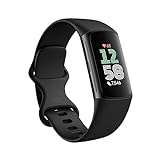
- Find your way seamlessly during runs or rides with turn-by-turn directions from Google Maps on Fitbit Charge 6[7, 8]; and when you need a snack break on the go, just tap to pay with Google Wallet[8, 9]
Importantly, Whoop has framed the update around helping members better understand and act on their data, not simply collect more of it. That wording is consistent with features that influence daily decision-making—training load adjustments, recovery interpretation, or longer-horizon health insights—rather than passive background metrics most users never change behavior around.
Signals Embedded in Whoop’s Language and Timing
The timing of the teaser is not accidental. It follows months of relatively quiet front-end updates, while Whoop has continued refining strength tracking accuracy, muscular load models, and sleep staging consistency behind the scenes. When Whoop goes quiet at the surface level, it usually indicates deeper platform work nearing readiness.
Whoop has also been increasingly explicit about serving different user profiles within the same membership—endurance athletes, strength-focused users, and health-first members who train less but wear Whoop continuously. A major rollout now strongly suggests functionality that adapts more dynamically to how someone actually uses the strap day to day.
There is also a subtle but meaningful emphasis on continuity for existing 4.0 users. No upgrade language, no accessory requirements, and no mention of new wear locations all point to features designed to work within current battery life, sensor array, and form factor constraints. That suggests Whoop is confident in extracting more value from the hardware members already trust for 24/7 wear.
What Whoop Has Not Confirmed—and Why That Matters
Despite widespread speculation, Whoop has not confirmed any new physiological sensors, such as glucose monitoring, hydration sensing, or blood pressure estimation. These would require regulatory disclosures, hardware validation, or partnerships that simply haven’t surfaced yet.
There has also been no official confirmation of a fundamental change to the Recovery, Strain, or Sleep scoring frameworks. While refinements are always possible, a full scoring overhaul would represent a philosophical shift for the platform, and Whoop typically prepares users well in advance for changes that could disrupt long-term trend continuity.
Equally important, Whoop has not promised immediate availability for all members or regions. Past rollouts often begin with phased access, controlled experiments, or limited releases to specific user cohorts. Anyone expecting a universal overnight switch-on should temper expectations accordingly.
How This Fits Into Whoop’s Broader Platform Strategy
Zooming out, this teaser aligns tightly with Whoop’s evolution from a performance tracker into a longitudinal health platform. The company has been steadily expanding beyond “how hard did you train” toward “how is your body adapting over weeks, months, and years,” without abandoning its athlete-first credibility.
Subscription-based wearables live or die by perceived ongoing value. By delivering meaningful new functionality to existing 4.0 hardware, Whoop reinforces the idea that membership pays for insight velocity, not just access to raw data. That’s a critical distinction in a market where competitors increasingly bundle advanced metrics behind higher-priced devices rather than better software.
For daily users, the practical implication is that this rollout is likely to change how you interact with your data, not how often you charge your strap or where you wear it. Expect impacts on planning, interpretation, and feedback loops rather than cosmetic redesigns or novelty charts.
What Users Should Realistically Expect Next
Based on Whoop’s historical rollout cadence, the next step is likely an in-app announcement clarifying scope shortly before features begin appearing for select users. Documentation, educational content, and contextual tooltips usually follow quickly, especially if the update affects how scores should be interpreted.
Early access will matter. Users who actively log behaviors, strength sessions, or recovery feedback tend to surface differences faster and will be the first to notice whether this update meaningfully changes recommendations or simply reframes existing insights.
For now, the key takeaway is restraint. Whoop has confirmed that something substantial is coming for 4.0 users, that it is software-driven, and that it is designed to deepen understanding rather than add noise. Everything beyond that remains speculation—and separating the two is exactly how to approach this rollout with clear expectations.
Why This Matters Specifically for Whoop 4.0 Owners (and Not Older Hardware)
All of this context leads to an important distinction: this rollout is not just a membership-level update—it is tightly coupled to what the Whoop 4.0 hardware can do that earlier generations simply cannot. That’s why the company has been unusually explicit in tying the teaser to 4.0 users, rather than positioning it as a universal software enhancement.
This is less about planned obsolescence and more about unlocking headroom that has been sitting dormant inside the 4.0 platform since launch. For owners already wearing the latest strap, that’s a meaningful shift in how much value the hardware itself can still deliver.
The Sensor Stack Is Finally Being Fully Utilized
Whoop 4.0 introduced a substantially upgraded sensor array compared to 3.0, including a redesigned optical heart-rate engine, blood oxygen sensing, and continuous skin temperature tracking. While those signals have been present in the background, much of their potential has so far been expressed through summary metrics rather than deeper, adaptive insights.
A software-driven expansion can now lean on higher signal fidelity, better noise rejection, and improved multi-sensor fusion. That opens the door to more confident trend detection over weeks and months, not just nightly snapshots of sleep or recovery.
Older hardware lacks the consistency and resolution required for that kind of longitudinal modeling, which explains why Whoop is drawing a firm line here.
Processing Power and Memory Matter More Than Most Users Realize
One underappreciated difference with Whoop 4.0 is its internal processing capability and onboard memory. While Whoop offloads most analysis to the cloud, modern features increasingly depend on smarter data preprocessing at the device level to improve accuracy and battery efficiency.
This matters if the teased update introduces more contextual awareness, adaptive baselines, or behavior-linked modeling. Those features benefit from cleaner raw data and tighter timing control, both of which are harder to guarantee on earlier chipsets.
In practical terms, this is why Whoop can expand insight depth without asking 4.0 users to charge more often or accept compromises in wearability.
Battery and Wearability Enable Always-On Features
Whoop 4.0’s smaller physical footprint and improved power management are not just comfort upgrades—they enable longer uninterrupted data capture. The on-body charging system means fewer gaps, which becomes critical when software starts looking for subtle changes over time rather than isolated events.
If upcoming features rely on detecting gradual shifts in recovery patterns, sleep regularity, or physiological stress, missing data becomes a real limitation. Older straps, with more frequent off-wrist time, simply don’t support that level of continuity as reliably.
For daily users, this reinforces why nothing about how you wear the strap needs to change, yet the outputs you get from it might feel more responsive and personalized.
Why This Is Not Just a “Nice to Have” Update
For Whoop 4.0 owners, the significance lies in what changes day to day. A deeper software layer can influence how you plan training blocks, interpret marginal recovery dips, or contextualize strain against long-term adaptation rather than short-term fatigue.
This is especially relevant for athletes and biohackers who already understand the basics of Whoop’s scoring system. The value now shifts from seeing numbers to understanding trajectories—where your physiology is headed, not just where it is today.
That level of interpretation demands both hardware capability and sustained data quality, which is precisely where 4.0 separates itself.
A Subtle Signal About Whoop’s Upgrade Philosophy
There’s also a strategic message embedded in this decision. By delivering meaningful new functionality to existing 4.0 hardware, Whoop is signaling that buying into the latest strap is not about chasing annual refresh cycles, but about staying eligible for future platform evolution.
For members weighing whether hardware upgrades are “worth it,” this rollout becomes a tangible example of why the answer can be yes—even when nothing about the strap’s appearance or comfort changes.
Rank #2

- Inspire 3 is the tracker that helps you find your energy, do what you love and feel your best. All you have to do is wear it.Operating temperature: 0° to 40°C
- Move more: Daily Readiness Score(1), Active Zone Minutes, all-day activity tracking and 24/7 heart rate, 20+ exercise modes, automatic exercise tracking and reminders to move
- Stress less: always-on wellness tracking, daily Stress Management Score, mindfulness sessions, relax breathing sessions, irregular heart rhythm notifications(2), SpO2(3), menstrual health tracking, resting heart rate and high/low heart rate notifications
- Sleep better: automatic sleep tracking, personalized Sleep Profile(1), daily detailed Sleep Score, smart wake vibrating alarm, sleep mode
- Comfortably connected day and night: calls, texts & smartphone app notifications(4), color touchscreen with customizable clock faces, super lightweight and water resistant to 50 meters, up to 10 day battery life(5)
And for anyone still on older hardware, it quietly clarifies where the innovation line now sits, without forcing an immediate upgrade through artificial software limitations.
The Headline Feature Tease: What the Clues Suggest About New Metrics or Experiences
Seen in that context, Whoop’s recent teaser language reads less like marketing fluff and more like a carefully constrained preview. The company has not named the feature outright, but the phrasing, timing, and hardware emphasis narrow the field considerably.
What’s being hinted at is not a cosmetic redesign of existing dashboards, but a new interpretive layer that sits on top of recovery, strain, and sleep—one that depends on long, uninterrupted data streams and benefits directly from the 4.0’s improved wear compliance.
From Daily Scores to Directional Insight
One of the most telling clues is Whoop’s repeated emphasis on “patterns over time” rather than single-day outcomes. That language strongly suggests a shift from static daily scoring toward directional or trend-based metrics.
In practical terms, this could look like recovery momentum indicators, adaptation curves, or early-warning signals for accumulating physiological stress. Instead of asking whether today’s recovery is green or yellow, the platform may start answering whether your recovery capacity is trending up, plateauing, or quietly deteriorating across weeks.
For users who already understand how to manage day-to-day strain, this kind of insight would materially change how training blocks are structured, especially during high-volume or competitive phases.
A More Context-Aware Recovery Experience
Another likely evolution is deeper contextualization of recovery inputs. Whoop already collects an enormous amount of passive data, but much of it is still summarized into relatively simple outputs.
The tease suggests a system that weighs recent sleep regularity, HRV volatility, resting heart rate drift, and strain density together, rather than treating them as parallel metrics. The result could be recovery guidance that feels less binary and more situational, acknowledging when a low score is noise versus when it’s part of a meaningful physiological shift.
This would align with Whoop’s long-standing positioning as a coaching platform rather than a pure data display, and it plays directly to experienced users who want interpretation, not more charts.
Potential Expansion of Health-Focused Signals
While Whoop has been careful not to overpromise medical insights, the emphasis on continuity and subtle change detection opens the door to broader health monitoring experiences. That doesn’t necessarily mean new sensors, but rather new ways of using existing ones.
Respiratory rate, skin temperature trends, and nighttime disturbances could be synthesized into more proactive alerts around illness onset, overreaching, or prolonged under-recovery. For daily users, this might surface as quiet nudges rather than alarms—flagging that something is off before performance noticeably drops.
Importantly, this kind of feature only works when the system trusts the data, reinforcing why Whoop continues to anchor these advances to the 4.0 hardware baseline.
Why This Feels Bigger Than a Single Metric Launch
What stands out is that Whoop isn’t teasing a named score or a flashy headline number. Instead, it’s pointing toward a new way of interacting with the platform itself.
If the rollout delivers on these hints, users should expect their daily check-ins to feel more narrative-driven—less about reacting to yesterday and more about understanding where their physiology is heading. That’s a subtle but significant shift in how the product fits into training decisions, rest planning, and even lifestyle trade-offs.
Crucially, Whoop appears to be building this as an additive layer, not a replacement. Existing recovery, strain, and sleep scores remain the foundation, but they may soon be framed by a smarter, more forward-looking lens that rewards consistency and long-term thinking rather than perfect days.
What to Expect—and What Not to Assume
It’s worth tempering expectations around immediacy and scope. This is unlikely to be a full platform overhaul delivered overnight, or a clinical-grade health diagnostic tool.
More realistically, Whoop seems poised to roll out an initial experience that evolves over time, refining models as more 4.0 users generate the kind of continuous datasets these features depend on. Early versions may prioritize clarity and trust-building over complexity, especially for members who don’t want to recalibrate how they use the app every morning.
For attentive users, though, the signal is clear: Whoop is preparing to move beyond telling you how you did yesterday, and toward helping you understand what your body is becoming tomorrow.
Potential Impact on Core Whoop Pillars: Recovery, Strain, Sleep, and Coaching
If Whoop’s hints are taken at face value, the real significance of this rollout isn’t a new metric replacing familiar scores, but a recalibration of how those scores are interpreted over time. Each core pillar appears positioned to gain additional context, with the 4.0 hardware acting as the stability layer that allows more nuanced modeling without sacrificing trust.
Recovery: From Daily Readiness to Directional Insight
Recovery has always been Whoop’s most influential signal, yet it remains inherently backward-looking, summarizing how well your body rebounded from prior stress. The teased features suggest recovery may soon be framed as part of a longer trajectory, identifying whether today’s number fits a healthy trend or signals a slow drift toward underperformance.
For users, this could mean fewer knee-jerk reactions to a single yellow or red day. Instead of simply advising rest, the platform may start contextualizing recovery within recent training blocks, illness risk, or cumulative sleep debt, helping athletes decide whether to adjust volume slightly or intervene more aggressively.
This approach aligns with how coaches actually use readiness data in the real world. Trends matter more than isolated data points, and Whoop seems increasingly focused on making that distinction clear inside the app rather than leaving users to infer it themselves.
Strain: Smarter Load Management Without Killing Autonomy
Strain has long walked a fine line between guidance and prescription. Whoop provides a target, but it has historically been reactive, adjusting recommendations based on the previous day’s recovery score.
If the new layer introduces predictive elements, strain targets could become more adaptive across a multi-day horizon. That might surface as subtle cues that today’s “acceptable” strain carries consequences later in the week, especially during heavy training phases or periods of poor sleep consistency.
Importantly, nothing Whoop has teased suggests a move toward rigid workout prescriptions. Instead, this looks more like improved load awareness, preserving user autonomy while quietly discouraging patterns that historically lead to plateaus or breakdowns.
Sleep: Consistency Over Perfection
Sleep tracking is one area where Whoop’s depth already rivals dedicated sleep wearables, but daily sleep scores often tempt users into chasing ideal numbers rather than sustainable habits. The teased direction implies a shift toward evaluating sleep regularity and debt accumulation more holistically.
Rather than highlighting a single short night, the platform may increasingly emphasize how repeated small deficits impact recovery and strain tolerance. For users with demanding schedules, this could be especially valuable, reframing “good enough” sleep as acceptable when balanced across the week.
This also plays well with the 4.0’s comfort-first design and long battery life. Reliable overnight wear is non-negotiable for this kind of modeling, and Whoop’s minimal form factor continues to support high compliance without sleep disruption.
Coaching: The Quiet Evolution of Whoop’s Voice
Perhaps the most meaningful change could emerge in Whoop’s coaching layer, which has steadily grown more conversational over the past year. The new features appear poised to deepen that relationship, shifting from reactive explanations to anticipatory guidance.
Rank #3

- 【BUILT-IN GPS SMART WATCH – GO FURTHER, FREER, SMARTER】No phone? No problem. This fitness watch for women, featuring the latest 2025 technology, includes an advanced professional-grade GPS chip that precisely tracks every route, distance, pace (real-time & average), and calorie burned—completely phone-free. Whether you're chasing new personal records or exploring off the beaten path, your full journey is automatically mapped and synced in the app. Train smarter. Move with purpose. Own your progress. Own your journey.
- 【BLUETOOTH 5.3 CALLS & SMART NOTIFICATIONS】Stay effortlessly connected with this smart watch for men and women, featuring dual Bluetooth modes (BT 3.0 + BLE 5.3) and a premium microphone for crystal-clear calls right from your wrist—perfect for driving, workouts, or busy days. Receive instant alerts for calls, texts, and popular social apps like WhatsApp and Facebook. Just raise your wrist to view notifications and never miss an important moment.
- 【100+ SPORT MODES & IP68 WATERPROOF & DUSTPROOF】This sport watch is a versatile activity and fitness tracker with 100+ modes including running, cycling, yoga, and more. It features quick-access buttons and automatic running/cycling detection to start workouts instantly. Accurately track heart rate, calories, distance, pace, and more. Set daily goals on your fitness tracker watch and stay motivated with achievement badges. With IP68 waterproof and dustproof rating, it resists rain and sweat for any challenge. Not suitable for showering, swimming, or sauna.
- 【24/7 HEALTH ASSISTANT & SMART REMINDERS】This health watch continuously monitors heart rate, blood oxygen, and stress levels for comprehensive wellness tracking. Sleep monitoring includes deep, light, REM sleep, and naps to give you a full picture of your rest. Stay on track with smart reminders for sedentary breaks, hydration, medication, and hand washing. Women can also monitor menstrual health. Includes guided breathing exercises to help you relax. Your ultimate health watch with event reminders for a healthier life.
- 【ULTRA HD DISPLAY, LIGHTWEIGHT & CUSTOMIZABLE DIALS】This stylish wrist watch features a 1.27-inch (32mm) 360×360 ultra HD color display with a 1.69-inch (43mm) dial, offering vivid details and responsive touch. Its minimalist design fits both business and casual looks. Switch freely among built-in designer dials or create your own DIY watch face using photos, colors, and styles to showcase your unique personality. Perfect as a cool digital watch and fashion wrist watch.
Instead of explaining why yesterday looked the way it did, coaching prompts may begin framing choices in advance, highlighting trade-offs before users feel the consequences. That could show up as suggestions to slightly reduce strain ahead of a predicted low-recovery day, or reminders that recent behavior is trending toward overreach even if today’s metrics look fine.
Crucially, this keeps Whoop aligned with its subscription-first value proposition. The hardware remains unobtrusive and durable, but the perceived value increasingly comes from software intelligence that evolves over time, not from adding screens, notifications, or smartwatch-style distractions.
As this coaching layer matures, Whoop’s differentiation becomes clearer. It’s not competing on features per se, but on how effectively it translates dense physiological data into decisions users can actually live with day after day.
Under the Hood: Hardware Capabilities of Whoop 4.0 That Enable This Rollout
All of the teased intelligence above ultimately rests on a quiet truth: Whoop 4.0 was built with far more headroom than it initially exposed. The current rollout looks less like a sudden upgrade and more like a staged unlocking of hardware that’s been patiently collecting high-quality data since day one.
This is where the platform’s long-game strategy becomes clearer. Whoop didn’t need a new device to push these features forward—it needed enough sensor fidelity, battery reliability, and on-device processing to trust the models running on top.
Sensor Stack Built for Longitudinal Data, Not Momentary Wins
Whoop 4.0’s sensor array was designed around consistency rather than novelty. Continuous heart rate, HRV, blood oxygen saturation, respiratory rate, skin temperature trends, and multi-axis motion data are all sampled with the expectation that users will wear the device nearly 24/7.
That matters for features focused on trends like sleep debt, recovery tolerance, and anticipatory coaching. These models depend less on peak accuracy in a single workout and more on stable baselines collected across weeks and months, something Whoop’s optical sensor placement and strap-based design support well.
Importantly, skin temperature and SpO₂ aren’t treated as standalone metrics. They’re contextual signals that gain meaning only when layered over consistent wear and historical variance, which aligns with the teased shift toward pattern recognition rather than daily score-chasing.
Form Factor and Wear Location as Data Enablers
Whoop 4.0’s compact, screenless module isn’t just about aesthetics or comfort—it directly influences data integrity. By eliminating a display, Whoop reduces size, weight, and the temptation to remove the device during sleep or recovery windows.
The result is unusually high compliance, especially overnight. For features that model sleep regularity, accumulated fatigue, or recovery debt, missing data is often more damaging than noisy data, and the 4.0’s low-profile design meaningfully reduces those gaps.
The ability to wear the sensor on the wrist, bicep, or integrated apparel also helps smooth motion artifacts and improves signal quality during both sleep and high-strain activities. That flexibility becomes increasingly valuable as Whoop leans into predictive insights that require clean inputs across varied contexts.
Battery Architecture That Supports Continuous Intelligence
Battery life doesn’t just determine convenience—it determines whether advanced modeling is even feasible. Whoop 4.0’s multi-day battery and off-wrist charging system allow users to maintain uninterrupted data streams without planning downtime.
This is critical for features that look backward and forward simultaneously. If recovery predictions or coaching prompts are based on rolling physiological load, even short charging gaps can undermine confidence in the system’s recommendations.
The fact that Whoop continues to prioritize endurance over flashy power-hungry components suggests these new features were anticipated early. The hardware is optimized to sustain constant sampling and background processing without forcing trade-offs in wearability.
On-Device Processing and Firmware Headroom
While Whoop does most of its heavy analytics in the cloud, the 4.0’s onboard processing plays a key role in preprocessing signals, filtering noise, and managing sensor fusion before data ever hits Whoop’s servers.
That division of labor is important as features become more proactive. Anticipatory coaching and trend-based insights benefit from cleaner, more structured inputs upstream, reducing the need for aggressive correction later.
Recent firmware updates have quietly improved responsiveness and stability, hinting that the hardware still has untapped capacity. This makes it plausible that future features—especially those tied to real-time prompts or adaptive strain guidance—can roll out without compromising battery life or reliability.
Durability and Environmental Resilience
Whoop 4.0’s water resistance and sealed design aren’t headline features, but they enable true lifestyle coverage. Showering, swimming, heat exposure, and travel all introduce physiological stress that becomes invisible if users selectively remove their tracker.
As Whoop places more emphasis on cumulative load and recovery tolerance, capturing these everyday stressors becomes increasingly important. The device’s ability to remain worn through non-training stressors strengthens the accuracy of those broader models.
This also reinforces Whoop’s positioning against screen-based wearables. The hardware fades into the background, allowing the software to speak with more confidence because it knows the data story is complete.
Why This Matters for 4.0 Owners Right Now
For existing Whoop 4.0 users, the key takeaway is that this rollout isn’t pushing the hardware to its limits—it’s finally using it as intended. The device you’re wearing already supports deeper insights into recovery behavior, sleep consistency, and forward-looking guidance.
That should set expectations appropriately. These updates are likely to feel evolutionary rather than flashy, improving day-to-day decision-making instead of introducing new metrics to obsess over.
From a platform perspective, it also explains why Whoop hasn’t rushed a 5.0 announcement. The company is still extracting value from the 4.0’s hardware foundation, and the current feature trajectory suggests there’s more to come before a physical refresh becomes necessary.
Whoop’s Software-First Strategy: How This Tease Fits the Subscription Platform Model
Seen in context, this teaser is less about a single headline feature and more about reinforcing how Whoop builds value over time. The company has consistently treated the band as a long-term data appliance, with the subscription funding ongoing interpretation rather than a race for new sensors or screens.
That framing helps explain why these announcements arrive as quiet previews instead of launch-day spectacles. Whoop is conditioning users to expect meaningful change through software layers, not hardware resets.
Why Whoop Prioritizes Software Over Hardware Cycles
Unlike smartwatch brands that rely on annual hardware refreshes, Whoop’s business model depends on keeping existing devices relevant. The 4.0’s compact form factor, soft-touch materials, and screenless design were never meant to impress in a display case; they were meant to disappear on the wrist while collecting uninterrupted physiological data.
From a sports science perspective, that continuity matters. Longitudinal metrics like HRV baselines, sleep debt, and recovery trends become exponentially more valuable when they aren’t reset by a new device every 12 months.
This teaser fits that logic perfectly. Instead of positioning the update as something that requires new hardware, Whoop is signaling confidence that the 4.0 still has headroom in processing, battery efficiency, and sensor fidelity.
The Subscription Model as a Feature Delivery Engine
Whoop’s subscription isn’t just a paywall; it’s the economic engine that funds iterative model development. New insights, refinements to strain calculations, or adaptive recovery guidance require ongoing validation, user testing, and backend computation—not just firmware tweaks.
Rank #4

- 24H Accurate Heart Rate Monitoring: Go beyond basic tracking. Our watch automatically monitors your heart rate, blood oxygen (SpO2), and sleep patterns throughout the day and night. Gain deep insights into your body's trends and make informed decisions for a healthier lifestyle.
- Practical Sports Modes & Smart Activity Tracking: From running and swimming to yoga and hiking, track a wide range of activities with precision. It automatically records your steps, distance, calories burned, and duration, helping you analyze your performance and crush your fitness goals.
- 1-Week Battery Life & All-Day Wear: Say goodbye to daily charging. With an incredible up to 7-10 days of battery life on a single charge, you can wear it day and night for uninterrupted sleep tracking and worry-free travel. Stay connected to your data without the hassle.
- Comfortable to Wear & IP68 Waterproof: The lightweight, skin-friendly band is crafted for all-day comfort, even while you sleep. With IP68 waterproof, it withstands rain, sweat, It is not suitable for swimming or showering.
- Ease of Use and Personalized Insights via Powerful App: The display is bright and easy to read, even outdoors. Unlock the full potential of your watch. Sync with our dedicated app to view detailed health reports, customize watch faces, set sedentary reminders, and manage your preferences with ease.
That’s why many of Whoop’s most impactful changes historically arrived without fanfare. Features like improved sleep staging, recalibrated strain targets, or more nuanced recovery messaging often appeared as subtle shifts in daily scores rather than new dashboards.
The current tease suggests a continuation of that pattern. Rather than adding surface-level metrics, the upcoming rollout is likely focused on how existing data is interpreted and delivered at the right moment.
What This Means for Daily Use on Whoop 4.0
For 4.0 users, the practical impact will likely be felt in timing and relevance, not complexity. Training guidance that adapts earlier in the day, recovery signals that respond to cumulative stress, or sleep insights that better contextualize inconsistency are all plausible evolutions within the current framework.
Importantly, none of this should materially affect battery life or comfort. The 4.0 already offers multi-day endurance with near-forgettable wearability, and Whoop has been careful not to introduce features that demand frequent syncing or manual interaction.
If anything, software-led improvements should reduce cognitive load. The goal is fewer moments of checking numbers and more confidence that the platform is quietly nudging behavior in the background.
Managing Expectations: Evolution, Not Reinvention
It’s worth tempering expectations around radical new metrics or diagnostic-style outputs. Whoop has historically avoided adding data points unless they can be reliably contextualized across a broad user base.
This tease aligns more with refinement than reinvention. Think cleaner decision support, better prioritization of recovery signals, and possibly more personalized interpretations driven by longer-term trends—not a sudden expansion into medical-grade analytics.
That restraint is intentional. In a subscription model, trust and consistency matter more than novelty, especially for athletes and biohackers who rely on the platform to guide real-world decisions.
Why This Strategy Keeps the 4.0 Relevant
By continuing to invest in software depth, Whoop extends the functional lifespan of the 4.0 without asking users to relearn their relationship with the device. The strap remains lightweight, flexible, and unobtrusive, while the value accrues in the app experience.
This also buys Whoop time. As long as meaningful improvements can be delivered through software, there’s less pressure to rush a 5.0 that risks fragmenting the user base or resetting long-term data continuity.
In that sense, this tease isn’t just about what’s coming next. It’s a reaffirmation of Whoop’s belief that the most valuable upgrades don’t sit on your wrist—they live in how the platform learns from you over time.
What ‘More Coming Soon’ Likely Means: Near-Term vs Longer-Term Feature Expectations
Taken in context, the “more coming soon” language reads less like a single headline feature and more like a staged software arc. Whoop has historically rolled out changes in layers—first adjusting interpretation and surfacing, then gradually expanding capability once the models have enough live data.
For 4.0 users, that distinction matters. The hardware is already near its ceiling in terms of raw sensing, so what changes next will mostly be about how existing signals are processed, prioritized, and translated into action.
Near-Term: Interpretation, Guidance, and Workflow Improvements
In the near term, expect changes that feel immediately noticeable but don’t require relearning the platform. That typically means refinements to Recovery scoring logic, Strain targets, and sleep-related recommendations rather than brand-new metrics.
One likely area is smarter daily guidance. Whoop has been steadily moving from descriptive analytics toward prescriptive nudges, and this update cycle appears to double down on that shift by reducing ambiguity around what users should actually do with their data.
For training-focused users, this could show up as tighter coupling between recent load, accumulated fatigue, and suggested strain ranges. The goal isn’t higher numbers, but fewer second guesses about whether to push, maintain, or pull back on a given day.
Sleep and Recovery: More Context, Less Micromanagement
Sleep remains the backbone of Whoop’s recovery model, and it’s a prime candidate for short-term enhancement. Rather than adding new sleep stages or experimental metrics, Whoop is more likely to improve how sleep debt, consistency, and timing are contextualized over multiple days.
That could mean clearer distinctions between acute poor sleep and longer-term patterns that actually move recovery trends. For daily users, this reduces the temptation to overreact to a single bad night while still reinforcing behavior change when patterns persist.
Crucially, none of this demands more interaction. The 4.0’s comfort, low profile, and multi-day battery life support a philosophy where insights surface automatically, without users needing to dig through charts every morning.
Mid-to-Longer Term: Deeper Personalization and Trend Intelligence
Looking further out, “more coming soon” likely points toward deeper personalization layers that require time to calibrate. These features tend to roll out quietly, improving accuracy over weeks rather than announcing themselves on day one.
Examples include more individualized baselines for strain tolerance, recovery volatility, or responsiveness to sleep duration. As Whoop accumulates longer uninterrupted data streams, it can weight trends more heavily than single-session outcomes.
For experienced users, this is where the platform becomes meaningfully different from simpler trackers. Instead of reacting to yesterday, the system starts modeling how you adapt over months, not just days.
Platform Strategy: Why This Rollout Is Incremental by Design
Whoop’s subscription model incentivizes continuity over spectacle. A feature that quietly improves decision quality every day is more valuable long-term than a flashy metric that users don’t trust or understand.
By spacing updates, Whoop also avoids destabilizing recovery and strain baselines. Sudden algorithmic shifts can undermine confidence, especially for athletes who use Whoop to guide real training load and competition prep.
This slower cadence protects data integrity. It ensures that when changes arrive, they layer onto existing history rather than forcing users to reinterpret past performance through a new lens.
What’s Unlikely—At Least for Now
Despite the anticipation, there are clear boundaries around what “more” probably doesn’t mean. Medical-grade diagnostics, real-time coaching prompts during workouts, or hardware-dependent features are unlikely to land on the 4.0.
Battery life and wearability remain non-negotiables. Any feature that compromises the strap’s near-invisible feel, requires frequent charging, or pushes users into constant app checks would run counter to Whoop’s core design philosophy.
Instead, the updates ahead are best understood as compounding advantages. Each change may feel modest on its own, but together they reinforce why the 4.0 remains relevant—not because it does more, but because it understands you better over time.
How This Could Change Day-to-Day Use for Athletes, Biohackers, and Casual Trainers
Taken together, these quieter updates shift Whoop’s value from retrospective analysis toward daily decision support. Not in the form of intrusive alerts or real-time coaching, but through subtler changes in how confidently users can act on the data they already trust. That distinction matters, because it reshapes behavior without demanding more attention.
💰 Best Value

- 【Superb Visual Experience & Effortless Operation】Diving into the latest 1.58'' ultra high resolution display technology, every interaction on the fitness watch is a visual delight with vibrant colors and crisp clarity. Its always on display clock makes the time conveniently visible. Experience convenience like never before with the intuitive full touch controls and the side button, switch between apps, and customize settings with seamless precision.
- 【Comprehensive 24/7 Health Monitoring】The fitness watches for women and men packs 24/7 heart rate, 24/7 blood pressure and blood oxygen monitors. You could check those real-time health metrics anytime, anywhere on your wrist and view the data record in the App. The heart rate monitor watch also tracks different sleep stages for light and deep sleep,and the time when you wake up, helps you to get a better understanding of your sleep quality.
- 【120+ exercise modes & All-Day Activity Tracking】There are more than 120 exercise modes available in the activity trackers and smartwatches, covering almost all daily sports activities you can imagine, gives you new ways to train and advanced metrics for more information about your workout performance. The all-day activity tracking feature monitors your steps, distance, and calories burned all the day, so you can see how much progress you've made towards your fitness goals.
- 【Messages & Incoming Calls Notification】With this smart watch fitness trackers for iPhone and android phones, you can receive notifications for incoming calls and read messages directly from your wrist without taking out your phone. Never miss a beat, stay in touch with loved ones, and stay informed of important updates wherever you are.
- 【Essential Assistant for Daily Life】The fitness watches for women and men provide you with more features including drinking water and sedentary reminder, women's menstrual period reminder, breath training, real-time weather display, remote camera shooting, music control,timer, stopwatch, finding phone, alarm clock, making it a considerate life assistant. With the GPS connectivity, you could get a map of your workout route in the app for outdoor activity by connecting to your phone GPS.
For Competitive and Structured Athletes: Fewer Guess Days, Cleaner Load Decisions
For athletes following periodized plans or juggling training with competition schedules, improved baseline modeling could reduce the number of ambiguous recovery days. Instead of wondering whether a mid-60s recovery score reflects fatigue, poor sleep timing, or accumulated load, the system can better contextualize what “normal” looks like for that individual at this point in the season.
Over time, this may change how athletes use strain targets. Rather than treating them as daily ceilings, strain becomes a more flexible signal that reflects adaptation trends, not just yesterday’s stress. That makes it easier to push on days that look mediocre on paper but align with long-term readiness, and back off when the system detects subtle drift before overreaching shows up.
For Biohackers: Cleaner Experiments and More Reliable Signals
Biohackers tend to stress-test Whoop by manipulating sleep timing, supplements, alcohol intake, heat exposure, or training density. Incremental algorithm refinements matter here because they reduce noise across longer experiments. When baseline stability improves, changes in HRV, resting heart rate, or sleep efficiency become more attributable to the intervention, not platform variability.
This also changes how trends are interpreted. Instead of reacting to single-night anomalies, users can evaluate rolling responses over weeks with greater confidence that the signal is being weighted appropriately. The practical result is fewer false positives and less temptation to abandon a protocol prematurely.
For Casual Trainers: Simpler Decisions Without More Complexity
Casual users often don’t want more metrics; they want clearer guidance from the ones already there. If Whoop’s teased updates improve how recovery and strain adapt to inconsistent schedules, it lowers the cognitive load required to use the platform effectively. Missed workouts, late nights, or irregular training blocks become easier for the system to contextualize without penalizing the user with misleading scores.
That has real usability implications. When recovery feels fair and intuitive, users are more likely to stay engaged long-term, even if they’re not training every day. It reinforces Whoop’s core promise: wear it continuously, live normally, and let the platform make sense of the mess.
Daily Wearability Still Anchors the Experience
None of this works if it changes how the 4.0 fits into daily life. Battery life, comfort, and the strap’s unobtrusive form factor remain central, especially as features lean more heavily on uninterrupted data streams. The absence of hardware changes here is a feature, not a limitation.
Because the updates are software-driven, users don’t need to modify wear habits or charging routines to benefit. That continuity preserves one of Whoop’s strongest advantages over smartwatch-style wearables: it collects better data precisely because it asks so little of the wearer.
What Users Should—and Shouldn’t—Expect in Practice
In day-to-day use, these changes are unlikely to announce themselves with new dashboards or dramatic UI shifts. Instead, they’ll surface as small moments where the data feels more accurate, more personal, and more consistent with how the body actually feels. That alignment is what builds trust over time.
What users shouldn’t expect is instant transformation. The benefits compound as data accumulates, reinforcing Whoop’s long-game philosophy rather than delivering overnight breakthroughs. For those already invested in the ecosystem, that may be the most meaningful update of all.
What Users Should Do Now: Preparing Your Account, Habits, and Expectations for the Update
If the previous sections explain why these changes matter, this is where the focus shifts to readiness. Whoop’s teased rollout is software-led and subtle by design, which means the biggest gains will go to users who treat the update as a calibration phase rather than a feature drop to “test once and forget.”
The goal now is not to change how you wear Whoop 4.0, but to make sure the platform has the cleanest possible context to work with as new logic rolls out behind the scenes.
Audit Your Data Hygiene Before the Algorithms Change
Before any meaningful backend updates land, it’s worth checking how consistently your data has been captured over the last few weeks. Continuous wear, regular sleep detection, and accurate strain logging give Whoop’s models a stable baseline to compare against once new interpretations are layered in.
If you’ve been wearing the strap loosely, frequently removing it overnight, or skipping activity tagging, now is the time to tighten those habits. Software updates don’t fix incomplete inputs, and early impressions of a new feature are often shaped by the data that feeds it in the first place.
Revisit Your Sleep and Recovery Behaviors, Not Just the Scores
One of the quieter promises of Whoop’s teased direction is better contextual understanding of irregular schedules and imperfect routines. To benefit from that, users should pay closer attention to what they actually do around sleep, not just the recovery percentage that appears each morning.
Logging caffeine, alcohol, late meals, and travel consistently helps the system distinguish between physiological stress and lifestyle-driven disruption. As Whoop refines how recovery adapts to real-world behavior, this kind of contextual data becomes more valuable, not less.
Keep Training Inputs Honest and Conservative
As strain interpretation evolves, inflated or miscategorized workouts can skew how new features present themselves. This is especially relevant for strength training, hybrid sessions, or sport-specific work that doesn’t map cleanly to traditional cardio profiles.
Users should resist the temptation to chase strain numbers or retroactively edit workouts to “look better.” The more accurately strain reflects actual effort, the more useful any refinements to recovery guidance and load management will be once the update is live.
Update the App, Permissions, and Background Settings Now
This may sound basic, but major software improvements often depend on background processing, notification delivery, and sensor permissions working as intended. Ensuring the Whoop app is fully updated, allowed to refresh in the background, and not restricted by aggressive battery-saving settings avoids silent failures that can undermine new features.
On both iOS and Android, it’s worth double-checking Bluetooth stability and location permissions as well. These aren’t new requirements, but they become more noticeable when software leans harder on uninterrupted data flow.
Set Expectations for Gradual, Not Instant, Changes
Perhaps the most important preparation is mental. Whoop has consistently favored long-term model refinement over splashy, day-one transformations, and everything teased so far aligns with that philosophy.
Users should expect subtle shifts in how recovery feels over weeks, not a dramatic redefinition of metrics overnight. The real signal will be fewer moments where the data feels confusing or unfair, not a sudden spike in scores or new graphs demanding attention.
Stay Curious, but Skeptical of Early Takes
As with any platform update, early reactions will likely surface before the changes have fully settled. Recovery swings, altered strain perceptions, or small behavioral nudges may prompt strong opinions in the first few days.
The most reliable assessment will come after at least one full sleep-and-training cycle, ideally longer. Whoop’s system improves through accumulation, and judging it too quickly risks missing the point of what’s actually being improved.
Why This Preparation Matters More Than It Sounds
Because the Whoop 4.0 hardware remains unchanged, the value of this update lives entirely in interpretation, not sensors or materials. The lightweight strap, long battery life, and unobtrusive form factor continue doing what they’ve always done: enabling passive, high-compliance data collection.
What changes is how that data is understood. Users who approach the rollout with clean inputs, realistic expectations, and a willingness to let the system learn will extract far more value than those looking for instant validation.
In that sense, this update isn’t asking users to do more. It’s asking them to trust the process Whoop has been building toward all along. Wear it consistently, live your life honestly, and let the platform meet you closer to where you actually are.