Choosing between Whoop and Garmin isn’t really about picking the “better” device. It’s about deciding how you want technology to influence your training, recovery, and daily decision-making. These two platforms sit at opposite ends of the wearable philosophy spectrum, and understanding that difference early will save you a lot of second-guessing later.
If you’re already training consistently, tracking workouts, and paying attention to metrics like heart rate, sleep, or load, the real question becomes whether you want raw performance data and on-wrist control, or interpretation, guidance, and behavioral nudges. Whoop and Garmin both promise to make you fitter and healthier, but they go about it in fundamentally different ways.
This section lays out those differences clearly before we dive into sensors, accuracy, features, and sport-specific use cases. Think of it as a mental framework that will help every later comparison make sense.
Recovery-first guidance versus performance-first tooling
Whoop is built around the idea that most athletes already train hard enough, but recover poorly. Its entire system revolves around strain, recovery, and sleep, with the goal of telling you how prepared your body is for stress on any given day. Training is viewed through the lens of how it impacts your physiology, not how impressive the workout looks on a map.
🏆 #1 Best Overall
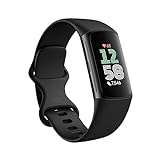
- Find your way seamlessly during runs or rides with turn-by-turn directions from Google Maps on Fitbit Charge 6[7, 8]; and when you need a snack break on the go, just tap to pay with Google Wallet[8, 9]
Garmin approaches the problem from the opposite direction. It assumes you want to actively plan, execute, record, and analyze training sessions across specific sports, often with performance targets in mind. Recovery exists in the ecosystem, but it supports training rather than leading it.
In practical terms, Whoop answers “How hard should I go today?” while Garmin excels at “What exactly did I do, where did I do it, and how did it compare to last time?” Neither is wrong, but they suit very different personalities and goals.
Screenless coaching versus on-wrist control
Whoop famously has no screen. You wear it continuously and interact almost entirely through the smartphone app, where trends, scores, and insights are presented with heavy context and explanation. The absence of a display is intentional, removing distractions and encouraging long-term behavior change rather than constant checking.
Garmin devices are unapologetically watches. They offer bright or always-on displays, physical buttons, touchscreens on many models, and deep on-device menus. You start workouts, follow routes, check pace, navigate trails, and glance at metrics in real time without pulling out your phone.
This difference has real lifestyle implications. Whoop fades into the background and works best when worn 24/7, including sleep and non-training hours. Garmin becomes a tool you actively interact with during training and daily life, often replacing a traditional watch entirely.
Subscription-based insights versus device ownership
Whoop operates on a subscription model. You don’t truly own the hardware in the traditional sense; instead, you pay monthly or annually for access to the platform, analytics, and ongoing software improvements. Hardware upgrades are typically bundled into the membership, keeping the physical device secondary to the data service.
Garmin follows a buy-once model. You pay upfront for the watch, and there is no mandatory subscription for core features, training metrics, or health tracking. Software updates and new features are delivered for free, often for years, depending on the model.
This affects long-term value in different ways. Whoop spreads cost over time and emphasizes continual refinement of insights. Garmin demands a higher initial investment but rewards you with ownership, resale value, and independence from recurring fees.
Interpretation-heavy metrics versus self-directed analysis
Whoop’s strength lies in translating physiological signals into simple, actionable guidance. Metrics like recovery percentage, strain targets, and sleep need are designed to reduce cognitive load and help you make daily decisions without deep sports science knowledge. The app frequently explains why something happened and what to adjust next.
Garmin provides an enormous volume of data, from VO2 max trends and training load to pace zones, power curves, and advanced running dynamics. While features like Training Readiness and Body Battery add interpretation, much of the value still comes from the user’s ability to analyze patterns and apply them intelligently.
If you want the device to act like a coach whispering suggestions, Whoop leans that way. If you prefer a toolbox that lets you draw your own conclusions, Garmin’s ecosystem is far more expansive.
Lifestyle integration versus sport-specific specialization
Whoop is sport-agnostic by design. Whether you lift, surf, grapple, cycle, or play team sports, it tracks physiological strain without caring much about GPS routes, lap splits, or equipment profiles. This makes it appealing for athletes whose training doesn’t fit neatly into endurance watch categories.
Garmin shines brightest when sports become technical. Runners, triathletes, cyclists, hikers, and outdoor athletes benefit from multi-band GPS, navigation, maps, barometric altimeters, and long battery life in active modes. The watch often becomes essential during the activity itself, not just after.
These philosophies ripple through everything from hardware design and comfort to software priorities and update cadence. Understanding where you fall on this spectrum makes the rest of the comparison not only clearer, but far more relevant to how you actually train and live.
Ownership vs. Subscription: Total Cost of Ownership, Upgrades, and Long-Term Value
The philosophical split between Whoop and Garmin becomes most tangible when you look past features and into how you actually pay for, keep, and upgrade the device over time. This isn’t just about upfront price, but about whether you value continuous service or long-term ownership. The difference shapes how each platform feels to live with year after year.
Whoop’s subscription-first model
Whoop flips the traditional wearable equation by making the hardware secondary and the service primary. You don’t truly buy the device in the conventional sense; you pay an ongoing subscription that includes the band, sensor replacements, software updates, and access to all analytics. If the membership ends, the device essentially becomes inert.
The advantage is predictability. Your monthly or annual fee covers continuous algorithm updates, new features, and hardware refreshes when Whoop releases a new generation, without a separate upgrade purchase. For users who like knowing they’ll always be on the latest platform without selling or re-buying hardware, this can feel frictionless.
The downside is long-term accumulation. Over three to five years, subscription fees can exceed the cost of even high-end Garmin watches, with no residual value at the end. There is no resale market, no ability to keep using the device in a reduced mode, and no option to “pause” ownership without losing functionality.
Garmin’s ownership-driven approach
Garmin follows a more traditional consumer electronics model. You pay a higher upfront cost for the watch itself, but there are no mandatory subscriptions for core features, training metrics, or health tracking. Once purchased, the watch remains fully functional for as long as the hardware lasts.
This creates a very different value curve. A mid-range Garmin can be used for five or more years, still delivering GPS tracking, heart rate data, sleep metrics, and training tools without additional cost. Firmware updates often continue for years, even as newer models launch.
There’s also tangible residual value. Garmin watches can be resold, handed down, or repurposed for specific sports, which partially offsets the initial investment. For buyers who dislike recurring fees or prefer amortizing cost over time, this model feels more empowering.
Upgrade cycles and platform longevity
Whoop’s upgrade story is tied directly to its subscription lifecycle. When new hardware is released, active members typically receive it as part of their plan, keeping sensor quality and battery efficiency current without a separate buying decision. This reduces decision fatigue but removes control over timing and cost.
Garmin upgrades are entirely elective. You choose when a new display, improved GPS chipset, better battery life, or added sport profiles justify the expense. Many users skip multiple generations, especially if their watch already supports their primary activities.
This difference matters psychologically. Whoop positions improvement as a continuous service, while Garmin treats innovation as optional hardware evolution. One emphasizes staying current automatically, the other prioritizes autonomy and selective upgrading.
Hidden costs: accessories, wear-and-tear, and daily use
Whoop’s hardware is minimalist, but accessories can add up. Extra bands, alternative materials, and color options are often priced at a premium, and since the band is the primary interface, comfort and fit matter more than they might with a watch. Battery packs are external and require occasional attention, though they’re included in the ecosystem.
Garmin watches involve fewer recurring accessory purchases, but replacement straps, especially proprietary or premium materials, can be costly. Larger cases and exposed screens also introduce potential repair or replacement costs if you’re hard on gear. That said, durability is generally excellent, particularly on outdoor-focused models.
From a daily usability perspective, Garmin’s on-device screen reduces reliance on your phone, which some users see as added value. Whoop assumes constant app engagement, making your smartphone part of the true cost of ownership.
Long-term value depends on mindset, not just math
Whoop delivers value if you actively use its guidance every day and see recovery-driven decision-making as central to your training. The subscription makes sense when the insights meaningfully change behavior and reduce guesswork. If the app becomes background noise, the cost quickly feels disproportionate.
Garmin’s value compounds through longevity and versatility. Even if your training focus shifts, the watch usually adapts, adding new sport modes or remaining useful as a general health tracker. The longer you keep it, the stronger the ownership argument becomes.
Ultimately, this isn’t about which is cheaper in a vacuum. It’s about whether you want to rent an evolving coaching service or own a robust tool that stands on its own, quietly accumulating value every time you strap it on.
Hardware and Wearability: Screenless Band vs. GPS Smartwatch (Comfort, Size, Durability, Style)
Once you move past cost models and ecosystem philosophy, the most immediate difference between Whoop and Garmin is physical. One all but disappears on your body, the other asserts itself as a tool you wear. That contrast shapes comfort, compliance, durability expectations, and even how you perceive the device day to day.
Form factor and dimensions: minimal presence vs. functional mass
Whoop’s band-first hardware is intentionally austere. The sensor module is slim, lightweight, and symmetrical, with no display, no buttons, and no visual cues competing for attention. On the wrist, it feels closer to a soft medical-grade tracker than a traditional wearable, which is exactly the point.
Garmin watches span a wide range of case sizes, typically from around 40 mm to well over 50 mm depending on model and target sport. Even the smallest Garmin watches have noticeable thickness to accommodate GPS antennas, displays, buttons, and larger batteries. You always know it’s there, especially if you’re coming from a minimalist band.
For users who value constant wear, including during sleep, Whoop’s near-invisibility reduces friction. Garmin’s physical presence, while purposeful, can be a deal-breaker for those sensitive to bulk or who dislike wearing a watch 24/7.
Comfort and all-day wear: sleep, sweat, and movement
Whoop is engineered for uninterrupted wear, and that shows in real-world comfort. The soft woven bands, lack of hard edges, and low-profile sensor make it easy to forget during sleep, yoga, or long sedentary days. It excels in situations where any pressure point or rigid surface would be noticeable.
Garmin comfort depends heavily on the specific model and strap choice. Silicone sport bands are secure but can trap sweat, while nylon or fabric options improve breathability at the expense of a slightly looser feel. During sleep, lighter Garmin models are manageable, but larger adventure watches can feel intrusive for side sleepers.
If sleep tracking and recovery metrics are central to your training, comfort during overnight wear matters more than most people expect. Whoop is designed around that assumption; Garmin accommodates it, but doesn’t prioritize it in every model.
Durability and materials: soft resilience vs. rugged engineering
Whoop’s durability comes from simplicity. With no screen to crack and a sealed sensor housing, it tolerates sweat, rain, and impact well within its intended use. That said, the fabric bands will show wear over time, particularly if exposed to salt water, sunscreen, or frequent washing.
Garmin watches are built like instruments. Depending on the tier, you’ll see reinforced polymer cases, stainless steel or titanium bezels, sapphire or Gorilla Glass lenses, and water resistance suited for open-water swimming and diving. They’re designed to survive crashes, scrapes, and harsh outdoor environments.
For contact sports or environments where abrasion is constant, Garmin’s robustness inspires more confidence. Whoop is durable enough for daily training, but it’s not meant to take repeated direct impacts without consequence.
Battery design and charging: continuous tracking vs. visible downtime
Whoop’s charging system is unconventional but wearability-focused. The external battery pack slides over the band, allowing you to charge without removing the device. This supports true 24/7 data capture, reinforcing its recovery-first philosophy.
Garmin watches charge conventionally, with cables and charging cradles that require taking the watch off. Battery life varies widely by model and usage, from several days on AMOLED watches to weeks on solar-assisted outdoor models. Charging downtime is visible and unavoidable.
From a wearability standpoint, Whoop’s system minimizes behavioral disruption. Garmin’s approach is simpler and more familiar, but it assumes you’re comfortable planning around charging windows.
Style and social context: invisible tool vs. wrist-borne statement
Whoop is intentionally neutral. Without a screen, it avoids looking like tech, fitness gear, or jewelry, blending easily into professional, casual, and formal settings. Alternative placements, such as bicep sleeves or garments, further reduce its visual footprint.
Garmin watches look like watches, often unapologetically so. Some models lean athletic, others aim for everyday versatility with metal finishes and subdued colorways, but all communicate function. For many users, that’s part of the appeal.
If you want your wearable to disappear into your routine, Whoop aligns naturally. If you prefer a visible tool that signals capability and readiness, Garmin’s design language reinforces that identity.
Buttons, screens, and interaction philosophy
Whoop removes physical interaction almost entirely. There are no buttons to press, no screens to glance at, and no on-device decisions to make. The hardware exists solely to collect data, pushing interpretation and action to the app.
Rank #2

- Inspire 3 is the tracker that helps you find your energy, do what you love and feel your best. All you have to do is wear it.Operating temperature: 0° to 40°C
- Move more: Daily Readiness Score(1), Active Zone Minutes, all-day activity tracking and 24/7 heart rate, 20+ exercise modes, automatic exercise tracking and reminders to move
- Stress less: always-on wellness tracking, daily Stress Management Score, mindfulness sessions, relax breathing sessions, irregular heart rhythm notifications(2), SpO2(3), menstrual health tracking, resting heart rate and high/low heart rate notifications
- Sleep better: automatic sleep tracking, personalized Sleep Profile(1), daily detailed Sleep Score, smart wake vibrating alarm, sleep mode
- Comfortably connected day and night: calls, texts & smartphone app notifications(4), color touchscreen with customizable clock faces, super lightweight and water resistant to 50 meters, up to 10 day battery life(5)
Garmin watches emphasize tactile control. Physical buttons enable reliable operation with wet hands or gloves, while touchscreens add convenience for maps and navigation. The hardware invites interaction, reinforcing its role as an active training companion.
This difference isn’t just aesthetic; it shapes behavior. Whoop encourages reflection after the fact, Garmin supports decision-making in the moment.
Who hardware and wearability favor in practice
Whoop’s hardware suits athletes who prioritize compliance, recovery accuracy, and minimal intrusion. If you want to wear one device continuously without thinking about it, its design makes that easy. The trade-off is giving up immediacy and visual feedback.
Garmin’s hardware favors athletes who want a visible, durable, multi-purpose tool on their wrist. It rewards engagement, supports complex activities, and stands up to abuse. The cost is increased bulk and a greater physical presence in daily life.
Neither approach is objectively better. The right choice depends on whether you want your hardware to quietly collect data in the background or actively participate in every training decision you make.
Health and Recovery Tracking: Sleep, HRV, Strain, Body Battery, and Readiness Explained
Once you move past hardware philosophy, the real divergence between Whoop and Garmin appears in how they interpret your physiology. Both collect heart rate, HRV, sleep, and activity data around the clock, but the way that data is framed, weighted, and turned into guidance reflects very different ideas about what athletes actually need day to day.
Whoop is recovery-first by design. Garmin treats recovery as one input among many, balanced against performance, navigation, and training execution. Understanding that difference is essential before you start comparing individual metrics.
Sleep tracking: depth versus duration and context
Whoop treats sleep as the foundation of its entire platform. Sleep duration, sleep stages, disturbances, respiratory rate, and sleep consistency all feed directly into daily recovery scoring. The system is unapologetically prescriptive, flagging sleep debt and recommending exact bedtimes to support upcoming strain.
Garmin’s sleep tracking is more modular. It records sleep stages, total time, movement, SpO₂ on supported models, and increasingly nap detection, but sleep primarily contributes to broader metrics like Body Battery and Training Readiness. The watch presents the data clearly, yet leaves interpretation more open-ended.
In practice, Whoop is more likely to change your behavior around sleep. Garmin is better for users who want accurate sleep data without being told how to schedule their life around it.
HRV: raw signal versus contextual trend
Heart rate variability is central to both platforms, but they handle it differently. Whoop measures HRV during slow-wave sleep and anchors it to a rolling baseline, making nightly deviations a core driver of recovery scoring. The emphasis is on long-term trends rather than absolute numbers.
Garmin records HRV nightly as well, but presents it as both a short-term status and a multi-week trend, depending on model and firmware. HRV feeds into Training Readiness and stress metrics, but rarely stands alone as a decision-maker.
Athletes who enjoy interrogating a single signal deeply often prefer Whoop’s clarity. Garmin’s approach suits users who want HRV blended into a larger performance picture without needing to micromanage it.
Strain versus training load: two languages for effort
Whoop’s Strain score is cumulative and cardiovascular in nature. It quantifies how much stress your body experiences over an entire day, not just during formal workouts, using heart rate responses to all activity. This makes it especially relevant for athletes with physically demanding jobs or variable schedules.
Garmin uses training load, acute load, and exercise load to describe effort, focusing primarily on structured activities. It differentiates aerobic and anaerobic contributions and ties them directly to VO₂ max, race predictions, and training status.
Neither system is wrong, but they speak different languages. Whoop tells you how hard your body worked. Garmin tells you how your training is shaping your fitness.
Recovery, Body Battery, and readiness scores compared
Whoop’s Recovery score is its centerpiece. Built from HRV, resting heart rate, sleep performance, and respiratory trends, it’s presented as a simple percentage with clear guidance on how much strain you should target that day. The system expects you to plan your training around recovery, not push through it.
Garmin’s equivalent is split across Body Battery and Training Readiness. Body Battery reflects energy reserves throughout the day, influenced by sleep, stress, and activity, while Training Readiness layers in recent training load, sleep history, and HRV. The result is more nuanced but also more fragmented.
Whoop excels at singular clarity. Garmin excels at contextual depth, especially for athletes juggling multiple sports or training phases.
Stress tracking and daily physiological awareness
Both platforms track stress via heart rate variability and heart rate patterns, but again with different intent. Whoop frames stress as an explanation for recovery changes, helping users understand why their score shifted. It’s retrospective and reflective.
Garmin uses stress as a real-time management tool. You can see stress rise during meetings, travel, or workouts, and watch it deplete Body Battery as the day unfolds. This makes Garmin particularly useful for pacing energy across long days, not just training blocks.
If you want insight after the fact, Whoop delivers. If you want feedback in the moment, Garmin has the edge.
Long-term health signals and trend reliability
Because Whoop is worn continuously with minimal interruption, its long-term data sets tend to be exceptionally clean. Consistent wear improves trend reliability for HRV, resting heart rate, respiratory rate, and sleep regularity. This consistency is one of Whoop’s strongest technical advantages.
Garmin’s long-term health tracking has improved significantly, especially on models with strong battery life like the Enduro and Fenix series. However, charging downtime, activity-specific removal, and optional nighttime wear can introduce gaps.
For athletes focused on longitudinal health trends rather than daily interaction, Whoop’s always-on compliance is hard to beat. Garmin rewards users who are disciplined about wear and charging.
Actionability: guidance versus interpretation
Whoop tells you what to do, or at least what not to do. Its recovery-based strain targets, sleep coaching, and behavioral insights are designed to reduce decision fatigue. This is especially appealing during heavy training cycles or competitive seasons.
Garmin gives you the tools and expects you to interpret them. Training Readiness, load focus, and suggested workouts provide direction, but they coexist with maps, intervals, pacing tools, and performance metrics that encourage autonomy.
The difference mirrors the hardware philosophy discussed earlier. Whoop supports reflection and compliance. Garmin supports execution and control.
Which recovery model fits your training reality
Athletes whose performance depends on managing fatigue, travel, stress, and sleep disruption often resonate with Whoop’s recovery-first model. It shines in scenarios where physiology matters more than pace charts or routes.
Garmin’s recovery tools are better suited to athletes who train with structure, value performance metrics, and want recovery to inform training rather than dictate it. If your watch is also your coach, navigator, and race-day tool, Garmin’s integrated approach makes more sense.
The metrics may look similar on paper, but the experience they create is fundamentally different. Understanding that difference is far more important than comparing numbers side by side.
Training and Performance Metrics: Workout Tracking, GPS Accuracy, Sport Profiles, and Coaching Depth
Once recovery philosophy is understood, the practical difference between Whoop and Garmin becomes most obvious during the workout itself. This is where hardware capability, sensor depth, and software intent either align cleanly with your training style or quietly work against it.
Whoop and Garmin both quantify training load, intensity, and adaptation, but they start from opposite assumptions. Whoop treats workouts as physiological stressors to be interpreted later. Garmin treats them as events to be executed, measured, and refined in real time.
Workout tracking: passive capture versus active execution
Whoop’s workout tracking is intentionally minimal at the point of use. You can start and tag activities manually, but most training is detected automatically and processed after the fact using heart rate, duration, and motion data.
This hands-off approach works well for athletes who want to train without interacting with a screen. Strength sessions, conditioning circuits, team sports, and mixed-modality training are captured consistently, even when you forget to log them.
Garmin assumes the opposite behavior. You choose a sport profile, start the activity, and interact with the watch throughout the session via laps, intervals, pace alerts, or structured workouts.
For runners, cyclists, and triathletes, this active engagement is a major advantage. Real-time pace, power, heart rate zones, and alerts shape the session as it happens rather than explaining it afterward.
GPS accuracy and navigation: a decisive gap
This is the clearest technical separation between the two platforms. Whoop does not have onboard GPS and relies on a connected phone for location data.
That limitation makes Whoop unsuitable for athletes who care about route accuracy, elevation gain, pacing precision, or navigation. Distance-based sports can still be analyzed from a strain perspective, but spatial fidelity is secondary.
Garmin’s multi-band GNSS support on modern Forerunner, Fenix, Enduro, and Epix models is among the best in consumer wearables. Dual-frequency tracking, strong antenna design, and mature algorithms produce reliable distance and elevation data even in urban or wooded environments.
For trail runners, cyclists, hikers, and endurance athletes training outdoors, GPS quality is not a bonus feature. It is foundational, and Garmin clearly leads here.
Sport profiles and training specificity
Whoop takes a broad, sport-agnostic view of training. It supports a wide range of activity types, but the underlying analysis is largely the same: cardiovascular strain, muscular load estimation, and recovery impact.
This uniformity is a strength for athletes who cross-train heavily or whose performance is not defined by a single discipline. A jiu-jitsu session, weightlifting workout, and conditioning run are all integrated into one physiological narrative.
Garmin’s sport profiles are far more specialized. Running dynamics, cycling power metrics, swimming efficiency, skiing vertical, and rowing stroke data are treated as distinct performance domains with tailored metrics.
The benefit is depth, but it comes with complexity. Garmin rewards athletes who care about sport-specific technique and performance nuances, and who are willing to manage multiple data views and training modes.
Strength training and muscular load
Whoop has quietly become strong in this area, especially with its focus on muscular strain. It estimates muscular load separately from cardiovascular strain, which helps strength athletes understand why certain sessions feel fatiguing even without high heart rates.
This is particularly useful for lifters, CrossFit athletes, and hybrid competitors who have historically been underserved by endurance-focused platforms. The data is not perfect, but the intent aligns well with non-linear training styles.
Rank #3

- 【BUILT-IN GPS SMART WATCH – GO FURTHER, FREER, SMARTER】No phone? No problem. This fitness watch for women, featuring the latest 2025 technology, includes an advanced professional-grade GPS chip that precisely tracks every route, distance, pace (real-time & average), and calorie burned—completely phone-free. Whether you're chasing new personal records or exploring off the beaten path, your full journey is automatically mapped and synced in the app. Train smarter. Move with purpose. Own your progress. Own your journey.
- 【BLUETOOTH 5.3 CALLS & SMART NOTIFICATIONS】Stay effortlessly connected with this smart watch for men and women, featuring dual Bluetooth modes (BT 3.0 + BLE 5.3) and a premium microphone for crystal-clear calls right from your wrist—perfect for driving, workouts, or busy days. Receive instant alerts for calls, texts, and popular social apps like WhatsApp and Facebook. Just raise your wrist to view notifications and never miss an important moment.
- 【100+ SPORT MODES & IP68 WATERPROOF & DUSTPROOF】This sport watch is a versatile activity and fitness tracker with 100+ modes including running, cycling, yoga, and more. It features quick-access buttons and automatic running/cycling detection to start workouts instantly. Accurately track heart rate, calories, distance, pace, and more. Set daily goals on your fitness tracker watch and stay motivated with achievement badges. With IP68 waterproof and dustproof rating, it resists rain and sweat for any challenge. Not suitable for showering, swimming, or sauna.
- 【24/7 HEALTH ASSISTANT & SMART REMINDERS】This health watch continuously monitors heart rate, blood oxygen, and stress levels for comprehensive wellness tracking. Sleep monitoring includes deep, light, REM sleep, and naps to give you a full picture of your rest. Stay on track with smart reminders for sedentary breaks, hydration, medication, and hand washing. Women can also monitor menstrual health. Includes guided breathing exercises to help you relax. Your ultimate health watch with event reminders for a healthier life.
- 【ULTRA HD DISPLAY, LIGHTWEIGHT & CUSTOMIZABLE DIALS】This stylish wrist watch features a 1.27-inch (32mm) 360×360 ultra HD color display with a 1.69-inch (43mm) dial, offering vivid details and responsive touch. Its minimalist design fits both business and casual looks. Switch freely among built-in designer dials or create your own DIY watch face using photos, colors, and styles to showcase your unique personality. Perfect as a cool digital watch and fashion wrist watch.
Garmin’s strength tracking has improved, offering rep counting, exercise recognition, and structured lifting plans. However, it still leans toward manual input and post-workout editing, which can interrupt training flow.
For barbell-focused athletes, Whoop’s passive capture often feels less intrusive, even if Garmin provides more granular session detail.
Coaching depth: guidance versus control
Whoop’s coaching model is derived from recovery and strain balance. It tells you how much strain to accumulate today, how your recent sleep and stress influence that target, and when backing off may be smarter than pushing harder.
This works best for athletes managing cumulative fatigue, travel, or inconsistent schedules. The coaching reduces cognitive load and encourages long-term adherence rather than daily optimization.
Garmin’s coaching tools are broader but less directive. Daily suggested workouts, adaptive training plans, race predictors, and load focus metrics provide structure without enforcing it.
For athletes who enjoy building and executing training plans, Garmin feels like a toolbox rather than a referee. It supports autonomy, experimentation, and precision, especially when paired with external platforms like TrainingPeaks.
Real-world wearability during training
Whoop’s slim, screenless band excels in comfort and flexibility. It can be worn on the wrist, bicep, or integrated into apparel, making it easier to keep on during contact sports or sleep without interference.
Garmin watches are larger and heavier, particularly in the Fenix and Epix families, with metal cases, sapphire glass, and prominent buttons. They are durable and confidence-inspiring, but more noticeable during long sessions or overnight wear.
The tradeoff is functionality. Garmin’s physical controls, high-resolution displays, and map support justify the bulk for athletes who need them. Whoop prioritizes invisibility over interaction.
What this means for your training priorities
If your training success depends on pacing accuracy, route planning, sport-specific metrics, and in-session feedback, Garmin is fundamentally better equipped. It becomes the center of your training execution, not just its record.
If your performance hinges on managing fatigue, balancing multiple training modalities, and maintaining consistency through busy or unpredictable schedules, Whoop’s physiological lens is often more useful.
The difference is not about which platform has more data. It is about whether you want your wearable to guide your body or your behavior during training.
Actionable Insights vs. Raw Data: How Whoop and Garmin Turn Metrics into Decisions
The divergence between Whoop and Garmin becomes clearest after the workout is over. Both platforms collect large volumes of physiological data, but they fundamentally disagree on what the athlete should do with it next.
This is where the difference between guidance and instrumentation shows up in daily decision-making, not spec sheets.
Whoop’s decision engine: reducing choice through physiology
Whoop’s entire interface is built around answering a small number of questions: How recovered are you, how much strain should you take on, and how well did you sleep. Everything else exists in service of those answers.
Recovery scores compress resting heart rate, HRV, sleep performance, and respiratory rate into a single readiness signal. The color-coded system is intentionally blunt, nudging behavior without requiring interpretation.
For many athletes, this removes the temptation to rationalize fatigue. A low recovery score makes the decision to back off feel objective, even when motivation is high.
Strain targets vs. performance targets
Whoop’s strain coach uses cardiovascular load to suggest a daily training range. The goal is not optimizing pace, power, or technique, but managing total stress across training and life.
This works especially well for athletes mixing endurance, strength, and high-intensity work, where traditional training plans struggle to account for non-running or non-cycling stressors.
Garmin approaches the same problem from the opposite direction. Training Load, Acute Load, Load Focus, and Training Readiness exist to contextualize performance metrics, not replace them.
Garmin’s data-first philosophy
Garmin assumes the user wants visibility before guidance. It surfaces VO2 max trends, lactate threshold estimates, pace bands, power curves, and sport-specific dynamics like ground contact time or cycling balance.
Daily Suggested Workouts and adaptive plans do offer recommendations, but they are framed as options rather than guardrails. The athlete remains responsible for deciding whether to comply.
For self-coached athletes, this is empowering. It allows deliberate experimentation and fine-tuning, especially when paired with platforms like TrainingPeaks or Final Surge.
The cognitive load tradeoff
The cost of Garmin’s flexibility is mental effort. Understanding whether declining HRV matters more than improving pace requires context, experience, and sometimes external education.
Whoop deliberately absorbs that complexity. The app explains why your recovery dropped, how alcohol or late meals affected sleep, and what behaviors statistically improve outcomes over time.
This difference matters less to data-savvy athletes and more to those juggling work stress, family, and inconsistent training windows, where simplicity drives consistency.
Behavior change vs. performance optimization
Whoop’s strength is behavior modification. Journaling, weekly performance assessments, and long-term trend reports focus attention on habits rather than sessions.
Over months, this can meaningfully improve sleep regularity, recovery awareness, and restraint during periods of accumulated fatigue. The platform rewards patience more than intensity.
Garmin’s ecosystem rewards execution. Hitting target paces, following structured workouts, and watching fitness metrics climb reinforces performance-oriented behavior.
Where the screen changes the experience
Garmin’s on-device display is central to its decision-making model. In-session alerts, pace guidance, maps, and lap data influence choices in real time.
Whoop makes no attempt to intervene mid-session. Decisions are made before and after training, not during it.
This distinction shapes how athletes relate to effort. Garmin encourages tactical adjustments; Whoop encourages strategic restraint.
Subscription logic vs. ownership logic
Whoop’s subscription pays for interpretation. The hardware is secondary to the ongoing refinement of insights, algorithms, and behavioral feedback.
Garmin’s ownership model reflects its role as a tool. You buy the watch for its sensors, build quality, battery life, and features, and the data is yours to analyze indefinitely.
Neither approach is inherently superior, but they appeal to different mindsets. One prioritizes guidance and evolution; the other prioritizes capability and control.
Who benefits most from each approach
Athletes who want their wearable to tell them when to push and when to stop, without second-guessing, will find Whoop’s decision framework more supportive.
Athletes who enjoy interrogating their data, planning sessions, and adjusting variables manually will find Garmin’s depth indispensable.
The difference is not intelligence or accuracy. It is how much thinking you want your wearable to do on your behalf, and how much you want to do yourself.
Battery Life and Daily Practicality: Charging, Continuous Tracking, and Real-World Use
Once you understand how much thinking each platform does for you, the next friction point is simpler but no less important: how often you have to think about charging, wearing, and living with the device itself. Battery behavior shapes compliance, and compliance determines whether recovery and performance data actually reflect reality.
This is where Whoop and Garmin diverge just as clearly in philosophy as they do in software.
Charging models: interruption versus continuity
Whoop’s defining practical advantage is that it never needs to come off your body to charge. The small external battery pack slides over the band and tops it up while you continue sleeping, training, or working, preserving uninterrupted data collection.
In real-world use, this changes behavior. There is no decision about when to charge, no post-workout gap in recovery tracking, and no temptation to leave the device on a nightstand because it is “only for an hour.”
Garmin relies on traditional internal batteries charged via cable, and charging always means time off-wrist. For most models, that means planning around workouts, sleep, or travel, particularly if you rely on overnight HRV and sleep metrics.
Battery longevity: headline numbers versus lived reality
Whoop typically delivers around four to five days of battery life per charge cycle, depending on firmware and sensor load. Because charging is non-disruptive, the shorter runtime rarely feels limiting in practice.
Garmin’s advantage is raw endurance. Depending on the model, battery life ranges from roughly five days on AMOLED lifestyle watches to two weeks or more on MIP-based training watches, and significantly longer in smartwatch mode than in continuous GPS use.
For athletes who train frequently with GPS, music, or navigation, real-world battery life often falls well below advertised maximums. Long runs, multi-day adventures, or travel with heavy GPS use can compress charging intervals more than spec sheets suggest.
Continuous tracking and data completeness
Whoop is designed around 24/7 wear with minimal interruption. Its lightweight textile band, low-profile sensor housing, and lack of a screen make it comfortable for sleep, desk work, and recovery days alike.
Rank #4

- 24H Accurate Heart Rate Monitoring: Go beyond basic tracking. Our watch automatically monitors your heart rate, blood oxygen (SpO2), and sleep patterns throughout the day and night. Gain deep insights into your body's trends and make informed decisions for a healthier lifestyle.
- Practical Sports Modes & Smart Activity Tracking: From running and swimming to yoga and hiking, track a wide range of activities with precision. It automatically records your steps, distance, calories burned, and duration, helping you analyze your performance and crush your fitness goals.
- 1-Week Battery Life & All-Day Wear: Say goodbye to daily charging. With an incredible up to 7-10 days of battery life on a single charge, you can wear it day and night for uninterrupted sleep tracking and worry-free travel. Stay connected to your data without the hassle.
- Comfortable to Wear & IP68 Waterproof: The lightweight, skin-friendly band is crafted for all-day comfort, even while you sleep. With IP68 waterproof, it withstands rain, sweat, It is not suitable for swimming or showering.
- Ease of Use and Personalized Insights via Powerful App: The display is bright and easy to read, even outdoors. Unlock the full potential of your watch. Sync with our dedicated app to view detailed health reports, customize watch faces, set sedentary reminders, and manage your preferences with ease.
This consistency matters because Whoop’s core metrics, such as recovery, strain, and sleep debt, rely on uninterrupted physiological baselines. Missing hours or nights reduces confidence in the guidance, and the hardware design actively works against that risk.
Garmin can deliver continuous tracking, but compliance is more variable. Larger cases, metal bezels, and rigid lugs are excellent for durability and water resistance, yet some users remove the watch for sleep, formal wear, or extended desk work.
Comfort, materials, and all-day wearability
Whoop’s materials prioritize softness and adaptability over visual presence. Stretch-woven straps, low mass, and minimal thickness make it easy to forget you are wearing it, even under gloves, wrist wraps, or long sleeves.
The absence of a screen also eliminates accidental light emissions at night and reduces bulk on the wrist. For athletes sensitive to sleep disruption or pressure points, this can materially improve adherence.
Garmin watches trade subtlety for versatility. Sapphire glass, reinforced polymer or metal cases, and interchangeable straps support everything from trail running to open-water swimming, but they are more noticeable on the wrist, especially during sleep.
Daily interaction and mental load
Because Whoop has no display, it demands nothing from you during the day. There are no glances, alerts, or battery anxiety loops, only a periodic habit of sliding on the charger when convenient.
This aligns with its recovery-first mindset. The device fades into the background while still capturing every physiological signal needed for long-term analysis.
Garmin’s screen introduces both power and responsibility. You gain immediate access to time, notifications, training data, and navigation, but you also engage with the device more often, which increases awareness of battery percentage and charging schedules.
Travel, events, and edge cases
For frequent travelers, Whoop’s charging puck adds one more accessory to manage, but it reduces risk. You can charge in-flight, during meetings, or overnight without sacrificing data continuity.
Garmin simplifies packing by using a single cable, but forgetting it can mean days without data. Multi-day races or trips with heavy GPS use require deliberate battery planning or power banks.
In environments where watches are restricted or impractical, Whoop’s discreet form factor can be worn under clothing or on alternative placements, preserving tracking when a full smartwatch would be intrusive or disallowed.
Practical takeaway
Whoop optimizes for uninterrupted physiological storytelling. Its battery life is modest on paper but elegant in execution, encouraging constant wear and minimizing user friction.
Garmin optimizes for capability density. Longer battery life supports advanced features and navigation, but charging remains an active part of ownership, especially for athletes who train hard and often.
The practical question is not which lasts longer, but which fits more naturally into your habits. One disappears into daily life; the other becomes a tool you actively manage.
App Ecosystem and Platform Experience: Whoop App vs. Garmin Connect
Once you move past hardware and daily wear, the real personality of each platform emerges in software. The app is where training data becomes interpretation, and where the philosophical split between Whoop and Garmin becomes impossible to ignore.
Whoop treats the app as the product. Garmin treats the app as the companion to a powerful device, and that distinction shapes everything from navigation to how decisions are framed.
Onboarding, layout, and learning curve
Whoop’s app opens with a narrative, not a dashboard. Recovery, strain, and sleep are presented as a daily story, guiding you toward what today should look like rather than overwhelming you with yesterday’s data.
The learning curve is intentionally shallow. Metrics are explained in plain language, trends are emphasized over single data points, and the app nudges you toward reflection through short check-ins and journaling.
Garmin Connect assumes a more self-directed user. The home screen is widget-based, customizable, and information-dense, often showing performance, health, training load, body battery, and upcoming workouts at once.
For experienced athletes, this feels empowering. For newer users, it can feel like being handed a cockpit without a manual, requiring time to learn where insights live and which metrics actually matter.
Data depth vs. data interpretation
Whoop focuses on interpretation first. Heart rate variability, resting heart rate, respiratory rate, sleep stages, and strain are continuously analyzed and translated into readiness and recovery guidance.
The app does not hide raw data, but it deprioritizes it. Instead, it answers practical questions like how hard to train today, how yesterday’s stress affected sleep, or whether alcohol meaningfully disrupted recovery.
Garmin provides far more raw data across a broader spectrum. VO2 max trends, training status, load focus, heat and altitude acclimation, race predictors, lactate threshold estimates, and sport-specific metrics are all accessible.
Interpretation exists, but it is modular rather than holistic. Garmin gives you the tools and assumes you want to draw your own conclusions, especially if you follow structured training plans or coach-led programming.
Training guidance and adaptability
Whoop’s guidance is adaptive but non-prescriptive. It does not build workouts, map routes, or schedule sessions; instead, it reacts to what you did and how your body responded.
This works exceptionally well for athletes who train intuitively or across multiple disciplines without rigid plans. The app helps regulate intensity and volume rather than dictating sessions.
Garmin excels when structure matters. Its ecosystem supports adaptive training plans, race calendars, daily suggested workouts, and deep integration with GPS data for pace, power, and terrain.
For runners, cyclists, triathletes, and endurance athletes with event goals, Garmin Connect becomes a planning hub. The feedback loop is tighter between intention, execution, and performance outcomes.
Sleep, recovery, and behavioral feedback
Sleep is the cornerstone of Whoop’s platform. The app frames sleep not as a score to chase, but as a lever for recovery, with consistent emphasis on duration, consistency, and physiological quality.
Behavioral insights are where Whoop differentiates itself. Over time, the app identifies correlations between habits and recovery, turning subjective lifestyle choices into quantifiable impact.
Garmin tracks sleep comprehensively and accurately, but it remains one metric among many. Body Battery and sleep scores provide useful context, yet lifestyle feedback is less personalized and less longitudinal.
Garmin tells you what happened. Whoop focuses on why it happened and what to adjust next.
Long-term trends and health context
Whoop’s strength lies in long-term pattern recognition. Weekly and monthly reports emphasize baselines, deviations, and gradual adaptation, making it easier to spot overtraining, illness, or chronic under-recovery.
Because the hardware is constant and screenless, data continuity is remarkably clean. The app feels less like a logbook and more like a living health record.
Garmin’s long-term data is broader but more fragmented. Trends exist, but changes in devices, sport profiles, or firmware can subtly shift how metrics are presented.
For athletes managing multiple devices or upgrading frequently, Garmin Connect still preserves history, but it rewards users who enjoy digging rather than those seeking automated insight.
Third-party integrations and ecosystem reach
Garmin Connect is one of the most open ecosystems in wearables. It integrates seamlessly with platforms like Strava, TrainingPeaks, Komoot, and countless coaching and analytics tools.
This makes Garmin ideal for athletes embedded in a wider training ecosystem. Data flows outward easily, and the watch often becomes the central node in a multi-app workflow.
Whoop is more controlled by design. Integrations exist, but the app is meant to be the primary destination rather than a data exporter.
For users who want a single source of truth and minimal app juggling, this feels refreshing. For data maximalists or coached athletes, it can feel limiting.
Subscription model vs. ownership mindset
Whoop’s app experience cannot be separated from its subscription model. Continuous software updates, new features, and evolving analytics are part of the value proposition, and the app reflects that ongoing relationship.
You are paying for interpretation, not just access. The platform evolves around behavior science and recovery research, and the app is where those updates land first.
Garmin Connect is free with device ownership. Updates arrive regularly, but the core experience is stable, familiar, and not tied to monthly cost.
This appeals to athletes who value long-term ownership and predictability. You buy the hardware once, and the app remains a powerful, no-cost companion for years.
Which app fits your mindset
If you want your data curated, contextualized, and translated into daily decisions with minimal effort, Whoop’s app feels purpose-built. It reduces cognitive load and encourages consistency over optimization.
If you want control, customization, and deep performance tooling across sports and seasons, Garmin Connect rewards engagement. It asks more of you, but gives you more in return.
The choice is less about which app is better, and more about how much responsibility you want in interpreting your own training story.
💰 Best Value

- 【Superb Visual Experience & Effortless Operation】Diving into the latest 1.58'' ultra high resolution display technology, every interaction on the fitness watch is a visual delight with vibrant colors and crisp clarity. Its always on display clock makes the time conveniently visible. Experience convenience like never before with the intuitive full touch controls and the side button, switch between apps, and customize settings with seamless precision.
- 【Comprehensive 24/7 Health Monitoring】The fitness watches for women and men packs 24/7 heart rate, 24/7 blood pressure and blood oxygen monitors. You could check those real-time health metrics anytime, anywhere on your wrist and view the data record in the App. The heart rate monitor watch also tracks different sleep stages for light and deep sleep,and the time when you wake up, helps you to get a better understanding of your sleep quality.
- 【120+ exercise modes & All-Day Activity Tracking】There are more than 120 exercise modes available in the activity trackers and smartwatches, covering almost all daily sports activities you can imagine, gives you new ways to train and advanced metrics for more information about your workout performance. The all-day activity tracking feature monitors your steps, distance, and calories burned all the day, so you can see how much progress you've made towards your fitness goals.
- 【Messages & Incoming Calls Notification】With this smart watch fitness trackers for iPhone and android phones, you can receive notifications for incoming calls and read messages directly from your wrist without taking out your phone. Never miss a beat, stay in touch with loved ones, and stay informed of important updates wherever you are.
- 【Essential Assistant for Daily Life】The fitness watches for women and men provide you with more features including drinking water and sedentary reminder, women's menstrual period reminder, breath training, real-time weather display, remote camera shooting, music control,timer, stopwatch, finding phone, alarm clock, making it a considerate life assistant. With the GPS connectivity, you could get a map of your workout route in the app for outdoor activity by connecting to your phone GPS.
Who Each Platform Is Really For: Athlete Profiles, Sports Types, and Lifestyle Fit
All of the philosophical differences discussed so far become tangible when you map them onto real athletes and real lives. Whoop and Garmin are not just different products; they are different answers to the question of how you want training to fit into your day.
This is where the choice stops being about features and starts being about identity, habits, and tolerance for friction.
Whoop is built for recovery-led athletes and consistency-driven trainers
Whoop suits athletes who train frequently but don’t necessarily want to manage their training minute by minute. If your priority is understanding how sleep, stress, travel, alcohol, illness, or workload affect readiness, Whoop’s recovery-first model feels natural.
This includes CrossFit athletes, MMA fighters, team sport players, strength-focused lifters, and hybrid trainers whose sessions vary widely in intensity and structure. Whoop does not care what your workout looks like as long as it contributes to overall strain.
Because there is no screen, no GPS, and no real-time metrics to chase, Whoop encourages internal pacing rather than performance theater. For athletes prone to overreaching, this design can be protective rather than limiting.
Garmin is designed for performance-oriented and outcome-driven athletes
Garmin fits athletes who train with specificity, structure, and measurable goals. If pace, distance, power, elevation, splits, routes, and historical comparisons matter to your sport, Garmin aligns with how you already think.
Runners, cyclists, triathletes, ultramarathoners, rowers, and endurance-focused athletes benefit most. Garmin’s strength is not just tracking these sessions, but contextualizing them over months and seasons with VO2 max trends, training load, race predictors, and recovery time estimates.
The presence of a screen changes behavior. You engage with the watch during the session, not just after it, and that real-time feedback loop is central to Garmin’s appeal.
Sport-by-sport fit: where each platform shines
For endurance sports that rely on navigation, pacing, and environmental awareness, Garmin is clearly ahead. Built-in GPS, multi-band accuracy, offline maps, breadcrumb navigation, barometric altimeters, and long battery life make it suited to long runs, rides, hikes, and open-water sessions.
Whoop performs better in sports where output is hard to quantify with GPS alone. Strength training, combat sports, court sports, and high-intensity mixed sessions benefit from strain scoring and recovery tracking rather than distance-based metrics.
If your sport alternates between formal training and chaotic competition, Whoop’s all-day physiological monitoring can capture stress that traditional workout tracking misses.
Training structure versus lifestyle integration
Whoop blends into daily life with minimal interruption. The soft fabric band, low-profile module, and lack of screen make it comfortable for sleep, work, and social settings without drawing attention.
This matters for athletes who wear mechanical watches, work in environments where screens are discouraged, or simply want their tracker to disappear. Whoop feels more like an undergarment than a gadget.
Garmin, by contrast, is a wearable instrument. Case sizes, materials, and displays vary widely, from lightweight polymer Forerunners to metal-bezel Fenix and Epix models, but all communicate that you are wearing a device.
Comfort, materials, and long-term wearability
Whoop prioritizes 24/7 comfort above all else. The band is flexible, lightweight, and designed to avoid pressure points during sleep, with alternative wear options like bicep sleeves for contact sports.
There is no clasp digging into the wrist, no glass face to knock against desks, and no weight imbalance. For continuous wear across months, this matters more than it sounds.
Garmin watches are generally comfortable, but comfort depends heavily on model choice. Larger cases and metal builds feel substantial and premium, but may be noticeable during sleep or long sedentary periods.
Budget tolerance and ownership psychology
Whoop appeals to athletes comfortable with subscription services and ongoing costs. You are effectively renting an evolving analytics platform, with hardware acting as the access key rather than the product itself.
This works well for users who value frequent software updates, new metrics, and behavioral insights without needing to upgrade hardware often.
Garmin appeals to ownership-minded buyers. The upfront cost can be higher, especially for flagship models, but there is no recurring fee and devices remain usable for many years.
Which mindset feels natural to you
If you want guidance, guardrails, and daily signals that help you decide when to push and when to hold back, Whoop feels like a coach quietly riding shotgun. It reduces decision fatigue and emphasizes sustainability.
If you want tools, data depth, and autonomy to plan, analyze, and execute your training with precision, Garmin feels like an extension of your training brain. It demands more engagement but rewards mastery.
Neither approach is universally better. The right choice is the one that aligns with how you already train, recover, and live.
Final Verdict and Buyer Guidance: Which Should You Choose (and When Owning Both Makes Sense)
At this point, the differences between Whoop and Garmin should feel less like a feature checklist and more like a philosophical fork in the road. You are not choosing between “better” or “worse” hardware, but between two fundamentally different ideas of how training data should fit into your life.
The clearest way to decide is to match each platform to how you actually train, recover, and make decisions day to day, not how you aspire to train on your best weeks.
Choose Whoop if recovery drives your training decisions
Whoop is the right choice if you want your wearable to quietly shape your behavior in the background. It excels when your biggest limiter is not workout knowledge, but knowing when to push, when to back off, and how lifestyle choices are affecting readiness over time.
This is especially compelling for athletes training frequently but not always systematically: CrossFitters, team-sport athletes, climbers, martial artists, and endurance athletes juggling high volume with work and family stress. The lack of a screen becomes a feature, not a compromise, because it removes the urge to constantly check pace, distance, or notifications.
If you care more about trends than totals, and more about sustainability than peak performance on a single session, Whoop’s recovery-first model fits naturally. You are paying for interpretation, not instrumentation.
Choose Garmin if performance, navigation, and control matter most
Garmin is the better fit if you want to actively interact with your data before, during, and after training. Real-time metrics, structured workouts, interval alerts, maps, navigation, and multi-sport support all point toward athletes who plan sessions deliberately and want feedback in the moment.
This includes runners chasing PRs, cyclists training with power, triathletes managing transitions, hikers and mountaineers relying on GPS and maps, and anyone who values independence from a phone. The watch is a tool you use, not just a sensor you wear.
If you enjoy digging into charts, adjusting training plans, and owning hardware that remains useful for years without ongoing fees, Garmin aligns with that mindset. The learning curve is steeper, but so is the ceiling.
Sport-by-sport considerations that can tip the balance
Endurance sports with pacing, distance, and navigation demands strongly favor Garmin. GPS accuracy, battery life measured in days or weeks, physical buttons, and route guidance are difficult to replace with a phone-plus-band setup.
Strength training, mixed-modality workouts, and contact sports lean toward Whoop’s strengths. Continuous strain tracking, sleep consistency, and recovery trends matter more here than exact rep counts or lap splits, and alternative wear options reduce interference during training.
For athletes whose sport changes by season, the decision often hinges on which phase you want your wearable to optimize: performance execution or recovery management.
Daily life, comfort, and how visible you want your tech to be
Whoop integrates more easily into non-training hours. It disappears under sleeves, does not clash with formal wear, and remains comfortable during sleep, long flights, or desk-heavy days. If you already wear a mechanical watch or value an analog aesthetic, this matters.
Garmin watches, even slimmer models, are still watches first and foremost. Case size, bezel material, and strap choice affect comfort and style, and you are always aware that you are wearing a device. For many users, that visibility is a positive signal of purpose and capability.
Your tolerance for wearing technology 24/7 is a surprisingly important deciding factor.
Budget reality: subscription versus ownership over time
Whoop’s subscription model makes sense if you value frequent software evolution and do not want to think about hardware upgrades. Over several years, the total cost can exceed a mid-range Garmin, but you are paying for a service that continues to change.
Garmin’s upfront cost can be significant, especially for metal-cased models with AMOLED displays or sapphire glass. However, once purchased, the watch remains fully functional for years, with no paywall for core features.
Neither approach is objectively cheaper. The better value depends on whether you think in monthly commitments or long-term ownership.
When owning both actually makes sense
For some athletes, the most effective setup is not an either-or decision. Using Whoop for 24/7 recovery, sleep, and strain tracking alongside a Garmin for workouts and navigation combines the strengths of both ecosystems.
This dual-device approach is common among high-volume endurance athletes, coaches, and professionals who want deep recovery insight without giving up structured training tools. It does require discipline to avoid data overload, but when used intentionally, the overlap is manageable and complementary.
If you find yourself torn because each platform solves a different problem you genuinely have, that tension is often the answer.
The bottom line
Whoop is a recovery coach you wear. Garmin is a performance instrument you operate.
If you want guidance, habit awareness, and a long-term view of how training and life intersect, Whoop will feel intuitive and supportive. If you want control, precision, and a device that actively participates in your workouts, Garmin will feel indispensable.
Choose the system that matches how you already make decisions under fatigue, stress, and time pressure. When a wearable aligns with your natural tendencies, it stops being another data source and starts becoming a tool you trust.