For years, wearable health tracking has lived and died by what optical sensors can infer from the skin: heart rate variability, sleep staging, respiratory rate, and strain derived from motion and cardiovascular load. That data is powerful, but it has always stopped just short of true internal physiology. Whoop Advanced Labs is the company’s attempt to close that gap by letting members bring blood biomarkers into the same performance and recovery framework they already use daily.
At its core, Advanced Labs allows users to upload results from lab-based blood tests directly into the Whoop app, where they are contextualized alongside existing wearable metrics. This isn’t about replacing continuous tracking, but about anchoring it to biochemical ground truth. The global expansion after a quiet regional rollout signals that Whoop now sees blood data as a foundational layer of its platform rather than an experimental add-on.
What follows is a shift in how wearable insights are interpreted. Instead of asking only how hard you trained or how well you slept, Whoop is moving toward answering why your body responded the way it did, and whether that response aligns with your underlying metabolic, hormonal, or inflammatory state.
From Optical Sensors to Actual Physiology
Whoop’s strap already captures a dense stream of biometric data: resting heart rate, HRV, skin temperature trends, blood oxygen saturation, and detailed sleep architecture. These signals are excellent for detecting change, but they are indirect proxies. Blood biomarkers, by contrast, measure the substrates and signaling molecules that drive those changes.
🏆 #1 Best Overall
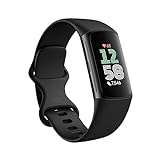
- Find your way seamlessly during runs or rides with turn-by-turn directions from Google Maps on Fitbit Charge 6[7, 8]; and when you need a snack break on the go, just tap to pay with Google Wallet[8, 9]
Advanced Labs is designed to ingest clinically recognized markers such as lipid panels, glucose-related metrics, inflammatory markers, iron status, thyroid hormones, and key micronutrients. Once uploaded, these values are not shown in isolation but placed in context with training load, recovery scores, and long-term trends. The app reframes blood results in performance-relevant language rather than medical jargon, while still preserving numeric transparency for advanced users.
This is a meaningful distinction from many consumer lab services that simply deliver PDFs. Whoop’s value proposition lies in correlation, not diagnosis, helping users understand how physiology and behavior interact over weeks and months.
How Blood Test Uploads Work in Practice
The Advanced Labs workflow is deliberately hardware-agnostic. Users obtain blood tests through supported lab partners or external providers, then upload results manually or via integrated data pathways depending on region. Once inside the app, markers are categorized, timestamped, and tracked longitudinally rather than treated as one-off snapshots.
Whoop does not attempt to offer medical advice or treatment recommendations. Instead, it highlights patterns, flags values outside population norms, and connects those results to lifestyle inputs like sleep consistency, alcohol intake, caloric balance, and training intensity. Over time, this enables users to see whether improvements in recovery or declines in performance coincide with shifts in biomarkers such as ferritin, HbA1c, or CRP.
For endurance athletes and heavy trainers, this can be particularly revealing. Plateaus, unexplained fatigue, or persistently low recovery scores suddenly have a physiological context that pure wearable data often can’t provide.
What “Going Global” Actually Changes
The initial rollout of Advanced Labs was limited by geography, lab partnerships, and regulatory complexity. Expanding globally doesn’t just mean more countries gain access; it means Whoop has matured its data normalization, privacy handling, and user education to a level it’s confident can scale across healthcare systems.
This matters because blood data is inherently episodic. A quarterly lipid panel or annual hormone test only becomes useful when interpreted against daily wearable trends. By expanding access, Whoop increases the likelihood that members worldwide can build long-term datasets where blood markers act as calibration points for continuous biometrics.
It also positions Whoop differently from smartwatch-first platforms. Apple, Garmin, and Fitbit continue to push non-invasive sensing, but largely stop at the skin. Whoop is betting that the future isn’t choosing between wearables and labs, but integrating both into a single performance narrative.
Who Benefits Most From Advanced Labs
Advanced Labs is not designed for casual step counters. It primarily serves users who already engage deeply with their data: endurance athletes managing training load, biohackers experimenting with nutrition or supplementation, and health-conscious professionals tracking long-term risk factors before symptoms appear.
For these users, the strap’s comfort, low-profile textile band, and multi-day battery life become even more important. Blood tests might happen quarterly, but Whoop’s value lies in what happens in the weeks between them, where subtle shifts in HRV or resting heart rate can be interpreted through the lens of known deficiencies or imbalances.
The result is not medicalization of fitness, but physiological literacy. Advanced Labs turns Whoop from a reactive tracker into a system that helps users understand the internal constraints shaping their external performance.
From Soft Rollout to Global Launch: What Changed and Why It Matters
The global expansion of Whoop Advanced Labs didn’t arrive as a sudden feature drop. It represents the point where a cautiously tested system proved reliable enough to scale across borders, healthcare frameworks, and very different user behaviors.
During the soft rollout, Advanced Labs functioned more like a controlled pilot than a headline feature. Access was limited, lab options were narrow, and much of the early work happened behind the scenes: validating data ingestion, refining how blood markers mapped to Whoop’s existing recovery and strain models, and stress-testing privacy and consent flows.
What the Soft Rollout Was Really Testing
From the outside, it looked like Whoop was simply experimenting with lab uploads. In practice, it was testing whether episodic clinical data could coexist meaningfully with continuous wearable signals without overwhelming or misleading users.
Blood tests introduce latency and variability that wearables don’t. Lab ranges differ by country, units aren’t standardized globally, and reference values can shift based on sex, age, or even testing methodology. The soft rollout allowed Whoop to normalize this messiness into a consistent internal framework before exposing it at scale.
Just as importantly, Whoop used this phase to observe user behavior. Early adopters tended to be highly data-literate, but even they needed clearer guidance on what a ferritin dip or elevated ApoB actually meant in the context of sleep debt, training load, or illness.
What “Going Global” Actually Changes
With the global launch, Advanced Labs moves from experimental add-on to a foundational layer of the Whoop platform. More countries gain access, but the bigger shift is infrastructural rather than geographic.
Whoop now supports a broader set of international lab partners and standardized upload pathways, allowing users to bring in results from routine blood panels without relying on a single provider. The software layer has matured to handle regional differences in units, reference ranges, and test naming conventions with far less friction.
Privacy and data governance also scale differently at a global level. Whoop’s decision to expand signals confidence that its consent architecture, data storage practices, and user controls can meet stricter regulatory environments while still delivering meaningful insights inside the app.
How Blood Data Fits Into the Daily Whoop Experience
Advanced Labs does not turn Whoop into a diagnostics platform, and that distinction matters. Blood markers appear as contextual anchors rather than alerts, informing how users interpret trends they already see every day.
A low vitamin D result doesn’t trigger a warning; it reframes why recovery scores may lag despite adequate sleep. Elevated fasting glucose doesn’t replace medical advice, but it adds weight to patterns like rising resting heart rate or suppressed HRV during periods of high stress.
Because Whoop’s strap is designed for continuous wear, with a lightweight textile band, low-profile sensor pod, and multi-day battery that charges on-wrist, the system captures the physiological response to interventions long after the blood draw. Supplements, dietary changes, training adjustments, or improved sleep hygiene can be evaluated in real time rather than guessed at.
Why This Puts Whoop on a Different Trajectory Than Smartwatch Rivals
Most smartwatch platforms still treat health data as something generated exclusively by the device. Apple, Garmin, and Fitbit excel at non-invasive sensing, but blood data, when supported at all, typically lives in a disconnected health record silo.
Whoop’s approach is more opinionated. By actively encouraging lab uploads and weaving them into recovery, strain, and sleep analytics, it positions blood biomarkers as calibration points for wearable data rather than parallel metrics.
This matters for advanced users who already understand the limits of optical sensors and algorithms. When a wearable trend conflicts with how you feel, blood data can explain why. When performance improves, it can help confirm whether the change is behavioral, nutritional, or physiological.
Why the Timing Matters for Wearable Health
The global launch comes at a moment when wearables are running up against sensing plateaus. Battery life, comfort, and optical accuracy continue to improve incrementally, but transformative gains are harder to find without invasive or semi-invasive data.
By integrating labs instead of waiting to replace them with sensors, Whoop sidesteps that bottleneck. It acknowledges that the future of wearable health isn’t a single device doing everything, but a platform capable of contextualizing data from multiple sources into a coherent narrative.
For members, the shift from soft rollout to global availability means Advanced Labs is no longer a niche experiment. It’s a signal that Whoop sees integrated blood and wearable data as central to its long-term value, not just an optional upgrade for the most curious users.
How Blood Test Uploads Work in Practice: Data Sources, Biomarkers, and App Integration
With the global expansion now in place, Advanced Labs shifts from an abstract promise into a repeatable workflow that fits alongside daily strain, recovery, and sleep tracking. The key is that blood data is not treated as a static PDF dump, but as structured inputs that Whoop can time-align with what the strap already knows about your physiology.
Data Sources and Upload Flow
Whoop does not require members to use a single lab provider. Users can upload results from major clinical labs, employer health screenings, concierge longevity clinics, and direct-to-consumer services, provided the report includes standardized units and reference ranges.
Uploads happen inside the Whoop app via a guided flow that accepts PDFs or images. Optical character recognition parses individual markers, while manual confirmation ensures values like ferritin, HbA1c, or LDL are correctly labeled before being saved.
Once ingested, the test is timestamped to the blood draw date, not the upload date. That distinction matters because it allows Whoop to contextualize lab values against recovery trends, training load, illness, travel, or sleep disruption occurring at the same time.
Which Biomarkers Are Supported
Advanced Labs focuses on markers that have meaningful overlap with performance, recovery, and long-term health rather than exhaustive medical panels. Common categories include metabolic health, inflammation, nutrient status, hormones, and cardiovascular risk.
Typical markers include HbA1c and fasting glucose for glycemic control, lipid fractions like LDL, HDL, and triglycerides, inflammatory markers such as CRP, and micronutrients including ferritin, vitamin D, and B12. Hormonal data like testosterone, cortisol, and thyroid markers are supported where reference ranges are clearly defined.
Rank #2

- Inspire 3 is the tracker that helps you find your energy, do what you love and feel your best. All you have to do is wear it.Operating temperature: 0° to 40°C
- Move more: Daily Readiness Score(1), Active Zone Minutes, all-day activity tracking and 24/7 heart rate, 20+ exercise modes, automatic exercise tracking and reminders to move
- Stress less: always-on wellness tracking, daily Stress Management Score, mindfulness sessions, relax breathing sessions, irregular heart rhythm notifications(2), SpO2(3), menstrual health tracking, resting heart rate and high/low heart rate notifications
- Sleep better: automatic sleep tracking, personalized Sleep Profile(1), daily detailed Sleep Score, smart wake vibrating alarm, sleep mode
- Comfortably connected day and night: calls, texts & smartphone app notifications(4), color touchscreen with customizable clock faces, super lightweight and water resistant to 50 meters, up to 10 day battery life(5)
Whoop does not attempt to diagnose or replace clinical interpretation. Instead, it flags whether values are below, within, or above optimal ranges and tracks how those values change over time in relation to behavior captured by the wearable.
How Blood Data Integrates With Recovery, Strain, and Sleep
The real value emerges after the upload, when lab data becomes part of the member’s ongoing physiological narrative. Biomarkers appear in a dedicated Labs section, but they also influence insights surfaced elsewhere in the app.
For example, persistently low ferritin may be highlighted alongside elevated resting heart rate and suppressed recovery scores during high training blocks. Elevated CRP may be contextualized with poor sleep consistency or unusually high strain, helping explain why recovery feels stalled despite disciplined habits.
Unlike smartwatch platforms that simply store lab values, Whoop actively cross-references them with longitudinal wearable data. This creates a feedback loop where blood tests help validate or challenge what optical sensors infer day to day.
Trend Analysis Instead of One-Off Results
Advanced Labs is designed around repeat testing rather than single snapshots. Each marker becomes a time series, allowing members to see whether interventions are actually moving the needle over weeks or months.
This is particularly relevant for endurance athletes and biohackers experimenting with diet changes, altitude exposure, iron supplementation, or sleep optimization. The app emphasizes direction and consistency over chasing a single “perfect” number.
Because Whoop’s hardware is worn 24/7, changes in blood markers can be viewed alongside shifts in heart rate variability, respiratory rate, and sleep architecture without manual correlation. The result is less guesswork and fewer false assumptions about cause and effect.
Practical Cadence and Real-World Use
Whoop does not prescribe how often users should test, but the system is clearly optimized for periodic labs rather than frequent draws. Most markers are meaningful on a quarterly or biannual cadence, aligning with how physiology adapts to training and lifestyle changes.
The strap’s long battery life and on-wrist charging quietly support this model. Because wearable data remains continuous across weeks and months, lab results slot into an already complete dataset rather than filling gaps.
For members who already log workouts, sleep, and recovery religiously, Advanced Labs feels like an extension of the same discipline. For less engaged users, it can expose how little context isolated blood tests provide on their own.
Data Handling, Privacy, and Control
Blood test uploads are optional and fully user-controlled. Whoop does not automatically pull records from healthcare providers, and uploaded labs are not shared with other members or surfaced in social features.
Members can delete individual tests or entire lab histories at any time. From a platform perspective, this keeps Advanced Labs aligned with Whoop’s broader philosophy of member-owned data rather than institutional health record aggregation.
The global rollout means regional lab formats and units are now better recognized, but it also reinforces that interpretation remains educational, not clinical. Whoop frames labs as decision-support tools for training and lifestyle, not medical advice.
What This Looks Like Day to Day
In practice, Advanced Labs becomes something you check occasionally rather than daily. A new upload prompts a review, a few app-generated insights, and then quietly informs your recovery context until the next test.
That low-friction presence is deliberate. Blood data is powerful precisely because it changes slowly, and Whoop’s integration respects that pace while letting continuous wearable data do the heavy lifting between draws.
What You Can Actually Track: Hormones, Lipids, Inflammation, and Recovery-Relevant Markers
Once you upload a lab report, Advanced Labs stops being an abstract promise and becomes a concrete layer of data sitting alongside sleep, strain, and recovery. Whoop doesn’t try to replicate a full clinical dashboard, but it does focus on markers that meaningfully intersect with training adaptation, stress load, and long-term health trends.
The result is a panel that feels curated for people who already live inside physiological data, not a generic blood test viewer.
Hormones: Stress, Adaptation, and Metabolic Context
Hormonal markers are where Advanced Labs most clearly connects blood data to daily wearable signals. Cortisol, thyroid markers like TSH, and sex hormones such as testosterone or estradiol are supported when included in uploaded labs.
Whoop doesn’t treat these as static “good or bad” values. Instead, it frames them against recovery scores, resting heart rate trends, and sleep consistency to highlight whether elevated stress hormones coincide with accumulated strain or disrupted sleep.
For endurance athletes and high-volume trainers, this contextualization matters. A slightly suppressed testosterone level means something very different when paired with chronically low recovery scores than it does during a planned deload or heavy training block.
Importantly, Whoop avoids daily inference here. Hormones are positioned as slow-moving indicators that explain why recovery capacity may have shifted over weeks, not as levers to pull from one night to the next.
Lipids: Cardiovascular Risk Meets Training Reality
Advanced Labs supports standard lipid panels, including total cholesterol, LDL, HDL, and triglycerides. These markers sit somewhat outside Whoop’s traditional performance focus, but their inclusion reflects a broader shift toward longevity-aware training.
Rather than gamifying cholesterol numbers, Whoop places lipid trends alongside long-term strain averages, body composition changes, and aerobic fitness proxies. This helps contextualize whether improvements in cardiovascular fitness are also reflected in blood-based risk markers.
For users pushing high training volumes, lipid data can surface blind spots. High aerobic capacity does not automatically equal optimal lipid profiles, and Advanced Labs quietly reinforces that distinction without turning the app into a cardiology report.
Inflammation: When Recovery Scores Have a Biological Explanation
Inflammatory markers like C-reactive protein are where blood data most directly validates what many Whoop users already feel. Elevated inflammation often aligns with periods of poor recovery, increased resting heart rate, or persistent sleep debt.
What’s notable is how Whoop handles this alignment. Instead of flagging inflammation as a standalone red alert, the platform highlights concordance or mismatch between subjective strain, wearable-derived recovery, and objective blood markers.
If CRP is elevated while recovery scores remain strong, that prompts a different interpretation than when both are trending poorly. This layered view is where Advanced Labs starts to feel like a systems-level tool rather than a static archive.
Micronutrients and Metabolic Markers: The Quiet Enablers
Markers like ferritin, vitamin D, fasting glucose, and HbA1c round out the Advanced Labs experience. These aren’t glamorous metrics, but they often explain plateaus in performance or unexplained fatigue.
Iron status, for example, is particularly relevant for endurance athletes, and Whoop’s ability to place ferritin trends alongside training load and sleep duration adds practical clarity. Similarly, glucose-related markers provide metabolic context that complements daily heart rate variability and resting heart rate patterns.
These metrics reinforce Whoop’s long-game approach. The platform doesn’t push supplementation advice, but it does make it harder to ignore slow-building constraints on performance and recovery.
How These Markers Actually Get Used Inside the App
Advanced Labs does not turn blood data into daily scores or notifications. Uploaded results live in a dedicated area of the app, with trend views and contextual callouts that reference your existing Whoop data.
Over time, this creates a longitudinal record where labs explain shifts in baseline rather than daily fluctuations. A declining recovery trend suddenly makes more sense when paired with rising inflammation or altered thyroid markers from the same period.
This design choice also preserves the wearable-first experience. Sleep, strain, and recovery remain the daily drivers, while labs operate as a deeper diagnostic layer you visit when something changes or when you’re planning the next training phase.
Why This Marker Selection Matters
Whoop’s choice of supported markers signals intent. Advanced Labs isn’t chasing exhaustive clinical coverage, nor is it limited to surface-level wellness stats.
Rank #3

- 【BUILT-IN GPS SMART WATCH – GO FURTHER, FREER, SMARTER】No phone? No problem. This fitness watch for women, featuring the latest 2025 technology, includes an advanced professional-grade GPS chip that precisely tracks every route, distance, pace (real-time & average), and calorie burned—completely phone-free. Whether you're chasing new personal records or exploring off the beaten path, your full journey is automatically mapped and synced in the app. Train smarter. Move with purpose. Own your progress. Own your journey.
- 【BLUETOOTH 5.3 CALLS & SMART NOTIFICATIONS】Stay effortlessly connected with this smart watch for men and women, featuring dual Bluetooth modes (BT 3.0 + BLE 5.3) and a premium microphone for crystal-clear calls right from your wrist—perfect for driving, workouts, or busy days. Receive instant alerts for calls, texts, and popular social apps like WhatsApp and Facebook. Just raise your wrist to view notifications and never miss an important moment.
- 【100+ SPORT MODES & IP68 WATERPROOF & DUSTPROOF】This sport watch is a versatile activity and fitness tracker with 100+ modes including running, cycling, yoga, and more. It features quick-access buttons and automatic running/cycling detection to start workouts instantly. Accurately track heart rate, calories, distance, pace, and more. Set daily goals on your fitness tracker watch and stay motivated with achievement badges. With IP68 waterproof and dustproof rating, it resists rain and sweat for any challenge. Not suitable for showering, swimming, or sauna.
- 【24/7 HEALTH ASSISTANT & SMART REMINDERS】This health watch continuously monitors heart rate, blood oxygen, and stress levels for comprehensive wellness tracking. Sleep monitoring includes deep, light, REM sleep, and naps to give you a full picture of your rest. Stay on track with smart reminders for sedentary breaks, hydration, medication, and hand washing. Women can also monitor menstrual health. Includes guided breathing exercises to help you relax. Your ultimate health watch with event reminders for a healthier life.
- 【ULTRA HD DISPLAY, LIGHTWEIGHT & CUSTOMIZABLE DIALS】This stylish wrist watch features a 1.27-inch (32mm) 360×360 ultra HD color display with a 1.69-inch (43mm) dial, offering vivid details and responsive touch. Its minimalist design fits both business and casual looks. Switch freely among built-in designer dials or create your own DIY watch face using photos, colors, and styles to showcase your unique personality. Perfect as a cool digital watch and fashion wrist watch.
By focusing on hormones, lipids, inflammation, and foundational metabolic markers, Whoop anchors blood data to the same questions its members already ask: why am I recovering differently, why did my performance plateau, and how does my training intersect with long-term health.
As Advanced Labs goes global, that consistency matters more than breadth. The value isn’t in how many markers you can upload, but in how clearly those markers connect back to the lived reality of wearing the strap every day.
Who Benefits Most: Endurance Athletes, Biohackers, and Health-Optimised Whoop Members
Because Advanced Labs is designed to explain long-term shifts rather than optimise daily decisions, its value compounds for members who already think in training blocks, recovery cycles, and health trajectories. The global rollout simply widens access to a feature that was always aimed at a specific type of Whoop user: one willing to look beneath the surface metrics.
Endurance Athletes Managing Training Load Over Months, Not Weeks
For endurance athletes, blood data fills a blind spot that even high-quality wearable metrics can’t fully resolve. HRV, resting heart rate, and sleep consistency can signal stress, but they rarely explain why a plateau persists despite disciplined training and recovery.
Ferritin, haemoglobin, and inflammatory markers provide that missing context. When a runner or cyclist sees recovery scores flattening over a training block, lab trends can confirm whether the issue is iron availability, chronic inflammation, or hormonal suppression rather than programming errors.
This is where Whoop’s integration matters. Blood results don’t sit in isolation; they align with historical strain, sleep duration, and training phases, making it easier to decide whether to deload, adjust volume, or simply stop ignoring a slow-building deficiency.
Biohackers and Self-Quantifiers Chasing Signal, Not Noise
Advanced Labs will resonate strongly with biohackers who already run personal experiments across diet, supplementation, fasting, or training modalities. Unlike standalone lab portals, Whoop gives those experiments a behavioural and physiological backdrop.
Changes in lipid panels, glucose markers, or inflammatory signals can be viewed alongside weeks of sleep regularity, alcohol intake, and cumulative strain. That makes it easier to distinguish meaningful trends from temporary fluctuations driven by lifestyle changes or acute stress.
Crucially, Whoop doesn’t over-interpret the data. There are no automated protocols or prescriptive nudges, which preserves agency for users who prefer to draw their own conclusions or work with clinicians, coaches, or performance labs.
Health-Optimised Members Focused on Longevity, Not Just Performance
For Whoop members using the platform as a long-term health dashboard, Advanced Labs adds depth without disrupting daily use. Hormonal health, lipid balance, and metabolic markers contextualise why sleep quality or recovery capacity may evolve with age, stress, or life changes.
This group benefits most from longitudinal visibility. Seeing how biomarkers shift across years of wearable data reinforces patterns that are easy to miss when labs are taken sporadically or stored outside the ecosystem.
The global rollout is particularly relevant here, as it allows international members to maintain continuity even when healthcare systems, lab providers, or testing frequency differ. Whoop becomes the stable reference point.
Who It’s Less Useful For, At Least Right Now
Advanced Labs is not built for casual users seeking instant feedback or simplified health scores. If your primary interaction with Whoop is checking daily recovery or strain targets, uploaded blood results may feel distant from everyday decision-making.
Similarly, those expecting diagnostic guidance or treatment recommendations will find the experience deliberately restrained. Whoop positions labs as explanatory, not clinical, and that boundary is unlikely to change as the feature expands globally.
For members already invested in understanding their data, however, Advanced Labs doesn’t complicate the platform. It completes it, turning wearable trends into a more coherent story about training, stress, and long-term health.
How Whoop’s Approach Compares to Apple, Garmin, Oura, and Third-Party Health Platforms
Seen in the context of the broader wearable ecosystem, Whoop’s global rollout of Advanced Labs is less about adding another data source and more about redefining how blood biomarkers coexist with continuous sensor data. Most major platforms already touch lab data in some form, but the philosophy, depth, and intended user experience differ sharply.
Apple Health: A Powerful Repository, Not an Interpreter
Apple Health has long supported manual and automated lab result imports, particularly in regions where hospital systems integrate directly with iOS. Lipids, glucose, hormones, and even genetic reports can sit alongside heart rate variability, sleep stages, and activity metrics.
The difference is that Apple treats lab data as a neutral archive. There is no attempt to contextualise a lipid panel against training load, sleep debt, or alcohol intake, and no longitudinal performance framing. For users wearing an Apple Watch with its daily charging cadence, broader smartwatch functionality, and rich app ecosystem, Apple Health excels as a central hub, but it leaves interpretation almost entirely to the user or third-party apps.
Whoop’s approach is narrower but deeper. By limiting scope to health and performance, and by anchoring lab values directly to recovery, strain, and sleep trends, it turns static results into part of a physiological narrative rather than a filing cabinet.
Garmin: Performance-First, Labs Still External
Garmin’s ecosystem remains heavily oriented around endurance training, with best-in-class battery life, rugged hardware, and advanced metrics like Training Readiness, acute load, and VO2 max trends. Physically, devices prioritise durability and long-term wear over minimalism, often with larger cases, transflective displays, and multi-week battery cycles.
Despite that sophistication, Garmin largely treats blood testing as something that happens off-platform. Users can manually log certain health metrics or sync third-party data, but lab results do not meaningfully interact with training analytics. A ferritin drop or lipid shift does not alter how recovery or load is framed inside Garmin Connect.
Whoop diverges by positioning labs as explanatory layers rather than inputs that directly change scores. It does not attempt to recalculate recovery based on cholesterol or testosterone, but it gives context for why performance trends may be drifting over time, which is something Garmin users typically investigate outside the platform.
Oura: Metabolic Focus, Narrower Lab Integration
Oura’s recent evolution has leaned hard into metabolic health, sleep quality, and daily readiness, with a lightweight ring form factor that prioritises comfort and 24/7 wearability. Battery life, typically four to seven days, supports continuous tracking without the bulk of a wrist device.
Oura supports limited lab-style integrations, particularly around glucose when paired with continuous glucose monitors through partners. These integrations focus on short-term behavioural feedback, such as how meals affect overnight glucose stability or readiness scores.
Whoop’s Advanced Labs is broader in scope but slower by design. Instead of focusing on acute responses, it supports markers like lipids, hormones, and inflammation that evolve over months or years. For users interested in longevity rather than daily dietary optimisation, Whoop’s model offers more longitudinal coherence, even if it lacks Oura’s immediacy around metabolic feedback.
Third-Party Health Platforms: Flexible but Fragmented
Dedicated health dashboards like InsideTracker, Heads Up Health, or training-centric platforms used by elite athletes have long offered blood test uploads and analysis. These services often provide detailed reference ranges, trend lines, and even algorithmic recommendations based on biomarkers.
The trade-off is fragmentation. Wearable data may sync imperfectly, update at different cadences, or live in parallel silos. Hardware-agnostic platforms also lack the tight coupling between sensor fidelity, wearing compliance, and interpretation that a single-vendor ecosystem can enforce.
Whoop sits between consumer wearables and professional health platforms. It does not replace clinical dashboards, but it reduces friction by keeping labs, sleep, recovery, and strain in one place, anchored to a device designed for continuous wear, soft materials, and minimal daily interaction.
Why Whoop’s Model Is Distinct as It Goes Global
What becomes clear in comparison is that Whoop is not racing to become a medical platform or a universal health record. Its global Advanced Labs rollout reinforces a narrower ambition: to make blood data usable within a performance and longevity framework without overwhelming the user.
By avoiding prescriptive outputs and maintaining consistency across regions, Whoop preserves the same experience whether a member tests quarterly in Europe or sporadically in North America. That continuity matters for long-term trend analysis, especially for users who move, travel, or work across healthcare systems.
In a market where most platforms either over-abstract health into scores or offload interpretation entirely, Whoop’s restrained integration stands apart. It treats blood biomarkers not as alerts or goals, but as context, and that distinction becomes more meaningful as the feature scales globally.
Data Interpretation, Trends, and Coaching: Turning Lab Results into Actionable Insights
As Whoop expands Advanced Labs globally, the real test is not whether members can upload blood results, but whether those numbers meaningfully change behavior. This is where Whoop’s interpretation layer, trend logic, and coaching philosophy differentiate it from both clinical portals and more consumer-facing wellness apps.
Rather than treating lab values as static pass–fail markers, Whoop frames them as slow-moving signals that add context to the fast cadence of sleep, strain, recovery, and physiological load already captured by the strap.
From Reference Ranges to Personal Baselines
Traditional lab reports anchor interpretation to population reference ranges, which are useful but blunt. Whoop’s approach emphasizes personal baselines, especially for biomarkers like ferritin, vitamin D, testosterone, CRP, or lipid ratios that fluctuate within a narrower band for a given individual.
Rank #4

- 24H Accurate Heart Rate Monitoring: Go beyond basic tracking. Our watch automatically monitors your heart rate, blood oxygen (SpO2), and sleep patterns throughout the day and night. Gain deep insights into your body's trends and make informed decisions for a healthier lifestyle.
- Practical Sports Modes & Smart Activity Tracking: From running and swimming to yoga and hiking, track a wide range of activities with precision. It automatically records your steps, distance, calories burned, and duration, helping you analyze your performance and crush your fitness goals.
- 1-Week Battery Life & All-Day Wear: Say goodbye to daily charging. With an incredible up to 7-10 days of battery life on a single charge, you can wear it day and night for uninterrupted sleep tracking and worry-free travel. Stay connected to your data without the hassle.
- Comfortable to Wear & IP68 Waterproof: The lightweight, skin-friendly band is crafted for all-day comfort, even while you sleep. With IP68 waterproof, it withstands rain, sweat, It is not suitable for swimming or showering.
- Ease of Use and Personalized Insights via Powerful App: The display is bright and easy to read, even outdoors. Unlock the full potential of your watch. Sync with our dedicated app to view detailed health reports, customize watch faces, set sedentary reminders, and manage your preferences with ease.
By plotting uploads over time alongside training volume, sleep debt, travel, illness tags, and recovery trends, the platform highlights directional change rather than isolated outliers. A ferritin value drifting downward across multiple tests carries more weight when paired with elevated strain and suppressed recovery than it would in a vacuum.
This longitudinal framing aligns with how Whoop already treats HRV and resting heart rate: not as absolute scores, but as signals whose meaning depends on context and consistency.
Temporal Alignment With Training Load and Recovery
Blood data operates on a different clock than wearable sensors, and Whoop does not try to hide that mismatch. Instead, Advanced Labs explicitly acknowledges that biomarkers move slowly, while strain and recovery respond daily.
In practice, this means lab uploads act as anchors rather than triggers. A lipid panel does not change tomorrow’s recovery score, but it can explain why high strain blocks are becoming harder to tolerate, or why sleep quality improvements are not translating into expected recovery gains.
For endurance athletes and high-frequency trainers, this alignment helps explain plateaus. Persistently elevated inflammation markers paired with declining HRV trends can validate the need for a deload, even when subjective motivation remains high.
Coaching Without Prescriptions
Whoop has been careful not to position Advanced Labs as diagnostic or prescriptive, and that restraint continues here. The platform does not tell members to supplement, medicate, or alter diet in response to a single biomarker.
Instead, coaching cues focus on behavioral levers already embedded in the Whoop ecosystem: sleep consistency, strain modulation, recovery prioritization, and habit tagging. A low vitamin D trend may surface alongside guidance about outdoor exposure or sleep timing, not a dosage recommendation.
This keeps Whoop within its performance and lifestyle remit while still offering enough signal to prompt informed conversations with clinicians, coaches, or nutritionists.
Trend Surfaces Over Alerts
Unlike platforms that push alerts when values cross thresholds, Whoop’s design favors quiet persistence. Biomarker trends live alongside weekly and monthly performance summaries, reinforcing the idea that blood data is something to revisit periodically, not react to impulsively.
This approach suits the hardware itself. The Whoop strap is lightweight, fabric-based, and designed for continuous wear with minimal interaction, and the software mirrors that philosophy by reducing notification noise.
For users accustomed to daily readiness scores and subtle haptic-free feedback, this consistency matters. Blood data becomes part of the same low-friction loop rather than a disruptive add-on.
Bridging Self-Coaching and Professional Oversight
Advanced Labs sits in a middle ground between DIY biohacking and clinician-led care. For self-coached athletes, it adds depth to decisions around training blocks, body composition goals, or seasonal load management.
For those working with coaches or medical professionals, Whoop becomes a shared visual layer. Lab PDFs can remain with healthcare providers, while trends inside Whoop help contextualize how physiological changes manifest in daily recovery and performance.
This dual utility is especially relevant as the feature goes global. Members navigating different healthcare systems can maintain continuity in how they view and interpret their data, even if testing providers and reference ranges vary.
Why Interpretation Is the Real Product Expansion
The global rollout of lab uploads is less about geography and more about maturity. Many platforms can ingest blood data; far fewer integrate it coherently into an existing performance model without overwhelming the user.
By prioritizing trend clarity, behavioral coaching, and ecosystem consistency, Whoop turns Advanced Labs into a slow-burn feature that rewards patience. For members willing to test periodically and think longitudinally, the payoff is not sharper metrics, but better judgment about when to push, when to recover, and when to zoom out.
In that sense, the most meaningful insight Whoop offers is not what a biomarker means today, but how it reshapes the story of your health over months and years of continuous wear.
Privacy, Medical Boundaries, and Regulatory Reality of Uploading Blood Data
As Advanced Labs moves beyond a soft rollout into a global feature, the quiet complexity is no longer just technical. Uploading blood data places Whoop at the intersection of consumer wellness software, medical information law, and user trust in a way few wearables have fully navigated.
The value of longitudinal biomarkers only holds if members feel confident that deeply sensitive data is handled with restraint, clarity, and realistic limits on what the platform is and is not claiming to do.
Data Ownership and the Question of Who Actually Holds Your Bloodwork
At a functional level, Advanced Labs relies on user-initiated uploads rather than direct lab integrations. That distinction matters because it keeps Whoop from becoming the originator of medical testing, instead positioning it as a secondary analysis and visualization layer.
In practice, the original lab provider remains the primary custodian of the diagnostic record. Whoop stores parsed biomarker values to enable trend analysis, correlations with strain and sleep, and coaching insights, but it does not replace the lab report as a medical document.
For users, this means control remains explicit. You decide what to upload, when to upload it, and which historical results become part of your wearable-derived health narrative.
HIPAA, GDPR, and the Reality of a Global User Base
Once blood data enters a consumer app, regulatory expectations shift depending on geography. In the United States, uploaded lab results fall into a gray zone where HIPAA may not strictly apply in the same way it does to hospitals or insurers, but data security and disclosure standards still matter enormously.
In Europe and other GDPR-regulated regions, biomarker data is clearly classified as sensitive personal health information. That brings higher requirements around consent, access rights, data deletion, and purpose limitation, all of which Whoop must support at scale as the feature goes global.
The significance of the global rollout is less about flipping a switch and more about operational maturity. Supporting deletion requests, exportability, and regional compliance workflows is invisible to most users, but essential if Advanced Labs is to be trusted beyond early adopters.
Medical Claims, or Why Whoop Is Careful With Language
One reason Advanced Labs feels deliberately understated is regulatory reality. The moment a platform interprets blood biomarkers diagnostically or prescriptively, it risks being classified as a medical device rather than a wellness product.
Whoop’s approach stays on the safe side of that boundary. Biomarkers are contextualized against personal baselines, correlated with recovery and strain, and framed as signals rather than diagnoses.
You will not see treatment recommendations, medication guidance, or condition-specific alerts. That restraint is not a limitation of the data, but a conscious decision to avoid crossing into regulated clinical decision support.
The FDA, CE Marking, and Why Uploading Is Not the Same as Measuring
Unlike optical heart rate, skin temperature, or SpO₂ sensors, Whoop is not measuring blood values directly. That distinction keeps Advanced Labs outside the most stringent FDA and CE marking requirements that apply to in vitro diagnostics or medical-grade analyzers.
By accepting externally generated data, Whoop avoids having to validate assays, reference ranges, or laboratory methodologies. Responsibility for analytical accuracy remains with the testing provider, not the wearable platform.
For users, this means Advanced Labs enhances context rather than claiming clinical authority. The strap remains a passive, continuous sensor, and blood data becomes an overlay rather than a core measurement modality.
Privacy Versus Insight: The Trade-Off Users Are Actually Making
Uploading bloodwork into Whoop undeniably increases data sensitivity. Unlike step counts or sleep stages, biomarkers can reveal disease risk, hormonal status, or metabolic dysfunction.
The payoff is deeper pattern recognition. Seeing ferritin trends alongside training load, or lipid markers alongside long-term sleep consistency, offers insight that isolated lab portals or fitness apps cannot provide alone.
The trade-off is intentional exposure. Advanced Labs is most valuable to users who understand that insight comes from aggregation, and aggregation requires trust in how data is stored, processed, and protected.
💰 Best Value

- 【Superb Visual Experience & Effortless Operation】Diving into the latest 1.58'' ultra high resolution display technology, every interaction on the fitness watch is a visual delight with vibrant colors and crisp clarity. Its always on display clock makes the time conveniently visible. Experience convenience like never before with the intuitive full touch controls and the side button, switch between apps, and customize settings with seamless precision.
- 【Comprehensive 24/7 Health Monitoring】The fitness watches for women and men packs 24/7 heart rate, 24/7 blood pressure and blood oxygen monitors. You could check those real-time health metrics anytime, anywhere on your wrist and view the data record in the App. The heart rate monitor watch also tracks different sleep stages for light and deep sleep,and the time when you wake up, helps you to get a better understanding of your sleep quality.
- 【120+ exercise modes & All-Day Activity Tracking】There are more than 120 exercise modes available in the activity trackers and smartwatches, covering almost all daily sports activities you can imagine, gives you new ways to train and advanced metrics for more information about your workout performance. The all-day activity tracking feature monitors your steps, distance, and calories burned all the day, so you can see how much progress you've made towards your fitness goals.
- 【Messages & Incoming Calls Notification】With this smart watch fitness trackers for iPhone and android phones, you can receive notifications for incoming calls and read messages directly from your wrist without taking out your phone. Never miss a beat, stay in touch with loved ones, and stay informed of important updates wherever you are.
- 【Essential Assistant for Daily Life】The fitness watches for women and men provide you with more features including drinking water and sedentary reminder, women's menstrual period reminder, breath training, real-time weather display, remote camera shooting, music control,timer, stopwatch, finding phone, alarm clock, making it a considerate life assistant. With the GPS connectivity, you could get a map of your workout route in the app for outdoor activity by connecting to your phone GPS.
Where This Leaves Whoop in the Broader Wearable Landscape
Few competitors attempt this level of integration because it demands both regulatory caution and product restraint. Apple Health can store lab data, and some platforms offer one-off correlations, but most stop short of embedding biomarkers into an active performance model.
Whoop’s decision to expand Advanced Labs globally signals confidence that its privacy posture, legal boundaries, and user education are strong enough to scale. It also reflects a belief that the future of wearables lies not in collecting more signals, but in responsibly connecting the ones users already have.
As blood data becomes another quiet layer inside Whoop’s low-interaction experience, the real differentiator is not access, but discipline. The platform’s success will depend on continuing to respect the line between empowerment and medical authority, even as the data grows more personal.
Limitations and Open Questions: What Advanced Labs Still Can’t Do (Yet)
For all its ambition, Advanced Labs remains intentionally constrained. That restraint is part of why Whoop can scale the feature globally without drifting into regulated medical territory, but it also defines the boundaries users need to understand before treating blood uploads as a performance upgrade rather than a diagnostic tool.
No Clinical Interpretation or Actionable Medical Guidance
Advanced Labs does not interpret lab results in a clinical sense, flag abnormal values as medical concerns, or suggest treatment pathways. A low ferritin result may be visualized next to elevated strain or declining recovery, but Whoop will not tell you whether that number is clinically significant or whether you should supplement iron.
This is a sharp contrast to services built around lab-first care models, where results are accompanied by physician review or automated risk stratification. Whoop’s approach keeps liability low and focus narrow, but it also means users must bring their own medical literacy or external professional support.
Static Data in a Dynamic System
Blood biomarkers are episodic by nature, often captured once or twice per year, while Whoop’s core metrics update continuously. Advanced Labs does not solve this mismatch, and the platform makes no attempt to extrapolate daily changes from a single lab snapshot.
As a result, correlations are retrospective rather than predictive. You can look back and observe that poor sleep consistency coincided with worsening lipid markers, but you cannot rely on Whoop to detect when an unseen biomarker may be drifting out of range between tests.
Limited Standardization Across Global Lab Providers
Going global expands access, but it also amplifies variability. Reference ranges, assay sensitivity, units of measurement, and testing protocols can differ meaningfully between countries and even between labs within the same region.
Whoop normalizes units for display, but it does not adjust for methodological differences. Two users with identical LDL values on paper may not be perfectly comparable if their samples were processed under different standards, a nuance that matters to advanced users looking for precision.
No Real-Time Feedback Loop Into Training or Recovery Scores
Despite being visible in the app, blood data does not actively modify Whoop’s strain targets, recovery scores, or sleep recommendations. A user with chronically low vitamin D or borderline anemia will not see the algorithm automatically adjust training load expectations.
This design choice preserves consistency in Whoop’s core models, but it also limits Advanced Labs to a contextual layer rather than an adaptive input. For now, the burden of interpretation and adjustment remains with the user, not the system.
Manual Uploads and User Friction Remain
Advanced Labs relies on users sourcing tests independently and uploading results manually. There is no direct lab integration, automated result syncing, or subscription-based testing pipeline embedded into the Whoop ecosystem.
For highly motivated users, this friction is acceptable. For the broader membership base, it creates a drop-off point that may keep Advanced Labs from becoming a mainstream behavior rather than a power-user feature.
Biomarker Scope Is Narrow by Design
Whoop supports a defined set of common blood markers, but it does not accommodate more specialized panels such as genetic testing, advanced endocrine profiling, or inflammatory cytokines. Even within supported categories, nuance can be lost when results are simplified for trend viewing.
This makes Advanced Labs most useful for general metabolic, cardiovascular, and nutritional context rather than deep clinical investigation. Users seeking comprehensive biological mapping will still need parallel platforms to house that data.
Privacy Assurances Without Full Transparency on Long-Term Use
Whoop emphasizes data protection, but as Advanced Labs scales globally, questions remain about long-term data retention, anonymization practices, and future use in aggregate analytics. Blood data carries a different weight than heart rate or accelerometer signals, and user expectations evolve as features mature.
For now, trust is rooted in Whoop’s historical posture rather than explicit, lab-specific governance disclosures. Advanced users will be watching closely to see whether policy clarity evolves alongside technical capability.
The Open Question: Context Layer or Future Signal?
Perhaps the biggest uncertainty is philosophical rather than technical. Advanced Labs currently treats blood data as an explanatory layer, helping users make sense of trends already visible in strain, sleep, and recovery.
Whether Whoop eventually allows biomarkers to shape core algorithms, personalize baselines, or influence coaching logic remains unanswered. The global rollout proves the company is serious about integration, but it has not yet committed to letting blood data move from the margins to the engine room.
Why This Global Expansion Signals the Next Phase of Wearable-Driven Health Intelligence
Seen in isolation, making Advanced Labs available outside a limited test market could look like a simple scaling exercise. In context, it is something more consequential: a statement that Whoop sees blood data as a first-class citizen in its platform, not an experimental add-on.
The timing matters. Whoop is expanding this capability only after proving that members will tolerate the friction of lab work in exchange for deeper insight, even if the feature currently lives outside the daily wearable loop.
From Passive Sensing to Hybrid Physiology
Wearables have historically excelled at passive measurement, capturing heart rate, motion, skin temperature, and sleep without asking much of the user. Blood biomarkers introduce an active, episodic data layer that anchors those signals in biochemical reality.
By rolling Advanced Labs out globally, Whoop is formalizing a hybrid model where continuous sensor data and periodic lab results coexist in the same analytical environment. This moves the platform closer to whole-body monitoring rather than performance inference alone.
Global Scale Enables Longitudinal Intelligence
Blood data becomes truly valuable when it can be tracked over time, across seasons, training cycles, and life changes. A global rollout increases the likelihood that members can build multi-year biomarker histories instead of one-off snapshots.
For endurance athletes and health-focused users, this supports a shift from reactive interpretation to proactive pattern recognition. Changes in recovery, strain tolerance, or sleep quality can be interpreted alongside slow-moving trends in lipids, iron status, or glucose regulation.
A Strategic Bet on Context, Not Diagnosis
Whoop’s approach is notably restrained compared to direct-to-consumer lab companies that position results as near-clinical insights. Advanced Labs intentionally frames blood data as contextual information, designed to explain why performance metrics behave the way they do.
This distinction is important as the feature scales internationally, where regulatory expectations and medical norms vary widely. By staying in the realm of education and trend awareness, Whoop avoids overstepping while still delivering meaningful value.
Competitive Differentiation in a Crowded Wearable Market
Most mainstream wearables, including Apple Watch, Garmin, and Samsung, rely almost entirely on sensor-derived metrics, with only speculative or future-facing discussions around non-invasive glucose or biochemical sensing. Whoop bypasses that uncertainty by integrating existing lab infrastructure instead of waiting for breakthrough hardware.
Compared to platforms like Oura or Fitbit, Whoop’s strength lies in how tightly it connects blood markers to training load, recovery scoring, and behavioral coaching. The global rollout reinforces that this is not a regional experiment but a core differentiator.
What This Means for Members in Practice
For users, the expansion means greater accessibility to a unified health record where sleep debt, cardiovascular strain, and metabolic health are viewed together. It also normalizes the idea that occasional blood testing can be part of a performance routine, not just a clinical obligation.
Battery life, comfort, and 24/7 wearability remain unchanged, which is critical. Advanced Labs adds depth without compromising the low-friction experience that keeps Whoop on the wrist through training, recovery, and daily life.
The Foundation for Algorithmic Evolution
While blood data currently sits adjacent to Whoop’s core algorithms, global availability creates the conditions for deeper integration. Larger, more diverse datasets make it technically feasible to explore biomarker-informed baselines, recovery adjustments, or nutritional guidance down the line.
Even if Whoop moves cautiously, the infrastructure now exists. This rollout signals readiness for a future where wearable intelligence is shaped not just by how the body performs, but by how it is functioning internally.
A Quiet but Pivotal Shift
Whoop’s global expansion of Advanced Labs does not radically change the daily app experience overnight. Instead, it quietly redefines what a wearable platform can be responsible for.
By unifying blood data with continuous physiological tracking at scale, Whoop is laying the groundwork for a more complete, more accountable model of health intelligence. For members willing to engage beyond the wrist, this marks the beginning of a more informed and integrated relationship with their own biology.