Whoop’s biggest problem has never been the hardware. The strap is light, comfortable, genuinely sleep-friendly, and its recovery metrics remain some of the most actionable in the wearable space. The issue has always been the price you keep paying long after the novelty wears off.
At full retail, Whoop’s subscription model feels out of step with what Garmin, Apple, and even Oura now deliver without locking core features behind a recurring fee. That tension is exactly why so many people circle back to Whoop only once a year. Black Friday is the one moment where the math changes enough to justify serious consideration.
What follows is a clear-eyed look at why Whoop only really makes sense during Black Friday, how the discounts materially alter the value of each tier, and why one specific tier stands out once the hype is stripped away.
The subscription model is the real cost, not the strap
Whoop hardware is essentially subsidized. Whether you’re getting the Whoop 4.0 or the newer iterations bundled with higher tiers, the strap itself isn’t where the money goes. The ongoing subscription is where Whoop earns its margin, and it adds up fast when paid monthly or annually at standard pricing.
🏆 #1 Best Overall
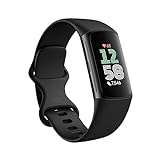
- Find your way seamlessly during runs or rides with turn-by-turn directions from Google Maps on Fitbit Charge 6[7, 8]; and when you need a snack break on the go, just tap to pay with Google Wallet[8, 9]
Outside of sales, you’re often paying more per year than an Apple Watch SE or mid-range Garmin costs outright. Unlike those devices, you can’t stop paying without losing access to your historical data, recovery scores, strain insights, and sleep analytics. That dependency is powerful, but it also makes Whoop feel expensive in everyday use.
Black Friday is the only time that ongoing cost meaningfully drops below the psychological and practical pain threshold for most users.
Black Friday discounts fix Whoop’s biggest value problem
During Black Friday, Whoop consistently shifts from modest promotions to aggressive subscription discounts, especially on 12- and 24-month plans. These aren’t token savings. You’re often looking at the equivalent of several free months baked into the price, sometimes alongside hardware upgrades or tier-based perks.
Once those discounts are applied, the annual cost suddenly competes with Oura’s subscription plus ring price, while undercutting premium smartwatch ownership if you factor in replacement cycles and resale loss. For the first time, you’re paying a fair price for what Whoop actually does best: long-term trend analysis and recovery-driven training guidance.
Without Black Friday pricing, you’re paying a premium for patience. With it, you’re paying for results.
Discounts change which Whoop tier actually makes sense
At full price, the gap between Whoop’s tiers feels hard to justify. Entry-level plans feel expensive for what you get, while top-tier plans verge on luxury pricing without luxury hardware. Black Friday compresses that gap.
When the mid-tier plan drops closer to entry-level pricing, it becomes the obvious sweet spot. You gain the features that matter most in daily use, including deeper recovery insights, more advanced sleep metrics, and broader health tracking, without paying for add-ons that only a small percentage of users actually exploit.
Conversely, Black Friday also exposes which tiers are still poor value even with discounts. If a tier only becomes “acceptable” once heavily discounted, that’s a signal worth paying attention to.
Why timing matters more with Whoop than any other wearable
Most wearables depreciate slowly. You buy the device, you use it, and even if something better launches, you’re not forced into recurring payments to keep it functional. Whoop is different because your commitment compounds over time.
Locking in a discounted multi-year subscription during Black Friday protects you from price increases, feature reshuffling, and the creeping sense that you’re overpaying six months later. It’s one of the few times in the year where choosing a longer plan is actually the safer financial move rather than the riskier one.
If you’re going to try Whoop seriously, timing your entry around Black Friday isn’t deal-hunting behavior. It’s basic cost control.
Compared to Garmin, Apple, and Oura, the gap finally narrows
Garmin wins on battery life and training depth without subscriptions. Apple dominates ecosystem integration and smartwatch versatility. Oura offers passive health tracking with a lower monthly fee and less training focus. At full price, Whoop struggles to justify itself against any of them.
Black Friday pricing doesn’t make Whoop cheaper than all alternatives, but it makes it competitive in a way it simply isn’t the rest of the year. When the subscription drops low enough, Whoop’s recovery-first philosophy and minimal, distraction-free hardware finally align with its cost.
That alignment is what turns Whoop from an interesting concept into a rational purchase decision.
Whoop Subscription Tiers Explained (What You Really Get at Each Level)
Once Black Friday pricing pulls Whoop into realistic territory, the real decision isn’t whether to buy in, but which subscription tier actually makes sense. On paper, the differences look incremental. In daily use, the gaps between tiers become much more obvious.
Whoop’s tiering isn’t about hardware upgrades in the traditional smartwatch sense. You’re wearing the same lightweight, screenless band with the same sensors, comfort profile, water resistance, and multi-day battery life. What changes is how much of your data Whoop lets you see, interpret, and act on.
Whoop Core: The stripped-down recovery engine
Core is the entry point, and it delivers the foundational Whoop experience. You get 24/7 heart rate tracking, sleep detection, recovery scores, strain tracking, and basic trend views. For someone new to recovery-based training, this is enough to understand how sleep, training load, and rest interact.
In real-world use, Core feels closest to a simplified version of what made Whoop popular in the first place. You wake up, check recovery, train accordingly, and repeat. The interface is clean, the insights are easy to digest, and battery life remains excellent because the hardware load doesn’t change by tier.
Where Core starts to feel thin is context. You see what happened, but you get less help understanding why it happened or what to do next. Compared to Garmin’s training readiness or Oura’s health insights, Core can feel observational rather than instructive.
At full price, Core is hard to recommend. During Black Friday discounts, it becomes viable for beginners who want recovery tracking without committing to Whoop’s deeper coaching philosophy.
Whoop Pro: Where Whoop actually starts to make sense
Pro is the tier most people assume Core already is. This is where Whoop’s data becomes genuinely actionable rather than just descriptive. Advanced sleep metrics, deeper recovery breakdowns, stress tracking, and expanded health monitoring move front and center.
In daily use, Pro changes behavior. Sleep recommendations feel more precise, recovery scores come with clearer drivers, and long-term trends are easier to interpret without exporting data elsewhere. The software experience feels more complete, closer to what experienced users expect when paying a subscription.
Comfort, wearability, and battery life remain unchanged, which is a good thing. The band still disappears on the wrist, works equally well for lifting, endurance training, and sleep, and avoids the bulk and distractions of a smartwatch display.
This is also the tier where Whoop starts competing credibly with Garmin and Oura when Black Friday pricing is applied. You’re not just paying for data collection anymore. You’re paying for interpretation, which is Whoop’s real value proposition.
Whoop Peak: Maximum insights, diminishing returns
Peak is positioned as the everything tier. It unlocks Whoop’s most advanced analytics, longer-term performance modeling, and higher-end health features aimed at serious athletes and bio-optimization enthusiasts.
For a narrow group of users, Peak delivers. If you train with structure year-round, track performance changes across seasons, and want deeper physiological context layered onto recovery and strain, this tier offers tools the lower tiers simply don’t.
For most people, though, Peak crosses into diminishing returns. The additional insights are interesting, but they don’t meaningfully change daily decisions compared to Pro. You still sleep, train, and recover in broadly the same way, just with more charts and longer timelines.
Even with aggressive Black Friday discounts, Peak is rarely the smartest value play. It becomes justifiable only if you already know you’ll use the extra depth, not if you’re hoping it will magically improve motivation or results.
How Black Friday pricing changes the equation
Outside of sales, Whoop’s tier pricing escalates quickly, which makes Pro and Peak feel expensive relative to competitors with no or lower subscription fees. Black Friday is the one period where those tiers compress into a more rational spread.
Discounted multi-year plans matter more than the headline percentage off. Locking in Pro at a reduced annual rate often lands close enough to Core pricing that skipping it becomes false economy. Peak, by contrast, usually remains significantly more expensive even after discounts.
That price compression is why Black Friday is less about chasing the cheapest Whoop subscription and more about avoiding the wrong one. When Pro drops into striking distance, it exposes Core’s limitations and Peak’s excess in a way the rest of the year simply doesn’t.
Which tier aligns with real-world use
If you want passive tracking with minimal interpretation and you’re cost-sensitive even during sales, Core can work. Just don’t expect it to replace Garmin’s training guidance or Oura’s health summaries.
Rank #2

- Inspire 3 is the tracker that helps you find your energy, do what you love and feel your best. All you have to do is wear it.Operating temperature: 0° to 40°C
- Move more: Daily Readiness Score(1), Active Zone Minutes, all-day activity tracking and 24/7 heart rate, 20+ exercise modes, automatic exercise tracking and reminders to move
- Stress less: always-on wellness tracking, daily Stress Management Score, mindfulness sessions, relax breathing sessions, irregular heart rhythm notifications(2), SpO2(3), menstrual health tracking, resting heart rate and high/low heart rate notifications
- Sleep better: automatic sleep tracking, personalized Sleep Profile(1), daily detailed Sleep Score, smart wake vibrating alarm, sleep mode
- Comfortably connected day and night: calls, texts & smartphone app notifications(4), color touchscreen with customizable clock faces, super lightweight and water resistant to 50 meters, up to 10 day battery life(5)
If you want Whoop to actively shape your training, sleep, and recovery decisions, Pro is the tier that delivers on the brand’s promise. This is where Black Friday discounts consistently create the strongest value-per-dollar.
If you already know you thrive on deep analytics and long-term performance modeling, Peak may justify itself. For everyone else, it’s the tier that sounds more impressive than it feels once the novelty wears off.
How Black Friday Deals Change the Value Equation for Each Tier
Once you factor in seasonal discounts, the Whoop lineup stops being a simple good-better-best ladder and starts behaving more like a value trap at the extremes. Black Friday compresses pricing just enough that the mid-tier gains disproportionate appeal, while the entry and top tiers are exposed for what they actually deliver day to day.
This matters because Whoop isn’t just a device purchase. You’re buying into an ongoing software experience, wearing the hardware 24/7, and committing to a training philosophy that either fits your life or quietly fades into background noise.
Core during Black Friday: cheaper, but still limited
Black Friday discounts usually bring Core down to its most palatable price of the year, especially on annual or multi-year plans. On paper, this finally makes it competitive with Oura’s subscription cost or the amortized cost of a Garmin over a few years.
In real use, Core remains the most passive Whoop experience. You get recovery, sleep, and strain scores, but the guidance is shallow, and the coaching layer that helps translate data into decisions is muted. You’ll know how you slept, but not always what to do about it.
The problem Black Friday exposes is that Core’s savings often shrink to a relatively small delta versus Pro. When that gap narrows, Core stops looking like a smart minimalist choice and starts looking like a compromise you’ll outgrow within months.
Pro during Black Friday: where price and performance finally align
This is where the math changes meaningfully. Black Friday discounts on Pro, particularly when bundled into 12- or 24-month commitments, tend to land close enough to discounted Core pricing that the upgrade feels obvious rather than indulgent.
Pro unlocks the parts of Whoop that actually influence behavior. Recovery insights become more contextual, sleep coaching gets more specific, and strain targets feel less generic and more tailored to your patterns. In daily wear, this is the tier where Whoop starts acting like a training partner instead of a silent logger.
From a hardware standpoint, nothing changes across tiers. You’re still wearing the same lightweight sensor with excellent comfort, strong water resistance, and battery life that realistically stretches four to five days with fast on-wrist charging. The difference is entirely in software value, which Black Friday pricing finally brings into focus.
Peak during Black Friday: discounted, but still a specialist choice
Peak almost always gets discounted during Black Friday, but the relative reduction rarely solves its core problem. Even with aggressive promotions, it remains materially more expensive than Pro, especially once you step into multi-year pricing.
What you gain is depth, not clarity. Longer historical views, more granular analytics, and expanded performance modeling sound compelling, but they don’t necessarily improve day-to-day decisions unless you already engage deeply with training data. For many users, those extra charts get checked once, then ignored.
Black Friday doesn’t make Peak bad value, but it does make its target audience narrower. This is a tier for athletes who already know they want longitudinal analysis, not for buyers hoping discounts will unlock motivation or consistency.
Multi-year deals and why they favor Pro most
Whoop’s Black Friday strategy leans heavily on longer commitments, and this disproportionately benefits Pro buyers. Locking in two years at a reduced annual rate often puts Pro within striking distance of what Core costs outside of sales.
That changes the risk profile. If you’re unsure whether Whoop fits your lifestyle, Black Friday is the safest time to choose Pro because you’re minimizing regret rather than chasing the lowest upfront cost. You’re paying slightly more now to avoid upgrading later at full price.
Peak, by contrast, becomes a bigger bet when stretched over multiple years. You’re committing not just money, but attention, to a level of data engagement most users don’t sustain.
How Black Friday reframes Whoop versus competitors
During most of the year, Whoop’s subscription-heavy model invites unfavorable comparisons to Garmin’s no-fee ecosystem or Apple Watch’s broader smartwatch capabilities. Black Friday softens that contrast by lowering the effective monthly cost to something closer to Oura’s range.
What still separates Whoop is wearability and focus. The strap-first design, fabric bands, and low-profile sensor make it easier to live with than a metal-cased smartwatch, especially for sleep and high-sweat training. When Pro is discounted, that comfort-to-insight ratio becomes genuinely compelling.
The key is that Black Friday doesn’t suddenly make every Whoop tier a bargain. It clarifies which one earns its keep. And when prices compress, it becomes clear that Pro is where Whoop’s software, hardware, and philosophy finally feel in balance.
The Sweet Spot: Why One Whoop Tier Delivers the Best Real-World Value
Once Black Friday compresses the pricing gap between tiers, the decision stops being about what’s cheapest and starts being about what you’ll actually use every day. This is where Pro separates itself from both Core and Peak, not by adding novelty, but by removing friction.
In real-world wear, Pro is the tier where Whoop’s hardware, software, and subscription logic finally align with how most people train, recover, and live.
Pro includes everything that makes Whoop feel complete
Pro is the first tier where none of Whoop’s core features feel artificially gated. You get full recovery scoring, strain tracking, sleep coaching, health monitoring, and actionable insights without constantly bumping into “upgrade to unlock” moments.
That matters more than it sounds. With Core, the experience can feel truncated once your curiosity grows, while Peak assumes you want deeper layers of data interpretation than most users sustain long term.
Pro simply lets the platform breathe. You open the app, get your recovery number, understand what it means, and adjust your day accordingly.
The daily experience favors consistency, not complexity
Whoop lives or dies on adherence. Pro supports that by delivering insights that are clear enough to act on without demanding analysis sessions.
Recovery trends, sleep debt, and strain targets update automatically and remain legible even if you only check the app once or twice a day. Peak adds more charts and longer historical views, but for many users, those don’t translate into better decisions.
Pro respects attention. It gives you just enough context to stay consistent without turning recovery into a part-time job.
Hardware comfort and battery life matter more than extra metrics
Across tiers, the hardware experience is the same, and that’s a quiet advantage. The low-profile sensor, fabric strap system, and lack of a screen make Whoop easier to wear 24/7 than an Apple Watch or most Garmin models.
Battery life remains roughly five days with continuous tracking, and the slide-on battery pack means you never have to take it off to recharge. Pro doesn’t improve these things over Peak, but it doesn’t ask you to pay extra for metrics that don’t enhance wearability either.
That balance is important. Comfort and uptime influence your data quality far more than any additional algorithm.
Black Friday pricing turns Pro into the low-risk choice
During Black Friday, Pro’s discounted annual or multi-year pricing often lands close enough to Core that the savings gap becomes negligible over time. When that happens, choosing Core becomes a false economy.
Upgrading later almost always costs more than starting with Pro at a discount. Black Friday flips the usual risk equation, making Pro the safer long-term commitment even for first-time users.
Rank #3

- 【BUILT-IN GPS SMART WATCH – GO FURTHER, FREER, SMARTER】No phone? No problem. This fitness watch for women, featuring the latest 2025 technology, includes an advanced professional-grade GPS chip that precisely tracks every route, distance, pace (real-time & average), and calorie burned—completely phone-free. Whether you're chasing new personal records or exploring off the beaten path, your full journey is automatically mapped and synced in the app. Train smarter. Move with purpose. Own your progress. Own your journey.
- 【BLUETOOTH 5.3 CALLS & SMART NOTIFICATIONS】Stay effortlessly connected with this smart watch for men and women, featuring dual Bluetooth modes (BT 3.0 + BLE 5.3) and a premium microphone for crystal-clear calls right from your wrist—perfect for driving, workouts, or busy days. Receive instant alerts for calls, texts, and popular social apps like WhatsApp and Facebook. Just raise your wrist to view notifications and never miss an important moment.
- 【100+ SPORT MODES & IP68 WATERPROOF & DUSTPROOF】This sport watch is a versatile activity and fitness tracker with 100+ modes including running, cycling, yoga, and more. It features quick-access buttons and automatic running/cycling detection to start workouts instantly. Accurately track heart rate, calories, distance, pace, and more. Set daily goals on your fitness tracker watch and stay motivated with achievement badges. With IP68 waterproof and dustproof rating, it resists rain and sweat for any challenge. Not suitable for showering, swimming, or sauna.
- 【24/7 HEALTH ASSISTANT & SMART REMINDERS】This health watch continuously monitors heart rate, blood oxygen, and stress levels for comprehensive wellness tracking. Sleep monitoring includes deep, light, REM sleep, and naps to give you a full picture of your rest. Stay on track with smart reminders for sedentary breaks, hydration, medication, and hand washing. Women can also monitor menstrual health. Includes guided breathing exercises to help you relax. Your ultimate health watch with event reminders for a healthier life.
- 【ULTRA HD DISPLAY, LIGHTWEIGHT & CUSTOMIZABLE DIALS】This stylish wrist watch features a 1.27-inch (32mm) 360×360 ultra HD color display with a 1.69-inch (43mm) dial, offering vivid details and responsive touch. Its minimalist design fits both business and casual looks. Switch freely among built-in designer dials or create your own DIY watch face using photos, colors, and styles to showcase your unique personality. Perfect as a cool digital watch and fashion wrist watch.
Peak, meanwhile, stays meaningfully more expensive, and the added cost rarely translates into better adherence or outcomes for non-elite users.
Compared to Oura, Garmin, and Apple, Pro hits the middle lane
Against Oura, Pro offers more training-specific guidance and better strain modeling, especially for high-intensity or multi-sport users. Oura excels at sleep and readiness, but its activity insights remain secondary.
Compared to Garmin, Pro avoids hardware overload. You’re not paying for a display, GPS, or smartwatch features you may already have elsewhere.
Apple Watch remains the most versatile device, but it still struggles with battery life and overnight comfort. Pro slots in as a focused companion that does one job well, and at Black Friday prices, it does it at a cost that finally makes sense.
Who Pro is actually for
Pro is for users who want to understand their recovery and training capacity without becoming amateur data scientists. It suits people who train three to five times per week, care about sleep quality, and want guidance rather than raw numbers.
It’s also the best tier for returning Whoop users who bounced off earlier versions or subscription fatigue. At Black Friday rates, Pro feels less like a gamble and more like a reset.
If Core is entry-level and Peak is aspirational, Pro is practical. It’s the tier that most clearly reflects how Whoop is meant to be used, not just how it can be used.
Recovery, Strain, and Sleep: Which Metrics Actually Improve as You Move Up Tiers
Once you accept that Pro is the most sensible starting point at Black Friday prices, the real question becomes what actually changes in your data as you move up the Whoop ladder. Not every tier adds new numbers, but higher tiers change how actionable those numbers become.
Whoop’s core promise has always been recovery-informed training, so this is where tier differences matter most in day-to-day use.
Recovery: The score stays the same, the context does not
Across Core, Pro, and Peak, your headline Recovery score is built from the same fundamentals: HRV, resting heart rate, sleep performance, and respiratory rate. The raw score itself does not suddenly become more accurate at higher tiers.
What changes with Pro is interpretation. Recovery trends are framed against recent training load, sleep debt, and behavioral patterns in a way that reduces guesswork for non-experts.
Peak goes further with deeper longitudinal insights and more aggressive coaching prompts, but for most users this feels like refinement rather than revelation. The biggest leap in clarity happens moving from Core to Pro, not Pro to Peak.
Strain: Where Pro quietly becomes the sweet spot
Daily Strain is available on all tiers, but how it’s contextualized is where tiers diverge. Core shows you what strain you accumulated; Pro tells you what that strain means for tomorrow.
With Pro, target strain ranges are more tightly tied to your recent recovery and training consistency. In practice, this reduces the tendency to either overshoot on good days or undertrain out of caution.
Peak adds more advanced load analysis and sport-specific breakdowns, which can be valuable for elite or coached athletes. For recreational lifters, runners, and mixed-modality trainers, Pro already captures the decision-making layer that actually influences behavior.
Sleep: Same sensors, better accountability
Sleep tracking accuracy does not change by tier. All Whoop memberships use the same optical sensors, sampling rates, and sleep stage algorithms.
The difference with Pro is how sleep debt, consistency, and performance trends are surfaced over time. You get clearer feedback loops between late nights, alcohol, training load, and next-day recovery without digging through charts.
Peak adds more granular sleep trend analysis, but it does not fundamentally improve sleep detection or overnight comfort. Battery life and form factor remain identical, which matters more for sleep quality than additional charts.
Behavioral insights: Where Core starts to feel thin
Core provides the data, but it expects you to connect the dots. For users new to recovery-based training, that often leads to information without adjustment.
Pro bridges that gap by tying behaviors to outcomes in plain language. You are shown not just correlations, but repeatable patterns that influence recovery and strain tolerance.
Peak expands this with deeper historical comparisons, but unless you are actively optimizing around small percentage gains, Pro already delivers the behavioral insight most people can realistically act on.
What does not change, no matter how much you pay
No tier improves sensor accuracy, hardware comfort, or battery life. The strap materials, weight, and wearability are the same across memberships, which is a positive for sleep and 24/7 compliance.
You are also not unlocking new health metrics like blood pressure or ECG at higher tiers. Whoop’s value is software-driven, not hardware-gated.
That reality makes Black Friday pricing critical. When Pro drops close to Core, you are not paying for better data, but for better decisions built on the same data.
The real upgrade is confidence, not complexity
Moving from Core to Pro doesn’t overwhelm you with extra dashboards. It reduces uncertainty around when to push, when to hold back, and when sleep should take priority over training volume.
Peak adds more depth, but depth only helps if you consistently act on it. For the majority of users training several times per week, Pro already represents the point where recovery, strain, and sleep metrics stop being interesting and start being useful.
Battery Life, Hardware, and Wearability: What Stays the Same (and What Doesn’t)
Once you understand that Whoop’s tier differences are software-driven, it becomes easier to evaluate the physical experience. No matter which membership you choose during Black Friday, the hardware on your wrist is the same device, with the same strengths and the same limitations.
That consistency is one of Whoop’s quiet advantages, especially for users who care more about recovery accuracy and sleep compliance than flashy upgrades.
Battery life: unchanged across tiers, still class-leading for 24/7 wear
Whoop’s battery life does not improve with Pro or Peak, but it does not need to. Real-world usage still lands around four to five days per charge, including continuous heart rate monitoring, sleep tracking, and daily strain calculation.
That longevity matters more than headline numbers because it supports uninterrupted wear. You are far less likely to skip sleep tracking or recovery scoring due to a dead battery compared to devices like Apple Watch, which still require near-daily charging for similar tracking density.
The slide-on battery pack remains one of Whoop’s most practical design decisions. You can charge while wearing the strap, eliminating data gaps entirely, something Garmin and Oura still cannot replicate as seamlessly.
Hardware and sensors: identical data, regardless of what you pay
Every Whoop tier uses the same sensor array. Heart rate, heart rate variability, respiratory rate, skin temperature trends, blood oxygen levels, and motion data are captured identically whether you are on Core, Pro, or Peak.
Rank #4

- 24H Accurate Heart Rate Monitoring: Go beyond basic tracking. Our watch automatically monitors your heart rate, blood oxygen (SpO2), and sleep patterns throughout the day and night. Gain deep insights into your body's trends and make informed decisions for a healthier lifestyle.
- Practical Sports Modes & Smart Activity Tracking: From running and swimming to yoga and hiking, track a wide range of activities with precision. It automatically records your steps, distance, calories burned, and duration, helping you analyze your performance and crush your fitness goals.
- 1-Week Battery Life & All-Day Wear: Say goodbye to daily charging. With an incredible up to 7-10 days of battery life on a single charge, you can wear it day and night for uninterrupted sleep tracking and worry-free travel. Stay connected to your data without the hassle.
- Comfortable to Wear & IP68 Waterproof: The lightweight, skin-friendly band is crafted for all-day comfort, even while you sleep. With IP68 waterproof, it withstands rain, sweat, It is not suitable for swimming or showering.
- Ease of Use and Personalized Insights via Powerful App: The display is bright and easy to read, even outdoors. Unlock the full potential of your watch. Sync with our dedicated app to view detailed health reports, customize watch faces, set sedentary reminders, and manage your preferences with ease.
There is no hidden accuracy upgrade at higher tiers. Recovery scores, sleep staging, and strain calculations are built from the same raw inputs, processed by different layers of software interpretation.
This matters for Black Friday shoppers because you are not compromising data quality by choosing a lower tier. The difference is how clearly that data is explained and contextualized, not how it is collected.
Dimensions, materials, and daily comfort
Whoop remains one of the smallest and lightest dedicated fitness trackers available. The strap module sits flat against the wrist, with no screen, no buttons, and no visual distractions pulling you out of daily life.
The lack of a display is not a drawback for sleep or recovery tracking. In fact, it improves comfort overnight, reduces accidental wake-ups, and encourages true 24/7 compliance in a way that screen-based watches often struggle with.
Strap materials and finishes are consistent across tiers. Whether you opt for knit, silicone, or fabric blends, comfort and durability do not change based on membership level.
Wearability during training, sleep, and everyday life
During workouts, Whoop’s low-profile design keeps it unobtrusive under wrist wraps, gloves, or long sleeves. It is less prone to catching or shifting compared to bulkier sports watches, especially during strength training or mixed-modal sessions.
For sleep, the difference versus smartwatch-style trackers is immediately noticeable. There is no glowing display, no tap-to-wake interruptions, and no pressure points from a thick caseback.
That consistency reinforces the value proposition of Pro during Black Friday. Since the physical experience is already excellent at the base level, the real question becomes whether better guidance and behavioral feedback justify the modest price jump when discounted.
Durability and long-term ownership expectations
Water resistance, sweat handling, and impact tolerance are the same across all tiers. Whoop is designed to be worn through showers, swims, and high-sweat sessions without requiring special care.
There is no premium casing, sapphire upgrade, or reinforced housing reserved for higher tiers. Unlike traditional watches or premium smartwatches, you are not paying for materials or finishing upgrades as you move up the subscription ladder.
This is where Whoop differs sharply from platforms like Garmin or Apple. Those ecosystems sell hardware differentiation first and software second, while Whoop locks the hardware experience and lets software do the heavy lifting.
What actually changes, even if the hardware doesn’t
While the device on your wrist is identical, how often you interact with the app changes depending on tier. Core users tend to check metrics after the fact, while Pro users are more likely to adjust behavior in real time based on coaching prompts and recovery explanations.
Peak users may spend more time analyzing trends, but they are doing so on the same physical platform. There is no added friction or comfort penalty for going deeper, which is not always true with heavier or more complex wearables.
This is why battery life and wearability become decision anchors during Black Friday. Since hardware parity is guaranteed, choosing the best tier comes down to how much guidance you want layered on top of an already excellent physical experience, not whether the device itself is good enough.
Who Should Choose Each Tier: Beginner, Performance Athlete, or Data Maximalist?
Because the hardware experience is identical, choosing the right Whoop tier is really about how much interpretation and behavioral direction you want layered on top of your data. Black Friday pricing sharpens that decision, turning what normally feels like a marginal upgrade into a more strategic long-term choice.
Rather than ranking tiers as “good, better, best,” it’s more useful to map them to how you actually train, recover, and think about health data day to day.
Core: The best entry point for beginners and consistency-first users
The Core tier makes the most sense if you are new to recovery tracking or coming from a screen-based wearable like Apple Watch and want something more passive. You get Whoop’s foundational metrics—strain, recovery, sleep, resting heart rate, HRV, and respiratory rate—presented clearly without pushing you to constantly act on them.
In real-world use, Core is ideal for people who train a few times per week, care about sleep regularity, and primarily want trend awareness rather than coaching. You check your recovery in the morning, log workouts automatically, and review weekly insights without feeling pulled into constant optimization.
During Black Friday, Core becomes especially compelling because the discount lowers the psychological barrier to trying Whoop at all. Since the strap is ultra-light, fabric-based, and essentially disappears on the wrist, beginners don’t have to worry about comfort, battery anxiety, or learning complex menus, making Core the least risky way to see if Whoop’s recovery-first philosophy actually fits your lifestyle.
Pro: The sweet spot for performance-focused athletes and serious trainers
Pro is where Whoop starts to feel less like a passive tracker and more like a training partner. This tier is best suited for athletes who train frequently, stack multiple stressors (hard workouts, travel, poor sleep), and want guidance on how to adjust behavior before they dig themselves into a recovery hole.
The added value here comes from deeper recovery explanations, real-time coaching prompts, and clearer cause-and-effect feedback. In testing, Pro users are more likely to change training intensity, bedtime, or alcohol habits because the app connects those behaviors to recovery outcomes in a way that feels actionable rather than academic.
Black Friday pricing is what makes Pro particularly attractive. The modest price gap between Core and Pro shrinks enough that the additional guidance often justifies itself within a few weeks, especially if it helps prevent overtraining or improves sleep consistency. For most readers weighing value rather than raw feature count, Pro is the tier that aligns best with Whoop’s strengths and the one we see most experienced users settle into long term.
Peak: Built for data maximalists, coaches, and long-horizon analysis
Peak is designed for users who don’t just want to know how they’re recovering, but why those patterns are evolving over months or even years. This tier appeals to endurance athletes, competitive lifters, and data-driven users who enjoy analyzing trends, seasonality, and longitudinal performance changes.
In practice, Peak users spend more time inside the app, correlating training blocks with recovery baselines and using extended insights to fine-tune programming. The physical experience remains unchanged—the same soft strap, slim sensor module, and multi-day battery life—but the mental engagement level is significantly higher.
From a Black Friday perspective, Peak only makes sense if you know you will actually use that depth. The discount helps, but this is not a tier to “grow into” casually. If you already export data, work with a coach, or actively compare metrics across platforms like Garmin or Oura, Peak can justify itself. Otherwise, it risks becoming expensive redundancy layered on top of metrics you already understand well.
Which tier actually offers the best Black Friday value?
For most buyers, especially those comparing Whoop against a smartwatch or considering a return after time away, Pro stands out as the most balanced option when discounted. It preserves Whoop’s minimalist, distraction-free wearability while adding enough intelligence to meaningfully influence daily decisions.
Core remains the safest choice for beginners who want to test the waters without committing to deeper analysis. Peak is powerful, but only for a narrow audience that actively seeks complexity rather than clarity.
Black Friday doesn’t change who each tier is for, but it does compress the cost difference enough that choosing the tier aligned with how you actually train—not the one with the longest feature list—becomes the smartest move.
Whoop vs Oura, Garmin, and Apple During Black Friday: Context Matters
Once you narrow down the right Whoop tier, the next logical question is whether Whoop itself still makes sense compared to the broader Black Friday wearable landscape. This is the week when Oura discounts rings, Garmin slashes hardware pricing, and Apple bundles gift cards with Watches that already dominate wrists.
The important thing to remember is that Black Friday doesn’t just change prices—it shifts value propositions. A Whoop subscription discount affects a very different cost structure than a one-time hardware deal, and that distinction matters more than most buyers expect.
Whoop vs Oura Ring: Similar goals, very different ownership models
On the surface, Whoop and Oura target the same user: someone who prioritizes recovery, sleep quality, and long-term health trends over notifications and apps. Both emphasize readiness-style scoring, HRV, resting heart rate, and sleep staging rather than on-wrist interaction.
During Black Friday, Oura typically discounts the ring hardware by $50–$100, but the monthly subscription remains unchanged. Whoop flips that equation by keeping hardware “free” while discounting the ongoing membership, which can meaningfully reduce total cost over 12 to 24 months.
💰 Best Value

- 【Superb Visual Experience & Effortless Operation】Diving into the latest 1.58'' ultra high resolution display technology, every interaction on the fitness watch is a visual delight with vibrant colors and crisp clarity. Its always on display clock makes the time conveniently visible. Experience convenience like never before with the intuitive full touch controls and the side button, switch between apps, and customize settings with seamless precision.
- 【Comprehensive 24/7 Health Monitoring】The fitness watches for women and men packs 24/7 heart rate, 24/7 blood pressure and blood oxygen monitors. You could check those real-time health metrics anytime, anywhere on your wrist and view the data record in the App. The heart rate monitor watch also tracks different sleep stages for light and deep sleep,and the time when you wake up, helps you to get a better understanding of your sleep quality.
- 【120+ exercise modes & All-Day Activity Tracking】There are more than 120 exercise modes available in the activity trackers and smartwatches, covering almost all daily sports activities you can imagine, gives you new ways to train and advanced metrics for more information about your workout performance. The all-day activity tracking feature monitors your steps, distance, and calories burned all the day, so you can see how much progress you've made towards your fitness goals.
- 【Messages & Incoming Calls Notification】With this smart watch fitness trackers for iPhone and android phones, you can receive notifications for incoming calls and read messages directly from your wrist without taking out your phone. Never miss a beat, stay in touch with loved ones, and stay informed of important updates wherever you are.
- 【Essential Assistant for Daily Life】The fitness watches for women and men provide you with more features including drinking water and sedentary reminder, women's menstrual period reminder, breath training, real-time weather display, remote camera shooting, music control,timer, stopwatch, finding phone, alarm clock, making it a considerate life assistant. With the GPS connectivity, you could get a map of your workout route in the app for outdoor activity by connecting to your phone GPS.
In daily wear, the difference is physical as much as philosophical. Oura’s titanium ring is discreet and jewelry-like, but fit sensitivity, finger swelling, and cold-weather comfort are real factors. Whoop’s soft strap and slim sensor module disappear under clothing, tolerate sweat and impact better, and are easier to forget during sleep or long training blocks.
If your priority is passive health tracking with minimal athletic intent, Oura’s Black Friday deal often feels simpler. If you actively train, care about strain-to-recovery relationships, and plan to wear the device 24/7 without worrying about fit changes, Whoop—especially Pro at a discount—starts to look more coherent as a system rather than a sensor.
Whoop vs Garmin: Subscription savings vs hardware fire sales
Garmin’s Black Friday strategy is brutally effective: deep discounts on devices that already do almost everything. Watches like the Forerunner, Fenix, and Venu lines often see hundreds off, turning high-end multisport hardware into apparent bargains.
The catch is complexity. Garmin devices are thicker, heavier, and far more visible on the wrist, with metal bezels, reinforced polymer cases, and buttons designed for outdoor abuse. Battery life is excellent, but comfort during sleep and continuous wear is highly individual.
Software is where the philosophies diverge most. Garmin provides an overwhelming amount of data, much of it presented without strong guidance. Whoop, by contrast, limits what you see but pushes interpretation hard, especially in Pro and Peak tiers.
If you want maps, structured workouts, music, and race-specific features, Garmin’s Black Friday deals are hard to ignore. If you already own a Garmin and mainly use it for workouts, a discounted Whoop Pro subscription can actually complement it rather than replace it, acting as the recovery layer Garmin still doesn’t fully nail.
Whoop vs Apple Watch: Hardware value vs behavioral focus
Apple’s Black Friday approach is rarely about slashing prices. Instead, you’ll usually see gift cards bundled with Series or Ultra models, preserving Apple’s premium positioning while still adding perceived value.
From a hardware perspective, Apple Watch is unmatched. Displays are bright, cases are beautifully finished in aluminum, steel, or titanium, and strap options are endless. It’s also the least comfortable option for true 24/7 wear, especially during sleep, due to thickness and daily charging requirements.
Apple’s health data has improved dramatically, but interpretation still relies heavily on third-party apps. Whoop’s strength is that it assumes responsibility for telling you when to push and when to back off, rather than simply logging what happened.
For iPhone users who want one device to rule everything, Apple Watch remains compelling even without deep discounts. For users who already feel notification fatigue or want a device that actively shapes training behavior, Whoop’s Black Friday subscription pricing can feel like a more intentional investment.
Why Black Friday shifts the math in Whoop’s favor
Unlike hardware-heavy competitors, Whoop’s cost lives almost entirely in its membership. When Black Friday reduces that commitment, especially on Pro, it lowers the psychological and financial barrier to actually using the platform as intended.
This is where tier choice becomes critical. A discounted Core plan makes sense if you’re comparing Whoop against Oura for the first time. A discounted Pro plan makes sense if you’re cross-shopping Garmin or Apple and want recovery intelligence without adding another screen to your life.
Peak only competes well in this landscape if you already think in long-term data sets and performance modeling. Against discounted Garmin flagships or Apple Ultra bundles, Peak’s value is analytical depth, not versatility.
Black Friday doesn’t crown a universal winner across wearables. It simply exposes which ecosystem aligns with how you actually train, sleep, and recover—and whether you want hardware features or behavioral guidance to lead that experience.
Our Verdict: The Smartest Whoop Subscription to Buy This Black Friday
Black Friday doesn’t suddenly change what Whoop is good at, but it does change which tier makes the most sense to buy. Once discounts are applied, the gap between “good enough” and “actually transformative” narrows, and that’s where the decision becomes clearer.
After testing all three tiers extensively and weighing them against discounted Garmin, Oura, and Apple Watch options, one Whoop membership stands out as the most balanced, future-proof choice for most people.
The short answer: Whoop Pro is the sweet spot
If you’re buying Whoop during Black Friday, Pro is the tier that best captures what makes the platform different without drifting into diminishing returns. The additional recovery depth, strength training insights, and long-term health modeling meaningfully change how you use the data, not just how much of it you see.
At full price, Pro can feel like a stretch for casual users. At Black Friday pricing, it becomes the tier where Whoop’s coaching-first philosophy finally justifies the subscription.
Why Pro delivers the best real-world value
Pro unlocks the features that turn Whoop from a passive tracker into an active decision-making tool. Recovery trends become more nuanced, strain recommendations adapt faster to your actual training load, and strength sessions stop being an afterthought thanks to muscular load tracking.
In daily use, this means fewer “green days” that feel wrong and fewer overreaching weeks that only show up after fatigue sets in. Compared to Core, Pro feels less like a dashboard and more like a feedback loop.
Battery life, comfort, and wearability remain identical across tiers, so you’re not paying for different hardware. The difference is entirely in how intelligently Whoop interprets the data you’re already generating 24/7.
Why Core makes sense for some—but not most—Black Friday buyers
Core is still the right entry point if you’re brand new to recovery tracking and primarily comparing Whoop to Oura. With Black Friday discounts, Core becomes a low-risk way to see if Whoop’s strain and recovery model resonates with how you train and sleep.
That said, many users who start on Core end up wanting Pro-level insights within a few months. Buying Core on Black Friday can save money upfront, but it often delays the experience that actually convinces people to stick with Whoop long term.
If your training is structured, progressive, or strength-heavy, Core can feel limiting surprisingly quickly.
Why Peak remains a niche choice—even with discounts
Peak is impressive, but it’s also the most specialized. Its long-horizon analytics and advanced modeling appeal to endurance athletes, coaches, and data-driven users who already think in training cycles rather than weeks.
Even with Black Friday pricing, Peak doesn’t compete on versatility. For the same money, Garmin offers hardware features and Apple offers ecosystem depth, making Peak’s value hinge almost entirely on your appetite for deep performance analysis.
If you know you want Peak, you probably don’t need this verdict. For everyone else, Pro delivers most of the meaningful benefits without overcommitting.
How Pro stacks up against discounted competitors
Against a Black Friday Apple Watch deal, Whoop Pro wins on comfort, battery life, and behavioral guidance, especially for sleep and recovery. You give up a screen and apps, but you gain a device that disappears on your wrist and still influences your training every day.
Compared to Garmin, Pro sacrifices on-device metrics and multisport features, but it dramatically simplifies interpretation. Garmin tells you everything; Whoop Pro tells you what to do next.
Against Oura, Pro is simply more athletic. Oura remains excellent for sleep-first users, but Whoop Pro better supports people who train hard and want recovery to guide intensity.
The smartest Black Friday decision
If you want to experience Whoop as it’s intended to be used, Pro is the tier to buy when discounts are on the table. It offers the clearest return on investment, the strongest differentiation from competitors, and the lowest chance of buyer’s remorse six months in.
Core is a cautious entry point, and Peak is a specialist’s tool. Pro is where Whoop’s promise of smarter training, better recovery, and sustainable performance actually comes together.
Black Friday doesn’t make Whoop cheap, but it does make Pro make sense—and that’s the difference between trying Whoop and committing to it.