Choosing between the Xiaomi Mi Band 7 and the Fitbit Charge 5 isn’t really about which tracker is “better” on paper. It’s about how you plan to use it day after day, which phone you pair it with, and how much patience you have for software polish versus raw value.
Both sit squarely in the mid-range fitness tracker category, but they approach that role very differently. By the end of this section, you should know which one aligns with your habits, expectations, and budget before we dive deeper into hardware, sensors, and long-term ownership.
Who the Xiaomi Mi Band 7 makes the most sense for
The Mi Band 7 is ideal for buyers who want maximum features per dollar and are comfortable with a more utilitarian software experience. It packs a large, vibrant AMOLED display into a very slim, lightweight capsule that almost disappears on the wrist, making it especially appealing for sleep tracking and all-day wear.
If you’re primarily focused on step tracking, heart rate trends, blood oxygen checks, sleep stages, and basic workout metrics, the Mi Band 7 delivers those reliably without charging often. Real-world battery life typically stretches close to two weeks, even with continuous heart rate tracking enabled, which is a major quality-of-life advantage.
🏆 #1 Best Overall
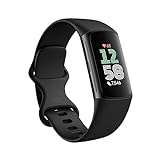
- Find your way seamlessly during runs or rides with turn-by-turn directions from Google Maps on Fitbit Charge 6[7, 8]; and when you need a snack break on the go, just tap to pay with Google Wallet[8, 9]
Android users who don’t rely heavily on third-party app integrations will feel especially at home. Xiaomi’s Mi Fitness app is functional and data-rich, but it lacks the deep health insights, long-term coaching, and cross-platform polish found in Fitbit’s ecosystem.
Who the Fitbit Charge 5 is really designed for
The Fitbit Charge 5 is best suited for users who care more about health insights than raw specs. Its strength lies in how Fitbit interprets your data, not just how much it collects, with features like Daily Readiness Score, stress tracking via EDA, and highly refined sleep analysis.
This tracker works exceptionally well for people trying to build healthier habits rather than simply log workouts. The Fitbit app presents trends clearly, nudges you toward consistency, and feels cohesive across Android, iOS, and even web dashboards.
You’ll also appreciate the built-in GPS if outdoor walks, runs, or cycling are part of your routine. While battery life drops to around five to six days with GPS use, the trade-off is more accurate distance and pace data without carrying your phone.
First-time wearable buyers vs experienced users
For first-time buyers who want something simple, affordable, and non-intimidating, the Mi Band 7 is often the easier entry point. It’s straightforward, inexpensive, and doesn’t lock key features behind a subscription.
More experienced users, or those coming from a smartwatch and wanting a slimmer alternative, may prefer the Charge 5’s refined health metrics and ecosystem depth. Fitbit’s interface rewards users who enjoy reviewing trends and acting on long-term data rather than just checking daily stats.
Subscription tolerance and long-term value
One of the biggest philosophical differences comes down to how much you’re willing to pay after the purchase. Xiaomi includes nearly all features upfront, making the Mi Band 7 feel like a complete product the moment you put it on your wrist.
Fitbit’s Premium subscription unlocks deeper insights and guided programs, which can genuinely add value for some users. However, if recurring costs feel frustrating or unnecessary, that alone may push you toward Xiaomi.
Comfort, durability, and daily wear considerations
The Mi Band 7’s smaller size and softer strap make it exceptionally comfortable for smaller wrists and overnight wear. It’s also easier to forget you’re wearing, which matters more than most people expect.
The Charge 5 feels more substantial, with a wider case and a glass front that looks and feels more premium. That added presence improves readability and perceived quality, but it may be less ideal for users sensitive to wrist bulk.
Platform loyalty and ecosystem fit
If you switch between Android and iOS devices or already use other Fitbit products, the Charge 5 integrates more seamlessly across platforms. Fitbit’s cloud-based approach makes device transitions painless.
The Mi Band 7 works best when you stay within Xiaomi’s ecosystem expectations. It functions on both Android and iOS, but the experience is clearly optimized for users who value simplicity over ecosystem breadth.
Design, Comfort, and Everyday Wearability: Minimal Band vs Smartwatch-Style Tracker
Moving from software philosophy to physical presence, the differences between the Mi Band 7 and Charge 5 become immediately obvious once they’re on your wrist. One leans hard into the idea of a barely-there fitness band, while the other borrows cues from modern smartwatches.
Form factor and on-wrist presence
The Xiaomi Mi Band 7 sticks to the classic capsule-style band design that has defined the Mi Band series for years. It’s narrow, light, and visually understated, making it easy to wear in situations where a larger wearable might feel out of place.
The Fitbit Charge 5 adopts a more smartwatch-like footprint, with a wider body and a stronger visual identity. It looks intentional on the wrist, more like a compact digital watch than a fitness accessory.
Dimensions, weight, and long-term comfort
The Mi Band 7 is exceptionally light, and that low mass plays a huge role in its comfort during all-day wear. For users with smaller wrists or those who dislike feeling a device shift during movement, this minimal weight is a genuine advantage.
The Charge 5 is noticeably heavier and wider, though still far from bulky by smartwatch standards. That added heft improves stability during workouts but may be more noticeable during sleep or extended desk work.
Materials and perceived build quality
Xiaomi uses a plastic body with a smooth, slightly matte finish that prioritizes practicality over luxury. It doesn’t feel cheap, but it clearly aims for durability and cost efficiency rather than premium flair.
Fitbit steps things up with a stainless steel case and a glass front, giving the Charge 5 a more refined feel. The materials elevate its perceived value and help it blend more naturally with casual or business-casual attire.
Display integration and everyday visibility
The Mi Band 7’s AMOLED display is taller and slightly curved, flowing seamlessly into the strap. This makes the tracker look cohesive and keeps edges from catching on sleeves or bags.
The Charge 5’s larger, brighter AMOLED panel sits more prominently on the wrist. It’s easier to glance at in direct sunlight and supports more information on-screen, but the flat glass surface makes it feel more like a traditional device.
Controls, interaction, and usability
Xiaomi relies entirely on touch gestures, with no physical buttons on the Mi Band 7. This keeps the design clean, though it can occasionally feel fiddly with wet hands or during intense workouts.
Fitbit also removed physical buttons on the Charge 5, opting for touch-only controls and edge sensors. The interface is more polished, but responsiveness can vary depending on sweat, water, or glove use.
Strap comfort and customization
The Mi Band 7 uses a simple silicone strap that’s soft, flexible, and well-suited for sleep tracking. Strap swaps are affordable and widely available, though third-party quality can vary.
The Charge 5’s strap feels thicker and more structured, offering better security during workouts. Replacement bands are easy to find, but official Fitbit accessories tend to cost significantly more.
Sleep, shower, and all-day wear considerations
For overnight wear, the Mi Band 7 has a clear comfort advantage due to its lighter weight and narrower profile. Many users will forget it’s on their wrist, which is ideal for consistent sleep tracking.
The Charge 5 is still comfortable enough for sleep, but side sleepers or those sensitive to pressure may notice it more. Both trackers are water-resistant for showers and swimming, though neither is designed for rough impacts or extreme environments.
Durability and real-world resilience
Xiaomi’s simpler construction means fewer premium surfaces to scratch, and minor scuffs are less noticeable over time. It’s a tracker you can wear daily without worrying much about cosmetic wear.
The Charge 5’s glass front looks great but demands a bit more care, especially for users prone to bumping their wrists. While it’s well-built, it feels more like a device you’re consciously wearing rather than a background companion.
Display Technology and On-Device Experience: AMOLED Size, Brightness, and Usability
After considering comfort and durability, the display becomes the part of the tracker you interact with most throughout the day. Screen size, brightness, and how information is presented can meaningfully affect everything from workout readability to how often you actually check your stats.
Screen size and resolution in daily use
The Xiaomi Mi Band 7 features a 1.62-inch AMOLED display, which is notably large for a slim fitness band. The expanded panel allows Xiaomi to show more data at once, reducing the need for constant scrolling during workouts or when checking notifications.
The Fitbit Charge 5 uses a smaller 1.04-inch AMOLED display, but with a higher pixel density that gives text and icons a slightly crisper appearance. While it shows less information per screen, Fitbit’s layouts are tightly optimized, so nothing feels overly cramped.
In practical terms, the Mi Band 7 feels more glanceable, especially for metrics like heart rate zones, steps, and timers. The Charge 5 trades screen real estate for visual refinement, which some users may prefer for quick, focused interactions.
Brightness, outdoor visibility, and always-on behavior
Brightness is one of the Mi Band 7’s biggest strengths, with excellent outdoor visibility even under harsh sunlight. The automatic brightness adjustment works reliably, and the panel remains readable during midday runs without needing exaggerated wrist angles.
The Charge 5 is also bright, but its smaller screen can make outdoor readability slightly more dependent on font size and watch face choice. Fitbit’s brightness tuning is conservative to protect battery life, which means it sometimes appears dimmer than the Xiaomi in identical conditions.
Both devices support always-on display modes, but the experience differs. On the Mi Band 7, always-on faces are basic and utilitarian, while Fitbit’s always-on mode looks more refined but has a more noticeable impact on battery longevity.
Touch responsiveness and gesture navigation
With both trackers relying entirely on touch input, screen responsiveness matters more than button placement. The Mi Band 7 generally responds quickly to swipes and taps, though occasional missed inputs can occur with sweaty or wet fingers.
Fitbit’s interface feels more structured, with clearer visual cues for navigation and menus that guide new users intuitively. That said, edge-based gestures can sometimes misfire, particularly during workouts or when water is involved.
Rank #2

- Inspire 3 is the tracker that helps you find your energy, do what you love and feel your best. All you have to do is wear it.Operating temperature: 0° to 40°C
- Move more: Daily Readiness Score(1), Active Zone Minutes, all-day activity tracking and 24/7 heart rate, 20+ exercise modes, automatic exercise tracking and reminders to move
- Stress less: always-on wellness tracking, daily Stress Management Score, mindfulness sessions, relax breathing sessions, irregular heart rhythm notifications(2), SpO2(3), menstrual health tracking, resting heart rate and high/low heart rate notifications
- Sleep better: automatic sleep tracking, personalized Sleep Profile(1), daily detailed Sleep Score, smart wake vibrating alarm, sleep mode
- Comfortably connected day and night: calls, texts & smartphone app notifications(4), color touchscreen with customizable clock faces, super lightweight and water resistant to 50 meters, up to 10 day battery life(5)
Neither device is ideal for heavy interaction during intense activity, but both are perfectly usable for quick checks and basic control. Users coming from a smartwatch will notice the limitations, while first-time buyers are unlikely to feel restricted.
Watch faces, data density, and customization
Xiaomi offers a huge library of watch faces, many of which take advantage of the larger screen to display multiple metrics simultaneously. Customization is deep, affordable, and often playful, though quality can vary depending on the face designer.
Fitbit’s watch face selection is smaller and more curated, focusing on clarity and consistency rather than novelty. Data is presented cleanly, with strong contrast and a more uniform design language across the system.
If you enjoy customizing the look of your tracker or want maximum data on-screen, the Mi Band 7 is more flexible. If you prefer a cohesive, polished interface that prioritizes readability, the Charge 5 delivers a more controlled experience.
Overall on-device experience and usability balance
The Mi Band 7’s display makes it feel closer to a compact smartwatch, especially when scrolling through stats or managing workouts directly from the wrist. Its larger screen helps offset its simpler software, making interactions feel efficient rather than barebones.
The Charge 5 feels more restrained, but also more deliberate, with fewer distractions and a stronger emphasis on essential health metrics. It encourages users to rely on the companion app for deeper insights while keeping the on-device experience clean and focused.
Choosing between them comes down to how much you want to do on the tracker itself. Xiaomi favors information density and visual impact, while Fitbit prioritizes clarity, consistency, and a more guided user experience.
Health Tracking Depth and Accuracy: Heart Rate, SpO₂, Sleep, Stress, and Readiness
Once you move past the interface and day-to-day usability, the real separation between the Mi Band 7 and Charge 5 shows up in how deeply they track health and how meaningfully that data is interpreted. Both cover the core metrics most buyers expect, but they take very different approaches to accuracy, context, and long-term insight.
Heart rate tracking: sensors, consistency, and real-world use
Both trackers use optical heart rate sensors with continuous monitoring, and in steady-state activities like walking, gym workouts, and daily movement, they perform similarly. Resting heart rate trends are generally stable on both, which is what matters most for long-term health tracking rather than second-by-second precision.
During higher-intensity workouts, the Charge 5 tends to hold onto signal more reliably, especially with rapid changes in effort. Fitbit’s filtering is conservative, but that restraint often translates into fewer sudden spikes or dropouts compared to the Mi Band 7.
The Mi Band 7 can occasionally lag or overshoot during interval training or abrupt pace changes. For casual fitness users this is unlikely to matter, but those who rely on heart rate zones for structured training may notice the difference.
SpO₂ monitoring: frequency versus interpretation
Both devices support blood oxygen tracking during sleep, but Xiaomi gives users more control over measurement frequency. The Mi Band 7 can be set to monitor SpO₂ continuously, though doing so has a noticeable impact on battery life.
Fitbit limits SpO₂ readings primarily to overnight tracking and presents them as trends rather than moment-to-moment data. This approach prioritizes stability and long-term patterns, which aligns better with how SpO₂ data is typically used outside of clinical settings.
Neither device is suitable for medical-grade oxygen monitoring, but Fitbit’s presentation makes it clearer when values fall outside typical personal baselines. Xiaomi offers more raw data, but less guidance on what to do with it.
Sleep tracking: stages, depth, and actionable insights
Sleep tracking is an area where Fitbit has built a strong reputation, and the Charge 5 largely lives up to it. Sleep stages, sleep consistency, and long-term trends are presented clearly, with strong visualizations that make it easy to spot patterns over weeks or months.
The Mi Band 7 tracks sleep stages, naps, sleep breathing quality, and total duration with impressive breadth for the price. Accuracy is generally solid for bedtimes and wake times, though stage classification can be less consistent night to night.
Fitbit’s advantage lies in interpretation rather than raw detection. The data feels more cohesive, especially when combined with sleep scores and historical context, while Xiaomi’s insights are more fragmented across menus.
Stress tracking and EDA sensing
This is one of the Charge 5’s most distinctive advantages. It includes an EDA sensor that measures electrodermal activity, allowing for guided stress scans and deeper insight into physiological stress responses.
Fitbit combines EDA data with heart rate variability and activity levels to create a broader stress picture. While not diagnostic, it provides a clearer narrative around how stress fluctuates throughout the day.
The Mi Band 7 relies on heart rate variability–based stress estimates. It can flag elevated stress periods, but the feedback is more basic and less contextual, focusing on alerts rather than explanation.
Readiness, recovery, and subscription realities
Fitbit’s Daily Readiness Score is one of its most compelling features, but it comes with a caveat. Access to readiness insights, deeper sleep analysis, and advanced trends requires a Fitbit Premium subscription.
When available, readiness pulls together sleep quality, activity load, and heart rate variability into a single, easy-to-understand score. For users who like being told when to push and when to rest, this can be genuinely helpful.
Xiaomi does not lock recovery-style insights behind a subscription, but it also doesn’t offer an equivalent unified readiness metric. Instead, users interpret stress levels, sleep quality, and PAI scores separately, which requires more effort and experience.
Accuracy versus ecosystem polish
In pure sensor capability, neither tracker dramatically outclasses the other for everyday health monitoring. Differences in accuracy are more about consistency during challenging conditions than baseline performance.
Where Fitbit pulls ahead is in how its software contextualizes the data over time. Trends, correlations, and coaching cues are easier to understand, particularly for beginners or users who want guidance rather than raw numbers.
Xiaomi’s strength is value-driven completeness. You get an enormous amount of health data for the price, but the responsibility for interpreting it falls more heavily on the user, especially within the Mi Fitness app.
Platform compatibility and long-term usability
Both trackers work with Android and iOS, but Fitbit’s cross-platform experience is more consistent. Data syncing, historical records, and health insights behave nearly identically regardless of phone platform.
Xiaomi’s app experience is strongest on Android, with slightly more friction on iOS in terms of permissions and background syncing. None of this is deal-breaking, but it affects how seamless health tracking feels over months of use.
For buyers focused on long-term health trends rather than daily stats, the Charge 5’s ecosystem feels more mature. For those prioritizing affordability and breadth of metrics without ongoing fees, the Mi Band 7 remains remarkably competitive.
Fitness and Sports Tracking: GPS, Workout Modes, and Training Insights
After health metrics and ecosystem polish, the differences between the Mi Band 7 and Charge 5 become even clearer once you step into structured workouts and outdoor activity. This is where hardware choices, software maturity, and intended use cases start to diverge in meaningful ways.
Built-in GPS versus phone-dependent tracking
The Fitbit Charge 5 includes built-in GPS, and for many buyers this is the single most important differentiator. You can head out for a run, walk, or bike ride without your phone and still get a mapped route, pace consistency, elevation changes, and distance recorded directly on the tracker.
In real-world use, the Charge 5’s GPS lock is reasonably quick, though not instant, and accuracy is solid for a slim fitness band. It’s not sports-watch precise in tight urban environments, but for casual runners and outdoor fitness users it’s more than sufficient.
The Xiaomi Mi Band 7 does not have GPS, relying entirely on connected GPS through your phone. This keeps the band lighter, slimmer, and cheaper, but it also means outdoor workouts are tied to having your phone with you at all times.
For treadmill workouts, gym sessions, and indoor sports, this limitation matters far less. For runners, hikers, or walkers who value phone-free tracking, the Charge 5 has a clear and practical advantage.
Workout modes and activity recognition
Xiaomi takes a quantity-first approach to workout modes. The Mi Band 7 supports over 100 activity profiles, ranging from standard options like running, cycling, and swimming to niche activities such as kickboxing, rowing, and various dance styles.
Many of these modes share similar underlying metrics, but they allow users to categorize workouts accurately and keep activity history neatly organized. Automatic workout detection works reliably for walking and running, though it’s slower to trigger than on Fitbit.
Fitbit’s approach is more curated. The Charge 5 supports fewer total workout modes, but the core activities are deeply integrated into Fitbit’s analytics system. Automatic recognition, branded as SmartTrack, is dependable and often identifies workouts without user input.
For beginners, Fitbit’s simplified list can actually be an advantage, reducing decision fatigue. Xiaomi’s extensive list appeals more to users who enjoy logging everything precisely, even if the data behind some modes overlaps.
Rank #3

- 【BUILT-IN GPS SMART WATCH – GO FURTHER, FREER, SMARTER】No phone? No problem. This fitness watch for women, featuring the latest 2025 technology, includes an advanced professional-grade GPS chip that precisely tracks every route, distance, pace (real-time & average), and calorie burned—completely phone-free. Whether you're chasing new personal records or exploring off the beaten path, your full journey is automatically mapped and synced in the app. Train smarter. Move with purpose. Own your progress. Own your journey.
- 【BLUETOOTH 5.3 CALLS & SMART NOTIFICATIONS】Stay effortlessly connected with this smart watch for men and women, featuring dual Bluetooth modes (BT 3.0 + BLE 5.3) and a premium microphone for crystal-clear calls right from your wrist—perfect for driving, workouts, or busy days. Receive instant alerts for calls, texts, and popular social apps like WhatsApp and Facebook. Just raise your wrist to view notifications and never miss an important moment.
- 【100+ SPORT MODES & IP68 WATERPROOF & DUSTPROOF】This sport watch is a versatile activity and fitness tracker with 100+ modes including running, cycling, yoga, and more. It features quick-access buttons and automatic running/cycling detection to start workouts instantly. Accurately track heart rate, calories, distance, pace, and more. Set daily goals on your fitness tracker watch and stay motivated with achievement badges. With IP68 waterproof and dustproof rating, it resists rain and sweat for any challenge. Not suitable for showering, swimming, or sauna.
- 【24/7 HEALTH ASSISTANT & SMART REMINDERS】This health watch continuously monitors heart rate, blood oxygen, and stress levels for comprehensive wellness tracking. Sleep monitoring includes deep, light, REM sleep, and naps to give you a full picture of your rest. Stay on track with smart reminders for sedentary breaks, hydration, medication, and hand washing. Women can also monitor menstrual health. Includes guided breathing exercises to help you relax. Your ultimate health watch with event reminders for a healthier life.
- 【ULTRA HD DISPLAY, LIGHTWEIGHT & CUSTOMIZABLE DIALS】This stylish wrist watch features a 1.27-inch (32mm) 360×360 ultra HD color display with a 1.69-inch (43mm) dial, offering vivid details and responsive touch. Its minimalist design fits both business and casual looks. Switch freely among built-in designer dials or create your own DIY watch face using photos, colors, and styles to showcase your unique personality. Perfect as a cool digital watch and fashion wrist watch.
Heart rate zones, effort tracking, and feedback
During workouts, both trackers deliver continuous heart rate monitoring with similar baseline accuracy for steady-state exercise. Differences emerge in how that data is used and presented afterward.
Fitbit emphasizes heart rate zones and Active Zone Minutes, rewarding time spent in moderate and vigorous intensity ranges. This framework is intuitive and encourages consistency rather than peak performance, which suits casual fitness users well.
The Mi Band 7 tracks heart rate zones too, but feedback is less central to the experience. Xiaomi leans more heavily on raw metrics, post-workout summaries, and its PAI score, which translates activity into a cumulative health metric over time.
Neither device is ideal for interval-heavy or advanced training, but Fitbit’s guided cues and clearer effort classification make it easier to understand whether a workout was easy, moderate, or genuinely demanding.
Training insights, recovery context, and progression
Fitbit’s strength lies in tying workouts into a broader training narrative. Cardio Fitness scores (Fitbit’s VO2 max estimate), heart rate trends, and readiness-style insights help users understand how individual sessions affect overall fitness.
Some of this depth is locked behind Fitbit Premium, but even without a subscription, the Charge 5 offers clearer trend lines and progression cues than Xiaomi. The app actively nudges users toward balance rather than overtraining.
Xiaomi offers VO2 max estimates, recovery time suggestions, and training load indicators, but these tools feel more fragmented. They exist, but they require interpretation and familiarity with fitness concepts to extract value.
For self-directed users who enjoy digging into numbers, Xiaomi’s approach is workable and surprisingly comprehensive for the price. For users who want interpretation, not just information, Fitbit remains easier to live with.
Battery life impact during workouts
GPS usage has a noticeable effect on battery life, and this is one area where the Mi Band 7 benefits from its simpler hardware. Without GPS, it can comfortably last close to two weeks with regular workouts, even with continuous heart rate monitoring enabled.
The Charge 5 typically lasts around five to seven days, and GPS-heavy use can shorten that further. Long outdoor sessions will require more frequent charging, which is the trade-off for phone-free tracking.
Neither device charges slowly, but Xiaomi’s longer endurance makes it easier to forget about charging altogether. Fitbit’s battery life is acceptable, but it demands more routine attention if you train outdoors often.
Comfort, durability, and real-world wear during exercise
Both trackers are light, slim, and unobtrusive during workouts, but the Mi Band 7 feels slightly more discreet due to its narrower capsule and softer strap options. It’s easy to wear overnight and during long sessions without irritation.
The Charge 5 feels more substantial on the wrist, with a stiffer strap and a slightly wider case. Some users appreciate the more watch-like presence, while others may notice it more during sleep or extended workouts.
Both are water-resistant and suitable for swimming, with reliable lap tracking in pools. Neither is designed for rugged outdoor sports, but for everyday fitness and gym use, durability is not a concern on either side.
Software Ecosystem and App Experience: Mi Fitness vs Fitbit App (Android & iOS)
Once workouts are finished and the band comes off your wrist, the long-term experience is defined almost entirely by the app. This is where the philosophical gap between Xiaomi and Fitbit becomes most obvious, and for many buyers, more important than hardware differences.
Both platforms support Android and iOS, but they feel built for very different types of users and expectations.
Onboarding, setup, and first impressions
Fitbit’s onboarding process is one of the most polished in the fitness tracker space. Pairing is fast, permissions are clearly explained, and within minutes the app starts building a health profile that feels guided rather than technical.
Mi Fitness is functional but less hand-holding. Setup is straightforward, yet it assumes a degree of familiarity with fitness tracking concepts, and some settings are buried deeper in menus than expected.
For first-time wearable buyers, Fitbit’s app feels immediately approachable. Xiaomi’s app feels more like a toolset you learn over time rather than one that teaches you as you go.
Daily health data presentation and clarity
Fitbit excels at turning raw metrics into understandable trends. Sleep stages, heart rate variability, resting heart rate, and activity readiness are presented with context, explanations, and visual cues that make it easy to see what matters today versus long-term patterns.
Mi Fitness shows a comparable volume of data, often with surprisingly granular charts. The difference is interpretation; the app tends to present numbers without much guidance on what they mean or how to act on them.
If you enjoy reviewing charts and spotting patterns yourself, Xiaomi gives you plenty to work with. If you prefer insights distilled into simple takeaways, Fitbit’s presentation is significantly stronger.
Fitness tracking, workouts, and training insights
Fitbit’s workout data integrates cleanly with its broader health ecosystem. Logged exercises feed directly into daily readiness, cardio fitness estimates, and recovery trends, creating a cohesive picture rather than isolated sessions.
Mi Fitness tracks a wide range of activities and provides detailed breakdowns, including VO2 max estimates and training load. However, these metrics often live in separate sections, making the experience feel less unified.
This reinforces the broader theme: Xiaomi offers depth at a low cost, while Fitbit prioritizes coherence and interpretation over sheer volume of stats.
Notifications, smart features, and daily usability
On both platforms, notifications are reliable, but Fitbit’s handling is more refined. App alerts are cleaner, quick replies are supported on Android, and notification management is easier to customize within the app.
Mi Fitness delivers notifications consistently, but customization is more limited and can feel inconsistent across different phone models. It works well enough for call and message alerts, but it doesn’t feel as polished.
Neither tracker replaces a smartwatch, yet Fitbit’s software does a better job of making the Charge 5 feel integrated into your daily routine rather than just reactive.
Platform stability, updates, and long-term support
Fitbit has a strong track record of regular app updates, feature refinements, and long-term device support. Improvements often arrive quietly but meaningfully, especially around sleep analysis and health trends.
Xiaomi updates Mi Fitness less predictably, and feature additions can vary by region. Bugs are uncommon but not unheard of, and changes sometimes appear without much explanation.
For buyers planning to use the tracker for several years, Fitbit’s ecosystem feels more stable and future-proof. Xiaomi’s app works well today, but its evolution is less transparent.
Subscriptions, paywalls, and overall value
The Fitbit app increasingly nudges users toward Fitbit Premium. While core tracking works without it, deeper insights, readiness scores, and extended trend analysis are locked behind a subscription.
Mi Fitness has no subscription model. All available metrics are accessible upfront, which significantly boosts its value proposition for cost-conscious buyers.
This creates a clear fork in the road: Fitbit offers a more refined experience with optional ongoing costs, while Xiaomi delivers maximum access with no recurring fees, at the expense of polish and guidance.
Android vs iOS experience
Fitbit’s app behaves consistently across Android and iOS, with only minor feature differences. Sync reliability and background data handling are strong on both platforms.
Mi Fitness performs best on Android, where system integrations and background permissions are more forgiving. On iOS, syncing can occasionally feel slower, and system restrictions are more noticeable.
If you switch phones often or move between ecosystems, Fitbit’s consistency is reassuring. Xiaomi works best when paired with an Android phone and left alone to do its job.
Battery Life and Charging Reality: Claimed Specs vs Real-World Use
After weighing software stability and subscription trade-offs, battery life becomes the next practical divider. A tracker that needs frequent charging changes how often you actually wear it, which directly affects sleep tracking, recovery data, and long-term habit building.
Rank #4

- 24H Accurate Heart Rate Monitoring: Go beyond basic tracking. Our watch automatically monitors your heart rate, blood oxygen (SpO2), and sleep patterns throughout the day and night. Gain deep insights into your body's trends and make informed decisions for a healthier lifestyle.
- Practical Sports Modes & Smart Activity Tracking: From running and swimming to yoga and hiking, track a wide range of activities with precision. It automatically records your steps, distance, calories burned, and duration, helping you analyze your performance and crush your fitness goals.
- 1-Week Battery Life & All-Day Wear: Say goodbye to daily charging. With an incredible up to 7-10 days of battery life on a single charge, you can wear it day and night for uninterrupted sleep tracking and worry-free travel. Stay connected to your data without the hassle.
- Comfortable to Wear & IP68 Waterproof: The lightweight, skin-friendly band is crafted for all-day comfort, even while you sleep. With IP68 waterproof, it withstands rain, sweat, It is not suitable for swimming or showering.
- Ease of Use and Personalized Insights via Powerful App: The display is bright and easy to read, even outdoors. Unlock the full potential of your watch. Sync with our dedicated app to view detailed health reports, customize watch faces, set sedentary reminders, and manage your preferences with ease.
On paper, both the Mi Band 7 and Charge 5 promise multi-day endurance. In practice, how you use GPS, brightness, and health features matters far more than the spec sheet suggests.
Claimed battery life vs realistic expectations
Xiaomi rates the Mi Band 7 for up to 14 days of typical use, or around 9 days with heavier tracking enabled. Fitbit claims up to 7 days for the Charge 5, with GPS usage pulling that number down quickly.
In real-world mixed use, the Mi Band 7 usually lands between 10 and 12 days for most users. The Charge 5 typically delivers 5 to 6 days, assuming regular notifications, sleep tracking, and a few workouts per week.
Neither device reaches its advertised maximum unless features are deliberately limited. The difference is that Xiaomi still leaves plenty of headroom, while Fitbit operates closer to its limits from day one.
GPS impact and workout-heavy use
GPS is the single biggest battery drain on the Charge 5. One hour of GPS tracking can consume roughly 10 to 15 percent of the battery, making daily outdoor workouts a real challenge for week-long endurance.
The Mi Band 7 lacks built-in GPS, relying on connected GPS through your phone. This shifts the power burden to your smartphone and allows the band itself to maintain strong battery life even with frequent outdoor activity.
For runners who want phone-free tracking, Fitbit’s GPS is a clear functional win. For battery-focused users who don’t mind carrying a phone, Xiaomi’s approach is far more efficient.
Display technology and always-on behavior
Both trackers use AMOLED displays, but Xiaomi’s smaller panel and lower brightness demands work in its favor. Even with frequent screen wake-ups and notifications, the Mi Band 7 remains frugal with power.
The Charge 5’s larger, brighter display looks excellent outdoors, but it consumes more energy throughout the day. Enabling always-on display further reduces battery life to around 2 to 3 days, which fundamentally changes how often it needs charging.
Xiaomi also offers an always-on mode, but most users disable it quickly due to its visual simplicity. With it turned off, the band remains comfortably low-maintenance.
Charging speed, convenience, and real-world friction
The Mi Band 7 uses a proprietary magnetic charging puck that snaps into place easily. A full charge typically takes under two hours, and topping up from 20 percent is quick enough to do while showering.
Fitbit’s Charge 5 also uses a proprietary charger, but alignment can be more finicky. Charging is slightly faster, usually finishing in about 90 minutes, though it needs to happen more often.
Neither device supports wireless charging or USB-C directly, so losing the cable is inconvenient either way. Xiaomi’s longer intervals between charges reduce that annoyance over time.
Battery degradation and long-term ownership
Battery longevity matters more when a device already starts with shorter endurance. After a year or two, Charge 5 owners may find themselves charging every 3 to 4 days instead of weekly.
The Mi Band 7’s larger margin makes gradual degradation less noticeable. Even after extended use, it typically remains a once-a-week device rather than an every-few-days obligation.
This ties directly back to ecosystem philosophy. Fitbit offers deeper insights but demands more frequent charging, while Xiaomi prioritizes endurance and minimal disruption to daily wear.
Which one fits your routine better
If you value set-it-and-forget-it convenience, the Mi Band 7’s battery life is a standout advantage. It supports continuous wear, sleep tracking, and background health metrics without forcing you to think about power management.
The Charge 5 trades endurance for features like built-in GPS and a more interactive display. For users already charging other devices nightly, the shorter battery life may be a fair compromise.
Battery life doesn’t just affect uptime. It shapes how consistently you wear the tracker, and consistency is where meaningful health data actually comes from.
Smart Features and Daily Convenience: Notifications, Payments, and Extras
Battery life shapes how often you interact with a tracker, but smart features define how useful it feels once it’s on your wrist. This is where the Mi Band 7 and Charge 5 begin to reflect very different ideas of daily convenience.
One leans toward lightweight utility with minimal friction. The other aims to feel like a pared-down smartwatch, even if that adds complexity.
Notifications and interaction
Both devices handle core notifications reliably, including calls, texts, and app alerts from Android and iOS. Vibration strength is adjustable on each, though Fitbit’s haptic motor feels slightly more refined and easier to notice during movement.
The Charge 5 allows limited interaction, such as dismissing notifications and sending quick replies on Android. iPhone users are restricted to viewing and clearing alerts, which is an Apple limitation rather than a Fitbit one.
The Mi Band 7 takes a simpler approach. Notifications are view-only on both platforms, with no replies, but scrolling is smooth and text rendering is surprisingly clear for its size.
App filtering and notification control
Fitbit’s app offers granular notification controls with per-app toggles that sync cleanly across devices. Setup is straightforward, and changes take effect almost immediately.
Xiaomi’s Mi Fitness app also supports app-level filtering, though the interface is less intuitive. Once configured, it works reliably, but the setup process takes more trial and error, especially on iOS.
Neither tracker supports actionable notifications beyond basic dismissal. If replying from the wrist matters, you’re stepping into smartwatch territory rather than fitness bands.
Contactless payments and regional limitations
Fitbit Charge 5 includes Fitbit Pay, using NFC for contactless payments. Bank support varies widely by region, but in supported markets it works consistently and doesn’t require the phone nearby.
The Mi Band 7 only supports NFC payments in specific regional variants, primarily in China and a few select markets. Most global models do not include NFC hardware at all.
For buyers considering payments a must-have feature, the Charge 5 is the safer choice, provided your bank is supported. For many users, though, this feature ends up unused in practice.
Music control, GPS, and phone dependency
Both trackers offer basic music playback controls for a connected smartphone. There’s no onboard storage on either device, so you’re always controlling music rather than playing it directly.
The Charge 5’s built-in GPS adds convenience for phone-free runs and walks, particularly for outdoor training. This also enables route maps in the Fitbit app without carrying your phone.
The Mi Band 7 relies entirely on connected GPS, which limits independence but helps preserve battery life. For users who already carry a phone, the trade-off is often acceptable.
Voice assistants, calls, and smart limitations
Neither tracker supports voice assistants, taking calls, or voice dictation. Fitbit previously experimented with Alexa on other models, but the Charge 5 keeps things intentionally restrained.
This absence keeps interfaces clean and reduces accidental interactions. It also reinforces that these are fitness-first devices rather than communication hubs.
If hands-free control or calling is a priority, both will feel limited. That’s by design, not oversight.
Widgets, watch faces, and daily extras
Fitbit’s widget system is polished and consistent, with quick access to weather, timers, alarms, and health summaries. Watch face customization is decent, though many advanced faces are locked behind Fitbit Premium.
The Mi Band 7 offers a wider range of free watch faces, including playful and data-dense designs. Third-party faces are easy to install, though quality varies.
💰 Best Value

- 【Superb Visual Experience & Effortless Operation】Diving into the latest 1.58'' ultra high resolution display technology, every interaction on the fitness watch is a visual delight with vibrant colors and crisp clarity. Its always on display clock makes the time conveniently visible. Experience convenience like never before with the intuitive full touch controls and the side button, switch between apps, and customize settings with seamless precision.
- 【Comprehensive 24/7 Health Monitoring】The fitness watches for women and men packs 24/7 heart rate, 24/7 blood pressure and blood oxygen monitors. You could check those real-time health metrics anytime, anywhere on your wrist and view the data record in the App. The heart rate monitor watch also tracks different sleep stages for light and deep sleep,and the time when you wake up, helps you to get a better understanding of your sleep quality.
- 【120+ exercise modes & All-Day Activity Tracking】There are more than 120 exercise modes available in the activity trackers and smartwatches, covering almost all daily sports activities you can imagine, gives you new ways to train and advanced metrics for more information about your workout performance. The all-day activity tracking feature monitors your steps, distance, and calories burned all the day, so you can see how much progress you've made towards your fitness goals.
- 【Messages & Incoming Calls Notification】With this smart watch fitness trackers for iPhone and android phones, you can receive notifications for incoming calls and read messages directly from your wrist without taking out your phone. Never miss a beat, stay in touch with loved ones, and stay informed of important updates wherever you are.
- 【Essential Assistant for Daily Life】The fitness watches for women and men provide you with more features including drinking water and sedentary reminder, women's menstrual period reminder, breath training, real-time weather display, remote camera shooting, music control,timer, stopwatch, finding phone, alarm clock, making it a considerate life assistant. With the GPS connectivity, you could get a map of your workout route in the app for outdoor activity by connecting to your phone GPS.
Extras like smart alarms, inactivity reminders, and basic calendar alerts are available on both. Xiaomi’s features feel more customizable, while Fitbit’s feel more refined and cohesive.
Everyday convenience in real-world use
The Charge 5 feels better integrated into daily routines if you value polish, payments, and GPS independence. Its smart features work well, but they encourage more frequent interaction and charging.
The Mi Band 7 focuses on reducing friction. Fewer smart features mean fewer interruptions, longer wear time, and a more passive experience that fades into the background.
Neither approach is objectively better. The right choice depends on whether you want your tracker to actively assist your day, or quietly observe it.
Price, Subscriptions, and Long-Term Value: Hardware Cost vs Ongoing Commitments
All of the differences in features and daily experience ultimately funnel into one unavoidable question: how much does each tracker really cost over time. This is where the Mi Band 7 and Fitbit Charge 5 diverge more sharply than almost any other category.
Upfront hardware pricing
The Xiaomi Mi Band 7 is positioned aggressively on price, typically retailing far below most mainstream fitness trackers. Even at launch, it undercut the Charge 5 by a wide margin, and frequent discounts make it one of the cheapest AMOLED-equipped trackers you can buy.
The Fitbit Charge 5 launched at a significantly higher price, reflecting its built-in GPS, NFC payments, and more premium construction. While discounts are common now, it still sits firmly in the mid-range rather than budget tier.
For first-time buyers or anyone testing whether a tracker fits their lifestyle, Xiaomi’s lower entry cost reduces risk. Fitbit asks for more confidence upfront that you’ll actually use what it offers.
Subscription models and locked features
The Mi Band 7 requires no subscription to access its full feature set. All health metrics, sleep tracking, SpO2 trends, stress data, and workout history are available without ongoing fees through the Mi Fitness app.
Fitbit, by contrast, heavily promotes Fitbit Premium. While core tracking works without it, several features sit behind the paywall, including advanced sleep analysis, readiness-style scores, detailed wellness reports, guided programs, and long-term trend insights.
Premium is optional, but the Charge 5 feels noticeably more limited without it. Over multiple years, that monthly or annual fee can easily exceed the original cost of the device itself.
Total cost of ownership over time
Over a two- or three-year ownership period, the Mi Band 7’s cost remains essentially flat. You pay once, replace straps if needed, and continue using all features until the hardware itself ages out.
With the Charge 5, long-term value depends heavily on whether you subscribe. Users who stay on Premium gain deeper insights and a more holistic health platform, but at a recurring cost that adds up quickly.
There’s also battery longevity to consider. The Mi Band 7’s longer battery life reduces charging cycles, which can help preserve battery health over time and delay replacement.
Ecosystem value versus raw affordability
Fitbit’s higher price isn’t just about hardware. You’re buying into a mature ecosystem with strong data visualization, consistent app design across devices, and seamless syncing with services like Google Health Connect.
Xiaomi’s ecosystem is more utilitarian. Data is there, exports are possible, and Android compatibility is strong, but the presentation lacks the polish and interpretive guidance that Fitbit excels at.
This creates a clear value split: Xiaomi maximizes features per dollar, while Fitbit monetizes interpretation, coaching, and ecosystem depth.
Which offers better long-term value?
If your priority is minimizing total spend while still getting reliable tracking, long battery life, and broad health metrics, the Mi Band 7 delivers exceptional long-term value. It’s especially appealing for students, casual exercisers, or anyone who dislikes subscriptions on principle.
The Charge 5 makes more sense if you’re willing to pay for structure, insights, and a guided health experience. For users who actively engage with sleep scores, readiness metrics, and training plans, Premium can justify its cost.
Neither approach is inherently better. The decision comes down to whether you value ownership with no strings attached, or a subscription-backed platform that evolves alongside your health goals.
Final Verdict and Buying Advice: Which Fitness Tracker Should You Choose?
By this point, the trade-offs between the Xiaomi Mi Band 7 and the Fitbit Charge 5 should feel clear rather than confusing. They target the same category on paper, but in daily use they serve very different types of owners.
One is about maximum hardware and battery life for minimal money. The other is about turning health data into guidance, even if that guidance comes with an ongoing cost.
Choose the Xiaomi Mi Band 7 if you want the best hardware value
The Mi Band 7 is the easier recommendation for buyers who care most about affordability, long battery life, and feature density. For its price, you get a large AMOLED display, comprehensive activity tracking, blood oxygen monitoring, stress tracking, and multi-day battery life that outlasts most competitors.
Physically, it’s light, slim, and comfortable enough to forget you’re wearing it, especially during sleep. The soft TPU strap and low-profile capsule suit smaller wrists well, and replacement bands are cheap and widely available.
Software is functional rather than inspirational. Xiaomi’s app records plenty of data and syncs reliably on Android, but insights are mostly left to the user to interpret. If you’re happy reviewing charts, trends, and raw numbers without coaching or scoring systems, the Mi Band 7 gives you everything you need with no subscription hanging over your head.
Choose the Fitbit Charge 5 if you want guidance, polish, and health context
The Charge 5 makes sense for users who want their tracker to act more like a health companion than a data logger. Fitbit’s app excels at turning metrics into understandable scores, trends, and prompts that encourage consistency rather than just measurement.
Health tracking accuracy is strong across heart rate, sleep stages, and activity, and features like Daily Readiness, stress management tools, and ECG support create a more holistic experience. The color AMOLED display is bright and refined, and the aluminum case gives it a more premium feel on the wrist than most bands.
Battery life is shorter than the Mi Band 7, and the lack of physical buttons can be frustrating during sweaty workouts. The bigger consideration, though, is Premium. Without it, the Charge 5 still works well, but much of what makes Fitbit compelling lives behind the subscription.
Android vs iPhone: ecosystem fit matters
Android users will generally get more flexibility from the Mi Band 7, especially if they like tweaking settings, exporting data, or minimizing app dependencies. Xiaomi’s platform plays well with Android phones and keeps things simple.
Fitbit is more platform-agnostic. Its app experience is nearly identical on Android and iOS, making the Charge 5 a safer pick for iPhone users who want smooth syncing and long-term software support.
If you plan to switch phones in the future, Fitbit’s ecosystem tends to handle transitions more gracefully.
Comfort, durability, and everyday wearability
Both trackers are comfortable for all-day wear, but they feel different in use. The Mi Band 7 is lighter and less noticeable, making it excellent for sleep tracking and long days. The Charge 5 feels denser and more watch-like, which some users prefer for daytime wear.
Neither is built like a rugged sports watch, but both handle sweat, rain, and pool sessions without issue. Strap quality favors Fitbit slightly, while Xiaomi wins on replacement cost and variety.
Bottom line: ownership versus guidance
If you want to buy once, charge less often, and keep full access to your data indefinitely, the Xiaomi Mi Band 7 is the smarter purchase. It delivers exceptional value and covers nearly every core fitness and health metric most people actually use.
If you want structure, interpretation, and motivation built into your tracker, the Fitbit Charge 5 earns its higher price. For users who engage with the app daily and benefit from coaching-style feedback, the Premium ecosystem can genuinely enhance long-term health habits.
Neither tracker is universally better. The right choice depends on whether you value raw capability and independence, or a guided experience that helps turn numbers into meaningful action.