If you are weighing the Xiaomi Mi Band 8 against the Mi Band 7, chances are you are trying to work out whether the newer model is a meaningful upgrade or simply a minor refresh. Both sit firmly in Xiaomi’s ultra-affordable fitness tracker sweet spot, and at first glance they look deceptively similar. The real differences start to emerge when you line up the specs, pricing, and everyday usability side by side.
This at-a-glance breakdown is designed to give you a fast but thorough grounding before we dive deeper into design, health tracking, software, and battery life later in the comparison. By the end of this section, you should already have a clear sense of which band fits your budget, phone ecosystem, and fitness priorities.
Core hardware specifications side by side
The Mi Band 8 and Mi Band 7 share the same basic formula: a lightweight capsule-style tracker with an AMOLED touchscreen and no physical buttons. Both use a 1.62-inch AMOLED display with a 490 x 192 resolution and up to 60Hz refresh rate, which means sharp text, smooth animations, and excellent visibility for the price. In pure screen quality, there is no upgrade advantage for the Mi Band 8.
Where they start to diverge is in sensor tuning and usage flexibility. Both bands offer continuous heart rate monitoring, blood oxygen tracking, sleep tracking with sleep stages, stress monitoring, and women’s health tracking. The Mi Band 8 refines motion tracking with improved algorithms and introduces more flexible wearing options, including shoe-mounted running mode support, which the Mi Band 7 does not offer.
🏆 #1 Best Overall
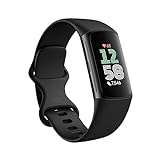
- Find your way seamlessly during runs or rides with turn-by-turn directions from Google Maps on Fitbit Charge 6[7, 8]; and when you need a snack break on the go, just tap to pay with Google Wallet[8, 9]
Battery capacity remains effectively the same at around 190 mAh on both models. Xiaomi rates each for up to 16 days of typical use, or closer to 5–6 days with heavy tracking and always-on display enabled. In real-world terms, neither band has a clear battery life edge, and charging time is similar, though the Mi Band 8 switches to a revised charging puck design.
Fitness modes, durability, and everyday wear
Both trackers support over 120 sports modes, covering everything from basic walking and cycling to strength training and indoor workouts. The Mi Band 8 expands on this with more detailed running metrics and better auto-detection accuracy, particularly for treadmill and outdoor runs. If structured fitness tracking is your main reason to upgrade, this is one of the more meaningful spec-level differences.
In terms of durability, both bands are rated at 5ATM water resistance, making them suitable for swimming and showering without concern. The core capsule dimensions are very close, but the Mi Band 8 feels slightly more refined on the wrist thanks to updated strap attachment options and accessories, including necklace and clip-style wear, which broaden how it can be used beyond a traditional wristband.
Software compatibility and ecosystem
The Mi Band 7 originally launched with Zepp Life or Mi Fitness app support depending on region, which created some fragmentation. The Mi Band 8 is more clearly positioned around the Mi Fitness app, with smoother syncing, a more modern UI, and improved watch face customization. Both are compatible with Android and iOS, but Android users continue to get slightly deeper system integration.
Neither band offers built-in GPS or NFC in global versions, keeping costs down but also reinforcing their role as companion trackers rather than standalone fitness watches. Notifications, alarms, music controls, and basic smart features are present on both, with no major spec-level advantage for either model in this area.
Launch pricing and current market value
At launch, the Mi Band 7 was priced aggressively in the budget segment, typically landing lower than the Mi Band 8 by a noticeable margin. The Mi Band 8 entered the market at a higher starting price, reflecting its newer hardware refinements and expanded fitness features. However, real-world pricing has narrowed significantly as discounts on both models become more common.
Today, the Mi Band 7 often represents the absolute cheapest entry point into Xiaomi’s fitness ecosystem, while the Mi Band 8 sits slightly above it as the better long-term value for users who want improved tracking versatility and accessory support. The price difference is usually small enough that your decision should hinge more on features and future-proofing than raw cost alone.
Design, Build Quality, and Wearability: Subtle Refinements vs Familiar Form
Coming off the pricing and ecosystem discussion, the physical experience is where the Mi Band 8 quietly separates itself. Xiaomi hasn’t reinvented the Mi Band silhouette, but the cumulative refinements make the newer model feel more deliberate in daily wear. The Mi Band 7, by contrast, sticks closely to the long-established formula that made earlier generations so popular.
Overall form factor and dimensions
Both trackers use the familiar pill-shaped capsule design, with a slightly curved profile that hugs the wrist. The Mi Band 7 measures roughly 46.5 × 20.7 × 12.25 mm, while the Mi Band 8 is marginally slimmer and lighter on paper, differences that are subtle but noticeable over long wear sessions. On the wrist, the Mi Band 8 feels a touch more balanced, especially during sleep tracking or all-day wear.
This is not a dramatic redesign, and existing Mi Band users will feel instantly at home with either model. However, the Mi Band 8’s slightly refined proportions make it feel less “techy” and more like a neutral accessory that blends into everyday clothing.
Materials and build quality
Both bands use a plastic polymer body paired with a tempered glass front, which is expected at this price point. The Mi Band 8 benefits from slightly improved surface finishing around the capsule edges, giving it a smoother transition between glass and housing. It’s a small detail, but it contributes to a more polished, less utilitarian feel.
Durability remains similar across both models. Each carries a 5ATM water-resistance rating, meaning they’re equally safe for swimming, showering, and sweaty workouts, with no meaningful advantage for either band in terms of environmental protection.
Strap design and attachment system
This is where the Mi Band 8 makes its most practical design leap. The Mi Band 7 relies on a traditional silicone strap that wraps around the capsule, a secure and proven system but one that limits third-party and alternative wear options.
The Mi Band 8 introduces a quick-release style attachment that allows the capsule to be removed more easily. This not only makes strap changes faster, but also enables Xiaomi’s expanded accessory ecosystem, including necklace pendants, clip-on mounts, and more stylized strap options. For users who want flexibility beyond the wrist, the Mi Band 8 clearly offers more versatility.
Comfort during workouts and sleep
In day-to-day use, both bands are comfortable enough to forget you’re wearing them. The lightweight construction and soft silicone straps minimize pressure points, even during long runs or overnight sleep tracking. That said, the Mi Band 8’s marginally improved weight distribution makes it slightly less prone to shifting during high-intensity workouts.
For sleep tracking in particular, the Mi Band 8’s smoother edges and more refined strap connection reduce the chance of skin irritation. Sensitive sleepers or users who wear their tracker 24/7 may appreciate this difference more than casual users.
Aesthetic options and personalization
Visually, neither band tries to masquerade as a traditional watch, but the Mi Band 8 leans harder into lifestyle personalization. The broader strap and accessory lineup allows it to transition from gym wear to casual or even semi-formal use more convincingly than the Mi Band 7.
The Mi Band 7 still looks perfectly acceptable, especially in darker strap colors, but it feels more purpose-built as a fitness tracker. If you prefer a straightforward, no-frills look that prioritizes function over flexibility, the older model remains appealing.
Real-world wearability verdict
In isolation, the Mi Band 7’s design remains competent and comfortable, with no glaring weaknesses. The Mi Band 8 doesn’t radically change the Mi Band identity, but it refines the experience through better finishing, improved strap mechanics, and expanded wearing options.
For first-time buyers, the Mi Band 8 simply feels like the more mature product. For Mi Band 7 owners, the question becomes whether those physical refinements and accessory possibilities matter enough to justify an upgrade, especially if wrist comfort and wear versatility are high on your priority list.
Display Technology and Watch Faces: Brightness, Smoothness, and Usability Differences
Once you’ve settled into the way each band feels on your wrist, the display quickly becomes the part you interact with the most. This is where the Mi Band 8 makes its most immediately noticeable upgrade over the Mi Band 7, not by changing the fundamentals, but by refining how information is presented and navigated throughout the day.
Screen size, panel quality, and outdoor visibility
Both trackers use a 1.62-inch AMOLED panel with a pill-shaped layout, and at a glance, they look nearly identical in size and resolution. Colors are similarly vibrant on both, with deep blacks and strong contrast that suit fitness data and notifications equally well.
The key difference is brightness. The Mi Band 8 pushes noticeably higher peak brightness than the Mi Band 7, making it easier to read under direct sunlight during outdoor runs or bike rides. On the Mi Band 7, the screen is still usable outdoors, but you’re more likely to tilt your wrist or manually wake the display to get a clear view.
Refresh rate and everyday smoothness
The most meaningful display upgrade on the Mi Band 8 is its higher refresh rate. Xiaomi moves from the Mi Band 7’s standard 60Hz panel to a 60Hz-plus experience that feels tangibly smoother when scrolling through menus, swiping between widgets, or flipping through watch faces.
In practice, this doesn’t make the Mi Band 7 feel slow, but side by side, animations on the Mi Band 8 look cleaner and more fluid. During workouts, when quickly checking pace, heart rate, or interval timers, the smoother transitions make the interface feel more responsive and modern, especially for users coming from older Mi Bands.
Touch responsiveness and gesture reliability
Touch sensitivity is solid on both bands, but the Mi Band 8 shows incremental improvement in accuracy. Swipes register more consistently, and accidental inputs are slightly reduced, particularly when your fingers are sweaty or you’re mid-workout.
This matters more than it sounds. On the Mi Band 7, mis-swipes can occasionally pull up the wrong screen or require a second attempt. The Mi Band 8 feels more forgiving and confident, which adds up over weeks of daily use rather than standing out in a quick demo.
Always-on display behavior and power trade-offs
Both bands support an always-on display, but Xiaomi gives the Mi Band 8 more refined AOD options that better match installed watch faces. Transitions between the always-on view and the full display are smoother, and brightness scaling feels more natural in low-light environments.
The Mi Band 7’s AOD works reliably but feels more basic, often displaying simplified layouts that don’t fully match the selected face. Battery impact is similar on both, though the Mi Band 8 manages brightness more efficiently, which slightly reduces the real-world penalty of leaving AOD enabled.
Rank #2

- Inspire 3 is the tracker that helps you find your energy, do what you love and feel your best. All you have to do is wear it.Operating temperature: 0° to 40°C
- Move more: Daily Readiness Score(1), Active Zone Minutes, all-day activity tracking and 24/7 heart rate, 20+ exercise modes, automatic exercise tracking and reminders to move
- Stress less: always-on wellness tracking, daily Stress Management Score, mindfulness sessions, relax breathing sessions, irregular heart rhythm notifications(2), SpO2(3), menstrual health tracking, resting heart rate and high/low heart rate notifications
- Sleep better: automatic sleep tracking, personalized Sleep Profile(1), daily detailed Sleep Score, smart wake vibrating alarm, sleep mode
- Comfortably connected day and night: calls, texts & smartphone app notifications(4), color touchscreen with customizable clock faces, super lightweight and water resistant to 50 meters, up to 10 day battery life(5)
Watch face variety and customization depth
Xiaomi’s watch face ecosystem remains one of the Mi Band lineup’s strongest assets. Both bands offer hundreds of downloadable faces through the Mi Fitness app, ranging from minimalist fitness dashboards to playful, animated designs.
The Mi Band 8, however, unlocks more dynamic faces that take advantage of the smoother animations and improved refresh behavior. Certain faces also offer more flexible complication placement, allowing users to prioritize metrics like steps, heart rate, or battery life more intuitively than on the Mi Band 7.
Readability during workouts and sleep use
During active workouts, the Mi Band 8’s brighter screen and smoother scrolling make multi-metric views easier to glance at without breaking stride. Fonts and icons are subtly refined, helping reduce eye strain during quick checks in bright or fast-moving conditions.
At night, both displays dim effectively for sleep tracking, but the Mi Band 8’s finer brightness control makes it less likely to feel intrusive when you check the time in a dark room. For users who wear their tracker 24/7, these small display refinements contribute to a noticeably more polished experience over time.
Display verdict for upgraders and first-time buyers
The Mi Band 7’s display remains very good for the price, with an AMOLED panel that still outperforms many budget competitors. If you mainly want clear fitness stats and occasional notifications, it continues to deliver without obvious shortcomings.
The Mi Band 8 doesn’t reinvent the screen, but it elevates nearly every aspect of how it’s used. Brighter outdoor visibility, smoother interactions, and deeper watch face integration make it feel more refined and more pleasant to live with, particularly for users who interact with their band frequently throughout the day.
Health Sensors and Everyday Wellness Tracking: What’s New and What’s Unchanged
After the display experience, the next place most Mi Band owners notice day-to-day differences is in health tracking. This is where Xiaomi traditionally prioritizes consistency over dramatic upgrades, and the Mi Band 8 largely follows that philosophy while refining how the data is collected and presented.
Heart rate monitoring: Same hardware, better consistency
Both the Mi Band 7 and Mi Band 8 rely on optical heart rate sensors capable of continuous 24-hour tracking, resting heart rate analysis, and high-frequency sampling during workouts. On paper, there’s no headline sensor change between generations.
In practice, the Mi Band 8 benefits from improved signal processing and tighter integration with its updated algorithms. During interval workouts and brisk walking, heart rate graphs tend to look smoother and less prone to sudden spikes or drops compared to the Mi Band 7, especially when the band is worn slightly looser.
For everyday users, this means more confidence in trends rather than single readings. The Mi Band 7 remains reliable for general fitness tracking, but the Mi Band 8 feels marginally more stable during real-world movement.
Blood oxygen (SpO₂) tracking and health alerts
Both bands offer on-demand SpO₂ measurements and optional automatic monitoring during sleep or periods of inactivity. Xiaomi continues to position this as a wellness indicator rather than a medical-grade feature, which is appropriate given the price point.
The Mi Band 8 introduces more proactive alerts tied to low oxygen levels during sleep, depending on region and firmware. While the sensor itself hasn’t changed, the way the data is surfaced in the Mi Fitness app is clearer, with more readable nightly summaries and fewer buried menus.
If you already rely on SpO₂ tracking for altitude exposure or sleep awareness, the experience feels more polished on the Mi Band 8, even though the core capability remains the same.
Sleep tracking depth and overnight comfort
Sleep tracking remains a strong area for both devices, covering total sleep duration, sleep stages, REM cycles, and breathing quality. The Mi Band 8 builds on this with slightly more nuanced sleep insights and trend comparisons over time.
Where the Mi Band 8 quietly improves things is comfort and reliability. Its marginally refined weight distribution and smoother sensor housing reduce the chance of pressure points during side sleeping, which can improve data consistency for users sensitive to wrist discomfort.
The Mi Band 7 still delivers detailed sleep data and remains comfortable for most people, but long-term, nightly wear feels more effortless on the newer band.
Stress tracking and guided breathing features
Stress tracking, based on heart rate variability, is present on both models and works passively throughout the day. Readings are broadly similar, but the Mi Band 8 updates how stress trends are visualized, making it easier to spot patterns tied to workdays, workouts, or poor sleep.
Guided breathing exercises are unchanged in function, offering short sessions designed to lower stress levels. The smoother animations and slightly clearer haptics on the Mi Band 8 make these sessions feel less utilitarian and more intentional, especially during quick breaks.
This is not a transformational upgrade, but it reinforces the Mi Band 8’s more refined overall feel.
Women’s health tracking and daily wellness tools
Cycle tracking and fertility predictions are available on both bands and synced through the Mi Fitness app. There are no new tracking modes here, but the Mi Band 8 benefits from better reminders and cleaner daily summaries.
Other everyday wellness tools, including step counting, standing reminders, and calorie tracking, remain consistent across both models. Accuracy is comparable, with neither band showing a meaningful advantage for casual activity tracking.
Health ecosystem, app experience, and long-term usability
Both bands rely on the Mi Fitness app, supporting Android and iOS, with no meaningful difference in platform compatibility. What changes with the Mi Band 8 is how health data is organized, with clearer dashboards and more intuitive navigation between daily, weekly, and monthly views.
Battery life remains strong on both devices, even with continuous heart rate monitoring and sleep tracking enabled. The Mi Band 8’s slightly better power management helps offset its smoother animations and enhanced background tracking, keeping real-world endurance very close to the Mi Band 7.
For users who value set-it-and-forget-it wellness tracking, both bands deliver excellent value. The Mi Band 8 doesn’t add new sensors, but it makes the health data easier to trust, easier to read, and easier to live with every single day.
Fitness and Sports Tracking: Expanded Modes, Accuracy, and New Training Tools
With everyday wellness covered, the real divergence between the Mi Band 7 and Mi Band 8 becomes clear once you start logging structured workouts. Xiaomi has always leaned heavily on sports tracking to justify generational upgrades, and the Mi Band 8 pushes that philosophy further with more modes, deeper post-workout data, and a noticeable shift toward guided training rather than simple activity logging.
Workout modes and sport coverage
The Mi Band 7 supports over 120 workout modes, covering the essentials like running, cycling, walking, swimming, and strength training, alongside a long list of niche and indoor activities. In practice, most users stick to a handful of core modes, and the Band 7 tracks these reliably with automatic recognition for walking, running, cycling, elliptical, and rowing.
The Mi Band 8 expands this to over 150 sports modes, but the headline change is not the raw number. Xiaomi has refined how modes are categorized and labeled, making it easier to find the right activity on-wrist without scrolling through a dense list. For multi-sport users or those experimenting with new training styles, this improves day-to-day usability more than the spec sheet suggests.
Running-focused upgrades and shoe clip support
Where the Mi Band 8 clearly separates itself is in running analytics. Both bands lack built-in GPS and rely on the phone for route tracking, but the Band 8 introduces advanced running metrics such as stride length, cadence, ground contact time, and impact force when used in compatible running modes.
A unique addition is support for Xiaomi’s running shoe clip accessory, which allows the Mi Band 8 to be worn on footwear rather than the wrist. This repositioning enables more accurate motion capture for runners focused on form and efficiency, something the Mi Band 7 cannot replicate. It turns the Band 8 into a lightweight running pod of sorts, which is unusual at this price point and genuinely useful for technique-driven training.
Rank #3

- 【BUILT-IN GPS SMART WATCH – GO FURTHER, FREER, SMARTER】No phone? No problem. This fitness watch for women, featuring the latest 2025 technology, includes an advanced professional-grade GPS chip that precisely tracks every route, distance, pace (real-time & average), and calorie burned—completely phone-free. Whether you're chasing new personal records or exploring off the beaten path, your full journey is automatically mapped and synced in the app. Train smarter. Move with purpose. Own your progress. Own your journey.
- 【BLUETOOTH 5.3 CALLS & SMART NOTIFICATIONS】Stay effortlessly connected with this smart watch for men and women, featuring dual Bluetooth modes (BT 3.0 + BLE 5.3) and a premium microphone for crystal-clear calls right from your wrist—perfect for driving, workouts, or busy days. Receive instant alerts for calls, texts, and popular social apps like WhatsApp and Facebook. Just raise your wrist to view notifications and never miss an important moment.
- 【100+ SPORT MODES & IP68 WATERPROOF & DUSTPROOF】This sport watch is a versatile activity and fitness tracker with 100+ modes including running, cycling, yoga, and more. It features quick-access buttons and automatic running/cycling detection to start workouts instantly. Accurately track heart rate, calories, distance, pace, and more. Set daily goals on your fitness tracker watch and stay motivated with achievement badges. With IP68 waterproof and dustproof rating, it resists rain and sweat for any challenge. Not suitable for showering, swimming, or sauna.
- 【24/7 HEALTH ASSISTANT & SMART REMINDERS】This health watch continuously monitors heart rate, blood oxygen, and stress levels for comprehensive wellness tracking. Sleep monitoring includes deep, light, REM sleep, and naps to give you a full picture of your rest. Stay on track with smart reminders for sedentary breaks, hydration, medication, and hand washing. Women can also monitor menstrual health. Includes guided breathing exercises to help you relax. Your ultimate health watch with event reminders for a healthier life.
- 【ULTRA HD DISPLAY, LIGHTWEIGHT & CUSTOMIZABLE DIALS】This stylish wrist watch features a 1.27-inch (32mm) 360×360 ultra HD color display with a 1.69-inch (43mm) dial, offering vivid details and responsive touch. Its minimalist design fits both business and casual looks. Switch freely among built-in designer dials or create your own DIY watch face using photos, colors, and styles to showcase your unique personality. Perfect as a cool digital watch and fashion wrist watch.
Strength training and exercise recognition
Strength training is an area where both bands show incremental progress rather than a dramatic leap. The Mi Band 7 can track strength sessions with basic time, heart rate, and calorie estimates, but exercise recognition is limited and often requires manual editing in the app.
The Mi Band 8 improves automatic rep counting and exercise detection for common movements, reducing the need to correct workouts afterward. While it still cannot match dedicated strength-focused wearables, the improved recognition makes gym sessions feel less like generic cardio entries and more like purposeful training logs.
Heart rate accuracy and training load insights
Both bands use similar optical heart rate sensors, and in steady-state activities like walking or cycling, real-world accuracy is broadly comparable. During interval training or rapid pace changes, the Mi Band 8 tends to stabilize readings slightly faster, likely due to improved algorithms rather than new hardware.
What’s new on the Mi Band 8 is how that heart rate data is used. It introduces clearer training load indicators, aerobic and anaerobic training effects, and recovery time estimates after workouts. These tools are presented in plain language, making them approachable for beginners while still offering enough insight to help regular exercisers manage fatigue and avoid overtraining.
Workout guidance and on-band coaching
The Mi Band 7 offers basic goal-based workouts, such as time or calorie targets, with simple alerts during sessions. It does the job but feels utilitarian, especially when compared to more modern fitness trackers.
The Mi Band 8 adds structured workout guidance, particularly for running and cardio-focused activities. On-band prompts for pace, heart rate zones, and workout stages make sessions feel more intentional, even without audio coaching. The smoother display and refined haptics also make these prompts easier to notice mid-workout without becoming distracting.
Post-workout analysis and data presentation
After a workout, both bands sync data to the Mi Fitness app for deeper analysis. The Mi Band 7 presents essential metrics clearly, but graphs and summaries can feel dense, especially for users tracking multiple activities each week.
The Mi Band 8 benefits from Xiaomi’s redesigned data layouts, with cleaner charts, clearer comparisons between sessions, and more emphasis on trends over time. This makes it easier to understand whether your fitness is improving, stagnating, or declining, which is ultimately more valuable than raw numbers alone.
Accuracy, comfort, and real-world usability
In terms of physical wearability during exercise, both bands remain extremely light and unobtrusive, with soft silicone straps that stay comfortable during long workouts. The slightly improved strap design and smoother case edges on the Mi Band 8 reduce wrist movement during high-intensity sessions, helping maintain more consistent sensor contact.
Neither band is aimed at elite athletes, but both deliver reliable tracking for their category. The Mi Band 7 remains a strong option for casual fitness and general activity logging, while the Mi Band 8 is better suited to users who train with intent, want feedback beyond steps and calories, and are curious about improving performance rather than just recording it.
Software Experience and App Ecosystem: Zepp Life vs Mi Fitness, Features, and Limitations
The improvements in workout guidance and data clarity on the Mi Band 8 are closely tied to Xiaomi’s evolving software strategy. While the hardware differences matter, the day-to-day experience of living with either band is largely defined by the app you’re required to use and how polished that ecosystem feels.
App compatibility and pairing differences
The Mi Band 7 sits at an awkward transitional point in Xiaomi’s software history. Depending on region and firmware, it can work with Zepp Life (formerly Mi Fit) or Mi Fitness, giving users some flexibility but also creating confusion for first-time buyers.
The Mi Band 8 is firmly locked to the Mi Fitness app. It does not officially support Zepp Life, which simplifies Xiaomi’s direction but removes choice for users who preferred the older app’s layout or features.
Zepp Life: strengths and aging foundations
Zepp Life remains familiar, stable, and surprisingly deep for long-time Xiaomi users. It offers clear daily activity summaries, straightforward sleep breakdowns, and a no-frills approach that prioritizes data density over visual polish.
However, its interface now feels dated, with crowded screens and limited customization of dashboards. Advanced insights exist, but they often require digging through menus, which can make long-term trend tracking feel more manual than intuitive.
Mi Fitness: modern design with tighter integration
Mi Fitness is clearly designed around newer bands like the Mi Band 8, and it shows in the cleaner visuals and more structured presentation of health data. Key metrics such as heart rate trends, training load, and recovery indicators are surfaced more proactively, reducing the need to hunt for insights.
The app also syncs faster and feels more responsive during daily use. Animations are smoother, and syncing workouts or sleep data tends to happen automatically in the background with fewer failed connections.
Health data depth and limitations
Both apps track core metrics like steps, heart rate, SpO2, stress, and sleep stages, but Mi Fitness does a better job of contextualizing them. Instead of showing isolated numbers, it emphasizes patterns across days and weeks, which pairs well with the Mi Band 8’s more training-focused positioning.
That said, neither app offers the depth or transparency of higher-end ecosystems like Garmin or Fitbit. Raw data export is limited, advanced recovery metrics are simplified, and serious athletes may find the analysis too surface-level for structured training plans.
Notifications, controls, and daily usability
Notification handling is similar on both bands, but Mi Fitness provides slightly finer control over app alerts and vibration behavior. On the Mi Band 8, notifications feel more tightly integrated, with smoother scrolling and fewer missed alerts during busy days.
Quick replies and voice features remain absent on both trackers, which reinforces their fitness-first identity. These are tools for awareness rather than communication, and Xiaomi makes no attempt to position them as smartwatch replacements.
Watch faces, customization, and ecosystem extras
Mi Fitness offers a larger and more frequently updated watch face store, with better previews and easier sorting by style or information density. The Mi Band 8 benefits directly from this, especially with faces optimized for its smoother display and expanded workout features.
Zepp Life still supports a solid library of faces, but updates are slower and discovery feels less curated. Third-party integrations remain limited across both apps, with no meaningful app ecosystem beyond Xiaomi’s own tools.
Platform support, reliability, and long-term outlook
Both Zepp Life and Mi Fitness are available on Android and iOS, but Android users generally experience fewer sync delays and background restrictions. iOS support is stable, though deeper system integrations remain constrained by Apple’s platform rules.
Looking forward, Xiaomi’s momentum is clearly behind Mi Fitness. The Mi Band 8 feels like the beginning of a cleaner, more unified software experience, while the Mi Band 7’s compatibility with Zepp Life increasingly feels like a legacy advantage rather than a future-proof one.
Battery Life and Charging: Real-World Endurance Compared
Battery performance is where Xiaomi’s fitness bands have traditionally outperformed their price, and that reputation largely carries over here. Even as software and sensor complexity increase, both the Mi Band 7 and Mi Band 8 remain designed around multi-day endurance rather than nightly charging habits.
That said, subtle hardware and software changes between generations do affect how long each band realistically lasts once you move beyond the default settings.
Rated battery specs vs. real usage
On paper, the Mi Band 7 and Mi Band 8 look nearly identical. Both use a battery rated at around 180 mAh and are quoted by Xiaomi at up to 14 days of typical use, or roughly 5 to 7 days with heavier tracking and always-on features enabled.
In everyday wear, the Mi Band 7 generally lands between 10 and 12 days with continuous heart rate monitoring, sleep tracking, notifications, and a handful of weekly workouts. Enabling SpO₂ monitoring during sleep and raising screen brightness trims that closer to the 9-day mark.
Rank #4

- 24H Accurate Heart Rate Monitoring: Go beyond basic tracking. Our watch automatically monitors your heart rate, blood oxygen (SpO2), and sleep patterns throughout the day and night. Gain deep insights into your body's trends and make informed decisions for a healthier lifestyle.
- Practical Sports Modes & Smart Activity Tracking: From running and swimming to yoga and hiking, track a wide range of activities with precision. It automatically records your steps, distance, calories burned, and duration, helping you analyze your performance and crush your fitness goals.
- 1-Week Battery Life & All-Day Wear: Say goodbye to daily charging. With an incredible up to 7-10 days of battery life on a single charge, you can wear it day and night for uninterrupted sleep tracking and worry-free travel. Stay connected to your data without the hassle.
- Comfortable to Wear & IP68 Waterproof: The lightweight, skin-friendly band is crafted for all-day comfort, even while you sleep. With IP68 waterproof, it withstands rain, sweat, It is not suitable for swimming or showering.
- Ease of Use and Personalized Insights via Powerful App: The display is bright and easy to read, even outdoors. Unlock the full potential of your watch. Sync with our dedicated app to view detailed health reports, customize watch faces, set sedentary reminders, and manage your preferences with ease.
The Mi Band 8, despite sharing a similar battery size, tends to run slightly shorter in comparable conditions. With its smoother display animations, more frequent sensor polling, and expanded workout tracking, most users should expect around 8 to 10 days of real-world use, dropping to 6 or 7 days if you train daily or rely heavily on auto-detected activities.
Always-on display and advanced tracking impact
Always-on display support remains one of the biggest battery drains on both trackers. On the Mi Band 7, enabling AOD typically cuts endurance by nearly half, often bringing total battery life down to 4 or 5 days depending on brightness and watch face complexity.
The Mi Band 8 behaves similarly, but the effect is slightly more pronounced. Its higher refresh rate and more dynamic faces look noticeably smoother on the wrist, but they demand more frequent screen refreshes and backlight activity, which accelerates drain during long days.
Advanced health features further widen the gap. Continuous SpO₂ monitoring, stress tracking, and sleep breathing analysis all run more aggressively on the Mi Band 8, offering better overnight insights at the cost of longevity. The Mi Band 7 is a bit more conservative here, which helps it stretch closer to its advertised figures.
Workout tracking and GPS-free limitations
Neither band includes built-in GPS, so outdoor activities rely on connected phone tracking. This keeps battery consumption relatively predictable compared to GPS-equipped watches, but frequent workouts still add up.
During regular indoor training or phone-connected outdoor runs, the Mi Band 7 typically loses around 4 to 6 percent per hour. The Mi Band 8 is closer to 6 to 8 percent per hour, particularly when tracking higher-intensity sports or using more detailed metrics like cadence and real-time performance data.
For users who train most days, this difference means the Mi Band 7 can often survive a full workweek, while the Mi Band 8 may require a mid-week top-up.
Charging speed and convenience
Charging remains one of Xiaomi’s strongest practical advantages. Both bands use a magnetic charging puck that snaps securely into place and avoids the fiddly alignment issues seen on older Mi Band generations.
The Mi Band 7 takes roughly 90 minutes to go from empty to full. The Mi Band 8 improves slightly here, often reaching a full charge in around 60 to 70 minutes, which makes shorter charging windows more practical during a shower or morning routine.
Neither supports fast charging in the smartwatch sense, but given the overall endurance, the quicker top-up on the Mi Band 8 helps offset its higher daily drain.
Long-term battery health and daily usability
Over months of use, both bands show stable battery behavior with minimal early degradation, helped by conservative charging limits and low thermal output. The Mi Band 7’s slower drain makes it feel more forgiving if you forget to charge it, especially for casual users who treat it as a passive health tracker.
The Mi Band 8 demands slightly more attention but rewards that with richer data and smoother interaction. For users already charging weekly, the difference may feel negligible, but for those upgrading from much older Mi Bands known for two-week endurance, the shift is noticeable.
Ultimately, battery life remains excellent by fitness band standards on both models, but the Mi Band 7 prioritizes endurance, while the Mi Band 8 leans toward features and responsiveness at the expense of a few extra days between charges.
Smart Features and Daily Convenience: Notifications, Controls, and Extras
Once battery expectations are set, day-to-day satisfaction with a fitness band quickly comes down to how it handles notifications, quick controls, and the small quality-of-life features you end up using dozens of times a day. This is where the Mi Band 8 and Mi Band 7 feel similar at a glance, but diverge in polish and responsiveness over time.
Notification handling and readability
Both bands support mirrored smartphone notifications for calls, messages, and app alerts, with vibration patterns that are strong enough to notice without feeling harsh on the wrist. The AMOLED displays on both make text legible, but the Mi Band 8’s slightly smoother animations and faster touch response make scrolling through longer notifications feel less cramped.
Neither band supports replying to messages or taking calls directly, keeping expectations firmly in fitness tracker territory rather than smartwatch replacement. Emoji rendering and app icons are handled similarly on both, though the Mi Band 8 is marginally better at maintaining smooth scrolling when multiple notifications stack up.
Quick settings, widgets, and daily controls
Swipe-based navigation remains the core interaction model on both devices, with quick access to weather, alarms, timers, flashlight mode, and Do Not Disturb controls. The Mi Band 8 benefits from refined haptics and shorter animation delays, which makes toggling settings feel more immediate, especially during workouts or while on the move.
The Mi Band 7 can feel slightly slower when jumping between widgets, particularly if background tracking has been running for several hours. This does not break usability, but side-by-side it highlights how the Mi Band 8 prioritizes responsiveness even at the cost of a bit more battery drain.
Music controls, alarms, and phone tools
Music playback control is available on both bands, allowing play, pause, and track skipping from the wrist. The experience is functionally identical, but the Mi Band 8’s smoother touch recognition reduces missed inputs when adjusting tracks during exercise.
Smart alarms, timers, and stopwatch functions work reliably on both models and remain some of the most-used daily features. Phone-finding, camera shutter control, and silent alarm wake-ups behave the same, reinforcing that Xiaomi has focused more on refinement than feature expansion here.
Watch faces, always-on display, and personalization
Customization remains a strong point for both trackers, with access to a large library of downloadable watch faces through Xiaomi’s companion app. The Mi Band 8 introduces more fluid transitions between watch faces and widgets, which makes even static designs feel more dynamic during everyday use.
Always-on display is supported on both, but it impacts battery life noticeably, particularly on the Mi Band 8. In practical terms, most users will treat AOD as an occasional convenience rather than a permanent setting, especially if weekly charging is a priority.
App ecosystem and compatibility considerations
The Mi Band 7 remains compatible with both Zepp Life and Mi Fitness depending on region, giving users some flexibility if they are upgrading from older Xiaomi wearables. The Mi Band 8 is firmly positioned around the Mi Fitness app, which is cleaner and more modern but less customizable in certain data views.
Both bands work reliably with Android and iOS, though Android users benefit from deeper notification controls and fewer background sync restrictions. iPhone users still get a solid experience, but with tighter system limits that affect notification timing and background updates.
Extras and everyday comfort touches
Neither band includes onboard voice assistants or third-party app support, keeping the focus on simplicity and reliability. NFC payments exist only in select regional versions and should not be considered a guaranteed feature for either model.
The Mi Band 8’s updated strap attachment system allows quicker band changes and opens the door to more creative wearing options, including clip-style accessories. While this does not add new smart features, it meaningfully improves daily comfort and flexibility, especially for users who wear the band continuously outside of workouts.
Compatibility, Regional Variants, and Long-Term Support Considerations
All of the everyday comfort tweaks and software refinements discussed so far only matter if the band plays nicely with your phone and continues to do so over time. This is where the Mi Band 8 and Mi Band 7 start to diverge in subtle but important ways, particularly around regional models, app lock-in, and update longevity.
Phone compatibility and platform limitations
Both the Mi Band 7 and Mi Band 8 support Android and iOS, but neither should be mistaken for a fully platform-neutral experience. Android users consistently get smoother syncing, more reliable background updates, and finer-grained notification controls, especially on non-Samsung devices.
On iOS, both bands work well for core fitness tracking, but notification delivery can be delayed due to Apple’s background process limits. The Mi Band 8 is slightly more sensitive to these restrictions, as it relies more heavily on continuous syncing through the Mi Fitness app rather than cached data on the band itself.
💰 Best Value

- 【Superb Visual Experience & Effortless Operation】Diving into the latest 1.58'' ultra high resolution display technology, every interaction on the fitness watch is a visual delight with vibrant colors and crisp clarity. Its always on display clock makes the time conveniently visible. Experience convenience like never before with the intuitive full touch controls and the side button, switch between apps, and customize settings with seamless precision.
- 【Comprehensive 24/7 Health Monitoring】The fitness watches for women and men packs 24/7 heart rate, 24/7 blood pressure and blood oxygen monitors. You could check those real-time health metrics anytime, anywhere on your wrist and view the data record in the App. The heart rate monitor watch also tracks different sleep stages for light and deep sleep,and the time when you wake up, helps you to get a better understanding of your sleep quality.
- 【120+ exercise modes & All-Day Activity Tracking】There are more than 120 exercise modes available in the activity trackers and smartwatches, covering almost all daily sports activities you can imagine, gives you new ways to train and advanced metrics for more information about your workout performance. The all-day activity tracking feature monitors your steps, distance, and calories burned all the day, so you can see how much progress you've made towards your fitness goals.
- 【Messages & Incoming Calls Notification】With this smart watch fitness trackers for iPhone and android phones, you can receive notifications for incoming calls and read messages directly from your wrist without taking out your phone. Never miss a beat, stay in touch with loved ones, and stay informed of important updates wherever you are.
- 【Essential Assistant for Daily Life】The fitness watches for women and men provide you with more features including drinking water and sedentary reminder, women's menstrual period reminder, breath training, real-time weather display, remote camera shooting, music control,timer, stopwatch, finding phone, alarm clock, making it a considerate life assistant. With the GPS connectivity, you could get a map of your workout route in the app for outdoor activity by connecting to your phone GPS.
Minimum OS requirements are modest on paper, but in practice older phones tend to struggle more with Mi Fitness than with Zepp Life. This makes the Mi Band 7 a safer choice for users with aging Android hardware who want a lighter, more forgiving app experience.
Regional variants and NFC confusion
Xiaomi’s regional model strategy remains one of the most confusing aspects of owning a Mi Band, and this applies equally to the Mi Band 7 and Mi Band 8. NFC support exists only on specific China-market versions, and even then, functionality is typically limited to local transit systems and payment services.
Global versions of both bands generally ship without NFC, and importing a China variant does not guarantee usable contactless payments outside supported regions. Language support has improved over time, but region-locked features can still disappear or behave inconsistently after firmware updates.
For most buyers, especially in Europe and North America, it is safest to treat NFC as non-existent on both models. The Mi Band 8 does not meaningfully improve this situation over the Mi Band 7, despite being the newer device.
App direction and ecosystem lock-in
The Mi Band 7 sits at a transitional point in Xiaomi’s ecosystem, supporting both Zepp Life and Mi Fitness depending on region and firmware. This gives it an unusual advantage: users can choose the app that best suits their preferences, whether that is deeper historical data views or simpler daily summaries.
The Mi Band 8 removes that flexibility and commits fully to Mi Fitness. While the app looks more modern and is better optimized for newer phones, it lacks some advanced data export options and customization tools that power users appreciated in Zepp Life.
This shift matters for long-term ownership. If Xiaomi continues to prioritize Mi Fitness exclusively, Mi Band 8 users are aligned with that future, while Mi Band 7 owners may eventually feel pressure to migrate whether they want to or not.
Firmware updates and long-term support outlook
Historically, Xiaomi provides firmware updates for Mi Bands for several years, focusing on stability, sensor tuning, and occasional feature additions rather than major overhauls. The Mi Band 7 is already in a mature phase of its lifecycle, meaning updates are likely to be incremental and less frequent going forward.
The Mi Band 8 benefits from being on Xiaomi’s current software track, which increases the likelihood of compatibility fixes, performance optimizations, and polish updates over the next couple of years. This is particularly relevant for users concerned about evolving phone OS restrictions and app-level changes.
That said, neither band should be purchased with expectations of transformative updates. Xiaomi’s long-term support philosophy prioritizes reliability over reinvention, making both trackers better suited for users who value consistent daily performance rather than rapid feature evolution.
Which Should You Buy? Mi Band 8 vs Mi Band 7 for Different Types of Users
With software direction, update cadence, and ecosystem lock-in now clearly defined, the decision between the Mi Band 8 and Mi Band 7 comes down to how you plan to use the tracker day to day. Both deliver excellent value, but they serve slightly different users depending on priorities around fitness depth, software control, and long-term ownership.
First-time fitness tracker buyers
If you are buying your first fitness tracker, the Mi Band 8 is the safer and more future-proof choice. Its brighter display, smoother interface, and tighter integration with Mi Fitness make it feel more polished and approachable for everyday use.
The onboarding experience is simpler, the menus are easier to navigate, and Xiaomi’s current development focus means fewer surprises as phone operating systems evolve. For newcomers who want something that just works without tinkering, the Mi Band 8 fits naturally.
Upgrading from an older Mi Band (Mi Band 4, 5, or 6)
For users upgrading from significantly older Mi Bands, the Mi Band 8 represents a more noticeable leap forward. The higher refresh rate display, improved running metrics, and expanded workout modes feel meaningfully modern compared to earlier generations.
The Mi Band 7 still offers a big upgrade over older models, especially with its larger screen and added sensors, but its software flexibility advantage matters less if you are coming from much older hardware. In this case, paying a little more for the Mi Band 8 makes sense for longevity alone.
Data-focused users and fitness enthusiasts
If you care deeply about historical data access, exporting workouts, or comparing long-term trends, the Mi Band 7 remains surprisingly compelling. Its ability to use Zepp Life in supported regions gives power users more control over their data and a more analytical presentation of health metrics.
The Mi Band 8’s fitness tracking is not weaker, but it is more locked down. Serious data-oriented users may find Mi Fitness limiting, especially if they value granular insights over a streamlined interface.
Runners and structured training users
Runners will appreciate the Mi Band 8’s more refined running metrics and shoe-based accessories, which allow for foot-mounted tracking and stride analysis. These additions push the Mi Band line closer to entry-level sports watch territory, even without built-in GPS.
The Mi Band 7 still performs well for casual running and treadmill workouts, but it lacks the expanded training feedback that the Mi Band 8 emphasizes. For runners focused on improving form and consistency rather than just logging distance, the newer model is the better fit.
Battery-focused and low-maintenance users
Both bands offer excellent battery life, but the Mi Band 7 has a slight edge in real-world endurance when using always-on features sparingly. Its lower refresh rate display and more conservative animations help stretch usage closer to two weeks for lighter users.
The Mi Band 8 remains very efficient, but its smoother screen and richer visuals can shave a few days off battery life depending on settings. If charging as infrequently as possible matters more than interface fluidity, the Mi Band 7 still holds its ground.
Style-conscious and comfort-focused users
The Mi Band 8 feels more refined on the wrist, with better animation fluidity, more playful watch faces, and improved accessory options. Its lighter feel and modular strap ecosystem make it easier to wear all day, including during sleep.
The Mi Band 7 is still comfortable and discreet, but it looks more utilitarian by comparison. Users who care about aesthetics and personalization will find the Mi Band 8 more satisfying over long-term wear.
Budget-conscious buyers and deal hunters
If price is the deciding factor, the Mi Band 7 often represents exceptional value, especially when discounted. It delivers nearly the same core health tracking, similar battery life, and a proven software experience at a lower cost.
The Mi Band 8 justifies its higher price through polish and future alignment rather than raw feature count. When the price gap is small, the Mi Band 8 is easier to recommend, but deep discounts tilt the balance firmly toward the Mi Band 7.
Final recommendation
Choose the Mi Band 8 if you want the most refined Mi Band experience, smoother performance, better running features, and alignment with Xiaomi’s future software direction. It is the better long-term companion for most users, especially newcomers and those upgrading from older devices.
Choose the Mi Band 7 if you value app flexibility, stronger data control, slightly longer battery life, or the best possible value per dollar. It remains one of the most well-rounded budget fitness trackers available and is far from obsolete.
Ultimately, neither choice is wrong. The Mi Band 8 prioritizes polish and forward compatibility, while the Mi Band 7 rewards informed buyers who know exactly what they want and are happy to trade a bit of modern flair for control and savings.