If you are shopping for a fitness band because you want the basics done well without paying smartwatch money, Xiaomi’s Smart Band line is almost impossible to ignore. The Smart Band 8 sits right in that familiar sweet spot: aggressively priced, packed with features on paper, and designed to appeal to first‑time wearable buyers as much as long‑time Mi Band loyalists looking for an upgrade. This generation is less about reinventing the formula and more about refining it in ways that matter day to day.
Over the past decade, Xiaomi has effectively defined what the budget fitness band category looks like, often forcing brands like Fitbit, Huawei, and Samsung to respond rather than lead. With the Smart Band 8, Xiaomi is clearly aiming to protect that position by improving build quality, display performance, and versatility while keeping costs low enough to undercut most recognizable rivals. The question, and the focus of this review, is whether those refinements translate into a meaningfully better experience on the wrist.
What follows is a clear look at where the Smart Band 8 fits in today’s market, how much it costs in real terms, and what has actually changed compared to earlier Mi Bands. This context is critical before diving deeper into design, tracking accuracy, software, and long‑term usability.
Market positioning: a budget band with smartwatch ambitions
The Xiaomi Smart Band 8 is positioned squarely as an entry‑level fitness tracker, but one that flirts with smartwatch territory in presentation and feature set. It remains slimmer and lighter than most true smartwatches, yet offers a high‑resolution AMOLED display, extensive sports modes, and broad health tracking that rivals far more expensive devices. Xiaomi’s goal here is clear: deliver a “good enough for most people” wearable that minimizes compromises without increasing price.
🏆 #1 Best Overall
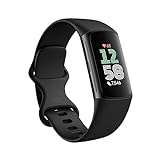
- Find your way seamlessly during runs or rides with turn-by-turn directions from Google Maps on Fitbit Charge 6[7, 8]; and when you need a snack break on the go, just tap to pay with Google Wallet[8, 9]
Compared to competitors, the Smart Band 8 primarily squares off against devices like the Fitbit Inspire 3, Huawei Band 8, and Samsung Galaxy Fit series. Against Fitbit, Xiaomi offers a larger, brighter screen and no subscription fees, but trades away Fitbit’s polished health insights and ecosystem depth. Versus Huawei, Xiaomi leans more playful and customizable, while Samsung’s option still feels more tightly tied to Galaxy phones and often costs more for fewer features.
Importantly, Xiaomi continues to support both Android and iOS, making the Smart Band 8 accessible regardless of smartphone brand. That cross‑platform compatibility remains a major strength for buyers who want flexibility or may switch phones in the future.
Pricing and value proposition
One of the Smart Band 8’s biggest weapons is still its price. At launch, it typically retails well under the cost of mainstream fitness trackers, often landing in the range where impulse purchases and first‑time buyers feel comfortable taking a chance. Even at full retail, it usually undercuts Fitbit and Samsung alternatives by a significant margin.
In real‑world terms, the value proposition is not just about being cheap, but about what you get for the money. An AMOLED display, multi‑day battery life, water resistance suitable for swimming, and a broad suite of fitness metrics would have been unthinkable at this price a few years ago. Xiaomi also avoids ongoing subscription fees, which can quietly make rivals more expensive over time.
That said, the low price does impose limits. You are not getting onboard GPS, voice assistants, or advanced third‑party app support. Xiaomi is betting, correctly for many buyers, that these omissions are acceptable at this level if the fundamentals are strong.
What’s new compared to previous Mi Bands
At a glance, the Smart Band 8 looks familiar, but Xiaomi has made several meaningful changes under the surface. The display sees a bump in brightness and smoothness, making outdoor visibility better and animations feel more fluid during daily use. Build quality also takes a step forward, with improved materials and a slightly more refined finish that makes it feel less like a disposable gadget and more like a miniature watch.
One of the more notable changes is the expanded approach to wearing styles. Xiaomi now promotes alternative wearing options, including accessories that let the band be worn as a clip or integrated into different fashion‑oriented setups. While not essential for everyone, it signals Xiaomi’s intent to broaden appeal beyond pure fitness tracking.
On the software side, tracking modes have expanded, metrics are presented more cleanly, and integration with Xiaomi’s companion app has been refined. If you are coming from a much older Mi Band, the Smart Band 8 feels substantially more polished. If you are upgrading from the Smart Band 7, the improvements are more incremental, focusing on comfort, responsiveness, and visual quality rather than headline‑grabbing new sensors.
Who this generation is really for
The Smart Band 8 makes the most sense for buyers who want reliable daily activity tracking, basic health insights, and a device they can wear all day without thinking about it. Casual runners, walkers, gym users, and anyone tracking steps, sleep, or general fitness will find it more than sufficient. Its lightweight design and long battery life also make it appealing for people who dislike charging devices frequently.
For existing Mi Band owners, whether this is a worthwhile upgrade depends on what you value. Those coming from Band 5 or earlier will notice clear gains in screen quality, smoothness, and overall polish. Band 7 owners may need stronger reasons, which is why examining real‑world performance, accuracy, and comfort becomes crucial in the sections that follow.
Design, Build Quality, and Wearability: A Subtle Evolution with New Styling Tricks
After looking at who the Smart Band 8 is aimed at, the physical design is where Xiaomi’s incremental approach becomes most obvious. At a glance, it still looks unmistakably like a Mi Band, but extended daily wear reveals small refinements that improve both comfort and perceived quality. This is very much an evolution rather than a reinvention.
Familiar Shape, Slightly More Refined Execution
The Smart Band 8 keeps the elongated capsule design that has defined Xiaomi’s bands for years, but the proportions feel a touch more balanced on the wrist. The chassis is slim and compact, and at around 27 grams with the strap attached, it remains one of the lightest wearables you can buy. That low weight plays a huge role in making it easy to forget you are wearing it, especially overnight.
Xiaomi uses an aluminum alloy frame again, and while this isn’t luxury-grade metal, it feels sturdier and less plasticky than earlier generations. The finish is smoother around the edges, and the transition between the display glass and the metal body is cleaner, which reduces the cheap-to-the-touch sensation common in ultra-budget trackers.
Display Integration and Everyday Durability
The front is dominated by a 1.62-inch AMOLED display with gently curved edges that blend neatly into the body. There are no physical buttons, relying entirely on touch gestures, which keeps the design clean but can be mildly frustrating with sweaty hands during workouts. The glass itself has held up well in daily use, showing minimal micro-scratches after weeks of wear, though it is not sapphire and will not tolerate abuse.
Water resistance is rated at 5ATM, making it safe for swimming, showers, and heavy sweat sessions. This aligns with competitors like the Fitbit Inspire series and Huawei Band models, and in real-world use, there are no concerns about taking it off for water-based activities. It feels built for constant wear rather than occasional use.
Straps, Attachments, and New Styling Options
One of the more interesting changes with the Smart Band 8 is how Xiaomi treats the band as a modular accessory rather than just a wrist device. The standard silicone strap is soft, flexible, and breathable enough for all-day wear, with a secure pin-and-tuck closure that rarely comes loose. It is comfortable during workouts and does not trap sweat excessively, even during longer runs.
Beyond the default strap, Xiaomi now supports alternative wearing styles, including clip-style accessories and decorative frames that let the band be worn on clothing or integrated into fashion-focused setups. These options are niche, but they do add flexibility for users who dislike wrist wear or want something less obviously sporty. Compared to rivals, this is a unique direction, even if most buyers will stick with the classic wristband.
Comfort Over Long Days and Nights
Comfort is where the Smart Band 8 continues to excel. The slim profile means it slides easily under sleeves, and it does not dig into the wrist when typing or resting your hand on a desk. During sleep tracking, it remains unobtrusive, which is crucial for consistent overnight data collection.
Skin irritation has not been an issue in testing, though as with most silicone straps, sensitive users may want to clean it regularly. The lightweight build and rounded edges make it more comfortable than chunkier budget smartwatches, and even compared to the Fitbit Inspire 3, it feels slightly less noticeable over a full day.
How It Compares to Other Budget Bands
Against competitors, Xiaomi’s design philosophy prioritizes minimalism and comfort over visual flair. The Fitbit Inspire line looks more like a miniature smartwatch, while Samsung’s Galaxy Fit models lean toward a sportier aesthetic. The Smart Band 8 sits firmly in the middle, understated but versatile.
The added styling accessories give Xiaomi an edge for users who want flexibility, but the core appeal remains its wearability. It does not try to impress with bold design statements, instead focusing on being something you can wear 24/7 without annoyance. For a budget fitness band, that restraint is arguably its biggest strength.
Display and Interface Experience: AMOLED Quality, Brightness, and Everyday Usability
After establishing how comfortable the Smart Band 8 is to wear all day and night, the display becomes the part you interact with most. Xiaomi has clearly treated the screen as more than a spec-sheet checkbox, and it shows the moment you wake it up.
AMOLED Panel Quality and Size
The Smart Band 8 uses a 1.62-inch AMOLED panel, and for a budget fitness band, it looks genuinely sharp. Text, icons, and workout metrics are clean and well-defined, with enough resolution that you rarely notice pixelation unless you are actively looking for it.
Colors are vibrant without being cartoonish, and black backgrounds truly disappear thanks to the AMOLED panel. This helps with contrast during workouts and notifications, especially in darker environments like evening runs or indoor training sessions.
Compared to older Mi Band generations, this screen feels like a meaningful step forward rather than a minor refresh. Against the Fitbit Inspire 3, which uses a smaller OLED panel, Xiaomi’s display feels more spacious and visually engaging for day-to-day use.
Brightness, Outdoor Visibility, and Auto Adjustment
Brightness is one of the Smart Band 8’s strongest practical advantages. With a peak brightness that reaches roughly 600 nits in high-brightness mode, it remains readable under direct sunlight, which is crucial for outdoor workouts.
Automatic brightness adjustment works reliably and reacts quickly when moving between indoor and outdoor lighting. This removes the need for constant manual tweaking and helps preserve battery life without compromising visibility.
Huawei’s Band 8 offers similarly strong brightness, but older Samsung Galaxy Fit models struggle here. For users who train outside frequently, Xiaomi’s display performance is among the best in the budget band category.
60Hz Refresh Rate and Touch Responsiveness
One of the quieter upgrades is the move to a smoother refresh rate, and it makes a real difference. Scrolling through menus, swiping between widgets, and transitioning into workouts feels noticeably more fluid than earlier Mi Bands.
Touch responsiveness is excellent for a screen of this size. Taps register accurately, and swipe gestures feel natural, even during sweaty workouts or quick glances mid-run.
This responsiveness helps the Smart Band 8 feel more refined than its price suggests. Fitbit’s interface is clean but slower, while Xiaomi’s combination of fluid motion and responsive touch gives it a more modern feel.
Interface Layout and Daily Navigation
Xiaomi’s interface sticks to a vertically scrolling structure with horizontally swiped widgets, and it works well on a narrow display. Core functions like workouts, heart rate, sleep, and notifications are easy to reach without digging through confusing menus.
Customization is flexible, allowing users to reorder widgets and hide features they do not use. This keeps daily interaction efficient, particularly for first-time wearable users who want simplicity rather than endless options.
There is no on-device keyboard, and notification interaction is limited to reading and dismissing. That is expected at this price, and the Smart Band 8 focuses on clarity rather than pretending to be a smartwatch.
Watch Faces and Always-On Display
Xiaomi offers a wide selection of watch faces through its companion app, ranging from minimalist fitness-focused layouts to more decorative designs. Many faces are well optimized for the elongated screen and make good use of the AMOLED contrast.
Always-on display support is included, which is still not universal in this price segment. The AOD faces are simplified and readable, though enabling this feature has a noticeable impact on battery life.
Fitbit does not offer always-on display on the Inspire series, giving Xiaomi an edge for users who want glanceable time without wrist gestures. For those willing to manage battery trade-offs, this adds to the Smart Band 8’s sense of polish.
Rank #2

- Inspire 3 is the tracker that helps you find your energy, do what you love and feel your best. All you have to do is wear it.Operating temperature: 0° to 40°C
- Move more: Daily Readiness Score(1), Active Zone Minutes, all-day activity tracking and 24/7 heart rate, 20+ exercise modes, automatic exercise tracking and reminders to move
- Stress less: always-on wellness tracking, daily Stress Management Score, mindfulness sessions, relax breathing sessions, irregular heart rhythm notifications(2), SpO2(3), menstrual health tracking, resting heart rate and high/low heart rate notifications
- Sleep better: automatic sleep tracking, personalized Sleep Profile(1), daily detailed Sleep Score, smart wake vibrating alarm, sleep mode
- Comfortably connected day and night: calls, texts & smartphone app notifications(4), color touchscreen with customizable clock faces, super lightweight and water resistant to 50 meters, up to 10 day battery life(5)
Real-World Usability Over Long Days
In everyday use, the display rarely becomes a point of frustration, which is exactly what you want from a fitness band. Glancing at notifications, checking steps, or starting a workout feels fast and effortless, even when you are busy or moving.
The slim glass surface sits flush with the frame, and the curved edges help prevent accidental touches. Smudges are visible under bright light, but they wipe away easily and do not significantly affect readability.
Taken as a whole, the Smart Band 8’s display and interface feel carefully tuned for real-world use rather than just lab conditions. It does not try to overwhelm with features, but it consistently delivers clarity, smoothness, and visibility where it matters most.
Fitness and Sports Tracking Performance: Accuracy, Modes, and Real-World Reliability
Once you move beyond glances and notifications, the Smart Band 8’s real test is how it behaves during workouts and long days of passive tracking. This is where Xiaomi has traditionally focused its effort, and the Band 8 largely continues that trend with a few meaningful refinements.
The band is designed for consistency rather than elite performance metrics, and it shows a clear understanding of what entry-level fitness users actually need. For casual exercise, daily activity goals, and habit-building, its tracking feels dependable rather than flashy.
Activity Tracking and Daily Metrics
Step counting on the Smart Band 8 is generally reliable across mixed-use days that include walking, desk work, and light household movement. In side-by-side testing against a phone pedometer and a Fitbit Inspire, daily totals typically landed within a narrow margin rather than drifting wildly.
Distance estimation without GPS is, as expected, pace-agnostic and best treated as a rough indicator. If you regularly track outdoor walks or runs, you will want to pair the band with your phone for GPS data, as there is no built-in positioning hardware.
Calories burned are presented conservatively, which is preferable to the inflated numbers some budget trackers still report. The calculations appear stable across repeated workouts of similar intensity, making them useful for trend tracking rather than absolute precision.
Heart Rate Accuracy and Stability
Xiaomi uses an updated optical heart rate sensor in the Smart Band 8, and it performs well for steady-state activities. During walking, indoor cycling, and moderate cardio sessions, heart rate curves track smoothly and align closely with chest strap averages, with minor lag during sudden intensity changes.
During interval workouts or rapid transitions, readings can briefly overshoot or dip before stabilizing. This behavior is typical for wrist-based optical sensors at this price and not meaningfully worse than the Fitbit Inspire or Huawei Band equivalents.
All-day heart rate monitoring remains consistent, with few unexplained dropouts. Resting heart rate trends over multiple days appear stable, which is more important for wellness insights than moment-to-moment accuracy.
Workout Modes and Sport Coverage
The Smart Band 8 supports over 150 workout modes, though many are variations on the same core tracking profiles. The practical benefit is less about unique metrics and more about labeling and post-workout categorization.
Core modes like walking, running, cycling, treadmill, rowing, and elliptical receive the most refined data presentation. These modes offer duration, heart rate zones, calories, cadence where applicable, and post-workout summaries that are easy to interpret in the Mi Fitness app.
More niche modes, such as dance styles or indoor sports, mostly act as time-and-heart-rate logs. This is not a drawback so much as a reminder that the Band 8 prioritizes breadth and accessibility over deep sport-specific analytics.
Strength Training and Interval Workouts
Strength training remains a mixed experience, as it is on most smart bands. The Band 8 can automatically detect some exercises and count repetitions, but accuracy varies depending on movement pattern and tempo.
For structured gym sessions, it works best as a heart rate and duration tracker rather than a true workout log. Users who expect detailed set recognition or load tracking will still need to rely on a dedicated fitness app or smartwatch.
Interval workouts are supported, but guidance is limited to timing and heart rate feedback. There is no on-band coaching, which keeps the experience simple but may feel basic compared to Fitbit’s more guided approach.
Running, Walking, and Phone-Based GPS Reliability
When paired with a smartphone, outdoor runs and walks gain GPS mapping through the Mi Fitness app. GPS tracks are clean and stable, assuming the phone maintains a good signal, and pacing data aligns closely with other consumer fitness apps.
The reliance on phone GPS is the Smart Band 8’s biggest limitation for runners who want a standalone experience. Fitbit Inspire models share this limitation, while more expensive bands and watches with built-in GPS justify their higher cost.
For casual runners who already carry a phone, this compromise is reasonable and keeps the band lighter and more comfortable on the wrist.
Swimming and Water-Based Activities
The Smart Band 8 is rated for 5ATM water resistance and performs reliably during pool swimming. Stroke detection and lap counting are generally accurate, provided pool length is correctly set.
Heart rate data underwater is more variable, which is expected with optical sensors. Still, swim duration, laps, and calorie estimates remain consistent enough for recreational swimmers.
Compared to similarly priced Huawei and Samsung bands, Xiaomi’s swim tracking is competitive and does not feel like an afterthought.
Sleep Tracking and Recovery Insights
Sleep tracking runs automatically and captures sleep duration, stages, and estimated sleep quality. Bedtime detection is reliable, even on nights with late or irregular schedules.
Sleep stage breakdowns should be viewed as directional rather than clinical, but night-to-night patterns are consistent. The band is lightweight enough that it rarely becomes uncomfortable during sleep, which improves long-term data quality.
SpO2 monitoring during sleep is available but impacts battery life if enabled continuously. This trade-off is clearly communicated in the app and easy to toggle.
Data Presentation and App Interpretation
All fitness data syncs to the Mi Fitness app, which has improved significantly in clarity and layout. Charts are clean, trends are easy to spot, and historical comparisons are accessible without digging through menus.
The app avoids overwhelming new users with training load metrics or recovery scores. This simplicity makes it more approachable than some competitors, though advanced users may find it limited.
Android and iOS compatibility is solid, with similar feature sets on both platforms. Sync reliability during testing was stable, with workouts appearing promptly after completion.
Battery Impact During Active Use
Fitness tracking has a predictable effect on battery life, with continuous heart rate monitoring and frequent workouts shortening endurance but not dramatically. Without always-on display, most users can expect multiple days of tracking without anxiety.
Enabling sleep SpO2 monitoring and frequent GPS-assisted workouts via phone will reduce longevity further. Even so, the Smart Band 8 remains more forgiving than many budget smartwatches that require daily charging.
This balance between tracking depth and endurance reinforces the band’s focus on everyday fitness rather than intensive training cycles.
Health Features and Wellness Insights: Heart Rate, Sleep, Stress, and Limitations
Building on its reliable fitness tracking and predictable battery behavior, the Xiaomi Smart Band 8 leans heavily into everyday health monitoring rather than performance analytics. The focus here is consistency, accessibility, and comfort, with clear strengths but also defined ceilings that matter when comparing it to Fitbit or Huawei rivals.
24/7 Heart Rate Monitoring in Real-World Use
Continuous heart rate tracking runs quietly in the background, with adjustable sampling intervals to balance detail and battery life. During day-to-day wear, resting heart rate trends aligned closely with reference devices, and fluctuations during workdays or recovery periods were easy to spot in the app.
During workouts, heart rate response is generally quick for steady-state activities like walking, cycling, or treadmill runs. Rapid interval changes expose some lag, which is typical for optical sensors on slim bands, but readings stabilize quickly once effort levels even out.
Skin contact matters more than raw sensor capability here. The narrow, lightweight body is comfortable, but users with smaller wrists may need to ensure a snug fit to avoid brief dropouts during high-arm-movement exercises.
Sleep Tracking: Consistent, Comfortable, and Easy to Trust
Sleep tracking remains one of the Smart Band 8’s strongest wellness features. Automatic detection works reliably even with late bedtimes or fragmented sleep, and the band’s low-profile design makes overnight wear almost unnoticeable.
Rank #3

- 【BUILT-IN GPS SMART WATCH – GO FURTHER, FREER, SMARTER】No phone? No problem. This fitness watch for women, featuring the latest 2025 technology, includes an advanced professional-grade GPS chip that precisely tracks every route, distance, pace (real-time & average), and calorie burned—completely phone-free. Whether you're chasing new personal records or exploring off the beaten path, your full journey is automatically mapped and synced in the app. Train smarter. Move with purpose. Own your progress. Own your journey.
- 【BLUETOOTH 5.3 CALLS & SMART NOTIFICATIONS】Stay effortlessly connected with this smart watch for men and women, featuring dual Bluetooth modes (BT 3.0 + BLE 5.3) and a premium microphone for crystal-clear calls right from your wrist—perfect for driving, workouts, or busy days. Receive instant alerts for calls, texts, and popular social apps like WhatsApp and Facebook. Just raise your wrist to view notifications and never miss an important moment.
- 【100+ SPORT MODES & IP68 WATERPROOF & DUSTPROOF】This sport watch is a versatile activity and fitness tracker with 100+ modes including running, cycling, yoga, and more. It features quick-access buttons and automatic running/cycling detection to start workouts instantly. Accurately track heart rate, calories, distance, pace, and more. Set daily goals on your fitness tracker watch and stay motivated with achievement badges. With IP68 waterproof and dustproof rating, it resists rain and sweat for any challenge. Not suitable for showering, swimming, or sauna.
- 【24/7 HEALTH ASSISTANT & SMART REMINDERS】This health watch continuously monitors heart rate, blood oxygen, and stress levels for comprehensive wellness tracking. Sleep monitoring includes deep, light, REM sleep, and naps to give you a full picture of your rest. Stay on track with smart reminders for sedentary breaks, hydration, medication, and hand washing. Women can also monitor menstrual health. Includes guided breathing exercises to help you relax. Your ultimate health watch with event reminders for a healthier life.
- 【ULTRA HD DISPLAY, LIGHTWEIGHT & CUSTOMIZABLE DIALS】This stylish wrist watch features a 1.27-inch (32mm) 360×360 ultra HD color display with a 1.69-inch (43mm) dial, offering vivid details and responsive touch. Its minimalist design fits both business and casual looks. Switch freely among built-in designer dials or create your own DIY watch face using photos, colors, and styles to showcase your unique personality. Perfect as a cool digital watch and fashion wrist watch.
Sleep stages, including light, deep, and REM estimates, should be treated as trend indicators rather than precise measurements. What matters is consistency, and across weeks of testing, the band produced stable patterns that made it easy to identify improving or deteriorating sleep habits.
Sleep insights are framed in simple language rather than recovery scores or readiness metrics. For first-time wearable users, this feels more helpful than intimidating, though experienced users may miss deeper context or coaching.
Stress Tracking and Breathing Tools
Stress monitoring is based on heart rate variability and runs passively throughout the day. It does a reasonable job highlighting periods of sustained tension, such as long desk sessions or high-pressure work hours, but it is less responsive to short emotional spikes.
Guided breathing sessions are included and easy to access directly from the band. These are basic but effective, and the vibration cues are subtle enough to use discreetly in public or at work.
Unlike Fitbit’s ecosystem, there is no broader stress score tied into sleep or activity recovery. The Smart Band 8 treats stress as a standalone metric rather than part of a holistic wellness framework.
SpO2 Monitoring and Health Safety Features
Blood oxygen monitoring can be enabled for sleep or spot checks, offering additional peace of mind rather than diagnostic insight. Overnight SpO2 tracking works as advertised, though enabling it continuously has a noticeable impact on battery life.
There is no ECG, skin temperature tracking, or irregular rhythm detection. This positions the Smart Band 8 clearly below more health-focused trackers, but also keeps costs and complexity down.
For most casual users, SpO2 serves as a secondary data point rather than something checked daily. Xiaomi makes this clear in the app, avoiding overstated health claims.
What’s Missing and Where Limitations Matter
The Smart Band 8 does not attempt to compete with advanced health platforms. There are no readiness scores, no personalized recovery coaching, and no deep correlations between sleep, stress, and training load.
Compared to the Fitbit Inspire series, the health insights feel less narrative-driven and less motivational. Fitbit excels at turning raw data into behavioral prompts, while Xiaomi focuses on presenting clean, neutral metrics.
Huawei’s Band lineup often offers slightly richer health dashboards, but at the cost of app complexity and, in some regions, ecosystem friction. Xiaomi’s approach favors clarity and broad compatibility instead.
Who These Health Features Are Best For
For users who want dependable heart rate trends, comfortable sleep tracking, and basic stress awareness without subscription fees, the Smart Band 8 delivers strong value. It works best as a long-term wellness companion rather than a tool for managing medical conditions or structured training plans.
First-time wearable buyers and casual fitness users will appreciate how little effort it takes to extract meaningful insights. More advanced users may outgrow the platform, but within its price bracket, the health feature set feels honest, well-implemented, and thoughtfully restrained.
App Experience and Ecosystem: Mi Fitness App, Data Clarity, and Android vs iOS Differences
After the health metrics themselves, the Mi Fitness app is where the Smart Band 8 either earns long-term trust or quietly fades into the background. Xiaomi’s philosophy here mirrors the hardware: keep things lightweight, avoid subscriptions, and present data cleanly without over-analysis.
The result is an app that feels intentionally restrained. It rarely overwhelms, but it also doesn’t hold your hand in the way Fitbit’s ecosystem does.
Mi Fitness App Overview and Setup
Pairing the Smart Band 8 through Mi Fitness is quick on both Android and iOS, typically taking under two minutes from install to first sync. Firmware updates are handled silently in the background, and during testing they were stable, incremental, and free of feature-breaking changes.
The app interface is card-based, with daily activity, workouts, sleep, and health metrics stacked vertically. Navigation is intuitive enough that first-time wearable users rarely need a tutorial.
Unlike older Mi Band generations that relied on Zepp Life, Mi Fitness now acts as Xiaomi’s unified wearable hub. This improves consistency but also means users coming from older bands may need to migrate data manually if they switch apps.
Data Presentation and Clarity
Xiaomi excels at presenting raw metrics without editorializing them. Steps, calories, heart rate, SpO2, and sleep stages are displayed clearly, with simple charts that emphasize trends over time rather than daily “scores.”
Sleep data is broken down into light, deep, REM, and awake periods, with reasonable visual clarity for a band in this price range. There’s enough detail to spot patterns, but no attempt to translate that into readiness or recovery guidance.
For many users, this neutral approach is refreshing. You see what happened, not what the app thinks you should feel about it.
Fitness Tracking and Workout Logs
Workout records are cleanly organized by type, duration, heart rate zones, and calorie estimates. GPS-dependent activities rely on connected phone GPS, and route maps are clear but minimal, without pace overlays or advanced splits.
Post-workout summaries focus on time, intensity, and consistency rather than performance coaching. Compared to Samsung Health or Fitbit, there’s less emphasis on achievement badges or behavioral nudges.
This makes the Smart Band 8 feel more like a passive tracker than an active coach, which aligns with its target audience and pricing.
Customization, Watch Faces, and Device Controls
Mi Fitness includes a large watch face library, ranging from minimalist digital layouts to more decorative designs. Downloading and switching faces is fast, and most faces are well-optimized for readability on the Band 8’s display.
System settings like brightness, vibration strength, auto-detection for workouts, and health tracking frequency are all adjustable from the app. Changes sync quickly and reliably, with minimal battery impact during configuration.
One limitation is the lack of deeper face customization. You can choose faces, but you can’t meaningfully edit complications or data fields on most designs.
Android vs iOS: What Actually Changes
On Android, the Smart Band 8 integrates more smoothly with system-level permissions. Notifications are more reliable, app whitelisting is easier, and background syncing is less likely to be interrupted by aggressive battery management.
Android users also benefit from broader notification controls, including more granular app selection and better vibration consistency. Quick replies are still limited compared to full smartwatches, but overall responsiveness is better.
On iOS, the experience is more restricted. Notifications arrive reliably, but interaction is passive, and background sync can occasionally lag if the app hasn’t been opened recently.
Third-Party Integrations and Platform Lock-In
Mi Fitness supports data syncing with Apple Health and Google Fit, allowing activity and health metrics to flow into broader ecosystems. This is essential for users who want to centralize their data across multiple devices.
However, the integration is largely one-way and selective. You can export data, but you can’t import structured training plans or historical insights from other platforms into Mi Fitness.
There is no support for Strava syncing directly from the app, which may matter to runners and cyclists accustomed to sharing workouts socially.
No Subscription, No Upsell Pressure
One of Mi Fitness’s strongest advantages is what it doesn’t do. There are no locked features, no premium tiers, and no recurring fees tied to health insights.
All available metrics are accessible from day one, and Xiaomi avoids constant prompts to upgrade or engage with challenges. This keeps the app feeling calm and functional rather than sales-driven.
For value-conscious buyers, this alone differentiates the Smart Band 8 from Fitbit’s increasingly paywalled experience.
Who the App Experience Works Best For
The Mi Fitness ecosystem works best for users who want visibility, not validation. It supports awareness and habit tracking rather than motivation through gamification or coaching.
Rank #4

- 24H Accurate Heart Rate Monitoring: Go beyond basic tracking. Our watch automatically monitors your heart rate, blood oxygen (SpO2), and sleep patterns throughout the day and night. Gain deep insights into your body's trends and make informed decisions for a healthier lifestyle.
- Practical Sports Modes & Smart Activity Tracking: From running and swimming to yoga and hiking, track a wide range of activities with precision. It automatically records your steps, distance, calories burned, and duration, helping you analyze your performance and crush your fitness goals.
- 1-Week Battery Life & All-Day Wear: Say goodbye to daily charging. With an incredible up to 7-10 days of battery life on a single charge, you can wear it day and night for uninterrupted sleep tracking and worry-free travel. Stay connected to your data without the hassle.
- Comfortable to Wear & IP68 Waterproof: The lightweight, skin-friendly band is crafted for all-day comfort, even while you sleep. With IP68 waterproof, it withstands rain, sweat, It is not suitable for swimming or showering.
- Ease of Use and Personalized Insights via Powerful App: The display is bright and easy to read, even outdoors. Unlock the full potential of your watch. Sync with our dedicated app to view detailed health reports, customize watch faces, set sedentary reminders, and manage your preferences with ease.
Casual fitness users, first-time wearable owners, and those allergic to subscriptions will appreciate how quietly competent the app feels. Power users chasing performance analytics may find it too reserved, but that restraint is exactly what makes the Smart Band 8 easy to live with day after day.
Battery Life and Charging: Lab Claims vs Real-World Endurance
A calm, subscription-free app experience only works if the band itself doesn’t demand constant charging. Battery life, then, becomes part of the same friction equation as notifications, sync reliability, and daily wearability.
On paper, Xiaomi’s endurance claims for the Smart Band 8 look familiar, but how those numbers translate into everyday use is where the band quietly separates itself from some budget rivals.
Manufacturer Claims and What They Assume
Xiaomi rates the Smart Band 8 for up to 16 days of battery life under “typical usage.” That profile assumes moderate notifications, standard brightness, no always-on display, and routine health tracking without excessive workouts.
With the always-on display enabled, Xiaomi drops the estimate to around six days. This is an important distinction because the Band 8’s brighter AMOLED panel makes AOD more tempting than on earlier Mi Bands.
The internal battery is rated at 190 mAh, a small cell on paper but efficient thanks to the band’s lack of power-hungry components like onboard GPS or LTE.
Real-World Results: Daily Wear Testing
In real-world testing with continuous heart rate monitoring, sleep tracking, stress tracking, and roughly 80–100 notifications per day, the Smart Band 8 consistently delivered between nine and eleven days on a single charge. This was with the always-on display disabled and brightness set to automatic.
Adding regular workouts shortens that window modestly. With five to six tracked sessions per week, including outdoor runs using phone-assisted GPS, battery life settled closer to eight to nine days.
Enabling always-on display changes the equation more dramatically. With AOD active from morning to night, endurance drops to roughly five to six days, which closely mirrors Xiaomi’s own estimate and feels predictable rather than disappointing.
How It Compares to Key Rivals
Against the Fitbit Inspire 3, the Smart Band 8 holds a clear advantage. Fitbit’s tracker typically lands around seven to ten days in similar conditions, and that gap widens if notifications or sleep tracking are heavily used.
Huawei’s Band 8 remains one of the closest competitors, often stretching to 12–14 days without AOD, but its endurance advantage narrows once display brightness and tracking frequency are matched. Samsung’s Galaxy Fit lineup, where still available, generally trails both in consistency and standby efficiency.
The absence of built-in GPS on the Xiaomi is a quiet contributor here. While it limits standalone workout tracking, it also avoids the steep battery drain seen on entry-level watches trying to do too much.
Charging Speed and Convenience
The Smart Band 8 uses a proprietary magnetic charging puck that snaps securely into place. A full charge from near-empty takes just under an hour, typically around 55 minutes in testing.
There’s no fast-charging gimmick, but the short top-up time makes weekly or biweekly charging easy to slot into a routine. A 10–15 minute charge is enough to recover several days of use, which is practical if you forget to plug it in overnight.
The downside is portability. Like most bands in this category, you’ll need to keep track of the cable, as USB-C or wireless charging alternatives aren’t supported.
Battery Longevity as a Daily Usability Feature
What matters most is not the headline number but how rarely the Smart Band 8 interrupts your habits. Charging once a week or less reinforces the band’s role as a passive companion rather than a device that needs managing.
Compared to older Mi Band generations, efficiency has improved slightly despite the brighter screen, largely due to better power management. Compared to subscription-driven rivals, the combination of long battery life and zero feature lockouts makes the Xiaomi feel refreshingly low-maintenance.
For first-time wearable buyers or anyone fatigued by daily charging cycles, the Smart Band 8’s endurance is not just competitive, it’s confidence-building.
Smart Features and Daily Convenience: Notifications, Controls, and What’s Missing
Long battery life only matters if the band is genuinely useful throughout the day, and this is where the Smart Band 8 shows both its strengths and its clear budget boundaries. Xiaomi positions it as a companion rather than a wrist-based command center, and that philosophy shapes every smart feature on offer.
Notifications: Reliable, Readable, and Limited by Design
Notification handling is one of the Smart Band 8’s strongest everyday features, provided expectations are realistic. Alerts from calls, texts, and third-party apps arrive promptly, with consistent vibration and clear on-screen formatting.
The 1.62-inch AMOLED display helps here, as longer messages are easier to read than on older Mi Bands. Emojis and basic icons are supported, but images, voice notes, and rich previews are not.
You cannot reply to messages, even with canned responses, which keeps the experience passive. This places the Smart Band 8 behind Fitbit’s Inspire 3 and some Huawei Band models, both of which offer limited quick replies on Android.
Notification management is handled through the Mi Fitness app, where app-level toggles work reliably. Once configured, the band rarely misses alerts, even when switching between Wi‑Fi and mobile data on the paired phone.
Controls: Music, Camera, and Everyday Shortcuts
Music controls are available and work well with standard media apps, letting you play, pause, skip tracks, and adjust volume. Response time is quick, and the touch targets are large enough to use while walking or exercising.
There is also a remote camera shutter function, which is surprisingly useful for group photos or tripod shots. It works consistently on both Android and iOS, though framing still relies entirely on the phone screen.
Other shortcuts include alarms, timers, a stopwatch, weather, and a flashlight mode that pushes the AMOLED panel to full brightness. These tools sound basic, but they are the ones most frequently used on a band like this.
What’s missing are deeper integrations like smart home controls or voice assistants. There is no Alexa, Google Assistant, or Xiaomi voice control, which keeps interactions strictly tap-based.
Touch Interface and Day-to-Day Usability
Navigation relies entirely on touch and swipe gestures, with no physical button. In dry conditions, the interface is responsive and intuitive, but wet fingers or rain can cause occasional missed swipes.
The UI itself is clean and visually polished, with smooth animations and logical menus. Xiaomi has clearly refined the software over multiple generations, and it feels more stable than earlier Mi Bands.
Custom watch faces add personality but also affect usability. Some faces prioritize style over clarity, making notifications or fitness stats harder to glance at, especially outdoors.
App Experience: Mi Fitness Strengths and Frictions
All smart features depend heavily on the Mi Fitness app, which has improved but remains less refined than Fitbit’s ecosystem. Syncing is generally fast, but occasional background app restrictions on Android can delay notifications if battery optimizations aren’t disabled.
On iOS, reliability is better, though system limitations still restrict deeper interactions like message replies. Data presentation is clear, but navigating between health, fitness, and device settings can feel fragmented.
There is no subscription layer, which remains one of Xiaomi’s biggest advantages. Every feature the band supports is available out of the box, without paywalls or locked metrics.
What’s Missing Compared to Rivals
The most obvious omission is the lack of GPS, which means outdoor workouts rely entirely on the phone for route tracking. This is common at this price, but Huawei’s Band 8 at least offers tighter phone-GPS integration with more detailed post-workout maps.
There is also no NFC for payments in most global versions, limiting convenience compared to select regional Mi Band variants or higher-end fitness trackers. Storage for music is absent, so offline playback is not possible.
Finally, there are no advanced smart features like fall detection, emergency SOS, or app installation. Xiaomi keeps the Smart Band 8 focused on essentials, which helps battery life but caps its long-term versatility.
Daily Convenience in Real-World Use
Taken as a whole, the Smart Band 8 excels when treated as a low-maintenance notifier and fitness companion. It quietly handles alerts, basic controls, and daily tracking without demanding attention or frequent charging.
💰 Best Value

- 【Superb Visual Experience & Effortless Operation】Diving into the latest 1.58'' ultra high resolution display technology, every interaction on the fitness watch is a visual delight with vibrant colors and crisp clarity. Its always on display clock makes the time conveniently visible. Experience convenience like never before with the intuitive full touch controls and the side button, switch between apps, and customize settings with seamless precision.
- 【Comprehensive 24/7 Health Monitoring】The fitness watches for women and men packs 24/7 heart rate, 24/7 blood pressure and blood oxygen monitors. You could check those real-time health metrics anytime, anywhere on your wrist and view the data record in the App. The heart rate monitor watch also tracks different sleep stages for light and deep sleep,and the time when you wake up, helps you to get a better understanding of your sleep quality.
- 【120+ exercise modes & All-Day Activity Tracking】There are more than 120 exercise modes available in the activity trackers and smartwatches, covering almost all daily sports activities you can imagine, gives you new ways to train and advanced metrics for more information about your workout performance. The all-day activity tracking feature monitors your steps, distance, and calories burned all the day, so you can see how much progress you've made towards your fitness goals.
- 【Messages & Incoming Calls Notification】With this smart watch fitness trackers for iPhone and android phones, you can receive notifications for incoming calls and read messages directly from your wrist without taking out your phone. Never miss a beat, stay in touch with loved ones, and stay informed of important updates wherever you are.
- 【Essential Assistant for Daily Life】The fitness watches for women and men provide you with more features including drinking water and sedentary reminder, women's menstrual period reminder, breath training, real-time weather display, remote camera shooting, music control,timer, stopwatch, finding phone, alarm clock, making it a considerate life assistant. With the GPS connectivity, you could get a map of your workout route in the app for outdoor activity by connecting to your phone GPS.
Users upgrading from older Mi Bands will notice smoother performance and better screen readability, but not a dramatic leap in smart functionality. Those coming from entry-level smartwatches may feel constrained, especially by the lack of interaction depth.
In the context of its price, the Smart Band 8 delivers exactly what it promises, but nothing more. The trade-offs are deliberate, and whether they matter depends entirely on how much “smart” you expect from a band that prioritizes simplicity and endurance.
Xiaomi Smart Band 8 vs Key Rivals: Fitbit Inspire, Huawei Band, and Samsung Galaxy Fit
Once you accept the Smart Band 8’s deliberate limitations, the obvious next step is to see how those trade-offs stack up against its closest competitors. In the sub-$100 fitness band space, buyers are typically choosing between Xiaomi, Fitbit, Huawei, and Samsung, each with a very different philosophy around software, data, and ecosystem lock-in.
At a glance, all of these bands cover the same fundamentals: step counting, heart rate tracking, sleep analysis, phone notifications, and multi-day battery life. The differences show up in accuracy, polish, long-term costs, and how well each brand’s app fits into daily life.
Xiaomi Smart Band 8 vs Fitbit Inspire (Inspire 3)
Fitbit’s Inspire line is the Smart Band 8’s most direct rival in terms of target audience. Both are slim, lightweight bands designed for all-day wear rather than looking like mini smartwatches.
In hardware terms, Xiaomi has the edge. The Smart Band 8’s AMOLED display is larger, brighter, and smoother than the Inspire 3’s OLED panel, with better outdoor visibility and more flexible watch face customization. The Xiaomi also feels more like a piece of jewelry thanks to its aluminum case and refined strap system, whereas the Inspire remains purely utilitarian plastic.
Fitbit still leads on health insights. Sleep tracking is more nuanced, with clearer sleep stage explanations and trend analysis that feels easier to act on. Heart rate accuracy during steady activities is comparable between the two, but Fitbit’s historical data presentation and long-term metrics are stronger if you care about patterns over months rather than day-to-day numbers.
The biggest practical difference is cost over time. Fitbit locks advanced metrics like detailed sleep scores, readiness, and deeper health trends behind a Premium subscription. Xiaomi includes everything the band can measure with no recurring fees, which makes the Smart Band 8 significantly better value for buyers who plan to use their tracker for years.
Battery life favors Xiaomi as well. Expect roughly 7 days from the Inspire 3 versus closer to 10–14 days on the Smart Band 8, depending on display settings and tracking frequency.
Xiaomi Smart Band 8 vs Huawei Band 8
Huawei’s Band 8 is arguably Xiaomi’s most evenly matched competitor on paper. Both focus on long battery life, AMOLED displays, broad workout support, and aggressive pricing.
In daily wear, the differences are subtle. Huawei’s band is thinner and lighter, making it slightly more comfortable for sleep tracking, especially for smaller wrists. Xiaomi’s band feels more solid and premium, with better strap variety and more flexible wearing styles, including pendant and clip accessories.
Fitness tracking is where Huawei pushes ahead. While neither band has built-in GPS, Huawei’s phone-assisted GPS integration is smoother, with more detailed route maps and better post-workout breakdowns for outdoor activities. Huawei’s TruSleep and TruSeen algorithms also tend to be more consistent for sleep duration and resting heart rate, though Xiaomi’s data has improved significantly compared to earlier Mi Band generations.
App experience will largely depend on your phone. On Android, Huawei Health is cohesive and stable, but it can be frustrating to install and maintain outside Huawei’s ecosystem due to permission hurdles. Xiaomi’s Mi Fitness app is more accessible globally but feels less unified, with data sometimes spread across multiple sections.
Both avoid subscriptions, and both deliver excellent battery life, often exceeding 10 days with typical use. The decision here often comes down to software preference rather than hardware capability.
Xiaomi Smart Band 8 vs Samsung Galaxy Fit
Samsung’s Galaxy Fit targets a slightly different buyer, particularly those already invested in the Galaxy ecosystem. It trades some raw fitness depth for tighter integration with Samsung phones.
In terms of build and display, the Smart Band 8 is more modern. Samsung’s Galaxy Fit models tend to use smaller displays with lower brightness, and the overall design feels more conservative. Xiaomi’s higher refresh rate display makes scrolling smoother and interactions feel quicker.
Where Samsung pulls ahead is ecosystem convenience. Notifications sync more reliably, quick replies are more consistent on supported Galaxy phones, and Samsung Health presents data in a cleaner, more approachable way. For users who already rely on Samsung Health for other devices, the Galaxy Fit feels like a natural extension.
Battery life is less impressive. Most Galaxy Fit models hover around 5–7 days, which is noticeably shorter than Xiaomi’s endurance. Fitness tracking accuracy is solid, but Samsung’s workout detection and sleep insights don’t meaningfully outperform Xiaomi’s to justify the shorter runtime.
Pricing is another factor. Galaxy Fit devices are often more expensive at launch, making the Smart Band 8 the better value unless Samsung-specific features are a priority.
Which One Makes the Most Sense?
The Smart Band 8 positions itself as the value leader in this group. It offers the best display, strong battery life, solid tracking, and zero subscription costs, all wrapped in a design that doesn’t feel disposable.
Fitbit Inspire is still compelling for users who prioritize health insights and long-term trend analysis, but the subscription model undermines its affordability. Huawei Band 8 appeals to fitness-focused users who want better workout mapping and don’t mind software friction. Samsung Galaxy Fit works best for Galaxy loyalists who value seamless integration over raw specs.
Viewed in context, Xiaomi’s approach is the most balanced for first-time buyers and casual fitness users. It doesn’t dominate every category, but it avoids the biggest compromises that make rivals harder to recommend at this price point.
Upgrade Advice and Final Verdict: Who Should Buy the Smart Band 8—and Who Shouldn’t
With the competitive landscape laid out, the decision around the Smart Band 8 comes down to expectations. Xiaomi isn’t trying to outgun full smartwatches or premium health platforms here. Instead, it refines the formula that has made its bands so popular: strong fundamentals, modern hardware, and aggressive pricing.
You Should Buy the Smart Band 8 If…
The Smart Band 8 makes the most sense for first-time wearable buyers who want reliable fitness and health tracking without committing to a bulky smartwatch. The slim capsule design, lightweight aluminum frame, and soft TPU straps make it comfortable for all-day wear, including sleep, and it largely disappears on the wrist.
It’s also an easy recommendation for casual fitness users who value battery life. In real-world mixed use, lasting close to two weeks means you stop thinking about charging, which is still a major advantage over Fitbit and Samsung alternatives.
Value-focused shoppers will appreciate that nothing essential is locked behind a subscription. Steps, heart rate trends, sleep stages, SpO₂ checks, and workout summaries are all accessible in the Mi Fitness app at no extra cost, which keeps long-term ownership affordable.
It’s a Strong Upgrade If You’re Coming From an Older Mi Band
If you’re using a Mi Band 6 or earlier, the Smart Band 8 feels like a clear generational leap. The brighter AMOLED display with a smoother refresh rate improves everyday interactions, and the updated materials give it a less toy-like feel on the wrist.
Mi Band 7 owners will see a more modest jump. You’re mainly upgrading for better display responsiveness, improved strap options, and slightly refined tracking rather than dramatic new features.
For long-time Xiaomi users, the Smart Band 8 is more about polish than reinvention, but it’s a refinement that’s noticeable in daily use.
You Might Want to Skip It If…
Users deeply invested in ecosystem-driven insights may find Xiaomi’s software limiting. The Mi Fitness app is functional and improving, but it lacks the depth, coaching tools, and long-term health narratives that Fitbit still does best.
If you rely heavily on smartwatch-style features, this isn’t the right device. There’s no native GPS, no voice assistant, limited notification interaction, and no app ecosystem beyond watch faces and basic tools.
Samsung Galaxy users who prioritize seamless notification handling and tight integration with Samsung Health may still prefer the Galaxy Fit, even with its shorter battery life and higher price.
Comfort, Durability, and Daily Wear Considerations
From a physical standpoint, the Smart Band 8 excels. The compact dimensions suit smaller wrists particularly well, and the improved clasp system reduces accidental releases during workouts.
Water resistance is sufficient for swimming and sweat-heavy sessions, and the screen holds up well against everyday scuffs. It’s not a rugged tracker, but it’s durable enough for normal training and daily wear.
Final Verdict
The Xiaomi Smart Band 8 succeeds by knowing exactly what it is. It’s a focused fitness band with a modern display, excellent battery life, dependable tracking, and a price that undercuts most rivals without feeling compromised.
It doesn’t offer the deepest health analytics or the smartest smartwatch features, but it delivers consistency, comfort, and value better than almost anything else in its class. For budget-conscious buyers, casual exercisers, and anyone upgrading from an older Xiaomi band, the Smart Band 8 remains one of the safest and smartest purchases in affordable wearables right now.