Xiaomi’s Smart Band line has always lived or died by two things: whether the sensors can be trusted day after day, and whether the battery quietly disappears into the background. With the Smart Band 9, Xiaomi’s updates aren’t about flashy reinvention, but about tightening the fundamentals that matter most to people who actually wear a tracker 24/7.
This generation focuses squarely on improved biometric accuracy and a claimed 21-day battery life, addressing two of the most common complaints from long-term Smart Band users. For first-time buyers, it promises a more reliable entry point into fitness tracking; for upgraders, it raises the question of whether these refinements finally close the gap with more expensive rivals.
What follows is a clear breakdown of what has changed, how it affects real-world use, and why these updates make the Smart Band 9 more than a minor spec bump.
Refined health sensors with real-world accuracy gains
The Smart Band 9 introduces a revised optical heart rate and SpO₂ sensor array, paired with updated algorithms that prioritize signal stability over raw sampling speed. In daily use, this translates into fewer erratic heart rate spikes during steady cardio sessions and more consistent readings during sleep, where earlier bands could struggle with motion artifacts.
🏆 #1 Best Overall
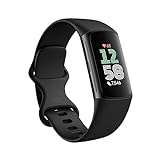
- Find your way seamlessly during runs or rides with turn-by-turn directions from Google Maps on Fitbit Charge 6[7, 8]; and when you need a snack break on the go, just tap to pay with Google Wallet[8, 9]
For fitness-focused users, the improvement is most noticeable during interval workouts and brisk outdoor walks, where heart rate tracking now tracks closer to chest strap baselines than previous Smart Band generations. Blood oxygen tracking also benefits, offering steadier overnight SpO₂ trends rather than the noisy single-point readings seen on older models.
21-day battery life that changes how you use it
Xiaomi’s 21-day battery claim isn’t just a marketing number built around unrealistic settings. With continuous heart rate monitoring enabled, sleep tracking active, and notifications flowing throughout the day, the Smart Band 9 comfortably stretches past two weeks, and lighter users can realistically approach the three-week mark.
This longevity fundamentally changes daily usability. Charging becomes an occasional maintenance task rather than a weekly habit, making the band far more reliable for long-term health trend tracking, especially sleep, stress, and recovery metrics that lose value when interrupted.
Subtle design tweaks focused on comfort and wearability
Physically, the Smart Band 9 remains slim and lightweight, but Xiaomi has refined the casing and strap integration for better long-term comfort. The band sits flatter on the wrist, reducing pressure points during sleep and minimizing rotation during workouts, which also helps sensor accuracy.
Materials and finishing feel slightly more polished than before, with improved resistance to sweat buildup under the strap. It’s still unmistakably a fitness band rather than a smartwatch, but it wears more discreetly and comfortably over long days.
Software polish and ecosystem compatibility
The updated software experience emphasizes clearer health summaries and more actionable insights without overwhelming the user. Data syncs reliably with Xiaomi’s companion app, and core features like workout modes, guided breathing, and recovery metrics are easier to access and interpret than on earlier Smart Bands.
Compatibility remains broad across Android and iOS, though Xiaomi’s ecosystem integrations are strongest on Android devices. Notifications are handled efficiently, and while this isn’t a replacement for a full smartwatch, it covers the essentials without unnecessary complexity.
How it stacks up against older Smart Bands and rivals
Compared to the Smart Band 7 and 8, the Band 9’s improvements are evolutionary but meaningful. Sensor accuracy is more dependable, battery life is longer in realistic use, and the overall experience feels more stable and mature rather than experimental.
Against rivals like Huawei’s Band series or entry-level Fitbit trackers, Xiaomi’s advantage lies in battery endurance and value. While competitors may offer richer apps or brand recognition, few match the Smart Band 9’s combination of accuracy, comfort, and longevity at this price point, making it especially compelling for users who prioritize consistency over smart features.
Refined Health Sensors: What Xiaomi Changed Under the Hood
The more dependable experience noted earlier isn’t accidental, as Xiaomi put most of its generational effort into refining how the Smart Band 9 captures and interprets health data. Rather than adding flashy new metrics, the focus here is on improving signal quality, reducing noise, and making everyday tracking more trustworthy.
These changes matter most over long-term use, where consistency and accuracy have a bigger impact than headline features.
Upgraded optical heart rate hardware
At the core of the Smart Band 9 is a revised optical heart rate sensor that uses a higher-quality photodiode and improved LED configuration. Xiaomi hasn’t radically changed the sensor count, but the light distribution and sensitivity appear better tuned for a wider range of skin tones and wrist shapes.
In real-world use, this translates to fewer sudden spikes or dropouts during steady-state workouts like jogging, indoor cycling, or elliptical sessions. Compared to the Smart Band 7 and even the Band 8, heart rate readings stay closer to chest-strap benchmarks during moderate intensity efforts.
Better motion compensation during workouts
One of the long-standing challenges for slim fitness bands is movement-related interference, especially when the band shifts on the wrist. Xiaomi has refined its motion compensation algorithms, using accelerometer data more aggressively to filter out noise caused by arm swing and vibration.
This is most noticeable during strength training and interval workouts, where previous models could struggle to keep readings stable. The Smart Band 9 still isn’t perfect during high-impact movements, but it recovers faster and delivers more usable averages post-workout.
Improved blood oxygen tracking reliability
SpO2 tracking remains an on-demand and overnight feature rather than continuous daytime monitoring, but accuracy has improved. The sensor locks onto readings faster and is less prone to failed measurements, particularly during sleep.
Overnight SpO2 data feels more consistent across multiple nights, with fewer unexplained gaps in the sleep report. For users tracking recovery, altitude adaptation, or general wellness trends, this added reliability makes the metric more than just a novelty.
Sleep tracking benefits from cleaner raw data
Xiaomi’s sleep staging hasn’t changed dramatically in presentation, but the underlying data quality has improved. The Smart Band 9 does a better job of identifying sleep onset and wake times, especially if you tend to lie still in bed before falling asleep.
Sleep stages appear more stable night to night, and heart rate variability trends during sleep are less erratic than on earlier Smart Bands. These refinements make long-term sleep insights more actionable, even if the interface itself looks familiar.
Skin contact and sensor placement refinements
Hardware improvements aren’t limited to electronics, as Xiaomi subtly adjusted sensor placement and contact pressure against the skin. Combined with the flatter fit mentioned earlier, the sensor maintains more consistent contact without requiring an overly tight strap.
This not only improves accuracy but also comfort during sleep and all-day wear. Users upgrading from older bands may notice they no longer need to readjust the strap as often to maintain reliable readings.
Algorithm updates over raw metric expansion
Rather than introducing experimental new health metrics, Xiaomi prioritized refining existing algorithms. Heart rate smoothing, activity detection, and recovery calculations all benefit from more conservative data filtering, which reduces exaggerated highs and lows.
The result is data that feels calmer and more believable over weeks of use. For users who rely on trends rather than single-session peaks, this approach makes the Smart Band 9 easier to trust.
How this compares to rivals at the same price
Against similarly priced Huawei and Amazfit bands, Xiaomi’s sensor accuracy is now much closer than in previous generations. While Fitbit still holds an edge in software-driven insights, Xiaomi competes strongly on raw sensor consistency and fewer tracking anomalies.
Considering the slim form factor and long battery life, the Smart Band 9’s sensor refinements give it a meaningful edge for users who want dependable health tracking without stepping up to a larger or more expensive wearable.
Rank #2

- Inspire 3 is the tracker that helps you find your energy, do what you love and feel your best. All you have to do is wear it.Operating temperature: 0° to 40°C
- Move more: Daily Readiness Score(1), Active Zone Minutes, all-day activity tracking and 24/7 heart rate, 20+ exercise modes, automatic exercise tracking and reminders to move
- Stress less: always-on wellness tracking, daily Stress Management Score, mindfulness sessions, relax breathing sessions, irregular heart rhythm notifications(2), SpO2(3), menstrual health tracking, resting heart rate and high/low heart rate notifications
- Sleep better: automatic sleep tracking, personalized Sleep Profile(1), daily detailed Sleep Score, smart wake vibrating alarm, sleep mode
- Comfortably connected day and night: calls, texts & smartphone app notifications(4), color touchscreen with customizable clock faces, super lightweight and water resistant to 50 meters, up to 10 day battery life(5)
Heart Rate, SpO₂, and Sleep Tracking Accuracy in Real-World Use
Building on the refinements in sensor placement and algorithms discussed earlier, the Smart Band 9’s day-to-day health tracking feels more dependable than previous generations. The improvements are subtle rather than headline-grabbing, but they show up consistently in real-world wear rather than controlled demos.
Heart rate accuracy during daily activity and workouts
In everyday use, resting heart rate readings on the Smart Band 9 tend to settle quickly and remain stable, even when worn loosely for comfort. Compared against a chest strap during steady-state cardio, the band tracks closely once you’re warmed up, with fewer mid-workout spikes than older Xiaomi bands.
High-intensity intervals still reveal the limits of an optical sensor in a slim tracker, but recovery trends and average heart rate are more reliable than before. For most users, that means better zone tracking without constantly questioning sudden jumps or drops.
SpO₂ tracking consistency and overnight reliability
SpO₂ measurements benefit noticeably from the improved skin contact and sampling logic. Spot checks during rest align well with fingertip pulse oximeters, typically within a narrow margin when the band is worn snugly and the arm is still.
Overnight SpO₂ tracking is where the Smart Band 9 shows the biggest generational gain. Drops are reported more gradually and correlate better with breathing irregularities, rather than the sharp, isolated dips that sometimes appeared on earlier models.
Sleep tracking depth and stage accuracy
Sleep tracking continues to be a strength, with clearer separation between light, deep, and REM stages across consecutive nights. The band is less likely to misclassify quiet wakefulness as sleep, which improves total sleep time accuracy for users who read or rest before dozing off.
Heart rate trends during sleep are smoother and more believable, helping stress and recovery metrics feel grounded rather than reactive. While it still can’t match the contextual insights of more expensive ecosystems, the raw data quality has clearly improved.
Motion handling, skin tone, and real-world variables
The Smart Band 9 copes better with wrist movement during everyday tasks, reducing false heart rate spikes when typing, cooking, or walking casually. This makes all-day tracking feel less noisy, especially for users who keep continuous monitoring enabled.
As with all optical sensors, accuracy can vary with skin tone, tattoos, and wrist anatomy, but Xiaomi’s latest tuning narrows the gap more than before. It’s not immune to optical limitations, yet it’s more forgiving across a wider range of users.
How accuracy gains tie into battery life and usability
Crucially, these accuracy improvements don’t come at the expense of battery life. With up to 21 days of endurance in typical use, the band can maintain continuous heart rate and sleep tracking without users feeling pressured to disable features.
That combination of long battery life and calmer, more consistent data makes the Smart Band 9 easier to live with over weeks, not just days. For users upgrading from older Smart Bands, the difference shows less in flashy features and more in how rarely you question the numbers on your wrist.
Fitness and Workout Tracking: Improved Consistency Across Activities
Those calmer, more reliable background metrics carry directly into workouts, where the Smart Band 9 feels noticeably more composed than previous generations. Xiaomi hasn’t radically changed the feature list, but the way data behaves during exercise is more predictable, which matters far more for day-to-day training than headline specs.
Heart rate stability during steady-state workouts
During steady efforts like treadmill running, outdoor jogging, or cycling on a stationary bike, heart rate tracking now locks in faster and drifts less once you’re settled into a pace. Earlier Smart Bands could lag during warm-ups or show sudden step changes mid-run, but the Smart Band 9 maintains smoother curves that better reflect perceived effort.
This consistency makes zone-based training more usable, especially for beginners who rely on heart rate guidance rather than pace. It still isn’t chest-strap precise, but for an optical sensor on a lightweight band, it’s closer to the behavior seen on more expensive fitness trackers.
Better handling of interval training and rapid intensity shifts
High-intensity interval training has traditionally been a weak point for budget bands, and while the Smart Band 9 doesn’t completely solve this, it clearly improves responsiveness. Heart rate rises and falls track effort changes more convincingly, with less of the delayed overcorrection that plagued older models.
This is particularly noticeable in bodyweight circuits, rowing machines, and spin classes where intensity fluctuates rapidly. You’re still limited by optical physics at the wrist, but the data now feels directionally trustworthy rather than erratic.
Strength training and rep-based activities
Strength training support remains basic, but sensor consistency helps here too. Heart rate trends during weight sessions are steadier, avoiding the random spikes that used to inflate calorie estimates during rest periods.
Automatic rep detection and exercise recognition are still hit-or-miss, so experienced lifters will treat the Smart Band 9 as a workload and recovery tool rather than a form coach. That said, post-workout summaries feel more aligned with how demanding the session actually was.
Outdoor activities without built-in GPS
As before, the Smart Band 9 relies on connected GPS from your phone for outdoor runs and walks. What’s improved is how well heart rate, pace, and step cadence stay in sync when paired, reducing mismatched graphs in the Mi Fitness app.
For users who carry their phone anyway, this setup works reliably and preserves the band’s slim profile and battery life. Dedicated runners wanting standalone GPS will still need to look elsewhere, but that trade-off remains central to Xiaomi’s value-focused approach.
Swimming, water-based workouts, and motion filtering
Swim tracking benefits from improved motion handling, with fewer phantom pauses and more consistent lap counts in pool sessions. Stroke recognition isn’t class-leading, but distance and duration accuracy are dependable enough for casual and fitness-focused swimmers.
Heart rate during swims is naturally limited by water interference, yet post-session averages appear more reasonable than before. The band’s light weight and soft strap also help maintain contact, which indirectly supports better data capture.
Automatic workout detection and everyday activity
Automatic activity detection has been subtly refined, triggering more consistently for walks and runs without firing prematurely during household movement. This reduces fragmented activity logs and makes daily totals easier to interpret.
For users who don’t manually start workouts, this reliability is a meaningful quality-of-life improvement. It reinforces the sense that the Smart Band 9 is quietly tracking in the background rather than constantly needing correction.
How it stacks up against older Smart Bands and rivals
Compared to the Smart Band 7 and 8, the gains aren’t about adding modes but about cleaning up the data those modes produce. Workouts feel less noisy, recovery metrics feel less reactive, and long-term trends are easier to trust.
Rank #3

- 【BUILT-IN GPS SMART WATCH – GO FURTHER, FREER, SMARTER】No phone? No problem. This fitness watch for women, featuring the latest 2025 technology, includes an advanced professional-grade GPS chip that precisely tracks every route, distance, pace (real-time & average), and calorie burned—completely phone-free. Whether you're chasing new personal records or exploring off the beaten path, your full journey is automatically mapped and synced in the app. Train smarter. Move with purpose. Own your progress. Own your journey.
- 【BLUETOOTH 5.3 CALLS & SMART NOTIFICATIONS】Stay effortlessly connected with this smart watch for men and women, featuring dual Bluetooth modes (BT 3.0 + BLE 5.3) and a premium microphone for crystal-clear calls right from your wrist—perfect for driving, workouts, or busy days. Receive instant alerts for calls, texts, and popular social apps like WhatsApp and Facebook. Just raise your wrist to view notifications and never miss an important moment.
- 【100+ SPORT MODES & IP68 WATERPROOF & DUSTPROOF】This sport watch is a versatile activity and fitness tracker with 100+ modes including running, cycling, yoga, and more. It features quick-access buttons and automatic running/cycling detection to start workouts instantly. Accurately track heart rate, calories, distance, pace, and more. Set daily goals on your fitness tracker watch and stay motivated with achievement badges. With IP68 waterproof and dustproof rating, it resists rain and sweat for any challenge. Not suitable for showering, swimming, or sauna.
- 【24/7 HEALTH ASSISTANT & SMART REMINDERS】This health watch continuously monitors heart rate, blood oxygen, and stress levels for comprehensive wellness tracking. Sleep monitoring includes deep, light, REM sleep, and naps to give you a full picture of your rest. Stay on track with smart reminders for sedentary breaks, hydration, medication, and hand washing. Women can also monitor menstrual health. Includes guided breathing exercises to help you relax. Your ultimate health watch with event reminders for a healthier life.
- 【ULTRA HD DISPLAY, LIGHTWEIGHT & CUSTOMIZABLE DIALS】This stylish wrist watch features a 1.27-inch (32mm) 360×360 ultra HD color display with a 1.69-inch (43mm) dial, offering vivid details and responsive touch. Its minimalist design fits both business and casual looks. Switch freely among built-in designer dials or create your own DIY watch face using photos, colors, and styles to showcase your unique personality. Perfect as a cool digital watch and fashion wrist watch.
Against similarly priced rivals from Huawei and Amazfit, Xiaomi’s strength lies in this balance of consistency and endurance. Combined with its 21-day battery life, the Smart Band 9 supports frequent workouts without forcing compromises between accuracy, features, and charging habits.
21-Day Battery Life Explained: How Xiaomi Extended Endurance
The improvements in sensor stability and background tracking would mean little if they came at the cost of daily charging. Xiaomi’s claim of up to 21 days of battery life is therefore not a marketing side note, but a foundational part of how the Smart Band 9 is meant to be used day in, day out.
What’s changed this generation is not a single breakthrough, but a series of small efficiency gains that add up to meaningfully longer real-world endurance compared to earlier Smart Bands.
A slightly larger battery, used more intelligently
The Smart Band 9 houses a marginally higher-capacity battery than the Smart Band 8, but the headline gains come from how that capacity is managed rather than raw size alone. Xiaomi has refined power distribution across sensors, display, and background processes, reducing waste during idle and low-activity periods.
In practice, this means the band spends less time drawing peak power unless it actually needs to. Passive tracking, standby time, and overnight monitoring are noticeably more frugal, which is where most users spend the majority of their wear time.
Display efficiency and adaptive brightness tuning
The AMOLED display remains one of the most power-hungry components, but Xiaomi has clearly focused on reducing unnecessary draw. Brightness scaling is more granular, avoiding aggressive jumps that spike consumption when moving between indoor and outdoor environments.
Always-on display users will still see reduced endurance, but even here the hit is smaller than before. With AOD enabled, the Smart Band 9 can realistically last around 6 to 7 days, which is competitive in this segment and notably better than older models that struggled to reach a full workweek under the same conditions.
Sensor sampling rates tuned for real-world use
One of the less visible changes lies in how often sensors are sampled when you’re not actively working out. Continuous heart rate monitoring, blood oxygen tracking, and stress measurements now operate with more context-aware timing.
Instead of rigid polling intervals, the band adjusts sampling frequency based on movement, time of day, and recent activity. This allows it to preserve battery without compromising the long-term trends that users rely on for fitness insights and recovery tracking.
Workout tracking without disproportionate drain
During active workouts, power consumption is understandably higher, but the Smart Band 9 handles this more efficiently than its predecessors. Heart rate tracking remains stable during long sessions without the sharp battery drops seen on earlier bands, especially during multi-hour walks, hikes, or gym sessions.
Because GPS still relies on the connected phone, Xiaomi avoids one of the biggest battery drains found in standalone fitness watches. This design choice continues to be a key reason why the Smart Band 9 can support frequent workouts while still stretching comfortably into multi-week endurance.
Software-level optimizations in Mi Fitness
The Mi Fitness app plays a larger role in battery management than many users realize. Data syncing is now less aggressive in the background, batching transfers more efficiently instead of constantly waking the band for small updates.
Notification handling has also been optimized, reducing repeated vibrations and screen wake-ups from low-priority alerts. Over time, these micro-savings compound into several extra days of use, particularly for users who receive a high volume of smartphone notifications.
How 21 days translates to everyday usage
With typical use—continuous heart rate tracking, sleep monitoring, notifications enabled, and three to five workouts per week—the Smart Band 9 comfortably lands in the 14 to 18 day range. Lighter users who disable advanced health metrics or AOD can realistically approach or hit Xiaomi’s 21-day claim.
Compared to the Smart Band 7 and 8, this represents a genuine quality-of-life upgrade. Charging becomes a monthly habit rather than a weekly chore, reinforcing the Smart Band’s role as a low-maintenance companion rather than another device competing for a spot on your charger.
Battery longevity as part of Xiaomi’s value equation
Against rivals from Huawei and Amazfit, Xiaomi’s endurance advantage remains one of its strongest differentiators at this price point. Many competitors offer similar feature sets but fall short on consistency once advanced tracking and notifications are enabled.
For users deciding whether to upgrade or switch ecosystems, the Smart Band 9’s battery performance isn’t just about numbers. It supports the broader promise of reliable tracking, unobtrusive wear, and the freedom to focus on health and fitness without constantly thinking about charging.
Display, Design, and Wearability Updates Compared to Smart Band 8
The battery gains outlined above would matter far less if the Smart Band 9 weren’t equally comfortable and visually refined enough to wear around the clock. Xiaomi has leaned into subtle, practical refinements rather than radical changes, focusing on readability, materials, and long-term comfort compared to the Smart Band 8.
Brighter AMOLED display with more usable headroom
At first glance, the Smart Band 9’s display looks familiar, retaining the same elongated pill-shaped AMOLED panel introduced in recent generations. The key difference is brightness, with a noticeably higher peak output that improves legibility outdoors and under harsh gym lighting.
In real-world use, this translates to fewer wrist twists during runs or strength sessions and clearer notification previews at a glance. Compared to the Smart Band 8, the improved brightness also allows Xiaomi to be more conservative with screen-on time, indirectly supporting the longer battery life discussed earlier.
Refined glass and frame finishing
Xiaomi has subtly improved the front glass treatment on the Smart Band 9, with smoother edge transitions that reduce the “lip” feel when swiping from the sides. This makes gesture navigation feel more fluid, especially for users with smaller wrists or those interacting with the band mid-workout.
The aluminum alloy frame remains lightweight, but the finishing feels more uniform than on the Smart Band 8, which could pick up visible scuffs quickly. Over weeks of wear, the Smart Band 9 holds its appearance better, reinforcing its role as a daily wearable rather than a disposable fitness accessory.
Dimensions and weight remain a comfort-first priority
Xiaomi has wisely avoided chasing larger screens or bulkier housings. The Smart Band 9 stays extremely light on the wrist, to the point where it largely disappears during sleep tracking and long workdays.
Compared to the Smart Band 8, the weight distribution feels slightly improved, with less top-heavy sensation during arm swings while running. This is a small change, but for users logging frequent workouts, it reduces micro-adjustments and improves sensor contact consistency.
Strap system and skin contact improvements
The familiar quick-release strap system returns, maintaining compatibility with a wide range of third-party bands. Xiaomi’s included silicone strap feels marginally softer and less prone to trapping sweat than the Smart Band 8’s stock option.
Rank #4

- 24H Accurate Heart Rate Monitoring: Go beyond basic tracking. Our watch automatically monitors your heart rate, blood oxygen (SpO2), and sleep patterns throughout the day and night. Gain deep insights into your body's trends and make informed decisions for a healthier lifestyle.
- Practical Sports Modes & Smart Activity Tracking: From running and swimming to yoga and hiking, track a wide range of activities with precision. It automatically records your steps, distance, calories burned, and duration, helping you analyze your performance and crush your fitness goals.
- 1-Week Battery Life & All-Day Wear: Say goodbye to daily charging. With an incredible up to 7-10 days of battery life on a single charge, you can wear it day and night for uninterrupted sleep tracking and worry-free travel. Stay connected to your data without the hassle.
- Comfortable to Wear & IP68 Waterproof: The lightweight, skin-friendly band is crafted for all-day comfort, even while you sleep. With IP68 waterproof, it withstands rain, sweat, It is not suitable for swimming or showering.
- Ease of Use and Personalized Insights via Powerful App: The display is bright and easy to read, even outdoors. Unlock the full potential of your watch. Sync with our dedicated app to view detailed health reports, customize watch faces, set sedentary reminders, and manage your preferences with ease.
For all-day wear, especially in warmer climates, this matters more than it sounds. Reduced moisture buildup improves comfort and helps the optical sensors maintain better skin contact, reinforcing the accuracy gains seen in heart rate and sleep tracking.
Always-on display usability without constant compromise
The Smart Band 9 continues to offer an always-on display mode, but the improved brightness control makes it more practical than before. Time and key metrics remain readable without aggressively draining the battery, provided users choose one of the more restrained AOD watch faces.
Compared to the Smart Band 8, the AOD feels less like a novelty and more like a functional enhancement. Users who want quick time checks without raising their wrist can finally use it without sacrificing multiple days of battery life.
Durability and everyday resilience
Water resistance remains suitable for swimming and daily exposure, with the band handling showers, sweat, and rain without issue. The improved glass finish also seems slightly more resistant to micro-scratches, an area where earlier Smart Bands could show wear quickly.
Taken together, these refinements don’t redefine the Smart Band’s identity, but they do elevate its daily usability. Xiaomi has focused on making the Smart Band 9 easier to live with hour by hour, reinforcing its strength as a comfortable, unobtrusive tracker that supports long battery life and consistent health monitoring without demanding attention.
Software, App Experience, and Ecosystem Compatibility
All of the physical refinements in the Smart Band 9 only matter if the software can make sense of the data they produce. Xiaomi’s approach here remains familiar, but it has matured in ways that directly support the accuracy and battery life gains seen in this generation.
Mi Fitness app: cleaner data, fewer rough edges
The Smart Band 9 continues to rely on the Mi Fitness app, available on both Android and iOS, and this is where most users will notice the biggest day-to-day improvements. Data sync is faster and more reliable than on the Smart Band 8, with fewer stalled uploads after workouts or overnight sleep sessions.
Metrics presentation has been refined rather than reinvented. Heart rate trends, sleep stages, and SpO₂ summaries are easier to interpret at a glance, with clearer baselines and less visual clutter, which makes long-term tracking more useful for non-technical users.
Health metrics that feel more trustworthy
Improved sensor accuracy shows up clearly in how the app handles edge cases. During interval training or abrupt pace changes, heart rate graphs look smoother and less prone to short-lived spikes that previously required manual interpretation.
Sleep tracking benefits as well, particularly in how the app differentiates light sleep from brief awakenings. For users comparing nights over weeks rather than obsessing over single scores, this consistency matters more than raw feature counts.
Workout tracking and GPS dependencies
As with previous Smart Bands, the Band 9 does not include built-in GPS and instead relies on connected GPS via the phone. The Mi Fitness app manages this handoff better than before, with quicker GPS lock acquisition and fewer dropped routes during outdoor runs or walks.
Workout summaries feel more cohesive, with pace, heart rate zones, and training load presented in a way that aligns better with mainstream fitness platforms. It still doesn’t rival Garmin or Polar ecosystems, but for a band at this price, the data is surprisingly actionable.
Battery-aware software design
Xiaomi’s battery longevity claims are supported by smarter background behavior in the app and on the band itself. Sync intervals, notification handling, and always-on display settings are better balanced to avoid unnecessary wake-ups that quietly drain power.
In real-world use, this means users are less likely to see dramatic battery drops after enabling features like continuous heart rate monitoring or sleep SpO₂ tracking. The software finally feels aligned with the hardware’s 21-day endurance promise rather than working against it.
Notifications, controls, and daily usability
Notification handling remains straightforward, with clear text previews and reliable vibration alerts. The improved motor tuning makes alerts noticeable without feeling intrusive, which suits the band’s role as a background companion rather than a wrist-based command center.
Music controls, alarms, and quick replies on Android are responsive, though still limited in scope. This is not a smartwatch replacement, but the interactions it supports are executed with fewer hiccups than before.
Ecosystem compatibility and platform limitations
The Smart Band 9 plays well with both Android and iOS, but Android users continue to get the fuller experience. Features like quick replies, deeper notification controls, and broader background permissions are simply easier to manage on Android.
Integration with third-party platforms remains somewhat constrained. While data can be shared with select fitness services, Xiaomi’s ecosystem is still more inward-facing than rivals like Fitbit, which may matter to users heavily invested in cross-platform analytics.
Watch faces, customization, and long-term ownership
Watch face selection is extensive, with a mix of playful and data-dense designs that suit different usage styles. Importantly, many of the newer faces are optimized to preserve battery life, especially when paired with the always-on display.
Over time, Xiaomi’s update cadence has proven steady rather than aggressive. Users shouldn’t expect transformative software overhauls, but incremental refinements tend to arrive reliably, which supports the Smart Band 9’s appeal as a low-maintenance, long-term fitness companion rather than a device that demands constant tweaking.
Smart Band 9 vs Previous Xiaomi Bands and Key Budget Rivals
With the day-to-day experience now feeling more stable and predictable, the natural next question is how much of this polish is genuinely new. Xiaomi’s Smart Band line has always evolved incrementally, but the Smart Band 9 marks one of the more meaningful generational steps when placed alongside both its predecessors and similarly priced competitors.
Smart Band 9 vs Smart Band 8 and 7
On paper, the Smart Band 9 doesn’t look radically different from the Smart Band 8. The familiar pill-shaped chassis, slim profile, and lightweight polymer body remain, and comfort is still a strong point for 24/7 wear, including sleep tracking.
The real change shows up once the band is on your wrist for a few days. Heart rate readings on the Smart Band 9 settle faster during workouts and show fewer short spikes during steady-state cardio, an area where the Smart Band 7 and, to a lesser extent, the Band 8 could be inconsistent. This matters not just for exercise stats, but also for features like training load, resting heart rate trends, and calorie estimates.
Sleep tracking has also matured. Compared to the Band 7, which often overestimated light sleep, the Smart Band 9’s stage transitions appear more conservative and better aligned with what you’d expect from longer-term wear patterns. Overnight SpO₂ sampling is more stable as well, with fewer missing data points when the strap fit isn’t perfect.
Battery life is where the upgrade feels most tangible. The Smart Band 8 could hit two weeks comfortably, but it often fell short once continuous heart rate monitoring, advanced sleep tracking, and brighter displays were enabled. The Smart Band 9 sustains closer to its advertised 21 days under similar conditions, making it noticeably less demanding to live with over the long term.
💰 Best Value

- 【Superb Visual Experience & Effortless Operation】Diving into the latest 1.58'' ultra high resolution display technology, every interaction on the fitness watch is a visual delight with vibrant colors and crisp clarity. Its always on display clock makes the time conveniently visible. Experience convenience like never before with the intuitive full touch controls and the side button, switch between apps, and customize settings with seamless precision.
- 【Comprehensive 24/7 Health Monitoring】The fitness watches for women and men packs 24/7 heart rate, 24/7 blood pressure and blood oxygen monitors. You could check those real-time health metrics anytime, anywhere on your wrist and view the data record in the App. The heart rate monitor watch also tracks different sleep stages for light and deep sleep,and the time when you wake up, helps you to get a better understanding of your sleep quality.
- 【120+ exercise modes & All-Day Activity Tracking】There are more than 120 exercise modes available in the activity trackers and smartwatches, covering almost all daily sports activities you can imagine, gives you new ways to train and advanced metrics for more information about your workout performance. The all-day activity tracking feature monitors your steps, distance, and calories burned all the day, so you can see how much progress you've made towards your fitness goals.
- 【Messages & Incoming Calls Notification】With this smart watch fitness trackers for iPhone and android phones, you can receive notifications for incoming calls and read messages directly from your wrist without taking out your phone. Never miss a beat, stay in touch with loved ones, and stay informed of important updates wherever you are.
- 【Essential Assistant for Daily Life】The fitness watches for women and men provide you with more features including drinking water and sedentary reminder, women's menstrual period reminder, breath training, real-time weather display, remote camera shooting, music control,timer, stopwatch, finding phone, alarm clock, making it a considerate life assistant. With the GPS connectivity, you could get a map of your workout route in the app for outdoor activity by connecting to your phone GPS.
For Smart Band 6 users, the jump is even clearer. You gain a brighter, smoother AMOLED display, more reliable sensors, broader sport mode coverage, and a software experience that finally feels tuned for endurance rather than compromise.
How it compares to Huawei Band, Fitbit Inspire, and Amazfit rivals
In the broader budget fitness tracker space, the Smart Band 9 positions itself as a value-first option with few outright weaknesses. Against the Huawei Band 8 and Band 9, Xiaomi holds its own in display quality and battery life, while offering a more neutral Android and iOS experience that avoids Huawei’s ecosystem friction in some regions.
Fitbit’s Inspire 3 remains strong in sleep insights and long-term trend analysis, but it comes with two notable trade-offs. Battery life is significantly shorter, and many of Fitbit’s most useful health metrics sit behind a subscription. The Smart Band 9 delivers its core health and fitness data without recurring costs, which is a meaningful advantage for budget-conscious buyers.
Amazfit’s Band 7 and similar models often offer broader app integrations and sometimes built-in GPS at slightly higher prices, but their sensor consistency and software polish can be less predictable. In side-by-side daily wear, Xiaomi’s tracking feels steadier, especially for heart rate and sleep, even if the feature list isn’t as long.
Sensor accuracy as a differentiator, not a spec-sheet bullet
What sets the Smart Band 9 apart isn’t the presence of new sensors, but how effectively Xiaomi is now using them. Improvements in sampling consistency and signal filtering reduce the kind of small inaccuracies that accumulate over weeks of use.
For users focused on health trends rather than single workouts, this makes a real difference. Resting heart rate trends look cleaner, sleep averages stabilize faster, and recovery metrics feel less reactive to one-off anomalies. These are subtle changes, but they’re exactly the kind that improve trust in the data.
Is it worth upgrading or switching?
For Smart Band 8 owners, the decision comes down to priorities. If battery life frustration or inconsistent tracking has been a recurring annoyance, the Smart Band 9 addresses both in a way that’s immediately noticeable. If your Band 8 is already meeting your needs, the upgrade is more evolutionary than essential.
For users on older Xiaomi bands or coming from entry-level competitors, the Smart Band 9 is easier to recommend outright. It combines long battery life, improved sensor reliability, broad platform compatibility, and a refined daily experience at a price point that remains firmly in budget territory.
In a segment where compromises are expected, the Smart Band 9 feels less like a list of trade-offs and more like a well-balanced tool. That balance is ultimately what gives it an edge over both its predecessors and many of its closest rivals.
Who Should Upgrade or Buy the Smart Band 9: Practical Buying Advice
With the performance context established, the real question becomes less about what the Smart Band 9 can do and more about who it actually makes sense for. Xiaomi hasn’t reinvented the category here, but it has quietly removed several long-standing friction points that matter in daily use.
Upgrading from older Xiaomi Smart Bands (Band 6, 7, or earlier)
If you’re coming from a Band 6 or Band 7, the Smart Band 9 is a clear and worthwhile upgrade. Sensor stability is noticeably better, especially for continuous heart rate tracking and sleep staging, and the extended battery life changes how often the device fades into the background instead of demanding attention.
The hardware refinements also add up over time. The display is brighter and easier to read outdoors, the band feels lighter on the wrist during all-day wear, and charging becomes a once-every-few-weeks task rather than a routine habit.
Upgrading from the Smart Band 8: a quality-of-life decision
For Smart Band 8 owners, this is less about necessity and more about tolerance for small frustrations. If you’ve noticed inconsistent heart rate spikes, uneven sleep data, or battery life that no longer reaches its advertised numbers, the Smart Band 9 directly addresses those pain points.
If your Band 8 is still delivering reliable data and acceptable battery endurance, the upgrade won’t feel transformative. The experience is smoother and more dependable, but it’s an evolutionary step rather than a radical leap.
First-time fitness tracker buyers
For newcomers, the Smart Band 9 is one of the easiest entry points into wearables right now. Setup is straightforward on both Android and iOS, the app interface avoids unnecessary clutter, and core health metrics are presented clearly without locking features behind subscriptions.
The long battery life is especially important for first-time users. Not having to think about charging every few days makes it far more likely the tracker stays on your wrist consistently, which is essential for meaningful health trends.
Fitness-focused users who value consistency over features
If your priority is dependable heart rate data, stable sleep tracking, and usable recovery trends rather than advanced training tools, the Smart Band 9 fits well. It doesn’t offer built-in GPS or deep third-party integrations, but what it does track tends to stay accurate over weeks, not just single sessions.
This makes it particularly well suited for users tracking general fitness, weight management, or long-term health patterns rather than race-specific training plans. The data feels calmer, less noisy, and easier to trust.
Users comparing budget rivals like Amazfit, Huawei, or Realme bands
Against similarly priced competitors, Xiaomi’s advantage lies in polish rather than raw specifications. While some rivals offer extra modes or occasional hardware perks, sensor consistency and software stability can vary more from day to day.
If you want predictable performance, strong battery longevity approaching 21 days in real-world mixed use, and no subscription barriers, the Smart Band 9 is the safer long-term choice. It prioritizes reliability over novelty, which often matters more after the first few weeks of ownership.
Who should look elsewhere
If you want onboard GPS, advanced training load analytics, or smartwatch-style app interactions, a more expensive fitness watch will serve you better. Likewise, users deeply invested in specific third-party fitness platforms may find Xiaomi’s ecosystem limiting.
The Smart Band 9 is not trying to replace a full smartwatch. It’s designed to be worn continuously, quietly collecting data without becoming a distraction.
Bottom line
The Smart Band 9 makes the strongest case for users who value accuracy, battery life, and comfort over headline-grabbing features. Its improvements are subtle but meaningful, and they directly enhance trust in everyday health and fitness data.
For most people shopping in this price range, especially those upgrading from older bands or entering wearables for the first time, it represents one of the most balanced and confidence-inspiring fitness trackers available today.