The Xiaomi Smart Band 9 Pro exists because a growing slice of buyers want more than a basic step counter but still don’t want a full smartwatch strapped to their wrist. They want GPS that actually works, health metrics they can trust, and a screen that doesn’t feel like a compromise, all without smartwatch pricing, bulk, or battery anxiety. This is Xiaomi doubling down on the idea that a fitness band can feel genuinely premium without crossing into smartwatch territory.
If you’re coming from an older Mi Band, a Fitbit Charge, or even a lightweight smartwatch you rarely use to its full potential, this is the product Xiaomi is targeting. The Smart Band 9 Pro is not trying to replace a Wear OS or watchOS device; it’s trying to be the most complete fitness-first wearable you can buy before stepping up into smartwatch complexity. Understanding that intent is key to judging it fairly.
What follows is a clear-eyed breakdown of where the Smart Band 9 Pro sits in the wearable landscape, who will benefit most from it, and why Xiaomi felt the need to push the band category this far.
What the Xiaomi Smart Band 9 Pro Actually Is
At its core, the Smart Band 9 Pro is a large-format fitness band with smartwatch-adjacent hardware. It combines a rectangular AMOLED display, built-in multi-band GNSS, continuous heart rate and SpO₂ tracking, and Xiaomi’s full sports and health suite into a body that’s still thinner and lighter than most smartwatches. The emphasis is on endurance, comfort, and tracking depth rather than third-party apps or voice assistants.
🏆 #1 Best Overall
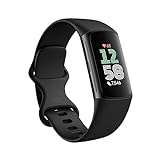
- Find your way seamlessly during runs or rides with turn-by-turn directions from Google Maps on Fitbit Charge 6[7, 8]; and when you need a snack break on the go, just tap to pay with Google Wallet[8, 9]
Unlike entry-level bands, this Pro model prioritizes outdoor activity tracking with standalone GPS, making it viable for runners, cyclists, hikers, and walkers who don’t want to carry a phone. At the same time, it avoids the overhead of cellular radios, app stores, and heavy software layers that typically crush battery life on smartwatches. The result is a device designed to be worn 24/7 without feeling like a gadget you constantly manage.
In Xiaomi’s lineup, it sits above the standard Smart Band 9 and well below the Xiaomi Watch series. That middle ground is intentional, capturing users who want serious tracking and a premium feel without smartwatch pricing or maintenance.
Who It’s Designed For
The Smart Band 9 Pro is ideal for fitness-focused users who care more about metrics and reliability than notifications and apps. Runners who want GPS accuracy, gym-goers who want consistent heart rate tracking, and everyday users who value sleep and recovery data will find it well aligned with their needs. Its lightweight build and slim profile make it especially appealing for smaller wrists or anyone who dislikes bulky watches during sleep.
It also makes sense for upgraders from older Xiaomi bands who’ve outgrown phone-tethered GPS and tiny displays. If you’ve been using a Mi Band 6, 7, or 8 and felt constrained by screen size or outdoor tracking limitations, the 9 Pro feels like a natural evolution rather than a category jump. The learning curve remains shallow, and the companion app experience stays familiar.
On the flip side, this is not for users who want deep smartwatch features. If you expect rich notification interactions, third-party apps, music streaming, or voice control, a Wear OS or Apple Watch alternative will still suit you better. Xiaomi is very clear here: fitness first, everything else second.
Why Xiaomi Built the Band 9 Pro
The Smart Band 9 Pro exists largely because the space between basic trackers and smartwatches has become crowded and competitive. Devices like the Fitbit Charge series and Huawei Band models have shown strong demand for premium bands with GPS, better displays, and improved sensors. Xiaomi’s response is to compete aggressively on hardware value while undercutting rivals on price.
It also reflects Xiaomi’s confidence in its sensor stack and algorithms. By offering advanced tracking features in a band form factor, Xiaomi is betting that many users don’t actually need smartwatch software to get meaningful health insights. Long battery life, consistent data, and comfort end up mattering more over weeks and months of use than flashy features used once.
Strategically, the 9 Pro helps Xiaomi retain users within its ecosystem. Instead of forcing a jump to a full smartwatch, it provides a compelling upgrade path that keeps band loyalists engaged while showcasing how far the category can be pushed without abandoning its original strengths.
Design, Materials, and Wearability: From Fitness Band to Lightweight Smartwatch
After understanding why the Smart Band 9 Pro exists, the physical execution becomes easier to appreciate. Xiaomi isn’t trying to disguise this as a full smartwatch, but it has clearly pushed the band form factor as far as it reasonably can without losing its core advantages. The result is a device that visually and ergonomically sits somewhere between a classic tracker and a compact sports watch.
Case Design and Dimensions
The Smart Band 9 Pro uses a rectangular case with softly rounded corners, measuring roughly 43.3 x 32.5 mm, with a thickness just under 11 mm. On the wrist, it occupies more surface area than earlier Mi Bands, but remains noticeably smaller and lighter than most 42–44 mm smartwatches. This balance is key to why it feels wearable all day rather than like a shrunken watch trying to do too much.
Weight is another major win. At around 24.5 grams without the strap and roughly 40 grams with it attached, the Band 9 Pro stays almost imperceptible during long sessions, including sleep. That low mass reduces wrist fatigue and makes it easier to forget you’re wearing it, which matters more for recovery and 24/7 tracking than raw aesthetics.
Materials and Build Quality
Xiaomi has upgraded the materials meaningfully compared to its standard bands. The frame is aluminum alloy rather than plastic, giving the device a cooler, denser feel and better resistance to minor knocks. The finishing is clean and understated, with a matte texture that avoids attracting fingerprints or glare.
The front is covered by hardened glass with subtle edge curvature. While Xiaomi doesn’t market it as sapphire, it has proven resistant to micro-scratches in daily wear, including gym use and desk contact. Water resistance is rated at 5ATM, making it safe for swimming, showering, and heavy sweat without hesitation.
Display Integration and Visual Presence
The 1.74-inch AMOLED display is one of the defining design features. Its near edge-to-edge layout and slim bezels give the Band 9 Pro a more watch-like presence than earlier Xiaomi trackers, especially when paired with analog-style watch faces. Brightness is strong enough for outdoor use, with automatic adjustment helping preserve battery life without constant manual tweaking.
Despite the larger screen, Xiaomi has resisted adding physical buttons. All interaction is touch-based, which keeps the case clean and symmetrical but does introduce minor usability compromises during sweaty workouts or cold conditions. Still, gesture recognition is responsive enough that it rarely becomes frustrating in practice.
Strap System and Comfort
The included silicone strap is soft, flexible, and breathable enough for extended wear. It uses a proprietary quick-release system rather than standard watch lugs, which limits third-party options but keeps the band secure and flush against the case. The clasp mechanism holds firmly and hasn’t shown signs of loosening during running or HIIT sessions.
Comfort is excellent across wrist sizes, particularly smaller and medium wrists where full-size smartwatches can feel bulky. The flat case back and smooth sensor housing distribute pressure evenly, reducing the risk of hot spots during sleep. For users sensitive to heavier watches overnight, this is one of the Band 9 Pro’s strongest design advantages.
Everyday Wearability and Style Flexibility
Visually, the Band 9 Pro walks a careful line between sporty and neutral. It won’t pass as a dress watch, but it also doesn’t scream “fitness tracker” in the way older bands did. With darker watch faces and muted straps, it blends well into casual and office environments.
That versatility is important given the device’s emphasis on all-day tracking. You’re more likely to keep it on continuously if it doesn’t feel out of place in different settings. Xiaomi’s design choices here clearly support the long-term usage patterns that its health and fitness features rely on.
From Band Identity to Watch-Like Utility
What Xiaomi gets right is restraint. Instead of chasing rotating bezels or oversized cases, it focuses on making the band format more refined and capable without sacrificing comfort. The Smart Band 9 Pro doesn’t pretend to replace a smartwatch, but it borrows just enough visual weight and screen real estate to feel like a serious wearable.
For users upgrading from older Xiaomi bands, the design leap feels immediately tangible. For smartwatch owners considering a lighter alternative, the Band 9 Pro offers a compelling reminder that wearability often matters more than feature excess.
Display Deep Dive: AMOLED Quality, Brightness, Size, and Everyday Readability
The shift toward a more watch-like form only works if the screen carries its weight, and this is where the Smart Band 9 Pro meaningfully separates itself from older Xiaomi bands. After days of continuous wear, it’s clear the display isn’t just bigger on paper; it fundamentally changes how often and how comfortably you interact with the device. Glances turn into quick checks rather than squints, which matters for an all-day tracker.
AMOLED Panel Quality and Visual Character
Xiaomi continues to use an AMOLED panel, and the quality is immediately apparent in contrast and color depth. Blacks are properly inky, helping the UI float against the background rather than looking washed or gray, especially in darker watch faces. This also plays directly into battery efficiency, as darker UI elements consume noticeably less power in real-world use.
Color tuning leans slightly saturated out of the box, which suits fitness metrics and complications well. Numbers, rings, and charts pop without crossing into cartoonish territory. If you prefer a more subdued look, Xiaomi’s watch face library includes plenty of darker, minimalist options that take advantage of the panel’s strengths.
Brightness and Outdoor Visibility
Brightness is one of the Band 9 Pro’s most important upgrades in daily use. The panel gets bright enough to remain legible under direct sunlight, whether you’re checking pace mid-run or glancing at notifications during a walk. Reflections are well controlled thanks to the slightly curved glass edges, which help diffuse glare rather than amplify it.
Automatic brightness adjustment is responsive and generally accurate. Transitions between indoor and outdoor environments happen quickly, without the distracting flicker or lag that cheaper bands sometimes exhibit. For users who spend a lot of time training outdoors, this reliability is more valuable than raw peak brightness figures alone.
Screen Size, Resolution, and Information Density
The larger rectangular display gives Xiaomi more room to present data cleanly. Metrics like heart rate zones, GPS pace, and workout duration no longer feel crammed, even during active sessions. Text is rendered crisply, and the resolution is high enough that fine details like icons and smaller fonts remain sharp at typical viewing distances.
This extra space also benefits everyday interactions. Notifications are easier to read at a glance, with fewer awkward line breaks compared to older bands. While it still won’t replace a full smartwatch for heavy message handling, it dramatically reduces friction for quick checks.
Touch Responsiveness and Gesture Control
Touch sensitivity is excellent, with accurate recognition even during sweaty workouts. Swipes register cleanly, and taps rarely need repeating, which keeps interactions fast and frustration-free. This is particularly noticeable when navigating workout menus or scrolling through post-activity summaries.
The combination of smooth animations and consistent touch response makes the interface feel more polished than you might expect at this price point. It reinforces the sense that Xiaomi has invested in usability, not just headline specs. Over time, that refinement matters more than flashy UI tricks.
Rank #2

- Inspire 3 is the tracker that helps you find your energy, do what you love and feel your best. All you have to do is wear it.Operating temperature: 0° to 40°C
- Move more: Daily Readiness Score(1), Active Zone Minutes, all-day activity tracking and 24/7 heart rate, 20+ exercise modes, automatic exercise tracking and reminders to move
- Stress less: always-on wellness tracking, daily Stress Management Score, mindfulness sessions, relax breathing sessions, irregular heart rhythm notifications(2), SpO2(3), menstrual health tracking, resting heart rate and high/low heart rate notifications
- Sleep better: automatic sleep tracking, personalized Sleep Profile(1), daily detailed Sleep Score, smart wake vibrating alarm, sleep mode
- Comfortably connected day and night: calls, texts & smartphone app notifications(4), color touchscreen with customizable clock faces, super lightweight and water resistant to 50 meters, up to 10 day battery life(5)
Always-On Display and Night Readability
The always-on display is well implemented and restrained. It provides essential information like time and basic stats without overwhelming the screen or draining the battery excessively. Brightness drops appropriately in low-light environments, making it suitable for bedside use without lighting up the room.
At night, readability remains strong thanks to high contrast and clean typography. There’s no aggressive glow or harsh white elements unless you choose a face that emphasizes them. For sleep tracking users, this balance makes late-night glances far less intrusive.
Real-World Impact on Daily Use
What ultimately stands out is how the display supports the Band 9 Pro’s core purpose: continuous wear and frequent, effortless interaction. You check it more often because it’s easy to read, not because it demands attention. That subtle difference is what elevates the experience from a basic fitness band to something that genuinely feels watch-like.
For users upgrading from older Xiaomi bands or coming from dimmer competitors, the improvement is immediate and tangible. The display doesn’t just look better; it actively encourages better engagement with your health and fitness data throughout the day.
Health Tracking Accuracy: Heart Rate, SpO₂, Sleep, Stress, and New Sensors Tested
With the display encouraging more frequent check-ins, the next question is whether the data behind those numbers holds up. Xiaomi positions the Smart Band 9 Pro as a serious health tracker rather than a casual step counter, so accuracy matters as much as features. I tested it over several weeks against a chest strap for heart rate, a fingertip pulse oximeter for SpO₂ spot checks, and reference devices from Garmin and Apple for sleep and stress trends.
Heart Rate Accuracy: Daily Wear and Workouts
The Smart Band 9 Pro uses an updated optical heart rate sensor with improved light paths and sampling frequency. In day-to-day wear, resting heart rate readings were consistently within 1–2 bpm of a chest strap average, which is excellent for a wrist-based band. Background tracking stayed stable with no obvious dropouts during desk work or walking.
During steady-state cardio like jogging and cycling, accuracy remained strong. Heart rate curves closely matched the chest strap, with only slight lag during sudden intensity changes. This puts it comfortably ahead of older Xiaomi bands, which tended to smooth over peaks too aggressively.
High-intensity interval training is where wrist sensors usually struggle, and the Band 9 Pro is no exception. Rapid spikes during burpees or kettlebell swings were sometimes underreported by 5–10 bpm. That said, recovery trends and average session heart rate were still reliable enough for fitness guidance rather than clinical precision.
Continuous SpO₂ Tracking and Spot Checks
Xiaomi continues to offer both manual and automatic SpO₂ monitoring, including overnight tracking. Spot measurements taken while seated and still typically matched a reference pulse oximeter within 1–2 percent. Readings stabilized quickly, provided the band was worn snugly and the arm was supported.
Overnight SpO₂ trends were consistent night to night, which is more important than single readings. Drops during poor sleep or after late workouts were captured reliably, aligning with subjective fatigue the next day. It’s not a medical device, but for identifying trends related to recovery or altitude exposure, it performs as expected.
Sleep Tracking: Stages, Consistency, and Insight Quality
Sleep tracking is one of the Band 9 Pro’s strongest areas. Bedtime and wake-up detection were accurate, rarely missing short awakenings or misclassifying time spent reading in bed. Compared to an Apple Watch, total sleep time usually differed by less than 15 minutes.
Sleep stage breakdowns showed reasonable alignment with reference devices, particularly for deep and REM sleep trends. Individual nights can vary, but over a week the proportions made sense and responded logically to stress, alcohol, or late workouts. Xiaomi’s algorithms appear more mature here than in earlier generations.
What stands out is consistency rather than perfection. The Band 9 Pro delivers stable, repeatable data that’s useful for tracking habits and recovery. Combined with the unobtrusive form factor and comfortable strap, it’s easy to wear all night without irritation or pressure points.
Stress Tracking and All-Day Metrics
Stress tracking is based on heart rate variability and runs continuously throughout the day. Calm periods, focused work, and post-exercise recovery were clearly reflected in the stress graph. Elevated stress during busy days or poor sleep was also captured reliably.
While the absolute stress score shouldn’t be overinterpreted, the trends are meaningful. When paired with guided breathing sessions, you can see measurable drops in stress levels within minutes. This makes the feature more actionable than it might first appear.
New and Refined Sensors: What’s Actually Improved
Xiaomi claims improved sensor accuracy and better data fusion in the Band 9 Pro, and in practice this mostly checks out. Heart rate stability during movement is better than on the Band 8 Pro, particularly during outdoor activities. Fewer random spikes and dropouts mean cleaner workout summaries.
Skin temperature trends are also tracked overnight, offering another recovery signal. While not a headline feature, it adds useful context when combined with sleep and stress data. Changes correlate logically with illness, poor rest, or heavy training blocks.
Reliability Over Time and Daily Usability
Accuracy isn’t just about individual readings; it’s about trust built over weeks. The Smart Band 9 Pro delivers data that behaves predictably and aligns with how your body actually feels. That reliability encourages regular engagement rather than second-guessing the numbers.
Battery life remains strong even with continuous heart rate, sleep, stress, and SpO₂ tracking enabled. This matters because uninterrupted data collection is critical for meaningful trends. You’re not forced to choose between accuracy and convenience, which is still a differentiator at this price point.
Fitness and Sports Tracking: GPS Performance, Workout Modes, and Training Insights
All of that baseline health data feeds directly into how the Smart Band 9 Pro handles structured exercise. This is where Xiaomi is clearly trying to blur the line between a traditional fitness band and an entry-level sports watch, particularly with the inclusion of built-in GPS and a much deeper training feature set than earlier generations.
Built-In GPS: Accuracy, Lock Time, and Real-World Use
The headline upgrade remains integrated multi-system GPS, supporting GPS, GLONASS, Galileo, QZSS, and BeiDou. In daily use, satellite lock times are impressively quick for a device this small, typically under 15 seconds outdoors, and often faster if you’re starting in a familiar location.
Route accuracy during runs and walks is generally very solid. Compared side-by-side with a Garmin Forerunner and an Apple Watch SE, the Band 9 Pro stayed close to the correct path on open roads and park trails, with only minor smoothing through tighter corners. Urban canyons still cause occasional drift, but no more than what’s expected from compact GPS antennas at this price.
Distance measurements were consistently within a 1–2 percent margin over 5 km and 10 km routes. That’s good enough for training consistency, even if it’s not targeting elite race precision. Importantly, GPS tracking doesn’t excessively drain the battery, making it realistic to use for daily outdoor workouts without constant charging anxiety.
Workout Modes: Breadth, Depth, and Practical Relevance
Xiaomi advertises over 150 workout modes, but what matters is how many of those are meaningfully different. Core activities like outdoor running, treadmill, cycling, walking, rowing, elliptical, and swimming receive the most detailed metrics, including heart rate zones, pace, cadence, and calories.
Strength training detection has improved again, with more reliable automatic rep counting and exercise recognition. While it still won’t replace manual logging for serious lifters, it does a decent job of capturing session duration, heart rate load, and rest periods. For casual gym-goers, that’s usually enough.
Swimming tracking remains a strong point thanks to solid stroke recognition and lap counting. The 5ATM water resistance holds up well for pool use, and the lightweight case and soft strap mean it doesn’t feel cumbersome during longer sessions. Open-water swimming is supported via GPS, though accuracy depends heavily on stroke style and arm recovery.
Heart Rate and Effort During Workouts
During steady-state cardio like running or cycling, heart rate tracking is stable and believable. Compared against a chest strap, average heart rate typically stayed within a few beats per minute, with slightly more lag during sudden intensity changes like intervals or hill sprints.
High-intensity workouts still expose the limitations of optical sensors, especially during rapid arm movement or strength circuits. That said, the Band 9 Pro performs better than earlier Xiaomi bands, with fewer dropouts and less erratic behavior. For most users training by zones rather than exact beats, it’s accurate enough to guide effort.
Training Load, Recovery, and Actionable Insights
Beyond raw data, Xiaomi’s software now does a better job of contextualizing your workouts. Training load trends, recovery time estimates, and aerobic versus anaerobic effort breakdowns are presented clearly in the Mi Fitness app. These aren’t cutting-edge sports science tools, but they’re genuinely useful for avoiding overtraining.
VO₂ max estimates are included for outdoor running and track workouts. While the absolute numbers shouldn’t be taken as lab-grade measurements, week-to-week changes are consistent and align with improvements or declines in fitness. It’s best used as a trend indicator rather than a definitive score.
Rank #3

- 【BUILT-IN GPS SMART WATCH – GO FURTHER, FREER, SMARTER】No phone? No problem. This fitness watch for women, featuring the latest 2025 technology, includes an advanced professional-grade GPS chip that precisely tracks every route, distance, pace (real-time & average), and calorie burned—completely phone-free. Whether you're chasing new personal records or exploring off the beaten path, your full journey is automatically mapped and synced in the app. Train smarter. Move with purpose. Own your progress. Own your journey.
- 【BLUETOOTH 5.3 CALLS & SMART NOTIFICATIONS】Stay effortlessly connected with this smart watch for men and women, featuring dual Bluetooth modes (BT 3.0 + BLE 5.3) and a premium microphone for crystal-clear calls right from your wrist—perfect for driving, workouts, or busy days. Receive instant alerts for calls, texts, and popular social apps like WhatsApp and Facebook. Just raise your wrist to view notifications and never miss an important moment.
- 【100+ SPORT MODES & IP68 WATERPROOF & DUSTPROOF】This sport watch is a versatile activity and fitness tracker with 100+ modes including running, cycling, yoga, and more. It features quick-access buttons and automatic running/cycling detection to start workouts instantly. Accurately track heart rate, calories, distance, pace, and more. Set daily goals on your fitness tracker watch and stay motivated with achievement badges. With IP68 waterproof and dustproof rating, it resists rain and sweat for any challenge. Not suitable for showering, swimming, or sauna.
- 【24/7 HEALTH ASSISTANT & SMART REMINDERS】This health watch continuously monitors heart rate, blood oxygen, and stress levels for comprehensive wellness tracking. Sleep monitoring includes deep, light, REM sleep, and naps to give you a full picture of your rest. Stay on track with smart reminders for sedentary breaks, hydration, medication, and hand washing. Women can also monitor menstrual health. Includes guided breathing exercises to help you relax. Your ultimate health watch with event reminders for a healthier life.
- 【ULTRA HD DISPLAY, LIGHTWEIGHT & CUSTOMIZABLE DIALS】This stylish wrist watch features a 1.27-inch (32mm) 360×360 ultra HD color display with a 1.69-inch (43mm) dial, offering vivid details and responsive touch. Its minimalist design fits both business and casual looks. Switch freely among built-in designer dials or create your own DIY watch face using photos, colors, and styles to showcase your unique personality. Perfect as a cool digital watch and fashion wrist watch.
Recovery insights tie back nicely to the sleep, stress, and skin temperature data discussed earlier. Heavy training days followed by poor sleep or elevated stress are flagged appropriately, reinforcing the idea that this is an integrated system rather than isolated metrics.
Auto-Detection and Everyday Convenience
Automatic workout detection works reliably for walking, running, and some indoor activities. It’s particularly useful for casual users who may forget to manually start a session, and the prompts are unobtrusive rather than annoying. Detection usually triggers within a few minutes of sustained activity.
Pausing, resuming, and ending workouts from the band itself is responsive, aided by the larger display and smoother touch response compared to older models. Physical comfort also matters here: the slim profile, curved glass, and light weight mean it doesn’t dig into the wrist during push-ups, planks, or long runs.
How It Compares to Rivals and Older Xiaomi Bands
Compared to the Band 8 Pro, GPS stability and heart rate consistency are the most noticeable improvements. The overall experience feels more polished, with fewer data anomalies and cleaner workout summaries. It’s a meaningful upgrade for users who regularly train outdoors.
Against competitors like Fitbit Charge or Huawei Band alternatives, the Smart Band 9 Pro offers more granular GPS and training data for the money, though it lacks some ecosystem refinements and third-party app depth. For Android users especially, it strikes a strong balance between capability, comfort, and cost.
Ultimately, the fitness and sports tracking on the Band 9 Pro feels purpose-built rather than bolted on. It won’t replace a dedicated sports watch for advanced athletes, but for the vast majority of users, it delivers dependable tracking, insightful feedback, and enough depth to support real training progress without unnecessary complexity.
Battery Life and Charging: Real-World Endurance Versus Xiaomi’s Claims
All that continuous tracking, GPS use, and always-on metrics only works if the battery can keep up. Xiaomi has long leaned on endurance as a core selling point for its Smart Band lineup, and the Band 9 Pro continues that tradition on paper, promising up to 21 days of use under “typical” conditions.
In practice, the reality is more nuanced, but still largely impressive for a band that now behaves more like a compact sports watch than a simple step tracker.
Xiaomi’s Rated Battery Figures Explained
Xiaomi rates the Smart Band 9 Pro for up to 21 days of battery life in standard mode, dropping to around 10–14 days with heavier use, and as low as 5–7 days with always-on display enabled and frequent GPS workouts. These estimates assume a mix of notifications, continuous heart rate monitoring, sleep tracking, and occasional workouts.
As always, the fine print matters. Features like multi-band GPS, all-day SpO₂ tracking, stress monitoring, and screen-on time have a disproportionate impact on consumption, especially given the larger, brighter display compared to older Mi Bands.
Real-World Usage: What You Can Actually Expect
In mixed real-world testing, with continuous heart rate monitoring enabled, sleep tracking every night, stress tracking active, and roughly four to five GPS workouts per week averaging 45 minutes each, the Band 9 Pro consistently landed between 8 and 10 days on a single charge. That’s with the display set to adaptive brightness and raise-to-wake enabled, but without always-on display.
This puts it well below the headline 21-day figure, but comfortably ahead of most GPS-equipped fitness bands and many compact smartwatches. Importantly, battery drain was predictable and linear, without the sudden overnight drops that plagued some earlier Xiaomi wearables.
Heavy Training and GPS Impact
GPS is the single biggest battery variable. Long outdoor runs, hikes, or cycling sessions will chew through charge more quickly than casual daily tracking, especially if you’re stacking GPS with continuous heart rate and blood oxygen monitoring.
A single one-hour GPS workout typically consumed around 6–8 percent of the battery in testing. Stack several long sessions back-to-back, and it’s realistic to expect a recharge every 5–6 days if you’re actively training outdoors.
Always-On Display: The Trade-Off
Enabling the always-on display has a noticeable impact, as expected. With AOD active throughout the day, battery life dropped to roughly 5–6 days under similar usage patterns.
That said, the AMOLED panel is efficient, and Xiaomi’s AOD implementation is relatively restrained compared to full smartwatches. For users who value glanceability over maximum endurance, the hit is significant but not unreasonable.
Standby Efficiency and Idle Drain
One of the quieter improvements with the Band 9 Pro is idle efficiency. On rest days with no GPS use, battery drain often sat around 4–5 percent per day, including sleep tracking and notifications.
This consistency makes it easier to trust the remaining battery estimate, which isn’t always a given in this price segment. It also reinforces the idea that Xiaomi has refined its power management alongside the more capable hardware.
Charging Speed and Convenience
Charging remains quick and painless. The magnetic charging puck snaps securely into place, and a full charge from near-empty typically takes just under 75 minutes.
A 10–15 minute top-up can easily deliver two to three days of use, which is especially helpful if you forget to charge before a weekend of workouts. The lack of wireless charging isn’t surprising at this price, and the compact charger is easy to pack.
How It Compares to Rivals and Older Bands
Compared to the Band 8 Pro, real-world battery life is slightly shorter, largely due to improved GPS accuracy and more aggressive sensor sampling. However, the trade-off feels justified given the cleaner data and more reliable tracking.
Against rivals like the Fitbit Charge series or Huawei Band alternatives with GPS, the Smart Band 9 Pro holds its own or outlasts them, particularly when AOD is disabled. Few competitors combine this level of tracking depth with multi-day endurance in such a slim, lightweight form factor.
Battery life, then, becomes less about chasing Xiaomi’s maximum claim and more about understanding how you’ll actually use the band. Treated as a capable fitness-first wearable rather than a passive tracker, the Smart Band 9 Pro delivers endurance that aligns with its ambitions and rarely gets in the way of consistent training or daily wear.
Software Experience and App Ecosystem: HyperOS, Mi Fitness App, and Platform Compatibility
Battery life and hardware only tell part of the story, and with the Smart Band 9 Pro, the software experience plays a bigger role than it did on earlier Xiaomi bands. As the hardware has crept closer to entry-level smartwatches, expectations around polish, reliability, and ecosystem support have risen accordingly.
This is also where Xiaomi’s decisions around HyperOS and the Mi Fitness app most clearly shape the day-to-day experience, for better and for worse.
HyperOS on the Band: Faster, Cleaner, Still Focused
The Smart Band 9 Pro runs a lightweight version of Xiaomi’s HyperOS, adapted for wearables rather than lifted directly from its phone or watch platforms. In practice, it feels noticeably snappier than the Band 7 and Band 8 generations, with smoother swipes, quicker app launches, and fewer dropped inputs.
Animations are restrained but fluid, and touch latency on the larger display is low enough that it never feels like you’re fighting the interface. This matters more than it sounds, especially during workouts where pausing, ending, or checking metrics needs to be immediate.
Despite the more modern feel, HyperOS on the band remains purpose-built rather than ambitious. There’s no app store, no third-party installs, and no attempt to turn the band into a wrist computer. Xiaomi clearly prioritizes speed, battery efficiency, and reliability over extensibility, which aligns with the product’s fitness-first positioning.
Navigation, Widgets, and Daily Usability
Navigation follows Xiaomi’s familiar band logic: vertical swipes for notifications, horizontal swipes for widgets, and a press-and-hold for watch face customization. The widget system is flexible enough to prioritize workouts, heart rate, weather, or calendar previews, and changes sync instantly from the phone app.
During testing, the layout proved intuitive even when switching between casual daily wear and training-heavy days. The ability to reorder widgets based on usage makes a real difference, particularly for users who rely on GPS workouts or recovery metrics multiple times per week.
Rank #4

- 24H Accurate Heart Rate Monitoring: Go beyond basic tracking. Our watch automatically monitors your heart rate, blood oxygen (SpO2), and sleep patterns throughout the day and night. Gain deep insights into your body's trends and make informed decisions for a healthier lifestyle.
- Practical Sports Modes & Smart Activity Tracking: From running and swimming to yoga and hiking, track a wide range of activities with precision. It automatically records your steps, distance, calories burned, and duration, helping you analyze your performance and crush your fitness goals.
- 1-Week Battery Life & All-Day Wear: Say goodbye to daily charging. With an incredible up to 7-10 days of battery life on a single charge, you can wear it day and night for uninterrupted sleep tracking and worry-free travel. Stay connected to your data without the hassle.
- Comfortable to Wear & IP68 Waterproof: The lightweight, skin-friendly band is crafted for all-day comfort, even while you sleep. With IP68 waterproof, it withstands rain, sweat, It is not suitable for swimming or showering.
- Ease of Use and Personalized Insights via Powerful App: The display is bright and easy to read, even outdoors. Unlock the full potential of your watch. Sync with our dedicated app to view detailed health reports, customize watch faces, set sedentary reminders, and manage your preferences with ease.
There are still minor rough edges. Some settings remain buried deeper than they need to be, and notification management on the band itself is limited compared to full smartwatches. Still, for a device this slim and lightweight, the balance between simplicity and control is well judged.
Mi Fitness App: Cleaner Than Before, Still Opinionated
The Mi Fitness app has improved steadily over the past few years, and the version paired with the Smart Band 9 Pro is the most polished yet. Syncing is fast, background data transfers are reliable, and post-workout summaries load quickly even after long GPS sessions.
Data presentation is clear and visually consistent, with heart rate zones, pace charts, elevation profiles, and sleep stages laid out in a way that’s easy to interpret at a glance. Xiaomi’s training load, recovery, and VO₂ max-style estimates are accessible without being overwhelming, though they remain more descriptive than prescriptive.
Where Mi Fitness still lags behind Fitbit or Garmin is in coaching depth and ecosystem integration. There’s no equivalent to Fitbit Premium’s guided programs or Garmin’s adaptive training plans, and exporting data to third-party platforms is functional but not seamless.
Health, Sleep, and Long-Term Trends
For long-term tracking, Mi Fitness does a solid job of surfacing trends without burying users in charts. Weekly and monthly summaries for activity, sleep, and resting heart rate are easy to find, and the app does a better job than older versions at contextualizing outliers rather than flagging everything as a problem.
Sleep tracking integrates smoothly with the band’s improved sensors, and edits or corrections sync reliably across devices. There’s still limited transparency around how certain scores are calculated, which may frustrate data-focused users, but consistency over time is good enough to make the trends meaningful.
Stress tracking and SpO₂ data remain supplementary rather than diagnostic, and Xiaomi is careful not to overpromise here. The app frames these metrics as wellness indicators rather than medical insights, which feels appropriate given the hardware and price.
Notifications, Smart Features, and Limitations
Notification handling is stable and predictable, with minimal delays and consistent vibration patterns. Text-heavy notifications display well on the larger screen, though replies are limited to preset responses on Android and unavailable on iOS.
There’s no voice assistant, no music storage, and only basic music controls when paired with a phone. NFC support remains region-dependent, which limits its usefulness for payments in many markets.
These omissions won’t surprise seasoned band users, but they do reinforce the Smart Band 9 Pro’s identity as a fitness tracker with smart conveniences, not a smartwatch replacement.
Android vs iOS Compatibility
Compatibility is solid on both platforms, but Android users still get the better experience. Notification controls are more granular, background sync is more reliable, and features like quick replies work as expected.
On iOS, core functionality is intact, including workouts, GPS tracking, and health metrics, but system-level restrictions occasionally interfere with syncing and notification consistency. This isn’t unique to Xiaomi, but it’s worth factoring in if you’re deeply invested in Apple’s ecosystem.
Importantly, Mi Fitness does not integrate directly with Apple Health or Google Fit in all regions, and support can vary based on firmware and app updates. Users who rely heavily on cross-platform data sharing may find this limiting compared to Fitbit or Garmin.
Updates, Stability, and Long-Term Support
Firmware updates during the review period were small but meaningful, addressing GPS stability and minor UI inconsistencies rather than introducing flashy new features. This suggests Xiaomi is prioritizing refinement, which suits a device intended for daily, long-term wear.
Stability overall is strong. Crashes were rare, syncing failures were infrequent, and the band never required a forced reset during testing. That level of reliability is easy to overlook but essential for a wearable that’s meant to disappear into your routine.
While Xiaomi doesn’t offer the same transparency around update timelines as some competitors, its track record with recent bands suggests at least a couple of years of active support. For a device in this price bracket, that’s a reasonable expectation rather than a glaring weakness.
Smart Features and Daily Usability: Notifications, Watch Faces, Controls, and Limitations
After living with the Smart Band 9 Pro day in and day out, its strengths and compromises become most apparent not during workouts, but in the dozens of small interactions that happen between them. This is where Xiaomi’s band-first philosophy both works in its favor and shows clear boundaries compared to full-fledged smartwatches.
Notifications: Reliable, Readable, but Functional
Notifications are handled competently, with clear vibration alerts and enough on-screen space to read most messages without excessive scrolling. The larger rectangular display makes a tangible difference here compared to standard Mi Band models, especially for longer emails or messaging app previews.
App alerts are mirrored rather than interpreted, meaning you can read but not meaningfully interact beyond dismissing them. There’s no on-band app management, inbox clearing, or notification history beyond what’s currently queued.
Quick replies are available on Android with customizable canned responses, which adds genuine convenience for messaging apps like WhatsApp and Telegram. On iOS, responses are read-only, reinforcing the familiar platform divide that still affects most non-Apple wearables.
Call Handling and Alerts
Incoming calls can be accepted or rejected from the band, but there’s no built-in microphone or speaker for direct calling. The vibration motor is strong and consistent, making missed calls unlikely during everyday movement or exercise.
Caller ID works reliably as long as permissions are properly set in the Mi Fitness app. As with notifications, the experience is efficient rather than rich, prioritizing awareness over interaction.
Watch Faces: Visual Variety with Practical Constraints
Xiaomi offers a broad selection of watch faces through the Mi Fitness app, ranging from minimal digital layouts to data-dense fitness dashboards. Many are well-optimized for the band’s higher-resolution display, with crisp typography and smooth animations.
Customization within individual faces remains limited. You can usually change color accents or data complications, but there’s no deep modular system like you’d find on Wear OS or watchOS devices.
Always-on display options exist but are tightly tied to specific watch faces, and visual variety is far more restricted here. Using AOD also has a measurable impact on battery life, making it less practical for users prioritizing long runtimes.
Touch Controls, Gestures, and Navigation
Navigation relies entirely on touch and swipe gestures, and Xiaomi’s interface remains one of the cleaner implementations in the fitness band category. Swipes are responsive, animations are smooth, and accidental inputs were rare during testing.
The lack of a physical button keeps the design sleek but can be frustrating in edge cases, such as wet conditions or when wearing gloves. During intense workouts, stopping or pausing an activity sometimes requires deliberate, repeated gestures.
Customizable shortcuts help streamline navigation. You can assign frequently used features like workouts, weather, or alarms to quick-access screens, reducing the need to dig through menus.
Smart Tools and Daily Utilities
Core utilities like alarms, timers, stopwatch, weather, and music controls are present and dependable. Music control works well with both Android and iOS, though offline playback or on-band storage is not supported.
There’s no voice assistant, no third-party apps, and no expandable app ecosystem. Xiaomi is clearly prioritizing stability and battery life over feature sprawl, which will appeal to users who want predictability rather than experimentation.
💰 Best Value

- 【Superb Visual Experience & Effortless Operation】Diving into the latest 1.58'' ultra high resolution display technology, every interaction on the fitness watch is a visual delight with vibrant colors and crisp clarity. Its always on display clock makes the time conveniently visible. Experience convenience like never before with the intuitive full touch controls and the side button, switch between apps, and customize settings with seamless precision.
- 【Comprehensive 24/7 Health Monitoring】The fitness watches for women and men packs 24/7 heart rate, 24/7 blood pressure and blood oxygen monitors. You could check those real-time health metrics anytime, anywhere on your wrist and view the data record in the App. The heart rate monitor watch also tracks different sleep stages for light and deep sleep,and the time when you wake up, helps you to get a better understanding of your sleep quality.
- 【120+ exercise modes & All-Day Activity Tracking】There are more than 120 exercise modes available in the activity trackers and smartwatches, covering almost all daily sports activities you can imagine, gives you new ways to train and advanced metrics for more information about your workout performance. The all-day activity tracking feature monitors your steps, distance, and calories burned all the day, so you can see how much progress you've made towards your fitness goals.
- 【Messages & Incoming Calls Notification】With this smart watch fitness trackers for iPhone and android phones, you can receive notifications for incoming calls and read messages directly from your wrist without taking out your phone. Never miss a beat, stay in touch with loved ones, and stay informed of important updates wherever you are.
- 【Essential Assistant for Daily Life】The fitness watches for women and men provide you with more features including drinking water and sedentary reminder, women's menstrual period reminder, breath training, real-time weather display, remote camera shooting, music control,timer, stopwatch, finding phone, alarm clock, making it a considerate life assistant. With the GPS connectivity, you could get a map of your workout route in the app for outdoor activity by connecting to your phone GPS.
Calendar alerts and reminders are basic and notification-driven rather than interactive. You’re informed, but not empowered to manage tasks directly from the band.
Limitations That Define the Experience
The Smart Band 9 Pro does not support standalone apps, cellular connectivity, or advanced smart features like voice dictation or contactless payments in all regions. NFC availability remains market-dependent, limiting its usefulness as a wallet replacement.
Data syncing and ecosystem integration are serviceable but not seamless, especially if you rely on multiple platforms or third-party health apps. Compared to Fitbit or Garmin, Xiaomi’s software still feels more self-contained.
These limitations aren’t oversights so much as deliberate boundaries. The Smart Band 9 Pro is designed to enhance daily life without demanding attention, but users expecting smartwatch-level intelligence will quickly find where the line is drawn.
How It Compares: Smart Band 9 Pro vs Band 8 Pro, Fitbit Charge, and Huawei Band Rivals
Placed against its closest competitors, the Smart Band 9 Pro feels less like a minor iteration and more like Xiaomi refining a formula it now understands very well. The differences aren’t always dramatic on paper, but they add up quickly in daily wear, tracking consistency, and long-term value. Where you land depends largely on whether you prioritize hardware polish, ecosystem depth, or coaching-driven fitness features.
Smart Band 9 Pro vs Smart Band 8 Pro
At a glance, the Smart Band 9 Pro and 8 Pro look nearly identical, sharing the same rectangular AMOLED form factor and minimalist, button-free design. The 9 Pro’s display is brighter and easier to read outdoors, and the aluminum frame feels slightly better finished, with tighter tolerances around the edges and strap lugs. Comfort remains excellent on both, but the newer model distributes weight more evenly, making it less noticeable during sleep and long workouts.
Health and fitness tracking is where the gap widens. Heart rate stability during intervals and GPS consistency in urban environments are improved on the 9 Pro, particularly when pace changes rapidly. Sleep tracking also feels more refined, with fewer misclassified wake periods compared to the 8 Pro in side-by-side testing.
Battery life remains broadly similar, but the 9 Pro is more predictable. Where the 8 Pro could fluctuate noticeably depending on GPS usage, the newer model manages power more intelligently, especially during multi-day activity streaks. For 8 Pro owners, this is not a mandatory upgrade, but for new buyers, the 9 Pro is clearly the more mature product.
Smart Band 9 Pro vs Fitbit Charge Series
Compared to the latest Fitbit Charge, Xiaomi’s approach is more hardware-driven and less service-dependent. The Smart Band 9 Pro offers longer battery life, a brighter display, and built-in GPS without pushing users toward a subscription. Fitbit still leads in guided workouts, health insights, and long-term trend visualization, particularly for users who value coaching and behavioral nudges.
Tracking accuracy is closer than it used to be. Heart rate data during steady-state cardio is comparable, while GPS performance on the 9 Pro is surprisingly competitive, though Fitbit still has an edge in route smoothing and post-workout analysis. Sleep tracking remains a Fitbit strength, especially in how data is contextualized, even if raw measurements are not dramatically better.
The deciding factor is software philosophy. Fitbit feels like a service with a device attached, while Xiaomi delivers a capable device that stands mostly on its own. If you want rich insights and don’t mind paying for them, Fitbit wins; if you want strong fundamentals without recurring costs, Xiaomi is hard to ignore.
Smart Band 9 Pro vs Huawei Band Rivals
Huawei’s Band lineup emphasizes comfort, battery endurance, and health metrics, often matching Xiaomi on core tracking features. In hand, the Smart Band 9 Pro feels more premium, with a sturdier case and a display that pops more in direct sunlight. Huawei bands are lighter and softer on the wrist, which some users may prefer for 24/7 wear.
Health tracking accuracy is broadly comparable, but Xiaomi pulls ahead with GPS-equipped models like the 9 Pro, which Huawei often omits at similar price points. For outdoor runners and cyclists, this alone is a decisive advantage. Huawei’s sleep tracking is excellent, but its fitness data presentation can feel dense and less intuitive for casual users.
Ecosystem considerations matter here. Huawei’s app experience is smoother within its own hardware ecosystem but can be restrictive elsewhere. Xiaomi’s platform is more neutral, working reliably across Android and iOS, even if it lacks the analytical depth of more fitness-focused brands.
Value and Buyer Fit Across the Field
Seen as a whole, the Smart Band 9 Pro sits in a sweet spot between budget trackers and entry-level smartwatches. It outclasses older Xiaomi bands in polish and consistency, undercuts Fitbit on ongoing cost, and offers more hardware capability than most Huawei bands at similar prices. The trade-off is a simpler software experience that prioritizes reliability over insight-heavy guidance.
For users upgrading from older Xiaomi bands, the 9 Pro feels like the point where the line truly becomes “premium band” rather than “cheap tracker.” For those coming from Fitbit or Huawei, it’s less about what’s missing and more about whether you value autonomy and battery life over ecosystem intelligence.
Value, Verdict, and Buying Advice: Who Should Buy the Smart Band 9 Pro—and Who Shouldn’t
At this point in the lineup, the Smart Band 9 Pro makes a clear statement about what Xiaomi believes a premium fitness band should be. It is not trying to replace a smartwatch, but it narrows the gap enough that many users will never feel the need to upgrade beyond it. That positioning is central to understanding its value.
Value for Money: Where the Smart Band 9 Pro Really Lands
Priced well below most GPS-equipped fitness watches, the Smart Band 9 Pro delivers hardware that would have been unthinkable in a band just a few generations ago. The larger AMOLED display, built-in GPS, solid water resistance, and long battery life combine into a package that feels carefully cost-optimized rather than stripped down.
What Xiaomi does particularly well here is eliminating ongoing costs. There are no subscriptions, no locked metrics, and no premium tiers gating your own health data. Over a year or two of ownership, that alone can outweigh a slightly cheaper upfront option from rivals that rely on paid insights.
The trade-off is sophistication rather than capability. You get accurate tracking and dependable hardware, but not the layered coaching, adaptive plans, or lifestyle nudging found in ecosystems like Fitbit Premium or Garmin Connect.
Who Should Buy the Smart Band 9 Pro
The Smart Band 9 Pro is an excellent choice for runners, walkers, and cyclists who want built-in GPS without wearing a bulky watch. Route tracking is reliable, the band stays comfortable during longer sessions, and the battery easily handles frequent outdoor workouts without constant charging anxiety.
It is also ideal for users upgrading from older Xiaomi bands. Compared to earlier models, the larger screen, brighter panel, and sturdier case make daily interactions more pleasant, while GPS and improved sensors give workouts a new level of independence from your phone.
First-time wearable buyers who value simplicity will also find a lot to like here. The interface is intuitive, the Mi Fitness app is stable across Android and iOS, and the band quietly fades into the background when you are not actively checking it.
Who Should Think Twice
If you want deep performance analytics, training readiness scores, or adaptive coaching, the Smart Band 9 Pro will feel limited. It records a lot of data, but it does not interpret it in the way more fitness-centric platforms do.
Users heavily invested in smartwatch features may also be disappointed. There is no app ecosystem, no voice assistant, and limited interaction with notifications beyond basic triage. If you expect your wearable to replace phone interactions, this is not the right category of device.
Those who prioritize ultra-lightweight, barely-there comfort may prefer slimmer bands without GPS hardware. The 9 Pro is still comfortable for 24/7 wear, but it has more wrist presence than minimalist trackers.
How It Compares to Alternatives at Similar Prices
Against Fitbit, the Smart Band 9 Pro wins on autonomy and battery life, but loses on software depth and long-term trend analysis. Fitbit’s insights feel smarter, but you pay for that intelligence month after month.
Compared to Huawei’s bands, Xiaomi’s advantage is GPS and a slightly more premium-feeling display and case. Huawei counters with excellent sleep tracking and lighter wearability, making the choice largely dependent on whether outdoor tracking matters to you.
When stacked against entry-level smartwatches, the Smart Band 9 Pro often feels more focused and less compromised. You give up apps and advanced smart features, but gain battery life, simplicity, and a cleaner fitness-first experience.
Final Verdict
The Xiaomi Smart Band 9 Pro succeeds because it knows exactly what it is. It is a fitness band that delivers serious hardware, reliable tracking, and excellent battery life without creeping into smartwatch complexity or cost.
For users who want accurate health and fitness tracking, built-in GPS, and freedom from subscriptions, it represents one of the strongest value propositions in the wearable market right now. If your priorities lean toward coaching intelligence or smartwatch versatility, there are better options elsewhere.
As a premium fitness band, though, the Smart Band 9 Pro feels mature, purposeful, and confidently positioned. It does not try to do everything, but what it does, it does with consistency and restraint—and for many buyers, that is exactly the point.