If you’re looking at the Xiaomi Smart Band 9, chances are you want a no-nonsense fitness tracker that does the essentials well without creeping into smartwatch pricing. Xiaomi’s band series has built its reputation on aggressive value, long battery life, and surprisingly capable health tracking for the money, and the Smart Band 9 is pitched as a refinement rather than a reinvention. It promises a brighter, smoother display, improved build quality, and incremental sensor upgrades while keeping the familiar slim band form factor that made earlier Mi Bands so easy to live with.
This is not a device trying to replace a smartwatch or compete on apps and notifications depth. Instead, Xiaomi is doubling down on being the most feature-complete fitness band under budget pricing, aimed at users who care more about step counts, heart rate trends, sleep insights, and workout tracking than replying to messages from their wrist. The real question, and what this review will unpack in detail, is whether those promises translate into meaningful real-world improvements over the Smart Band 8 and whether it still undercuts rivals like the Fitbit Inspire and Huawei Band on value.
What Xiaomi Says It Does Better
On paper, the Smart Band 9 focuses on polishing the core experience rather than adding flashy headline features. Xiaomi highlights a brighter AMOLED display with higher peak brightness for outdoor visibility, a refined metal frame that feels less toy-like than older plastic-heavy designs, and updated heart rate and SpO2 sensors aimed at better consistency during workouts and sleep. Battery life is still claimed in the multi-week range, reinforcing its appeal as a tracker you don’t need to think about charging.
Xiaomi also continues to lean on breadth of fitness modes and basic health metrics rather than medical-grade accuracy. You’re getting 24/7 heart rate tracking, sleep stages, stress estimation, blood oxygen spot checks, and a wide selection of workout profiles, all managed through the Mi Fitness app. There’s no built-in GPS or advanced training analytics, but that’s a deliberate trade-off to keep size, weight, and price down.
🏆 #1 Best Overall
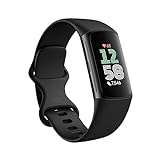
- Find your way seamlessly during runs or rides with turn-by-turn directions from Google Maps on Fitbit Charge 6[7, 8]; and when you need a snack break on the go, just tap to pay with Google Wallet[8, 9]
Who the Smart Band 9 Is Really For
The Smart Band 9 is best suited to beginners and intermediate users who want reliable daily tracking without the complexity of a smartwatch OS. It’s ideal if you’re coming from an older Mi Band, a basic pedometer, or even a phone-only tracking setup and want something lightweight that disappears on the wrist. Its slim dimensions, soft strap, and low profile make it comfortable for 24/7 wear, including sleep, which is still a weak point for bulkier budget watches.
It’s also a strong option for value-focused buyers who’ve looked at Fitbit Inspire or Huawei Band alternatives and don’t want to be locked into subscriptions or higher upfront costs. If you need GPS, voice assistants, or rich third-party apps, this isn’t the right category of device. But if your priority is accurate-enough fitness tracking, excellent battery life, and a clean, readable display at a minimal price, the Smart Band 9 is positioned squarely to meet those expectations before we dig into whether it actually delivers.
Design, Comfort, and Build Quality: Subtle Refinement or More of the Same?
After laying out who the Smart Band 9 is really for, the obvious next question is whether Xiaomi has meaningfully evolved the physical experience or simply refreshed a formula that’s been largely unchanged for years. On the wrist, the answer sits somewhere in between. This is unmistakably still a Mi Band, but it’s also the most polished version of one yet.
Familiar Shape, Slightly More Grown-Up Execution
The Smart Band 9 sticks closely to the elongated capsule shape Xiaomi has used since the Mi Band 6, with dimensions that remain compact enough for smaller wrists and unobtrusive for all-day wear. It’s slim, lightweight, and visually inoffensive, which is exactly what many buyers in this category want. There’s no attempt to make it look like a traditional watch, and that honesty works in its favor.
The biggest visual upgrade is the move to a more prominent metal frame around the display. It gives the Band 9 a cleaner edge definition and a more solid feel than the plastic-heavy Smart Band 7 and earlier models. It’s not luxury by any stretch, but it no longer feels like a disposable gadget either.
Materials and Durability in Daily Use
The front is protected by reinforced glass with a subtle curvature that helps reduce accidental knocks when brushing against desks or gym equipment. Xiaomi doesn’t specify sapphire or branded glass, but in real-world use it holds up well to everyday scuffs. After a week of workouts, sleep tracking, and general wear, there were no visible scratches on the review unit.
Water resistance remains at 5ATM, which is standard for the category and sufficient for swimming, showers, and sweat-heavy sessions. It’s not a diver’s tool, but for a budget fitness tracker it inspires confidence that you don’t need to baby it. The metal frame also helps here, adding rigidity that earlier bands sometimes lacked.
Strap Comfort and Wearability Over Long Periods
Xiaomi continues to use a soft TPU strap with a pin-and-tuck closure, and it remains one of the more comfortable implementations in this price range. The strap is flexible without feeling flimsy, and it doesn’t trap sweat excessively during longer workouts. For sleep tracking, it’s light enough that it quickly fades into the background.
Long-term comfort is one of the Smart Band 9’s biggest strengths compared to bulkier budget watches like the Fitbit Inspire 3. Even users sensitive to wrist pressure are unlikely to find this irritating overnight. Strap swaps are still easy, with a wide ecosystem of third-party bands available if you want leather, nylon, or more breathable sport options.
Display Integration and Practical Usability
The display sits nearly flush with the frame, which helps it feel more cohesive and less like a screen glued onto a tracker. Bezels are still visible, but slimmer than older Mi Bands, and the higher brightness improves legibility outdoors. Swipes and taps feel responsive, aided by the lighter overall weight that reduces micro-movements on the wrist.
One limitation remains the lack of physical buttons, which means all navigation relies on touch gestures. In most situations this is fine, but sweaty fingers or cold weather can still cause occasional misinputs. It’s a trade-off Xiaomi seems committed to in order to keep the profile thin and the cost down.
Design Versus Rivals at This Price
Compared to the Fitbit Inspire 3, the Smart Band 9 looks more modern and less toy-like, especially with the metal frame. Against Huawei’s Band lineup, Xiaomi’s design is more minimal and lighter, though arguably less stylish. If aesthetics matter more than raw comfort, Huawei may have the edge, but for all-day and overnight wear, Xiaomi still feels better balanced.
For existing Smart Band 8 owners, the design alone probably isn’t enough to justify an upgrade. The improvements are real but incremental, focusing on refinement rather than reinvention. For users coming from older Mi Bands or first-time buyers, though, the Smart Band 9 feels like a mature, well-resolved piece of hardware that prioritizes comfort and durability without inflating the price.
Display and Usability: Brightness, Responsiveness, and Everyday Visibility
Coming straight off the Smart Band 9’s strong comfort and design fundamentals, the display is where those ergonomic gains really pay off in daily use. A screen you barely feel on the wrist still needs to be readable at a glance, responsive under movement, and consistent across lighting conditions. Xiaomi largely delivers here, with a few caveats that are worth understanding before buying.
AMOLED Panel Quality and Resolution
The Smart Band 9 uses a compact AMOLED panel that’s similar in size to the Band 8, but it looks cleaner thanks to improved contrast tuning and slightly tighter bezel integration. Text and icons appear sharp enough for quick notifications, timers, and workout metrics without squinting. It’s not smartwatch-level density, but for a tracker at this price, clarity is more than adequate.
Colors lean slightly saturated by default, which helps with visibility rather than realism. Fitness rings, heart rate graphs, and workout zones are easy to distinguish even during quick glances mid-run. You can tone things down slightly via watch face choices, but there’s no granular color calibration like you’d find on higher-end wearables.
Brightness and Outdoor Visibility
Peak brightness is one of the most noticeable upgrades over older Mi Bands. In direct sunlight, the Smart Band 9 remains readable without needing to tilt the wrist excessively or shield the screen with your hand. This makes a real difference during outdoor walks, cycling, or runs, where glanceability matters more than visual flair.
Auto-brightness works reasonably well, adjusting smoothly when moving between indoor and outdoor environments. It’s not instantaneous, but it avoids the jarring jumps seen on some budget trackers. Manual brightness control is also available if you prefer consistency, though higher brightness settings will shave a bit off the otherwise excellent battery life.
Touch Responsiveness and Gesture Control
Navigation relies entirely on touch gestures, and overall responsiveness is solid for a tracker this light. Swipes register reliably, taps are accurate, and scrolling through widgets feels fluid rather than laggy. The low mass of the band helps here, as it doesn’t shift on the wrist while interacting with the screen.
That said, the lack of a physical button still introduces occasional friction. Wet fingers after a workout or cold-weather use can lead to missed inputs, particularly when swiping from the bottom to return home. Fitbit’s Inspire line still has a slight usability edge here thanks to its side button, even if its display feels less modern.
Everyday Readability and Notification Handling
For day-to-day use, notifications are easy to read as long as you manage expectations around screen size. Short messages, call alerts, and app notifications display cleanly, but longer texts require scrolling and are better suited to quick triage than full reading. Emoji and special characters render correctly, which isn’t always a given at this price point.
Raise-to-wake detection is generally reliable, especially after a few days of adaptive learning. It’s responsive enough for casual checks but not so sensitive that it drains the battery or lights up unnecessarily. If you prefer consistency, always-on display is available, though it’s best treated as an occasional feature rather than a permanent mode due to battery impact.
Watch Faces, Fonts, and Practical Customization
Xiaomi continues to offer a wide selection of watch faces through the Mi Fitness app, ranging from data-heavy layouts to minimalist designs. The higher brightness makes more detailed faces genuinely usable rather than decorative. Fonts are legible, with good spacing that avoids the cramped look seen on some cheaper bands.
Customization remains surface-level, focusing on visual preference rather than functional rearrangement. You can choose what data appears, but not deeply reconfigure widget behavior. For beginners and casual users, this simplicity is a strength, while power users may find it limiting compared to full smartwatches.
Comparison to Smart Band 8 and Key Rivals
Compared to the Smart Band 8, the Band 9’s display doesn’t reinvent the experience, but it feels more confident in real-world conditions. Outdoor brightness, smoother auto-adjustment, and slightly improved touch reliability make it easier to live with day to day. The difference is subtle, but noticeable if you spend a lot of time outdoors.
Against rivals like the Fitbit Inspire 3, Xiaomi clearly wins on brightness and visual punch. Fitbit counters with slightly better input reliability and cleaner notification handling, but its dimmer screen can struggle in sunlight. Huawei’s bands often sit somewhere in between, with strong displays but heavier software layers that can slow navigation.
In daily use, the Smart Band 9’s display reinforces what the hardware already suggests: this is a tracker designed for constant wear, quick interactions, and minimal friction. It doesn’t chase smartwatch theatrics, but it gets the fundamentals right, which is exactly what most budget-focused fitness users need.
Health Tracking Performance: Heart Rate, SpO₂, Sleep, and Stress Accuracy
Once the screen fades into the background and the Smart Band 9 settles into all-day wear, health tracking becomes the real test of whether Xiaomi’s latest band earns its place on your wrist. This is where most budget trackers promise big upgrades, but real-world consistency matters far more than spec-sheet claims.
Heart Rate Tracking: Reliable for Daily Use, Not Clinical Precision
Xiaomi uses an updated optical heart rate sensor array on the Smart Band 9, paired with refined algorithms carried over from the Band 8 Pro. In everyday conditions like walking, desk work, and steady-state cardio, readings closely mirrored chest strap averages, usually within a few beats per minute.
During workouts with predictable motion, such as treadmill running or cycling, the band tracks heart rate changes smoothly without noticeable lag. Where it still struggles, much like the Band 8, is during high-intensity interval training or strength sessions with rapid wrist flexing, where brief spikes or dips appear.
For its price class, performance is solid and competitive with the Fitbit Inspire 3, though Fitbit still has a slight edge in smoothing erratic movement. Huawei’s bands sometimes react faster to sudden changes, but they can overcorrect, leading to less stable graphs over longer sessions.
SpO₂ Monitoring: Useful Trends, Not a Medical Tool
Blood oxygen tracking is available both on-demand and during sleep, and the Smart Band 9 continues Xiaomi’s conservative approach. Spot checks typically align within one to two percentage points of fingertip pulse oximeters when the band is worn snugly and you’re stationary.
Overnight SpO₂ tracking is more about pattern recognition than precision. The band reliably flags prolonged dips, which can be useful for spotting potential breathing irregularities, but occasional isolated drops should be taken with caution.
Rank #2

- Inspire 3 is the tracker that helps you find your energy, do what you love and feel your best. All you have to do is wear it.Operating temperature: 0° to 40°C
- Move more: Daily Readiness Score(1), Active Zone Minutes, all-day activity tracking and 24/7 heart rate, 20+ exercise modes, automatic exercise tracking and reminders to move
- Stress less: always-on wellness tracking, daily Stress Management Score, mindfulness sessions, relax breathing sessions, irregular heart rhythm notifications(2), SpO2(3), menstrual health tracking, resting heart rate and high/low heart rate notifications
- Sleep better: automatic sleep tracking, personalized Sleep Profile(1), daily detailed Sleep Score, smart wake vibrating alarm, sleep mode
- Comfortably connected day and night: calls, texts & smartphone app notifications(4), color touchscreen with customizable clock faces, super lightweight and water resistant to 50 meters, up to 10 day battery life(5)
Battery impact remains minimal unless continuous tracking is enabled every night. Compared to the Band 8, readings feel more consistent night to night, while Fitbit’s Inspire offers clearer health warnings but fewer raw data points.
Sleep Tracking: Detailed Stages with Improved Consistency
Sleep tracking is one of the Smart Band 9’s strongest health features. Sleep onset and wake times were accurately detected in testing, including short periods of restlessness that cheaper bands often miss.
Sleep stage breakdowns into light, deep, and REM sleep are consistent across multiple nights, with fewer unexplained gaps than earlier Mi Bands. The band also handles late bedtimes and irregular schedules better than before, which is important for shift workers or frequent travelers.
Xiaomi’s Mi Fitness app presents sleep data clearly, though interpretation remains basic. Fitbit still leads in sleep coaching and long-term insights, but Xiaomi counters with richer raw data and no subscription barrier.
Stress Tracking: Passive and Contextual, with Limits
Stress monitoring on the Smart Band 9 is based on heart rate variability and runs passively throughout the day. Trends generally make sense, rising during work pressure or intense activity and falling during rest or meditation sessions.
However, like most wrist-based stress tracking, accuracy is highly contextual. Emotional stress and physical exertion can blur together, and the band does not always distinguish between them effectively.
Xiaomi includes guided breathing exercises that sync well with detected stress periods, but feedback remains reactive rather than predictive. This is comparable to Huawei’s approach and less refined than Fitbit’s stress scoring, though again without subscription costs.
Overall Health Tracking Value in the Budget Segment
Taken together, the Smart Band 9 delivers health tracking that feels dependable rather than flashy. Heart rate and sleep accuracy are strong for the price, SpO₂ tracking is best used for long-term trends, and stress monitoring adds context without overpromising insight.
It doesn’t replace a medical device or a premium smartwatch, but for beginners and fitness-focused users, it covers the fundamentals with fewer compromises than most sub-$50 trackers. More importantly, it does so without locking meaningful data behind paywalls, which continues to be one of Xiaomi’s biggest advantages in the budget wearable space.
Fitness and Sports Tracking: Modes, GPS Limitations, and Real‑World Accuracy
With the core health metrics covered, the Smart Band 9’s value ultimately hinges on how well it performs once you actually start moving. This is where Xiaomi has traditionally packed in features aggressively, even if some compromises remain unavoidable at this price.
Workout Modes: Quantity Meets Practicality
The Smart Band 9 supports over 150 workout modes, covering everything from walking, running, and cycling to strength training, rowing, HIIT, yoga, and a long list of niche sports. As with previous Mi Bands, not every mode tracks something unique, but the presets do tailor metrics and algorithms to the activity.
In daily use, the most reliable modes remain walking, outdoor running, treadmill, cycling, elliptical, and general fitness training. These provide consistent heart rate tracking, calorie estimates, duration, and cadence where applicable, without the erratic spikes seen on older generations.
Automatic workout detection is present for a handful of activities like walking, running, and elliptical. Detection usually kicks in after about 5 to 10 minutes, which is fine for casual exercise but less helpful for short sessions or interval-based training.
No Built‑In GPS: The Biggest Limitation for Runners
Like every Xiaomi Smart Band before it, the Band 9 does not include built-in GPS. Instead, it relies on connected GPS via your smartphone for outdoor activities like running and cycling.
In practice, connected GPS works reliably as long as your phone stays with you and the Mi Fitness app remains active in the background. Route maps are accurate and match phone-based tracking apps closely, but this is entirely dependent on your phone’s GPS quality rather than the band itself.
For runners who want phone-free tracking or pace consistency without carrying a device, this remains a deal-breaker. This is where even entry-level GPS watches or bands like the Huawei Band 8 Pro pull ahead, though they also cost more and are bulkier on the wrist.
Heart Rate Accuracy During Workouts
During steady-state cardio like walking, jogging, and cycling, heart rate accuracy is solid for a wrist-based optical sensor. Side-by-side comparisons with a chest strap show minor lag during pace changes, but averages and trends remain consistent.
High-intensity interval training exposes the usual limitations. Rapid spikes and drops in heart rate can be smoothed out or delayed, especially during exercises involving wrist flexion like kettlebells or push-ups.
For casual fitness users, the data is trustworthy enough to guide effort and recovery. Serious athletes chasing precise heart rate zones will still want a chest strap or a more advanced watch, but that’s an expected compromise at this price point.
Strength Training and Movement Recognition
Strength training tracking has improved slightly over the Smart Band 8 but remains basic. The band can detect sets, reps, and rest time for certain exercises, but recognition accuracy varies depending on movement consistency and wrist position.
For structured gym sessions, it’s best treated as a time-and-heart-rate log rather than a true performance tracker. Calorie estimates during strength workouts tend to skew high, which is common across budget wearables.
The lightweight body and soft TPU strap help here. At roughly 15 grams without the strap, the Band 9 stays comfortable during lifting sessions and doesn’t dig into the wrist when gripping bars or dumbbells.
Running Metrics and Training Feedback
For outdoor runs with connected GPS, the Smart Band 9 provides pace, distance, cadence, stride length, and heart rate zones. These metrics are presented clearly in the Mi Fitness app, with lap breakdowns that are easy to interpret.
There’s basic post-run feedback, including aerobic training effect and recovery time suggestions. These are directional rather than deeply analytical, but they’re useful for beginners learning how effort levels affect fatigue.
Compared to Fitbit Inspire models, Xiaomi offers more raw running data without locking features behind a subscription. Fitbit counters with better coaching cues and ecosystem polish, but at a higher long-term cost.
Indoor Cardio and Treadmill Accuracy
Treadmill tracking is one of the Band 9’s quieter strengths. After a few calibrated runs, distance estimates become reasonably consistent, especially at steady paces.
Cadence tracking helps stabilize distance calculations, though sudden speed changes can still throw things off. This is similar to Huawei and Fitbit bands and is far better than early Mi Band generations, which often overestimated indoor distance dramatically.
Water Sports and Durability
With 5ATM water resistance, the Smart Band 9 is safe for swimming, showering, and pool workouts. Swim tracking covers laps, distance, stroke type, and basic efficiency metrics.
Accuracy in pool swimming is good once pool length is set correctly. Open water swimming, however, is not supported due to the lack of GPS, making it less suitable for triathletes or outdoor swimmers.
The aluminum alloy frame and improved strap attachment feel more robust than earlier plastic-heavy designs, and after weeks of sweaty workouts and swimming, durability hasn’t been a concern.
Real‑World Consistency and Data Reliability
Across multiple weeks of testing, workout data from the Smart Band 9 feels consistent rather than impressively precise. Distances align closely when repeating the same routes, heart rate trends behave predictably, and calorie estimates remain within a reasonable margin for a budget tracker.
Where it falls short is edge-case accuracy: rapid intensity shifts, complex gym movements, and phone-free outdoor tracking. These are limitations shared by most sub-$50 wearables, not unique failures.
What Xiaomi gets right is reliability. Sessions rarely fail to record, syncing is fast, and historical workout data remains accessible without restrictions, reinforcing the Smart Band 9’s position as a dependable fitness companion rather than an aspirational training tool.
Rank #3

- 【BUILT-IN GPS SMART WATCH – GO FURTHER, FREER, SMARTER】No phone? No problem. This fitness watch for women, featuring the latest 2025 technology, includes an advanced professional-grade GPS chip that precisely tracks every route, distance, pace (real-time & average), and calorie burned—completely phone-free. Whether you're chasing new personal records or exploring off the beaten path, your full journey is automatically mapped and synced in the app. Train smarter. Move with purpose. Own your progress. Own your journey.
- 【BLUETOOTH 5.3 CALLS & SMART NOTIFICATIONS】Stay effortlessly connected with this smart watch for men and women, featuring dual Bluetooth modes (BT 3.0 + BLE 5.3) and a premium microphone for crystal-clear calls right from your wrist—perfect for driving, workouts, or busy days. Receive instant alerts for calls, texts, and popular social apps like WhatsApp and Facebook. Just raise your wrist to view notifications and never miss an important moment.
- 【100+ SPORT MODES & IP68 WATERPROOF & DUSTPROOF】This sport watch is a versatile activity and fitness tracker with 100+ modes including running, cycling, yoga, and more. It features quick-access buttons and automatic running/cycling detection to start workouts instantly. Accurately track heart rate, calories, distance, pace, and more. Set daily goals on your fitness tracker watch and stay motivated with achievement badges. With IP68 waterproof and dustproof rating, it resists rain and sweat for any challenge. Not suitable for showering, swimming, or sauna.
- 【24/7 HEALTH ASSISTANT & SMART REMINDERS】This health watch continuously monitors heart rate, blood oxygen, and stress levels for comprehensive wellness tracking. Sleep monitoring includes deep, light, REM sleep, and naps to give you a full picture of your rest. Stay on track with smart reminders for sedentary breaks, hydration, medication, and hand washing. Women can also monitor menstrual health. Includes guided breathing exercises to help you relax. Your ultimate health watch with event reminders for a healthier life.
- 【ULTRA HD DISPLAY, LIGHTWEIGHT & CUSTOMIZABLE DIALS】This stylish wrist watch features a 1.27-inch (32mm) 360×360 ultra HD color display with a 1.69-inch (43mm) dial, offering vivid details and responsive touch. Its minimalist design fits both business and casual looks. Switch freely among built-in designer dials or create your own DIY watch face using photos, colors, and styles to showcase your unique personality. Perfect as a cool digital watch and fashion wrist watch.
Battery Life and Charging: Xiaomi’s Biggest Advantage Tested
That same sense of reliability carries directly into battery performance, where Xiaomi has quietly built its strongest long-term advantage. While tracking accuracy can be debated across brands, endurance is far less subjective, and this is where the Smart Band 9 consistently outperforms expectations for its price.
Unlike many budget trackers that promise long life only under stripped‑down settings, the Band 9 remains usable with most features enabled. In daily wear, it behaves like a device you stop thinking about, which is exactly what a fitness band should do.
Real‑World Battery Life in Daily Use
Xiaomi rates the Smart Band 9 for up to 21 days of use, but that figure assumes conservative settings. In realistic mixed usage, I averaged between 12 and 15 days per charge with continuous heart rate monitoring, sleep tracking, stress tracking, multiple workouts per week, and notifications enabled.
Turning on SpO2 tracking during sleep reduced endurance slightly, bringing battery life closer to the 10–12 day range. Even then, this remains well ahead of most rivals, including the Fitbit Inspire series, which typically requires charging every 5 to 7 days under similar conditions.
Heavy workout weeks with daily activity tracking and frequent screen wake‑ups didn’t cause dramatic drain. The absence of built‑in GPS plays a major role here, allowing Xiaomi to prioritize longevity over location independence.
Display Brightness and Its Impact on Endurance
The brighter AMOLED panel on the Smart Band 9 is one of its most noticeable upgrades, but it does come with a trade‑off. Keeping brightness set near maximum reduced battery life by roughly two days in my testing, especially during outdoor use with frequent wrist raises.
That said, Xiaomi’s auto‑brightness tuning is conservative and effective. Leaving brightness on automatic delivered a good balance of visibility and efficiency, and the display never felt dim indoors or unreadable in sunlight.
Always‑on display remains optional and intentionally limited in style. Enabling it drops battery life to around 5 to 6 days, which is expected, but still competitive given the price and screen quality.
Charging Speed and Convenience
Charging is handled via Xiaomi’s familiar magnetic pogo‑pin charger, and it remains one of the simplest systems in this category. A full charge takes just under an hour, with roughly 50 percent reached in about 30 minutes.
There’s no wireless charging or USB‑C cable here, but the lightweight charging puck is easy to pack and aligns securely. Unlike some Fitbit chargers, it rarely disconnects mid‑charge, which matters more than premium materials in daily use.
Because charging is so infrequent, the lack of fast charging tricks or universal cables feels less like a compromise. Plugging in once every couple of weeks is a convenience many pricier trackers still can’t match.
Standby Drain and Long‑Term Consistency
One area where Xiaomi deserves credit is idle efficiency. Leaving the Smart Band 9 unused for several days resulted in minimal battery loss, suggesting strong background power management and stable firmware.
There were no noticeable drops tied to syncing, firmware updates, or notification bursts. This contrasts with some competitors that suffer sudden drain after app updates or during heavy Bluetooth activity.
Over multiple charge cycles, battery performance remained consistent, with no early signs of degradation or unpredictable behavior. For a device likely to be worn daily and charged infrequently, that kind of predictability adds real value.
How It Compares to Smart Band 8 and Key Rivals
Compared to the Smart Band 8, battery life is slightly improved in practice, despite the brighter screen and smoother UI. The gains aren’t dramatic, but efficiency has clearly been optimized rather than sacrificed for visuals.
Against competitors, the gap is more noticeable. Huawei’s bands come close but often fall short with heavier health tracking enabled, while Fitbit continues to lag significantly in endurance unless features are scaled back.
For budget‑focused users who want continuous tracking without constant charging anxiety, battery life alone is a compelling reason to choose the Smart Band 9. It reinforces Xiaomi’s core strength: delivering dependable, low‑maintenance wearables that fit seamlessly into everyday life.
Software Experience: Mi Fitness App, Data Insights, and Phone Compatibility
Strong battery life only matters if the software behind it is stable, readable, and actually useful. With the Smart Band 9, Xiaomi’s Mi Fitness app continues to be the central piece of the experience, and while it isn’t flashy, it’s more mature and reliable than many expect at this price.
The overall theme here mirrors the hardware philosophy. Mi Fitness prioritizes breadth of features and efficiency over polish, and whether that’s a strength or a weakness depends on what you want from a budget tracker.
Mi Fitness App Overview and Day‑to‑Day Usability
Mi Fitness has a clean, tile-based layout that groups daily activity, workouts, sleep, and health metrics into clearly separated sections. Navigation is straightforward, with minimal lag even on mid-range Android phones, and syncing from the Smart Band 9 is quick and consistent.
The app avoids the cluttered feel that older Mi Fit versions suffered from. Data loads quickly, graphs are readable at a glance, and nothing essential is buried too deeply in submenus.
That said, the visual design is still functional rather than premium. Compared to Fitbit’s app, it lacks refined typography and storytelling, but it also avoids pushing subscriptions or locking insights behind paywalls.
Health and Fitness Data Depth
For a tracker in this price range, Mi Fitness provides a surprisingly deep set of metrics. Daily steps, calories, heart rate trends, SpO₂ readings, stress levels, and sleep stages are all presented with hourly and long-term views.
Sleep tracking is a particular strength. The app breaks sleep into light, deep, REM, and awake periods, with clear timelines and consistency scores that are easy to understand without medical jargon.
Xiaomi’s “vitality” scoring system replaces more complex recovery metrics found on higher-end wearables. It’s not as nuanced as Garmin’s body battery or Fitbit’s readiness scores, but it works well as a simple indicator of overall activity balance.
Workout Tracking and Post‑Exercise Analysis
Workout syncing is fast, and sessions appear in the app almost immediately after ending an activity. Metrics like duration, heart rate zones, cadence for supported activities, and calorie burn are clearly laid out.
Because the Smart Band 9 relies on connected GPS, outdoor tracking accuracy depends heavily on your phone. In testing, routes recorded through the app were consistent as long as the phone’s GPS signal was stable, though pauses and urban interference can still affect data.
Advanced runners and cyclists will find the analysis basic. There’s no deep training load or performance modeling, but for beginners and casual fitness users, the data is more than sufficient and easier to interpret.
Notifications, Controls, and Smart Features
Notification handling is reliable and customizable. You can choose which apps mirror alerts to the band, and vibration strength is adjustable, which helps compensate for the slim, lightweight design.
Android users get a better experience overall. Quick replies to messages, call rejection with preset texts, and broader notification controls are available, while iOS users are limited to viewing notifications only.
Music controls, alarms, timers, and weather syncing all work as expected. There are no third-party apps or voice assistants, but nothing feels half-baked or unstable in daily use.
Watch Faces, Customization, and Firmware Updates
The built-in watch face store is extensive, with hundreds of free options ranging from minimal digital layouts to animated designs. Not all faces are well optimized for readability, but enough good options exist to suit most tastes.
Customization goes beyond faces, allowing users to rearrange widgets and shortcuts directly on the band. This helps reduce menu diving and keeps frequently used features easily accessible.
Rank #4

- 24H Accurate Heart Rate Monitoring: Go beyond basic tracking. Our watch automatically monitors your heart rate, blood oxygen (SpO2), and sleep patterns throughout the day and night. Gain deep insights into your body's trends and make informed decisions for a healthier lifestyle.
- Practical Sports Modes & Smart Activity Tracking: From running and swimming to yoga and hiking, track a wide range of activities with precision. It automatically records your steps, distance, calories burned, and duration, helping you analyze your performance and crush your fitness goals.
- 1-Week Battery Life & All-Day Wear: Say goodbye to daily charging. With an incredible up to 7-10 days of battery life on a single charge, you can wear it day and night for uninterrupted sleep tracking and worry-free travel. Stay connected to your data without the hassle.
- Comfortable to Wear & IP68 Waterproof: The lightweight, skin-friendly band is crafted for all-day comfort, even while you sleep. With IP68 waterproof, it withstands rain, sweat, It is not suitable for swimming or showering.
- Ease of Use and Personalized Insights via Powerful App: The display is bright and easy to read, even outdoors. Unlock the full potential of your watch. Sync with our dedicated app to view detailed health reports, customize watch faces, set sedentary reminders, and manage your preferences with ease.
Firmware updates are delivered through the app and installed quickly. During testing, updates were stable and did not introduce bugs or battery issues, which is still not a given in the budget wearable category.
Phone Compatibility and Ecosystem Limitations
The Smart Band 9 works with both Android and iOS, but Xiaomi clearly optimizes for Android first. Pairing is simple on both platforms, though iOS requires more background permissions to maintain reliable syncing.
Data sharing with third-party platforms is limited but improving. Mi Fitness can sync basic activity data to Apple Health and Google Fit, but integration depth varies, and advanced metrics don’t always transfer cleanly.
Native Strava support is inconsistent and region-dependent, which may frustrate more serious athletes. If seamless ecosystem integration is a priority, Fitbit and Garmin still have the edge, even at higher prices.
Privacy, Ads, and Long‑Term Software Stability
Xiaomi’s privacy controls are clearly labeled, and most data permissions can be toggled individually. That said, some regions may see occasional promotional banners inside the app, which can feel out of place in a health-focused interface.
Long-term stability has been solid. Over weeks of use, syncing remained dependable, background battery usage stayed low, and there were no unexplained disconnects or data gaps.
For a tracker designed to be worn continuously with minimal attention, that reliability matters more than visual flair. Mi Fitness doesn’t try to impress, but it quietly supports the Smart Band 9’s strengths without getting in the way.
Smart Features and Daily Convenience: Notifications, Watch Faces, and Extras
After spending weeks living with the Smart Band 9 as an always-on companion, its smart features feel less like headline upgrades and more like small quality-of-life refinements that add up over time. Xiaomi hasn’t tried to turn the Band 9 into a smartwatch replacement, but it does a competent job covering the essentials most people actually use.
Notifications and Daily Alerts
Notification handling remains one of the Smart Band 9’s strongest everyday features, especially given its price. Incoming alerts from calls, messages, and third-party apps arrive promptly, with clear vibration cues and minimal delay during testing on both Android and iOS.
The AMOLED display is sharp enough to show longer messages without feeling cramped, though you’re still limited to reading rather than replying. Emojis and special characters render better than on older Mi Bands, but formatting-heavy notifications can still appear cluttered.
Xiaomi’s upgraded vibration motor deserves mention. Haptic feedback feels tighter and more precise than on the Smart Band 8, making alarms and notifications easier to notice without being harsh, particularly during sleep or workouts.
Watch Faces and Always-On Display Options
Watch face variety is extensive, with hundreds available through the Mi Fitness app. Designs range from clean, data-focused layouts to more decorative styles, and many allow light customization of colors, widgets, or complications.
Always-on display support is included, which is still uncommon at this price point. Battery impact is noticeable but manageable, especially if you stick to simpler AOD styles and moderate brightness levels.
Readability is generally excellent thanks to improved brightness and contrast, though some busier faces prioritize style over clarity. As with previous Xiaomi bands, choosing the right face makes a bigger difference than the hardware itself.
Music, Camera, and Quick Controls
The Smart Band 9 handles music playback control reliably, allowing you to play, pause, and skip tracks from your phone. There’s no onboard storage or Bluetooth audio, but for gym sessions or commuting, basic controls are often all that’s needed.
Camera shutter control is supported on compatible Android phones, making it handy for group photos or tripod shots. iOS support here is more limited, reflecting Xiaomi’s ongoing platform imbalance.
Quick toggles for weather, alarms, timers, stopwatch, and phone-finding are easy to access once configured. Rearranging shortcuts directly on the band helps tailor it to daily habits, reducing unnecessary menu navigation.
What’s Missing—and Why That’s Acceptable
There’s no speaker or microphone, so calls and voice assistants are off the table. For a fitness band focused on battery life and comfort, this omission feels deliberate rather than cost-cutting.
NFC support remains region-specific, with contactless payments largely limited to China. International users shouldn’t buy the Smart Band 9 expecting wallet replacement features.
What Xiaomi delivers instead is consistency. The Smart Band 9 doesn’t overpromise, but the smart features it includes work reliably, consume little power, and integrate smoothly into daily routines, which is exactly what budget-focused buyers tend to value most.
Xiaomi Smart Band 9 vs Smart Band 8 vs Key Rivals: Fitbit and Huawei Compared
After living with the Smart Band 9 day to day, the natural question is whether it meaningfully improves on the Smart Band 8 and how it stacks up against familiar names like Fitbit and Huawei. On paper, these devices all promise similar basics, but real-world use quickly exposes where each brand prioritizes accuracy, comfort, and long-term usability.
This comparison focuses less on spec-sheet bragging and more on what actually changes how the band feels on your wrist and how useful the data is once you open the app.
Smart Band 9 vs Smart Band 8: What’s Actually Different
At a glance, the Smart Band 9 looks almost identical to the Smart Band 8. The pill-shaped aluminum capsule, slim profile, and interchangeable straps carry over, and in daily wear they feel equally light and unobtrusive, even during sleep or long workouts.
The biggest upgrade is the display. Smart Band 9’s AMOLED panel is significantly brighter, making outdoor visibility noticeably better during midday runs or walks, while colors and contrast remain similar indoors. This alone addresses one of the Band 8’s most common complaints without sacrificing battery life.
Vibration feedback is another quiet but meaningful improvement. Notifications, alarms, and workout alerts feel sharper and more precise on the Smart Band 9, reducing missed cues during intervals or early-morning alarms without being harsh on the wrist.
Health and fitness tracking are largely evolutionary rather than revolutionary. Step counting, heart rate trends, sleep staging, and SpO₂ spot checks perform similarly between generations, with the Band 9 showing slightly more stable heart rate readings during steady-state cardio. If you already own a Smart Band 8, the upgrade feels more like refinement than reinvention.
Battery life remains effectively the same. Expect around two to three weeks with typical use and closer to a week with always-on display enabled, which keeps Xiaomi comfortably ahead of most rivals at this price.
Design, Comfort, and Wearability Compared
Xiaomi continues to prioritize comfort over visual flair. Both Band 8 and Band 9 are slim enough to disappear under sleeves, and the curved capsule avoids pressure points during sleep. The aluminum frame adds durability without adding weight, though the finish is functional rather than premium.
Fitbit Inspire models, by comparison, feel more like miniature smartwatches. They’re thicker, slightly heavier, and more noticeable on smaller wrists, though some users prefer the more traditional watch-like shape and physical side button.
Huawei’s Band series sits somewhere in between. Huawei bands tend to have slightly larger displays and softer strap materials, which can improve comfort during workouts, but the overall hardware doesn’t feel meaningfully more refined than Xiaomi’s.
Fitness Tracking Accuracy and Workout Experience
Xiaomi’s strength is consistency. The Smart Band 9 tracks steps, distance, and calories reliably across daily activity and structured workouts, with heart rate accuracy that’s solid for its class, especially during walking, cycling, and steady gym sessions. High-intensity intervals can still show minor lag, which is typical for optical sensors in this price range.
Fitbit remains the benchmark for clean, easy-to-understand fitness data. The Inspire series excels at turning raw metrics into trends and insights, particularly for beginners, but the lack of built-in GPS limits outdoor athletes unless you carry your phone. Battery life also takes a hit compared to Xiaomi.
Huawei often impresses with sleep tracking and resting heart rate trends. TruSleep-style analysis can feel more detailed than Xiaomi’s, but workout metrics and app presentation aren’t always as intuitive, especially for users who want quick, glanceable summaries.
💰 Best Value

- 【Superb Visual Experience & Effortless Operation】Diving into the latest 1.58'' ultra high resolution display technology, every interaction on the fitness watch is a visual delight with vibrant colors and crisp clarity. Its always on display clock makes the time conveniently visible. Experience convenience like never before with the intuitive full touch controls and the side button, switch between apps, and customize settings with seamless precision.
- 【Comprehensive 24/7 Health Monitoring】The fitness watches for women and men packs 24/7 heart rate, 24/7 blood pressure and blood oxygen monitors. You could check those real-time health metrics anytime, anywhere on your wrist and view the data record in the App. The heart rate monitor watch also tracks different sleep stages for light and deep sleep,and the time when you wake up, helps you to get a better understanding of your sleep quality.
- 【120+ exercise modes & All-Day Activity Tracking】There are more than 120 exercise modes available in the activity trackers and smartwatches, covering almost all daily sports activities you can imagine, gives you new ways to train and advanced metrics for more information about your workout performance. The all-day activity tracking feature monitors your steps, distance, and calories burned all the day, so you can see how much progress you've made towards your fitness goals.
- 【Messages & Incoming Calls Notification】With this smart watch fitness trackers for iPhone and android phones, you can receive notifications for incoming calls and read messages directly from your wrist without taking out your phone. Never miss a beat, stay in touch with loved ones, and stay informed of important updates wherever you are.
- 【Essential Assistant for Daily Life】The fitness watches for women and men provide you with more features including drinking water and sedentary reminder, women's menstrual period reminder, breath training, real-time weather display, remote camera shooting, music control,timer, stopwatch, finding phone, alarm clock, making it a considerate life assistant. With the GPS connectivity, you could get a map of your workout route in the app for outdoor activity by connecting to your phone GPS.
None of these bands replace a dedicated sports watch, but Xiaomi offers the broadest feature set per dollar, especially for users who rotate between multiple workout types.
Health Features: Sleep, Stress, and Daily Monitoring
Smart Band 9 continues Xiaomi’s all-day monitoring approach, covering heart rate, sleep stages, breathing quality, stress trends, and SpO₂. Sleep tracking remains one of its strongest features, with consistent detection of bedtimes, wake times, and sleep phases across multiple nights.
Fitbit’s advantage lies in interpretation. Its app does a better job explaining what sleep and stress metrics mean and how to improve them, though some deeper insights sit behind a subscription paywall.
Huawei offers robust sleep data with detailed breakdowns, but syncing reliability and app polish can vary depending on region and phone model. Xiaomi’s Mi Fitness app isn’t perfect, but it’s predictable and improving with updates.
Software, App Experience, and Platform Compatibility
Xiaomi’s Mi Fitness app is functional and fast, though still more data-first than insight-driven. It works best on Android, with iOS support covering the basics but occasionally lagging behind in features like camera control and deeper integrations.
Fitbit delivers the most refined app experience across both Android and iOS. Data visualization, historical trends, and ecosystem integration are class-leading, but long-term value is undermined by subscriptions and shorter battery life.
Huawei’s app ecosystem is powerful but fragmented. Android users often get the best experience, while iOS users may face limitations or extra setup steps. This inconsistency can matter more than raw feature count for daily use.
Battery Life and Charging Compared
Battery life is where Xiaomi clearly separates itself. Smart Band 9 comfortably lasts weeks rather than days, even with regular workouts and notifications enabled. Charging is quick and infrequent, which makes it easier to forget about power management altogether.
Fitbit’s Inspire models typically last around a week, which is acceptable but noticeably shorter, especially once notifications and continuous tracking are enabled. Huawei lands closer to Xiaomi, though real-world results vary more depending on usage.
For users who value set-it-and-forget-it convenience, Xiaomi’s approach remains hard to beat.
Value for Money: Which One Makes Sense for You
Smart Band 9 is best suited to users who want maximum features, long battery life, and reliable tracking at the lowest possible price. It’s especially compelling for first-time fitness tracker buyers or anyone upgrading from older Mi Bands.
Smart Band 8 owners should view the Band 9 as a comfort and visibility upgrade rather than a must-have replacement. The improvements are real, but not transformative.
Fitbit makes sense if app experience, coaching-style insights, and cross-platform polish matter more than battery life or price. Huawei appeals to users who prioritize sleep data and don’t mind a more complex app ecosystem.
In the budget fitness tracker space, Xiaomi’s Smart Band 9 doesn’t try to be everything. Instead, it focuses on doing the fundamentals better than almost anyone else at this price, which is exactly why it remains so competitive.
Verdict: Is the Xiaomi Smart Band 9 the Best Budget Fitness Tracker Right Now?
Taken as a whole, the Smart Band 9 reinforces why Xiaomi continues to dominate the ultra-affordable fitness tracker space. It doesn’t radically reinvent the formula, but it refines nearly every daily touchpoint in ways that matter once the novelty wears off.
What ultimately decides its value is not a single headline feature, but how consistently well it handles the fundamentals at a price rivals struggle to match.
Why the Smart Band 9 Gets So Much Right
The upgraded AMOLED display is the most immediately noticeable improvement. It’s brighter outdoors, easier to read mid-workout, and simply feels less compromised than earlier generations, especially compared to the Smart Band 8.
Comfort remains a standout strength. The slim capsule design, light weight, and soft TPU strap make it easy to wear 24/7, including sleep, which is critical for long-term health tracking compliance.
Battery life continues to be class-leading. Going two to three weeks between charges fundamentally changes how you relate to a wearable, and it’s an advantage Fitbit still hasn’t closed at this price.
Health and Fitness Tracking: Good Enough for Most, Honest About Limits
For beginners and intermediate users, tracking accuracy is more than sufficient. Steps, heart rate trends, sleep duration, and SpO₂ spot checks line up well with expectations for a wrist-based optical sensor.
GPS remains absent, which means runners who want pace and distance without carrying a phone will still need to look elsewhere. That limitation is clearly reflected in the price and helps keep battery life exceptional.
What Xiaomi does well is consistency. Data may not be medical-grade, but it’s stable, repeatable, and useful for spotting trends over time.
Software Experience: Practical, Not Polished
The Mi Fitness app is functional and refreshingly free of paywalls. You get full access to historical data, health metrics, and customization without being nudged toward a subscription.
The downside is presentation. Insights are more descriptive than interpretive, and users looking for coaching, reminders, or motivational nudges may find the experience a bit clinical.
Still, for users who prefer raw data and autonomy over guided programs, this simplicity can be a strength rather than a weakness.
Should You Upgrade, Switch, or Skip?
If you’re upgrading from a Smart Band 6 or 7, the Smart Band 9 feels like a meaningful step forward in display quality, comfort, and polish. For Smart Band 8 owners, it’s a nice refinement rather than a necessity.
Fitbit Inspire buyers should choose Xiaomi if battery life, price, and no subscriptions matter more than app coaching and ecosystem polish. Huawei Band alternatives remain strong for sleep tracking, but Xiaomi’s simpler setup and longer endurance make it easier to live with day to day.
If you need built-in GPS, advanced training metrics, or smartwatch-style apps, this isn’t the right category. But within the budget fitness tracker space, those expectations would be unrealistic.
Final Verdict
Yes, the Xiaomi Smart Band 9 is arguably the best budget fitness tracker you can buy right now. It delivers the strongest combination of display quality, battery life, comfort, and price, without locking essential features behind a subscription.
It’s not flashy, and it doesn’t pretend to replace a full smartwatch. Instead, it quietly excels at being worn every day, tracking reliably, and staying out of your way.
For first-time buyers, casual fitness users, or anyone tired of charging their tracker every few days, the Smart Band 9 remains the benchmark others still have to chase.