Xiaomi pushing Wear OS 5 to the Watch 2 isn’t just another routine version bump. For a budget Wear OS watch that launched as a value-driven alternative rather than a flagship, this kind of platform-level upgrade is something buyers have been trained not to expect. Most sub-€250 Wear OS devices quietly stall after one or two updates, leaving owners stuck on aging software while Google’s ecosystem moves on.
What makes this update genuinely noteworthy is not just that it arrived, but what it signals about Xiaomi’s intentions. Wear OS 5 is tightly aligned with newer Qualcomm platforms, efficiency improvements, and Google’s latest health and UI frameworks, all areas where budget devices usually fall behind. By delivering it to the Watch 2, Xiaomi has effectively extended the watch’s competitive lifespan at a time when many rivals are being quietly deprecated.
This section breaks down why this update defies expectations, what actually changes on the wrist day-to-day, and why it meaningfully alters the buying equation for anyone considering a budget Wear OS smartwatch in 2026.
Budget Wear OS Watches Rarely Get This Far
Historically, Wear OS updates have been uneven at best outside the premium tier. Google’s own Pixel Watches receive predictable support, and Samsung’s Galaxy Watch line is tightly integrated into Google’s update cadence, but budget models are often treated as disposable hardware. One major OS update is common, two is rare, and three is almost unheard of.
🏆 #1 Best Overall
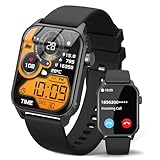
- 【1.83" HD Display & Customizable Watch Faces】Immerse yourself in a vibrant 1.83-inch IPS display, boasting a sharp resolution of 240*284 for crystal-clear visuals. Effortlessly personalize your smart watch with a wide array of customizable watch faces to suit your personal style for every occasion—whether trendy, artistic, or minimalist—ideal for casual, sporty, or professional. Its sleek, modern design complements any outfit, blending technology and fashion seamlessly for everyday wear
- 【120 Sports Modes & Advanced Health Tracking】Our TK29 smart watches for women men come equipped with 120 sports modes, allowing you to effortlessly track a variety of activities such as walking, running, cycling, and swimming. With integrated heart rate and sleep monitors, you can maintain a comprehensive overview of your health, achieve your fitness goals, and maintain a balanced, active lifestyle with ease. Your ideal wellness companion (Note: Step recording starts after exceeding 20 steps)
- 【IP67 Waterproof & Long-Lasting Battery】Designed to keep up with your active lifestyle, this smartwatch features an IP67 waterproof rating, ensuring it can withstand splashes, sweat, and even brief submersion, making it perfect for workouts, outdoor adventures, or rainy days. Its reliable 350mAh battery offering 5-7 days of active use and up to 30 days in standby mode, significantly reducing frequent charging. Ideal for all-day wear, whether you’re at the gym, outdoors, or simply on the go
- 【Stay Connected Anytime, Anywhere】Stay informed and in control with Bluetooth call and music control features. Receive real-time notifications for calls, messages, and social media apps like Facebook, WhatsApp, Twitter, and Instagram directly on your smartwatch. Easily manage calls, control your music playlist, and stay updated without needing to reach for your phone. Perfect for work, workouts, or on-the-go, this watch keeps you connected and never miss important updates wherever you are
- 【Multifunction & Wide Compatibility】Seamlessly handle heart rate monitoring, sleep tracking, and enjoy conveniences like camera/music control, Seamlessly handle heart rate monitoring, sleep tracking, and more-all directly from your wrist. This 1.83 inches HD smartwatch is compatible with iPhone (iOS 9.0+) & Android (5.0+), ensuring smooth daily connectivity and convenience throughout your day. More than just a timepiece, it’s a stylish, all-in-one wearable for smarter, healthier living
The Xiaomi Watch 2 was never positioned as a long-term software champion. It launched as an aggressively priced Snapdragon W5+ Gen 1-powered alternative to Samsung and Google, focusing on strong specs per dollar rather than promises of extended support. That chipset choice alone led many to assume the Watch 2 would plateau quickly once newer Wear OS versions arrived.
Wear OS 5 landing on the Watch 2 breaks that pattern. It places Xiaomi in a small group of manufacturers willing to invest in ongoing platform relevance for lower-cost hardware, something that materially changes how the watch should be judged today.
Wear OS 5 Brings Real Performance and Efficiency Gains
This update is surprising partly because Wear OS 5 is not cosmetic. Under the hood, Google has continued refining task scheduling, background process management, and animation efficiency, areas that directly affect how budget hardware feels over time. On the Watch 2, these improvements play well with the W5+ Gen 1’s hybrid architecture, particularly its low-power co-processor.
In daily use, that translates into smoother scrolling, faster app launches, and fewer moments where the interface feels one step behind your input. Tile loading is more consistent, notifications feel more immediate, and system-level stutters that occasionally cropped up on earlier versions are reduced. For a watch with a 1.43-inch AMOLED display and a relatively high refresh rate feel, this matters more than spec sheets suggest.
Battery life also benefits in a subtle but important way. The Watch 2 was already respectable for a Wear OS device, typically landing around a full day with moderate use. Wear OS 5’s efficiency improvements help stabilize that experience, making all-day wear more predictable rather than something you have to actively manage.
Health, Fitness, and App Support Age More Gracefully
Another reason the update is unexpected is how it future-proofs health and fitness tracking. Wear OS 5 improves sensor data handling, background workout reliability, and integration with Google’s evolving Health Connect framework. For a watch that already offers solid heart rate tracking, SpO2, sleep monitoring, and GPS-based workouts, this ensures those features don’t stagnate as apps evolve.
Third-party fitness apps benefit as well. Developers increasingly target newer Wear OS APIs, and devices stuck on older versions slowly lose compatibility or performance parity. By staying current, the Watch 2 remains a viable platform for apps like Strava, Spotify, Google Maps, and emerging fitness tools that expect modern system behavior.
This matters for buyers who don’t upgrade hardware frequently. A budget smartwatch that remains compatible with the latest apps for several years often delivers better value than a slightly cheaper model that becomes software-limited within 18 months.
It Reframes the Watch 2’s Long-Term Value Proposition
Perhaps the most surprising element is how this update reshapes the Watch 2’s position in the market. What was initially a “great for the price right now” recommendation becomes something closer to a safe long-term buy. Software longevity is one of the most expensive features in the smartwatch world, and Xiaomi has effectively added it after the fact.
For existing owners, this update justifies sticking with the Watch 2 rather than feeling pressure to upgrade to newer, more expensive models. For new buyers, it changes the calculus entirely, especially when the Watch 2 is frequently discounted. You’re no longer buying into a dead-end platform, but into a watch that remains aligned with Google’s Wear OS roadmap.
That is why the Wear OS 5 update is genuinely surprising. It doesn’t just refresh the interface or add a handful of features; it extends relevance, usability, and confidence in a way budget Wear OS watches almost never manage.
Quick Recap: Where the Xiaomi Watch 2 Sits in the Budget Wear OS Landscape
All of that context matters because the Xiaomi Watch 2 has always occupied an unusual middle ground in the Wear OS market. It is priced like a budget watch, but architected like something far closer to Google and Samsung’s mainstream offerings. The Wear OS 5 update simply sharpens that contrast and makes its original positioning clearer in hindsight.
A Rare Combination: Proper Wear OS at a Budget Price
When the Watch 2 launched, its defining advantage was simple: it delivered full, unskinned Wear OS with Google services at a price point where most competitors were still relying on proprietary platforms. That meant native Google Maps navigation, Play Store access, Google Wallet, Assistant support, and tight Android phone integration without compromises.
At its core is Qualcomm’s Snapdragon W5+ Gen 1, a modern Wear OS chipset that already separated it from older budget models running recycled silicon. Performance has always been smooth in daily use, with responsive scrolling, fast app launches, and reliable GPS tracking, even before Wear OS 5 entered the picture.
Hardware That Quietly Overdelivers for the Price
Physically, the Watch 2 plays it safe but smart. The 46mm aluminum case keeps weight reasonable for all-day wear, while the AMOLED display is bright, sharp, and well-sized for maps and notifications without feeling oversized on average wrists. It’s not luxury watchmaking, but finishing is clean, tolerances are solid, and nothing feels cut-rate in hand.
Comfort is a strength. The case profile sits flat enough for sleep tracking, and standard 22mm straps make swapping bands easy and inexpensive. Water resistance is sufficient for workouts and swimming, reinforcing its role as a daily wearable rather than a fragile tech accessory.
Health and Fitness Without Gimmicks
From day one, the Watch 2 offered the core sensors most buyers actually use: continuous heart rate tracking, SpO2, sleep monitoring, GPS, and multi-sport support. Accuracy has been competitive for the class, particularly for outdoor workouts, even if it doesn’t chase advanced metrics found on premium fitness watches.
The key distinction is that these features live inside Wear OS rather than a locked ecosystem. That openness has always allowed users to choose apps like Strava, Google Fit, or third-party training tools instead of being forced into a single brand’s interpretation of fitness data.
How It Originally Compared to Its Rivals
Against similarly priced alternatives, the Watch 2’s biggest advantage has always been completeness. Samsung’s Galaxy Watch models offer deeper polish but typically cost more, especially outside promotions. Google’s Pixel Watch delivers tighter platform integration but sits firmly in a higher price tier with shorter battery life.
Cheaper watches often compromise elsewhere, either by abandoning Wear OS entirely or by using older processors that struggle over time. Before the Wear OS 5 update, the Watch 2 was already the most balanced option for buyers who wanted modern software without paying flagship prices.
Why This Context Makes the Update Matter More
Seen in this light, the Wear OS 5 update doesn’t just improve the Watch 2; it validates its original design philosophy. Xiaomi built a watch with hardware capable of aging gracefully, even if expectations for long-term support were modest at launch.
Now, instead of being remembered as a good-value snapshot in time, the Watch 2 sits as one of the few budget Wear OS watches that genuinely keeps pace with the platform. That distinction is rare, and it reshapes how the Watch 2 should be evaluated against both older bargains and newer arrivals chasing attention on spec sheets alone.
What Wear OS 5 Actually Brings to the Xiaomi Watch 2 (Features, UI, and Under-the-Hood Changes)
The significance of the Wear OS 5 update only really lands once you look past the version number. This isn’t a cosmetic patch designed to tick a support box; it meaningfully changes how the Xiaomi Watch 2 behaves day to day, and how long it can realistically stay in rotation as a primary smartwatch.
For a budget Wear OS device, that shift is unusually impactful, because it addresses the exact areas where cheaper smartwatches tend to age poorly: performance consistency, battery efficiency, and platform relevance.
A More Refined, Less Demanding Wear OS Experience
Visually, Wear OS 5 doesn’t reinvent the interface, but it noticeably tightens it. Animations across tiles, the app drawer, and quick settings feel more deliberate, with fewer dropped frames during rapid swipes or when waking the watch from sleep.
On the Xiaomi Watch 2’s Snapdragon W5 Gen 1 platform, this refinement matters. The chipset was already capable, but Wear OS 5 better balances animation smoothness with power draw, making the UI feel closer to flagship Wear OS watches than its price would suggest.
Menus load faster, Google Assistant responses feel less hesitant, and background app refreshes are less intrusive during active use. It’s the kind of improvement that’s hard to quantify on a spec sheet but immediately obvious on the wrist.
Battery Life Gains That Actually Change Usage Patterns
One of the most meaningful under-the-hood changes comes from Wear OS 5’s power management updates. Google has reworked how background tasks, sensors, and third-party apps behave when the watch is idle or in low-interaction states.
In real-world use, this translates to fewer overnight battery drops and more predictable daily endurance. The Watch 2 was already a solid one-and-a-half to two-day device depending on GPS use, but Wear OS 5 makes that performance easier to achieve consistently rather than only under ideal conditions.
For users who rely on always-on display, sleep tracking, and frequent notifications, the update reduces the need to micromanage settings. That alone elevates the Watch 2 from “budget compromise” to something closer to a set-it-and-forget-it daily wearable.
Health, Fitness, and Sensor Handling Improvements
While Wear OS 5 doesn’t unlock brand-new sensors, it improves how existing data is handled. Heart rate sampling behaves more intelligently during mixed activity days, reducing unnecessary polling when you’re sedentary without sacrificing responsiveness during workouts.
GPS lock times are marginally quicker, especially after periods of inactivity, which benefits outdoor runners and walkers who want to start tracking without waiting. This plays well with the Watch 2’s already reliable GPS hardware and keeps workout tracking competitive with more expensive rivals.
Sleep tracking also benefits indirectly from better background efficiency. Fewer overnight processing spikes mean cleaner data capture and less battery anxiety for users who track sleep every night.
Rank #2
![Apple Watch Series 11 [GPS 46mm] Smartwatch with Jet Black Aluminum Case with Black Sport Band - M/L. Sleep Score, Fitness Tracker, Health Monitoring, Always-On Display, Water Resistant](https://m.media-amazon.com/images/I/312K597M2uL._SL160_.jpg)
- HYPERTENSION NOTIFICATIONS — Apple Watch Series 11 can spot signs of chronic high blood pressure and notify you of possible hypertension.*
- KNOW YOUR SLEEP SCORE — Sleep score provides an easy way to help track and understand the quality of your sleep, so you can make it more restorative.
- EVEN MORE HEALTH INSIGHTS — Take an ECG anytime.* Get notifications for a high and low heart rate, an irregular rhythm,* and possible sleep apnea.* View overnight health metrics with the Vitals app* and take readings of your blood oxygen.*
- STUNNING DESIGN — Thin and lightweight, Series 11 is comfortable to wear around the clock — while exercising and even when you’re sleeping, so it can help track your key metrics.
- A POWERFUL FITNESS PARTNER — With advanced metrics for all your workouts, plus features like Pacer, Heart Rate Zones, training load, Workout Buddy powered by Apple Intelligence from your nearby iPhone,* and more. Series 11 also comes with three months of Apple Fitness+ free.*
Better App Compatibility and Longer Platform Relevance
Perhaps the most underrated benefit of Wear OS 5 is what it does for app longevity. As developers move forward with newer APIs, watches stuck on older Wear OS versions quietly fall behind, even if the hardware is still capable.
By jumping to Wear OS 5, the Xiaomi Watch 2 stays aligned with Google’s current app ecosystem. That means better long-term compatibility with Google Fit, Strava, Spotify, WhatsApp, and future Wear OS releases that assume more modern system behavior.
For buyers comparing value rather than launch-year specs, this matters enormously. A cheaper watch that can still run current apps smoothly two years from now is worth more than a newer model that feels dated by its second software cycle.
Polish That Elevates Daily Wearability
The update also improves subtle but important aspects of daily comfort. Haptic feedback feels more precisely timed, making notifications easier to parse without looking at the screen. Touch response is slightly more forgiving when interacting with the display mid-motion, which helps during workouts or one-handed use.
Combined with the Watch 2’s solid build, balanced case size, and comfortable strap options, these refinements reinforce its role as an all-day wearable rather than a device you tolerate for features alone. Software polish, in this case, enhances the physical experience.
That’s the real takeaway from Wear OS 5 on the Xiaomi Watch 2. It doesn’t just add features; it reduces friction. And in the budget smartwatch segment, reducing friction is often what separates a short-term bargain from a genuinely good long-term buy.
Performance, Battery Life, and Day-to-Day Usability After the Update
What ultimately determines whether a budget smartwatch ages gracefully isn’t its spec sheet, but how it feels to live with months after purchase. Wear OS 5 materially changes that equation on the Xiaomi Watch 2, turning what was already competent hardware into something that feels noticeably more mature in daily use.
Smoother Performance That Finally Matches the Hardware
The Xiaomi Watch 2’s Snapdragon W5-class platform was never the problem; earlier software simply didn’t let it stretch its legs. With Wear OS 5, system animations are tighter, app launches are more consistent, and background tasks no longer interrupt foreground actions in subtle but frustrating ways.
Swiping through tiles now feels closer to Google’s own Pixel Watch experience than to earlier Xiaomi Wear OS efforts. Even third-party apps like Spotify or Google Maps benefit from more predictable memory handling, with fewer reloads when switching between workouts, notifications, and media controls.
This matters because performance consistency, not peak speed, defines perceived quality on a smartwatch. After the update, the Watch 2 feels less like a “fast budget watch” and more like a properly optimized Wear OS device that happens to cost less.
Battery Life: Small Gains That Add Up Over a Full Day
On paper, Wear OS 5 doesn’t promise dramatic battery improvements, but real-world usage tells a more encouraging story. Background efficiency is clearly improved, especially with notification handling, health tracking, and overnight processes like sleep analysis.
In mixed daily use with always-on display disabled, most users should comfortably reach the end of a long day with headroom to spare, even with GPS workouts and streaming playback. Compared to pre-update behavior, the watch drains more evenly instead of dropping sharply during certain periods.
Always-on display users still need to be realistic, but the Watch 2 now feels less punishing in this mode. That extra margin makes the difference between charging anxiety and confidence, which is crucial for a watch meant to be worn continuously rather than babied.
Charging, Heat, and Stability Improvements
One understated benefit of the update is improved thermal behavior. During longer GPS workouts or navigation sessions, the Watch 2 runs slightly cooler, reducing throttling and maintaining more stable performance over time.
Charging behavior remains largely unchanged in speed, but it’s more predictable. The watch no longer feels as sensitive to background activity while charging, meaning it reaches a full charge more reliably without stalling at higher percentages.
Stability improvements are also evident in fewer random app freezes and fewer moments where the UI hesitates after waking from sleep. These are small fixes individually, but together they make the Watch 2 feel far less temperamental.
Day-to-Day Usability Where the Update Really Pays Off
Wear OS 5 enhances how the Watch 2 fits into everyday routines rather than how it looks on a spec comparison chart. Notifications arrive faster and with better haptic timing, making it easier to triage messages without pulling out your phone.
Voice interactions are more reliable, with fewer failed Assistant prompts and quicker response times for dictation. For Android users who rely on quick replies, reminders, or smart home controls, this alone elevates the Watch 2 from optional accessory to genuinely useful companion.
Combined with its lightweight case, balanced dimensions, and comfortable strap options, the improved software reinforces the Watch 2’s role as an all-day wearable. It no longer feels like something you tolerate for the price, but something you actively enjoy wearing because it stays out of your way while still delivering when needed.
Health, Fitness, and App Ecosystem: Does Wear OS 5 Close the Gap to Pricier Rivals?
The smoother daily experience sets the stage, but for most buyers in this category, health tracking and app support ultimately decide whether a smartwatch earns a place on the wrist. This is where budget Wear OS watches have historically fallen behind Garmin, Samsung, and Google’s own Pixel line.
Wear OS 5 doesn’t magically transform the Xiaomi Watch 2 into a flagship fitness watch, but it does narrow several gaps that previously felt structural rather than price-driven.
Health Tracking: More Consistent, Still Not Class-Leading
The Watch 2’s sensor hardware hasn’t changed, but Wear OS 5 brings noticeable improvements in how data is captured and processed. Heart rate readings during steady-state workouts are more stable, with fewer sudden drops or spikes that previously undermined confidence during runs or cycling sessions.
Sleep tracking also benefits from better background handling. Overnight heart rate and SpO2 measurements are logged more consistently, with fewer missing segments in the morning summaries. It still lacks the deeper sleep coaching and long-term trend insights found on Fitbit Premium or Samsung Health, but the raw data quality is improved enough to feel dependable.
Stress tracking and breathing exercises remain basic, and athletes looking for recovery scores or training readiness will still hit limitations. That said, for everyday health monitoring, the Watch 2 now delivers results that feel appropriate for continuous wear rather than “good for the price.”
Fitness Modes, GPS, and Workout Reliability
Wear OS 5 improves how workouts behave under load, which matters more than new sport modes on a spec sheet. GPS lock is marginally quicker, and more importantly, tracking sessions are less prone to hiccups when switching between apps or interacting with notifications mid-workout.
Longer outdoor sessions benefit from better thermal management and reduced background drain, allowing the Watch 2 to maintain consistent GPS sampling without aggressive throttling. This doesn’t turn it into a marathon specialist, but it reduces the anxiety of wondering whether the watch will survive a long run or hike.
Automatic workout detection remains limited compared to premium rivals, but manual tracking is now reliable enough that most users won’t feel punished for using third-party fitness apps instead of Xiaomi’s defaults.
The App Ecosystem Advantage Finally Pays Off
This is where Wear OS 5 delivers its biggest value swing. Access to Google’s app ecosystem has always been the Watch 2’s theoretical advantage over proprietary budget platforms, but performance limitations previously blunted that edge.
With the update, core apps like Google Maps, Spotify, WhatsApp, and Strava feel genuinely usable rather than compromised. Maps navigation is smoother, music controls respond instantly, and fitness apps stay active in the background without randomly closing or desyncing.
Third-party watch faces also benefit from better efficiency, making always-on display designs less punishing on battery life. For users who enjoy customizing their watch to match outfits, straps, or situations, this adds an element of ownership that cheaper RTOS-based watches simply can’t replicate.
Compatibility, Payments, and Everyday Practicality
Wear OS 5 reinforces Android integration, which matters deeply at this price point. Google Wallet works more reliably, with fewer authentication failures at terminals, making the Watch 2 a realistic contactless payment option rather than a backup.
Smart replies, dictation, and notification actions feel closer to Pixel Watch behavior than previous budget Wear OS efforts. Combined with its slim profile, lightweight aluminum case, and comfortable strap options, the Watch 2 becomes easier to trust as an all-day device rather than something you swap on only for workouts.
iOS users are still excluded, but Android owners benefit from tighter system-level integration that wasn’t guaranteed when the Watch 2 launched.
Rank #3

- Bluetooth Call and Message Alerts: Smart watch is equipped with HD speaker, after connecting to your smartphone via bluetooth, you can answer or make calls, view call history and store contacts through directly use the smartwatch. The smartwatches also provides notifications of social media messages (WhatsApp, Twitter, Facebook, Instagram usw.) So that you will never miss any important information.
- Smart watch for men women is equipped with a 320*380 extra-large hd full touch color screen, delivering exceptional picture quality and highly responsive touch sensitivity, which can bring you a unique visual and better interactive experience, lock screen and wake up easily by raising your wrist. Though “Gloryfit” app, you can download more than 102 free personalised watch faces and set it as your desktop for fitness tracker.
- 24/7 Heart Rate Monitor and Sleep Tracker Monitor: The fitness tracker watch for men has a built-in high-performance sensor that can record our heart rate changes in real time. Monitor your heart rate 26 hours a day and keep an eye on your health. Synchronize to the mobile phone app"Gloryfit", you can understand your sleep status(deep /light /wakeful sleep) by fitness tracker watch develop a better sleep habit and a healthier lifestyle.
- IP68 waterproof and 110+ Sports Modes: The fitness tracker provides up to 112+ sports modes, covering running, cycling, walking, basketball, yoga, football and so on. Activity trackers bracelets meet the waterproof requirements for most sports enthusiasts' daily activities, such as washing hands or exercising in the rain, meeting daily needs (note: Do not recommended for use in hot water or seawater.)
- Multifunction and Compatibility: This step counter watch also has many useful functions, such as weather forecast, music control, sedentary reminder, stopwatch, alarm clock, timer, track female cycle, screen light time, find phone etc. The smart watch with 2 hrs of charging, 5-7 days of normal use and about 30 days of standby time. This smart watches for women/man compatible with ios 9.0 and android 6.2 and above devices.
How Close Is “Close Enough” to Premium Watches?
Wear OS 5 doesn’t erase the hardware gap separating the Watch 2 from pricier rivals with advanced sensors, sapphire glass, or multi-band GPS. What it does is eliminate many of the software excuses that previously justified spending significantly more.
For buyers prioritizing reliable health data, broad app support, and long-term usability over elite training metrics, the Watch 2 now punches well above its price. The update shifts it from a budget compromise to a value-driven alternative, especially for users who want the flexibility of Wear OS without committing flagship money.
That shift is what keeps the Xiaomi Watch 2 relevant. In a market where budget watches are often abandoned early, meaningful platform updates like this are what turn a good deal into a smart purchase.
Longevity and Software Support: What This Update Signals About Xiaomi’s Update Strategy
The bigger story behind Wear OS 5 on the Xiaomi Watch 2 isn’t just the feature list, it’s the precedent. Budget Wear OS watches are usually treated as disposable hardware, lucky to see bug-fix updates, let alone a major platform jump. That context is what makes this update genuinely surprising.
By pushing Wear OS 5 to a watch that was never positioned as a long-term flagship, Xiaomi is quietly challenging one of the biggest pain points in the affordable smartwatch segment: software abandonment.
Why Wear OS 5 on a Budget Xiaomi Watch Is Unexpected
Historically, Xiaomi’s update track record has been inconsistent, especially outside its phone lineup. Even higher-end Xiaomi watches and fitness devices have often received limited OS upgrades, with support focusing more on incremental firmware tweaks than full platform evolution.
The Watch 2 launched as a value-driven Wear OS entry with solid hardware but no explicit promise of multi-generation OS support. In that light, Wear OS 5 arriving at all suggests this model was built with more headroom than initially advertised, both in terms of chipset capability and internal support planning.
This matters because Wear OS updates aren’t trivial. They require coordination with Google, Qualcomm, and app developers, and they often expose weaknesses in cheaper hardware. Xiaomi choosing to clear that bar signals a shift in priorities.
What This Says About Xiaomi’s Long-Term Wear OS Commitments
The update hints that Xiaomi is treating Wear OS as a strategic platform rather than an experiment. Unlike its RTOS-based watches, which live or die on Xiaomi’s own software resources, Wear OS devices live within Google’s ecosystem, where neglect becomes far more visible to users.
By keeping the Watch 2 aligned with current Wear OS versions, Xiaomi gains credibility with Android users who care about app compatibility, security patches, and future-proofing. It also lowers the psychological risk for buyers who might otherwise stretch their budget for a Pixel or Samsung watch purely for update reassurance.
This doesn’t mean Xiaomi has suddenly matched Google or Samsung’s update guarantees. What it does mean is that the Watch 2 no longer looks like a one-and-done product, which is a meaningful upgrade to its value proposition.
Security, App Compatibility, and the Hidden Value of Staying Current
Wear OS 5 brings quieter but crucial benefits that compound over time. Security updates land more reliably, Google services evolve without breaking compatibility, and third-party apps are less likely to drop support as APIs advance.
For everyday users, this translates into fewer frustrating edge cases. Payments remain usable, fitness apps don’t randomly stop syncing, and watch faces continue to install and function as developers optimize for newer OS versions.
On a watch with comfortable dimensions, light weight, and an aluminum case designed for all-day wear, this kind of software stability is what allows the hardware to age gracefully rather than feel obsolete after a year.
How This Update Extends the Watch 2’s Buying Window
Most budget smartwatches have a short relevance cycle. New models arrive with marginal hardware upgrades, while older ones quietly fall behind due to software stagnation rather than physical wear.
Wear OS 5 effectively resets that clock for the Watch 2. It remains compatible with modern Android phones, current apps, and evolving Google services, which keeps it competitive even against newer budget launches that rely on fresher silicon but weaker software support.
For buyers comparing discounted older models versus brand-new releases, this update changes the math. The Watch 2 now offers something rare at its price: a credible path to multi-year daily usability, not just acceptable performance on day one.
Xiaomi Watch 2 vs Newer Budget Alternatives: Does It Still Make Sense to Buy?
The Wear OS 5 update fundamentally changes how the Xiaomi Watch 2 stacks up against newer budget smartwatches. Instead of feeling like last year’s discounted hardware, it now competes on the same software footing as watches launched far more recently.
That shifts the buying question away from “is it outdated?” to a more nuanced comparison of hardware priorities, ecosystem lock-in, and long-term value.
Against Google Pixel Watch and Pixel Watch 2
Google’s Pixel Watch line still leads on software polish, health insights, and tight integration with Pixel phones. The Pixel Watch 2’s sensors, Fitbit-backed health metrics, and smoother UI animations are meaningfully better if you care about advanced sleep tracking or stress metrics.
The trade-off is price and practicality. Even discounted, Pixel Watch models typically cost significantly more than the Xiaomi Watch 2, and their compact case sizes and domed glass aren’t universally comfortable for all-day wear, especially for users with larger wrists.
With Wear OS 5 now onboard, the Xiaomi Watch 2 closes much of the functional gap for everyday use. You still get Google Wallet, Maps, Assistant, and a mature app ecosystem, paired with a lighter aluminum case and more conventional dimensions that many users find easier to live with daily.
Against Samsung Galaxy Watch FE and Older Galaxy Watch Models
Samsung’s Galaxy Watch FE and older Galaxy Watch 4 or 5 models are often the most obvious alternatives in the same price bracket. They offer solid hardware, good displays, and reliable fitness tracking, but they lean heavily into Samsung-exclusive features.
If you’re not using a Samsung phone, you lose access to certain health metrics and deeper integrations. Battery life on these models also remains average at best, often requiring daily charging with moderate use.
The Xiaomi Watch 2, running standard Wear OS without heavy OEM restrictions, feels more platform-neutral. The Wear OS 5 update ensures ongoing app compatibility and security support, which matters more long-term than Samsung’s feature extras if you’re using a non-Galaxy Android phone.
Against Newer Budget Wear OS Launches
Newer budget Wear OS watches often advertise faster chips or slightly improved battery specs, but many still ship with older software or uncertain update commitments. Hardware advantages can look compelling on paper, yet they don’t always translate into a better daily experience if updates lag.
The Watch 2’s Snapdragon-based performance remains perfectly adequate for notifications, workouts, navigation, and payments. With Wear OS 5 optimizing background behavior and animations, real-world responsiveness feels closer to newer models than the spec sheet suggests.
In practical terms, this means fewer compromises. Apps launch reliably, health tracking remains consistent, and Google services evolve without leaving the Watch 2 behind.
Build Quality, Comfort, and Everyday Wearability
Physically, the Xiaomi Watch 2 holds up well against newer competitors. Its aluminum case keeps weight down, the proportions work for a wide range of wrists, and standard strap compatibility makes it easy to personalize without hunting for proprietary bands.
The display may not push cutting-edge brightness numbers, but it remains clear and legible for daily use, workouts, and navigation. Durability is adequate for everyday life, and the overall finishing feels more “mainstream smartwatch” than cost-cutting budget device.
These factors matter more now that the software lifespan has been extended. Comfort and wearability become critical when you expect to use a watch for multiple years rather than replacing it after one update cycle.
Battery Life and Performance in Context
Battery life remains a realistic one-day experience, sometimes stretching into a second day with conservative use. Wear OS 5’s background optimizations help consistency, even if they don’t dramatically rewrite endurance expectations.
What’s important is predictability. The Watch 2 no longer feels like it’s fighting an aging OS, and performance slowdowns tied to outdated software are far less likely to creep in over time.
Rank #4
![Apple Watch Series 11 [GPS 42mm] Smartwatch with Rose Gold Aluminum Case with Light Blush Sport Band - S/M. Sleep Score, Fitness Tracker, Health Monitoring, Always-On Display, Water Resistant](https://m.media-amazon.com/images/I/31J+F-pXaWL._SL160_.jpg)
- HYPERTENSION NOTIFICATIONS — Apple Watch Series 11 can spot signs of chronic high blood pressure and notify you of possible hypertension.*
- KNOW YOUR SLEEP SCORE — Sleep score provides an easy way to help track and understand the quality of your sleep, so you can make it more restorative.
- EVEN MORE HEALTH INSIGHTS — Take an ECG anytime.* Get notifications for a high and low heart rate, an irregular rhythm,* and possible sleep apnea.* View overnight health metrics with the Vitals app* and take readings of your blood oxygen.*
- STUNNING DESIGN — Thin and lightweight, Series 11 is comfortable to wear around the clock — while exercising and even when you’re sleeping, so it can help track your key metrics.
- A POWERFUL FITNESS PARTNER — With advanced metrics for all your workouts, plus features like Pacer, Heart Rate Zones, training load, Workout Buddy powered by Apple Intelligence from your nearby iPhone,* and more. Series 11 also comes with three months of Apple Fitness+ free.*
For a budget buyer, that reliability can be more valuable than headline battery claims that don’t hold up once apps and updates accumulate.
Who the Xiaomi Watch 2 Still Makes Sense For
If you want a clean Wear OS experience, broad Android compatibility, and a realistic path to multi-year use without paying flagship prices, the Xiaomi Watch 2 is suddenly very hard to dismiss. The Wear OS 5 update elevates it from “good for the price” to “strategically smart buy.”
It won’t replace a Pixel Watch for health obsessives or a Samsung watch for Galaxy loyalists. But for budget-conscious Android users who care about longevity, comfort, and software relevance, the Watch 2 now competes on far more equal terms than anyone expected.
Real-World Buying Context: Who Should Buy the Xiaomi Watch 2 in 2026—and Who Shouldn’t?
The Wear OS 5 update changes how the Xiaomi Watch 2 fits into the 2026 market. Instead of being judged as a discounted leftover from an earlier cycle, it now needs to be evaluated as a still-supported platform with realistic longevity.
That distinction matters because most budget smartwatches fail not on hardware, but on software abandonment. Xiaomi unexpectedly avoiding that trap reshapes the buying calculus.
Buy It If You Want Long-Term Wear OS Value Without Paying Flagship Prices
If you are an Android user who wants full Wear OS features, Play Store access, Google Assistant, Wallet support, and third‑party apps without paying Pixel Watch or Galaxy Watch money, the Watch 2 makes strong sense. The Wear OS 5 update ensures compatibility with newer apps and system-level improvements that budget alternatives simply cannot match.
At its current street pricing, the hardware no longer feels compromised for daily wear. The aluminum case, comfortable dimensions, and standard strap lugs make it easy to live with long-term, especially compared to bulkier sport-first designs.
This is especially appealing for buyers who plan to keep a smartwatch for three or more years. Software relevance is now baked in rather than assumed.
Buy It If You Prioritize Software Stability Over Experimental Features
Wear OS 5 doesn’t radically transform the experience, but it smooths it. Background processes are more consistent, app launches feel steadier, and system animations better match modern Wear OS expectations.
For everyday use, that translates to fewer micro-frustrations rather than flashy new tricks. Notifications behave predictably, fitness tracking sessions are more reliable, and battery drain is less erratic across weeks of use.
If you value a watch that fades into your routine rather than demanding constant tweaking, this update pushes the Watch 2 into a more mature, dependable category.
Buy It If You Want a Comfortable, Neutral Daily Watch
Physically, the Watch 2 sits in a sweet spot for general wear. It doesn’t dominate the wrist, it works equally well with casual or work outfits, and it avoids the aggressively sporty look common in budget fitness-focused watches.
Comfort becomes more important when a device is no longer disposable after a year. The lighter aluminum build, balanced proportions, and easy strap swaps make it realistic to wear from morning to night without fatigue.
That everyday wearability pairs well with the longer software runway now implied by Wear OS 5 support.
Skip It If You Want Best-in-Class Health or Fitness Tracking
While the Watch 2 covers the essentials, it still doesn’t compete with Samsung’s advanced sensors or Fitbit-backed health insights on Pixel Watches. Metrics like advanced sleep analysis, body composition, and ecosystem-driven coaching remain outside its strengths.
If health tracking is the primary reason you buy a smartwatch, newer Galaxy Watch models or dedicated fitness wearables will deliver more depth. The Wear OS update improves stability, not sensor capabilities.
In that context, the Watch 2 remains competent rather than category-leading.
Skip It If You Need Multi-Day Battery Life
Wear OS 5 improves efficiency, but it does not rewrite physics. Expect one full day comfortably, sometimes more with restrained use, but not the multi-day endurance offered by hybrid or RTOS-based watches.
If charging every night feels like a deal-breaker, alternatives from Huawei, Amazfit, or Garmin will better match your expectations. The Watch 2 prioritizes software flexibility over endurance.
The update makes battery behavior more predictable, not dramatically longer.
Skip It If You’re Deeply Locked Into a Specific Ecosystem
Samsung Galaxy users who rely heavily on exclusive features, or Pixel users who want tight Fitbit and Google integration, may feel the Watch 2 is slightly outside their ideal lane. It works well across Android, but it doesn’t specialize.
The Watch 2’s strength is neutrality. That’s an advantage for most Android users, but less so for those already invested in a brand-specific experience.
In those cases, paying more for ecosystem alignment may still make sense.
Why the Wear OS 5 Update Ultimately Tips the Scales
What makes the Xiaomi Watch 2 compelling in 2026 isn’t a single feature, but the signal sent by this update. Budget Wear OS watches rarely receive meaningful platform upgrades, let alone ones that extend relevance into a new generation.
That unexpected commitment shifts the Watch 2 from a short-term bargain into a long-term value play. It’s no longer just affordable; it’s defensible against newer competitors that cost more but offer no clear durability advantage.
For buyers who measure value in years rather than launch hype, that may be the most important upgrade of all.
Known Limitations, Missing Features, and Regional Caveats After the Update
That long-term value signal matters, but it does not magically turn the Xiaomi Watch 2 into a flagship. Even after Wear OS 5, there are clear ceilings shaped by hardware choices, Xiaomi’s software priorities, and regional constraints that buyers should understand before committing.
This update keeps the Watch 2 competitive in its lane, not outside of it.
No New Sensors or Health Breakthroughs
Wear OS 5 does not unlock additional health sensors because there simply aren’t any waiting in reserve. Heart rate, SpO₂, sleep tracking, and basic activity metrics behave much the same as before, just with improved stability and fewer sync hiccups.
There is still no ECG, skin temperature tracking, or advanced recovery analysis. For buyers comparing it to Galaxy Watch 6 or Pixel Watch 2, the gap in health sophistication remains obvious.
The update improves reliability and presentation, not depth.
Fitness Tracking Remains Competent, Not Athlete-Grade
GPS accuracy is solid for casual runs and cycling, but it lacks dual-band precision and advanced training metrics. Wear OS 5 smooths workout transitions and background tracking, yet Xiaomi’s fitness layer still prioritizes accessibility over performance analytics.
There is no native training readiness score, adaptive coaching, or deep VO₂ max trend analysis. Serious runners and endurance athletes will still find Garmin or Coros better aligned with their needs.
💰 Best Value
![Apple Watch Series 11 [GPS 42mm] Smartwatch with Jet Black Aluminum Case with Black Sport Band - S/M. Sleep Score, Fitness Tracker, Health Monitoring, Always-On Display, Water Resistant](https://m.media-amazon.com/images/I/31ybzrJZckL._SL160_.jpg)
- HYPERTENSION NOTIFICATIONS — Apple Watch Series 11 can spot signs of chronic high blood pressure and notify you of possible hypertension.*
- KNOW YOUR SLEEP SCORE — Sleep score provides an easy way to help track and understand the quality of your sleep, so you can make it more restorative.
- EVEN MORE HEALTH INSIGHTS — Take an ECG anytime.* Get notifications for a high and low heart rate, an irregular rhythm,* and possible sleep apnea.* View overnight health metrics with the Vitals app* and take readings of your blood oxygen.*
- STUNNING DESIGN — Thin and lightweight, Series 11 is comfortable to wear around the clock — while exercising and even when you’re sleeping, so it can help track your key metrics.
- A POWERFUL FITNESS PARTNER — With advanced metrics for all your workouts, plus features like Pacer, Heart Rate Zones, training load, Workout Buddy powered by Apple Intelligence from your nearby iPhone,* and more. Series 11 also comes with three months of Apple Fitness+ free.*
For everyday fitness and consistency, it does enough without pretending to do more.
Battery Life Expectations Are Still Tight
Efficiency gains in Wear OS 5 reduce idle drain and background app misbehavior, but real-world endurance remains anchored around a day to a day and a half. The Snapdragon W5 Gen 1 helps, yet the combination of AMOLED display, LTE variants, and Wear OS services keeps nightly charging firmly on the table.
There is no new battery saver mode that dramatically changes usage patterns. Heavy notification loads, always-on display, or GPS workouts still accelerate drain quickly.
This is improved predictability, not a breakthrough in longevity.
Design and Hardware Constraints Don’t Change
The Watch 2’s stainless steel case, flat sapphire glass, and clean finishing still feel premium for the price, but the physical experience is unchanged. At roughly 47mm, it remains large on smaller wrists, and the lug design limits third-party strap fit compared to more standard layouts.
There is still no rotating crown or bezel, relying instead on touch gestures and side buttons. Wear OS 5 improves haptic consistency, but interaction remains less tactile than on Samsung’s rotating bezel models.
Comfort is good for daily wear, but not universally ergonomic.
Limited Google and Xiaomi Feature Parity
Despite running Wear OS 5, the Watch 2 does not receive Pixel-exclusive features or Samsung-only health integrations. Fitbit-specific insights, body composition metrics, and Galaxy-only wellness tools remain unavailable.
Xiaomi’s own ecosystem integrations are also lighter than on its RTOS-based watches. Smart home controls, device automation, and cross-device continuity are functional but not deeply embedded.
The Watch 2 continues to sit in a neutral middle ground rather than excelling inside any single ecosystem.
Regional Rollout and Feature Availability Vary
The Wear OS 5 update is not rolling out uniformly across all regions at the same pace. European and select Asian markets tend to receive updates earlier, while some regions may experience delays tied to regulatory approvals or carrier testing.
LTE functionality, Google Wallet support, and certain health features remain region-dependent. Buyers should not assume feature parity simply because Wear OS 5 is installed.
This is particularly relevant for travelers or users importing the watch from another market.
Long-Term Support Is Improved, Not Unlimited
While the update signals stronger-than-expected support, Xiaomi has not committed to multi-generation Wear OS upgrades beyond this point. Security updates and maintenance patches are likely, but future platform jumps remain uncertain.
That still places the Watch 2 ahead of most budget Wear OS competitors, many of which stagnate on their launch version. However, it does not yet match the explicit multi-year roadmaps offered by Google or Samsung.
The value here is extended relevance, not guaranteed longevity.
Final Verdict: How Wear OS 5 Keeps the Xiaomi Watch 2 Relevant—and Why That Matters
Taken together, the caveats around ergonomics, ecosystem depth, and regional availability frame the Xiaomi Watch 2 clearly—but they do not diminish what this update ultimately represents. Wear OS 5 arriving on a sub-premium Xiaomi smartwatch was not a given, and that surprise is precisely why it matters.
For budget-focused buyers, software longevity is often the weakest link. In that context, this update meaningfully changes the Watch 2’s position in the market.
Wear OS 5 Turns a Good Budget Watch Into a Safer Long-Term Buy
At launch, the Xiaomi Watch 2 competed almost entirely on hardware value: a clean AMOLED display, lightweight aluminum case, comfortable silicone strap, and Snapdragon W5 Gen 1 performance at a price many rivals could not touch. What it lacked was confidence in long-term software relevance.
Wear OS 5 addresses that gap. Performance stability is improved, background processes are better managed, and animations feel more consistent during daily interactions like notifications, workouts, and Google Wallet taps.
Battery efficiency gains are modest but tangible in real-world use. For most users, that translates into more predictable day-and-a-half endurance rather than a race to the charger by evening.
The Update Is Significant Precisely Because It Was Not Guaranteed
Unlike Google, Samsung, or Apple, Xiaomi has not historically built a reputation on multi-year smartwatch software commitments. Budget Wear OS watches, in particular, often stall on their launch version with only security patches.
That makes the Wear OS 5 update a signal rather than just a feature drop. It suggests Xiaomi is willing to support its Wear OS hardware longer than expected, even when margins are tighter and newer models are already on sale.
For existing owners, this extends the usable life of the Watch 2 well beyond what many reasonably assumed at purchase.
It Still Does Not Replace Flagships—And It Is Not Trying To
The Watch 2 remains clearly positioned below Galaxy Watch and Pixel Watch flagships. There is no rotating crown, no deep Fitbit integration, no advanced recovery metrics, and no tightly woven device ecosystem tying phone, earbuds, and watch together.
Health tracking is solid rather than class-leading. Heart rate, sleep, SpO₂, and GPS performance are reliable for everyday fitness, but advanced coaching and platform-specific insights remain out of reach.
What Wear OS 5 does is ensure that these limitations feel like deliberate trade-offs, not signs of neglect.
Why This Update Matters for the Budget Wear OS Market
The broader implication is larger than a single model. Budget Wear OS buyers have long faced a choice between outdated software or significantly higher prices.
By keeping the Watch 2 current, Xiaomi raises expectations across the segment. Competing brands now look less attractive if they cannot match both price and ongoing platform support.
For consumers, this shift reduces the risk of buying “cheap but temporary” hardware.
The Bottom Line: Extended Relevance Is Real Value
The Xiaomi Watch 2 with Wear OS 5 is not suddenly the best smartwatch on the market. It does not outclass premium models, and it still sits in a neutral ecosystem middle ground.
What it does offer is something far rarer at its price: continued relevance. Updated software, stable performance, broad app compatibility, and access to Google’s evolving Wear OS platform significantly extend its lifespan.
For budget-conscious Android users who want a capable, comfortable, and modern smartwatch without overpaying, Wear OS 5 keeps the Xiaomi Watch 2 firmly in the conversation—and that alone makes it one of the smartest value picks in the category right now.