Snoring and obstructive sleep apnea sit in an uncomfortable gap between lifestyle annoyance and serious chronic disease. Millions of people who struggle with disrupted sleep, bed-partner complaints, or mild-to-moderate apnea never progress to CPAP, often because the therapy is bulky, noisy, and adherence rates are notoriously poor outside specialist clinics. This is the space where consumer sleep wearables promise change, but where evidence has historically been thin.
Zeus Sleep’s anti-snoring wearable has, until now, lived squarely in that consumer territory: a compact, body-worn device designed to detect snoring and deliver gentle vibratory stimulation to prompt positional change without waking the user. The award of an NHS-backed grant shifts that narrative decisively, moving Zeus Sleep from a wellness-adjacent gadget toward a technology that will be scrutinised under real clinical conditions.
What follows explains why NHS funding is not just a badge of credibility, how the upcoming trials could meaningfully validate or challenge Zeus Sleep’s approach, and why this moment matters for the broader future of non-CPAP sleep therapies in the wearable ecosystem.
From anti-snoring accessory to clinical hypothesis
At its core, Zeus Sleep targets positional sleep-disordered breathing, a subtype where airway collapse worsens in the supine position. The wearable uses onboard sensors to identify acoustic and motion signatures consistent with snoring, then applies subtle vibration intended to encourage side-sleeping without causing cortical arousal. In theory, this mirrors positional therapy long used in sleep medicine, but packages it into a lightweight, automated form factor suitable for nightly home use.
🏆 #1 Best Overall

- Anti-Snoring: Stops snoring naturally, keeps nasal passages open to maximize airflow for smooth breathing
- Humanized Design: Mini and light, cushions nose without extra pressure, USB rechargeable for convenience
- Double Vortex Air Supply: Dual vortex technology opens airway for unobstructed breathing, solves snoring troubles directly
- Safety Material: High quality anti-allergic medical silica gel combination, soft and elastic for comfortable fit in nasal cavity
- Easy To Use: Insert anti-snoring nostril plugs for peaceful sleep, improves sleep quality with a few days of use
Until now, claims around effectiveness have largely rested on internal testing, user-reported improvements, and short-term pilot data. That is typical for consumer sleep tech, but insufficient to answer clinical questions about apnea–hypopnea index (AHI) reduction, oxygen desaturation burden, or long-term adherence. The NHS grant reframes Zeus Sleep not as a finished solution, but as a testable intervention with clearly defined physiological endpoints.
Why NHS funding changes the evidentiary bar
NHS-backed research funding brings with it governance, protocol discipline, and outcome measures aligned with clinical practice rather than marketing metrics. Trials conducted under NHS oversight are far more likely to use validated sleep assessments, such as polysomnography or NHS-grade home sleep testing, rather than relying solely on consumer-grade actigraphy or audio detection. That distinction matters when determining whether a device meaningfully alters disease severity rather than just perceived snoring.
Equally important is patient selection. NHS trials typically stratify participants by apnea severity, BMI, comorbidities, and positional dependency, which will clarify where Zeus Sleep works and where it does not. For clinicians, this is critical information; positional therapy can be highly effective for some patients and nearly useless for others, and consumer wearables rarely make that nuance explicit.
Testing adherence, not just efficacy
One of CPAP’s greatest weaknesses is adherence, with real-world usage often falling well below the thresholds needed for therapeutic benefit. A wearable like Zeus Sleep, if comfortable, quiet, and easy to integrate into nightly routines, could theoretically outperform CPAP in mild-to-moderate cases simply by being worn consistently. NHS trials can objectively track nightly usage, dropout rates, and habituation over weeks or months, rather than days.
This is where wearability details become clinically relevant. Device size, vibration intensity, battery life across consecutive nights, skin contact materials, and whether the wearable interferes with natural sleep movements all influence adherence. An NHS trial will surface these practical constraints in a way consumer reviews rarely capture, potentially forcing design iteration rather than marketing spin.
Implications for regulation and future access
If Zeus Sleep demonstrates clinically meaningful outcomes, the implications extend beyond a single product. Positive NHS trial data could support progression toward regulated medical device status, opening the door to prescription use, clinician recommendation, or even partial reimbursement pathways. That would place Zeus Sleep in a fundamentally different category from most sleep wearables currently sold direct-to-consumer.
Conversely, if results show limited impact on objective apnea metrics despite subjective snoring improvement, that outcome is equally valuable. It would help define the boundaries between wellness tools and true therapeutic devices, a distinction that remains blurred across much of the wearable sleep market. Either way, the NHS grant ensures that Zeus Sleep’s claims will be tested where it matters most: against clinical reality, not just consumer expectation.
What Is Zeus Sleep? The Technology Behind the Anti‑Snoring Wearable Explained
Against that backdrop of adherence, regulation, and real‑world usability, it is worth unpacking what Zeus Sleep actually is, and just as importantly, what it is not. Unlike CPAP systems or mandibular advancement devices, Zeus Sleep positions itself as a neuromodulatory wearable designed to intervene early in the snoring–apnea spectrum, before mechanical airway support becomes unavoidable.
At its core, Zeus Sleep is a compact, body‑worn device intended to be used nightly, without masks, hoses, or oral fittings. The design philosophy prioritises minimal intrusion into natural sleep, a deliberate response to the adherence failures that dominate existing sleep apnea therapies.
Form factor and wearability: designed for all‑night tolerance
Zeus Sleep is built around a small, lightweight module worn directly on the body, typically adhered to the skin or secured via a soft strap depending on the final production configuration. Early prototypes suggest a low‑profile enclosure designed to remain unobtrusive during side‑sleeping and position changes, a critical consideration given that positional discomfort is a major driver of abandonment in sleep devices.
Materials selection appears focused on skin compatibility and overnight comfort, with medical‑grade polymers and hypoallergenic contact surfaces intended for repeated use. Unlike wrist‑based wearables, Zeus Sleep deliberately avoids competing with smartwatches for space, reducing motion artefacts and avoiding pressure points that can disrupt sleep architecture.
Battery life is engineered around multi‑night usage rather than daily charging, with power management optimised for low‑energy sensing and intermittent stimulation. For NHS trials, this matters clinically: a device that fails mid‑night or requires frequent charging risks confounding adherence data with simple usability friction.
Snoring and breathing detection: sensing before stimulation
Zeus Sleep relies on onboard sensors to detect snoring events and abnormal breathing patterns in real time. While the company has not publicly disclosed every sensor modality, systems in this category typically combine acoustic monitoring, accelerometry, and subtle respiratory motion detection to differentiate snoring from ambient noise or benign movements.
Crucially, the device is not simply reacting to sound alone. Algorithmic filtering aims to identify the onset of snoring episodes that correlate with airway instability, rather than continuous or socially disruptive snoring that lacks clinical relevance. This distinction becomes especially important in sleep apnea trials, where false positives could lead to unnecessary interventions that fragment sleep.
Data processing is designed to occur locally on the device, minimising latency between detection and response. From a regulatory perspective, this edge‑processing approach also reduces reliance on cloud connectivity, which can complicate data governance and medical device approval pathways.
Vibrotactile stimulation as a behavioral intervention
Once snoring or pre‑apneic patterns are detected, Zeus Sleep delivers a gentle vibrotactile stimulus intended to prompt a micro‑arousal or positional adjustment. The goal is not to fully wake the user, but to nudge the body out of airway‑compromising postures before oxygen desaturation or apnea events fully develop.
This approach draws on established positional therapy concepts, where preventing supine sleep can significantly reduce snoring and apnea severity in selected patients. What differentiates Zeus Sleep is automation and responsiveness: stimulation is adaptive, event‑triggered, and designed to scale in intensity only if initial cues fail.
From a sleep science perspective, this is a delicate balance. Overstimulation risks sleep fragmentation, while under‑stimulation renders the device ineffective. NHS trials will be able to quantify whether Zeus Sleep can meaningfully reduce snoring and apnea indices without degrading sleep efficiency, a trade‑off consumer reviews cannot reliably assess.
Software, data, and clinical relevance
Zeus Sleep pairs with a companion app that provides users with nightly summaries, usage metrics, and trend data over time. Unlike many consumer sleep apps, the emphasis appears less on sleep stage visualisations and more on actionable metrics such as snoring frequency, intervention counts, and wear consistency.
For clinical trials, this software layer becomes more than a user convenience. It enables objective tracking of adherence, stimulus frequency, and night‑to‑night variability, creating datasets that can be compared against polysomnography or validated home sleep tests. This is where the device begins to straddle the line between wellness wearable and regulated medical technology.
Importantly, Zeus Sleep does not claim to replace CPAP for moderate‑to‑severe obstructive sleep apnea. Its intended use case sits upstream, targeting habitual snorers and patients with mild or positional apnea who either cannot tolerate CPAP or are not yet candidates for it. The NHS‑funded trials will test whether that positioning holds up under clinical scrutiny, or whether the technology’s benefits remain primarily subjective.
In that sense, Zeus Sleep’s technology is less about radical new hardware and more about system‑level integration: sensing, decision‑making, and intervention combined in a form factor people might actually wear every night. Whether that integration translates into clinically meaningful outcomes is precisely what the upcoming trials are designed to determine.
How the Zeus Sleep Wearable Works at Night: Sensors, Stimulation, and Real‑World Wearability
If the previous discussion framed Zeus Sleep as a tightly integrated sensing-and-intervention system, the night‑time experience is where that integration is most clearly tested. Unlike passive sleep trackers that simply observe physiology, Zeus Sleep is designed to detect risk patterns in real time and respond within seconds, all while remaining unobtrusive enough to be worn through an entire night.
Sensing snoring and airway instability in real time
At the core of the Zeus Sleep wearable is a multi‑sensor array focused less on broad wellness metrics and more on signals directly relevant to snoring and obstructive events. The device combines motion sensing and acoustic detection to identify characteristic vibration and sound patterns associated with snoring, rather than relying solely on generic accelerometer data.
This approach matters clinically because snoring is not just noise; it is a biomechanical signal of upper airway turbulence. By detecting changes in vibration amplitude, frequency, and persistence, the system can infer when airway collapse is likely worsening, triggering intervention before a full apnea or hypopnea develops.
Crucially, this sensing happens locally on the device. Event detection does not depend on cloud processing, reducing latency and allowing responses that occur within the same respiratory cycle rather than minutes later during post‑hoc analysis.
Targeted stimulation without waking the user
Once a snoring or obstruction‑prone pattern is detected, Zeus Sleep deploys subtle neuromuscular stimulation intended to prompt micro‑adjustments in airway tone or head and neck position. The goal is not to fully arouse the sleeper, but to nudge physiology just enough to restore airflow.
From a sleep medicine perspective, this is a fundamentally different intervention model from CPAP. Rather than mechanically splinting the airway open with continuous pressure, Zeus Sleep attempts to leverage the sleeper’s own reflexes, using low‑intensity stimuli that escalate only if initial cues are ineffective.
The NHS trials will be particularly important here. While similar stimulation‑based approaches have shown promise in controlled studies, real‑world effectiveness depends on whether these interventions consistently avoid cortical arousal, which would fragment sleep even if breathing improves.
Rank #2

- SNORE LESS, SLEEP BETTER – Mute Nasal Dilators are safe and effective at reducing snoring by increasing nasal airflow in 75% of users. They improve sleep quality for you and your partner
- BETTER BREATHING, BARELY VISIBLE – Mute Nasal Dilators for sleeping are clear and mostly internal to discreetly help increase airflow through the nose during sleep. This can alleviate congestion or restricted airways to help stop snoring and improve sleep quality.
- BREATHE EASIER WITH 38% MORE AIR – Mute anti snoring devices have been shown in clinical trials to increase airflow through nasal passages by 38%.
- COMFORTABLE & REUSEABLE – Each Mute anti snoring nose dilator has adjustable left and right stents for the perfect fit. Ultra-soft and comfortable; the stents dilate your nose and stay in place. If rinsed daily they can be used for up to ten nights.
- FIRST TIME USER? GET THE RIGHT SIZE DILATOR – Be sure to get the right size dilator to maximise the opportunity for Mute to work for you. First time users should begin with our Starter Pack, which contains one of each size Mute Nasal Dilator, to assess which size is right for you.
Adaptive algorithms and night‑to‑night learning
A defining feature of the Zeus Sleep system is its adaptive logic. Stimulation thresholds, intensity, and timing are adjusted based on prior nights, aiming to personalise intervention to the user’s anatomy and sleep behaviour.
This matters because snoring and mild sleep apnea are not static conditions. Alcohol intake, sleep position, nasal congestion, and even bedding can shift airway dynamics from one night to the next. A rigid algorithm risks either over‑treating or missing events entirely.
In a clinical trial setting, this adaptability also creates a rich dataset. Researchers can examine not just whether snoring decreases, but how the system learns, whether intervention frequency declines over time, and whether certain phenotypes respond better than others.
Form factor, comfort, and overnight compliance
All of this technology is only meaningful if users actually wear the device. Zeus Sleep’s form factor is intentionally compact, designed to minimise pressure points and avoid the bulk that often leads to abandonment of sleep wearables after novelty fades.
Materials and skin contact surfaces appear chosen for overnight comfort rather than daytime aesthetics, prioritising breathability and low allergenic risk. This is an important distinction from many smartwatch‑derived sleep solutions, which inherit design compromises made for daytime wear.
From a compliance standpoint, this could prove decisive. CPAP efficacy is well established, but adherence remains its Achilles’ heel. A device that offers modest physiological benefit but achieves consistent nightly use may deliver greater real‑world impact for certain patient groups.
Battery life, charging habits, and durability
Night‑time intervention places specific demands on battery performance. Zeus Sleep is engineered to last multiple nights on a single charge, reducing the friction of daily charging routines that often undermine long‑term use.
Charging is designed to fit into daytime habits, rather than requiring last‑minute pre‑bed top‑ups. For NHS trials, this is not just a convenience issue; battery depletion data can be correlated with missed interventions and adherence gaps.
Durability also matters in a clinical context. The device must tolerate repeated overnight wear, exposure to sweat, and frequent handling without sensor drift, as inconsistent hardware performance can confound trial outcomes as much as poor algorithms.
Bridging consumer wearables and clinical sleep therapy
Taken together, Zeus Sleep’s night‑time operation highlights why the NHS grant is more than symbolic. The system sits in a grey zone between consumer sleep gadgets and regulated medical therapy, combining real‑time intervention with a form factor designed for everyday use.
The upcoming trials will reveal whether this balance holds under clinical scrutiny. If the device can demonstrate measurable reductions in snoring intensity or apnea indices without degrading sleep quality, it may help define a new category of intermediate sleep technology, positioned between lifestyle tracking and full CPAP therapy.
For the broader wearable market, this represents a shift in ambition. Zeus Sleep is not merely asking whether users find its data interesting, but whether its night‑time actions meaningfully change physiology in a way that clinicians can trust.
Snoring vs Obstructive Sleep Apnea: The Clinical Problem Zeus Sleep Is Aiming to Address
That ambition inevitably raises a harder clinical question. Not all snoring is benign, and not all sleep‑disordered breathing can be safely approached with a lightweight, non‑CPAP intervention.
Primary snoring and the spectrum of sleep‑disordered breathing
Snoring exists on a continuum rather than as a single diagnosis. At one end is primary snoring, driven by vibration of soft tissues in the upper airway without meaningful airflow limitation or oxygen desaturation.
For many adults, this form of snoring is positional, alcohol‑sensitive, or anatomy‑dependent, and while socially disruptive, it carries limited direct cardiometabolic risk. This is the population most consumer anti‑snoring devices have historically targeted, often without needing clinical oversight.
What distinguishes obstructive sleep apnea clinically
Obstructive sleep apnea (OSA) represents a different physiological problem. Repeated collapse of the upper airway during sleep leads to apneas and hypopneas, fragmented sleep architecture, intermittent hypoxia, and sympathetic nervous system activation.
Clinically, this translates into increased risk of hypertension, atrial fibrillation, stroke, insulin resistance, and daytime cognitive impairment. Severity is typically quantified using the apnea‑hypopnea index (AHI), with moderate to severe disease carrying clear indications for active treatment.
Why snoring can be a misleading symptom
One of the challenges for both clinicians and wearable developers is that snoring is an unreliable proxy for OSA severity. Some patients with severe apnea snore intermittently or quietly, while others with loud habitual snoring have minimal respiratory events.
This diagnostic ambiguity is precisely why NHS trials matter. A device that reacts to snoring acoustics or inferred airway instability must demonstrate that its intervention does not simply reduce noise while leaving pathological airflow obstruction unaddressed.
The limits of CPAP and the adherence gap
Continuous positive airway pressure remains the gold standard for moderate to severe OSA because it pneumatically splints the airway open. In controlled conditions, its ability to normalise AHI is unmatched by any non‑invasive alternative.
Real‑world use, however, is far messier. Mask discomfort, pressure intolerance, noise, travel inconvenience, and social factors contribute to long‑term adherence rates that often fall below 50 percent, especially in mild to moderate disease.
Where a device like Zeus Sleep may fit clinically
Zeus Sleep is not positioning itself as a CPAP replacement, and that distinction is critical. Its relevance lies in patients with primary snoring, upper airway resistance syndrome, or mild OSA where full CPAP therapy may be disproportionate or poorly tolerated.
If its real‑time interventions can reduce airway collapsibility or prompt micro‑arousals that restore airflow without materially degrading sleep quality, it could occupy a clinically meaningful middle ground. This is precisely the patient segment where NHS clinicians struggle most with balancing treatment burden against long‑term risk.
The regulatory and ethical implications of intervention wearables
The clinical risk with anti‑snoring wearables is not overt harm, but false reassurance. A consumer device that dampens snoring sounds without improving oxygenation or reducing apnea burden could delay diagnosis and appropriate escalation of care.
This is why Zeus Sleep’s NHS‑backed trials are not simply about efficacy, but about appropriate indication. Demonstrating where the device works, and where it should not be used, will be just as important as showing statistically significant improvements in snoring metrics or sleep continuity.
Inside the NHS Sleep Apnea Trials: Study Design, Endpoints, and What Will Be Measured
Against this backdrop of clinical caution and unmet need, the NHS-backed trials are designed to answer a narrow but crucial question: does Zeus Sleep’s wearable intervention produce measurable physiological benefit beyond making the bedroom quieter. The study architecture reflects a deliberate shift away from consumer-style validation toward medical-grade evidence.
Trial population and inclusion criteria
The NHS studies are expected to focus primarily on adults with primary snoring, upper airway resistance syndrome, and mild obstructive sleep apnea rather than moderate or severe disease. This aligns with both ethical considerations and current clinical pathways, where CPAP remains non-negotiable for higher-risk patients.
Participants will likely be screened using baseline polysomnography or validated home sleep apnea testing to establish apnea–hypopnea index, oxygen desaturation burden, and sleep architecture before any intervention. This baseline anchoring is essential to avoid the common pitfall of enrolling undiagnosed snorers whose condition may fluctuate night to night.
Interventional design and control conditions
Rather than a simple before-and-after consumer trial, the NHS protocol is expected to use a randomised or crossover design, allowing participants to serve as their own controls across multiple nights. This approach reduces inter-individual variability in airway anatomy, sleep position, alcohol intake, and nasal resistance, all of which strongly influence snoring and apnea severity.
Rank #3
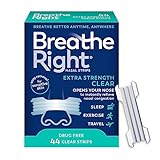
- Instant Relief - Opens your nose to relieve nasal congestion by increasing nasal airflow. Breathe Right strips provide you with stuffy nose relief to help you breathe better.
- Snoring Relief - Breathe Right Extra Strength nasal strips are a great solution for snoring due to nasal congestion, improving nasal airflow by up to 31%. Snore less, sleep better.
- Extra Strength - Each extra strength nasal strip uses flexible “spring-like” bands 50% stronger than Breathe Right Original nasal strips, opening your nose even more for maximum relief.
- For Sensitive Skin - Our Extra Strength Clear Strips are hypoallergenic, flexible, non‑porous, and manufactured using 3M materials. They are made to stay put, no matter the activity.
- Use Anytime, Anywhere - These clear nasal strips are almost unnoticeable to the eye and aren’t just for the bedroom. Use at work, at the gym, wherever you are - and take in air more easily.
Control nights may involve the device worn in a passive or monitoring-only mode, ensuring that any observed benefit is attributable to active intervention rather than behavioural change or placebo effect. From a regulatory perspective, this distinction matters as much as the headline results.
Primary endpoints: beyond snoring loudness
While snoring frequency and acoustic intensity will almost certainly be measured, they are unlikely to be the primary endpoints. NHS clinicians are far more concerned with reductions in apnea–hypopnea index, respiratory effort–related arousals, and cumulative oxygen desaturation time.
If Zeus Sleep can demonstrate even modest but consistent reductions in AHI or arousal burden without worsening oxygen saturation, that would represent a meaningful clinical signal. Conversely, a finding that snoring decreases while respiratory events remain unchanged would sharply limit the device’s medical relevance.
Secondary endpoints: sleep quality and physiological safety
Sleep fragmentation metrics will play a central role in evaluating whether real-time interventions introduce unintended harm. Micro-arousal frequency, sleep stage distribution, and total sleep time will be assessed to ensure that airway-stabilising prompts do not trade breathing improvements for poorer sleep continuity.
Heart rate variability and nocturnal heart rate trends may also be monitored as indirect markers of autonomic stress. For a wearable designed to intervene during sleep, proving physiological neutrality is nearly as important as proving benefit.
Subjective outcomes and adherence behavior
Patient-reported outcomes will complement objective data, including perceived sleep quality, next-day alertness, partner-reported snoring disturbance, and overall comfort. These measures are not soft endpoints in this context; adherence is the defining weakness of CPAP, and any alternative must demonstrate real-world tolerability.
Importantly, the trials are likely to track nightly wear time and device disengagement rates over several weeks. A device that performs well in-lab but is quietly abandoned at home would fail the NHS’s pragmatic bar for adoption.
Data integrity, device performance, and software reliability
Because Zeus Sleep relies on onboard sensing and algorithmic decision-making, the trials will implicitly evaluate signal fidelity, latency, and intervention accuracy. False positives that trigger unnecessary interventions, or missed events that fail to respond to airway instability, will be visible in synchronized sleep study data.
Battery life, thermal comfort, and mechanical stability during side-sleeping or positional shifts may not be formal endpoints, but they influence data quality and patient compliance. In medical validation, hardware ergonomics and software robustness are inseparable from clinical outcomes.
What success would realistically look like
The NHS trials are not structured to crown Zeus Sleep as a CPAP alternative, and any interpretation along those lines would be misplaced. Success would instead mean clearly defining a patient subgroup where the device delivers reproducible benefit without masking disease progression.
Equally valuable would be a negative or mixed result that draws firm boundaries around appropriate use. In a clinical system wary of consumer overreach, knowing where a wearable should not be used can be as impactful as demonstrating where it works.
Validation or Reality Check? What Clinical Trials Could Confirm — or Expose — About Effectiveness
The NHS-backed trials move Zeus Sleep from plausibility to proof, where claims must survive polysomnography, clinician scrutiny, and patient behavior over time. For a category crowded with promising prototypes and thin evidence, this is where marketing narratives tend to harden into either clinical relevance or quiet irrelevance.
Does intervention timing actually align with airway physiology?
A central question is whether Zeus Sleep’s sensing stack can reliably identify the moments when upper airway tone begins to fail, rather than reacting after obstruction is already established. In obstructive sleep apnea, milliseconds matter, and delayed intervention risks being ineffective or disruptive without benefit.
Trials using synchronized PSG will reveal whether the device’s responses precede oxygen desaturation and arousal, or simply coincide with audible snoring. That distinction determines whether Zeus Sleep is modifying pathophysiology or merely responding to symptoms.
Magnitude of effect versus statistical significance
Even modest reductions in apnea–hypopnea index can reach statistical significance in controlled settings, but the NHS will be looking for clinically meaningful change. For mild OSA or primary snoring, a small AHI reduction paired with improved sleep continuity may be enough to justify use.
In moderate to severe OSA, however, the bar is higher, and partial improvements may be framed as adjunctive rather than therapeutic. Trials that expose a ceiling effect would not invalidate the device, but they would sharply define its limits.
Placebo response, habituation, and long-term durability
Sleep interventions are particularly vulnerable to placebo effects, especially when subjective outcomes like perceived restfulness and partner-reported snoring are involved. Randomized or crossover designs will help separate novelty-driven improvement from sustained physiological change.
Equally important is whether efficacy decays as users habituate to stimulation or feedback. A device that works well for two weeks but loses impact by month two would struggle to justify NHS integration, regardless of early gains.
Safety signals and unintended sleep disruption
Clinical validation is as much about excluding harm as demonstrating benefit. Micro-arousals, sleep stage fragmentation, or sympathetic activation triggered by frequent interventions would be red flags, even if snoring intensity decreases.
The trials may surface subtle trade-offs that consumer testing rarely captures, such as increased light sleep at the expense of REM or slow-wave sleep. These outcomes could fundamentally change how the device is positioned, particularly for patients with comorbid cardiovascular risk.
Generalizability beyond ideal trial users
NHS studies typically enroll heterogeneous populations, including older adults, patients with obesity, and those with overlapping sleep disorders. Performance consistency across these groups will determine whether Zeus Sleep is niche or broadly applicable.
If effectiveness depends heavily on anatomy, sleep position, or baseline AHI, clinicians will expect clear guidance on patient selection. Trials that expose high inter-individual variability would push the device toward specialist-led prescribing rather than consumer self-selection.
Implications for consumer wearables entering medical territory
Whatever the outcome, these trials will resonate beyond Zeus Sleep itself. A positive result would strengthen the argument that well-designed wearables can occupy a legitimate middle ground between lifestyle tech and medical devices.
A negative or equivocal result, on the other hand, would reinforce the gap between consumer-grade innovation and clinical-grade evidence. Either way, the NHS evaluation will clarify how far non-CPAP wearables can realistically go before traditional therapies remain unavoidable.
Zeus Sleep vs CPAP and Mandibular Devices: Where Non‑CPAP Wearables Fit in the Treatment Pathway
Against the backdrop of NHS scrutiny, the most practical question is not whether Zeus Sleep can replace established therapies, but where it could realistically sit alongside them. CPAP, mandibular advancement devices, and positional or neuromodulatory wearables each address different points along the severity, tolerance, and adherence spectrum.
Understanding that hierarchy is essential to interpreting what a successful trial result would actually change in clinical practice.
CPAP: Gold standard efficacy, persistent adherence limits
Continuous positive airway pressure remains the most effective treatment for moderate to severe obstructive sleep apnea, routinely normalizing AHI when used correctly. Its clinical problem has never been efficacy, but sustained nightly adherence outside controlled settings.
Real-world compliance rates often drop below 60 percent at one year, driven by mask discomfort, pressure intolerance, noise, and lifestyle friction. From an NHS perspective, any alternative is judged not against CPAP’s theoretical performance, but against how patients actually use it at home.
Mandibular advancement devices: Effective, but anatomically selective
Mandibular devices occupy the space between CPAP and lifestyle interventions, particularly for mild to moderate OSA or primary snoring. By advancing the lower jaw, they mechanically enlarge the airway, but their effectiveness is highly dependent on craniofacial anatomy and dentition.
Rank #4

- 【Comfortable Support for Quieter Nights】 This thoughtfully designed anti-snoring device uses gentle continuous airflow to help support a more open upper airway during sleep. As one of the practical anti snore devices, it may help reduce snoring sounds and contribute to a quieter sleep environment for both you and your partner.
- 【Skin-Friendly Material & Stable Fit】 Made from premium skin-safe silicone, this snore stopper is designed to comfortably adapt to different nose shapes. The upgraded adjustable security strap helps keep the device in place through the night, helping improve stability and reducing the chance of slipping during sleep.
- 【6 Adjustable Airflow Levels】 Customize your comfort with six airflow settings built into this anti snore devices solution. The adjustable airflow combined with the fixing strap provides a more balanced and secure fit, making this stop snoring aid suitable for different sleeping preferences.
- 【Rechargeable & Travel-Friendly】 This compact anti-snoring device features convenient USB charging, making it suitable for regular nightly use. Its lightweight design and included travel case make this stop snoring device easy to carry for travel, vacations, or business trips.
- 【A Thoughtful Sleep Support Gift】 More than a simple stop snoring device, it represents care for better sleep quality. This snore solution for men and women can be a considerate choice for partners, parents, or anyone who hopes to enjoy more restful nights.
Long-term tolerance can also be an issue, with jaw discomfort, bite changes, and temporomandibular joint symptoms limiting use. They require dental oversight, custom fitting, and periodic adjustment, which adds cost and access barriers despite relatively good adherence.
Where Zeus Sleep’s wearable approach diverges
Zeus Sleep’s anti-snoring wearable represents a fundamentally different intervention class, using detection and responsive feedback rather than airway splinting or structural modification. While details of its mechanism are still emerging through trials, the approach aligns more closely with positional therapy and neuromodulation than with mechanical treatments.
This design choice prioritizes comfort, minimal invasiveness, and ease of nightly use, all factors strongly correlated with long-term adherence. As a wearable, it also benefits from software-driven iteration, usage analytics, and the potential for personalization over time.
Severity stratification: Not a CPAP replacement
Clinically, non-CPAP wearables are unlikely to displace CPAP for patients with high AHI, significant oxygen desaturation, or cardiovascular comorbidity. In these populations, partial reductions in snoring or respiratory events may be insufficient to reduce downstream risk.
Where Zeus Sleep could gain traction is in mild OSA, positional apnea, or socially disruptive snoring that falls below CPAP thresholds but still impacts quality of life. NHS trials will be particularly focused on whether objective sleep metrics improve meaningfully, not just bed-partner reports.
Adherence as a primary endpoint, not a side benefit
One area where wearables may outperform traditional devices is sustained adherence. Lightweight form factors, soft materials, and unobtrusive overnight wear matter, especially when compared to masks, hoses, or oral appliances.
Battery life, charging frequency, and software reliability become clinical variables rather than consumer conveniences. If a wearable is comfortable but requires frequent charging or produces inconsistent detection, its real-world effectiveness erodes quickly.
Hybrid care models and stepped therapy
Rather than a binary choice, Zeus Sleep may ultimately function as part of a stepped care pathway. Patients intolerant of CPAP, awaiting mandibular devices, or needing interim symptom control could use wearables as a bridge rather than an endpoint.
Clinicians may also view such devices as a screening or triage tool, identifying who can be managed conservatively and who requires escalation. This would align well with NHS capacity constraints, provided the device’s limitations are clearly defined.
What NHS validation would change
If trials demonstrate consistent reductions in snoring and mild OSA metrics without sleep fragmentation or autonomic side effects, Zeus Sleep could earn a role as a prescribed or recommended adjunct. That would mark a shift from consumer-led experimentation to clinician-guided deployment.
Conversely, if benefits are modest or highly variable, the device may remain positioned as a lifestyle intervention rather than a therapeutic one. Either outcome helps clarify where non-CPAP wearables belong, grounding innovation in evidence rather than aspiration.
Regulatory and Medical Implications: What NHS‑Backed Data Could Mean for Clearance and Prescribing
The clinical questions raised in the previous section inevitably lead to regulatory ones. Once a device moves from consumer wellness claims into measurable effects on snoring, apnea–hypopnea indices, or sleep fragmentation, oversight shifts from marketing language to medical evidence.
For Zeus Sleep, NHS‑backed trials are less about publicity and more about defining what the product is allowed to claim, how it is classified, and who can responsibly recommend it.
From wellness gadget to regulated medical device
In the UK, anti‑snoring wearables that claim to modify physiology or treat a condition like obstructive sleep apnea typically fall under MHRA regulation as medical devices or software as a medical device. That classification brings requirements around safety, performance, and clinical evidence that go far beyond app‑store validation studies.
NHS trial data could support a clearer UKCA marking pathway, especially if endpoints include validated measures such as AHI reduction, oxygen desaturation index, or sleep continuity rather than subjective snoring scores alone. Without that evidence, Zeus Sleep would likely remain confined to non‑medical “sleep improvement” positioning.
Defining intended use and limiting overreach
One of the most important regulatory outcomes of NHS involvement is precision. Trials force manufacturers to specify intended populations, such as primary snorers, positional snorers, or patients with mild OSA, and to explicitly exclude moderate to severe disease.
That clarity protects both patients and clinicians. A wearable validated for mild OSA or socially disruptive snoring is far less likely to be misused as a CPAP replacement, which remains the gold standard for moderate to severe cases.
Clinical credibility and prescriber confidence
Clinicians are generally skeptical of consumer sleep tech because many devices blur the line between tracking and treatment. NHS‑run or NHS‑partnered trials change that dynamic by applying familiar protocols, governance standards, and independent oversight.
If Zeus Sleep can demonstrate reproducible benefits without worsening arousals, heart rate variability, or nocturnal oxygenation, it becomes easier for sleep clinics and GPs to discuss the device in evidence‑based terms rather than as a patient‑initiated experiment.
Pathways to recommendation, not automatic prescription
Even with positive trial results, widespread prescribing is not guaranteed. NHS adoption typically requires alignment with local formularies, cost‑effectiveness assessments, and sometimes NICE evaluation, particularly if a device is positioned as an alternative or adjunct to established therapy.
More realistically, early impact may come through clinician recommendation rather than formal prescription. That could include use in sleep clinics, respiratory triage services, or primary care discussions for patients unwilling or unable to tolerate CPAP.
Data standards, safety, and digital governance
NHS trials also scrutinize issues that consumer reviews rarely touch, including data integrity, cybersecurity, and algorithm transparency. Sleep wearables that generate clinical data must demonstrate reliable signal capture, consistent performance across nights, and robust handling of patient information.
Battery life, charging routines, and software stability become safety considerations in this context. A device that fails mid‑night or produces inconsistent stimulation risks undermining both therapeutic effect and clinician trust.
Implications beyond Zeus Sleep
The regulatory trajectory of Zeus Sleep will be closely watched by the broader sleep‑tech sector. If NHS‑backed evidence translates into clearer clearance pathways and defined use cases, it may encourage other wearable companies to invest in proper clinical trials rather than incremental consumer studies.
Equally, if results are mixed or benefits narrowly confined, it reinforces the message that not all sleep problems are amenable to lightweight wearable solutions. Either way, NHS data helps anchor innovation to medical reality, which ultimately benefits patients navigating an increasingly crowded sleep‑tech market.
What This Signals for the Future of Sleep Wearables and Smartwatch‑Based Sleep Health
The NHS grant supporting Zeus Sleep’s trials does more than test a single anti‑snoring device. It marks a broader inflection point where sleep wearables are increasingly evaluated not as lifestyle accessories, but as potential clinical tools with defined therapeutic intent.
For smartwatch users accustomed to passive sleep scores and trend graphs, this represents a shift from observation toward intervention. The boundary between tracking sleep and actively modifying it is becoming more explicit, and far more regulated.
From passive metrics to closed‑loop intervention
Most smartwatch sleep features today focus on detection: estimating sleep stages, respiratory rate, oxygen saturation trends, and snoring duration. Zeus Sleep sits in a different category by attempting real‑time neuromuscular stimulation to reduce airway collapse, effectively acting during sleep rather than reporting after the fact.
If validated, this reinforces a future where wearables evolve into closed‑loop systems. Sensors detect a physiological event, algorithms interpret it, and the device intervenes immediately, all without waking the user or requiring clinician input each night.
💰 Best Value

- FDA-CLEARED ANTI-SNORING SOLUTION: The Somnofit-S is a top-rated anti-snoring device, clinically proven to reduce snoring and improve sleep quality from the very first night. It's perfect for anyone looking for a snoring solution that truly works.
- SWISS-MADE QUALITY & DURABILITY: Crafted in Switzerland with premium biomedical polymers, this snoring mouthpiece is 40% smaller than most on the market. It’s designed to be discreet, comfortable, and durable, offering an easy fit for all-night use.
- CUSTOMIZABLE FIT WITH BOIL-AND-BITE DESIGN: With a simple boil-and-bite process, you can mold the Somnofit-S to fit your jaw perfectly. The adjustable strap ensures it stays in place all night, making it an ideal option for those looking for a snoring solution or snoring mouth guard.
- ALL-NIGHT COMFORT & RELIABILITY: Designed with an innovative Even Pressure Distribution System, this anti-snoring mouthpiece stays secure and comfortable throughout the night. Say goodbye to interruptions and hello to restful sleep.
- HSA & FSA ELIGIBLE: Approved for HSA and FSA funds, this FDA-cleared mouth guard is a smart, wallet-friendly investment. It’s a trusted, medically approved solution to help you stop snoring and sleep better.
This model aligns closely with developments in other areas of digital therapeutics, such as insulin delivery or cardiac rhythm management. Sleep, historically resistant to unobtrusive intervention, may now be joining that category.
Smartwatches as gateways, not replacements
Despite growing sophistication, smartwatch platforms are unlikely to replace condition‑specific sleep wearables in the near term. Battery constraints, comfort during overnight wear, and the need for precise stimulation hardware make dedicated devices like Zeus Sleep more practical for targeted therapy.
However, smartwatches may increasingly act as screening and triage tools. Longitudinal data on snoring frequency, oxygen desaturation trends, and sleep fragmentation could identify users who warrant further assessment, feeding into NHS pathways or private sleep services.
This creates a layered ecosystem rather than a winner‑takes‑all scenario. Consumer wearables surface risk, while regulated sleep devices address it directly, each playing a complementary role.
Clinical validation reshaping consumer expectations
NHS involvement recalibrates what “good” looks like in sleep wearables. Accuracy claims, comfort anecdotes, and app polish are no longer sufficient when devices aspire to therapeutic relevance.
Users may begin to expect published trial data, clearly defined responder profiles, and transparent failure modes. For example, understanding which forms of snoring or positional apnea respond to stimulation, and which do not, becomes essential rather than optional.
This may also temper unrealistic expectations. Non‑CPAP solutions are often marketed as universal fixes, but clinical trials tend to expose narrower benefit windows, reinforcing the importance of proper patient selection.
Implications for CPAP’s role, not its replacement
The rise of validated anti‑snoring wearables does not signal the end of CPAP. Continuous positive airway pressure remains the most effective treatment for moderate to severe obstructive sleep apnea, particularly where cardiovascular risk is high.
What devices like Zeus Sleep potentially offer is an earlier or alternative intervention for milder disease, positional apnea, or patients who cannot tolerate CPAP masks, tubing, or pressure settings. In practice, this could reduce time to treatment rather than eliminate CPAP altogether.
For clinicians, this expands the therapeutic toolkit. For patients, it introduces graded options that feel less binary than CPAP versus no treatment.
Design priorities shifting toward overnight usability
As sleep wearables edge closer to medical use, industrial design and materials matter more than ever. Overnight comfort, skin tolerance, noise, heat generation, and secure fit all influence adherence, just as mask design does in CPAP therapy.
Battery life becomes a safety feature rather than a convenience metric. A device that reliably lasts multiple nights without charging reduces missed therapy and improves real‑world effectiveness, especially for users with irregular schedules.
Software stability and intuitive setup also take on clinical weight. Complex calibration routines or frequent firmware issues are acceptable in consumer gadgets, but problematic in health‑critical use.
A narrowing gap between consumer tech and medical devices
The Zeus Sleep trial underscores a convergence that has been building quietly. Consumer wearables are borrowing clinical rigor, while medical devices are adopting consumer‑grade usability and aesthetics.
For the smartwatch and sleep‑tech audience, this means future products may feel less like experiments and more like prescribed tools, even when purchased directly. Regulatory language, clinical disclaimers, and clearer intended‑use boundaries are likely to become standard.
Ultimately, the success or failure of NHS‑backed trials will shape how confidently sleep wearables can claim a place alongside traditional therapies. Not as replacements driven by convenience, but as validated options grounded in evidence and realistic expectations.
Who Should Be Watching Closely: Consumers, Clinicians, and the Sleep Tech Industry
The NHS-backed trial does more than evaluate a single anti-snoring device. It signals a shift in who sleep technology is for, how it is validated, and where the boundary between lifestyle gadget and therapeutic tool may ultimately land.
Consumers seeking non-CPAP pathways
For consumers frustrated by CPAP intolerance or wary of committing to a medical device without clear alternatives, Zeus Sleep represents a category worth watching rather than buying into prematurely. The appeal is obvious: a low-profile, likely quiet wearable designed for overnight use, without masks, hoses, or pressurized airflow.
What matters now is not marketing claims but trial outcomes that speak to real endpoints, such as reductions in snoring intensity, apnea–hypopnea index shifts in mild to moderate cases, and night-to-night adherence. Battery life consistency, comfort across sleep positions, skin compatibility, and ease of use over weeks—not nights—will determine whether this kind of wearable earns a place on the bedside table rather than in a drawer.
Consumers should also pay attention to how results are communicated. If Zeus Sleep is positioned as an adjunct or early intervention rather than a cure, expectations stay realistic and trust grows.
Clinicians navigating an expanding middle ground
For sleep clinicians, particularly those managing long NHS waitlists, the trial addresses a practical question: can wearables safely and effectively occupy the space between reassurance and full CPAP therapy? If validated, Zeus Sleep could become a monitored option for positional snorers, patients with borderline obstructive sleep apnea, or those awaiting formal polysomnography.
Equally important is what the trial may reveal about limitations. Clear responder profiles, contraindications, and failure modes are just as valuable as positive outcomes. Clinicians need to know when a wearable delays definitive care versus when it meaningfully reduces symptom burden and cardiovascular risk.
The grant-backed structure also reassures clinicians that data collection, safety oversight, and outcome reporting are aligned with healthcare standards rather than consumer tech benchmarks.
Sleep tech companies and the regulatory signal
For the broader sleep tech industry, the NHS grant is a regulatory and commercial signal. It suggests that public healthcare systems are willing to test consumer-derived hardware, but only when claims are tightly scoped and evidence pathways are credible.
This raises the bar for competitors. Comfort, industrial design, materials, and battery life are no longer differentiators on their own. Trial readiness, clinical endpoints, and post-market surveillance planning are becoming prerequisites for serious consideration in healthcare settings.
Companies watching Zeus Sleep should note that success here would not automatically unlock mass adoption. It would, however, establish a template for how sleep wearables can progress from wellness claims to medically adjacent roles without overstepping regulatory boundaries.
A bellwether for convergence, not disruption
Ultimately, Zeus Sleep’s NHS trial should be read as a bellwether rather than a revolution. It does not threaten CPAP’s role as the gold standard for moderate to severe sleep apnea, but it does challenge the notion that patients must move directly from diagnosis to maximal intervention.
If the data support its use, Zeus Sleep may help normalize graded therapy models where wearables, oral devices, and positional tools are evaluated with the same seriousness as traditional equipment. For consumers, clinicians, and industry alike, the real story is not whether this device succeeds, but whether the pathway it is taking becomes repeatable.
That, more than any single product outcome, will define the future relationship between consumer sleep wearables and clinical sleep medicine.