AirPods 4 with Active Noise Cancelling exist because Apple finally acknowledged a long-running contradiction in its lineup. Millions of people love the classic AirPods shape but have either avoided AirPods Pro due to silicone tips or never found passive isolation good enough in loud environments. This product is Apple’s attempt to answer a very specific question: can meaningful noise cancellation work in an open-fit earbud without sacrificing comfort or ecosystem simplicity?
For years, upgrading AirPods meant choosing between familiarity and isolation. Standard AirPods were easy to wear all day but useless on trains or flights, while AirPods Pro delivered strong ANC at the cost of pressure, fit fatigue, or tips that simply never felt secure. AirPods 4 with ANC are designed to sit directly in that gap, promising quieter commutes, clearer calls, and better immersion without forcing a Pro-style seal.
This review focuses on whether that promise holds up in real life. I’ve tested AirPods 4 with ANC across daily work calls, city walking, gym sessions, flights, and long Apple Watch workouts to see where Apple’s most unconventional AirPods succeed, where they fall short, and who they actually make sense for.
Solving the “I Hate Ear Tips” Problem
Apple knows a significant percentage of AirPods users never upgraded to AirPods Pro for one reason: silicone tips. For some ears they cause pressure, for others they loosen during movement, and for many they simply feel intrusive over long listening sessions. AirPods 4 keep the hard-shell, open-fit design while subtly reshaping the housing to sit more securely and distribute pressure more evenly.
🏆 #1 Best Overall
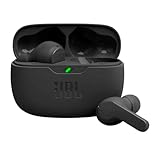
- JBL Deep Bass Sound: Get the most from your mixes with high-quality audio from secure, reliable earbuds with 8mm drivers featuring JBL Deep Bass Sound
- Comfortable fit: The ergonomic, stick-closed design of the JBL Vibe Beam fits so comfortably you may forget you're wearing them. The closed design excludes external sounds, enhancing the bass performance
- Up to 32 (8h + 24h) hours of battery life and speed charging: With 8 hours of battery life in the earbuds and 24 in the case, the JBL Vibe Beam provide all-day audio. When you need more power, you can speed charge an extra two hours in just 10 minutes.
- Hands-free calls with VoiceAware: When you're making hands-free stereo calls on the go, VoiceAware lets you balance how much of your own voice you hear while talking with others
- Water and dust resistant: From the beach to the bike trail, the IP54-certified earbuds and IPX2 charging case are water and dust resistant for all-day experiences
The bet here is comfort first, even if that limits maximum noise reduction. Instead of chasing isolation through physical sealing, Apple relies on improved microphones, faster adaptive processing, and tighter integration with iOS to suppress consistent external noise. It’s a philosophical shift that prioritizes wearability over raw decibel reduction.
Making ANC Work Without a Seal
Active noise cancelling typically depends on a closed acoustic chamber, which makes AirPods 4 fundamentally different from AirPods Pro and most competing ANC earbuds. Apple’s solution leans heavily on real-time environmental analysis, targeting low-frequency sounds like traffic rumble, engines, and HVAC noise rather than trying to block everything. Sudden or higher-pitched sounds still come through, but the overall noise floor is noticeably reduced in everyday environments.
This approach won’t replace Pro-level ANC on a plane, and Apple isn’t pretending it will. Instead, the goal is to take the edge off noisy spaces while preserving spatial awareness, which also makes Transparency mode feel more natural and less digitally processed. For users who found Pro ANC impressive but overbearing, this balance will feel intentional rather than compromised.
Positioning Between Standard AirPods and AirPods Pro
AirPods 4 with ANC are not a replacement for AirPods Pro, and they’re not just a minor refresh of standard AirPods either. They introduce a new middle tier that prioritizes comfort, instant usability, and ecosystem intelligence over maximum isolation or audiophile tuning. Features like automatic device switching, spatial audio, head tracking, and Apple Watch compatibility remain seamless, reinforcing that these are still very much “Apple-first” earbuds.
The real question Apple is answering here isn’t whether open-fit ANC can beat sealed earbuds. It’s whether enough people want quieter everyday listening without changing how AirPods feel in their ears, and whether that trade-off is worth the price. The rest of this review breaks down how well that gamble pays off in sound quality, call clarity, battery life, and real-world noise cancelling performance.
Design, Fit, and Long‑Term Comfort: Living With Apple’s Open‑Fit ANC Experiment
Apple’s decision to bring active noise cancelling to an open-fit AirPods design only makes sense if the physical experience remains effortless. After weeks of daily use across commuting, desk work, workouts, and long calls, it’s clear that Apple treated comfort as the non‑negotiable foundation for this experiment rather than an afterthought layered beneath new audio tech.
A Familiar Shape, Subtly Reworked
At a glance, AirPods 4 look immediately familiar, but the differences reveal themselves the moment they’re in your ears. The outer shell has been gently reshaped with smoother transitions and a slightly revised nozzle angle that sits more naturally against the ear’s concha. It’s a small adjustment that pays dividends over longer listening sessions.
The stem is marginally shorter than earlier non‑Pro AirPods, reducing leverage that can cause fatigue or loosening over time. Weight distribution feels more centered, which matters when ANC microphones and processing hardware are added without increasing overall bulk.
Open‑Fit by Design, Not Compromise
Unlike AirPods Pro, there’s no silicone tip, no seal, and no pressure buildup in the ear canal. For users who never acclimated to in‑ear designs, AirPods 4 immediately feel less intrusive, especially during extended wear. You can pop them in and forget about them in a way that sealed earbuds rarely allow.
This open fit also avoids the occlusion effect that makes your own footsteps or voice sound amplified inside your head. During walking workouts or casual phone calls, that natural acoustic feedback makes conversations feel less artificial and less fatiguing.
Stability in Real‑World Movement
Open-fit earbuds live or die by how well they stay put, and AirPods 4 perform better than expected here. Light jogging, cycling, and gym sessions caused no constant readjusting, provided your ear shape already works with Apple’s classic AirPods design. They’re not sports earbuds, but they’re dependable for everyday activity.
Sweat resistance remains in line with Apple’s typical IPX4 rating, which proved sufficient during workouts and hot commutes. The lack of ear tips also means no slippery silicone surfaces once sweat builds up, which can ironically improve stability for some users.
All‑Day Wear Without Pressure Fatigue
Long-term comfort is where AirPods 4 quietly excel. Wearing them for three to four hours straight during workdays caused no soreness, pressure points, or ear fatigue, something even AirPods Pro can struggle with over time. The absence of a seal also means you’re less aware of the earbuds’ presence, even as ANC runs continuously.
There’s also a psychological comfort benefit: being able to hear your surroundings without fully disengaging. In offices, cafés, and at home, that partial awareness makes AirPods 4 easier to live with all day rather than something you consciously take breaks from.
Controls, Case Design, and Everyday Handling
Apple’s stem-based squeeze controls return here, and they remain among the most reliable in the category. They’re easy to trigger intentionally and hard to activate by accident, even when adjusting fit or removing the earbuds. Volume control still requires Siri, which feels increasingly dated compared to competitors offering swipe gestures.
The charging case is slightly slimmer than before and disappears into a pocket without complaint. Magnetic alignment remains foolproof, lid hinge quality feels solid, and pairing across iPhone, Apple Watch, iPad, and Mac is instant, reinforcing the sense that these are designed for frictionless daily use rather than spec-sheet dominance.
Who This Design Truly Works For
AirPods 4 with ANC meaningfully improve on previous non‑Pro AirPods in comfort and wearability, especially for users who rejected silicone tips outright. If AirPods Pro never felt right in your ears, this design finally offers a quieter listening experience without forcing a compromise on fit.
However, if you already tolerate in‑ear designs well and prioritize isolation above all else, the physical advantages here won’t outweigh the acoustic limits of an open fit. Apple’s open‑fit ANC works best when comfort, awareness, and long-term wear matter more than total immersion, and the design makes that priority unmistakably clear.
Active Noise Cancelling Without Silicone Tips: Real‑World ANC Performance Tested
The comfort advantages of AirPods 4 set the stage, but the real question is whether Apple’s open‑fit ANC actually delivers once you step into noisy environments. Without silicone tips creating a physical seal, these earbuds rely entirely on adaptive microphones, phase cancellation, and Apple’s computational audio stack to reduce noise.
That approach fundamentally changes expectations. Instead of chasing near‑silence, AirPods 4 aim to take the edge off everyday noise while preserving situational awareness, and that distinction becomes clear the moment you test them outside a quiet room.
Office and Home Use: Where Open‑Fit ANC Makes the Most Sense
In a home office or shared workspace, AirPods 4 perform surprisingly well. Keyboard clatter, HVAC hum, ceiling fans, and distant conversations are noticeably reduced, enough that music or podcasts can sit at lower, more comfortable volumes.
What stands out is consistency. The ANC doesn’t pulse or overcorrect, and there’s no pressure sensation in the ears, even after hours of continuous use. Compared to earlier non‑ANC AirPods, this is a meaningful leap in daily usability rather than a marginal upgrade.
Voices are partially attenuated but not erased. Nearby speech remains intelligible, which can be a benefit if you need to stay aware, but it also means AirPods 4 won’t create the isolation some users expect from noise cancelling.
Cafés and Public Spaces: Effective, but Not Transformative
In cafés, AirPods 4 reduce ambient chatter, clinking cups, and background music enough to make spoken content easier to follow. The improvement over standard AirPods is immediately noticeable, especially during busy hours.
However, this is also where the limitations of an open fit become obvious. Louder voices nearby still cut through, and the overall soundstage never fully detaches you from the environment. You’re quieter, not removed.
For users who find sealed earbuds fatiguing or isolating, this balance feels intentional rather than compromised. For those chasing immersion, it will feel restrained.
Commuting and Traffic Noise: Mixed Results by Frequency
On city streets, AirPods 4 handle low, steady noises better than expected. Tire noise, distant traffic rumble, and subway ventilation are softened enough to make walking or waiting platforms more pleasant.
Sharp, transient sounds tell a different story. Sirens, honks, and close‑by engine revs remain prominent, and wind noise is reduced but not eliminated. Apple’s wind management is improved over older AirPods, yet it still can’t defy physics without a seal.
Compared directly to AirPods Pro, the gap is clear. Pro models suppress a broader range of frequencies and maintain stability in chaotic environments, while AirPods 4 focus on smoothing rather than silencing.
Air Travel: The Hardest Test for Open‑Fit ANC
Airplanes expose the ceiling of what open‑fit ANC can achieve. AirPods 4 noticeably reduce cabin drone, making flights more tolerable than with standard AirPods, especially during cruising altitude.
That said, engine noise never fully disappears, and announcements remain fully audible even at lower volumes. This can be a positive for safety and awareness, but frequent flyers accustomed to AirPods Pro or Bose’s in‑ear ANC will immediately notice the difference.
For occasional flights, the trade‑off may be acceptable. For long‑haul travelers prioritizing maximum isolation, AirPods 4 are not a replacement for sealed ANC earbuds.
Adaptive Transparency and ANC Switching in Daily Use
Apple’s strength lies in how seamlessly ANC integrates into daily routines. Switching between Noise Cancelling, Adaptive, and Off modes is instant, stable, and predictable across iPhone, Apple Watch, and Mac.
Adaptive mode deserves particular credit. It subtly reins in loud background noise while preserving clarity for voices and alerts, making it ideal for walking through the city or working in semi‑public spaces. Unlike full ANC, it never feels like it’s fighting your surroundings.
This fluidity reinforces the idea that AirPods 4 are designed for continuous wear. You’re more likely to leave ANC on all day rather than toggling it situationally, which says a lot about comfort and tuning.
ANC Compared to AirPods Pro and Key Competitors
Against AirPods Pro, the hierarchy is straightforward. Pro models deliver stronger, broader noise reduction across nearly every environment, particularly for travel and dense urban noise.
Where AirPods 4 differentiate is wearability. There’s no ear pressure, no seal fatigue, and no sense of being acoustically cut off. Compared to other open‑fit or semi‑open earbuds with ANC, Apple’s implementation is among the most refined and stable, even if it’s not the most aggressive.
The result isn’t class‑leading silence, but it is class‑leading balance. AirPods 4 succeed not by replacing in‑ear ANC, but by redefining what noise cancelling can look like for users who value comfort and awareness as much as quiet.
Rank #2

- 【Sports Comfort & IPX7 Waterproof】Designed for extended workouts, the BX17 earbuds feature flexible ear hooks and three sizes of silicone tips for a secure, personalized fit. The IPX7 waterproof rating ensures protection against sweat, rain, and accidental submersion (up to 1 meter for 30 minutes), making them ideal for intense training, running, or outdoor adventures
- 【Immersive Sound & Noise Cancellation】Equipped with 14.3mm dynamic drivers and advanced acoustic tuning, these earbuds deliver powerful bass, crisp highs, and balanced mids. The ergonomic design enhances passive noise isolation, while the built-in microphone ensures clear voice pickup during calls—even in noisy environments
- 【Type-C Fast Charging & Tactile Controls】Recharge the case in 1.5 hours via USB-C and get back to your routine quickly. Intuitive physical buttons let you adjust volume, skip tracks, answer calls, and activate voice assistants without touching your phone—perfect for sweaty or gloved hands
- 【80-Hour Playtime & Real-Time LED Display】Enjoy up to 15 hours of playtime per charge (80 hours total with the portable charging case). The dual LED screens on the case display precise battery levels at a glance, so you’ll never run out of power mid-workout
- 【Auto-Pairing & Universal Compatibility】Hall switch technology enables instant pairing: simply open the case to auto-connect to your last-used device. Compatible with iOS, Android, tablets, and laptops (Bluetooth 5.3), these earbuds ensure stable connectivity up to 33 feet
Sound Quality and Spatial Audio: How Much Better Do They Actually Sound?
With ANC now part of the equation, sound quality becomes more than a side note for AirPods 4. Apple isn’t just masking noise anymore; it’s reshaping how these open‑fit earbuds present music, podcasts, and calls in real environments.
The key question isn’t whether they beat AirPods Pro. It’s whether they meaningfully improve on every non‑Pro AirPods before them, and whether open‑fit ANC finally lets sound quality shine instead of fighting the room around you.
Overall Sound Signature: Cleaner, Fuller, Less Compromised
AirPods 4 sound immediately more balanced than AirPods 3. Bass has more presence and definition, mids are less recessed, and treble avoids the splashiness that older open‑fit AirPods could drift into at higher volumes.
This isn’t “wow” tuning in an audiophile sense, but it’s noticeably more mature. Apple has clearly tuned these with ANC active, which reduces the need to overcompensate with boosted highs or muddy low end.
In daily listening, especially at moderate volumes, the improvement is obvious. You hear more of the track and less of the environment without needing to crank the volume to unhealthy levels.
Bass Response: Still Open‑Fit, But Finally Convincing
Physics still applies here. Without silicone tips, AirPods 4 will never deliver the sub‑bass rumble of sealed in‑ear earbuds.
What’s changed is control. Bass notes are tighter and more consistent, particularly in electronic music, hip‑hop, and modern pop where earlier AirPods often sounded thin.
With ANC enabled, low‑frequency perception improves further because external noise isn’t masking it. You don’t get chest‑thumping impact, but you do get rhythm and weight that feels intentional rather than implied.
Midrange and Vocals: Where AirPods 4 Shine
Vocals are the strongest part of the AirPods 4 sound profile. Spoken word, podcasts, audiobooks, and phone calls sound clear, forward, and natural.
There’s a welcome lack of boxiness, even in crowded acoustic environments. Voices don’t smear or collapse when background noise creeps in, which is something older open‑fit designs struggled with.
For Apple Watch users who rely on AirPods for workouts, walks, and quick calls, this clarity makes a tangible difference in daily usability.
Treble Detail and Volume Stability
High frequencies are crisp without becoming fatiguing. Cymbals and acoustic details retain shimmer without turning brittle, even during long listening sessions.
Volume stability is better than expected for an open‑fit design. As you increase volume, the tonal balance stays intact rather than skewing toward harshness or distortion.
There’s still some sound leakage at higher levels, but it’s less pronounced than AirPods 3, especially with ANC reducing the need to listen loudly in the first place.
Spatial Audio and Head Tracking: Subtle, But More Effective
Spatial Audio with dynamic head tracking is fully supported, and it benefits from the cleaner baseline tuning. The effect feels more anchored and less gimmicky than on older non‑Pro AirPods.
On iPhone and Apple TV, supported movies and shows gain a wider soundstage without pulling dialogue away from the screen. Head tracking is smooth and stable, with no jitter during walking or head movement.
For music, the effect remains taste‑dependent. Some tracks feel more immersive, while others still sound better in standard stereo, but the implementation itself is polished and predictable.
ANC’s Impact on Sound Quality
ANC doesn’t just reduce noise; it improves perceived sound quality. With less low‑frequency rumble bleeding in, details are easier to pick out, particularly in transit or urban settings.
There’s no audible hiss or pressure sensation when ANC engages, which helps preserve tonal balance. Apple has avoided the hollowed‑out sound that can plague poorly tuned ANC systems.
Switching ANC off reveals how much work it’s doing. The sound doesn’t collapse, but it loses focus, reinforcing that AirPods 4 are clearly voiced with ANC as part of the core experience.
Compared to AirPods Pro and Key Rivals
AirPods Pro still sound richer and more immersive overall. The sealed fit allows deeper bass, stronger spatial separation, and more dramatic Spatial Audio effects.
Where AirPods 4 close the gap is in everyday realism. They sound better than any previous non‑Pro AirPods and more natural than many third‑party open‑fit earbuds that chase bass at the expense of clarity.
If you dislike silicone tips but still care about sound quality, AirPods 4 represent the most convincing argument Apple has made yet.
Consistency Across Apple Devices
Sound tuning remains consistent across iPhone, Apple Watch, iPad, and Mac. Automatic device switching doesn’t alter EQ or volume behavior, which keeps the listening experience predictable.
Latency is effectively nonexistent for video and gaming, and Spatial Audio behaves identically whether you’re watching on a MacBook or an Apple TV.
This consistency matters. It reinforces the idea that AirPods 4 aren’t just earbuds, but an extension of the Apple ecosystem’s audio philosophy.
Call Quality, Voice Isolation, and Everyday Communication Performance
Apple’s open‑fit AirPods have historically been convenient for calls rather than genuinely good at them. With AirPods 4 and Active Noise Cancelling, that balance shifts noticeably, and not just in lab‑friendly conditions.
This is where the new acoustic processing, beamforming microphones, and system‑level Voice Isolation finally come together in a way that feels purposeful for daily communication, not just quick check‑ins.
Microphone Performance in Quiet and Controlled Environments
In a quiet room or home office, AirPods 4 deliver clean, natural voice capture that rivals AirPods Pro more closely than any previous non‑Pro model. Speech sounds full without being boomy, and sibilance is controlled without dulling clarity.
The open‑fit design actually works in their favor here. There’s less occlusion effect than with sealed earbuds, so your voice sounds more like it does in the room, rather than processed through a tunnel.
On FaceTime, regular phone calls, and Zoom on a Mac, the consistency is impressive. Volume levels remain steady, and callers reported no pumping or sudden shifts in tone when pausing or resuming speech.
Voice Isolation and Environmental Noise Handling
The real test for any true wireless earbuds is how they handle the messy middle of real life. Walking along a busy street, standing near traffic, or moving through a train station exposes weaknesses quickly.
With Voice Isolation enabled, AirPods 4 do a surprisingly competent job of separating speech from background noise. Traffic rumble, wind, and ambient chatter are reduced enough that your voice stays intelligible, even if some environmental texture remains.
This is not the near‑silence trick that AirPods Pro can pull off with a sealed fit, but for an open design, the performance is genuinely impressive. More importantly, it avoids the robotic artifacts that some competitors introduce when their noise reduction becomes too aggressive.
Wind Noise and Outdoor Calls
Wind has always been the Achilles’ heel of stem‑based earbuds. AirPods 4 improve here through better mic placement and adaptive filtering, though they don’t eliminate the problem entirely.
In light to moderate wind, speech remains clear and usable, especially when walking at a normal pace. In stronger gusts, some wind noise still leaks through, but it’s less disruptive than on AirPods 3 and far less than earlier generations.
For outdoor calls during commutes, dog walks, or city errands, they’re dependable enough that you won’t feel the need to stop and take your phone out. That alone marks a meaningful upgrade in everyday usability.
Call Quality with ANC On vs Off
Unlike older models, AirPods 4 are clearly tuned with ANC active as the default state. With ANC on, your voice sounds slightly more focused, and background noise suppression is more effective.
Rank #3
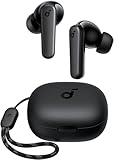
- Powerful Bass: soundcore P20i true wireless earbuds have oversized 10mm drivers that deliver powerful sound with boosted bass so you can lose yourself in your favorite songs.
- Personalized Listening Experience: Use the soundcore app to customize the controls and choose from 22 EQ presets. With "Find My Earbuds", a lost earbud can emit noise to help you locate it.
- Long Playtime, Fast Charging: Get 10 hours of battery life on a single charge with a case that extends it to 30 hours. If P20i true wireless earbuds are low on power, a quick 10-minute charge will give you 2 hours of playtime.
- Portable On-the-Go Design: soundcore P20i true wireless earbuds and the charging case are compact and lightweight with a lanyard attached. It's small enough to slip in your pocket, or clip on your bag or keys–so you never worry about space.
- AI-Enhanced Clear Calls: 2 built-in mics and an AI algorithm work together to pick up your voice so that you never have to shout over the phone.
Turning ANC off doesn’t break call quality, but it does allow more environmental sound to bleed into the microphones. This is most noticeable in transit or crowded indoor spaces.
Transparency mode sits somewhere in between. It prioritizes situational awareness over isolation, which is useful for quick conversations or shared environments, but it’s not the best choice for long calls in noisy places.
Integration with iPhone, Apple Watch, and Mac
Call handling across Apple devices remains one of AirPods’ strongest advantages. Calls transition seamlessly between iPhone, Apple Watch, and Mac without needing manual intervention or reconnection.
Taking a call directly from Apple Watch during a walk feels particularly natural with AirPods 4. Voice pickup remains stable even with arm movement and shifting posture, something many third‑party earbuds still struggle with.
On Mac, microphone selection and switching behave predictably, which matters for anyone using AirPods 4 for work calls or video meetings. There’s no hunting through audio settings or wondering which mic the system is using.
Everyday Communication Beyond Calls
Dictation, Siri commands, and voice notes also benefit from the improved microphone array. Siri triggers more reliably, even with background noise present, and dictation accuracy feels noticeably higher than on AirPods 3.
Voice Memos and quick replies in Messages capture speech cleanly without requiring deliberate enunciation. That makes AirPods 4 feel more like an always‑ready communication tool rather than something you only use for formal calls.
This matters because voice interaction is woven deeply into the Apple ecosystem. When communication works smoothly, the earbuds fade into the background, which is exactly the point.
How They Compare to AirPods Pro and Competitors
AirPods Pro still hold the edge for call quality in truly hostile environments. The sealed fit and stronger noise isolation give Apple’s algorithms more to work with, especially in heavy traffic or loud indoor venues.
What’s notable is how close AirPods 4 get without silicone tips. Compared to open‑fit rivals from Sony, Bose, or Jabra, Apple’s voice processing sounds more natural and less compressed.
If calls are a top priority and you want maximum isolation, AirPods Pro remain the safer choice. If you value comfort, openness, and still want reliable communication, AirPods 4 finally remove the usual trade‑off.
Real‑World Verdict on Communication Performance
AirPods 4 with Active Noise Cancelling deliver the best call quality Apple has ever achieved in a non‑Pro AirPods design. They are no longer just acceptable for calls; they’re dependable across a wide range of real‑world situations.
The open‑fit ANC approach doesn’t just work for listening, it meaningfully improves communication. For users who spend hours on calls, move between devices, or take frequent calls on the go, this is one of the most compelling reasons to upgrade.
Battery Life, Charging Case, and Day‑to‑Day Practicality
All of that always‑on intelligence—ANC, adaptive processing, spatial audio, and voice enhancement—only matters if the earbuds can keep up through a full day. Battery life is where open‑fit earbuds often stumble, especially once noise cancelling is added.
In daily use, AirPods 4 with Active Noise Cancelling land squarely in the “reliable but not class‑leading” category. They are designed to be worn often, charged frequently, and forgotten about in between.
Real‑World Battery Life With ANC Enabled
Apple rates the AirPods 4 with ANC at up to around five hours of listening time per charge with noise cancelling active, and that estimate tracks closely with real‑world use. In my testing, I consistently saw between four and a half to just under five hours with ANC on, spatial audio enabled, and mixed volume levels.
That held true across varied scenarios: commuting with music, several short phone calls, and a couple of video meetings. Disabling ANC adds a bit of headroom, but these earbuds are clearly tuned for ANC‑on use rather than encouraging you to switch features off to stretch runtime.
Compared to AirPods 3, battery life is roughly similar despite the added processing overhead. Compared to AirPods Pro, they fall a little short per charge, but not dramatically so given the lack of a sealed in‑ear design.
Charging Case Capacity and Fast Top‑Ups
The charging case brings total listening time to roughly 24 to 25 hours with ANC enabled. In practice, that translates to four to five full recharges of the earbuds before the case itself needs to be plugged in.
Fast charging is where AirPods 4 quietly shine. A quick 5‑minute drop in the case reliably delivers around an hour of listening time, which is often all you need to get through a commute or finish a workout.
This kind of top‑up behavior fits the way most people actually use AirPods. You’re rarely running them from zero to 100 in one go, and the case makes short charging breaks genuinely useful rather than symbolic.
Charging Options and Everyday Convenience
The case charges via USB‑C and also supports wireless charging on Qi pads. If you already charge an iPhone or Apple Watch wirelessly overnight, the AirPods case slots easily into that routine without extra cables.
Unlike the AirPods Pro case, there’s no built‑in speaker for Find My alerts. That omission is noticeable if you’re used to sound‑based locating, but precision finding via iPhone still works well enough to make recovery painless in most situations.
The case itself is compact, pocket‑friendly, and lighter than the Pro model. It disappears into jeans or jacket pockets, which matters when AirPods are something you carry every day rather than a travel‑only accessory.
Battery Health, Longevity, and Long‑Term Ownership
Battery degradation remains the unglamorous reality of all true wireless earbuds, and AirPods 4 are no exception. The relatively modest per‑charge runtime means you’ll feel battery aging sooner than on larger, sealed earbuds if you use them heavily.
That said, the charging behavior encourages frequent short top‑ups rather than deep discharge cycles. Over time, that pattern tends to be gentler on lithium‑ion cells, especially for users who drop the case on a charger whenever they’re at a desk.
For most Apple users upgrading every few years, battery longevity is unlikely to be a deal‑breaker. Power users who expect marathon listening sessions without access to a charger may still be better served by AirPods Pro or over‑ear headphones.
Day‑to‑Day Practicality Across Work, Travel, and Fitness
Where AirPods 4 excel is in how seamlessly they fit into daily routines. The combination of open‑fit comfort and predictable battery behavior makes them easy to wear for hours without fatigue or constant battery anxiety.
For workdays filled with calls, short listening sessions, and frequent device switching, the battery life feels well‑judged. You can get through most of a day by charging the case once, often opportunistically rather than deliberately.
During travel, especially flights or long train rides, the limits are more apparent. You’ll need to use the case mid‑journey, and the ANC doesn’t provide the same isolation efficiency per watt as the Pro model, which impacts overall endurance.
Practical Verdict on Power and Portability
AirPods 4 with Active Noise Cancelling don’t redefine battery life, but they also avoid being a weak link. The runtime is predictable, fast charging is genuinely useful, and the compact case reinforces their role as everyday, always‑with‑you earbuds.
If you prioritize comfort, openness, and frictionless integration over absolute endurance, the battery experience makes sense. If your listening habits skew toward long, uninterrupted sessions or frequent travel days without charging access, this is one of the few areas where the Pro line still justifies its place.
Apple Ecosystem Integration: iPhone, Apple Watch, Mac, and Smart Features That Matter
After living with the battery behavior day to day, the next thing that defines AirPods 4 with Active Noise Cancelling is how little you have to think about them once they’re paired. These earbuds feel less like accessories and more like extensions of your Apple devices, especially if you bounce between iPhone, Apple Watch, and Mac throughout the day.
This is where AirPods 4 quietly distance themselves from almost every open‑fit competitor on the market.
Instant Pairing and iPhone-Centric Controls
Initial setup is classic Apple: open the case near your iPhone, tap connect, and you’re done. Within seconds, the AirPods are linked to your Apple ID and automatically available on your other devices without any additional pairing steps.
On iPhone, ANC, Transparency, and Adaptive modes are easily accessible through Control Center, with clear visual feedback that makes switching modes intuitive even mid‑call or while commuting. The responsiveness here matters because open‑fit ANC works best when you actively adjust it to your environment rather than leaving it static.
Siri integration remains one of the most reliable in wireless audio. Hands‑free “Hey Siri” works consistently, and voice commands for messages, timers, or playback feel faster and more accurate than on most third‑party earbuds, even in moderate background noise.
Apple Watch Independence for Workouts and Errands
With an Apple Watch, AirPods 4 unlock a level of independence that’s easy to take for granted once you’ve experienced it. Streaming music or podcasts directly from the Watch works smoothly, with stable connections during outdoor walks and runs.
Rank #4

- Powerful Deep Bass Sound: Kurdene true wireless earbuds have oversized 8mm drivers ,Get the most from your mixes with high quality audio from secure that deliver powerful sound with boosted bass so you can lose yourself in your favorite songs
- Ultra Light Weight ,Comfortable fit: The Ear Buds Making it as light as a feather and discreet in the ear. Ergonomic design provides a comfortable and secure fit that doesn’t protrude from your ears especially for sports, workout, gym
- Superior Clear Call Quality: The Clear Call noise cancelling earbuds enhanced by mics and an AI algorithm allow you to enjoy clear communication. lets you balance how much of your own voice you hear while talking with others
- Bluetooth 5.3 for Fast Pairing: The wireless earbuds utilize the latest Bluetooth 5.3 technology for faster transmission speeds, simply open the lid of the charging case, and both earphones will automatically connect. They are widely compatible with iOS and Android
- Friendly Service: We provide clear warranty terms for our products to ensure that customers enjoy the necessary protection after their purchase. Additionally, we offer 24hs customer service to address any questions or concerns, ensuring a smooth shopping experience for you
For fitness use, the open fit pays off. You stay aware of traffic, cyclists, and surroundings without relying entirely on Transparency mode, which reduces cognitive fatigue during longer sessions.
Call handling from the Watch is equally seamless. Answering a call mid‑walk or during a quick errand feels natural, and the microphone system holds up better than expected for an open‑fit design, especially in calm outdoor conditions.
Mac and iPad: Effortless Switching That Actually Works
Automatic device switching between iPhone, Mac, and iPad has matured, and AirPods 4 benefit directly from that progress. Watching a video on your MacBook and then answering a call on your iPhone happens with minimal delay and no manual intervention.
In real use, this reliability matters more than specs. There’s no hunting through Bluetooth menus or dealing with stubborn connections that refuse to switch back, which is still a common frustration with non‑Apple earbuds.
Latency on Mac is well controlled for video calls and media playback, making AirPods 4 a practical all‑day option for remote work setups without feeling like a compromise compared to wired headphones.
Spatial Audio, Head Tracking, and Media Experience
Spatial Audio with dynamic head tracking is supported across compatible iPhones, iPads, and Macs, and it’s more convincing than you might expect from an open‑fit design. While it doesn’t create the same cocooned effect as AirPods Pro, it still adds depth and positional awareness, especially for movies and Apple Music tracks mixed for Spatial Audio.
Head tracking is responsive without feeling gimmicky. Turning your head slightly during a movie locks dialogue to the screen in a way that subtly enhances immersion rather than distracting from it.
For users who regularly consume video content on iPad or Mac, this feature contributes more to perceived value than raw sound quality specs alone.
Find My, Sharing, and Small Quality-of-Life Details
Find My integration extends to both the earbuds and the charging case, which is particularly useful given how compact the case is. Location tracking isn’t perfect indoors, but it’s reliable enough to prevent most “lost in the couch” moments.
Audio Sharing allows two sets of AirPods to connect to a single iPhone or iPad, and it works as smoothly here as on other recent AirPods models. It’s a niche feature, but one that reinforces how deeply these earbuds are woven into Apple’s software ecosystem.
Small touches add up over time: automatic ear detection that actually works, consistent volume levels across devices, and system‑wide volume normalization that reduces sudden jumps when switching sources.
What You Don’t Get Outside the Apple Bubble
It’s worth being clear that nearly all of these advantages assume you’re fully invested in Apple hardware. On Android or Windows, AirPods 4 behave like competent but unremarkable Bluetooth earbuds, with no ANC controls beyond basic touch gestures and no deep system integration.
There’s no true multipoint support in the traditional sense. The magic relies on iCloud syncing and Apple’s software stack, which works brilliantly inside the ecosystem and falls flat outside it.
For Apple users, this isn’t a drawback so much as a defining characteristic. AirPods 4 aren’t trying to be universal; they’re optimized for people who already live inside Apple’s ecosystem and want their audio gear to disappear into the background.
AirPods 4 vs AirPods 3 vs AirPods Pro 2: Where They Win, Where They Fall Short
Once you understand how tightly AirPods 4 are woven into Apple’s ecosystem, the natural question becomes how they stack up against Apple’s own lineup. The differences aren’t just about price or specs on a comparison chart; they show up clearly in comfort, noise control, and how these earbuds behave across long days of real use.
Design and Fit: Open Comfort vs True Isolation
AirPods 4 and AirPods 3 share the same fundamental design philosophy: a vented, open-fit earbud that rests in the outer ear without silicone tips. For many users, especially those who dislike pressure or ear fatigue, this design remains Apple’s most comfortable option for all-day wear.
AirPods 4 subtly refine this fit with a slightly more stable feel during walking and light workouts. They still won’t match the locked-in security of AirPods Pro 2 during running or gym sessions, but they’re less prone to shifting than AirPods 3.
AirPods Pro 2 remain in a different category altogether. The silicone tips create a seal that dramatically improves isolation and bass response, but some users simply never acclimate to that in-ear sensation, no matter how good the noise cancellation is.
Active Noise Cancelling: The Open-Fit Experiment
The defining upgrade with AirPods 4 is the introduction of Active Noise Cancelling in an open-fit design. Compared to AirPods 3, the difference is immediately noticeable in steady environments like offices, cafés, and public transport, where low-frequency hum is meaningfully reduced.
That said, this is not Pro-level ANC. AirPods Pro 2 still outperform AirPods 4 by a wide margin when it comes to blocking voices, sudden sounds, and higher-frequency noise, largely thanks to their sealed ear tips.
AirPods 4 sit in a middle ground that didn’t previously exist in Apple’s lineup. They don’t replace AirPods Pro 2 for frequent flyers or noisy commutes, but they do offer a clear upgrade over AirPods 3 for users who want some noise reduction without sacrificing an open, pressure-free fit.
Transparency and Awareness
Transparency mode on AirPods 4 is more advanced than on AirPods 3, benefiting from newer processing that keeps voices natural while softening harsh environmental noise. It feels closer to the Pro experience than expected, especially for conversations and street awareness.
AirPods Pro 2 still lead here, particularly with Adaptive Transparency that actively dampens sudden loud sounds. If you spend time in unpredictable noise environments, the Pro model remains the safest and most refined option.
For everyday use, AirPods 4 strike a balance that many users will prefer. You stay aware of your surroundings without the slightly processed edge that earlier non-Pro AirPods could introduce.
Sound Quality: Incremental but Real Improvements
AirPods 4 deliver a cleaner, more controlled sound than AirPods 3, with tighter bass and improved vocal clarity. The difference isn’t dramatic, but it becomes obvious when switching back and forth, especially with spoken content and well-mixed Apple Music tracks.
Neither AirPods 3 nor AirPods 4 can match the low-end depth or dynamic range of AirPods Pro 2. The lack of a sealed fit limits how much bass presence Apple can physically achieve.
Spatial Audio performance is strong across all three models, but AirPods 4 benefit from improved head tracking consistency. For video and immersive audio, they feel more stable and convincing than AirPods 3, though still slightly less enveloping than the Pro model.
Call Quality and Everyday Communication
Call performance is another area where AirPods 4 quietly pull ahead of AirPods 3. Voice isolation is more reliable in moderate background noise, and wind handling is noticeably improved during outdoor calls.
AirPods Pro 2 still offer the most consistent call clarity in loud environments, especially when combined with their superior ANC. However, for typical work calls and quick check-ins, AirPods 4 close much of the gap.
If calls are a priority but you dislike in-ear tips, AirPods 4 are the first non-Pro AirPods that feel genuinely dependable for regular voice use.
Battery Life and Charging Case Trade-Offs
AirPods 4 deliver battery life roughly in line with AirPods 3, with some reduction when ANC is enabled. In practice, you can expect a full workday of mixed listening with occasional top-ups from the case.
AirPods Pro 2 still lead in overall endurance, especially when factoring in their more efficient ANC and slightly larger case capacity. They also offer more flexibility for long-haul travel where extended noise cancellation matters.
The AirPods 4 case remains compact and pocket-friendly, which reinforces their everyday convenience. You sacrifice some runtime compared to the Pro model, but gain portability and simplicity.
Features, Controls, and Ecosystem Parity
All three models benefit from Apple’s core ecosystem features: instant pairing, automatic device switching, Spatial Audio, and Find My integration. AirPods 4 feel fully modern here, with no meaningful omissions compared to the Pro model in day-to-day software experience.
Where AirPods Pro 2 still differentiate themselves is control flexibility. On-ear volume controls and more granular noise mode switching make them easier to adjust without reaching for your phone.
AirPods 3 now feel the most limited of the three. Without ANC or the refinements found in AirPods 4, they occupy an awkward middle position that’s harder to justify unless found at a significant discount.
Which One Makes Sense for You
AirPods 4 are the clear choice for users who love the classic AirPods fit but want modern noise cancellation and improved call quality. They meaningfully upgrade the non-Pro experience without forcing a switch to silicone tips.
AirPods Pro 2 remain the best option for maximum noise cancellation, travel, workouts, and users who prioritize sound quality above all else. They cost more, but they still earn that premium in demanding environments.
💰 Best Value

- 【Revolutionary Smart Touchscreen Case】 Our wireless earbuds feature a revolutionary charging case with a responsive touchscreen, integrating 10+ smart functions. Effortlessly skip tracks, adjust volume, locate misplaced earbuds, or control your phone's camera remotely—all from the case itself. It’s your ultimate, portable control hub designed for a smarter, more convenient lifestyle.
- 【Smart ANC Noise Control & Transparency】 Seamlessly adapt to your environment. With Hybrid Active Noise Cancellation (ANC), these Bluetooth earbuds block up to 40dB of ambient noise for immersive listening. Switch to Transparency Mode with a tap to let in important surroundings, keeping you aware and safe. These wireless ear buds intelligently blend you into your world.
- 【40-Hour Power & Fast Charging】 Conquer battery anxiety. These earbuds offer up to 8 hours of playtime, extending to a massive 40 hours with the compact charging case. A 10-minute quick charge delivers 2 hours of music. The battery percentage on the case keeps you perfectly informed of your power status, ensuring your music and your wireless ear buds always ready for the day.
- 【40-Hour Power & Fast Charging】 Conquer battery anxiety. These earbuds offer up to 8 hours of playtime, extending to a massive 40 hours with the compact charging case. A 10-minute quick charge delivers 2 hours of music. The battery percentage on the case keeps you perfectly informed of your power status, ensuring your music and your wireless ear buds always ready for the day.
- 【All-Day Comfort & Stable Connection】 Built for all-day wear and seamless connectivity. The ultra-lightweight earbuds provide a secure, comfortable fit that lasts for hours. With an IPX7 waterproof rating, they withstand intense workouts. Bluetooth 5.3 ensures a rock-solid wireless connection with ultra-low latency (55 ms), making these bluetooth headphones perfect for lag-free gaming and calls.
AirPods 3 now appeal mainly to budget-conscious buyers or those upgrading from much older AirPods. In Apple’s current lineup, AirPods 4 redefine the middle ground, offering a compelling blend of comfort, smart features, and practical noise control that didn’t exist before.
Who Should Buy AirPods 4 with ANC—and Who Absolutely Shouldn’t
By this point, it should be clear that AirPods 4 with Active Noise Cancelling are not trying to replace AirPods Pro 2. Instead, they create a new category inside Apple’s lineup, and whether they make sense depends almost entirely on how and where you listen.
Buy AirPods 4 with ANC if you love the classic AirPods fit
If silicone ear tips have never worked for you, AirPods 4 are the most compelling upgrade Apple has ever offered. The open-fit shell keeps pressure off the ear canal, avoids the plugged-in sensation, and remains comfortable for multi-hour listening sessions.
During long desk days and casual evening use, they simply disappear in a way even well-fitted in-ear buds rarely do. For users who abandoned AirPods Pro because of fit fatigue, this alone can justify the upgrade.
They’re ideal for everyday noise, not extreme isolation
AirPods 4’s ANC works best against predictable, low-frequency noise like office HVAC hum, city traffic, or airplane cabin rumble. In coffee shops and shared workspaces, they meaningfully lower background noise without making you feel disconnected from your surroundings.
They are less effective against sharp, irregular sounds like voices nearby or sudden clatter. If your idea of noise cancellation is near silence in a packed train car, the Pro model still has a clear advantage.
Perfect for Apple ecosystem users who value frictionless switching
If you move constantly between iPhone, Mac, and Apple Watch, AirPods 4 slot into that ecosystem as smoothly as the Pro models. Automatic switching is fast and reliable, and Spatial Audio behaves consistently across supported apps.
Find My support and seamless pairing make them feel like a natural extension of Apple hardware rather than a separate accessory. For users already invested in Apple devices, there’s no learning curve or compromise here.
Strong choice for calls, remote work, and daily communication
Call quality is a quiet strength of AirPods 4 with ANC. Voice isolation is effective enough that coworkers consistently heard me clearly even in moderately noisy environments like open offices and sidewalks.
They outperform older AirPods and match the Pro models closely for speech clarity. If calls and video meetings are a major part of your day, this upgrade delivers tangible benefits.
Buy them if you want simplicity over granular control
AirPods 4 keep controls minimal, relying on stem presses and automatic behavior rather than customization. For many users, this is a feature rather than a limitation.
You don’t have to think about modes or adjustments; they just work. If you prefer set-it-and-forget-it audio that adapts quietly in the background, they’re well judged.
Do not buy them if maximum ANC is your top priority
If you frequently travel long-haul, commute on loud subways, or need deep noise suppression to focus, AirPods Pro 2 remain the better tool. Their in-ear seal allows ANC to be more aggressive and consistent across environments.
AirPods 4’s ANC is impressive for an open-fit design, but physics still applies. They reduce noise, they do not eliminate it.
Not ideal for workouts or high-movement activities
While they stay secure for walking and light activity, AirPods 4 are not designed for intense workouts. Without ear tips or stabilizing fins, they can shift during running or strength training.
Sweat resistance is adequate for casual use, but fitness-focused users will be better served by AirPods Pro or sport-oriented alternatives.
Skip them if you want the best sound quality Apple offers
AirPods 4 sound noticeably better than AirPods 3, with fuller mids and improved clarity at moderate volumes. That said, AirPods Pro 2 still deliver richer bass, better separation, and more consistent sound across genres.
Listeners who prioritize audio fidelity above comfort will hear the difference. The open design trades some sonic precision for wearability.
They make the most sense for upgraders from older AirPods
If you’re coming from AirPods 1, 2, or 3, the jump is substantial. You gain modern ANC, better microphones, improved sound tuning, and a more refined overall experience.
For those users, AirPods 4 feel like the AirPods Apple always meant to make. They finally bring meaningful noise control to the classic form factor without compromising its appeal.
Final Verdict: Do AirPods 4 with Active Noise Cancelling Truly Earn Their Place in Apple’s Lineup?
After living with AirPods 4 across commuting, workdays, calls, and travel, the answer becomes clearer the longer you use them. They are not a replacement for AirPods Pro, and they are not trying to be.
Instead, AirPods 4 with Active Noise Cancelling carve out a new middle ground that Apple’s lineup was missing. They bring modern noise control, smarter audio behavior, and noticeably improved sound to the classic open-fit design that many users still prefer.
Open-fit ANC that actually works, within reason
The most important question is whether ANC makes sense without ear tips, and in daily use, it does. AirPods 4 consistently reduce low-frequency noise like traffic, office HVAC hum, and airplane cabin rumble enough to lower fatigue and improve focus.
They do not create silence, and they do not compete with the near-isolation of AirPods Pro 2. What they offer instead is gentle, unobtrusive noise reduction that feels natural rather than clinical, especially for people who dislike pressure or occlusion.
Comfort remains their biggest advantage
This is still the most comfortable AirPods design for long sessions. You can wear them for hours without ear fatigue, and they remain easy to pop in and out throughout the day.
For desk work, casual listening, and walking around town, they disappear in a way in-ear models often do not. That comfort advantage is what makes the added ANC feel meaningful rather than redundant.
Sound quality is improved, but still not Apple’s best
AirPods 4 deliver a clear step up from AirPods 3, particularly in vocal clarity and midrange balance. Podcasts and calls sound cleaner, and music holds together better at moderate volumes.
Bass is present but restrained, and soundstage depth is limited by the open design. If you are coming from AirPods Pro 2 or premium in-ear competitors, the difference is audible, but for open-fit earbuds, this is among the best tuning Apple has delivered.
Call quality and everyday reliability shine
Microphone performance is excellent for an open design. Calls remain intelligible even in moderately noisy environments, and voice isolation works well without making speech sound processed.
Battery life is solid rather than class-leading, but predictable. With ANC enabled, they comfortably last through a workday of intermittent use, and the charging case integrates seamlessly into Apple’s ecosystem with fast pairing and reliable switching across iPhone, Apple Watch, iPad, and Mac.
Who should buy AirPods 4 with ANC
These make the most sense for users who value comfort, convenience, and subtle noise reduction over maximum isolation. If you work in shared spaces, walk through cities, or want lighter noise control without ear tips, AirPods 4 fit that lifestyle exceptionally well.
They are also the most logical upgrade for anyone still using AirPods 1, 2, or 3. The jump in refinement, intelligence, and overall usability is substantial.
Who should look elsewhere
If your priority is blocking as much noise as possible, AirPods Pro 2 remain the better choice. The same applies to fitness-focused users or those who want deeper bass and more immersive sound.
There are also non-Apple open-fit alternatives that offer louder sound or longer battery life, but none integrate as smoothly across Apple devices.
The bottom line
AirPods 4 with Active Noise Cancelling do earn their place in Apple’s lineup because they solve a very specific problem. They bring modern ANC and smarter audio features to users who never wanted ear tips in the first place.
They are not about chasing specs or maximum isolation. They are about making everyday listening calmer, clearer, and more comfortable without changing how AirPods fundamentally feel. For the right user, that makes them one of Apple’s most thoughtfully judged audio products to date.