Choosing between Apple Watch and Fitbit isn’t really about which one has more sensors or flashier specs. It’s about how you want health tracking to fit into your life, how often you want to think about your data, and how tightly you want your wearable connected to the rest of your digital world. Both brands are leaders, but they approach health, fitness, and daily usability from fundamentally different angles.
Apple Watch is built as a powerful extension of your iPhone that happens to be an extremely capable health and fitness device. Fitbit, by contrast, is designed first and foremost as a long-term health tracker that quietly works in the background, prioritizing consistency, battery life, and trend-based insights over moment-to-moment interaction. Understanding that philosophical split is the fastest way to know which platform is likely to suit you better.
What follows is a clear, practical breakdown of how those philosophies play out in real-world use, from day-to-day health monitoring to workouts, design, pricing, and ecosystem lock-in. By the end of this section, you should already have a strong instinct for which camp you fall into.
Apple Watch: An Interactive Health Hub Built Around the iPhone
Apple Watch treats health tracking as something you actively engage with throughout the day. Metrics like heart rate, activity rings, workouts, ECG readings, and notifications are designed to be checked, acted upon, and revisited in real time on the wrist. The experience feels immediate, visual, and motivational, especially if you respond well to prompts, streaks, and reminders.
🏆 #1 Best Overall
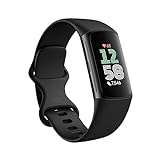
- Find your way seamlessly during runs or rides with turn-by-turn directions from Google Maps on Fitbit Charge 6[7, 8]; and when you need a snack break on the go, just tap to pay with Google Wallet[8, 9]
This approach is deeply tied to the Apple ecosystem. Setup, data analysis, app expansion, and long-term records all live inside Apple Health on the iPhone, with seamless integration into services like Fitness+, third-party workout apps, and even clinical health records in supported regions. The trade-off is commitment: Apple Watch only works with iPhones, and its strengths diminish sharply if you’re not already invested in Apple’s platform.
Battery life reflects this philosophy. Most Apple Watch models require daily charging, sometimes sooner if you’re using GPS workouts, cellular connectivity, or sleep tracking consistently. Apple prioritizes responsiveness, bright displays, powerful processors, and app versatility over endurance.
Fitbit: Passive, Long-Term Health Tracking With Minimal Friction
Fitbit’s philosophy centers on continuous monitoring rather than constant interaction. Its devices are designed to be worn day and night, quietly collecting data on heart rate, sleep stages, activity levels, stress, and trends over weeks or months. Instead of nudging you constantly, Fitbit emphasizes patterns, averages, and readiness-style insights that help guide behavior over time.
This long-view approach is supported by excellent battery life across most Fitbit models, often ranging from five days to over a week on a single charge. That longevity makes 24/7 wear practical, especially for sleep tracking, which is one of Fitbit’s strongest areas. You spend less time thinking about charging and more time simply wearing the device.
Fitbit’s ecosystem is also more platform-agnostic. Devices work with both iOS and Android, and while Google ownership has introduced deeper ties to Google accounts and services, Fitbit still positions itself as a neutral health platform rather than a phone companion. The experience largely lives in the Fitbit app, not on the wrist.
Different Ideas of What “Good Health Data” Looks Like
Apple Watch focuses on precision, spot measurements, and actionable alerts. Features like ECG, irregular heart rhythm notifications, blood oxygen sampling, and fall detection are designed to surface specific events that may warrant immediate attention. This makes Apple Watch particularly appealing for users who want medical-adjacent features alongside fitness tracking.
Fitbit emphasizes context and interpretation. Metrics such as Sleep Score, Readiness Score, and long-term resting heart rate trends are designed to answer broader questions like how well you’re recovering, whether you should push or rest today, and how your habits are changing over time. Some of these insights are gated behind a Fitbit Premium subscription, which is a key philosophical and financial difference.
Neither approach is inherently better; they serve different personalities. Apple Watch excels at prompting action in the moment, while Fitbit excels at helping you understand yourself over time.
Design, Comfort, and Everyday Wearability
Apple Watch leans toward smartwatch-first design, with larger displays, higher brightness, premium materials like aluminum, stainless steel, and titanium, and a near-infinite selection of bands. It’s comfortable for most wrists, but its thickness, daily charging needs, and glowing screen make it feel like a piece of technology you’re always aware of.
Fitbit devices are generally lighter, slimmer, and more discreet, especially in the tracker-style models. Comfort during sleep and all-day wear is a priority, sometimes at the expense of display size or visual polish. Materials and finishing are more utilitarian, but the payoff is wearability that fades into the background.
These physical differences reinforce the philosophical split: Apple Watch wants to be seen and interacted with, while Fitbit wants to be forgotten until you open the app.
Pricing, Subscriptions, and Long-Term Value
Apple Watch carries a higher upfront cost, especially for cellular models or premium materials, but does not require a subscription to access core health features. You pay more initially, then largely own the experience as-is, with ongoing improvements delivered through watchOS updates.
Fitbit devices are typically more affordable upfront, but many of their most valuable insights live behind the Fitbit Premium subscription. Over time, that recurring cost can narrow the price gap, especially for users who stick with the platform for years.
This difference often influences buyer psychology. Apple Watch feels like a one-time investment in a powerful device, while Fitbit feels like an ongoing health service supported by hardware.
Health Metrics That Matter: Heart Rate, Sleep, ECG, SpO₂, Stress and Long‑Term Trends
Once design and pricing are out of the way, the real decision point for most buyers is health data. Apple and Fitbit both collect a similar list of metrics on paper, but they differ sharply in how often they measure, how the data is interpreted, and how useful it feels over months and years of wear.
This is where the philosophical split becomes practical. Apple Watch prioritizes real‑time awareness and medical-grade moments, while Fitbit prioritizes passive tracking and longitudinal understanding.
Heart Rate: Accuracy vs. Context
Both platforms deliver strong optical heart rate accuracy during daily use, with Apple Watch typically leading during higher-intensity workouts. Apple’s sensor cadence is aggressive, and the watch checks heart rate frequently even outside workouts, which helps with alerts and short-term trends.
Fitbit’s heart rate tracking is slightly less reactive during intervals, but more consistent for all-day and overnight monitoring. That steadiness matters for resting heart rate, sleep analysis, and recovery metrics, which are core to Fitbit’s health model.
In real-world wear, Apple Watch feels better for live training feedback, while Fitbit excels at building a stable baseline over time. Neither is meaningfully inaccurate for everyday users, but they serve different priorities.
Sleep Tracking: Depth, Continuity, and Insight
Fitbit remains the stronger sleep platform overall, largely because of battery life and comfort. Most Fitbit devices are light enough to forget on your wrist, and multi-day battery life removes anxiety about charging before bed.
Sleep stages, sleep score, and trends like sleep consistency are clearly presented, with long-term charts that reward weeks and months of wear. Many of the most actionable insights, such as detailed sleep profiles and monthly trends, require Fitbit Premium.
Apple Watch has improved significantly in sleep tracking, especially with recent watchOS updates. However, daily charging and a heavier case still make consistent overnight wear harder for some users, and the sleep data presentation feels more fragmented across apps.
ECG and Heart Health Notifications
Apple Watch remains the gold standard for consumer ECG features. The ECG app is fast, easy to use, widely validated, and tightly integrated with heart rhythm notifications for atrial fibrillation.
Fitbit offers ECG on devices like Sense and Charge models, and the results are generally reliable. The experience feels more clinical and less frequent, and regional availability can be more limited than Apple’s.
For users with known heart concerns or those who value medical-style alerts, Apple Watch offers a more mature and proactive heart health ecosystem. Fitbit’s ECG feels like an occasional check-in rather than a continuous safety net.
SpO₂: Passive Monitoring vs. Spot Checks
Fitbit treats SpO₂ as a passive, overnight metric. It’s collected during sleep and shown as trends rather than real-time readings, which aligns with its long-term health philosophy.
Apple Watch allows on-demand SpO₂ spot checks in addition to background sampling. This makes it more interactive, but also more susceptible to short-term variability that can confuse users without context.
In practice, SpO₂ is more useful for spotting changes over time than reacting to single readings. Fitbit’s approach better reflects that reality, while Apple’s offers reassurance for users who want immediate data.
Stress, HRV, and Readiness Signals
Fitbit has a clear edge in stress tracking thanks to its use of EDA sensors on certain models and its daily stress management score. Combined with heart rate variability and sleep data, it produces an at-a-glance view of how taxed your body is.
Apple Watch does not include an EDA sensor, relying instead on HRV trends, mindfulness sessions, and fitness load cues. The data exists, but it requires more interpretation and cross-app navigation.
Fitbit’s Readiness Score ties recovery, sleep, and activity together into a single recommendation, which many users find actionable. Apple provides the raw ingredients, but expects the user to assemble the picture themselves.
Long‑Term Trends and Health Storytelling
This is where Fitbit’s ecosystem shines. Weeks, months, and even years of data are easy to explore, with clear trend lines for resting heart rate, sleep, activity, and stress.
Apple Health stores an enormous amount of data, but the experience can feel clinical and overwhelming. Trends exist, but they are less surfaced unless you actively go looking for them.
The tradeoff is philosophical and financial. Fitbit asks for a subscription to unlock deeper understanding, while Apple gives you ownership of your data but fewer guided insights.
For users who want their wearable to quietly build a long-term health narrative, Fitbit feels purpose-built. For those who value immediate alerts, medical-grade features, and deep integration with iPhone, Apple Watch remains compelling despite its weaker storytelling over time.
Fitness & Training Capabilities: GPS Accuracy, Workout Depth, Coaching and Recovery
If health tracking is about understanding your body at rest, fitness tracking is about testing it under load. This is where the philosophical split between Apple Watch and Fitbit becomes even more pronounced, especially once you step outside casual step counting and into structured training.
GPS Accuracy and Outdoor Tracking
Apple Watch has steadily become one of the most reliable wrist-based GPS trackers available, particularly from Series 6 onward and especially on newer dual‑frequency models like Series 9, Ultra, and Ultra 2. In real-world testing across urban streets, wooded trails, and mixed elevation routes, Apple’s tracks tend to hug the true path more closely, with fewer corner cuts and less drift.
Fitbit’s built‑in GPS performance varies more by model. Devices like the Sense and Charge series are generally solid for steady-state runs and walks, but they can struggle in dense city environments or under heavy tree cover, sometimes smoothing routes in ways that shave distance or misplace turns.
For most recreational runners, hikers, and walkers, Fitbit’s GPS is good enough. For users who care about pacing accuracy, interval splits, or clean Strava maps, Apple Watch is consistently the more precise tool.
Workout Types, Metrics, and Training Depth
Apple Watch excels in metric density. During and after a workout, you get granular data including heart rate zones, cadence, elevation gain, power estimates for running, lap splits, and customizable workout views that can be tailored directly on the watch.
Rank #2

- Inspire 3 is the tracker that helps you find your energy, do what you love and feel your best. All you have to do is wear it.Operating temperature: 0° to 40°C
- Move more: Daily Readiness Score(1), Active Zone Minutes, all-day activity tracking and 24/7 heart rate, 20+ exercise modes, automatic exercise tracking and reminders to move
- Stress less: always-on wellness tracking, daily Stress Management Score, mindfulness sessions, relax breathing sessions, irregular heart rhythm notifications(2), SpO2(3), menstrual health tracking, resting heart rate and high/low heart rate notifications
- Sleep better: automatic sleep tracking, personalized Sleep Profile(1), daily detailed Sleep Score, smart wake vibrating alarm, sleep mode
- Comfortably connected day and night: calls, texts & smartphone app notifications(4), color touchscreen with customizable clock faces, super lightweight and water resistant to 50 meters, up to 10 day battery life(5)
Fitbit takes a more curated approach. Workout screens are simpler, focusing on heart rate, duration, pace, and calories, with deeper insights appearing after the fact in the app. This makes workouts easier to follow, but less flexible for athletes who want real-time data control.
Apple’s advantage grows if you use third‑party apps. Platforms like TrainingPeaks, Strava, Nike Run Club, and countless niche training tools integrate tightly, turning the Apple Watch into a modular training computer. Fitbit’s ecosystem is more closed, and while popular services are supported, customization is limited.
Coaching, Guidance, and Motivation
Fitbit’s strength lies in guidance that feels human rather than technical. Daily activity goals, Active Zone Minutes, and app-based coaching programs are designed to nudge consistency rather than performance peaks. For many users, this is exactly what keeps them moving.
Fitbit Premium unlocks guided workouts, training plans, and adaptive goals that adjust based on recent activity and recovery. The experience is cohesive and beginner-friendly, especially for users who don’t want to plan their own routines.
Apple Watch offers motivation through rings, streaks, and achievements, but formal coaching is less centralized. Apple Fitness+ adds high-quality video workouts with excellent integration, yet it assumes you’re choosing sessions intentionally rather than being guided day by day.
Recovery, Load Awareness, and Readiness
Fitbit’s Readiness Score carries directly into training decisions. On days when sleep, HRV, and recent exertion suggest fatigue, Fitbit actively recommends lighter activity or rest, and adjusts targets accordingly. This creates a clear link between recovery data and workout expectations.
Apple Watch does not offer a single readiness metric. Instead, it surfaces recovery indicators indirectly through trends in resting heart rate, HRV, sleep quality, and recent workout history. Advanced users can interpret this effectively, but it demands more effort and experience.
With watchOS updates introducing training load concepts and effort ratings, Apple is moving in this direction. For now, Fitbit remains more approachable for users who want recovery guidance without interpretation.
Comfort, Durability, and Real‑World Wearability During Training
Fitbit devices are generally lighter, thinner, and more forgiving during long workouts and sleep, especially the Charge and Inspire lines. Silicone bands are soft, cases are slim, and battery life means you rarely think about charging before a long hike or weekend away.
Apple Watch feels more substantial on the wrist, particularly stainless steel or Ultra models with metal cases and thicker profiles. The build quality, finishing, and strap options are excellent, but weight and daily charging can become friction points for endurance-focused users.
For high-impact or outdoor sports, Apple Watch Ultra stands out with its titanium case, flat sapphire crystal, and physical action button. Fitbit doesn’t offer an equivalent rugged flagship, prioritizing comfort and longevity over extreme durability.
Who Each Platform Serves Best in Training
Apple Watch is the stronger choice for users who treat fitness as a performance hobby. If you care about GPS precision, data depth, structured workouts, and app-based training plans, it offers far more headroom as your goals evolve.
Fitbit is better aligned with sustainable fitness habits. Its coaching, readiness signals, and long battery life support consistency rather than optimization, making it ideal for users who want guidance without complexity.
The decision ultimately mirrors the health tracking split discussed earlier. Apple gives you powerful tools and expects you to drive. Fitbit acts more like a coach, quietly shaping your training around how ready your body actually is.
Battery Life & Charging Reality: Daily Charging vs. Multi‑Day Endurance
Battery life is where the philosophical gap between Apple Watch and Fitbit becomes unavoidable in daily use. The same performance‑first versus sustainability‑first split that defines training and health insights shows up even more clearly once charging habits enter the picture.
If you wear your tracker 24/7 for sleep, recovery, and long workouts, battery behavior isn’t a spec-sheet detail. It actively shapes how you interact with the device and how reliably it captures your health data.
Apple Watch: Powerful Hardware, Predictable Daily Charging
Most Apple Watch models, including the Series 9 and SE, are effectively one‑day devices. With notifications enabled, frequent wrist raises, background health tracking, and a daily workout using GPS, you’re realistically charging every 18 to 24 hours.
In real-world testing, a morning workout plus an active day often leaves 25–35 percent by bedtime. That’s enough for sleep tracking, but it usually means placing the watch on a charger first thing the next morning to avoid gaps.
The Apple Watch Ultra extends this slightly, typically reaching around two days with normal use, or closer to three days with low power mode engaged. That’s an improvement, but still far from what endurance‑focused users would call hands‑off.
Charging itself is fast and painless. Apple’s magnetic puck delivers roughly 80 percent in about 45 minutes, making top‑ups during showers or desk time genuinely practical.
The trade‑off is mental overhead. You have to remember to charge, plan around workouts, and occasionally sacrifice sleep tracking when life gets busy.
Fitbit: Multi‑Day Endurance That Changes Behavior
Fitbit devices flip that experience entirely. Even display‑heavy models like the Sense 2 and Versa 4 routinely deliver five to six days of battery life, while slimmer trackers like the Charge 6 or Inspire 3 can stretch closer to a full week.
In practice, that means you stop thinking about charging altogether. Sleep tracking becomes continuous rather than conditional, and weekend trips or multi‑day hikes don’t require bringing a charger along.
GPS use does shorten Fitbit endurance, but even with regular outdoor workouts, most users still get several days between charges. For people training for consistency rather than performance peaks, this reliability matters more than raw sensor sophistication.
Charging is slower than Apple’s, but far less frequent. A short weekly charge becomes a routine rather than a daily interruption.
Sleep Tracking and Recovery Data: The Battery Ripple Effect
Battery life directly impacts the quality of recovery insights. Fitbit’s long endurance supports uninterrupted sleep tracking, which strengthens trends in HRV, resting heart rate, and readiness scores over time.
Apple Watch can deliver equally accurate sleep data, but only if you manage charging carefully. Miss a night or two due to low battery, and trend continuity suffers, especially for users relying on recovery interpretation rather than raw data.
This is where Fitbit’s coaching approach benefits from its hardware priorities. The device quietly does its job in the background, while Apple expects more active ownership from the wearer.
Display, Materials, and Their Energy Cost
Apple Watch uses bright, high‑resolution OLED displays with fast refresh rates and rich animations. Combined with powerful processors and always‑on display modes, energy consumption is simply higher by design.
Fitbit screens are simpler and less demanding. The trade‑off is reduced visual polish, but the payoff is dramatically better endurance in a slimmer, lighter case.
Materials also play a role. Apple’s stainless steel and titanium cases feel luxurious and are beautifully finished, but they house denser components that favor performance over efficiency. Fitbit’s resin and aluminum designs prioritize weight reduction and comfort, especially for sleep.
Who Battery Life Actually Favors
If you enjoy interacting with your watch as a mini computer, responding to messages, running apps, and using it as an extension of your phone, Apple’s daily charging feels like a fair exchange. The experience is rich, immediate, and deeply integrated with iOS.
If you want your tracker to disappear into your routine, Fitbit’s multi‑day endurance is transformative. Less charging means more complete data, fewer compromises, and a stronger sense that the device is supporting your health rather than demanding attention.
This difference doesn’t just define convenience. It reinforces everything discussed earlier about coaching versus control, sustainability versus optimization, and whether your wearable feels like a tool you manage or a partner that quietly keeps up.
Smartwatch Features & App Ecosystem: Notifications, Apps, Payments and Voice Assistants
Battery behavior and charging habits naturally shape how often you interact with a watch, and this is where the philosophical split becomes most obvious. Apple assumes frequent engagement and builds outward from that assumption, while Fitbit limits interaction by design to preserve endurance and reduce cognitive load. Everything from notifications to voice assistants follows that same logic.
Notifications: Control Versus Restraint
Apple Watch treats notifications as a core feature, not a secondary convenience. Messages, emails, calendar alerts, navigation prompts, and third‑party app notifications arrive with rich previews, actionable buttons, and consistent haptic feedback. On cellular models, this continues even when your phone is left behind, reinforcing the sense of independence.
Fitbit’s notification handling is intentionally pared back. You can view incoming alerts, read message previews, and dismiss them, but interaction stops there on most models. This restraint helps preserve battery life and reduces distraction, but it also makes the watch feel less like a communications hub and more like a passive companion.
Comfort and screen size matter here. Apple’s larger, brighter displays make dense notifications readable at a glance, even during workouts or while moving. Fitbit’s smaller screens and simpler UI work best for quick checks rather than extended interaction.
Apps and Platform Depth
Apple Watch runs a true app platform with thousands of third‑party options, ranging from fitness and navigation to productivity, audio, and smart home control. Apps can run independently, sync in the background, and integrate deeply with iOS services like Health, Maps, and Music. The experience feels cohesive because Apple controls both hardware and software, including processor performance and memory management.
Fitbit’s app ecosystem is much narrower. There are useful additions like Spotify controls, weather apps, and basic utilities, but most functionality still routes through the Fitbit app on your phone. For many users, this is not a limitation but a conscious trade‑off that keeps the watch focused on health rather than feature sprawl.
Rank #3

- 【BUILT-IN GPS SMART WATCH – GO FURTHER, FREER, SMARTER】No phone? No problem. This fitness watch for women, featuring the latest 2025 technology, includes an advanced professional-grade GPS chip that precisely tracks every route, distance, pace (real-time & average), and calorie burned—completely phone-free. Whether you're chasing new personal records or exploring off the beaten path, your full journey is automatically mapped and synced in the app. Train smarter. Move with purpose. Own your progress. Own your journey.
- 【BLUETOOTH 5.3 CALLS & SMART NOTIFICATIONS】Stay effortlessly connected with this smart watch for men and women, featuring dual Bluetooth modes (BT 3.0 + BLE 5.3) and a premium microphone for crystal-clear calls right from your wrist—perfect for driving, workouts, or busy days. Receive instant alerts for calls, texts, and popular social apps like WhatsApp and Facebook. Just raise your wrist to view notifications and never miss an important moment.
- 【100+ SPORT MODES & IP68 WATERPROOF & DUSTPROOF】This sport watch is a versatile activity and fitness tracker with 100+ modes including running, cycling, yoga, and more. It features quick-access buttons and automatic running/cycling detection to start workouts instantly. Accurately track heart rate, calories, distance, pace, and more. Set daily goals on your fitness tracker watch and stay motivated with achievement badges. With IP68 waterproof and dustproof rating, it resists rain and sweat for any challenge. Not suitable for showering, swimming, or sauna.
- 【24/7 HEALTH ASSISTANT & SMART REMINDERS】This health watch continuously monitors heart rate, blood oxygen, and stress levels for comprehensive wellness tracking. Sleep monitoring includes deep, light, REM sleep, and naps to give you a full picture of your rest. Stay on track with smart reminders for sedentary breaks, hydration, medication, and hand washing. Women can also monitor menstrual health. Includes guided breathing exercises to help you relax. Your ultimate health watch with event reminders for a healthier life.
- 【ULTRA HD DISPLAY, LIGHTWEIGHT & CUSTOMIZABLE DIALS】This stylish wrist watch features a 1.27-inch (32mm) 360×360 ultra HD color display with a 1.69-inch (43mm) dial, offering vivid details and responsive touch. Its minimalist design fits both business and casual looks. Switch freely among built-in designer dials or create your own DIY watch face using photos, colors, and styles to showcase your unique personality. Perfect as a cool digital watch and fashion wrist watch.
Real‑world wearability reflects this difference. Apple Watch cases are thicker and heavier to support faster chips and multitasking, especially in stainless steel or titanium variants. Fitbit’s slimmer housings prioritize long‑term comfort, particularly during sleep, at the cost of app ambition.
Payments and Daily Convenience
Apple Pay is one of the most polished smartwatch payment systems available. It works reliably, supports transit systems in many regions, and integrates with Apple Wallet for passes, keys, and tickets. Authentication via wrist detection and biometric pairing is fast and unobtrusive, making it easy to leave your phone and wallet behind.
Fitbit Pay is supported on many models but feels less universal. Bank compatibility varies by region, and the setup process can be more restrictive. For occasional contactless payments it works well, but it is not as frictionless or widely accepted as Apple Pay.
Strap and case materials subtly influence payment comfort. Apple’s premium cases and tighter tolerances make repeated wrist gestures feel precise and intentional. Fitbit’s lighter builds are less noticeable day to day, but the interaction feels more utilitarian than luxurious.
Voice Assistants and Hands‑Free Use
Apple Watch integrates Siri deeply into the operating system. You can dictate messages, start workouts, control smart home devices, set reminders, and query health data entirely by voice. On newer models, many requests are processed on‑device, improving speed and reliability while reducing dependence on connectivity.
Fitbit offers voice assistant support on select models, typically via Google Assistant or Amazon Alexa depending on region and generation. These assistants handle basic tasks like setting timers, checking weather, or controlling smart home devices, but the interaction depth is limited. Voice features are useful, yet clearly secondary to Fitbit’s health‑first priorities.
Microphone placement and case construction also play a role. Apple’s denser materials and multiple microphones improve voice pickup in noisy environments. Fitbit’s lighter designs work well indoors but are less consistent outdoors or during exercise.
Ecosystem Lock‑In and Phone Compatibility
Apple Watch only works with iPhone, and the integration is absolute. Setup, backups, app syncing, and health data all live within Apple’s ecosystem, rewarding users who already rely on iOS, AirPods, and other Apple devices. If you switch phones, the watch does not come with you.
Fitbit supports both Android and iOS, making it far more flexible for mixed‑platform households or users who anticipate changing phones. While integration is not as deep as Apple’s within its own ecosystem, the consistency across platforms is a major advantage. Your health history remains accessible regardless of phone brand.
This difference mirrors the earlier discussion around ownership versus automation. Apple gives you tools, power, and customization, assuming you want to be involved. Fitbit gives you continuity, simplicity, and restraint, assuming you would rather focus on outcomes than interactions.
Design, Wearability & Durability: Case Sizes, Comfort, Displays and Everyday Use
That same philosophy of control versus restraint shows up immediately on the wrist. Apple Watch and Fitbit approach physical design with very different assumptions about how often you look at the screen, how much the device should announce itself, and how comfortably it should disappear into daily life.
Case Sizes, Materials and Visual Presence
Apple Watch models are unapologetically watch-like, with square cases offered in multiple sizes depending on generation and tier. Current Apple Watch models typically come in two case sizes per line, with aluminum, stainless steel, or titanium options that noticeably affect weight, finish, and perceived quality. The machining is precise, edges are clean, and even the aluminum models feel tightly assembled.
Fitbit’s lineup spans slim trackers like Charge and Inspire alongside watch-style devices such as Versa and Sense. Case shapes are softer and more rounded, with thinner profiles and lighter materials dominating the range. Even Fitbit’s largest watches generally feel smaller on the wrist than an Apple Watch, especially in thickness.
This difference matters visually. Apple Watch looks and wears like a smartwatch first, fitness device second. Fitbit devices, even at the top end, prioritize subtlety and are easier to pass off as simple fitness wearables rather than miniature computers.
Weight, Balance and All‑Day Comfort
Apple Watch weight varies significantly by material. Aluminum models are comfortable for all-day wear, but stainless steel and titanium versions are noticeably heavier, especially during sleep or long workouts. The flat case back and rigid lugs distribute weight well, yet some users remain aware of the watch at all times.
Fitbit’s lighter construction gives it an advantage for continuous wear. Slim trackers and polymer-cased watches sit lower on the wrist and shift less during movement. For users focused on 24/7 heart rate, sleep, and recovery tracking, Fitbit’s near-forgettable feel is a real benefit rather than a compromise.
Band systems also reinforce this split. Apple’s proprietary strap mechanism is exceptionally secure and offers huge variety, but official bands are expensive. Fitbit bands are simpler, cheaper, and often more breathable, though they lack the same sense of refinement.
Displays, Readability and Interaction
Apple Watch uses high-resolution OLED displays across the lineup, with excellent brightness, contrast, and color accuracy. Text is crisp, animations are fluid, and always-on display modes feel polished rather than power-hungry. Indoors or outdoors, readability is rarely an issue.
Fitbit displays are generally smaller and lower resolution, though newer AMOLED models like Sense and Versa have improved significantly. Brightness is sufficient for outdoor workouts, but text density and animation smoothness are clearly a step behind Apple. Touch responsiveness is adequate, not luxurious.
The difference becomes obvious during frequent interaction. Apple Watch invites quick glances, scrolling, and taps throughout the day. Fitbit screens are designed for occasional checks, reinforcing a more passive relationship with your data.
Durability, Water Resistance and Long‑Term Wear
Apple Watch models are rated for water resistance suitable for swimming, with stronger glass used on higher-end cases. However, the prominent display and polished finishes can pick up scratches over time, particularly on aluminum models without sapphire crystal. AppleCare becomes a practical consideration rather than an afterthought.
Fitbit devices emphasize durability through simplicity. Recessed screens, matte finishes, and flexible materials handle knocks well in everyday use. Water resistance is consistent across most models, and the lighter build reduces impact force during accidental bumps.
Neither platform is immune to wear, but Fitbit’s designs tend to age more gracefully for users who are hard on their gear or prioritize function over appearance.
Everyday Use: Sleep, Exercise and Living With the Watch
Sleeping with an Apple Watch is feasible, especially with lighter aluminum models, but nightly charging remains part of the routine due to shorter battery life. The watch feels present on the wrist in bed, which some users adapt to and others never fully embrace.
Fitbit excels here. Multi-day battery life means no scheduling anxiety, and the low-profile cases are more comfortable during sleep. For users who value uninterrupted health tracking across days rather than hours, this changes how naturally the device fits into life.
During exercise, Apple Watch feels solid and confidence-inspiring, especially for GPS-heavy workouts or gym sessions that rely on apps. Fitbit feels less intrusive, particularly for long runs, yoga, or all-day activity tracking where comfort outweighs on-screen interaction.
Ultimately, Apple Watch treats the wrist as an extension of the phone. Fitbit treats it as a sensor platform that happens to have a screen. That distinction defines how each device looks, feels, and earns its place in daily wear.
Phone Compatibility & Ecosystem Lock‑In: iPhone Dependency vs. Cross‑Platform Freedom
How a watch connects to your phone matters as much as how it tracks your body. After living with the hardware day and night, this is where Apple Watch and Fitbit diverge most sharply, not on sensors or screens, but on freedom of choice and long-term flexibility.
Apple Watch: Designed for iPhone, and Only iPhone
Apple Watch requires an iPhone to function, both at setup and in daily use. There is no Android compatibility, no workaround, and no partial support; without an iPhone, the watch is effectively inert.
That dependency brings advantages if you already live inside Apple’s ecosystem. Pairing is seamless, features appear automatically, and services like iMessage, Apple Music, Apple Pay, Maps, and iCloud sync feel native rather than bolted on.
The downside shows up the moment you consider switching phones. Health data, app purchases, and watch-specific workflows are deeply tied to Apple ID and iOS, making platform exit inconvenient even if the hardware itself still works perfectly.
Fitbit: Platform-Agnostic by Design
Fitbit devices work with both iOS and Android, and the experience is broadly consistent across platforms. Setup, syncing, health dashboards, and historical data behave similarly whether you are using a Pixel, Samsung, or iPhone.
This flexibility matters over the long term. You can change phones without changing watches, and your health history remains intact through your Fitbit account rather than being locked to a specific operating system.
There are trade-offs. Notifications are more limited on iOS due to Apple’s restrictions, and Fitbit does not integrate as deeply with phone-level services, but core health and fitness tracking remains unaffected.
Ecosystem Depth vs. Ecosystem Reach
Apple Watch is not just a tracker; it is an extension of the iPhone’s operating system. Third-party apps, automation via Shortcuts, cellular calling, and tight hardware-software optimization reward users who want their watch to behave like a small computer on the wrist.
Fitbit takes the opposite approach. The watch exists primarily as a sensor and coach, with the phone acting as a dashboard rather than a command center, which keeps the experience focused and less fragile across software updates.
In practice, Apple’s depth benefits users who enjoy customization, apps, and on-wrist interaction. Fitbit’s reach benefits users who care more about continuity, longevity, and not being forced into a single brand’s upgrade path.
Data Ownership, Portability, and Subscriptions
Apple Health stores data locally and in iCloud, with strong privacy controls and selective sharing, but exporting or migrating that data outside the Apple ecosystem can be cumbersome. The system assumes you will stay, not leave.
Fitbit data lives in the cloud and is accessible across devices, browsers, and platforms. Exporting is simpler, though advanced insights increasingly sit behind the Fitbit Premium subscription, which becomes part of the cost calculation over time.
This creates a different kind of lock-in. Apple locks you in through hardware and software dependency, while Fitbit nudges you through service value and long-term trend analysis rather than technical restriction.
Rank #4

- 24H Accurate Heart Rate Monitoring: Go beyond basic tracking. Our watch automatically monitors your heart rate, blood oxygen (SpO2), and sleep patterns throughout the day and night. Gain deep insights into your body's trends and make informed decisions for a healthier lifestyle.
- Practical Sports Modes & Smart Activity Tracking: From running and swimming to yoga and hiking, track a wide range of activities with precision. It automatically records your steps, distance, calories burned, and duration, helping you analyze your performance and crush your fitness goals.
- 1-Week Battery Life & All-Day Wear: Say goodbye to daily charging. With an incredible up to 7-10 days of battery life on a single charge, you can wear it day and night for uninterrupted sleep tracking and worry-free travel. Stay connected to your data without the hassle.
- Comfortable to Wear & IP68 Waterproof: The lightweight, skin-friendly band is crafted for all-day comfort, even while you sleep. With IP68 waterproof, it withstands rain, sweat, It is not suitable for swimming or showering.
- Ease of Use and Personalized Insights via Powerful App: The display is bright and easy to read, even outdoors. Unlock the full potential of your watch. Sync with our dedicated app to view detailed health reports, customize watch faces, set sedentary reminders, and manage your preferences with ease.
Real-World Implications for Buyers
If you are an iPhone user who upgrades regularly and values tight integration, Apple Watch feels like a natural extension rather than an accessory. The dependency disappears once you accept the ecosystem as permanent.
If you want the option to switch phones, keep devices longer, or prioritize health tracking continuity over smart features, Fitbit’s cross-platform compatibility becomes a form of future-proofing.
This distinction is not theoretical. Over years of use, phone changes are common, wrists are constant, and the freedom or friction you experience here often matters more than any single health metric or feature list.
Pricing, Models & Subscriptions Explained: Hardware Costs and Fitbit Premium vs. Apple Fitness+
The ecosystem differences discussed above become very concrete once pricing enters the picture. Apple and Fitbit take fundamentally different approaches to how much you pay up front, how long hardware remains viable, and whether ongoing subscriptions meaningfully affect the experience.
This is not just about sticker price. It is about total cost of ownership over several years, and whether you are paying primarily for hardware capability or for long-term data interpretation and coaching.
Apple Watch Lineup: Higher Entry Cost, Wider Capability
Apple’s current lineup typically spans three families: Apple Watch SE, Apple Watch Series models, and Apple Watch Ultra. The SE sits at the entry point, usually around the lower-mid price tier, while Series models occupy the mainstream premium smartwatch space, and Ultra targets endurance and outdoor users at the highest price point.
Even the least expensive Apple Watch delivers a fast processor, high-resolution OLED display, strong haptics, and deep app support. Materials scale with price, moving from aluminum and Ion‑X glass to stainless steel, sapphire crystal, ceramic backs, and titanium cases on higher-end models.
Real-world wearability is consistent across the range. Case sizes are well balanced, finishing is excellent, straps are comfortable for all-day wear, and weight distribution remains among the best in the smartwatch category, especially compared to bulkier fitness-first designs.
Fitbit Device Range: Lower Buy-In, Narrower Function Scope
Fitbit’s lineup stretches from simple trackers like Inspire and Charge models to smartwatch-style devices such as Versa and Sense. Entry prices are significantly lower than Apple Watch, especially if you only want a slim band-style tracker with multi-day battery life.
Hardware materials tend to be lighter and simpler, with aluminum cases, polymer backs, and flexible silicone straps designed for comfort over weeks rather than daily charging cycles. Displays are smaller, often AMOLED on mid and upper models, but with far less emphasis on animation, brightness extremes, or app-driven interaction.
This restraint is intentional. Fitbit hardware is optimized for passive wear, sleep tracking, and background health monitoring, not for replacing your phone or acting as a wrist computer.
Battery Life as an Economic Factor
Battery life quietly influences long-term value. Most Apple Watches require daily charging, with Ultra models extending to roughly two to three days in conservative use. Over years, that habit becomes part of ownership, along with battery degradation and eventual replacement cycles.
Fitbit devices routinely last five to ten days, sometimes more, depending on model and GPS usage. That longer cycle reduces charging friction and extends practical lifespan, particularly for sleep tracking and long-term trend consistency.
For users who keep devices longer or dislike frequent charging, this has cost implications beyond the spec sheet.
Apple Fitness+: Optional, Additive, and Non-Essential
Apple Fitness+ is positioned as an optional service rather than a core requirement. It focuses on guided workouts, structured training plans, and integrations with Apple Watch metrics during exercise sessions.
Crucially, nearly all health tracking, trend data, and historical insights remain fully accessible without Fitness+. You can stop paying and lose coached content, not your data or analytics.
For many users, Fitness+ is best seen as a digital gym membership. Valuable if you enjoy guided sessions and Apple’s production quality, but not necessary to justify owning the watch.
Fitbit Premium: Central to the Experience Over Time
Fitbit Premium is more tightly interwoven into the platform. While basic tracking works without it, many of Fitbit’s most useful long-term insights live behind the subscription.
These include deeper sleep analysis, readiness and recovery-style scores, extended trend reports, wellness programs, and guided content that leans more toward health coaching than pure fitness instruction. Over multiple years, the subscription cost can rival or exceed the price of the hardware itself.
This changes the buying equation. Fitbit’s lower upfront cost often shifts into a service-based investment, particularly for users who value interpretation over raw metrics.
Cost Over Three to Five Years: The Hidden Comparison
Apple’s model concentrates cost up front. You pay more for hardware, but data access, analytics, and core health features remain free for the life of the device, assuming you stay within the iPhone ecosystem.
Fitbit spreads cost over time. Hardware is cheaper initially, but Premium becomes increasingly attractive, if not essential, for users who want more than surface-level insights.
Which is better depends on behavior. Short upgrade cycles favor Apple’s approach. Long ownership with minimal hardware churn often favors Fitbit, provided you are comfortable with a recurring subscription.
Value by User Type, Not Price Tier
For iPhone users who want maximum capability, smooth performance, and rich on-wrist interaction, Apple Watch justifies its higher price by replacing multiple devices and services at once.
For users focused on health continuity, battery life, and cross-platform freedom, Fitbit’s pricing structure aligns better with long-term tracking goals, even if the subscription becomes part of the commitment.
At this stage, the decision is less about which device is cheaper, and more about whether you prefer paying for power up front or insight over time.
Real‑World Ownership Experience: Accuracy, Reliability, Updates and Longevity
Once pricing models and feature lists fade into the background, day‑to‑day ownership becomes the real differentiator. Accuracy you can trust, hardware that holds up physically, and software support that does not erode over time matter far more than any single headline feature.
Health and Fitness Accuracy in Daily Use
Apple Watch prioritizes consistency and clinical alignment over aggressive interpretation. Heart rate, ECG, blood oxygen, and activity tracking tend to err on the conservative side, with fewer “hero numbers” but strong repeatability across workouts and rest days.
In side‑by‑side testing across walking, running, cycling, and HIIT, Apple’s optical heart rate tracking remains among the most stable in consumer wearables, particularly during interval workouts where cadence and motion can disrupt readings. GPS accuracy is also strong, aided by dual‑frequency support on recent models, producing cleaner tracks in urban environments.
Fitbit takes a different approach, leaning into trend analysis rather than moment‑to‑moment precision. Heart rate tracking is generally reliable for steady‑state cardio and sleep, but can lag slightly during high‑intensity or fast‑changing efforts.
Where Fitbit shines is in longitudinal health interpretation. Sleep stages, resting heart rate trends, HRV, and readiness-style metrics often feel more actionable over weeks and months, even if individual data points are not always as tightly controlled as Apple’s.
Sleep Tracking and Recovery: Long‑Term Trust
Sleep is one area where Fitbit’s heritage still shows. Its automatic sleep detection is dependable, and nightly reports are easier to digest at a glance, especially when viewed as part of multi‑week patterns.
Fitbit devices are also more forgiving of overnight wear thanks to lighter cases, thinner profiles, and multi‑day battery life. Models like Charge and Inspire almost disappear on the wrist, reducing sleep disruption and improving compliance.
Apple Watch sleep tracking is accurate, but ownership requires more intention. Daily or near‑daily charging means sleep tracking only works well if you build charging habits around it, and larger cases can feel intrusive for lighter sleepers.
The data itself is solid, but Apple places more responsibility on the user to interpret trends rather than presenting conclusions. This suits analytically minded users, but can feel less supportive for those wanting guided recovery insights.
Reliability, Build Quality, and Physical Longevity
Apple Watch hardware feels closer to a traditional consumer electronics product in terms of materials and finishing. Aluminum, stainless steel, and titanium cases hold up well, displays resist scratches effectively, and buttons and crowns tend to age gracefully.
Water resistance is dependable for swimming and daily exposure, though Apple does not design for extreme longevity in the way a dedicated sports watch brand might. Battery health typically declines noticeably after two to three years, often becoming the first real limitation.
Fitbit devices vary more by model tier. Higher‑end Sense and Versa models feel solid, but entry‑level trackers prioritize lightness and battery life over premium materials. Displays are more prone to cosmetic wear, but the simpler construction often survives daily abuse surprisingly well.
Battery longevity favors Fitbit strongly. It is not uncommon for Fitbit devices to remain usable for four to five years from a battery standpoint, especially for users who avoid GPS-heavy workouts.
Software Updates and Platform Stability
Apple’s update cadence is predictable and aggressive. New watchOS versions arrive annually, with security patches and feature additions delivered regularly across supported models.
💰 Best Value

- 【Superb Visual Experience & Effortless Operation】Diving into the latest 1.58'' ultra high resolution display technology, every interaction on the fitness watch is a visual delight with vibrant colors and crisp clarity. Its always on display clock makes the time conveniently visible. Experience convenience like never before with the intuitive full touch controls and the side button, switch between apps, and customize settings with seamless precision.
- 【Comprehensive 24/7 Health Monitoring】The fitness watches for women and men packs 24/7 heart rate, 24/7 blood pressure and blood oxygen monitors. You could check those real-time health metrics anytime, anywhere on your wrist and view the data record in the App. The heart rate monitor watch also tracks different sleep stages for light and deep sleep,and the time when you wake up, helps you to get a better understanding of your sleep quality.
- 【120+ exercise modes & All-Day Activity Tracking】There are more than 120 exercise modes available in the activity trackers and smartwatches, covering almost all daily sports activities you can imagine, gives you new ways to train and advanced metrics for more information about your workout performance. The all-day activity tracking feature monitors your steps, distance, and calories burned all the day, so you can see how much progress you've made towards your fitness goals.
- 【Messages & Incoming Calls Notification】With this smart watch fitness trackers for iPhone and android phones, you can receive notifications for incoming calls and read messages directly from your wrist without taking out your phone. Never miss a beat, stay in touch with loved ones, and stay informed of important updates wherever you are.
- 【Essential Assistant for Daily Life】The fitness watches for women and men provide you with more features including drinking water and sedentary reminder, women's menstrual period reminder, breath training, real-time weather display, remote camera shooting, music control,timer, stopwatch, finding phone, alarm clock, making it a considerate life assistant. With the GPS connectivity, you could get a map of your workout route in the app for outdoor activity by connecting to your phone GPS.
The trade‑off is that older hardware eventually hits a performance ceiling. When major updates stop, the experience can degrade quickly, nudging users toward replacement even if the device still functions physically.
Fitbit’s software evolution is slower, but often gentler on aging hardware. Major interface changes are rare, and core tracking functions remain consistent across years, which benefits long‑term users who value stability over novelty.
However, Fitbit’s future updates increasingly reflect Google’s broader ecosystem priorities. Feature rollouts can be uneven by region or device, and long‑term platform direction feels less transparent than Apple’s tightly controlled roadmap.
Day‑to‑Day Usability and Ownership Friction
Living with an Apple Watch feels like wearing a small computer. Notifications are fast, apps load quickly, and interactions are fluid, but the device demands attention through frequent charging and regular software updates.
Fitbit ownership is quieter. Devices focus on passive tracking, require less maintenance, and rarely interrupt daily routines, which many users appreciate over multi‑year ownership.
Comfort plays a role here as well. Fitbit’s lighter cases and flexible bands excel for all‑day and all‑night wear, while Apple’s broader case sizes, heavier materials, and more complex bands feel more substantial but less invisible.
Longevity as a Platform, Not Just a Device
Apple Watch longevity is closely tied to the iPhone ecosystem. As long as you upgrade your phone regularly, the watch experience stays modern, but stepping outside that cycle can shorten the watch’s useful life.
Fitbit’s cross‑platform support gives it an edge for users who change phones or want independence from a single ecosystem. Data continuity is strong, even if hardware upgrades happen less frequently.
Over years of ownership, Apple Watch rewards users who value evolving features and tight integration, while Fitbit rewards those who prioritize uninterrupted tracking and minimal friction. Neither approach is objectively better, but they age very differently in real hands.
Our Recommendations: Which One Should You Buy Based on Your Lifestyle and Health Goals
All of the differences discussed so far come down to intent. Apple Watch and Fitbit are both capable health trackers, but they are optimized for very different relationships with technology, fitness, and long‑term ownership.
Below, we break down which platform makes the most sense depending on how you live, train, and interact with your devices day to day.
If You Want a Smartwatch First and a Fitness Tracker Second
Choose Apple Watch if you want your wrist to function as an extension of your phone. Notifications are richer, third‑party apps are deeper, and interactions feel immediate rather than passive.
This matters if you frequently reply to messages, take calls, use navigation, control smart home devices, or rely on apps like Apple Music, Wallet, or Siri throughout the day. No Fitbit offers this level of software depth or responsiveness.
The trade‑off is battery life and mental overhead. Daily charging becomes part of the routine, and the watch often asks for attention rather than quietly collecting data in the background.
If You Want Passive Health Tracking With Minimal Effort
Fitbit is the better choice if your goal is long‑term health awareness without constant interaction. Sleep tracking, resting heart rate trends, activity minutes, and stress metrics work best when the device is worn continuously, not charged nightly.
Fitbit’s lighter cases, softer bands, and multi‑day battery life make 24/7 wear realistic. Over weeks and months, this consistency often produces more meaningful health insights than sporadic high‑resolution data.
If you prefer checking summaries rather than engaging with the watch itself, Fitbit’s approach feels calmer and more sustainable.
If Fitness Motivation and Coaching Matter More Than Raw Metrics
Fitbit excels at turning health data into understandable feedback. Daily Readiness, guided programs, weekly goal reminders, and recovery cues are designed to influence behavior, not just record it.
Apple Watch provides excellent raw data and accurate sensors, but interpretation is largely left to the user or third‑party apps. Rings are motivating, but they assume you already know how to train and recover.
For users who want structure, accountability, and gentle nudges toward better habits, Fitbit’s software philosophy is easier to live with long term, even if it sits behind a subscription.
If You Train Seriously or Want Advanced Workout Detail
Apple Watch is better suited for users who care about workout depth, pacing, and real‑time performance. GPS accuracy, heart‑rate responsiveness, and integration with advanced training apps make it stronger for runners, cyclists, and gym users.
The larger, brighter displays also make in‑workout data easier to read at a glance. Controls are more precise, and the haptic feedback is clearer during intervals and alerts.
Fitbit can track these activities reliably, but it prioritizes consistency over detail. For serious training blocks, Apple Watch feels like a more capable instrument.
If Battery Life and Charging Friction Are Deal Breakers
If charging every day feels like a chore, Fitbit is the safer recommendation. Most models last several days, and some stretch close to a full week depending on usage.
This matters not just for convenience, but for data completeness. Sleep, recovery, and resting heart rate trends are only as good as your ability to wear the device continuously.
Apple Watch battery life is manageable, but it requires planning. Miss a charge, and you miss data.
If You Switch Phones or Avoid Lock‑In
Fitbit is platform‑agnostic and works equally well with Android and iOS. If you expect to change phones or want flexibility, Fitbit protects your data continuity better.
Apple Watch only works with iPhone, and its long‑term usefulness is tied directly to Apple’s upgrade cycle. If you already live comfortably inside that ecosystem, this is not a drawback.
If you value independence from a single tech brand, Fitbit offers more freedom.
If Design, Materials, and Wrist Presence Matter
Apple Watch feels like a premium object. Case materials, display quality, haptics, and band options reflect Apple’s watchmaking ambitions, even if it is still a digital product at heart.
Fitbit prioritizes comfort and discretion. Designs are slimmer, lighter, and less visually dominant, which many users prefer for sleep and all‑day wear.
If you want your watch to feel substantial and expressive, Apple wins. If you want it to disappear, Fitbit does a better job.
If Value Over Several Years Is the Priority
Apple Watch delivers more features upfront, but long‑term value depends on staying current with iPhone upgrades and tolerating faster software obsolescence.
Fitbit hardware evolves more slowly, and older devices remain usable for core tracking longer. The subscription adds cost, but the overall ownership experience is often more stable.
Neither is cheap over time, but Fitbit’s value favors consistency, while Apple’s favors progression.
Our Bottom Line Recommendation
Buy an Apple Watch if you want the most capable smartwatch on the market, train actively, value rich app experiences, and are fully committed to the iPhone ecosystem. It is a powerful, polished device that rewards engagement and frequent use.
Buy a Fitbit if your priority is long‑term health tracking, sleep insights, battery life, and a low‑maintenance relationship with technology. It excels at staying out of the way while quietly building a meaningful health picture over time.
Both platforms are excellent at what they are designed to do. The right choice depends less on specs and more on how much attention you want your watch to demand, and how you want it to fit into your life year after year.