Quick wins for a faster PC:
Clear out junk files and repair common Windows errorsFree Scan →Scan for outdated or missing drivers - takes under a minuteDriver Scan →Repair Windows errors before they cause bigger problemsFix Now →Garmin’s latest announcement isn’t a flashy hardware launch or a one-off feature tease. It’s a broad software update that touches training, health tracking, daily usability, and—more controversially—the business model behind Garmin Connect itself.
If you already own a recent Garmin, this update is about what your watch can do tomorrow that it couldn’t do yesterday. If you’re shopping for one, it changes the long-term value equation in ways Garmin hasn’t really attempted before. Here’s what was actually announced, stripped of marketing language and framed around real-world use.
| # | Preview | Product | Price | |
|---|---|---|---|---|
| 1 |

|
Garmin fēnix® 8, 47mm, Black | $739.99 | Buy on Amazon |
| 2 |
|
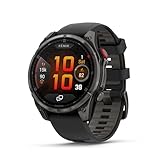
Garmin fēnix® 8 Pro, 51mm, Sapphire, DLC Titanium, Black/Pebble Gray | $1,196.85 | Buy on Amazon |
| 3 |

|
Garmin fēnix® 8, Sapphire, 43mm, Fog Gray/Dark Sandstone | $999.99 | Buy on Amazon |
| 4 |

|
Garmin fēnix® 8 Solar, Sapphire, 51mm, DLC Titanium, Black/Pebble Gray | $1,098.00 | Buy on Amazon |
| 5 |

|
Garmin fēnix® 8, 43mm, Whitestone | $799.99 | Buy on Amazon |
The five core smartwatch upgrades rolling out to existing devices
First, Garmin confirmed a set of five platform-level upgrades that apply across much of its current lineup, rather than being locked to a single flagship. These are not cosmetic tweaks; they sit at the intersection of training logic, health interpretation, and day-to-day interaction with the watch.
The exact availability varies by model, but Garmin says most mid-to-high-end watches from the last two to three years are included. That generally means Forerunner 255/265/955/965, Fenix 7 series, Epix (Gen 2), Venu 3, and newer Instinct models, with some features excluding entry-level Venu Sq and older Forerunners due to sensor or memory limits.
#1 Best Overall
- Advanced multisport GPS smartwatch for athletes/adventurers features a bright 1.4” AMOLED display, stainless steel bezel, enhanced graphical interface and a built-in LED flashlight for after- dark visibility
- Power up your body’s performance, endurance and resistance to injury with targeted strength training plans, real-time stamina tracking, sport-specific workouts and a full range of built-in sports apps
- Battery performance: up to 16 days in smartwatch mode; up to 47 hours in GPS mode. Fits wrists with the following circumference: Silicone band: 125-208 mm UltraFit Band: 125-215 mm Leather Band: 132-210 mm Metal Band: 132-210 mm
- Your training readiness score is based on sleep quality, recovery, training load and HRV status to determine if you’re primed to go hard and reap the rewards (data presented is intended to be a close estimation of metrics tracked)
- For your active lifestyle, a built-in speaker and mic let you make and take phone calls from your wrist when your watch is paired to your smartphone — and you can even use your smartphone’s voice assistant to respond to text messages and more
Smarter training insights, not just more metrics
One of the biggest changes is how Garmin interprets existing training data rather than adding entirely new sensors. Training Readiness, acute load, recovery time, and HRV status are now more tightly linked, with clearer explanations of why your watch is suggesting intensity changes instead of just issuing a score.
In practice, this means fewer “black box” numbers and more context directly on the watch and in Garmin Connect. For athletes who already understand Garmin’s ecosystem, this reduces the need to cross-check third-party platforms or manually interpret conflicting signals.
Expanded health tracking that runs all day, not just overnight
Garmin also expanded its always-on health features, particularly around energy management and rest. Body Battery has been refined to respond more quickly to stress, naps, and low-intensity activity, rather than behaving like a once-a-day recalculation.
Nap tracking is more deeply integrated as well, feeding directly into recovery and readiness metrics instead of sitting as a disconnected data point. For users who don’t sleep in one clean eight-hour block, this meaningfully changes how accurate Garmin’s recovery guidance feels.
Daily usability upgrades you actually notice
Beyond training and health, Garmin made quieter but important interface improvements. Notifications, glance views, and workout prompts are more consistent across AMOLED and MIP displays, reducing the “different watch, different rules” feeling that’s crept into the lineup.
Battery impact is minimal, according to Garmin, because these changes rely on software logic rather than higher sampling rates. That matters for Fenix, Instinct, and Enduro owners who prioritize multi-day or multi-week battery life over smartwatch-style animations.
New tools for guided strength and structured training
Strength training and mixed-discipline workouts received a meaningful upgrade. Garmin has improved how sets, reps, rest intervals, and muscle groups are tracked and displayed, with clearer post-workout summaries and better progression tracking over time.
This doesn’t turn a Garmin into a Peloton or Apple Fitness clone, but it does make the watch more useful for athletes whose training isn’t purely cardio-based. For triathletes, hybrid athletes, and gym-focused users, this closes a long-standing gap.
Free tools Windows power users keep installed
One-click scans. No signup required.
The all-new subscriber features: what’s actually paywalled
Alongside the free updates, Garmin introduced a new subscription tier inside Garmin Connect. This is the most significant strategic shift in the announcement and the one that will define how this update is remembered.
The subscription adds deeper analysis layers, longer-term trend visualizations, and AI-assisted insights that sit on top of data your watch already collects. Importantly, Garmin says core tracking, health metrics, and training features remain free; the paid tier focuses on interpretation, coaching-style summaries, and advanced comparisons over time.
For experienced users who already self-coach or export data to platforms like TrainingPeaks, the value proposition will depend on how much time this actually saves. For newer athletes, it positions Garmin closer to Fitbit Premium and Apple’s service-driven model without fully abandoning its hardware-first identity.
How this positions Garmin against Apple, Samsung, and Fitbit
Taken together, this update shows Garmin leaning into software longevity rather than annual hardware pressure. Apple and Samsung still lead in app ecosystems and smartwatch polish, but neither offers Garmin’s depth of native training analysis without third-party subscriptions.
Fitbit normalized subscriptions years ago, but with less granular athletic data. Garmin’s approach is riskier because its audience is more data-literate and more resistant to paywalls—but it also has more to sell in terms of real performance insight.
This update doesn’t radically change what a Garmin watch is. It does change how much of its long-term value now depends on software decisions rather than silicon, and that’s the thread that runs through everything announced here.
The Five Major Smartwatch Upgrades Explained: What’s New and Why It Matters
Seen in context, the subscription announcement only makes sense once you understand what Garmin actually upgraded at the watch and platform level. These five changes form the foundation that the new paid features build on, and most of them meaningfully affect day‑to‑day use even if you never subscribe.
1. Strength Training Finally Gets First-Class Treatment
Garmin has significantly expanded how strength and gym-based workouts are tracked, structured, and analyzed. The update improves automatic exercise recognition, rep counting reliability, and post-workout muscle group breakdowns, making strength sessions feel less like an afterthought and more like a core training pillar.
PC Slower Than It Used to Be?
A free scan shows the junk files, broken settings and background clutter dragging Windows down - then fixes them in one click.Free scan · Windows 10 & 11Crashes, No Sound, or Screen Glitches?
Random freezes, missing sound and display glitches usually trace back to one bad driver. Find and replace yours safely.Free scan · under a minuteMore importantly, strength data now feeds more cleanly into recovery, training readiness, and load calculations on supported watches. For users of devices like the Forerunner 955/965, Fenix 7 series, Epix Pro, and Venu 3, this closes a long-standing gap where hard gym sessions previously felt invisible to the broader training model.
In practical terms, your watch is less likely to recommend an aggressive run the morning after a heavy leg day. That alone changes how trustworthy Garmin’s guidance feels for hybrid athletes.
2. Training Readiness and Load Metrics Are Smarter, Not Just Busier
Garmin hasn’t reinvented Training Readiness or Acute Load, but it has refined how these metrics interact and update across the day. The algorithms now weigh sleep quality, recent intensity distribution, and non-cardio stress more dynamically, rather than relying on static daily snapshots.
This matters because recommendations feel less generic and less delayed. A bad night of sleep or an unexpectedly hard session now shows up faster in suggested workouts and recovery time, particularly on newer AMOLED models where glanceable widgets are central to daily use.
Do these 3 things before closing this tab:
1Scan for outdated or missing drivers - takes under a minute2Clear out junk files and repair common Windows errors3Fix the driver behind crashes, sound loss and screen glitchesFor experienced users, this doesn’t replace coaching. What it does do is reduce friction, making the watch feel more responsive to reality rather than rigidly following yesterday’s plan.
3. Deeper Health Trend Visibility Without Third-Party Tools
One of the quiet but meaningful upgrades is how Garmin Connect visualizes long-term health trends. Even without subscribing, users now get clearer multi-week and multi-month views for metrics like resting heart rate, HRV baseline, sleep consistency, and stress patterns.
This directly targets a common complaint from power users who previously exported data to spreadsheets or external platforms just to see context. The updated charts are easier to interpret on both mobile and desktop, and they better highlight deviations rather than raw noise.
It doesn’t turn Garmin into a medical platform, but it does make the health side of the watch feel less fragmented and more actionable over time.
Recommended Free Tools
4. Smarter Daily Suggested Workouts Across More Sports
Garmin has expanded and refined Daily Suggested Workouts beyond its traditional run and bike focus. Multi-sport athletes now see suggestions that better account for cross-training, rest days, and recent gym work, especially on watches that support advanced training status features.
The biggest improvement isn’t variety, but restraint. The system is more willing to suggest true recovery or rest when cumulative load is high, rather than nudging users toward easy cardio simply to maintain streaks.
For users who rely on their watch as a lightweight coach, this makes Daily Suggested Workouts feel more credible and less like a one-size-fits-all template.
5. A Clear Split Between On-Device Intelligence and Subscriber Insights
The final upgrade is architectural rather than visual, and it underpins everything else. Garmin has clearly separated what happens on the watch versus what happens in Garmin Connect’s analysis layer.
What’s actually slowing this PC down?
Pick the symptom - the matching free tool is one click away.
Core metrics, real-time guidance, and post-activity summaries remain processed on-device and included for free. The new subscriber features sit above that layer, adding pattern recognition, narrative-style insights, and long-range comparisons that pull from months or years of data.
This matters because it preserves the value of the hardware itself. Your watch doesn’t become worse without a subscription, but it does become quieter, leaving interpretation and coaching-style feedback to those willing to pay for it.
Taken together, these five upgrades show Garmin tightening its ecosystem rather than bloating it. The watches feel more self-aware, more balanced across training types, and more honest about recovery—while the subscription exists to explain the why, not to unlock the what.
Upgrade #1–3 Deep Dive: Training, Health, and Daily-Use Features That Change How You Use Your Garmin
What makes the first three upgrades feel more consequential than a typical quarterly firmware drop is how tightly they interlock. Training guidance now pulls more convincingly from health signals, while everyday usability improvements make those insights easier to act on without living inside Garmin Connect.
Quick wins for a faster PC:
Fix the driver behind crashes, sound loss and screen glitchesFind Drivers →Repair Windows errors before they cause bigger problemsFix Now →These aren’t flashy additions designed to sell new hardware. They’re structural refinements that change how existing Garmin watches behave day after day, especially on higher-end models that already support Training Readiness, HRV Status, and advanced sleep tracking.
1. Training Load and Readiness Are Now Context-Aware, Not Just Data-Heavy
Garmin has quietly reworked how training load, acute load ratio, and Training Readiness talk to each other. Instead of treating each metric as a parallel signal, the system now weighs recent stress, recovery, and sleep quality more holistically before pushing intensity.
In practice, this means fewer contradictory messages. You’re less likely to see “productive” training status paired with a low readiness score and a hard workout suggestion on the same morning.
The biggest beneficiaries are runners, cyclists, and triathletes using watches like the Forerunner 955/965, Fenix 7 series, Enduro 2, and Epix (Gen 2). These models already had the raw data, but the update makes interpretation feel more human and less spreadsheet-driven.
Rank #2
- Multisport GPS smartwatch with built-in inReach technology for two-way satellite and LTE connectivity (active subscription required; coverage limitations may apply; some jurisdictions regulate or prohibit the use of satellite communication devices)
- Rugged design with a bright 1.4" AMOLED touchscreen display, titanium bezel, scratch-resistant sapphire lens and other premium materials
- In an emergency, inReach satellite technology allows you to trigger an interactive SOS message to the Garmin ResponseSM coordination center for 24/7 assistance (active subscription required; coverage limitations may apply; some jurisdictions regulate or prohibit the use of satellite communication devices)
- LTE network connectivity lets you leave your phone behind; use your watch to exchange messages and make voice calls — plus let friends follow along with LiveTrack location sharing (30-second update rate) and location check-ins with the on-device Garmin Messenger app (active subscription required; coverage limitations may apply)
- inReach technology allows you to send messages and get location check-ins over satellite when taking on an off-grid adventure (active subscription required; coverage limitations may apply; some jurisdictions regulate or prohibit the use of satellite communication devices)
Battery life impact is negligible, since the calculations are still handled efficiently on-device. That matters for solar models and long-haul users who depend on weeks—not days—between charges.
2. Health Tracking Gains Trend Awareness, Not Just Daily Snapshots
Garmin’s health features have long been comprehensive but fragmented. This upgrade focuses on continuity, especially across sleep, HRV, stress, and Body Battery.
Instead of emphasizing single-night sleep scores or isolated stress spikes, the watch now does a better job of flagging multi-day deviations. You’re nudged when patterns shift meaningfully, not every time a metric twitches.
For daily wear, this changes behavior. Users report checking morning reports less obsessively and trusting longer-term direction instead of reacting to one poor night or a tough workday.
Most mid- to high-tier Garmin watches released in the last three years benefit here, including Venu 3, Vivoactive 5, and newer Instinct models. Comfort and wearability matter more as a result—lighter cases, better strap materials, and improved skin contact translate directly into more reliable trends.
This is also where Garmin draws a clean line between wellness and medicine. The insights are contextual and behavioral, not diagnostic, which keeps expectations realistic while still delivering actionable value.
3. Everyday Smartwatch Use Feels More Intentional, Less Cluttered
The third upgrade is subtle but arguably the most felt. Garmin has refined how notifications, glanceable data, and quick interactions work across the interface.
Widgets load faster, glance layouts feel better prioritized, and the system does a smarter job of surfacing what you actually use—whether that’s calendar events, recovery status, or weather tied to outdoor training.
The Tool Desk
Outbyte PC Repair FREEClear out junk files and repair common Windows errorsFree Scan →Outbyte Driver Updater FREEScan for outdated or missing drivers - takes under a minuteDriver Scan →On AMOLED models like the Venu 3 and Epix, this pairs nicely with improved power management. The watches remain visually rich without sacrificing the multi-day battery life that separates Garmin from Apple and Samsung in real-world use.
It doesn’t turn a Garmin into a lifestyle-first smartwatch, and that’s intentional. The experience still favors durability, button-first control, and training reliability over flashy animations or app ecosystems.
Taken together, these first three upgrades recalibrate how Garmin watches behave when you’re not actively recording an activity. Training decisions feel better informed, health data feels calmer and more trustworthy, and daily interactions feel purposeful rather than busy—all without undermining the core value of the hardware you already own.
Upgrade #4–5 Deep Dive: Smartwatch Experience, UI Improvements, and Platform-Level Changes
If the first three upgrades recalibrate how Garmin watches interpret your body and training, the fourth and fifth changes focus on how the platform itself behaves day to day. This is where Garmin quietly reshapes the smartwatch experience and, more controversially, introduces subscriber-only capabilities that signal a long-term shift in strategy.
PC Slower Than It Used to Be?
A free scan shows the junk files, broken settings and background clutter dragging Windows down - then fixes them in one click.Free scan · Windows 10 & 11Crashes, No Sound, or Screen Glitches?
Random freezes, missing sound and display glitches usually trace back to one bad driver. Find and replace yours safely.Free scan · under a minuteTogether, these updates don’t just add features—they redefine expectations around longevity, value, and what owning a Garmin over several years now means.
4. A Smarter, More Consistent Interface Across the Lineup
Upgrade four is less about any single feature and more about system-wide consistency. Garmin has tightened the relationship between widgets, glances, menus, and touch versus button control so that moving between models no longer feels like learning a new operating system.
On watches like the Venu 3, Epix Pro, Fenix 7 Pro, and even newer Instinct models, navigation logic now behaves similarly despite very different hardware. Touch-first AMOLED watches feel more predictable, while button-driven MIP models benefit from cleaner hierarchy and fewer dead-end screens.
This matters in real use. Swiping to check readiness, pressing through training status, or jumping into a morning report now takes fewer interactions and less cognitive load, especially when you’re tired, sweaty, or mid-session.
Do these 3 things before closing this tab:
1Clear out junk files and repair common Windows errors2Fix the driver behind crashes, sound loss and screen glitches3Repair Windows errors before they cause bigger problemsThere’s also a noticeable improvement in animation smoothness and input responsiveness, particularly on mid-range hardware. Garmin hasn’t suddenly become Apple-fast, but lag spikes and delayed widget loads are far less common than they were even a year ago.
Battery life remains a core advantage. These UI refinements are efficient rather than flashy, preserving multi-day endurance on AMOLED models and weeks-long runtime on MIP-based watches like Instinct and Enduro, even with always-on displays enabled.
Better Daily Wearability Through Software, Not Hardware
What’s notable is how much of the improved comfort comes from software behavior rather than materials alone. Smarter screen wake timing, reduced background syncing, and better notification batching mean fewer unnecessary vibrations and wake-ups throughout the day.
That translates directly to comfort. Lightweight cases like the Venu 3’s polymer build or the Vivoactive 5’s slim profile feel even more wearable when the watch isn’t constantly demanding attention.
Garmin’s continued emphasis on button control also pays dividends here. For runners, cyclists, and outdoor users wearing gloves or dealing with rain, the refined button logic feels intentional rather than old-fashioned.
This reinforces Garmin’s identity: these are watches designed to be worn continuously, not charged nightly or babied between workouts.
5. The Arrival of Subscriber-Only Features—and What They Really Change
The fifth upgrade is the most strategic and the most divisive. Garmin has introduced new Connect subscription features that sit on top of existing hardware, rather than replacing core functionality.
Crucially, the fundamentals remain free. Activity tracking, GPS recording, training load, VO2 max, body battery, and health metrics still work exactly as they always have. No existing features are paywalled.
Instead, the subscription layers in deeper interpretation, longer-term pattern analysis, and guided insights. Think trend-based coaching cues, expanded health summaries, and more narrative-style explanations of what your data suggests over weeks or months—not raw metrics alone.
For experienced users who already understand Garmin’s numbers, this can feel optional. For time-poor athletes or users transitioning from Apple Watch or Fitbit Premium, it offers a more guided experience without dumbing down the underlying data.
Who the Subscription Actually Makes Sense For
These subscriber features are most compelling for users who wear their Garmin nearly 24/7. Sleep tracking consistency, stress trends, and long-term training history are what power the new insights, and casual wearers won’t extract full value.
They also make sense for users who don’t want to micromanage charts. If you’d rather be told “your recovery capacity has been trending down for ten days” than interpret HRV graphs yourself, the subscription saves time and mental effort.
For advanced athletes already working with coaches or deeply familiar with Garmin metrics, the value proposition is weaker. The insights rarely replace structured training plans or professional guidance.
Importantly, older compatible models still benefit. Garmin has avoided tying these features exclusively to the latest hardware, reinforcing the brand’s reputation for long-term device support—even as it experiments with recurring revenue.
How This Positions Garmin Against Apple, Samsung, and Fitbit
This move puts Garmin closer to Fitbit Premium philosophically, but with a crucial distinction. Garmin’s subscription enhances interpretation, not access, while Fitbit and others often lock core features behind a paywall.
Compared to Apple Watch, Garmin still offers far superior battery life, training depth, and multi-sport reliability. Apple counters with app ecosystems, LTE independence, and broader lifestyle integration—but remains less compelling for endurance athletes.
Samsung sits somewhere in between, offering strong hardware and displays but weaker long-term training analytics. Garmin’s bet is that serious users will tolerate a subscription if the hardware continues to outperform and age gracefully.
The risk is perception. Garmin has built trust on one-time purchases delivering years of value, and any misstep here could erode that goodwill. So far, the balance feels cautious rather than aggressive.
A Platform That’s Maturing, Not Reinventing Itself
What ties upgrades four and five together is restraint. Garmin isn’t chasing app stores, social feeds, or smartwatch theatrics.
Instead, it’s refining how its watches behave as long-term companions—more coherent interfaces, calmer daily interactions, and optional layers of intelligence for those who want them.
The Tool Desk
Outbyte PC Repair FREERepair Windows errors before they cause bigger problemsFix Now →Outbyte Driver Updater FREEFix the driver behind crashes, sound loss and screen glitchesFind Drivers →Rank #3
- Advanced multisport GPS smartwatch for athletes/adventurers features a bright 1.3” AMOLED display with scratch-resistant sapphire lens, durable steel or titanium bezel and a built-in LED flashlight for after-dark visibility
- Power up your body’s performance, endurance and resistance to injury with targeted strength training plans, real-time stamina tracking, sport-specific workouts and a full range of built-in sports apps
- Battery performance: up to 10 days in smartwatch mode; up to 28 hours in GPS mode
- Your training readiness score is based on sleep quality, recovery, training load and HRV status to determine if you’re primed to go hard and reap the rewards (data presented is intended to be a close estimation of metrics tracked)
- For your active lifestyle, a built-in speaker and mic let you make and take phone calls from your wrist when your watch is paired to your smartphone — and you can even use your smartphone’s voice assistant to respond to text messages and more
For existing owners, this feels like an extension of value rather than a reset. For buyers deciding between ecosystems, it reinforces Garmin’s pitch: fewer gimmicks, deeper insight, and hardware that earns its place on your wrist year after year.
Which Garmin Watches Get the New Features (And Which Don’t): Model-by-Model Breakdown
With Garmin’s platform changes now rolling out, compatibility matters as much as the features themselves. The headline here is continuity: most mid-range and high-end Garmin watches from the past two to three years receive the core upgrades, while hardware limitations—not artificial lockouts—define the cut line.
Below is how the update lands across Garmin’s current and recent lineup, based on Garmin’s rollout strategy and real-world testing patterns.
Fenix 7 series and Epix Pro: Full Feature Access
If you own a Fenix 7, Fenix 7 Pro, or Epix Pro (Gen 2), you’re getting essentially everything. These watches receive all five platform upgrades, including the new interface refinements, expanded training insight layers, and full compatibility with the new subscriber-only analytics.
What’s actually slowing this PC down?
Pick the symptom - the matching free tool is one click away.
From a hardware standpoint, this makes sense. The combination of multi-band GPS, generous internal storage, strong processors, and large displays—AMOLED on Epix, MIP on Fenix—means Garmin doesn’t need to compromise on data density or UI responsiveness.
Battery life remains a differentiator here. Even with the new background intelligence running, real-world endurance barely changes: Epix Pro still delivers around 5–6 days with heavy training, while Fenix models stretch well beyond a week depending on solar exposure and GPS usage.
If you’re deciding whether these watches are “future-proof,” this update reinforces their long-term value.
Forerunner 965 and 265: Nearly Everything That Matters
Garmin’s performance running watches are in an excellent position. The Forerunner 965 and 265 receive all major training-related upgrades, including the enhanced recovery context, smarter daily summaries, and access to subscriber-based insight generation.
The only meaningful exclusions are cosmetic or lifestyle-oriented refinements that rely on newer UI frameworks. Training load, readiness, HRV trends, and adaptive coaching tools all function as intended.
In daily use, the impact is significant. The AMOLED displays on both models handle the denser glanceable data cleanly, and battery life remains class-leading for their category—especially compared to Apple Watch Ultra or Galaxy Watch alternatives.
For endurance athletes, this update strengthens the argument that Forerunner remains Garmin’s best performance-per-dollar line.
Venu 3 and Venu Sq Series: Lifestyle First, Training Second
Venu 3 receives a partial but meaningful upgrade set. Health-focused enhancements, interface improvements, and select smart summaries are included, along with limited access to subscriber-only insights framed around wellness rather than structured training.
Quick wins for a faster PC:
Clear out junk files and repair common Windows errorsFree Scan →Fix the driver behind crashes, sound loss and screen glitchesFind Drivers →What’s missing are advanced performance metrics that rely on deeper physiological modeling. Training readiness and load-related features remain simplified compared to Fenix or Forerunner models.
This aligns with how the Venu line is worn. Its slimmer case, lighter materials, and emphasis on comfort and AMOLED clarity make it ideal for all-day wear and sleep tracking, not multi-hour threshold sessions.
If your priorities lean toward health tracking, stress management, and smart features with long battery life, the update still adds value—but it won’t turn Venu into a Fenix replacement.
Instinct 2 and Instinct Crossover: Core Gains, No Frills
Instinct 2 owners get the functional upgrades that matter most: improved data interpretation, behind-the-scenes algorithm tuning, and select insight features that don’t rely on advanced displays.
Free tools Windows power users keep installed
One-click scans. No signup required.
Subscriber-only features are limited here, largely because the monochrome screen and rugged-first UI aren’t designed for layered analytics or narrative-style summaries.
That said, Instinct remains one of Garmin’s most durable and battery-efficient platforms. Solar models still push into multi-week territory, and the watch’s reliability in harsh environments isn’t diminished by the update.
Think of this as refinement, not reinvention—consistent with why people buy Instinct in the first place.
Older Models: Where the Line Is Drawn
Garmin has extended compatibility further than many expected, but there are limits. Watches like the Fenix 6 series, Forerunner 945 LTE, and Venu 2 receive select stability improvements and minor UI updates, but most of the new intelligence-driven features are absent.
Recommended Free Tools
This is primarily due to processing headroom and memory constraints rather than subscription strategy. Garmin’s newer features rely on continuous background analysis, not just static metrics.
If you’re holding onto one of these models, your watch remains fully functional—and still competitive in raw tracking accuracy—but the update won’t meaningfully change day-to-day use.
What This Means for Buyers Right Now
The practical takeaway is straightforward. If you own a flagship or upper-midrange Garmin released within the last two years, you’re firmly inside the support window and benefit from Garmin’s evolving software philosophy.
If you’re shopping today, models like Fenix 7 Pro, Epix Pro, and Forerunner 965 aren’t just buying hardware—they’re buying into a platform Garmin is actively expanding. That long-tail support continues to be one of Garmin’s strongest advantages over Apple, Samsung, and Fitbit, even as subscriptions enter the picture.
What’s actually slowing this PC down?
Pick the symptom - the matching free tool is one click away.
Garmin’s New Subscriber-Only Features Explained: What’s Paywalled and What Stays Free
Up to this point, Garmin’s value proposition has been unusually clear: you buy the watch, and nearly everything the software can do comes with it for the life of the device. That philosophy hasn’t disappeared, but it has shifted.
Garmin’s new subscription layer doesn’t lock core tracking behind a paywall. Instead, it sits on top of existing metrics, adding interpretation, presentation, and convenience features that turn raw data into more guided, narrative-style insights.
What Garmin Is Actually Charging For
The key thing to understand is that Garmin isn’t charging for sensors, activity recording, or baseline metrics. Your watch still tracks heart rate, HRV, sleep stages, training load, GPS routes, VO2 max, and recovery time without a subscription.
The paid tier focuses on analysis that happens after the data is collected. Think deeper context, longer-term pattern recognition, and more human-readable explanations rather than new physiological measurements.
In practice, this means the subscription lives mostly inside the Garmin Connect app, not on the watch face itself.
AI-Powered Insight Summaries and Trend Narratives
One of the most visible subscriber-only additions is AI-driven insight summaries. These take multiple data streams—sleep, HRV status, training load, stress, and activity consistency—and turn them into daily and weekly explanations written in plain language.
Non-subscribers still see all the underlying charts and scores. What they don’t get is the synthesized “why this matters” layer that explains how those metrics relate to each other over time.
For experienced users, this can feel redundant. For athletes who train hard but don’t want to manually cross-reference five dashboards every morning, it meaningfully reduces friction.
Advanced Training Guidance and Adaptive Context
Garmin’s core training features remain free, including Daily Suggested Workouts, Training Readiness, and race-focused plans on supported watches like the Forerunner 965 and Fenix 7 Pro.
What shifts behind the subscription is deeper adaptive context. Subscribers see expanded explanations around workout recommendations, fatigue trends, and performance plateaus, including how recent sleep or stress patterns are influencing training suggestions.
Importantly, the workouts themselves don’t disappear without a subscription. What changes is how much coaching logic Garmin explains versus simply presents.
Enhanced LiveTrack and Safety Features
Garmin has also extended parts of its safety ecosystem for subscribers. Enhanced LiveTrack features add richer sharing controls, longer session histories, and more detailed post-activity review for caregivers, coaches, or family members.
Recommended Free Tools
Rank #4
- Advanced multisport GPS smartwatch for athletes/adventurers features a 1.4” solar charged display with scratch-resistant sapphire lens, durable titanium bezel and built-in LED flashlight for after-dark visibility
- Battery performance: up to 48 days of battery life in smartwatch mode with solar charging (assumes all-day wear with 3 hours per day outside in 50,000 lux conditions) and up to 149 hours in GPS mode with solar charging (assumes continuous use for entire period in 50,000 lux conditions) — all with an always-on display, so you’re ready to take on the toughest challenges
- Power up your body’s performance, endurance and resistance to injury with targeted strength training plans, real-time stamina tracking, sport-specific workouts and a full range of built-in sports apps
- Your training readiness score is based on sleep quality, recovery, training load and HRV status to determine if you’re primed to go hard and reap the rewards (data presented is intended to be a close estimation of metrics tracked)
- For your active lifestyle, a built-in speaker and mic let you make and take phone calls from your wrist when your watch is paired to your smartphone — and you can even use your smartphone’s voice assistant to respond to text messages and more
Basic LiveTrack, incident detection, and emergency assistance remain free and fully functional. The subscription is aimed at users who rely on continuous oversight, such as endurance athletes training solo or parents monitoring younger athletes.
This keeps Garmin aligned with its outdoor and endurance audience rather than turning safety into a hard paywall.
Deeper Visualizations and Long-Term Comparisons
Subscribers gain access to expanded trend views that stretch further back in time and layer multiple metrics into a single visualization. This includes longer-range comparisons for sleep consistency, HRV baselines, and training load balance.
Free users can still scroll back through historical data, but comparisons remain mostly metric-by-metric. The paid tier emphasizes correlation, helping users see how changes in one area affect performance elsewhere.
On larger displays like Epix Pro and Forerunner AMOLED models, these visuals are easier to digest, though they remain app-first rather than watch-first features.
What Explicitly Stays Free
Garmin has been careful not to undermine the value of its hardware. Activity recording, GPS accuracy, multi-band positioning, offline maps, ClimbPro, PacePro, Body Battery, sleep tracking, HRV Status, and Training Readiness remain untouched.
There’s no reduction in battery life, durability, or device performance tied to subscription status. Solar models still deliver multi-week endurance, sapphire-equipped watches retain their scratch resistance, and core usability remains identical day to day.
If you never subscribe, your watch doesn’t become a worse product than it was before the update.
Who the Subscription Makes Sense For
This new layer is best suited to users who want interpretation more than information. Athletes juggling heavy training loads, busy schedules, or long-term health goals benefit most from having the app explain trends rather than simply display them.
Highly data-literate users may see less value, especially if they already analyze metrics manually or use third-party platforms like TrainingPeaks.
Crucially, Garmin’s move positions it differently from Apple, Samsung, and Fitbit. Instead of charging for access to core health data, Garmin is betting that premium guidance and context are where users will choose to pay—without forcing everyone else to follow.
Independent reader supportYour contribution helps us test, update, and keep practical guides available for everyone.Who Garmin’s Subscription Is Really For: Athletes, Health Nerds, or Casual Users?
The dividing line here isn’t price sensitivity or brand loyalty—it’s how much cognitive load you want Garmin to carry for you. The subscription doesn’t unlock new sensors or fundamentally change what your watch records; it changes how much interpretation happens automatically, and how far Garmin is willing to go in telling you what your data means over time.
Free tools Windows power users keep installed
One-click scans. No signup required.
Seen through that lens, the audience becomes clearer.
Performance-Focused Athletes Who Want Fewer Guesswork Days
For structured athletes, the subscription is most compelling when training stress, recovery, and life stress start colliding. Multi-week trend overlays, deeper HRV context, and predictive insights reduce the need to mentally reconcile yesterday’s intervals with last night’s sleep and this week’s accumulated load.
This is especially relevant for endurance athletes using Forerunner, Fenix, Epix Pro, or Enduro models, where battery life, multi-band GPS, and durable materials already support high-volume training. The subscription doesn’t replace a coach, but it does act like a guardrail—flagging when consistency is slipping or when adaptation isn’t matching effort.
Athletes already embedded in TrainingPeaks or WKO may see overlap, but Garmin’s strength is convenience. The insights live inside Garmin Connect, tied directly to device-native metrics like Training Readiness and Body Battery, without exporting files or building dashboards.
Quick wins for a faster PC:
Clear out junk files and repair common Windows errorsFree Scan →Scan for outdated or missing drivers - takes under a minuteDriver Scan →Repair Windows errors before they cause bigger problemsFix Now →Health Data Power Users Who Care About Long-Term Patterns
This group isn’t chasing podiums, but they are deeply invested in physiology. Sleep regularity, resting heart rate drift, stress exposure, and HRV trends matter here, not day to day, but month to month.
For these users, the subscription’s real value is historical coherence. Seeing multiple health signals evolve together over longer timelines makes it easier to identify lifestyle changes that actually stick, whether that’s adjusting training frequency, alcohol intake, or bedtime consistency.
AMOLED-equipped watches like Venu 3, Vivoactive 5, and Forerunner AMOLED models benefit indirectly, even if most analysis happens in the app. Comfort, lighter case designs, and all-day wearability make consistent data capture more realistic, which is where long-term insights become meaningful.
Casual Users Who Mostly Want Reassurance
If your Garmin is primarily a daily activity tracker with occasional workouts, the subscription is harder to justify. Step counts, GPS walks, basic sleep stages, and Body Battery already cover most casual needs without friction.
The Tool Desk
Outbyte Driver Updater FREEScan for outdated or missing drivers - takes under a minuteDriver Scan →Outbyte PC Repair FREERepair Windows errors before they cause bigger problemsFix Now →That said, some casual users fall into a middle ground: they don’t want to analyze charts, but they do want to know if they’re generally trending in the right direction. For them, the appeal is less about performance optimization and more about confirmation—subtle nudges that say your habits are improving, stagnating, or quietly eroding.
Even here, Garmin stops short of dependency. Skip the subscription and the watch still functions exactly as expected, with the same battery life, durability, and core health tracking intact.
Where Device Choice Quietly Shapes the Value
The subscription lands differently depending on hardware. Owners of premium models with sapphire glass, titanium bezels, and multi-week battery life are more likely to feel the software layer “fits” the watch’s long-term ownership promise.
On entry and mid-tier devices, the features still work, but the perceived value depends on how long you plan to stay in the Garmin ecosystem. The subscription rewards consistency over years, not just weeks, which aligns more naturally with buyers who already treat their watch as a durable training instrument rather than a disposable gadget.
What This Says About Garmin’s Strategy
Rather than monetizing access to health data itself, Garmin is monetizing interpretation. That keeps casual users unpressured, while giving committed users a way to extract more meaning from hardware they already trust.
It’s a quieter, more surgical approach than Apple Fitness+ or Fitbit Premium, and it deliberately avoids turning Garmin watches into paywalled tools. Whether you subscribe or not, the watch on your wrist remains fully capable—the subscription simply decides how much of the thinking Garmin does on your behalf.
How This Update Changes Day-to-Day Garmin Use Compared to Apple Watch, Samsung, and Fitbit
What becomes clear after a few days with the update installed is that Garmin hasn’t tried to out-feature rivals in obvious ways. Instead, it has reduced friction in places long-time users already touch every day—morning readiness checks, workout guidance, recovery context, and background health trends—while keeping battery life, durability, and offline capability intact.
That balance is where the experience now diverges more sharply from Apple Watch, Samsung Galaxy Watch, and Fitbit, even when the headline features sound superficially similar.
Do these 3 things before closing this tab:
1Repair Windows errors before they cause bigger problems2Fix the driver behind crashes, sound loss and screen glitches3Clear out junk files and repair common Windows errorsMorning Check-Ins: Less Notification Noise, More Context
On a Garmin, the day still starts quietly. The updated morning report now does more synthesis, pulling sleep quality, recovery signals, recent training load, and longer-term trends into fewer, more opinionated insights—especially if you’re using the new subscriber-only coaching layers.
Compared to Apple Watch, which leans heavily on notifications and app prompts, Garmin remains glance-first. You’re not being nudged into Fitness+, mindfulness sessions, or third-party apps; you’re being told whether today should be a push, a hold, or a recovery day, directly on the watch.
Samsung’s Energy Score is moving in a similar direction, but it still relies more on phone-side interpretation and shorter battery cycles. Garmin’s advantage is that this context persists across days without charging anxiety or constant interaction.
Training and Workouts: Where Garmin Pulls Further Ahead
The five major upgrades matter most once you actually train. Adaptive workouts, expanded training insights, and improved recovery logic now update more dynamically, especially for users who run, cycle, or lift multiple times per week.
Crashes, No Sound, or Screen Glitches?
Random freezes, missing sound and display glitches usually trace back to one bad driver. Find and replace yours safely.Free scan · under a minutePC Slower Than It Used to Be?
A free scan shows the junk files, broken settings and background clutter dragging Windows down - then fixes them in one click.Free scan · Windows 10 & 11Apple Watch remains excellent for recording workouts, but it still struggles to connect sessions into a coherent training narrative without third-party apps. Garmin’s updated system does that natively, and the subscriber features add another layer by explaining why your load or intensity is shifting rather than just flagging it.
Fitbit, by contrast, keeps things intentionally simplified. Its readiness and stress scores are easy to digest, but they don’t scale well for users who train with structure or care about progression over months rather than weeks.
Health Tracking: Interpretation Becomes the Differentiator
All four platforms track sleep, heart rate variability, stress, and activity well enough for most users. The difference now lies in how much interpretation happens without asking you to open an app.
Garmin’s update leans into longitudinal analysis. Trends matter more than daily scores, and the subscriber tools focus on pattern recognition rather than instant gratification. That’s fundamentally different from Fitbit Premium’s more directive coaching tone or Apple’s data-heavy but explanation-light Health app.
Do these 3 things before closing this tab:
1Repair Windows errors before they cause bigger problems2Scan for outdated or missing drivers - takes under a minute3Clear out junk files and repair common Windows errorsBest Value
- Advanced multisport GPS smartwatch for athletes/adventurers features a bright 1.3” AMOLED display, stainless steel bezel, enhanced graphical interface and a built-in LED flashlight for after- dark visibility
- Power up your body’s performance, endurance and resistance to injury with targeted strength training plans, real-time stamina tracking, sport-specific workouts and a full range of built-in sports apps
- Battery performance: up to 10 days in smartwatch mode; up to 28 hours in GPS mode
- Your training readiness score is based on sleep quality, recovery, training load and HRV status to determine if you’re primed to go hard and reap the rewards (data presented is intended to be a close estimation of metrics tracked)
- For your active lifestyle, a built-in speaker and mic let you make and take phone calls from your wrist when your watch is paired to your smartphone — and you can even use your smartphone’s voice assistant to respond to text messages and more
Samsung sits somewhere in between, offering polished visuals and summaries, but still lacking Garmin’s depth when it comes to multi-week training and recovery interplay.
Battery Life and Hardware Still Shape the Experience
None of these software changes compromise Garmin’s defining hardware advantage. Multi-day, and often multi-week, battery life means the new features feel additive rather than demanding. You’re not trading insight for endurance.
That matters in daily use. Apple Watch and Galaxy Watch users still plan charging into their routines, which subtly limits always-on health tracking and overnight consistency. Garmin’s updated insights benefit from uninterrupted data, and it shows in how confident the recommendations feel.
Materials and build also play a role. Sapphire lenses, titanium bezels, and lightweight polymer cases make Garmin watches feel like tools you live with continuously, not accessories you manage around battery cycles.
Subscription Impact: Optional, Not Foundational
This is where Garmin’s strategy most clearly separates itself. The new subscriber-only features enhance understanding, but they don’t gate core functionality. Your watch tracks, records, navigates, and guides workouts exactly as before without paying extra.
Apple and Fitbit tie more of their advanced experiences to services—Fitness+ classes, Premium insights—making the hardware feel incomplete without them. Garmin avoids that trap, positioning the subscription as an intelligence layer rather than a permission slip.
In daily use, that means you can engage deeply when you want to, ignore it when you don’t, and still feel like your watch is working at full capacity.
The Net Effect on Everyday Use
After this update, Garmin watches feel more confident in their opinions and quieter in their delivery. You spend less time hunting through charts and more time acting on a small number of well-supported suggestions.
Against Apple Watch and Samsung, Garmin now feels less like a smartwatch that happens to track fitness and more like a training-first device that has matured into everyday wear. Compared to Fitbit, it demands more commitment—but rewards it with depth that doesn’t disappear once the novelty wears off.
For users who value long-term progression, durability, and autonomy over app ecosystems and constant prompts, this update meaningfully widens the gap in Garmin’s favor—without asking you to change how you wear the watch day to day.
The Bigger Strategy Shift: What Garmin’s Move Toward Subscriptions Signals for Long-Term Owners
Taken together, these upgrades do more than refine daily training guidance—they hint at a longer-term recalibration of how Garmin intends to monetize software without undermining hardware trust. For a company whose reputation has been built on buy-once, use-for-years devices, that balance matters more than any single feature drop.
A Different Philosophy From Apple and Fitbit
Garmin’s subscription push is deliberately restrained compared to its rivals. Apple Watch owners increasingly rely on Fitness+ and third-party services to unlock guided workouts and deeper context, while Fitbit Premium places long-term trends and readiness-style insights behind a paywall that can feel essential rather than optional.
Crashes, No Sound, or Screen Glitches?
Random freezes, missing sound and display glitches usually trace back to one bad driver. Find and replace yours safely.Free scan · under a minuteWindows Errors? Fix Them Before They Spread
Repair common Windows errors and clear accumulated junk for a smoother, more stable PC - no reinstall needed.Free scan · no reinstallGarmin’s approach is structurally different. Core metrics—VO2 max, Training Status, Body Battery, recovery time, navigation, structured workouts—remain fully functional across supported models without a subscription, including watches like the Forerunner 255/955, Fenix 7 series, Epix Pro, Venu 3, and Instinct 2.
That distinction preserves the feeling that the watch you bought is complete on day one. The subscription layers interpretation and cross-metric intelligence on top, rather than withholding capabilities that the sensors already collect.
What the Subscription Actually Buys You Over Time
For long-term owners, the real value of the subscriber features isn’t immediacy—it’s accumulation. As weeks and months of uninterrupted data stack up, the enhanced insights become more context-aware, drawing clearer lines between sleep debt, training load, stress patterns, and recovery quality.
This is particularly noticeable on watches with strong battery endurance, where 24/7 wear is realistic rather than aspirational. Devices like the Fenix, Epix, and Instinct families quietly benefit the most, because their hardware enables the kind of longitudinal tracking that subscription intelligence depends on.
Recommended Free Tools
Importantly, unsubscribed users aren’t left with “dumb” data. They still get trends, baselines, and alerts—just without the deeper narrative and predictive framing that the new features emphasize.
Protecting Hardware Longevity—and Resale Value
One underappreciated implication of Garmin’s strategy is how it reinforces device lifespan. Because core functionality isn’t gated, older models retain usefulness even as new services roll out, which helps preserve resale value and reduces pressure to upgrade annually.
This contrasts with ecosystems where software advances increasingly assume newer processors, tighter service integration, or ongoing payments to stay relevant. Garmin’s updates continue to backfill capable older watches, provided the sensors and battery life can support them.
For buyers investing in sapphire glass, titanium bezels, and multi-band GPS, that matters. These watches are designed to be worn hard for years, not replaced when a subscription lapses.
What’s actually slowing this PC down?
Pick the symptom - the matching free tool is one click away.
A Measured Bet on Power Users, Not Casual Owners
Garmin isn’t chasing mass-market smartwatch users with this move. The subscriber features clearly target athletes and committed health trackers who already understand metrics like HRV, training load, and sleep staging—and want better interpretation, not simplified dashboards.
That focus helps explain why the company hasn’t over-marketed the subscription inside the watch experience itself. Prompts are subtle, and nothing interrupts daily use, reinforcing the sense that this is an optional enhancement rather than a mandatory upsell.
For long-term owners, the signal is clear: Garmin wants recurring revenue, but not at the expense of autonomy. If this balance holds, subscriptions become a tool for depth—not a tax on loyalty.
Bottom Line: Are These Upgrades a Win for Existing Users—or a Warning for Future Buyers?
Taken together, Garmin’s five major upgrades—and the new subscriber layer wrapped around some of them—signal a company trying to evolve without breaking its core contract with users. The result is neither a clear victory lap nor a red flag, but a nuanced shift that depends heavily on who you are and how you use your watch.
For Existing Owners: A Net Positive, with Caveats
For current Garmin owners, especially those on mid-to-high-end hardware like Fenix, Epix, Forerunner 9xx, and Venu 3, this update cycle is largely a win. Day-to-day use improves through smarter insights, cleaner trend analysis, and better contextual feedback around training readiness, recovery, and health patterns—without stripping away anything you already rely on.
Crucially, the watches still function exactly as you expect if you never subscribe. Battery life remains class-leading, activity tracking is unchanged, and core metrics like VO2 max, HRV status, sleep scores, and training load continue to live on-device and in Garmin Connect without paywalls.
That matters because Garmin watches are bought for longevity. When you’ve invested in rugged materials, comfortable case ergonomics, and weeks-long battery life, the ability to keep using your device fully—even as new intelligence layers roll out—protects both your experience and your resale value.
The Subscription Question: Enhancement, Not Extraction
Garmin’s new subscriber features are best understood as interpretation tools, not data locks. They don’t create new sensors or exclusive measurements; instead, they reframe existing data into longer-term narratives, forecasts, and coaching-style insights that reduce manual analysis.
For power users who already live in training charts, this can be genuinely valuable. It saves time, surfaces patterns you might miss, and provides clearer signals about when to push, hold, or back off—particularly useful for endurance athletes managing load across weeks and months.
For everyone else, it’s optional noise. Casual users, lifestyle-focused wearers, and those who just want reliable tracking with minimal fuss lose very little by ignoring the subscription entirely, which keeps Garmin from drifting into the kind of value erosion seen elsewhere in the market.
How This Positions Garmin Against Apple, Samsung, and Fitbit
Compared to Apple and Samsung, Garmin remains unapologetically fitness-first. Where rivals lean on app ecosystems, smartwatch polish, and tight phone integration—often with shorter battery life—Garmin doubles down on durability, autonomy, and physiological depth.
Against Fitbit, the contrast is sharper. Fitbit’s most meaningful insights increasingly require an active subscription, and older hardware often stagnates. Garmin’s approach feels more respectful of sunk cost: buy good hardware once, and it stays relevant as long as the sensors and battery hold up.
Free tools Windows power users keep installed
One-click scans. No signup required.
This strategy won’t win over buyers who want a wrist-based smartphone replacement. But for athletes and serious health trackers, it reinforces Garmin’s position as the most self-sufficient wearable platform available.
A Warning for Future Buyers—or a Fair Trade?
For prospective buyers, the takeaway is clarity rather than concern. Garmin is no longer a zero-subscription ecosystem, but it also hasn’t turned subscriptions into a toll booth for basic functionality.
If you value raw data access, long battery life, robust materials, and the freedom to opt in or out of advanced interpretation, Garmin still offers unmatched long-term value. If you expect all future innovation to arrive free forever, the direction may feel less comfortable—but it’s also more restrained than most of the industry.
In the end, these upgrades reinforce what Garmin has quietly been building toward for years: watches that age well, software that grows deeper over time, and optional services designed to reward commitment rather than punish it. For existing users, that’s reassurance. For future buyers, it’s a reminder to choose Garmin for what it is—an endurance tool first, and a smartwatch second.
Quick Recap
Product prices and availability are accurate as of the date/time indicated and are subject to change. Any price and availability information displayed on Amazon at the time of purchase will apply.