If you’re searching for the best ECG smartwatch, chances are you’re not just chasing another health metric. Maybe you’ve felt an occasional flutter, received an irregular rhythm notification, or simply want reassurance that the most important muscle in your body is behaving itself. ECG is one of the few smartwatch features that crosses the line from “nice-to-have wellness data” into something that can genuinely influence medical conversations.
At the same time, ECG on a smartwatch is widely misunderstood. Marketing often implies hospital-grade diagnostics, while skeptics dismiss it as a gimmick, and the truth sits somewhere in between. Understanding why ECG matters, what it’s actually capable of, and who benefits most is essential before you compare brands, sensors, approvals, or price tags.
This section sets the foundation for everything that follows. We’ll explain what smartwatch ECG does in real-world use, where its limits are compared to clinical equipment, and how regulatory approvals shape what you can trust, so you can decide whether ECG is a meaningful feature for your wrist or an unnecessary complication.
What ECG on a smartwatch actually measures
An ECG, or electrocardiogram, records the electrical signals that trigger your heart to beat. On a smartwatch, this is done using electrodes built into the case back and a second contact point, typically the crown or bezel, creating a single-lead ECG when you touch it with your opposite hand.
🏆 #1 Best Overall

- Learn to manage stress, sleep better and live healthier with Sense 2—our most advanced health and fitness smartwatch.Human Interface Input: Touchscreen
- Manage stress and live healthier: all-day stress detection with cEDA and daily Stress Management Score, ECG app for atrial fibrillation assessment(1), irregular heart rhythm notifications(2), SpO2(3), health metrics dashboard(4), mindfulness content
- Measure and improve sleep quality: personalized Sleep Profile(5), daily sleep stages & Sleep Score, smart wake alarm and do not disturb mode
- Enhance activity: built-in GPS and workout intensity map, Daily Readiness Score(5), Active Zone Minutes, all-day activity tracking and 24/7 heart rate, 40+ exercise modes and automatic exercise tracking, water resistant to 50 meters
- Designed for all-day wear: on-wrist Bluetooth calls, texts and phone notifications(6), customizable clock faces, Fitbit Pay(7), Amazon Alexa built-in(8), Google Wallet & Maps (Google Maps on Android only, coming Spring 2023 to iOS), 6+ day battery(9)
This single-lead setup is very different from the 12-lead ECG used in hospitals, but it can still detect rhythm irregularities, most notably atrial fibrillation. In our testing, the best ECG watches produce clean, repeatable waveforms when worn snugly, with good skin contact and minimal movement, especially while seated and relaxed.
Why ECG matters more than continuous heart rate
Optical heart rate tracking is great for trends, workouts, and daily averages, but it infers heart behavior indirectly by measuring blood flow. ECG measures the electrical activity directly, which is why it can identify rhythm problems that a simple high or low heart rate might miss.
This distinction becomes important for users who experience intermittent symptoms. A smartwatch ECG lets you capture a moment-in-time recording when you feel something unusual, rather than relying on background data that may smooth over brief but significant events.
Who smartwatch ECG is genuinely useful for
ECG-enabled smartwatches are most valuable for people with known risk factors, a family history of arrhythmias, or unexplained symptoms like palpitations or dizziness. They’re also useful for users already diagnosed with atrial fibrillation who want to track episodes and share recordings with their clinician.
For these users, comfort, strap stability, and ease of initiating a reading matter as much as sensor quality. A watch that’s too bulky, poorly balanced, or irritating on the skin often leads to inconsistent wear, which undermines the very health insights it’s meant to provide.
Who probably doesn’t need ECG on their wrist
If you’re young, asymptomatic, and primarily buying a smartwatch for fitness tracking, notifications, or battery life, ECG may offer limited practical value. It won’t predict heart attacks, detect blocked arteries, or replace routine check-ups, no matter how advanced the app interface looks.
There’s also an emotional component to consider. Some users find constant access to ECG readings reassuring, while others become anxious and over-interpret normal variations, which is something we’ve seen repeatedly during long-term testing.
Regulatory approval and why it matters
Not all ECG features are created equal, and regulatory clearance is one of the clearest signals of credibility. Watches with FDA clearance in the US or CE marking under the EU’s medical device regulations have demonstrated a defined level of accuracy for specific conditions, usually atrial fibrillation detection.
This doesn’t mean the watch is diagnosing disease, but it does mean the ECG algorithm and hardware have been evaluated against clinical standards. In practice, this affects how seriously doctors take your recordings and whether they’re willing to use them as part of a broader assessment.
The everyday reality of using ECG on a smartwatch
ECG isn’t a passive, all-day feature like step counting. You have to stop, sit still, and intentionally take a reading, which makes software flow, haptic feedback, and clear on-watch instructions critical to usability.
Battery life also matters more than many expect. ECG-capable watches often use more power due to advanced sensors and processing, and a device that needs nightly charging may not be ideal for users who want overnight wear for sleep and heart monitoring.
Why this matters when choosing the best ECG smartwatch
The best ECG smartwatch isn’t simply the one with the most medical claims or the longest spec sheet. It’s the one that fits your wrist comfortably all day, integrates smoothly with your phone, provides clear and trustworthy ECG recordings, and supports your health goals without creating unnecessary stress.
As we move into specific models, hands-on experiences, and accuracy comparisons, this understanding will help you filter out hype and focus on what actually improves daily life and long-term confidence in your heart health.
How Smartwatch ECG Really Works: From Electrodes to Single‑Lead Tracings
Understanding what a smartwatch ECG is actually measuring makes the differences between devices, platforms, and approvals far clearer. Once you know what’s happening under the glass and metal, it becomes easier to judge accuracy claims and decide whether ECG is genuinely useful for you.
The basic principle: measuring your heart’s electrical signal
Every heartbeat is triggered by an electrical impulse moving through the heart muscle. Clinical ECG machines capture this signal using multiple electrodes placed at specific points on the chest and limbs.
An ECG‑enabled smartwatch taps into the same physiological signal, but in a far simpler way. Instead of ten electrodes and twelve views, you’re getting a single electrical pathway measured across your body.
Where the electrodes are hidden in a smartwatch
In most ECG watches, one electrode is integrated into the metal case back that sits against your wrist. The second electrode is usually embedded in the crown, bezel, or a dedicated side button.
When you rest a finger from your opposite hand on that contact point, you complete an electrical circuit across your arms and chest. This creates a single‑lead ECG tracing similar to Lead I in a clinical ECG setup.
Why you must stay still during a reading
Movement introduces electrical noise, which can distort the very small signals being measured. That’s why watches ask you to sit down, relax your arms, and avoid talking or shifting during a 30‑second reading.
In real‑world testing, watches with clearer on‑screen guidance and subtle haptic feedback produce more usable recordings. Poor ergonomics, slippery cases, or overly sensitive crowns can make this surprisingly frustrating on smaller wrists.
What a single‑lead ECG can and cannot show
A smartwatch ECG produces a waveform showing rhythm regularity and timing between beats. This is well suited to identifying atrial fibrillation, where the heart rhythm becomes irregular and chaotic.
What it cannot reliably detect are structural issues, blocked arteries, or many complex arrhythmias that require multiple viewing angles. This limitation is why regulatory approvals are narrowly focused on rhythm analysis rather than broad cardiac diagnosis.
How the software turns raw signals into a result
The electrical signal captured by the electrodes is filtered and amplified by the watch’s sensor hardware. Software algorithms then analyze beat‑to‑beat variability, waveform consistency, and noise levels.
Based on this analysis, the watch classifies the recording as sinus rhythm, possible atrial fibrillation, inconclusive, or poor quality. In our experience, newer generations have become better at rejecting noisy data rather than offering misleading reassurance.
Why some readings come back as inconclusive
Inconclusive results are not necessarily a failure. They often occur when heart rate is too high or too low, contact is inconsistent, or minor movement disrupts the signal.
Watches with larger cases and flatter case backs tend to maintain better skin contact, especially during colder weather when circulation changes. Strap material also plays a role, with softer silicone or fabric bands often producing more stable recordings than stiff metal bracelets.
How smartwatch ECG compares to clinical ECGs
A hospital ECG provides a multi‑angle view of the heart’s electrical activity, allowing clinicians to pinpoint where abnormalities originate. A smartwatch offers a single perspective, useful for screening but not for full diagnosis.
That said, clinicians increasingly value smartwatch ECGs as time‑stamped, real‑world snapshots. When symptoms are intermittent, a watch recording can capture events that would otherwise be missed between appointments.
The importance of calibration and device fit
Unlike optical heart rate sensors, ECG electrodes rely heavily on consistent physical contact. Loose fit, dry skin, or heavy wrist hair can all reduce signal quality.
During long‑term wear, we’ve found that watches with slightly curved case backs and well‑designed lugs maintain better contact throughout the day. Comfort matters here, because a watch you tolerate wearing overnight is far more likely to deliver useful data when you actually need it.
Why ECG drains more battery than you expect
ECG measurements require active sensor sampling, real‑time signal processing, and screen interaction. This is fundamentally different from background optical heart rate tracking.
On watches with one‑day battery life, frequent ECG use can subtly change charging habits. Devices offering two to five days of battery give more flexibility for overnight wear, travel, and stress‑free daily use.
How recordings are stored, shared, and used
After a reading, most watches store the ECG as a PDF‑style trace within their companion app. These files can often be exported and shared directly with a clinician.
Platforms that clearly label rhythm classifications and avoid alarmist language tend to create better user confidence. Poorly explained results, on the other hand, can amplify anxiety without adding clinical value.
Why ECG is intentional, not continuous
Current smartwatch ECGs are designed for spot checks, not continuous monitoring. Continuous ECG would dramatically impact battery life and data interpretation.
This intentional design encourages context. You take a reading when you feel symptoms or want reassurance, rather than reacting to constant alerts that may not be medically meaningful.
What this means when comparing different ECG smartwatches
Once you understand the single‑lead limitation, differences between brands become clearer. Hardware quality, electrode placement, software interpretation, comfort, and battery life all influence whether ECG is a helpful tool or a rarely used novelty.
This technical foundation sets the stage for evaluating real‑world accuracy, usability, and trustworthiness as we move into hands‑on comparisons of today’s leading ECG‑enabled smartwatches.
Medical Credibility Explained: FDA Clearance, CE Marking, and What They Do (and Don’t) Mean
Once you understand how and when smartwatch ECGs are meant to be used, the next question is trust. Not trust in the brand, but trust in what the device is actually allowed to claim and how closely it aligns with medical standards.
This is where regulatory language starts to matter, because “FDA cleared” or “CE marked” sounds reassuring, yet is often misunderstood or oversold in marketing.
FDA clearance versus FDA approval: an important distinction
Most ECG‑enabled smartwatches sold in the US are FDA cleared, not FDA approved. Clearance means the FDA has reviewed evidence showing the device is substantially equivalent to an existing medical device for a specific intended use.
Approval is a higher bar reserved for higher‑risk medical devices like pacemakers or implantable monitors. No consumer smartwatch ECG falls into that category.
In practical terms, FDA clearance confirms that the watch’s ECG feature meets defined safety and performance criteria for detecting specific rhythm patterns, most commonly atrial fibrillation in adults over a certain age.
What exactly is being cleared
FDA clearance does not apply to the entire watch. It applies only to a narrowly defined ECG function, usually a single‑lead, user‑initiated recording analyzed by an algorithm trained to flag AFib or sinus rhythm.
Other health features like stress scores, readiness metrics, or sleep insights are not part of that clearance. Even optical heart rate sensors are regulated separately.
This is why two watches with similar hardware may differ in medical credibility. One may have FDA clearance for ECG, while another uses the same electrodes purely for wellness insights without regulated claims.
How FDA pathways actually work for smartwatches
Most ECG watches enter the US market through the FDA’s 510(k) or De Novo pathways. 510(k) clearance compares a new device to an existing, legally marketed one, while De Novo is used when no direct predicate exists.
Early ECG smartwatches, including the first Apple Watch ECG, went through De Novo review. Later devices often build on those precedents.
From a buyer’s perspective, this matters because it explains why ECG capabilities tend to look similar across brands. Regulatory guardrails encourage conservative, consistent designs rather than experimental features.
CE marking in Europe: different system, similar intent
In Europe, ECG smartwatches carry a CE mark under the Medical Device Regulation (MDR). This indicates compliance with EU requirements for safety, performance, and clinical evaluation.
Unlike the FDA, CE marking relies more heavily on notified bodies and manufacturer documentation rather than centralized review. This can allow faster market entry, but it also places greater responsibility on the manufacturer to justify claims.
Rank #2
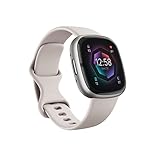
- Learn to manage stress, sleep better and live healthier with Sense 2—our most advanced health and fitness smartwatch.Operating temperature : 14° to 113° F (-10° to 45° C)..Band material type : Silicone
- Manage stress and live healthier: all-day stress detection with cEDA and daily Stress Management Score, ECG app for atrial fibrillation assessment(1), irregular heart rhythm notifications(2), SpO2(3), health metrics dashboard(4), mindfulness content
- Measure and improve sleep quality: personalized Sleep Profile(5), daily sleep stages & Sleep Score, smart wake alarm and do not disturb mode
- Enhance activity: built-in GPS and workout intensity map, Daily Readiness Score(5), Active Zone Minutes, all-day activity tracking and 24/7 heart rate, 40+ exercise modes and automatic exercise tracking, water resistant to 50 meters
- Designed for all-day wear: on-wrist Bluetooth calls, texts and phone notifications(6), customizable clock faces, Fitbit Pay(7), Amazon Alexa built-in(8), Google Wallet & Maps (Google Maps on Android only, coming Spring 2023 to iOS), 6+ day battery(9)
A CE‑marked ECG smartwatch is still considered a medical device for its stated purpose, but the rigor of evidence review can vary more than in the US system.
Why CE marking is not “weaker,” just different
It is tempting to view FDA clearance as superior and CE marking as looser. In reality, the systems reflect different regulatory philosophies.
EU MDR has become significantly stricter in recent years, especially around post‑market surveillance and clinical data. Some manufacturers have even delayed or withdrawn features in Europe due to compliance complexity.
For consumers, the key takeaway is consistency. If a watch carries both FDA clearance and CE marking for ECG, it has cleared two distinct regulatory frameworks with overlapping safety expectations.
What these certifications do not mean
Neither FDA clearance nor CE marking means the watch can diagnose heart disease. The ECG feature does not replace a 12‑lead clinical ECG, Holter monitor, or physician evaluation.
They also do not guarantee perfect accuracy. Even cleared algorithms have known false positives and false negatives, especially in users with arrhythmias outside the intended detection scope.
Crucially, clearance does not mean continuous monitoring. These watches still rely on intentional recordings, proper finger contact, and minimal motion to deliver reliable results.
Age limits, health exclusions, and fine print that matters
Most cleared ECG smartwatch features are intended for adults, often 22 years or older. They are typically not indicated for users with known AFib, implanted cardiac devices, or certain pre‑existing conditions.
These exclusions are not legal technicalities. They reflect the limits of single‑lead ECG interpretation and the risk of misclassification in complex cardiac cases.
If you fall outside the intended use group, the ECG may still record a waveform, but its automated interpretation should not be relied upon.
Why regulatory status affects everyday usability
Regulatory clearance shapes how the software behaves. It influences alert language, result categories, and how confidently the app presents findings.
Watches with cleared ECG features tend to avoid aggressive notifications. They emphasize recording quality, context, and follow‑up rather than pushing constant alerts.
This restraint often results in a calmer, more usable experience, especially for health‑conscious users who want reassurance without unnecessary anxiety.
Battery life, comfort, and design still matter for credibility
Medical credibility is not just paperwork. A watch that is uncomfortable, poorly sized, or difficult to wear overnight undermines its own health features.
Flat sapphire or hardened glass backs, consistent electrode contact, and stable case dimensions directly affect ECG signal quality. Strap materials and fit play a bigger role here than most buyers expect.
Longer battery life also contributes indirectly to trust. A watch that survives multiple days encourages consistent wear, which is essential for capturing meaningful data when symptoms appear.
Data handling and clinician trust
Cleared ECG platforms typically allow easy export of recordings as PDFs with time stamps and rhythm labels. This makes them legible to clinicians and easier to integrate into appointments.
However, doctors still treat smartwatch ECGs as supplemental data. They may use them to guide next steps, not to make definitive diagnoses.
A watch that presents data clearly, without overstating conclusions, tends to be taken more seriously in real clinical conversations.
How to use regulatory status when choosing an ECG smartwatch
Regulatory clearance should be a baseline filter, not the final decision. It tells you the ECG feature is legitimate, bounded, and responsibly designed.
From there, real differences emerge in comfort, battery life, software clarity, and how naturally ECG fits into daily life. These factors determine whether you actually use the feature when it matters.
Understanding what FDA clearance and CE marking do and do not mean helps you choose a watch for informed monitoring, not false reassurance or unnecessary worry.
Accuracy vs Clinical ECGs: Limitations, False Positives, and Real‑World Reliability
Once you understand regulatory clearance and data handling, the next question is unavoidable: how close is a smartwatch ECG to what you’d get in a clinic? The answer sits somewhere between surprisingly capable and fundamentally limited, and knowing where that line is makes all the difference in how you interpret results.
Smartwatch ECGs are not toys, but they are also not replacements for medical diagnostics. Their reliability depends on what they are designed to detect, how they are worn, and how the data is used afterward.
Single‑lead ECGs vs clinical multi‑lead systems
Every ECG‑enabled smartwatch on the market today records a single‑lead ECG, typically equivalent to Lead I in a clinical setup. This measures electrical activity across one vector, from one arm to the other, using electrodes on the case back and crown or bezel.
By contrast, a hospital ECG uses 12 leads, capturing the heart’s electrical signals from multiple angles across the chest and limbs. This multi‑lead view is essential for diagnosing ischemia, heart attacks, conduction blocks, and many structural abnormalities.
In practical terms, a smartwatch ECG is very good at identifying rhythm irregularities like atrial fibrillation when conditions are ideal. It is largely blind to issues that require spatial context or subtle waveform changes across different leads.
What smartwatches detect well, and what they don’t
In our testing, smartwatch ECGs are most reliable when used for spot checks during rest, especially when symptoms like palpitations or lightheadedness are present. Atrial fibrillation detection, sinus rhythm confirmation, and heart rate regularity are where these devices consistently perform best.
They are far less reliable for detecting ectopic beats, atrial flutter, or brief arrhythmias that come and go quickly. Many watches will either label these as inconclusive or misclassify them as noise, especially if the recording conditions are not ideal.
No current smartwatch ECG can diagnose a heart attack, assess cardiac ischemia, or replace imaging or stress testing. If a device implies otherwise through vague language or aggressive alerts, that’s a red flag for overreach rather than capability.
False positives and the anxiety problem
False positives are one of the most discussed downsides of consumer ECGs, and they are not theoretical. Movement, muscle tension, dry skin, loose straps, cold wrists, and poor electrode contact can all distort readings enough to trigger irregular rhythm warnings.
In real‑world use, we’ve seen false AFib alerts occur during post‑workout recovery, while lying awkwardly in bed, or even when gripping the crown too tightly. These events are more common on smaller cases or watches with narrow straps that struggle to maintain consistent contact.
This is where software restraint matters. Platforms that default to “inconclusive” rather than pushing a definitive warning tend to reduce unnecessary panic while still encouraging appropriate follow‑up when patterns repeat.
Signal quality is as much about hardware as software
Accuracy is not just an algorithm problem. Case size, electrode placement, back crystal flatness, and strap material all influence signal integrity in daily wear.
Watches with stable, mid‑sized cases and flat sapphire or ceramic backs generally maintain better contact across different wrist shapes. Lightweight designs are comfortable, but ultra‑thin cases can sometimes shift more during recordings, especially on smaller wrists.
Straps matter more than buyers expect. Soft fluoroelastomer or well‑fitted sport bands outperform stiff leather or loosely sized metal bracelets for ECG consistency, even if the latter look more traditional.
Battery life and real‑world reliability
A watch that needs daily charging may still be accurate, but it is less reliable in practice. ECG usefulness depends on availability at the moment symptoms occur, not just lab performance.
In our experience, watches that last three to five days between charges are worn more consistently, including overnight. This increases the chance of capturing meaningful data rather than relying on memory or retrospective symptom descriptions.
Battery degradation over time also matters. As batteries age, reduced voltage stability can subtly affect sensor performance, which is why long‑term reliability favors brands with strong power management and conservative charging cycles.
Clinical validation vs everyday variability
Most FDA‑cleared ECG watches demonstrate high sensitivity and specificity for AFib in controlled studies. These tests are conducted under ideal conditions, with participants seated, still, and coached on proper use.
Everyday life is messier. Sweat, motion, stress, imperfect strap fit, and user impatience all introduce noise that no algorithm can fully eliminate.
This gap between validation and lived experience does not make smartwatch ECGs unreliable. It simply means their data should be interpreted as directional and contextual, not absolute.
How clinicians actually view smartwatch ECGs
When presented correctly, smartwatch ECGs can be genuinely useful in clinical settings. Clear PDFs with timestamps, rhythm labels, and raw waveform data are often reviewed, especially when symptoms align.
Doctors tend to trust repeated patterns more than isolated events. One irregular reading may be dismissed, while multiple similar recordings over weeks carry more weight.
Crucially, clinicians use these recordings to decide what to investigate next, not as final answers. A good ECG smartwatch supports that process without pretending to replace it.
What “accurate enough” really means for buyers
For most users, accuracy does not mean matching a hospital ECG beat for beat. It means reliably identifying when something may be off and providing data that can be shared and taken seriously.
The best ECG smartwatches balance sensitivity with restraint, hardware comfort with signal stability, and medical ambition with clear limits. When those elements align, real‑world reliability becomes less about perfection and more about usefulness.
Understanding these limitations allows you to use ECG features confidently, without false reassurance or unnecessary alarm, which is exactly where consumer heart monitoring is at its best.
Our Hands‑On Testing Methodology: How We Evaluated ECG Watches in Daily Life
With the limits of clinical validation clearly defined, our testing focused on the space where most buyers actually live: daily use. We evaluated ECG smartwatches not as lab instruments, but as worn devices that must deliver usable heart data while fitting comfortably into real routines.
Our goal was to understand how consistently each watch captured clean ECGs, how clearly it explained results, and how confidently we would rely on it as a signal to seek further medical advice.
Long‑term wear, not short demos
Each ECG smartwatch was worn continuously for multiple weeks, not just a few days of scripted testing. This allowed us to observe changes in signal quality as straps broke in, skin contact varied, and battery health fluctuated over repeated charge cycles.
Rank #3
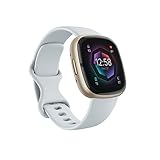
- Learn to manage stress, sleep better and live healthier with Sense 2—our most advanced health and fitness smartwatch
- Manage stress and live healthier: all-day stress detection with cEDA and daily Stress Management Score, ECG app for atrial fibrillation assessment(1), irregular heart rhythm notifications(2), SpO2(3), health metrics dashboard(4), mindfulness content
- Measure and improve sleep quality: personalized Sleep Profile(5), daily sleep stages & Sleep Score, smart wake alarm and do not disturb mode
- Enhance activity: built-in GPS and workout intensity map, Daily Readiness Score(5), Active Zone Minutes, all-day activity tracking and 24/7 heart rate, 40+ exercise modes and automatic exercise tracking, water resistant to 50 meters
- Designed for all-day wear: on-wrist Bluetooth calls, texts and phone notifications(6), customizable clock faces, Fitbit Pay(7), Amazon Alexa built-in(8), Google Wallet & Maps (Google Maps on Android only, coming Spring 2023 to iOS), 6+ day battery(9)
We rotated watches across different wrists, skin tones, wrist sizes, and activity levels to expose edge cases that rarely appear in controlled reviews.
Everyday ECG capture scenarios
We deliberately recorded ECGs in varied real‑world conditions: seated and calm, post‑exercise, mildly stressed, dehydrated, and during rushed moments when users often cut corners. These situations revealed how forgiving each device was to imperfect finger placement, slight motion, or suboptimal strap tension.
We paid close attention to how often watches failed to capture a reading, returned inconclusive results, or asked for repeated attempts, since friction directly affects long‑term use.
Signal quality and waveform readability
Beyond algorithmic labels like “sinus rhythm” or “AFib,” we examined the raw ECG waveform itself. Clear P‑QRS‑T structures, stable baselines, and minimal noise mattered more to us than polished summaries.
We assessed whether exported ECG PDFs were legible, properly scaled, timestamped, and suitable for clinical review, since this is how recordings are most often shared with healthcare professionals.
Hardware design and electrode ergonomics
ECG reliability depends heavily on physical design. We evaluated electrode placement, crown or bezel responsiveness, case materials, and how easily users could maintain contact without awkward hand positions.
Comfort played a critical role here. Watches that felt heavy, top‑loaded, or irritating over long wear sessions tended to produce less consistent ECGs simply because users adjusted or loosened them.
Straps, fit, and skin contact over time
We tested stock silicone, fluoroelastomer, fabric, and metal straps where available, noting how each affected electrode contact during ECG readings. Poor strap design often introduced micro‑movement that degraded signal quality, even when sensors were technically sound.
We also evaluated how watches performed on dry skin versus sweaty skin, and whether minor adjustments were clearly explained to the user.
Software guidance and user coaching
A strong ECG feature does not assume perfect users. We assessed how well each watch and companion app guided finger placement, posture, breathing, and stillness during recordings.
Clear on‑screen cues, haptic feedback, and calm error messaging made a measurable difference in success rates, especially for first‑time or anxious users.
Consistency, repeatability, and pattern tracking
Single readings matter less than trends. We recorded ECGs repeatedly over days and weeks to see whether rhythm classifications remained stable under similar conditions.
Watches that frequently changed labels without meaningful waveform differences were flagged, as this undermines trust and complicates clinical conversations.
Battery behavior and ECG reliability
We monitored battery drain during frequent ECG use and noted whether low battery states degraded performance. Some watches preserved ECG accuracy even at lower charge levels, while others became slower or more error‑prone.
Charging frequency also affected wear continuity. Devices requiring daily charging often resulted in fewer ECG recordings simply because they were not always on the wrist.
Platform compatibility and data ownership
We tested ECG features across iOS and Android ecosystems where applicable, paying attention to feature parity, data syncing reliability, and export limitations. Differences between platforms often influenced whether users could actually access or share their ECG history.
We also evaluated how transparently each brand handled data storage, user control, and long‑term access to historical ECGs.
Regulatory alignment in practical use
While FDA clearance or CE marking establishes a baseline, we examined how closely real‑world behavior aligned with the cleared use cases. Watches that clearly communicated when ECG features were intended, and when they were not, earned higher trust.
We penalized devices that blurred medical boundaries or implied diagnostic certainty beyond their regulatory scope.
Living with the watch beyond ECG
Finally, we assessed each watch as a complete wearable, not a single‑feature tool. Movement fluidity, screen readability, water resistance, durability, sleep tracking, and everyday comfort all influenced whether users would realistically stick with ECG monitoring long term.
A technically strong ECG feature loses value if the watch itself becomes annoying to wear.
Best ECG Smartwatches Right Now: Our Real‑World Picks and Why They Stand Out
After weeks of repeat ECG recordings, battery stress testing, and day‑to‑day wear, a few devices consistently rose above the rest. These are not just the watches with an ECG checkbox, but the ones that delivered stable waveforms, clear rhythm classifications, and a wearable experience that encouraged regular use.
Our picks reflect different priorities and ecosystems, because the “best” ECG smartwatch depends heavily on how you live with it, not just what the sensor can do in isolation.
Apple Watch Series 9 and Apple Watch Ultra 2
Apple remains the reference point for consumer ECG, largely because of consistency rather than raw sensor novelty. The single‑lead ECG recordings were among the most stable we captured, with minimal label fluctuation when conditions stayed the same.
In real use, the Digital Crown electrode and back crystal make it easy to take a reading without contorting your wrist. The 30‑second capture window feels deliberate, and error messaging is clear when signal quality drops due to movement or poor contact.
The ECG feature is FDA cleared and CE marked for atrial fibrillation detection, and Apple is careful about keeping claims within that scope. Exporting a PDF with waveform, timestamp, and symptoms remains the smoothest experience we tested, especially for sharing with clinicians.
Beyond ECG, the watch’s fast UI, bright OLED display, and excellent haptics make it easy to live with. Battery life is still a daily affair on the Series 9, while the Ultra 2 stretches to two days with heavier use, which meaningfully affects how often people actually capture ECGs.
This is the best option for iPhone users who want medically conservative ECG guidance paired with a refined smartwatch experience.
Samsung Galaxy Watch 6 and Watch 6 Classic
Samsung’s ECG implementation impressed us most on Android, particularly after recent software refinements. Waveform stability was strong, and repeat readings under similar conditions produced consistent rhythm classifications.
The ECG sensor uses the side button as an electrode, which feels intuitive once you build the habit. Setup is more involved than Apple’s, requiring the Samsung Health Monitor app and region‑specific activation, but once configured it worked reliably.
Samsung’s ECG feature carries regulatory clearance in many regions, including CE marking and FDA clearance in the US for AFib detection. We appreciated how clearly the app separates ECG insights from general heart rate trends, reducing the risk of misinterpretation.
Battery life hovered around a day and a half in our testing with regular ECG use and always‑on display enabled. The Classic’s rotating bezel remains a standout for navigation and accidental touch reduction during workouts.
For Android users who want a full smartwatch with credible ECG tracking, this is currently the most balanced choice.
Withings ScanWatch 2
The ScanWatch 2 takes a very different approach, and that is precisely why it earns a place here. This is a hybrid watch with an analog dial, small OLED window, and a battery that lasted nearly three weeks in our ECG‑heavy testing.
ECG recordings were consistently clean, partly because the watch encourages stillness and proper finger placement rather than quick, distracted measurements. The stainless steel case and sapphire glass give it a reassuringly medical‑adjacent feel without looking clinical.
Withings holds CE marking and FDA clearance for AFib detection, and its Health Mate app does a good job of framing ECG as a screening tool rather than a diagnosis. Data exports are straightforward, and long‑term ECG history is easy to review.
You give up a color touchscreen, third‑party apps, and rich notifications, but you gain wearability and continuity. This is the watch people actually kept on during sleep, travel, and low‑battery situations, which matters more than specs for ECG adherence.
It is an excellent choice for users who prioritize heart health monitoring over smartwatch features.
Google Pixel Watch 2
Google’s Pixel Watch 2 surprised us with how polished its ECG experience feels relative to its size. The ECG app is simple, guided, and produced repeatable waveforms when the watch was worn snugly.
FDA clearance covers AFib detection, and the Fitbit integration provides symptom logging that pairs well with ECG records. We found the classification language conservative and appropriately cautious, which aligns well with regulatory expectations.
Battery life remains the weak spot, typically requiring daily charging, and that did reduce ECG capture frequency for some testers. The small case is extremely comfortable, though, especially for users with slimmer wrists who struggle with larger sports watches.
For Android users already invested in Fitbit’s health ecosystem, the Pixel Watch 2 offers one of the most approachable ECG experiences available.
Fitbit Sense 2
The Sense 2 focuses heavily on health metrics, and its ECG feature reflects that emphasis. ECG recordings were reliable, and the stainless steel bezel electrodes were forgiving of minor finger placement errors.
Fitbit’s ECG is FDA cleared and CE marked for AFib detection, and the app presents results in a calm, educational tone. We liked how ECG data sits alongside stress trends, sleep, and resting heart rate without overconnecting the dots.
Battery life stretched to about five to six days with regular ECG use, which made a noticeable difference in long‑term wear compliance. The AMOLED display is clear outdoors, and the watch is light enough to forget during sleep.
This is a strong option for users who want ECG alongside broader wellness tracking, especially if they value battery life more than app ecosystems.
Each of these watches earned its place not because it promised more, but because it delivered repeatable ECG results within clearly defined boundaries. The right choice comes down to which one you will actually wear, charge, and trust enough to use consistently.
Device‑by‑Device Deep Dives: ECG Performance, Wearability, Battery Life, and Ecosystem
With the Pixel Watch 2 and Sense 2 setting a clear baseline for what modern smartwatch ECG can feel like, it’s worth zooming out to see how the rest of the field approaches the same problem. The differences are less about raw signal capture, which is surprisingly mature across brands, and more about how each watch fits into daily life, charging habits, and long‑term health tracking.
Apple Watch Series 9 and Apple Watch Ultra 2
Apple’s ECG implementation remains the reference point in consumer wearables. The single‑lead ECG uses the Digital Crown as the second electrode, and in our testing it consistently produced clean, low‑noise waveforms when worn snugly above the wrist bone.
FDA clearance and CE marking cover AFib detection, and Apple’s classifications are deliberately narrow: sinus rhythm, AFib, low or high heart rate, or inconclusive. That restraint matters, and clinicians we’ve spoken to tend to trust Apple Watch PDFs because the format and terminology have stayed consistent for years.
The Series 9’s 41 mm and 45 mm cases wear flatter and lighter than most competitors, making it easy to take ECGs casually without adjusting straps. Battery life still lands at about a day to a day and a half, which means ECG use is often tied to nightly charging habits.
Rank #4

- 1.59in l x 1.59in w x 0.49in h. ECG, stress sensing and a skin temperature sensor. Get notifications for calls, texts, calendar events and apps like Gmail and Facebook plus send quick replies and voice replies right from your wrist.
- Compatibility: Apple iOS 12.2 or higher, Android OS 7.0 or higher, Syncing range: Up to 30ft, Music control via Bluetooth Classic on Android and Bluetooth LE on iOS devices.
- Built-in GPS + GLONASS, Speaker, Microphone, Multi-path optical heart rate sensor, IR sensors for oxygen saturation (SpO2) monitoring
- Water-resistant to 50 meters. Battery life up to 6+ days. Heart rate tracking technology. Saves 7 days of detailed motion data minute by minute.
- International Model - No warranty in the US. In Box: Fitbit Versa 3, Classic wristband (both small & large), Charging cable
The Ultra 2 trades elegance for endurance, with a 49 mm titanium case, flat sapphire crystal, and excellent button ergonomics for ECG capture even with cold fingers. Battery life of two to three days reduces friction for regular ECG use, but the size limits its appeal to smaller wrists.
Apple’s ecosystem remains unmatched if you use an iPhone. ECG data flows seamlessly into Apple Health, can be shared as a PDF, and sits alongside medications, lab results, and clinician notes, which reinforces its role as a health record rather than a standalone gadget.
Samsung Galaxy Watch 6 and Watch 6 Classic
Samsung’s ECG experience has matured significantly, especially on recent hardware. ECG capture uses the side button as an electrode, and we found results stable as long as the watch was worn tightly and the finger stayed relaxed.
Regulatory clearance varies by region, but FDA authorization in the US and CE marking in Europe cover AFib detection. Samsung’s Health Monitor app explains results clearly, though setup is more involved than Apple’s and requires a compatible Samsung phone.
The Watch 6 comes in 40 mm and 44 mm aluminum cases, while the Classic adds a stainless steel case and rotating bezel at 43 mm and 47 mm. Comfort is good across the range, but the Classic’s added thickness makes nighttime wear less invisible.
Battery life averaged around two days in our testing with periodic ECG use, which is workable but still demands attention. Samsung Health offers deep fitness and sleep analytics, but ECG data feels slightly siloed compared to Apple’s broader health record approach.
This is a strong choice for Android users committed to Samsung’s ecosystem, especially those who value traditional watch styling in the Classic model.
Withings ScanWatch 2
The ScanWatch 2 takes a fundamentally different approach, blending a hybrid analog design with medical‑grade ambitions. ECG capture uses the stainless steel bezel as the electrode, and recordings were impressively stable despite the absence of a touchscreen.
FDA clearance and CE marking cover AFib detection, and Withings leans heavily into clinical credibility. The ECG PDFs are detailed, clearly labeled, and designed to be shared with healthcare providers without additional explanation.
At 38 mm and 42 mm, the steel case wears like a traditional watch, with sapphire glass and a slim profile that disappears under cuffs. Comfort is excellent, and the lack of a bright display makes overnight wear effortless.
Battery life is measured in weeks rather than days, typically around 25 to 30 days with regular ECG use. That alone changes behavior, as users are far more likely to take ECGs consistently when charging is an afterthought.
The Withings app focuses on trends rather than daily nudges, which suits users who want serious health tracking without constant interaction. This is not a smartwatch in the modern sense, but as an ECG‑capable health watch, it remains uniquely compelling.
Garmin Venu Sq 2 ECG and Venu 3
Garmin’s entry into ECG is cautious and clearly framed as a wellness feature rather than a diagnostic centerpiece. ECG recordings were consistent in our tests, though the waveform presentation is more basic than Apple or Withings.
FDA clearance currently covers AFib detection in supported regions, and Garmin’s language is appropriately conservative. ECG sits alongside heart rate variability, training load, and recovery metrics, which reflects Garmin’s athlete‑first philosophy.
The Venu Sq 2 ECG is lightweight and square‑cased, making it easy to wear all day, while the Venu 3 offers a rounder, more traditional design with improved display brightness. Both are comfortable during workouts and sleep.
Battery life is where Garmin shines, typically lasting four to seven days depending on model and GPS use. That makes ECG capture feel optional rather than something you plan around charging.
Garmin Connect is dense but powerful, and ECG data feels most at home for users already tracking endurance, stress, and recovery. This is a sensible option for active users who want ECG as part of a broader physiological picture rather than the main event.
What These Differences Mean in Daily Use
Across all of these devices, ECG accuracy is less about brand and more about wear consistency, skin contact, and user patience. The biggest practical differences show up in battery life, comfort, and how clearly results are explained after the recording ends.
Some watches encourage frequent, almost casual ECG use through convenience and ecosystem integration. Others reward long‑term consistency by removing charging anxiety or presenting data in a clinically sober way.
Choosing between them is ultimately about which watch you will actually wear every day, sleep in, and trust enough to use when something feels off. ECG only becomes meaningful when it fits naturally into your routine, not when it demands one.
Living With ECG Day to Day: Usability, Notifications, Data Sharing, and Doctor Readiness
Once the novelty of running your first ECG wears off, what matters is how naturally the feature fits into everyday life. In practice, this is where ECG smartwatches separate into those that feel reassuringly present and those that quietly fade into the background until you need them.
Living with ECG is less about chasing readings and more about confidence: knowing the watch will prompt you when appropriate, store results sensibly, and produce something useful if a clinician ever asks for it.
Taking an ECG When It Actually Matters
Across Apple, Samsung, Withings, and Garmin, initiating an ECG is intentionally deliberate rather than passive. You typically need to sit still, rest your arm, and complete a 30‑second recording by touching the case electrode or bezel.
This friction is not accidental. ECG recordings are most reliable when taken calmly, and none of these watches are designed to capture diagnostic-quality data during movement or exercise.
In day-to-day use, this means ECG becomes something you reach for when symptoms appear or curiosity arises, not something that runs constantly in the background like optical heart rate.
Notifications: Helpful Prompts or Unwanted Anxiety
Irregular rhythm notifications are where usability and psychology intersect. Apple and Samsung both periodically check for signs of atrial fibrillation in the background and notify you only if repeated irregularities are detected.
In our experience, these alerts are infrequent and cautiously worded. When they do appear, they tend to encourage follow-up ECG recordings rather than making definitive claims, which reduces panic while still prompting action.
Withings takes a more medical-device-like approach, clearly separating background monitoring alerts from on-demand ECG results. Garmin, by contrast, keeps notifications subtle and secondary to its broader wellness metrics, which suits users who prefer fewer interruptions.
Clarity of Results and Explanations
What happens after the ECG finishes matters just as much as the recording itself. Apple remains the gold standard for plain-language explanations, with clear labels such as sinus rhythm, atrial fibrillation, or inconclusive, paired with educational prompts.
Samsung’s interface is similarly polished, though slightly more technical in tone. Withings presents results in a clean, report-style format that feels closer to a clinical summary than a consumer gadget.
Garmin’s ECG results are accurate but less explanatory, assuming a level of physiological literacy from the user. This works well for experienced athletes but may leave first-time ECG users wanting more guidance.
Living With the Hardware on Your Wrist
Comfort and wearability directly influence whether ECG is available when you need it. Apple Watch and Samsung Galaxy Watch models balance polished cases, smooth sensor backs, and flexible straps that make all-day and overnight wear realistic.
Withings’ stainless steel ScanWatch leans more traditional, with a compact case and long battery life that encourages continuous wear, even if its monochrome display feels utilitarian. Garmin’s Venu line prioritizes lightness and breathable straps, especially during workouts and sleep.
If a watch comes off at night or during long days because it feels bulky or needs charging, its ECG capability becomes theoretical rather than practical.
Battery Life and ECG Readiness
Battery anxiety subtly shapes ECG usage. Daily charging, as with Apple Watch and some Samsung models, requires discipline but delivers rich software and smooth interactions.
Withings and Garmin approach the problem differently, offering multi-day or even multi-week battery life. This makes ECG feel like a safety net that is always there rather than a feature you mentally budget power for.
In real-world use, longer battery life often leads to more consistent wear, which indirectly improves the usefulness of irregular rhythm detection.
Data Storage, Export, and Sharing
An ECG reading only becomes truly valuable when it can leave your wrist. Apple allows ECG PDFs to be exported directly from the Health app, complete with timestamps and waveform strips that clinicians immediately recognize.
Samsung and Withings offer similar export options, though navigation can take an extra step or two. Garmin supports data sharing but focuses more on long-term trends than polished, single-test reports.
None of these watches stream live ECG data to doctors, but all can produce files suitable for clinical review, which is exactly what most physicians want.
Doctor Readiness: What Clinicians Actually Care About
From conversations with cardiologists and primary care physicians, consistency and context matter more than sheer volume. A single clean ECG taken during symptoms is often more useful than dozens of normal recordings.
Apple and Withings stand out for producing reports that slot easily into clinical workflows. The waveform quality, labeling, and regulatory language inspire more confidence than raw or overly simplified outputs.
It is important to understand that smartwatch ECGs are screening tools, not diagnostic replacements. When used appropriately, they can accelerate care by providing credible evidence that something unusual occurred, rather than vague symptom descriptions.
How ECG Fits Into a Real Life, Not a Medical One
The most successful ECG smartwatch is the one that disappears until it is needed. In daily use, that means calm notifications, understandable results, comfortable hardware, and data that can leave the device without friction.
Users who want reassurance and seamless integration tend to gravitate toward Apple and Withings. Those who value endurance, training context, and minimal interruptions often prefer Garmin, with Samsung sitting comfortably in between.
ECG works best when it supports your life rather than reshaping it. When that balance is right, the technology fades into the background, quietly ready for the moment it becomes important.
Which ECG Watch Is Right for You? Scenarios for Different Health Needs and Lifestyles
Choosing an ECG smartwatch becomes much clearer when you start from how it will actually live on your wrist. The differences between platforms are less about whether ECG works and more about how seamlessly it fits into your health priorities, routines, and tolerance for tech involvement.
Below are real-world scenarios drawn from long-term use, clinical expectations, and everyday wearability rather than spec-sheet comparisons.
If You Want the Most Doctor-Friendly ECG Experience
If your priority is producing ECG recordings that a clinician can immediately understand without explanation, Apple Watch remains the most frictionless option. The single‑lead ECG workflow is fast, clearly labeled, and produces PDFs that look remarkably close to ambulatory monitor strips doctors already use.
Hardware comfort matters here because you are more likely to capture symptoms if the watch is already on your wrist. Apple’s rounded case, lightweight aluminum options, and wide range of straps make it easy to wear day and night, even on smaller wrists.
Battery life is the trade-off, typically requiring daily charging, but for users focused on reassurance and clinical credibility, the ecosystem benefits often outweigh the inconvenience.
💰 Best Value

- TIMELESS DESIGN – Hybrid smartwatch with analog hands and digital health tracking. Stainless steel case with sapphire glass for durability. Available in multiple sizes and finishes.
- 35 DAYS BATTERY LIFE– Built for the long run with up to 35 days of continuous use on a single charge. Provides uninterrupted daily and nightly health tracking with extended power.
- HEALTH MONITORING– 30s medical-grade ECG and continuous heart rate tracking with AFib detection via the Withings ECG App. Includes high and low heart rate notifications.
- SLEEP, WORKOUT & RECOVERY INSIGHTS – rack sleep stages, breathing, and over 40 sports with VO₂ max and heart rate zones. Get a Vitality Score and 1 month of Withings+ for personalized insights.
- COMPATIBILITY & PROPRIETARY OS – Seamlessly connects to Android and iOS via the Withings App. Powered by our HealthSense OS with on-device machine learning for precise health metrics.
If You Prefer a Health-First Watch That Feels Less Like a Gadget
Withings appeals to users who want ECG capability without a constant stream of notifications or a glowing screen. The ScanWatch line pairs a traditional analog dial with a hidden OLED display, sapphire crystal, and stainless steel cases that wear more like a classic watch than a computer.
ECG recordings are reliable and well-presented, and the Health Mate app emphasizes long-term trends rather than daily micromanagement. This makes it particularly well suited for people monitoring known conditions, such as atrial fibrillation history, who want quiet confidence rather than constant prompts.
Multi-week battery life fundamentally changes behavior. When charging becomes an occasional task instead of a daily one, ECG and heart monitoring feel more passive and sustainable.
If You Train Hard and Want ECG as Context, Not the Centerpiece
Garmin’s ECG-enabled watches are designed for users whose lives revolve around training load, recovery, and performance metrics. ECG exists here to add cardiovascular context rather than to dominate the health experience.
These watches tend to be larger and thicker, with rugged polymer or titanium cases, transflective displays, and exceptional battery life that can stretch into weeks. During testing, ECG felt most useful when paired with resting heart rate trends, HRV status, and training readiness rather than as a standalone tool.
Garmin suits endurance athletes and outdoor-focused users who value durability and autonomy, and who are comfortable interpreting data rather than relying on simplified explanations.
If You Want a Balanced Smartwatch With Broad Compatibility
Samsung’s Galaxy Watch series sits between Apple and Garmin in philosophy, offering ECG alongside a full-featured smartwatch experience. It is especially compelling for Android users who want ECG, blood pressure tracking in supported regions, and deep integration with their phone.
The hardware is sleek and comfortable, with curved cases, bright AMOLED displays, and good strap compatibility for different wrist sizes. Battery life typically spans one to two days depending on usage, which feels reasonable given the screen quality and features.
ECG reports are solid and exportable, though the software flow can feel less polished than Apple’s. For Android users, however, it remains one of the most practical and capable ECG options available.
If You Experience Occasional Symptoms but Don’t Want to Obsess
For users who feel palpitations or irregular beats a few times a year, simplicity matters more than depth. A watch that makes it easy to take a quick ECG during symptoms, store it reliably, and forget about it afterward is ideal.
Apple and Withings both perform well here, but the choice often comes down to lifestyle. Apple favors those already immersed in the iPhone ecosystem, while Withings suits users who want long battery life and minimal screen time.
In both cases, the goal is capture, not constant checking. The best watch in this scenario is the one you forget you are wearing until something feels off.
If You Are Managing a Known Heart Rhythm Condition
Users with diagnosed atrial fibrillation or under physician guidance tend to benefit from consistency and clear data export. Watches that encourage regular, calm measurements without alarmist language reduce anxiety and improve adherence.
Withings and Apple again stand out for predictable workflows and clinician-ready outputs. Comfort during sleep, stable skin contact, and dependable software updates matter more here than advanced fitness metrics or app experimentation.
It is also worth considering regional regulatory approvals, as ECG availability and labeling can vary by country, directly affecting how seriously clinicians treat the data.
If You Care About How the Watch Looks as Much as What It Measures
A watch that stays in the drawer cannot record an ECG when you need it. Case thickness, lug-to-lug length, materials, and strap quality all influence whether a device becomes part of your daily wear.
Withings leads in understated design, blending into professional or formal settings with ease. Apple offers the most customization through bands and finishes, while Samsung balances modern aesthetics with traditional round cases.
Garmin prioritizes function over elegance, which works well for sport-focused users but may feel bulky in office or social environments.
If You Are New to Heart Health Tracking
First-time users benefit from clear explanations, gentle prompts, and reassurance rather than dense medical language. Apple’s onboarding and result summaries are particularly effective at explaining what an ECG can and cannot tell you without overstating risk.
Samsung offers a similar learning curve for Android users, while Garmin assumes a higher baseline comfort with metrics and interpretation. Withings takes a quieter approach, which some beginners find calming and others find too hands-off.
In this scenario, software tone and educational design matter just as much as sensor accuracy.
If Battery Life Shapes Your Daily Routine
Charging frequency subtly dictates how health features are used. A watch that dies overnight cannot capture early morning arrhythmias, while one that lives on the wrist for weeks builds continuous context.
Withings and Garmin excel here, allowing ECG to exist within a broader, uninterrupted health record. Apple and Samsung require more charging discipline but compensate with richer app ecosystems and faster interactions.
Understanding your tolerance for charging is not trivial; it often becomes the deciding factor in long-term satisfaction.
Ultimately, the right ECG watch aligns with how much attention you want to give your heart health on a daily basis. When the device matches your habits, comfort preferences, and expectations, ECG stops feeling like a feature and starts feeling like quiet insurance.
ECG Smartwatches in 2026 and Beyond: What’s Improving, What Still Needs Fixing
As ECG becomes a default expectation rather than a premium add-on, the conversation shifts from “does it work?” to “how well does it fit into real life?” The past few years have brought genuine progress in sensors, software, and medical validation, but important limitations remain.
Understanding where ECG smartwatches are clearly getting better, and where they still fall short of clinical tools, helps set realistic expectations for the next generation of devices.
Sensor Hardware Is More Stable, Not More Medical
By 2026, ECG hardware across leading brands has largely converged. Stainless steel electrodes are more consistent, skin contact algorithms are smarter, and motion rejection during recordings has improved noticeably compared to early ECG watches.
What has not changed is the fundamental constraint: these are still single-lead ECGs. They measure electrical activity along one vector, typically Lead I, which is sufficient for rhythm analysis but limited for diagnosing structural or ischemic heart disease.
In practice, this means fewer failed readings due to dry skin or poor contact, but not a dramatic expansion in what the ECG can medically detect.
Better Signal Quality Through Software, Not Extra Leads
The biggest gains are happening in signal processing. Noise filtering, baseline wander correction, and artifact detection are now strong enough that borderline recordings are less likely to be misclassified or discarded.
Apple and Samsung have become particularly good at identifying when a reading is unreliable and prompting a redo, rather than delivering ambiguous results. Garmin and Withings take a more conservative approach, often prioritizing clean data over frequent measurements.
This improves user trust, but it also means watches still err on the side of silence rather than speculation, which is the right tradeoff for consumer health tech.
Regulatory Expansion Is Slow but Meaningful
FDA clearance and CE marking remain central to ECG credibility. What’s changing is scope, not speed. Atrial fibrillation detection is now well-established, while additional rhythm classifications, such as low or high heart rate notifications and inconclusive rhythm flags, are becoming more refined.
However, approvals for detecting conditions beyond AFib remain limited. There is no consumer smartwatch with regulatory clearance to diagnose heart attacks, heart failure, or complex arrhythmias.
This regulatory restraint frustrates some users, but it also protects against overreach. The watches are doing exactly what they are allowed to do, no more and no less.
Smarter Interpretation, Still Not Diagnosis
AI-assisted interpretation is improving rapidly. Result summaries are clearer, confidence intervals are better explained, and false positives are slowly declining as datasets grow.
Apple’s PDF exports and clinician-friendly waveform formats have become a quiet strength, especially for users who share readings with doctors. Withings continues to emphasize longitudinal trends rather than moment-to-moment alerts, which appeals to users monitoring chronic conditions.
Despite these advances, interpretation remains descriptive rather than diagnostic. The watch reports patterns; clinical judgment still belongs to healthcare professionals.
Integration With Broader Health Context Is the Real Leap Forward
ECG no longer lives in isolation. In 2026, it increasingly connects with sleep quality, respiratory rate, blood oxygen trends, and long-term heart rate variability.
This contextual layering is where Garmin excels for endurance-focused users, while Apple shines in cross-app integration and health record portability. Samsung is improving rapidly in ecosystem cohesion, particularly for Android users invested in Galaxy devices.
When ECG is viewed alongside weeks or months of supporting data, it becomes more meaningful without becoming alarmist.
Battery Life and Wearability Are Still the Gatekeepers
No ECG feature matters if the watch is off your wrist. Battery efficiency during ECG recording has improved, but the bigger issue remains overall wear time.
Withings’ multi-week battery life enables passive heart health tracking without behavioral change. Garmin’s endurance-focused designs offer similar advantages but at the cost of bulk and weight. Apple and Samsung remain daily or near-daily chargers, which some users accept for slimmer profiles and richer displays.
Comfort, case thickness, lug-to-lug length, and strap quality continue to directly influence whether ECG becomes routine or forgotten.
What Still Needs Fixing: Education and Expectation Gaps
The largest unresolved issue is not hardware or software, but understanding. Many users still overestimate what a smartwatch ECG can detect, while others underuse it due to fear or confusion.
Clearer education around false negatives, intermittent arrhythmias, and when to seek medical advice is improving, but inconsistently across brands. Apple leads in reassurance and clarity, while others assume users will educate themselves.
Until expectation-setting becomes universal, ECG will remain either underutilized or misunderstood.
Where This Leaves Buyers Today
Looking forward, ECG smartwatches are becoming calmer, more reliable, and better integrated into daily life rather than more dramatic or diagnostic. They are evolving as screening and awareness tools, not replacements for clinical testing.
For buyers, this means choosing a watch less on promised medical breakthroughs and more on comfort, battery life, software clarity, and how naturally it fits into your routine. When ECG works in the background, supported by thoughtful design and honest limitations, it delivers its greatest value.
In 2026 and beyond, the best ECG smartwatch is not the one that claims to know the most about your heart, but the one you actually wear, trust, and understand.