Some links on this page are affiliate links: if you buy through them we may earn a commission, at no extra cost to you.
Best overall: Fitbit Charge 6. It combines built-in GPS, on-wrist workout feedback, heart-rate tracking, sleep tracking, and a screen that makes activity easy to check. Choose the Fitbit Inspire 3 for a lower-cost start, the screenless Google Fitbit Air if you prefer a discreet wearable, or a Versa 4 or Pixel Watch if you want a watch rather than a tracker band. No Fitbit causes weight loss on its own: its value is helping you notice activity, exercise, sleep, and longer-term patterns.
Quick comparison
Prices below are U.S. Google Store figures observed in August 2026, not guaranteed current prices. Promotions change; check the linked product page before buying.
| Device | Best for | Display | Built-in GPS | Battery estimate | Key trade-off |
|---|---|---|---|---|---|
| Fitbit Charge 6 | Most people who exercise regularly | Yes | Yes | Up to 7 days | Costs more than the basic tracker options |
| Fitbit Inspire 3 | Beginners and budget buyers | Yes | No; uses phone GPS | Up to 10 days | Fewer workout features; phone needed for route tracking |
| Google Fitbit Air | Screenless, lightweight wear | No | No | Up to 7 days | Progress checks happen in the phone app |
| Fitbit Versa 4 | A larger Fitbit smartwatch | Yes | Yes | Varies by use | More watch-like than necessary for basic tracking |
| Fitbit Sense 2 | People specifically seeking additional wellness sensors | Yes | Yes | Varies by use | Extra sensors do not make it a better weight-loss tool |
| Google Pixel Watch | A full smartwatch with Fitbit health tracking | Yes | Yes | Generally shorter than tracker-band estimates | More apps and complexity, with more frequent charging |
Battery figures are manufacturer “up to” estimates where specified; GPS use, display settings, notifications, and other features affect real-world life. Fitbit-branded devices and Pixel Watch are not the same kind of product: Pixel Watch is the fuller smartwatch alternative in Google’s Fitbit-connected health ecosystem.
Quick wins for a faster PC:
Clear out junk files and repair common Windows errorsFree Scan →Fix the driver behind crashes, sound loss and screen glitchesFind Drivers →Which Fitbit is best for weight loss?
Fitbit Charge 6: best overall
The Charge 6 is the strongest all-around pick for people who want to build a routine that may include walks, gym workouts, running, or cycling. Its screen gives quick access to progress, while built-in GPS can record outdoor routes without relying on a phone. Google lists 40-plus exercise modes, heart-rate tracking, Active Zone Minutes, sleep tracking, Google Maps and Wallet, and up to seven days of battery life on its product page.
#1 Best Overall

- 【All-day Activity Tracker】: ENGERWALL IP68 Waterproof fitness tracker can record and track your daily steps, calories burned, exercise distance and time. It can also monitor your Body Temp, Heart Rate, Blood Oxygen and Blood Pressure. IP68 waterproof ensures that you don't need to take it off for daily hand washing and swimming, but don't soak it in water for a long time or wear it for hot baths, saunas.
- 【Slim and simple band design】The design concept of this tracker’s band is slim and unique, offering a comfortable and lightweight wearing experience. Suitable for men, women and the elderly.
- 【Heart Rate Monitor and Sleep Tracker】: Smart tracker can detect heart rate, blood pressure, blood oxygen, and body temperature in daily life. Monitor your sleep and analyze your sleep quality through Fall Sleep, Deep Sleep, Light Sleep, REM Sleep. You can view daily, weekly, and monthly data in the APP "Runmefit" to help you better understand your health status and lead a healthy lifestyle. [IMPORTANT] The blood pressure measurement feature must be downloaded and enabled within the app.
- 【Call and message notifications】: You can receive text messages and SNS notifications (including Facebook, Twitter, WhatsApp and Instagram) directly on your wrist. When your phone's Bluetooth is turned on, if you receive a message, the watch will vibrate to remind you and you can view the specific message. This function is very practical whether in work or life.
- 【Working Time】: Smart Fitness Watch is the best partner at work, you can set it on the mobile APP ‘Runmefit’: up to 5 sets of alarms, you don’t have to worry about being late for appointments or forgetting important things. You can set drinking Water Reminders and Sedentary Reminders to establish a healthy way of working.
It suits someone who expects to use workout feedback and GPS, not just count steps. If most of your activity is everyday walking and you carry your phone, the Inspire 3 costs less and may be enough. Google’s U.S. Store showed $119.95 against a $159.95 regular price in August 2026, with a promotion listed through August 23, 2026; that dated offer may have ended. The page also advertised three months of Google Health Premium. Verify price and trial terms at checkout.
Fitbit Inspire 3: best budget choice
The Inspire 3 covers the essentials for a beginner or casual walker: steps, heart rate, sleep, Active Zone Minutes, and stress-related metrics in a light band with an AMOLED screen. It is water-resistant to 50 meters according to its specifications, and Google lists compatibility with Android 11 or newer and iOS 16.4 or newer. Its battery estimate is up to 10 days, though settings and use affect that figure.
The important omission is built-in GPS. For outdoor route tracking, the Inspire 3 depends on a connected phone. It is a sensible buy if you mainly want a wearable nudge to move and a record of broad trends, rather than phone-free running data. The U.S. Store showed $79.95 versus $99.95 regular in August 2026 and advertised a three-month Premium trial; recheck current terms.
The Tool Desk
Outbyte PC Repair FREEClear out junk files and repair common Windows errorsFree Scan →Outbyte Driver Updater FREEScan for outdated or missing drivers - takes under a minuteDriver Scan →Google Fitbit Air: best screenless option
The Fitbit Air is the pick for people who want a lightweight wearable without a display constantly inviting a glance. Google lists tracking for heart rate, steps, Active Zone Minutes, distance, estimated calories, sleep, SpO2, heart-rate variability, breathing rate, skin-temperature variation, and resting heart rate. It starts at $99.99 and has up to seven days of battery life according to its specifications.
Air’s screenless design can make continuous wear feel less intrusive, but the trade-off is practical: you need the Google Health app to inspect your progress. It has no built-in GPS, so it is a poor fit for phone-free route tracking. Choose it over the Inspire 3 if lack of a screen matters more than immediate feedback; do not assume it will produce better weight-loss results.
Rank #2
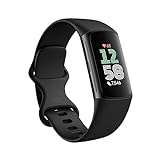
- Fitbit Charge 6 tracks key metrics from calories and Active Zone Minutes to Daily Readiness and sleep; move more with 40+ exercise modes, built-in GPS, all-day activity tracking, 24/7 heart rate, automatic exercising tracking, and more[1]
- See your heart rate in real time: Just link your Charge 6 to compatible exercise machines, like treadmills, ellipticals, and more[2]; and stay connected with YouTube Music controls[3]
- Tune into your body: Track your response to stress with a stress management score; learn about the quality of your sleep with a personalized nightly Sleep Score; and wake up more naturally with the Smart Wake alarm
- Run your routine with Google essentials: Find your way seamlessly during runs or rides with turn-by-turn directions from Google Maps on Fitbit Charge 6; and when you need a snack break on the go, just tap to pay with Google Wallet[1,4]
- Unlock more with Google Health Premium: With a premium membership, get personalized coaching that’s built with Gemini and adapts to your life[7]; get a 3-month trial at no cost to you[5] (Google Health Premium subscription sold separately)
Fitbit Versa 4: best Fitbit-branded smartwatch
The Versa 4 is for someone who prefers a watch-shaped device, a larger display, on-wrist controls, notifications, exercise tracking, sleep data, and built-in GPS. Google’s comparison page lists iOS and Android compatibility and GPS. If your main need is exercise tracking, however, the Charge 6 is a more focused choice; buy the Versa 4 for its larger, more watch-like experience.
Fitbit Sense 2: only for specific wellness interests
The Sense 2 adds features such as ECG, stress-management tools, and skin-temperature monitoring alongside GPS and sleep tracking, as listed in Google’s comparison. These may matter to a buyer interested in broader wellness monitoring, but they are not weight-loss features. It is difficult to justify as the default pick if your priorities are activity, exercise, and sleep habits. Health sensors and app readings are not a diagnosis or a substitute for medical advice.
Free tools Windows power users keep installed
One-click scans. No signup required.
Google Pixel Watch: best if you want a full smartwatch
Choose a Pixel Watch if you want Fitbit-powered health tracking alongside a richer smartwatch experience, including broader app and Google-service functionality. Google places Pixel Watch alongside Fitbit devices in its comparison. It is a different proposition from a tracker band: expect more smartwatch features, higher overall cost, and typically more frequent charging than long-battery tracker options. If steps and sleep are your priorities, that extra complexity may not help.
Charge 6 vs. Inspire 3 vs. Fitbit Air
- Choose Charge 6 if built-in GPS, visible on-wrist workout data, and a broader set of exercise tools will help you stick with activity. It also has Google Maps and Wallet.
- Choose Inspire 3 if affordability, a display, core activity and sleep tracking, and longer quoted battery life matter most—and carrying your phone for GPS is acceptable.
- Choose Fitbit Air if you want a lightweight, screenless band and are happy to use your phone app for progress. It does not provide phone-free GPS.
For a walking plan, either Inspire 3 or Charge 6 can work: pay extra for the Charge 6 if GPS or richer workout interaction will be useful as your routine grows. For running, cycling, hiking, or outdoor walks without a phone, choose a model with built-in GPS, such as Charge 6, Versa 4, Sense 2, or a suitable Pixel Watch. For anyone who finds a display distracting, Air has a clear design advantage—at the expense of convenient on-wrist checks.
What matters in a weight-loss wearable
- Comfort and wear time: A device you wear during ordinary days and sleep can provide a more useful picture than a feature-packed device you leave off. Check fit, band material, and sizing. Inspire 3 includes small and large band options; Air has specified wrist ranges on its product specifications page.
- Daily movement: Steps and activity tracking can help you notice whether you are moving more or sitting for long stretches. Treat step targets as personal goals, not a universal 10,000-step requirement; start from your own baseline.
- Exercise intensity: Active Zone Minutes and heart-rate data can help you understand how much moderate-to-vigorous activity you accumulate. A so-called fat-burning zone does not guarantee weight loss; sustained habits and overall energy balance matter more than a zone label.
- GPS: Built-in GPS matters if you want route, pace, or distance data without your phone. Inspire 3 and Air are phone-dependent for route tracking.
- Sleep trends: Sleep tracking may help you notice patterns in duration or schedule consistency. It does not diagnose a sleep disorder.
- Logging and review: Google Health’s base features include weight, nutrition, and water logging, alongside activity and sleep tracking, according to its membership page. Logging can add context to activity rather than treating exercise calories as permission to eat more.
- Battery and routine: “Up to” battery claims are not guarantees. Consider how often you are willing to charge, especially if you want sleep tracking and regular GPS workouts.
- Calorie estimates: Calories burned are estimates derived from wearable data, not direct measurement of your energy expenditure. Research has found substantial, variable errors in consumer-wearable energy-expenditure estimates (study). Use them as rough context, not as a precise eating allowance.
How to use a Fitbit to support a sustainable routine
- Establish a baseline. Wear the device through a typical week and note your ordinary movement and sleep patterns before setting ambitious targets.
- Raise activity gradually. Add manageable movement—such as a regular walk or short activity breaks—and adjust based on how you feel and what you can sustain.
- Use intensity data as feedback. Active Zone Minutes can help you see whether planned activity is getting your heart rate up. Do not chase a number at the cost of pain, exhaustion, or clinician guidance.
- Log consistently, not obsessively. If weighing yourself is appropriate for you, use consistent conditions and focus on the trend rather than day-to-day changes. Pair weight data with nutrition logging if useful, but avoid treating tracker calorie estimates as exact.
- Look at weekly patterns. A single low-step day, poor sleep score, or calorie estimate is noisy. Review multiple days together and adjust goals after two to four weeks of real use.
- Protect adherence. Choose reminders, charging habits, and device comfort that fit your life. The best tracker for you is the one you can wear and use without it becoming a burden.
Fitbit can make behaviors visible; it cannot guarantee a particular rate or amount of weight loss. If you have diabetes, cardiovascular disease, an eating disorder, are pregnant, or follow a medically supervised weight-loss plan, treat wearable data as supplementary and follow your clinician’s advice.
Rank #3

- Google Fitbit Air is the unbelievably comfortable, exceptionally smart way to transform your health[1]; and Google Health brings together effortless tracking and adaptive coaching to help make the most of your everyday[2]
- Unlock more with Google Health Premium: With a premium membership, get personalized coaching that’s built with Gemini and adapts to your life[2]; get a 3-month trial at no cost to you[5] (Google Health Premium subscription sold separately)
- Comfortable fit - One Size Tracker (130-210 mm): The lightweight, micro-adjustable fit sits comfortably and quietly, so you can wear Google Fitbit Air through work, play, and sleep; advanced sensors and new algorithms power more accurate, precise health tracking, 24/7[1]
- Designed for every occasion: With no screen to distract you or disrupt your style, your tracker moves seamlessly from bracelet to workout band to sleep band, and you can change looks in seconds – just press the pebble in, click, and go
- Long battery life: Google Fitbit Air’s battery lasts up to a week, and fast charging gets you one day of battery life in just five minutes[6,7]
Google Health, Premium, and phone compatibility
Google says the Fitbit app is transitioning into the Google Health app. A Google account and a compatible phone are required; the listed minimums are Android 11 or newer and iOS 16.4 or newer. Existing Fitbit users may move through a software update rather than reinstalling, according to Google’s Google Health information. Confirm compatibility before buying, particularly if you use an older phone.
Outdated Drivers Are Slowing You Down
One free scan finds every outdated or missing driver and matches the right update for your exact hardware.Free scan · exact hardware matchWindows Errors? Fix Them Before They Spread
Repair common Windows errors and clear accumulated junk for a smoother, more stable PC - no reinstall needed.Free scan · no reinstallThe base tier already includes substantial tools: activity tracking, calories and distance, Cardio Load, Readiness, sleep tracking, heart-rate metrics, and logging for weight, nutrition, and water. Premium adds Google Health Coach, adaptive fitness plans, more detailed sleep insights, proactive insights, workouts, mindfulness content, and other features. Premium is not a prerequisite for basic activity tracking or weight logging.
The U.S. Google Store page showed Google Health Premium from $9.99 at the time checked; confirm whether that price is monthly or another billing option at signup, and review any available annual plan. Promotional trials may become paid recurring memberships when they end. Check the renewal date and cancellation terms before activating one. Google’s page describes membership benefits, but exact feature availability and terms can change; do not assume every coaching feature remains after cancellation.
Water resistance, fit, and everyday use
Inspire 3 is rated water-resistant to 50 meters, but water resistance is not permanent and may diminish after impacts or ordinary wear. Follow the device’s care guidance and dry the band and your skin after it gets wet. Check the specifications and fit ranges for the exact device you are considering, and remove and clean the band periodically if it irritates your skin. No wearable has to be worn continuously to be useful; prioritize comfort and safe use over a perfect data record.
Independent reader supportYour contribution helps us test, update, and keep practical guides available for everyone.Which one should you buy?
For most people who want an exercise-capable tracker, buy the Charge 6. Choose the Inspire 3 to spend less on core tracking, or the Fitbit Air if a screenless design is the feature that will make you wear it consistently. Pick the Versa 4 for a larger Fitbit watch interface, the Sense 2 only if its additional wellness features specifically appeal, and a Pixel Watch if you want a full smartwatch with Fitbit-powered health tracking.
Rank #4
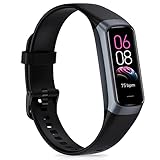
- 【All-day Health Monitor】The fitness tracker watch will automatically track your real-time heart rate, blood pressure and blood oxygen throughout the day to help you better understand your health. Equipped with a high-performance chipset, the fitness tracker automatically analyzes your overall sleep quality (deep/light/wake time) at night and gives you a nightly sleep score in the app to help you adjust your lifestyle and make you healthier.
- 【Smart Notification Remider】 With Bluetooth connection to your phone, it can support incoming calls/text alerts/APP message notifications (WhatsApp/Facebook/Instagram etc.), you will never miss your important messages. With the fitness watch, you can also perform sedentary reminder, water reminder, alarm clock, stopwatch, remote control photo, find devices, etc. to make your life healthier and smarter.
- 【25 Sports Modes】 Fitness tracker supports 25 professional sports modes, you can choose any number of sports modes as your exclusive sports modes in the app, such as walking, running, dancing, yoga, etc. and track your steps, heart rate, distance and calories to help you stay motivated, accomplish your sports goals, record your sports data, and make your sports more scientific.
- 【Long Battery Life】The fitness watch uses magnetic fast charging to provide a better battery life experience. It takes 1-2 hours to fully charge and can be used for up to 7 days of regular use and 15 days of standby. Compatible mobile phone system: android5.0 (inclusive) and IOS9.0 (inclusive) or above.
- 【1.1" AMOLED Touch Color Screen】AMOLED HD touch color screen is designed with clear and bright display, providing you with high quality touch and visual experience. This smartwatch includes a large number of original dials and supports custom dials.
Frequently Asked Questions
Which Fitbit is best for losing belly fat?
No Fitbit can target belly fat or cause fat loss. The Charge 6 is the best all-around choice for exercise tracking, while Inspire 3 or Fitbit Air may suit people who prefer a simpler or screenless wearable; results depend on sustainable habits, not the model.
Does Fitbit accurately track calories burned?
It provides an estimate, not a direct measurement. Wearable energy-expenditure estimates can have substantial and variable error, so do not use the figure as an exact eating allowance.
Is Fitbit Premium necessary for weight loss?
No. Google Health’s base tier includes activity and sleep tracking and weight, nutrition, and water logging. Premium adds coaching, adaptive plans, detailed insights, and other content.
Is Charge 6 worth it over Inspire 3?
It is worth considering if you want built-in GPS, more exercise modes, or more workout feedback on the device. For basic walking, steps, and sleep tracking—especially if you carry your phone—the Inspire 3 is the lower-cost option.
Recommended Free Tools
Is Fitbit Air better than Inspire 3?
Only if its screenless, lightweight design suits you better. Air requires the app for progress checks and has no built-in GPS; Inspire 3 has a display and a longer quoted battery estimate.
Best Value

- Inspire 3 is the tracker that helps you find your energy, do what you love and feel your best – all you have to do is wear it;
- Compatible with Apple iOS 16.4 or higher and Android OS 11.0 or higher
- Move more: Stay motivated with a Daily Readiness Score, Active Zone Minutes, all-day activity tracking and 24/7 heart rate, 40+ exercise modes, automatic exercise tracking, and reminders to move
- Stress less: Keep an eye on your well-being with a daily Stress Management Score, mindfulness sessions, relax breathing sessions, irregular heart rhythm notifications, SpO2, menstrual health tracking, resting heart rate, and more[1,2]
- Sleep better: Automatic sleep tracking, a daily detailed Sleep Score, smart wake vibrating alarm, and sleep mode help you improve your sleep quality[3]
Which Fitbit has built-in GPS?
Among the devices discussed here, Charge 6, Versa 4, and Sense 2 have built-in GPS. Inspire 3 and Fitbit Air rely on a connected phone for route tracking.
Can Fitbit work with iPhone?
Google lists iOS 16.4 or newer for Google Health-compatible devices. Check the current compatibility requirements for your phone and device before purchase.
Can I use Fitbit without a subscription?
Yes. Basic activity and sleep tracking and logging features are available in Google Health’s base tier; Premium is optional for additional coaching, insights, and content.
Which Fitbit is best for walking?
For casual walking and core tracking, Inspire 3 is a good budget pick. Choose Charge 6 if you want built-in GPS, richer workout feedback, or expect to add other types of exercise.
Which Fitbit is best for running?
Charge 6 is the strongest tracker-band choice in this comparison because it has built-in GPS and extensive exercise tracking. Versa 4 and Sense 2 also have GPS; choose based on whether you want a larger watch interface or specific extra wellness features.
Is Fitbit safe for people with medical conditions?
Wearable data is supplementary, not a substitute for clinical advice or diagnosis. People with medical conditions or medically supervised plans should follow their clinician’s guidance about activity, weight tracking, and device readings.
What happens if I stop wearing it or stop Premium?
If you stop wearing the device, it stops collecting new wearable measurements, though previously synced records may remain in your account. If you cancel Premium, extra membership benefits may end according to the terms; check the account’s renewal and cancellation details.
Do these 3 things before closing this tab:
1Scan for outdated or missing drivers - takes under a minute2Repair Windows errors before they cause bigger problems3Fix the driver behind crashes, sound loss and screen glitchesQuick Recap
Product prices and availability are accurate as of the date/time indicated and are subject to change. Any price and availability information displayed on Amazon at the time of purchase will apply.

